



























:format(jpeg) "Balcony Lighting")
:format(jpeg) "Outlet")
:format(jpeg) "Lucande")
:format(jpeg) "Outdoor inspiration")
:format(jpeg) "Portable Lights")
Portable lights for outdoors
Enjoy maximum flexibility with battery-operated outdoor lamps.
:format(jpeg) "Contact a customer advisor")
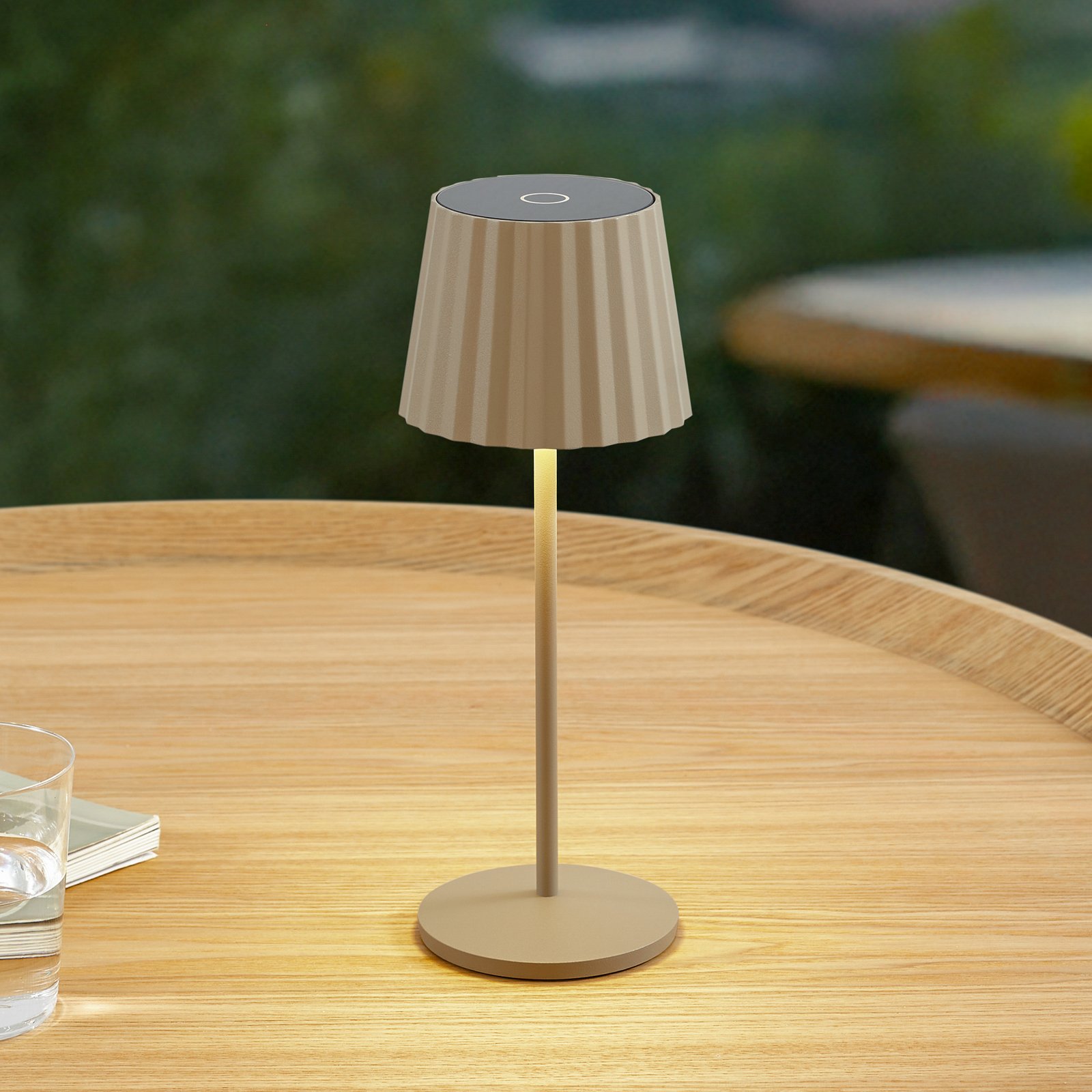
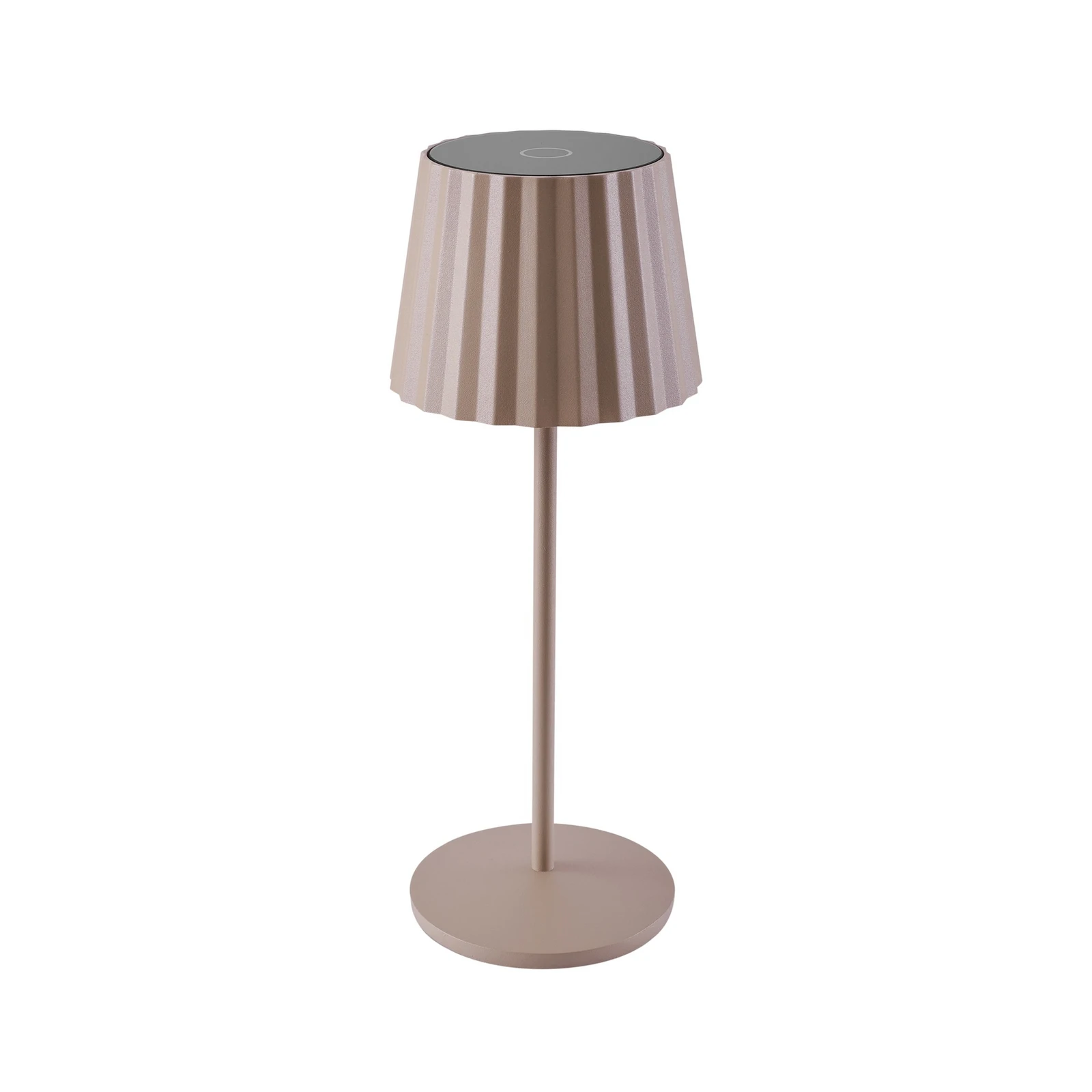
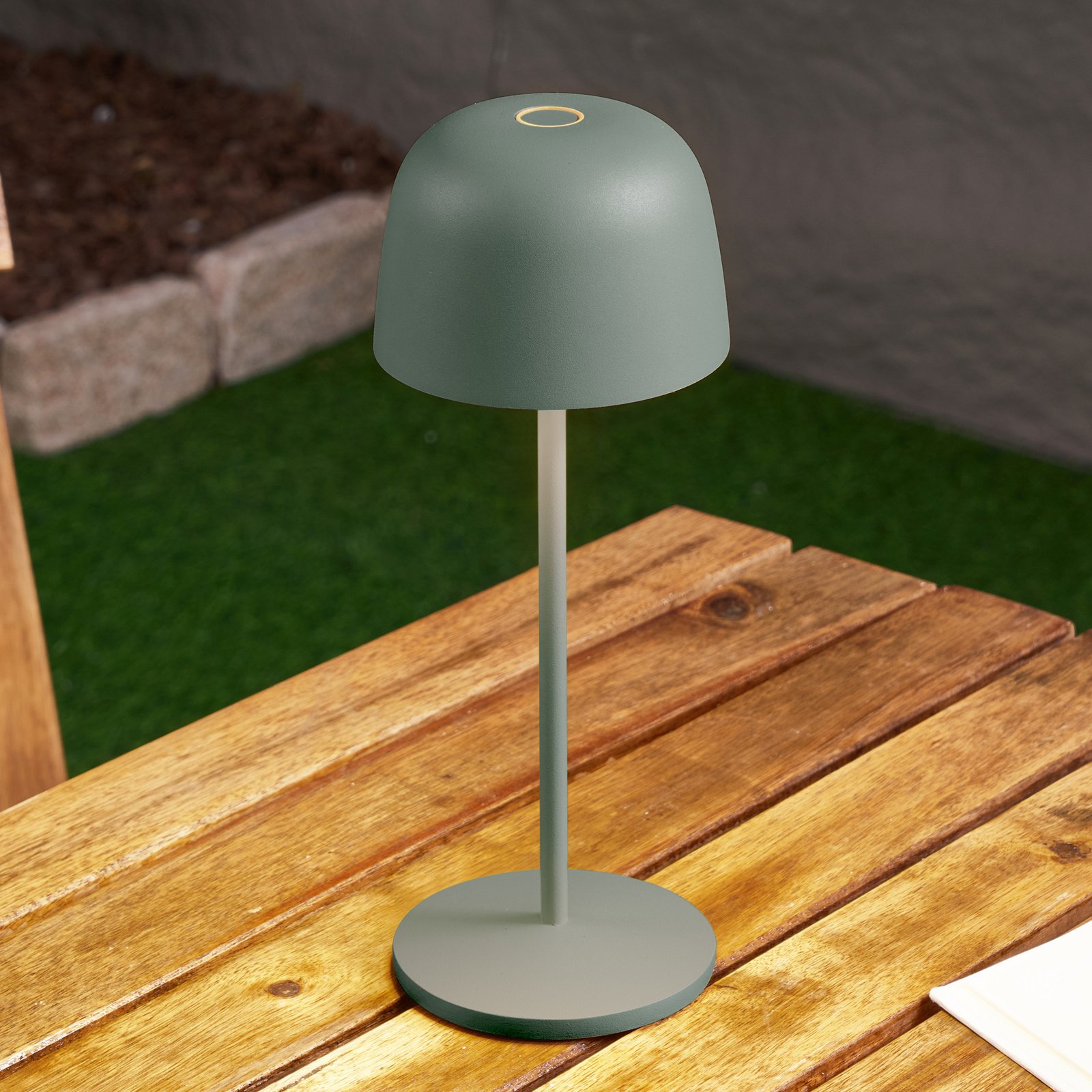
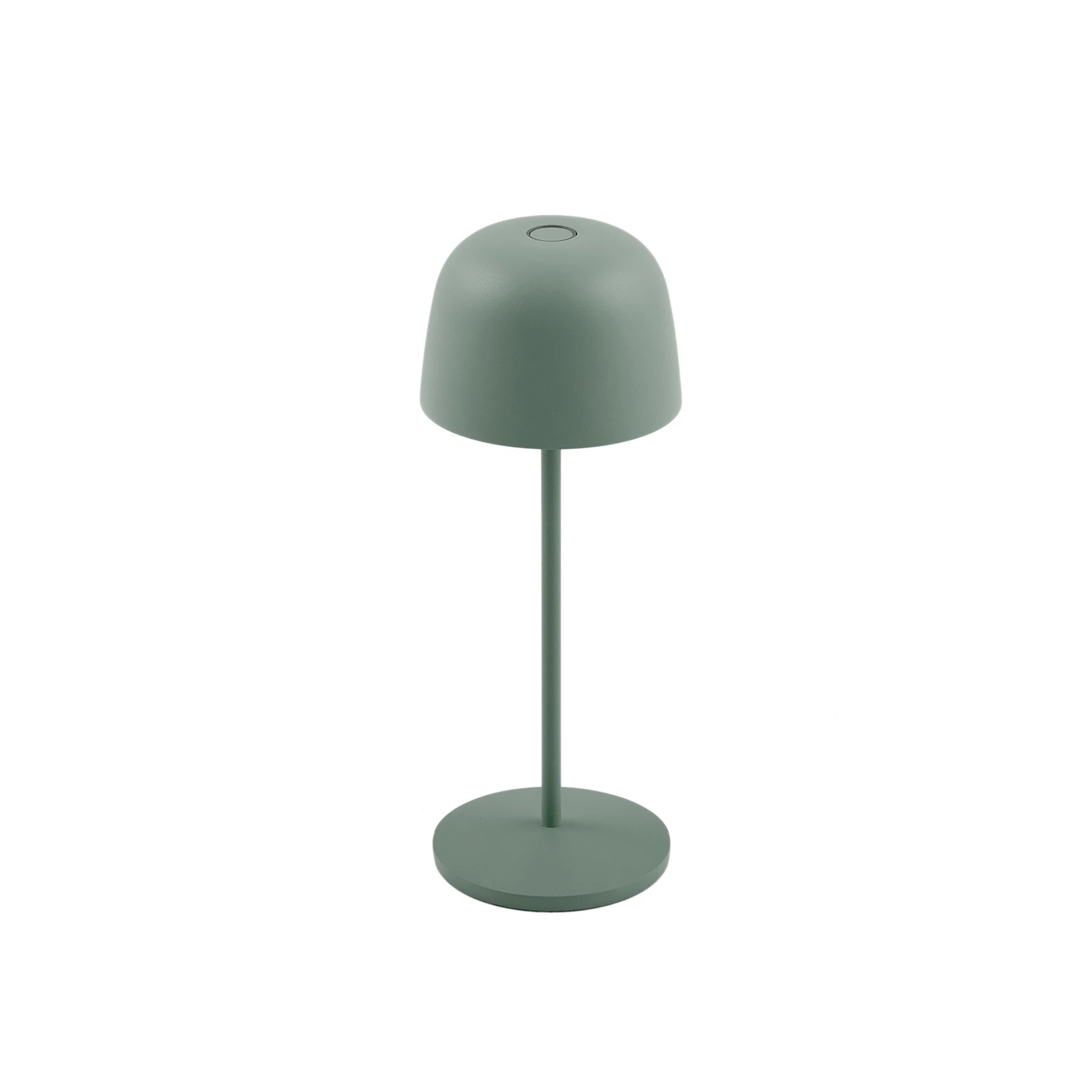
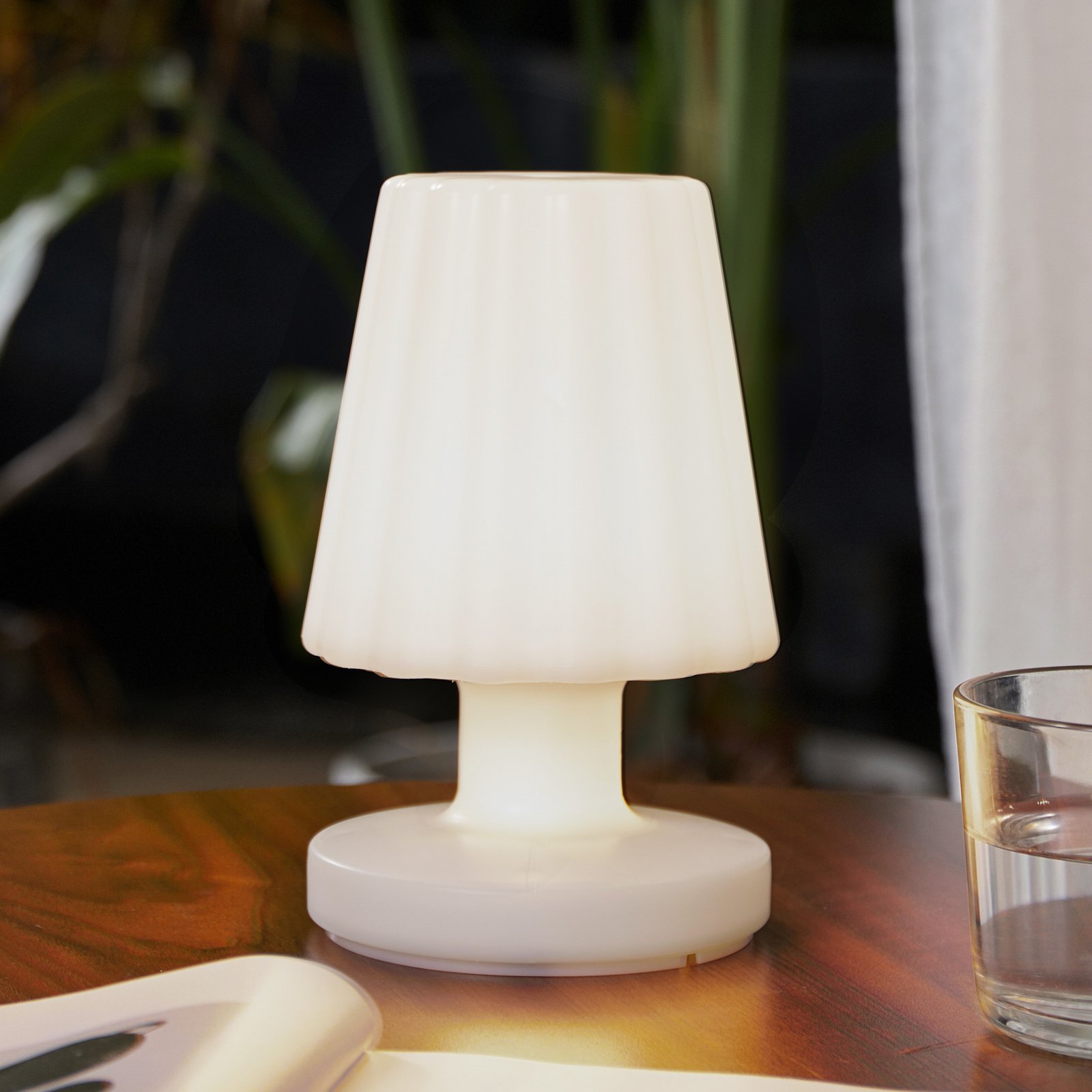
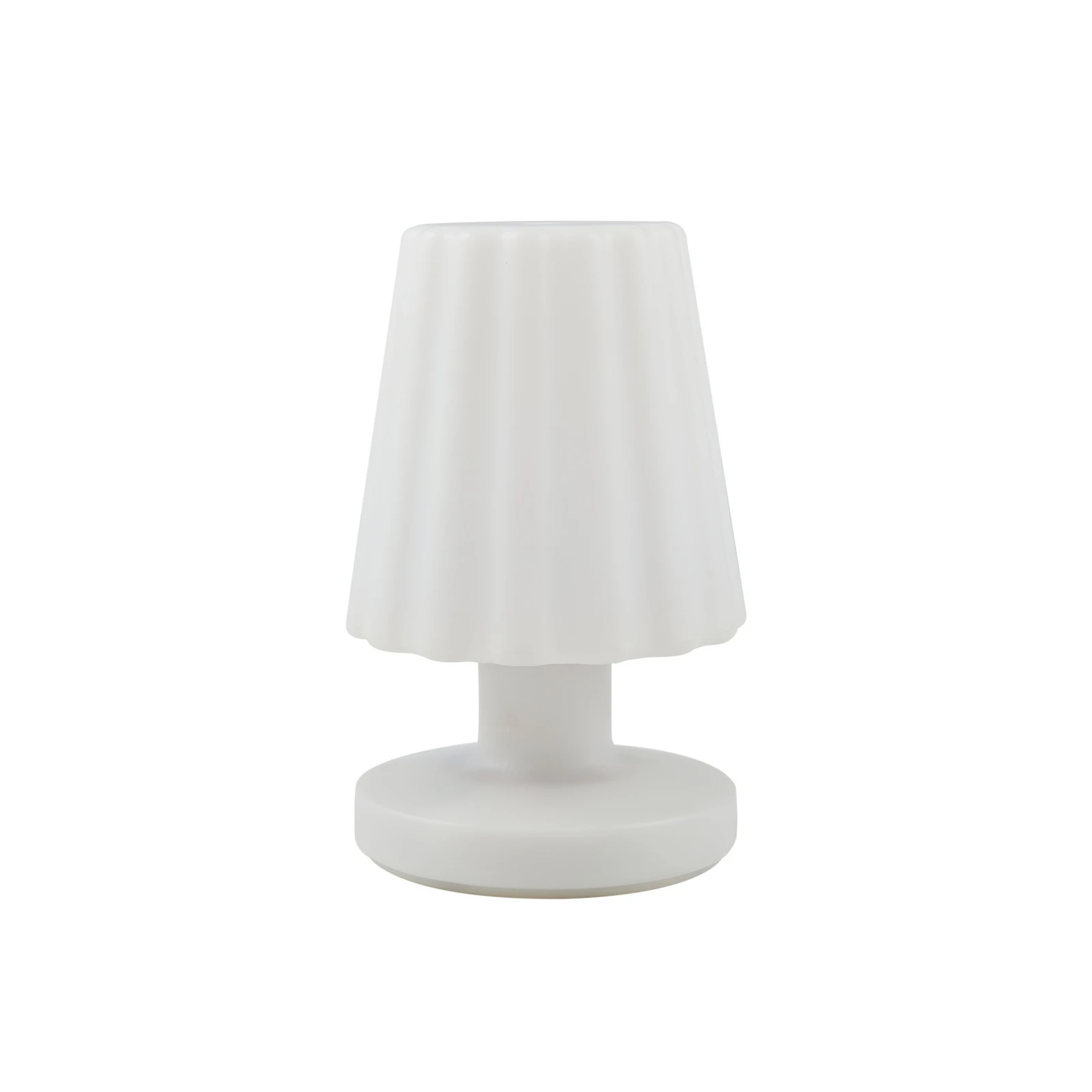
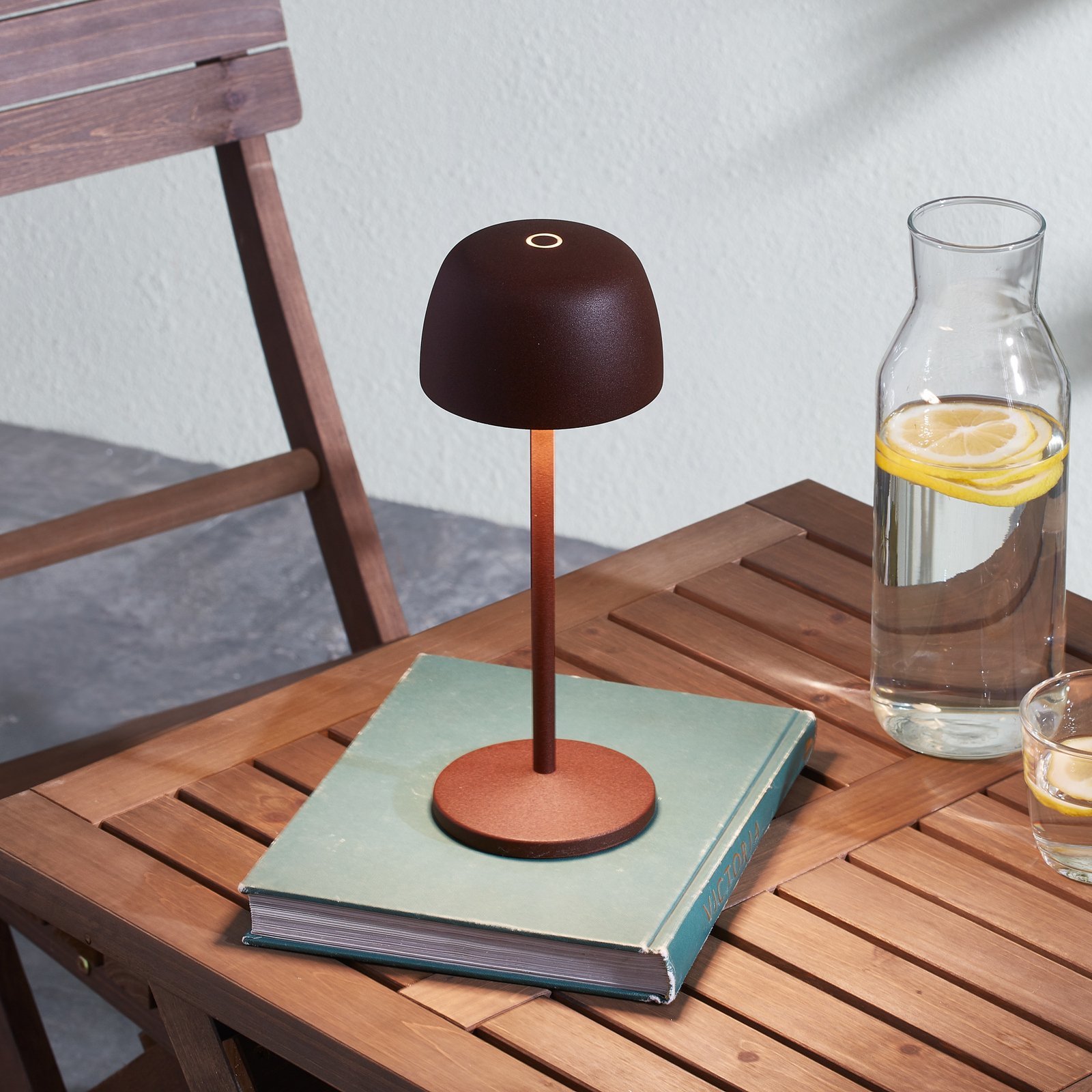
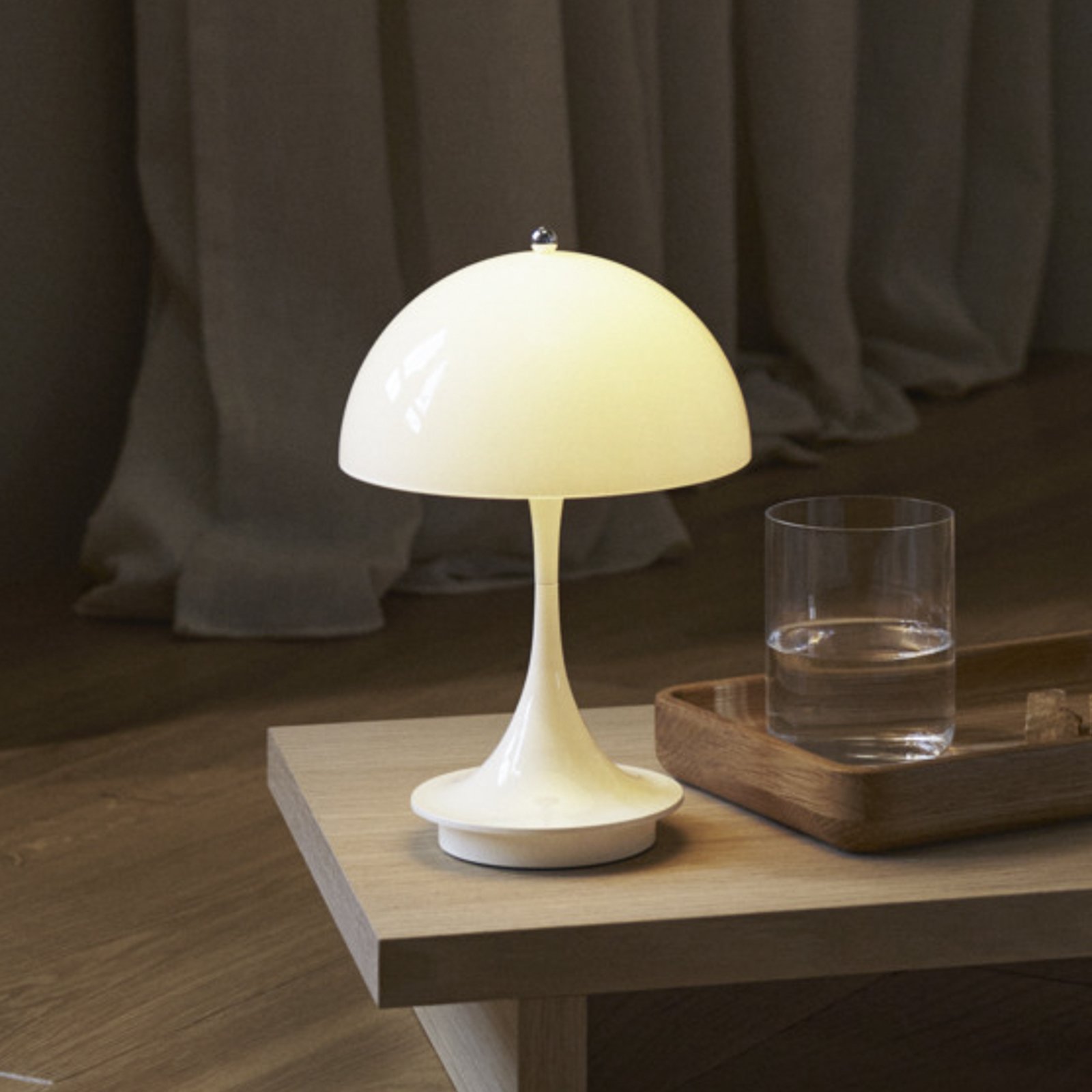
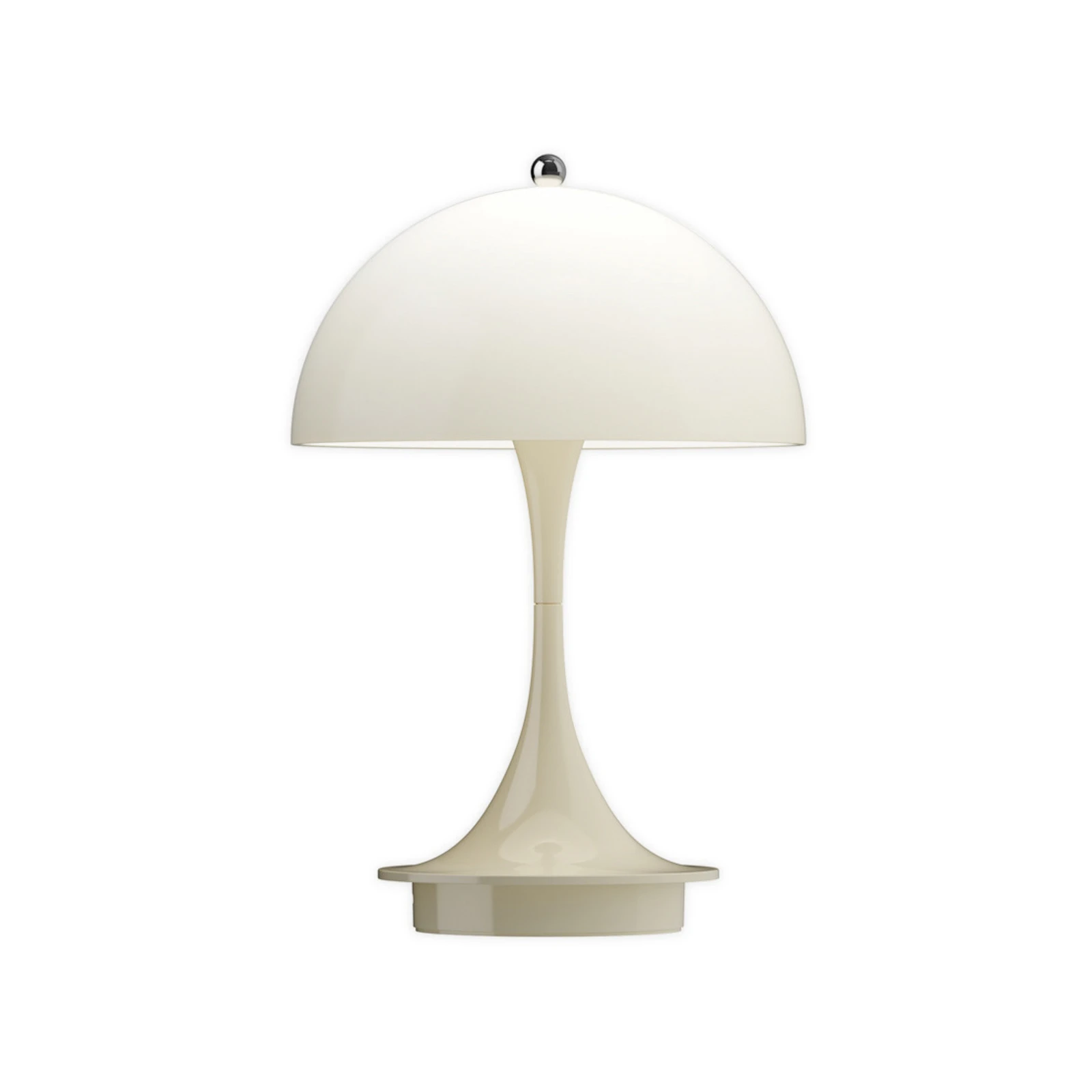
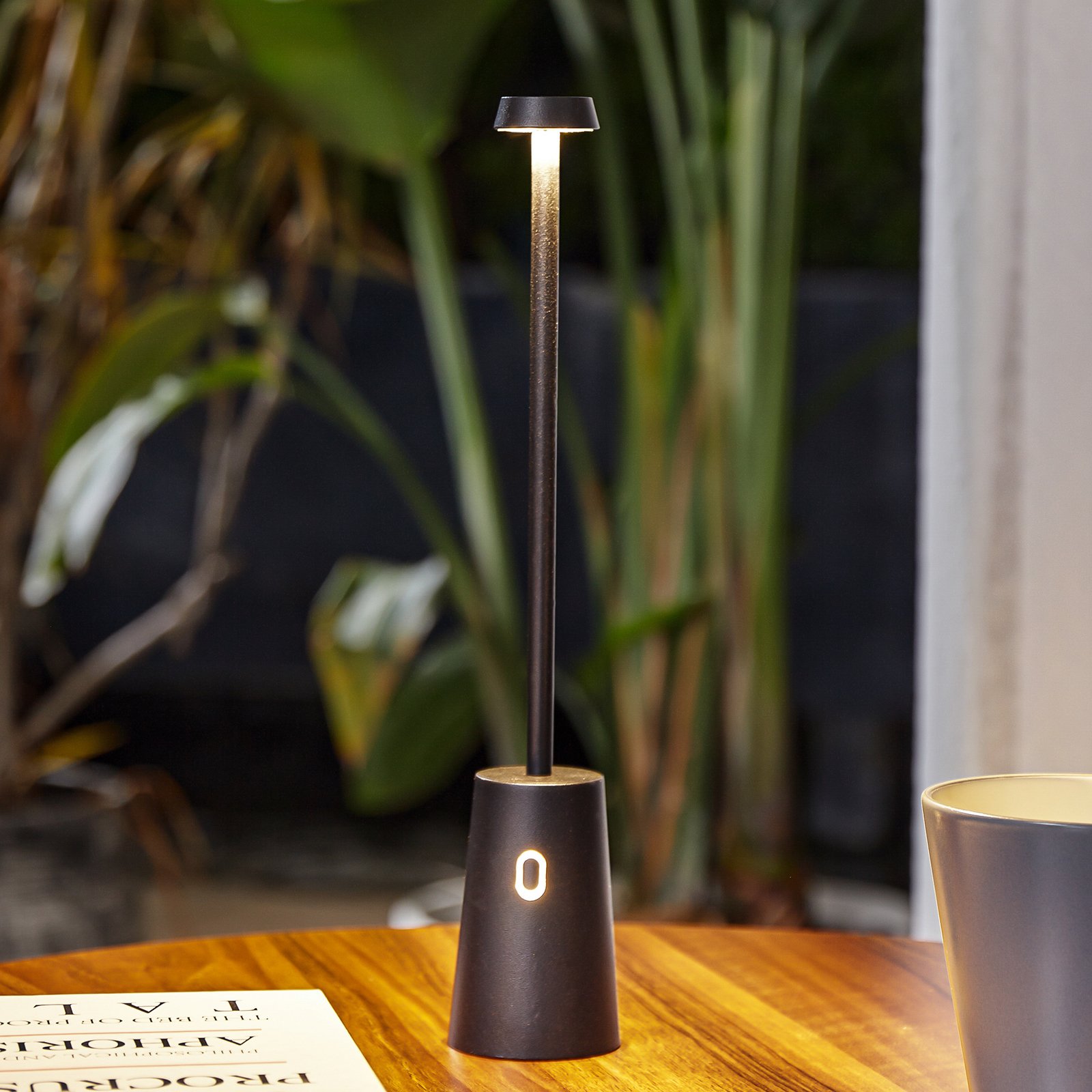
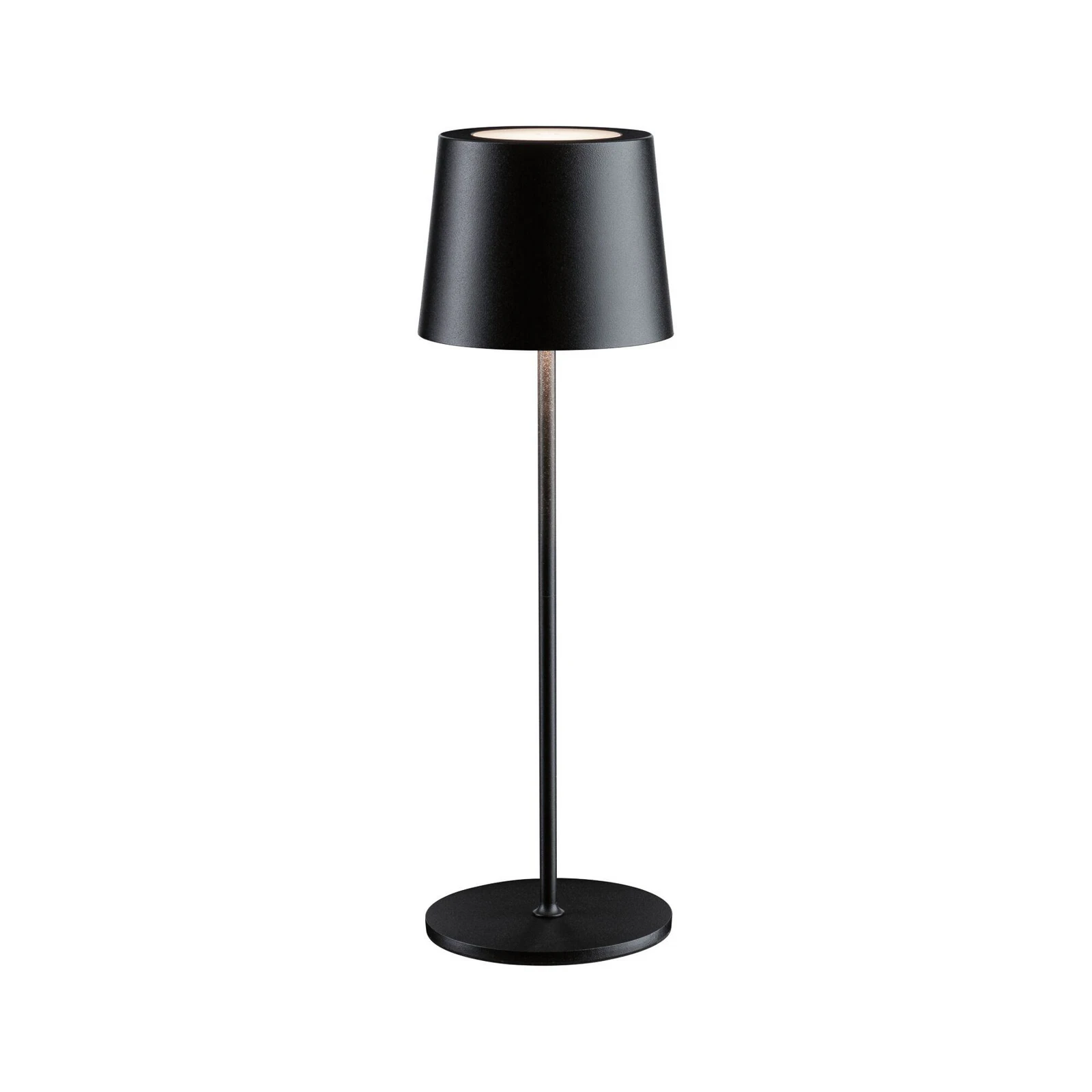
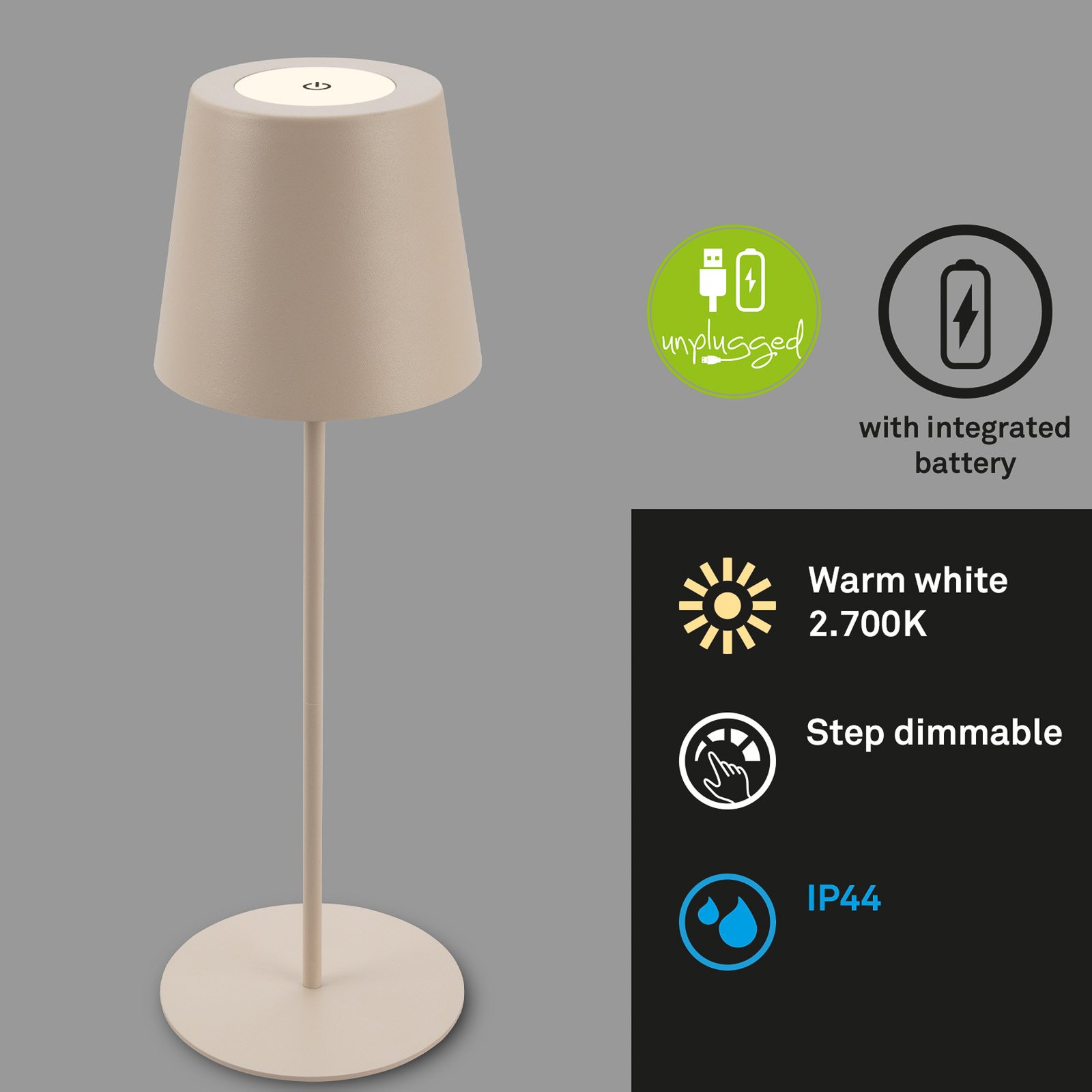
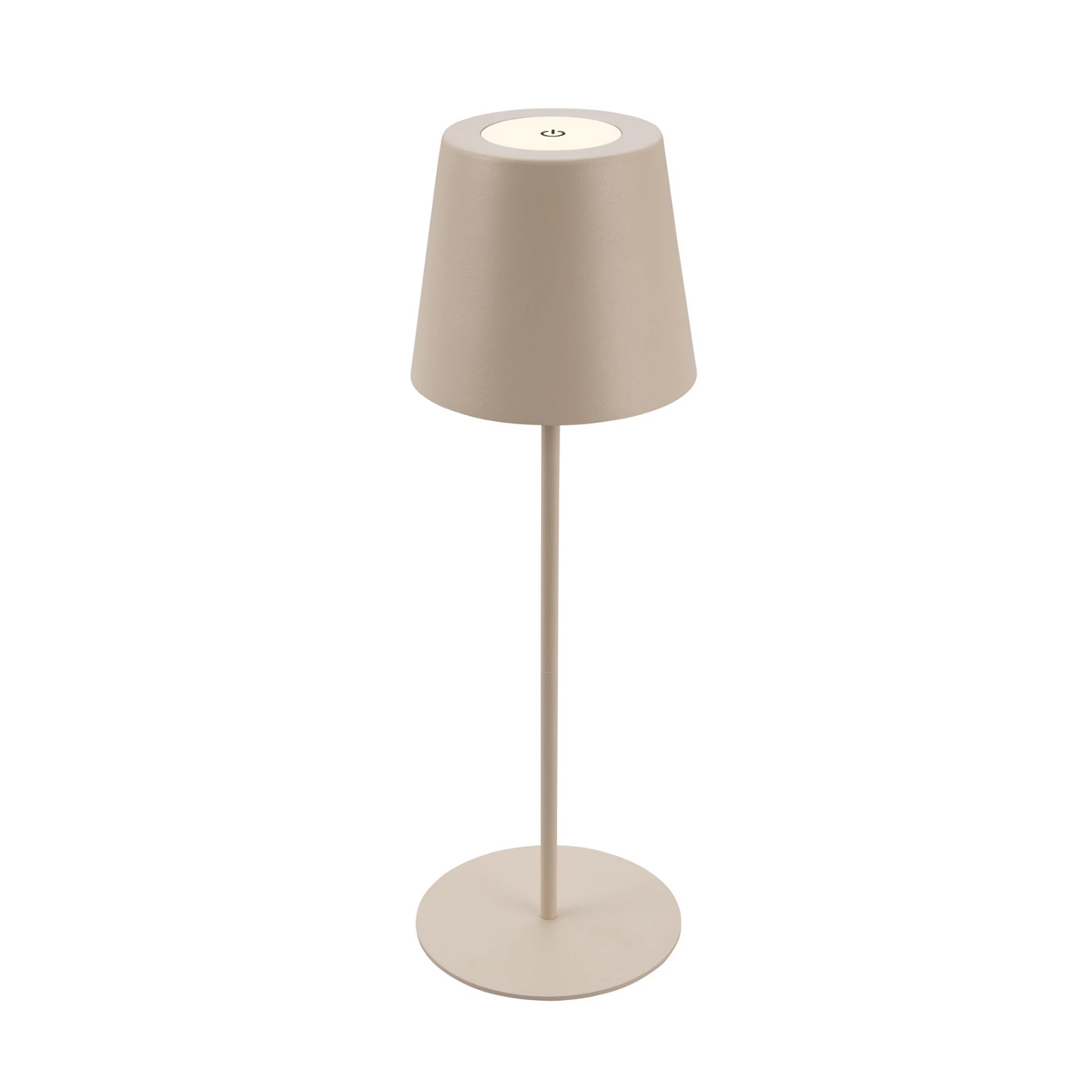
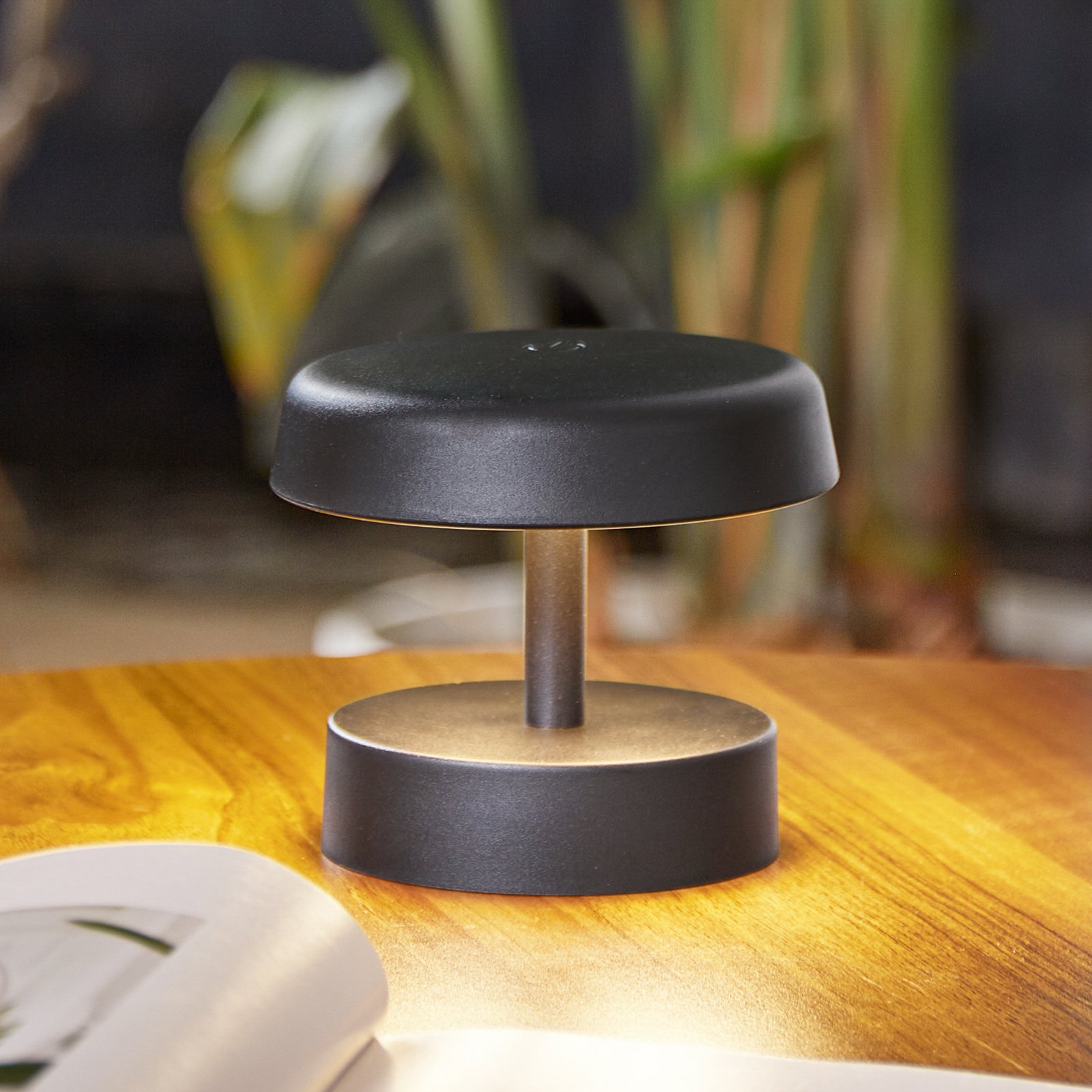
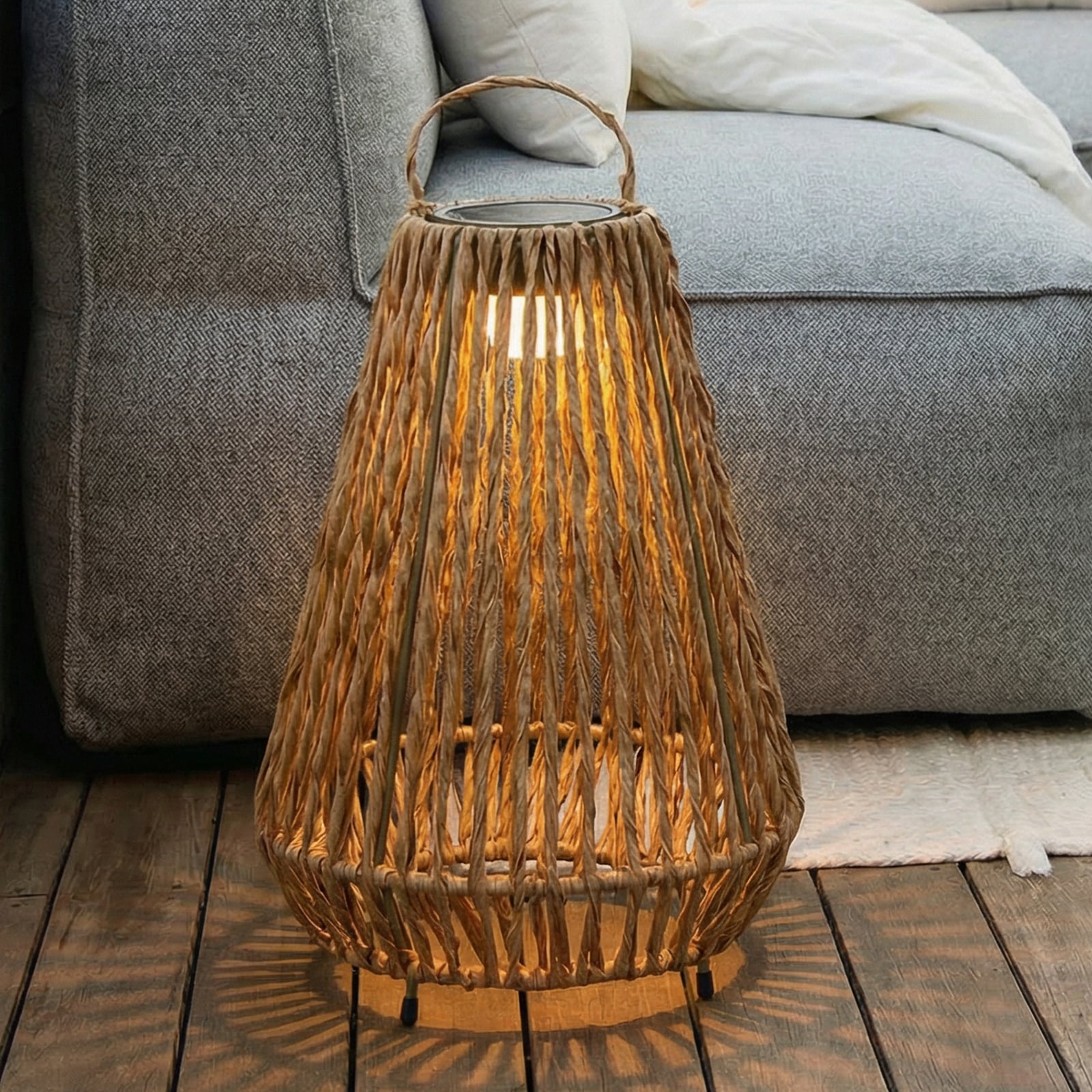
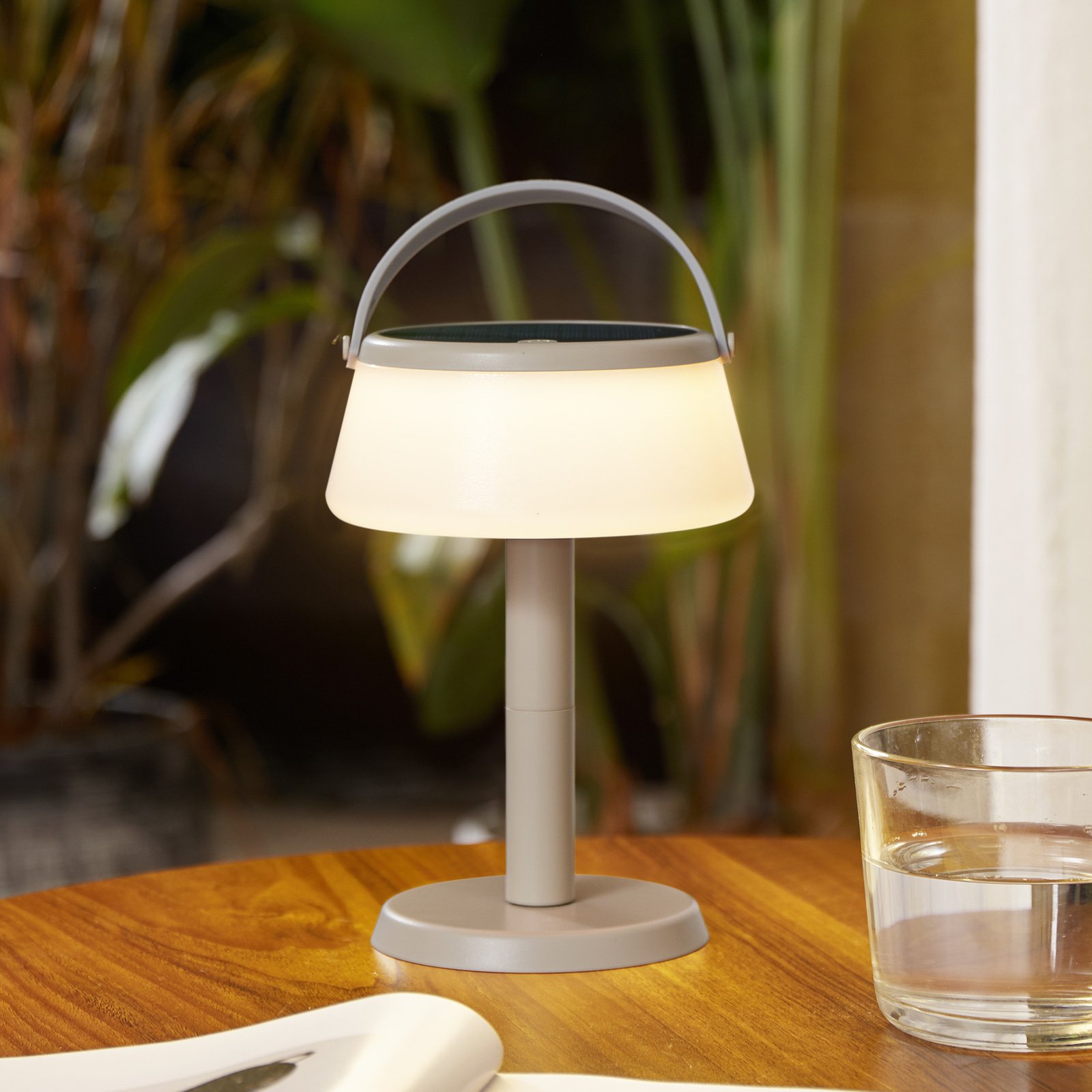
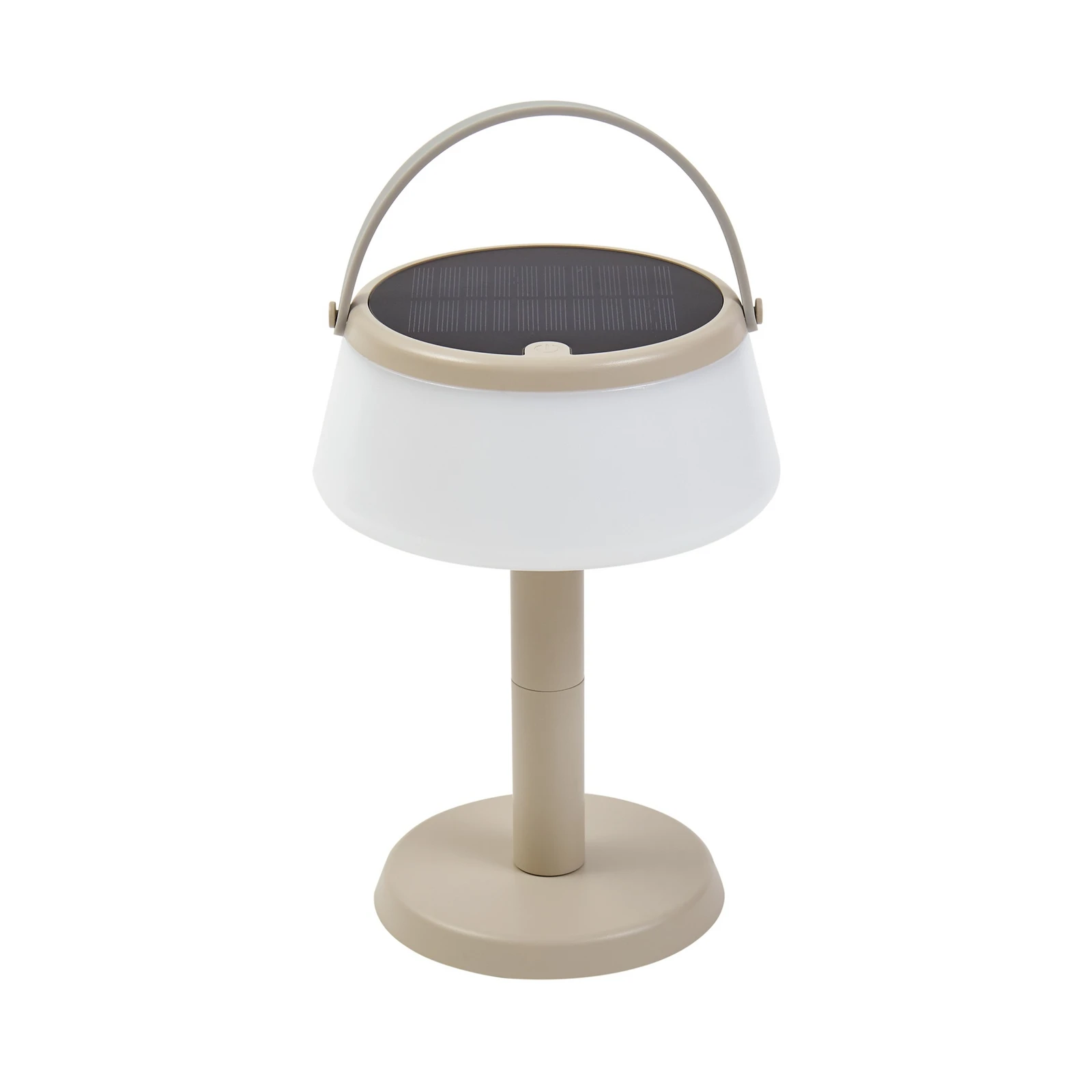
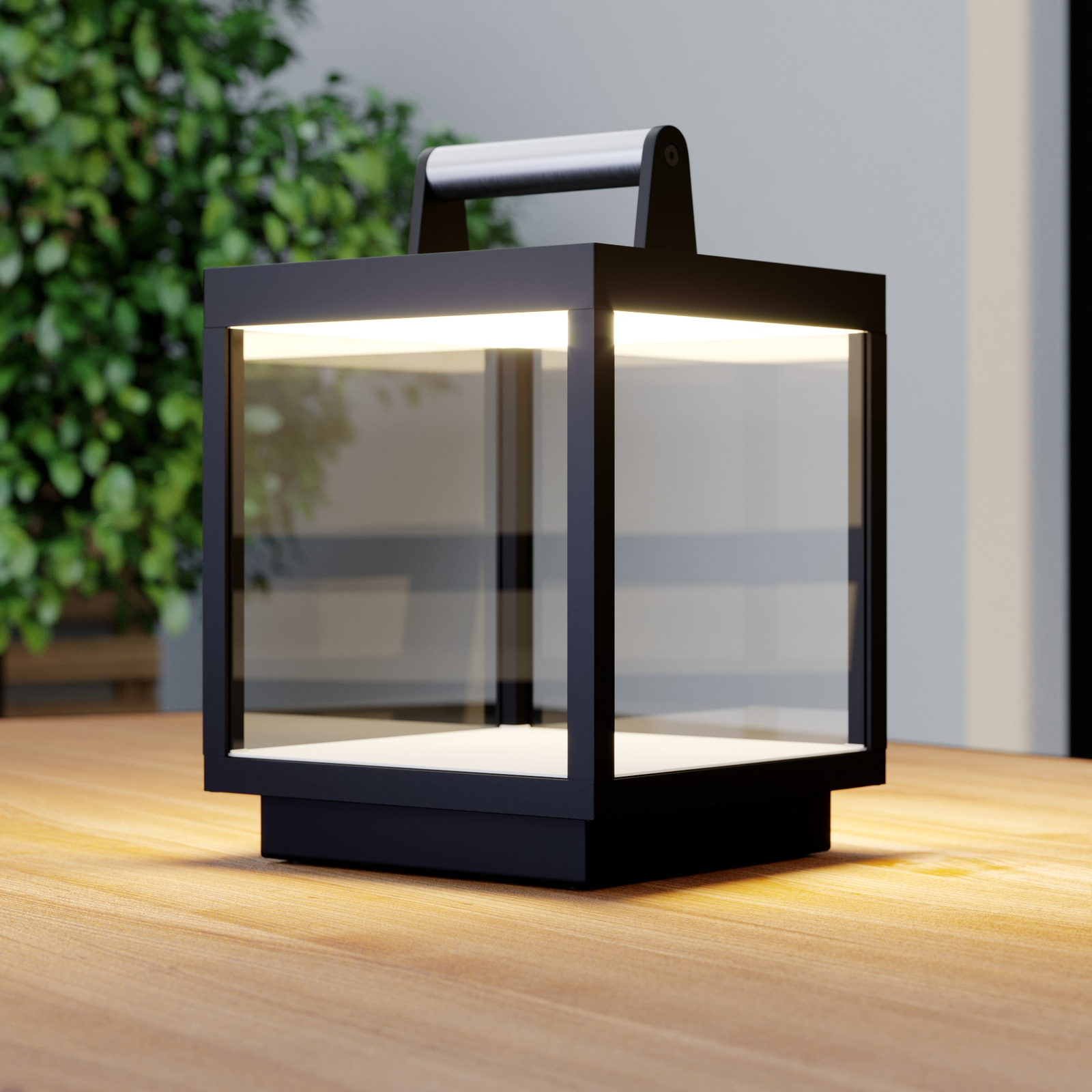
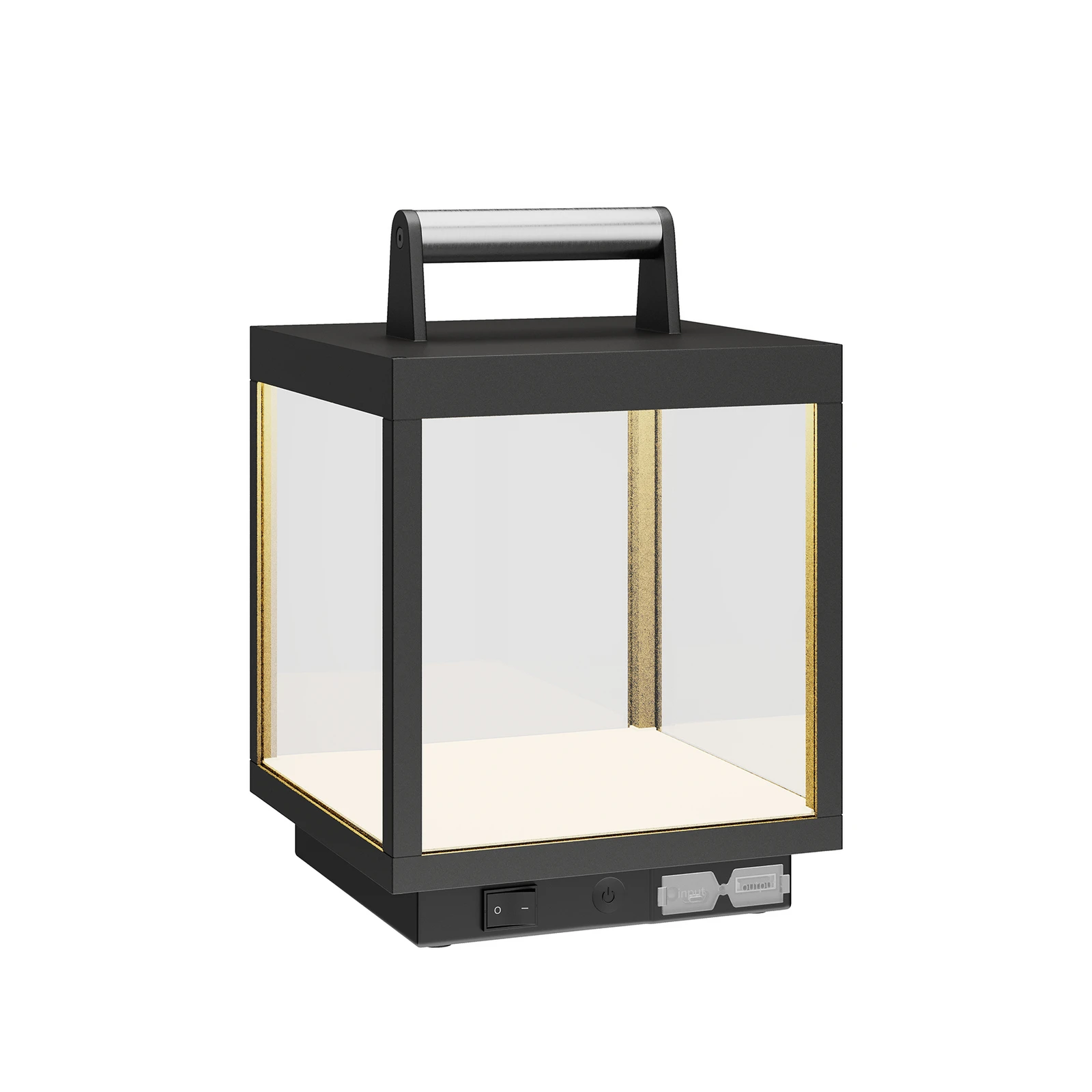
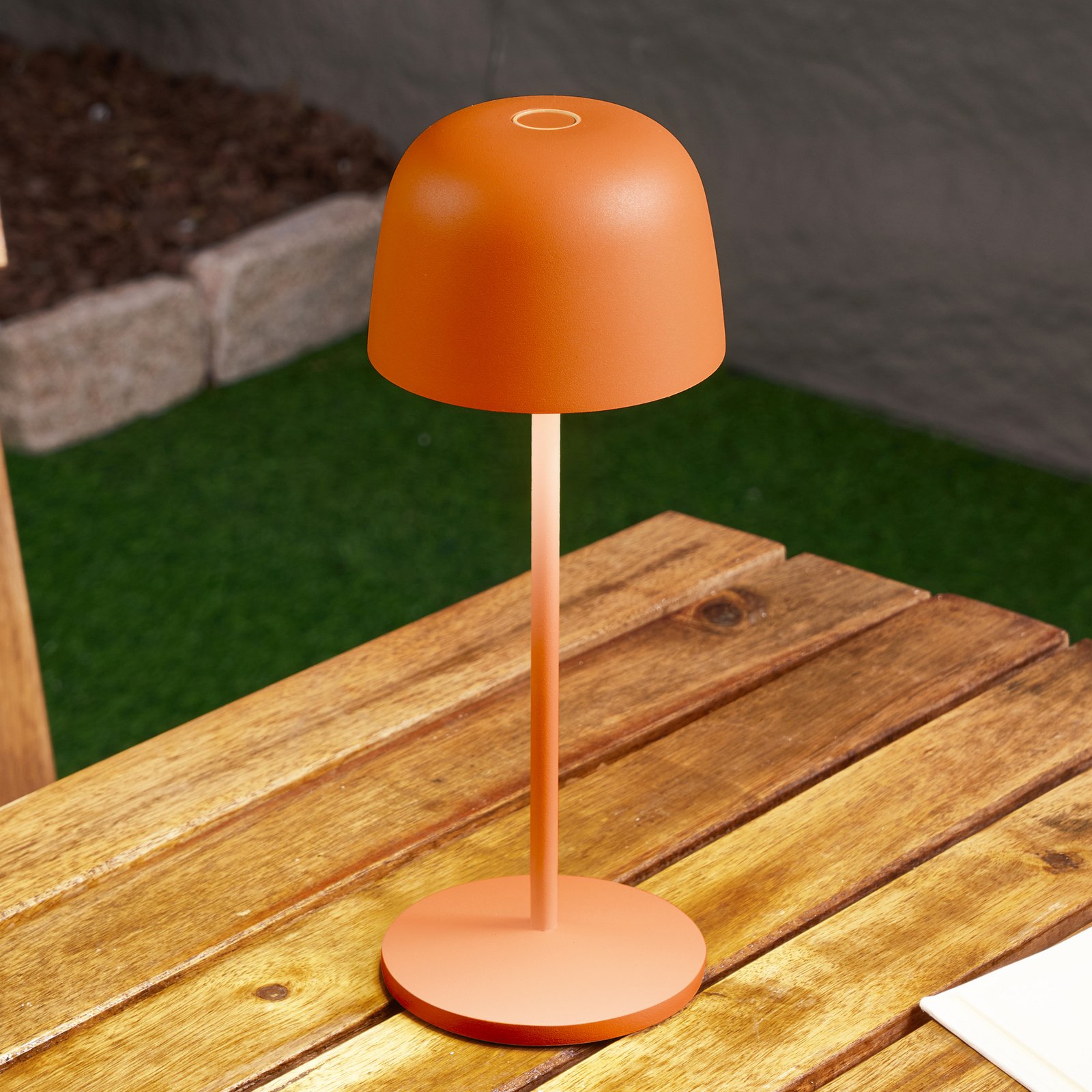
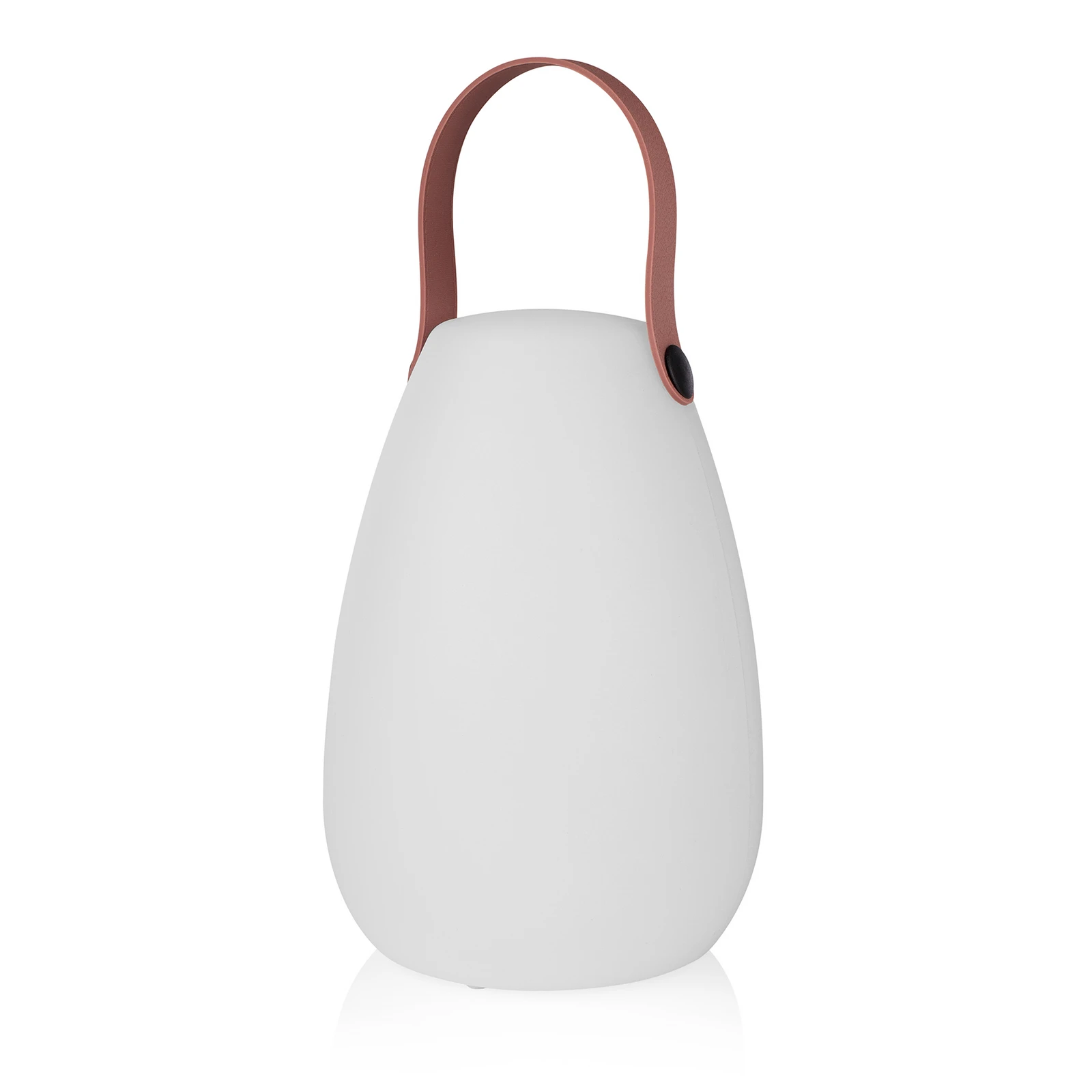
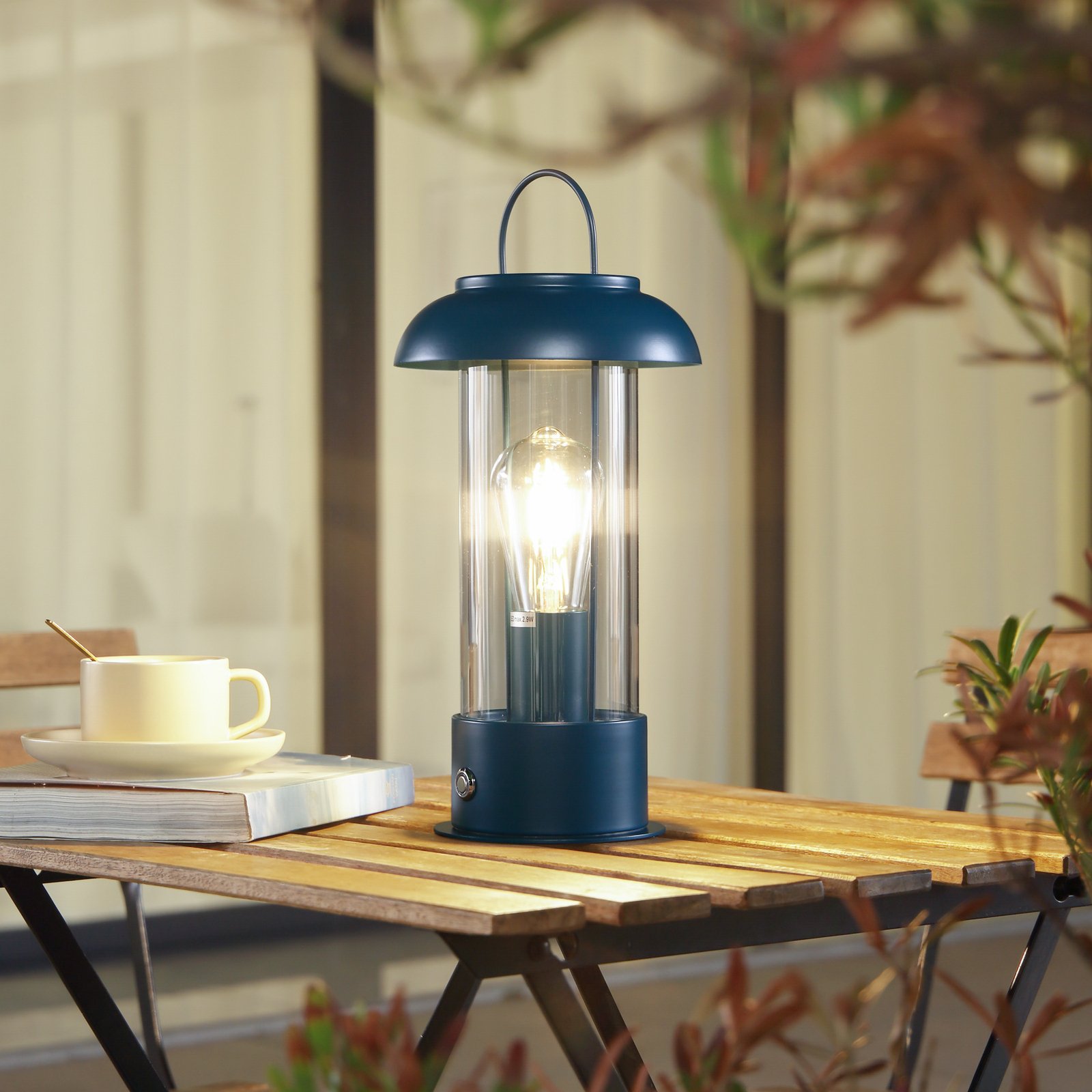
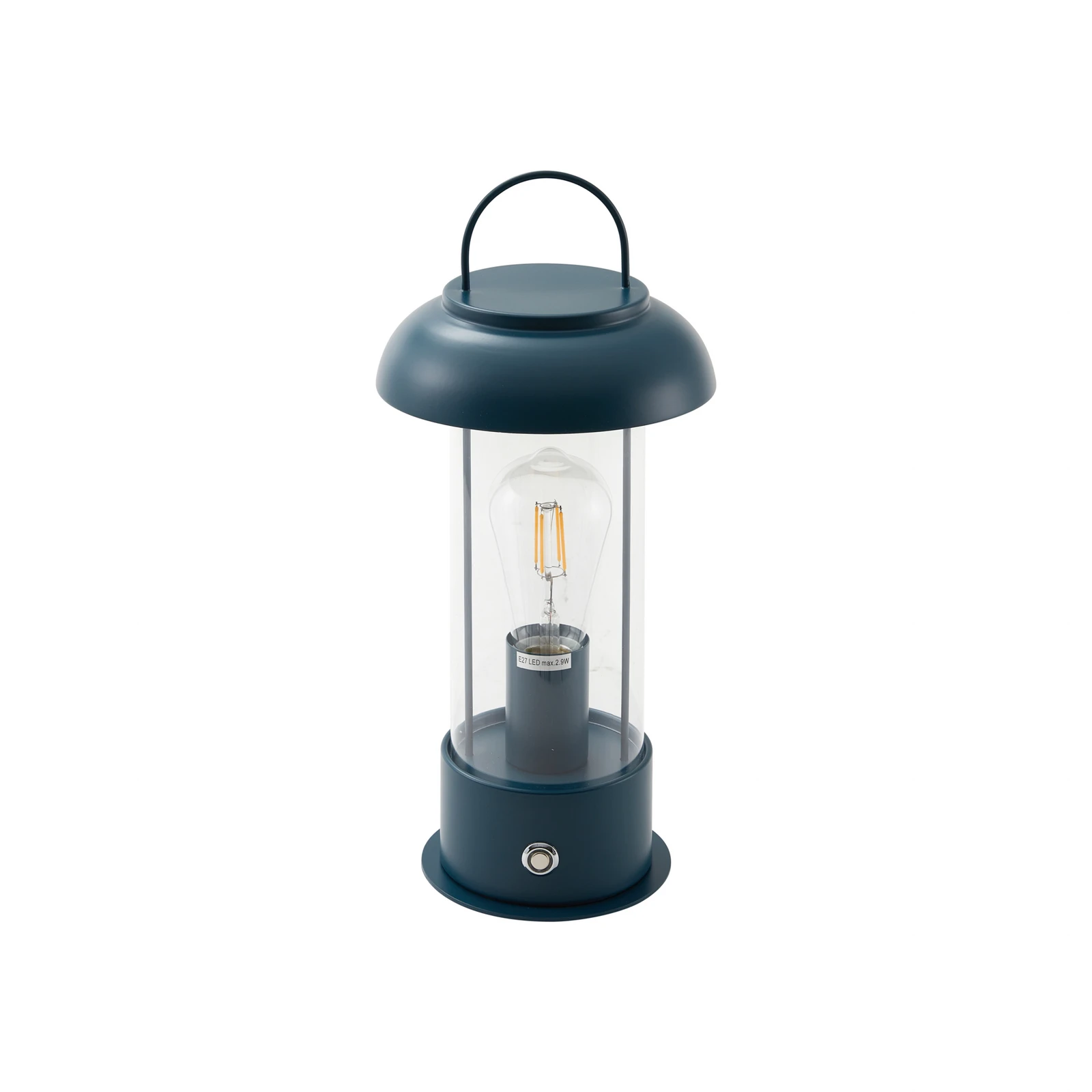
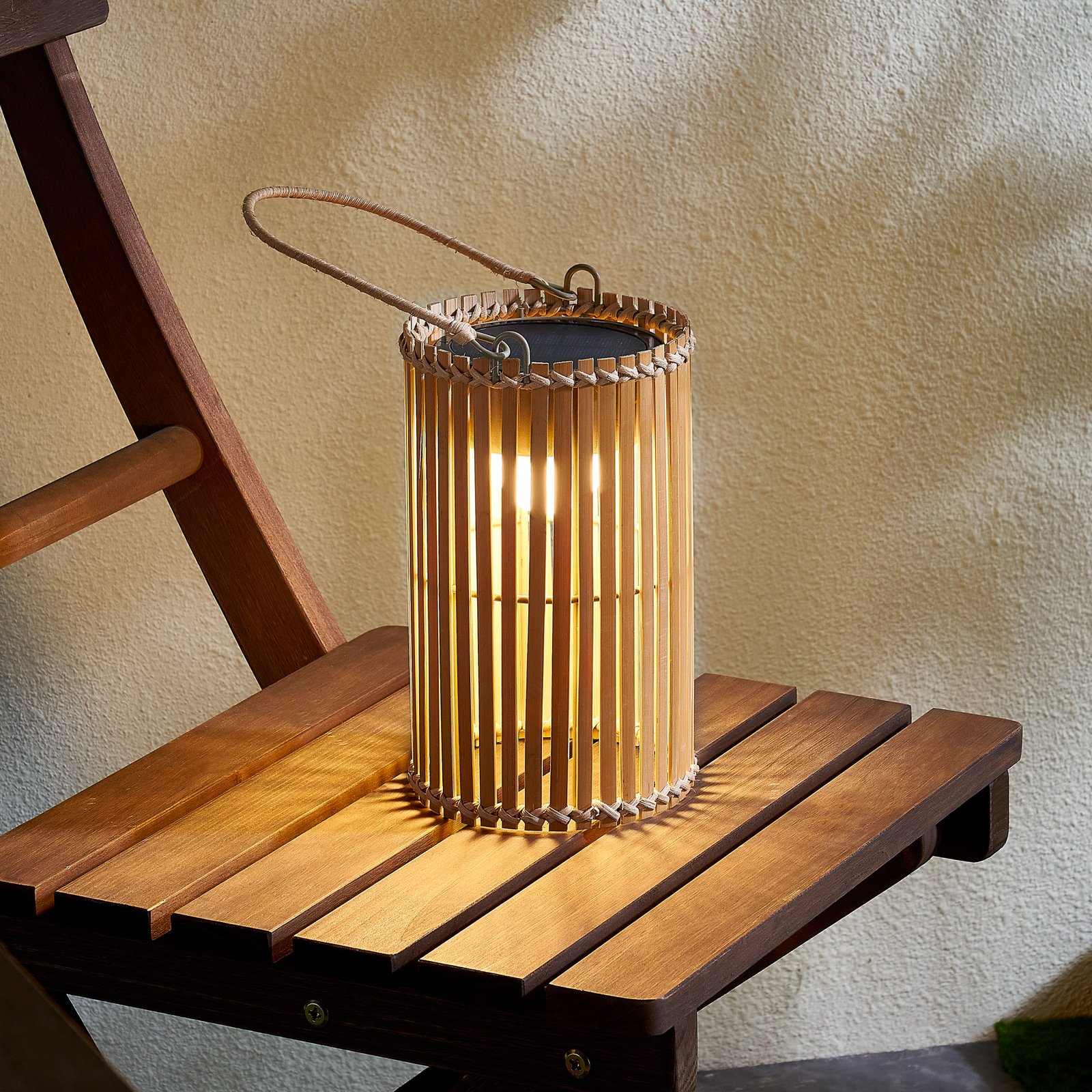
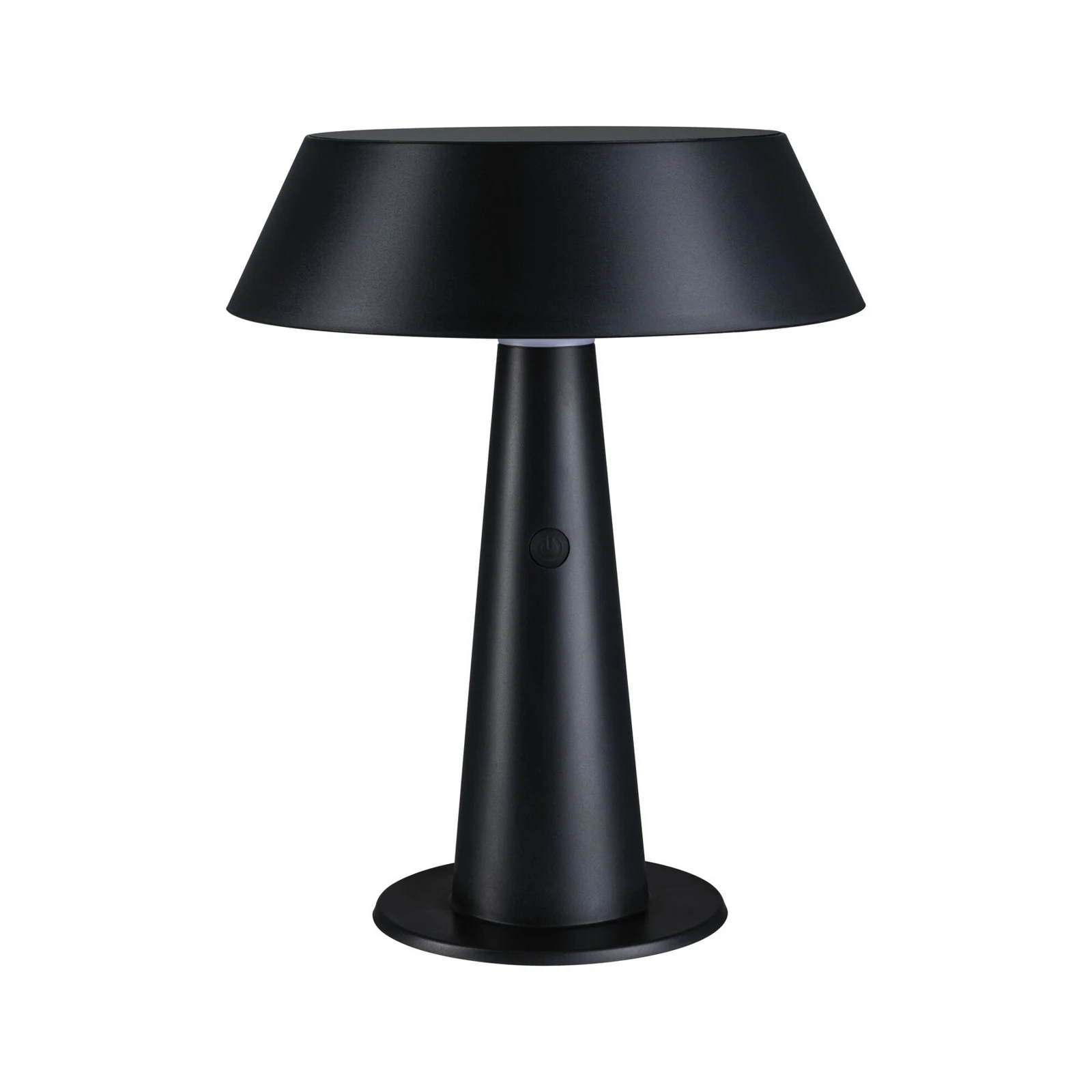
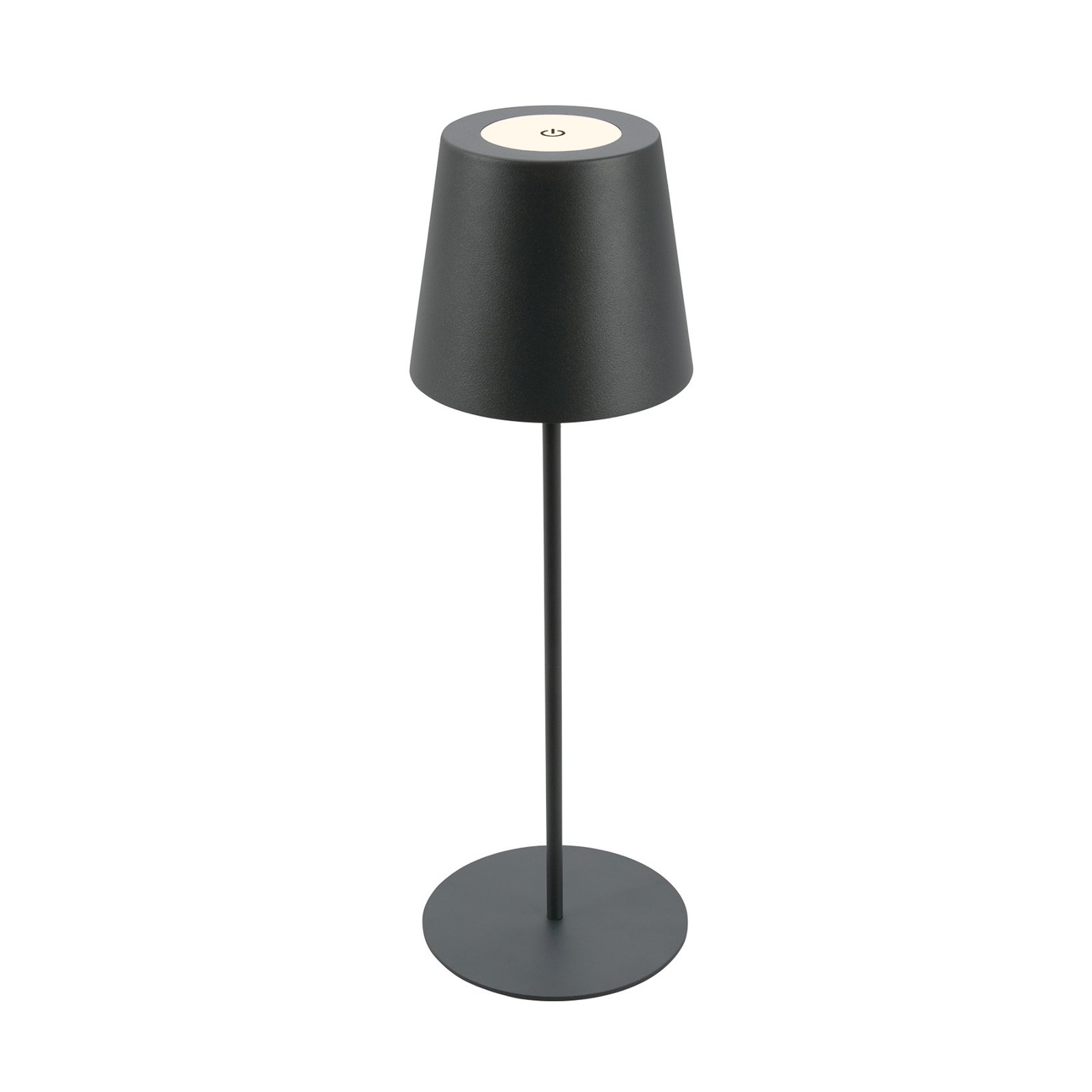
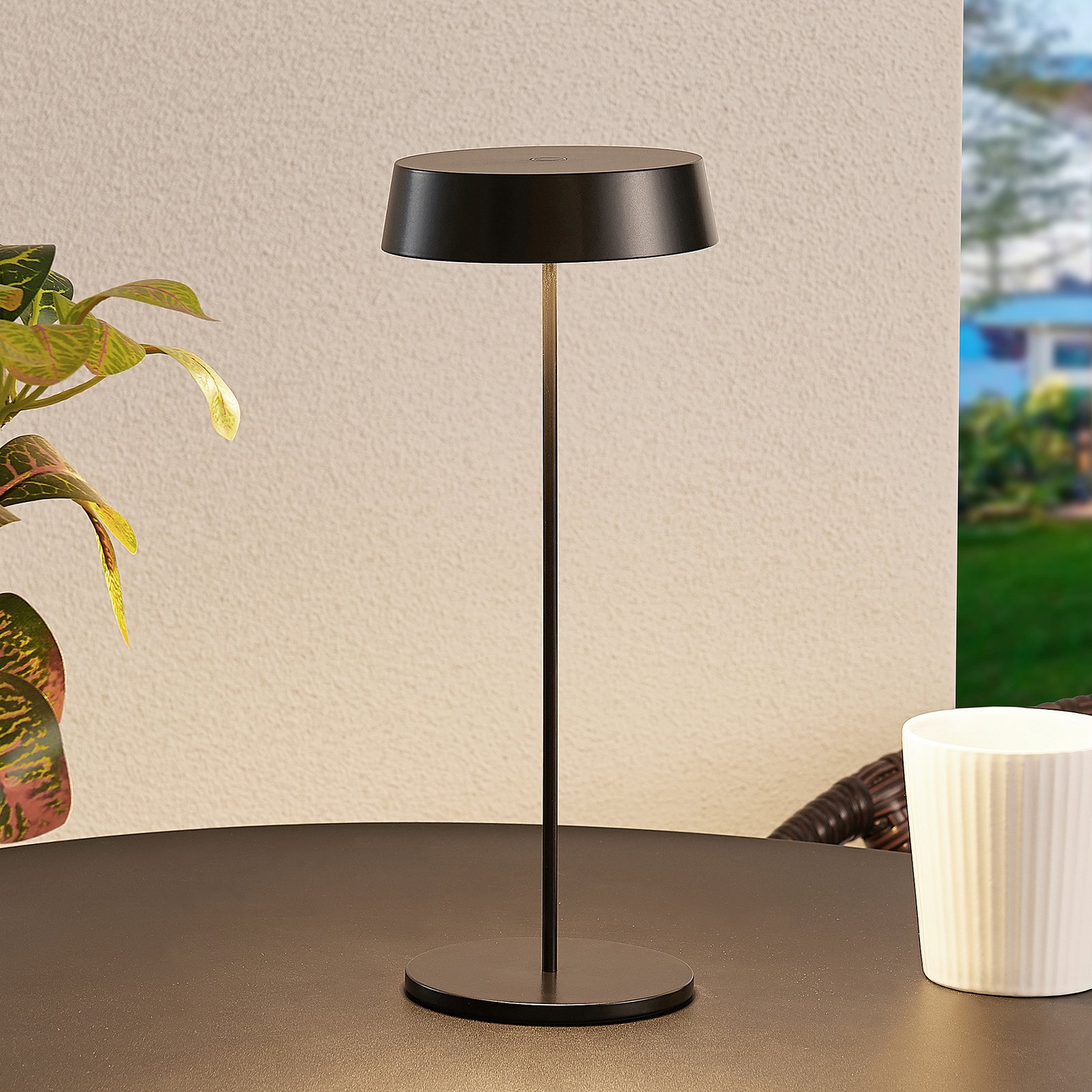
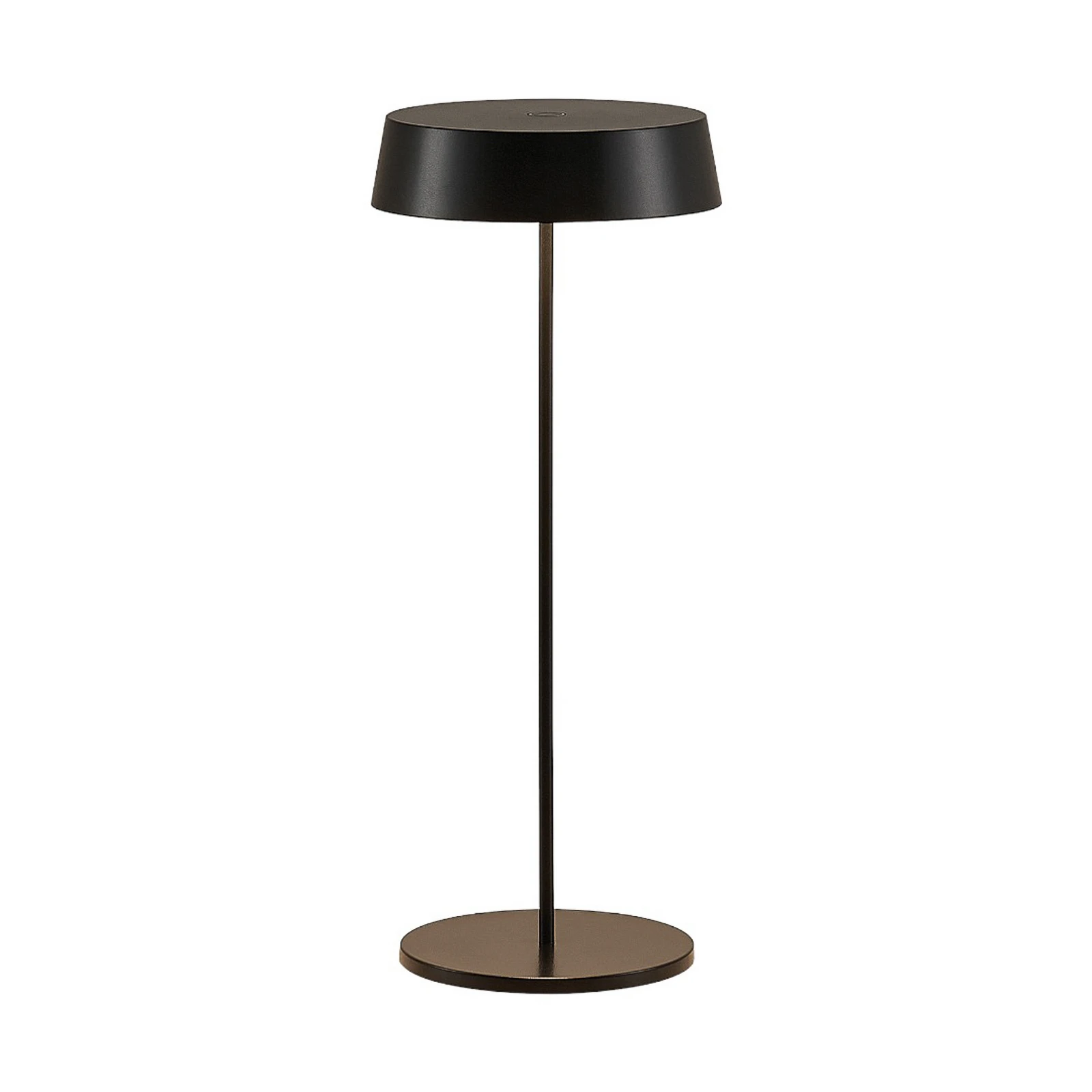
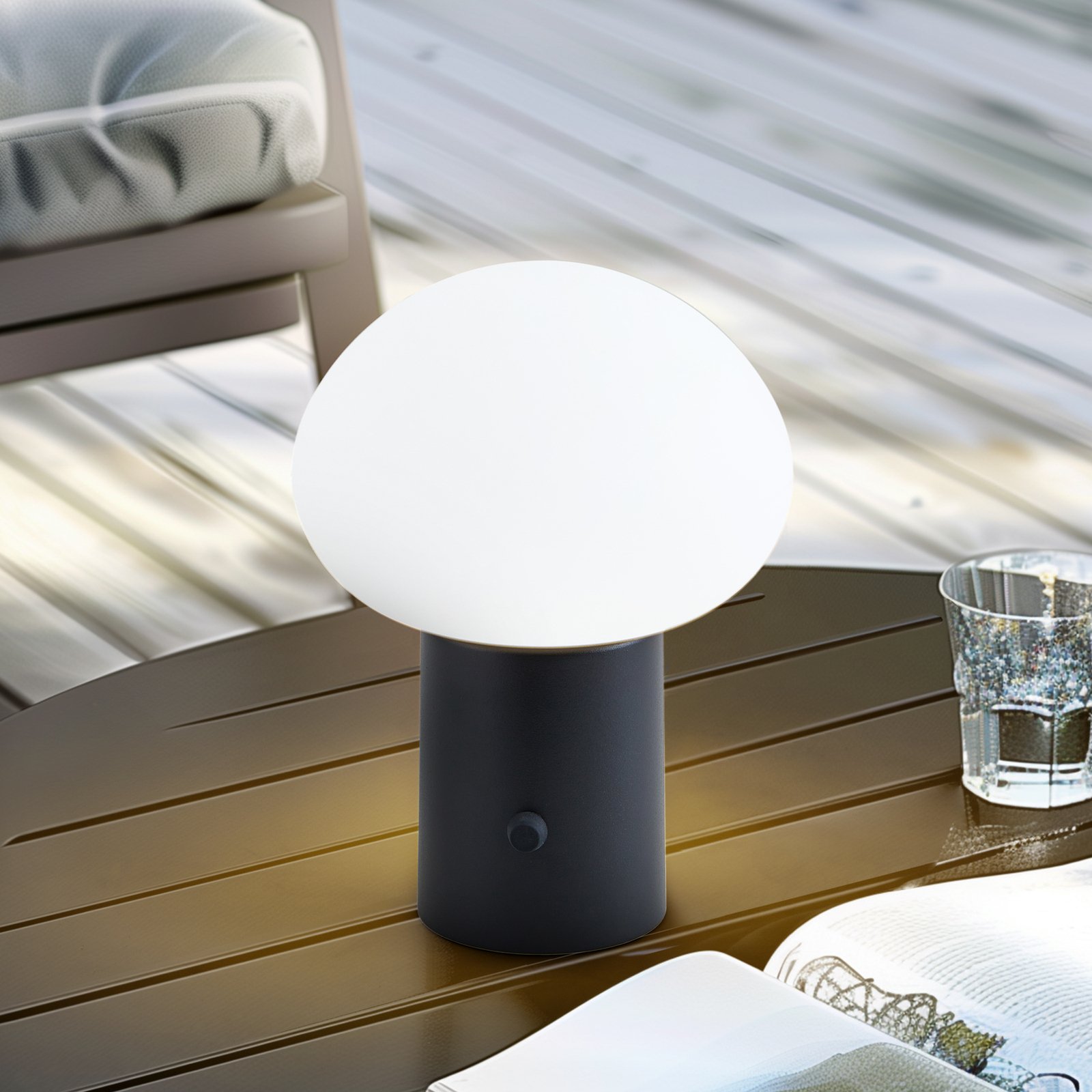
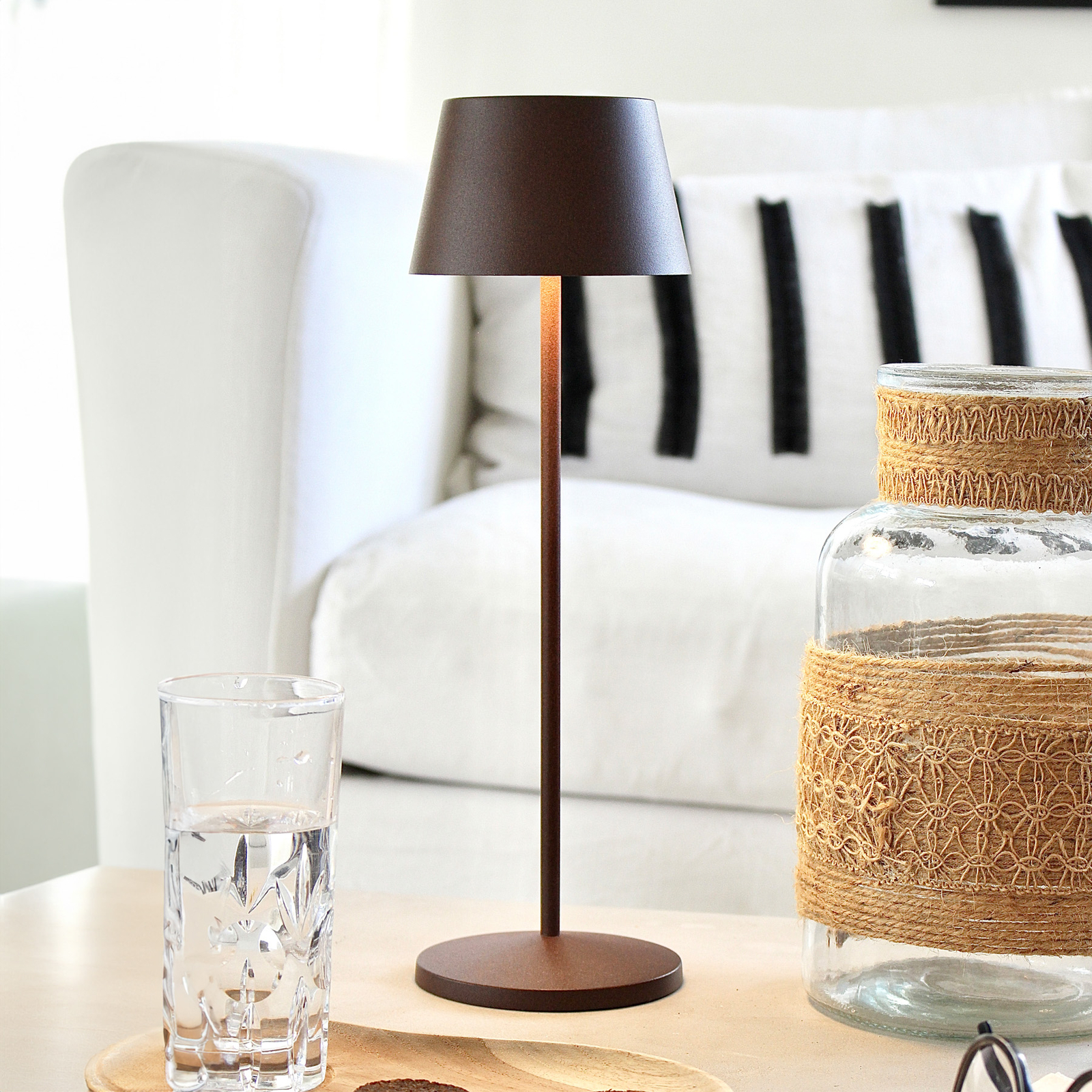
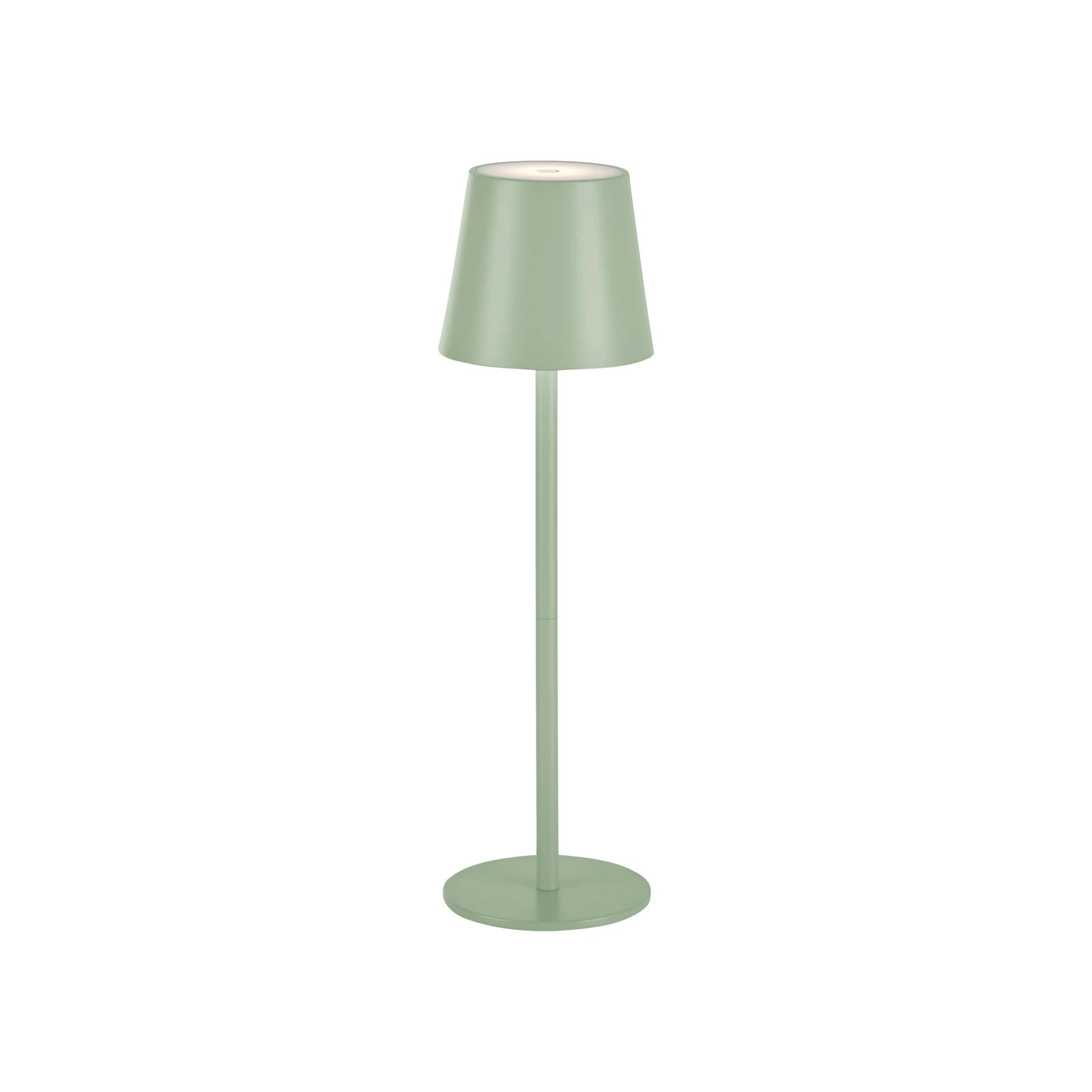
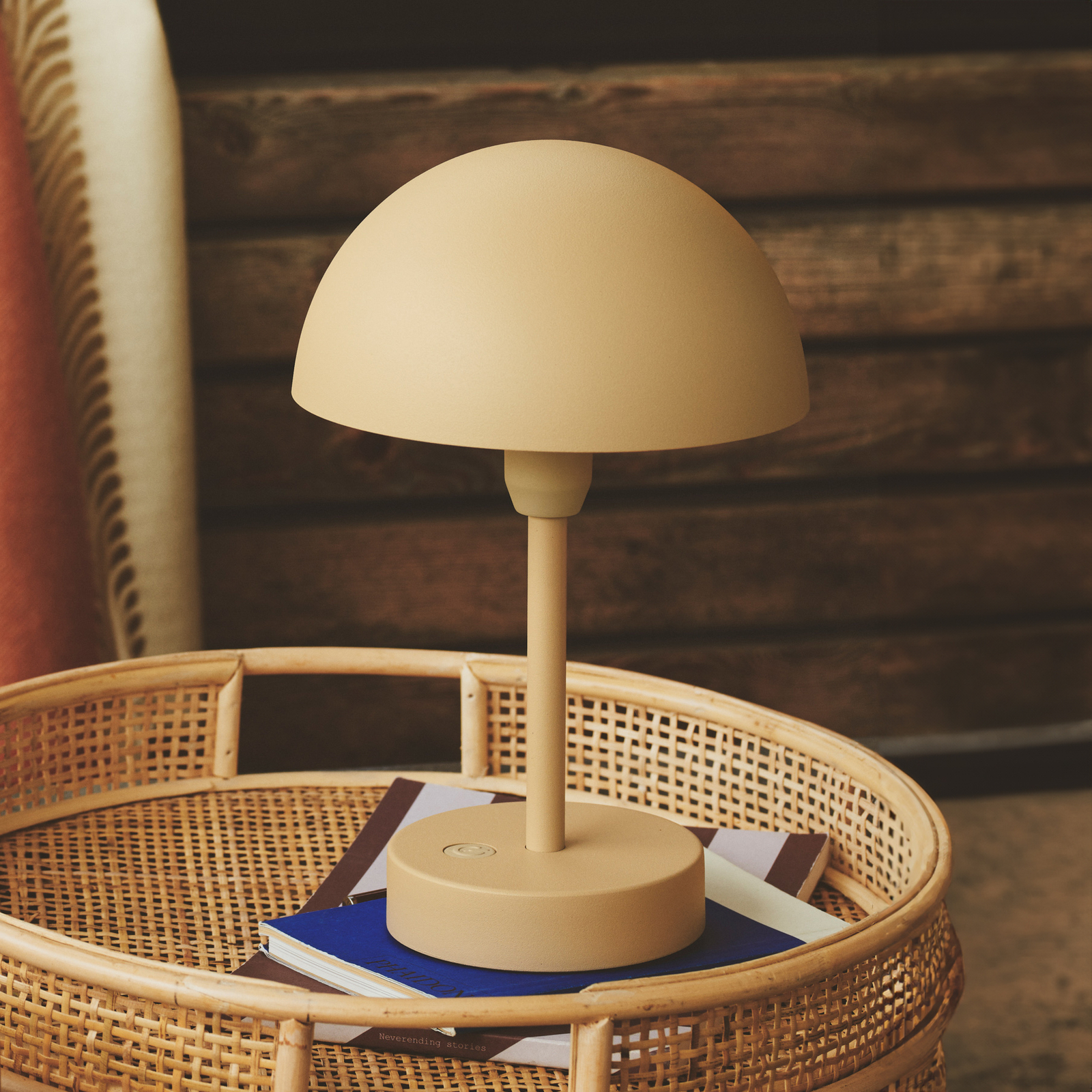
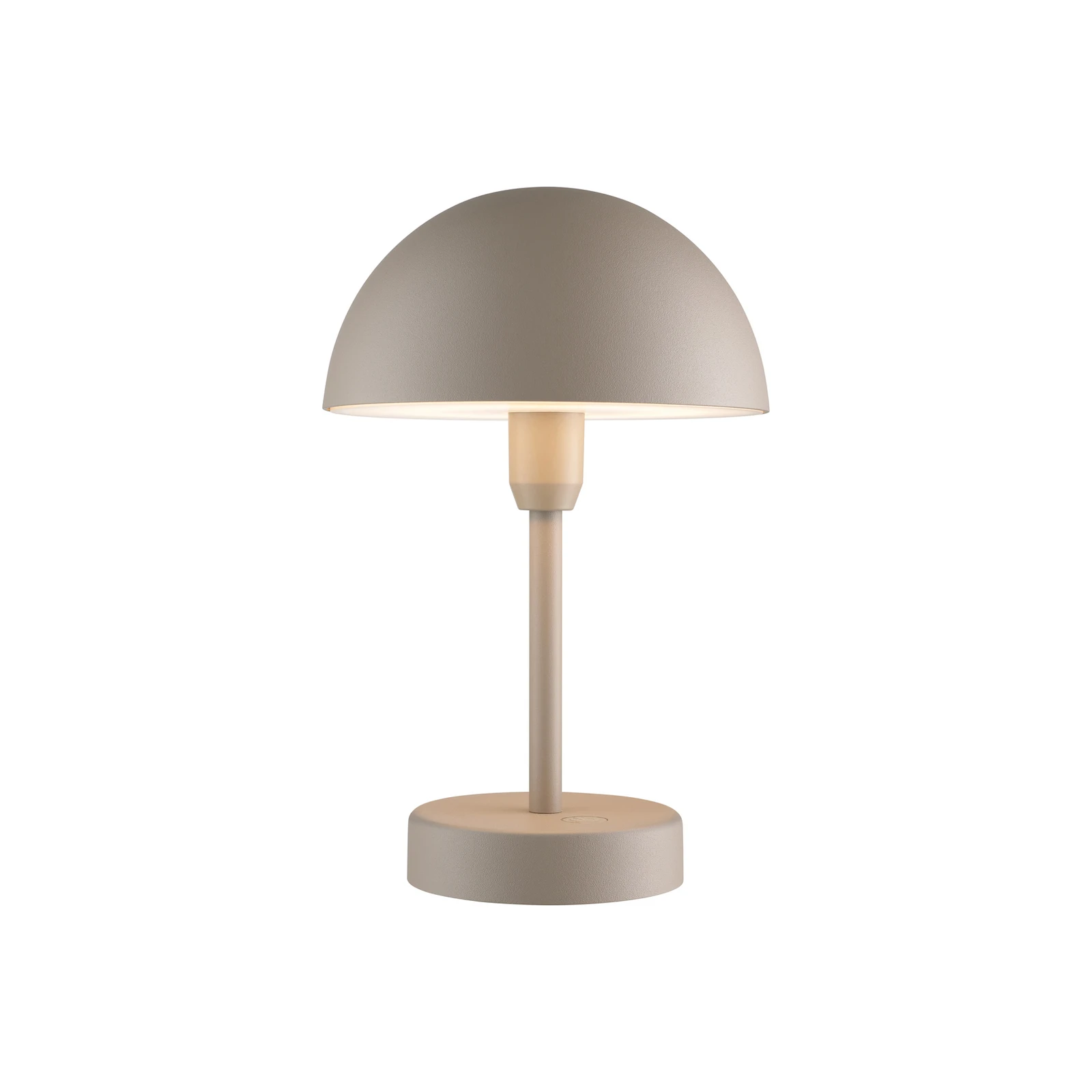
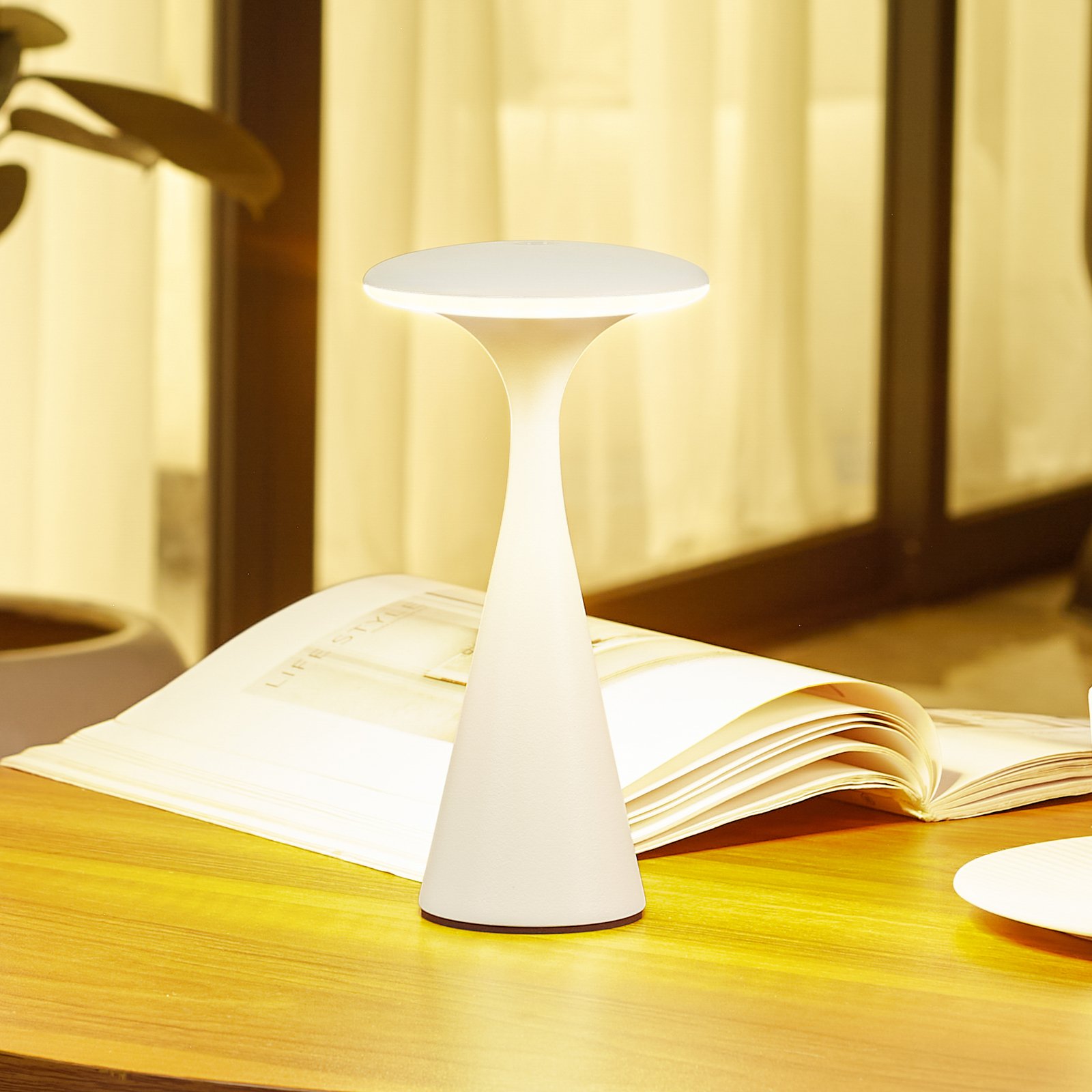
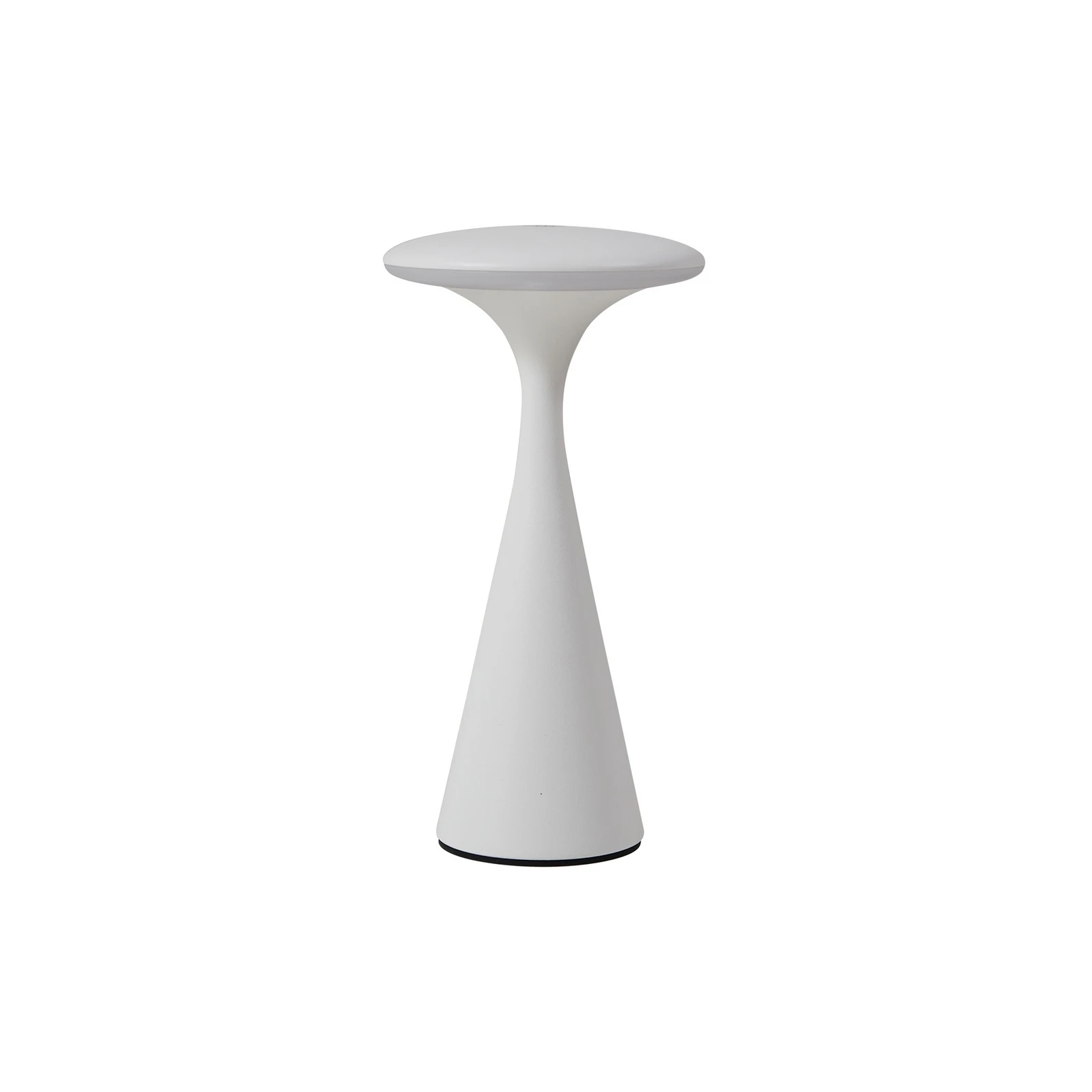
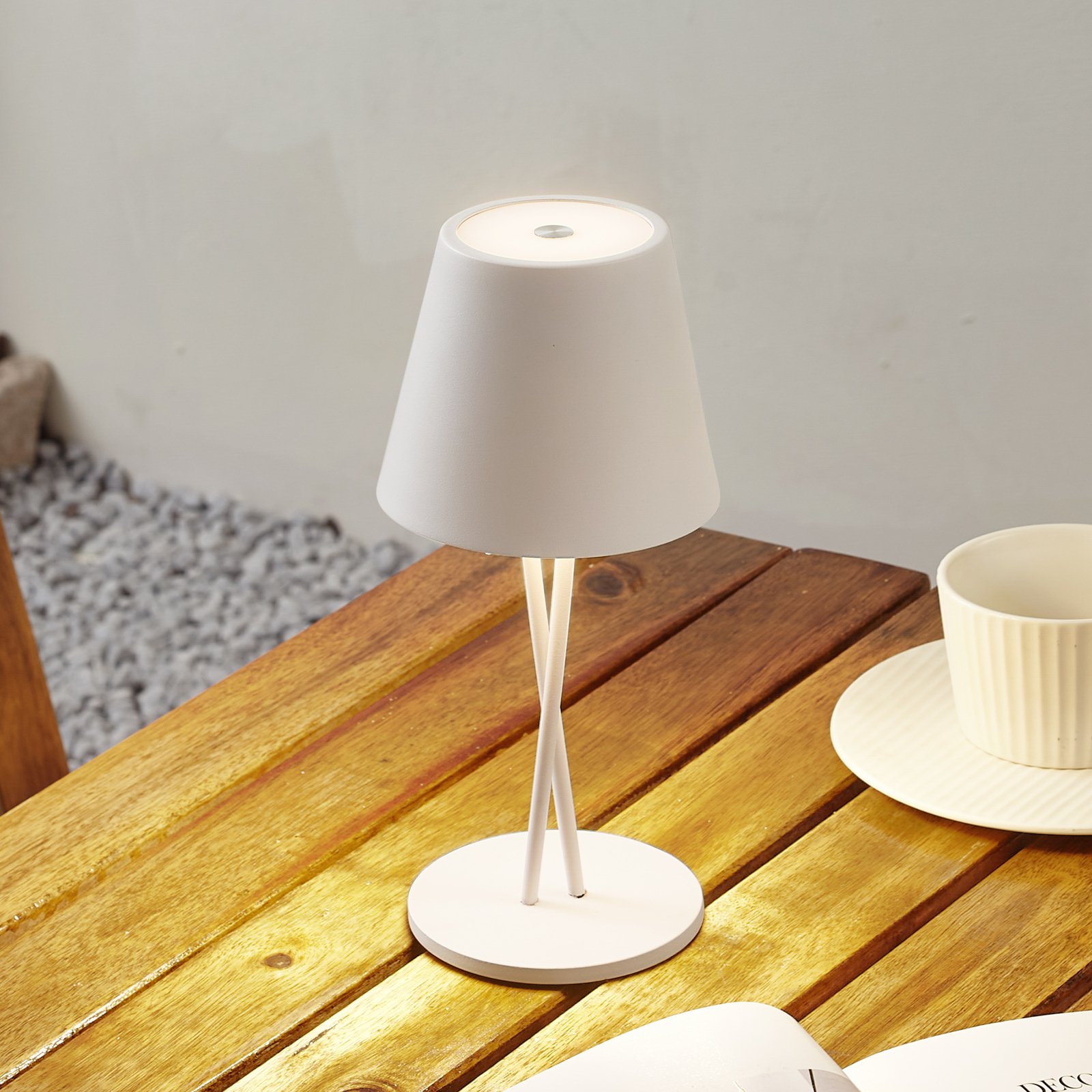
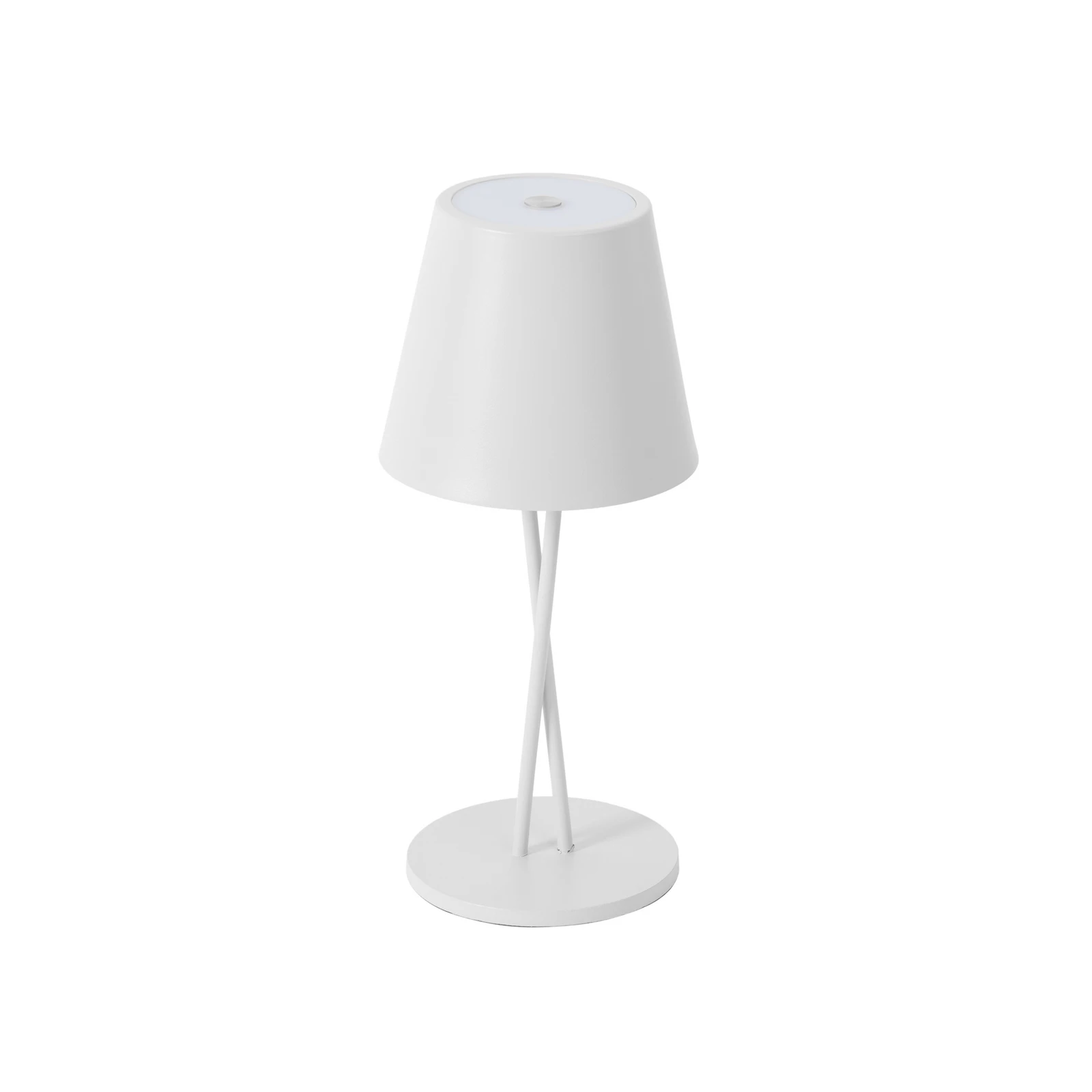
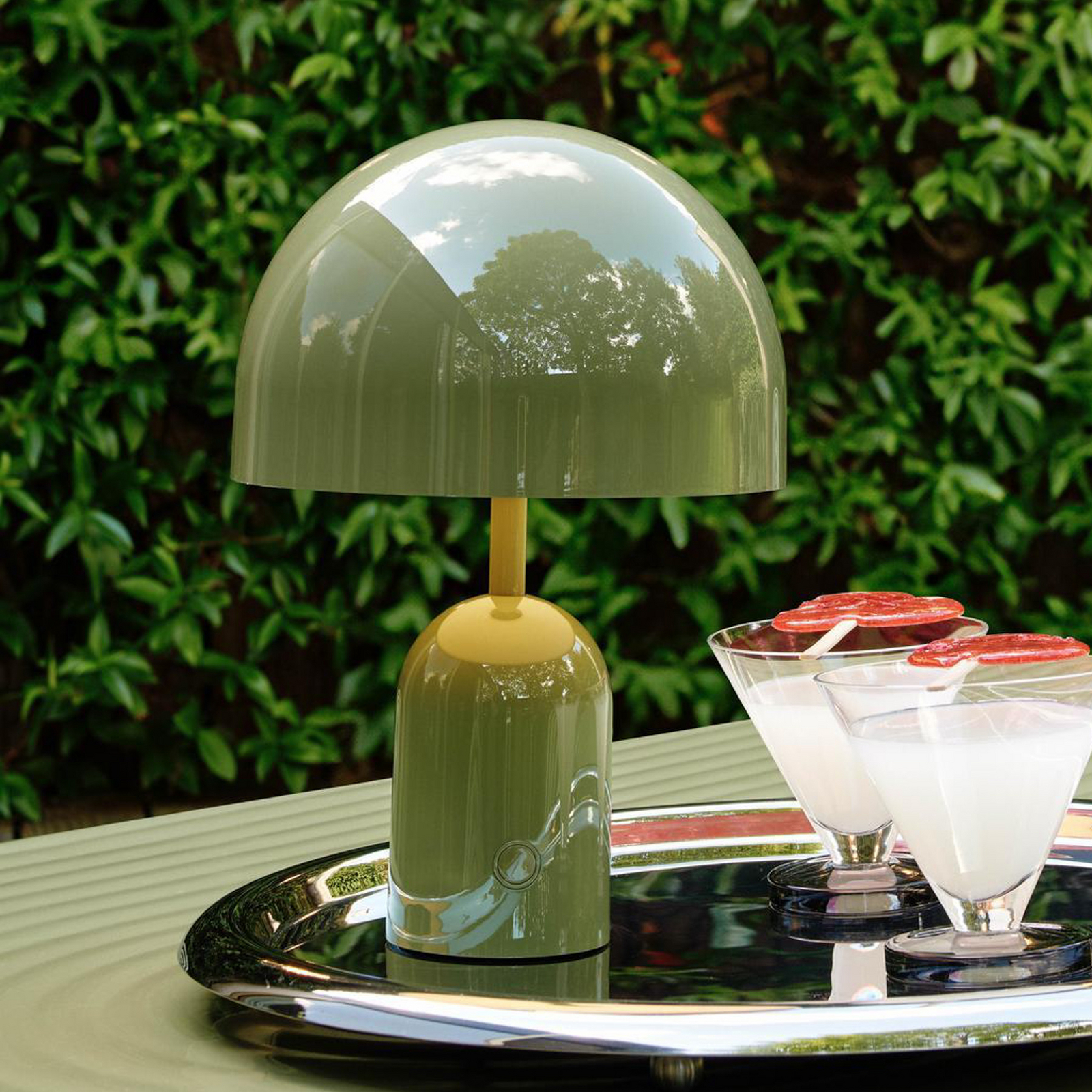
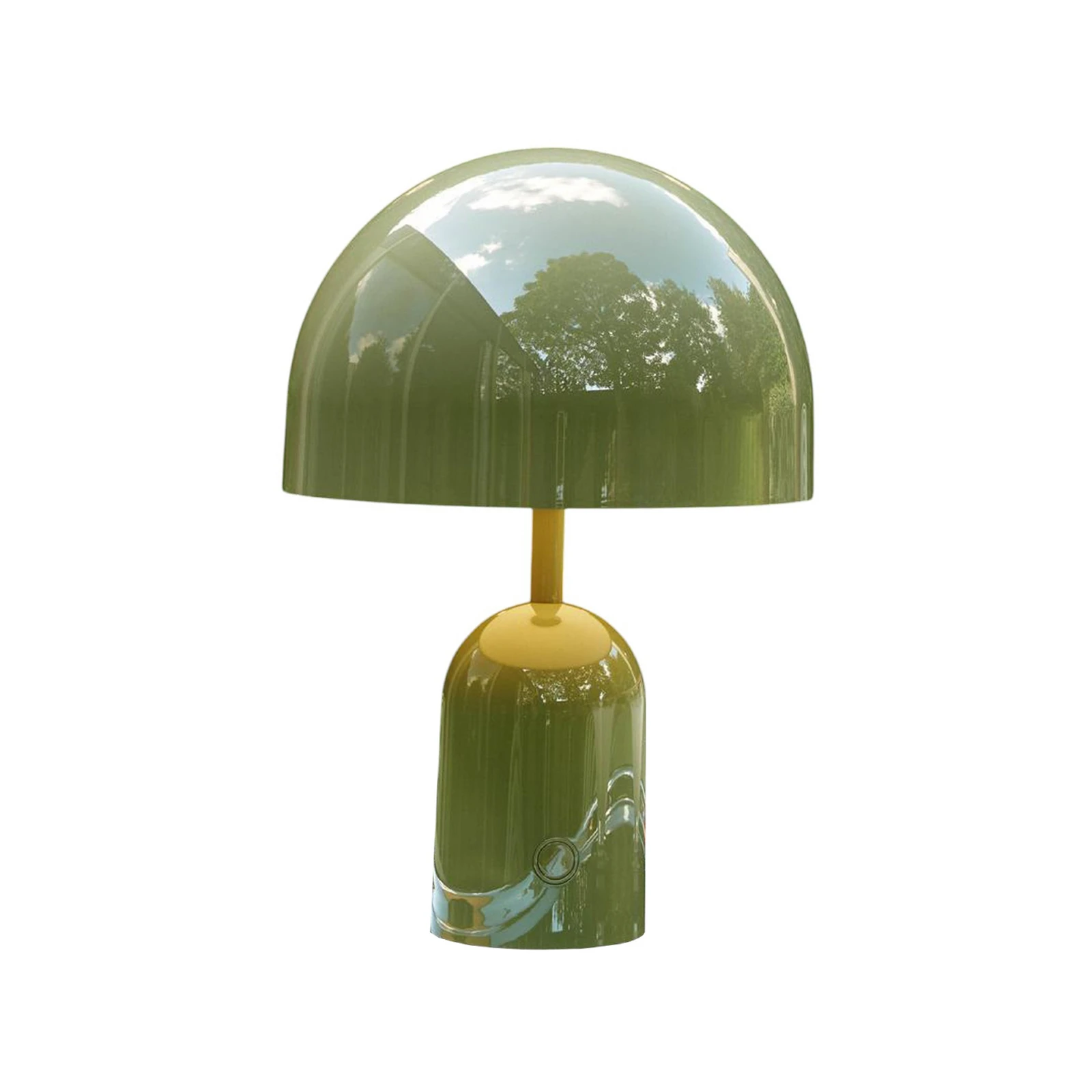
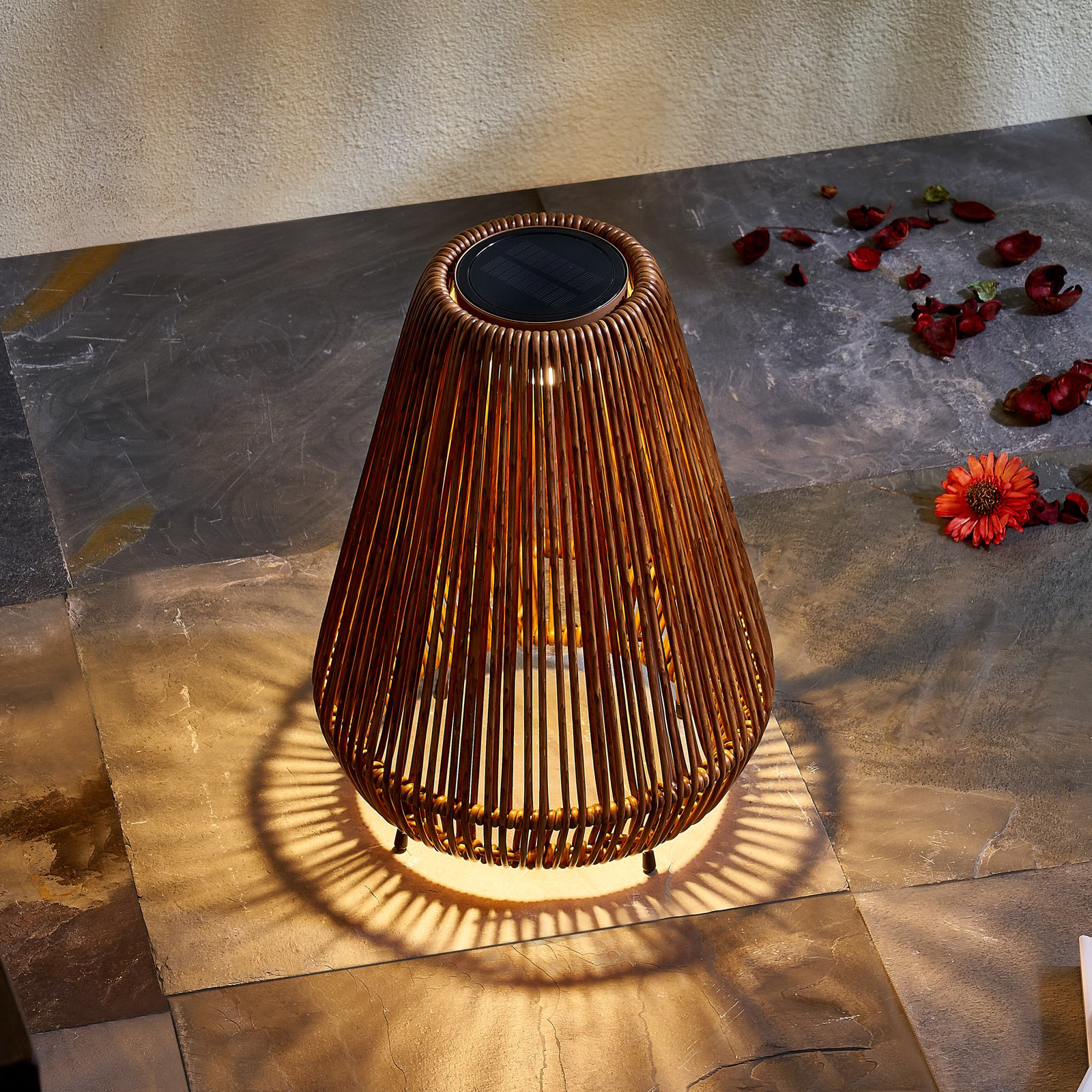
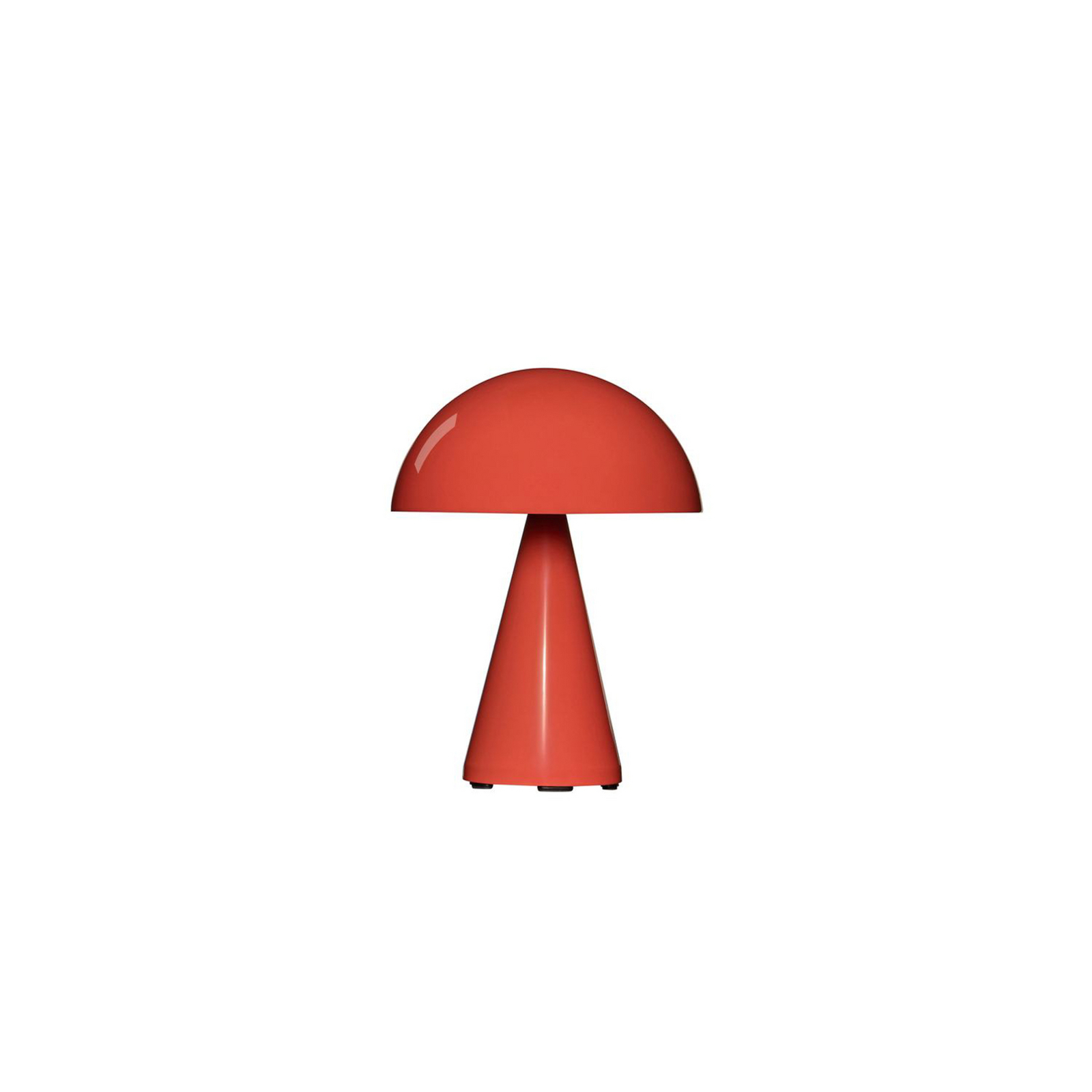
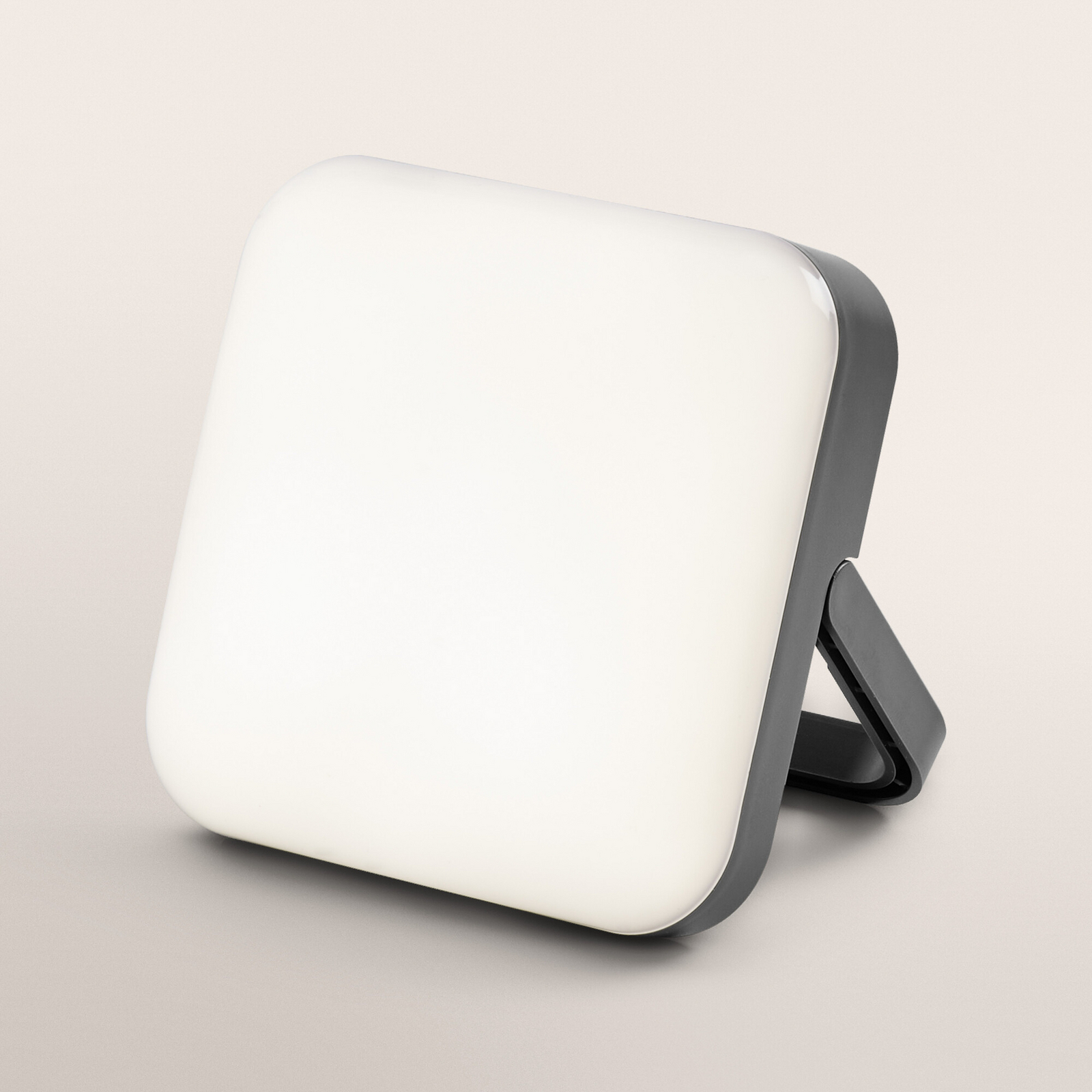
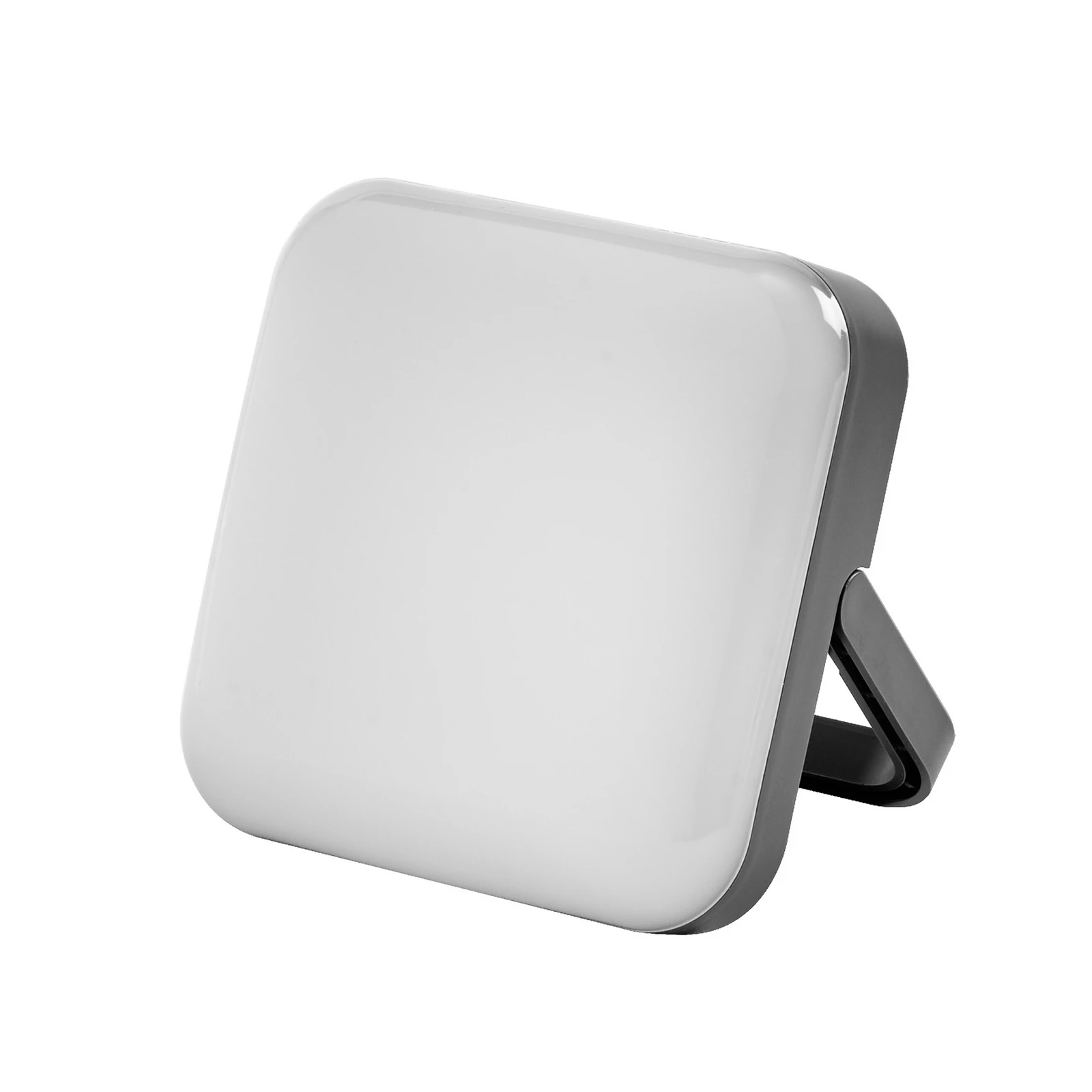
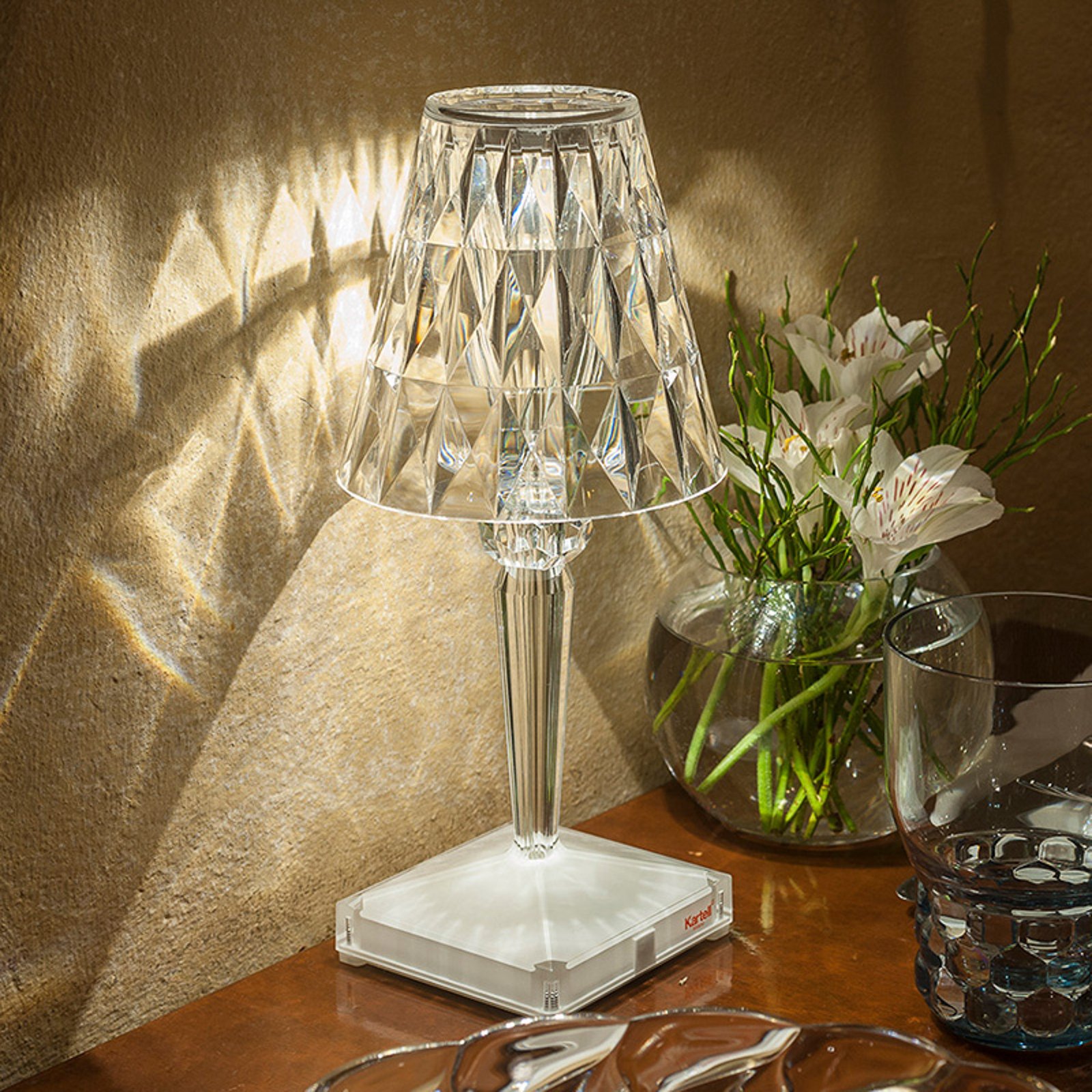
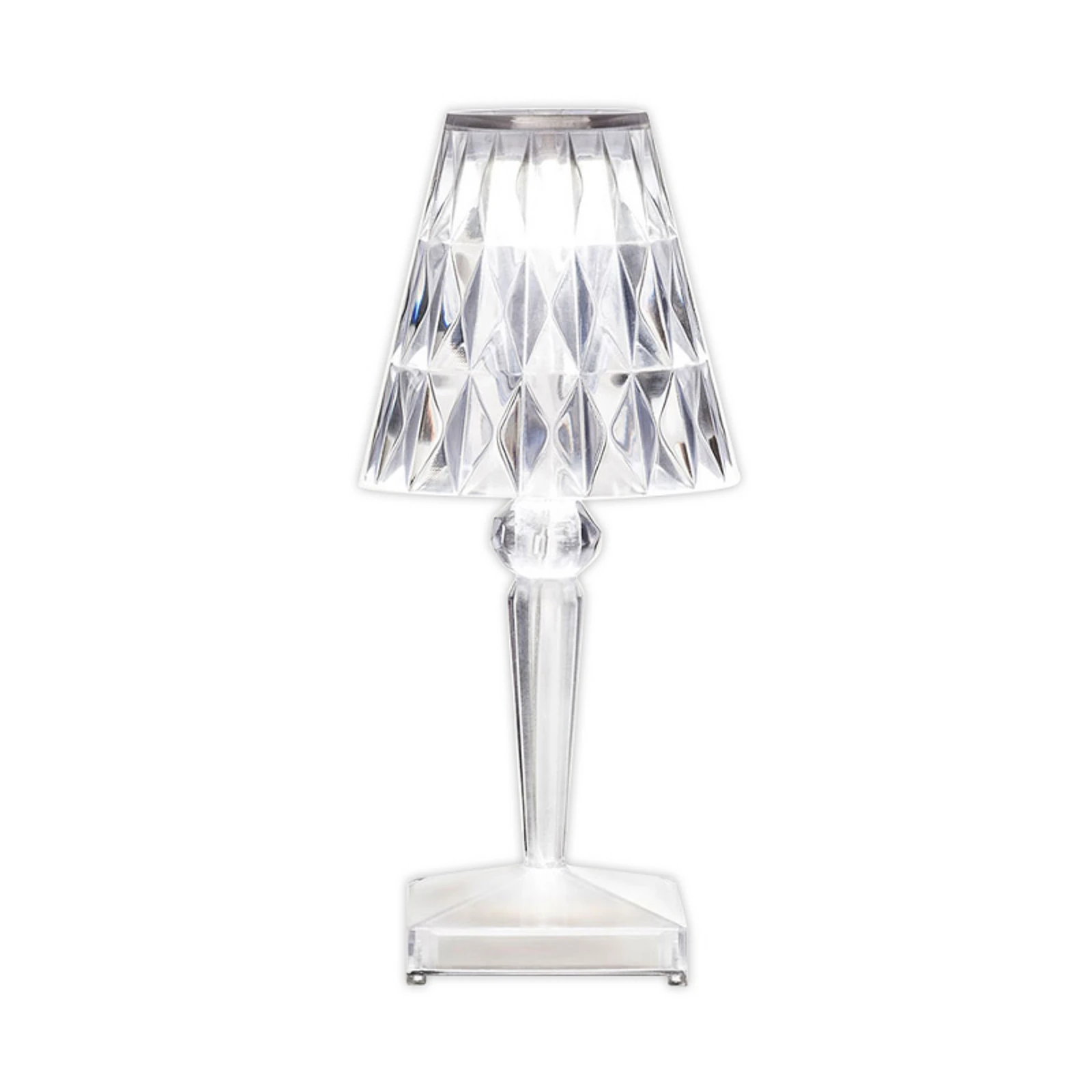
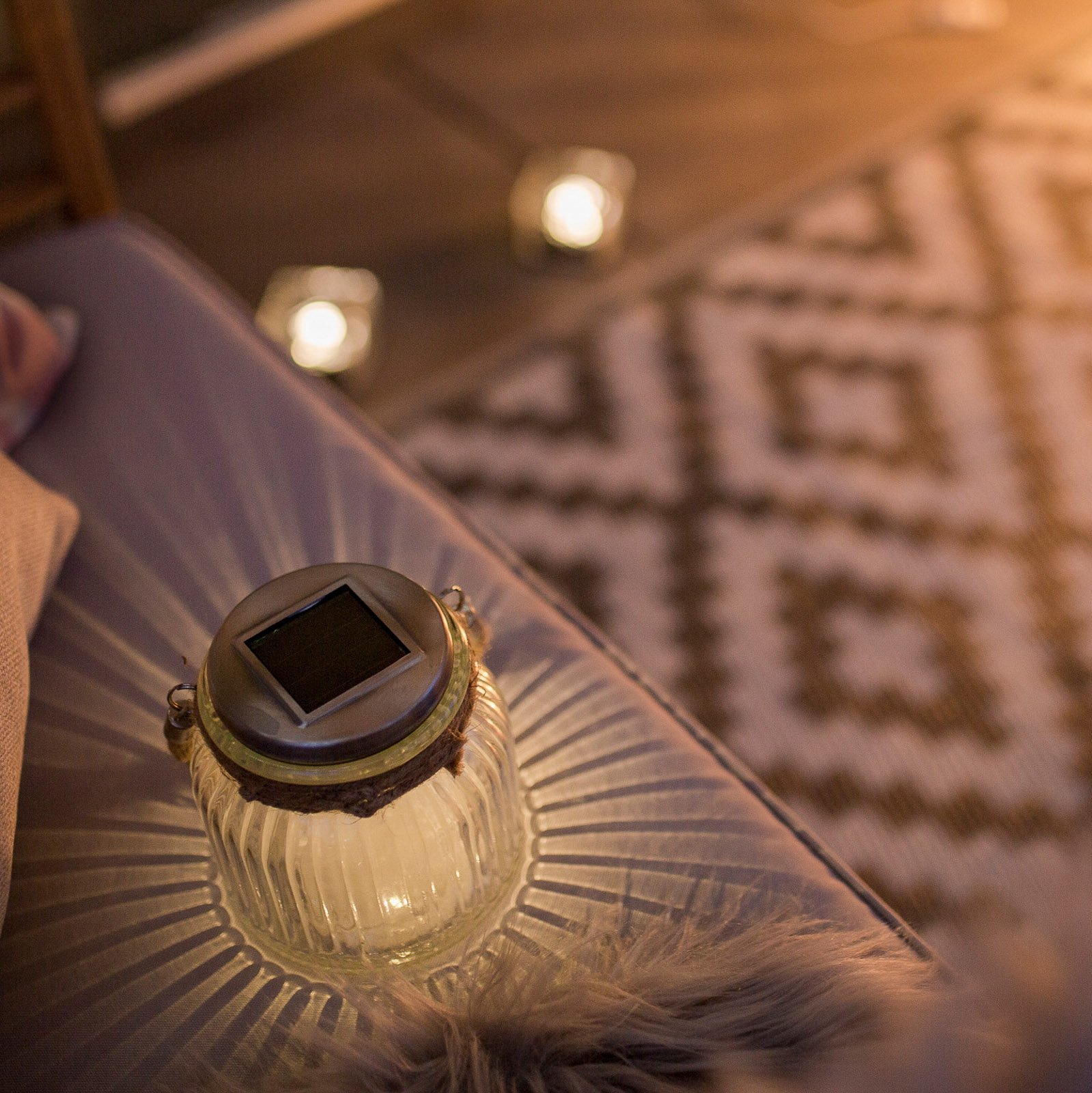
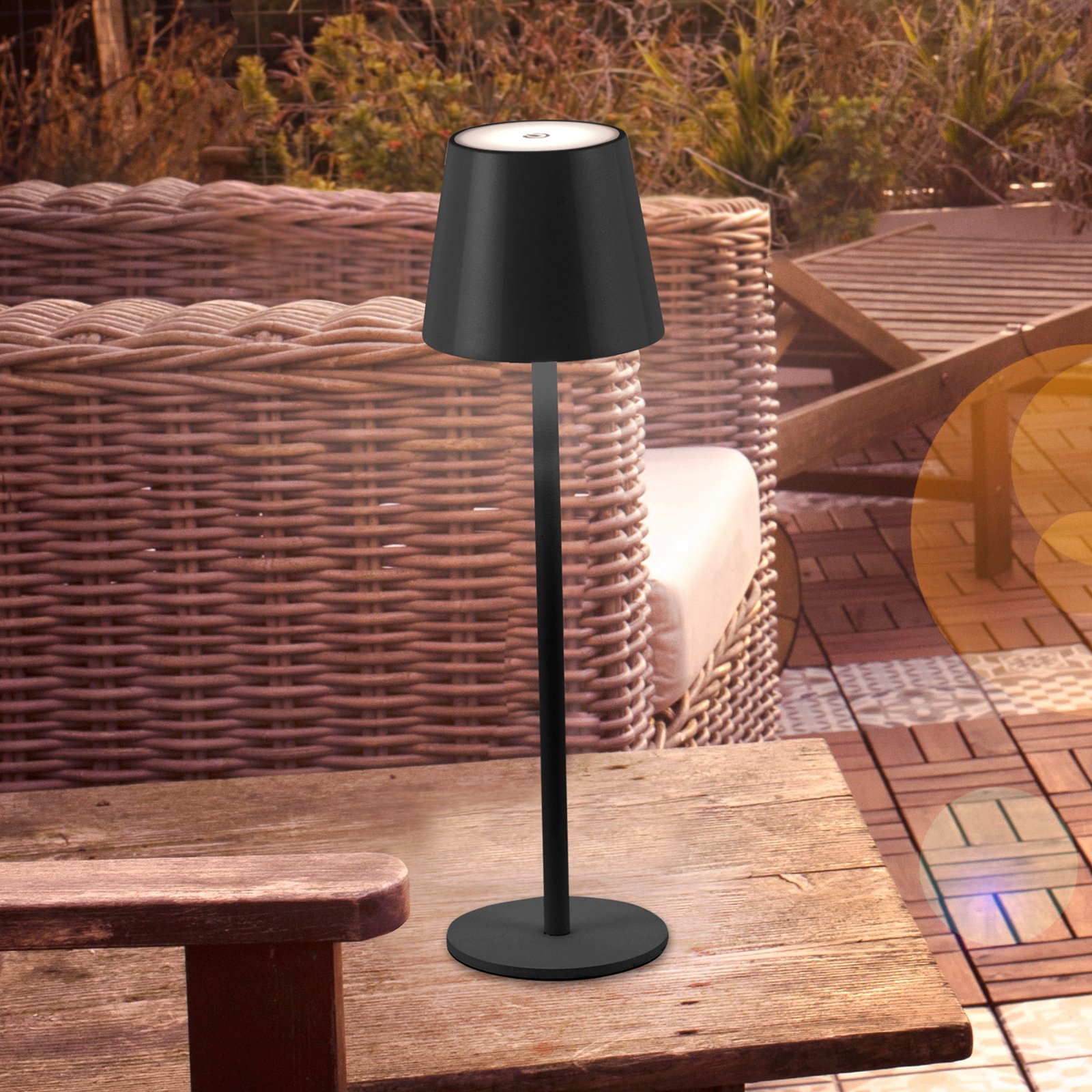
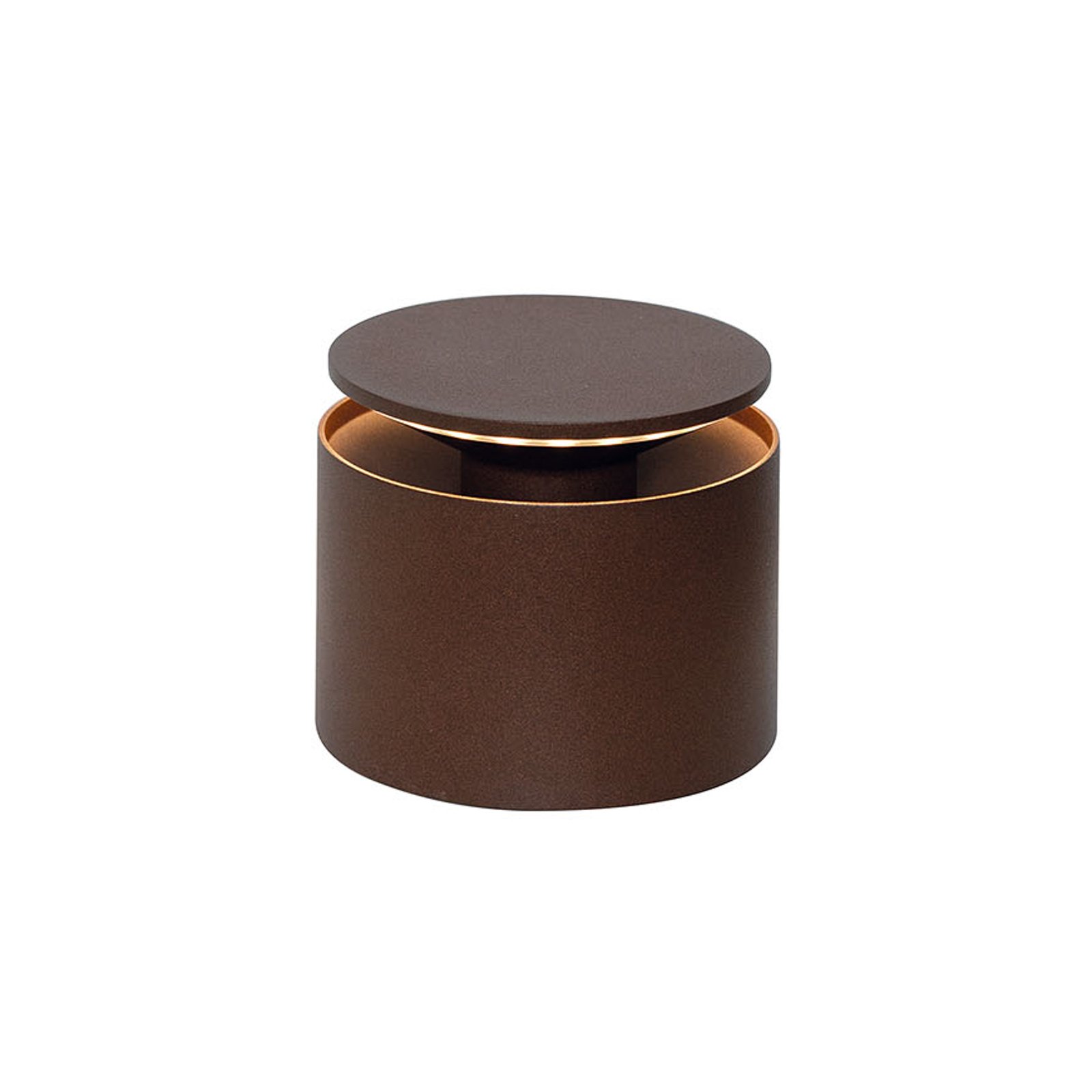
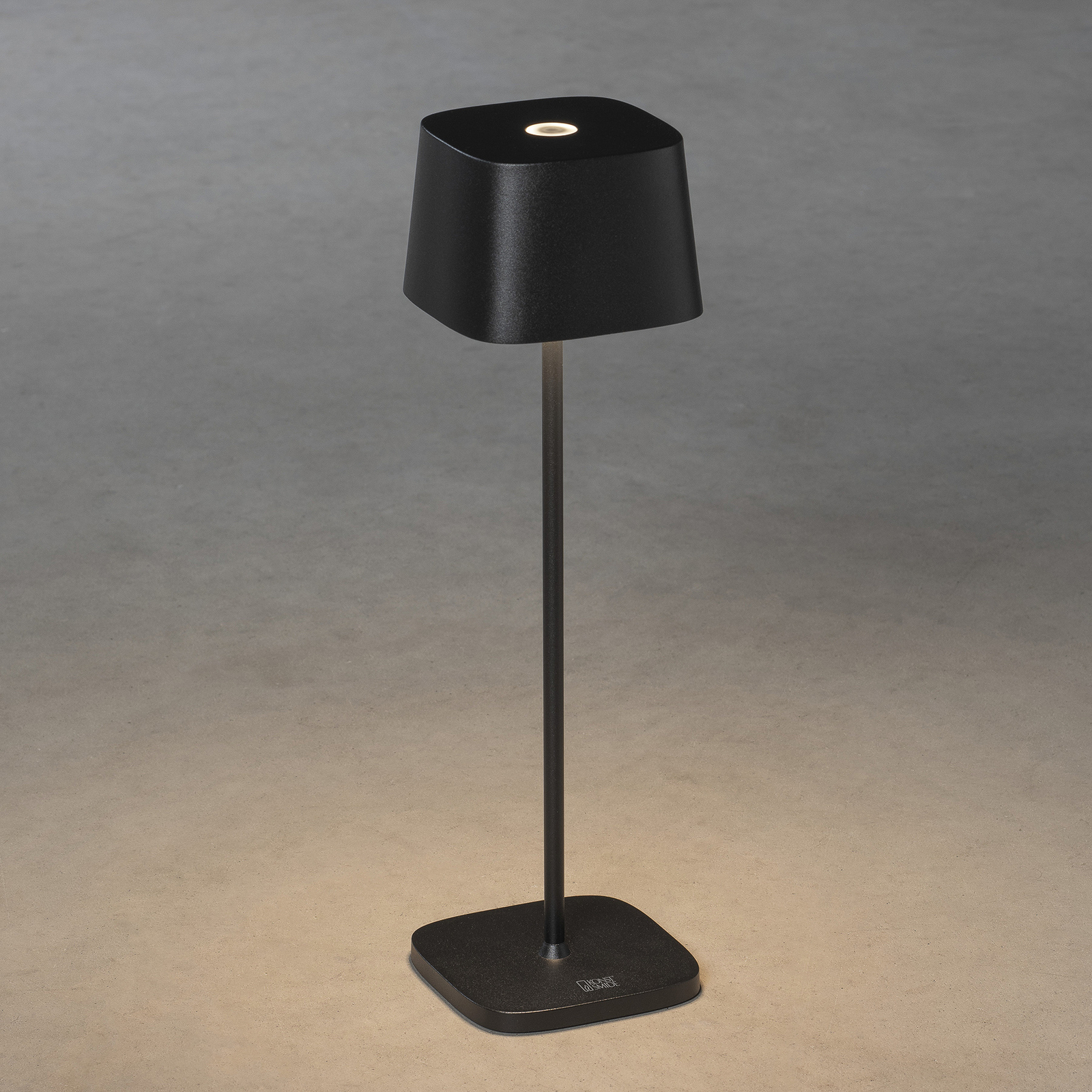
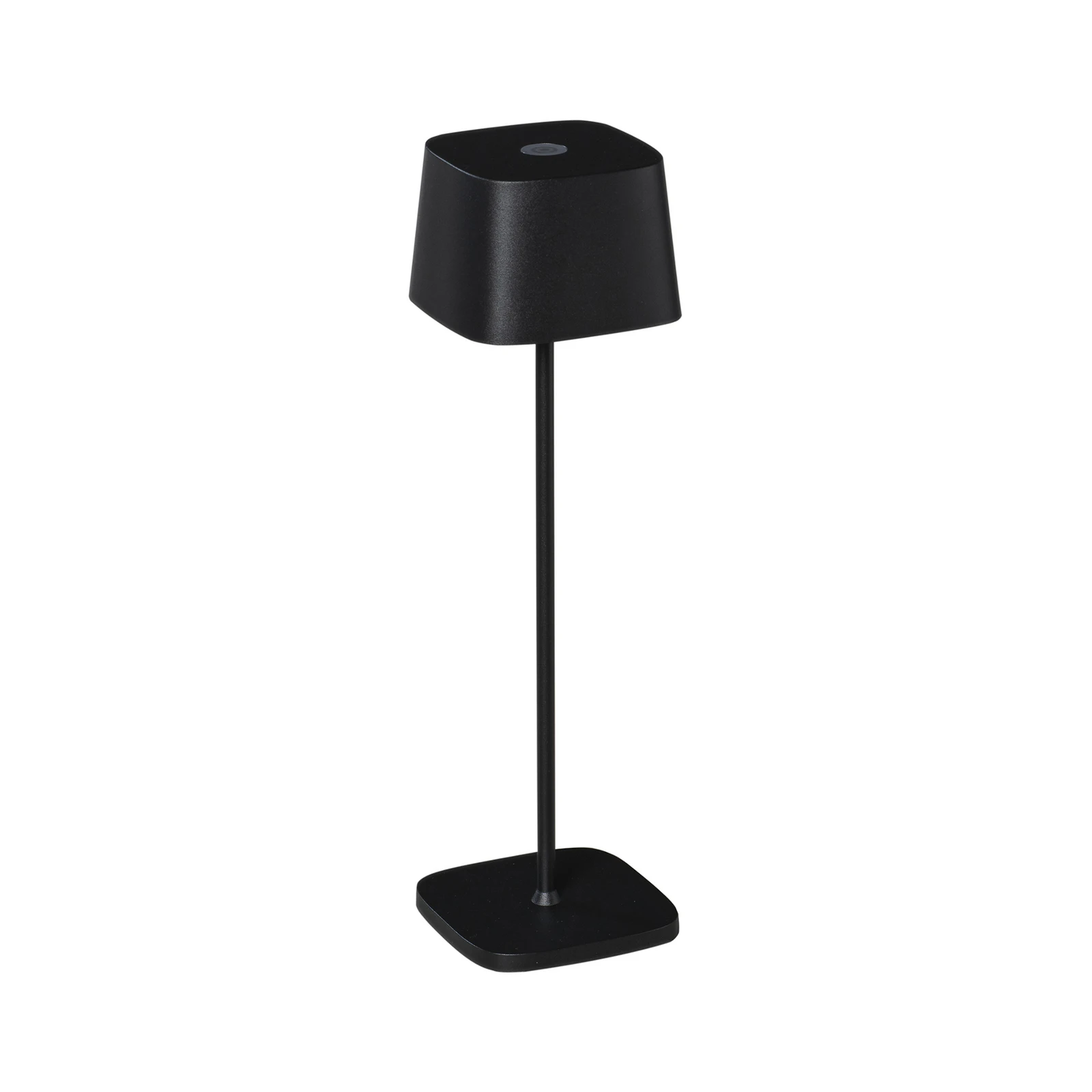
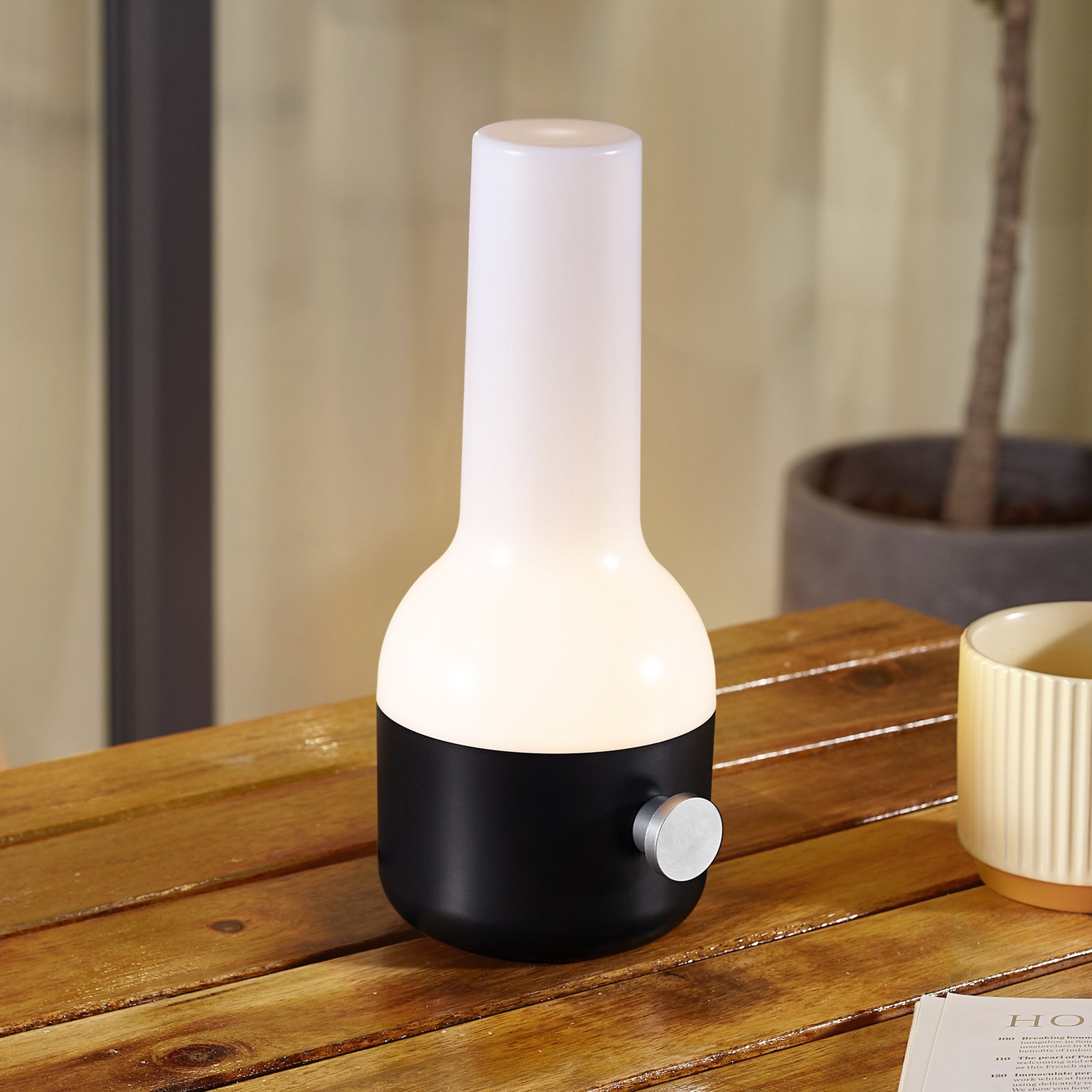
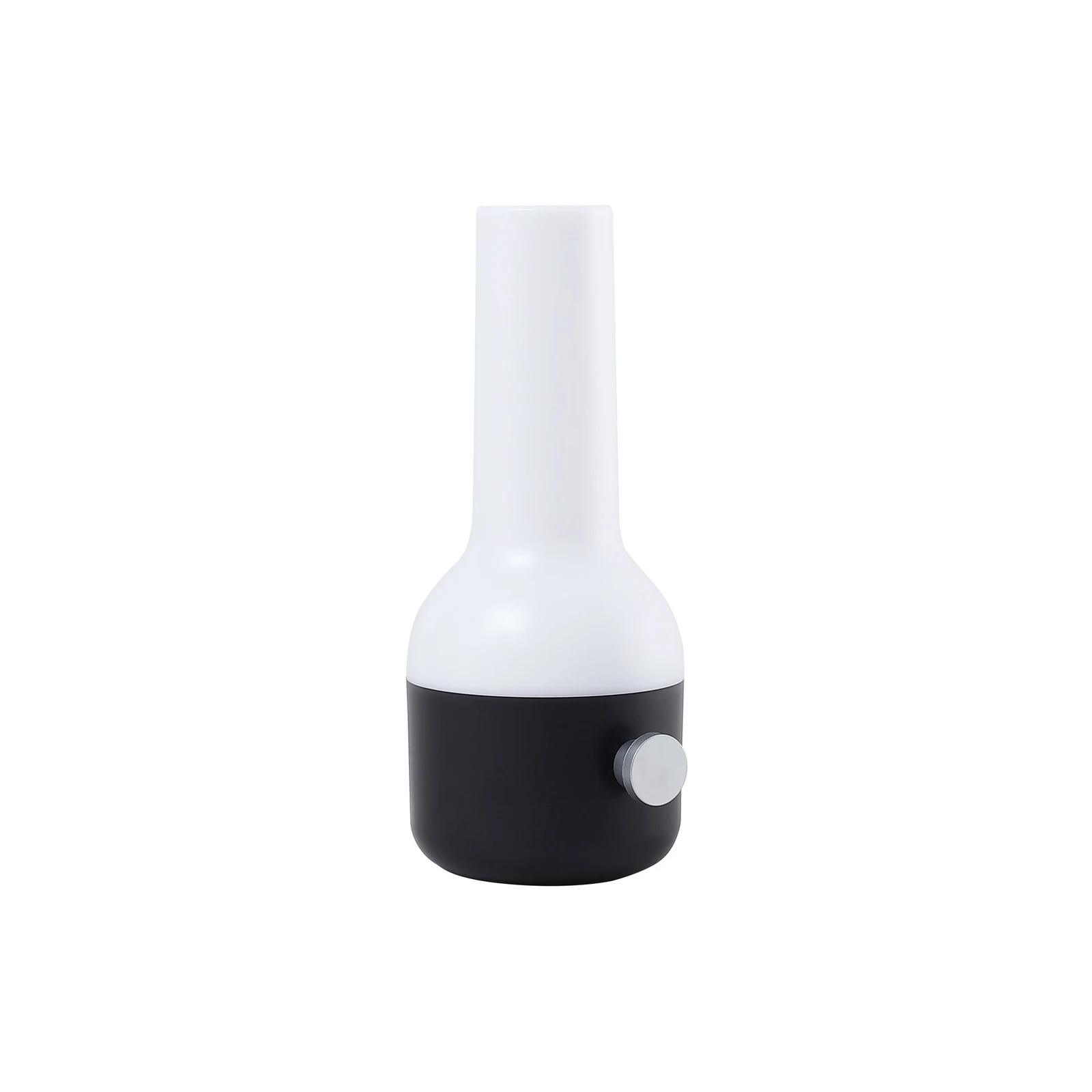
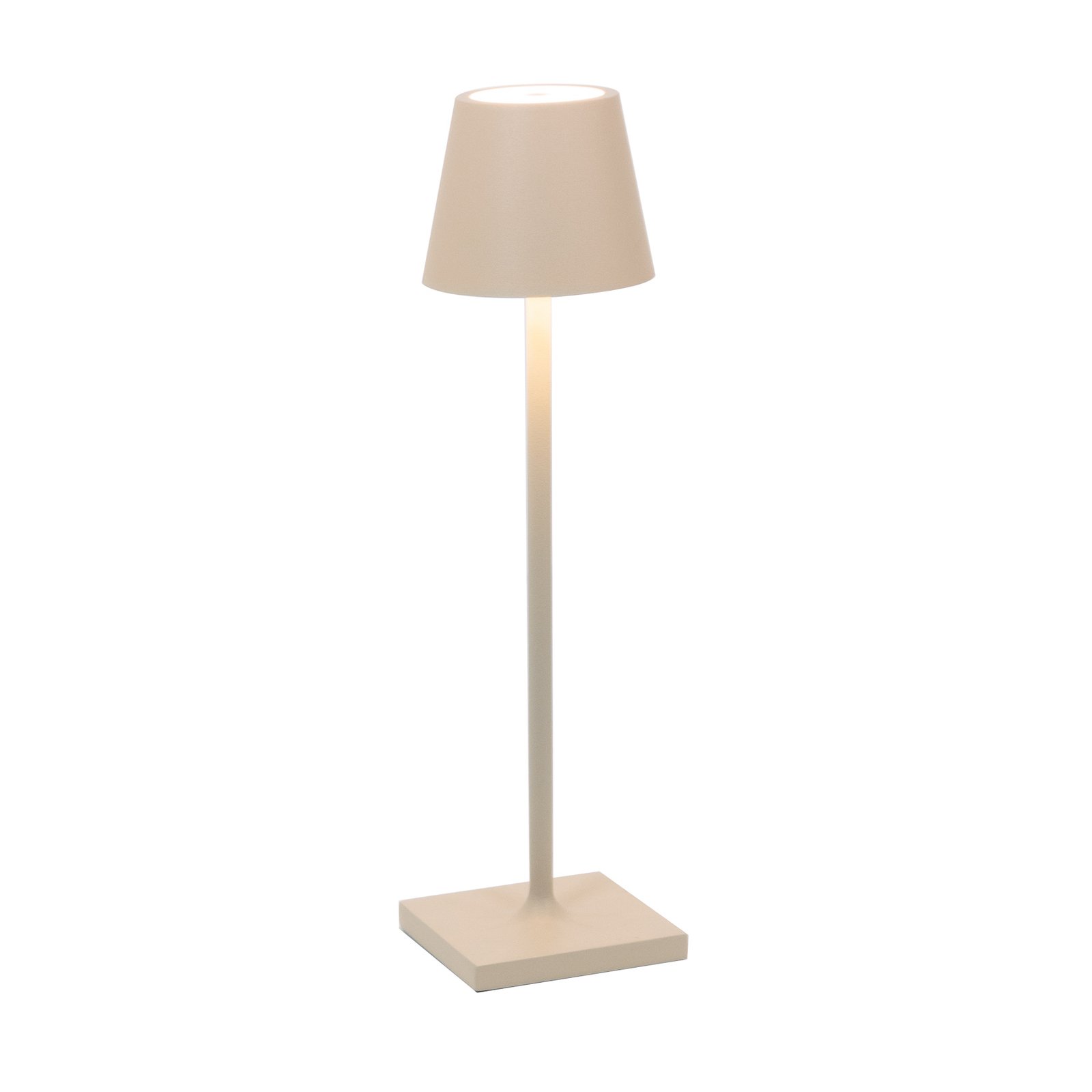
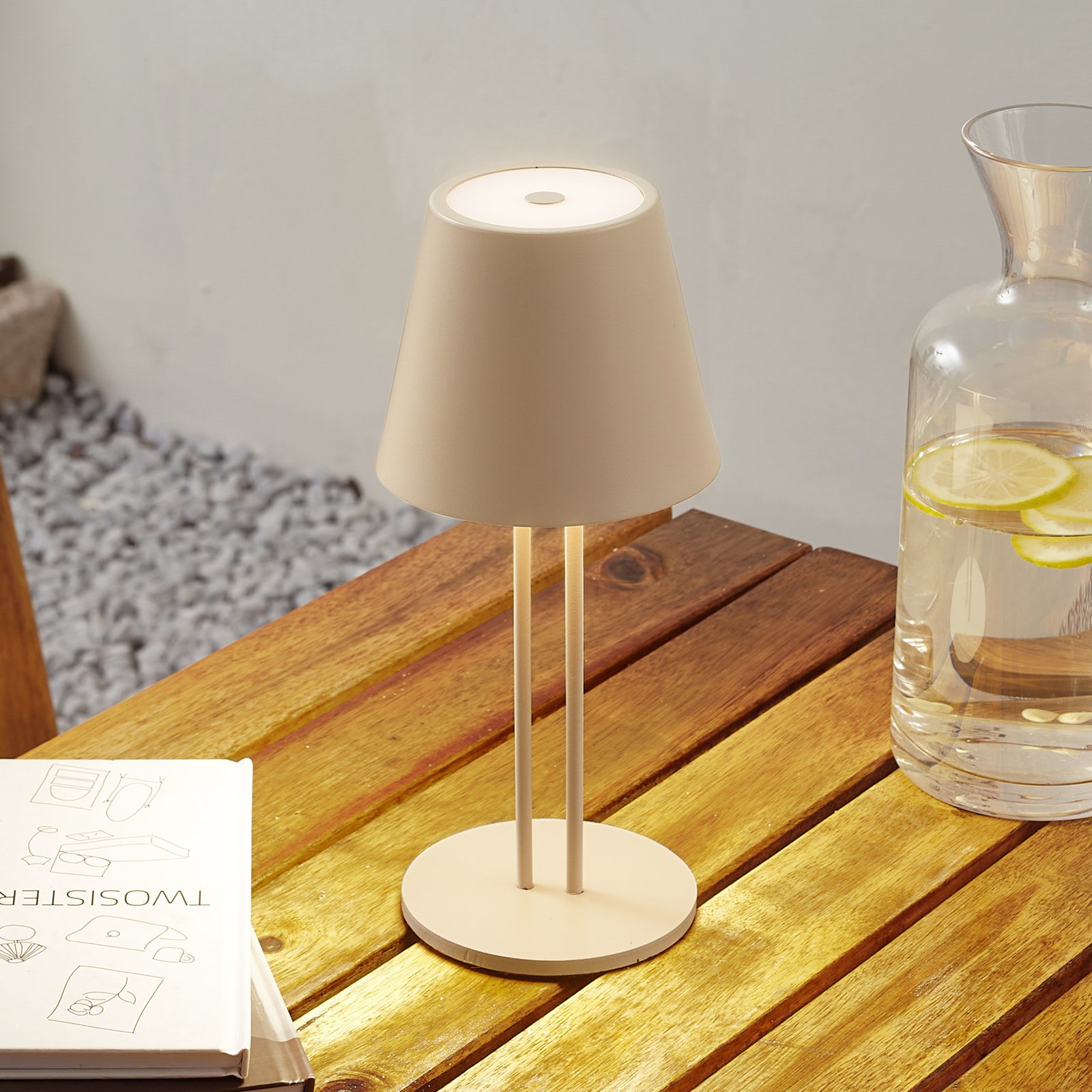
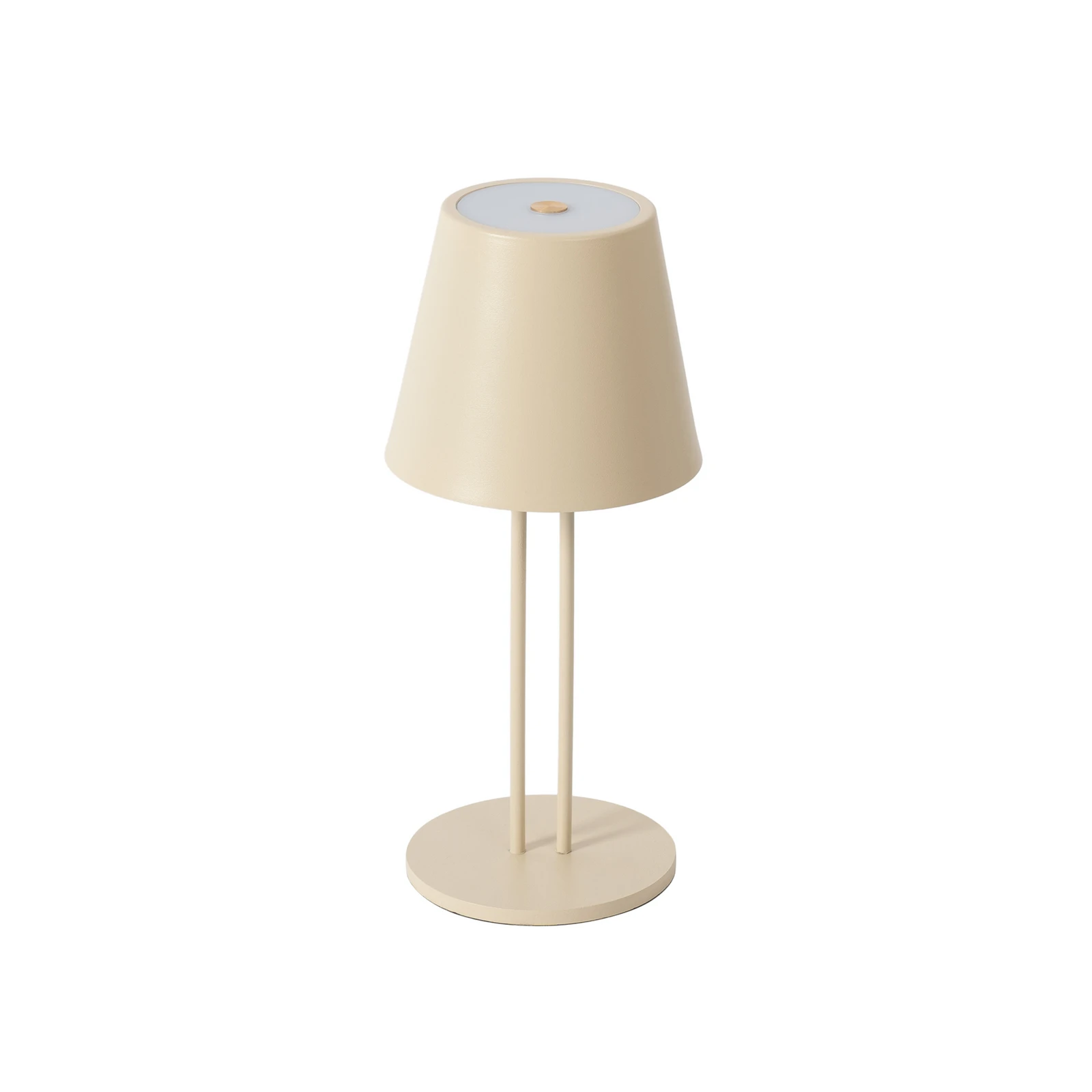
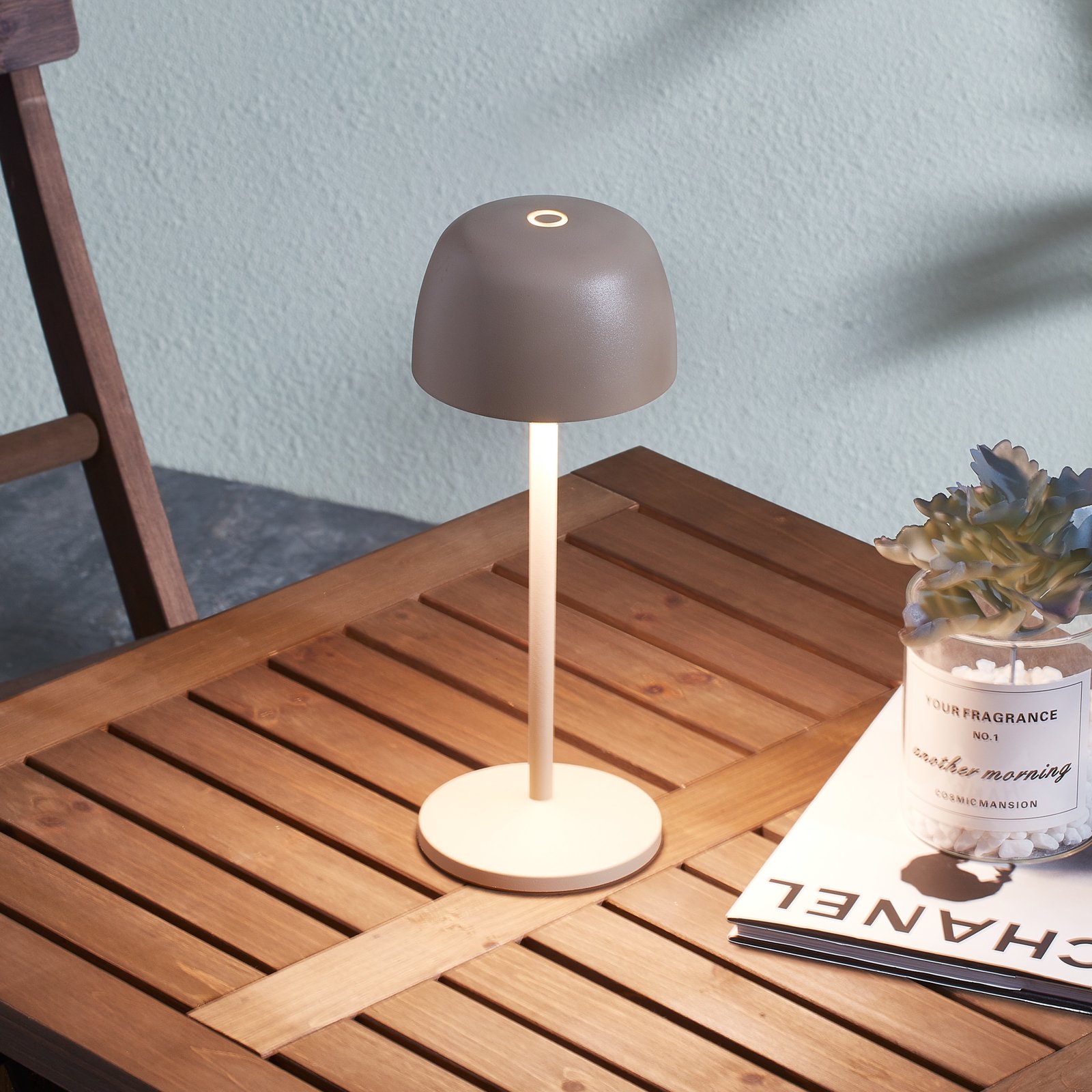
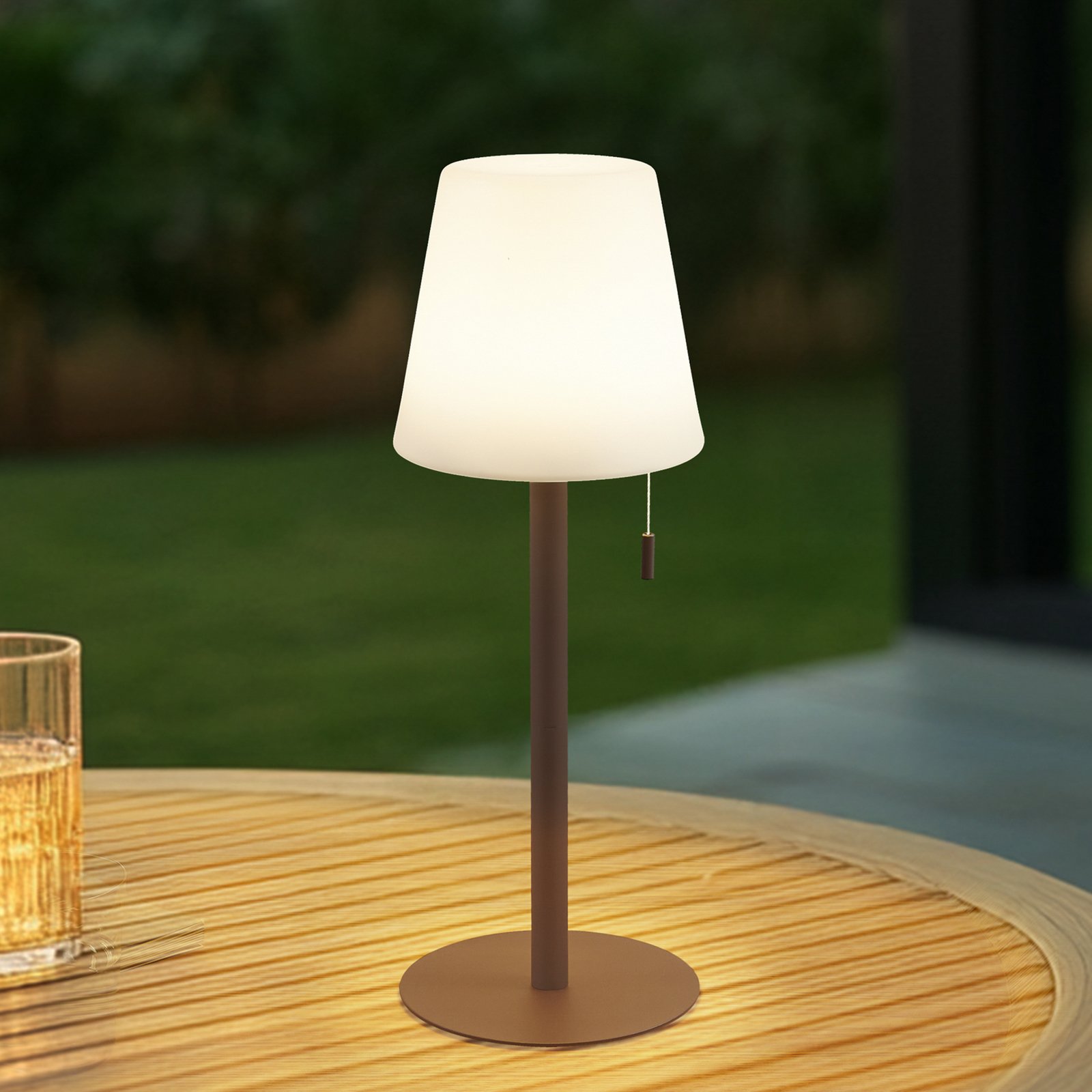
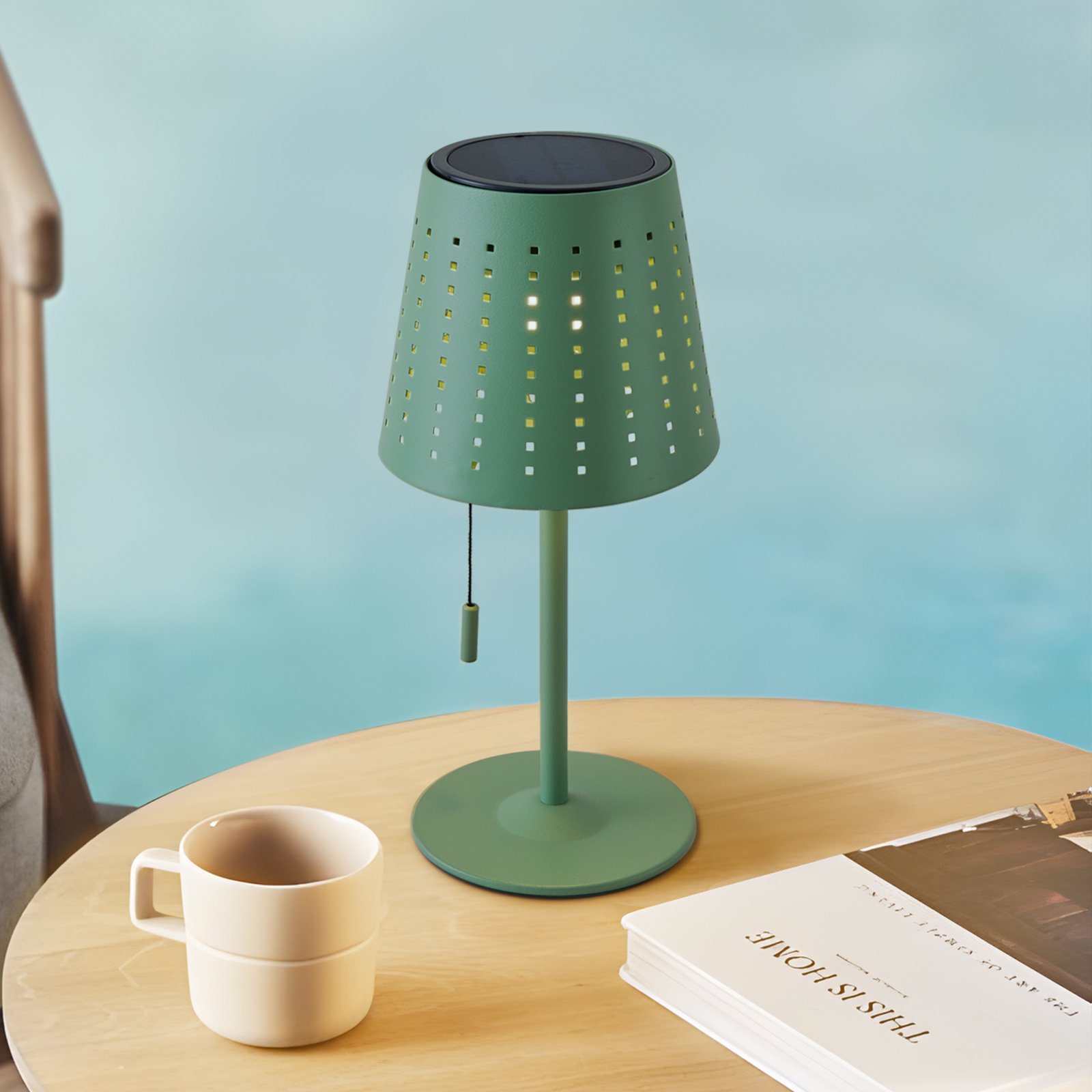
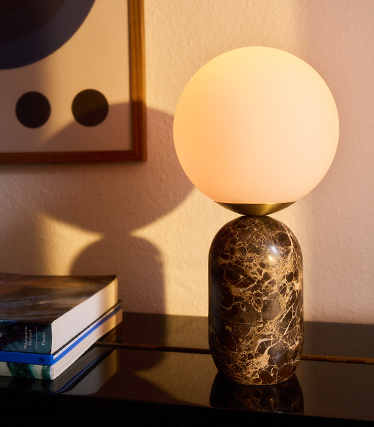
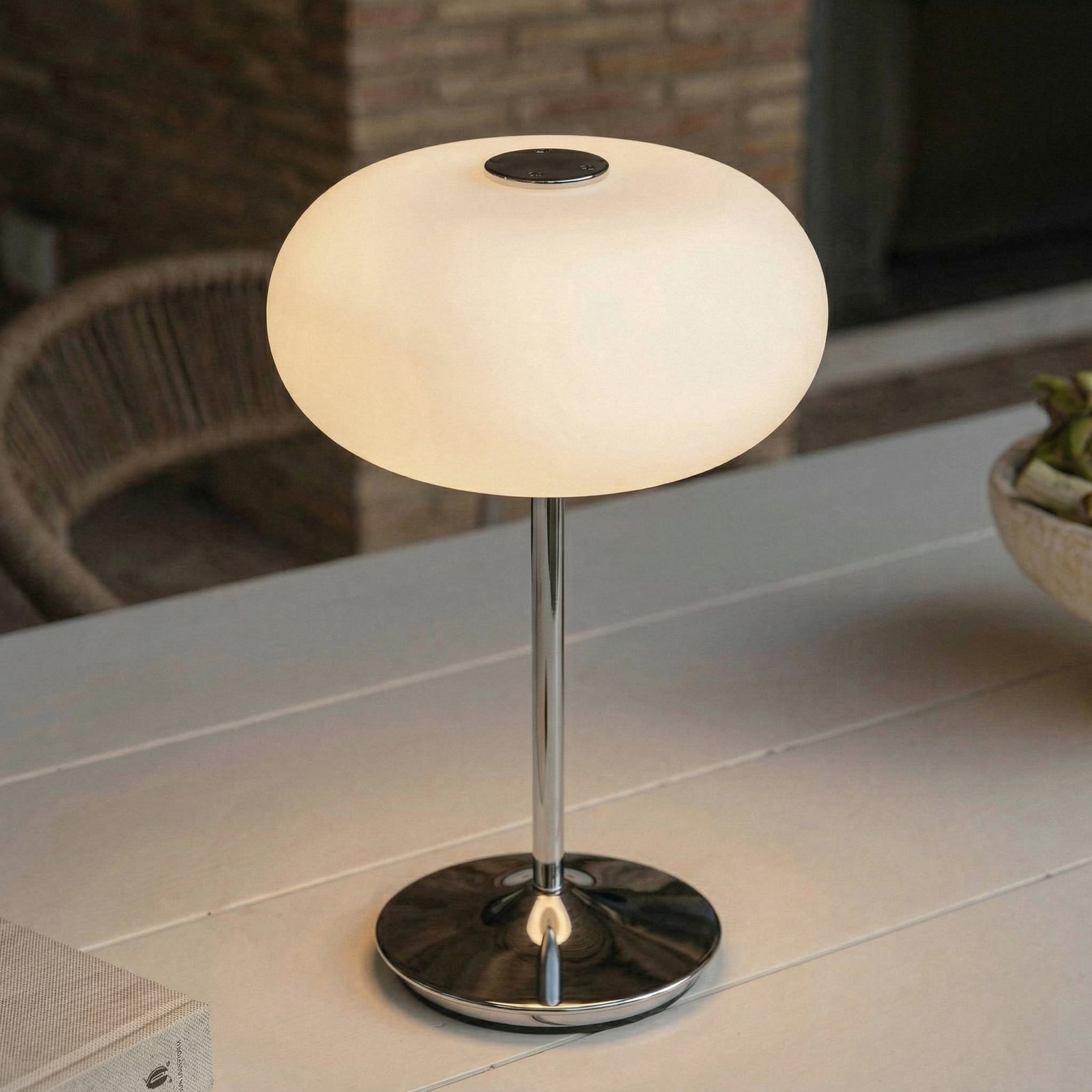
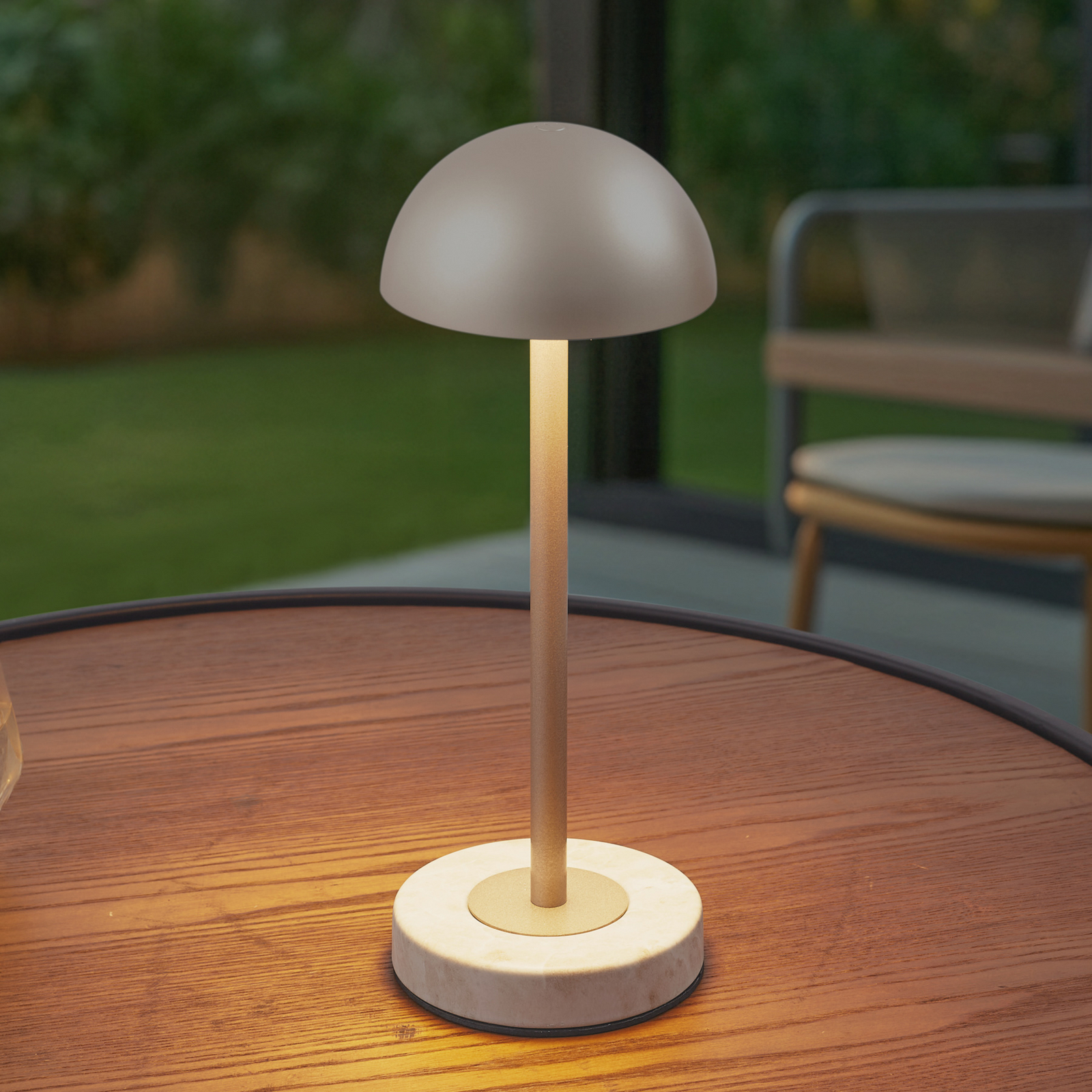
A rechargeable table lamp provides light exactly where it’s needed – on the terrace, on the balcony or in the garden. When in use, it requires neither a power socket nor any annoying cables. This means it can be placed in a variety of ways – at the dining table, next to an armchair or on a garden wall. Many models feature built-in LED technology and multiple brightness settings in a compact design. For indoor use, there is a separate range of rechargeable lamps for living spaces.
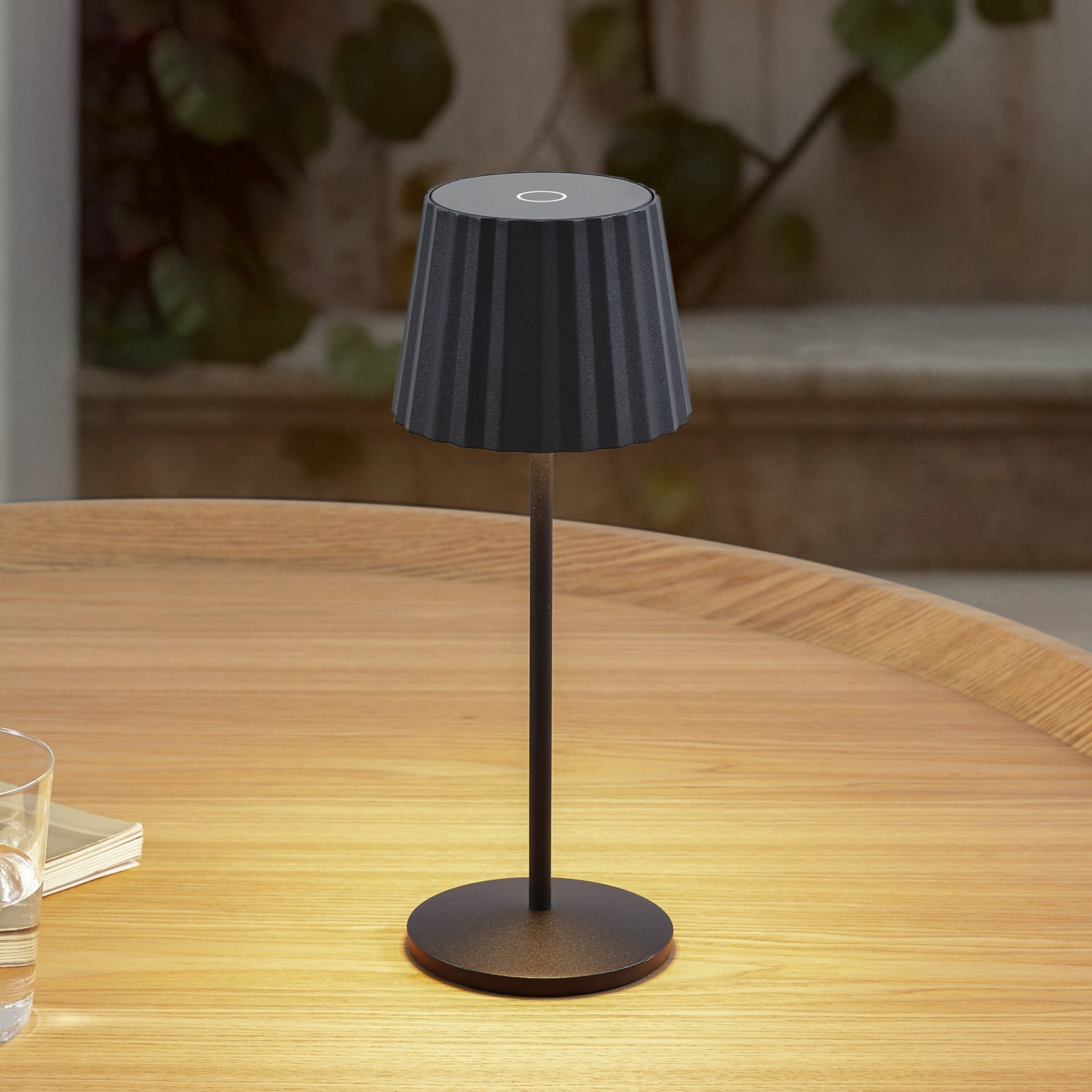
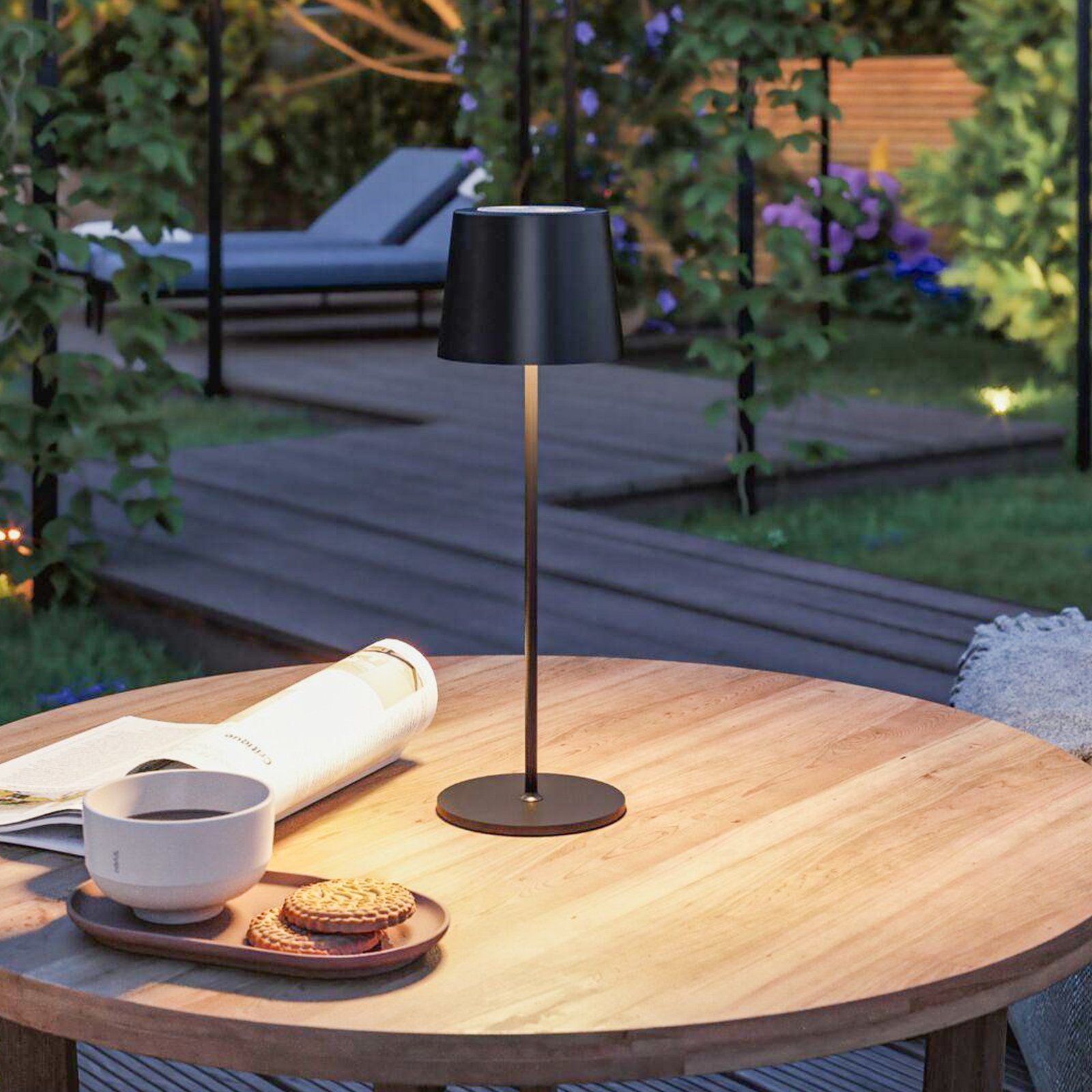
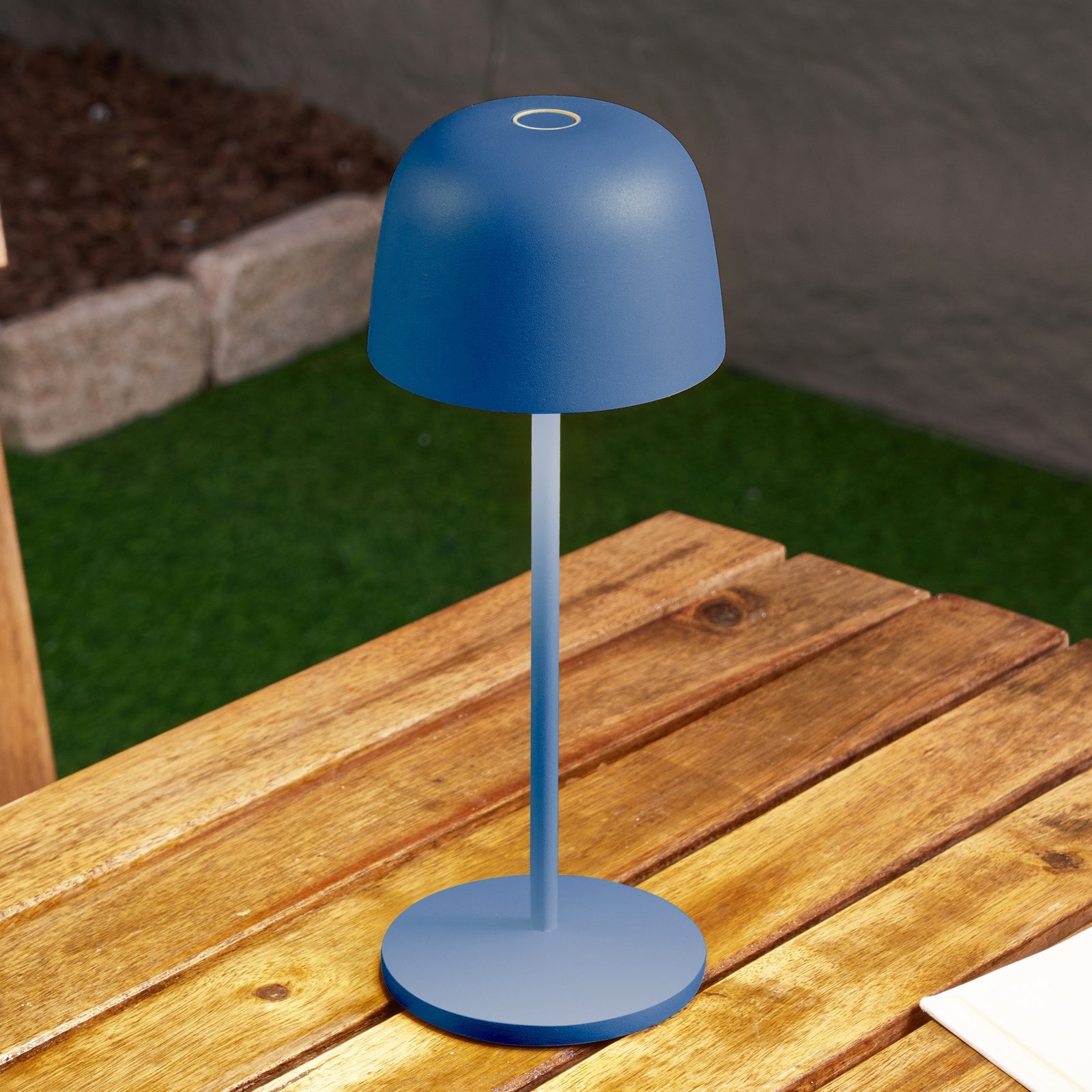
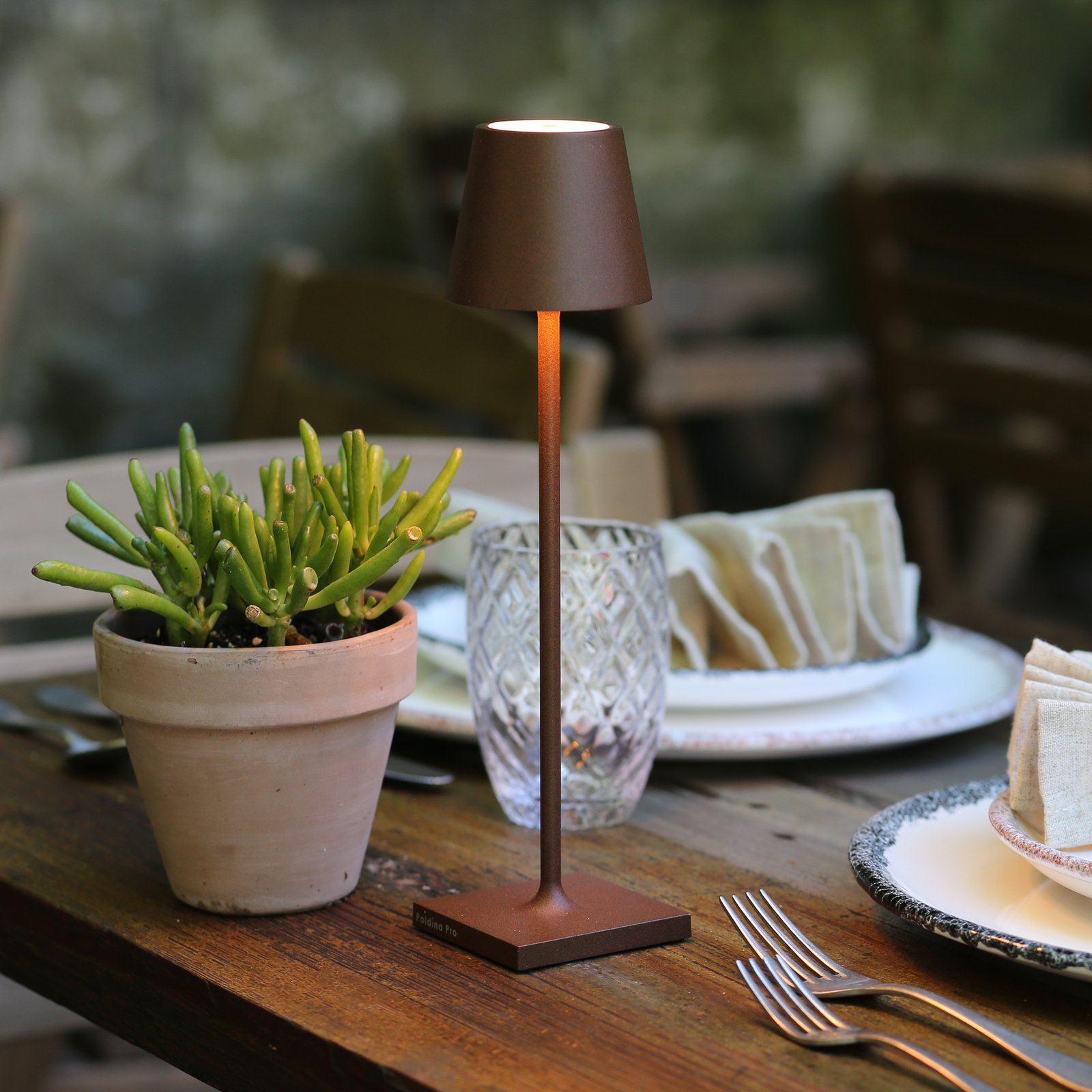
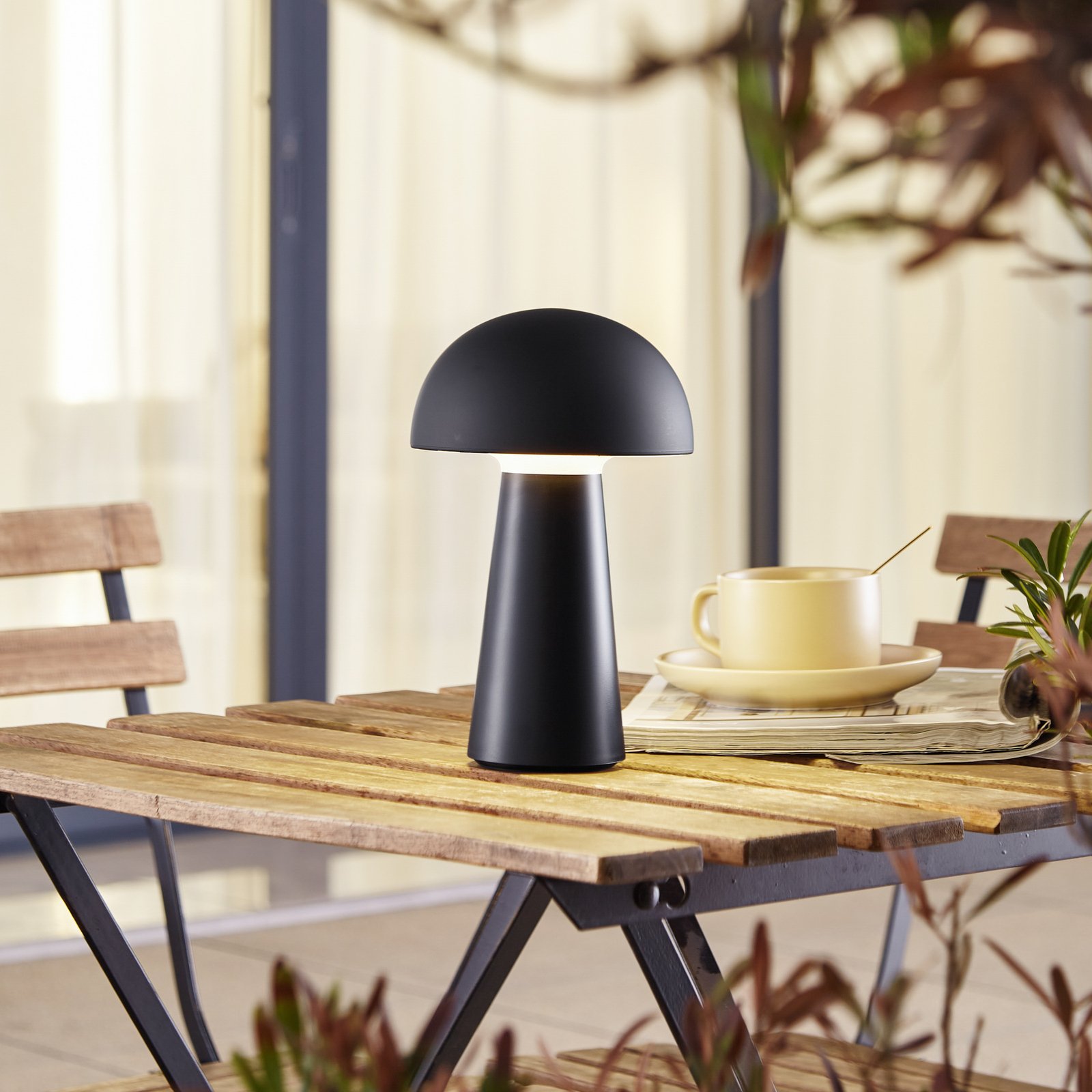
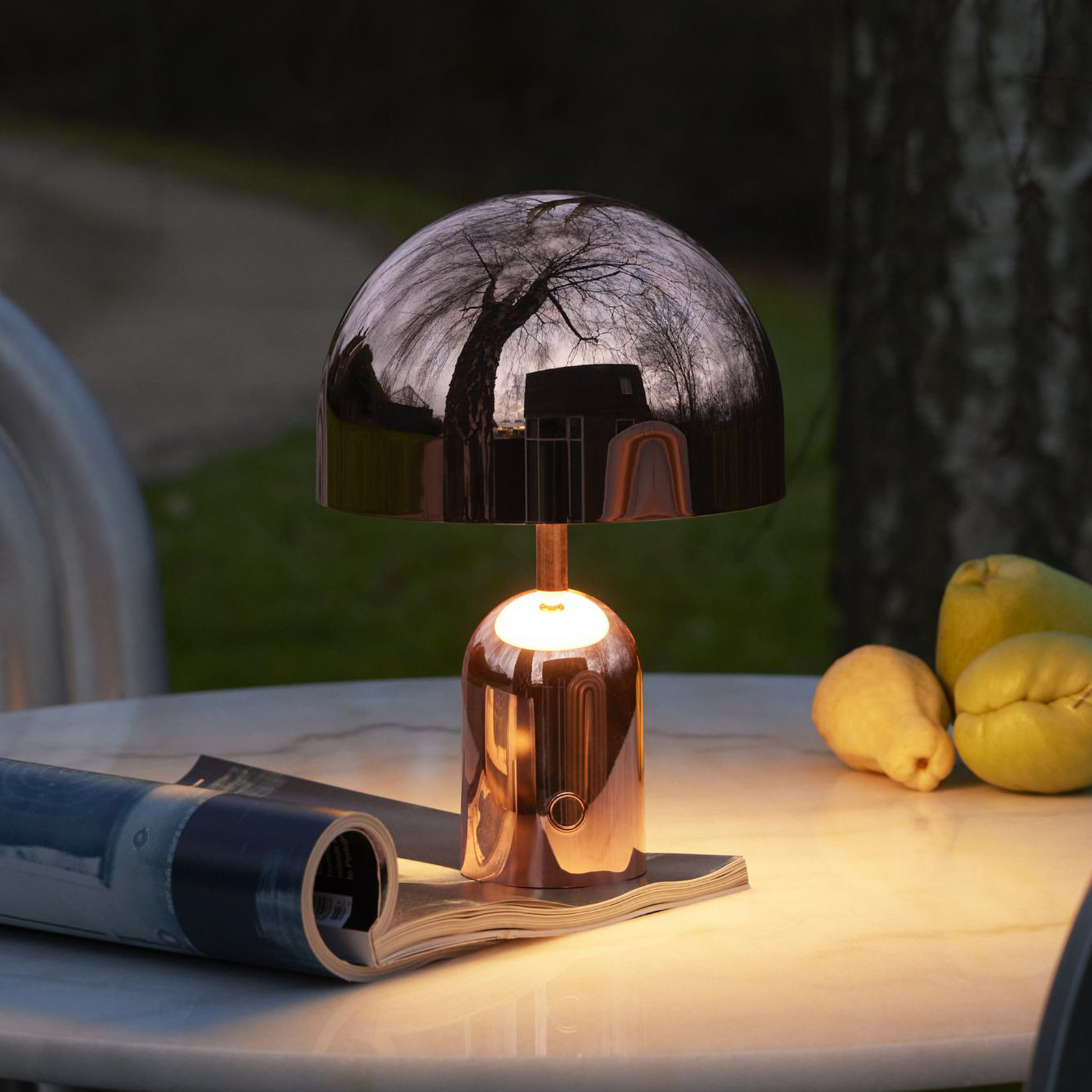
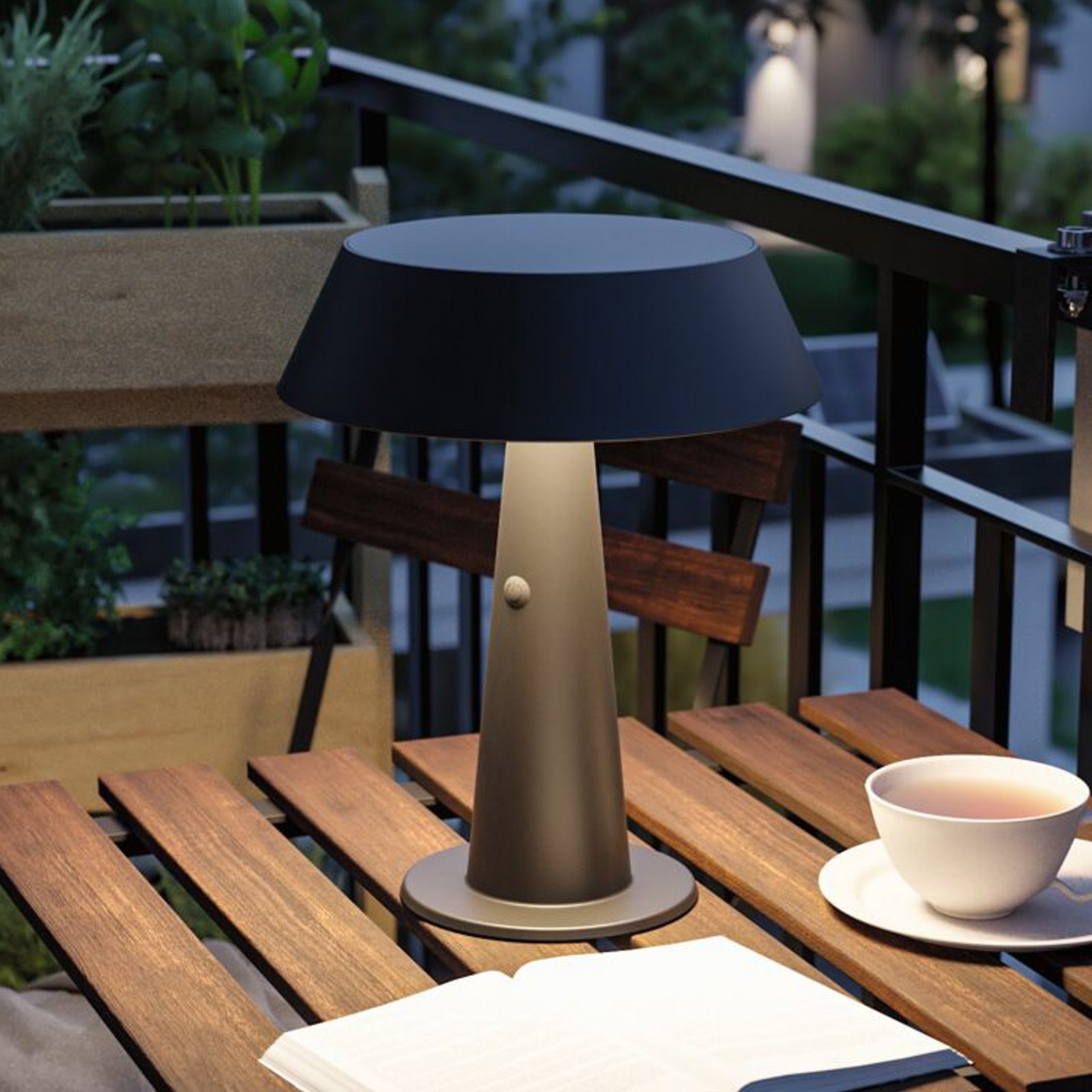
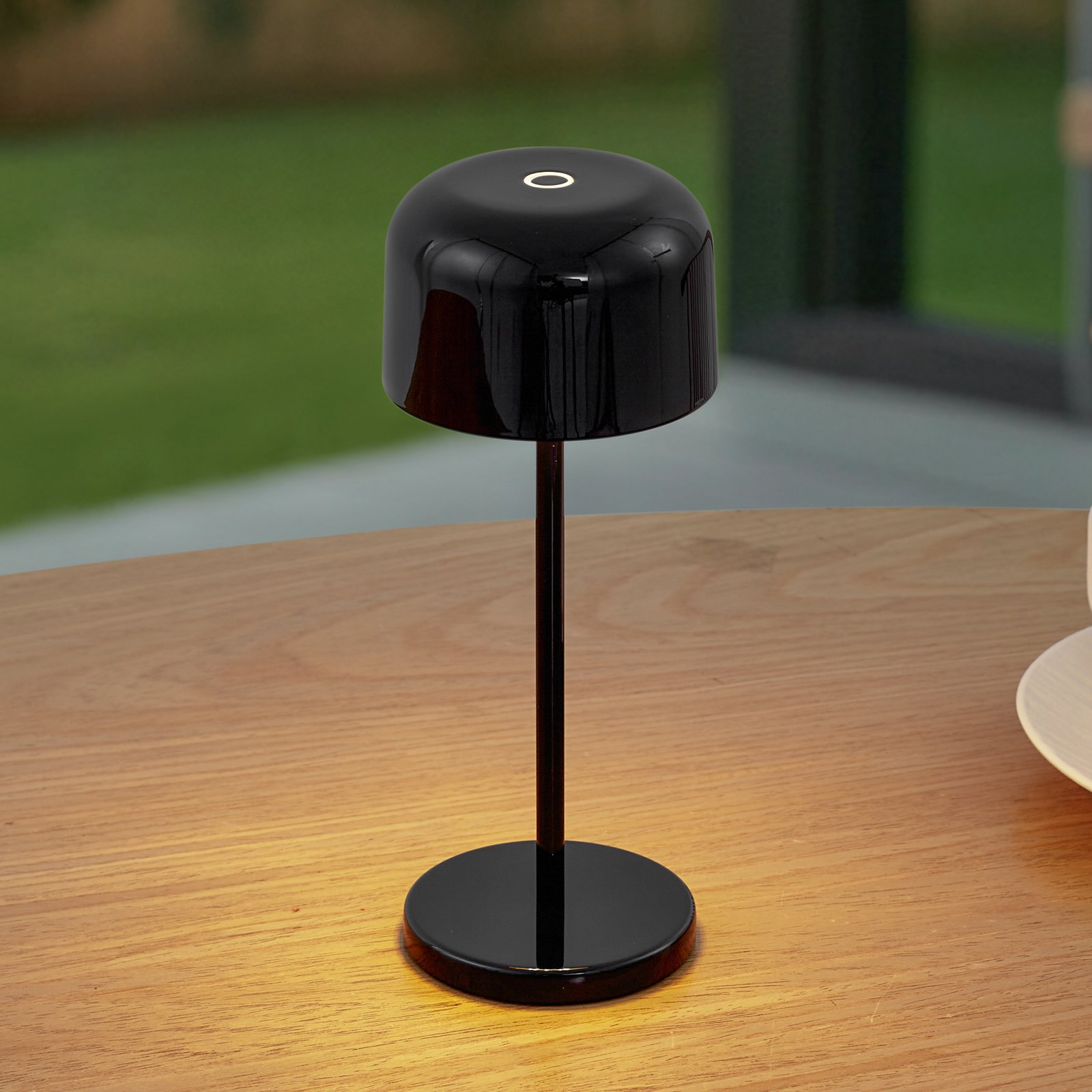
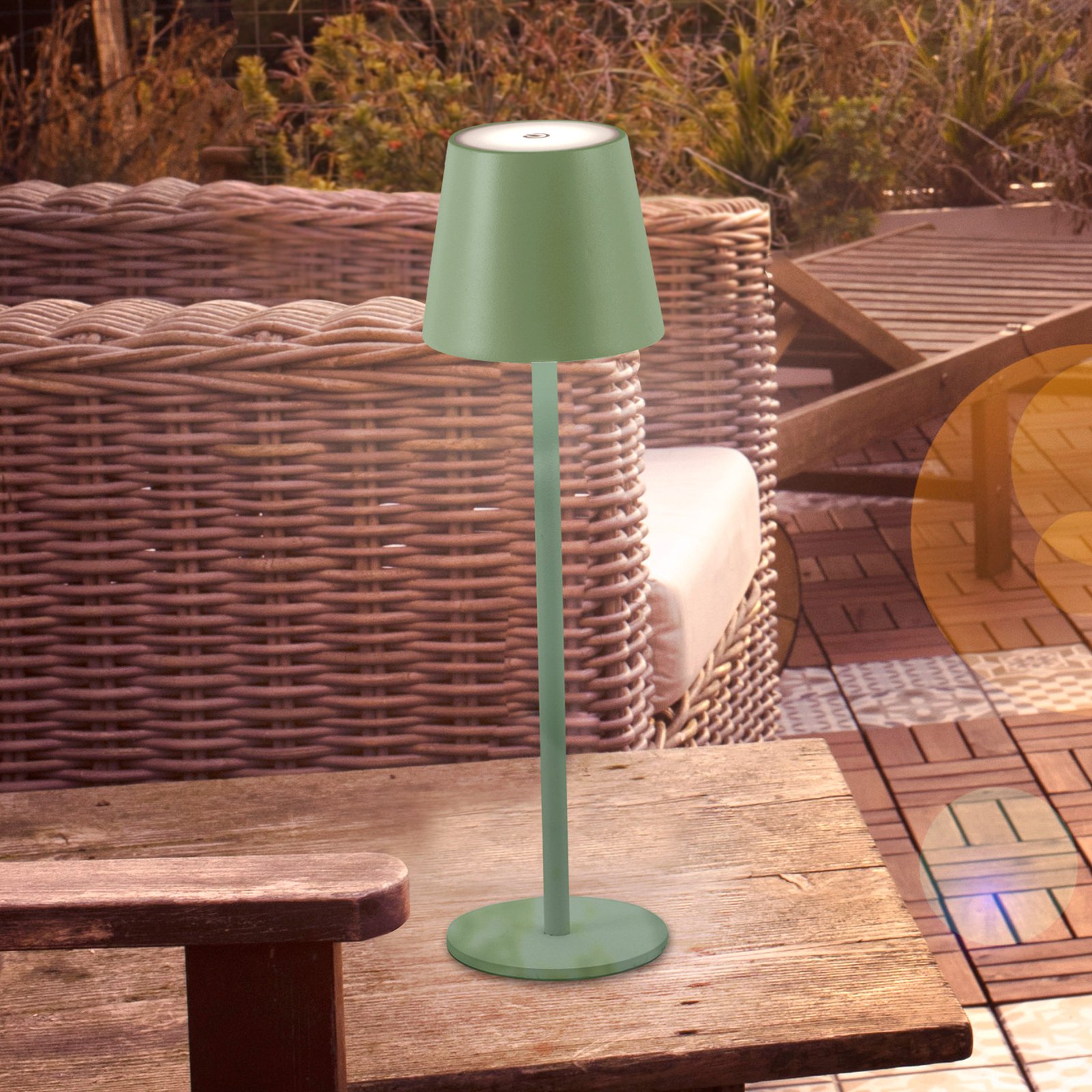
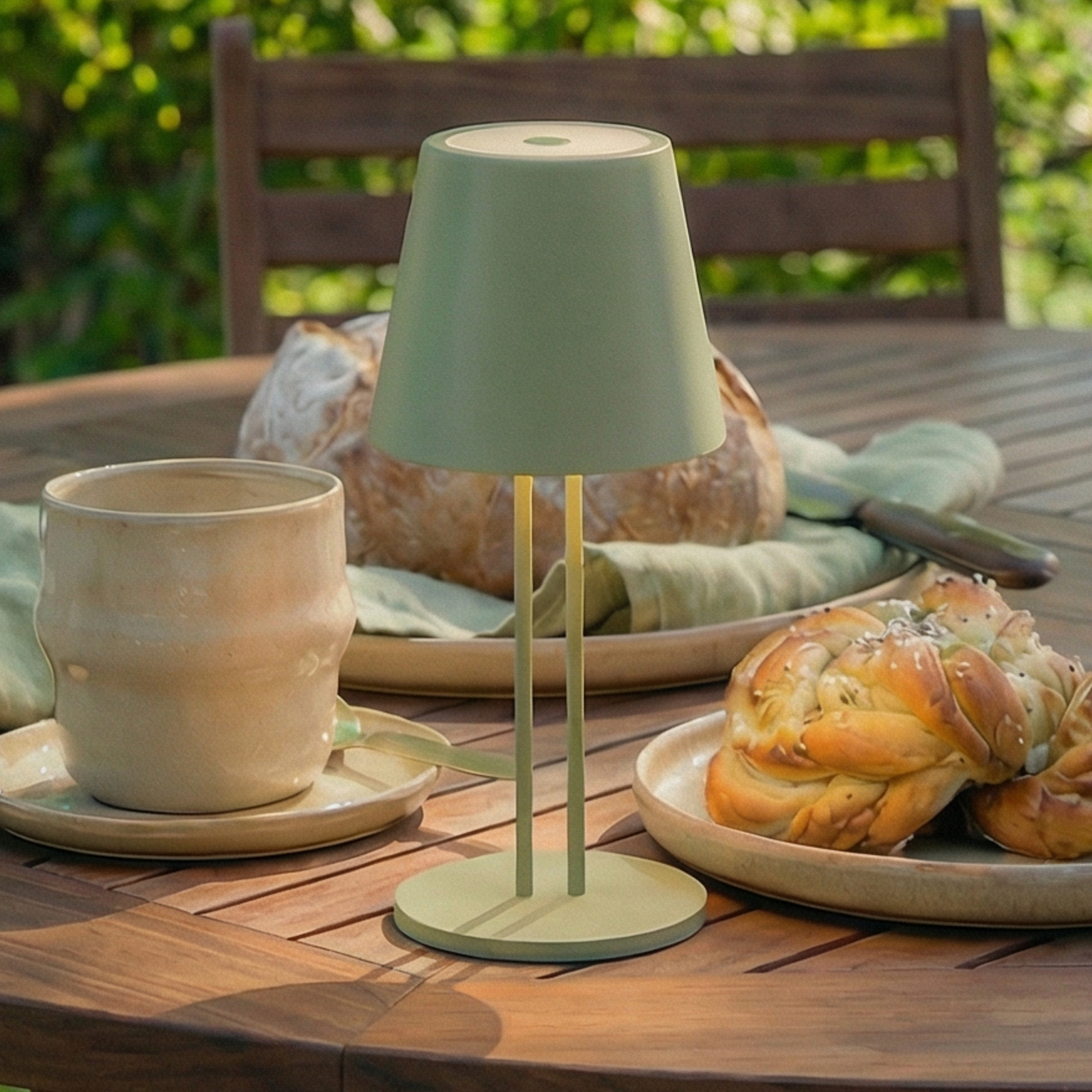
A rechargeable LED table lamp is ideal for areas where there is no power socket or where a cable would restrict its use. On the garden table, it illuminates drinks, crockery and seating without any cables running across the floor. On a small balcony, a compact rechargeable table lamp will fit even on narrow side tables. In a lounge area, it complements the existing low-level outdoor lighting.
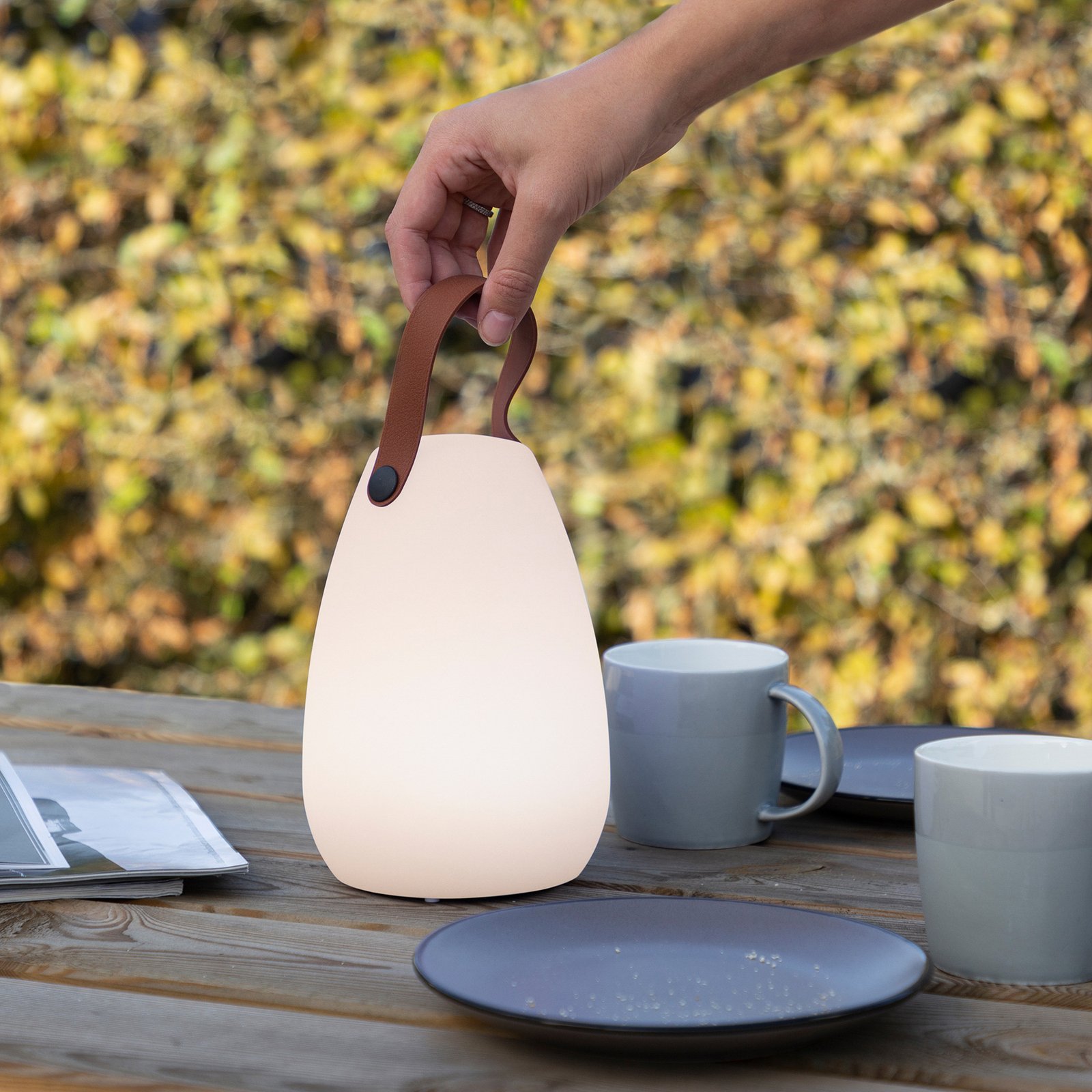
As it is cordless, the light can be moved around as the evening progresses. At first, it sits on the table during meals, and later next to the armchair or on a wall. This flexibility is also useful in the garden, for example when using different seating areas. An outdoor rechargeable table lamp is no substitute for general ambient lighting. It complements wall, path or ceiling lights wherever additional light is needed temporarily.
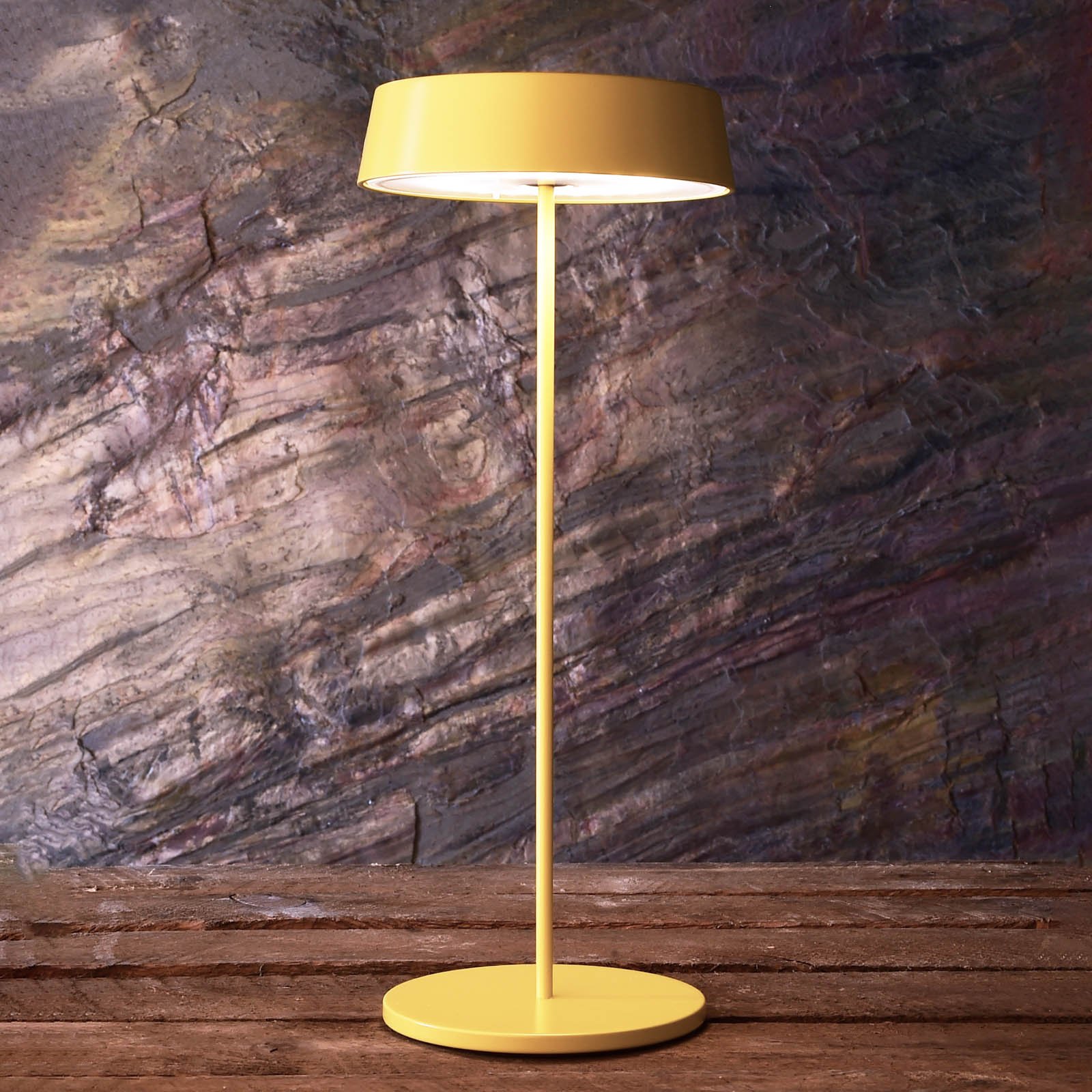
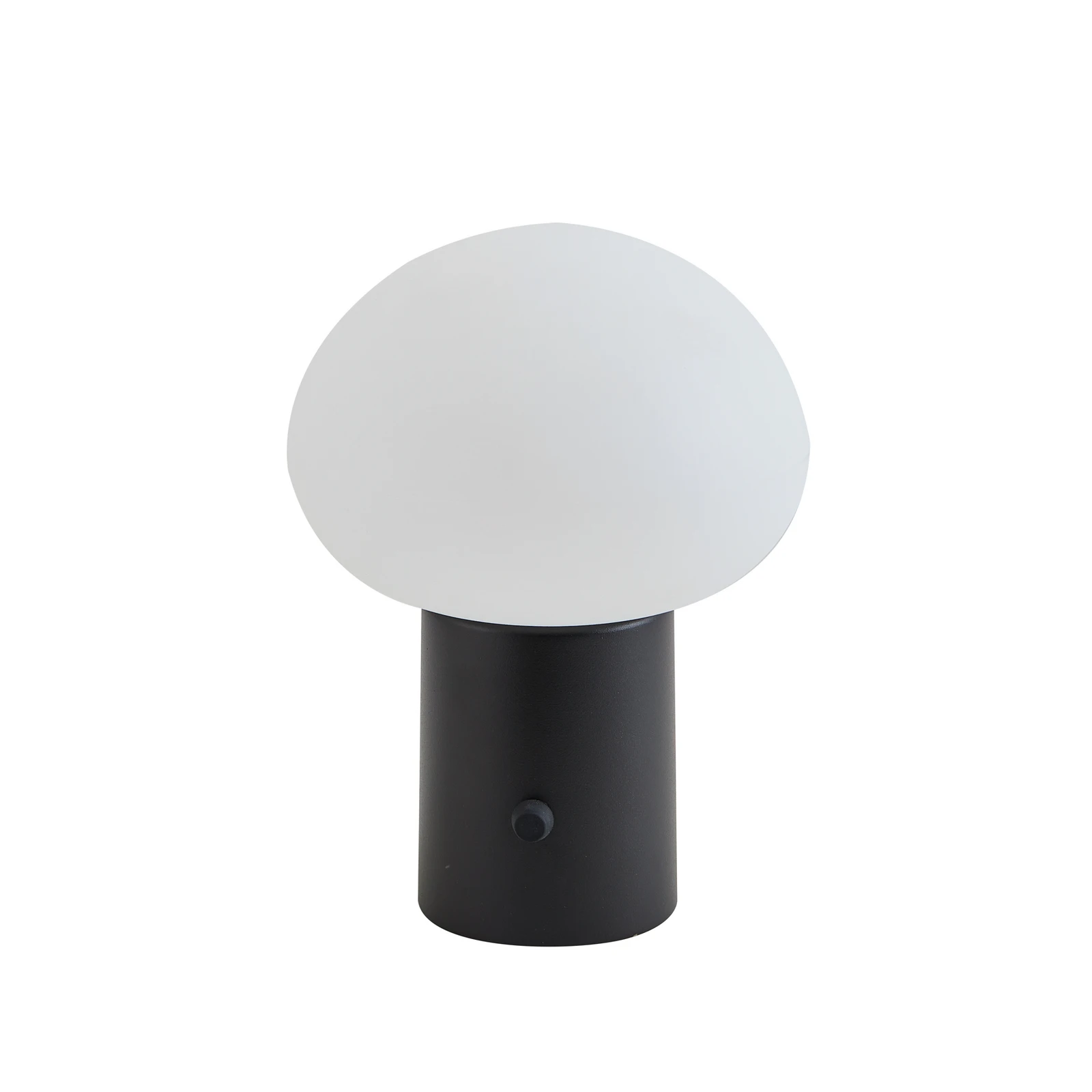
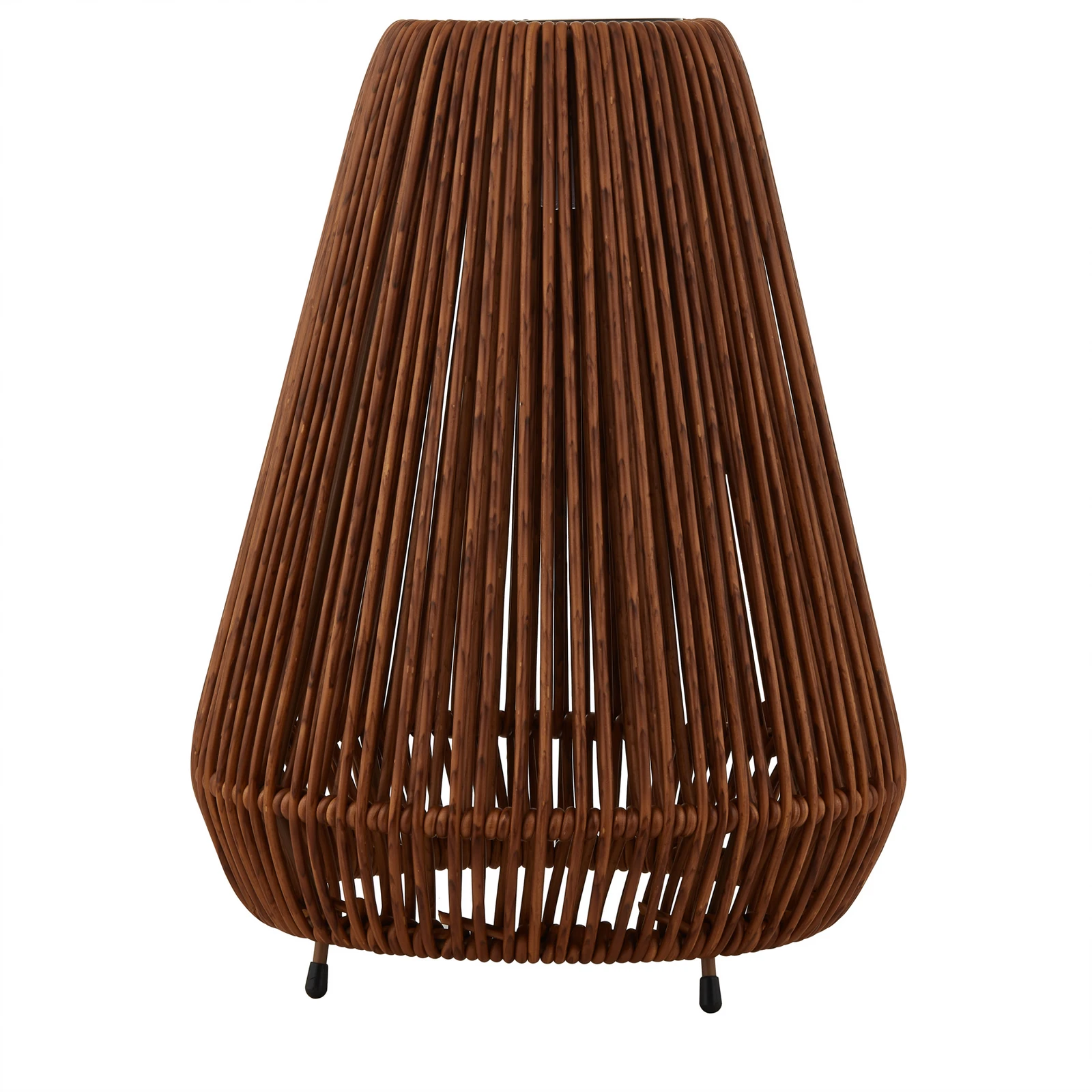
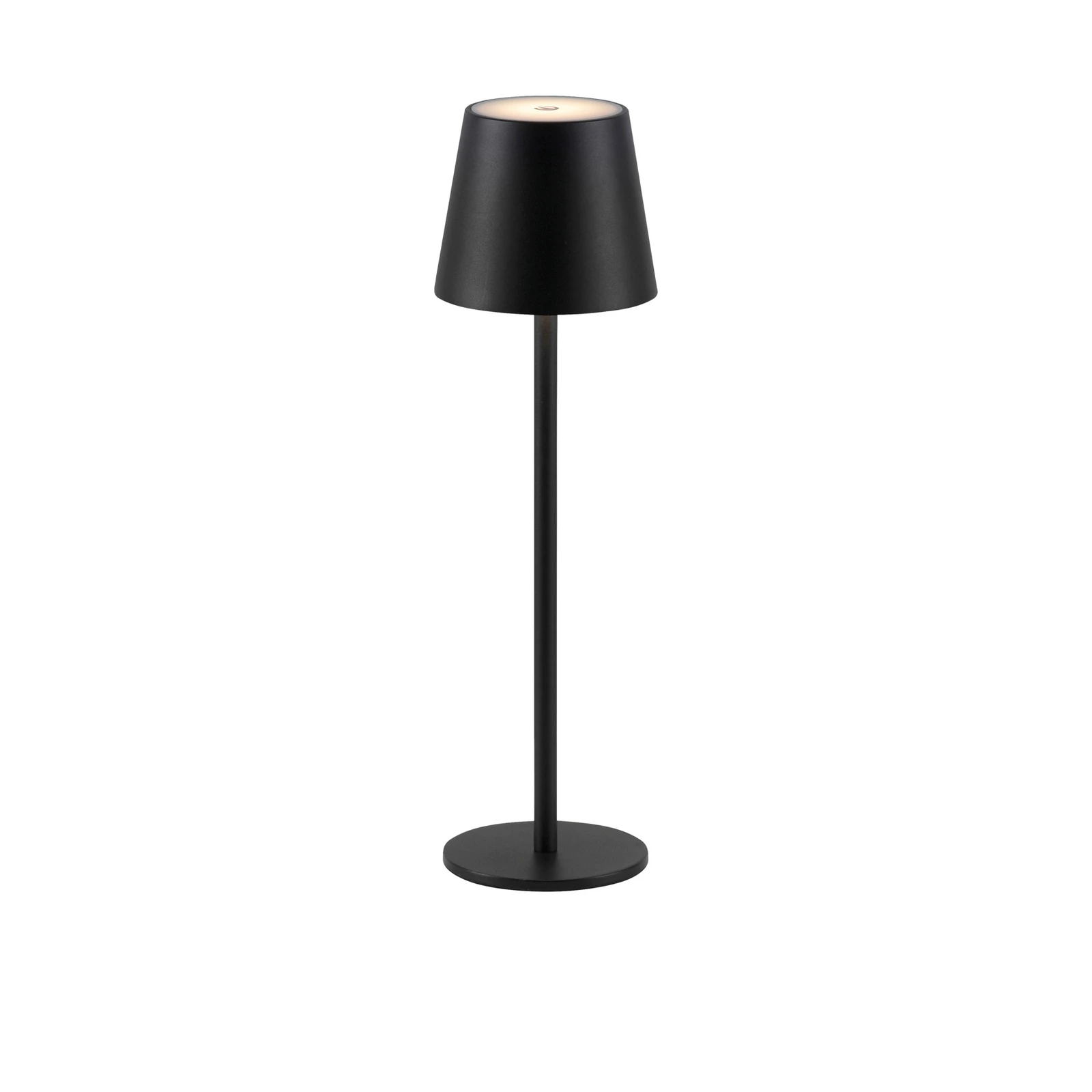
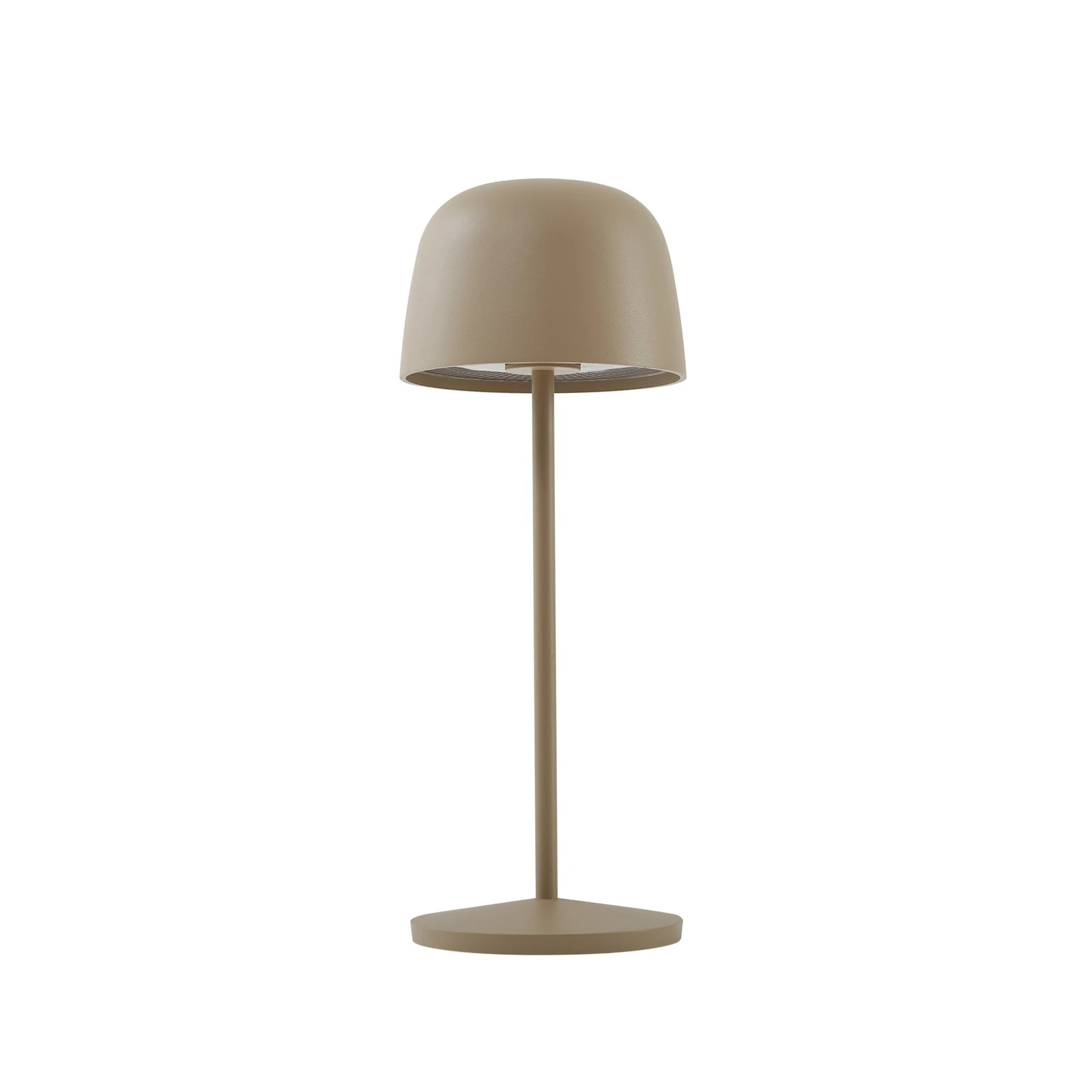
The light output of a battery-powered table lamp depends on its design and the brightness setting. Lamps with a downward-facing shade mainly illuminate the tabletop. Lights with an open or all-round luminous body distribute the light more widely and aid orientation in the immediate surroundings. For a dining table, a clearly defined area of light is often a good idea, as it ensures that glasses, plates and food remain clearly visible.
Dimmable models can be adapted to suit different situations. A higher brightness setting is useful when eating or playing a board game. A lower brightness setting is often sufficient for conversations or a quiet evening on the balcony. The lower setting also reduces distracting differences in brightness compared with the dark surroundings. Ease of use is also a factor to consider when making a choice. Depending on the model, this is done using a switch, a touch function or a remote control. The control unit should be easily accessible at the designated location.
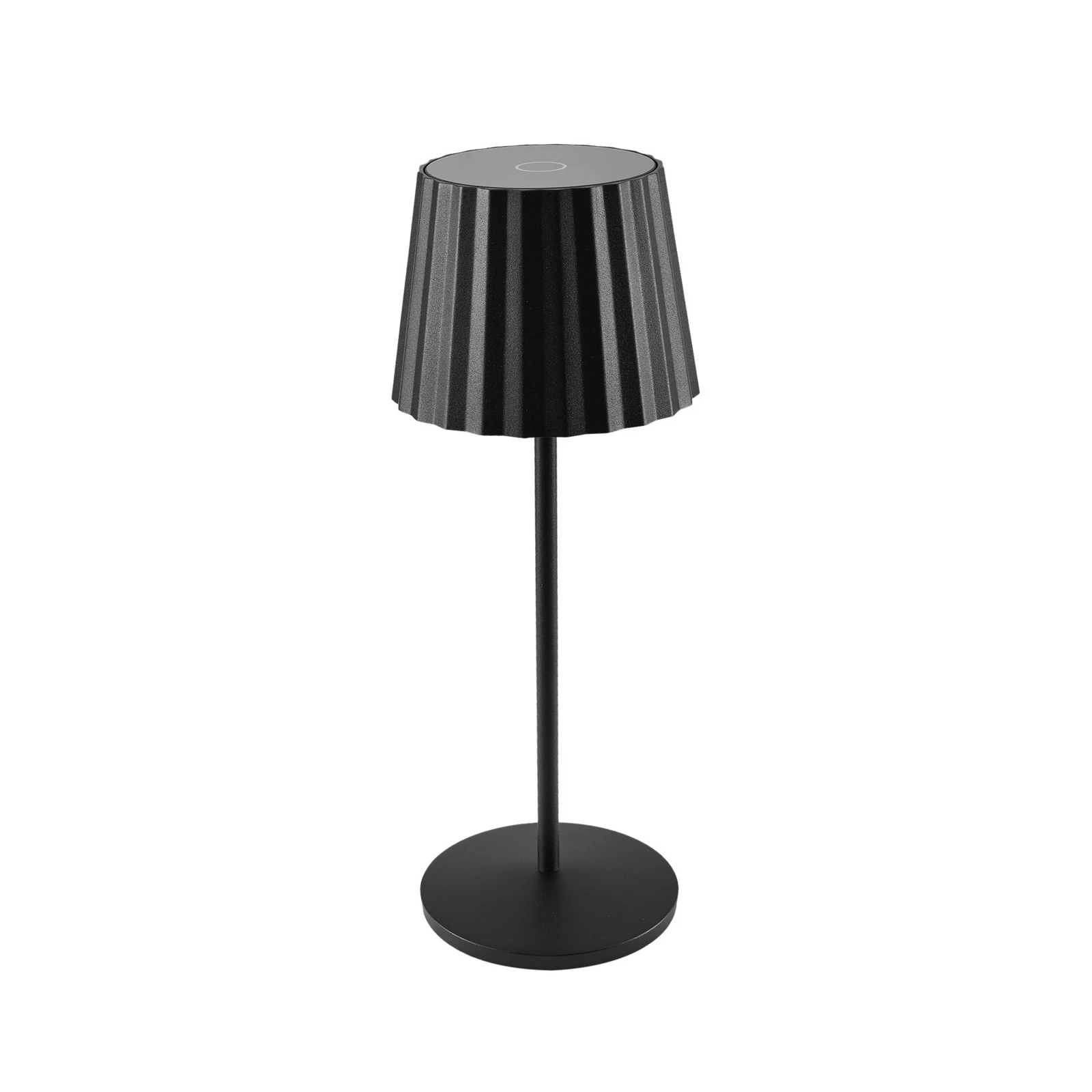
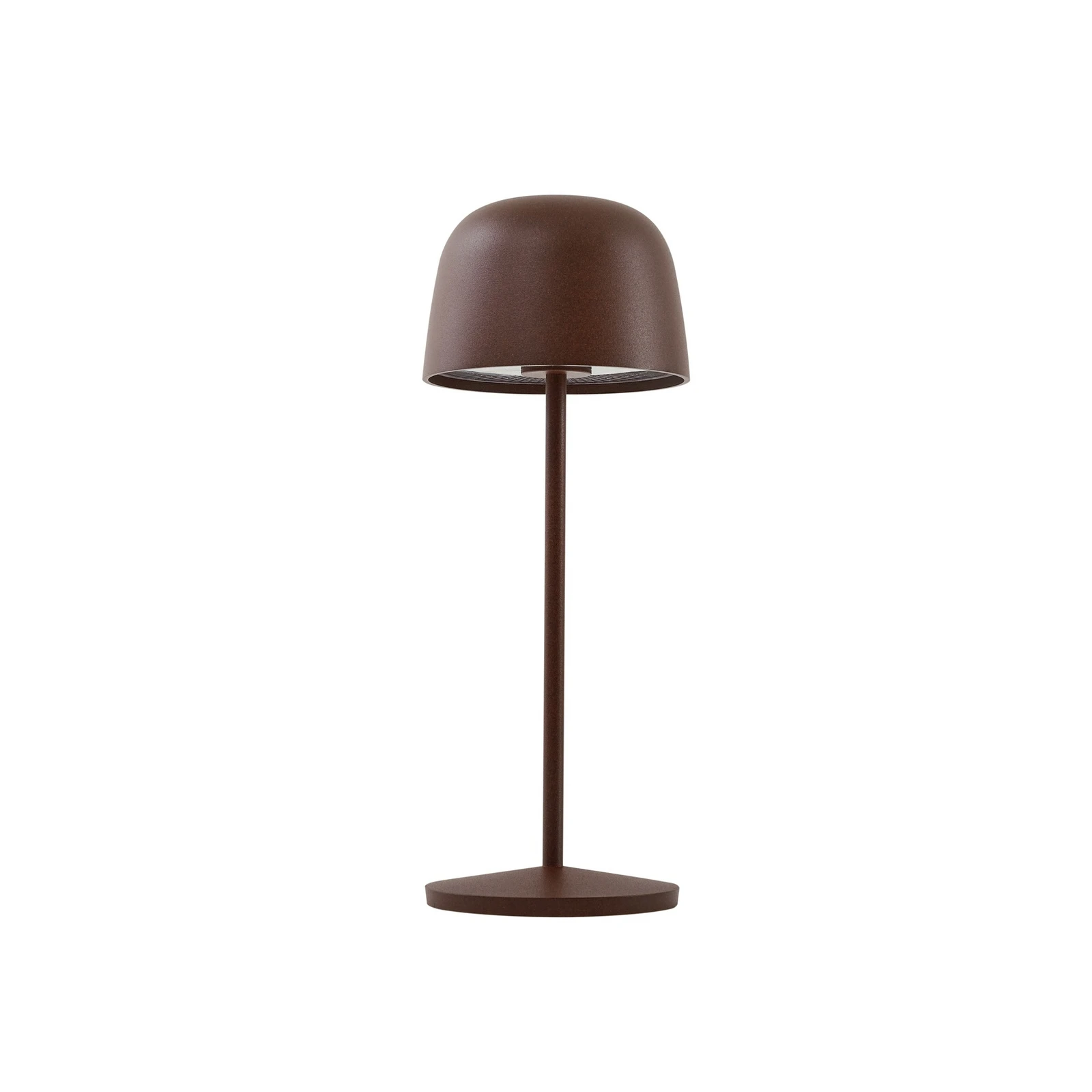
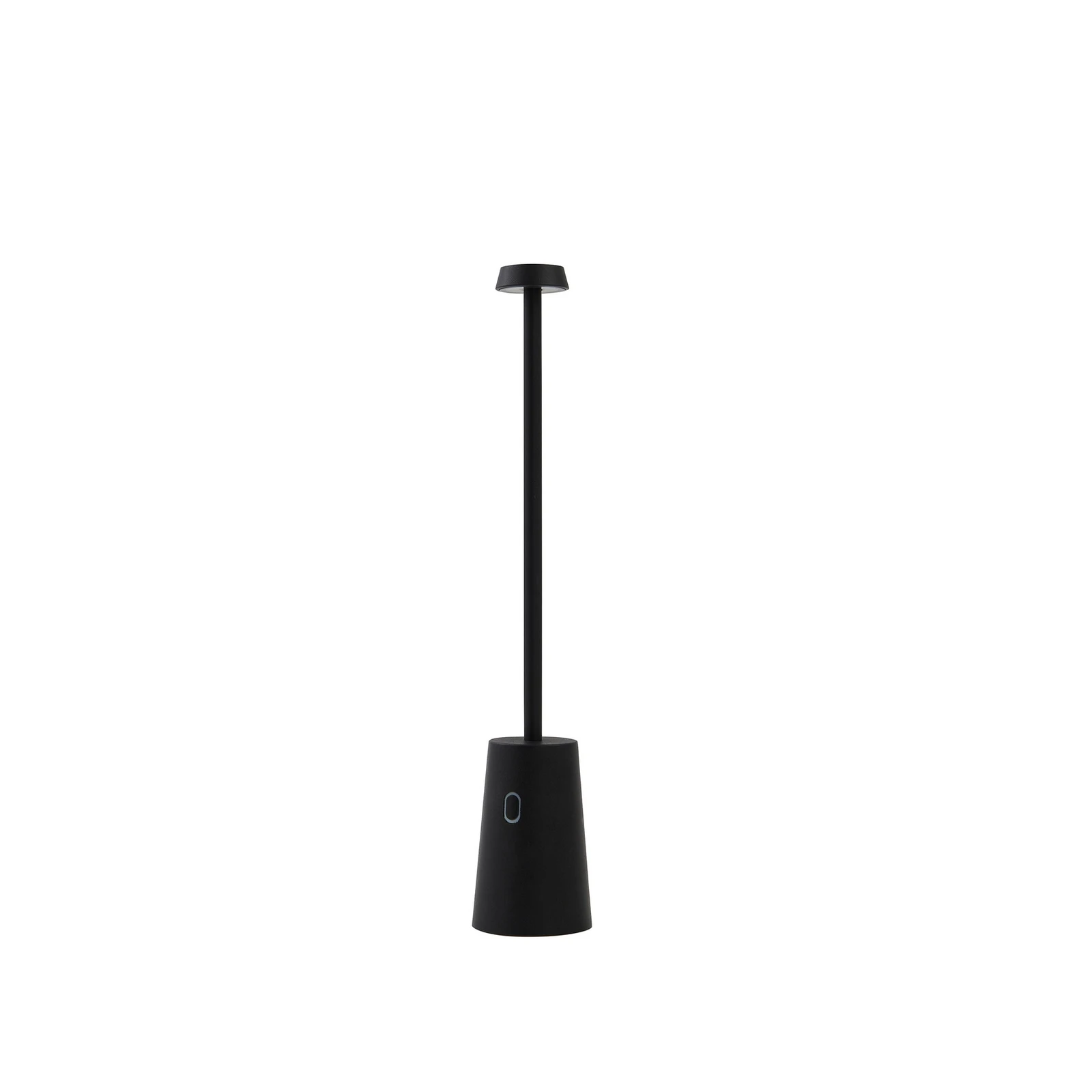
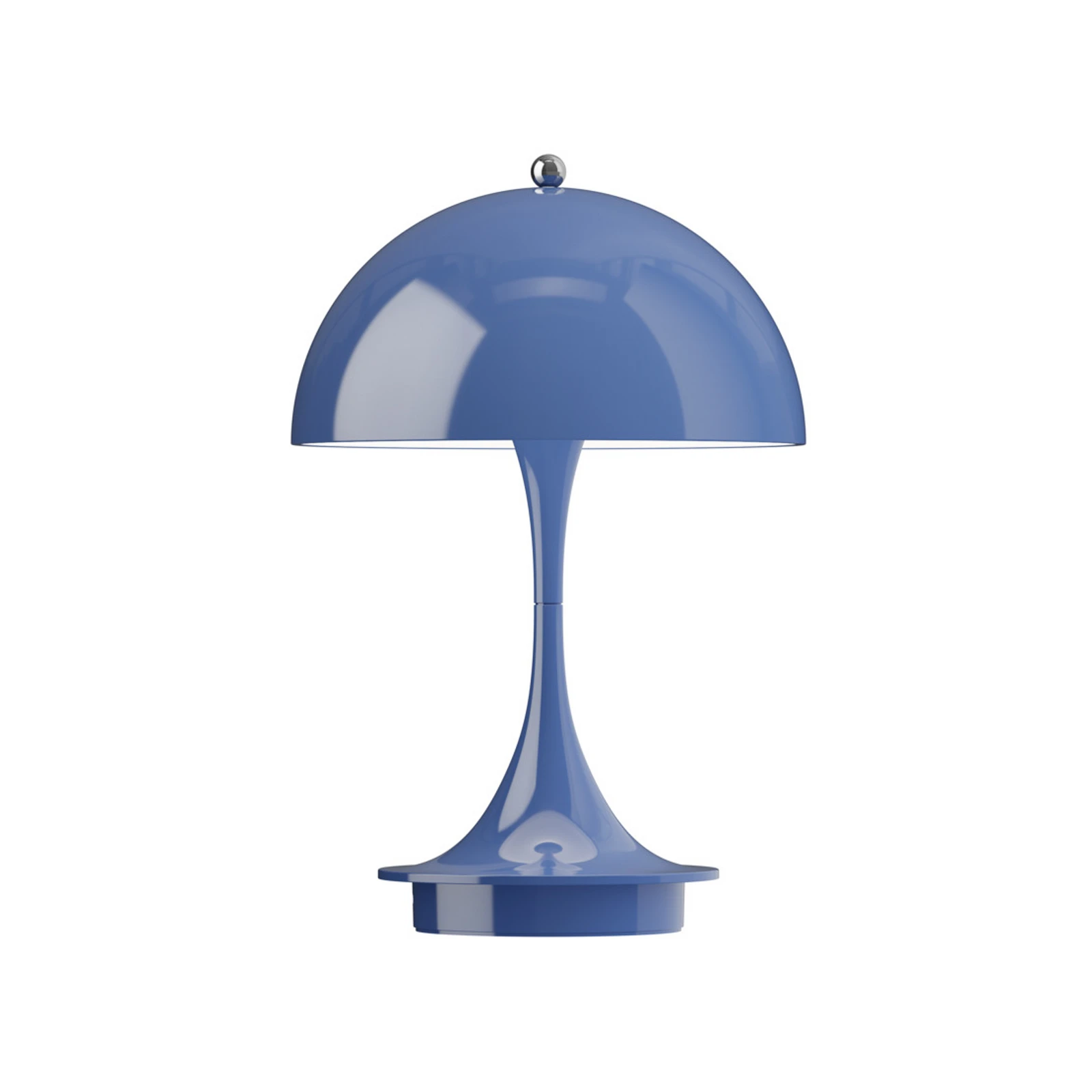
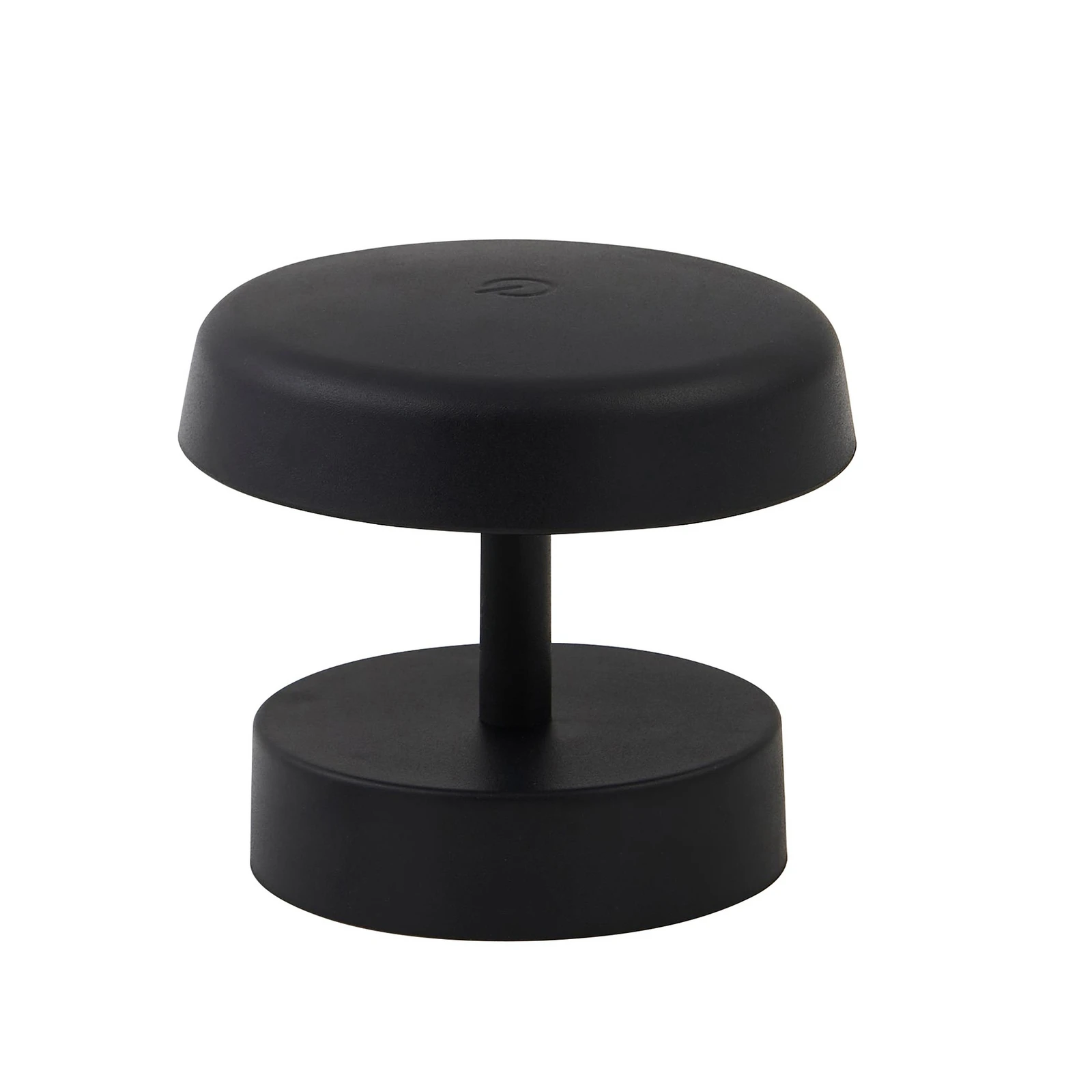
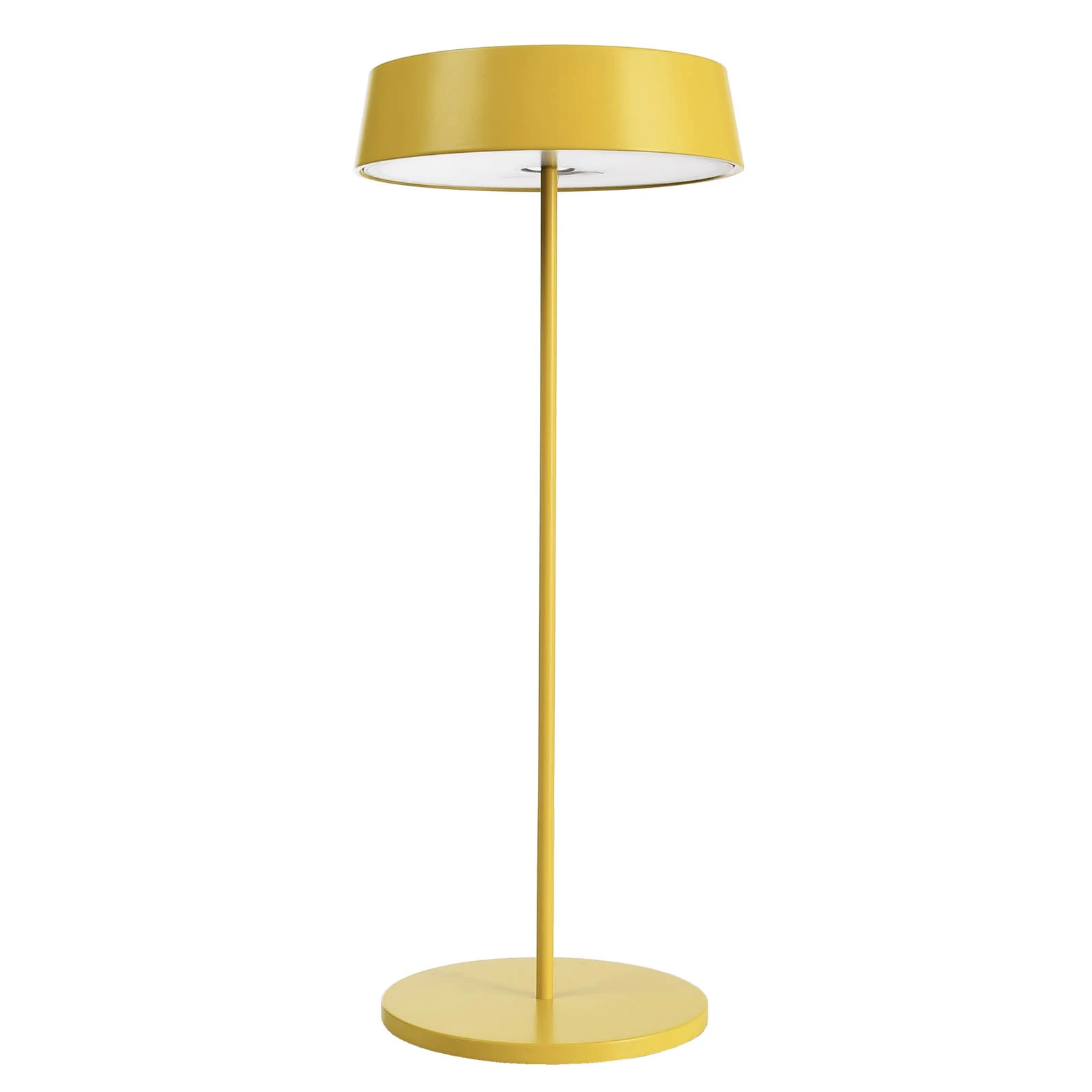
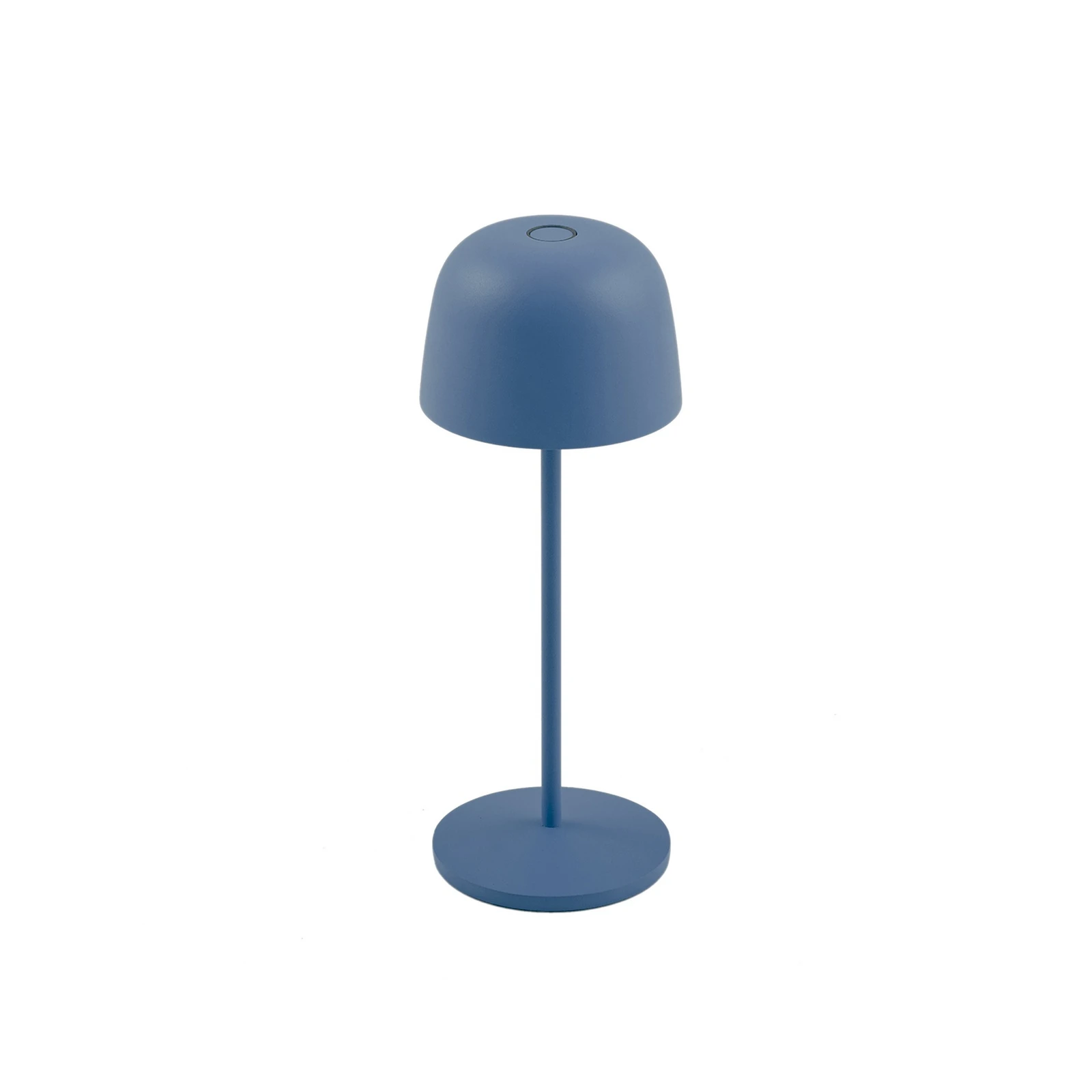
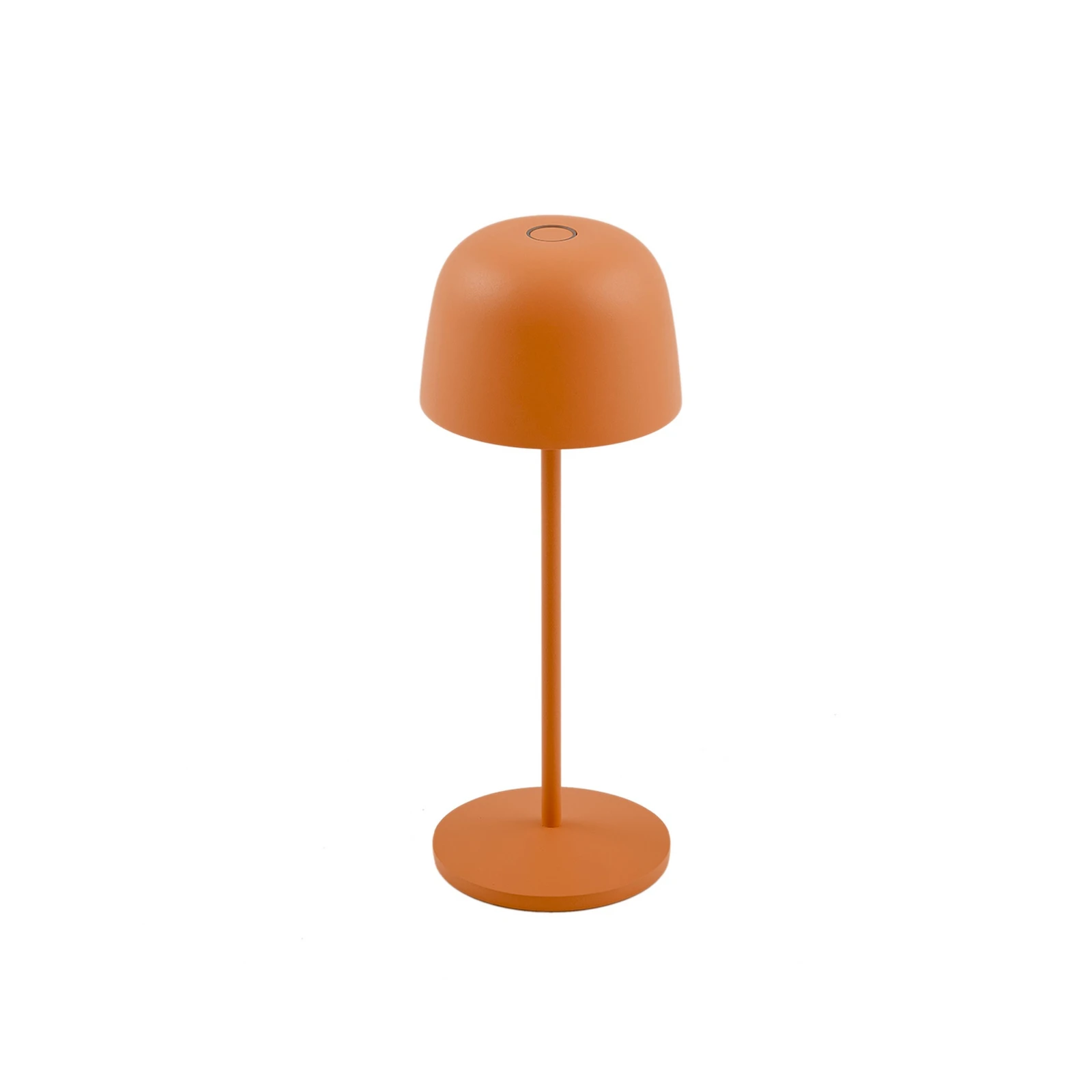
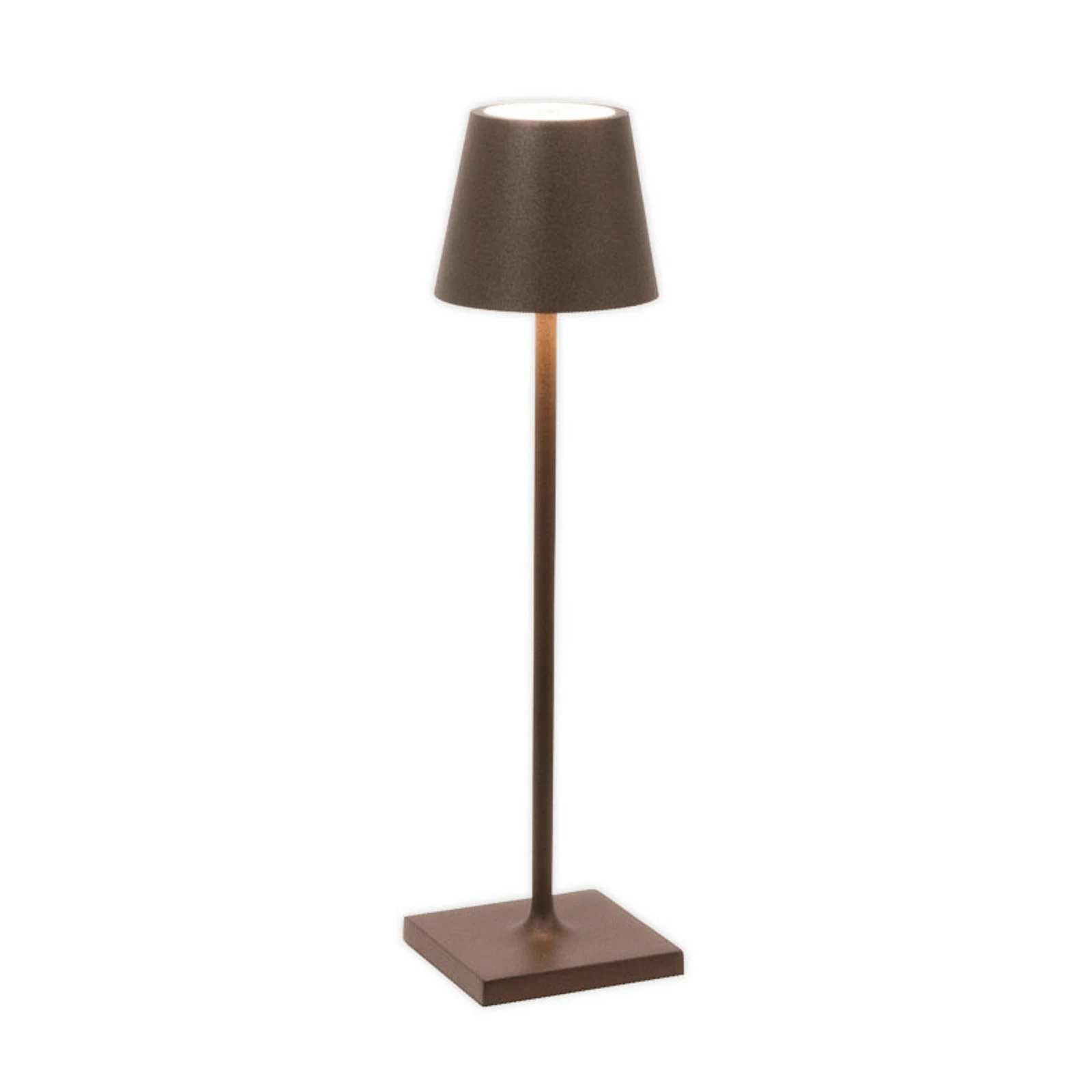
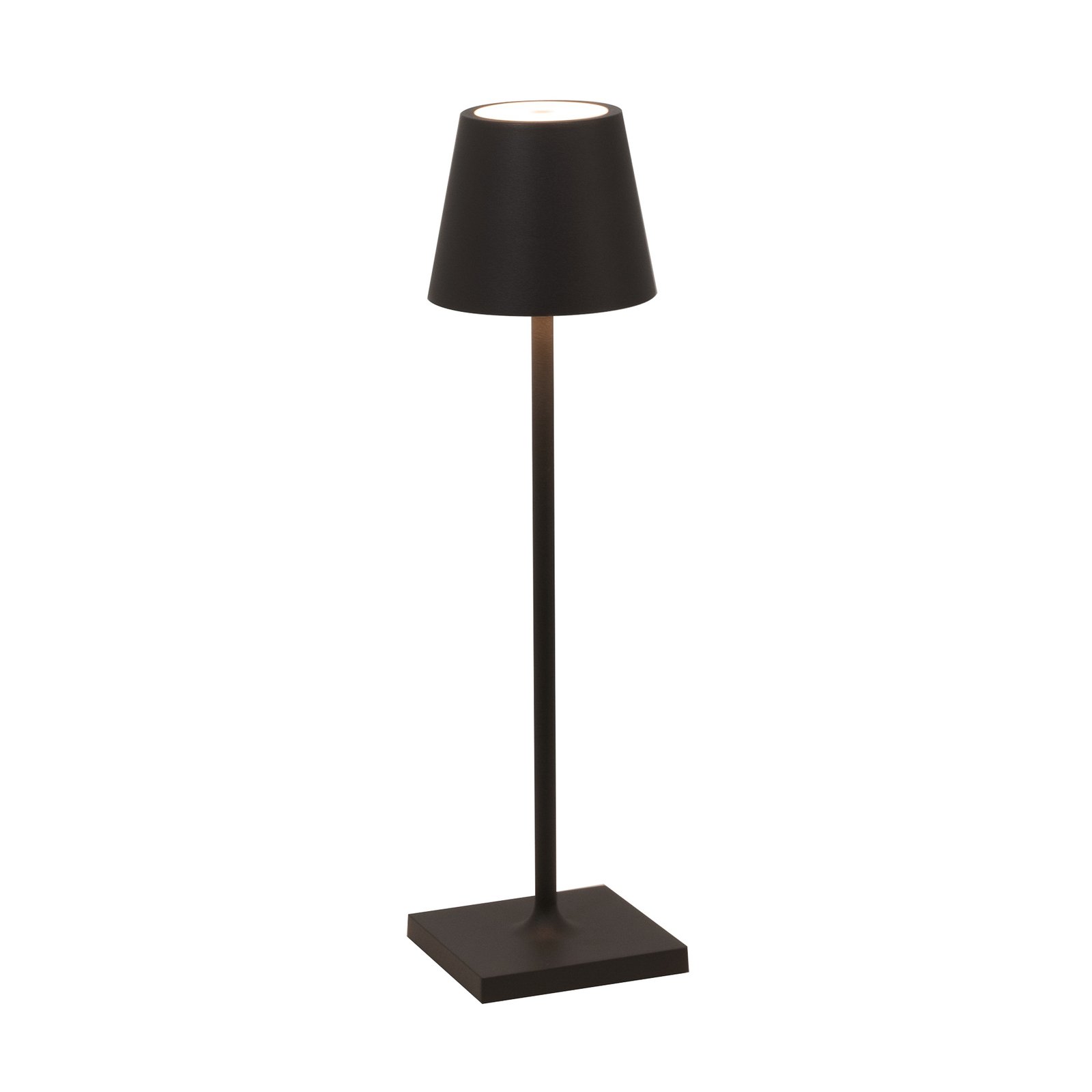
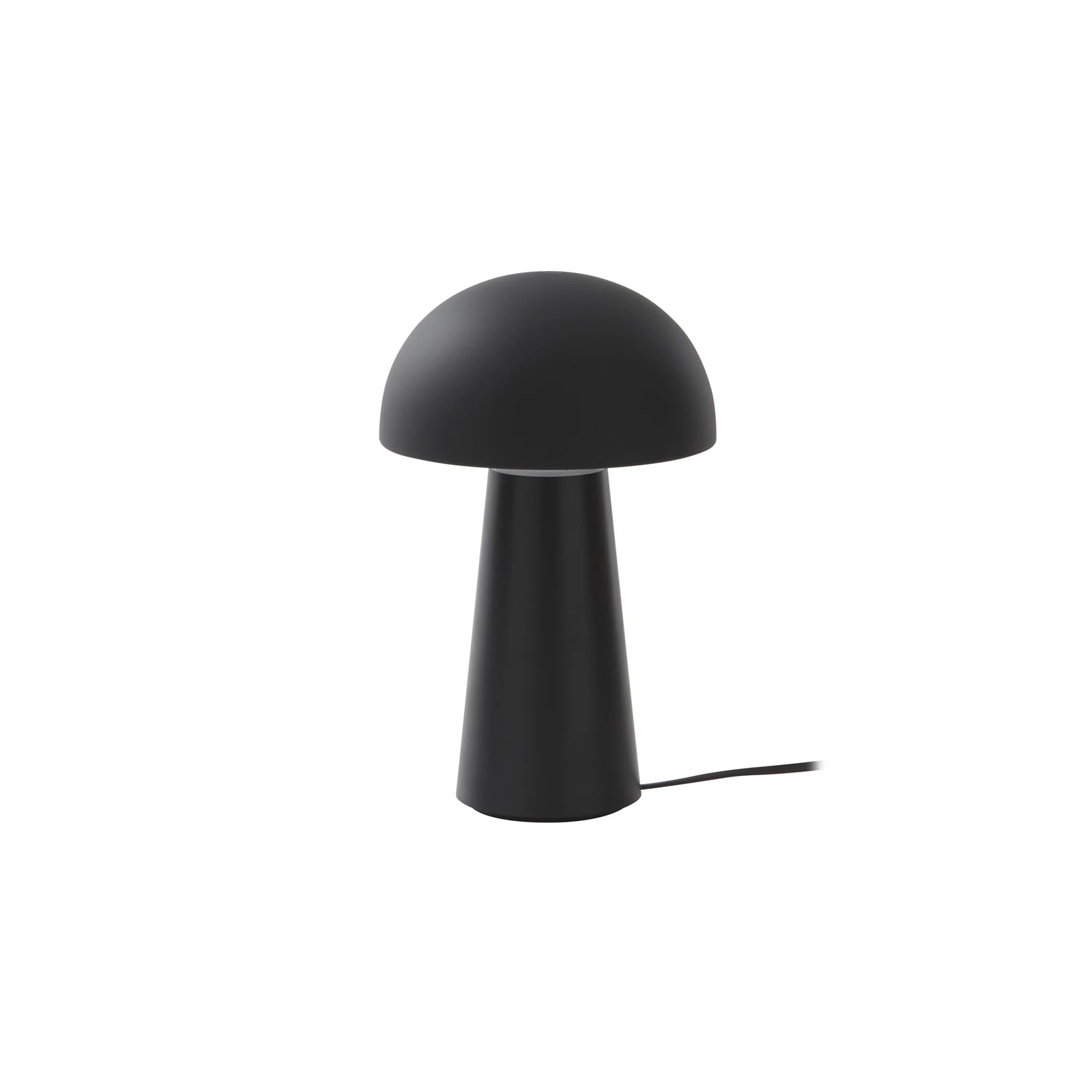
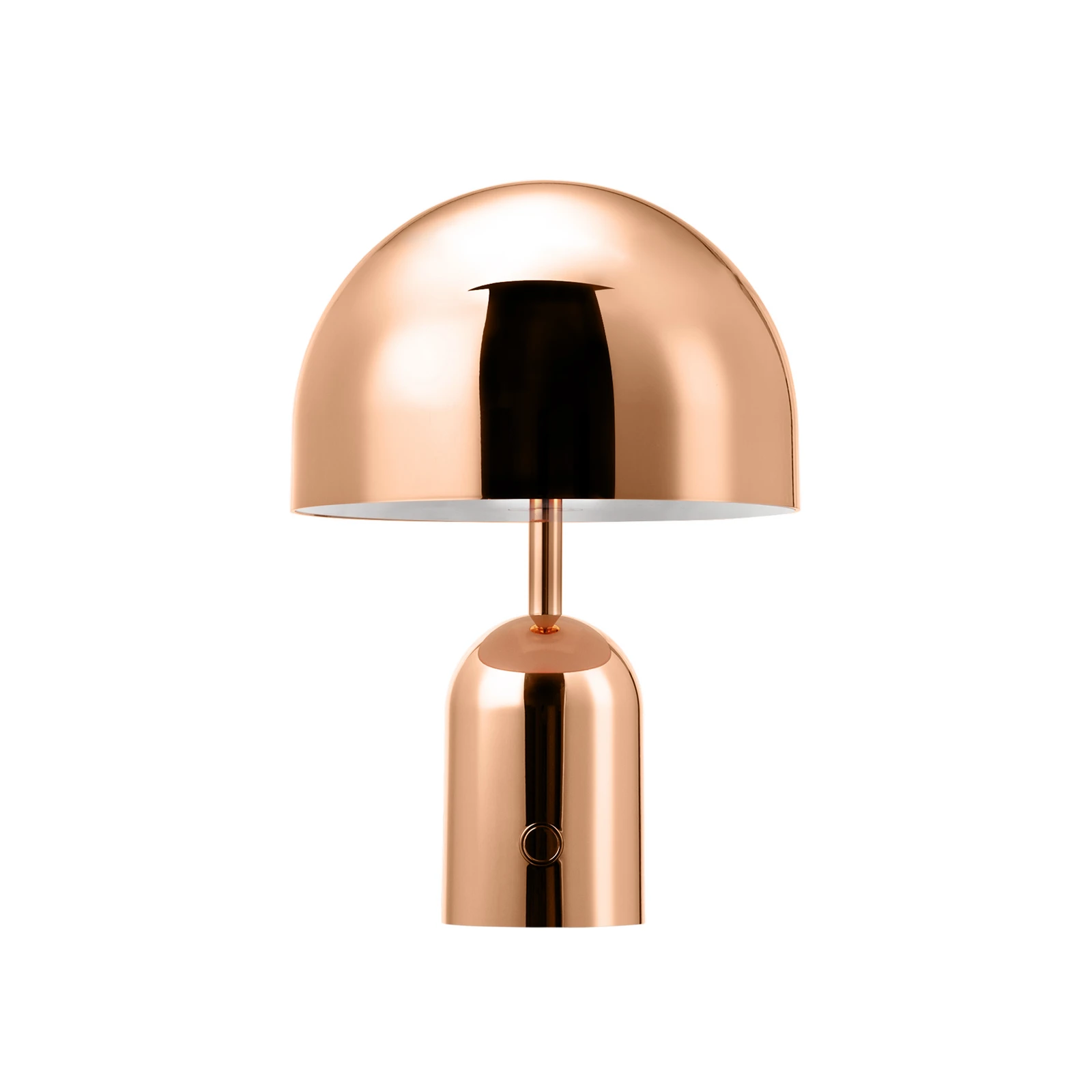
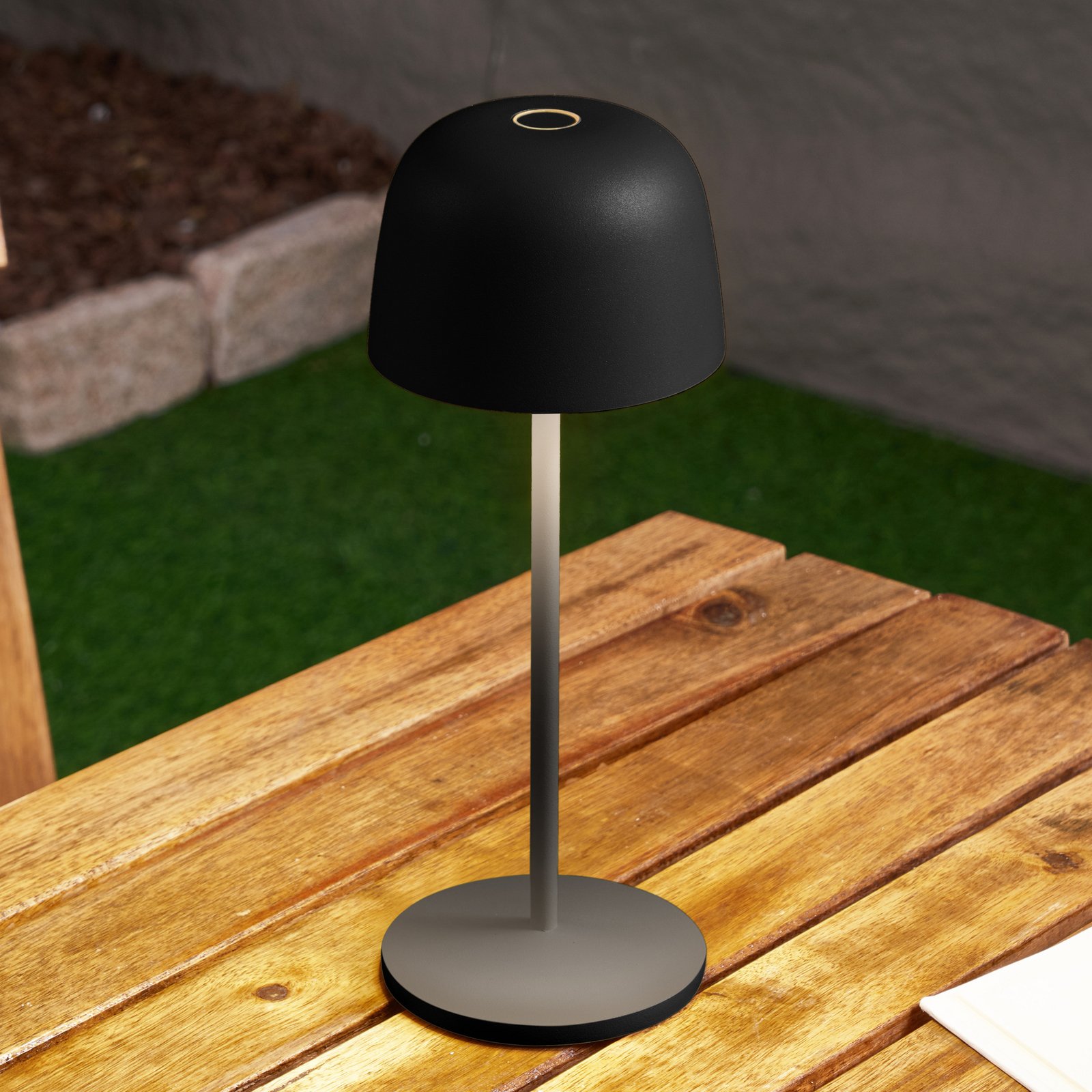
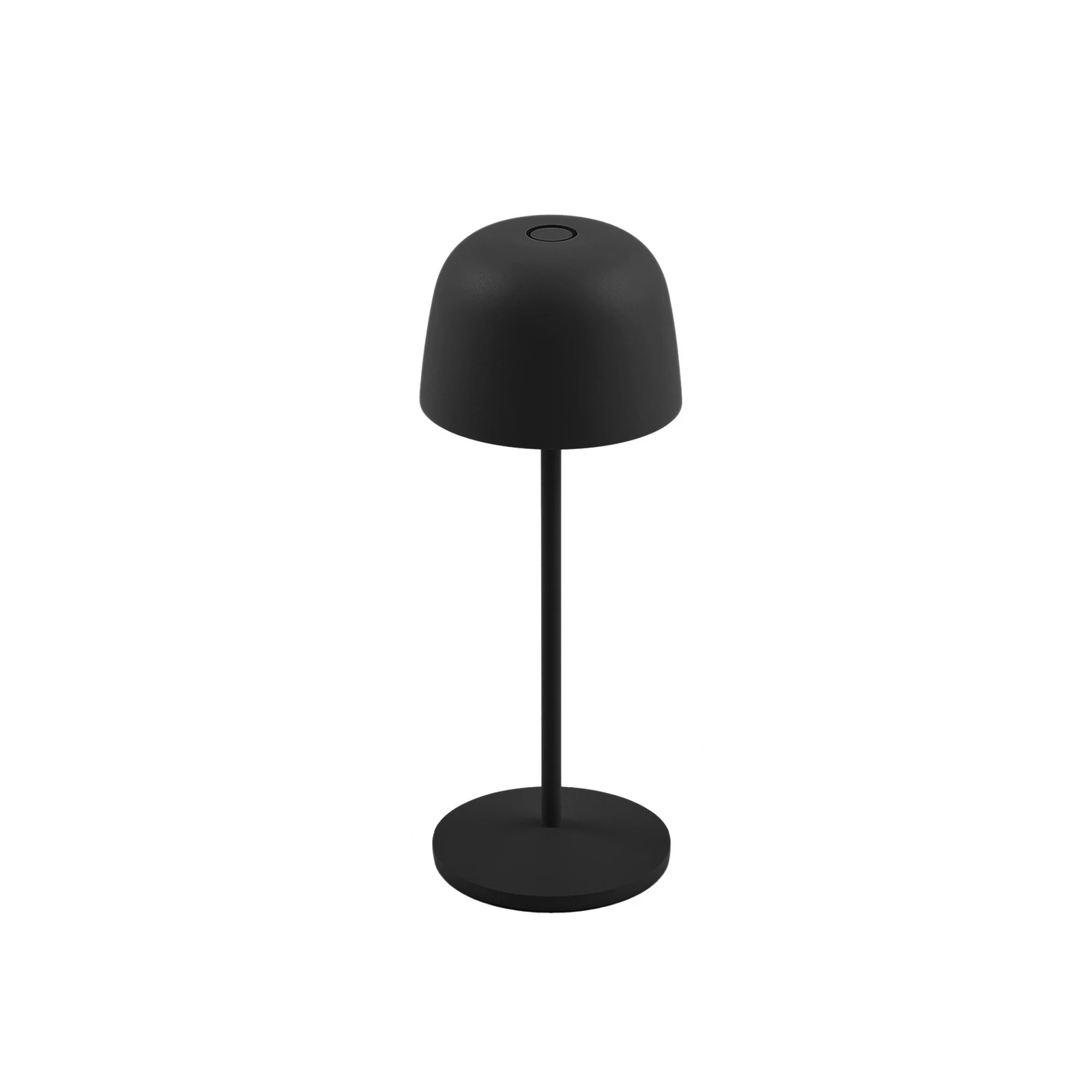
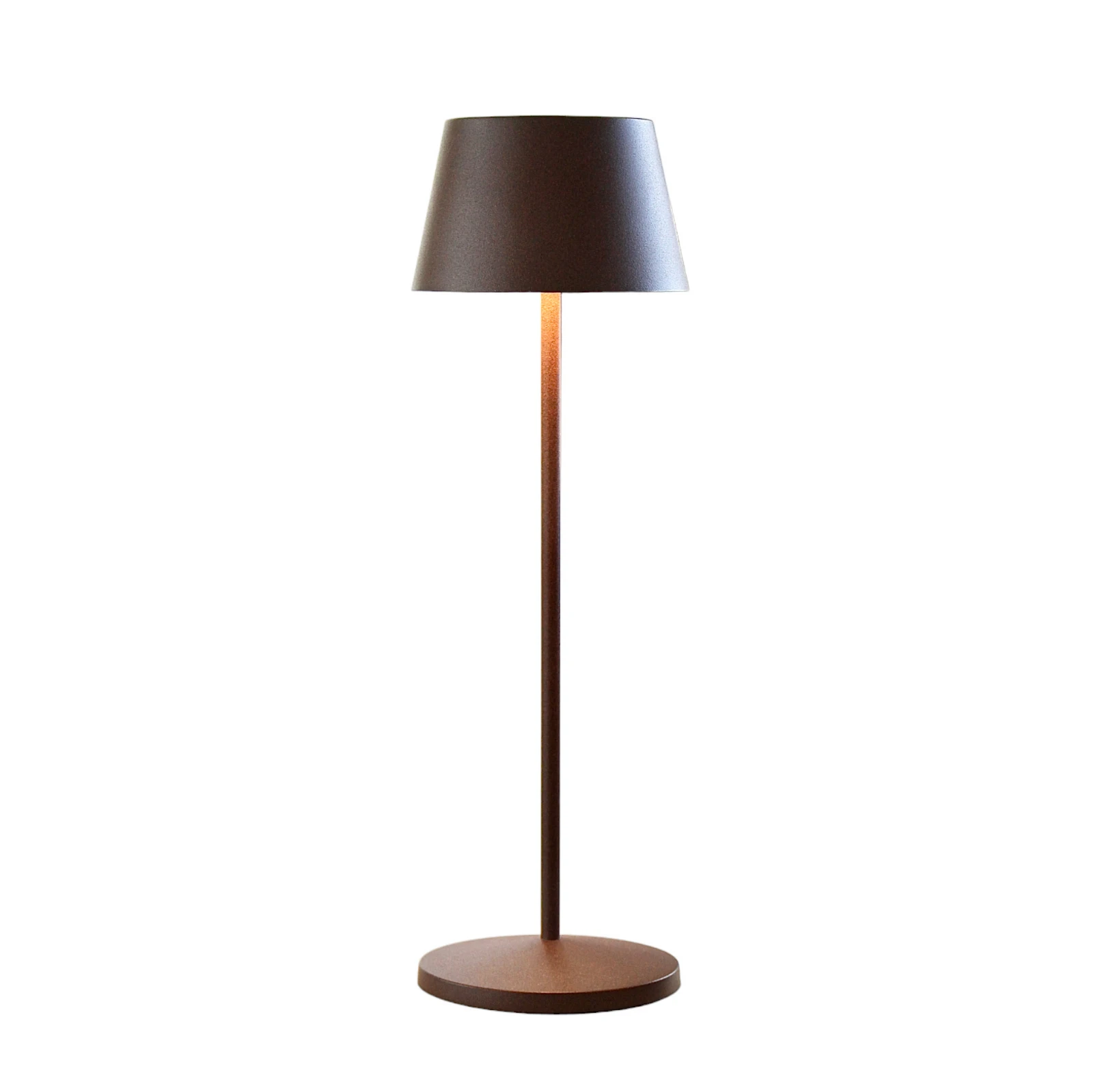
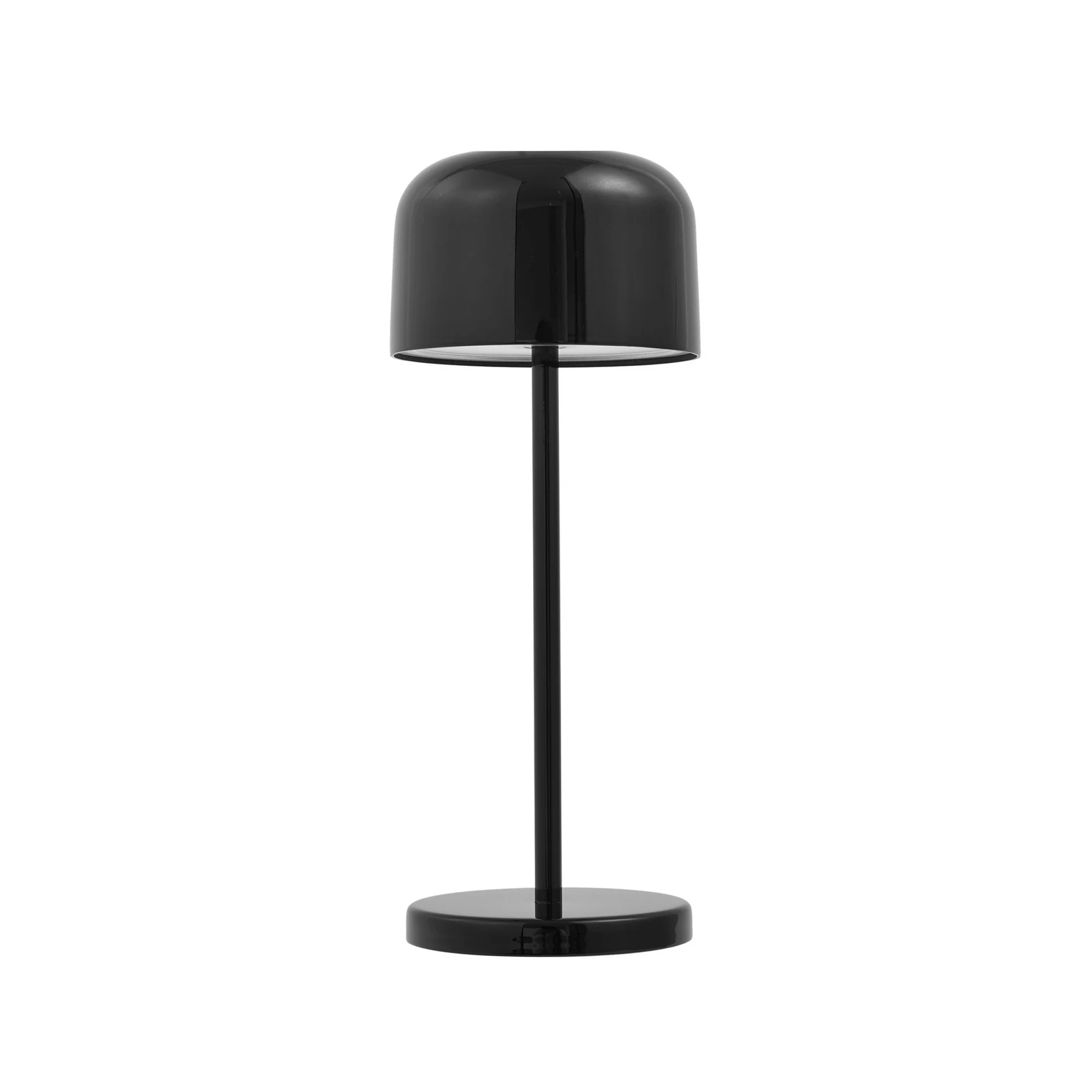
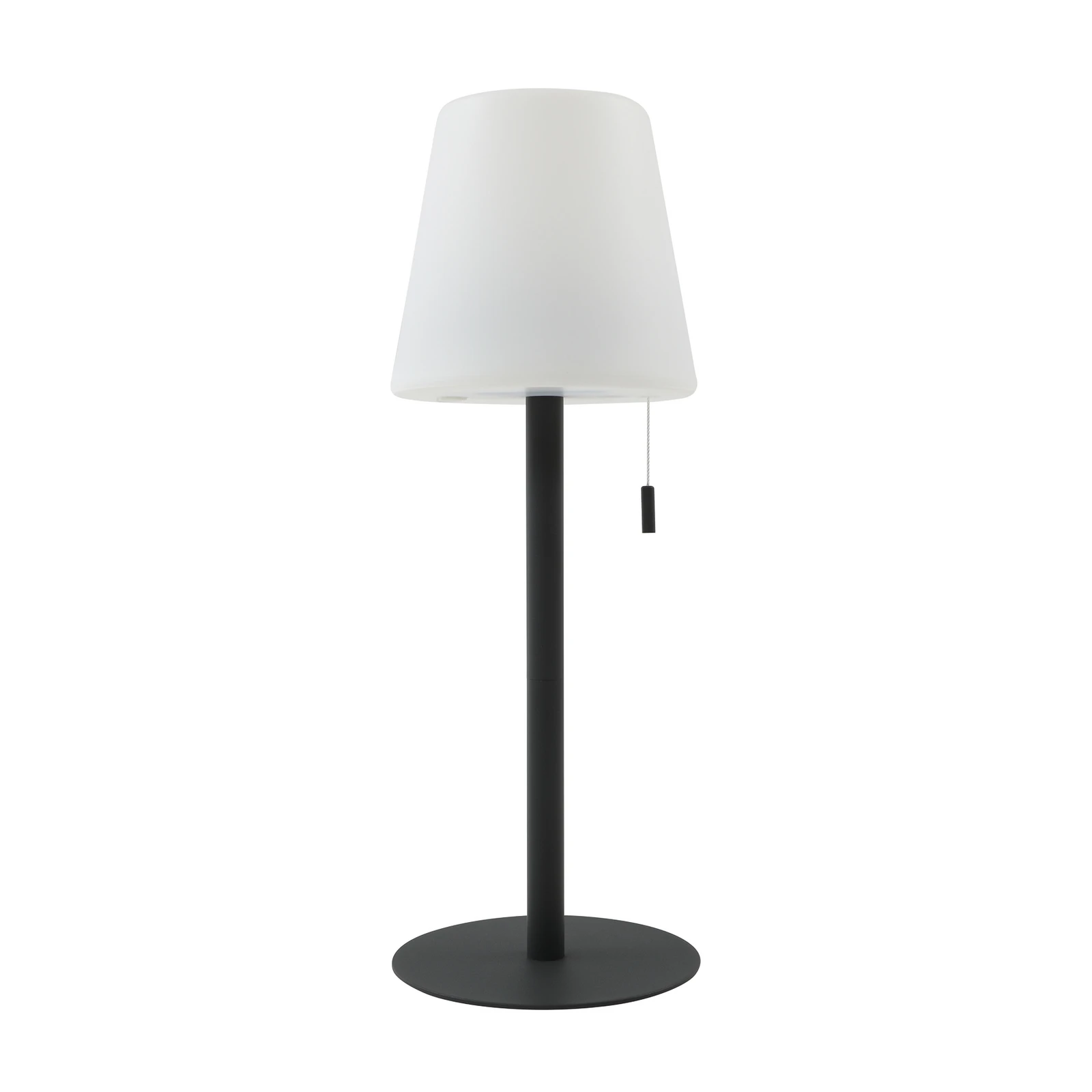
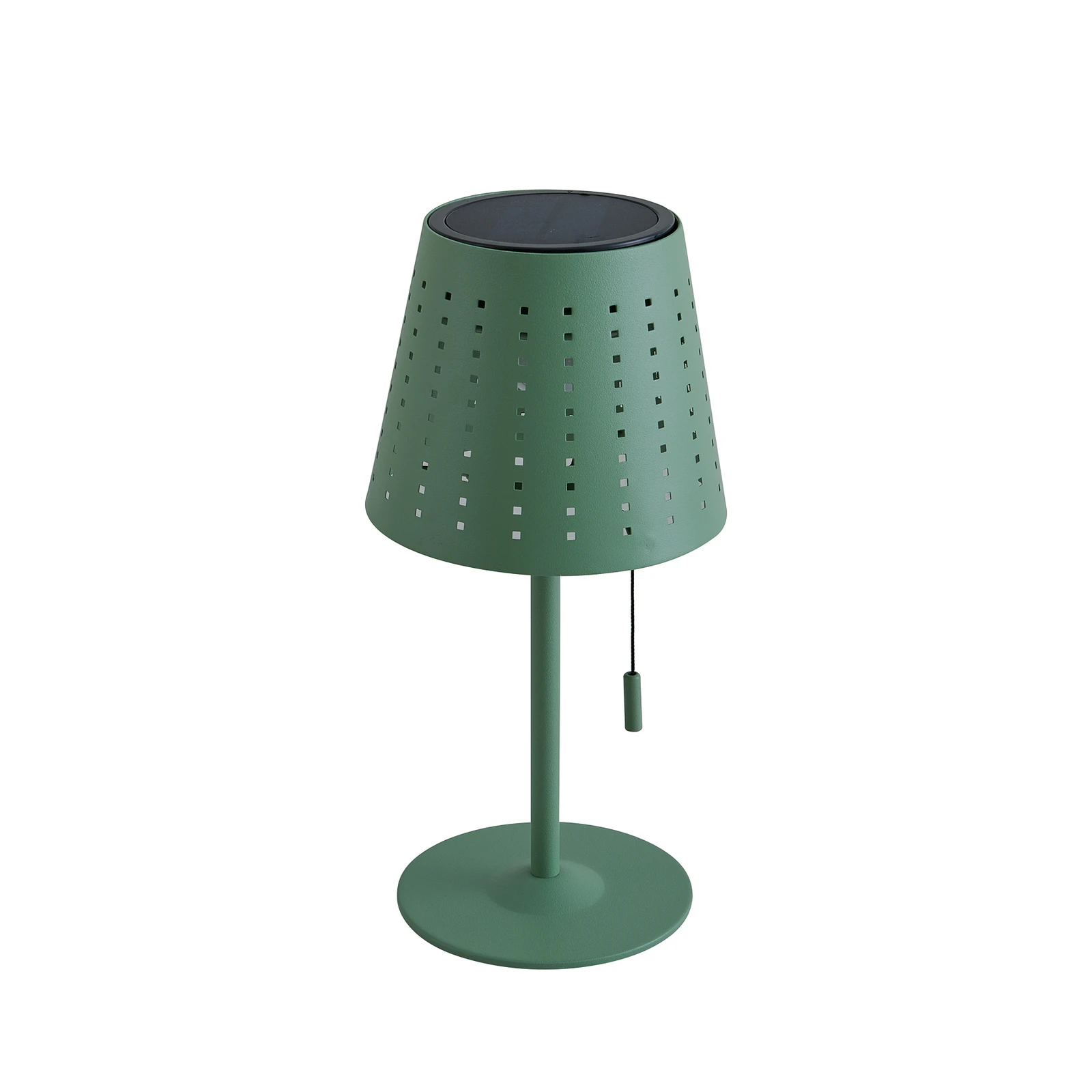
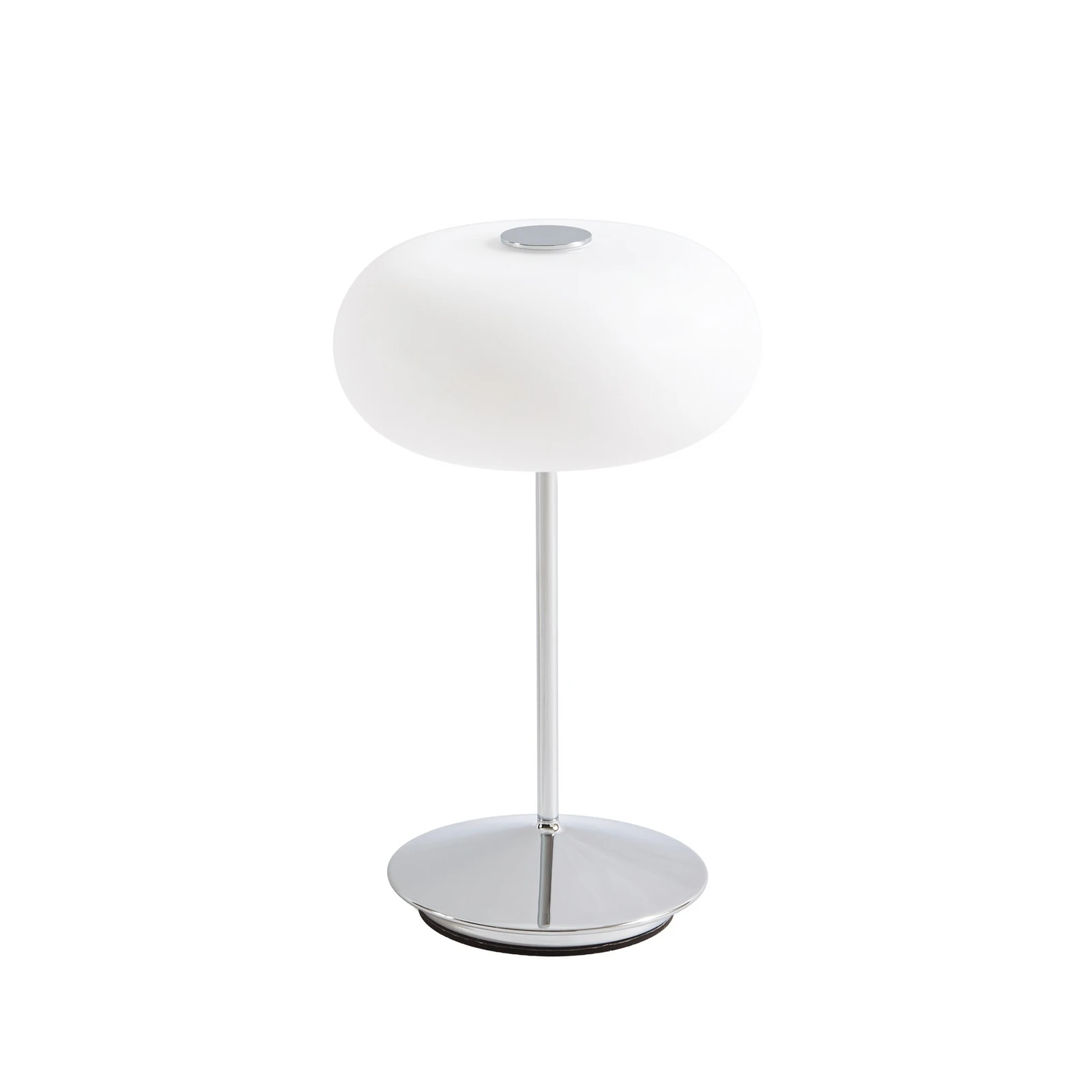
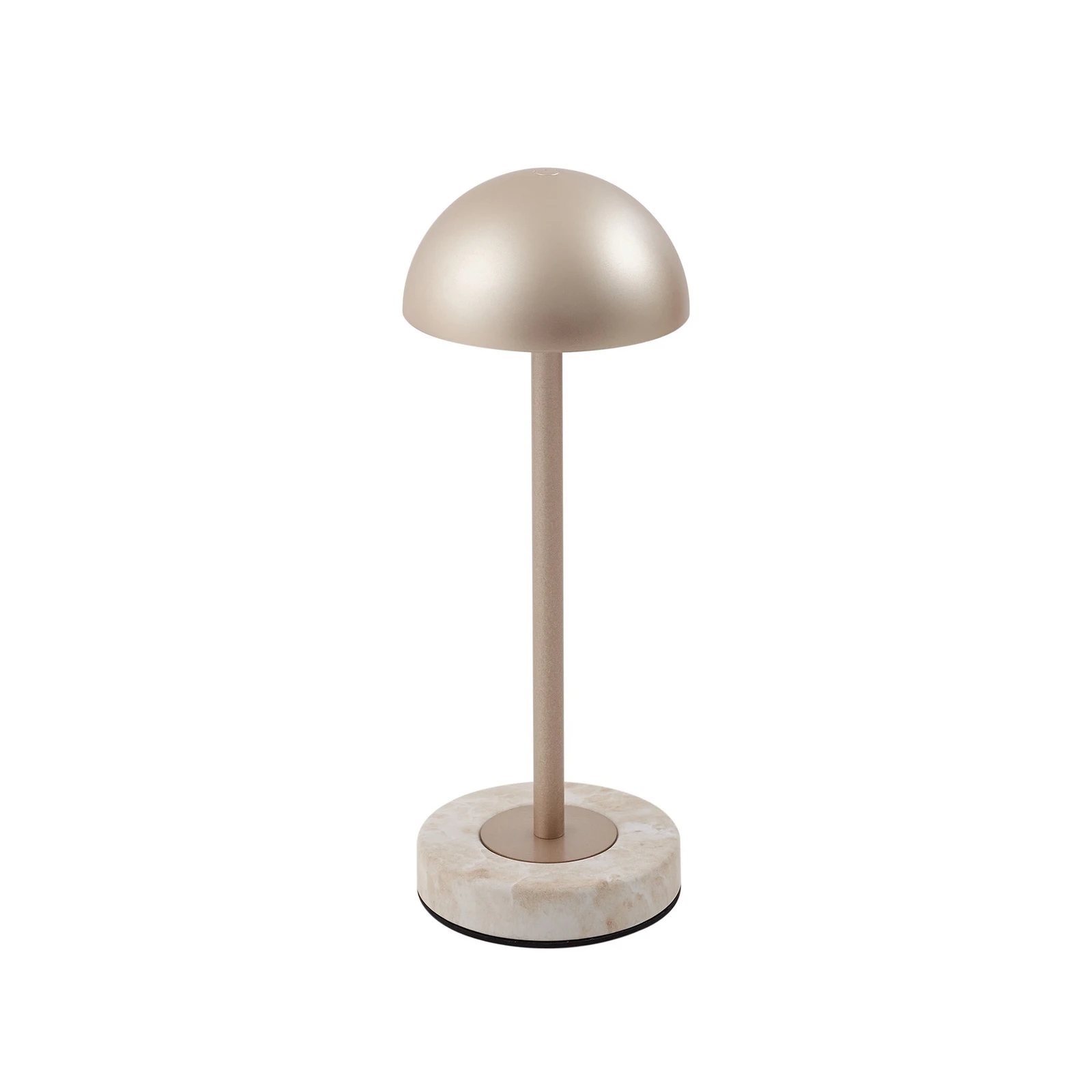
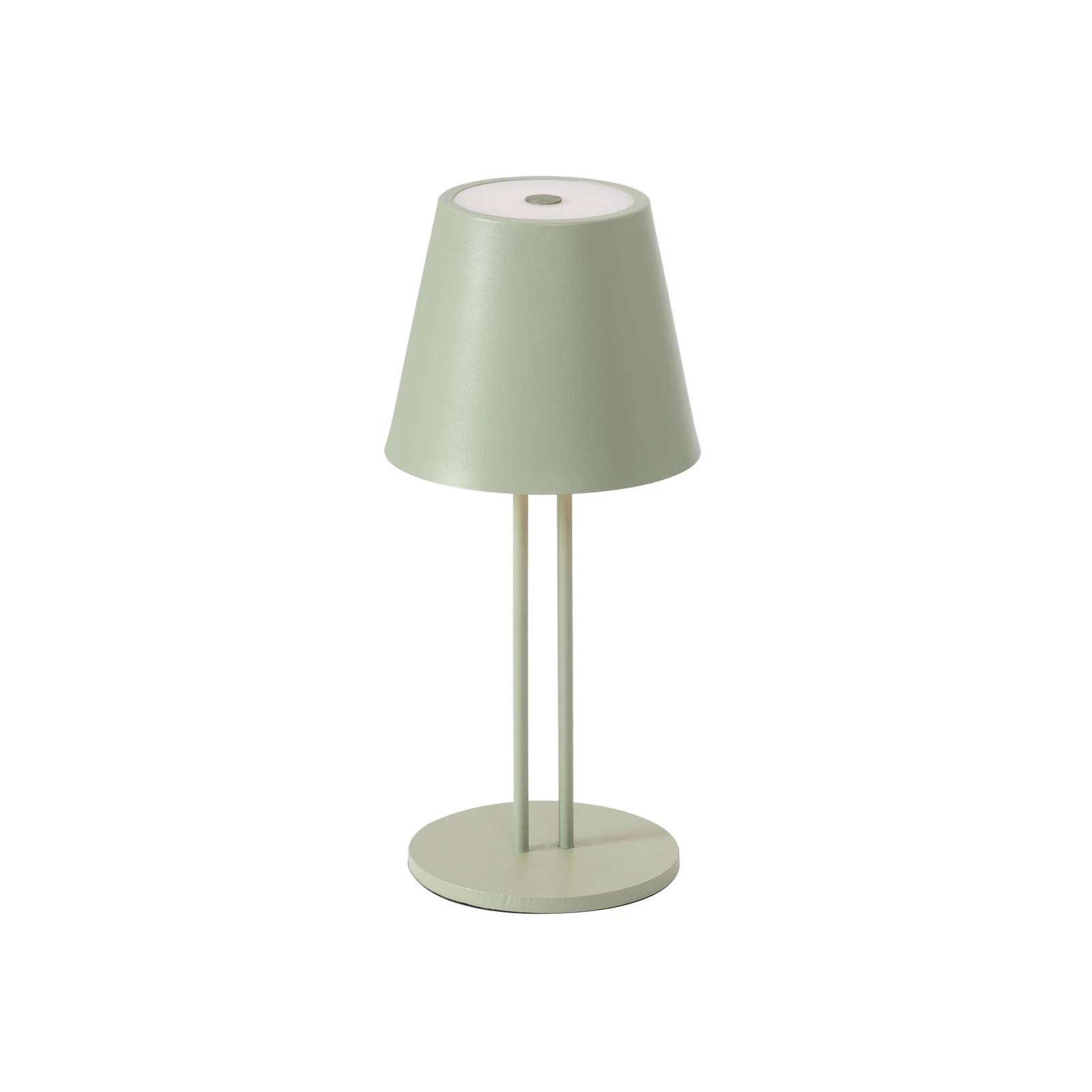
The material, colour and shape determine how a battery-powered outdoor table lamp blends in with existing garden furniture. Black models look understated when placed next to dark metal frames or modern lounge furniture. Finishes in gold, copper, bronze or chrome stand out more clearly and can echo individual shades found in fittings, table tops or decorative elements. The key factor here is not only the colour, but also the size of the lamp in relation to the table.
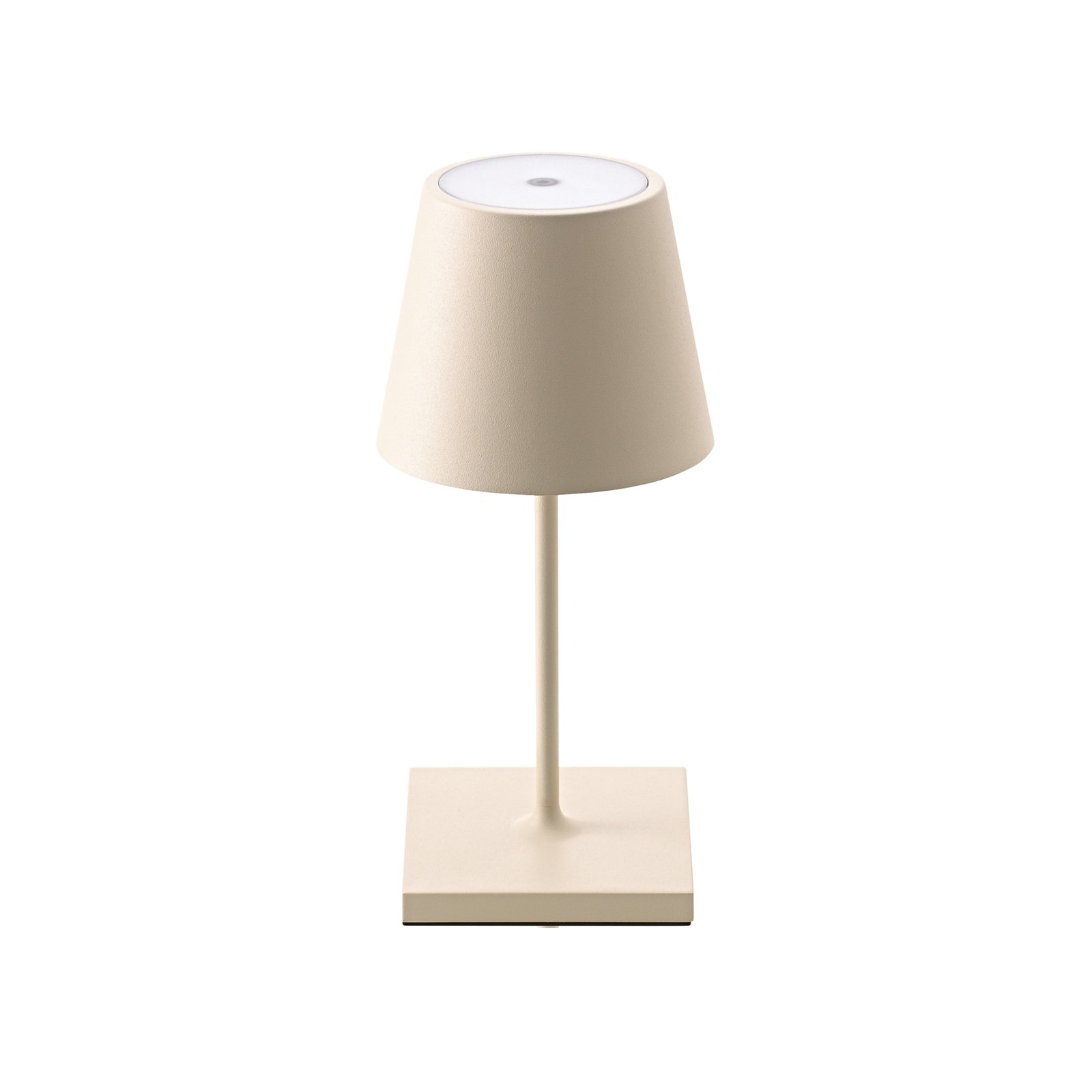
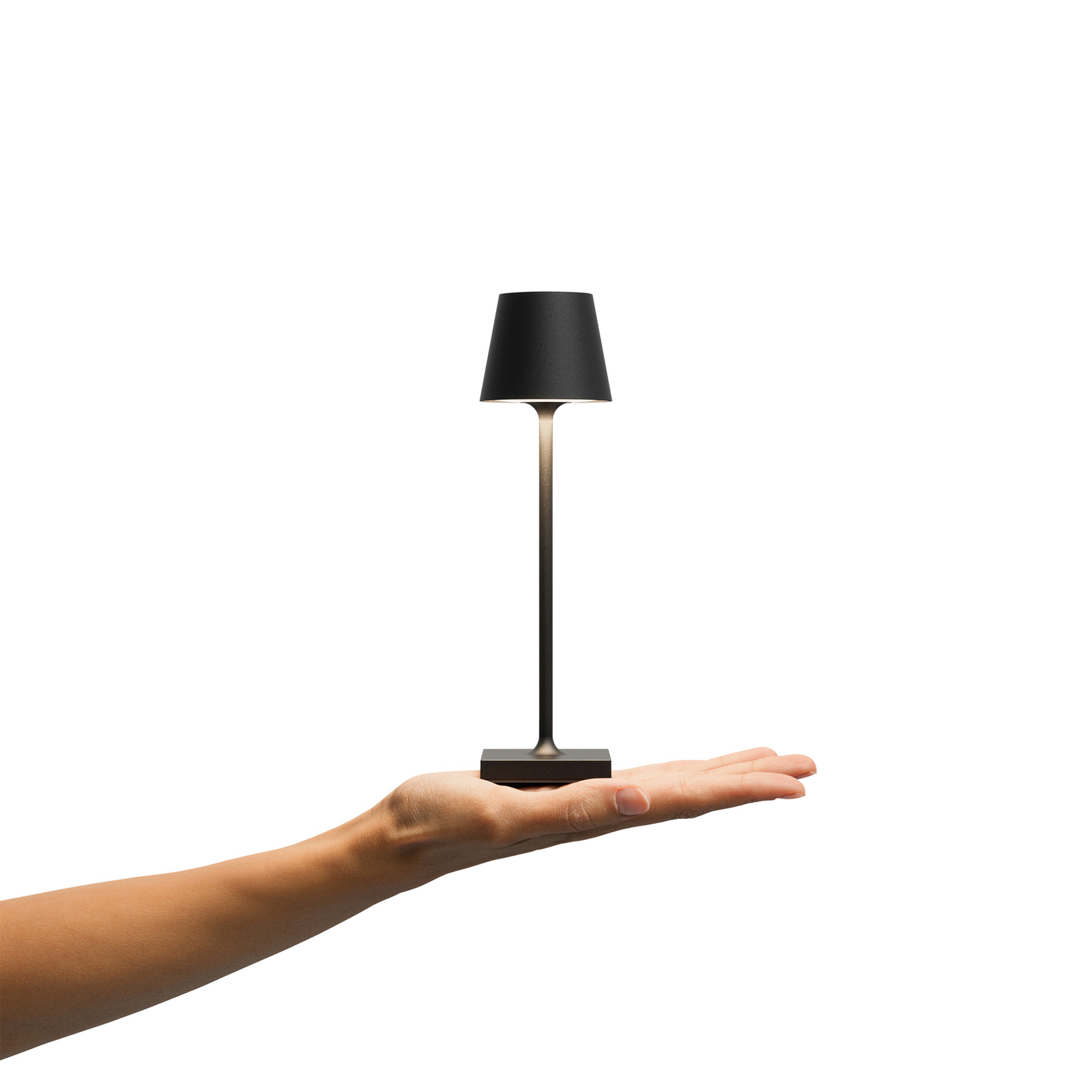
On small bistro tables or narrow balcony furniture, mini models take up very little space. On a long dining table, however, a single compact light fitting may not provide enough light to cover the whole surface. Several similar table lamps distribute the light more evenly across the table without significantly restricting the view over it. A wide umbrella should be positioned so that it does not end at eye level. Simple designs are usually easier to combine with different cushions, tablecloths or planters than highly decorative ones.
The battery life determines how long a rechargeable LED table lamp can be used without needing to be recharged. It depends, amongst other things, on the selected brightness level. High brightness requires more energy than dimmed light. Manufacturers’ specifications regarding battery life should be considered in conjunction with the brightness level being used at the time. For regular evenings on the terrace or balcony, it makes sense to choose a model with a running time that suits your usual usage.
Many rechargeable table lamps are charged via USB-C. Depending on the model, the cable is either connected directly to the light fitting or to a charging station. A charging station provides a fixed place to charge, but requires a suitable space near a power socket. A direct USB-C port allows for flexible charging if you already have suitable chargers at home. The battery should be fully charged before use outdoors. Charging itself usually takes place in a dry, sheltered place.
For outdoor use, the specified IP rating is an important selection criterion. The required protection class depends on whether the luminaire is used under a roof, in conditions where it is exposed to splashing water, or even in the rain. However, the term ‘outdoor’ alone is not sufficient to determine a suitable location. The manufacturer’s specifications for the specific model and its intended use are decisive.
Under a covered patio roof, the light is less exposed to direct moisture than it would be on an open garden table. Nevertheless, humidity, splashing water or rain coming in from the side can be a factor. A rechargeable table lamp should therefore only be used in locations where its specified protection rating is suitable for the level of damp, splashes and possible rain at that location. Charging ports and covers must also be fully closed before installation. Lights for which the manufacturer’s specifications do not cover intended exposure to moisture should be stored in a dry place after use. For an open-air balcony or a freestanding garden table, a model specifically designed to withstand these weather conditions is required.
The strike-through prices correspond to the manufacturer's RRP.
Included in the price of LED lights/bulbs is a contribution to recycling costs of €0.05. Included in the price of CFLs/fluorescent bulbs is a contribution to recycling costs of €0.15.
All prices include 23% VAT, delivery costs excluded.