































:format(jpeg) "Balcony Lighting")

Our customer service team is available from Monday to Friday 8am - 5pm.
:format(jpeg) "Outlet")
:format(jpeg) "Lucande")
:format(jpeg) "Outdoor inspiration")
:format(jpeg) "Portable lamps")
Portable lights for outdoors
Enjoy maximum flexibility with battery-operated outdoor lamps.
:format(jpeg) "Contact a customer advisor")
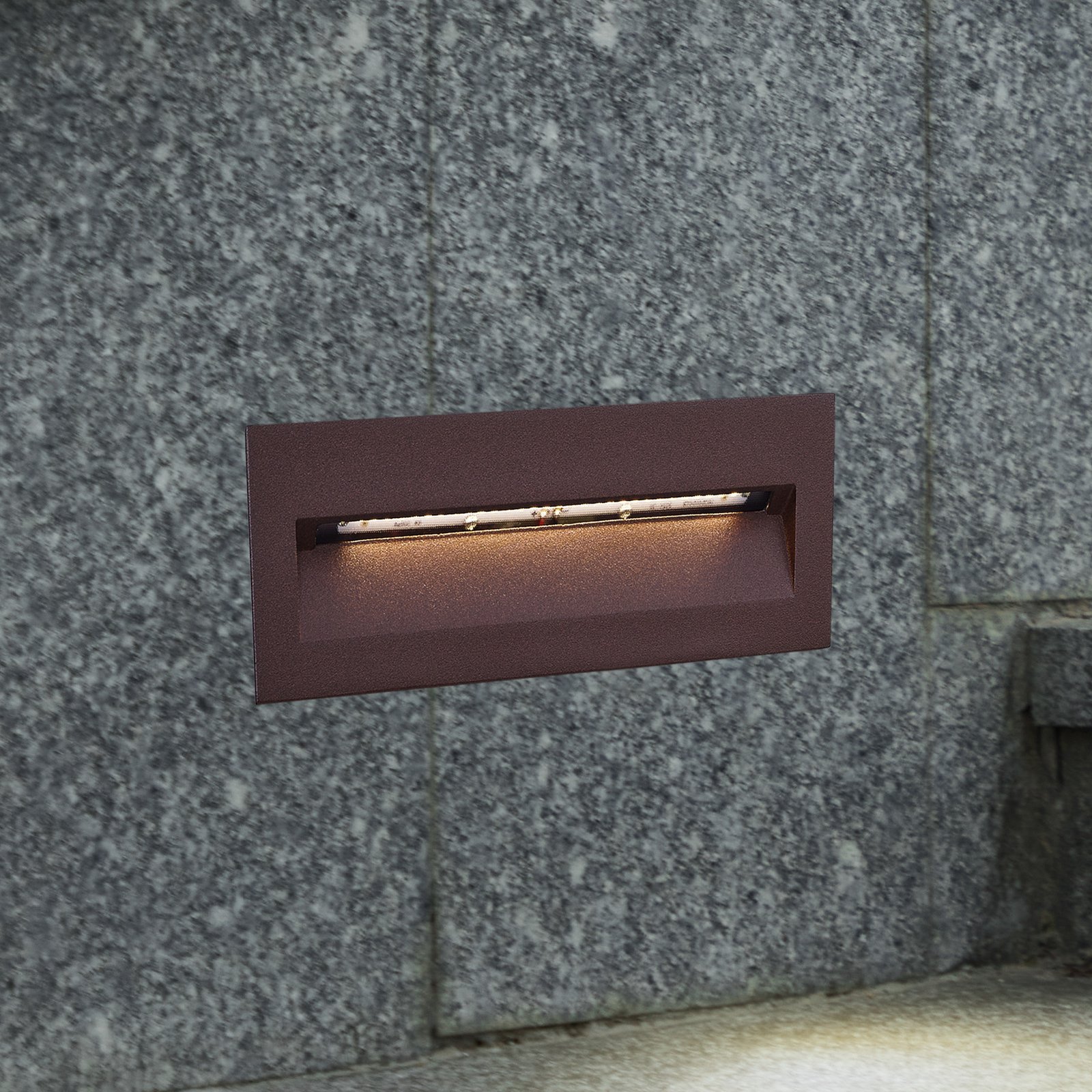
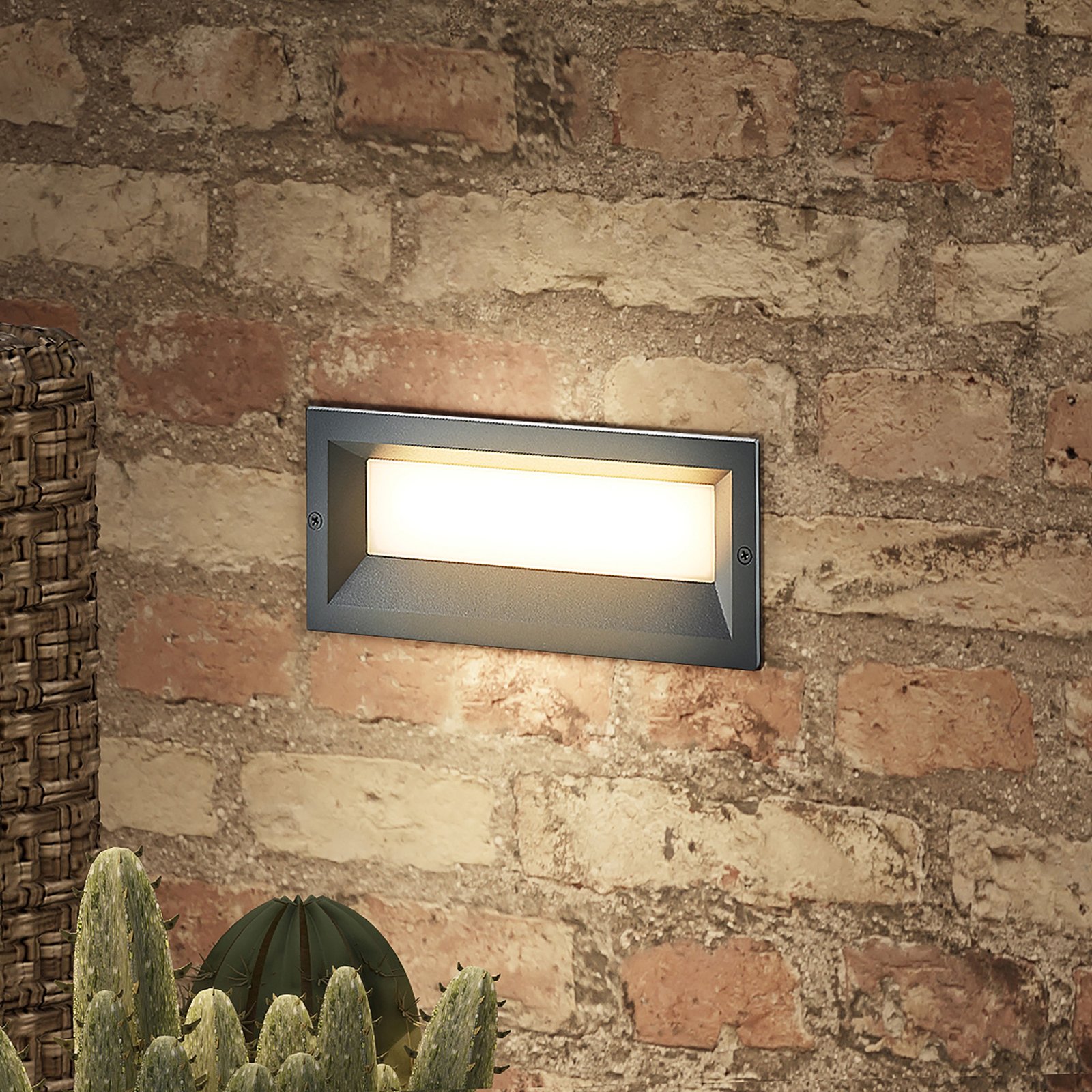
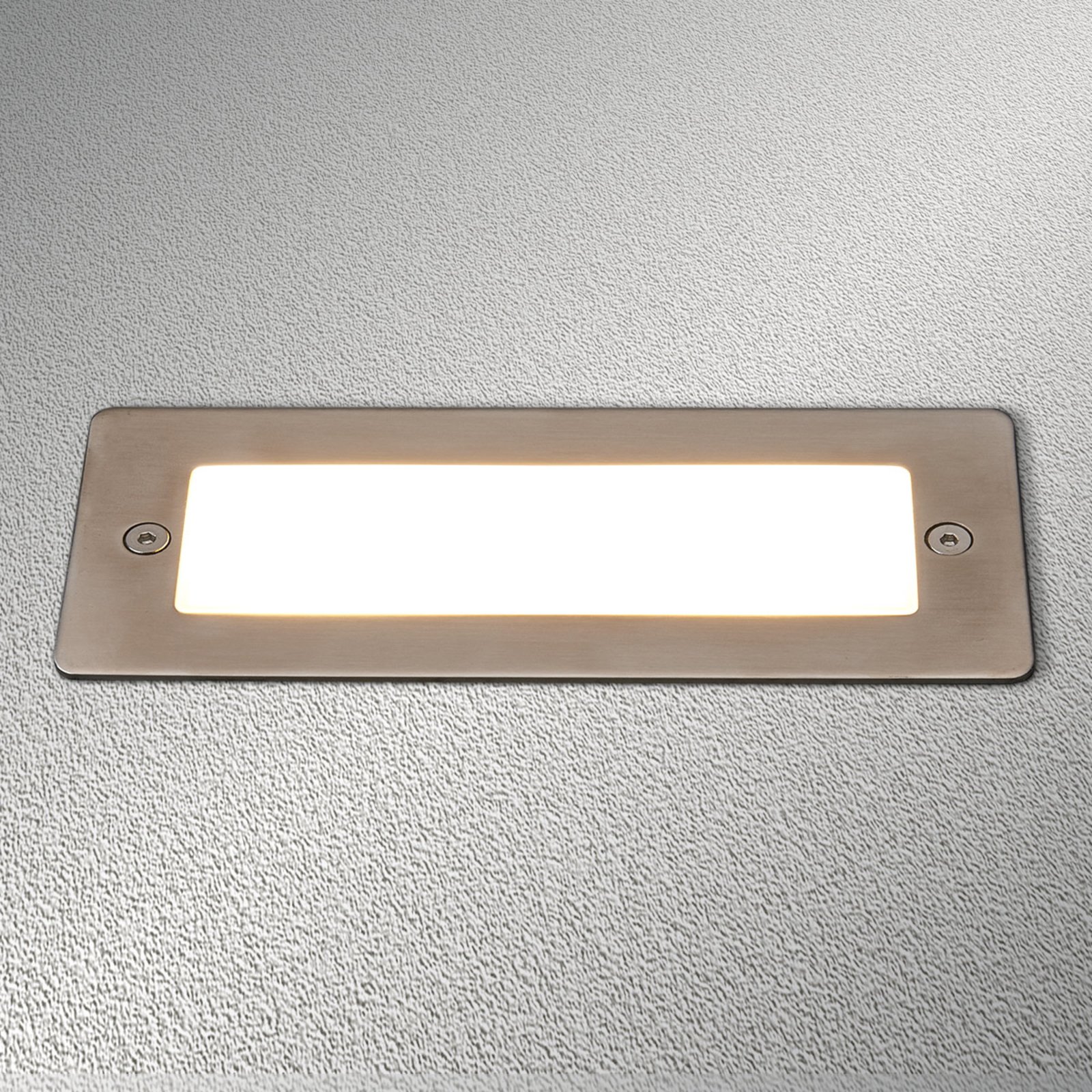
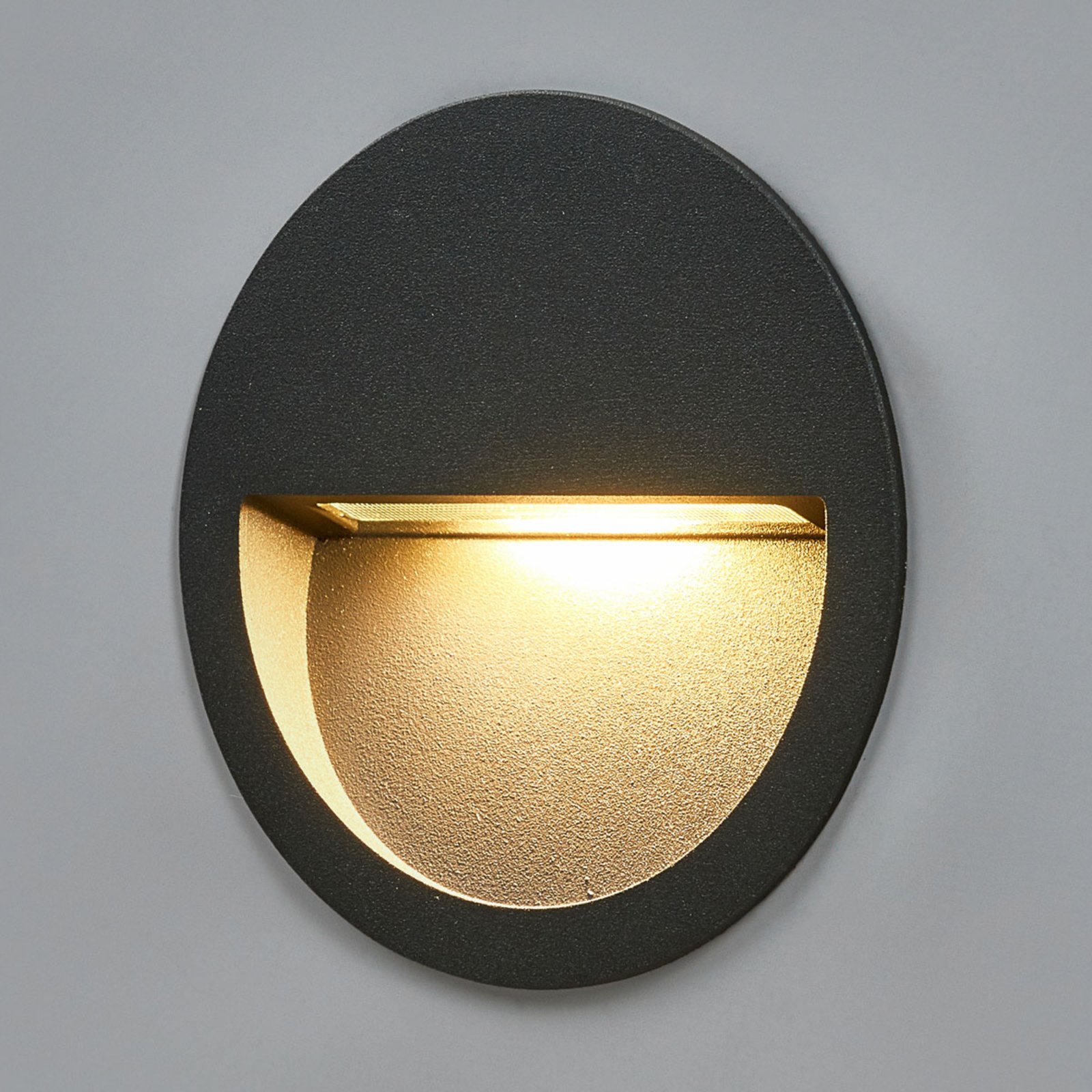
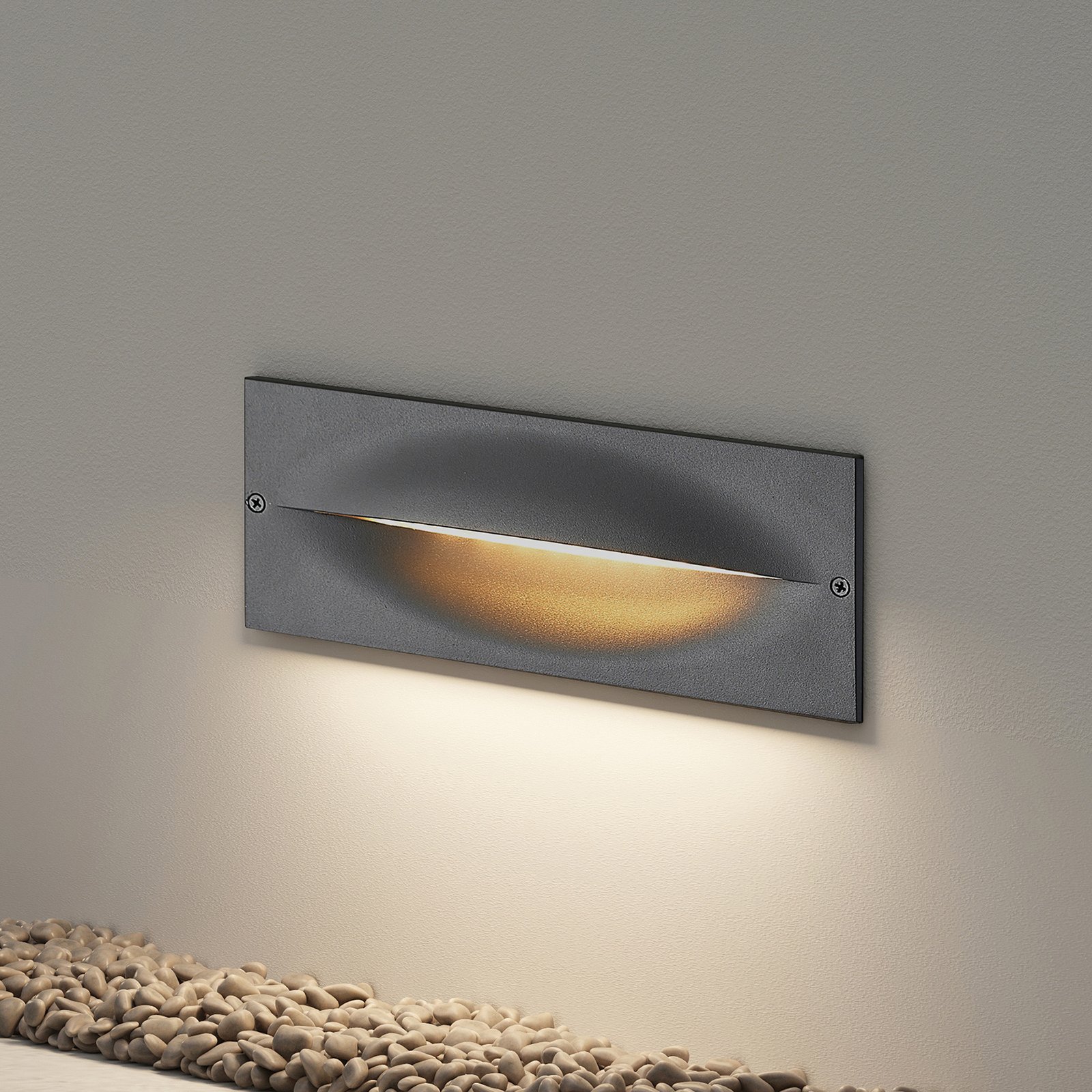
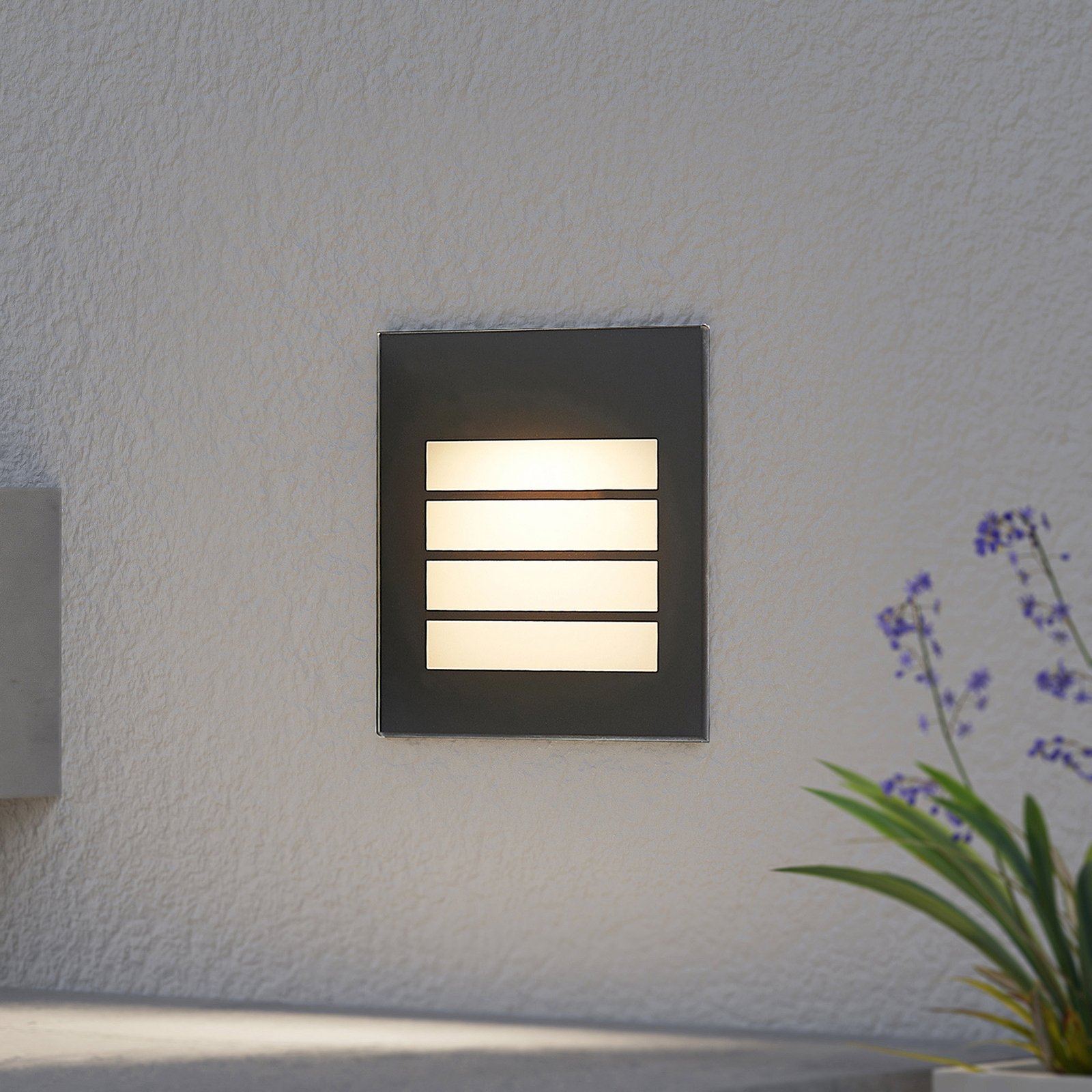
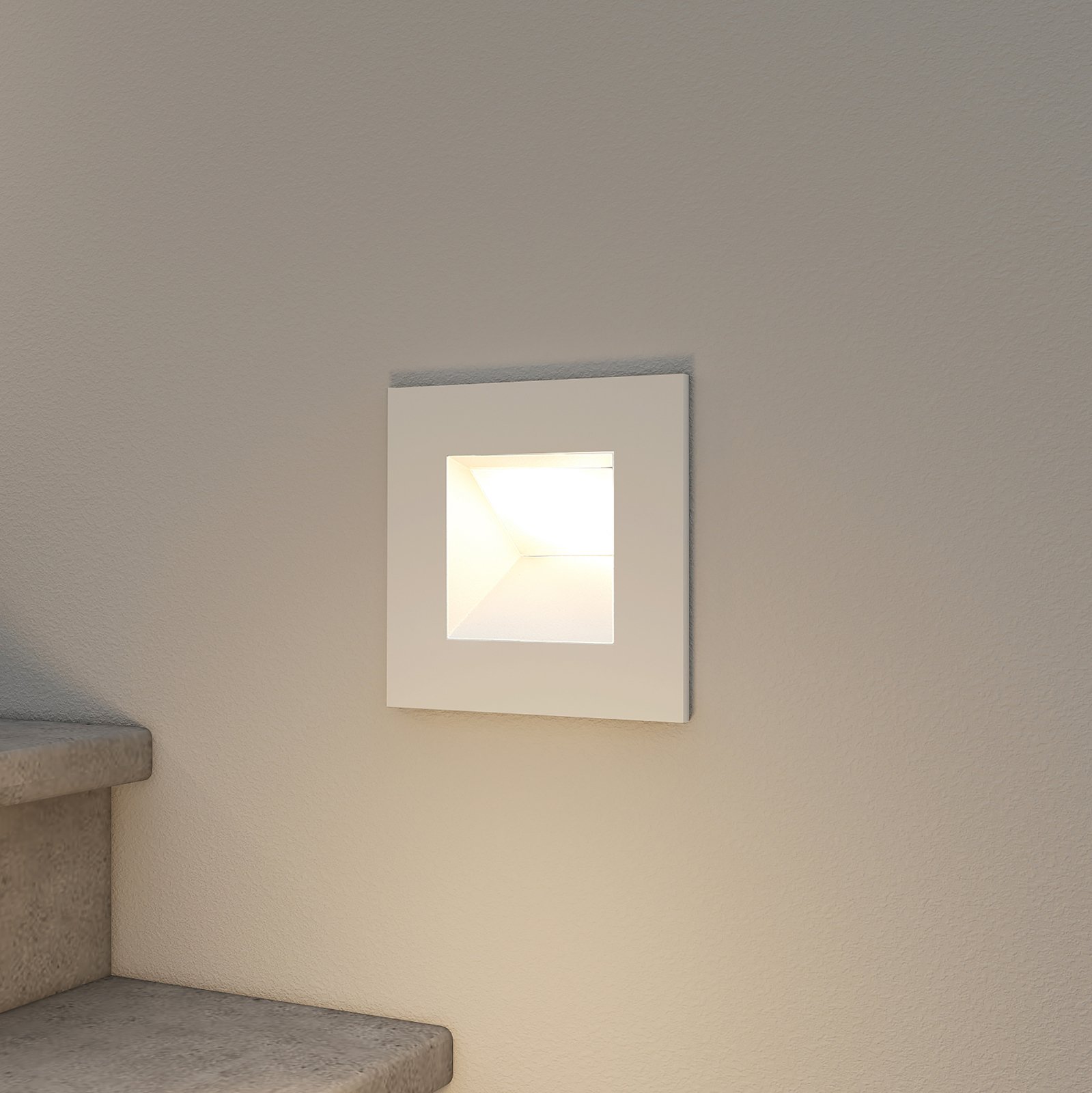
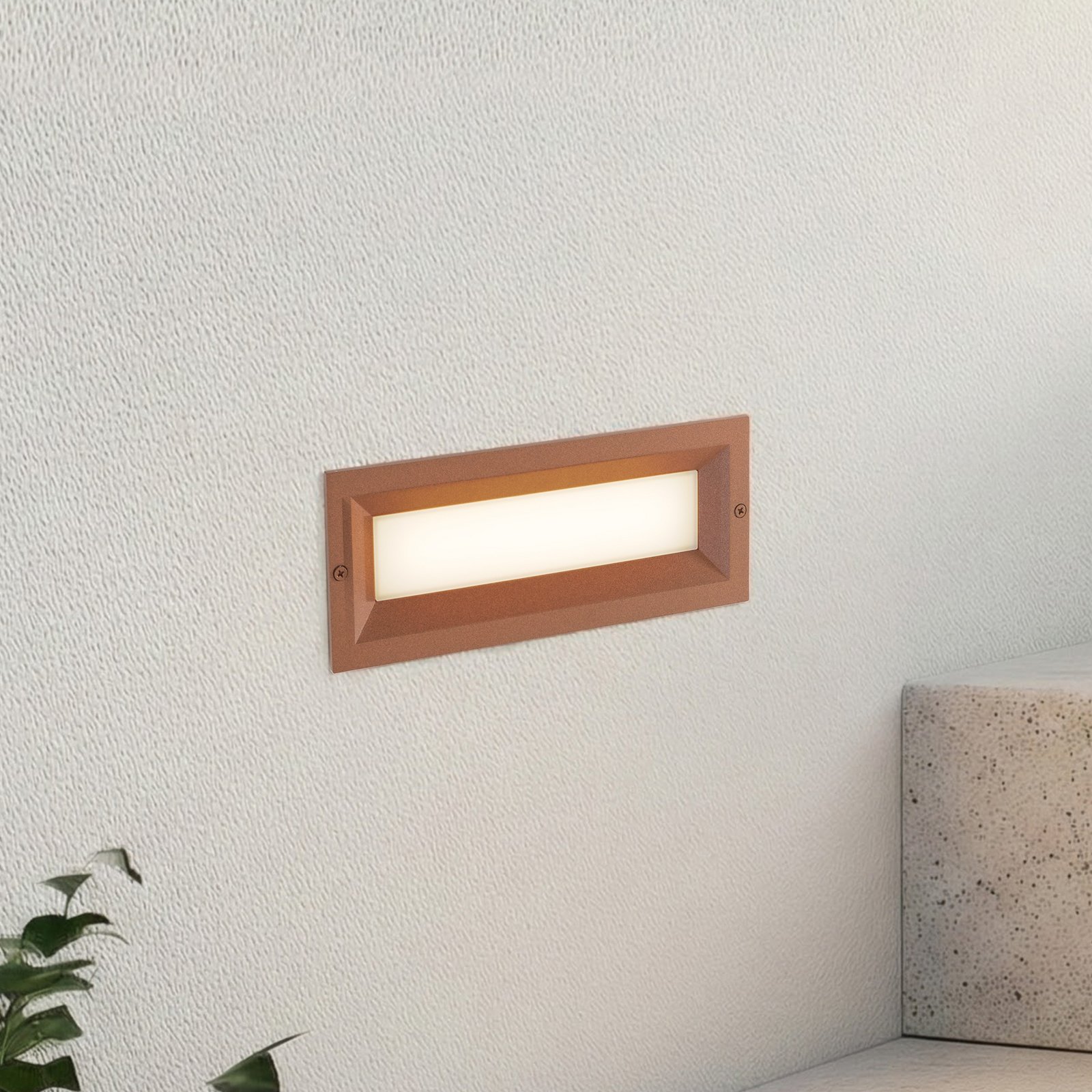
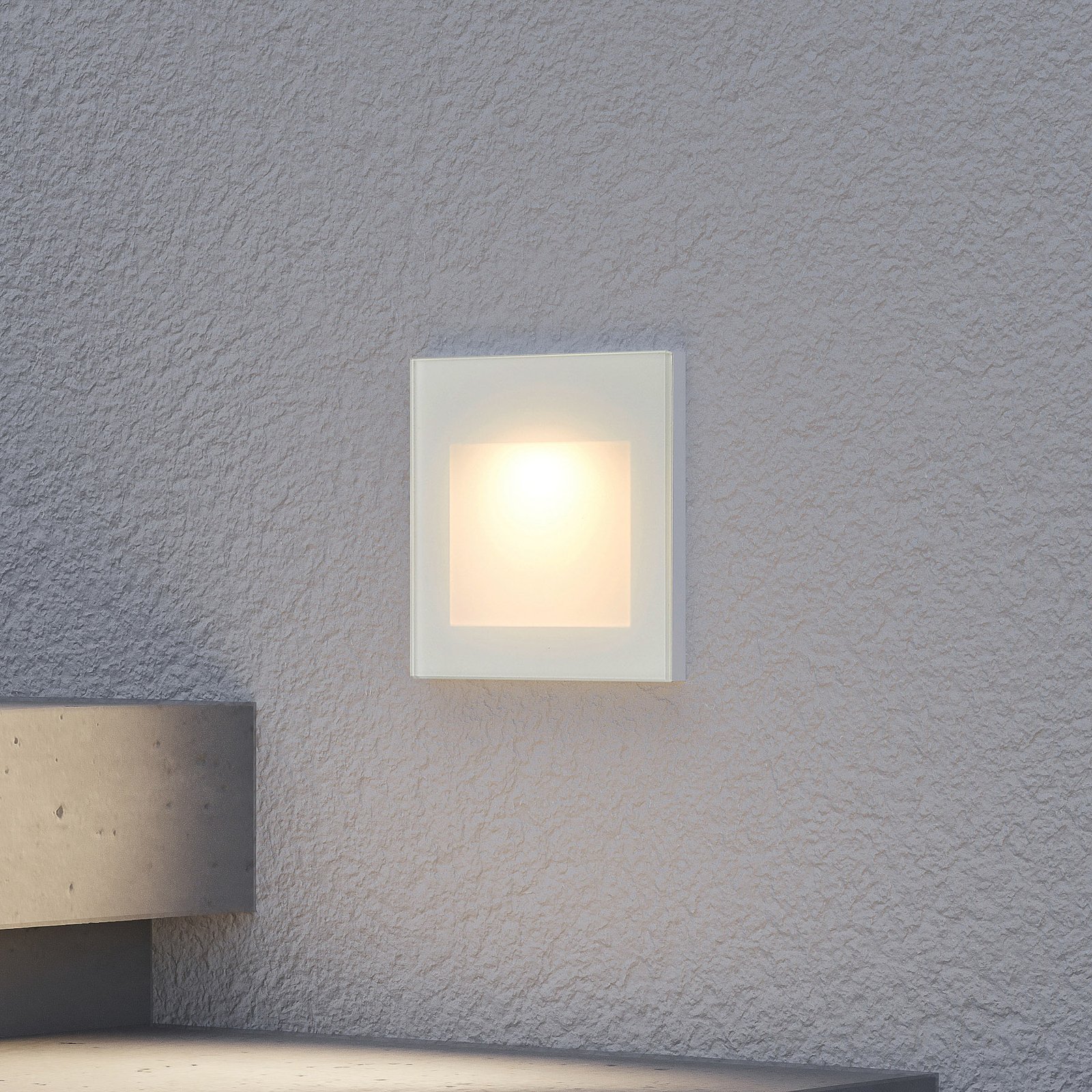
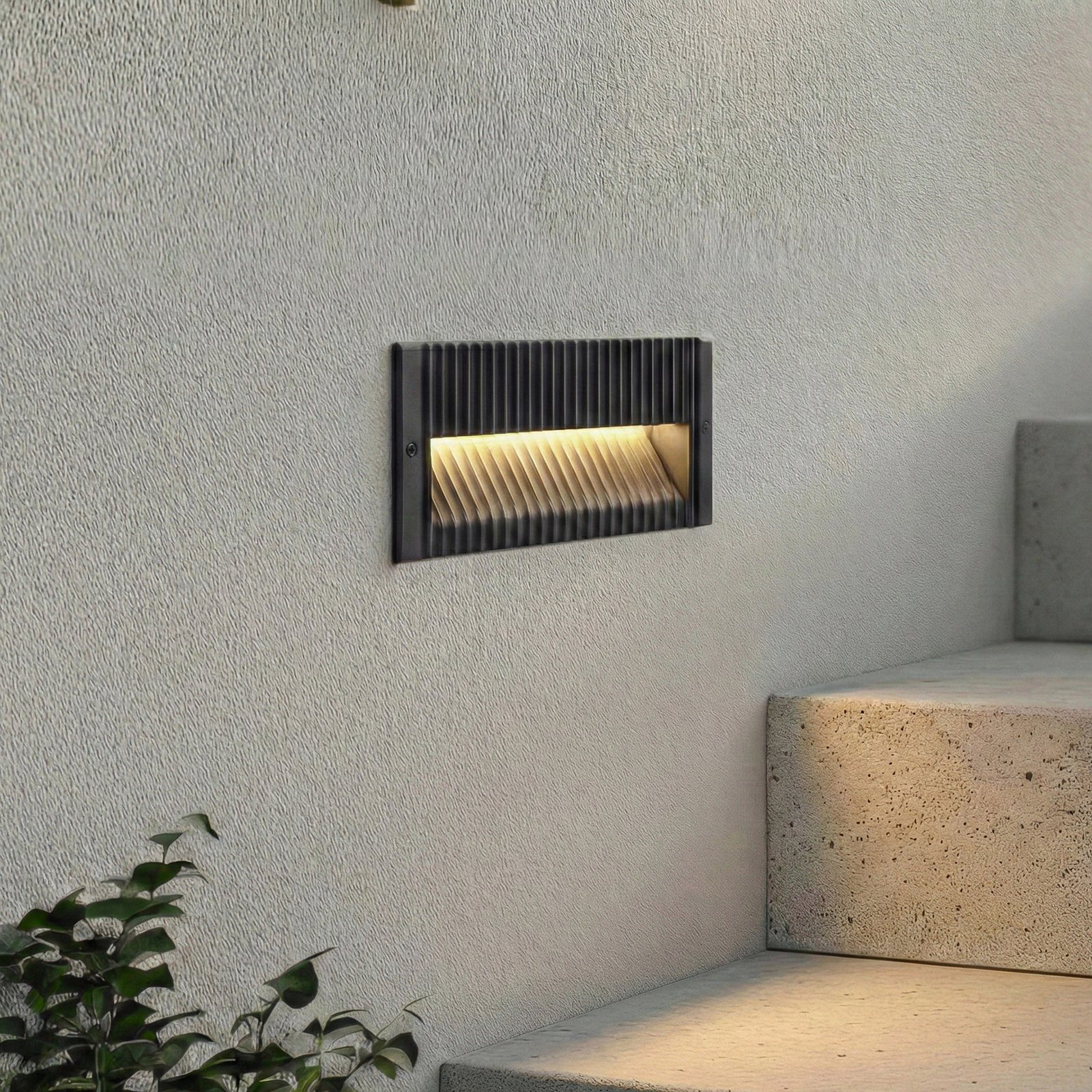
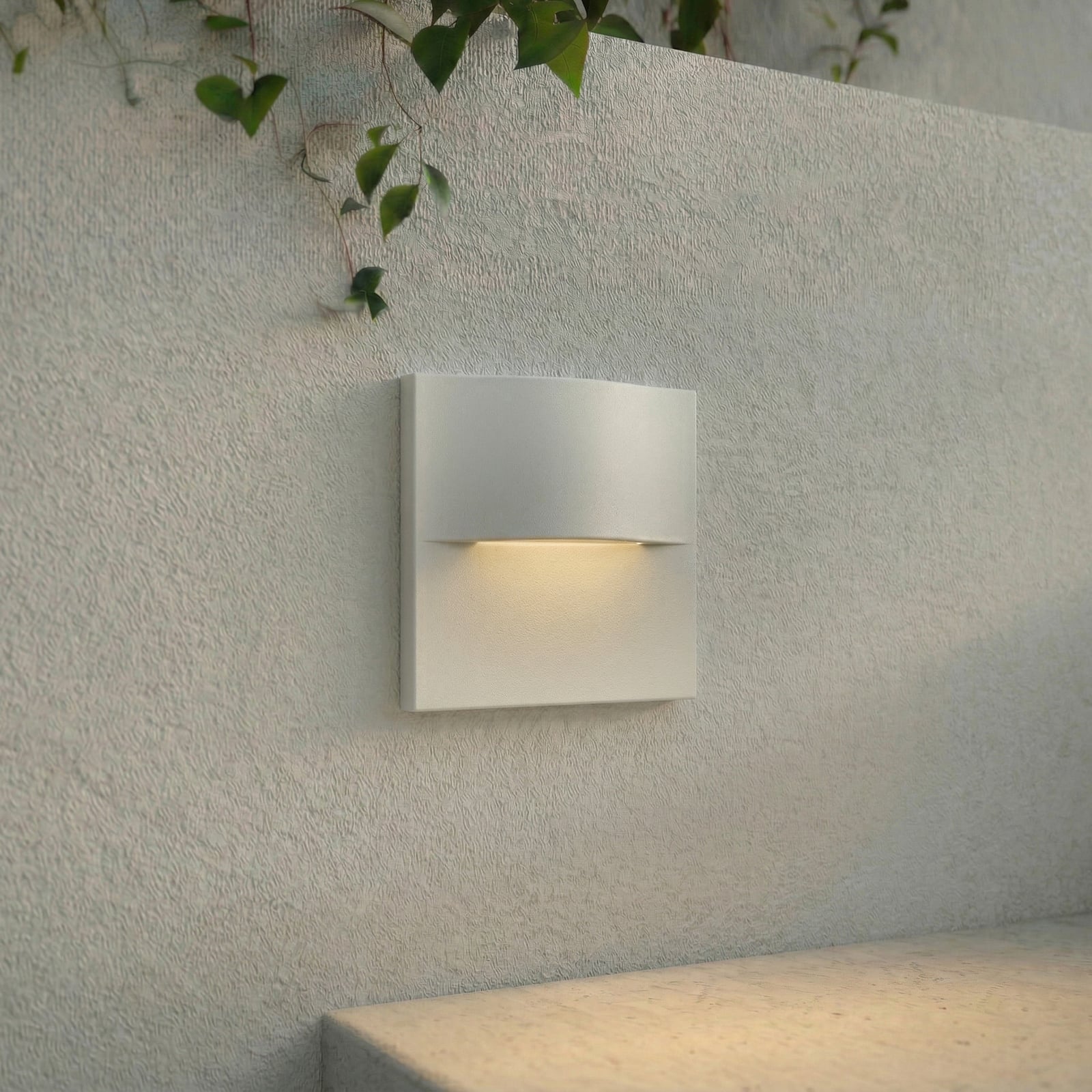
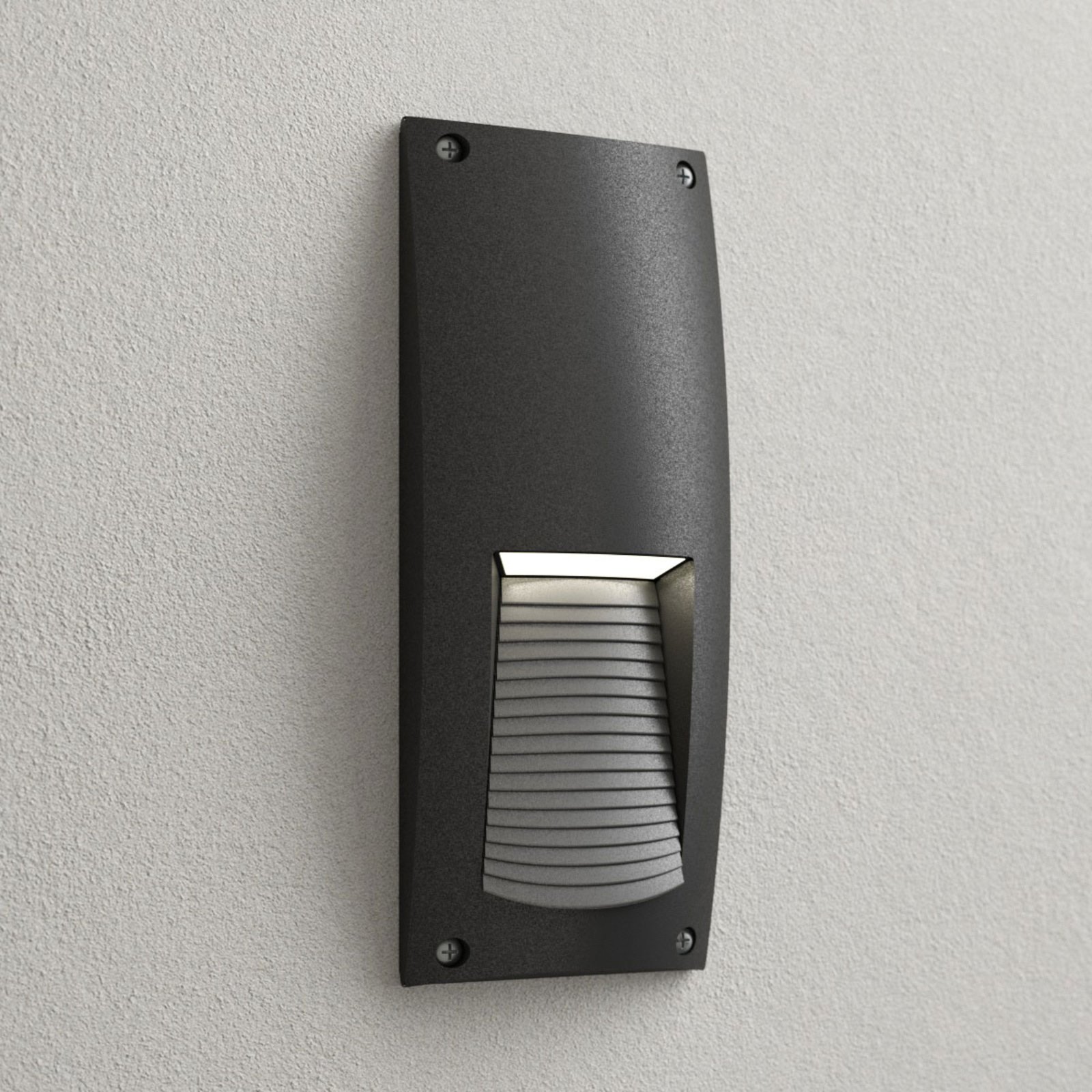
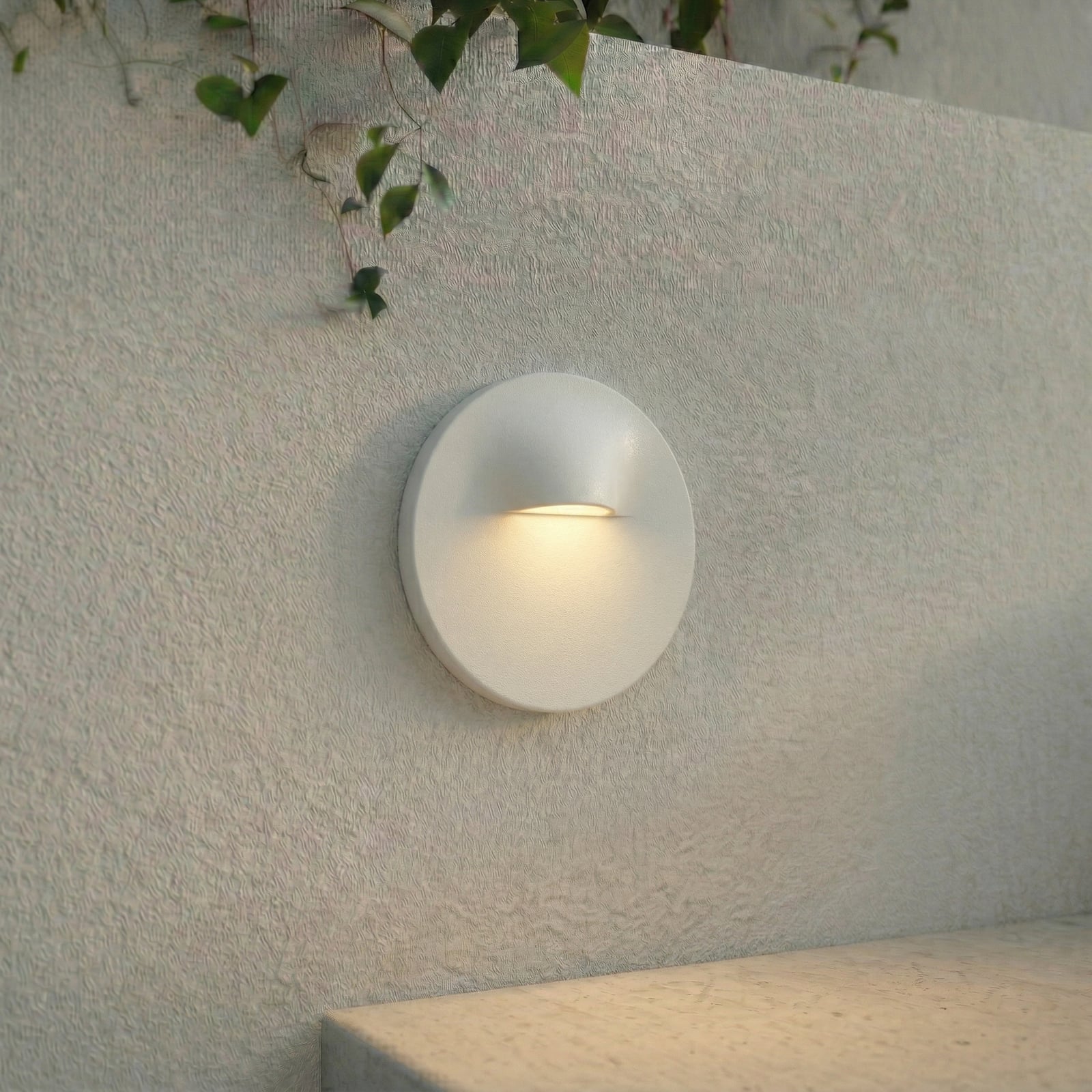
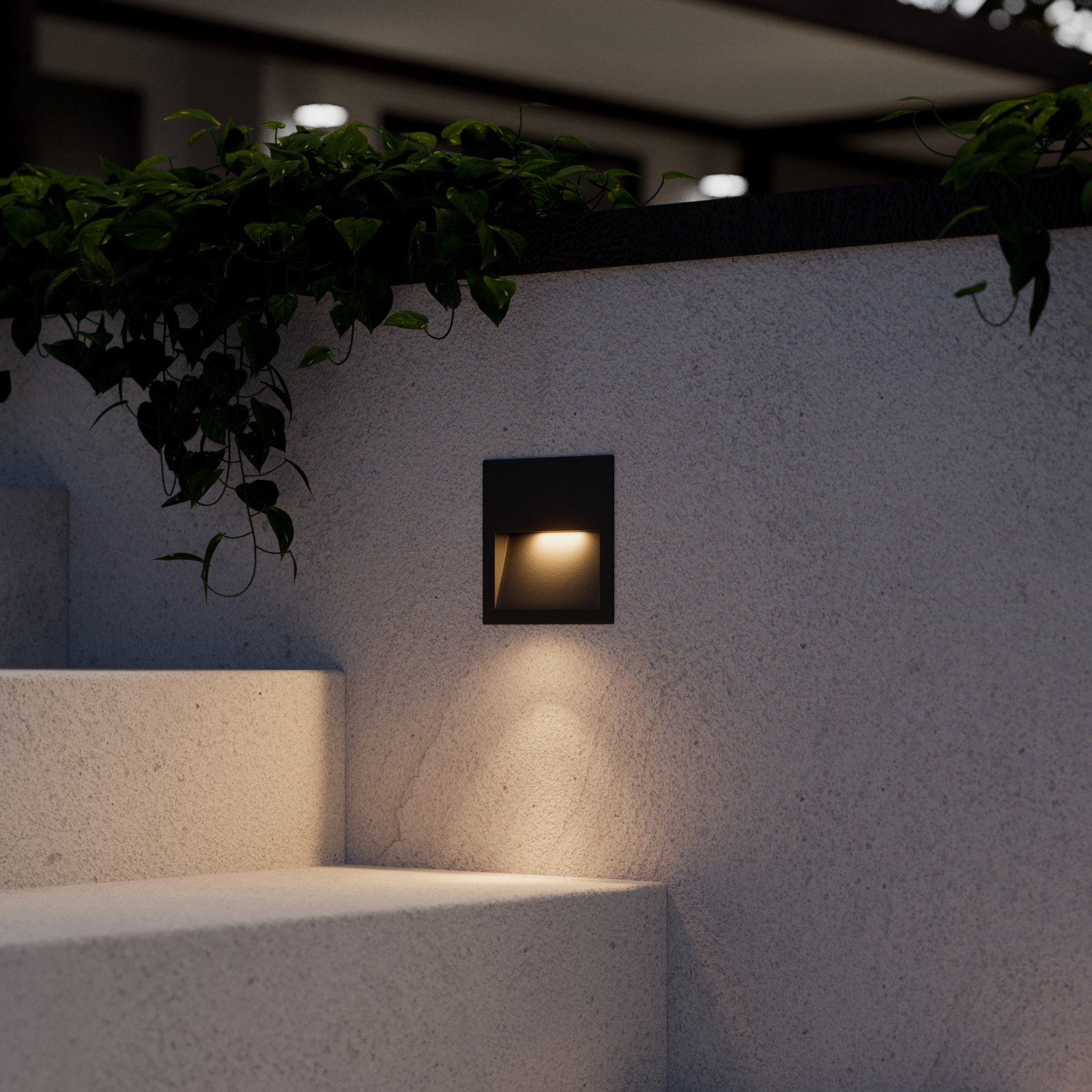
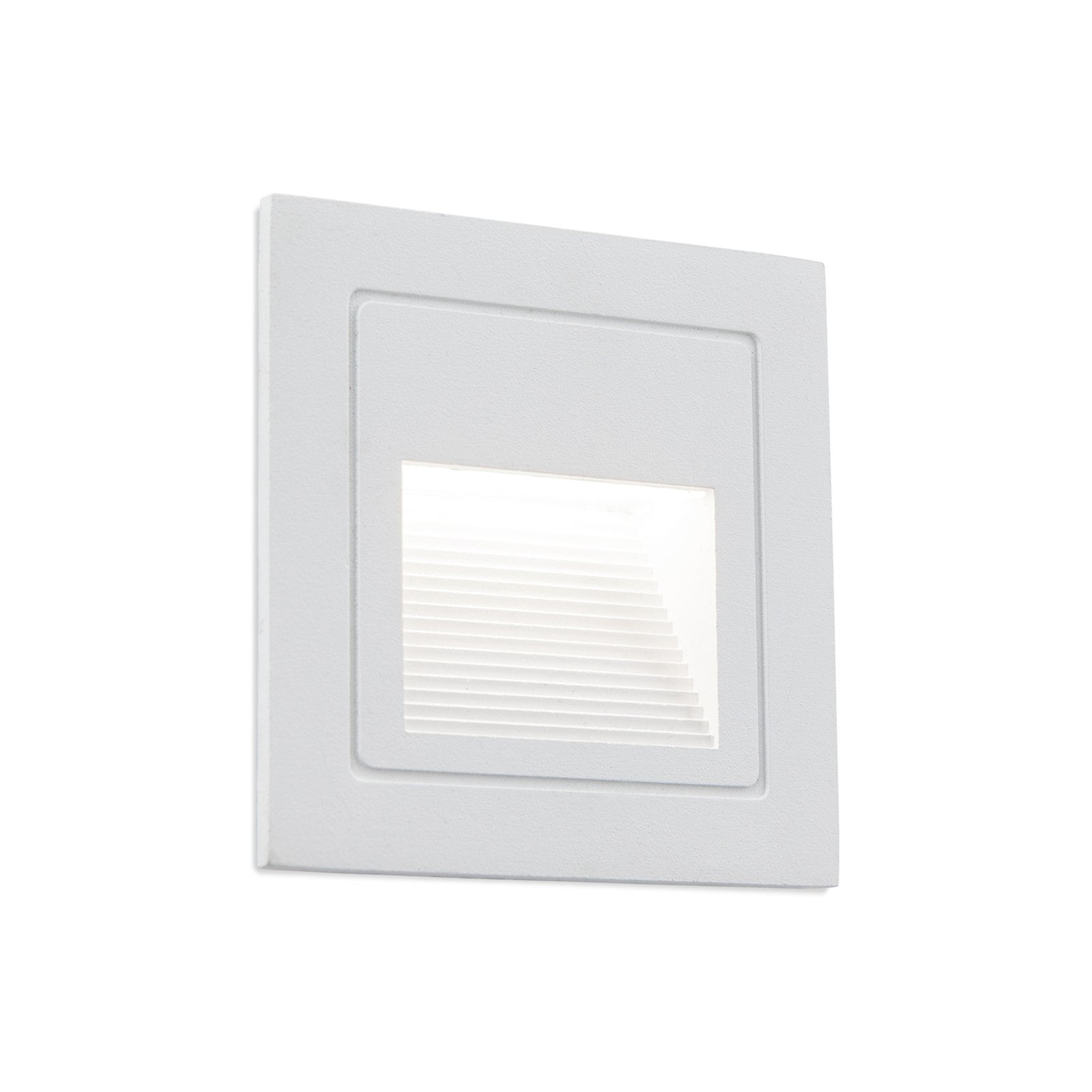
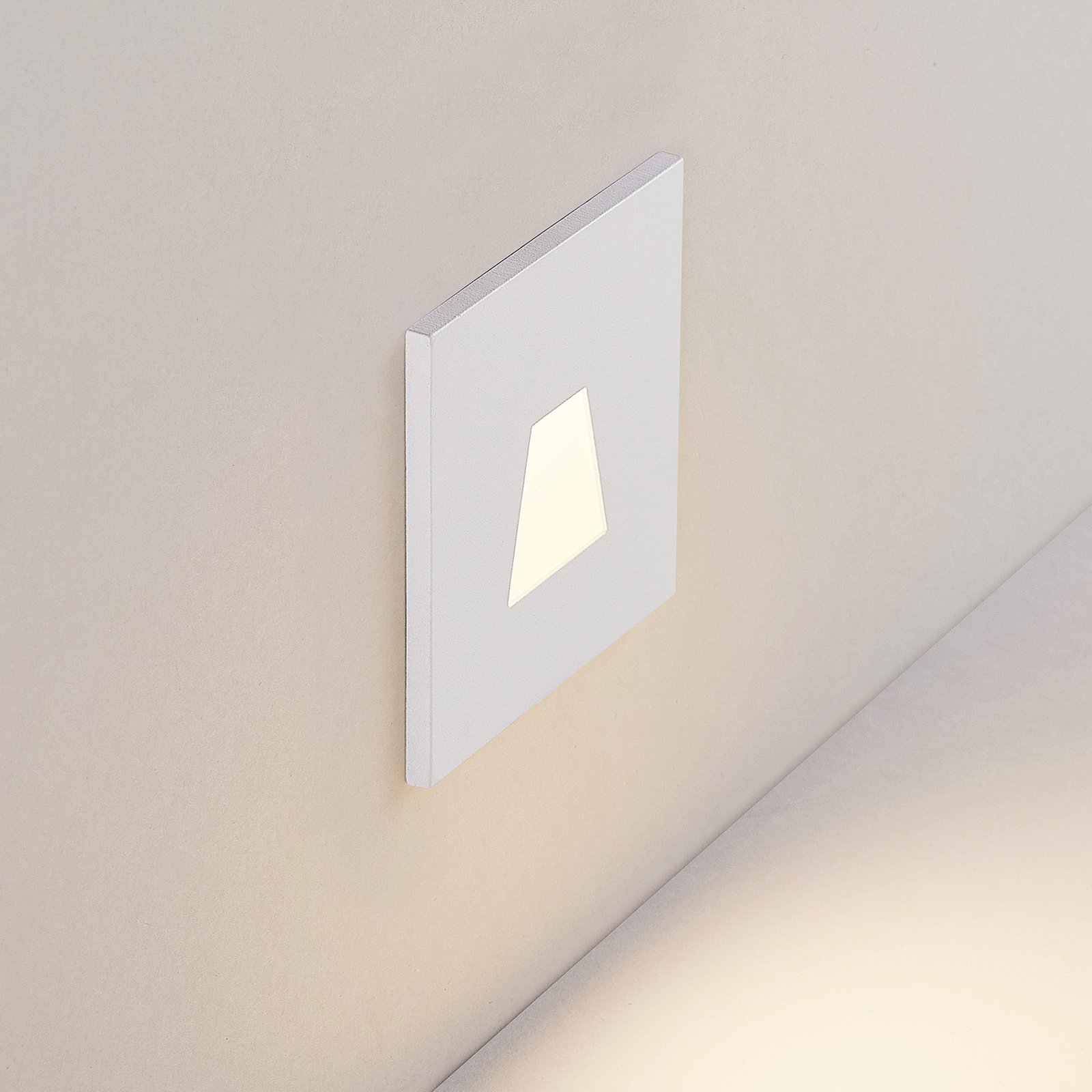
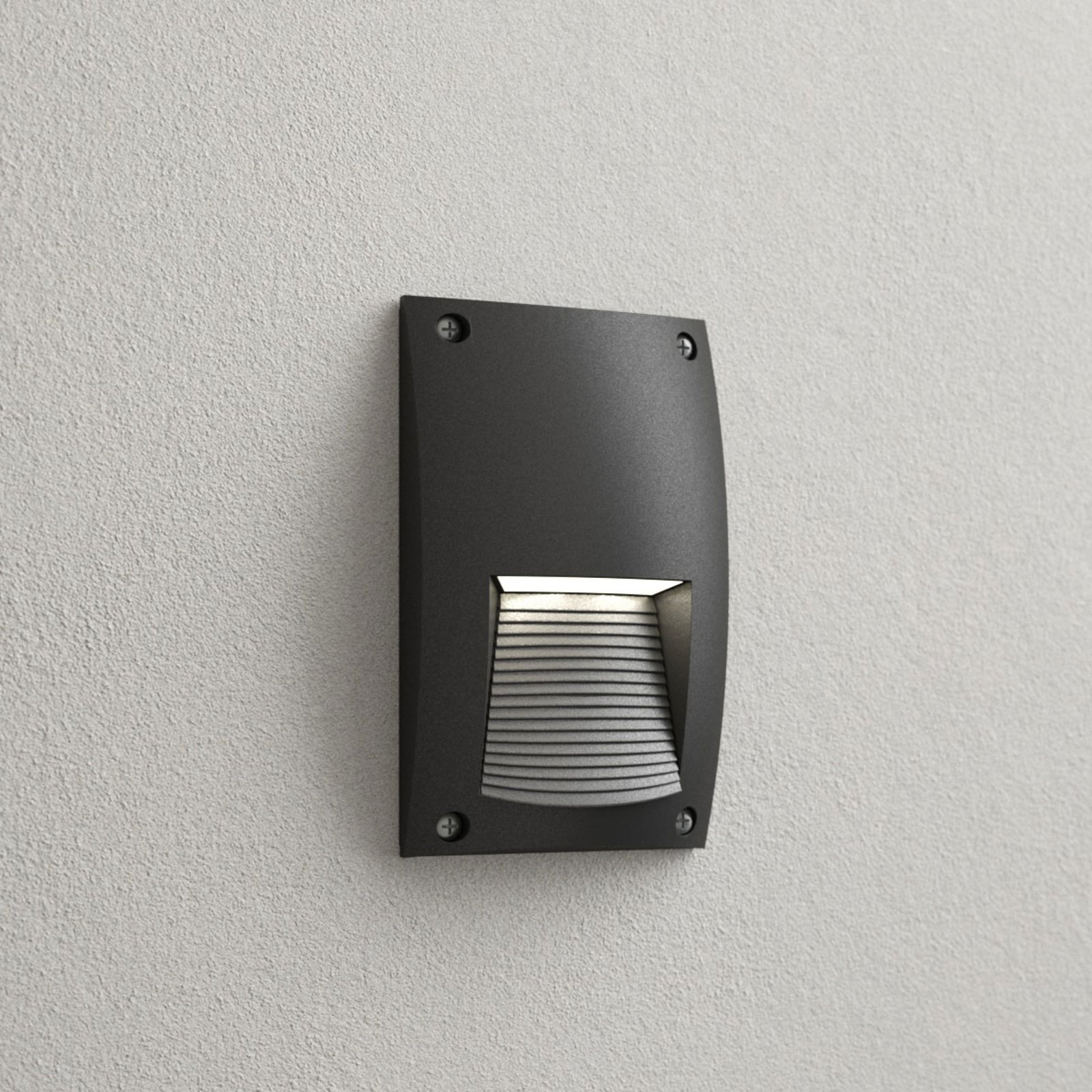
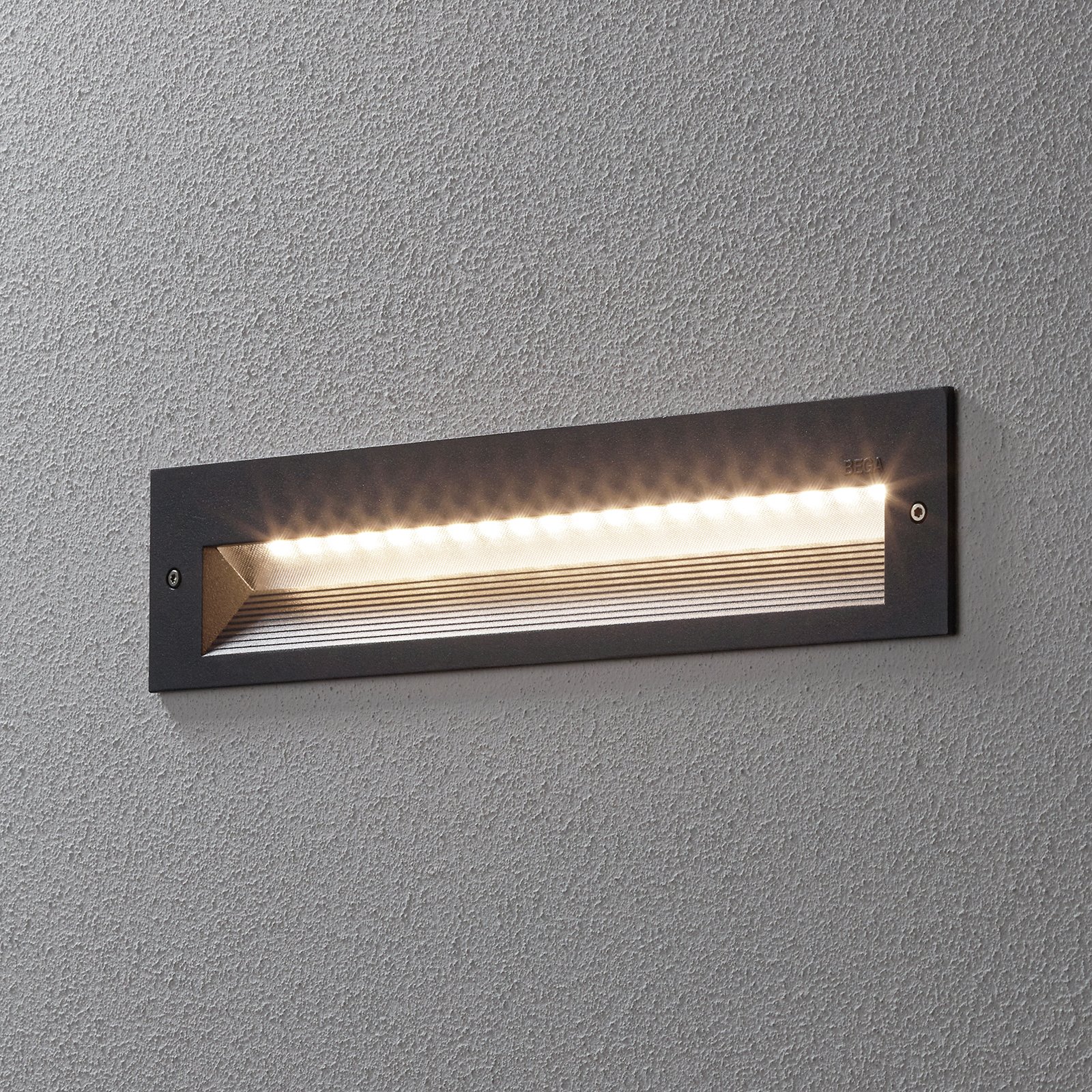
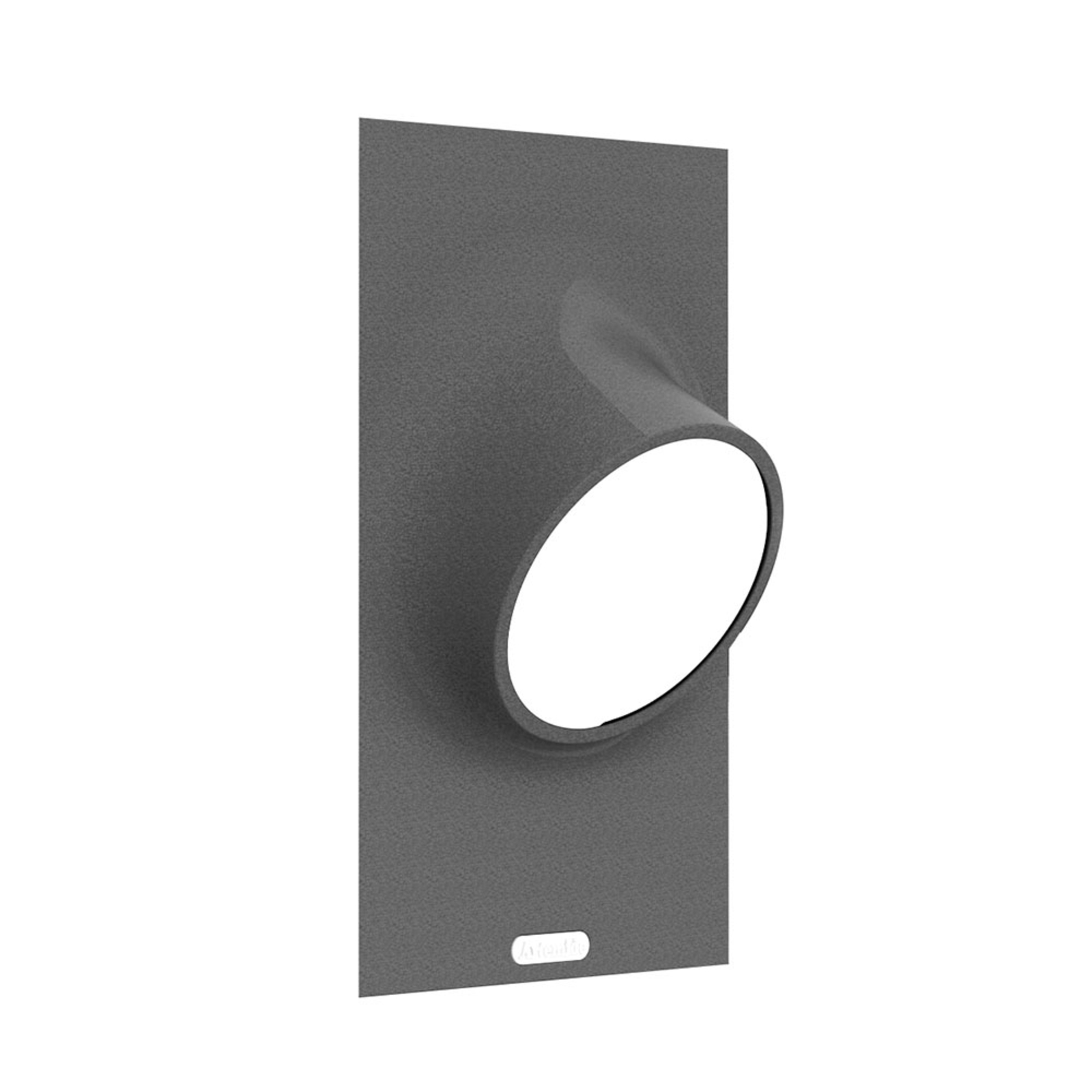
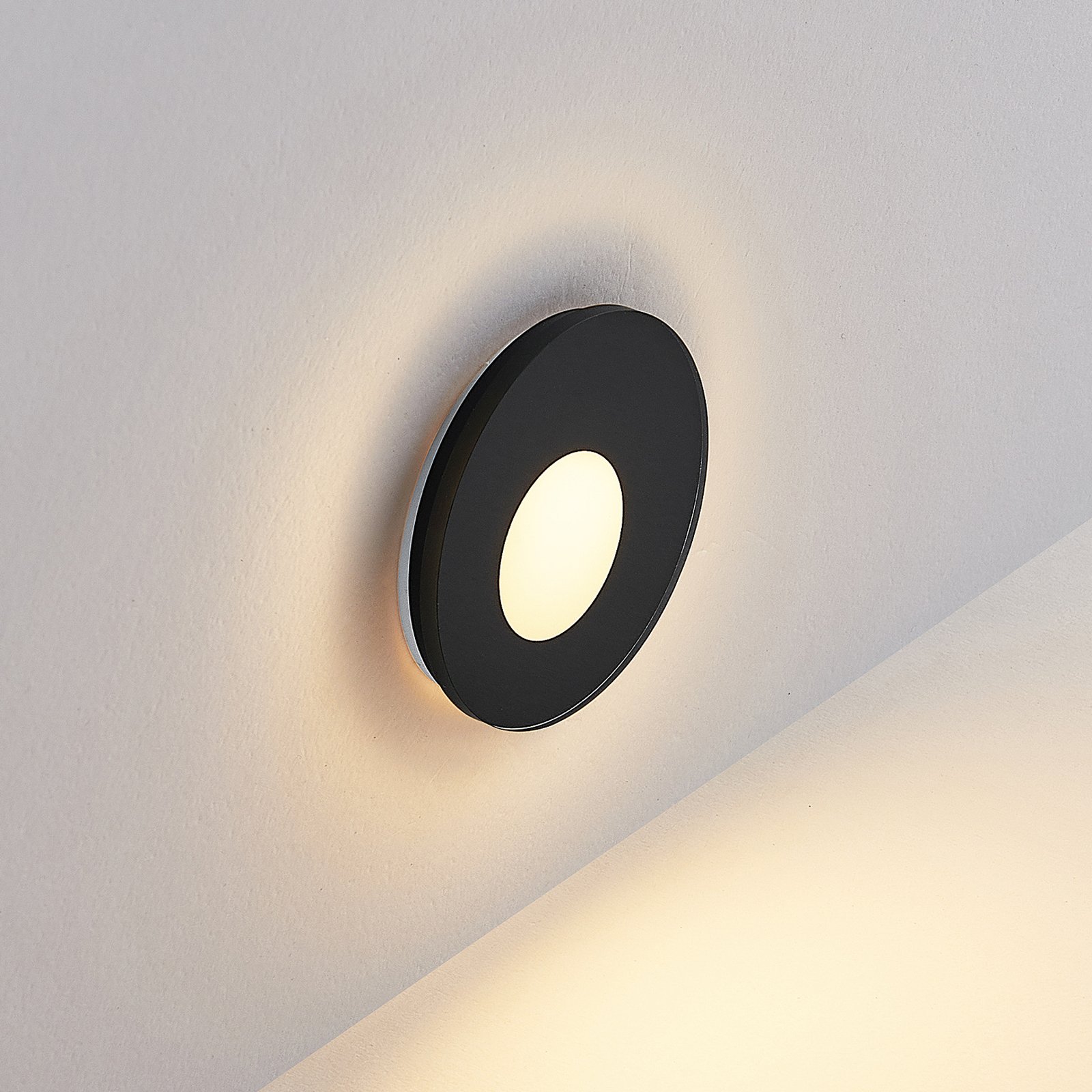
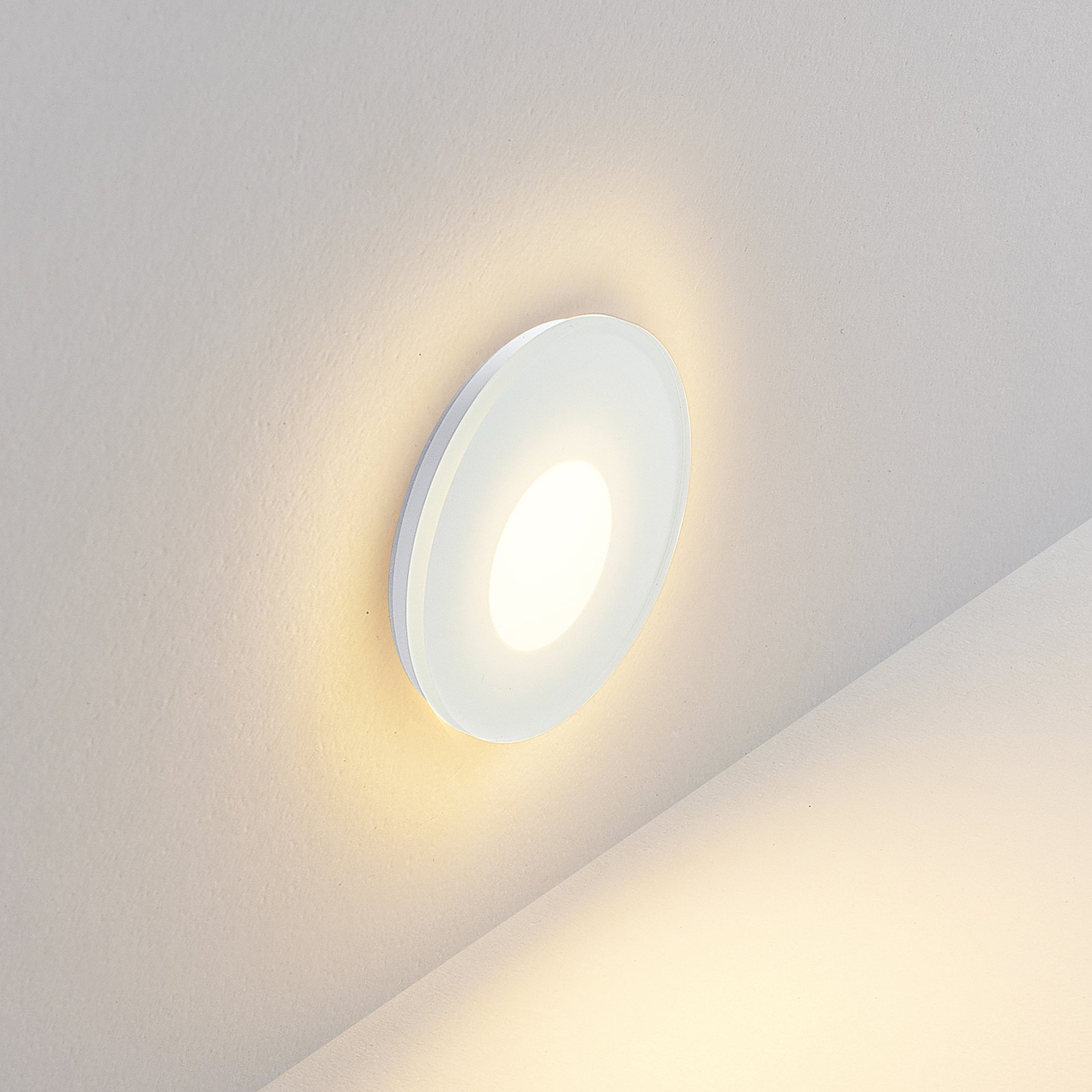
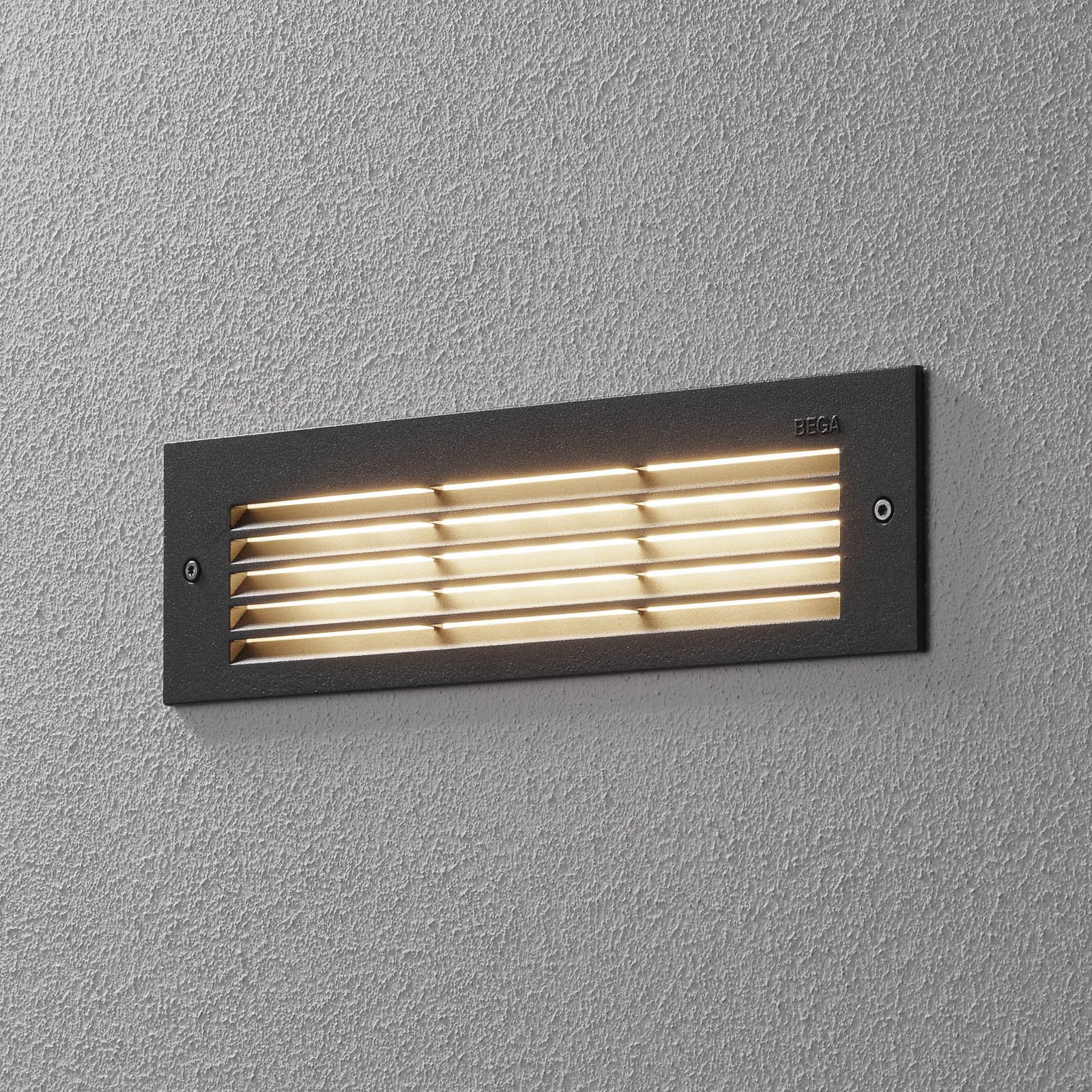
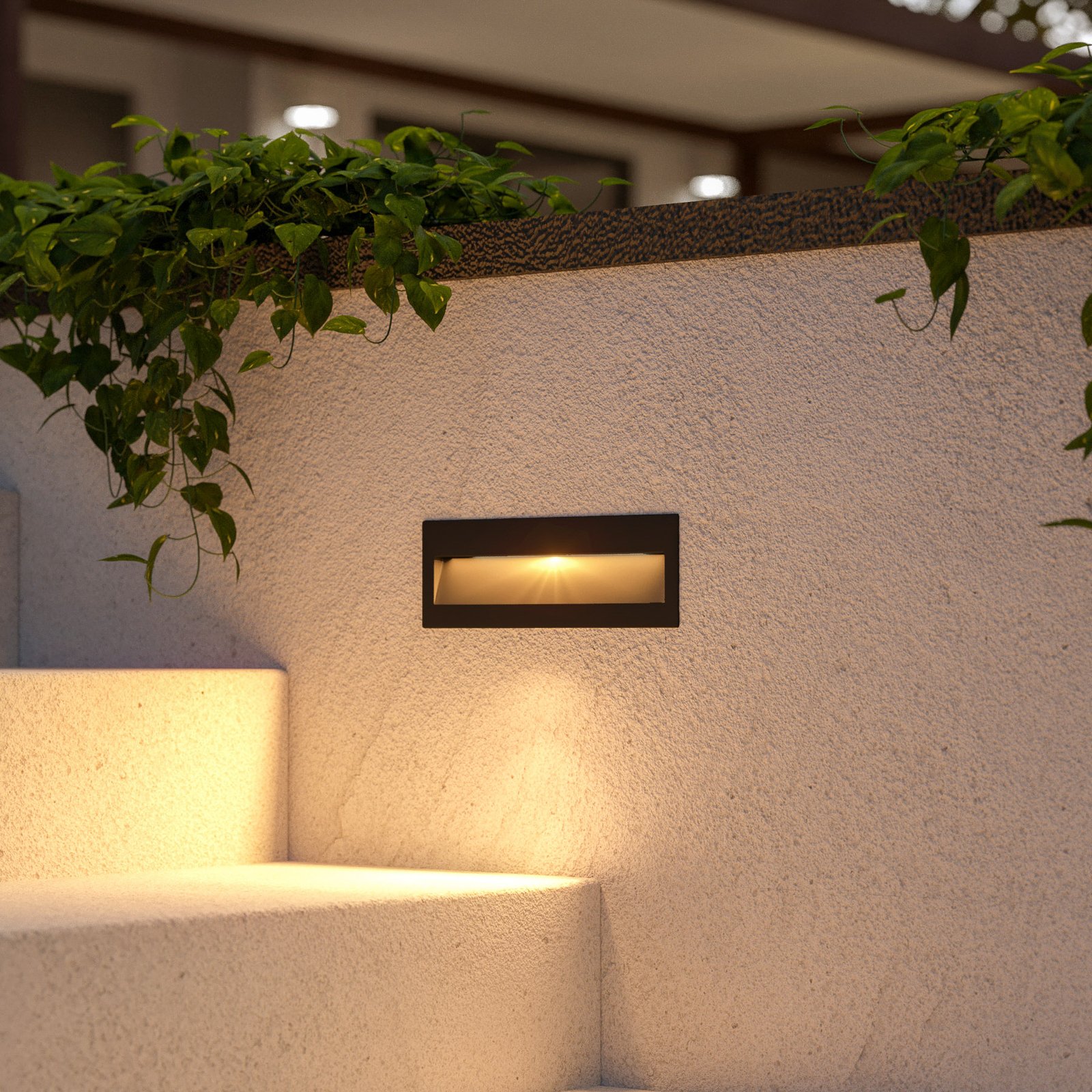
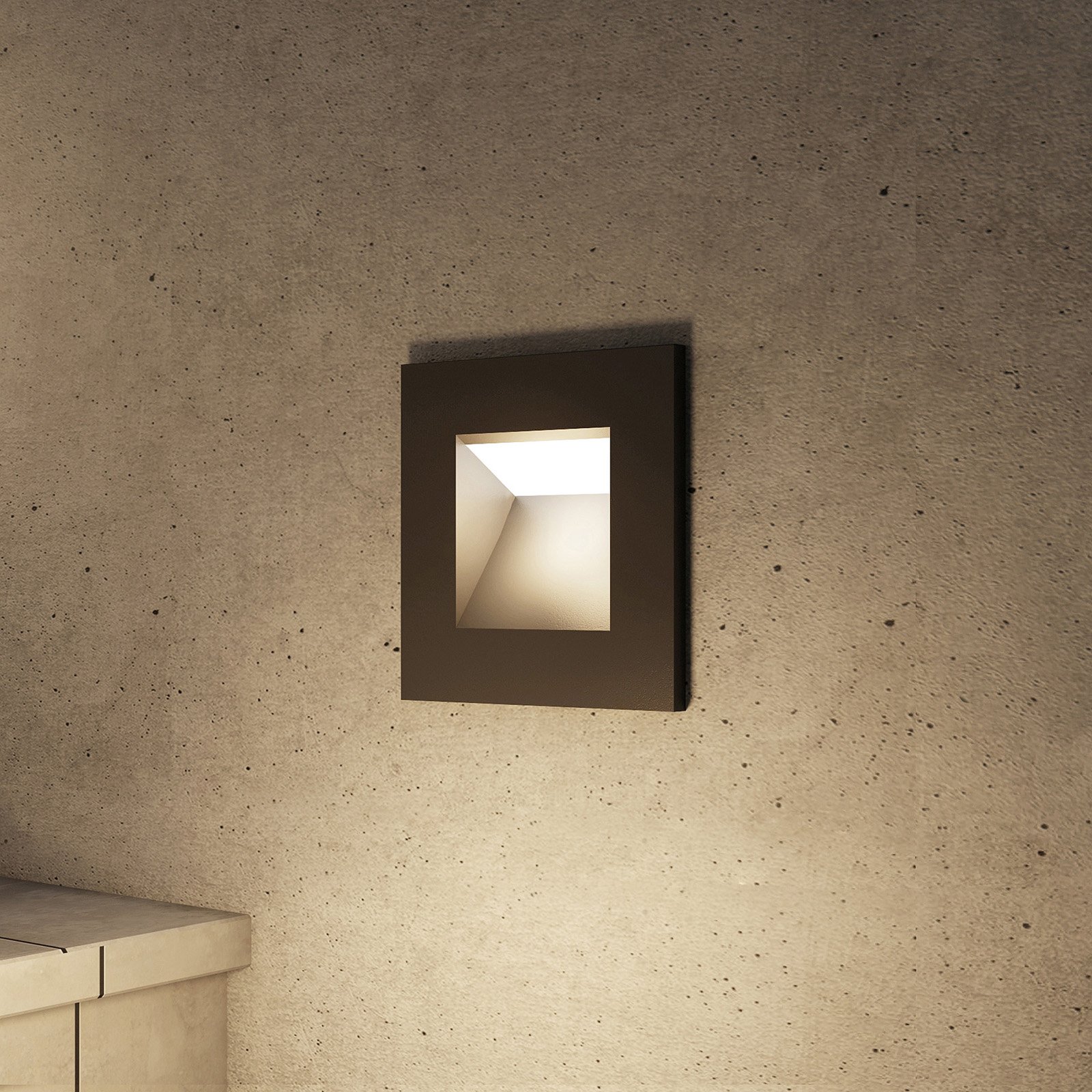
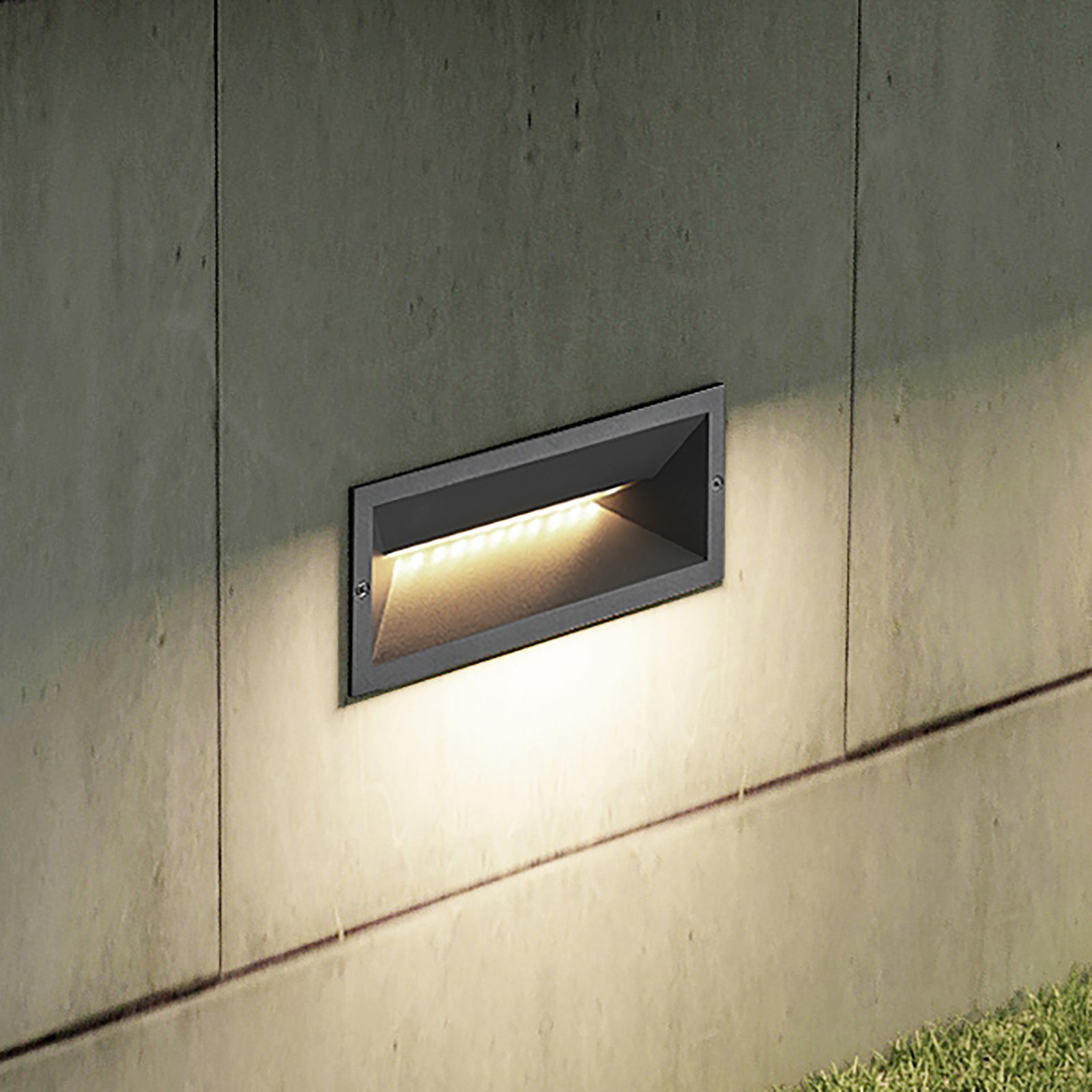
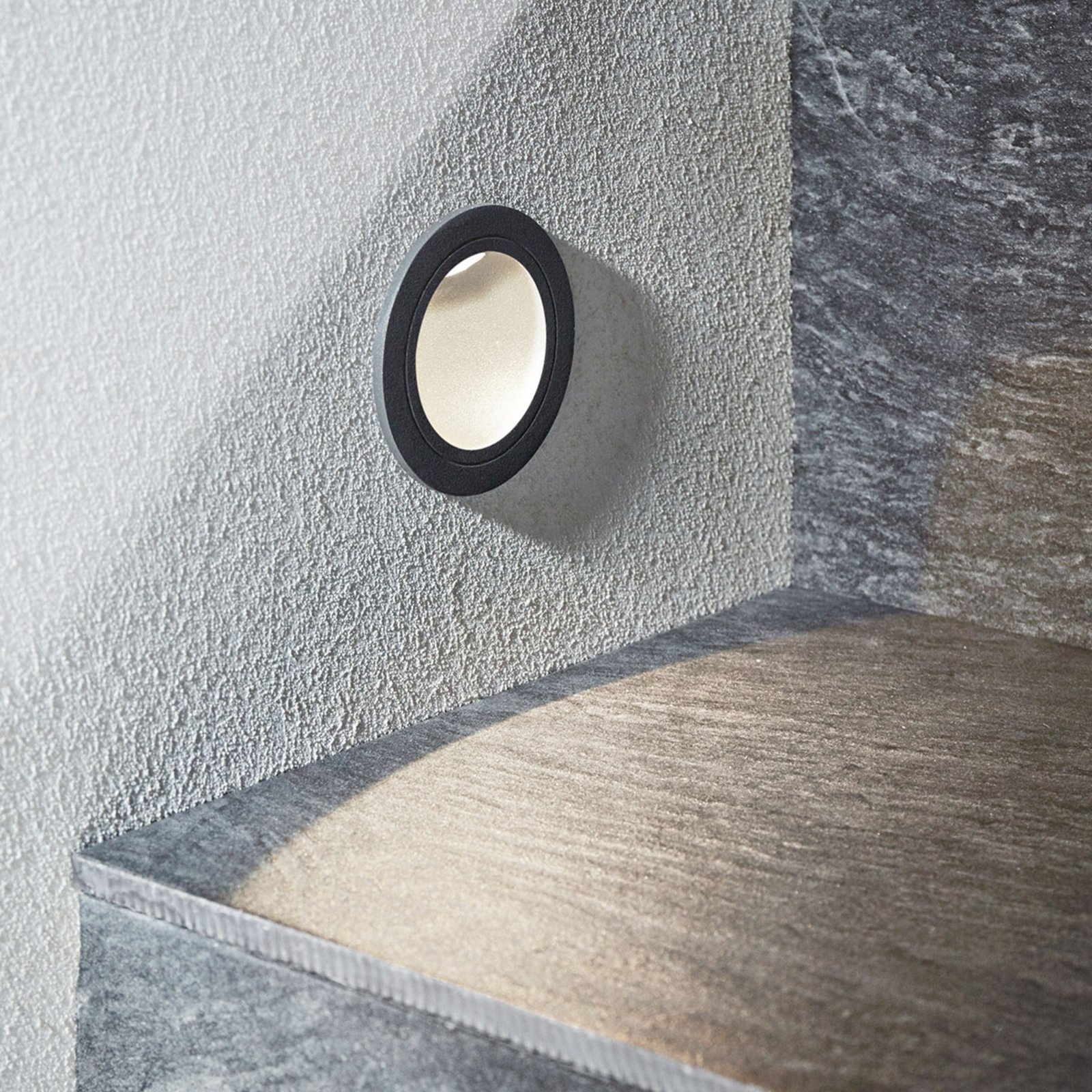
Staircase lighting for outdoor areas helps to make steps at the entrance to the house, in the garden or at side entrances more visible. Its benefits are evident when walking at dusk, in the rain and when carrying shopping. Unlike a single wall light, it distributes the light closer to the step and makes height differences more visible. The main factors for selection are the location, staircase material, installation situation and the question of whether a fixed power supply is available.
At the house entrance, step lighting needs orientation above all. Visitors recognise edges earlier and the path to the front door remains clearly legible even when there is little ambient light. The benefits are similar at side entrances or side entrances because there is either no outdoor light or its light only reaches part of the area. Outdoor step lighting is positioned closer to the walkway and illuminates the steps more precisely.
With garden staircases, the focus is more on the routing. There, steps often lead between the terrace, lawn, slope or flower beds. The light should make the line of the staircase visible without illuminating the entire outdoor area. If there are several short steps, the installation appears calmer if the luminaires are evenly spaced and each step has a similar light pattern. In the case of open entrances with planting at the side, discreet lighting also helps to clearly separate steps from bed edges, walls or borders.
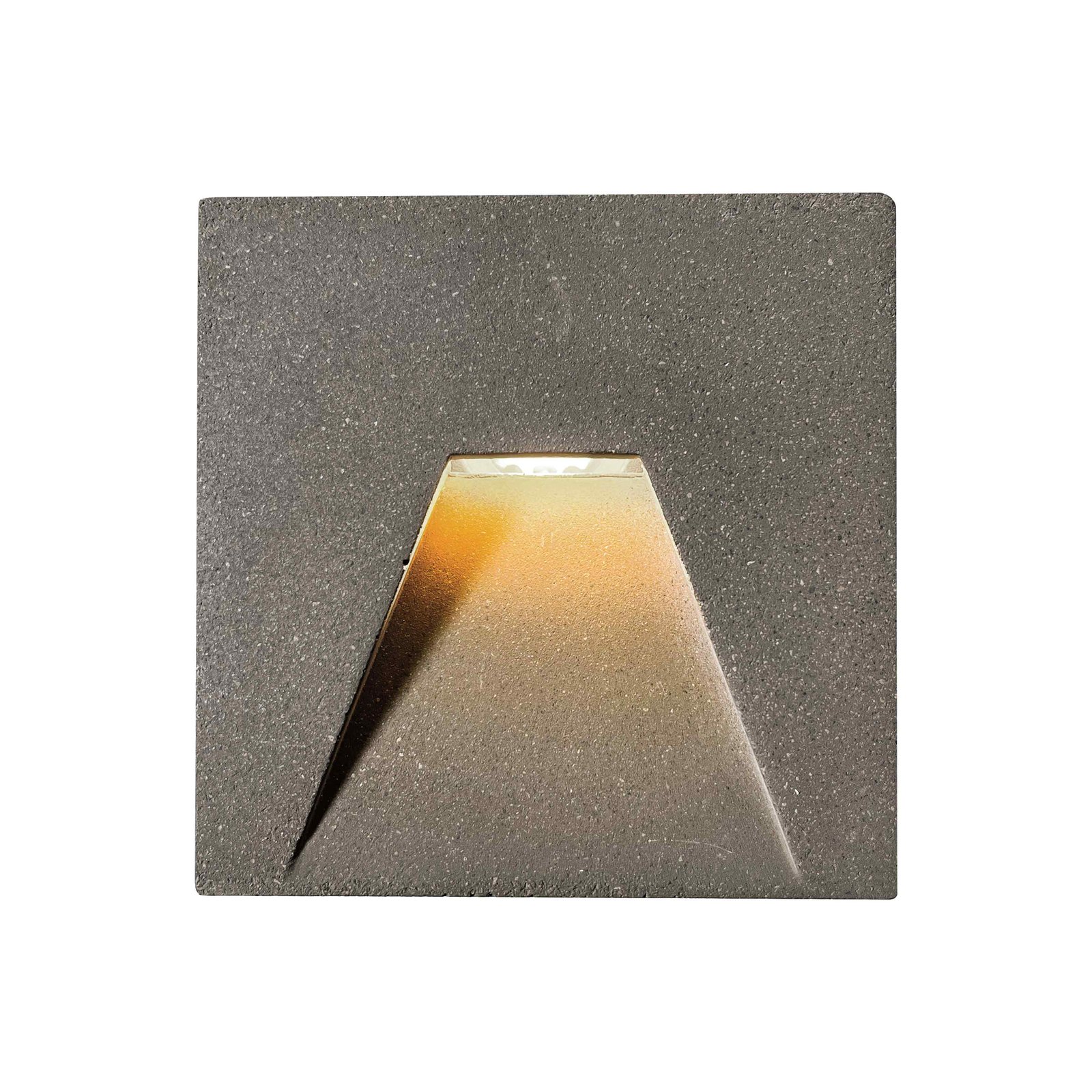
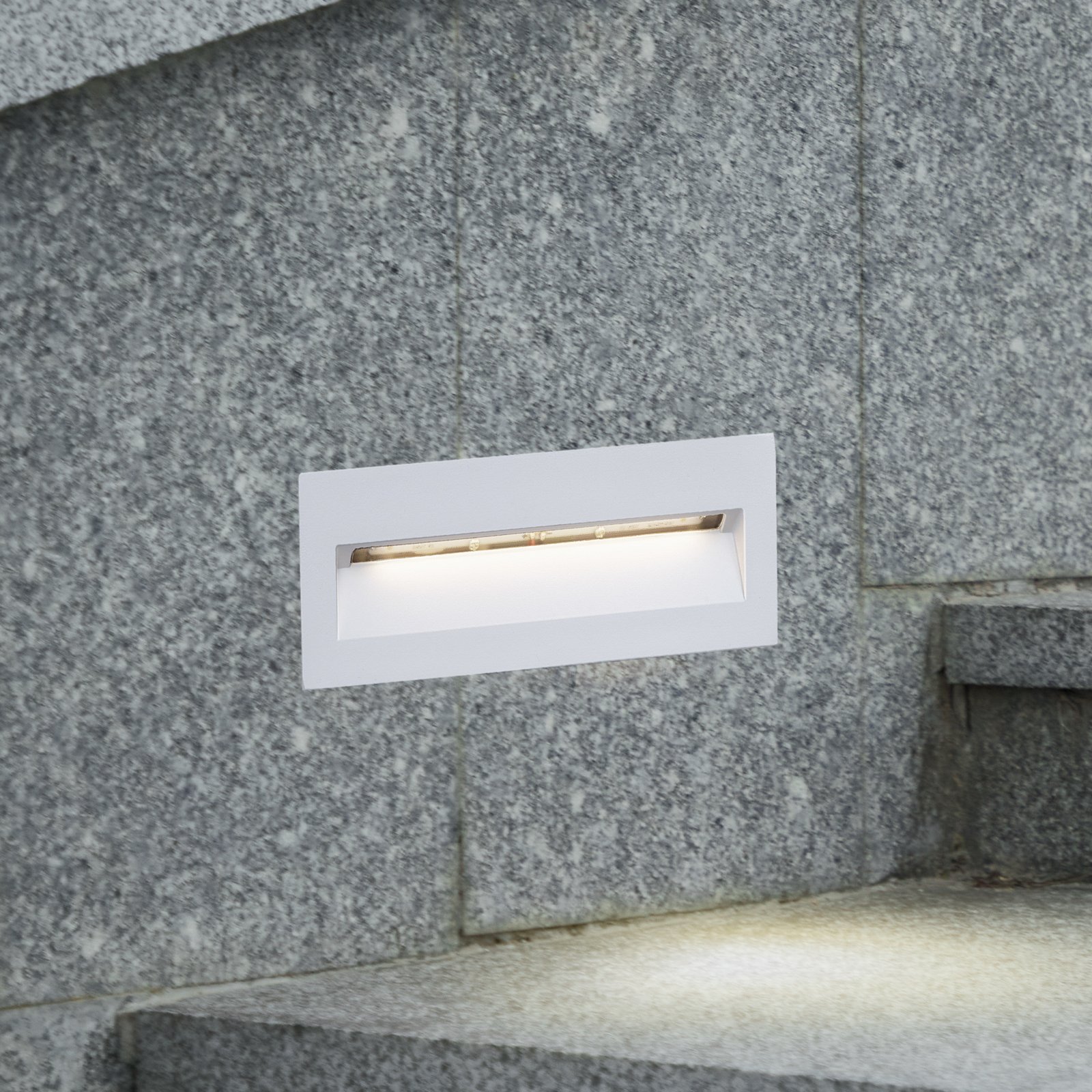
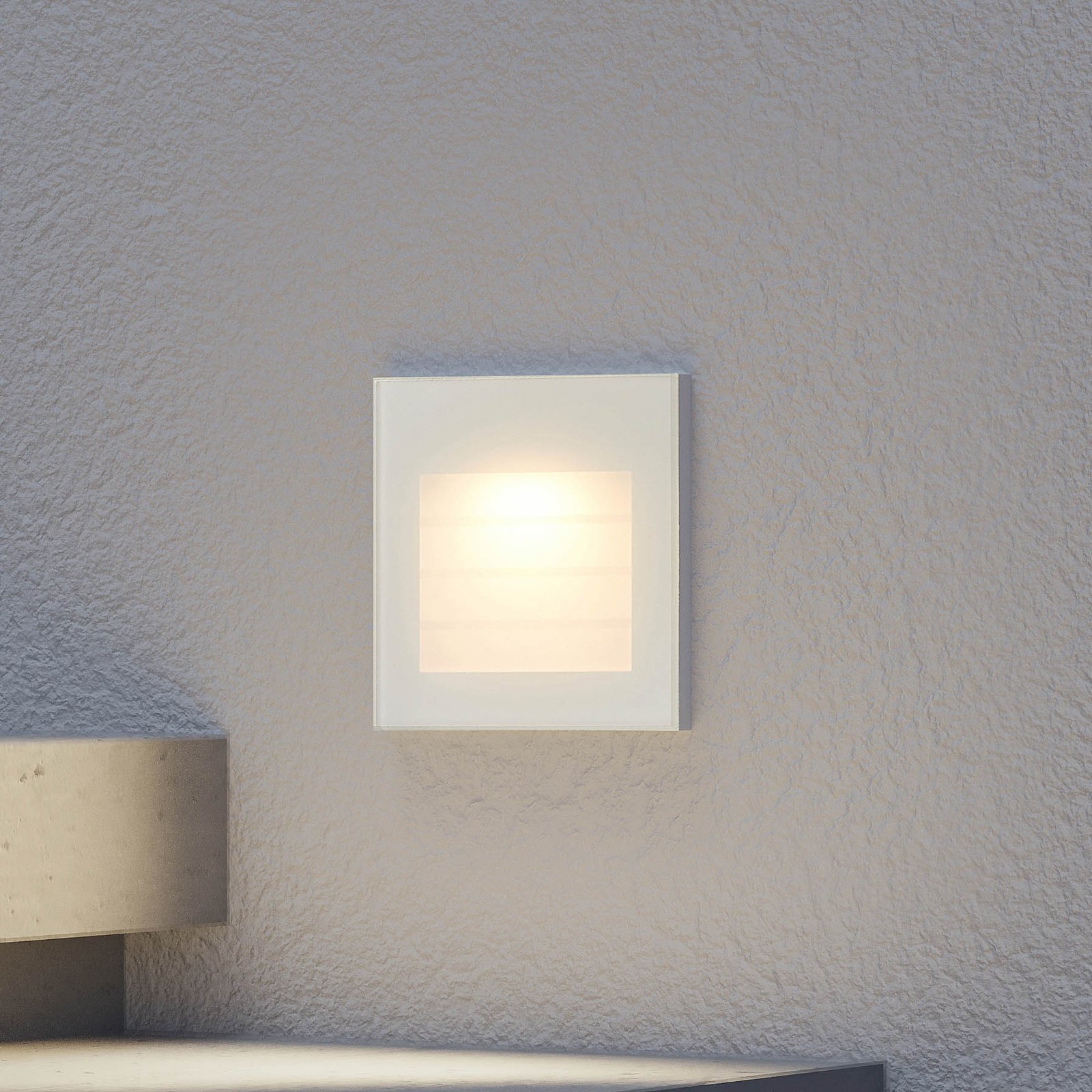
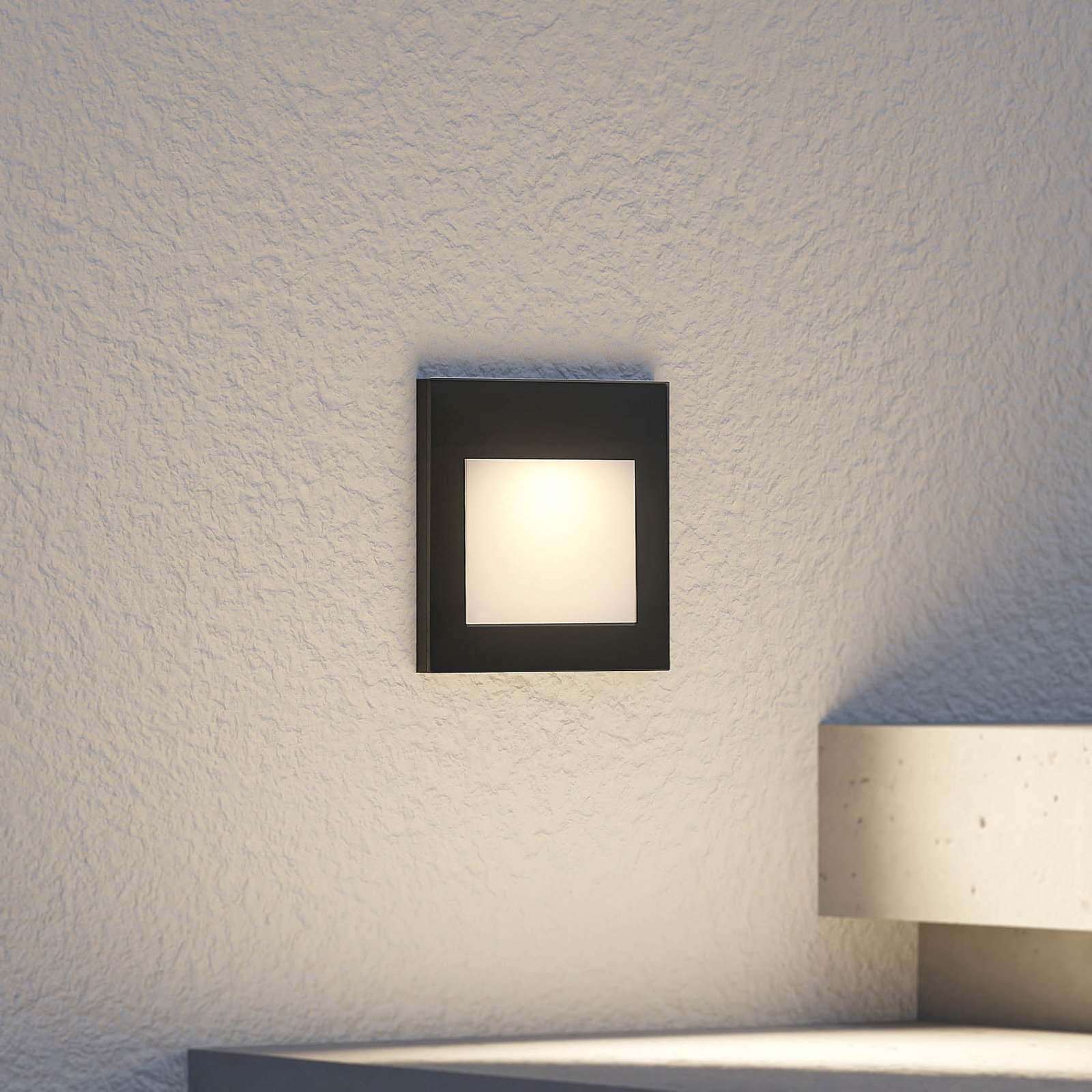
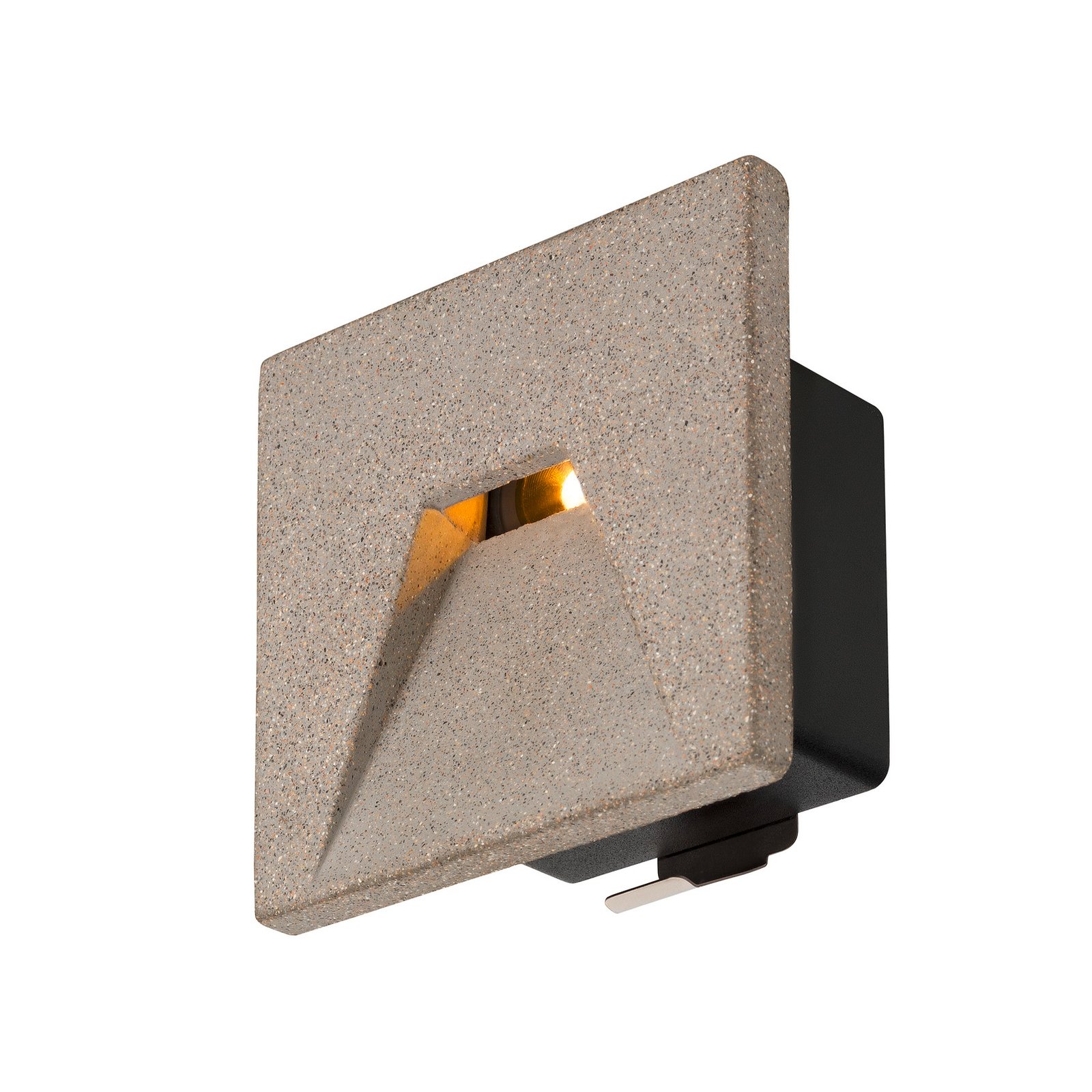
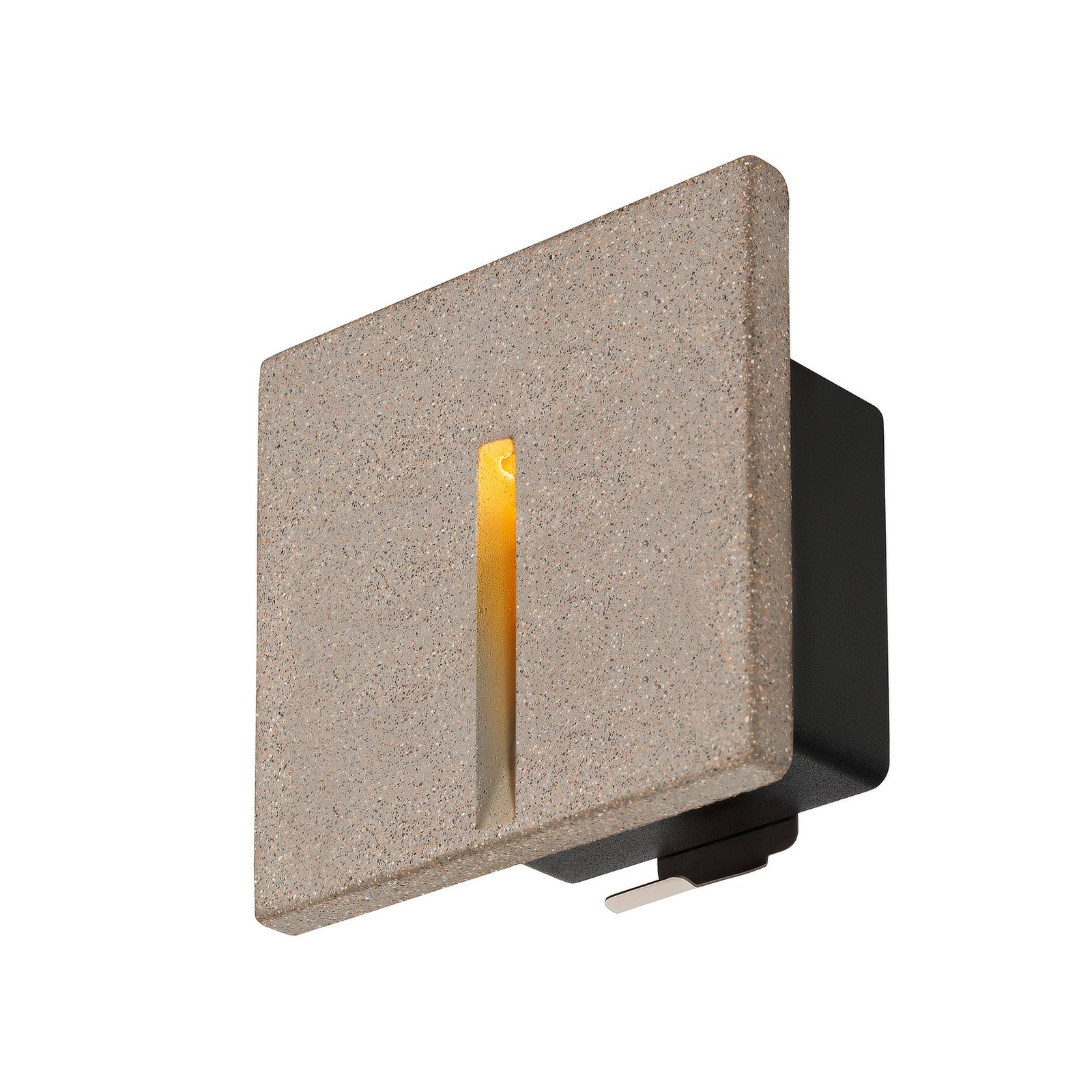
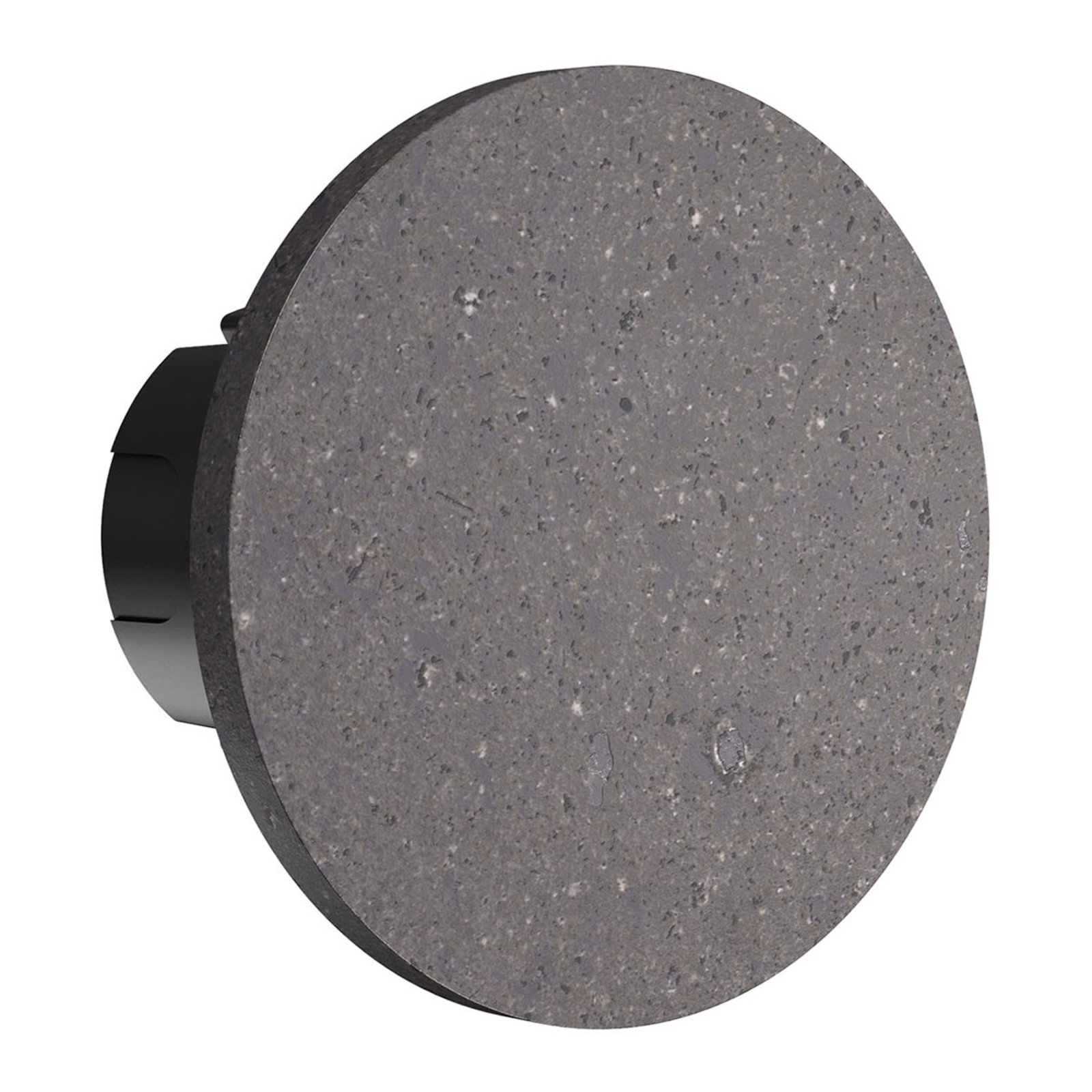
LED lighting for outdoor staircases goes well with typical outdoor materials because it enables compact designs and targeted light control. Clear, straight-lined luminaires are suitable for concrete because the functional surface supports a calm light image. A glare-free alignment is important for wooden stairs so that the grain remains visible and wet surfaces do not reflect unevenly. With natural stone, the light colour has a stronger influence on the impression: warm light colours appear softer, neutral white light colours emphasise the structure more strongly.
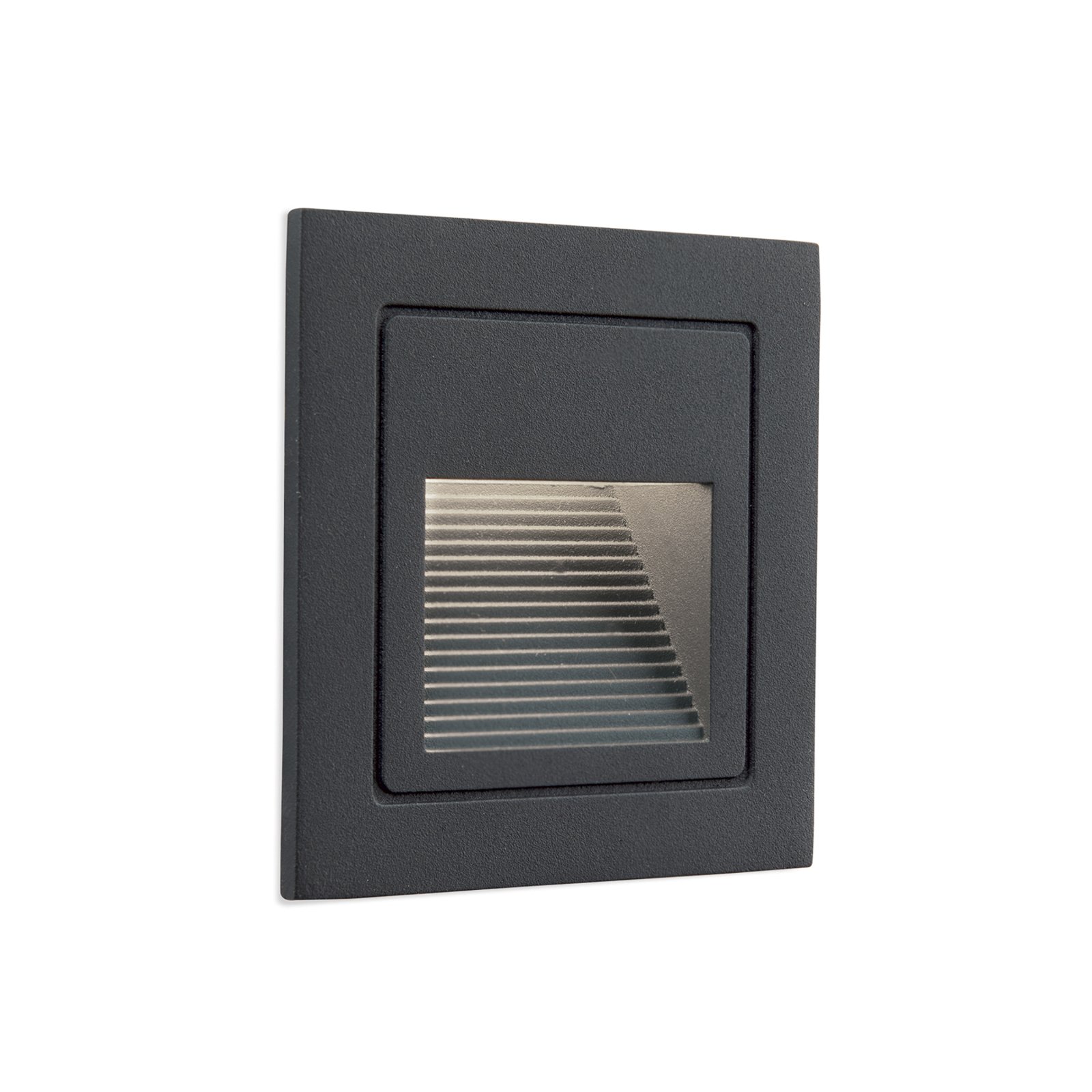
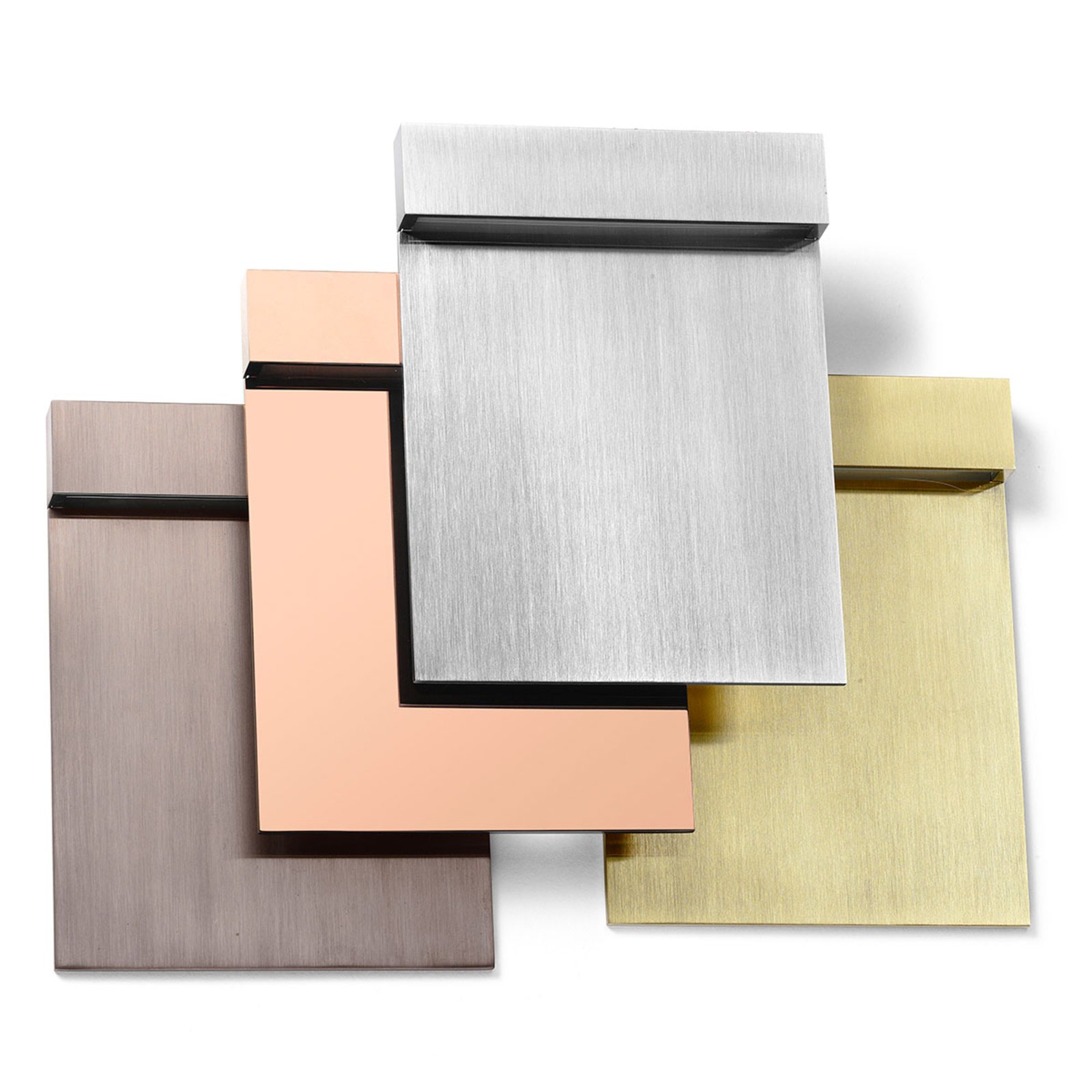
The housing also influences the overall impression. Aluminium models have a restrained appearance and blend in well with modern staircases. Stainless steel often goes well with entrances with railings, handrails or other visible metal surfaces. The decisive factor remains that the light does not emerge at eye level, but illuminates the step itself. Uniform light along the tread is particularly helpful if several steps in a row need to remain clearly legible.
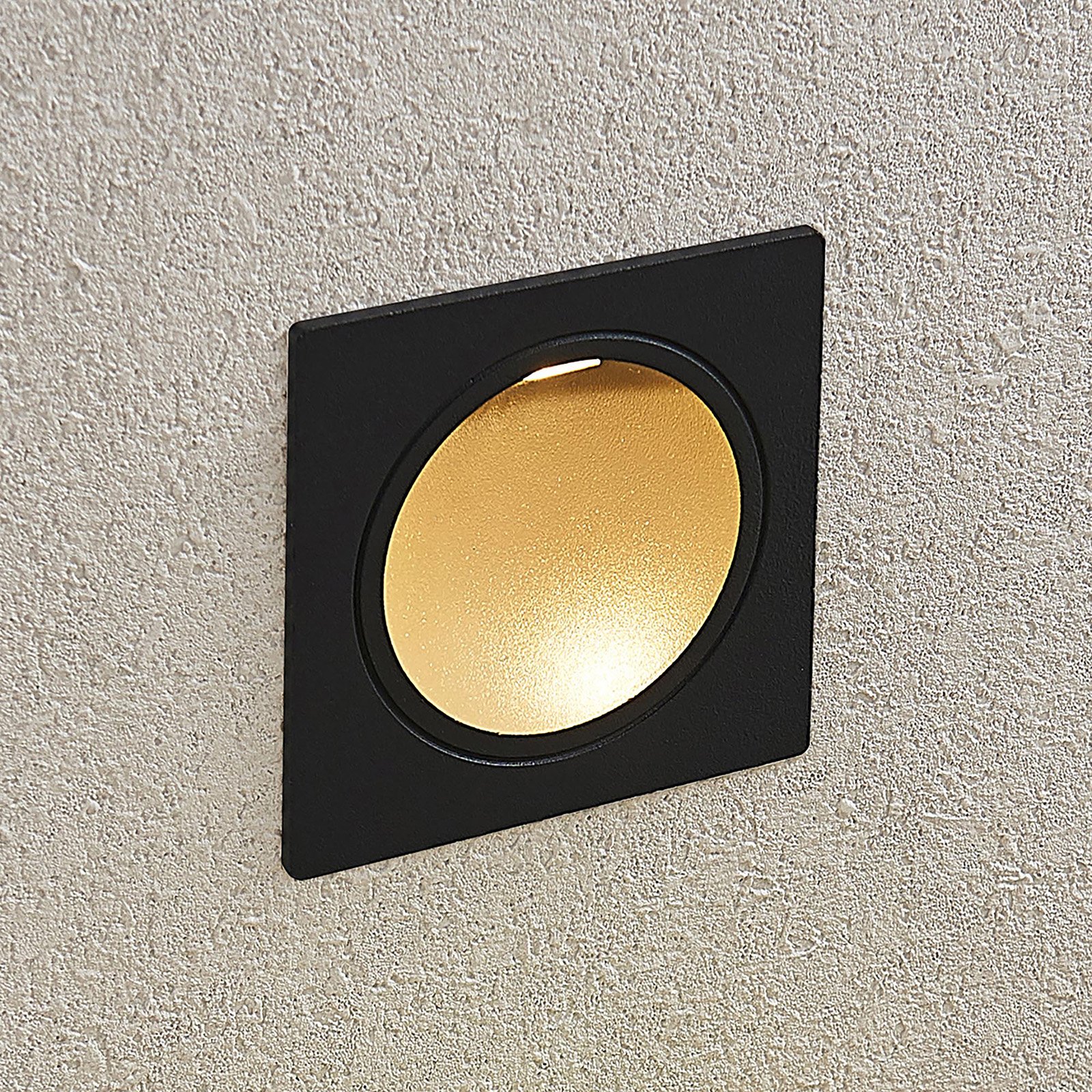
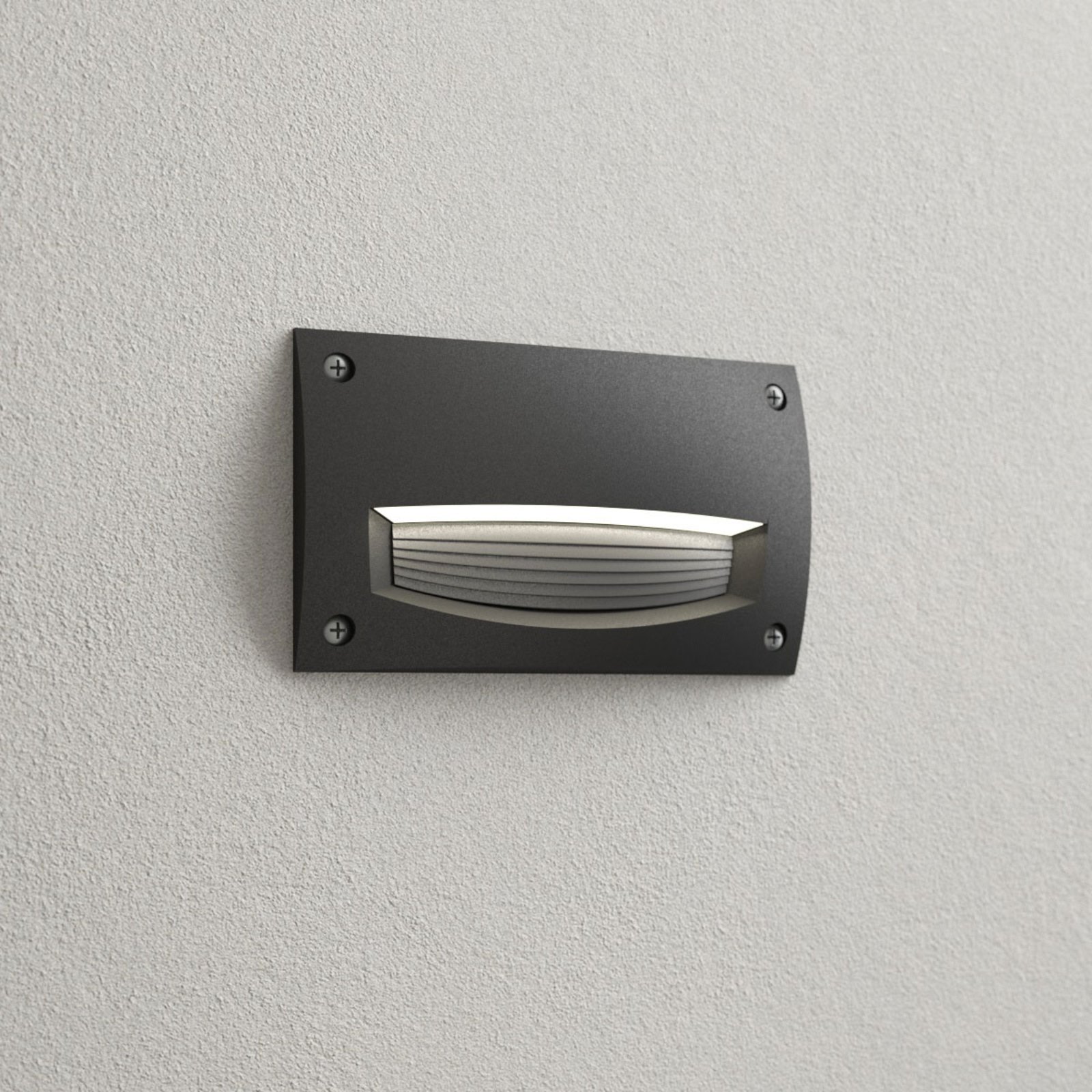
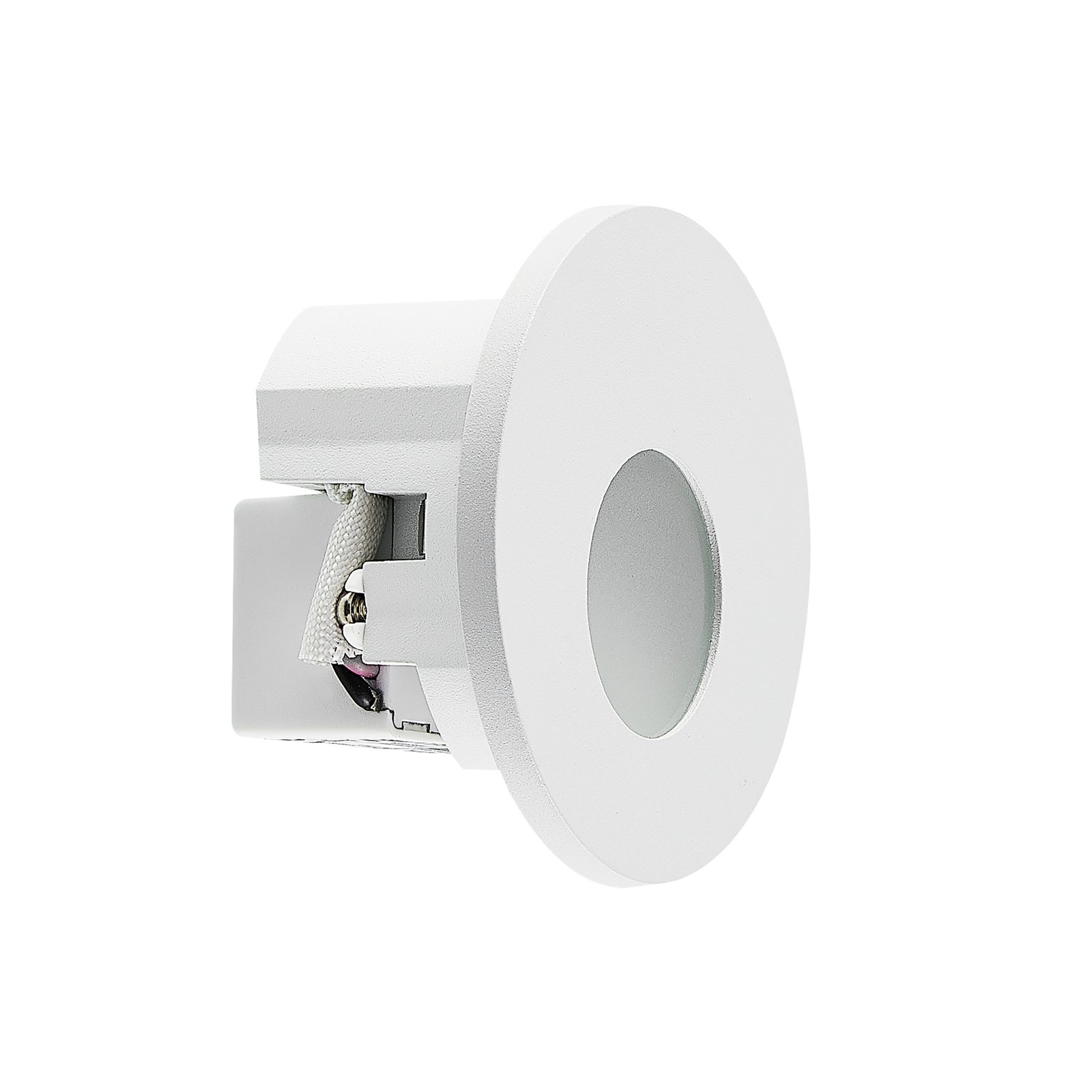
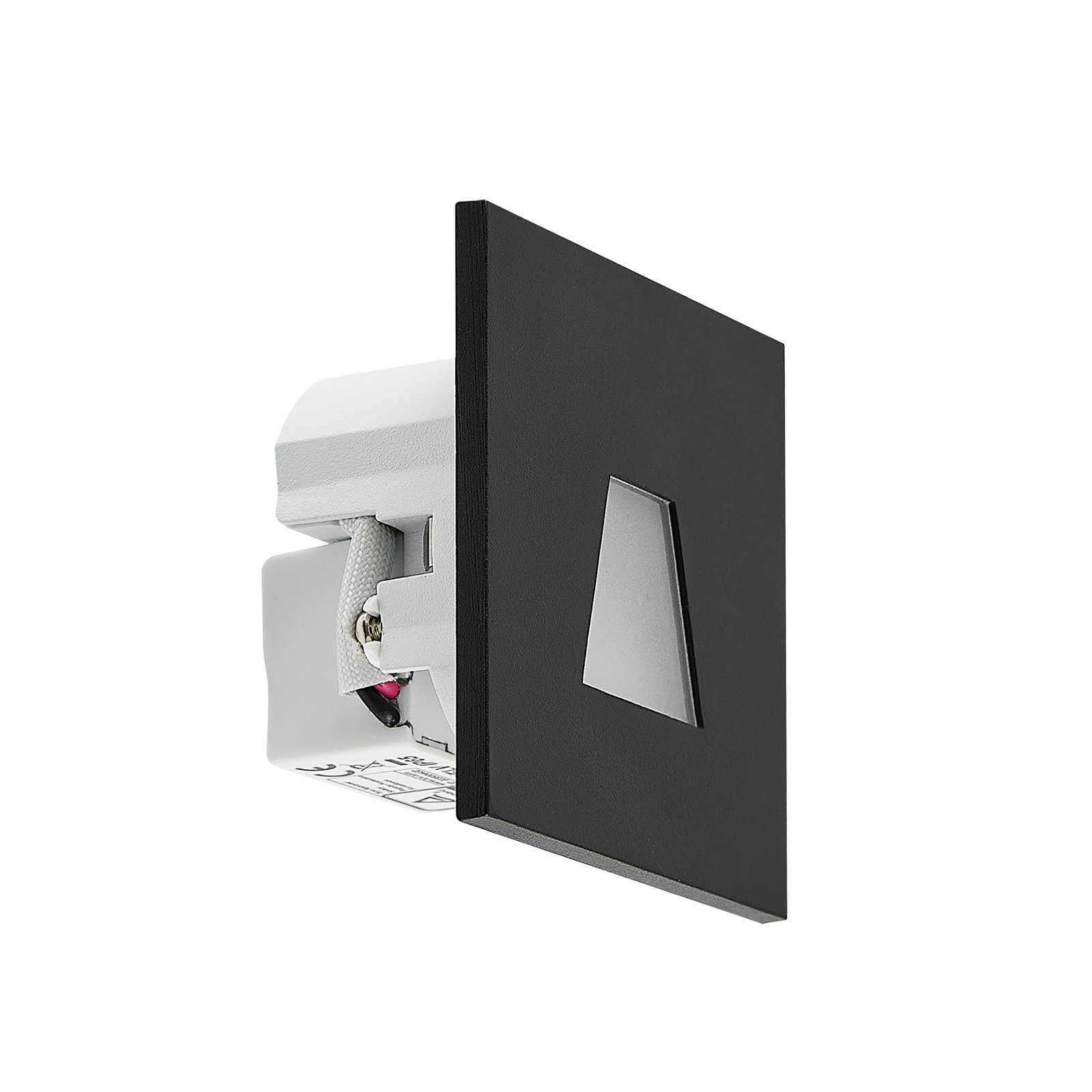
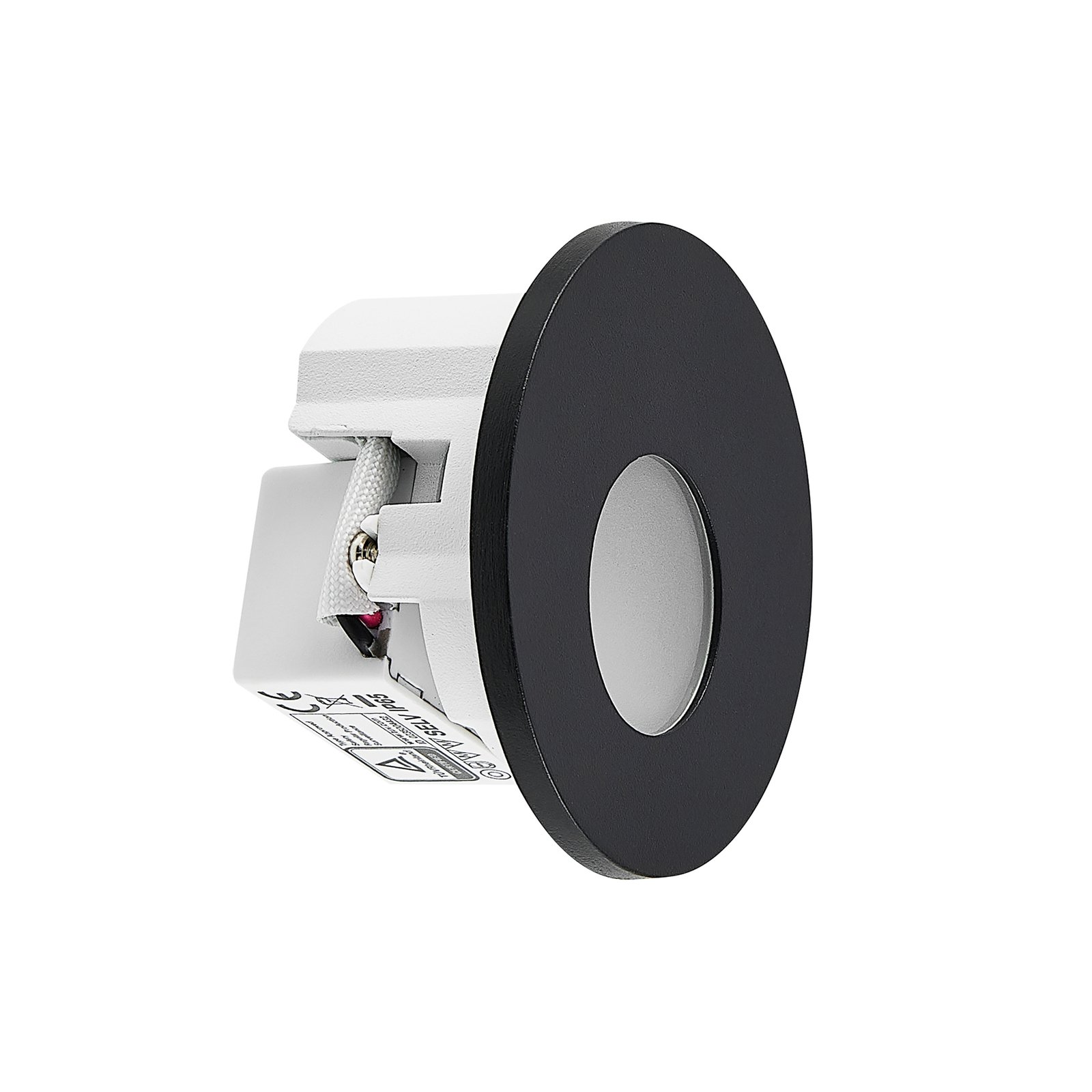
The choice between surface-mounted and flush-mounted primarily determines the installation effort and visibility of the luminaire. A surface-mounted solution is suitable for retrofitted steps, walls or side panels. Surface-mounted lights can be installed visibly and remain more accessible for later adjustments. A surface-mounted solution is practical if cable routes already exist or can be neatly routed along the wall.
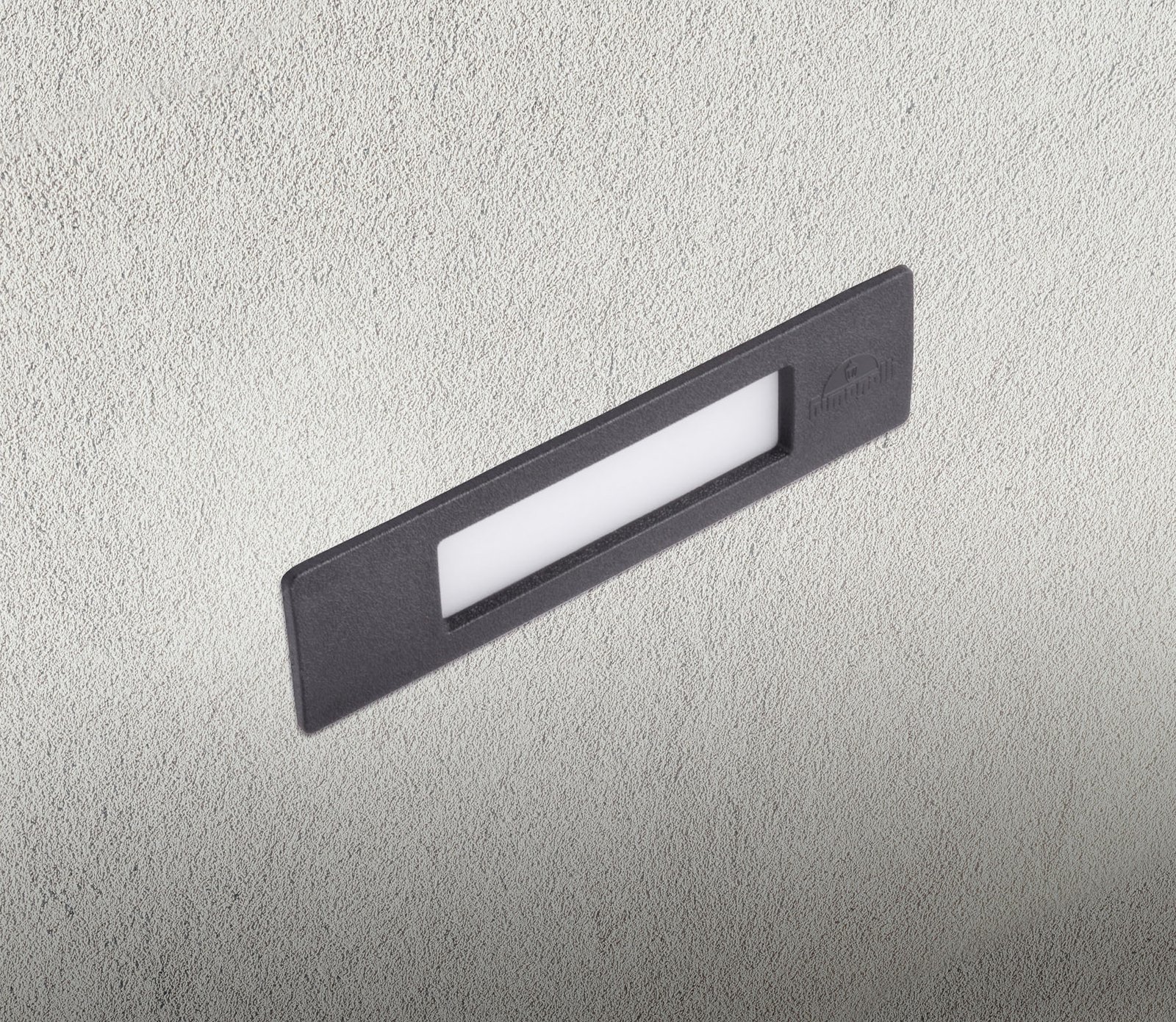
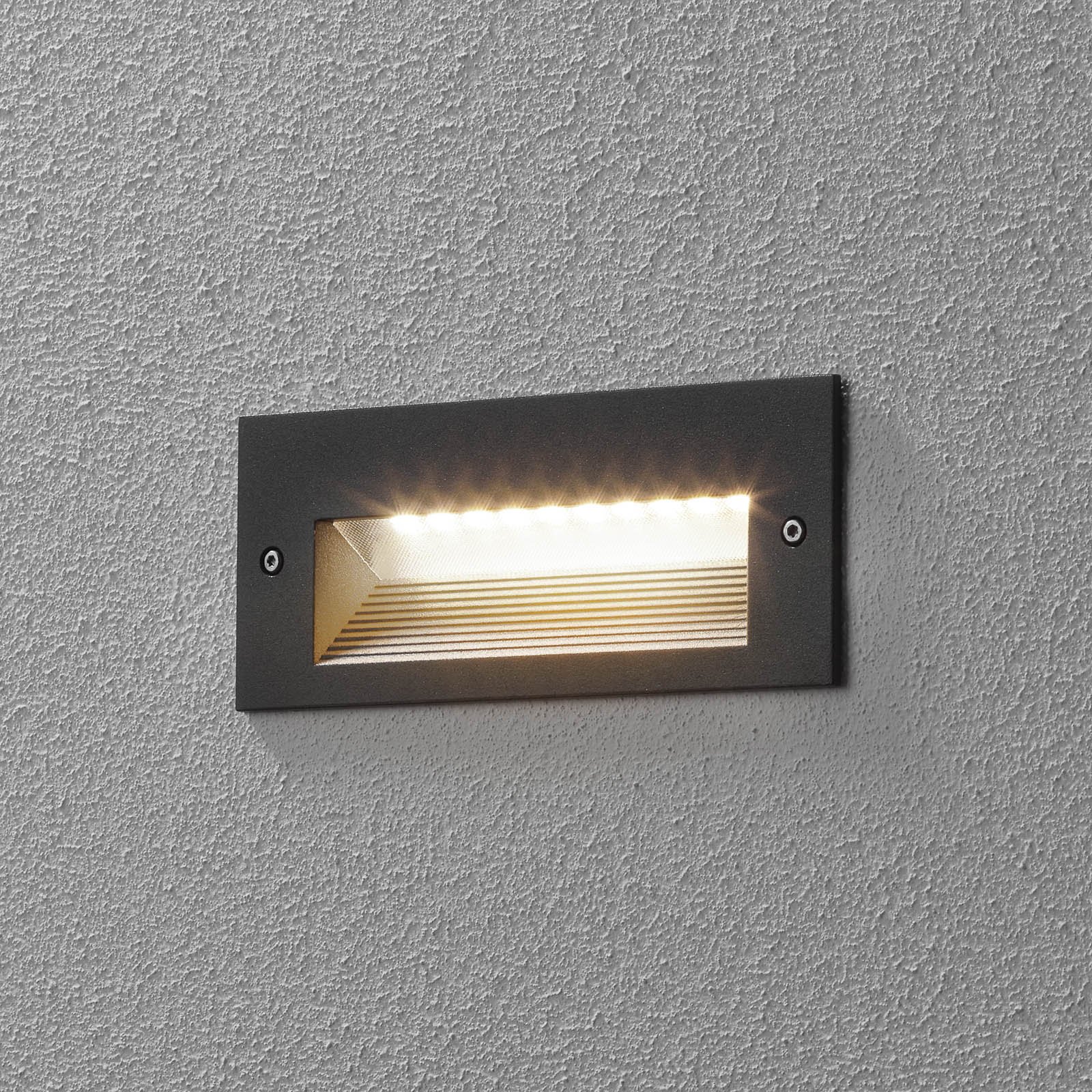
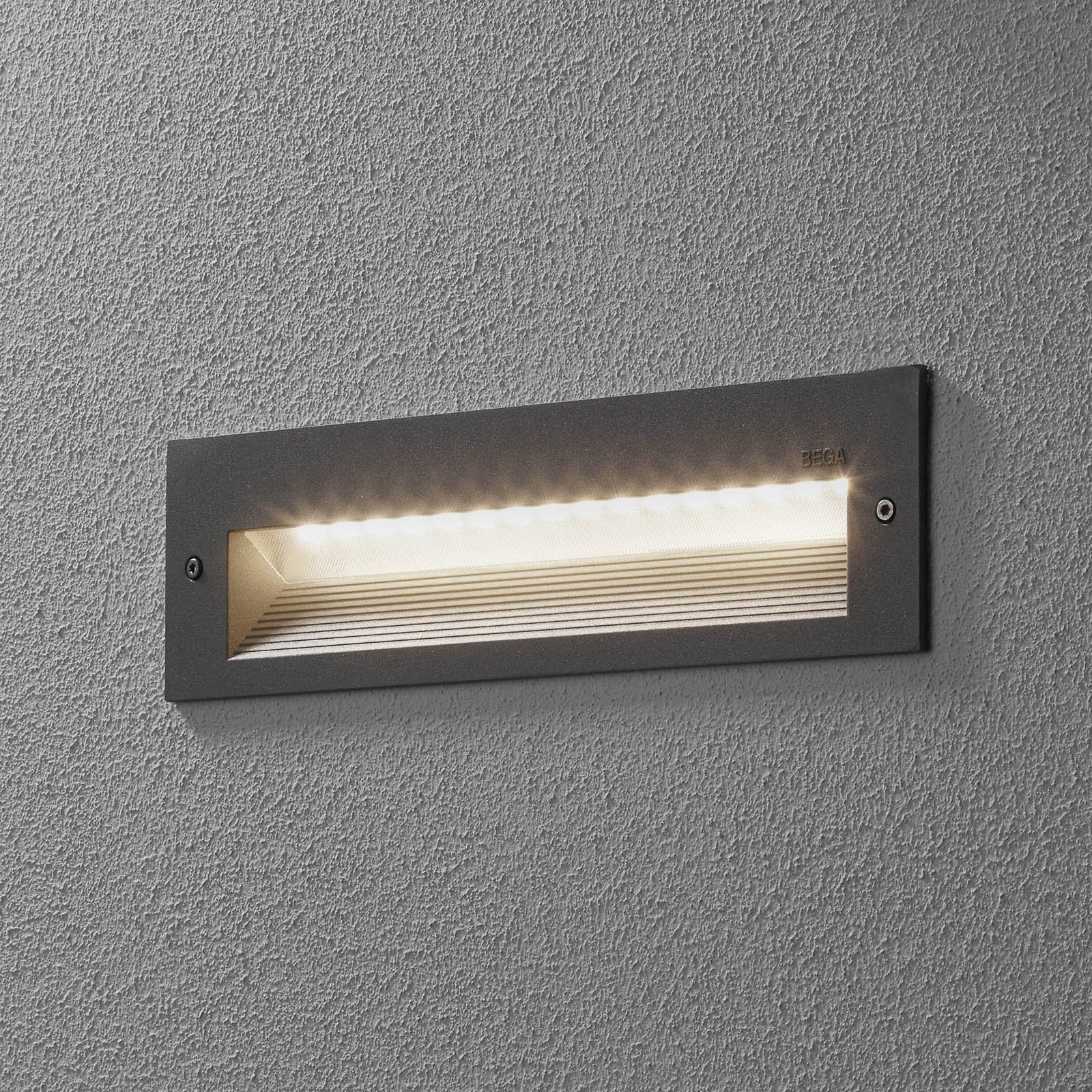
A flush-mounted solution looks more restrained because the housing largely disappears into the surface. This solution is particularly suitable for brick stair stringers, concrete side boundaries or clearly planned new-build situations. The light is emitted from a fixed position and therefore often appears more organised. However, the effort involved is higher because the installation depth, cut-out and cable routing have to be taken into account at an early stage. With narrow steps or very solid edges, the size of the luminaire should match the proportions of the staircase.
The choice between hard-wired, wireless, solar-powered and battery-powered staircase lighting depends on the structural situation. A solution with a motion detector makes sense if light is only needed when the area is in use and should not be permanently illuminated. This limits the lighting duration and at the same time increases convenience at entrances, cellar entrances or short routes. Wireless lighting for outdoor staircases is an interesting option if there is no power connection nearby or if a solution without major intervention is required.
For free-standing staircases without a nearby power source, solar or battery-powered versions can be considered. Solar-powered outdoor step lighting requires sufficient daylight at the installation site to ensure that the lights work reliably in the evening. A battery-operated solution is less dependent on the position of the sun, but requires regular checks of the battery and clear manufacturer information on runtime. Models with motion detectors without a power connection combine automatic switch-on with installation without the need to lay cables if the usage is selective. In any case, the appropriate IP protection class remains important because moisture, splash water and dirt vary greatly depending on the location. How high the protection requirement must be in individual cases must be determined by the respective installation location. An unprotected garden staircase between the patio and lawn is more exposed to moisture and dirt than a few steps directly under the canopy.
The strike-through prices correspond to the manufacturer's RRP.
Included in the price of LED lights/bulbs is a contribution to recycling costs of €0.05. Included in the price of CFLs/fluorescent bulbs is a contribution to recycling costs of €0.15.
All prices include 23% VAT, delivery costs excluded.