





























:format(jpeg) "Balcony Lighting")
:format(jpeg) "Outlet")
:format(jpeg) "Lucande")
:format(jpeg) "Outdoor inspiration")
:format(jpeg) "Portable Lights")
Portable lights for outdoors
Enjoy maximum flexibility with battery-operated outdoor lamps.
:format(jpeg) "Contact a customer advisor")
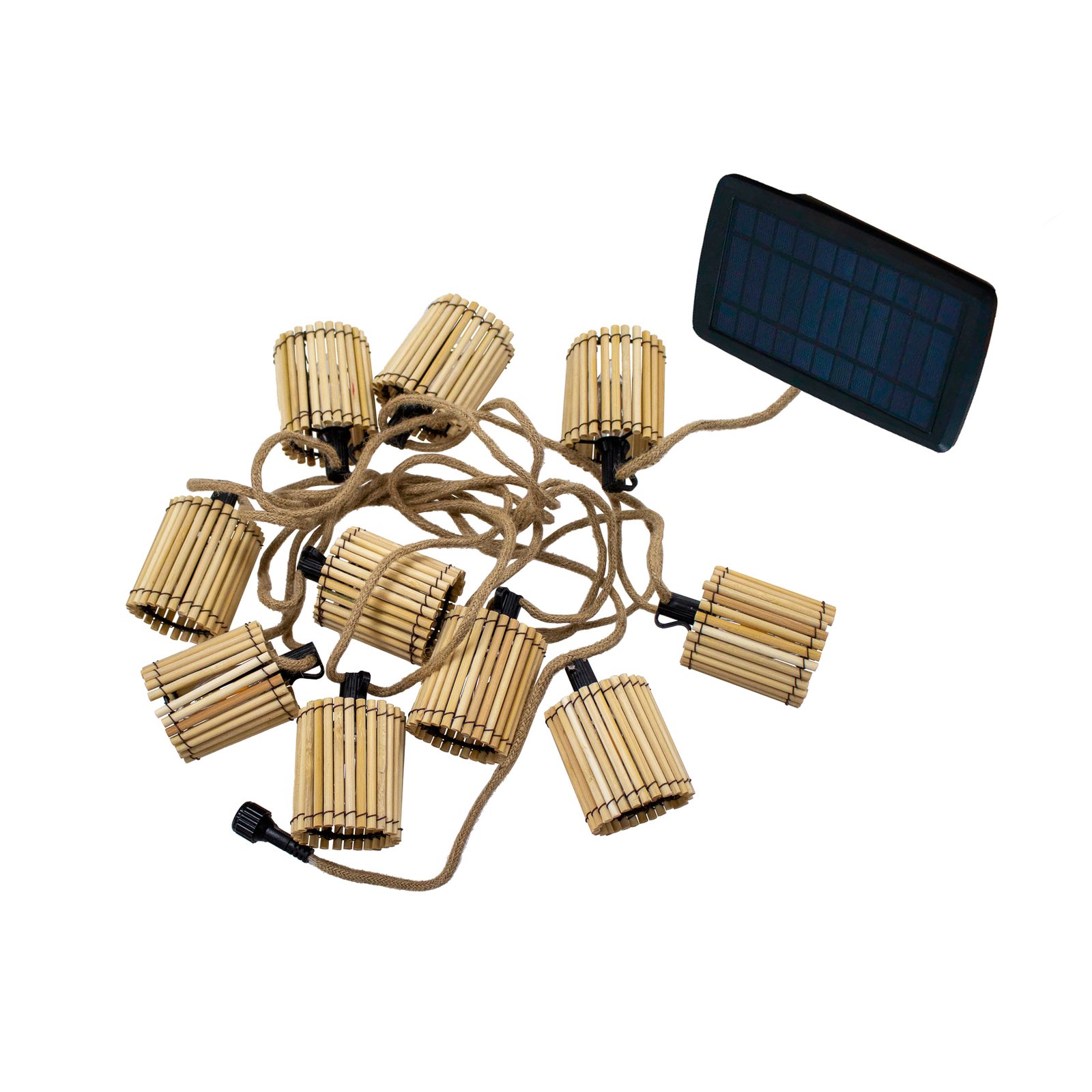
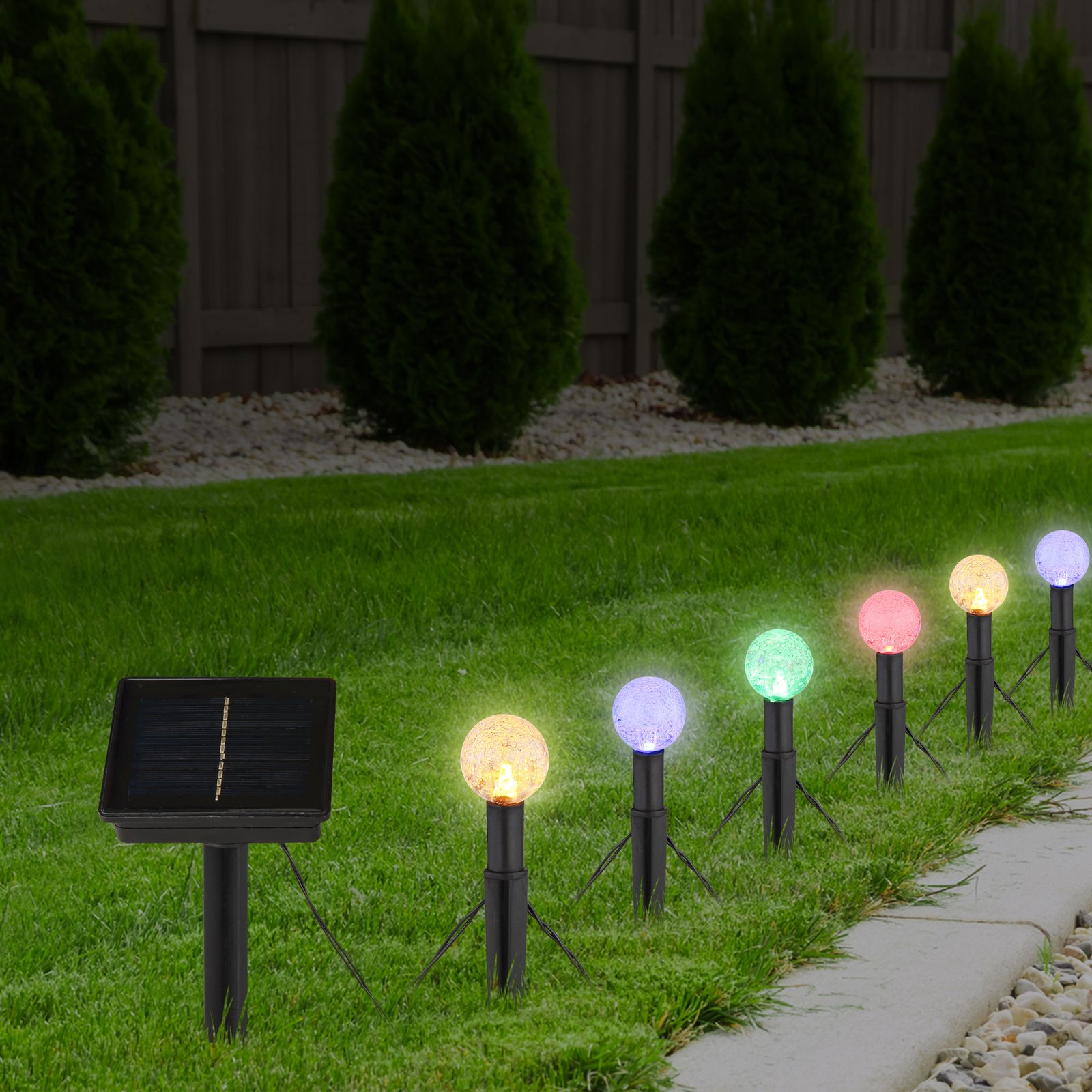
A solar fairy light is a decorative lighting solution for outdoor areas where a fixed power connection is not desired. Depending on the use on the balcony, terrace, or garden, the requirements for installation location, design, light effect, and installation differ. The position of the solar panel and protection against weather also play a role in the selection. If these points are considered separately, the fairy lights can be chosen to suit the available space and desired lighting effect.
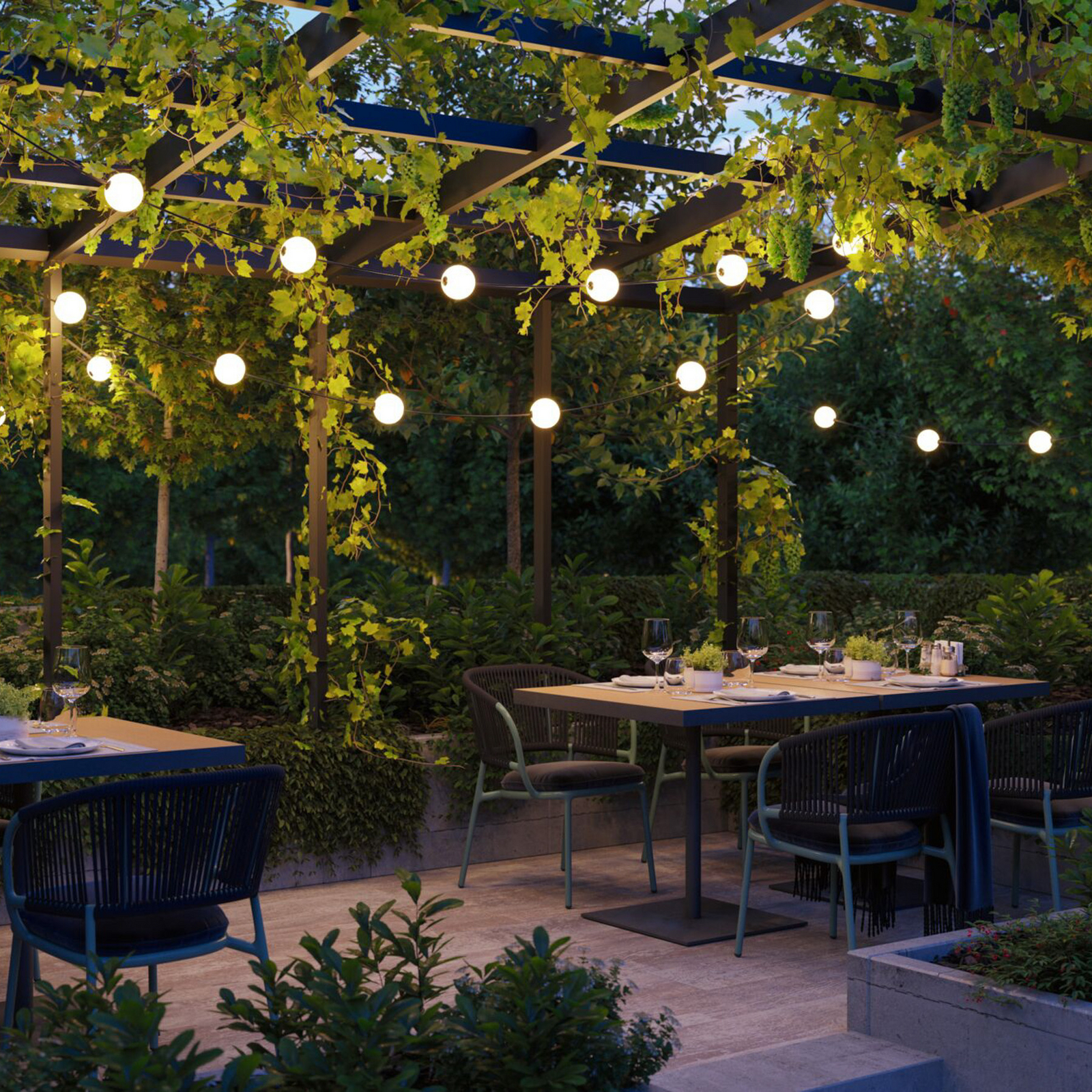
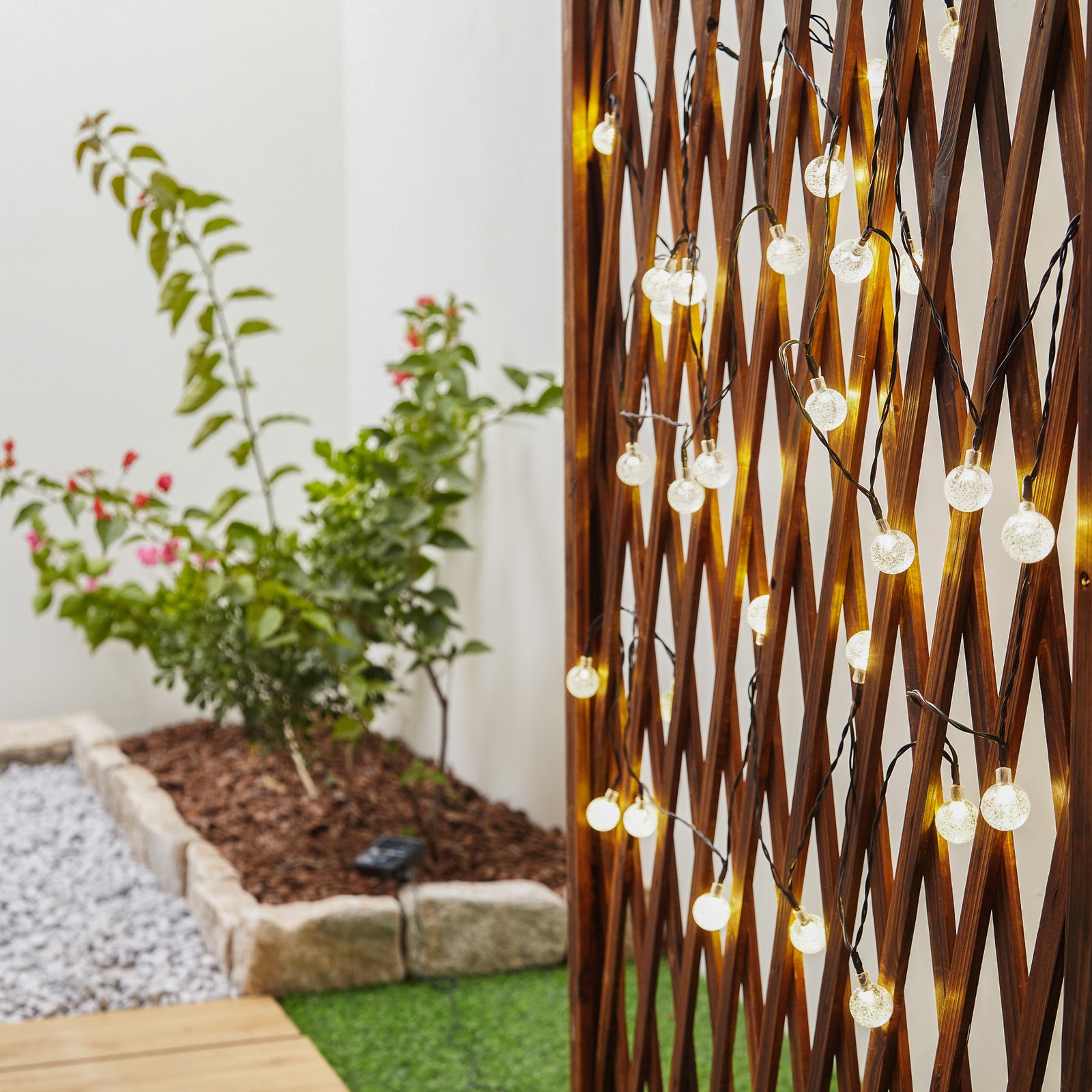
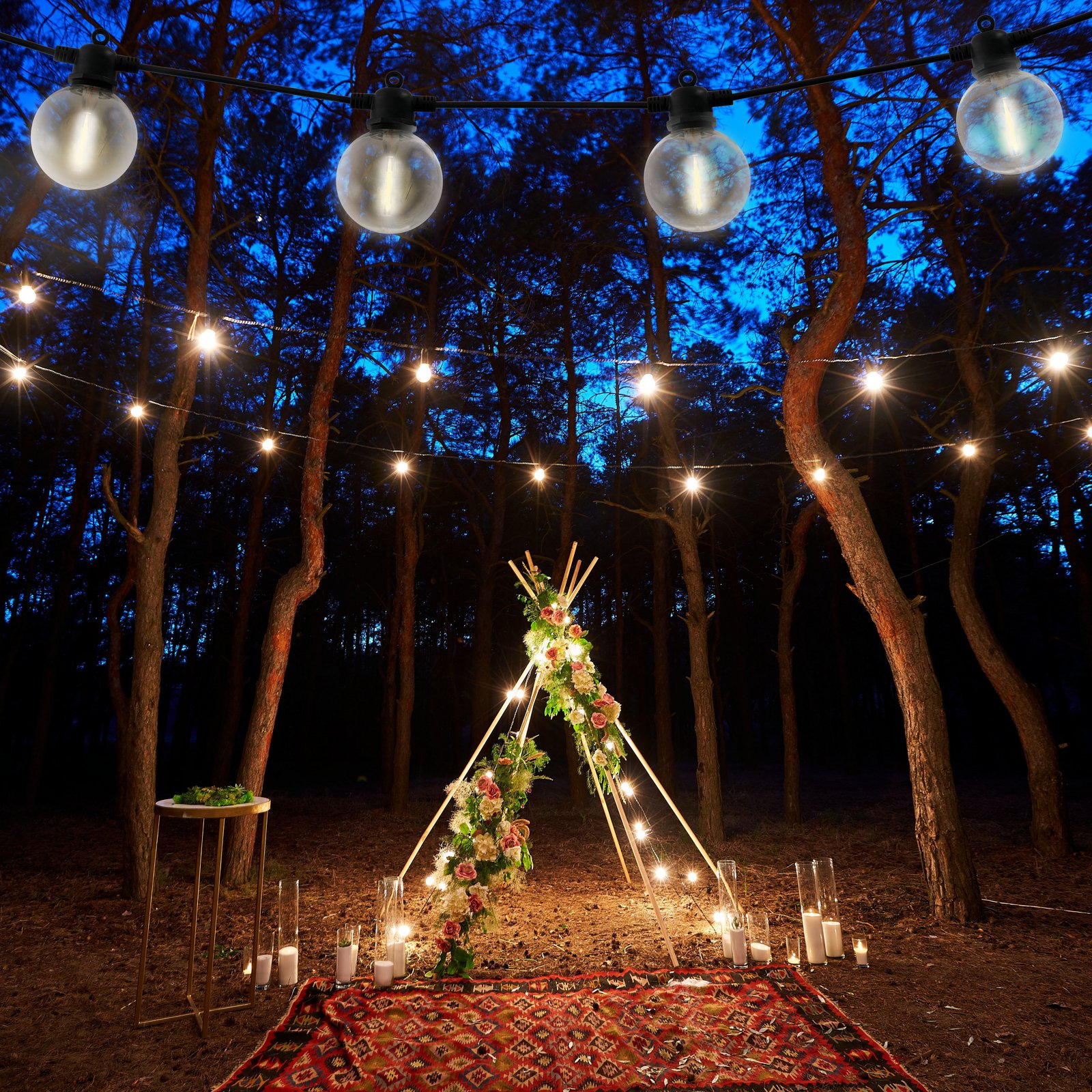
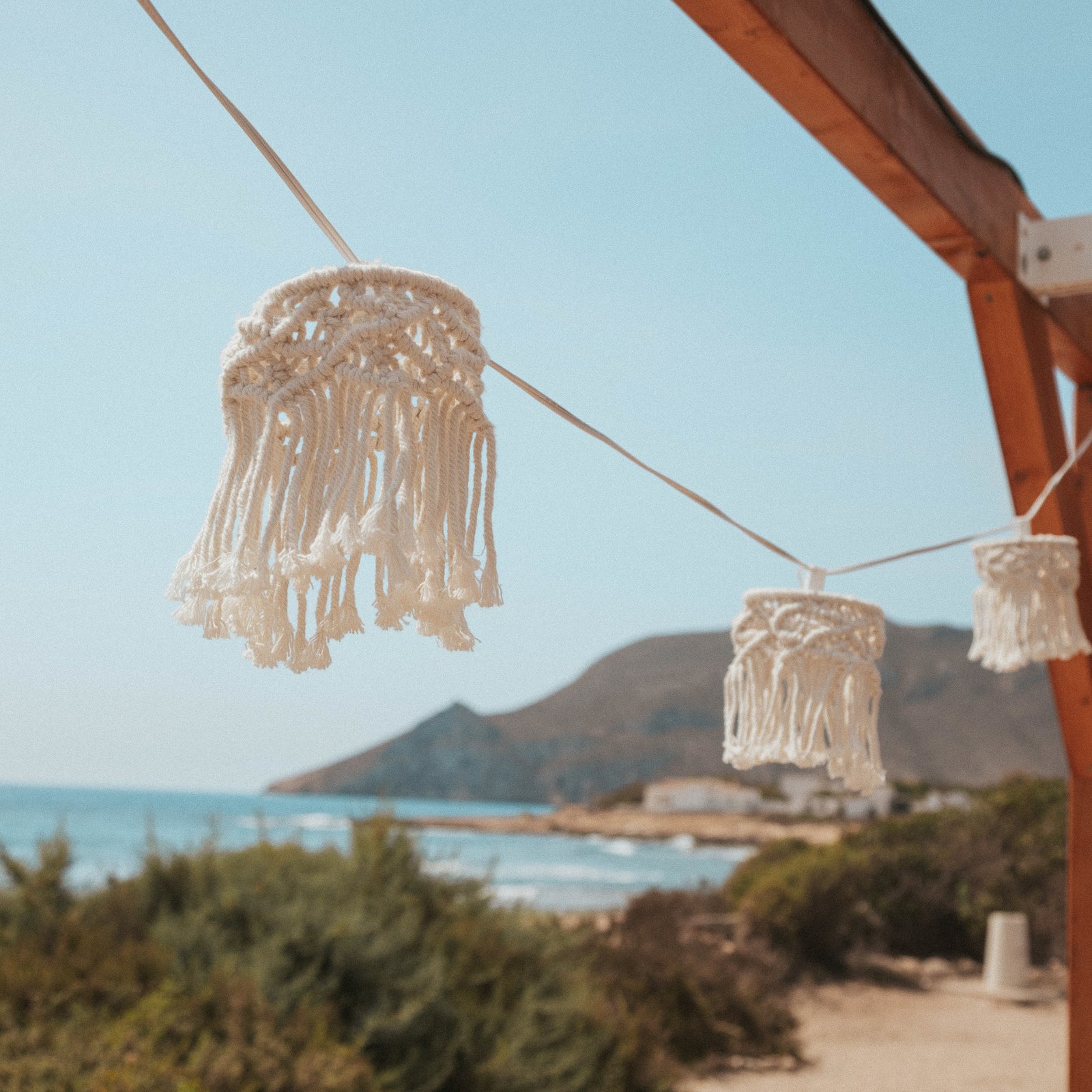
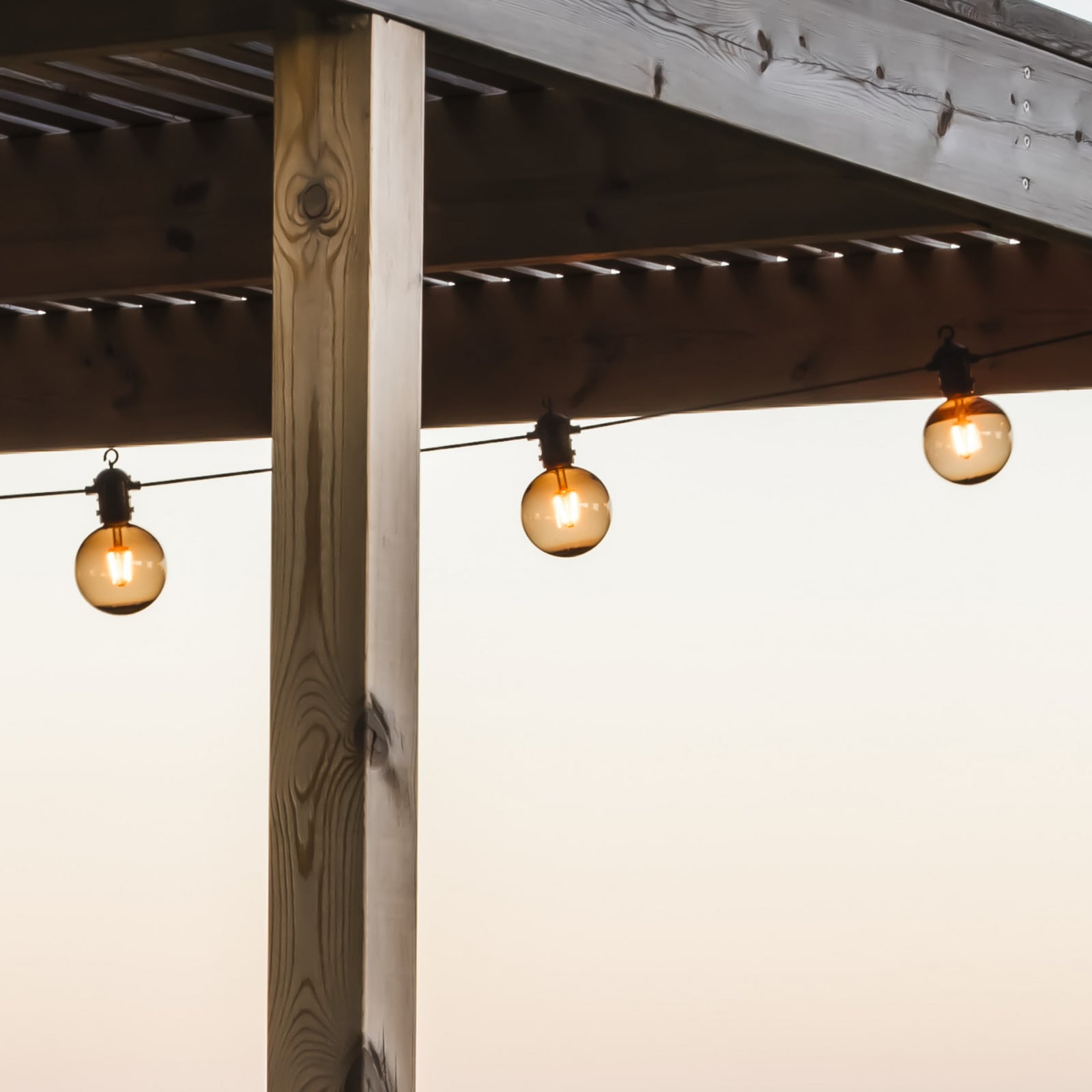
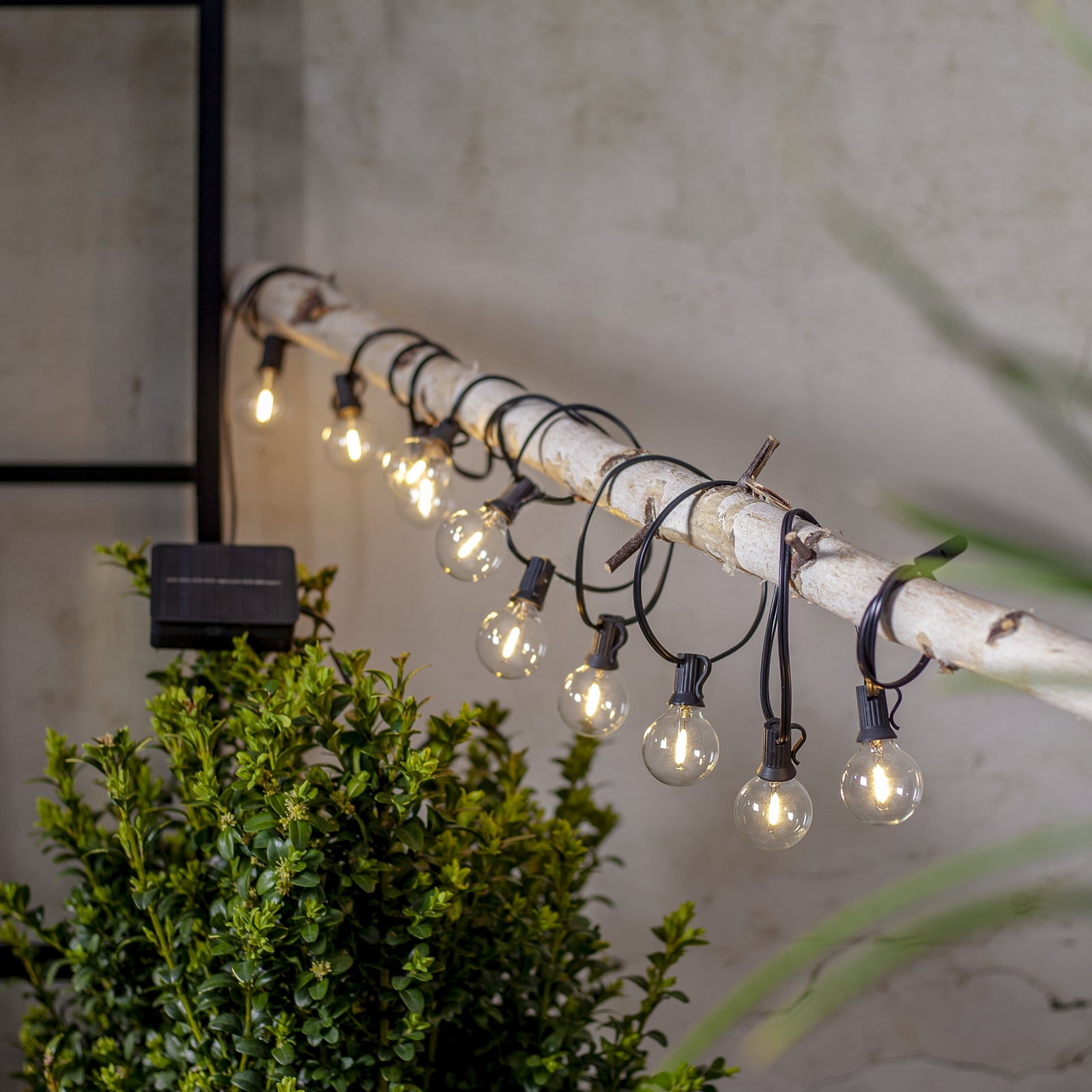
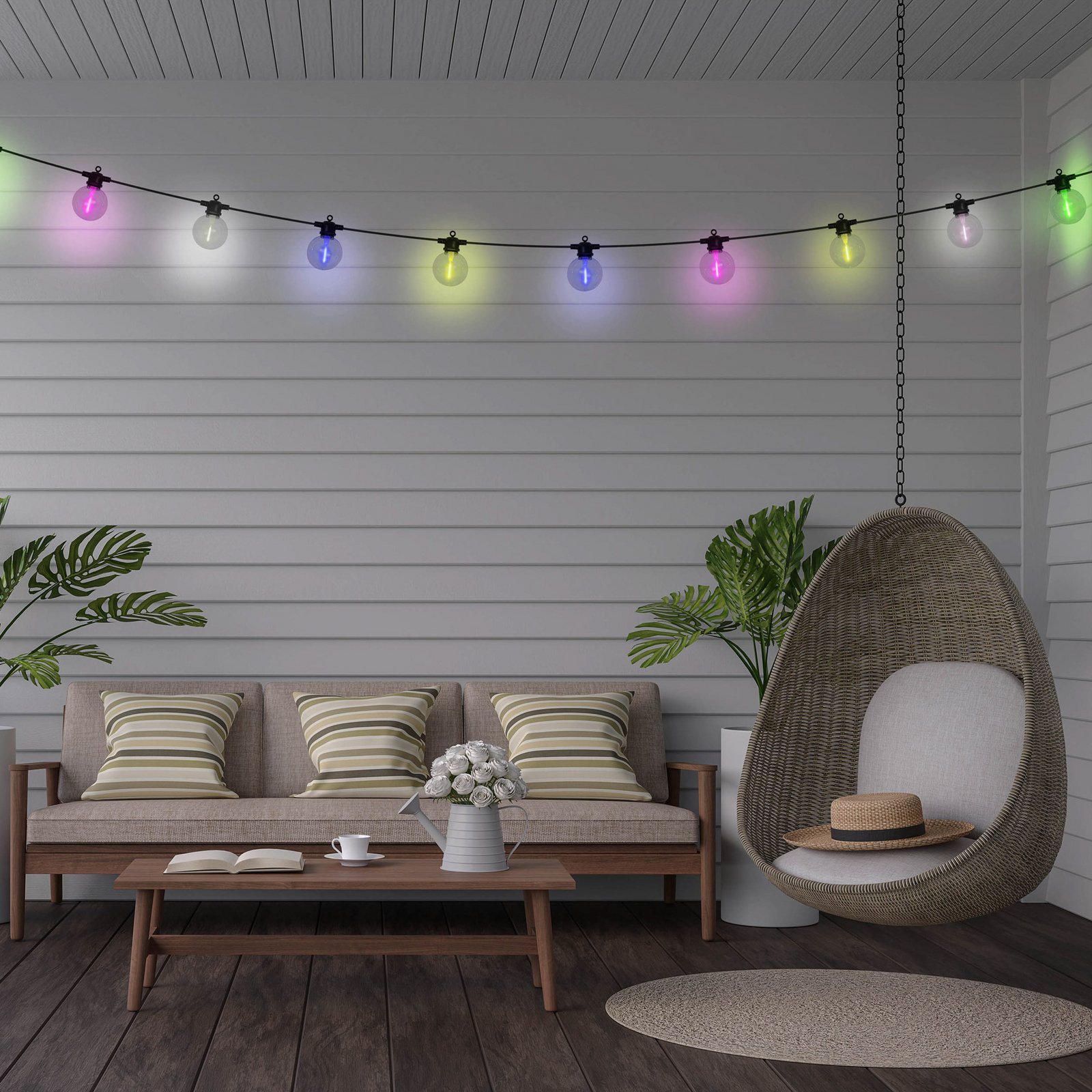
On the balcony, a solar-powered fairy light can be used primarily for smaller, clearly defined areas. On the balcony, for example, the solar-powered fairy light can illuminate a seating area or provide even decorative lighting along the railing. Larger areas are often available on a terrace. On the terrace, a fairy light is suitable for the area around a dining table, a covered seating area, or a pergola.
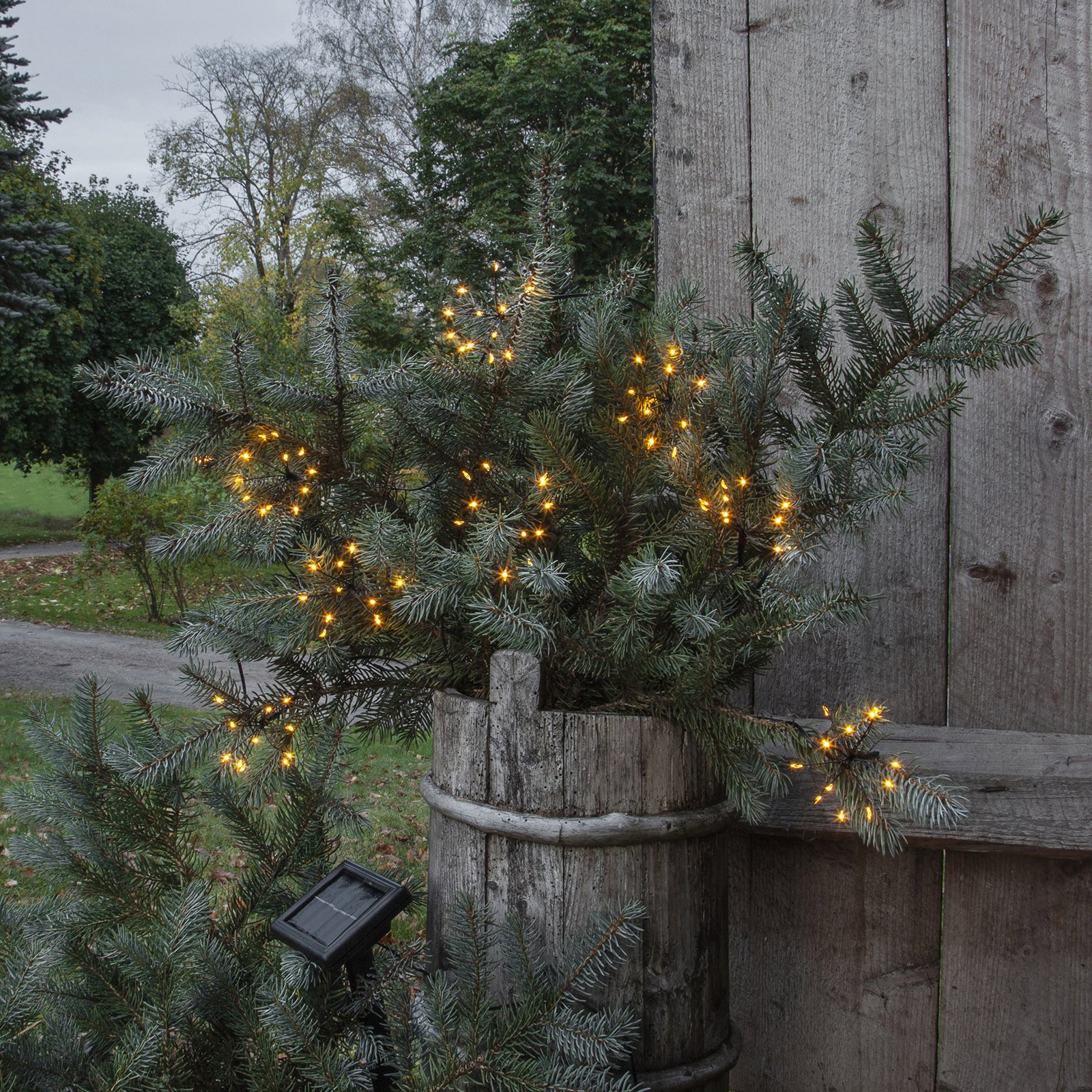
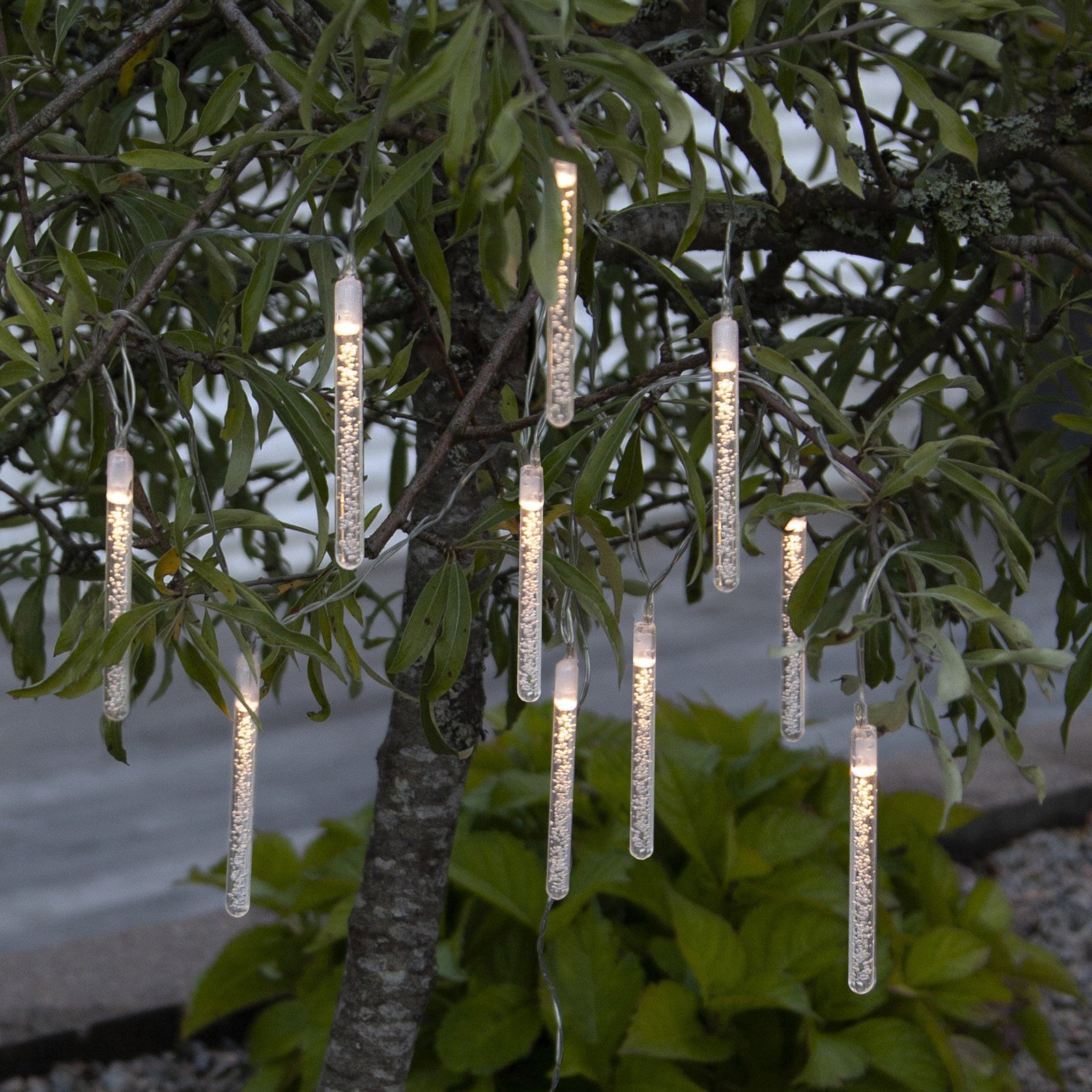
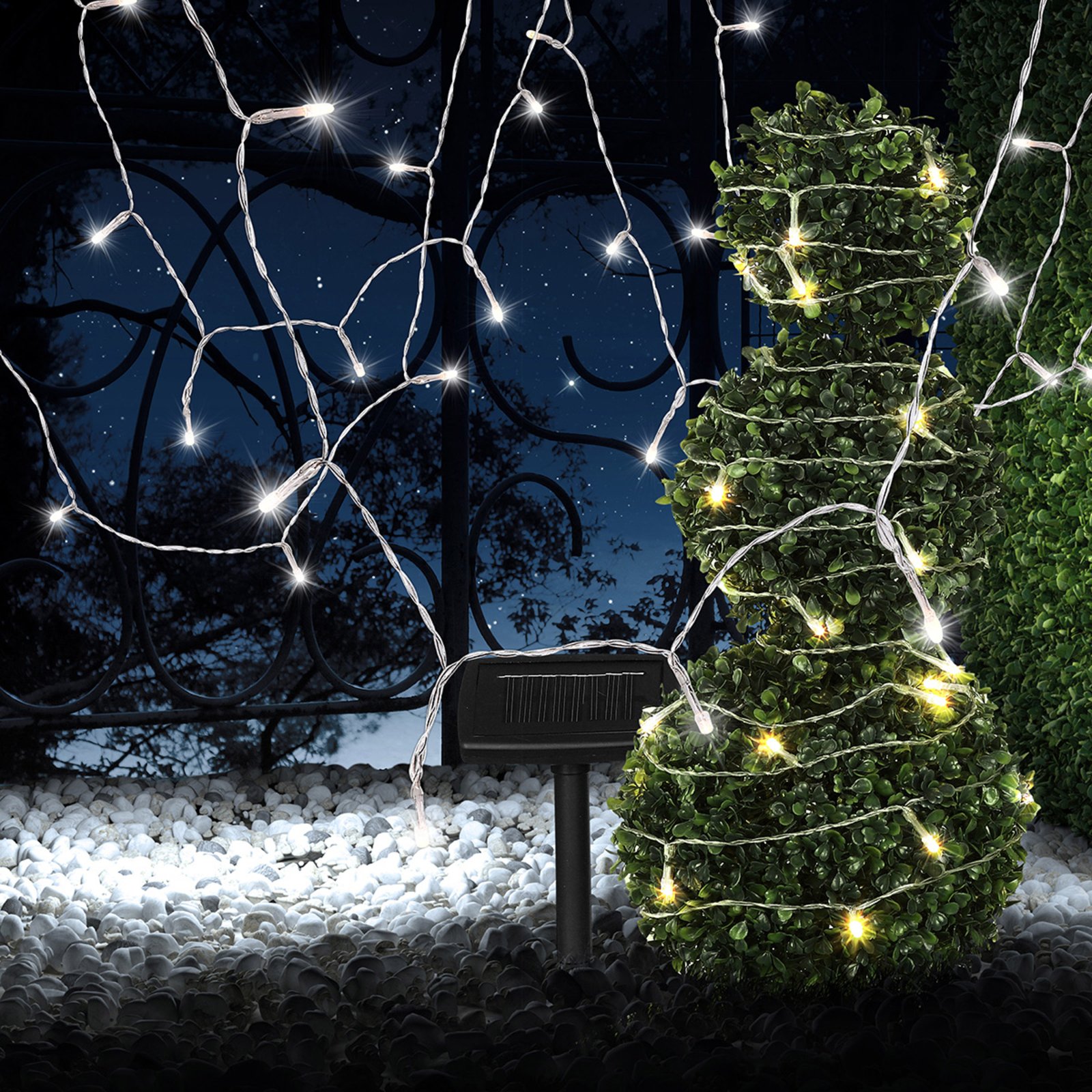
In the garden, a solar fairy light can be used in different areas. A solar fairy light can visually delimit a fence, a tree, or the area around a seating area. It does not replace functional path lighting but supplements the existing light with decorative light points. In this application, a solar fairy light is therefore classified as decorative supplementary lighting. For larger outdoor areas, multiple solar fairy lights can be used if individual zones should be illuminated independently. It is crucial that the lighting matches the respective area and remains limited to the designated space.
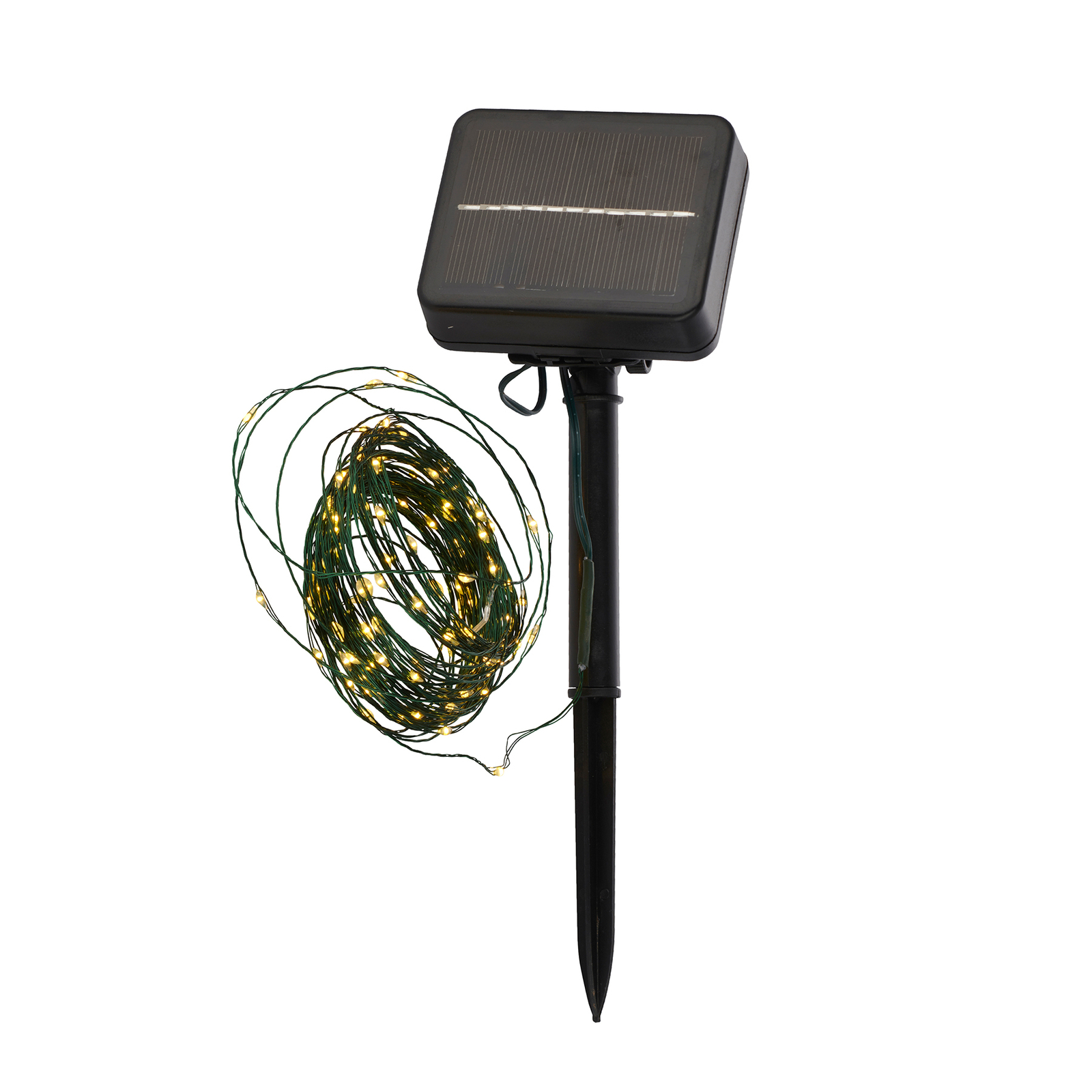
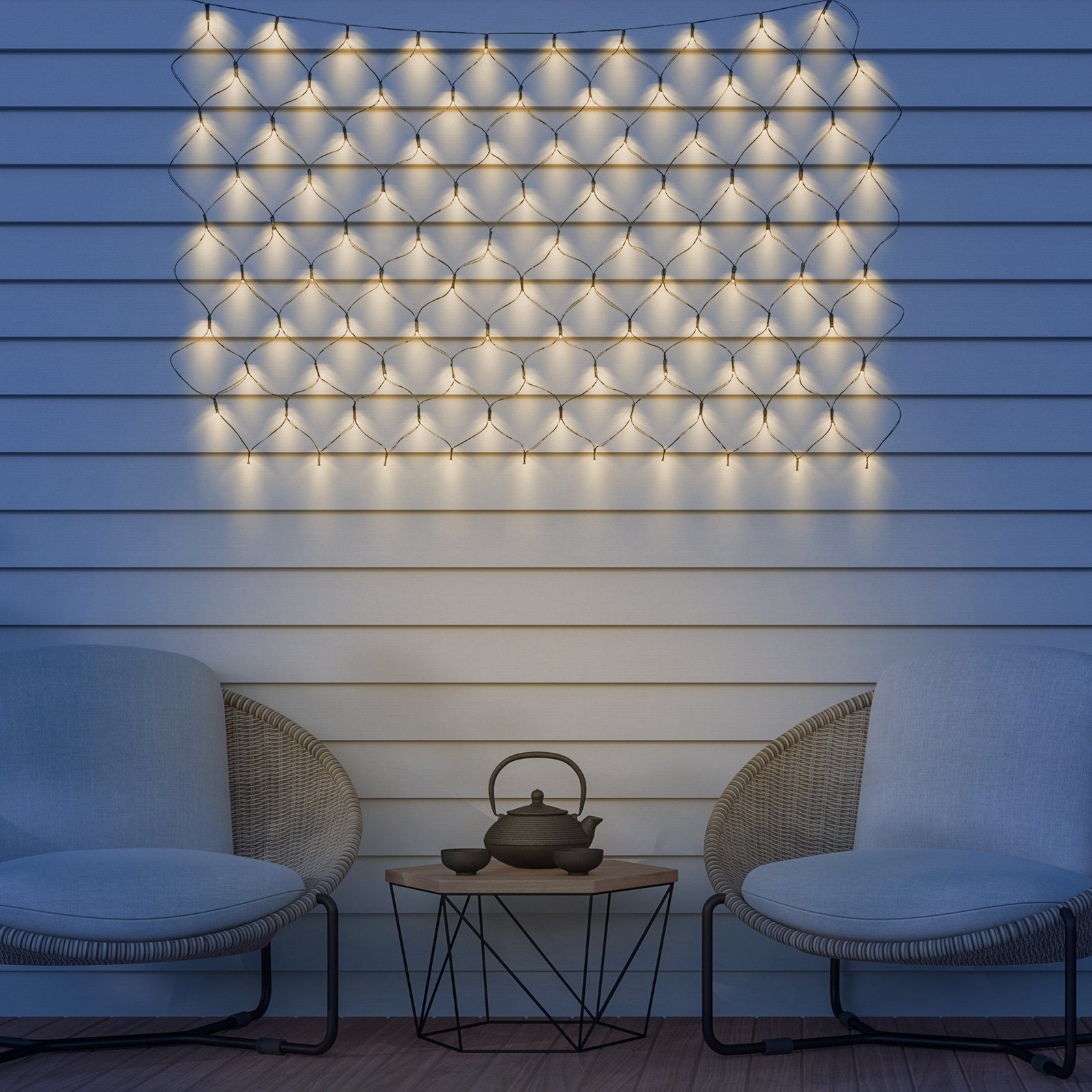
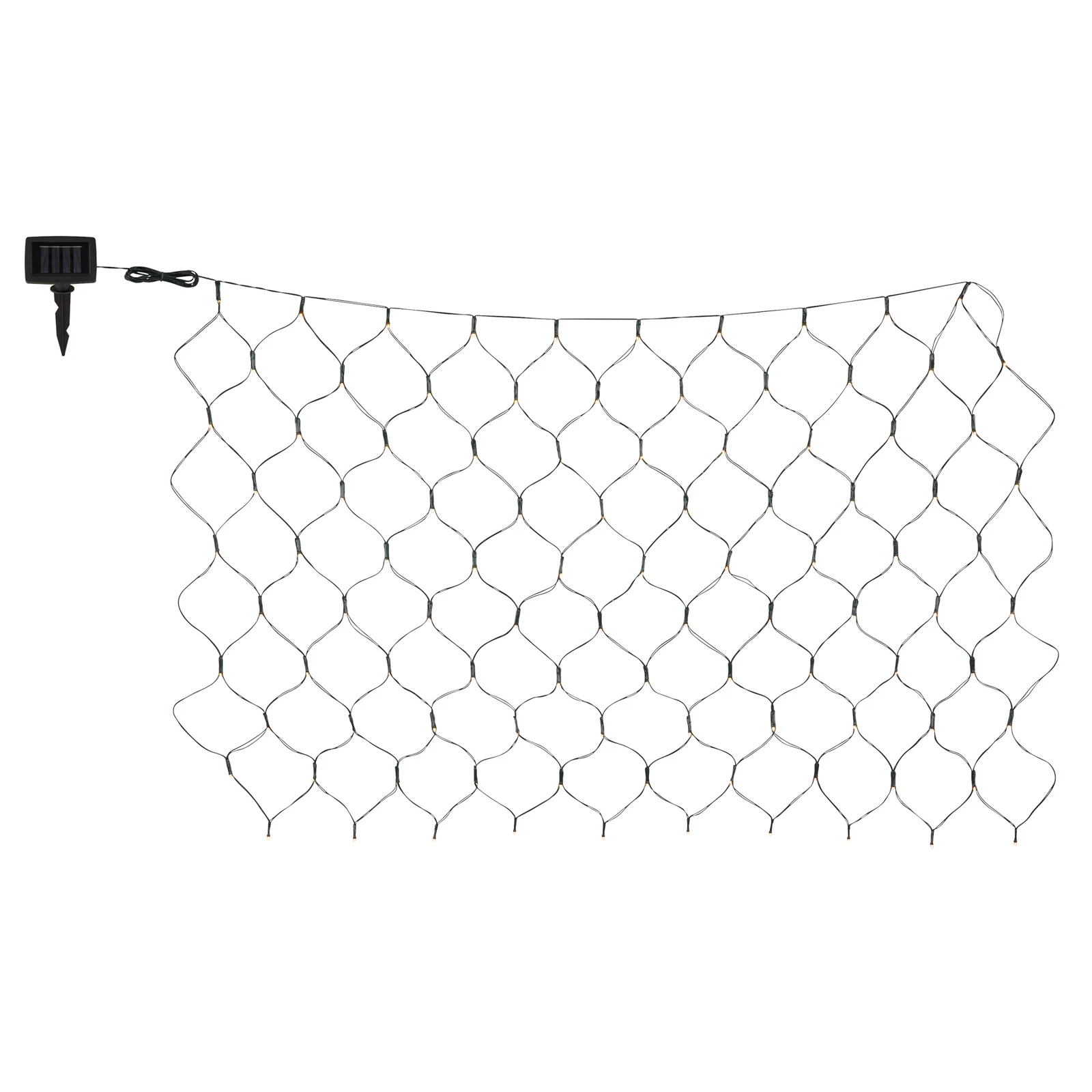
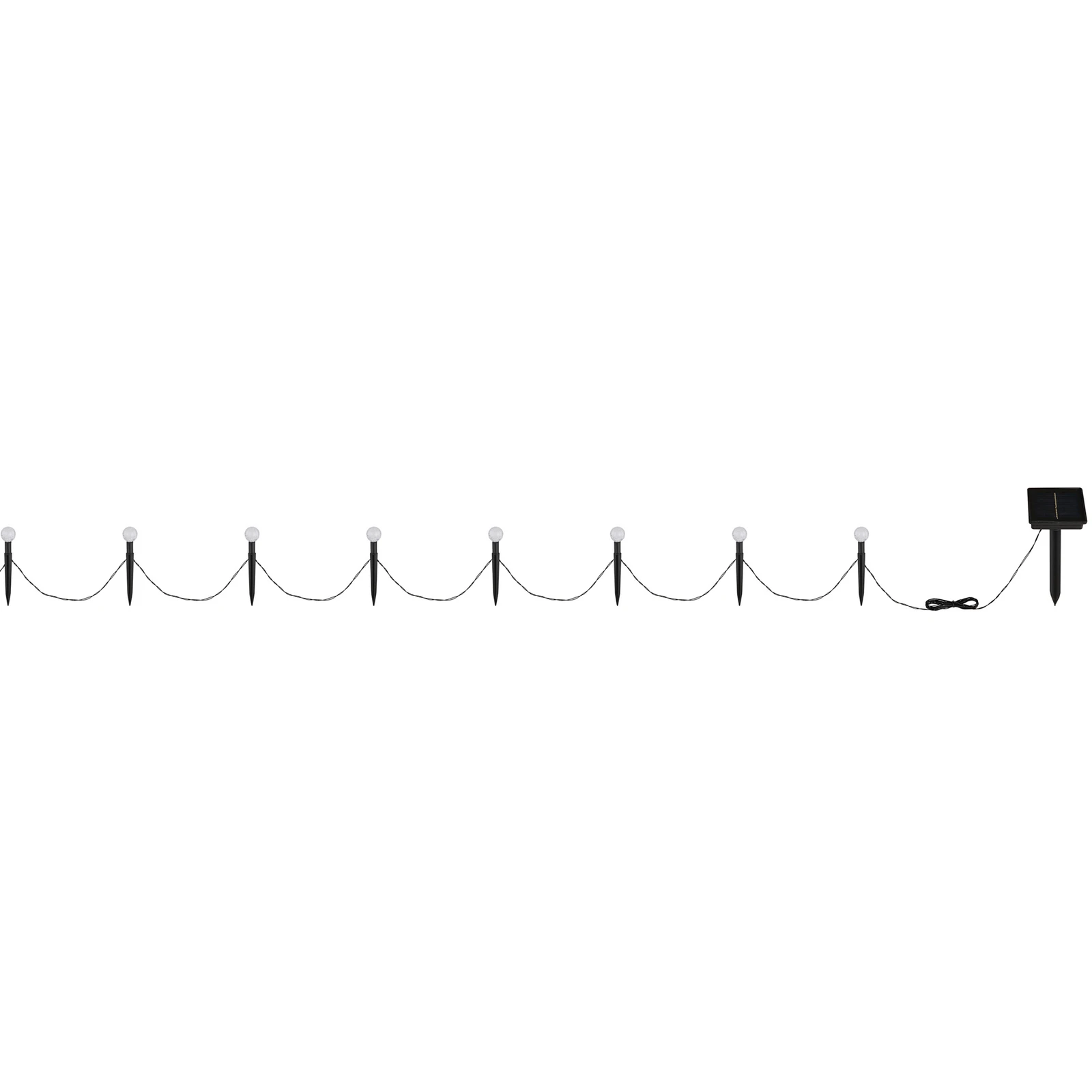
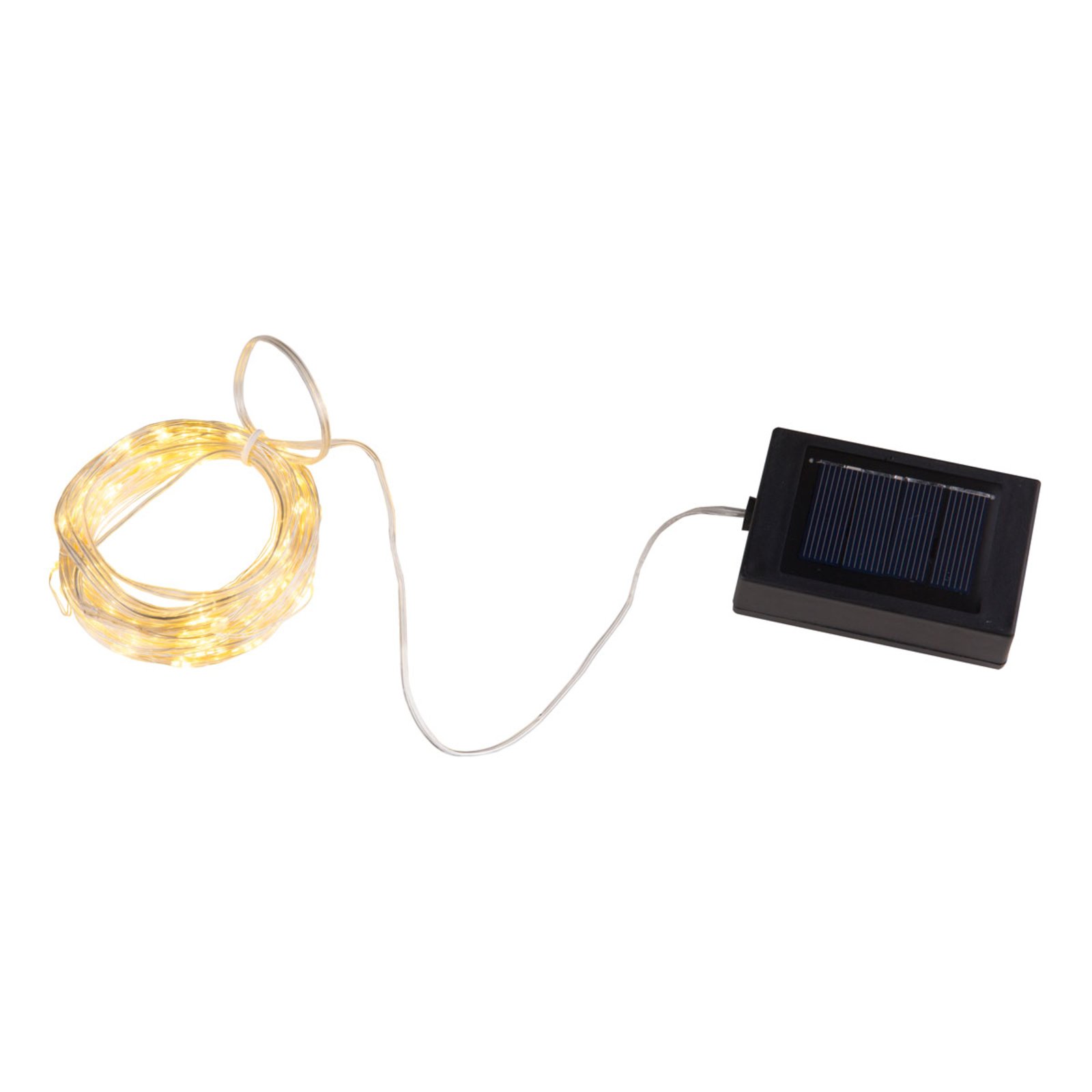
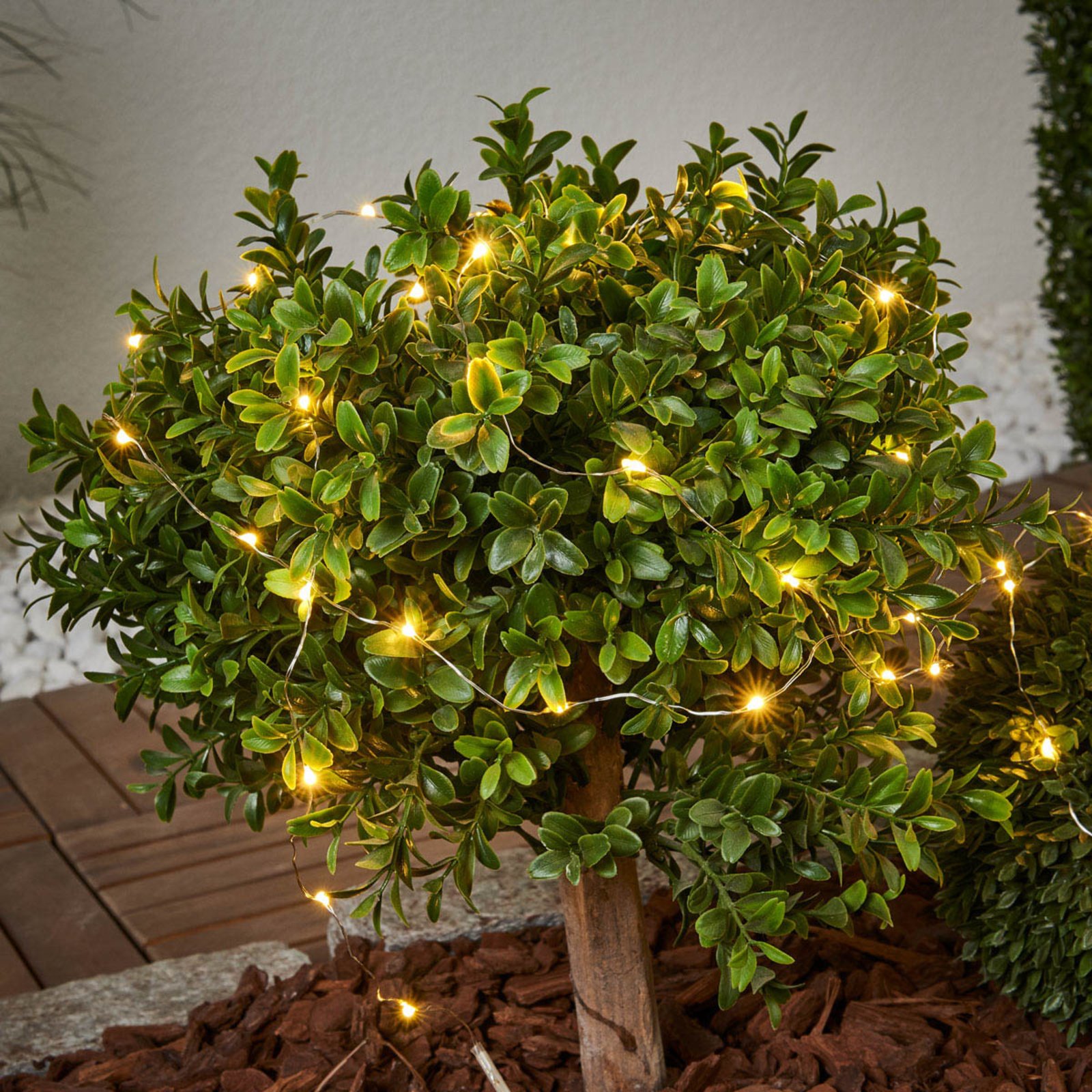
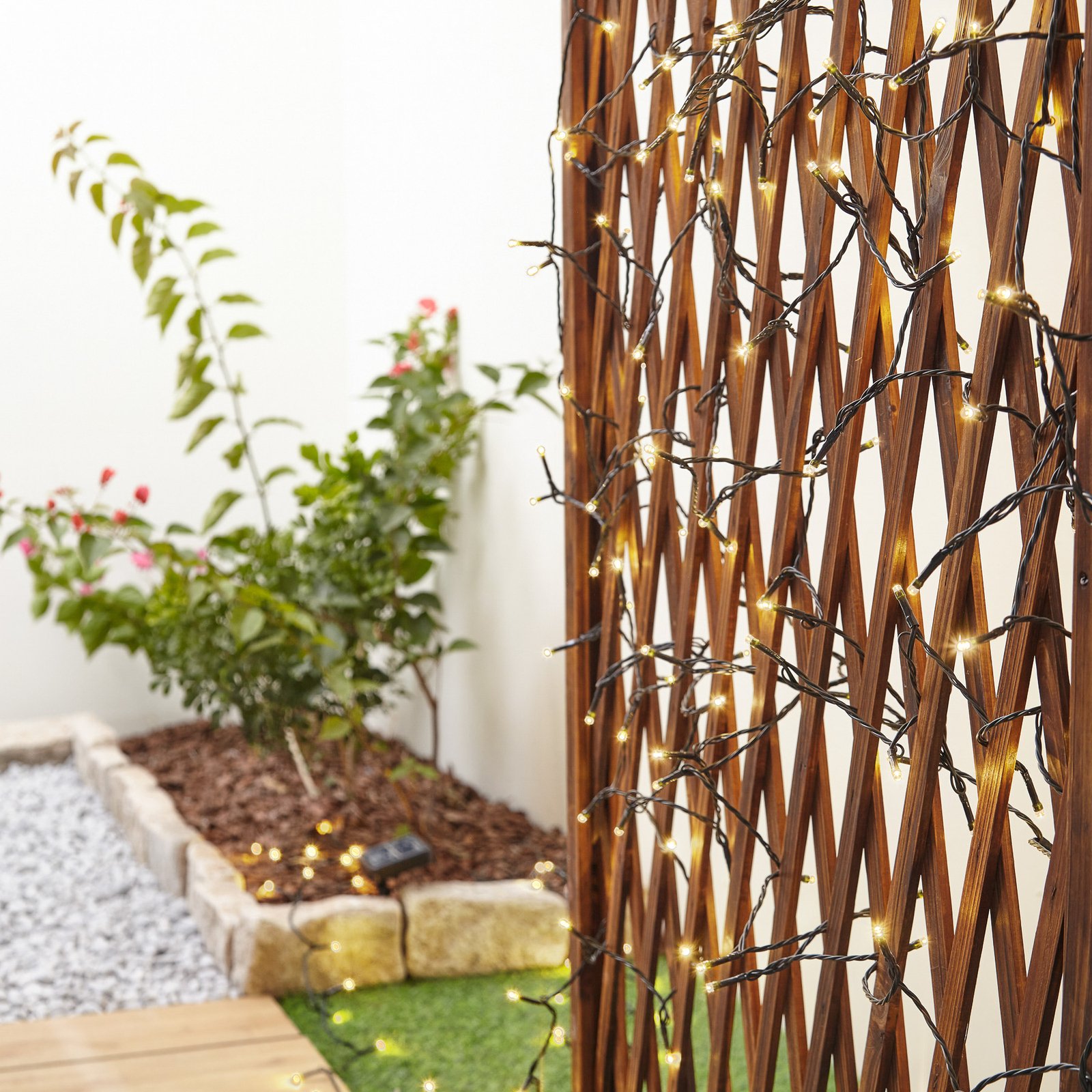
The design determines how the light is distributed over an area. A classic solar fairy light runs in a single line and is therefore suitable for railings, fences, branches, or other elongated areas. A solar light net, on the other hand, distributes many light points over a larger contiguous area. A solar light net is therefore suitable for hedges or areal boundaries where a single light line does not cover the area in the same way.
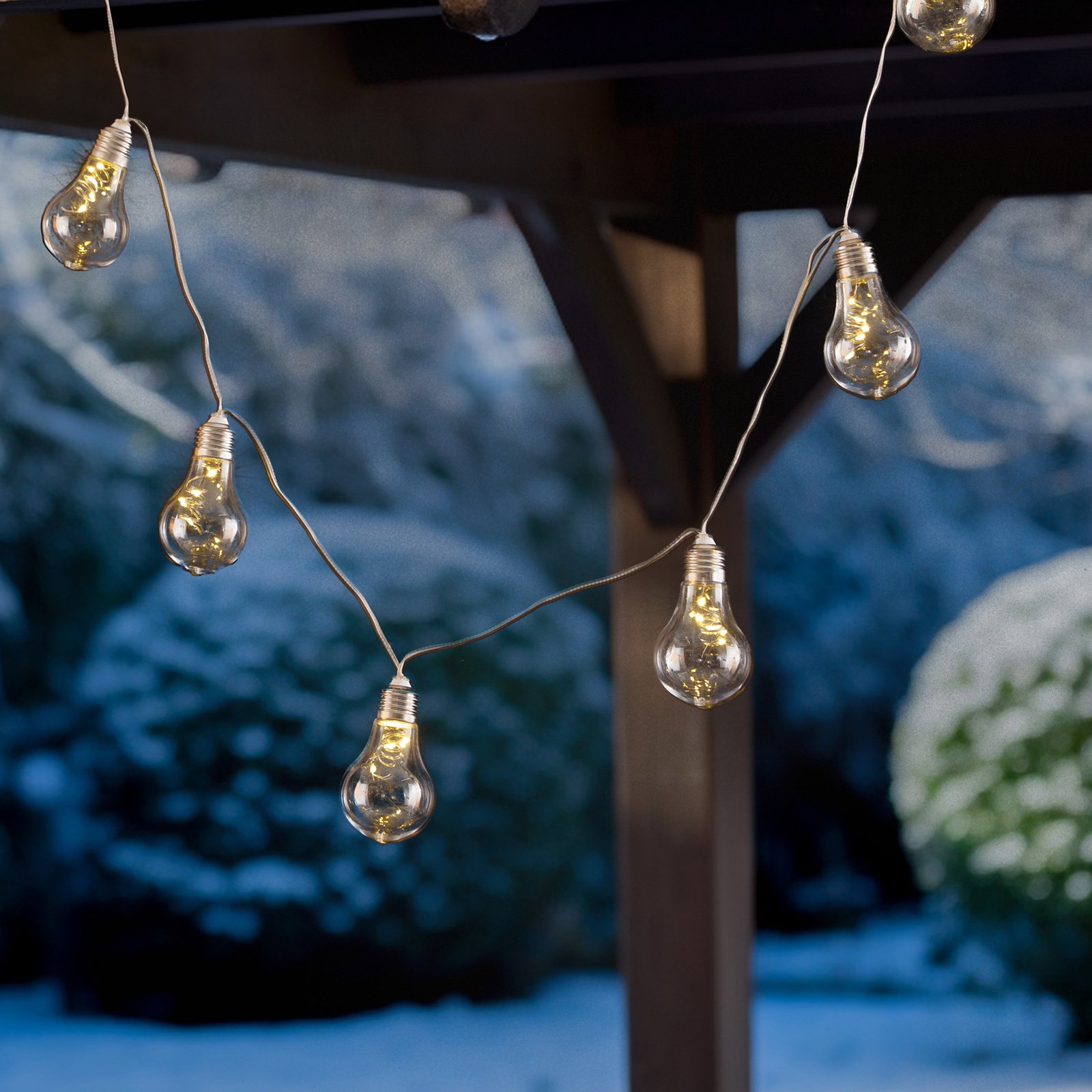
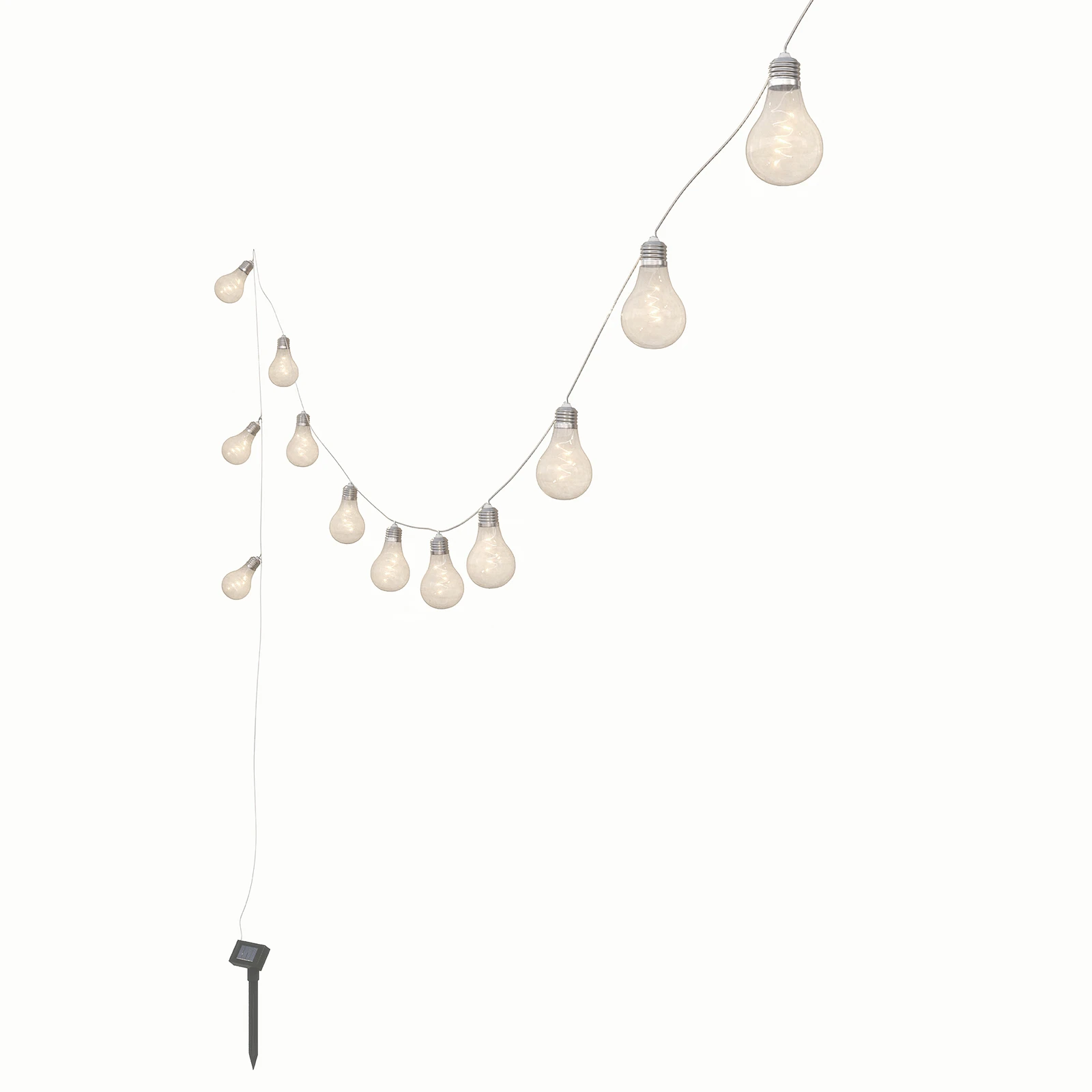
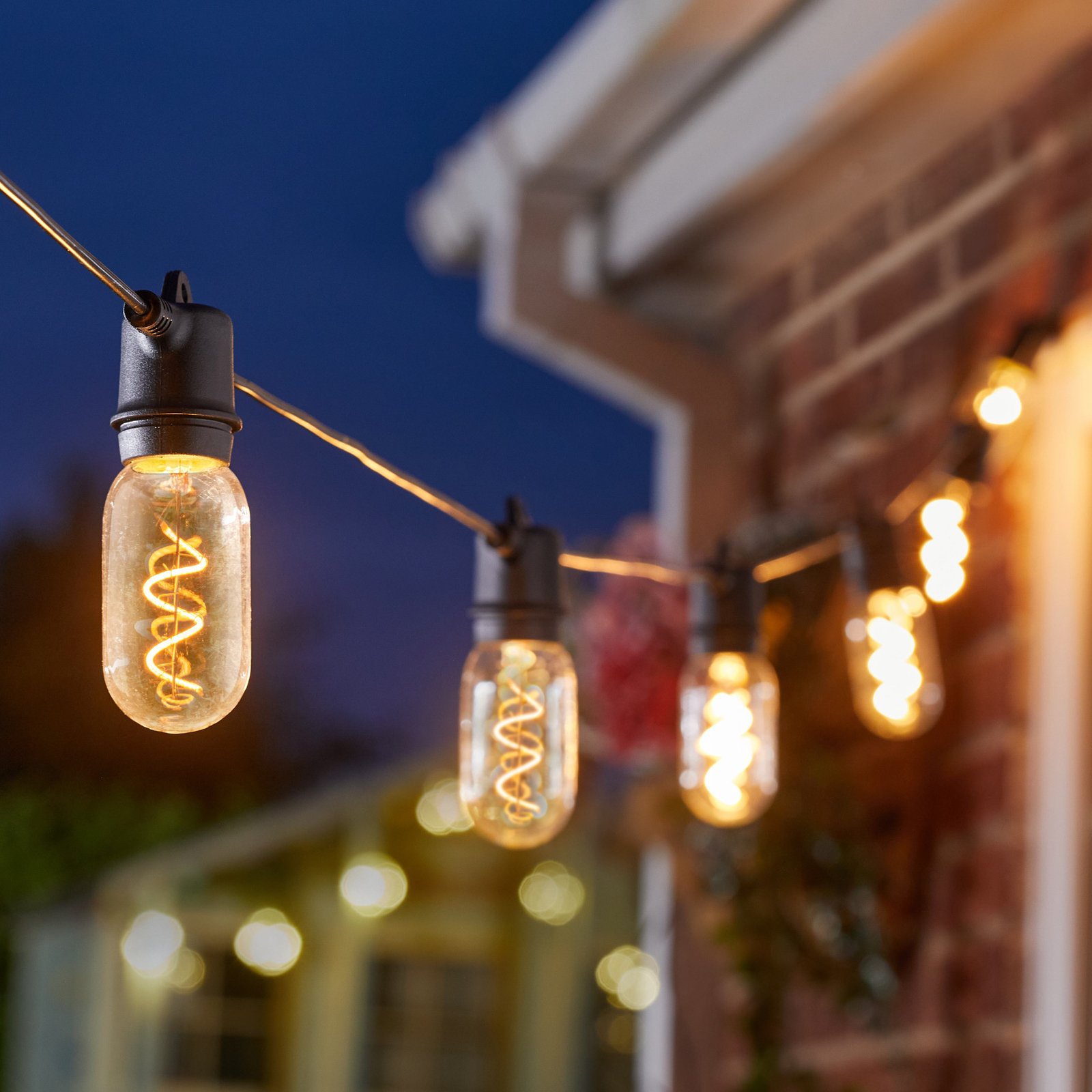
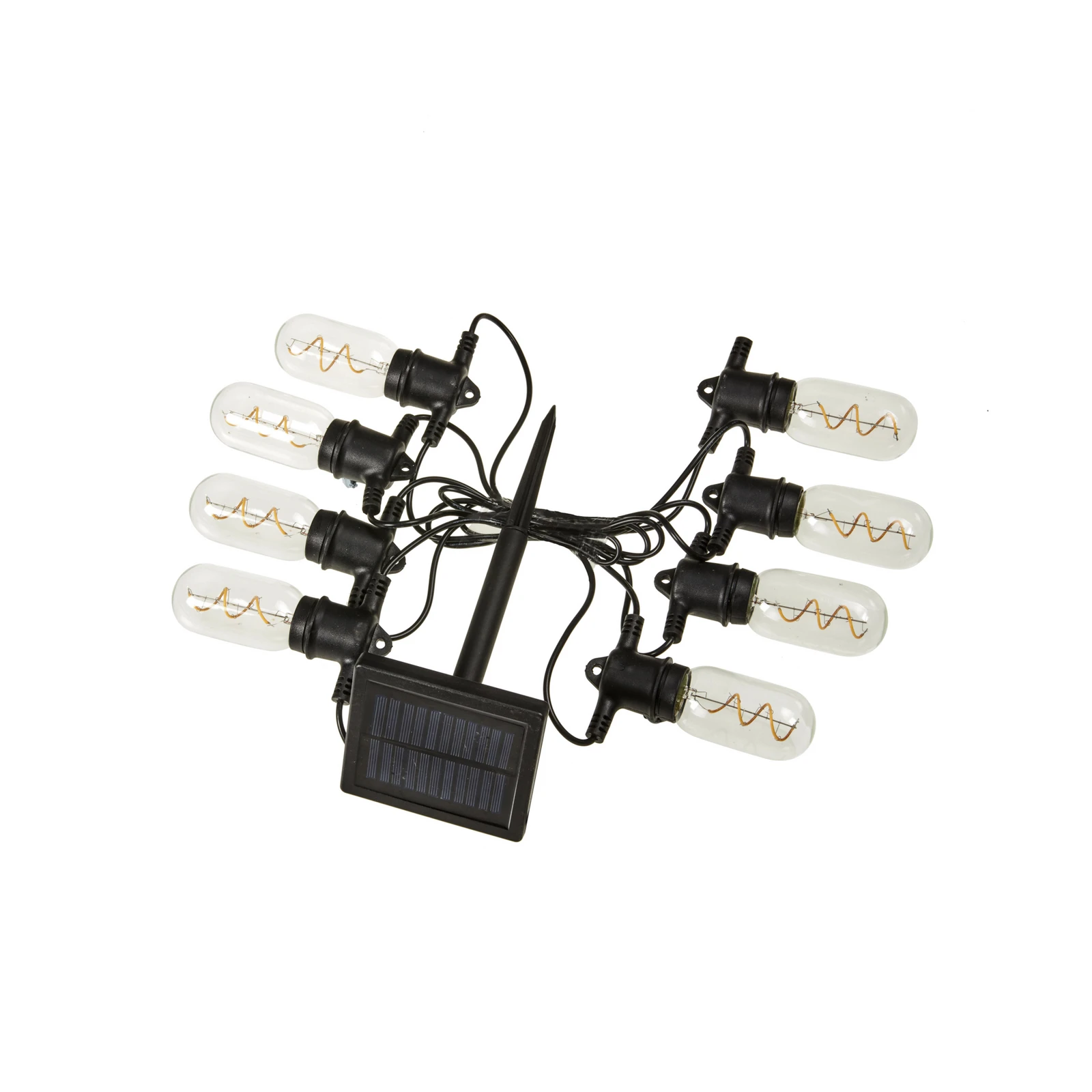
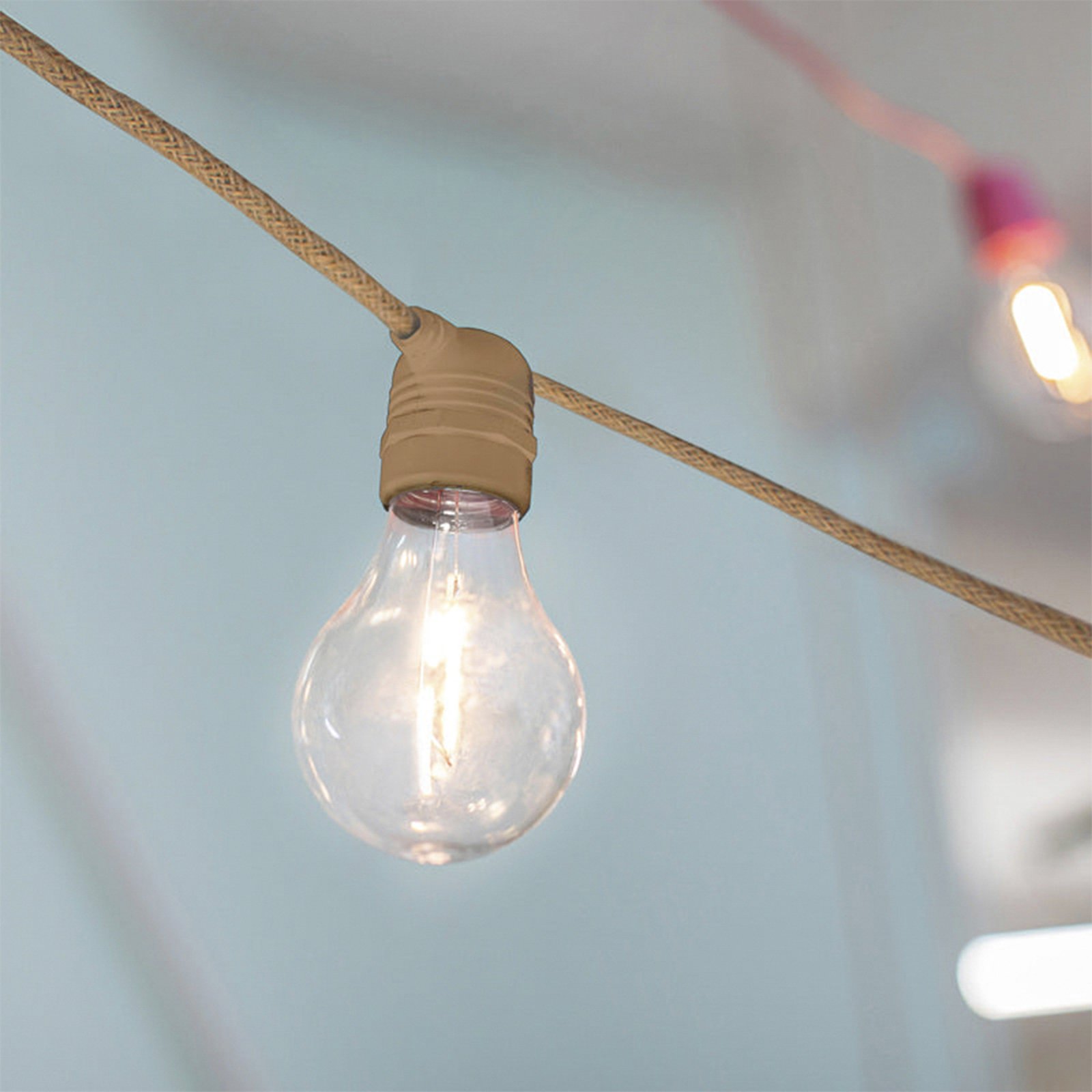
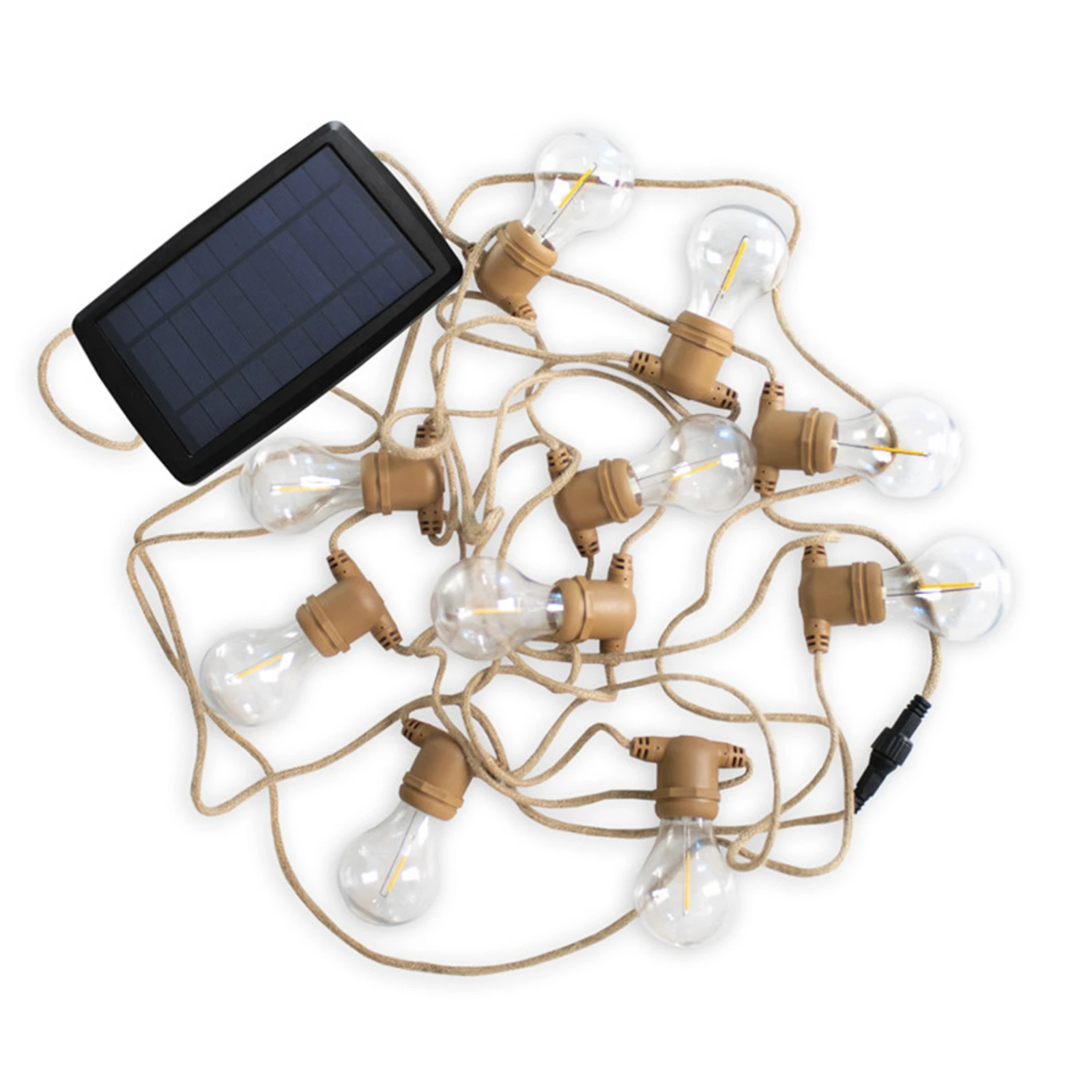
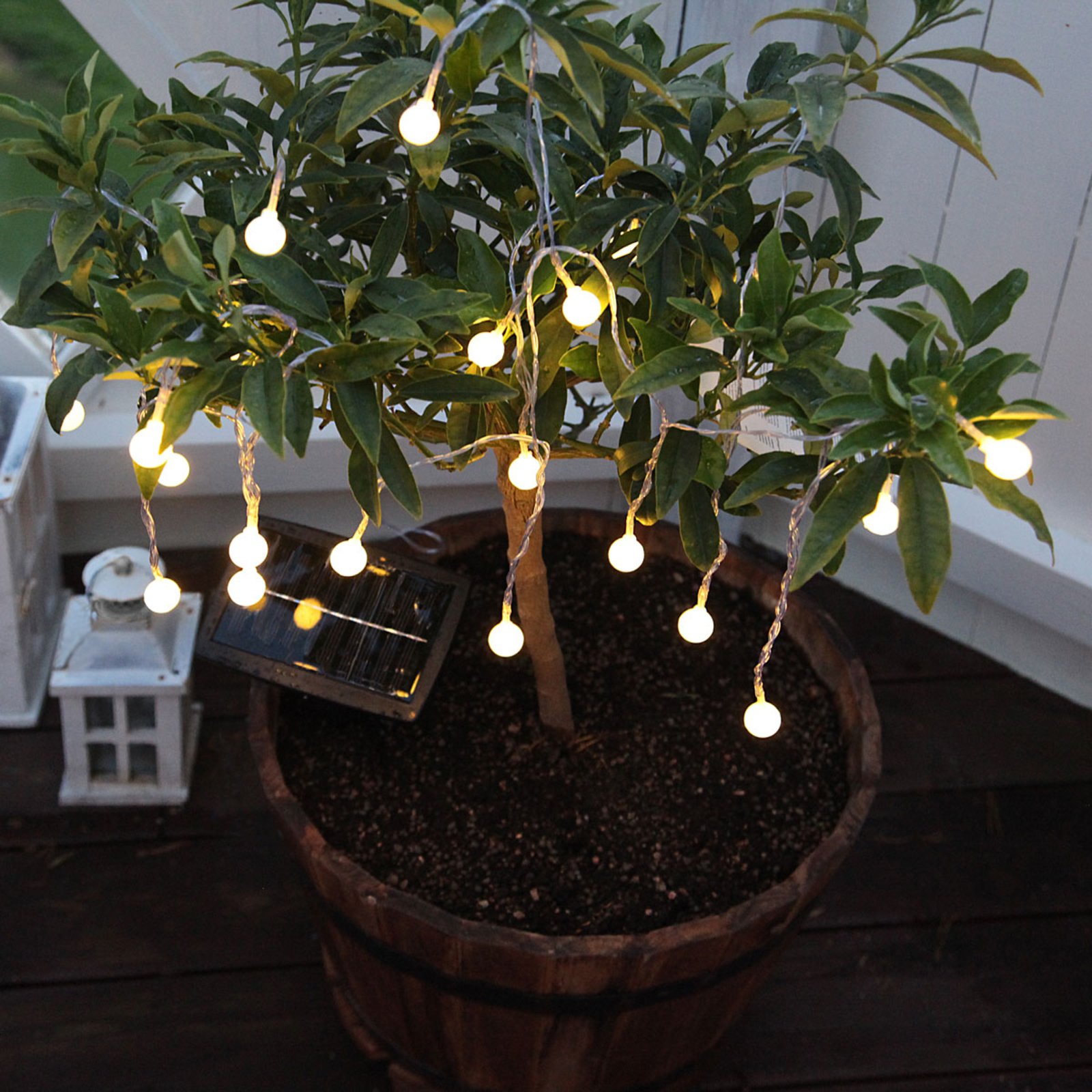
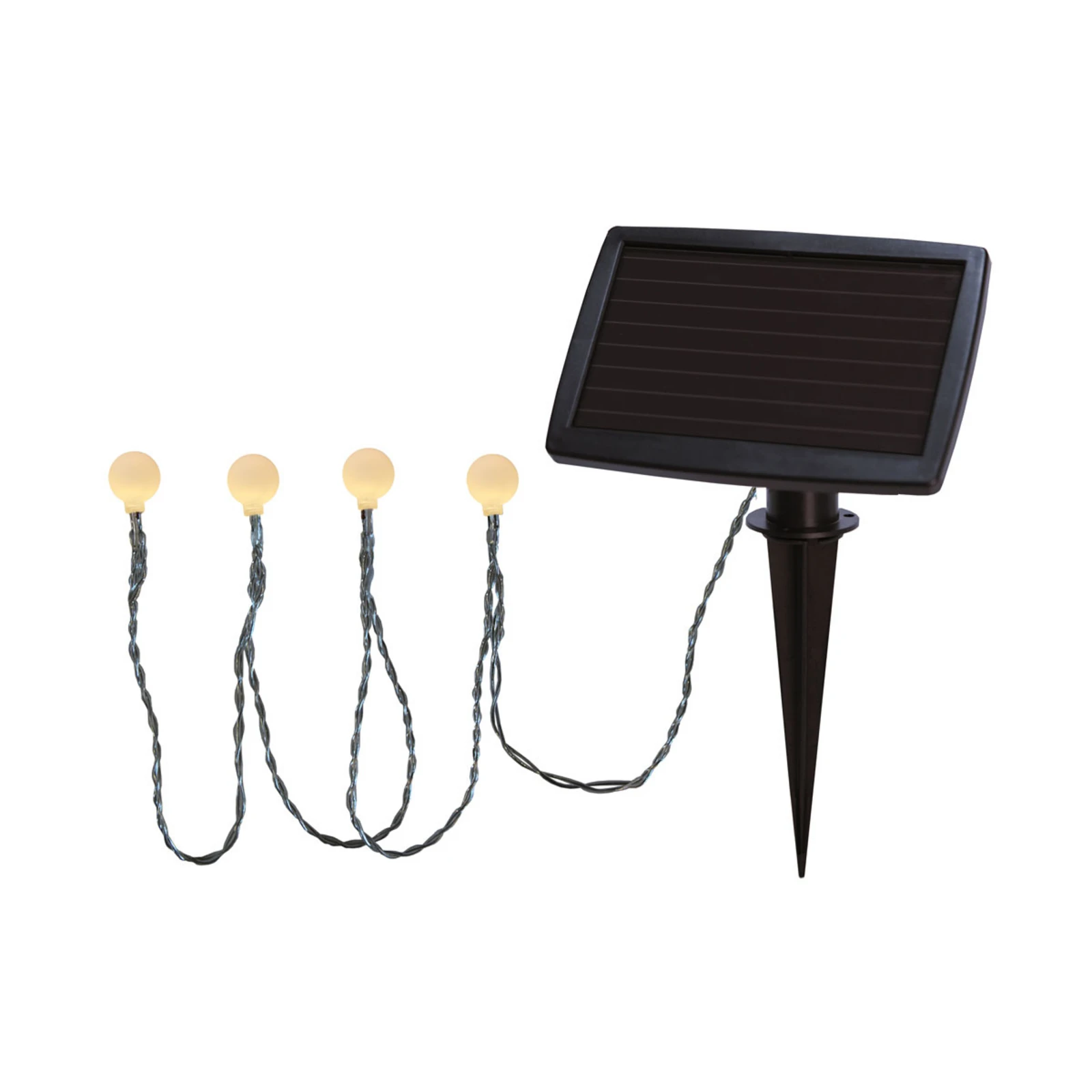
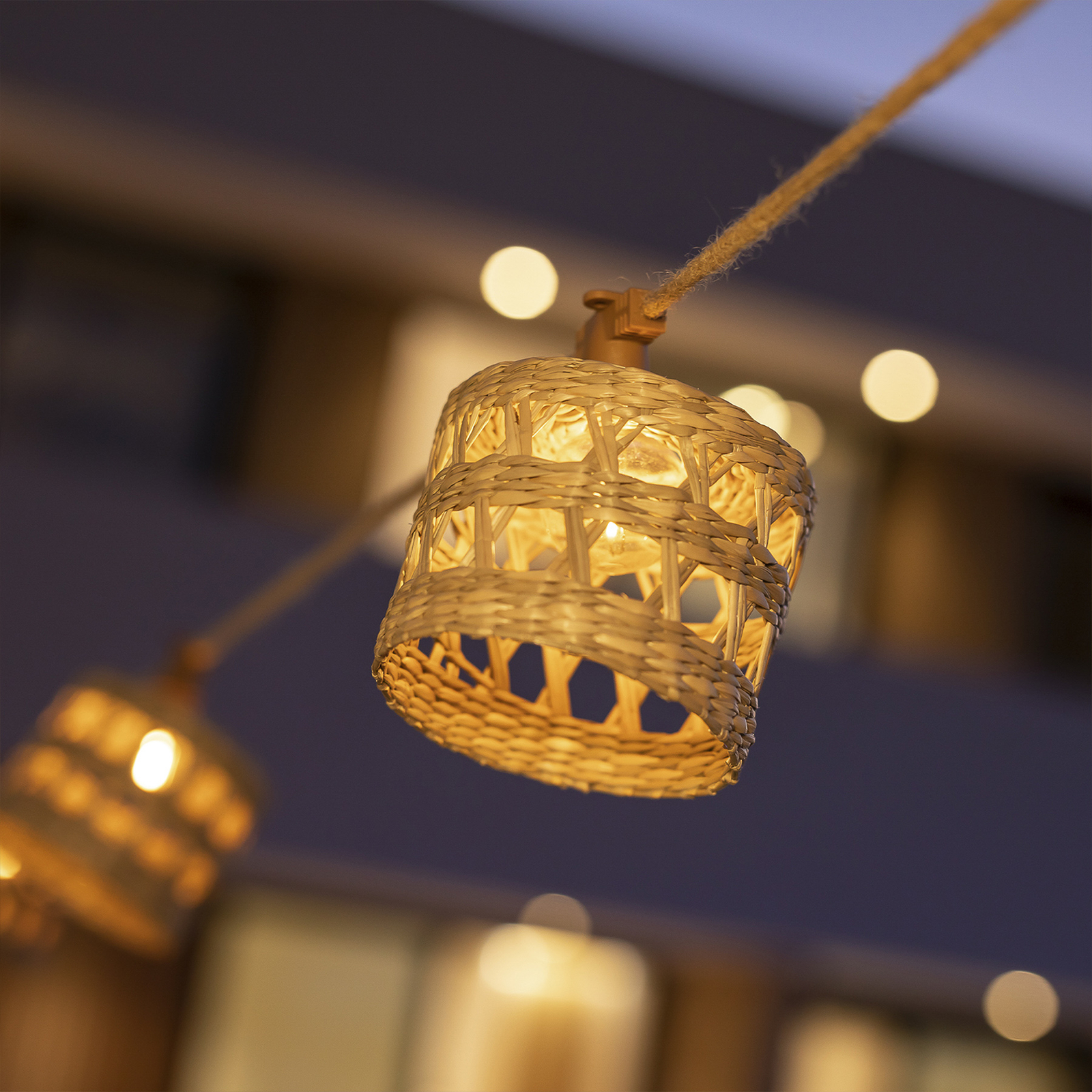
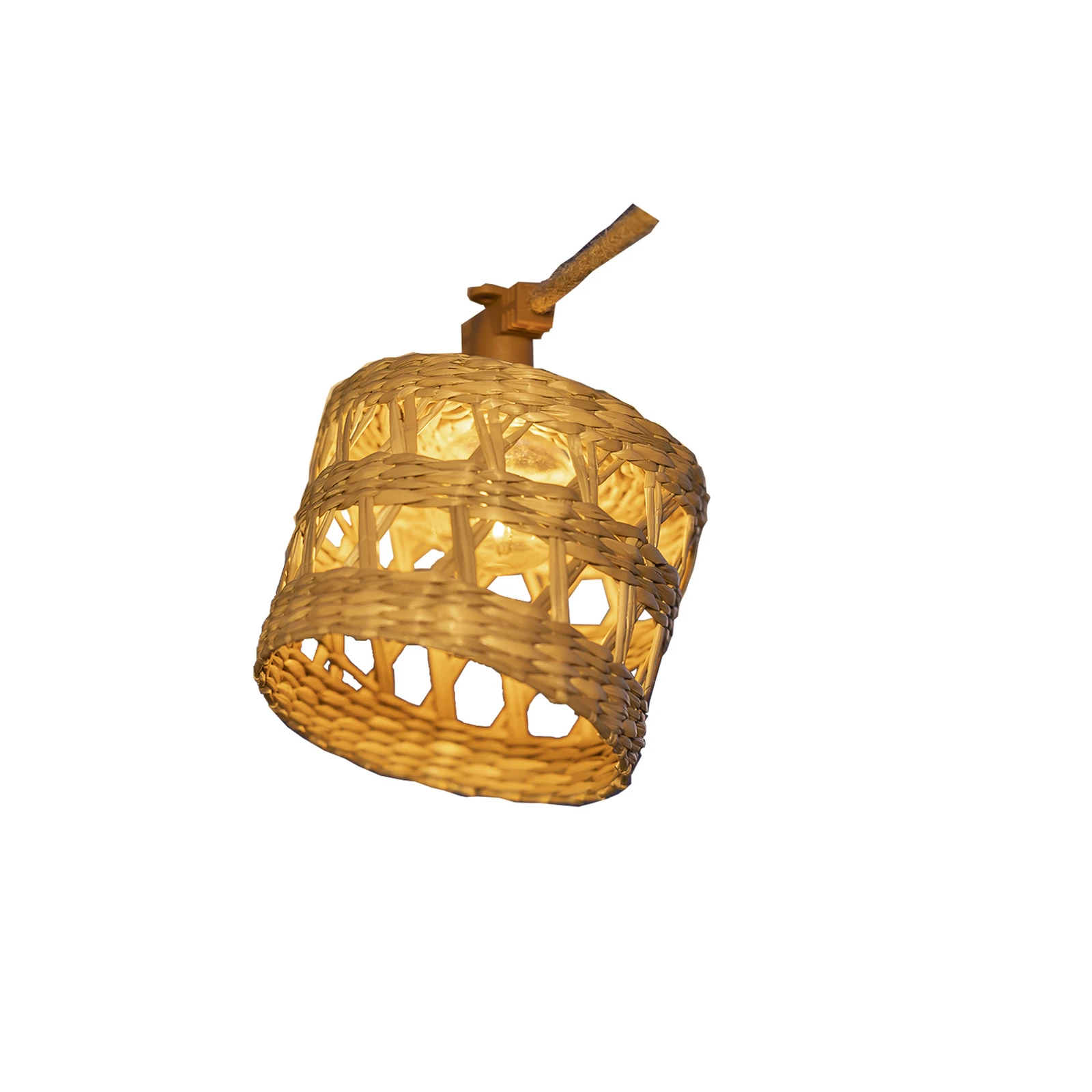
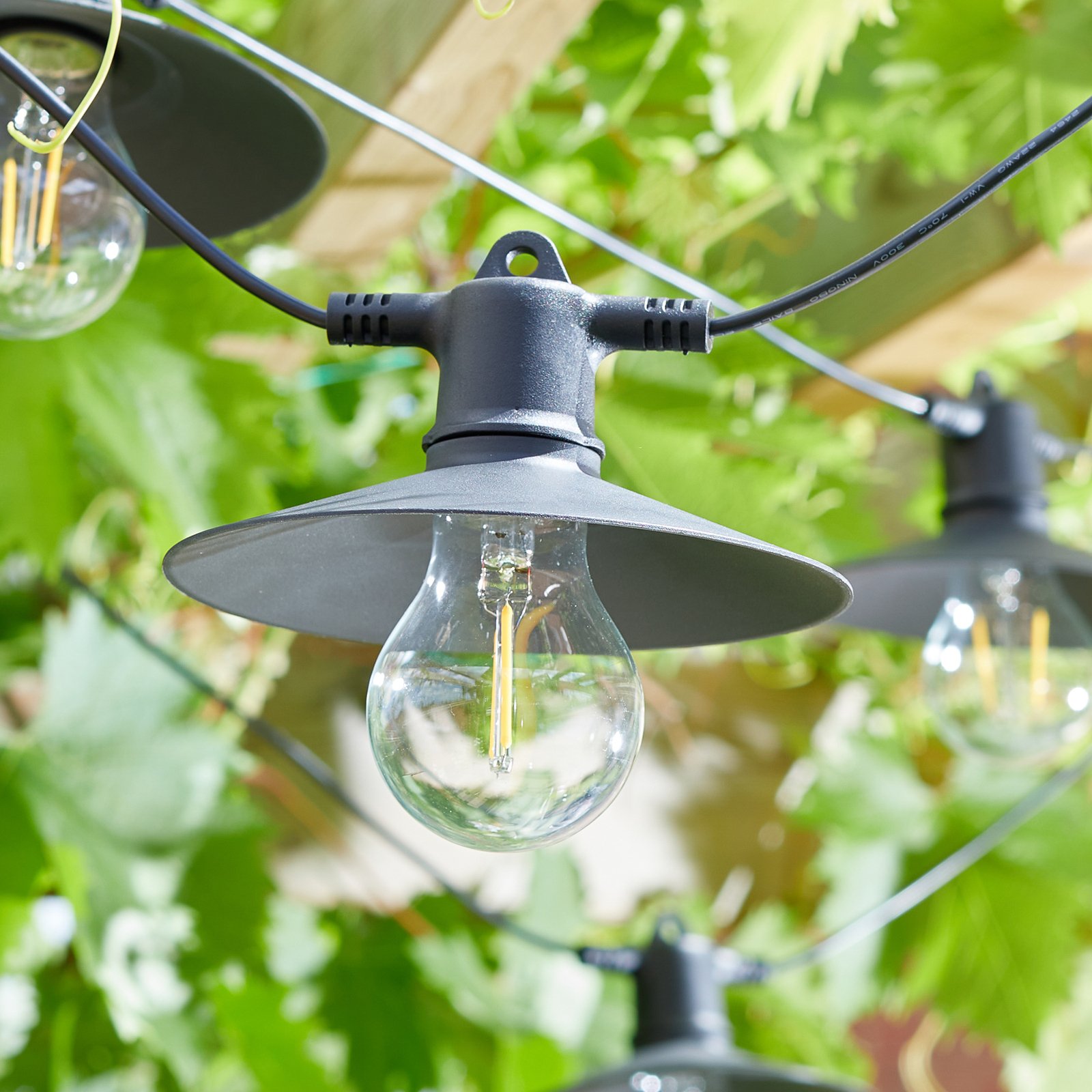
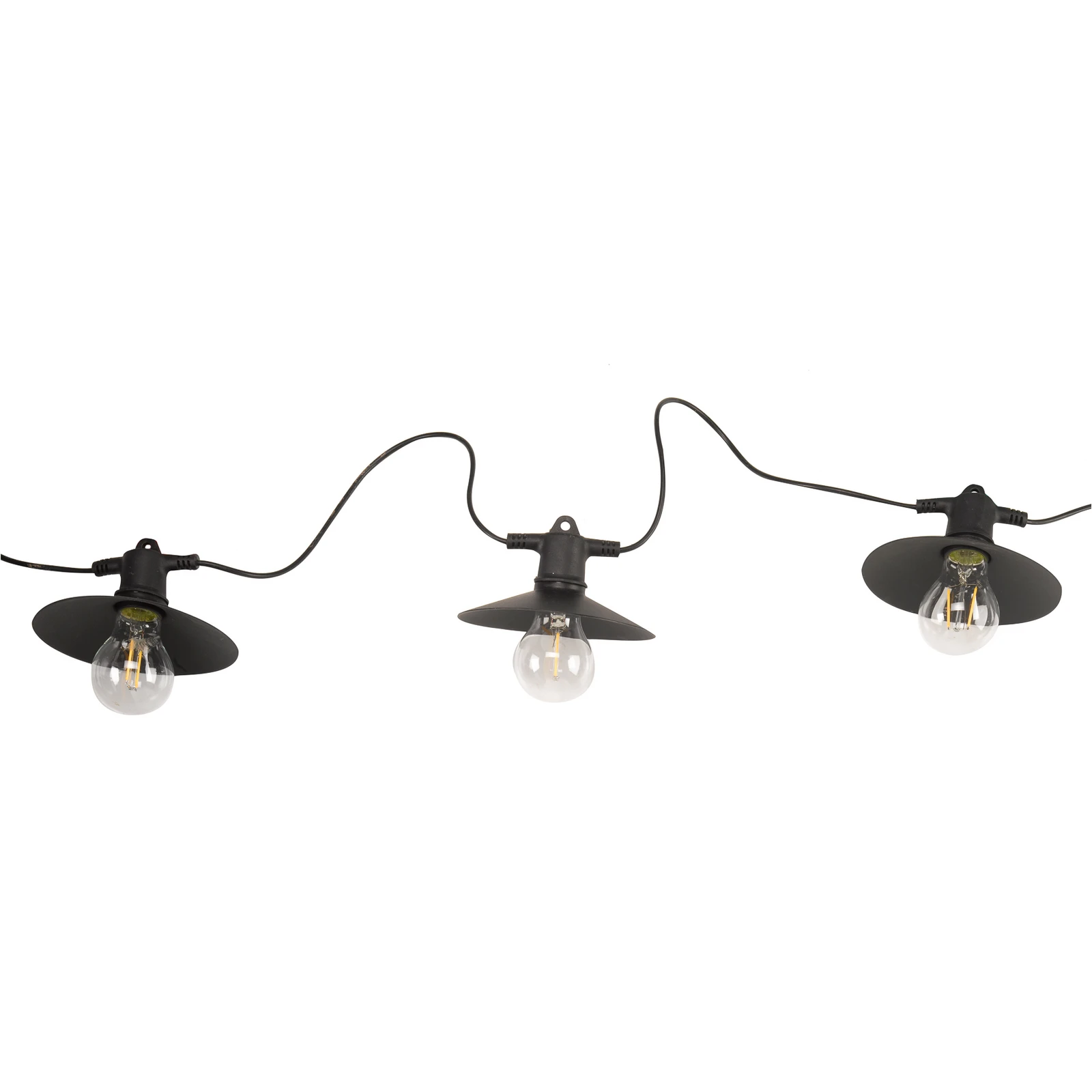
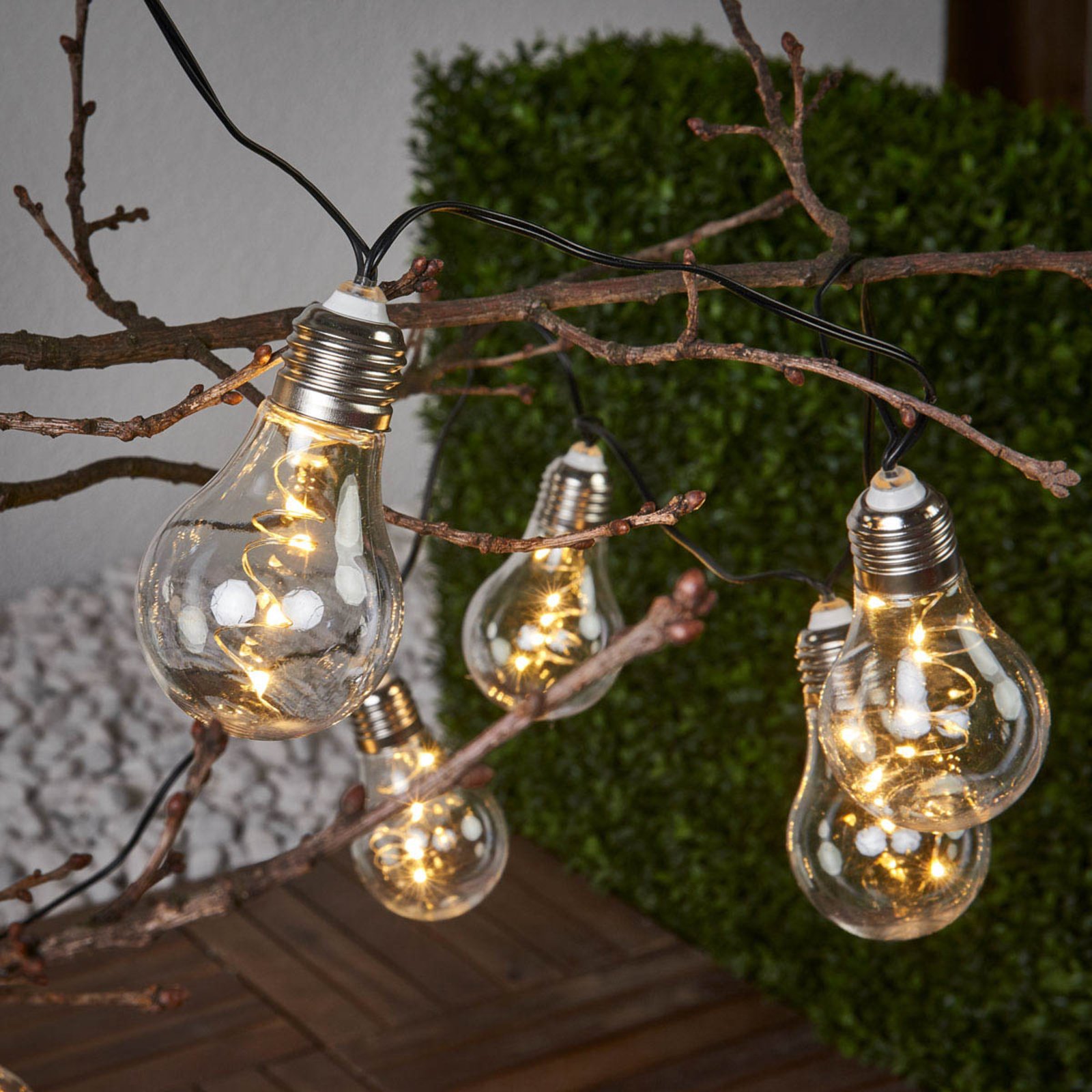
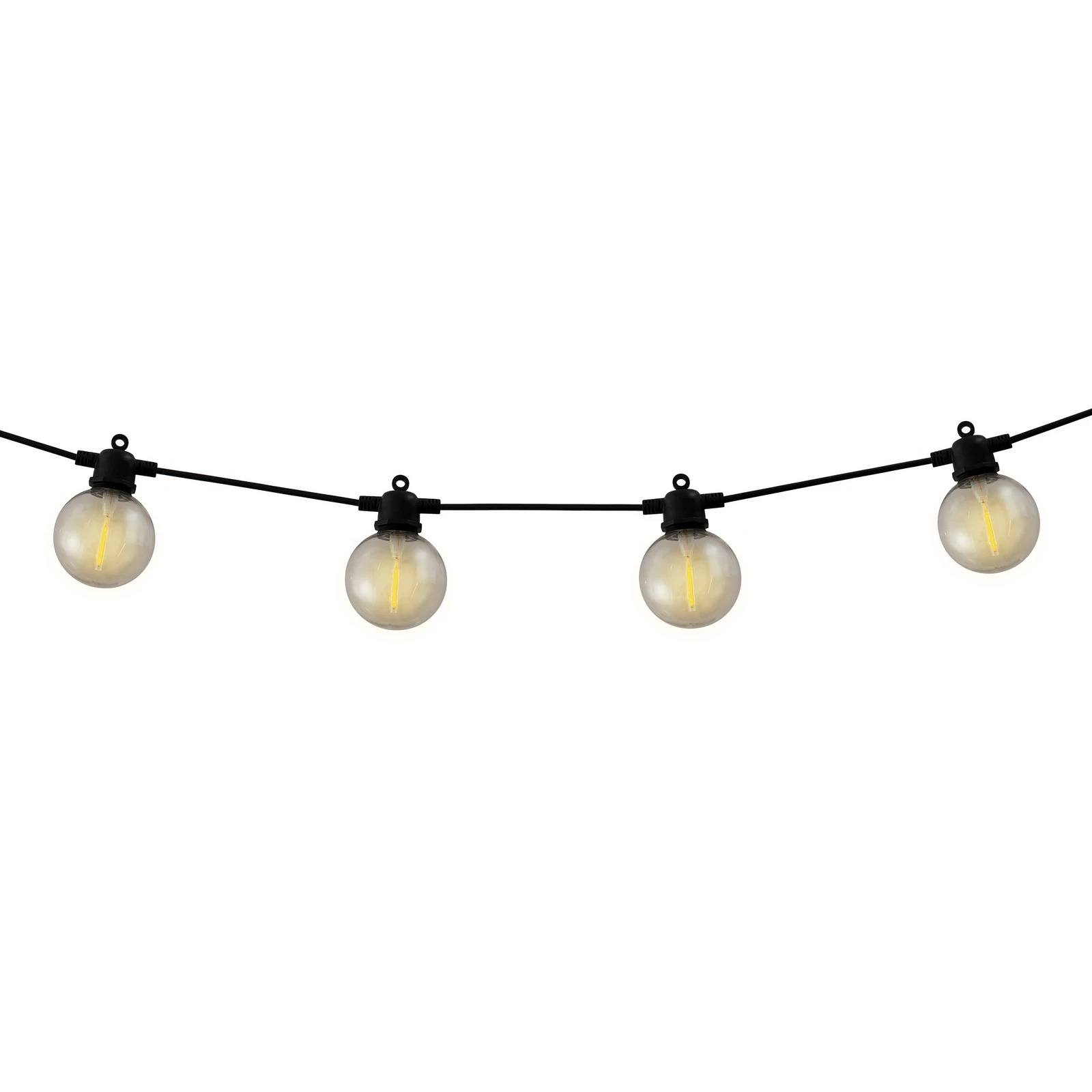
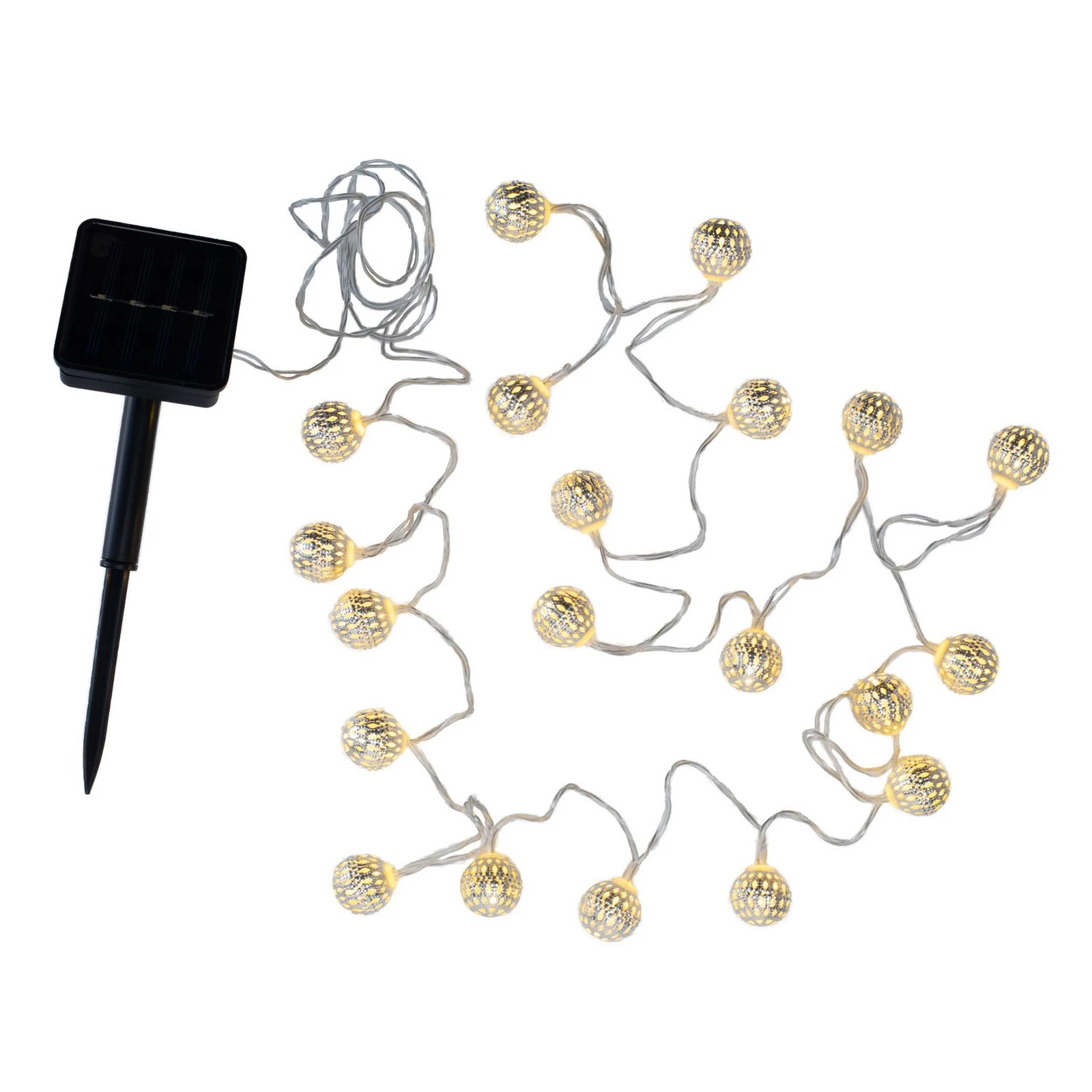
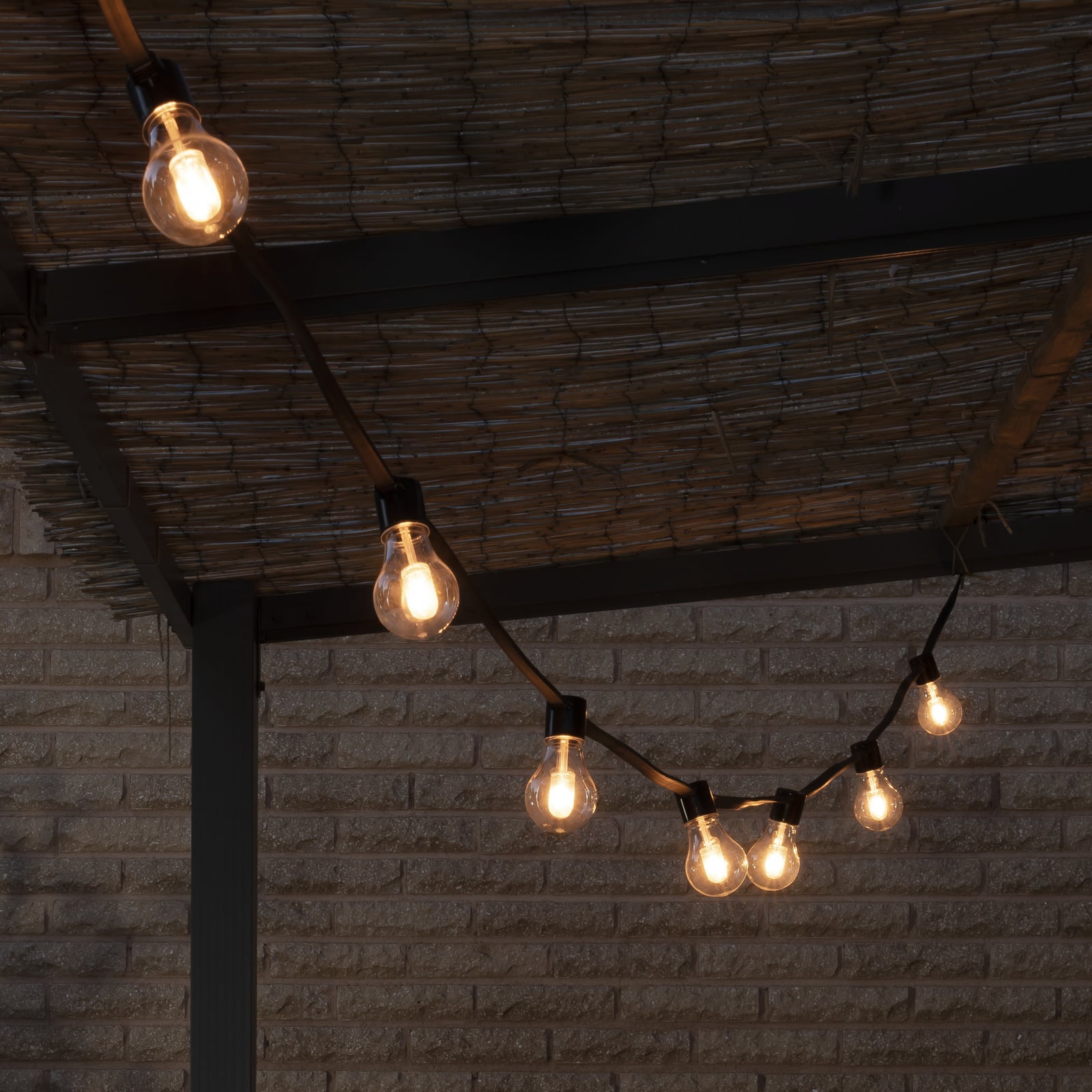
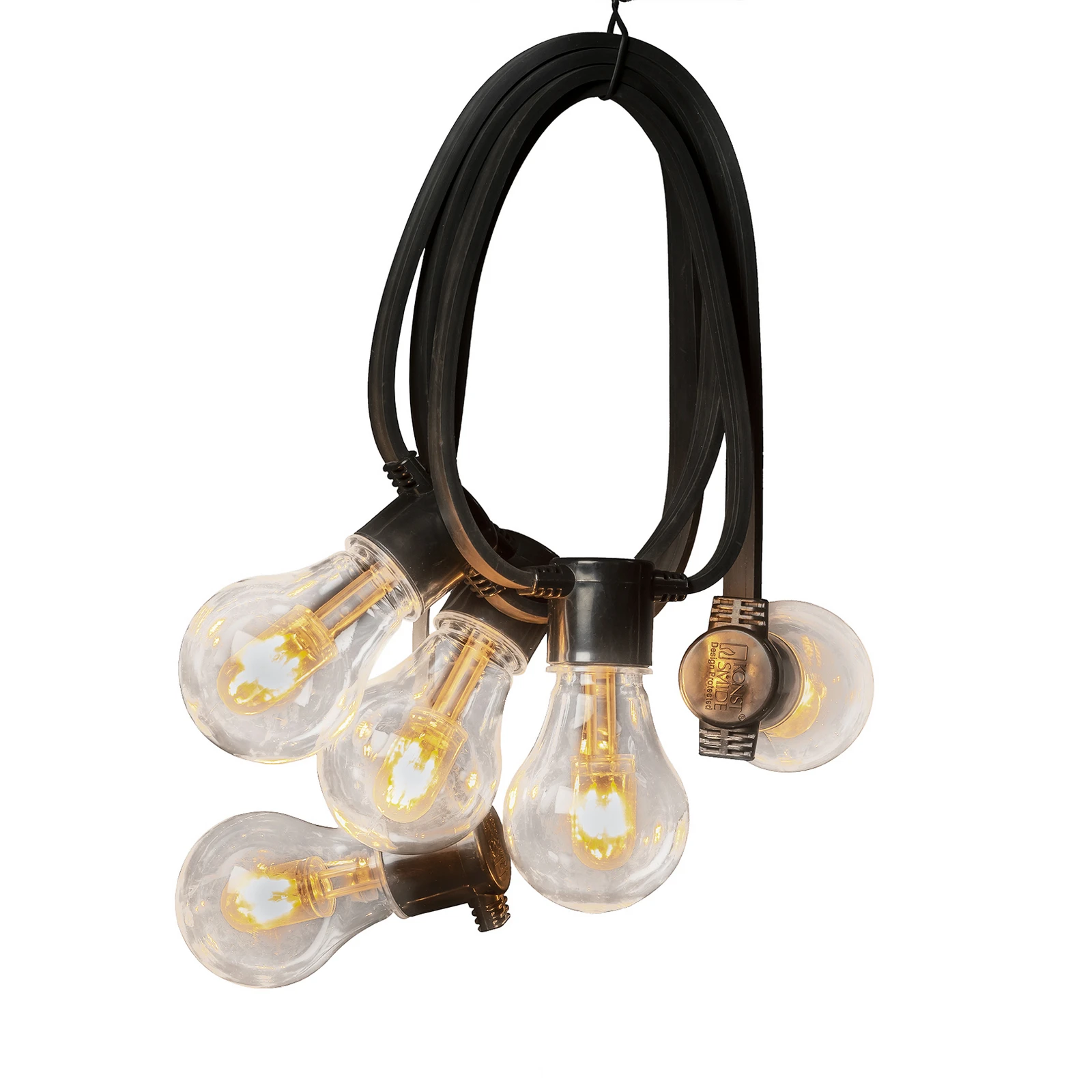
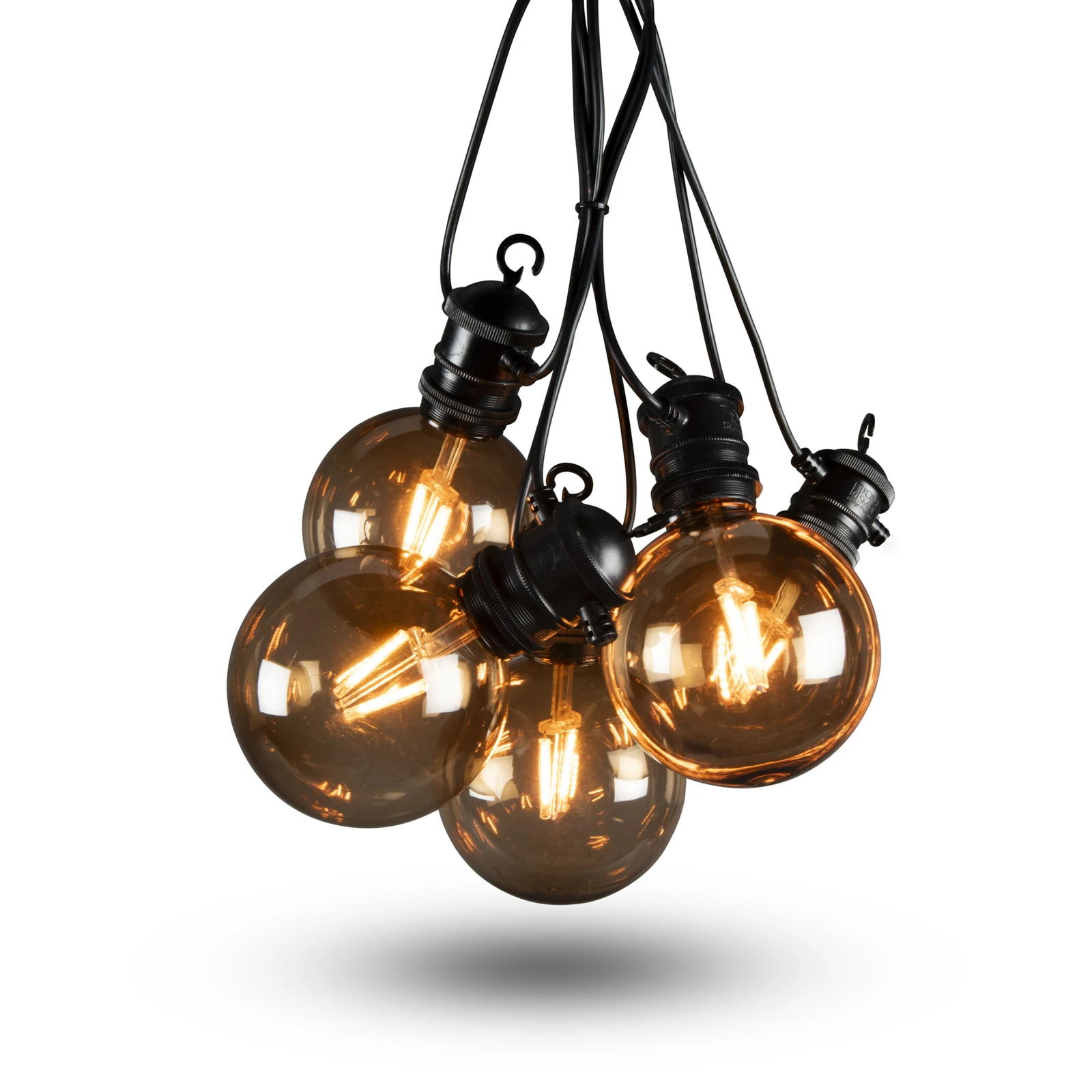
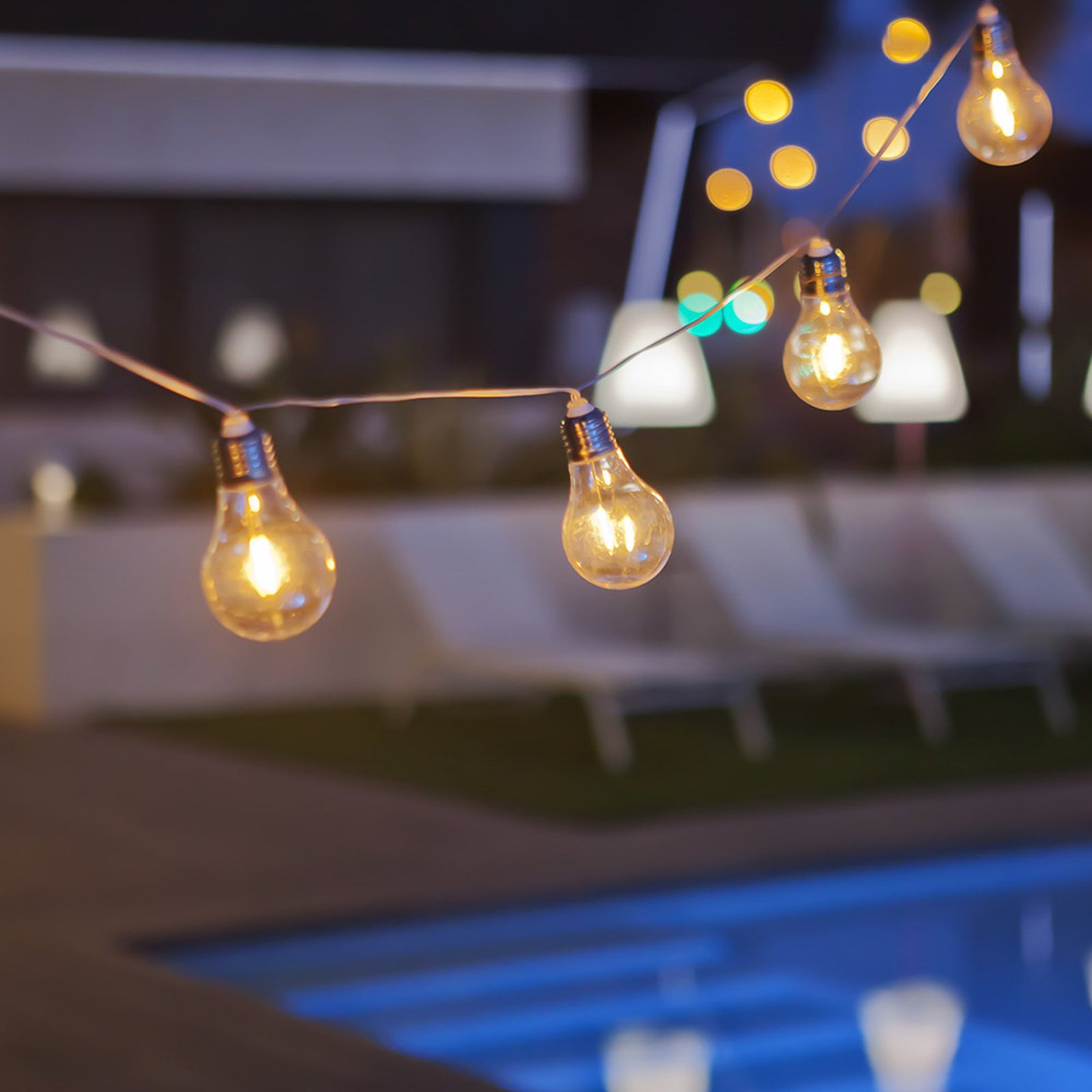
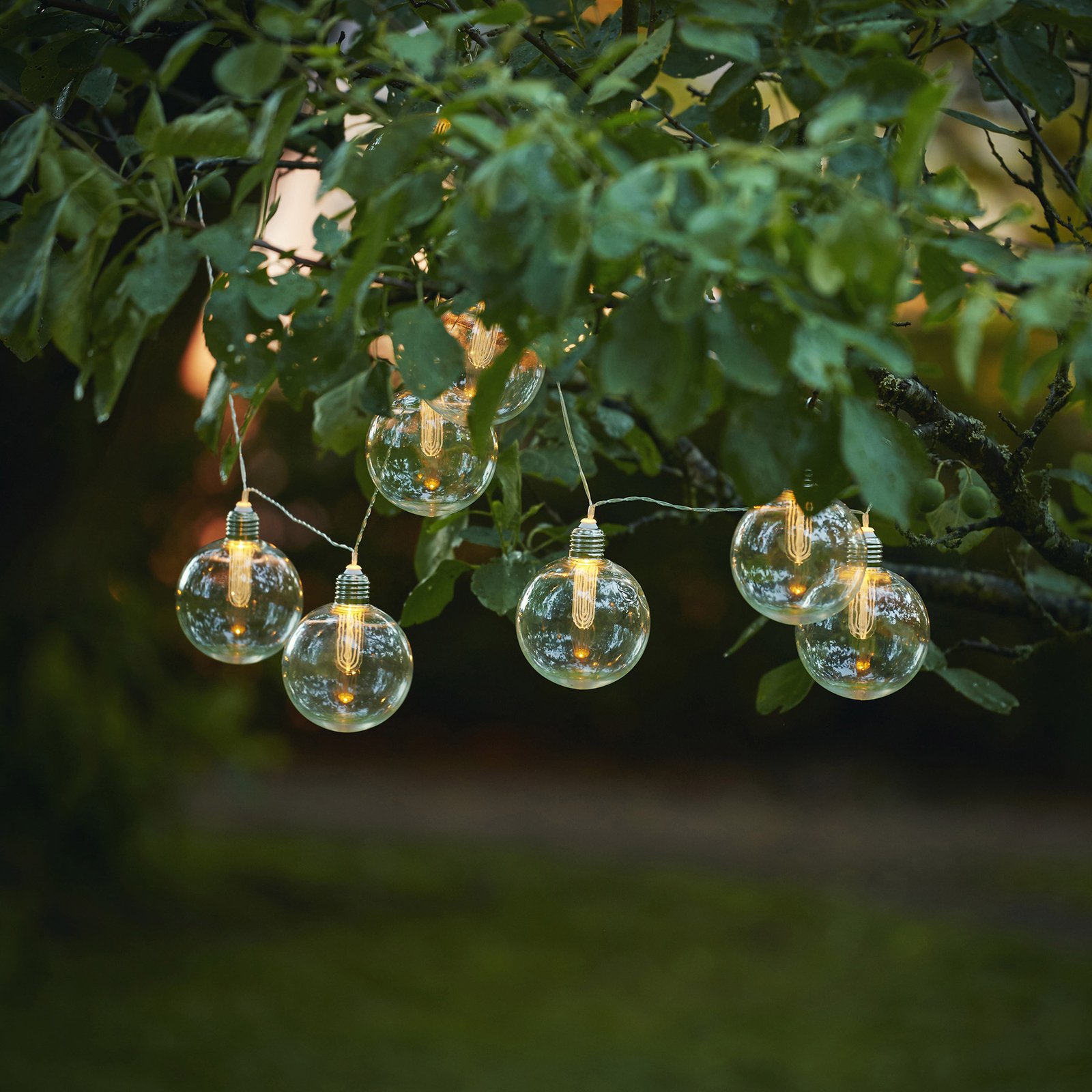
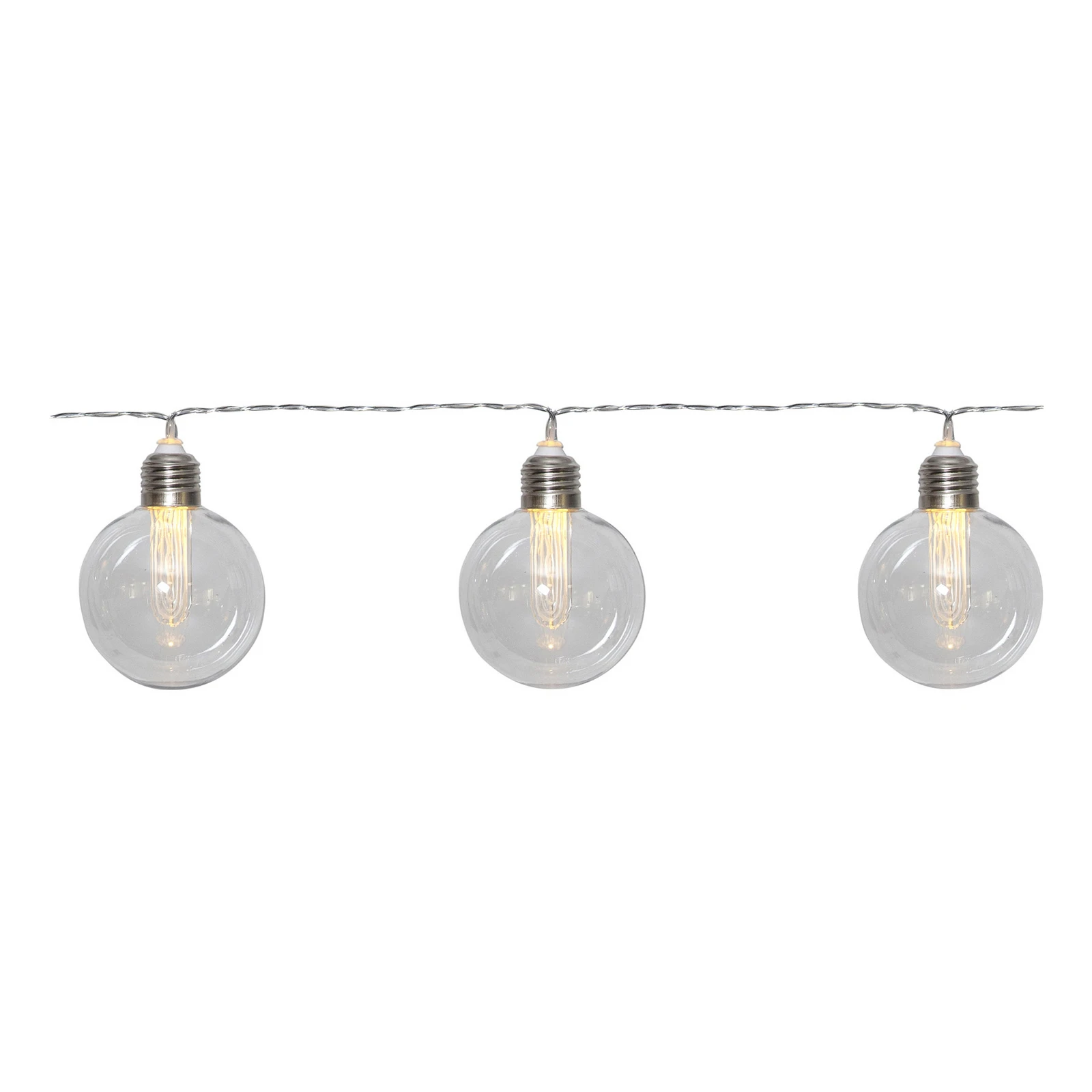
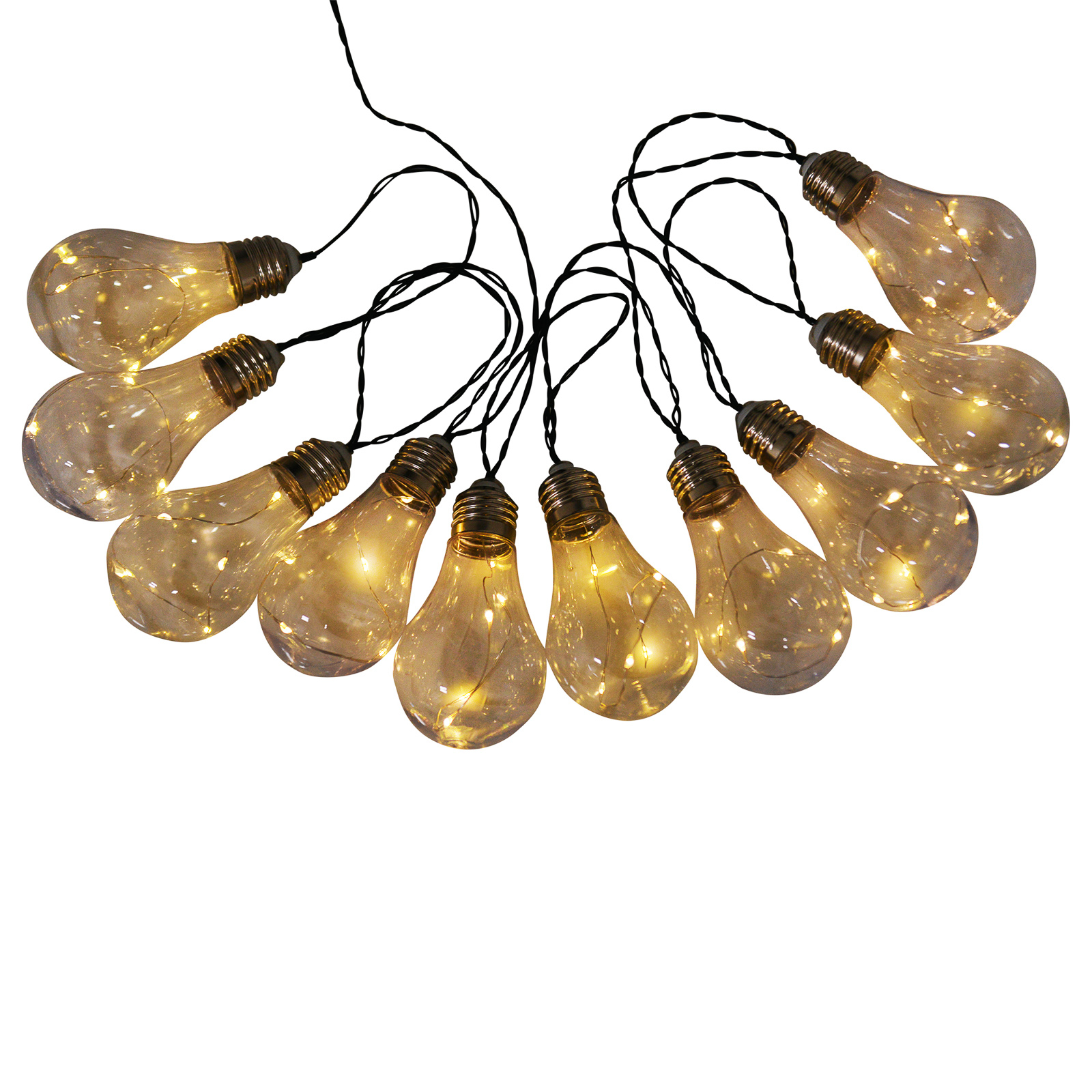
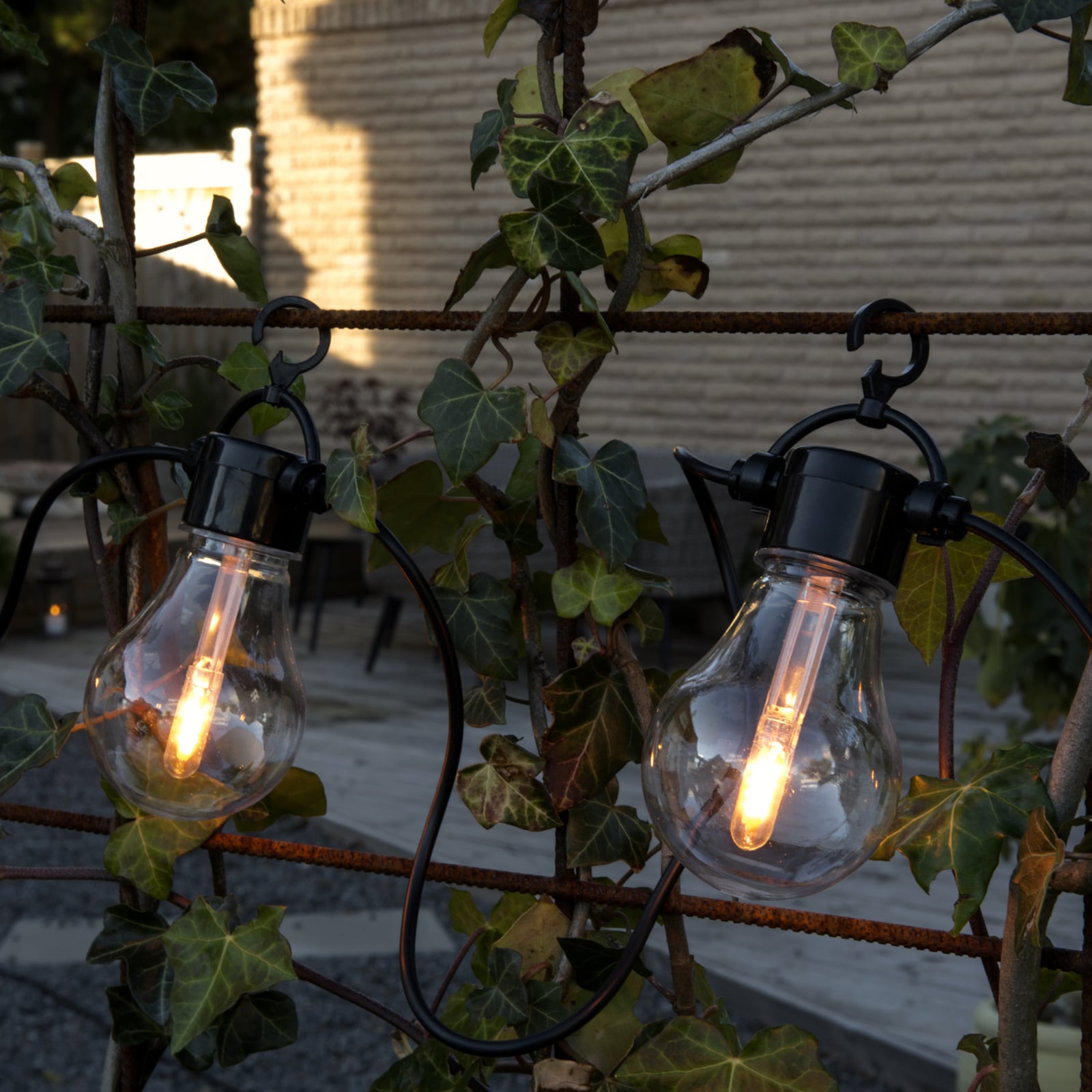
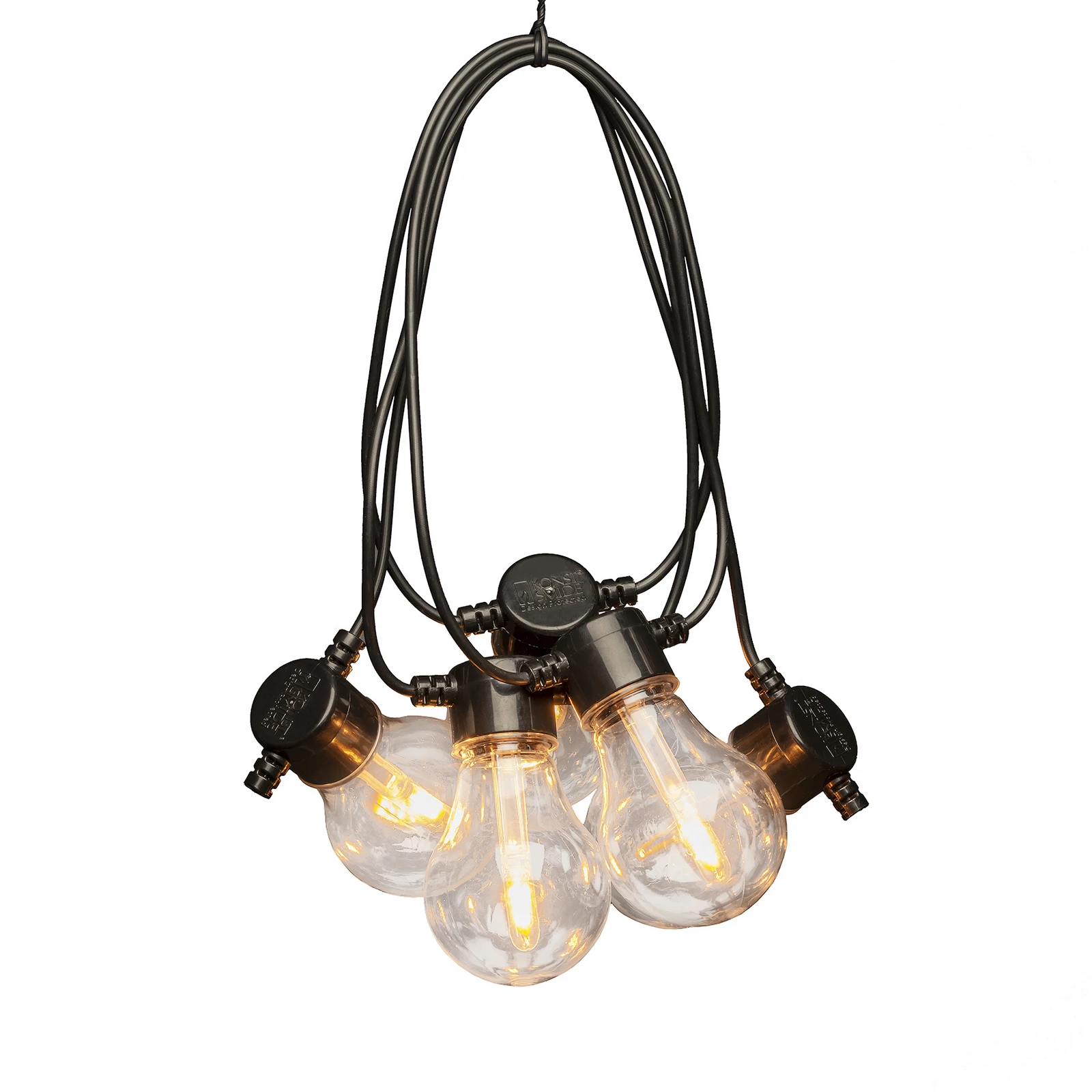
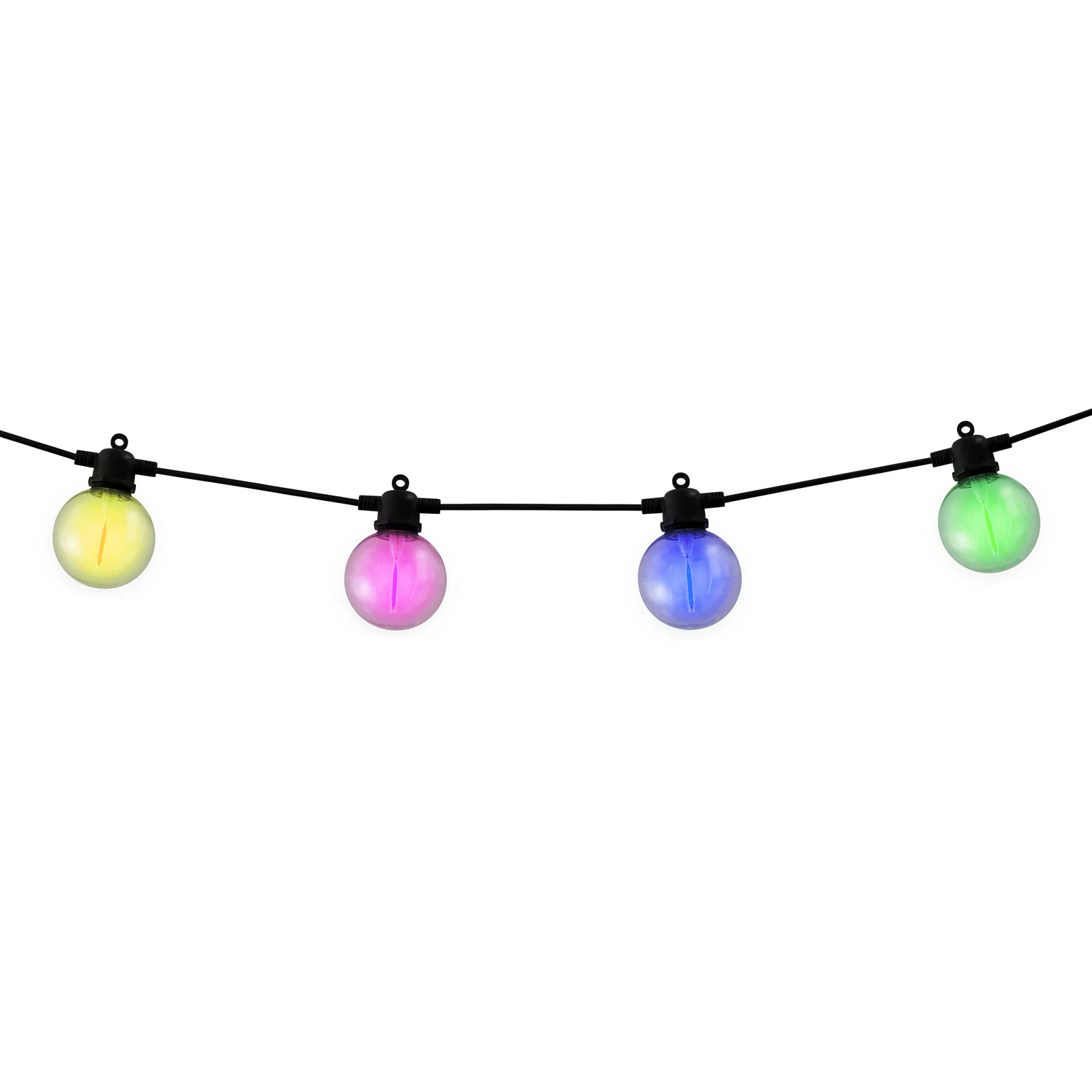
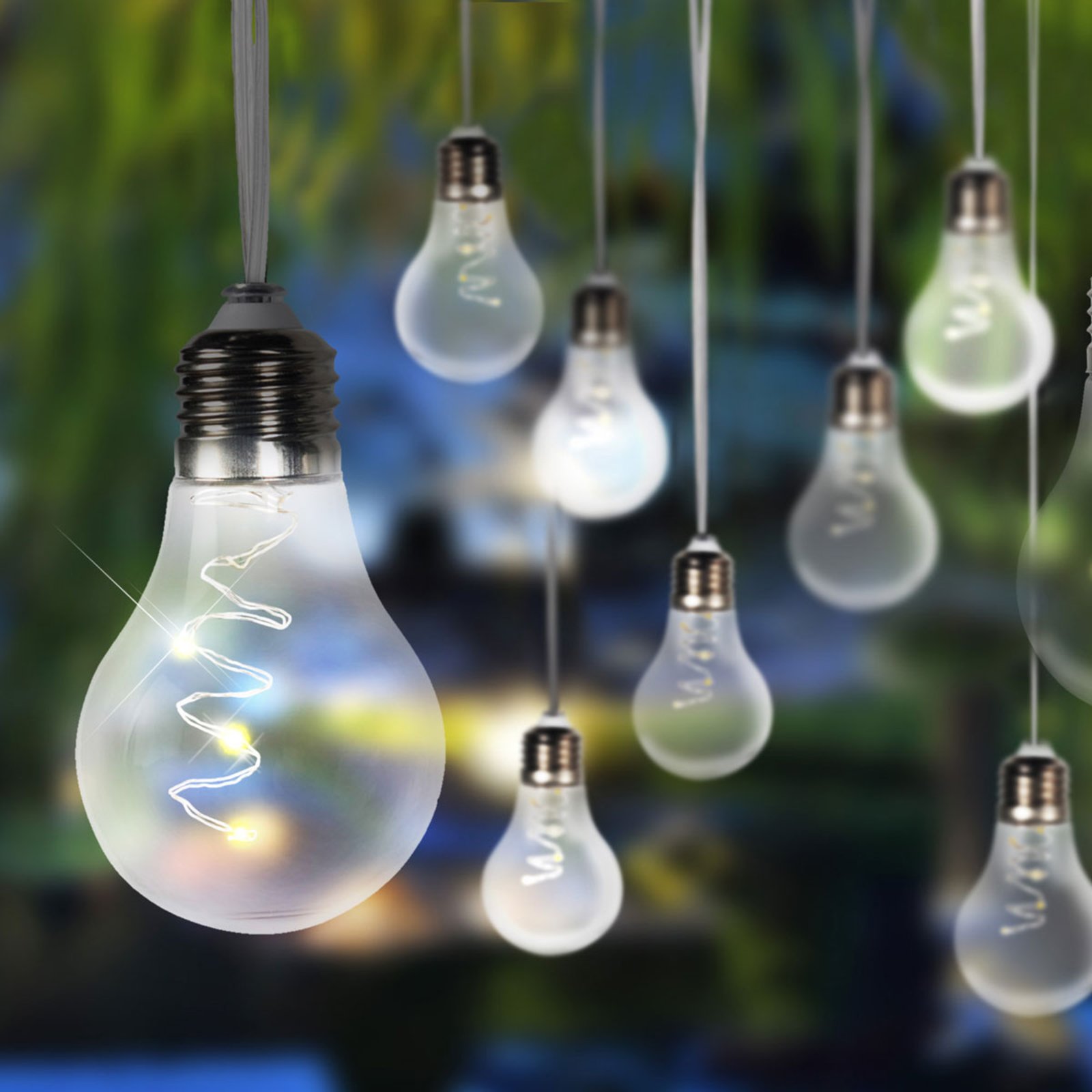
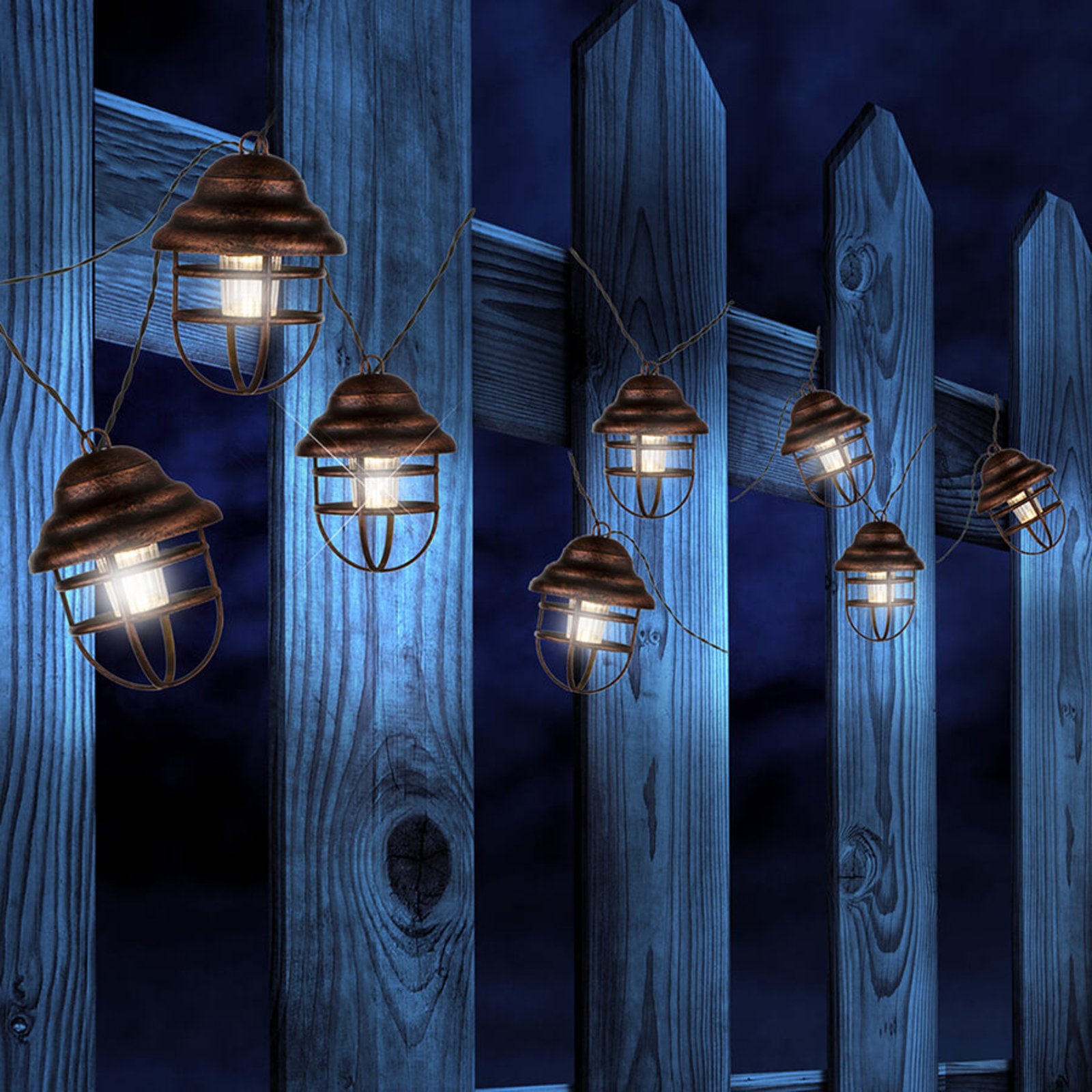
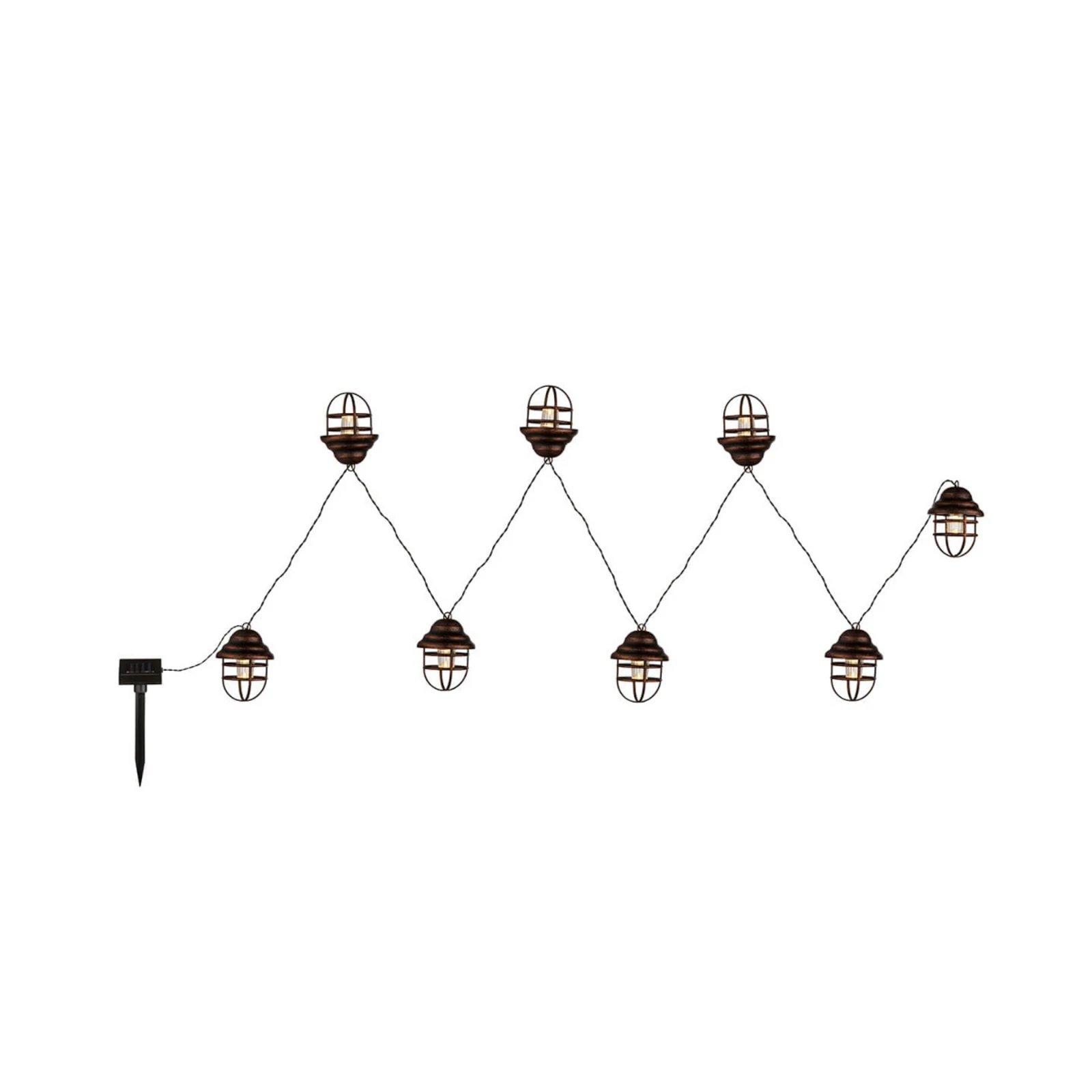
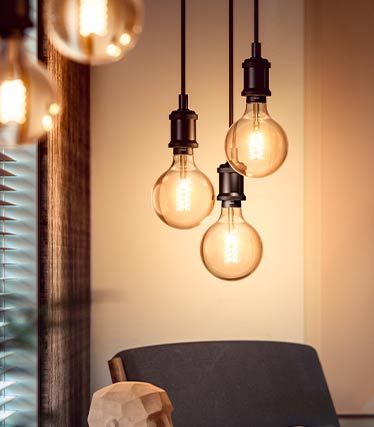
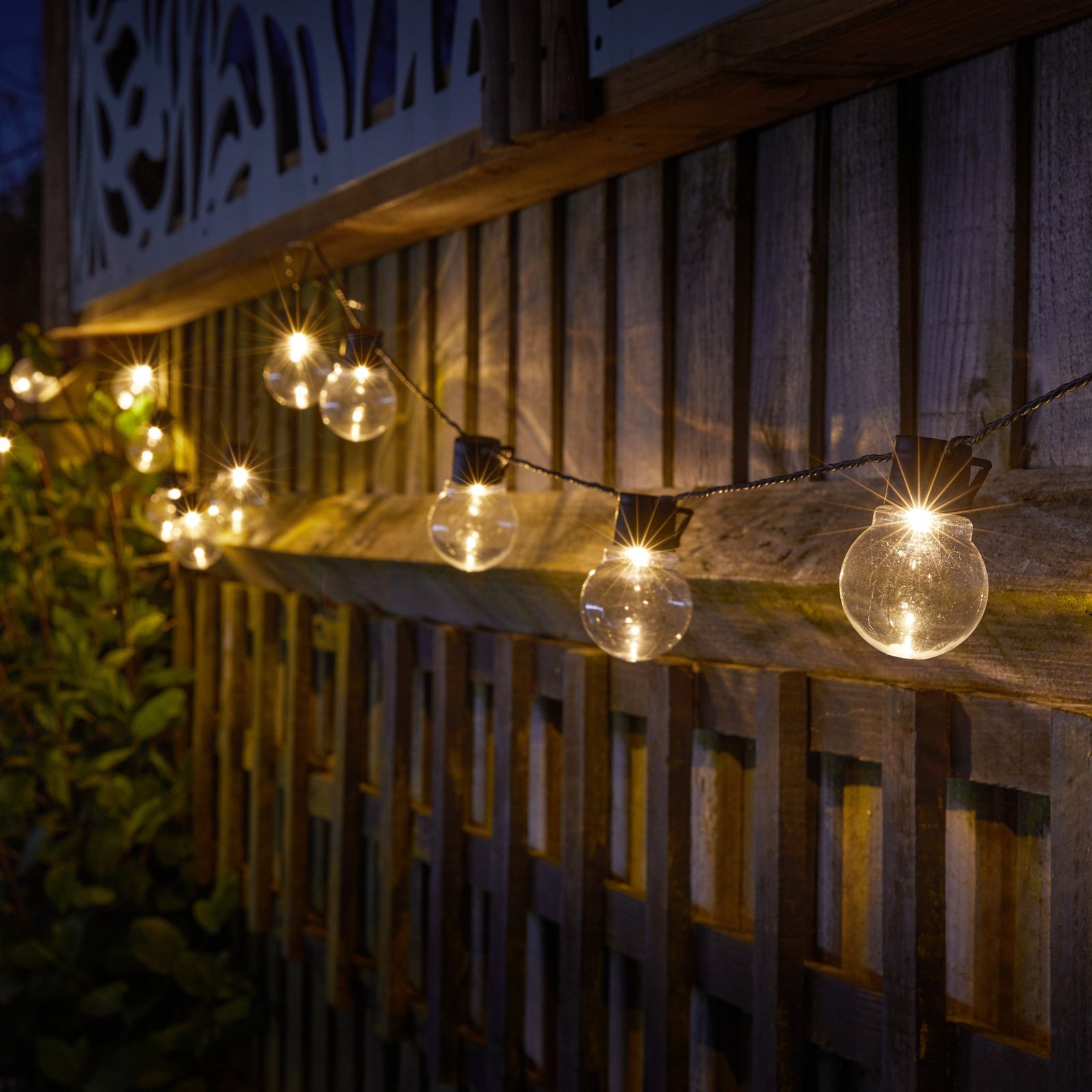
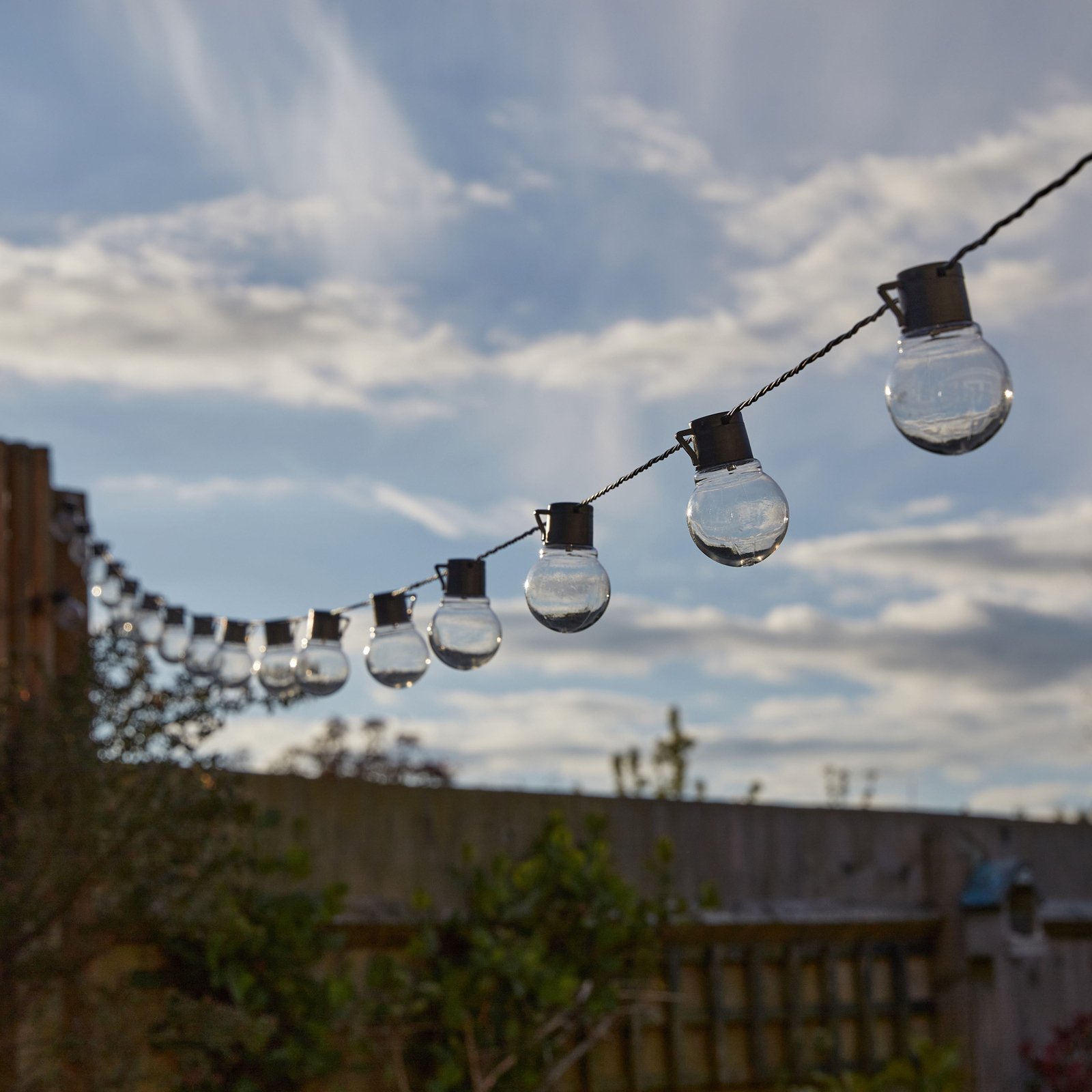
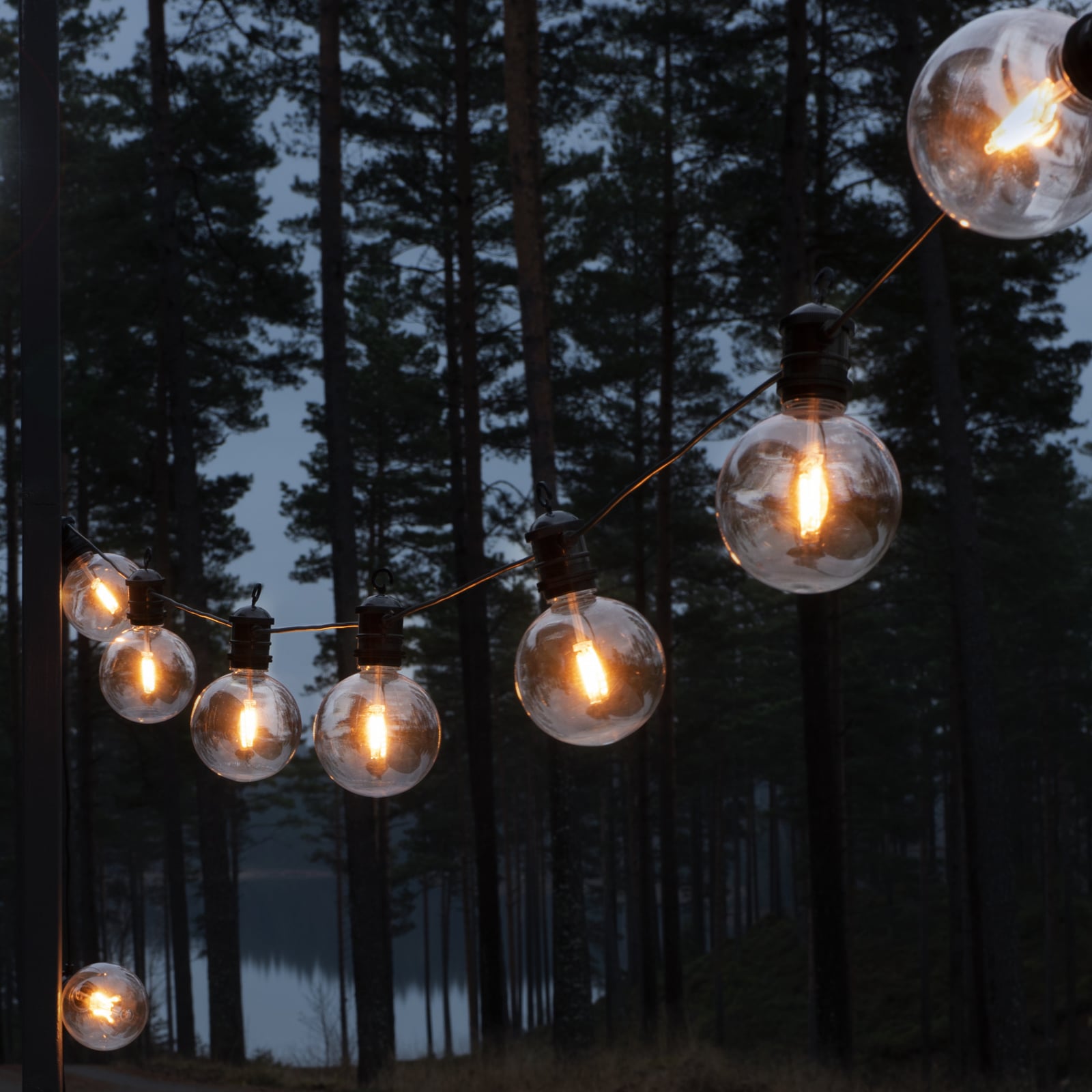
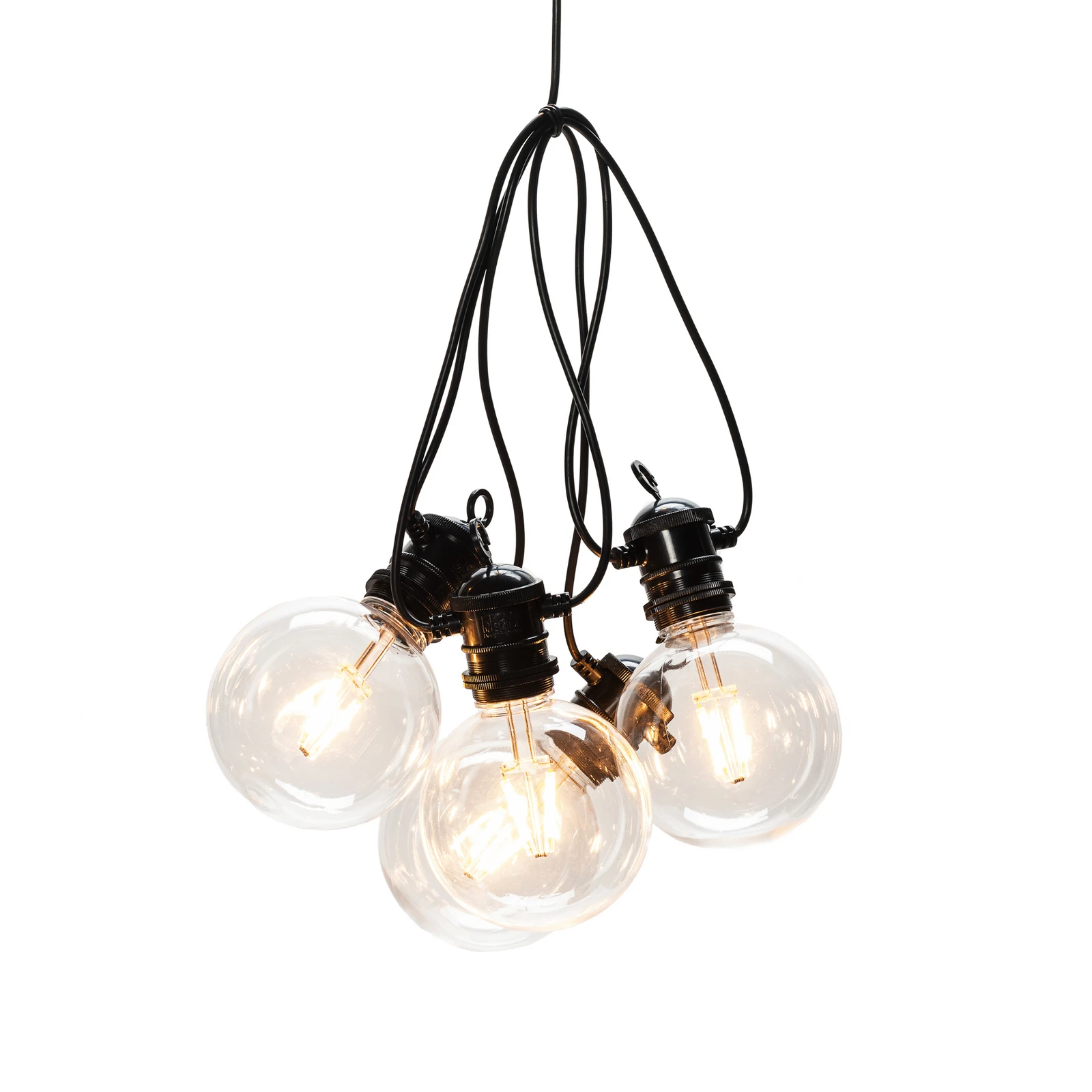
In a solar light curtain, the light points are arranged in several hanging strands. The designs are thus primarily distinguished by a linear, areal, or vertically hanging arrangement of the light points. It is therefore more suitable for vertical surfaces or open areas with sufficient height. A solar fairy light in bulb design, on the other hand, has larger, visibly distinguishable light bodies. It appears more present than variants with very small LEDs and is well suited to seating areas where the individual light points are deliberately visible. When selecting, besides the number of light points, it should be considered which area and arrangement suit the respective design. Solar fairy light, solar light net, and solar light curtain meet different requirements concerning the distribution of light points.
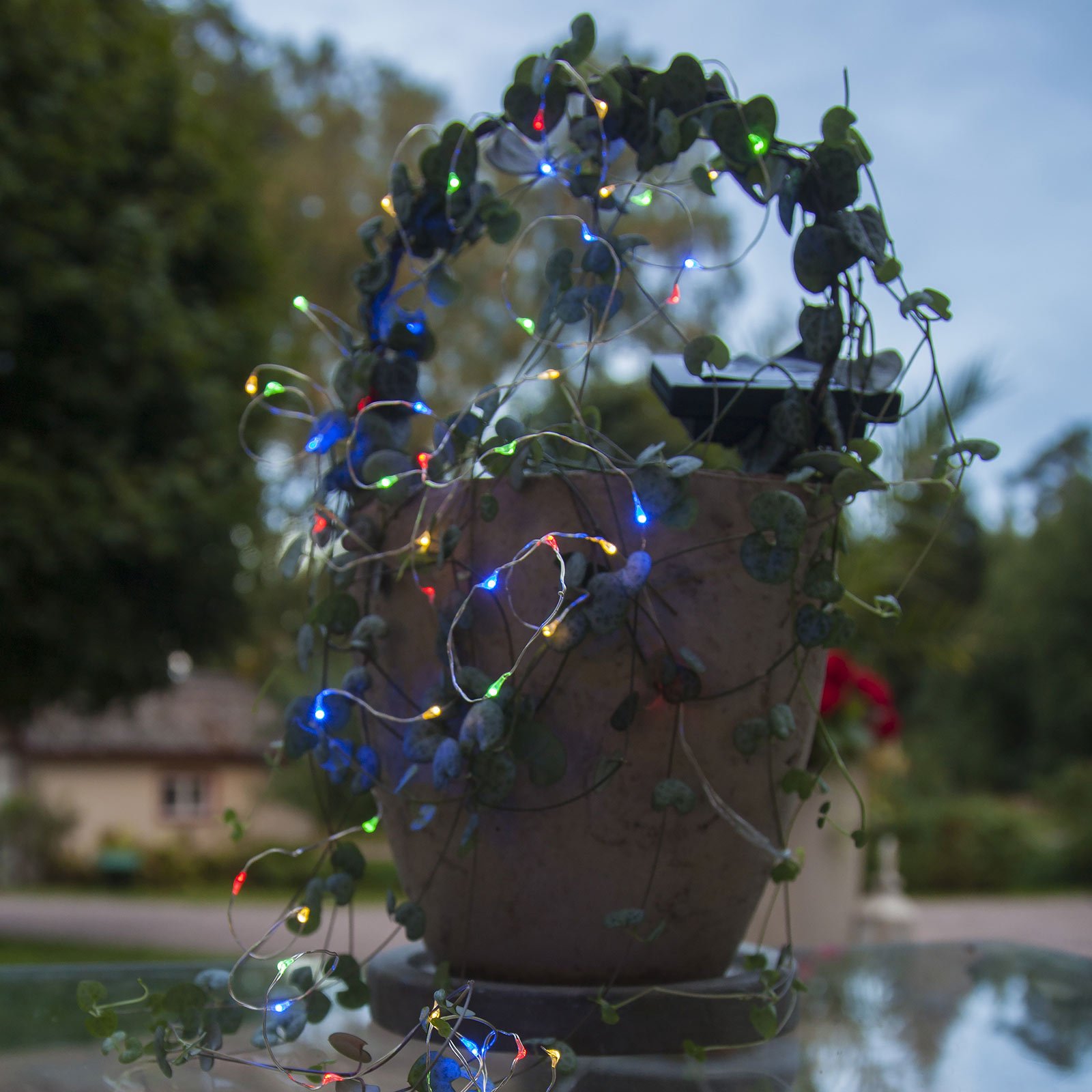
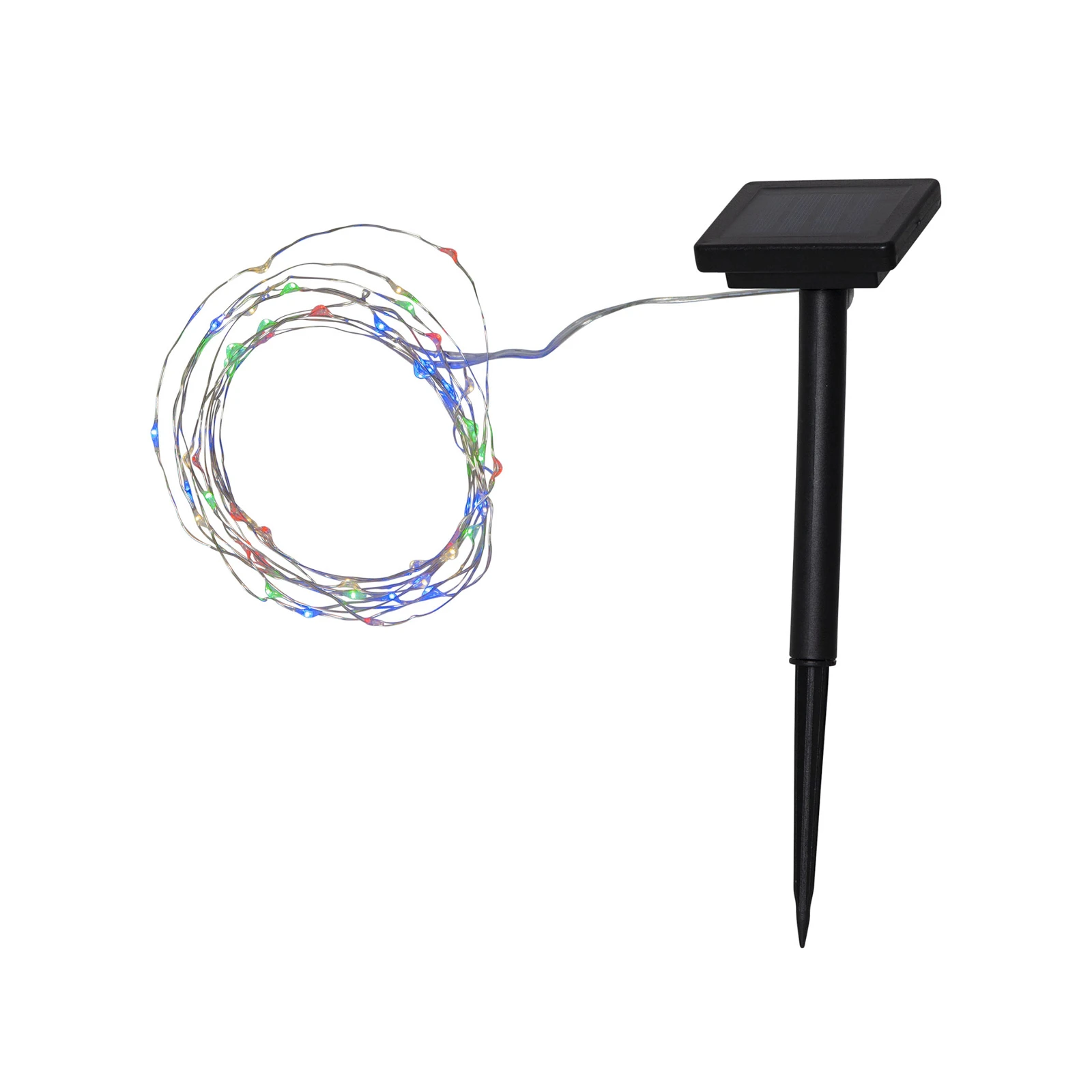
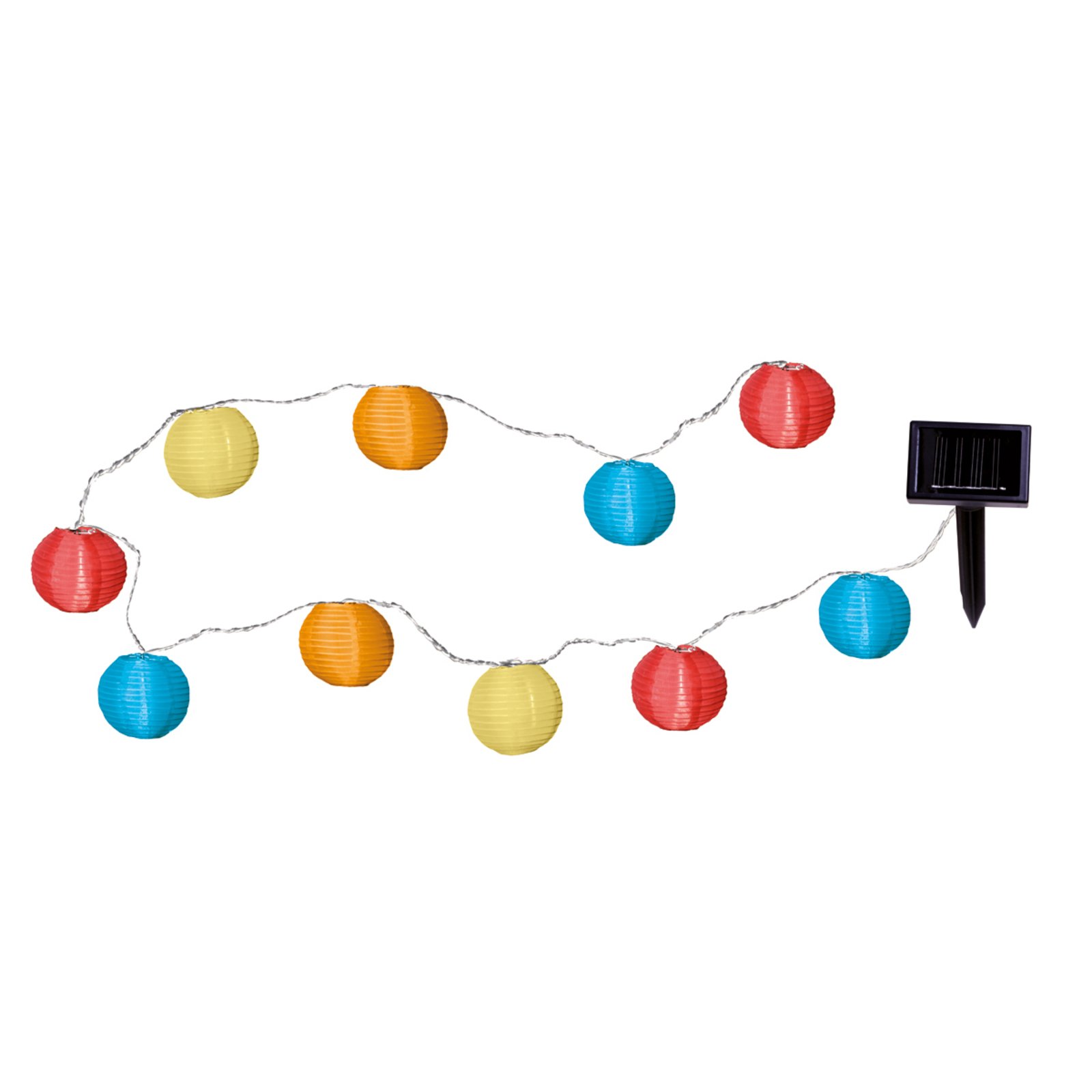
The light color influences how an LED solar fairy light interacts with its surroundings. Warm white is well-suited for seating areas on balconies and terraces when the light is intended to appear subtle and homely. A cooler light color compared to warm white creates a more formal impression and highlights individual light points more prominently. Colorful variants are more suitable for decorative occasions or outdoor areas where colored light is desired.
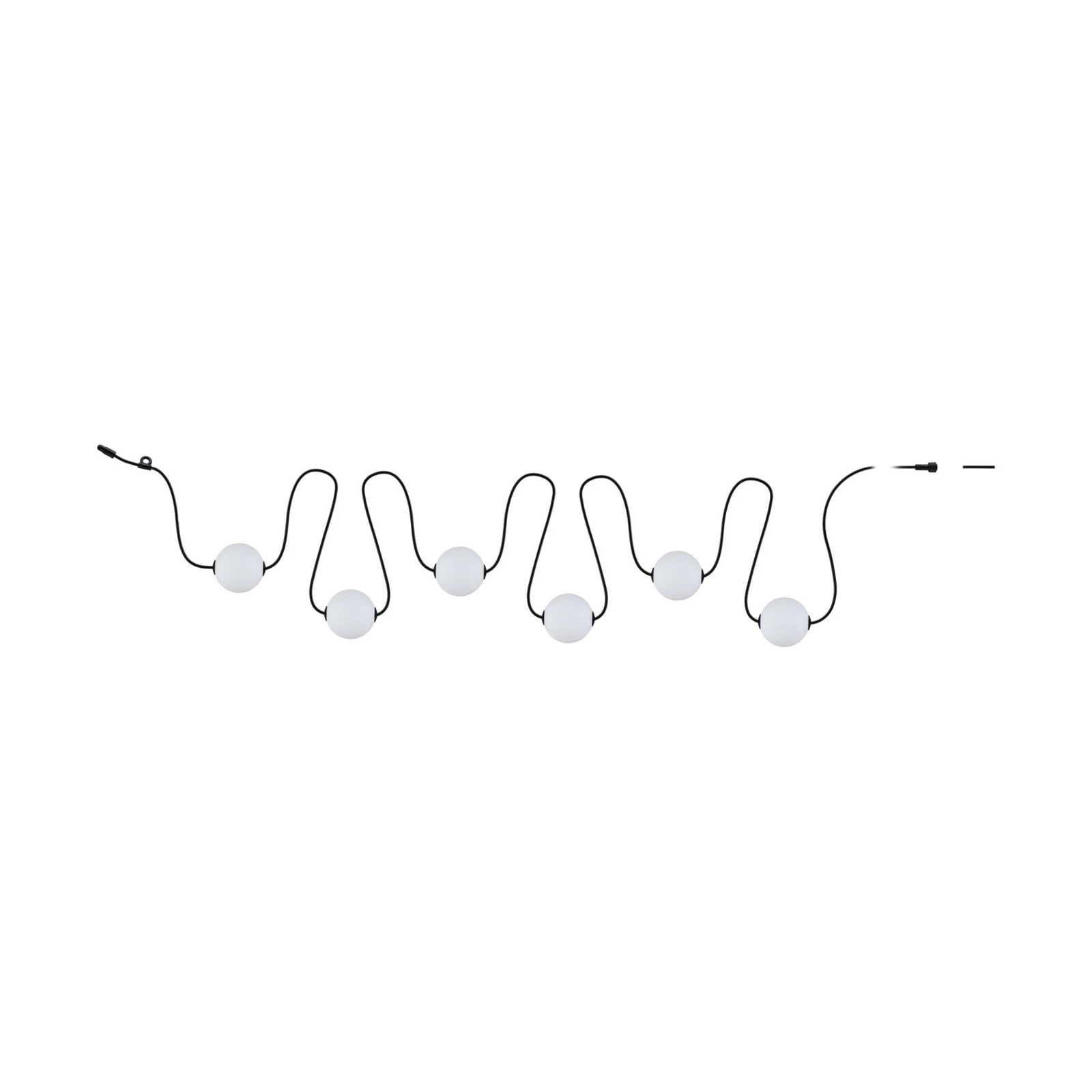
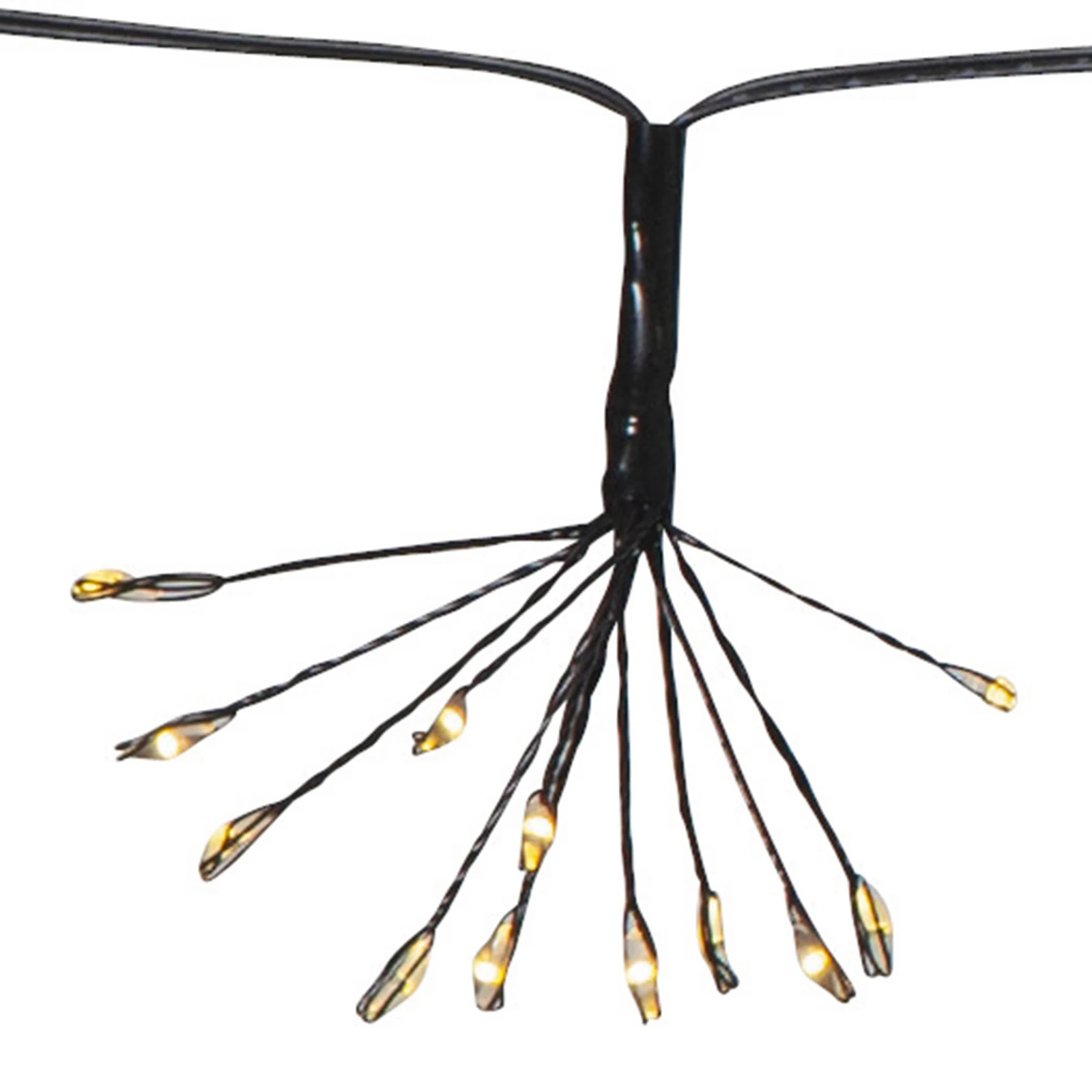
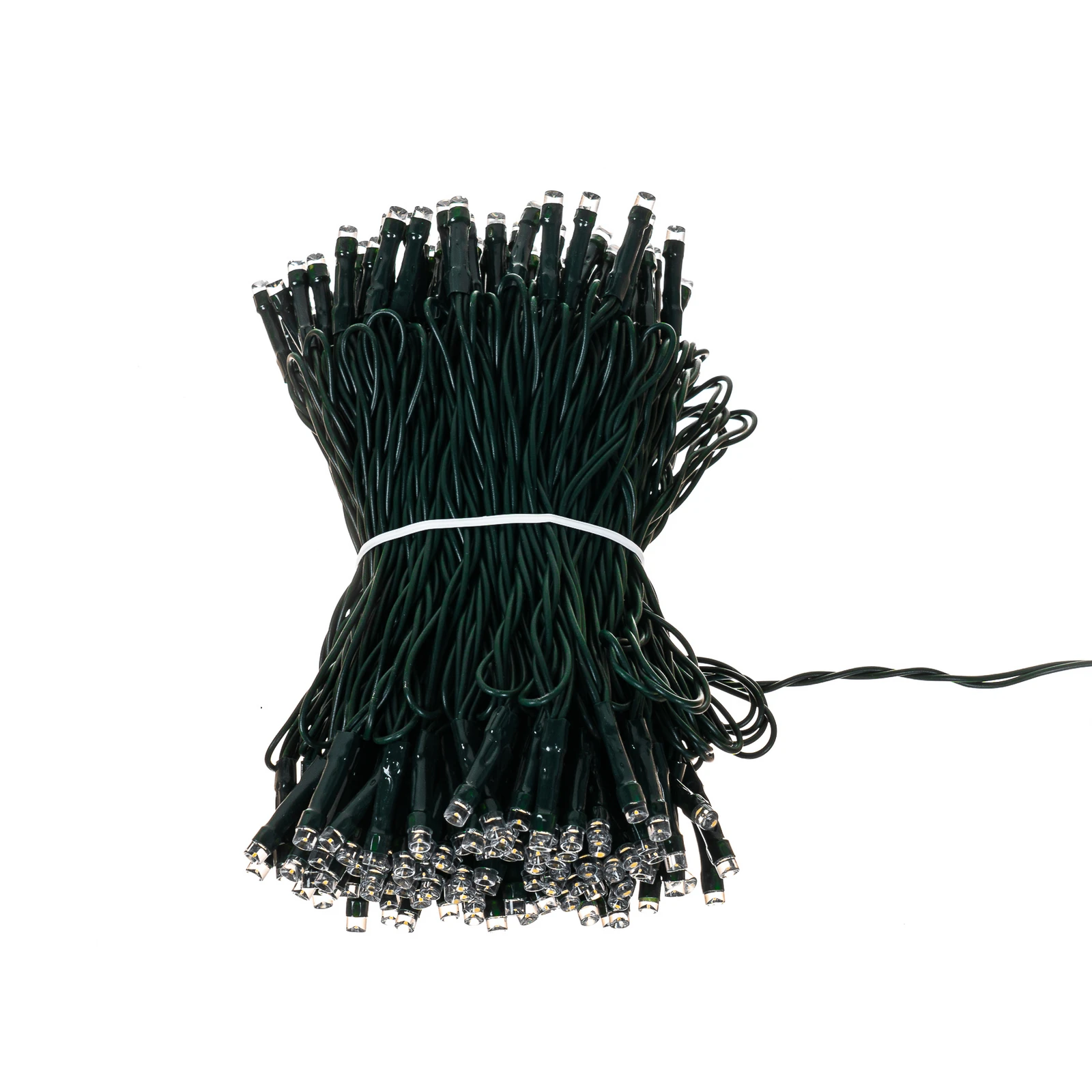
In addition to the light color, cables and light bodies also affect the appearance. A black cable is more visible against light walls, railings, or facades. A transparent cable recedes more visually on many surfaces. In a solar fairy light in bulb design, the larger light bodies characterize the overall appearance more than the cable itself. Small LED light points, on the other hand, appear more inconspicuous and can be more easily integrated into existing plants or other garden elements. The appropriate execution is therefore based on whether cables and light bodies should remain visible or as inconspicuous as possible. The cable color becomes particularly relevant when the line is intended to recede visually into the background.
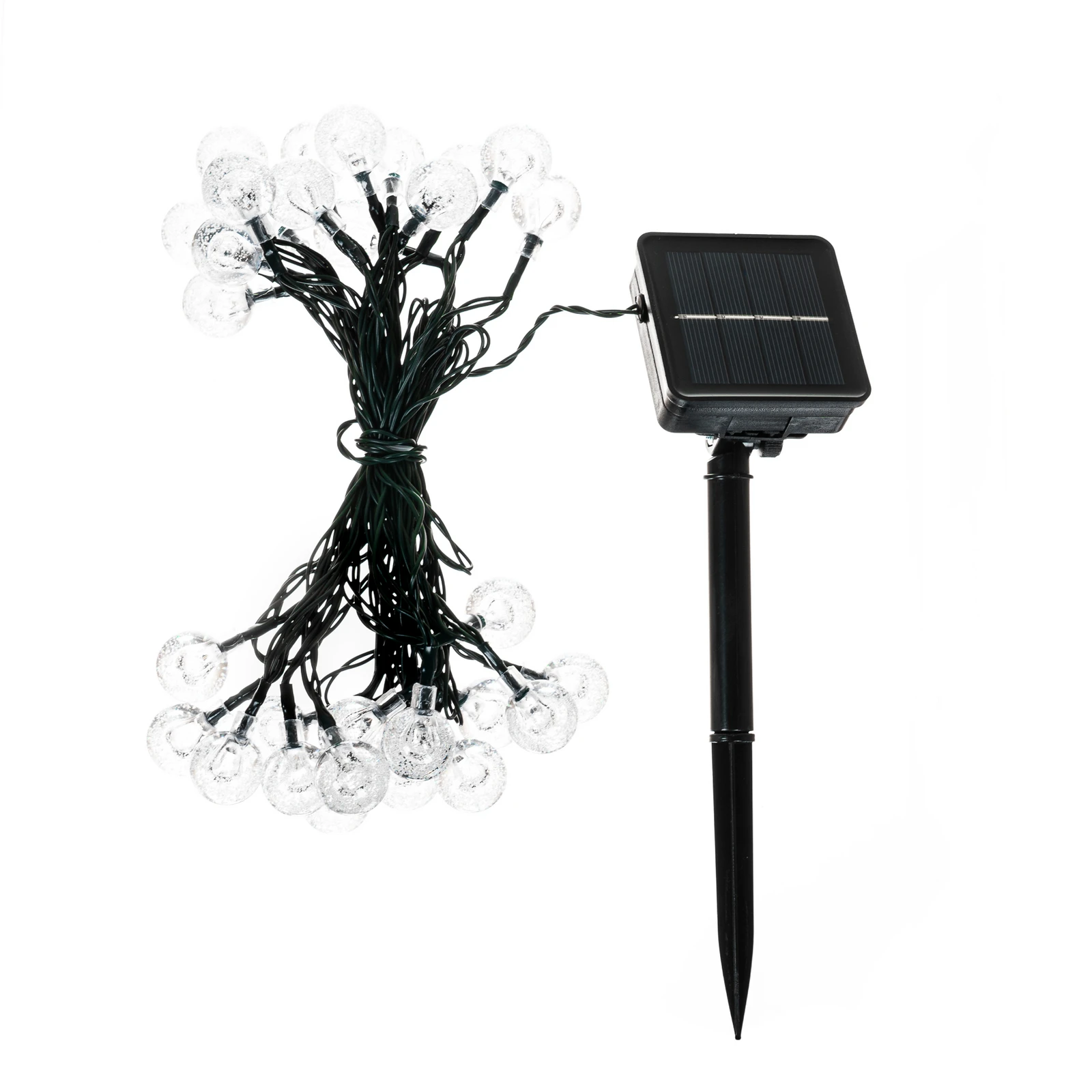
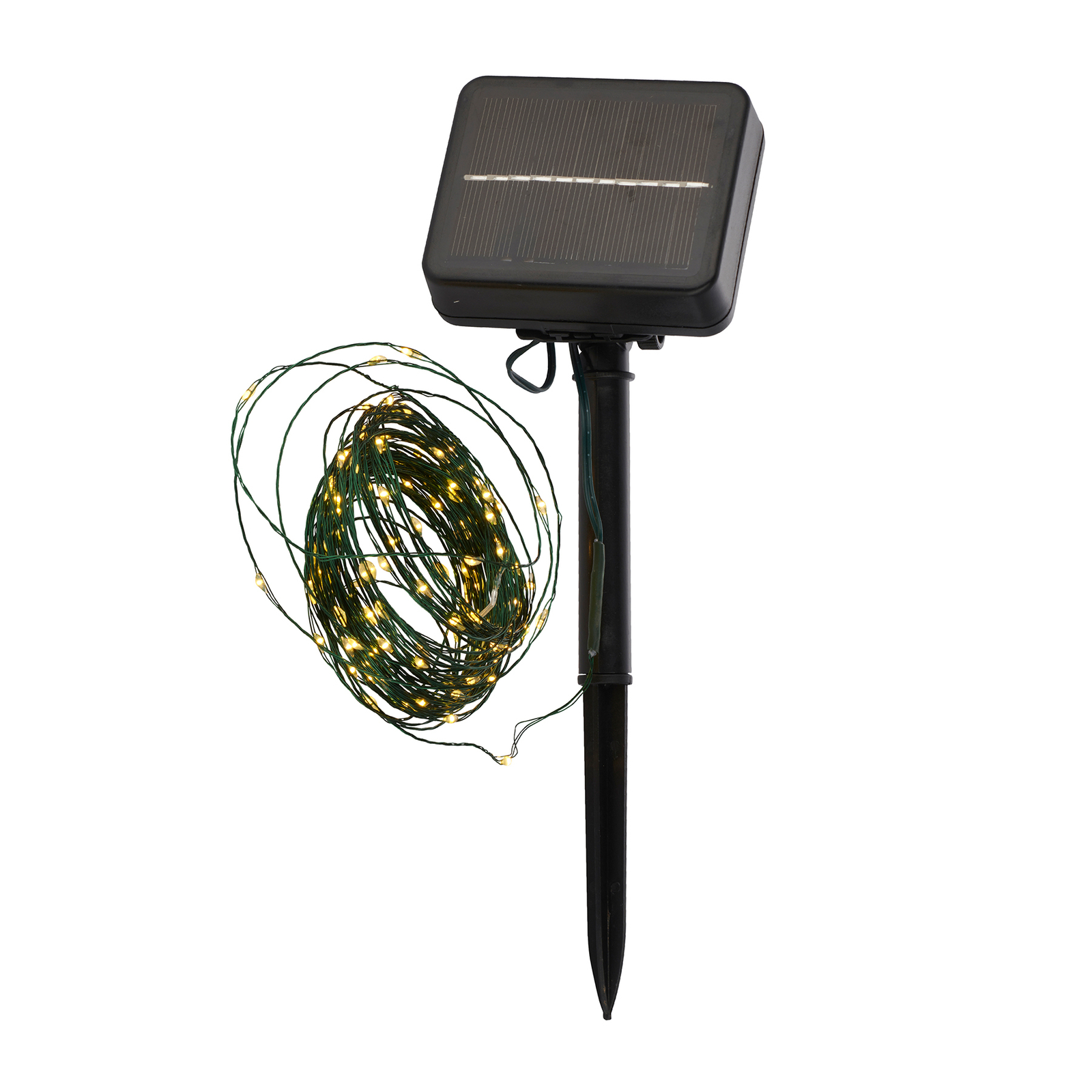
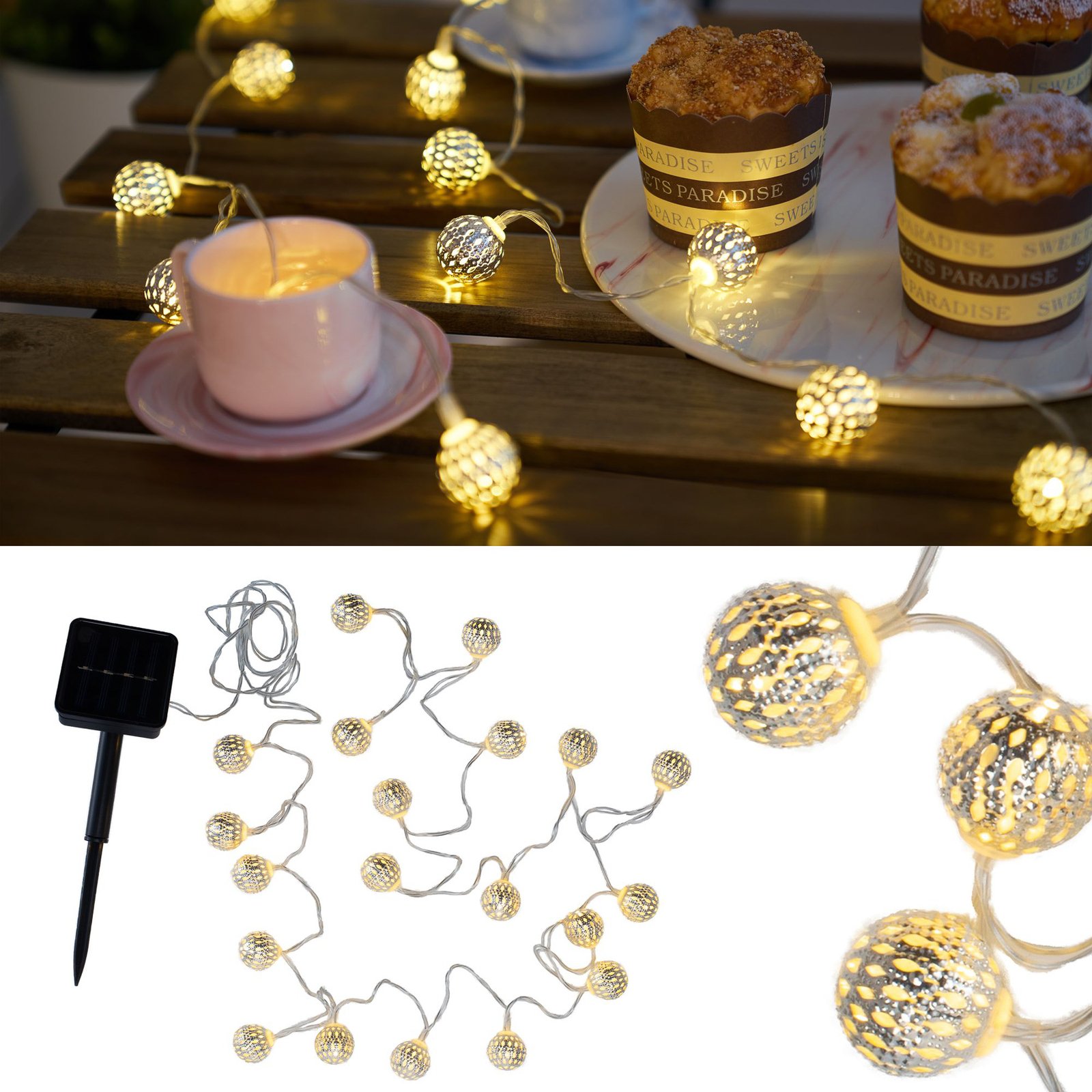
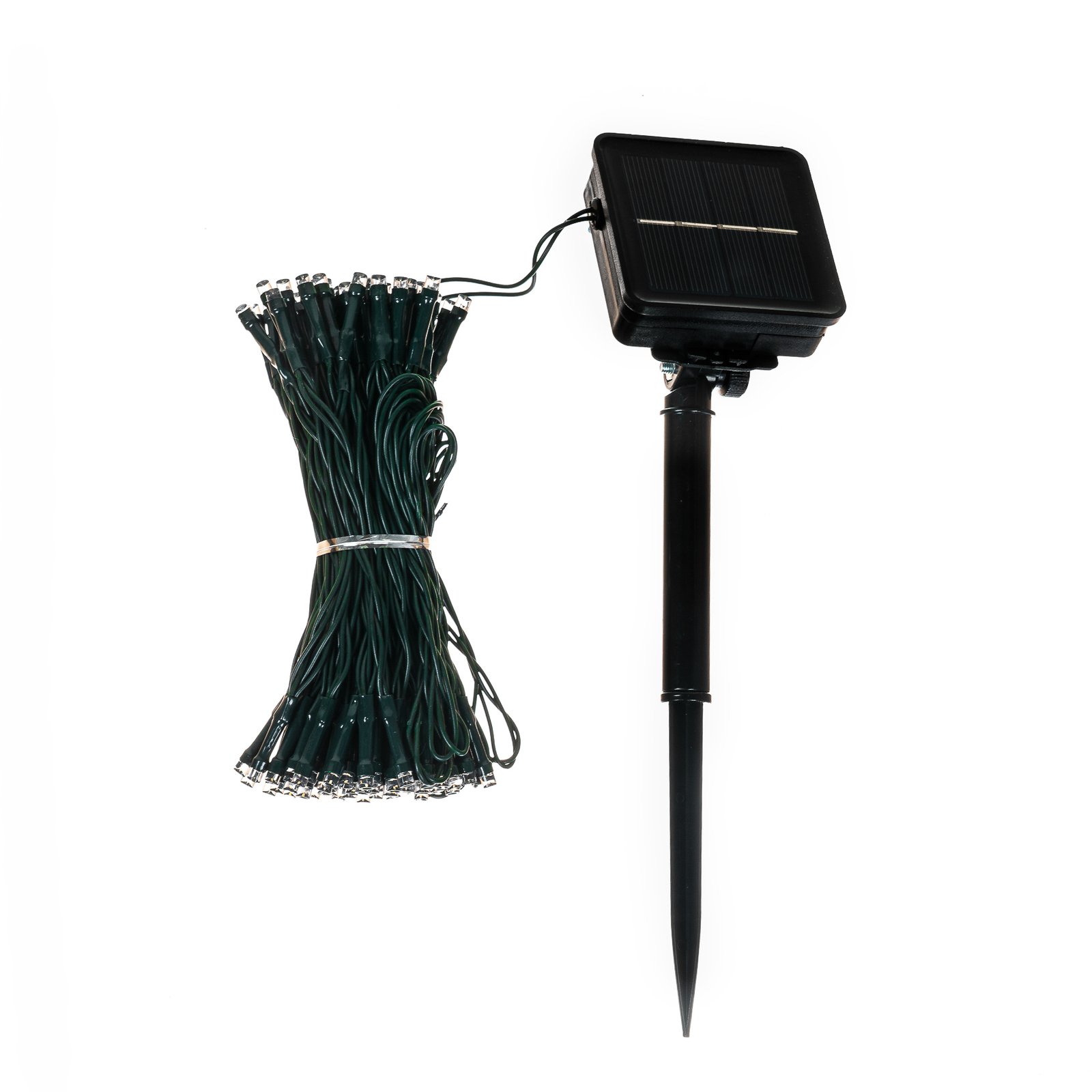
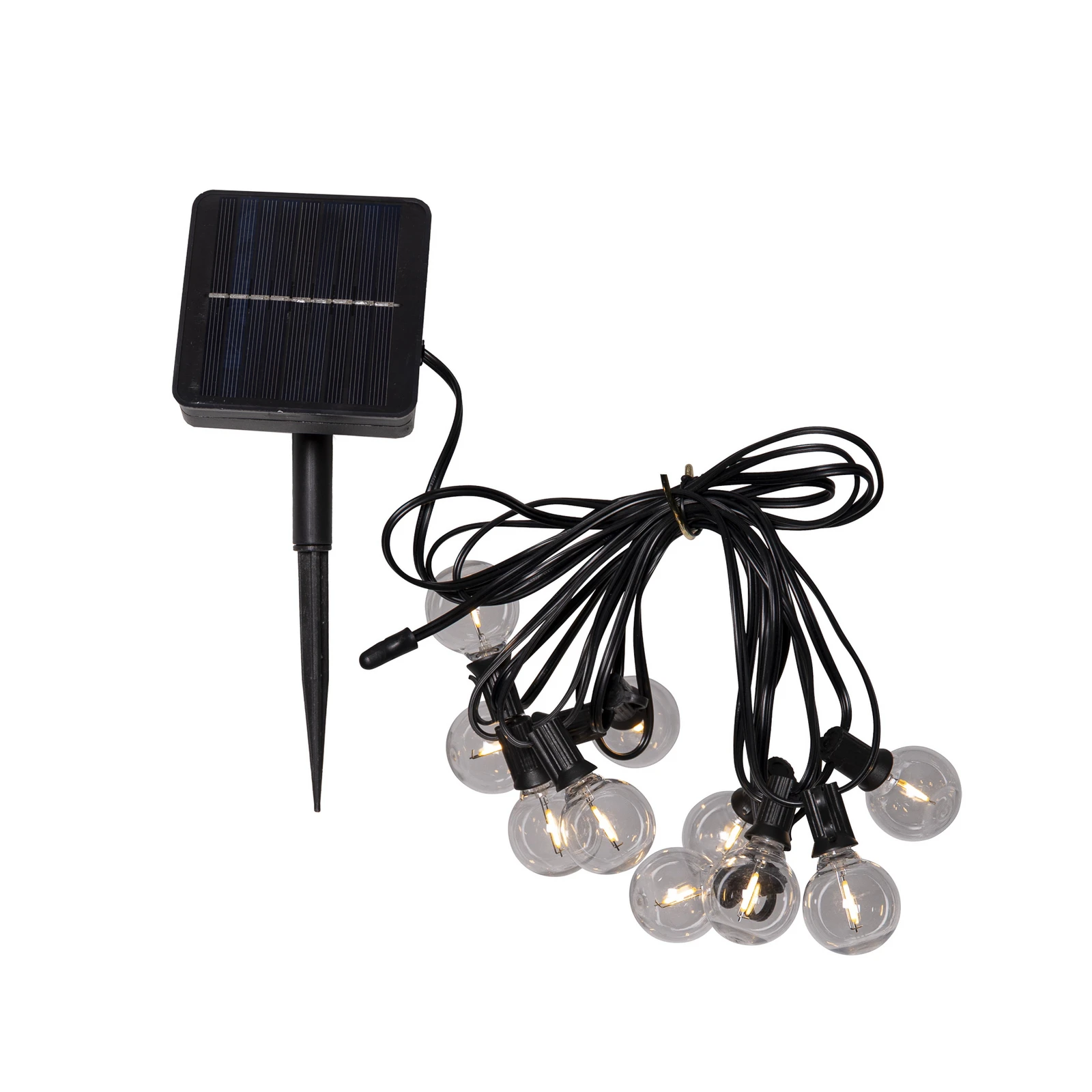
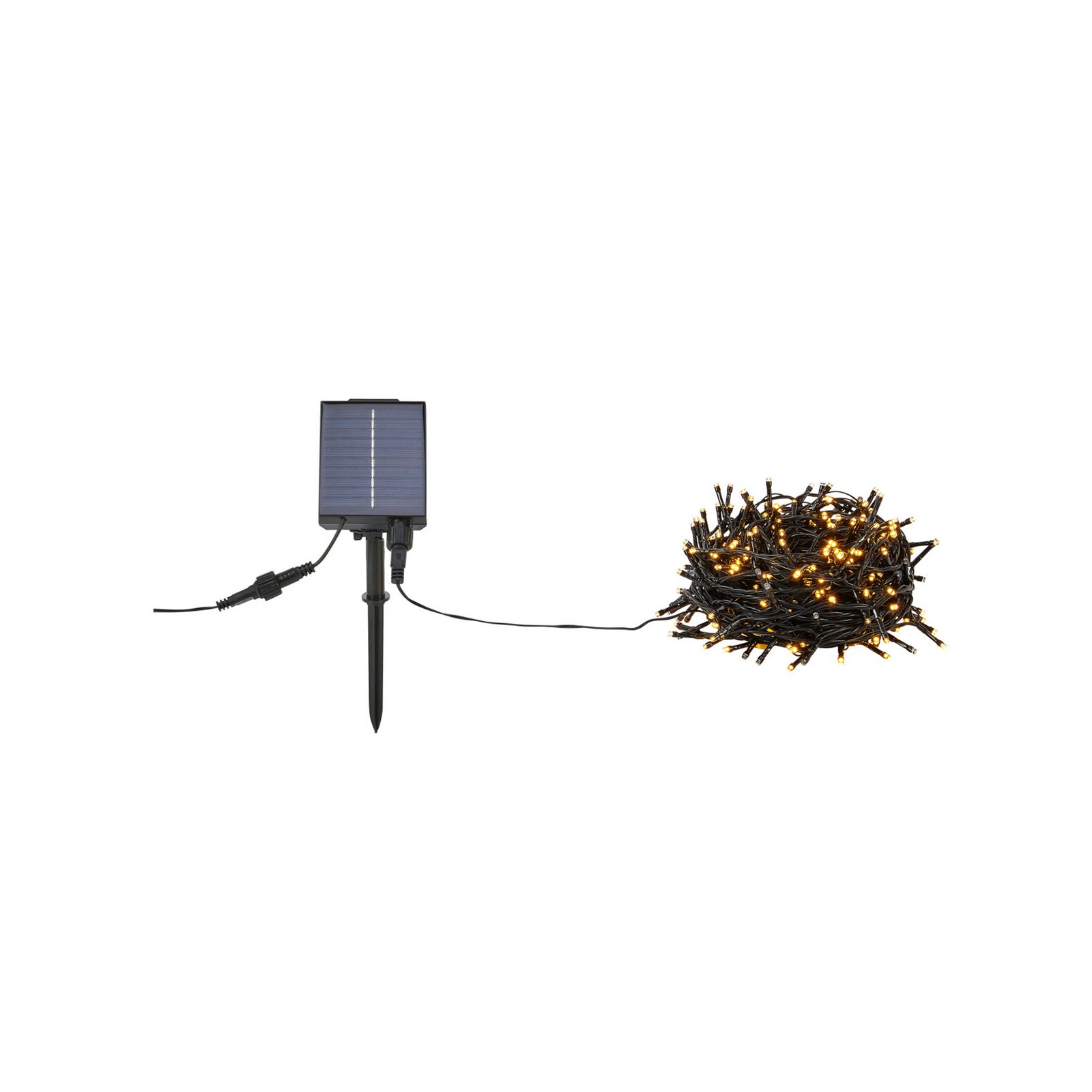
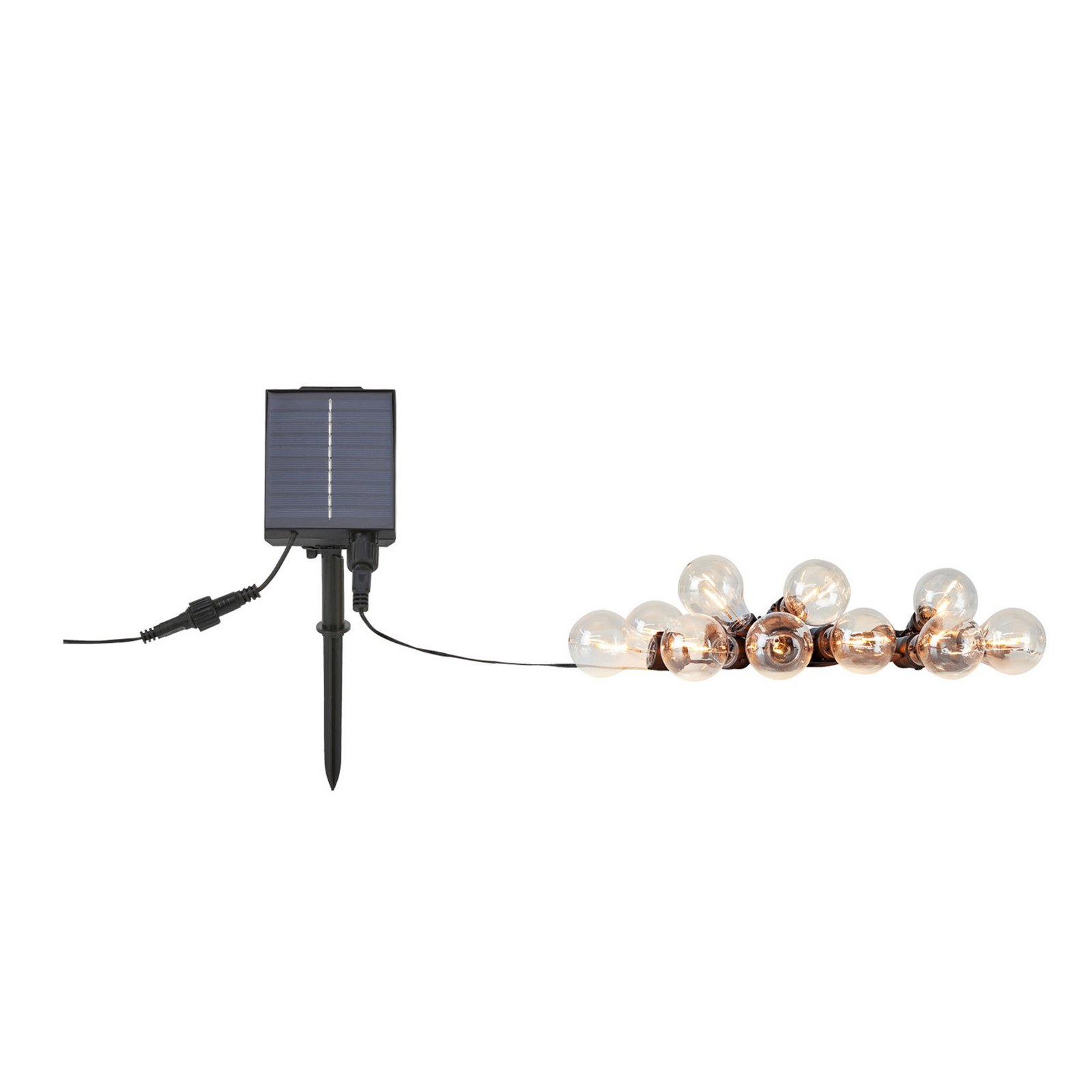
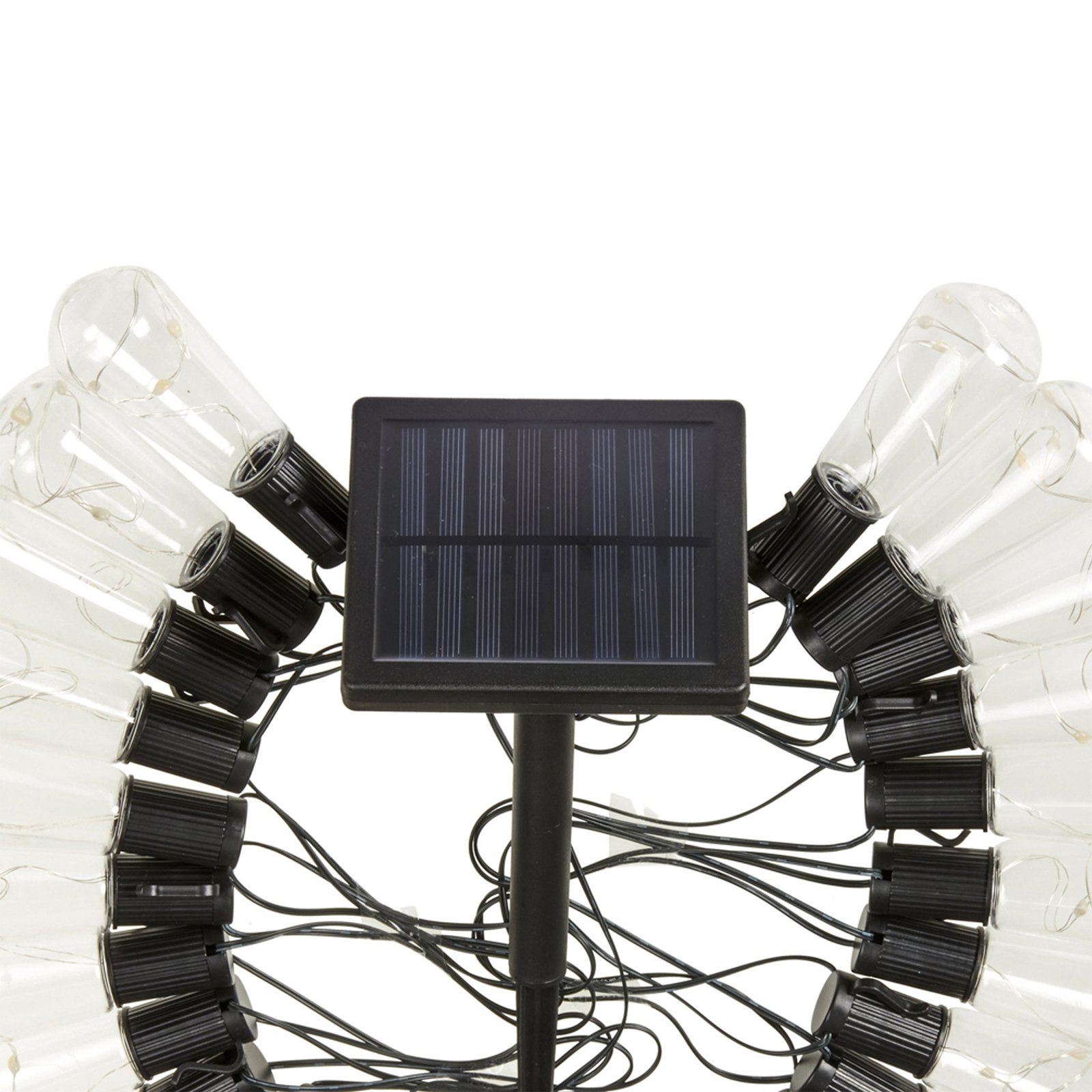
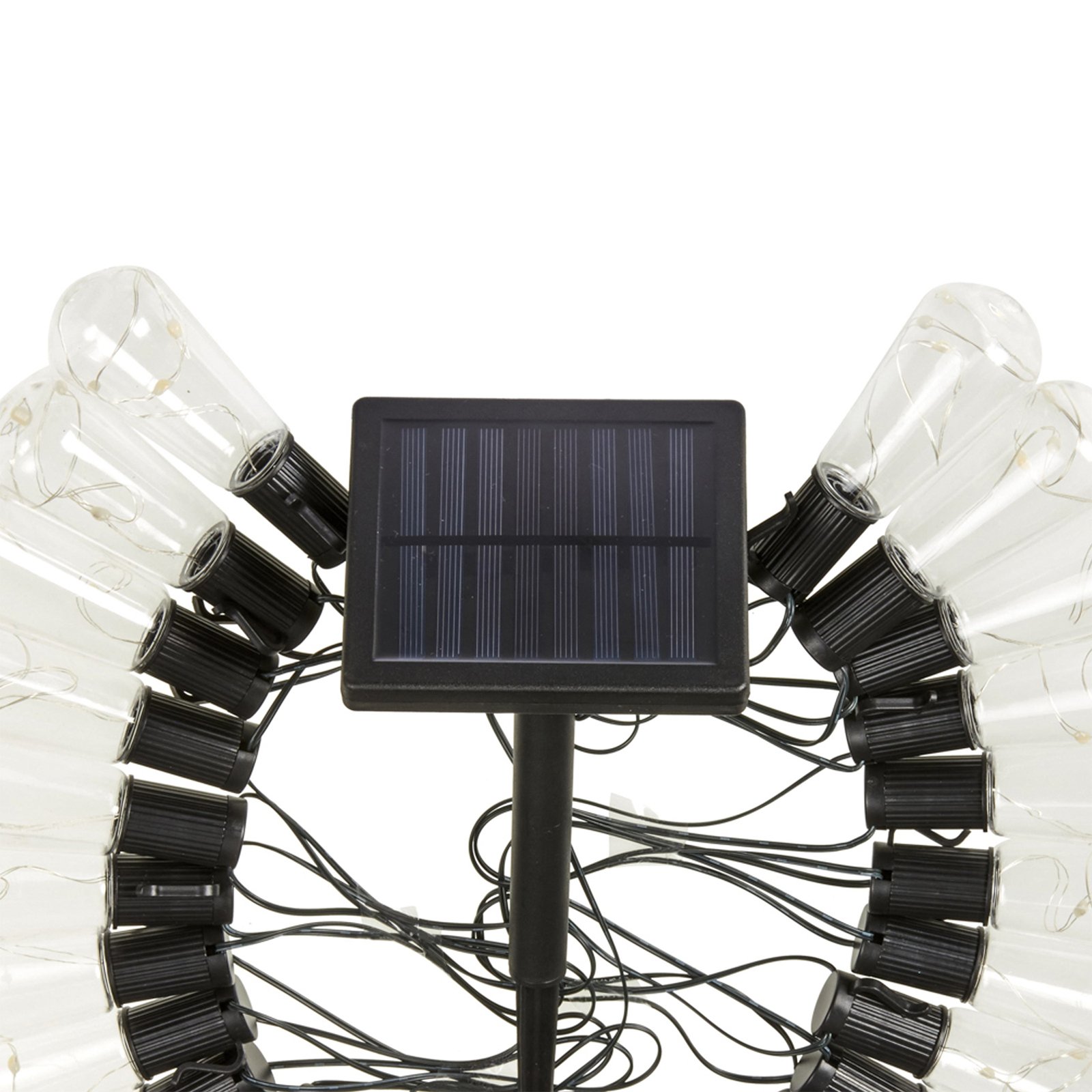
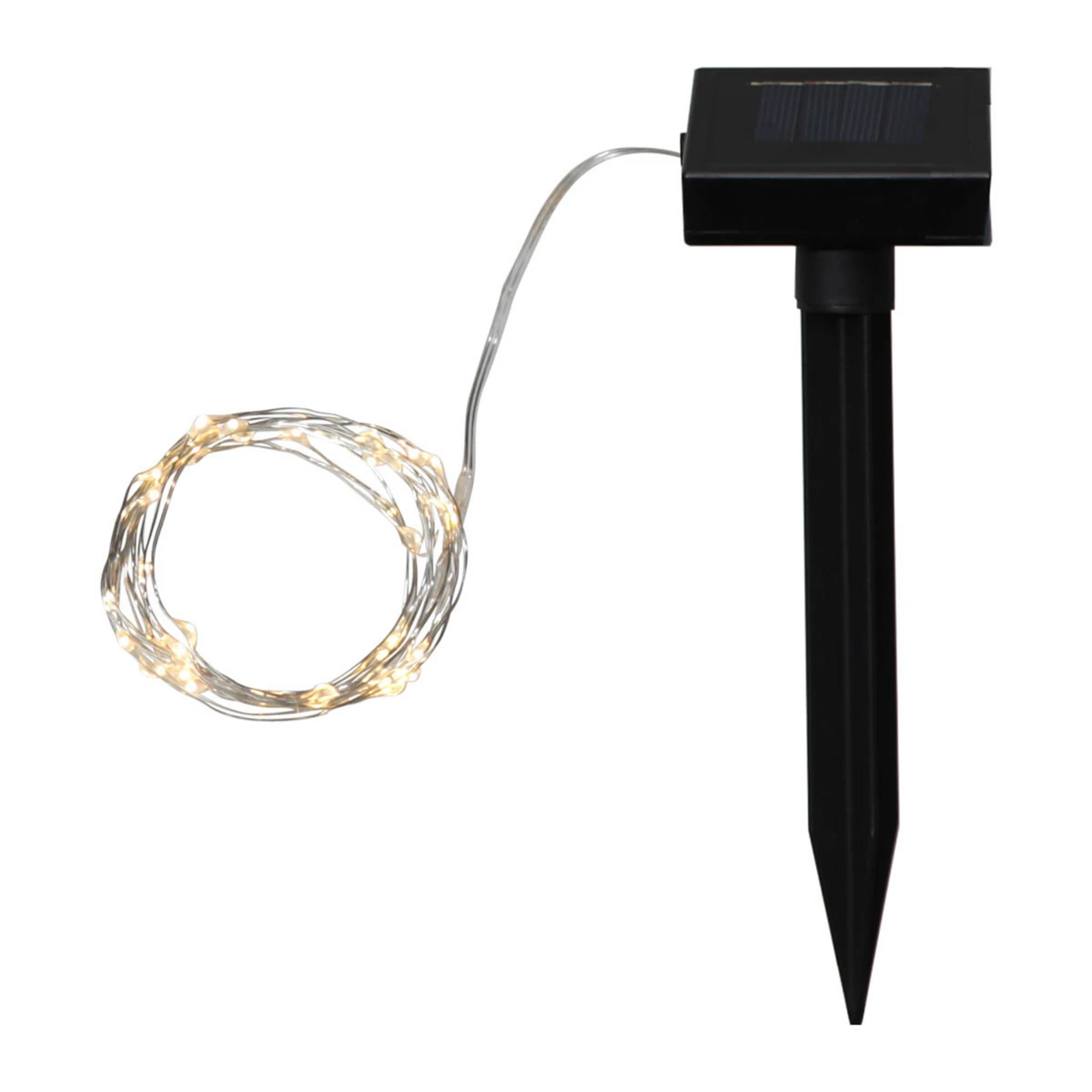
In a solar-powered fairy light, a solar panel supplies the integrated battery with energy. For daily operation, therefore, not only the location of the fairy light is relevant but also the position of the panel. A location with sufficient daylight allows for better charging than a permanently shaded area. The position of the solar panel is therefore an individual selection criterion, even if the fairy light itself is installed in a shaded place. The position of the solar panel can be particularly important in the garden when the fairy light is installed under trees, on a hedge, or in a covered seating area.
The season and weather also affect the available solar energy. In winter, shorter days and adverse light conditions can worsen charging conditions compared to summer. Therefore, in winter, the position of the solar panel gains additional importance. For a solar fairy light for outdoors, the designated suitability for outdoor use is also crucial. The IP protection class describes how the electrical design is protected against foreign objects and water. For a solar fairy light outdoors, at least IP44 should be chosen. Terms like weatherproof or waterproof should therefore always be considered together with the respective product information. On an open balcony or an unprotected garden pergola, both the appropriate design for outdoor use and a suitable position of the solar panel are particularly important.
The strike-through prices correspond to the manufacturer's RRP.
Included in the price of LED lights/bulbs is a contribution to recycling costs of €0.05. Included in the price of CFLs/fluorescent bulbs is a contribution to recycling costs of €0.15.
All prices include 23% VAT, delivery costs excluded.