

































:format(jpeg) "Small rooms")
Lighting for small spaces: Lighting ideas with a big impact
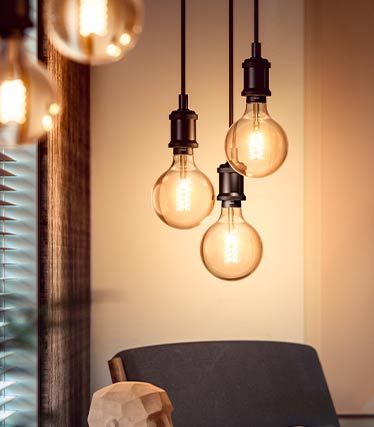
Properly illuminate small spaces and tricky layoutsIn small rooms or with complex layouts, the right lighting has a particularly strong effect: Suitable lighting solutions make the room appear larger and more inviting, and even the most hidden corners are perfectly illuminated. This creates true living quality or perfect light for working.
Our bestsellers
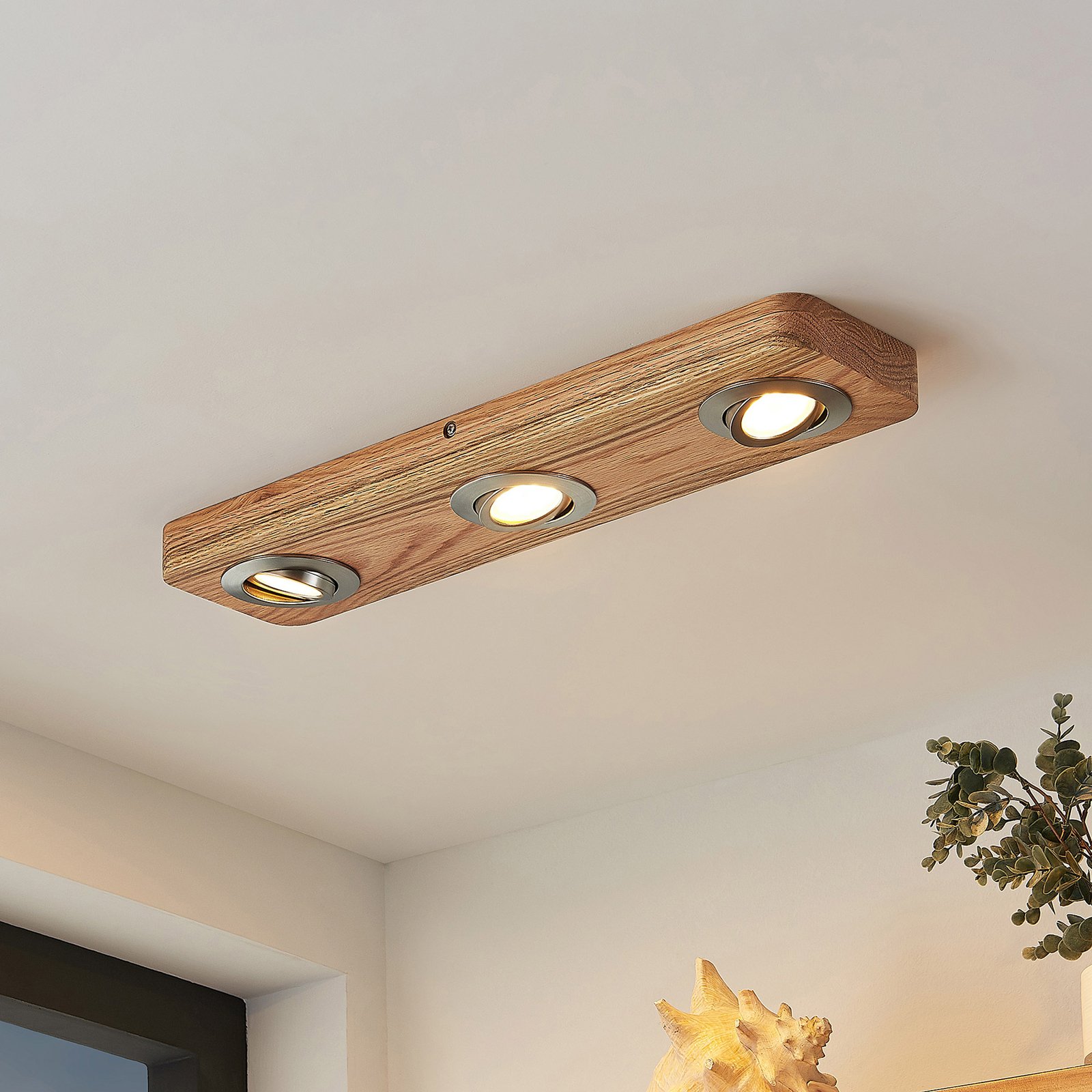
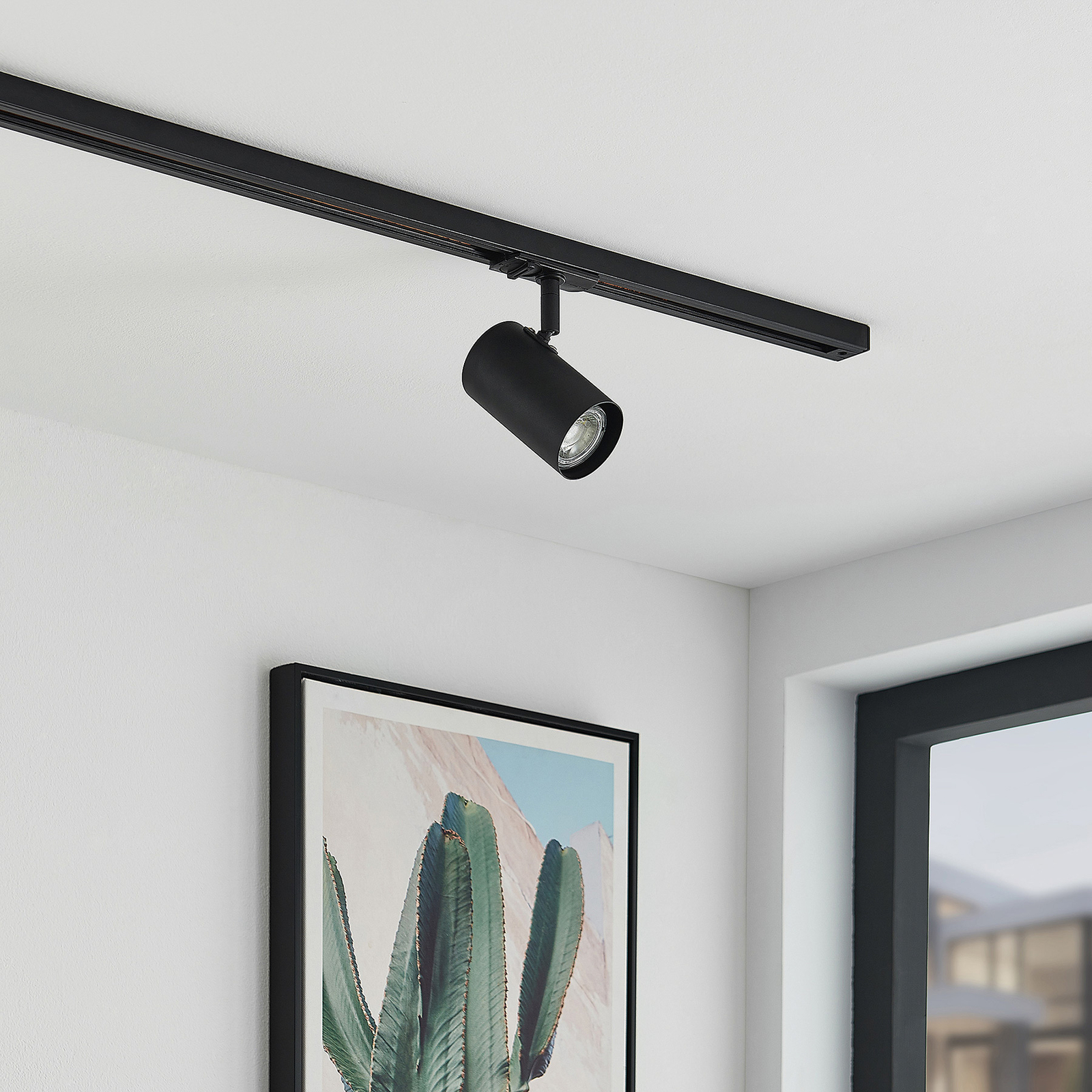
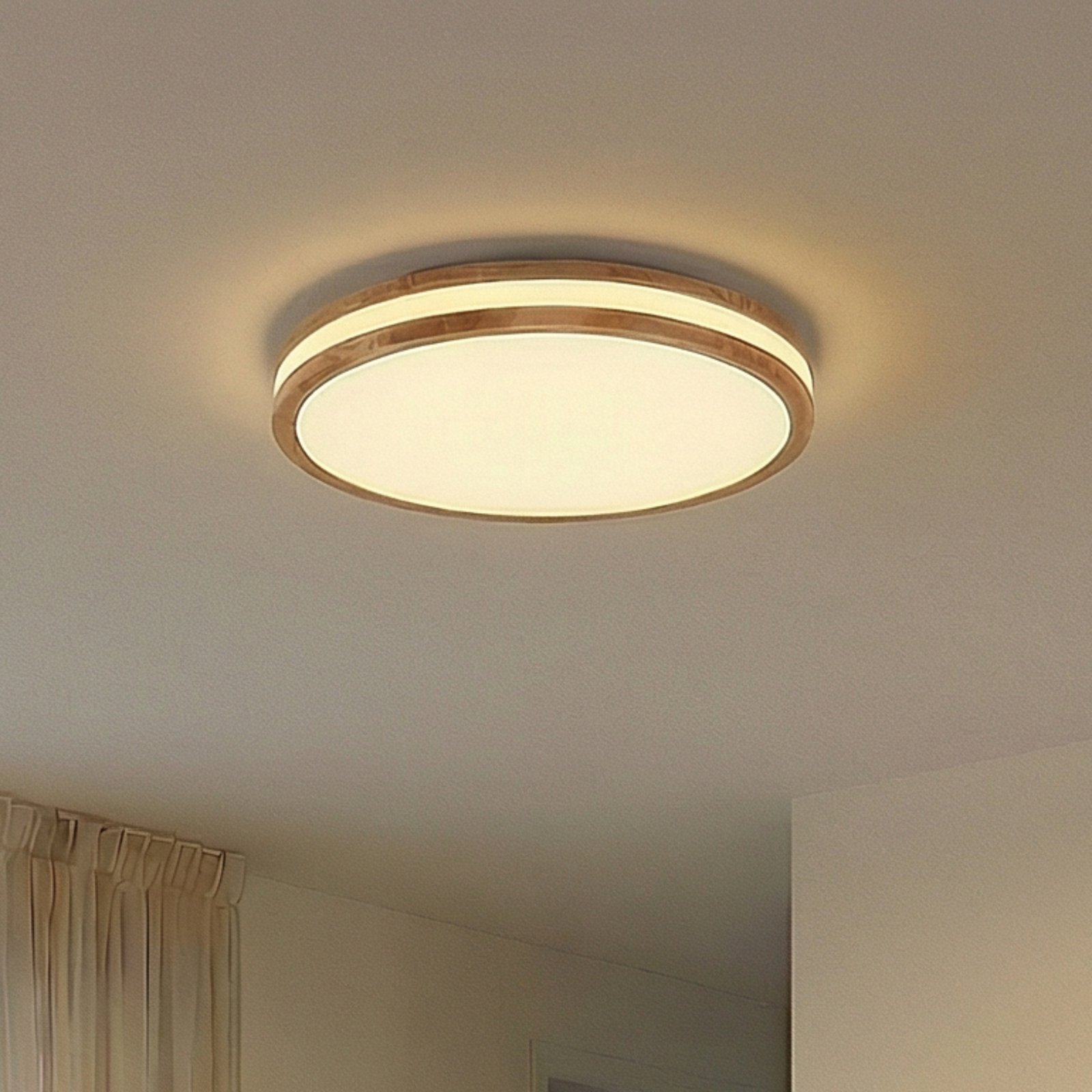
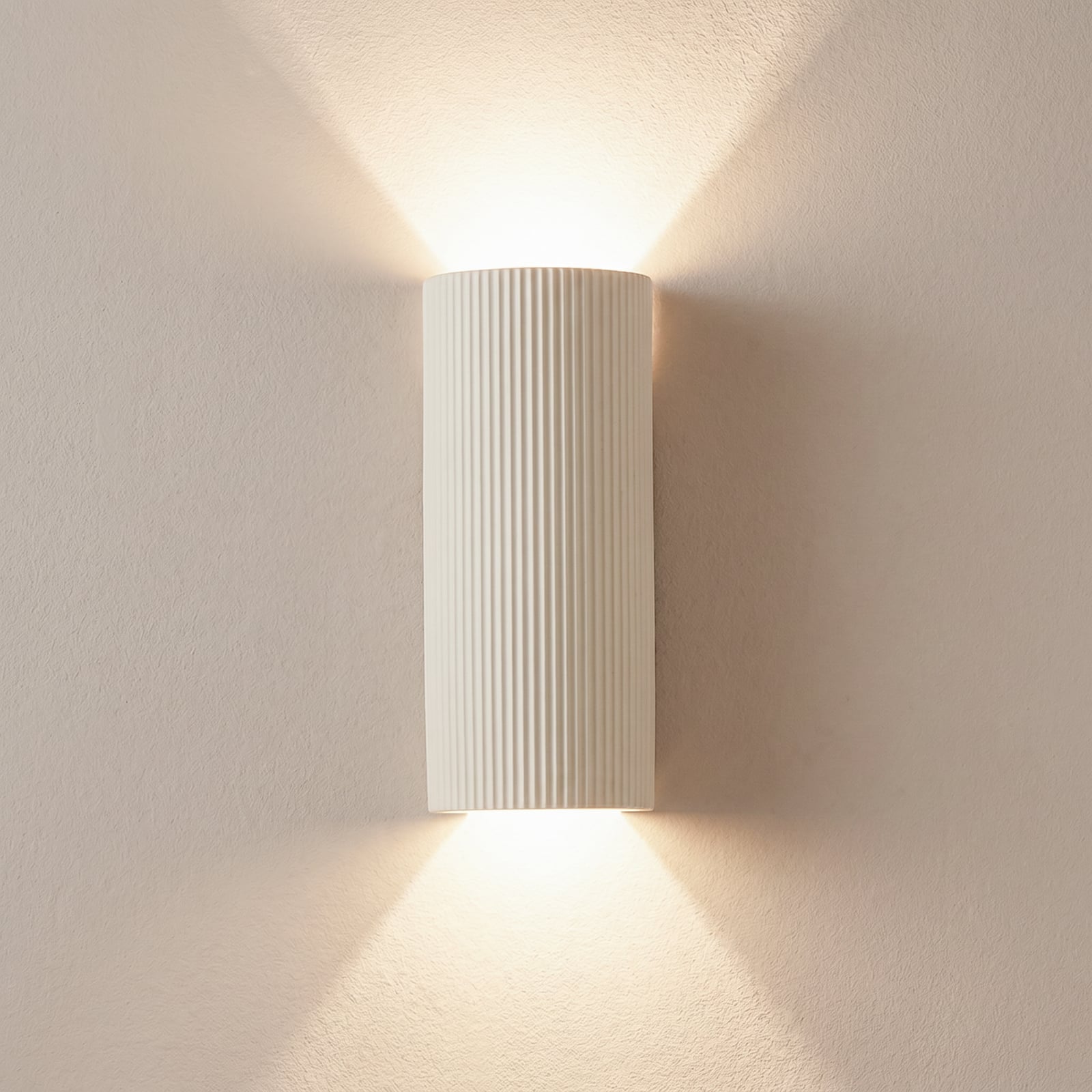
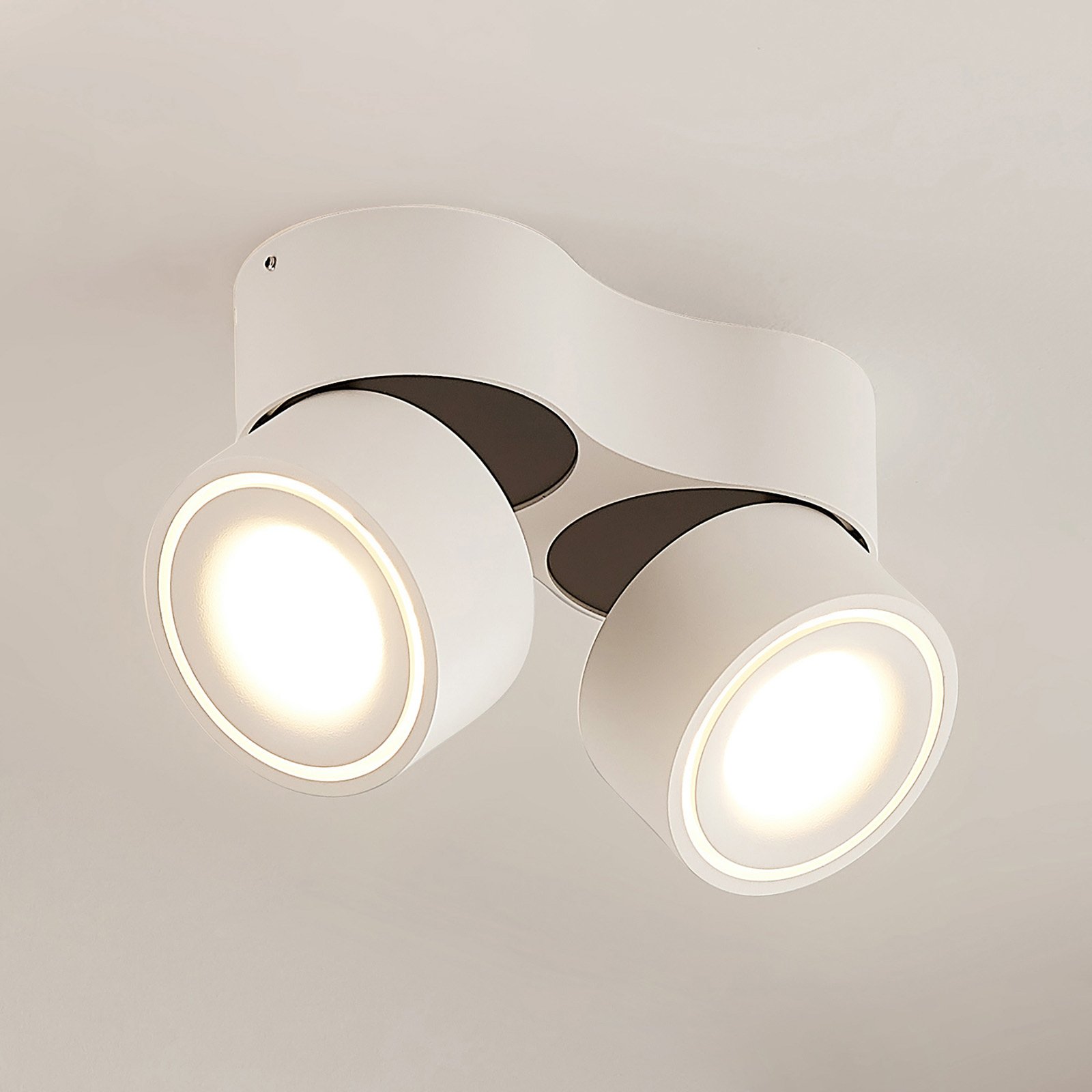
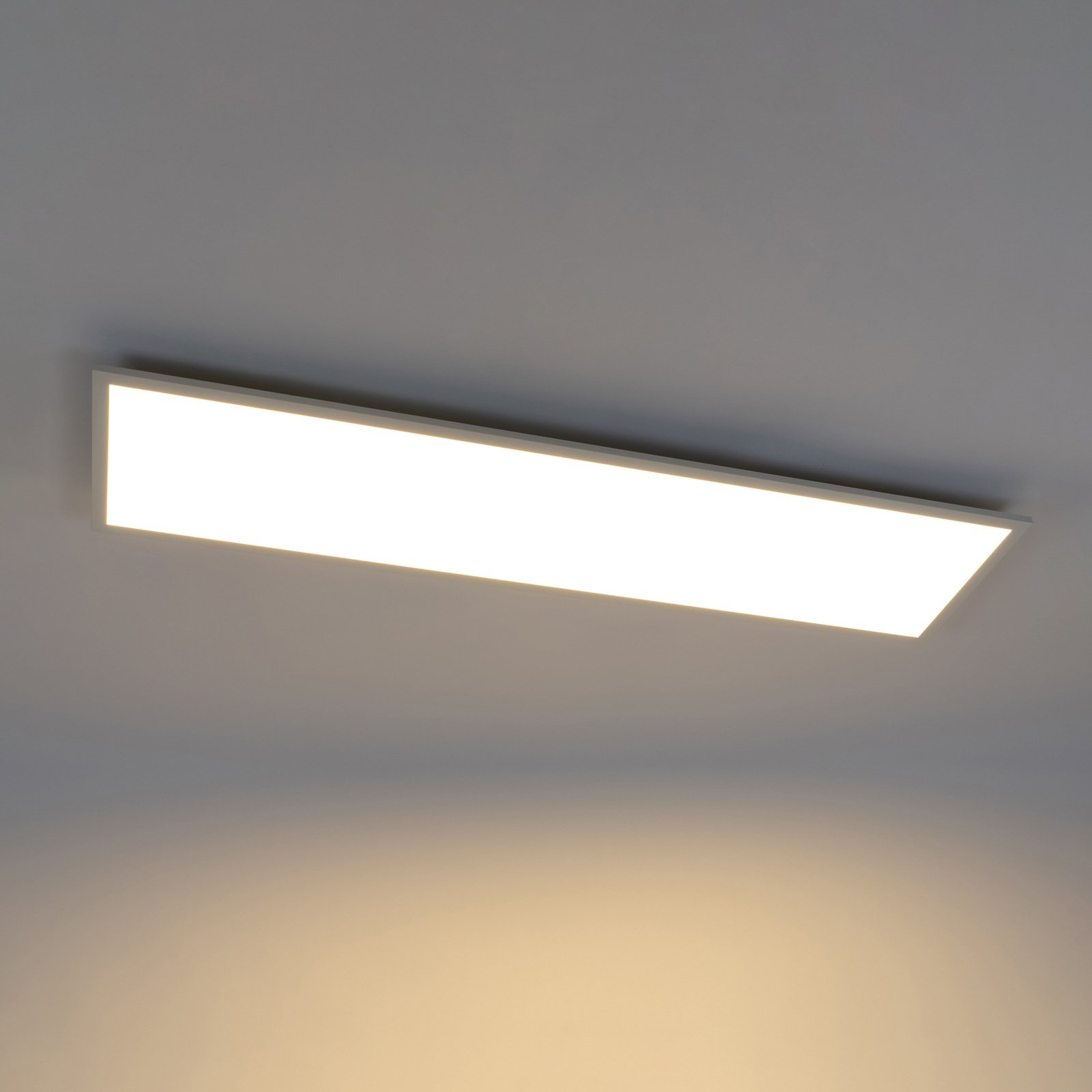
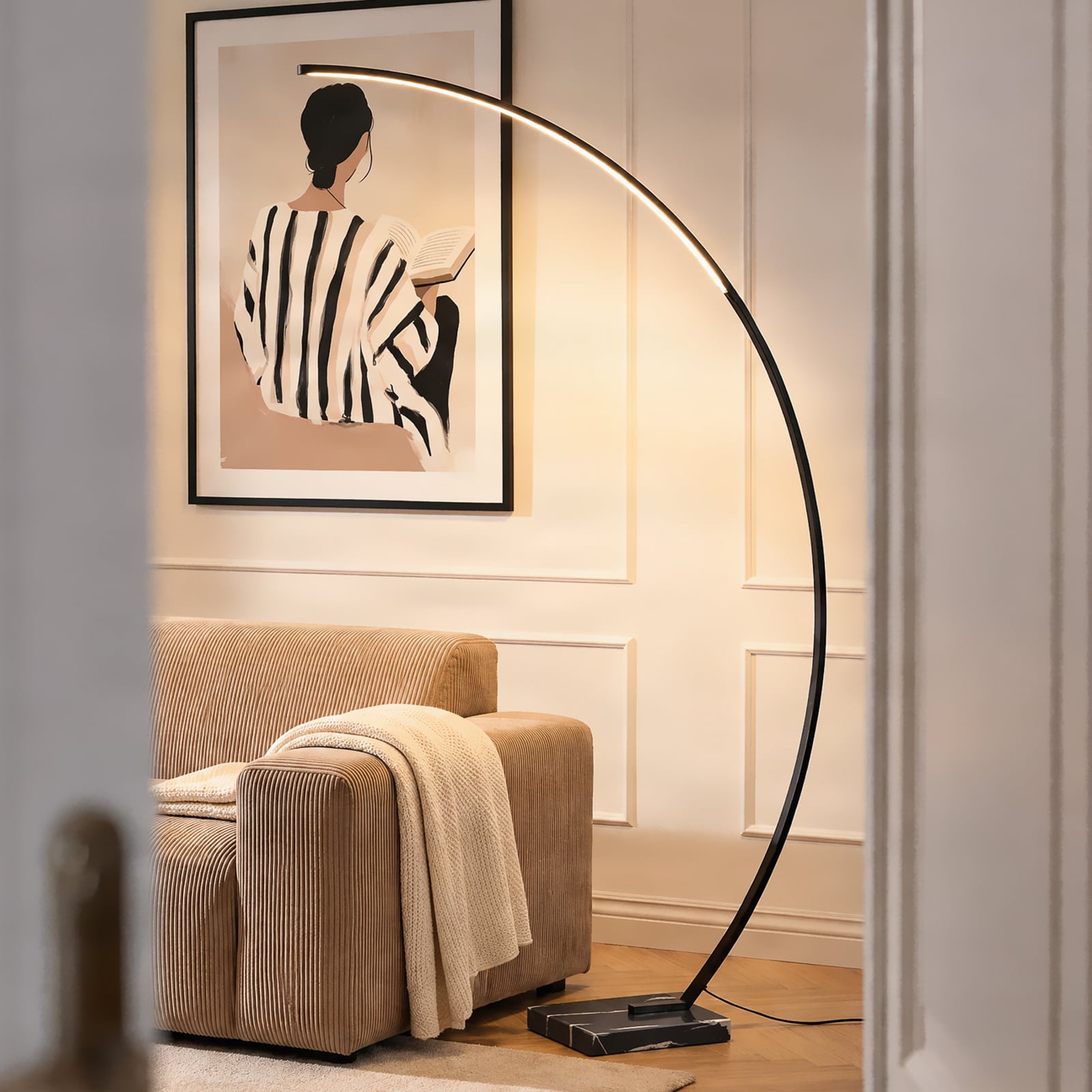
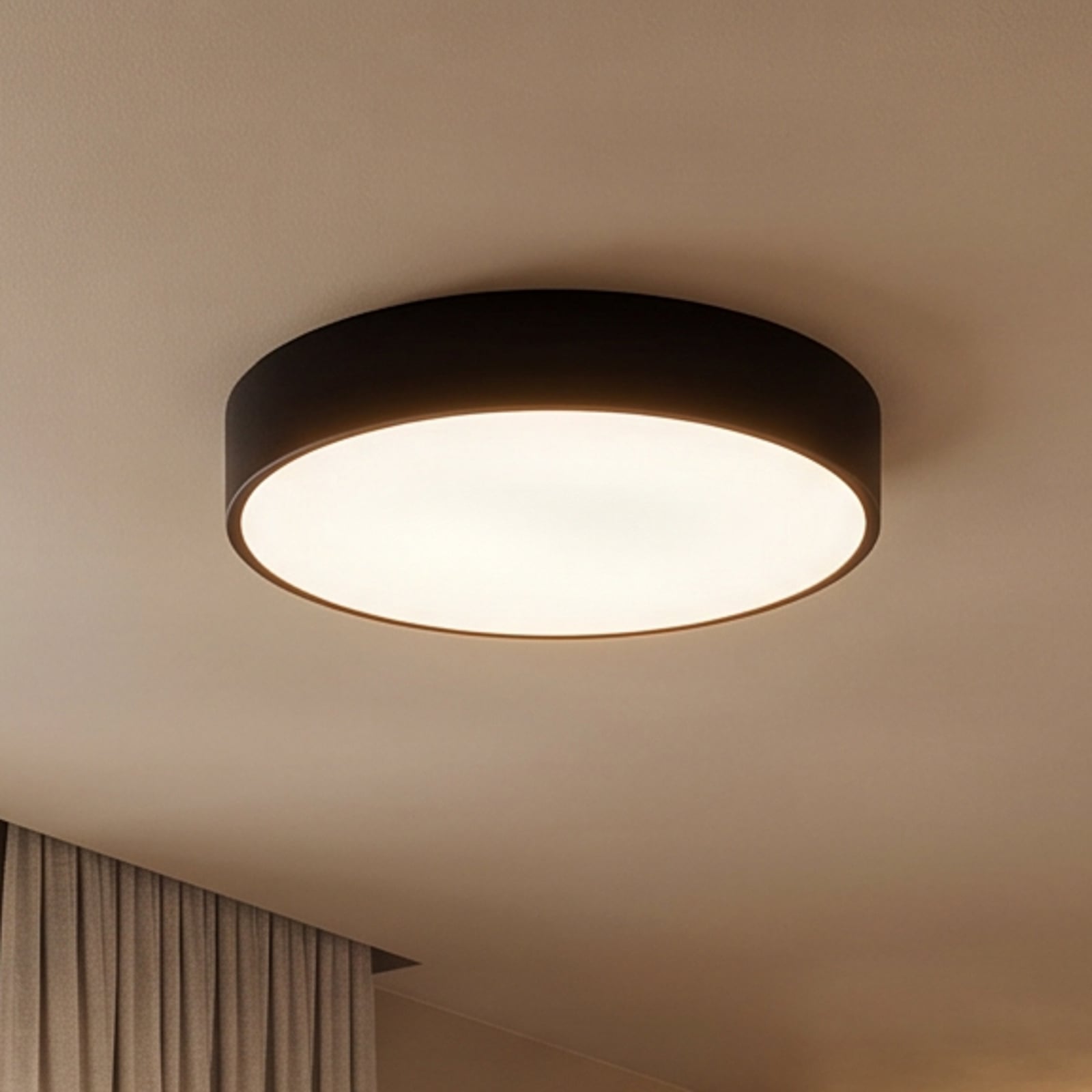
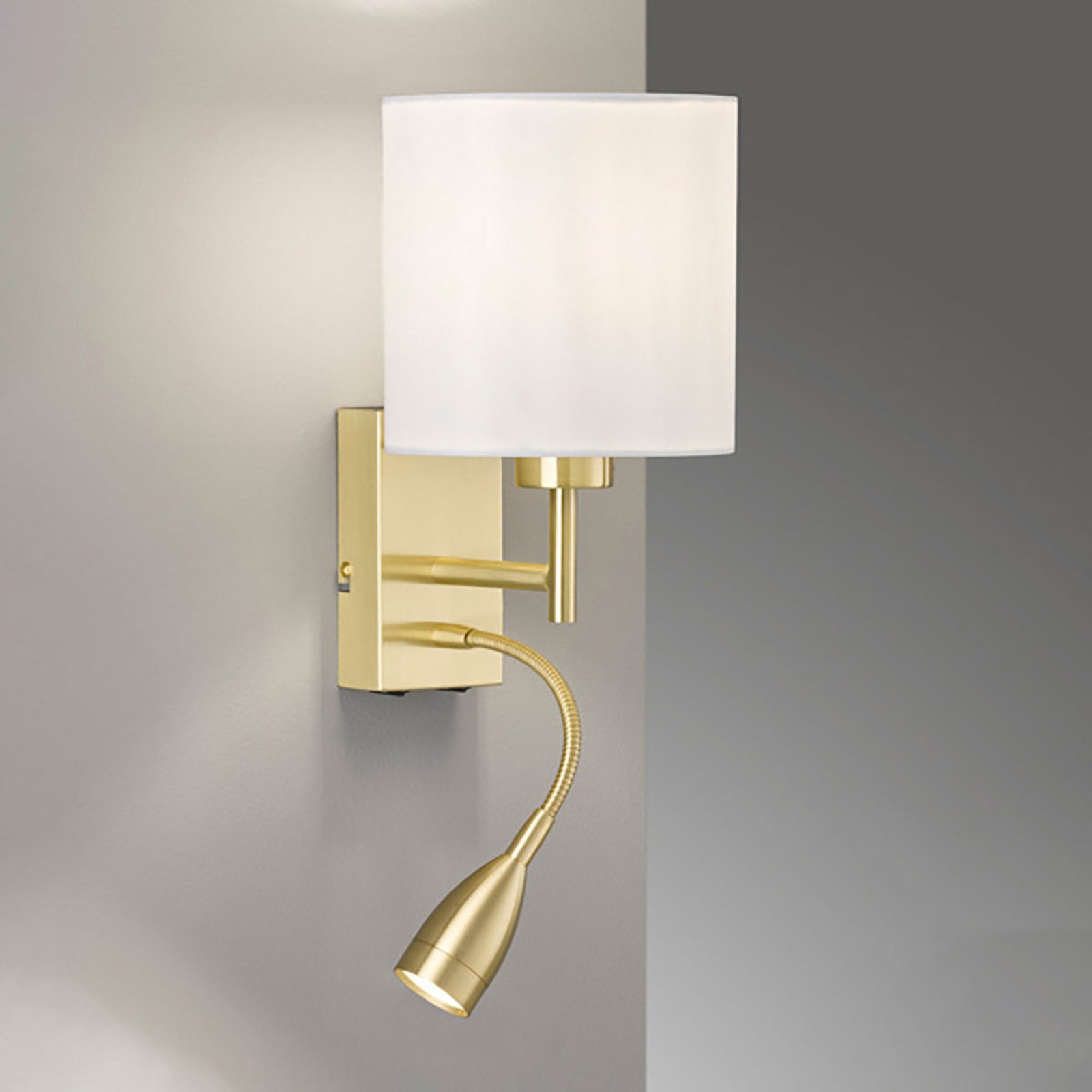
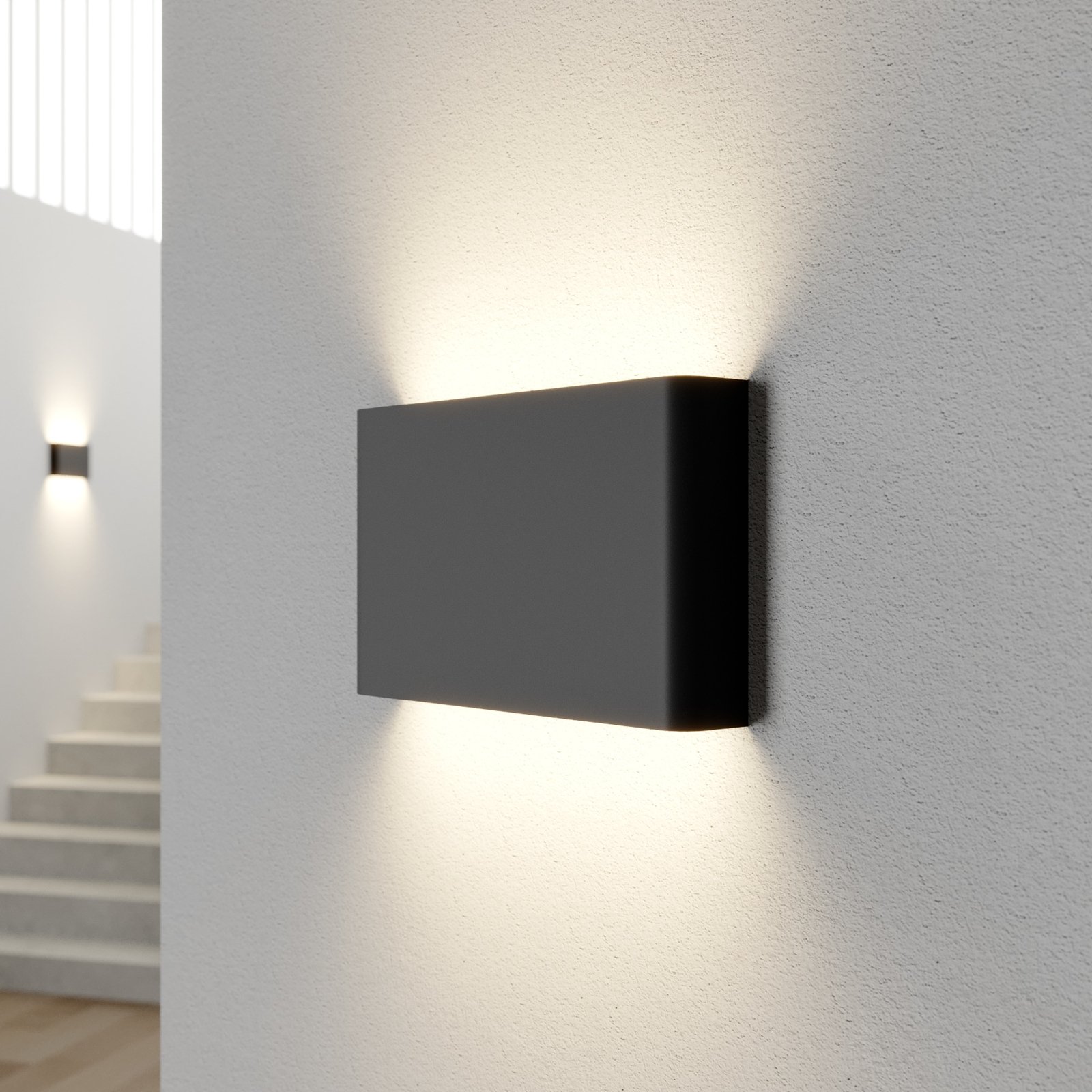

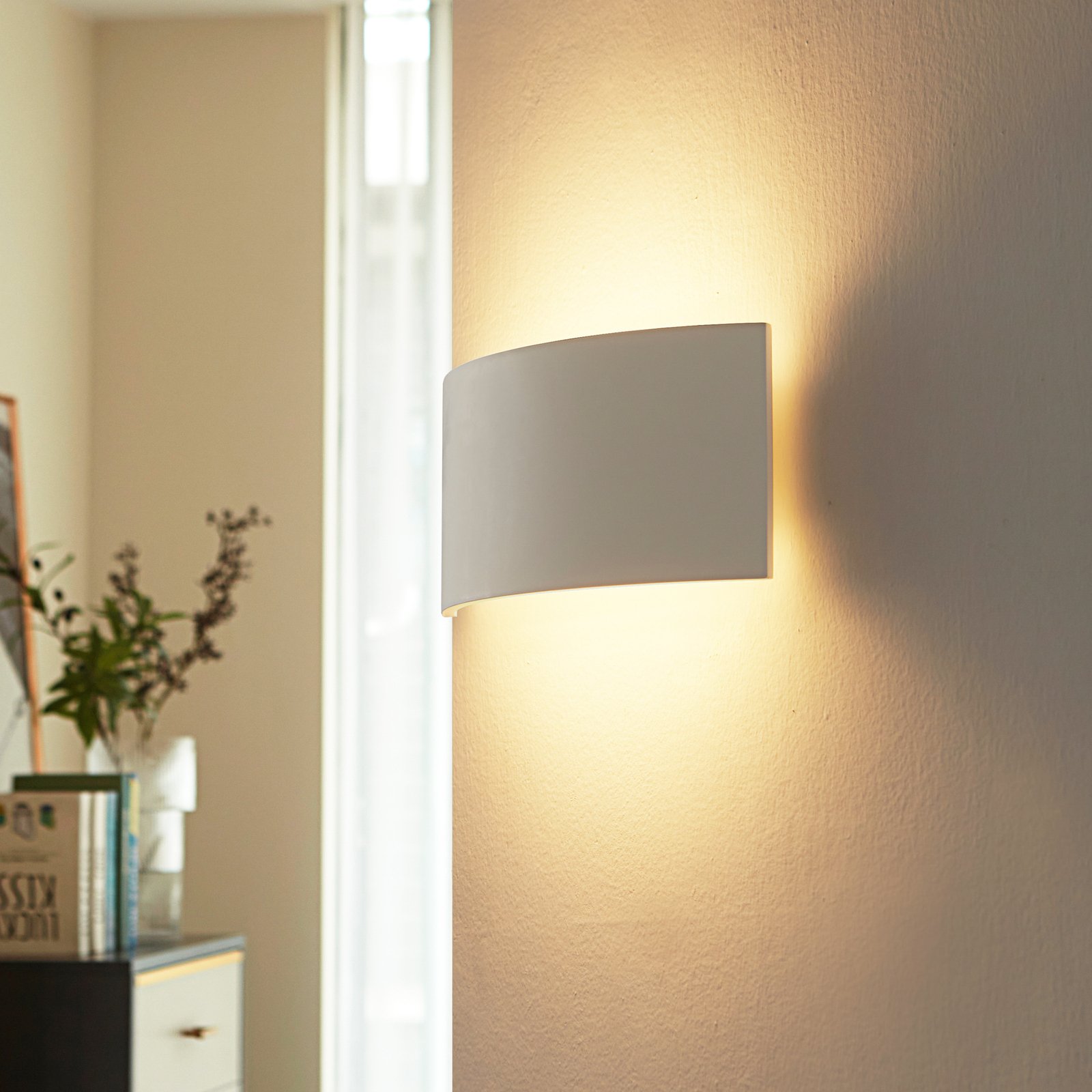
New arrivals for stylishly furnished small spaces

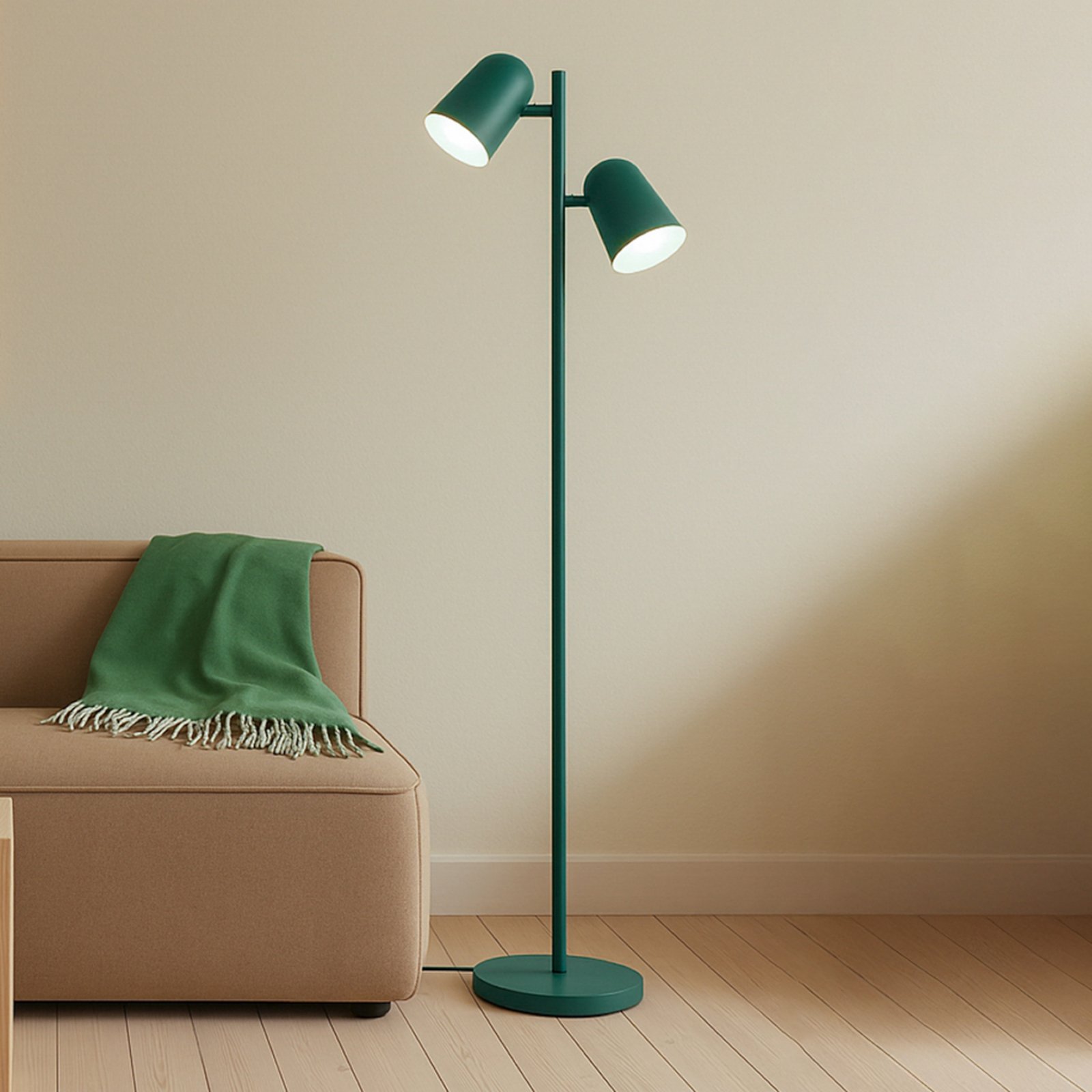
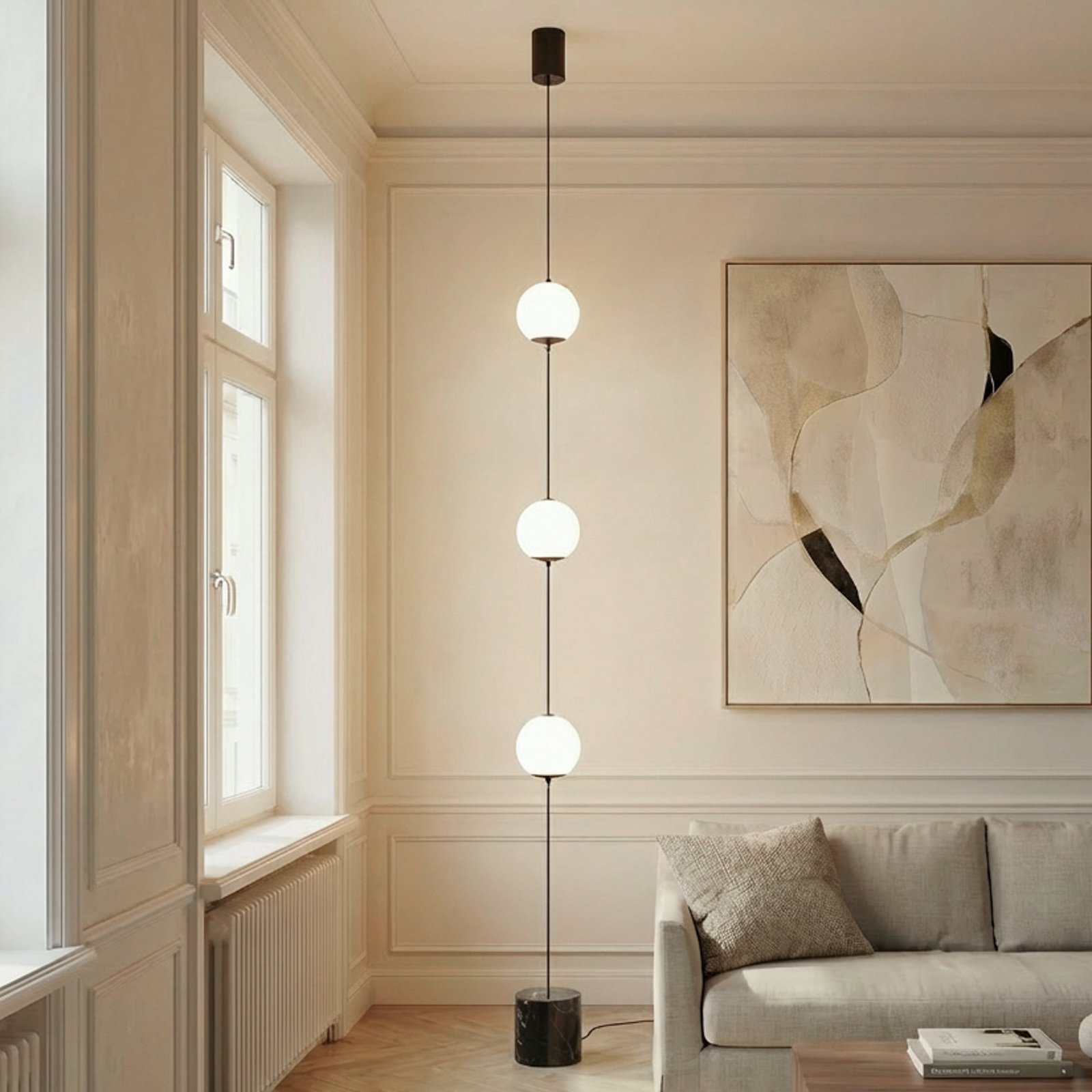
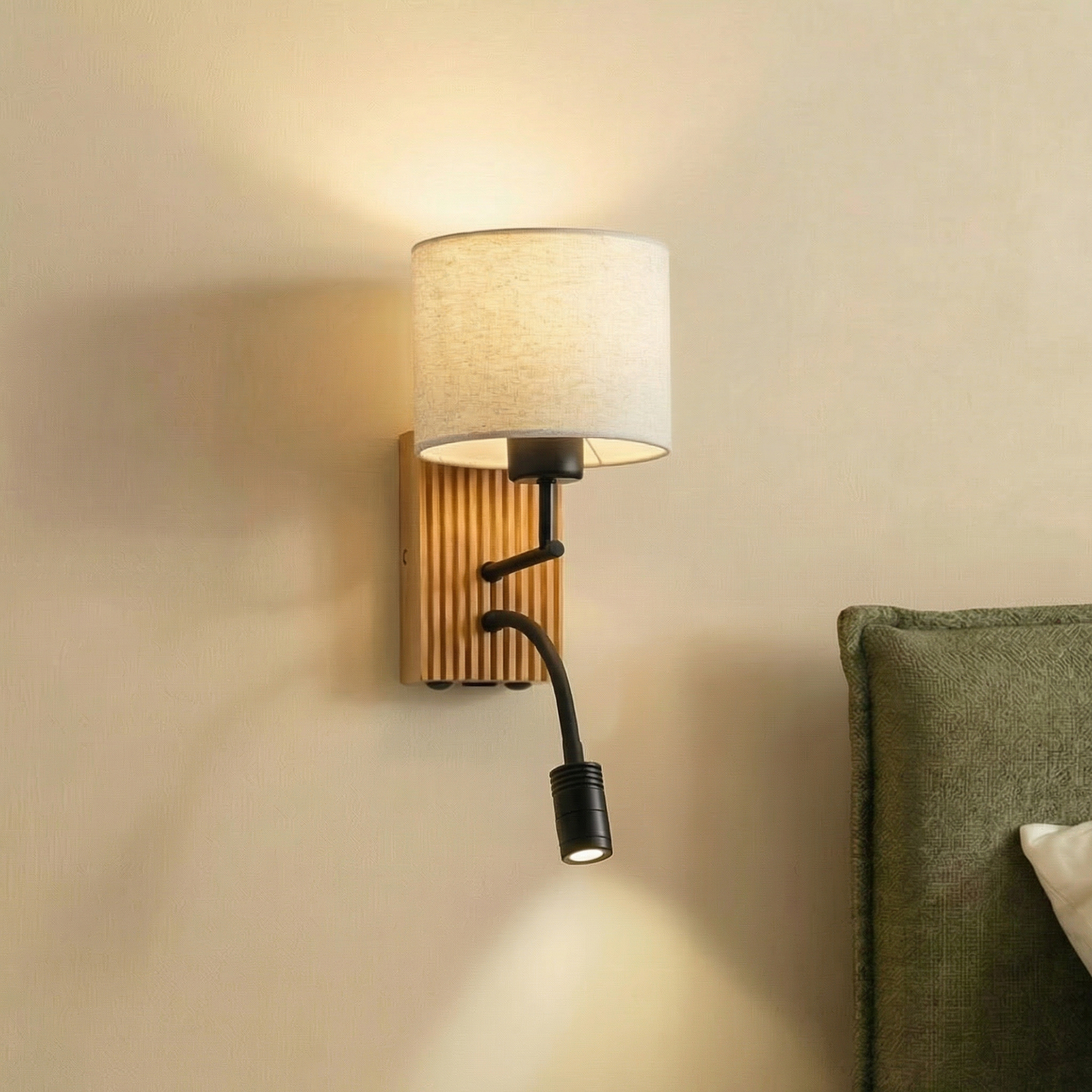
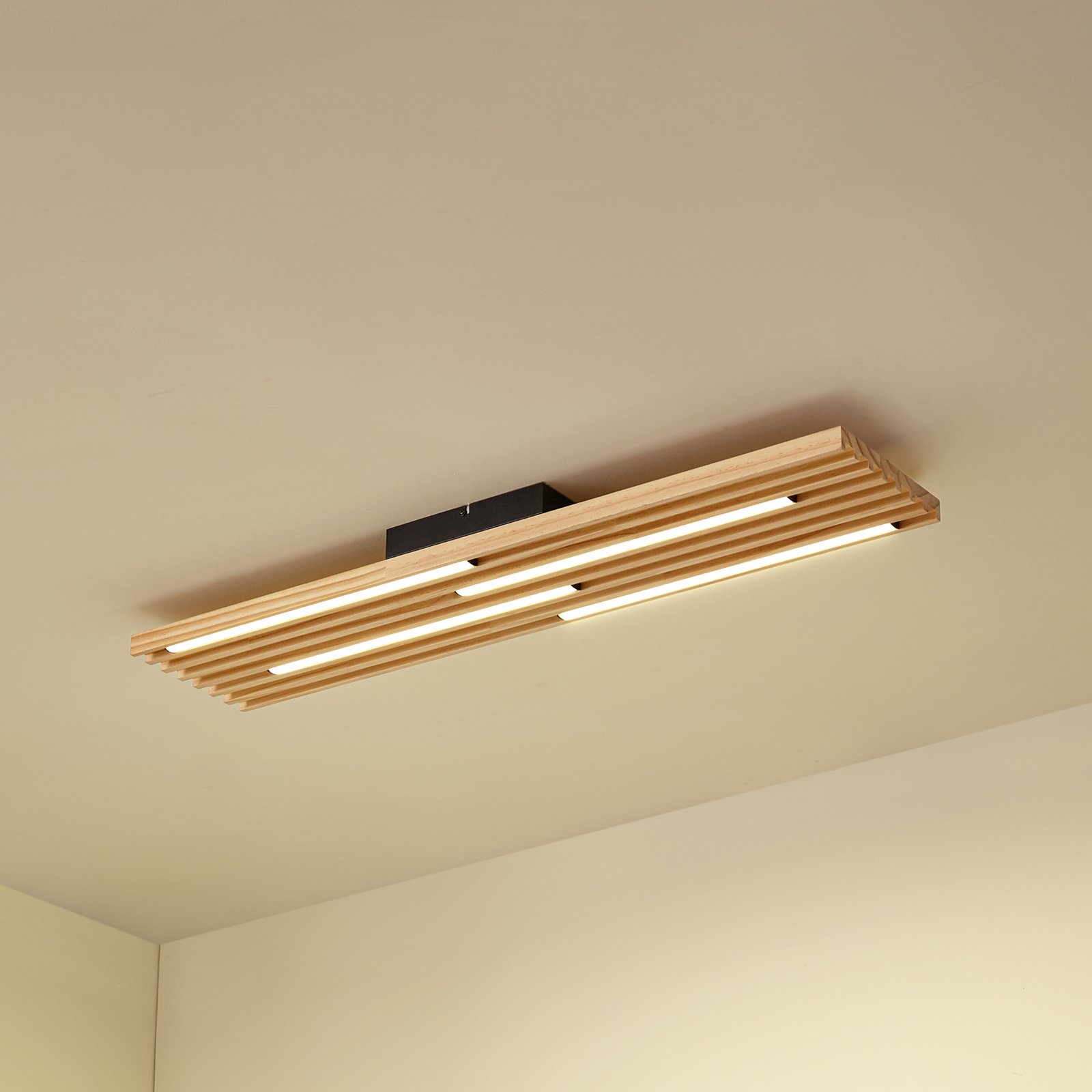

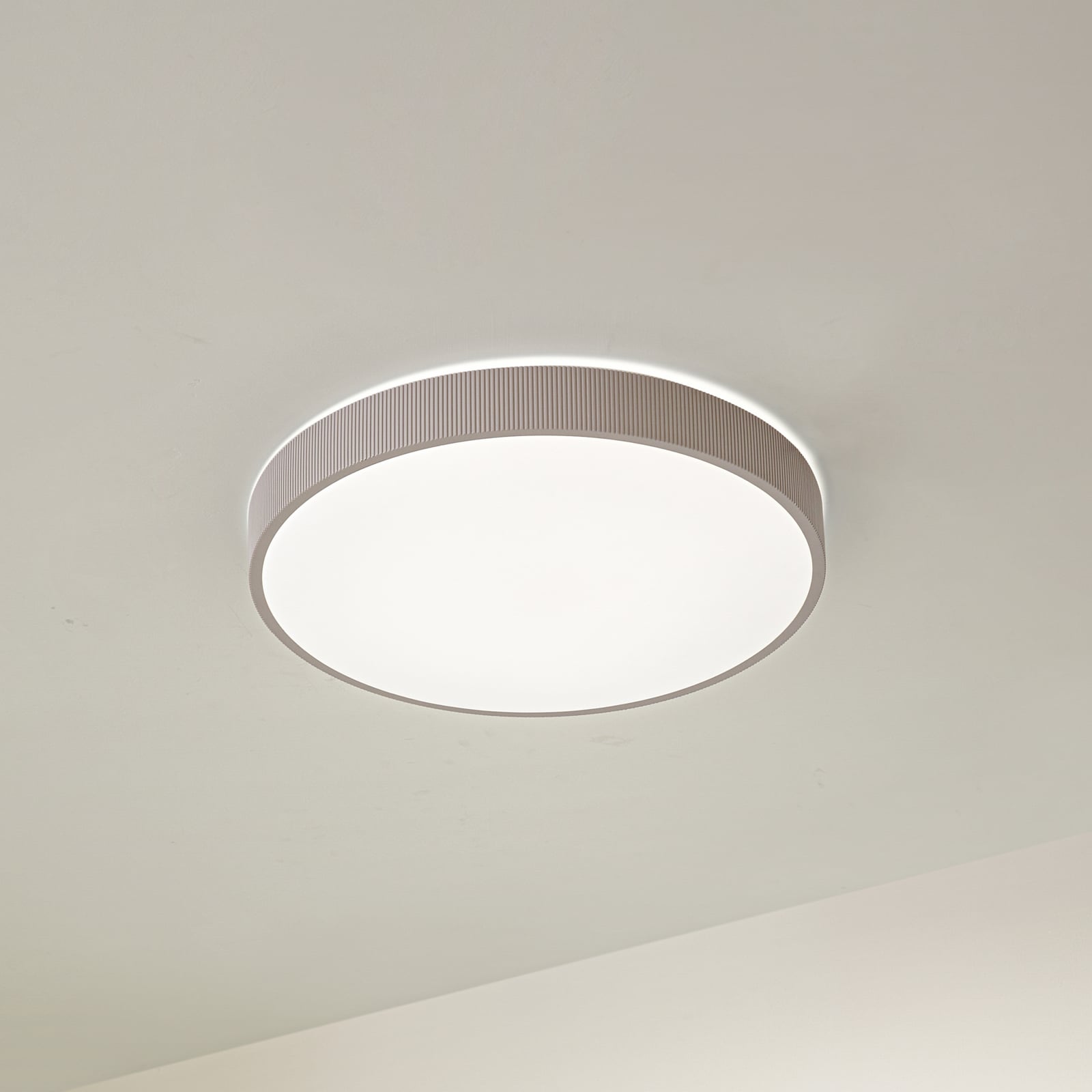
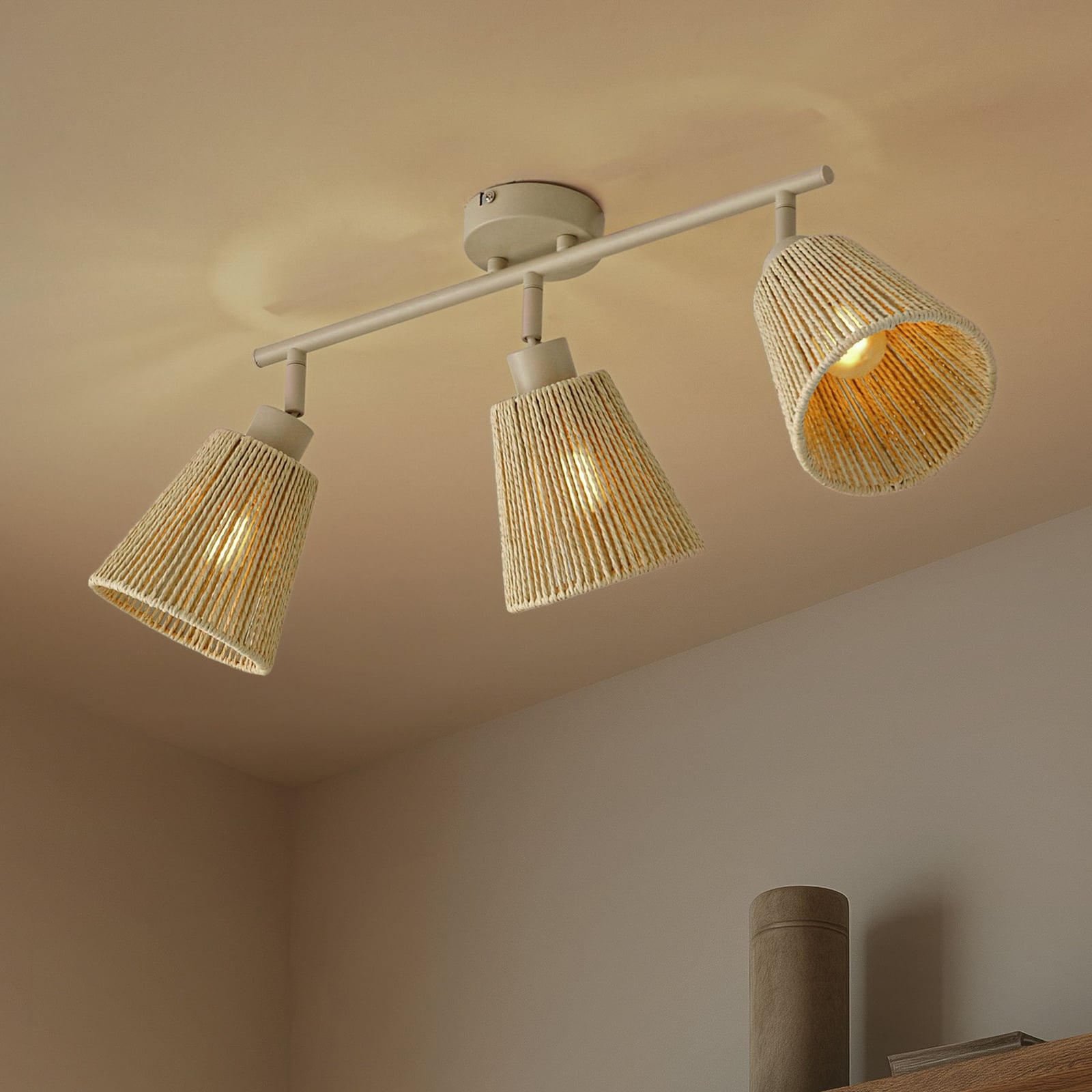
Properly illuminate small spaces
Multiple coordinated light sources usually make small rooms appear more open and homely than a single, very bright ceiling lamp. It's important to illuminate not only the center or the floor but also include walls, the ceiling, and dark corners in the lighting concept.
)
Even ambient lighting provides orientation and makes small rooms appear calmer and more spacious. Flat ceiling lights or compact recessed lights are particularly practical when space is limited.
)
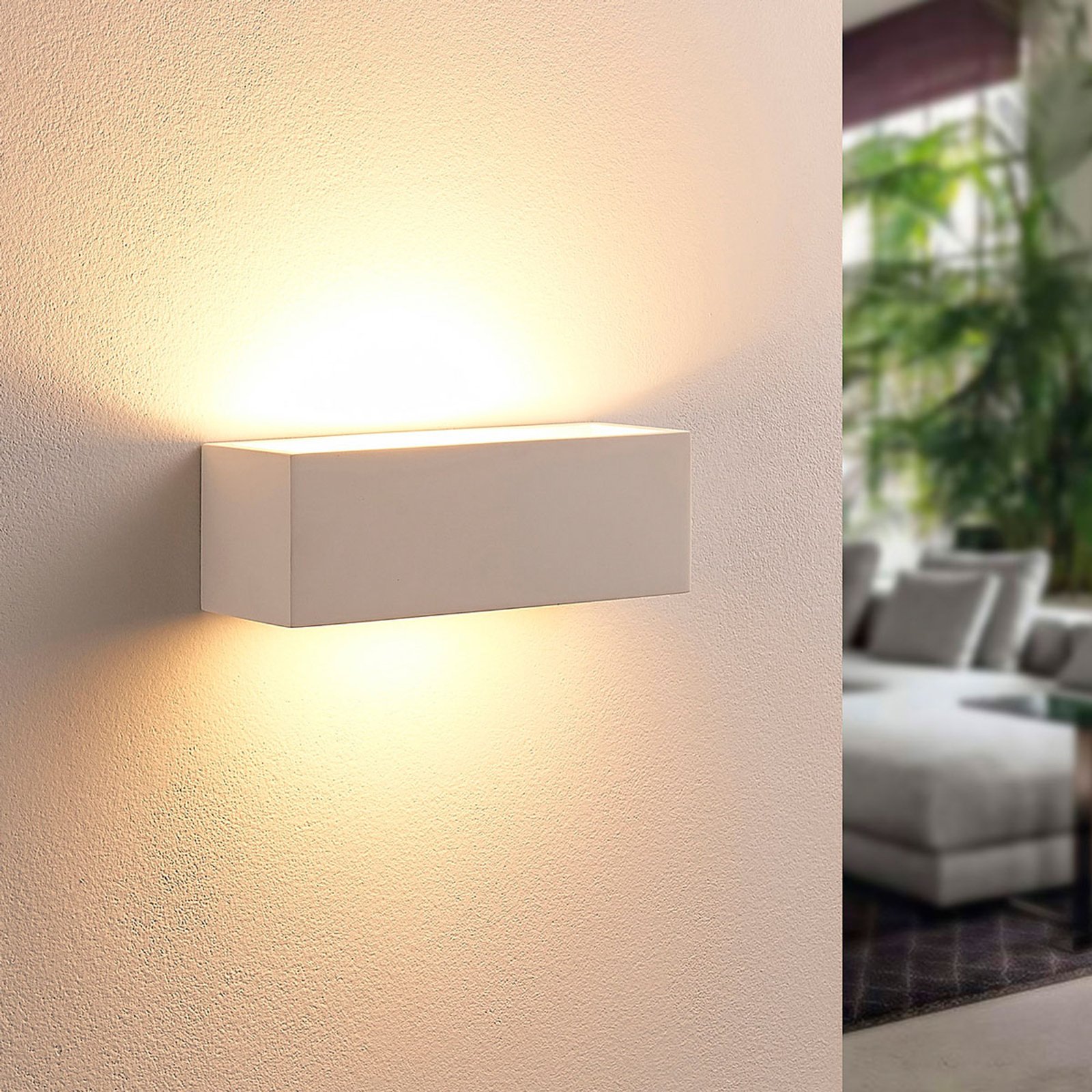
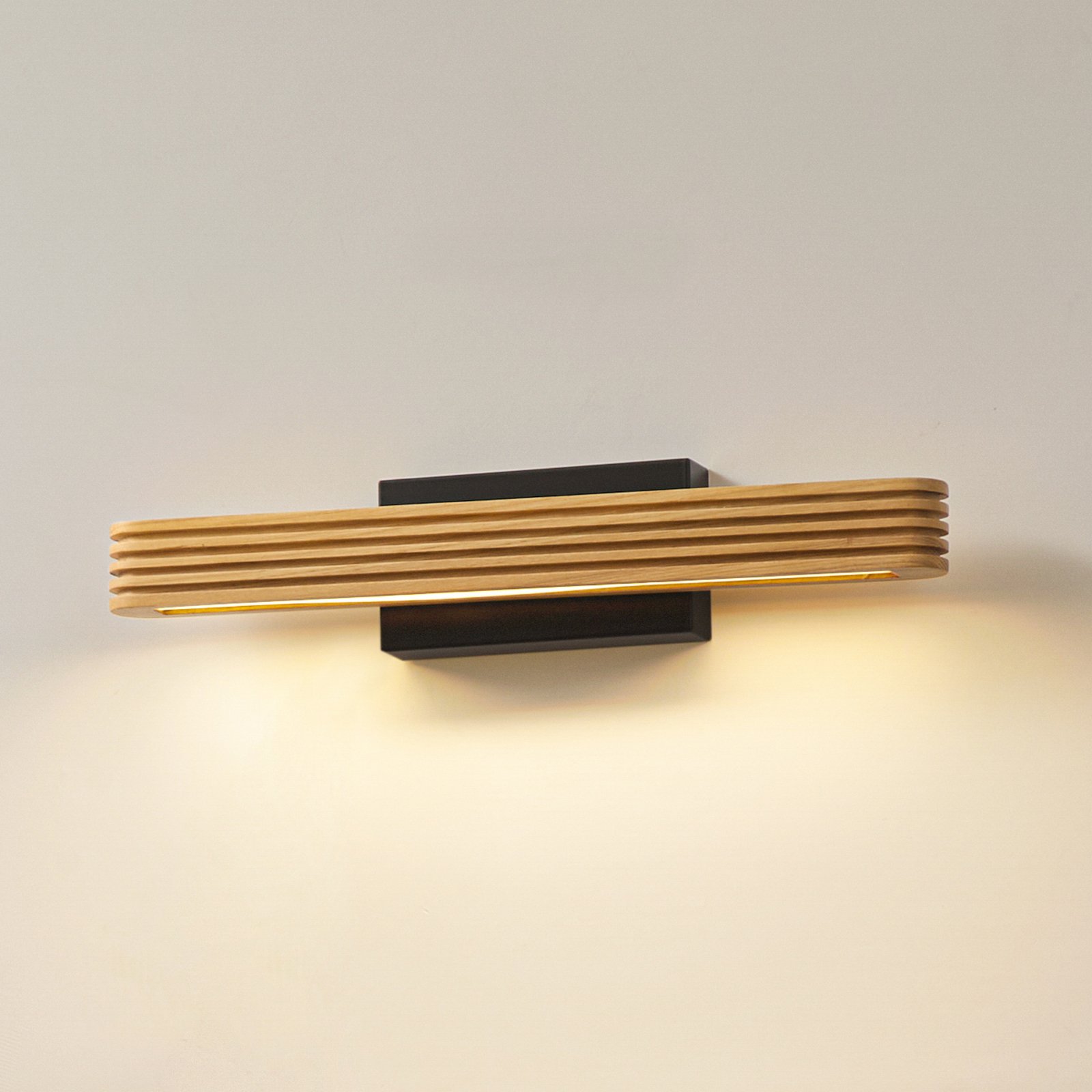
Flat lights on the wall or ceiling take up little space and pleasantly brighten their surroundings. Their glow visually extends the room. Lights that cast light onto the wall and reflect it from there open up the space particularly effectively.
)
Unlit areas can make small rooms appear cramped. Additional light sources in niches, corners, or in less illuminated areas create more depth and are particularly helpful for complex layouts.
)
A combination of ceiling, wall, table, pendant, or floor lamps makes the lighting more flexible and creates different lighting atmospheres. Especially in small rooms, cordless table lamps without fixed installation are practical.
)
)
)
Ceiling lights for small rooms and low ceilings
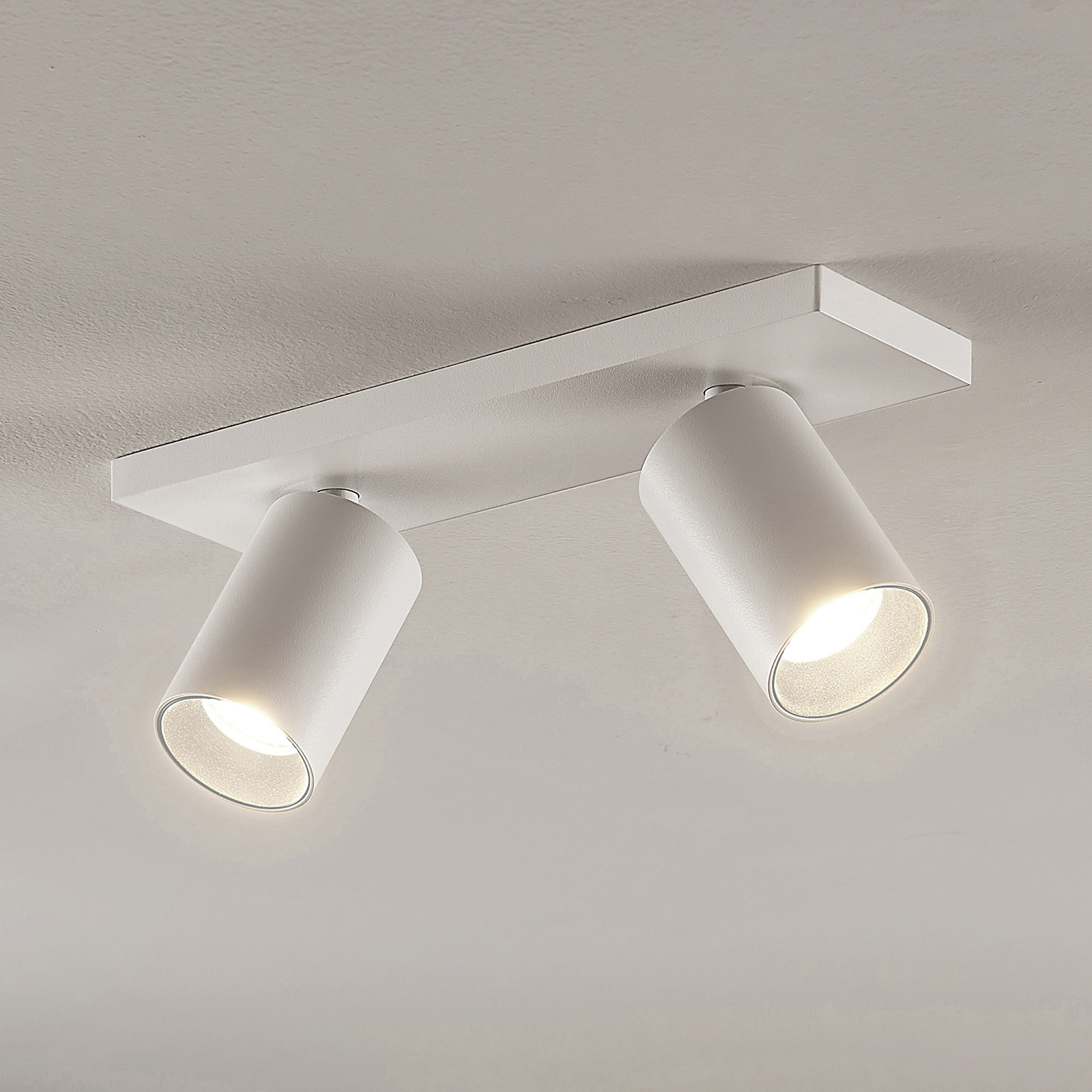
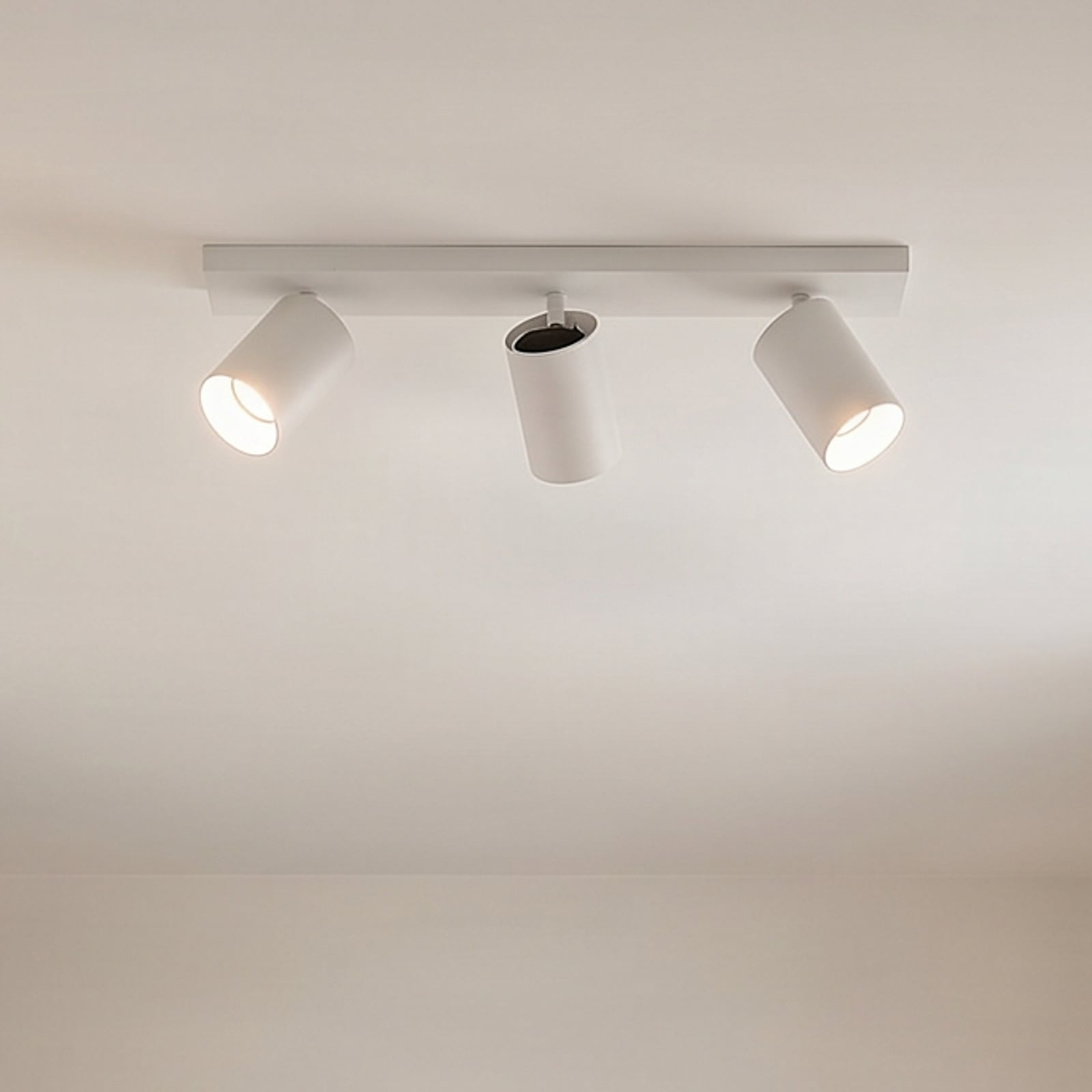
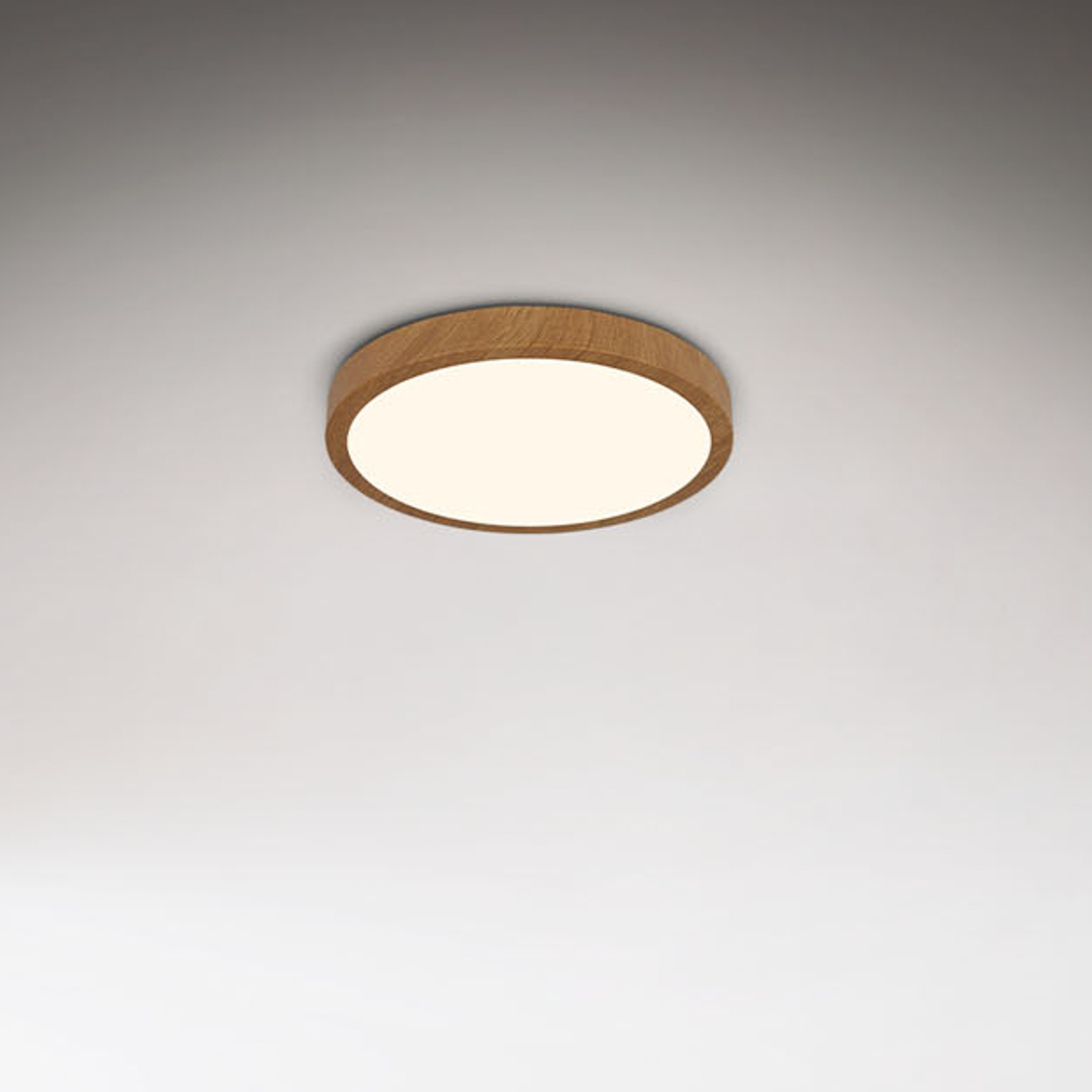
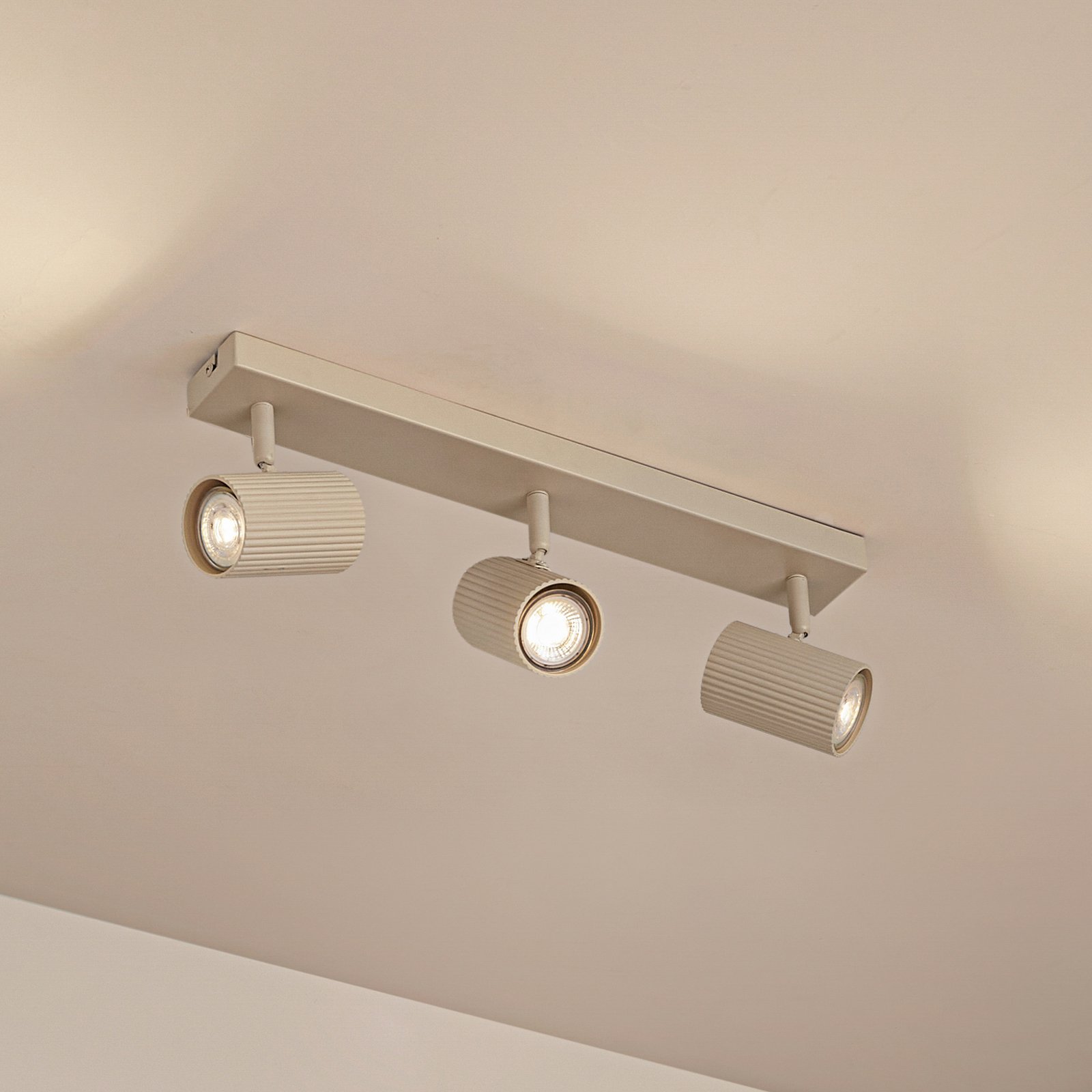
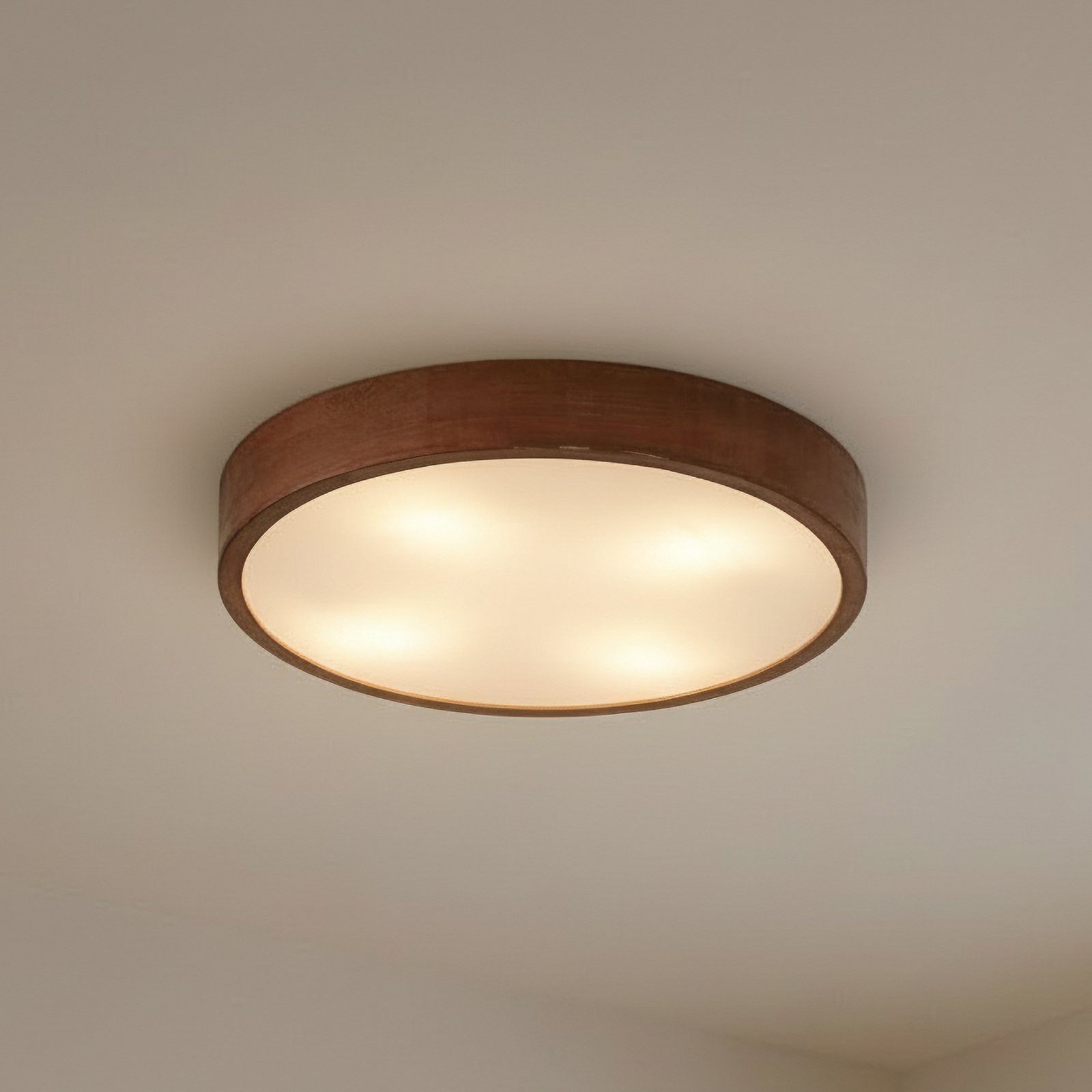
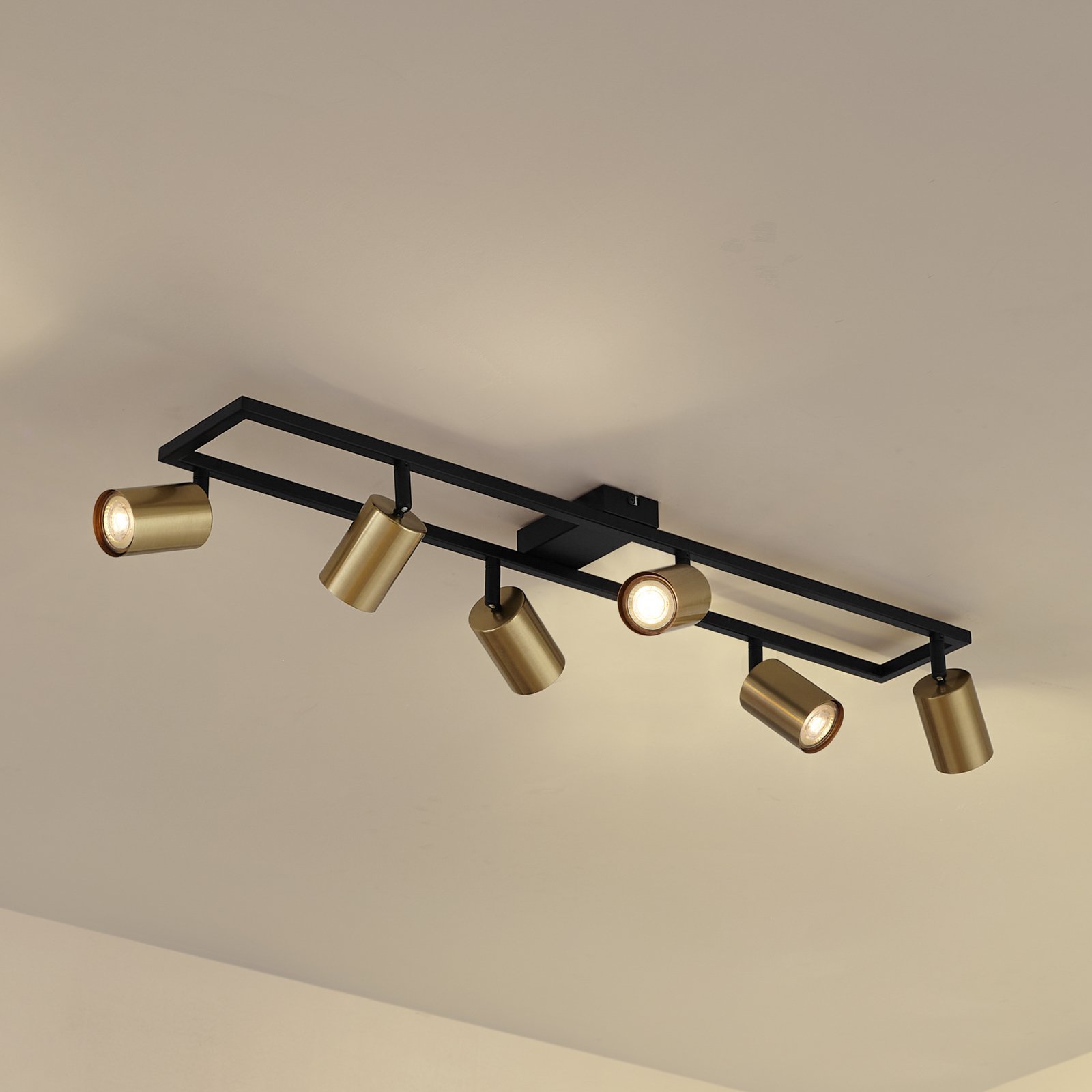
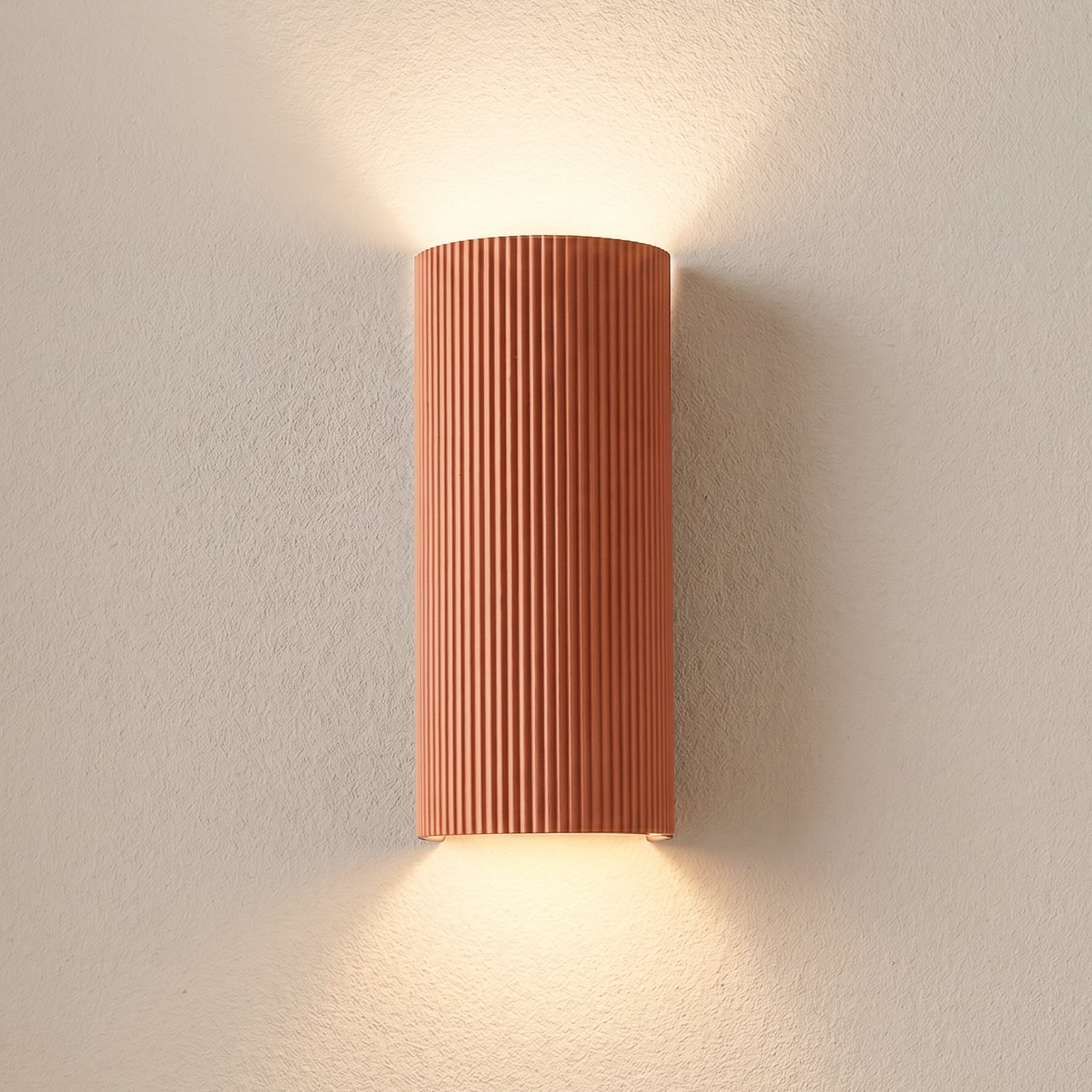
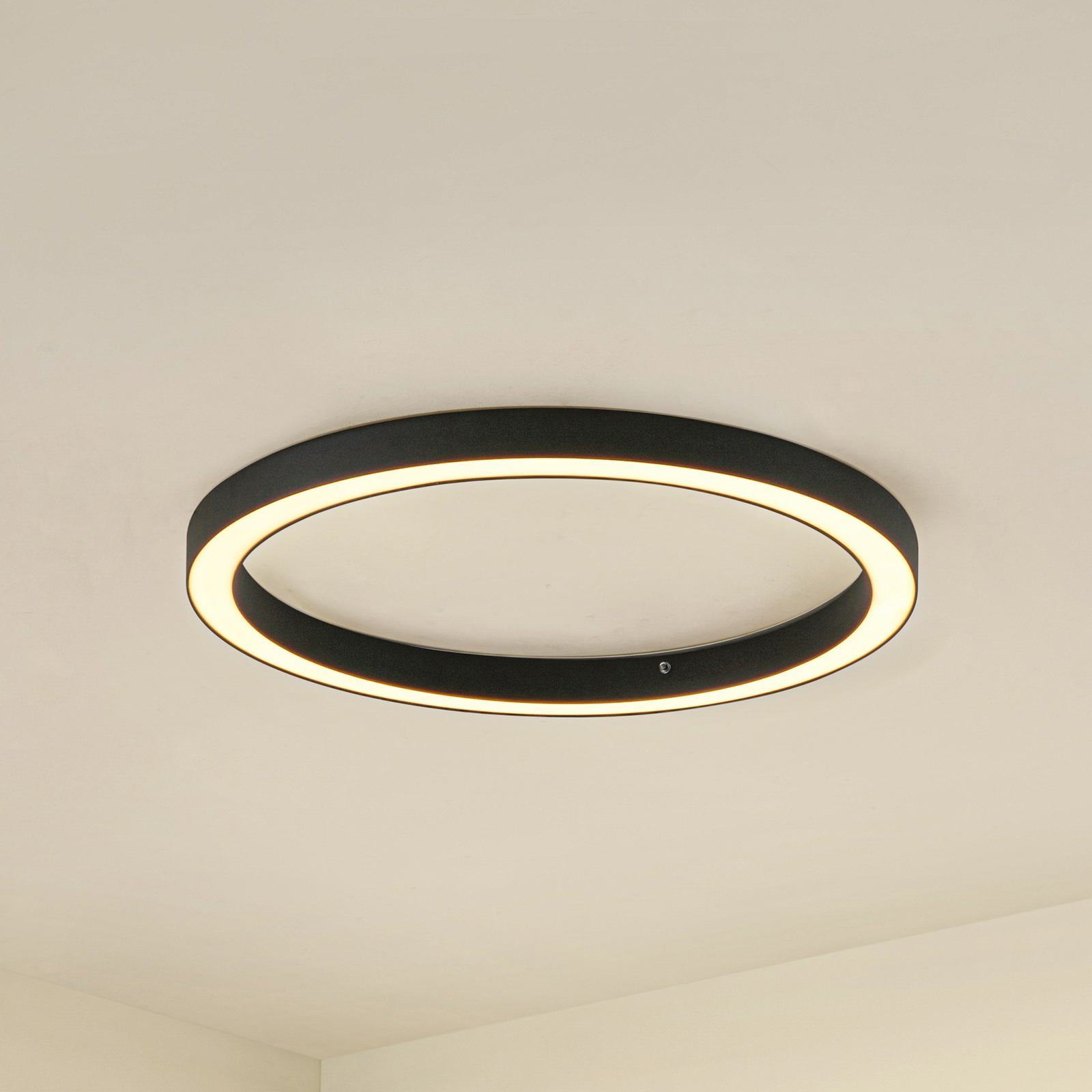
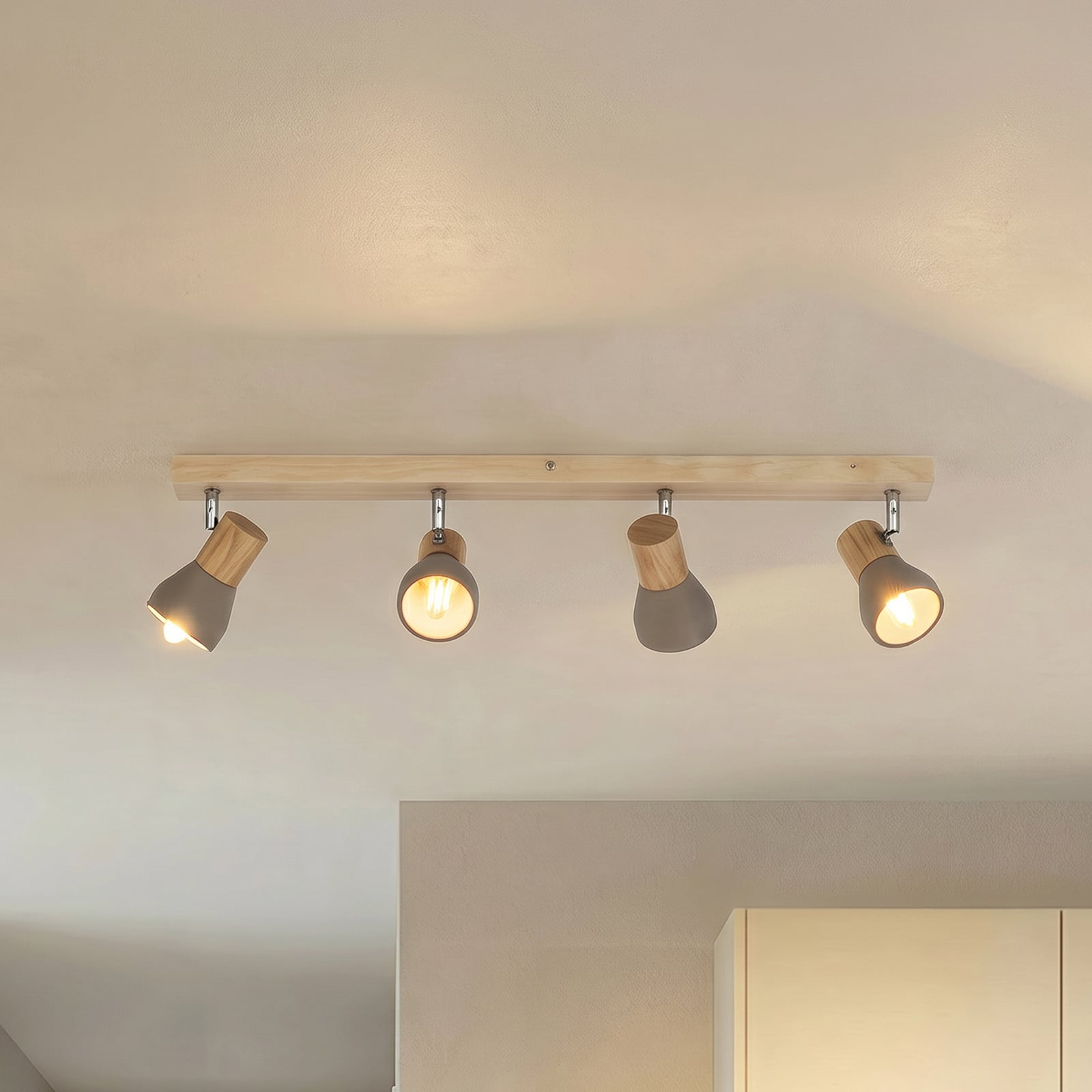
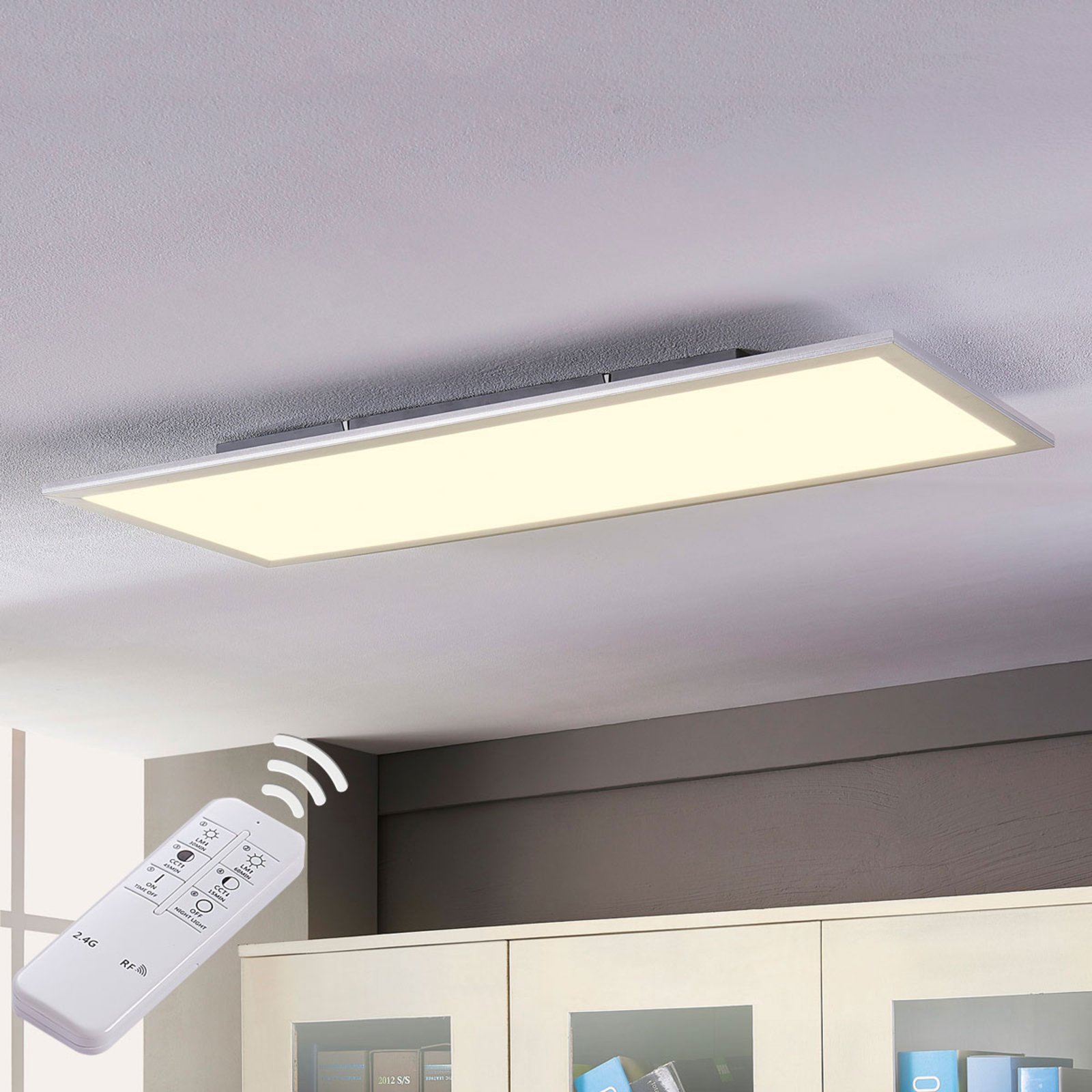
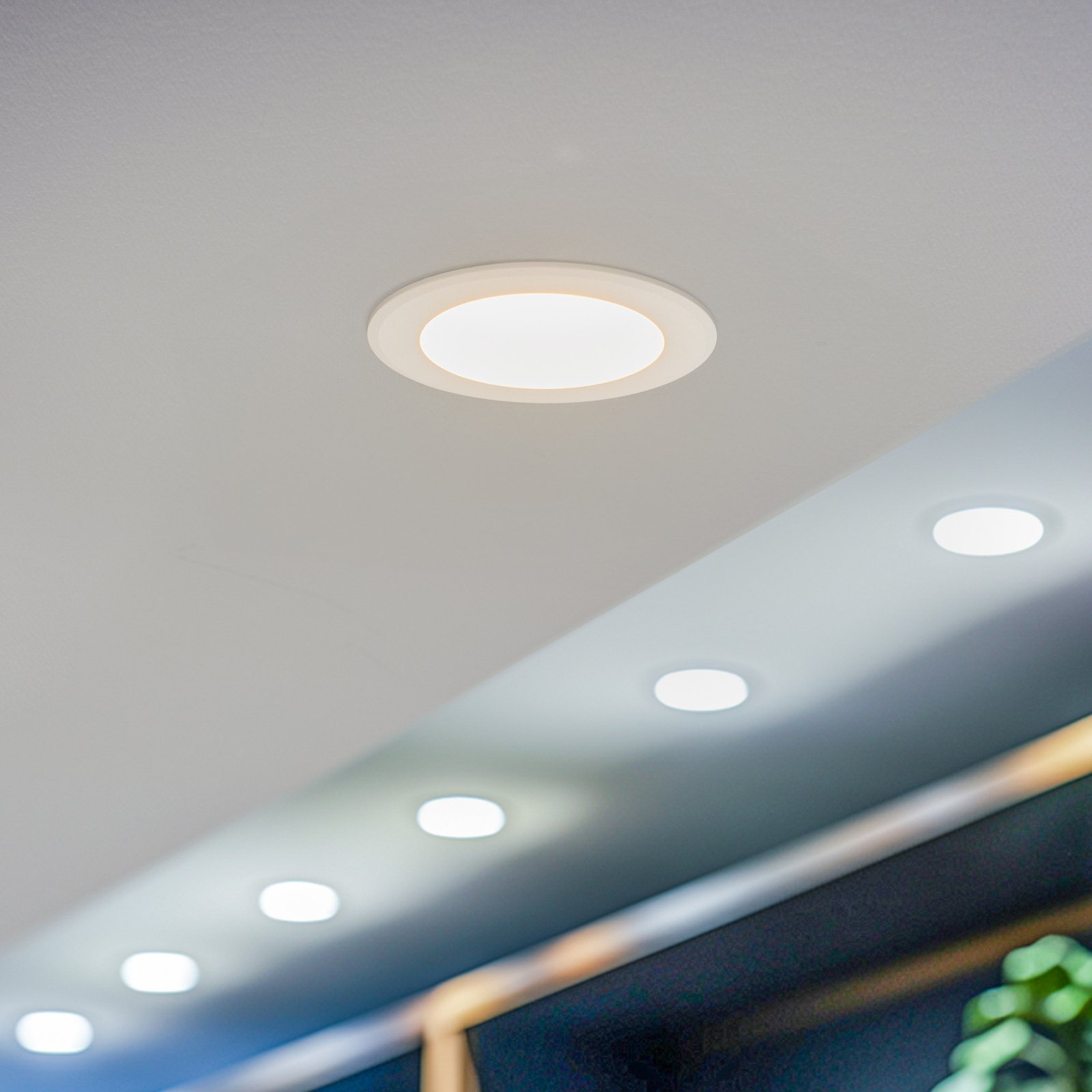
Ceiling lights provide even ambient lighting in small rooms. For low rooms, a flat ceiling light is recommended, as it doesn't protrude much and maintains the room's height visually. Particularly suitable are flat mounting lights and LED panels, while spots and spotlights can illuminate individual areas selectively. Recessed lights are a space-saving solution, as they are almost flush with the ceiling. For complex layouts, multi-light ceiling spotlights offer additional flexibility to selectively illuminate different areas of the room.
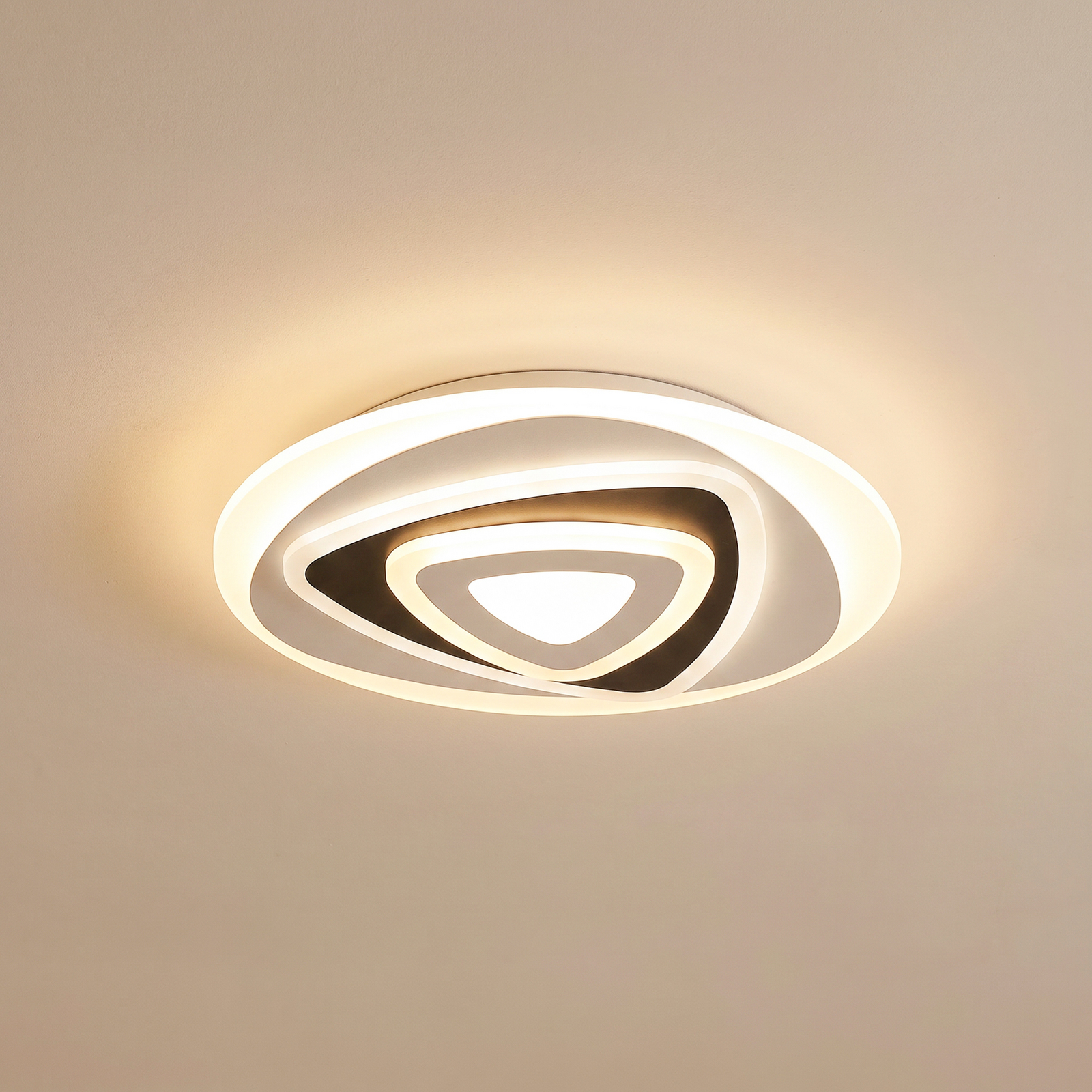
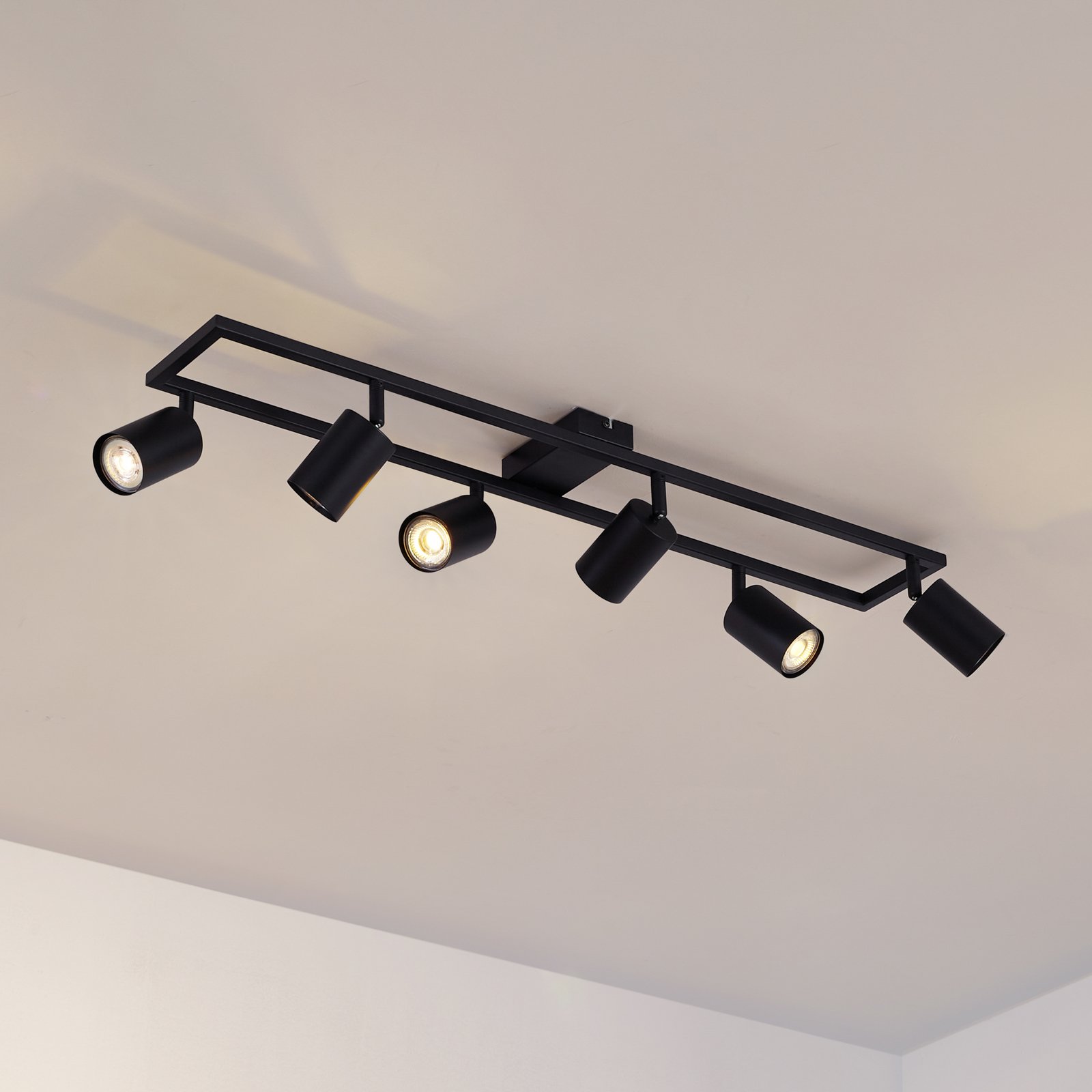
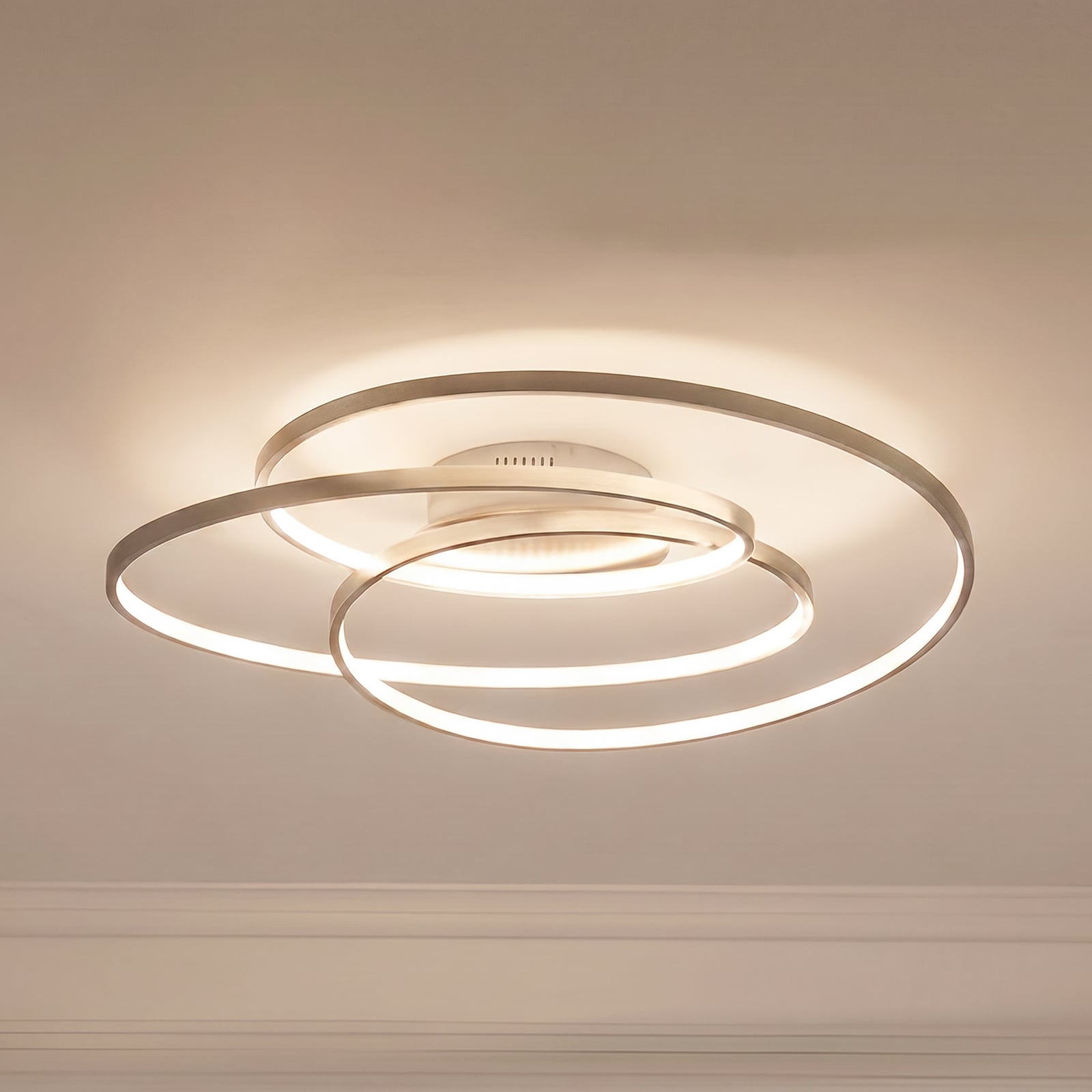
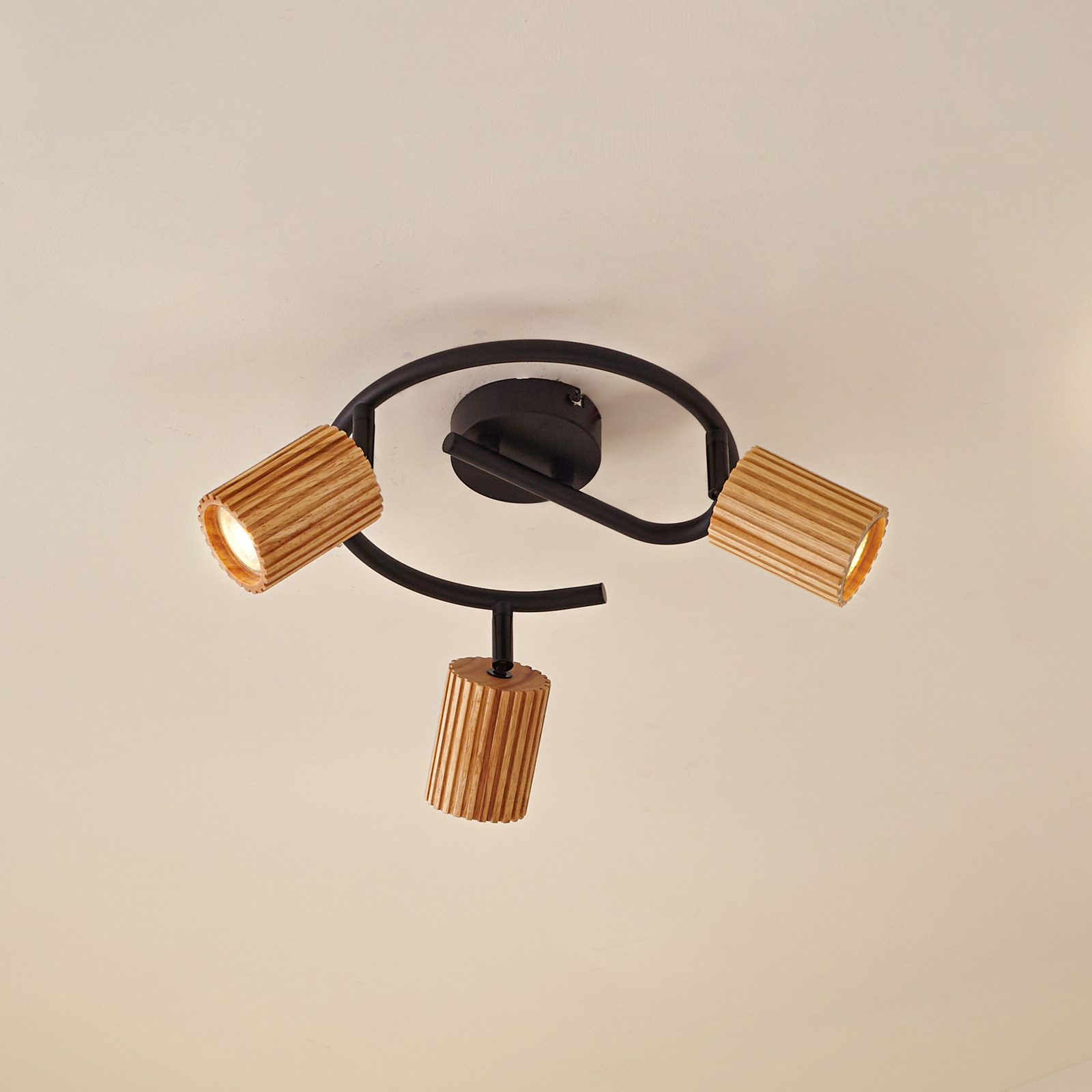
)
)
)
Wall lights for small rooms and complex layouts
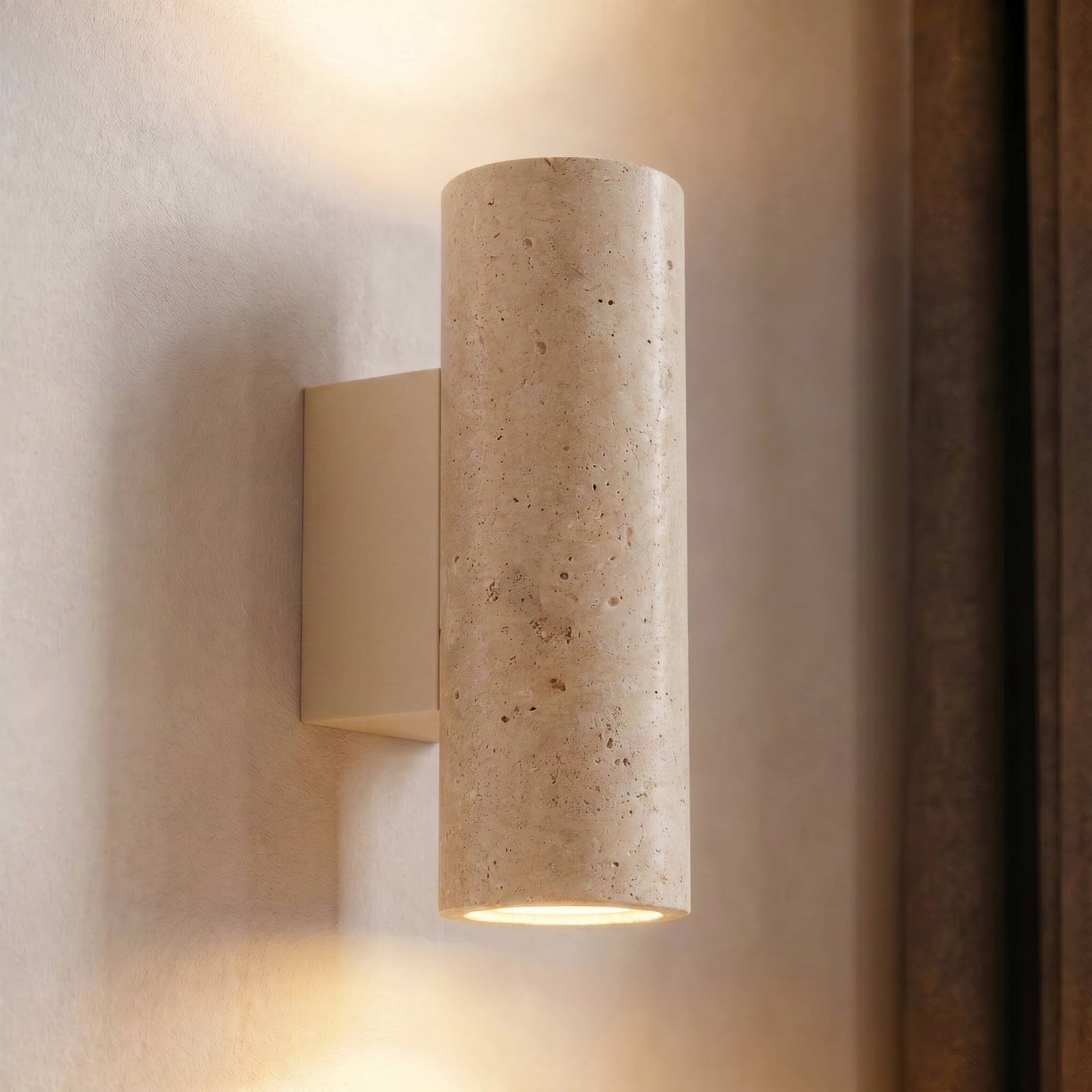
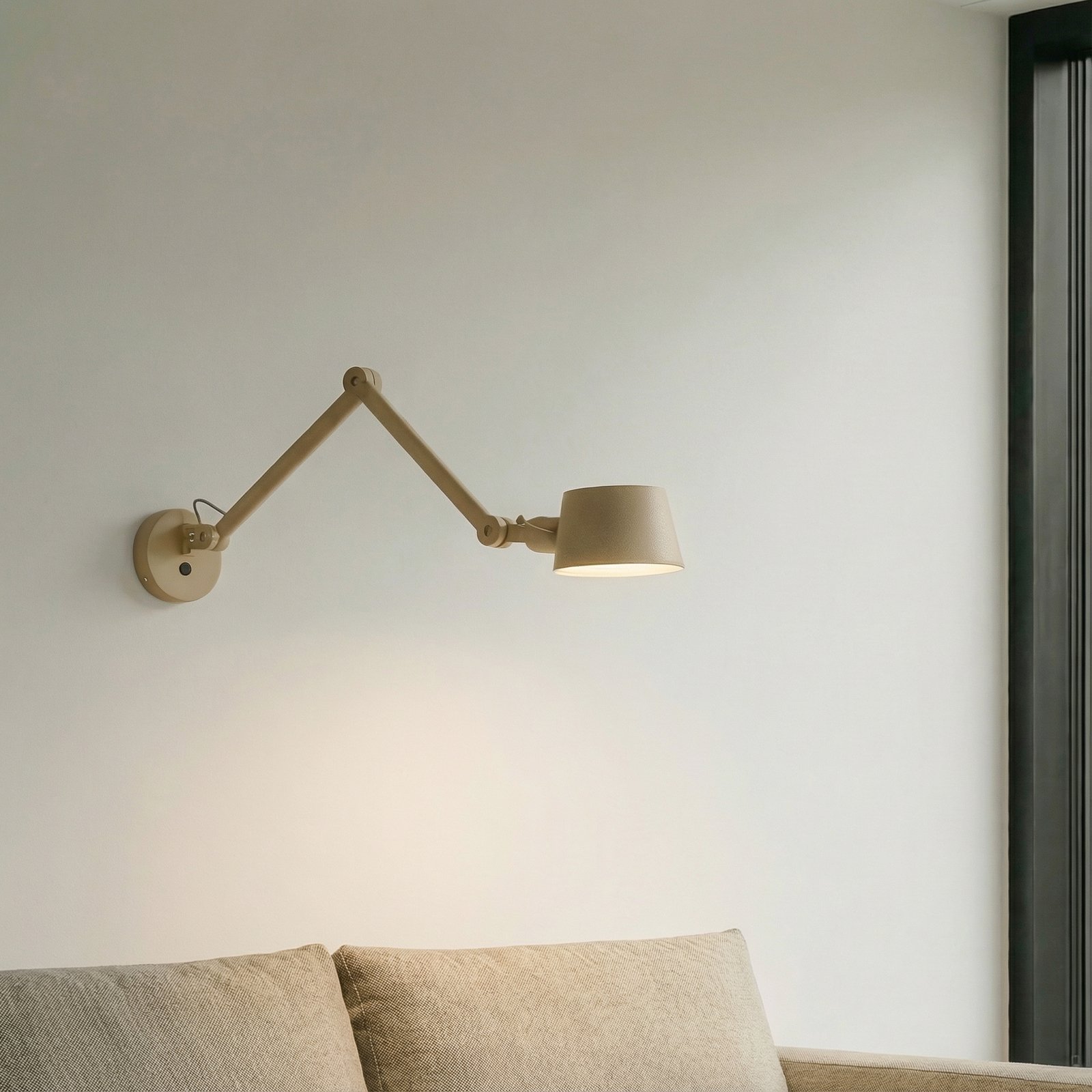
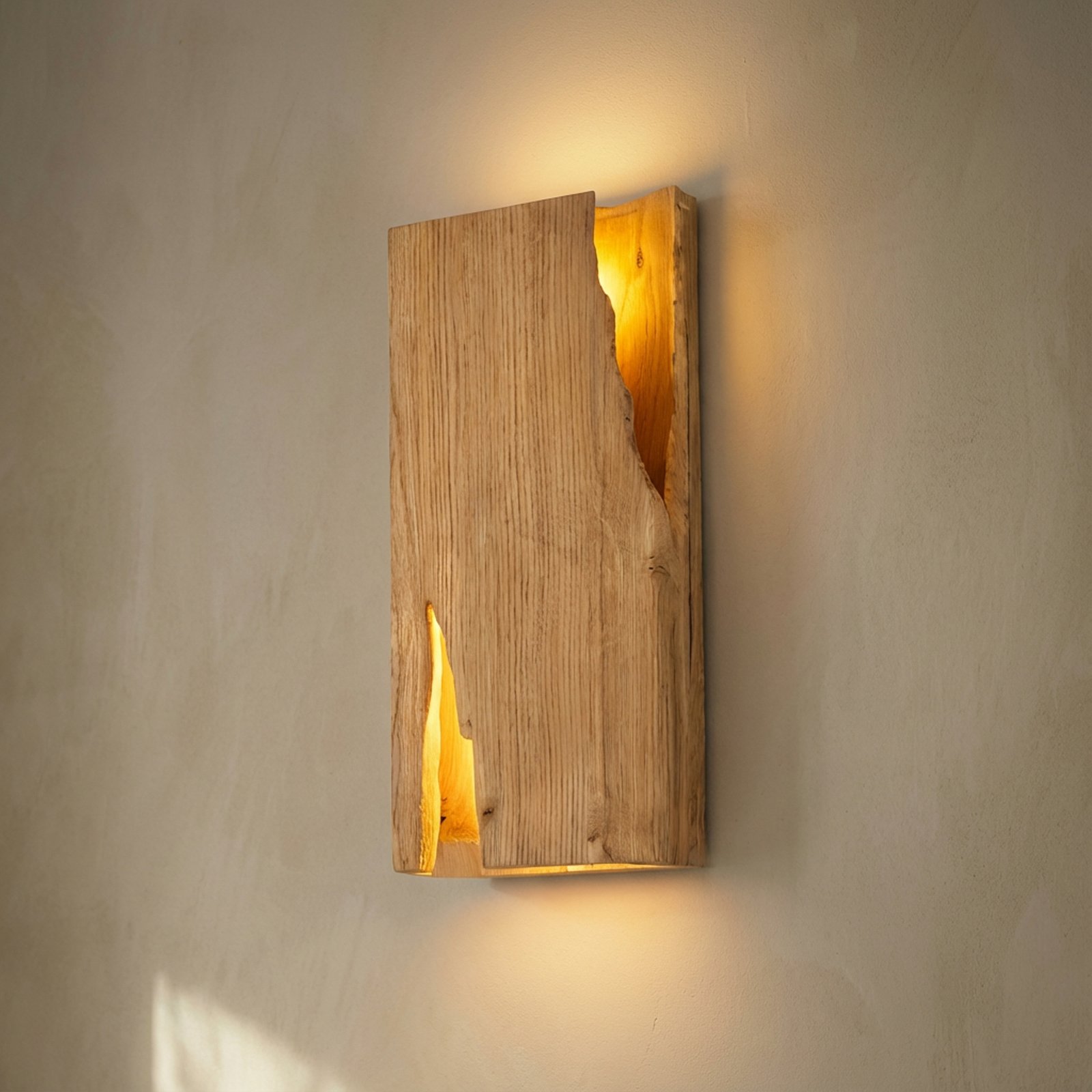
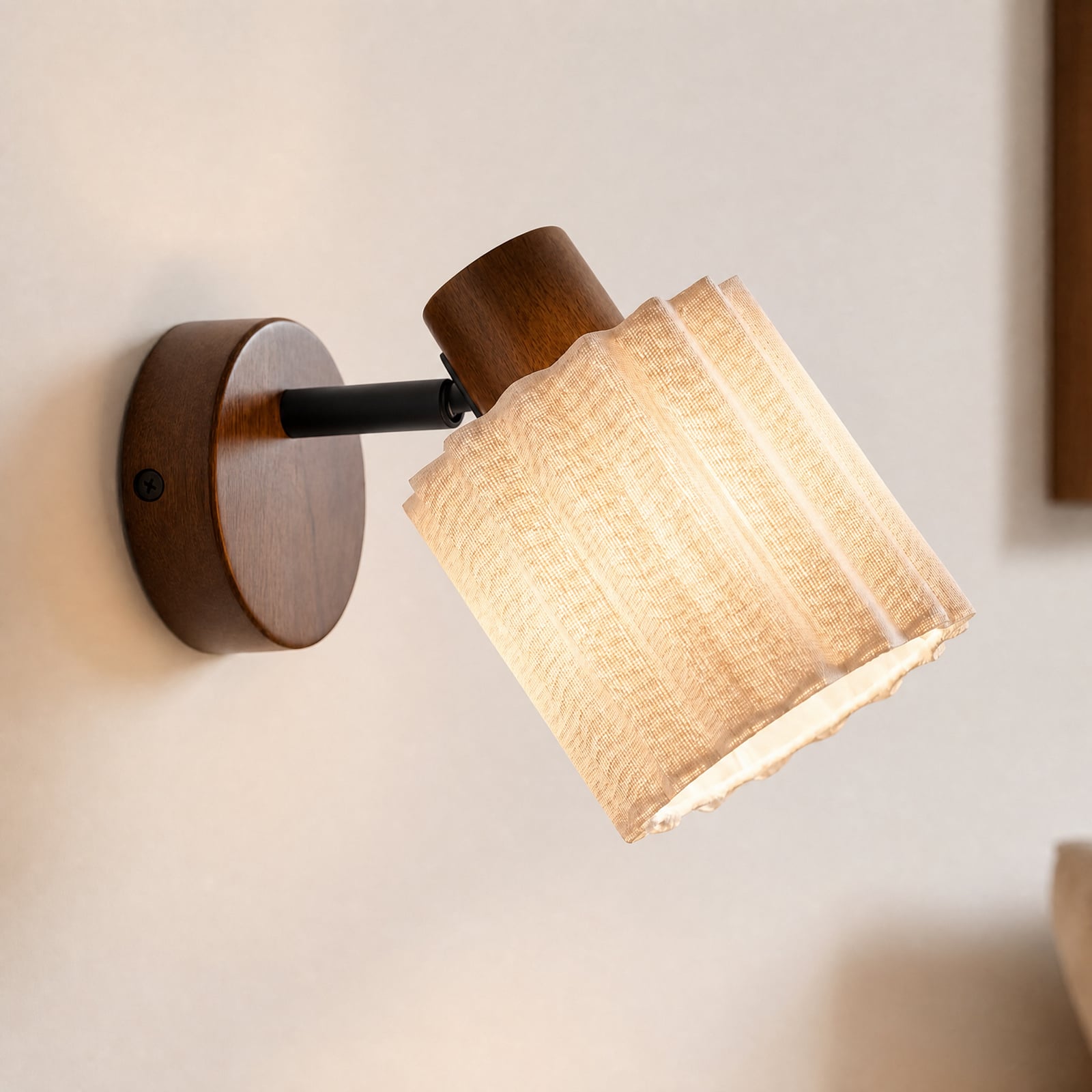
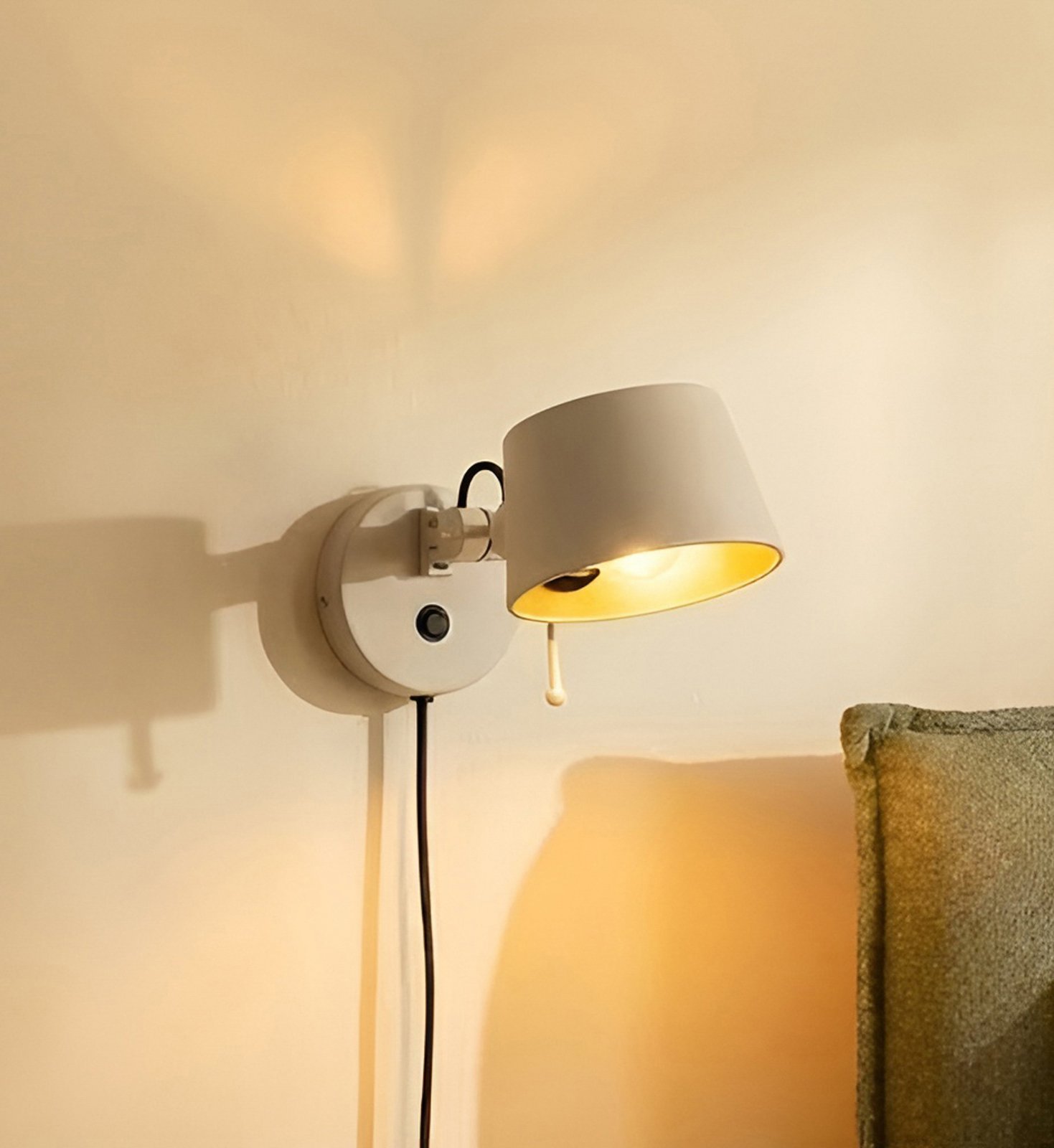
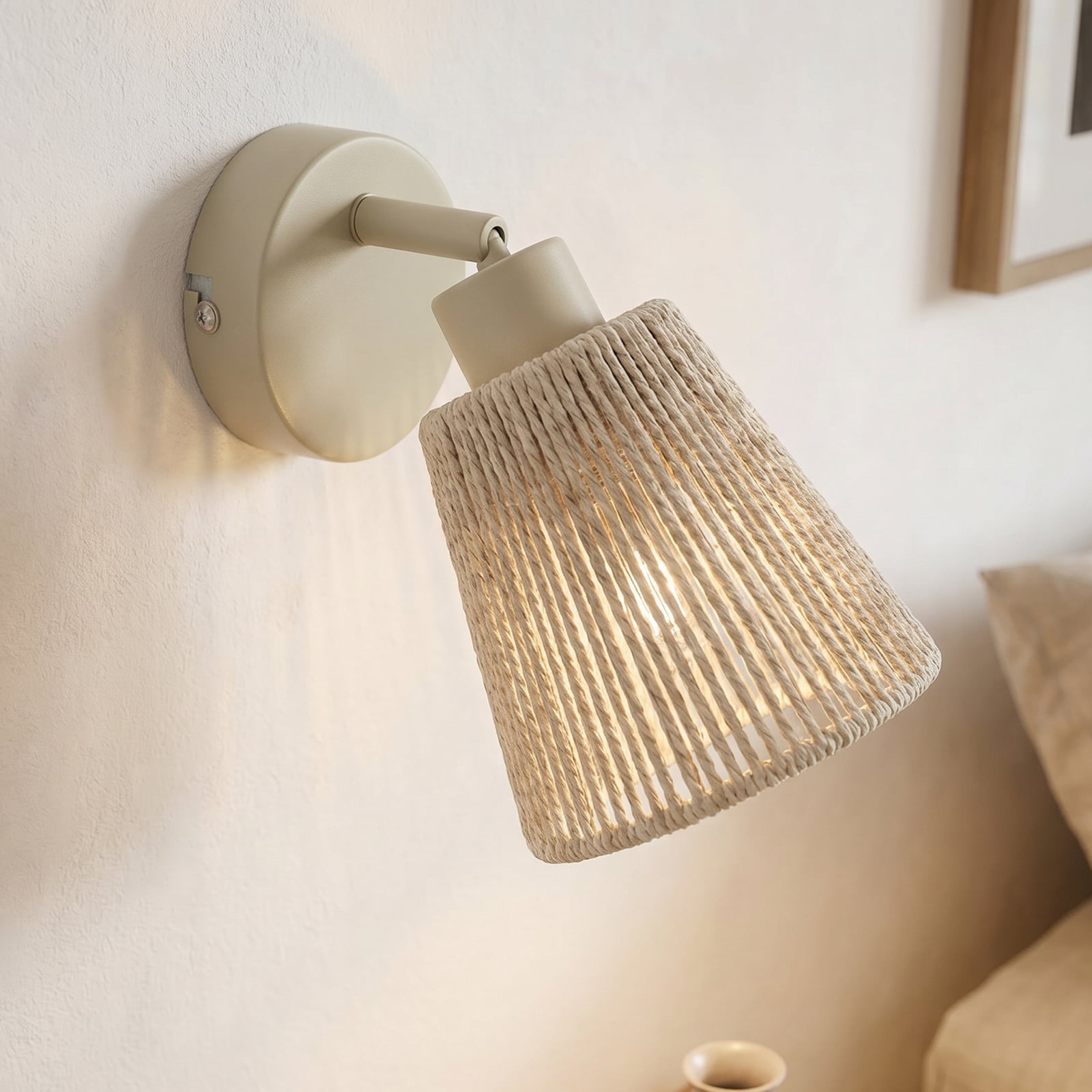
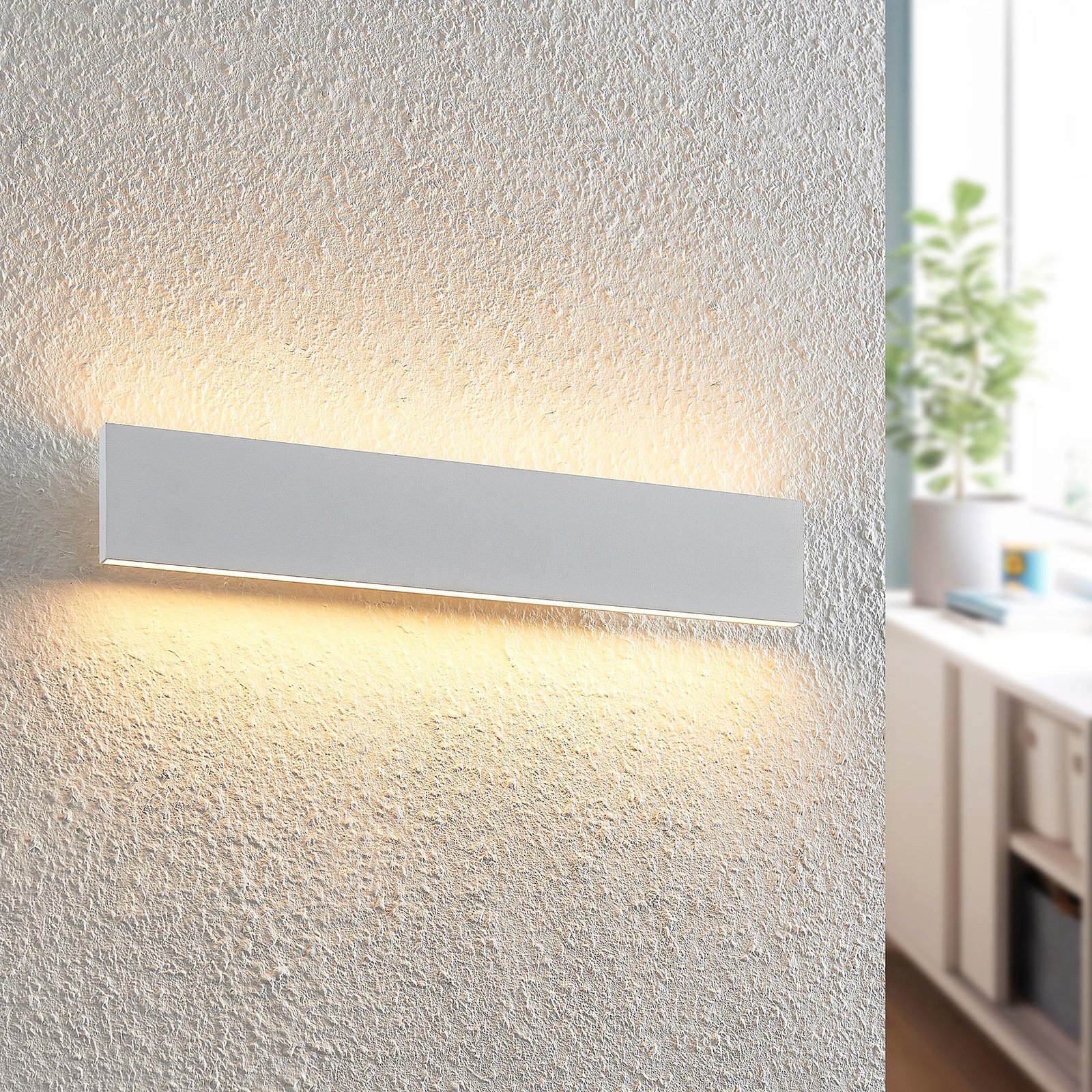
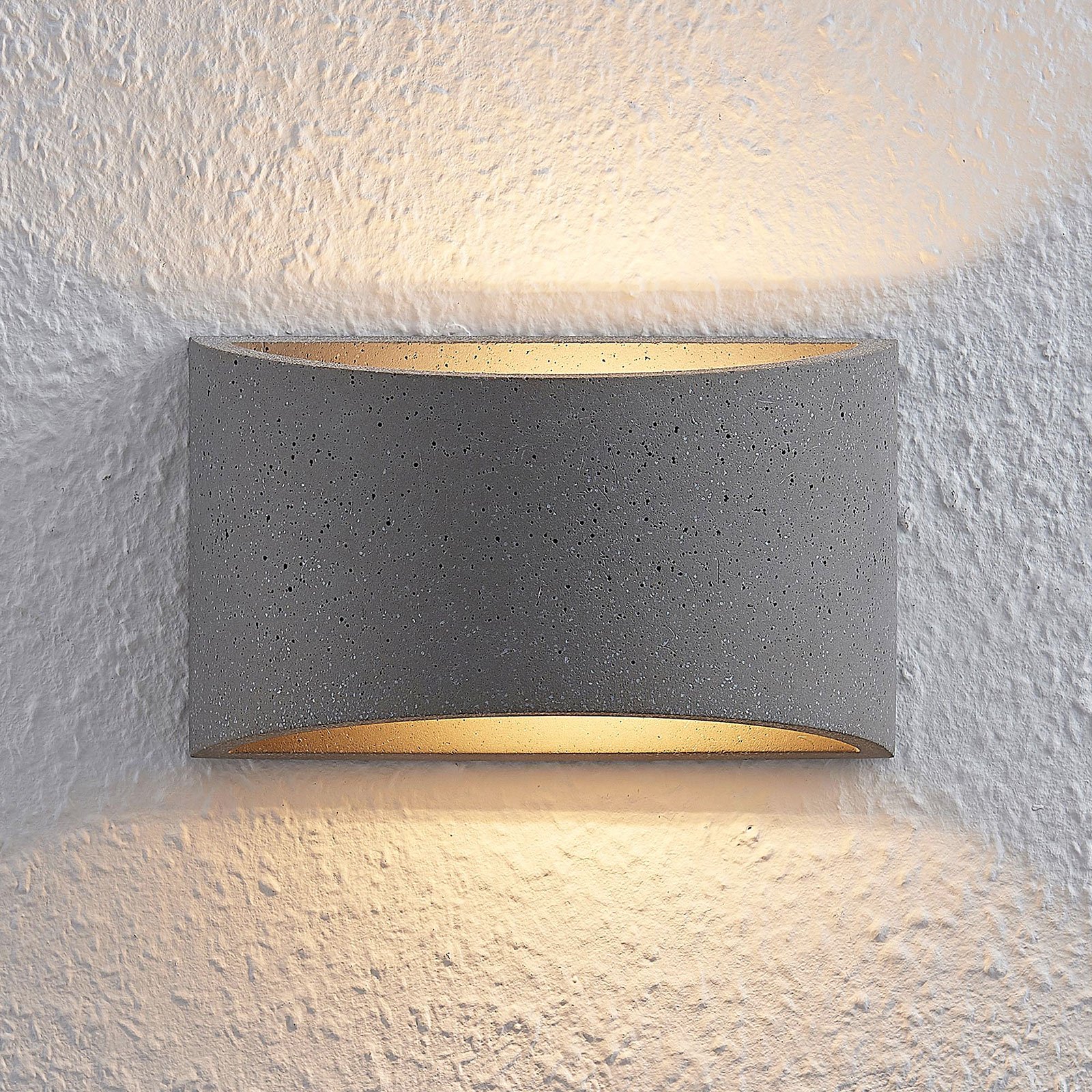
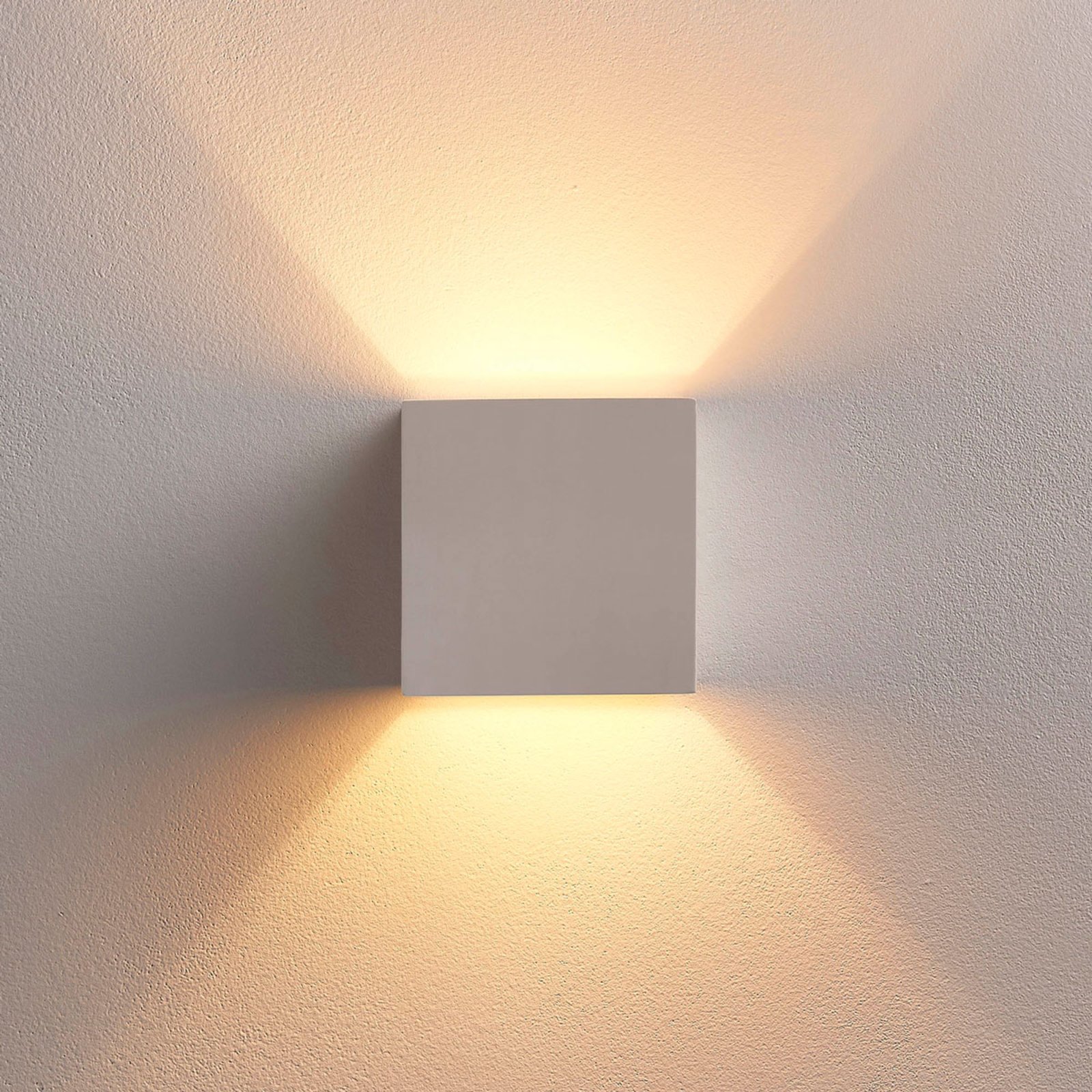
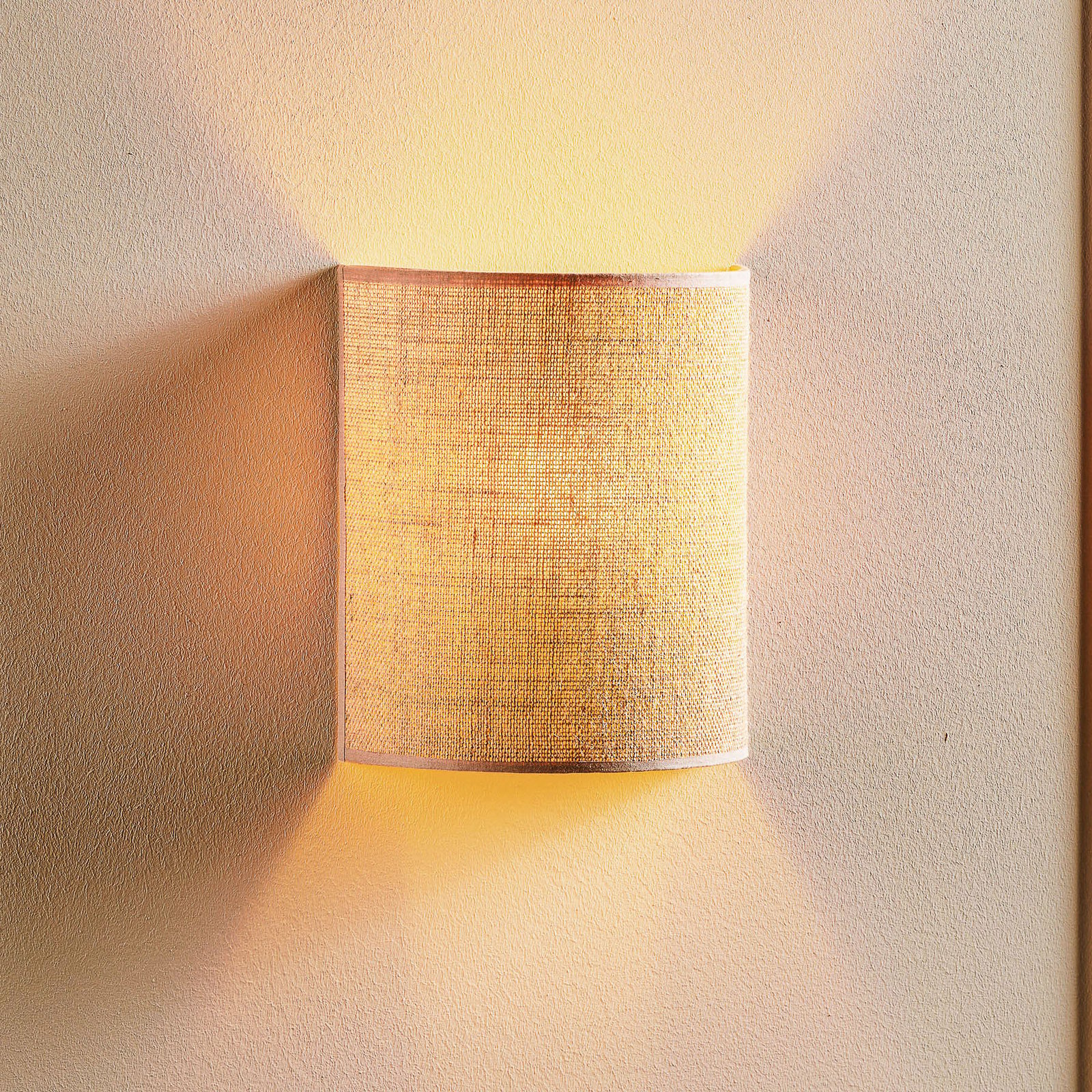
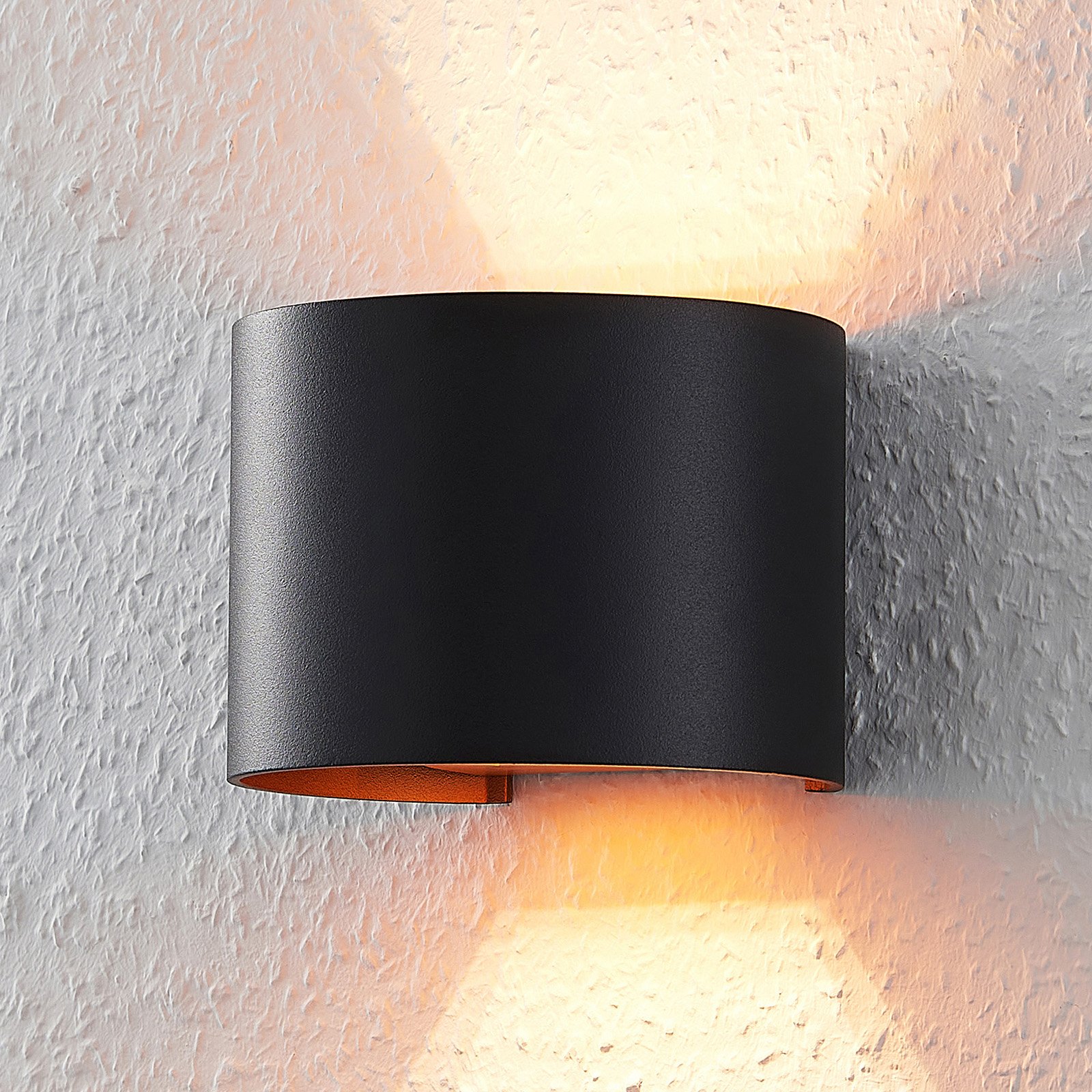
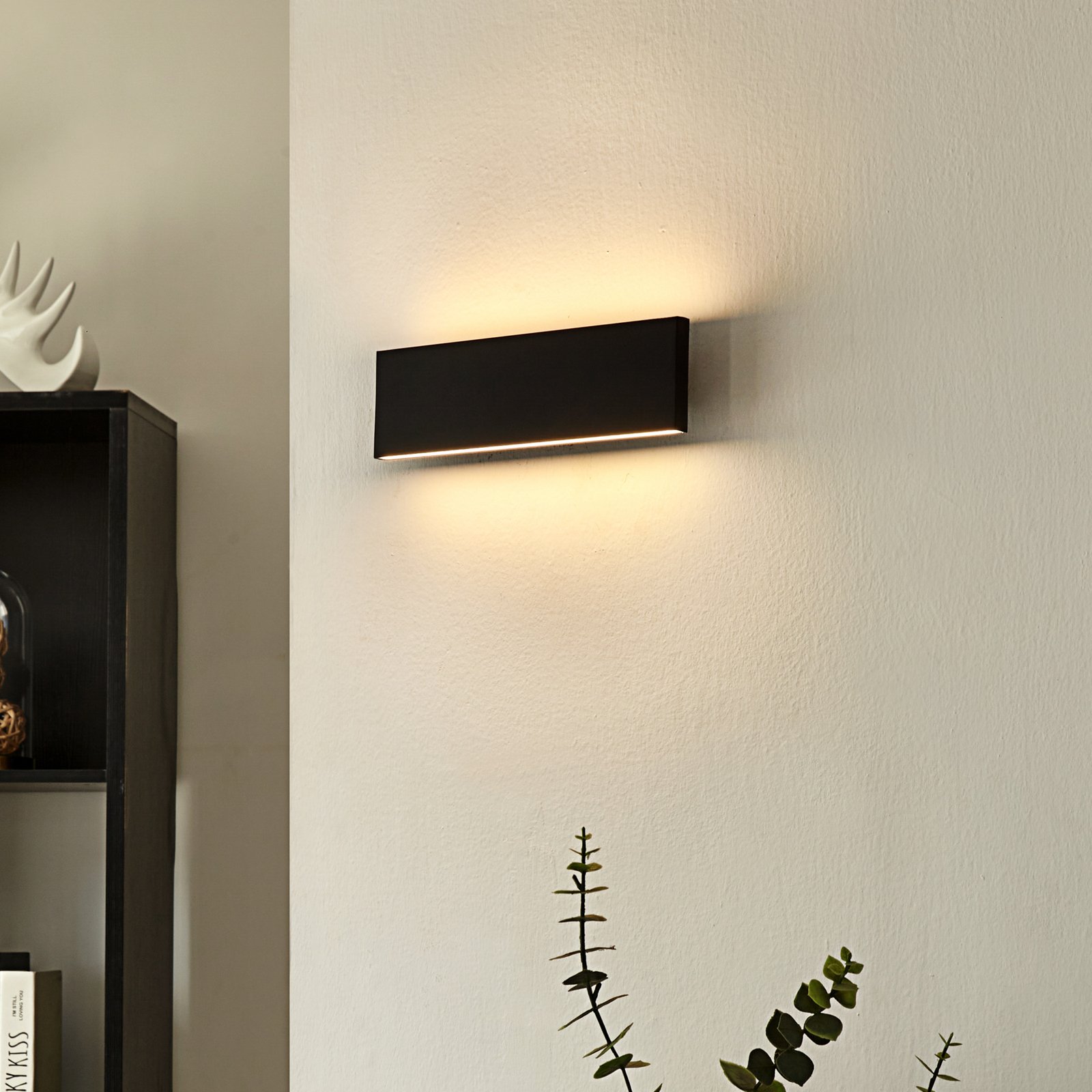
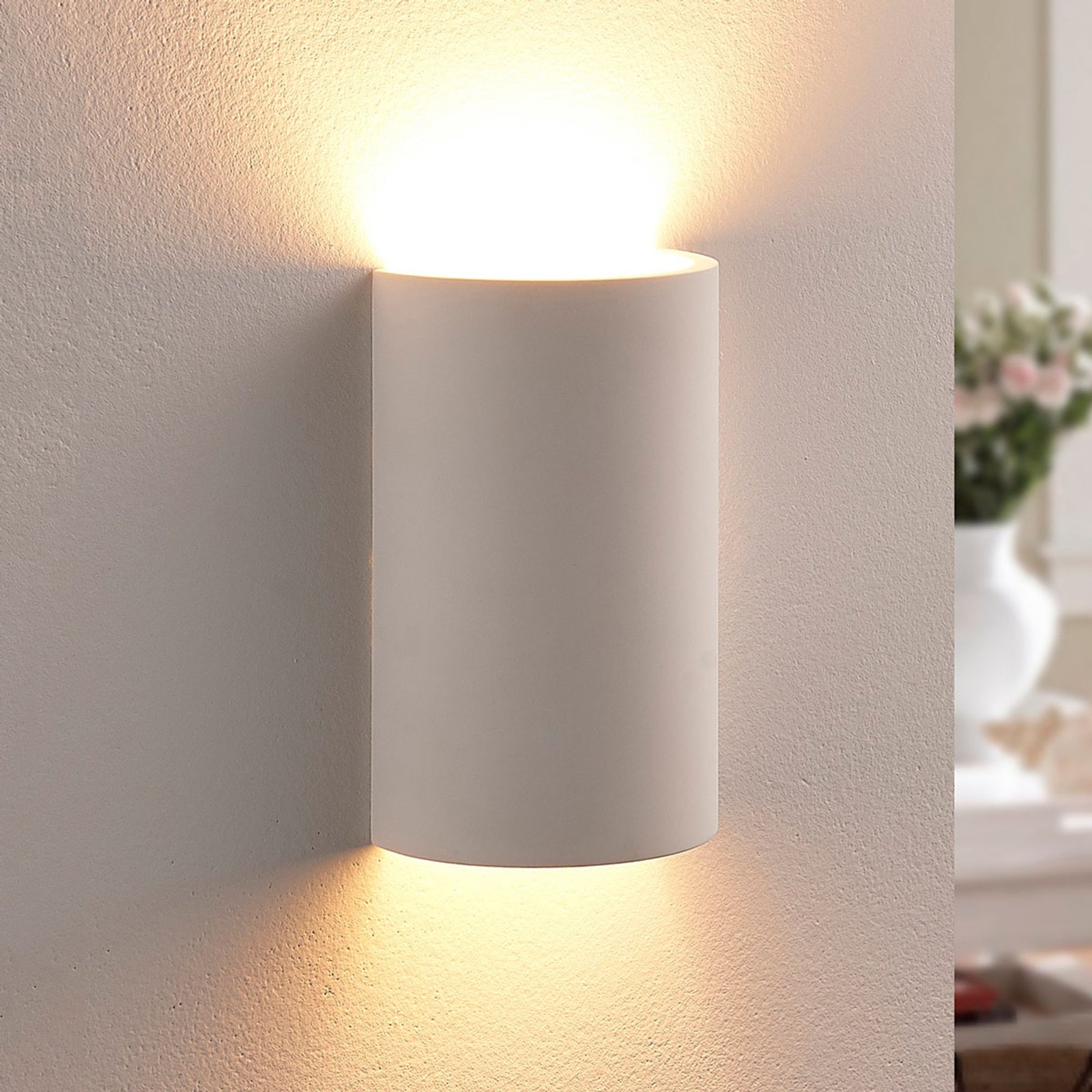
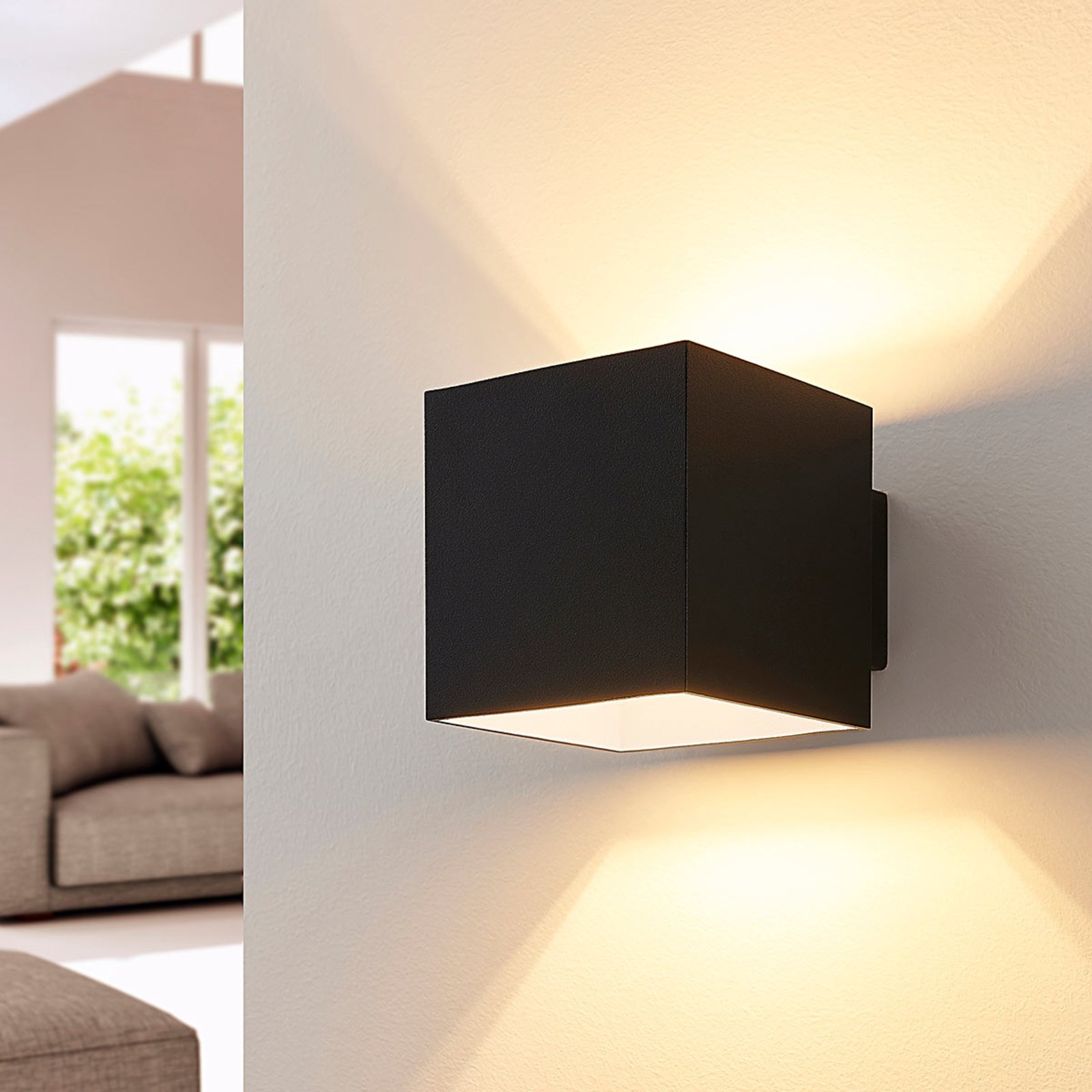
Wall lights don't take up floor or ceiling space and are therefore particularly suitable for small rooms. In the hallway, next to the bed, by the sofa, over a mirror, or in a reading nook, they place light precisely where needed. In tight areas, models with a short extension are sensible, as they don't protrude far into the room.
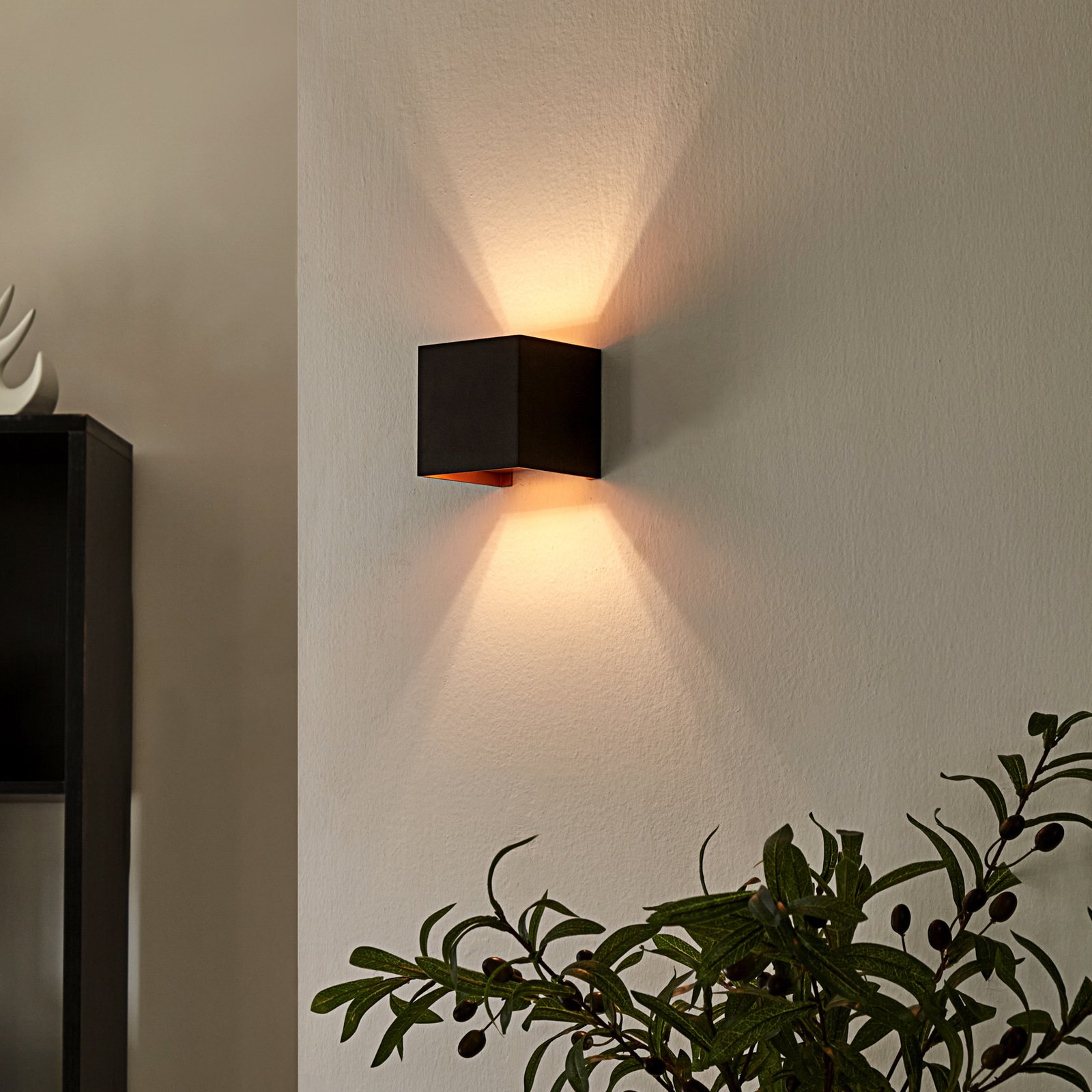
For a stronger vertical lighting effect, wall lights with up-and-down lighting are ideal: They direct light upwards and downwards, visually brightening walls and ceilings. Swiveling models allow flexible orientation for reading or targeted lighting of specific areas. Those preferring even, calm brightness can opt for diffusive wall lights. On small wall surfaces, less is often more. Combining too many lights with decorative beams can make a wall appear busy. It's better to set individual light accents purposefully and coordinate with other light sources in the room.
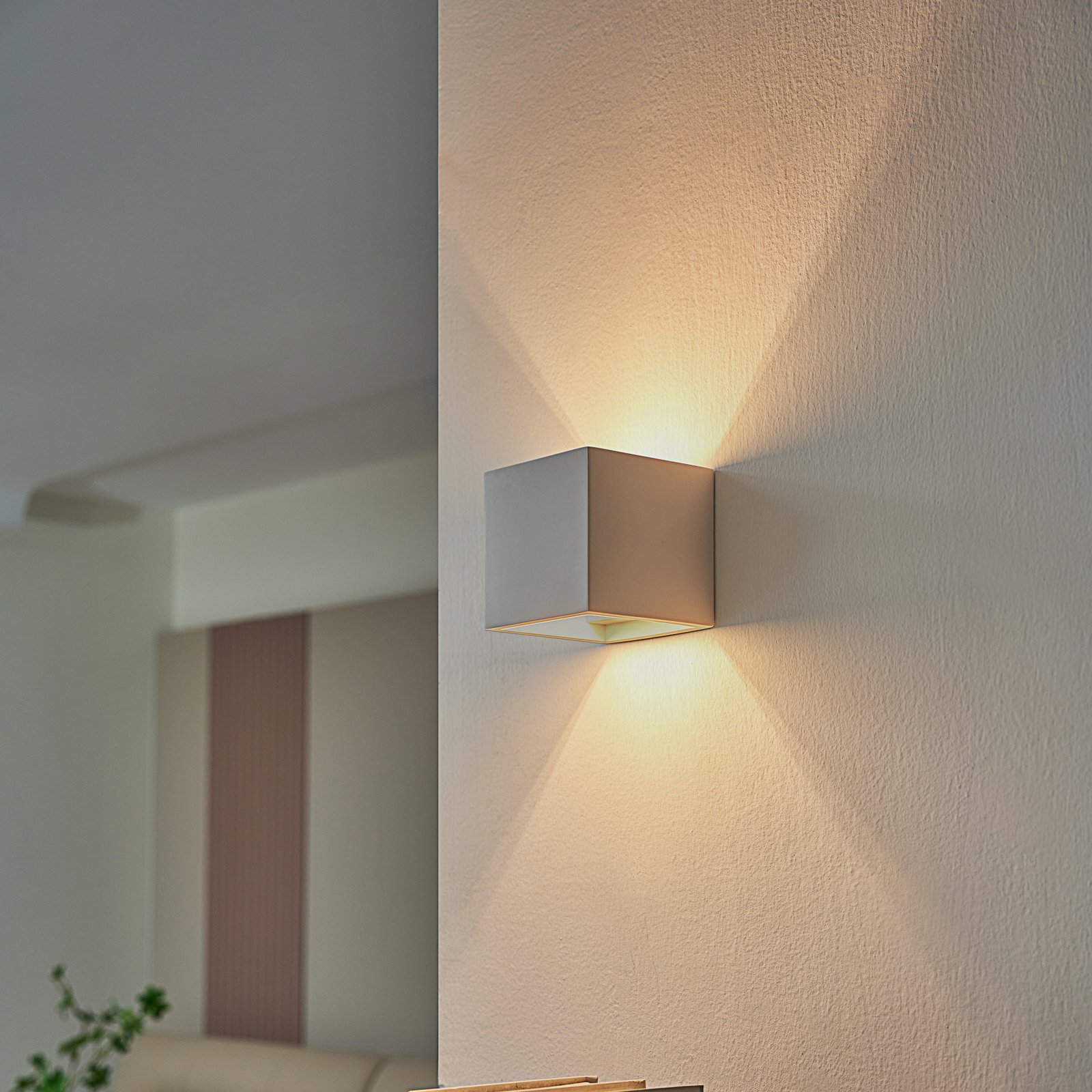
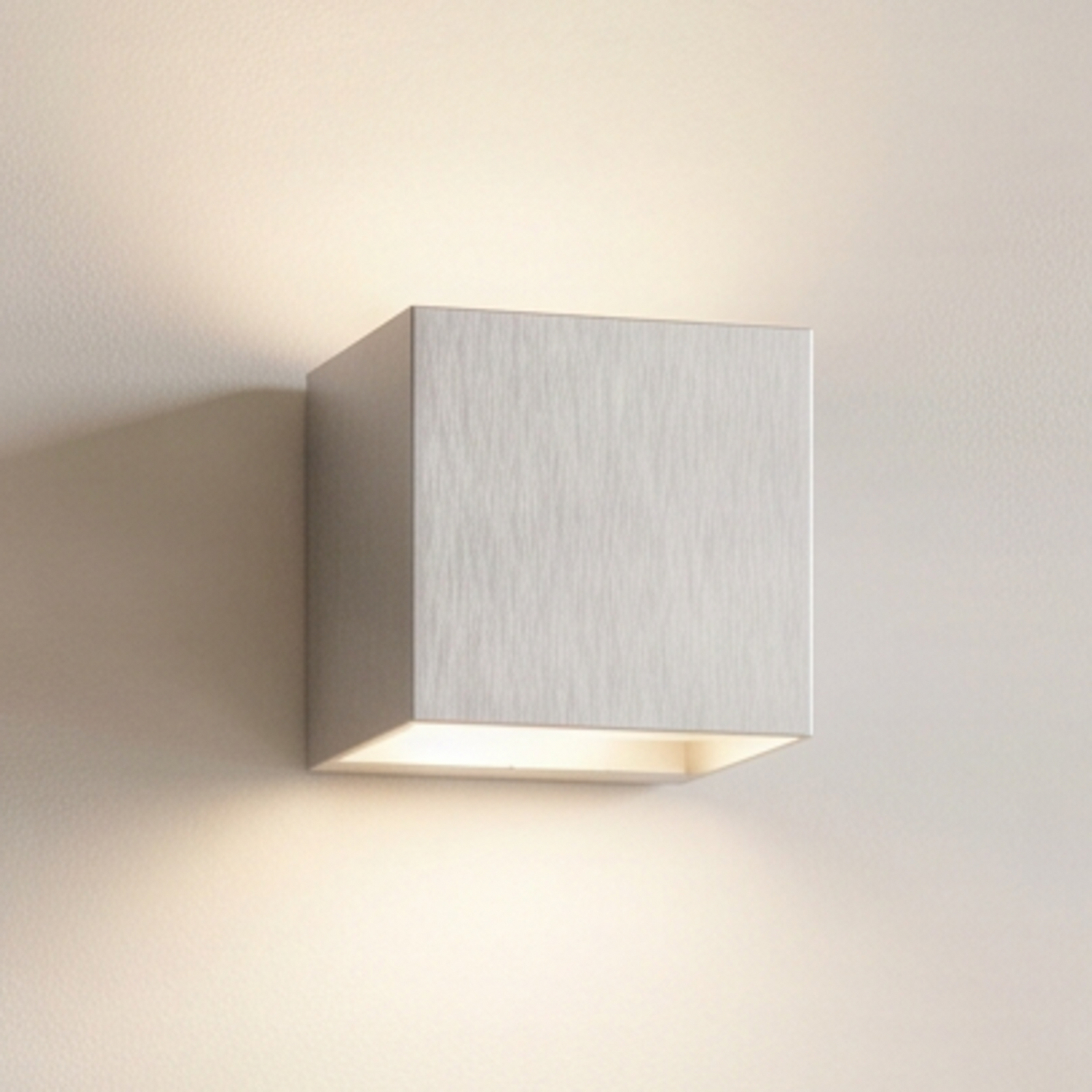
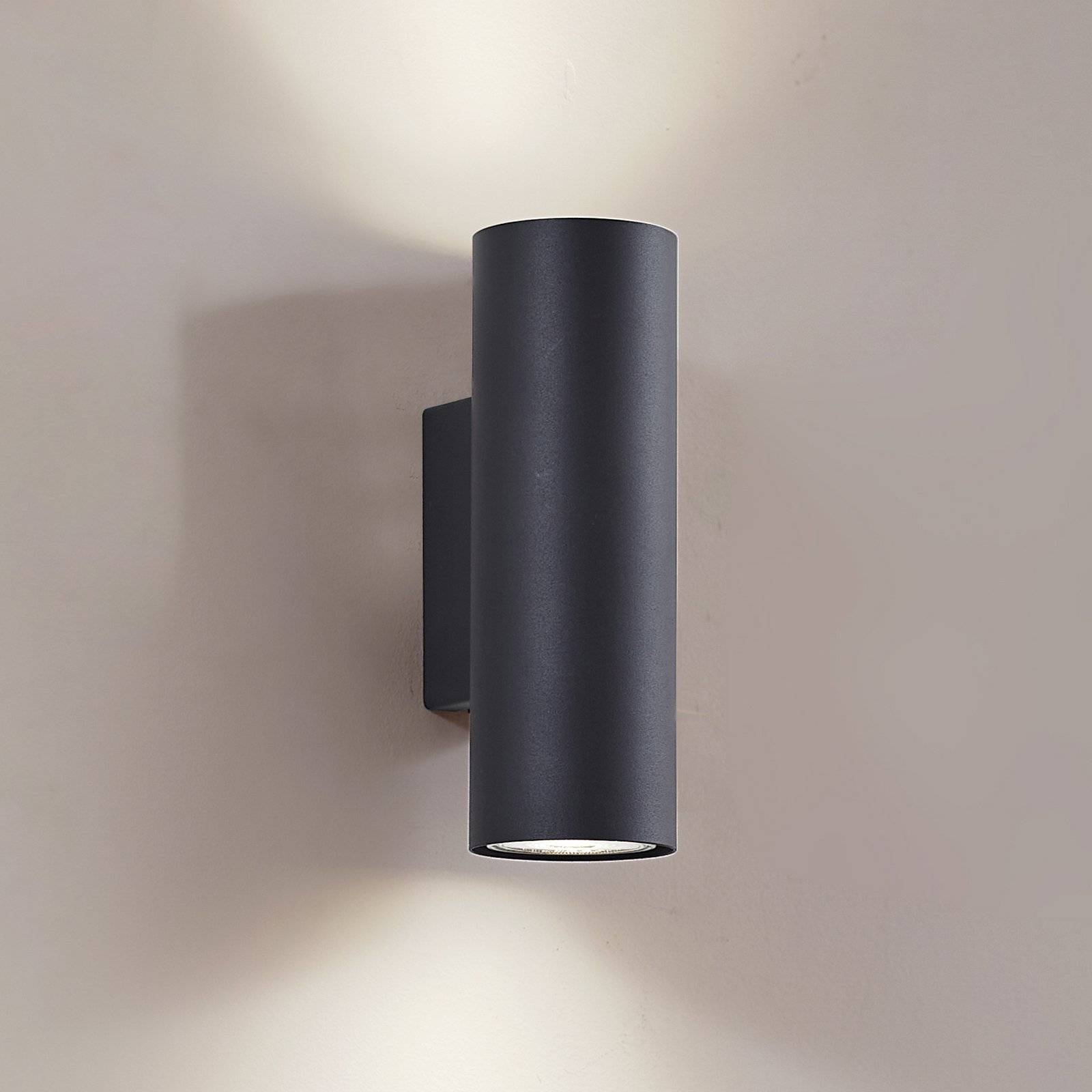
)
)
)
Floor lamps for small rooms
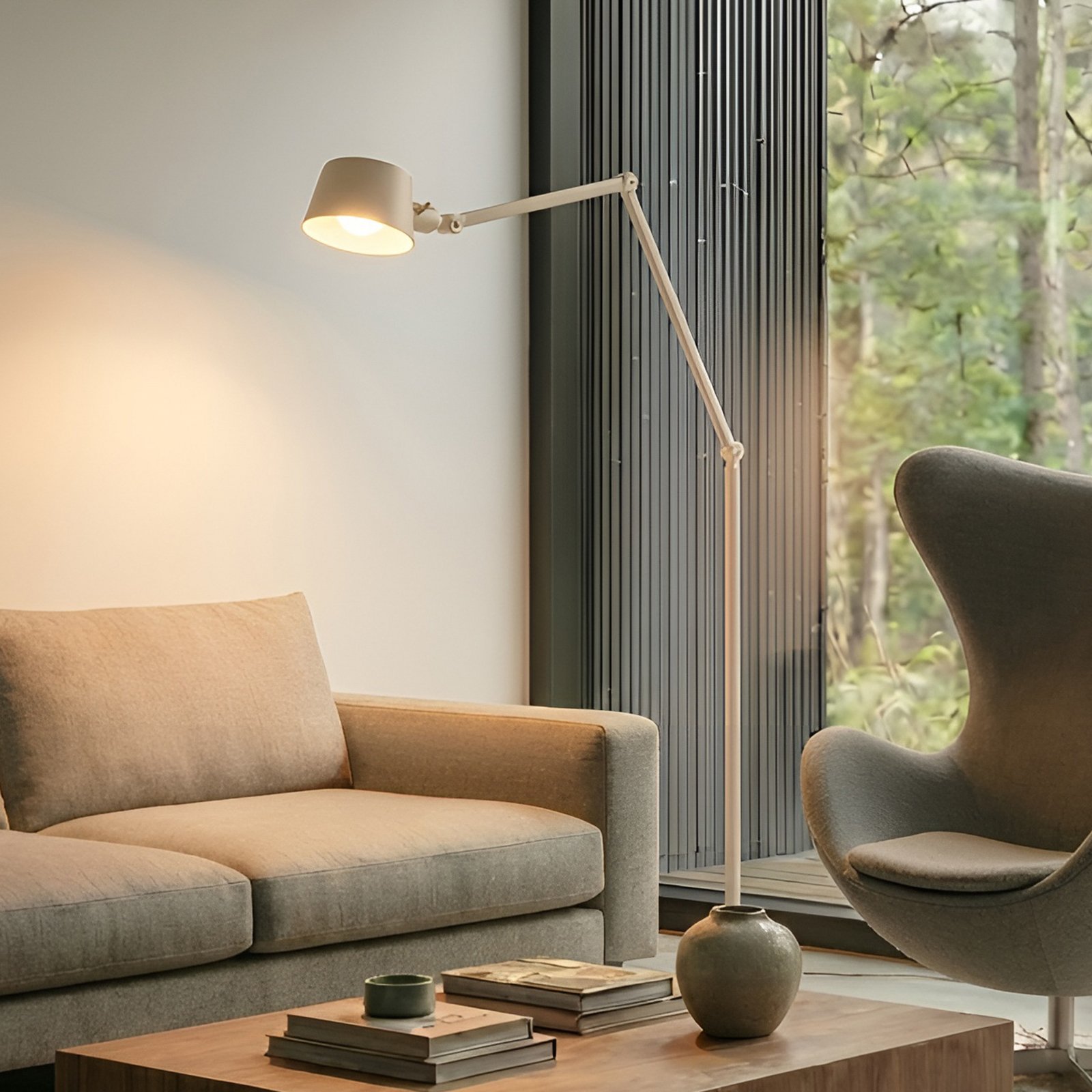
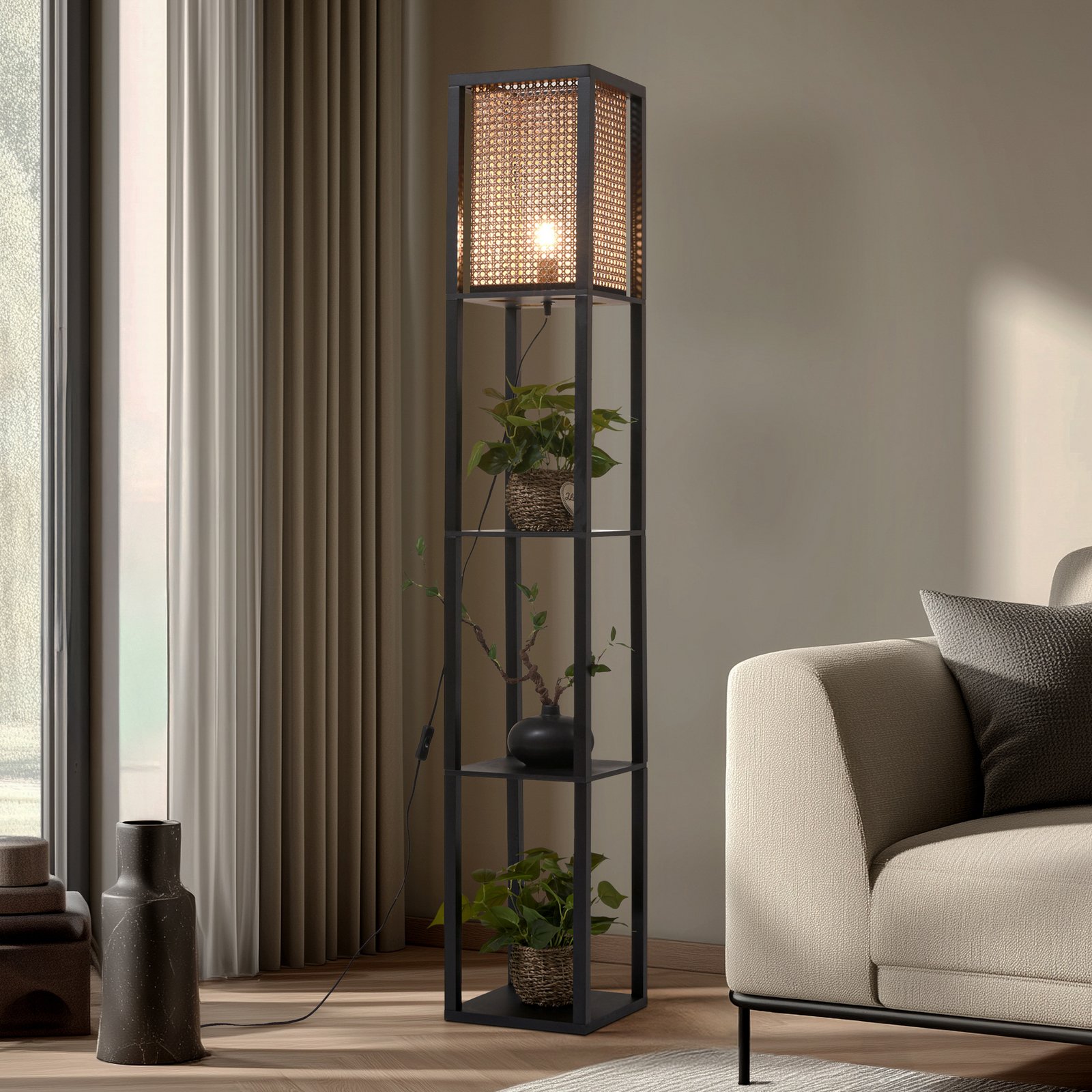
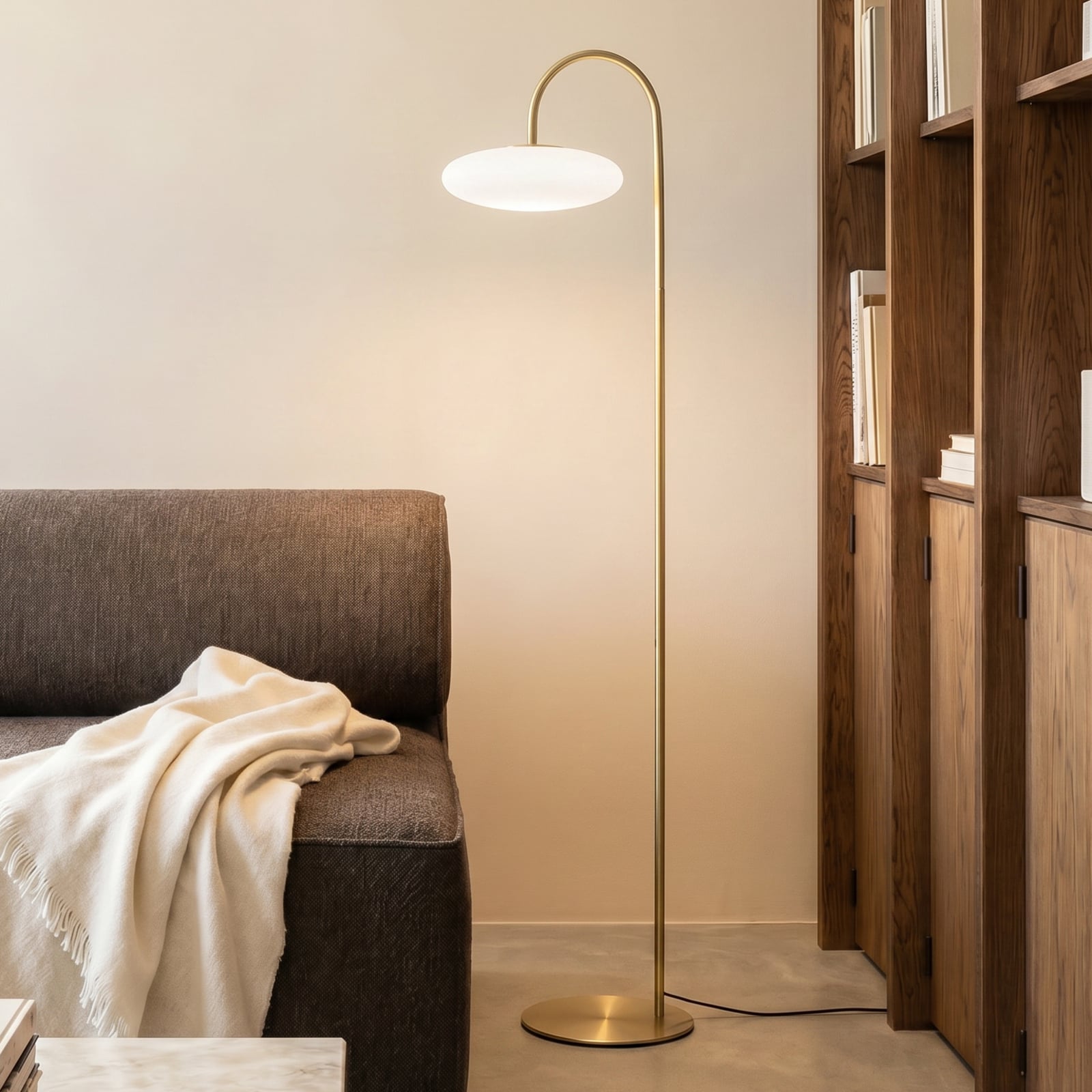
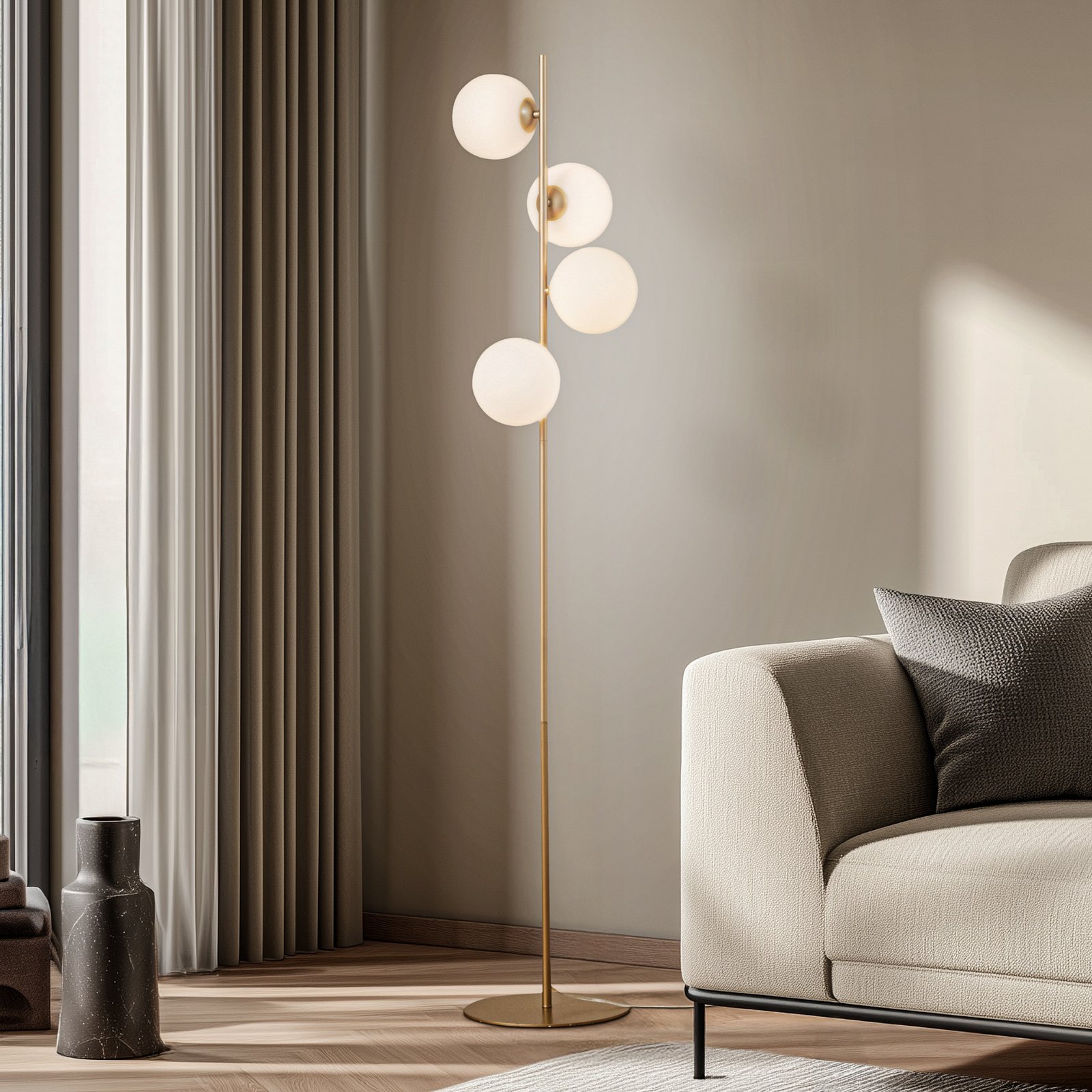
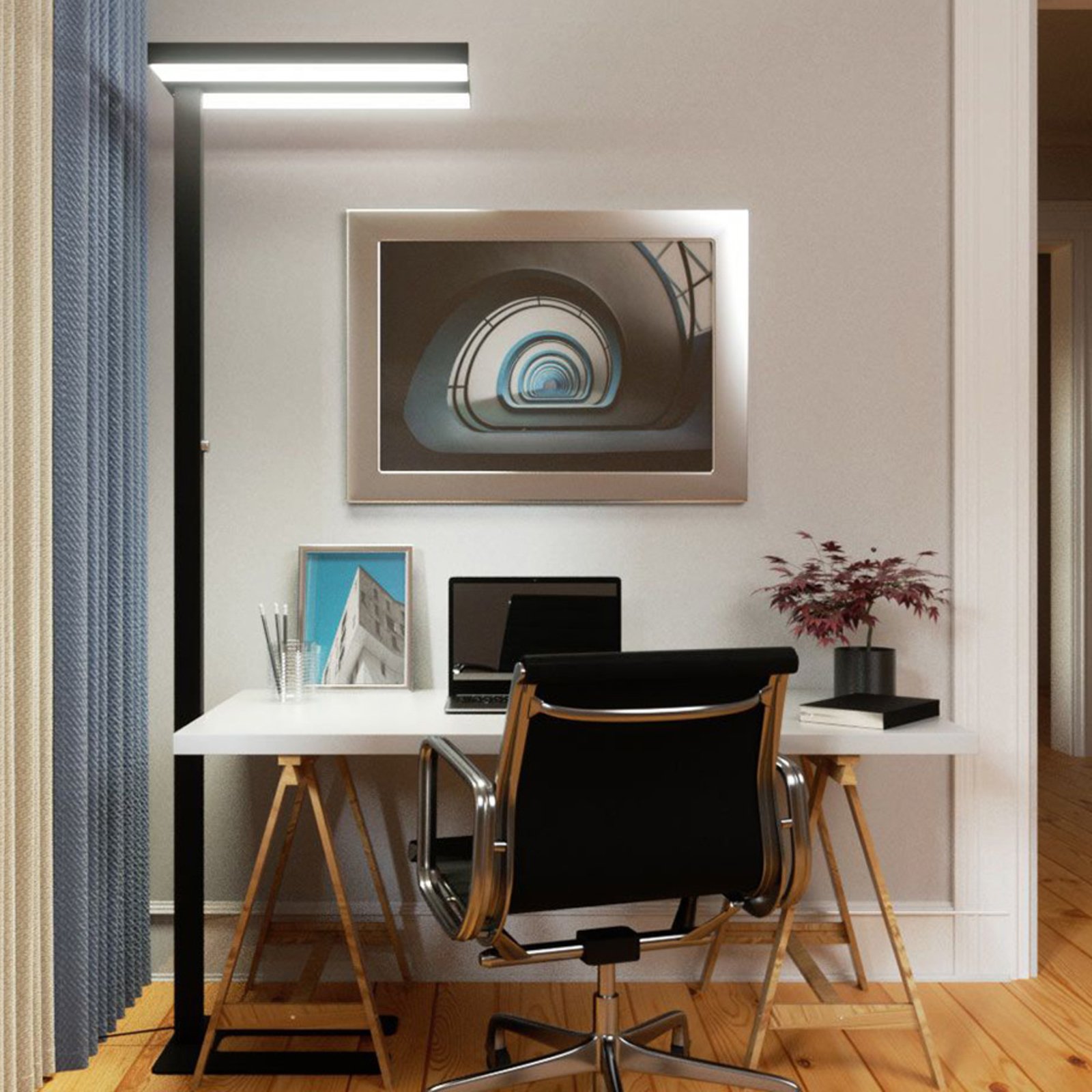
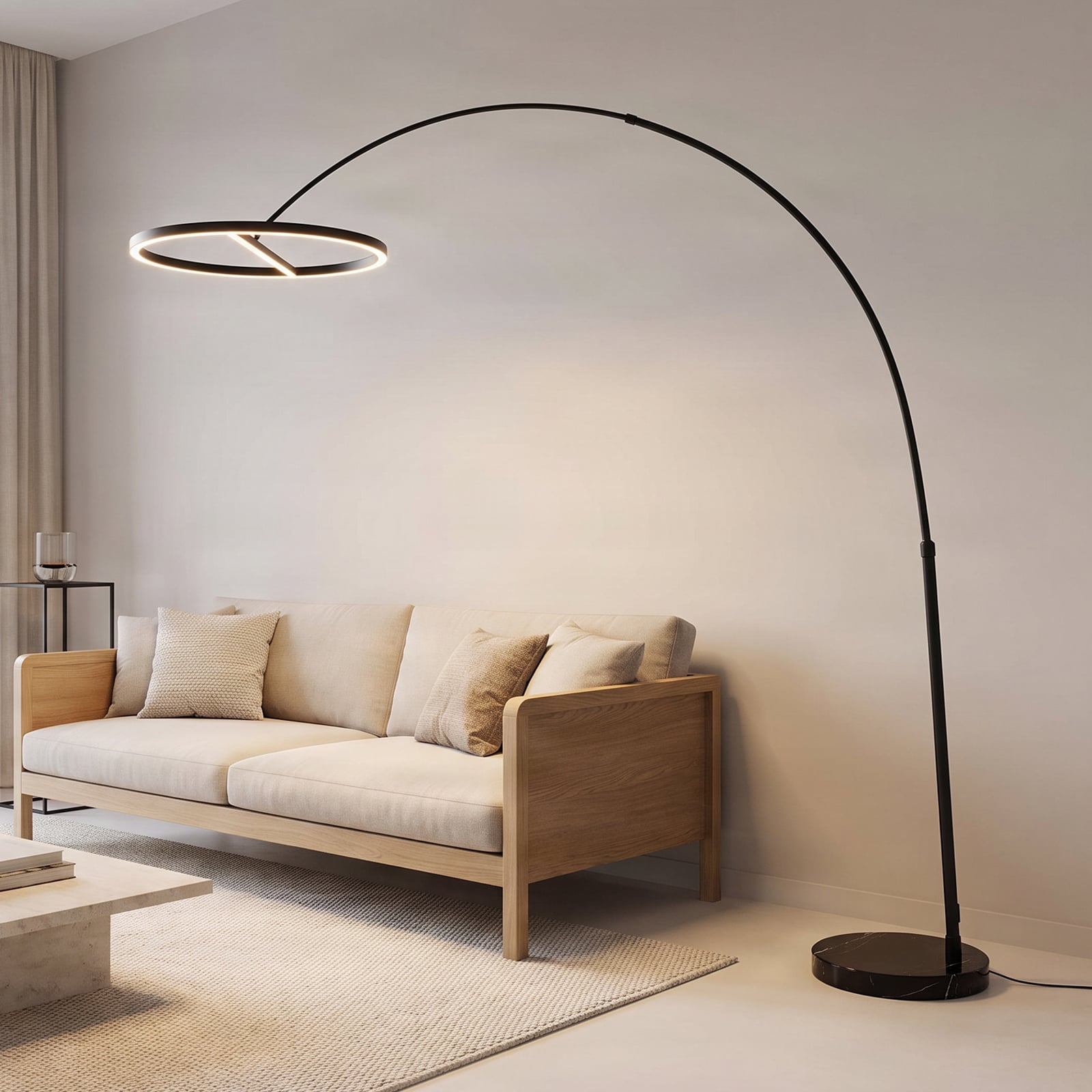
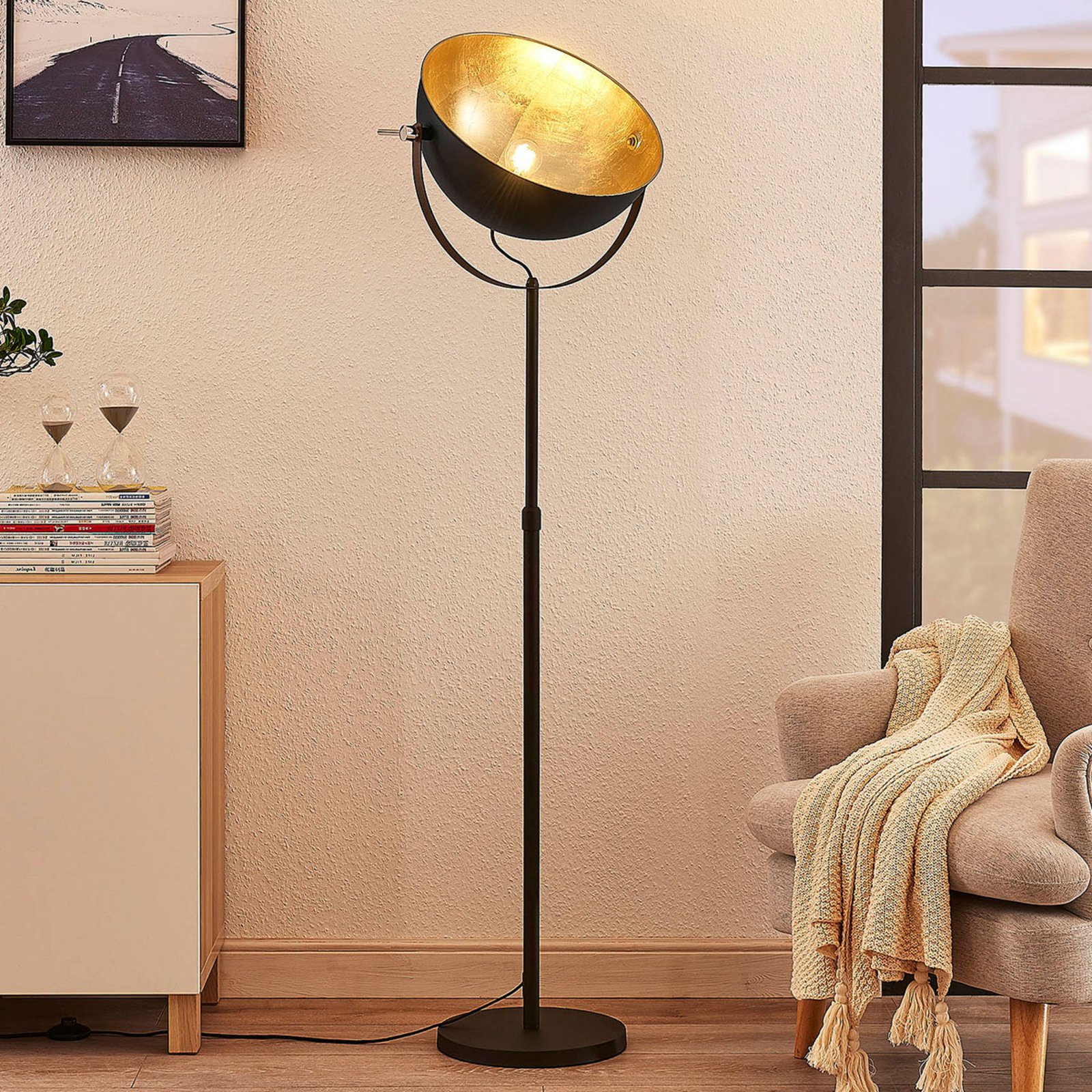
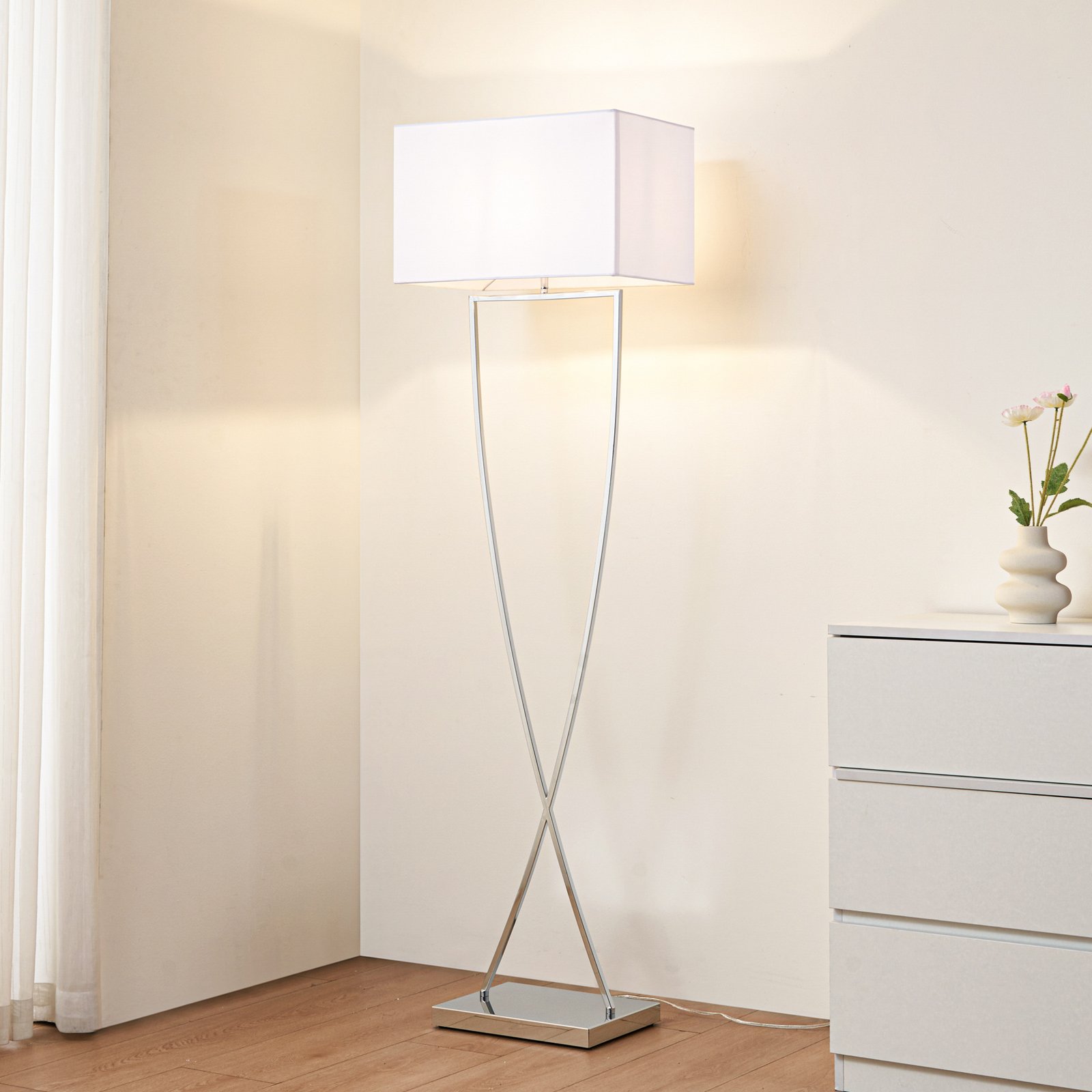
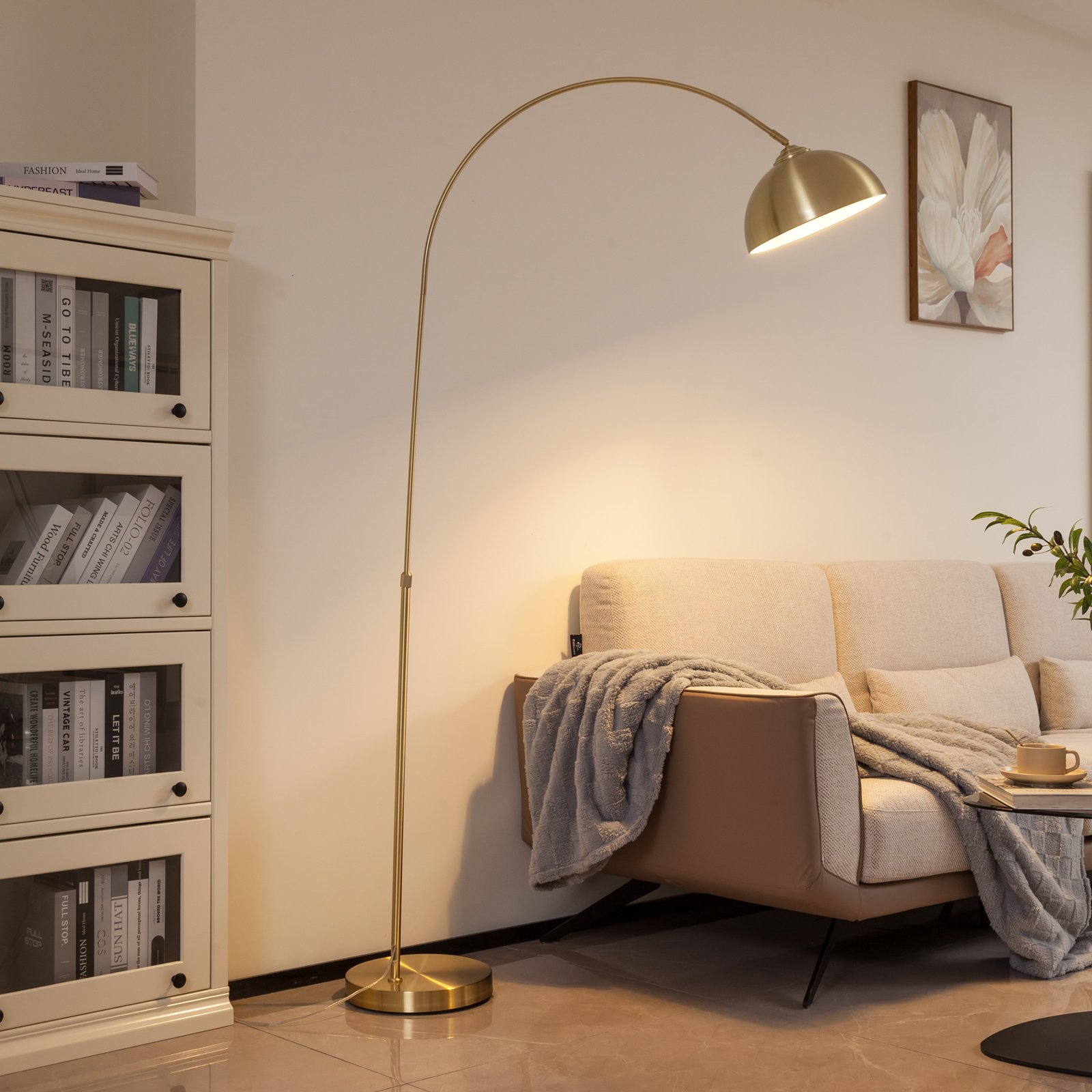
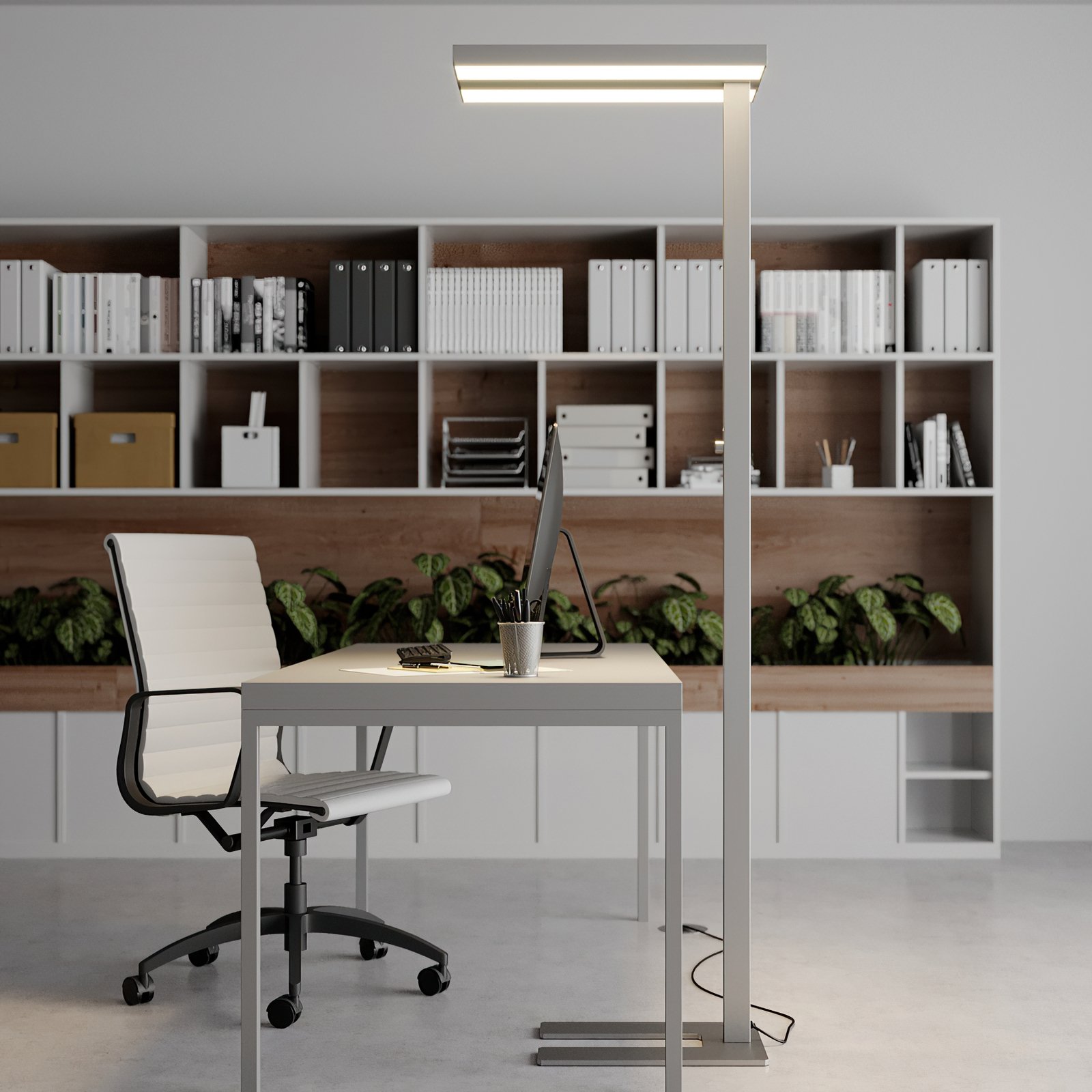
Floor lamps can also be a useful addition to ambient lighting in small rooms. Key factors are a compact base, slim design, and proper placement. Slim floor lamps, preferably with reading lights, are particularly suited next to sofas, armchairs, or beds. Compact uplighters can also brighten dark room corners without taking up much floor space.
Dimmable models allow the light intensity to be flexibly adjusted to the situation. Practical for small spaces are also lamps with storage or multi-functionality, combining lighting with additional utility. This way, previously underused corners can be incorporated into the lighting concept without occupying valuable space in the room's center.
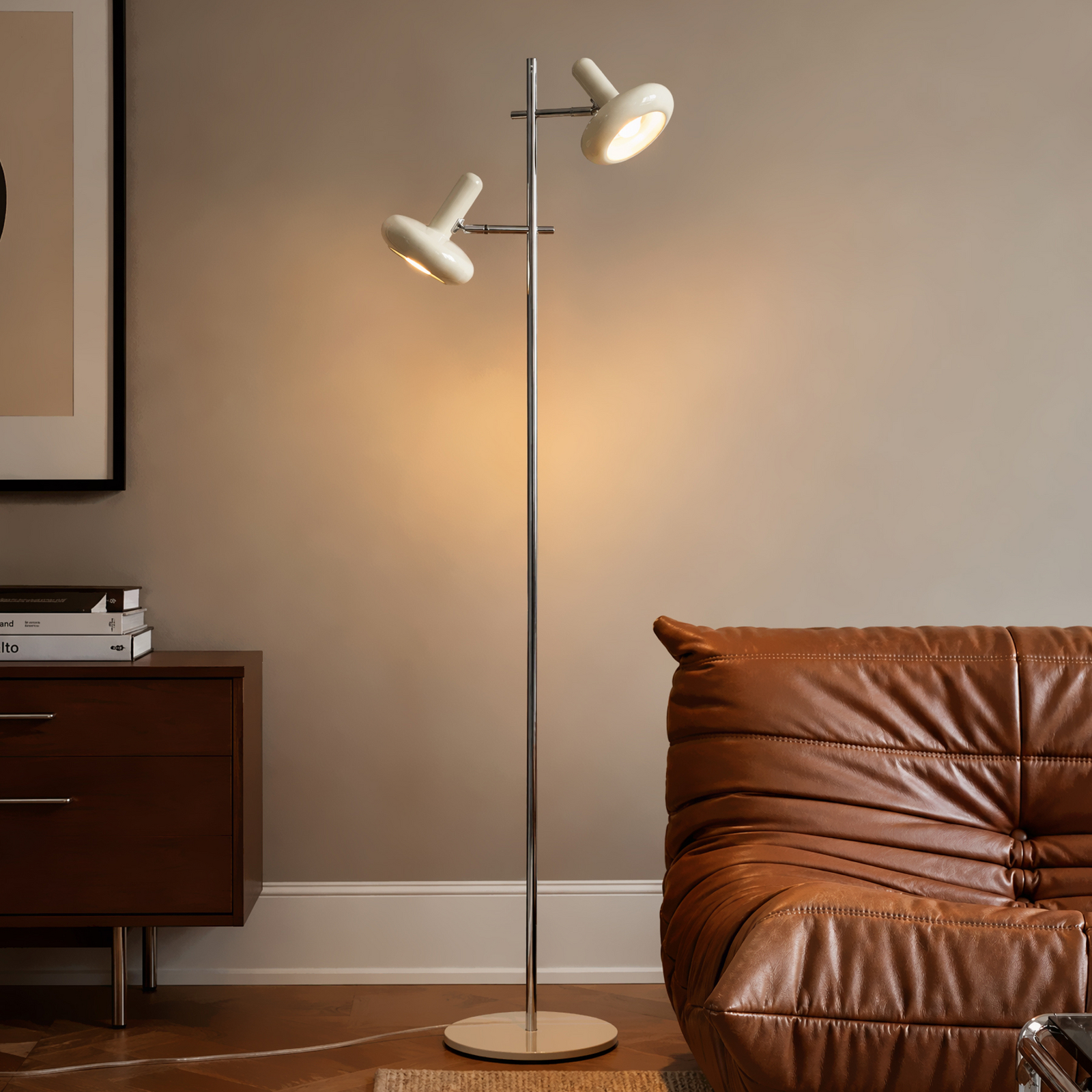
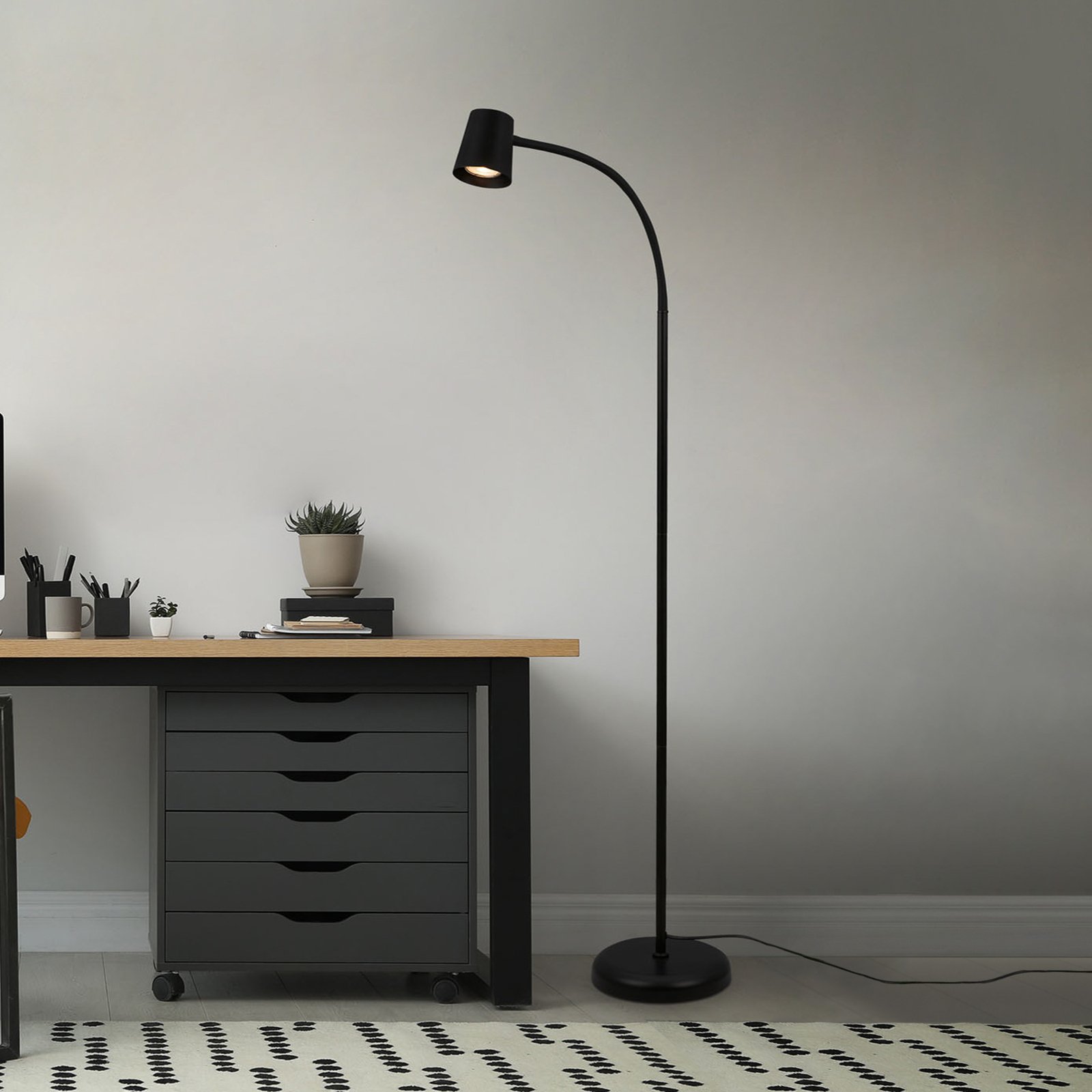
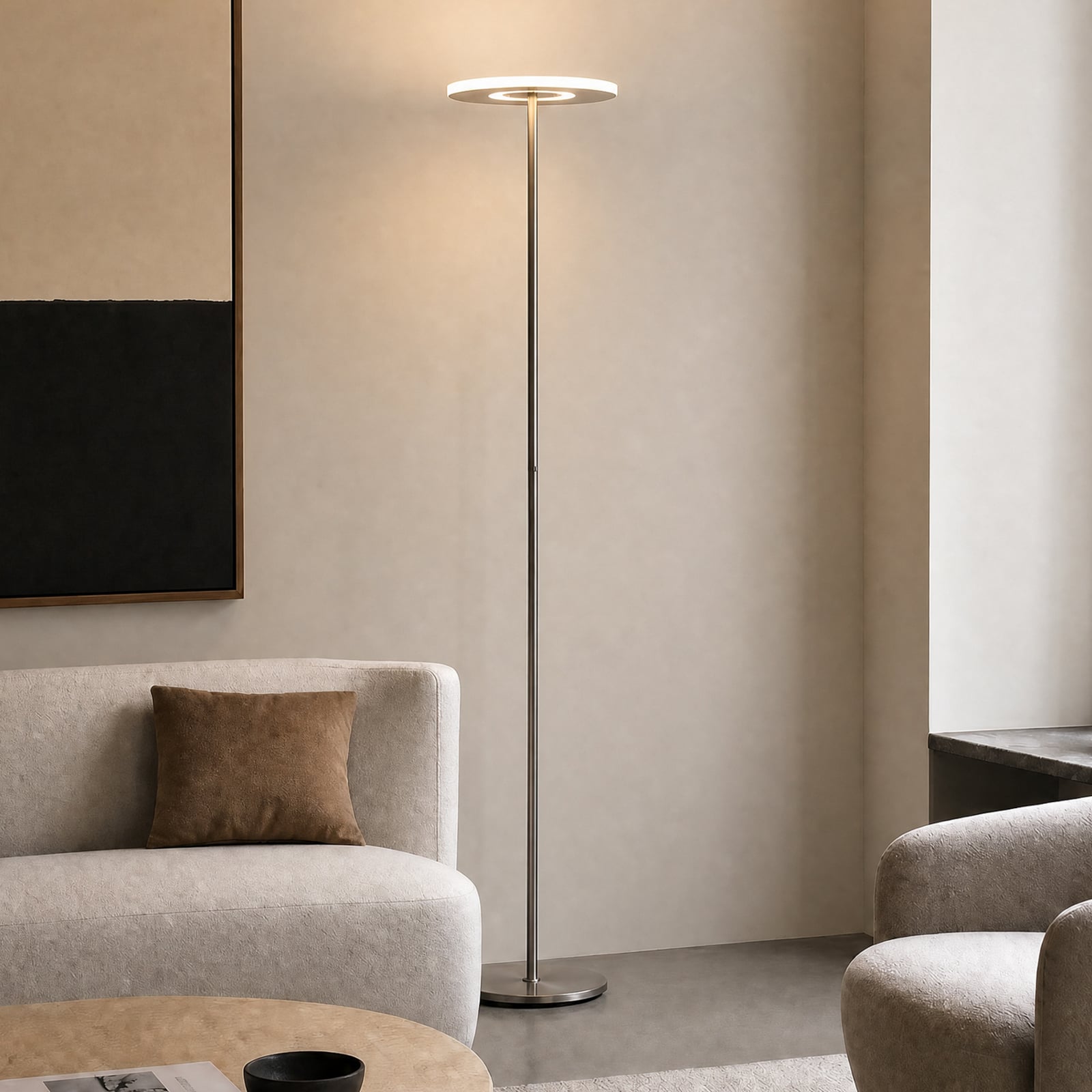
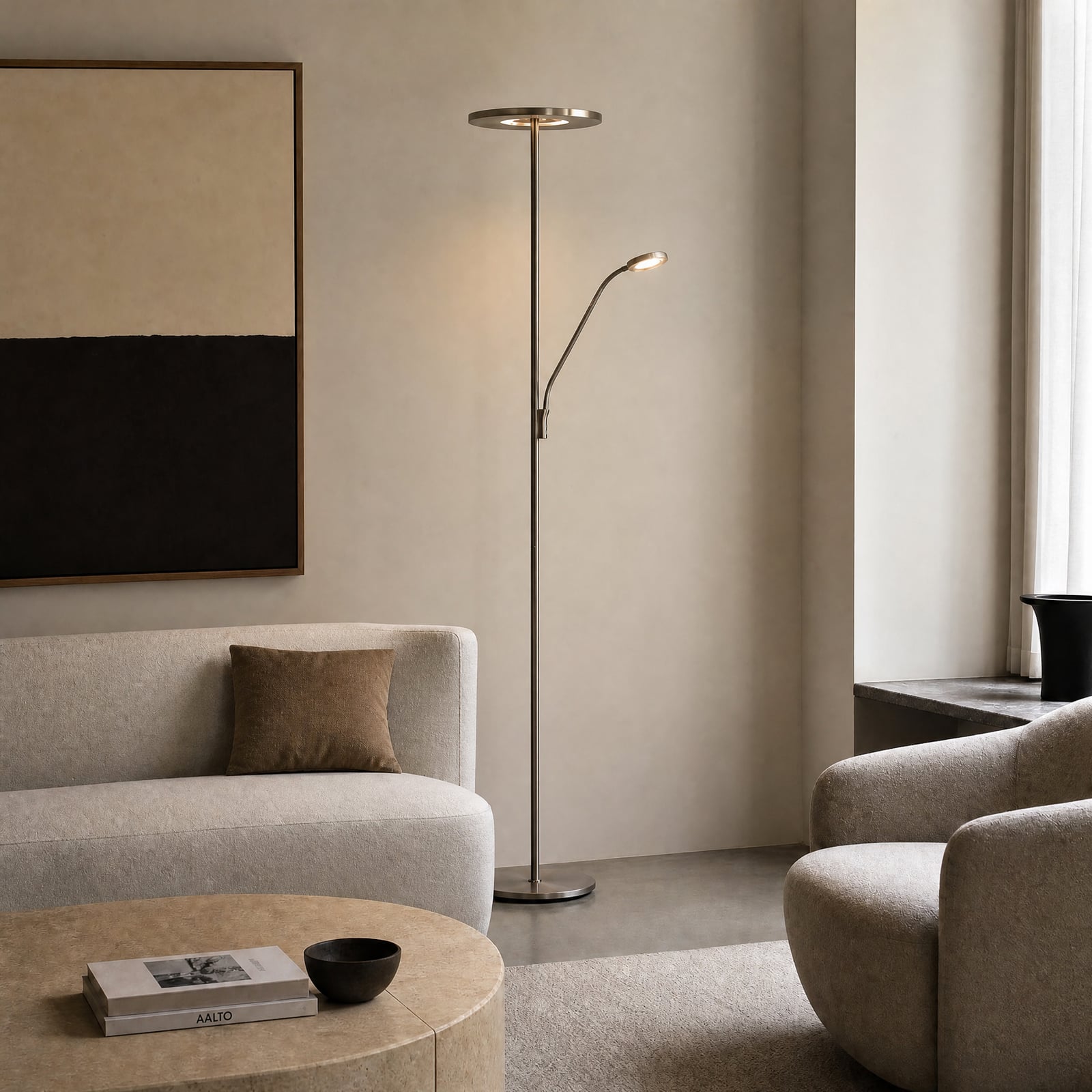
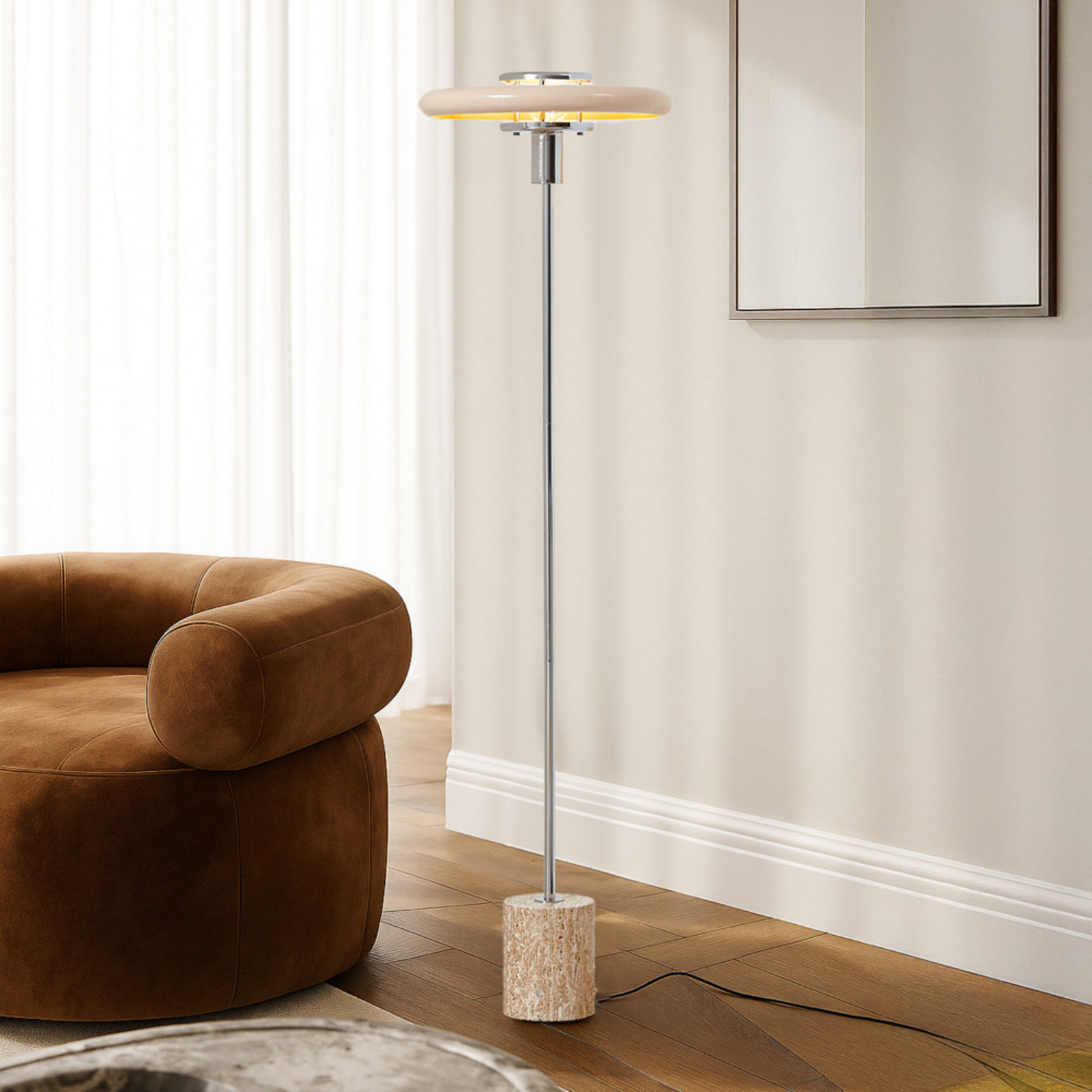

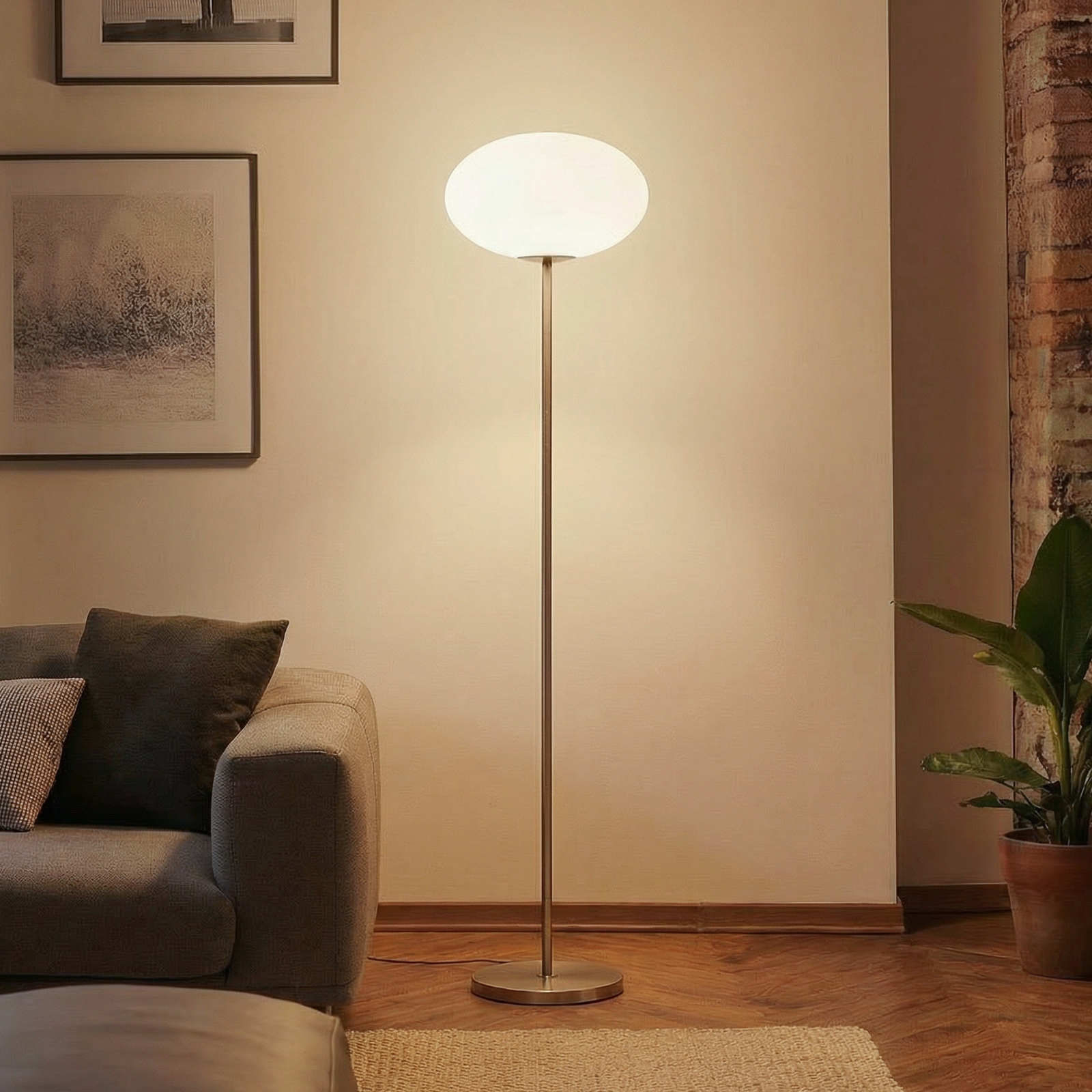
)
)
)
Table lamps for pleasant additional lighting
Table lamps provide additional light on sideboards, shelves, windowsills, or small side tables. Compact models with small bases or flexible cordless table lamps, which can be repositioned as needed, are particularly practical. As additional light sources, they create cozy light islands and can specifically brighten dark areas. Dimmable table lamps are ideal for small spaces as the brightness can be flexibly adjusted to the time of day and use.
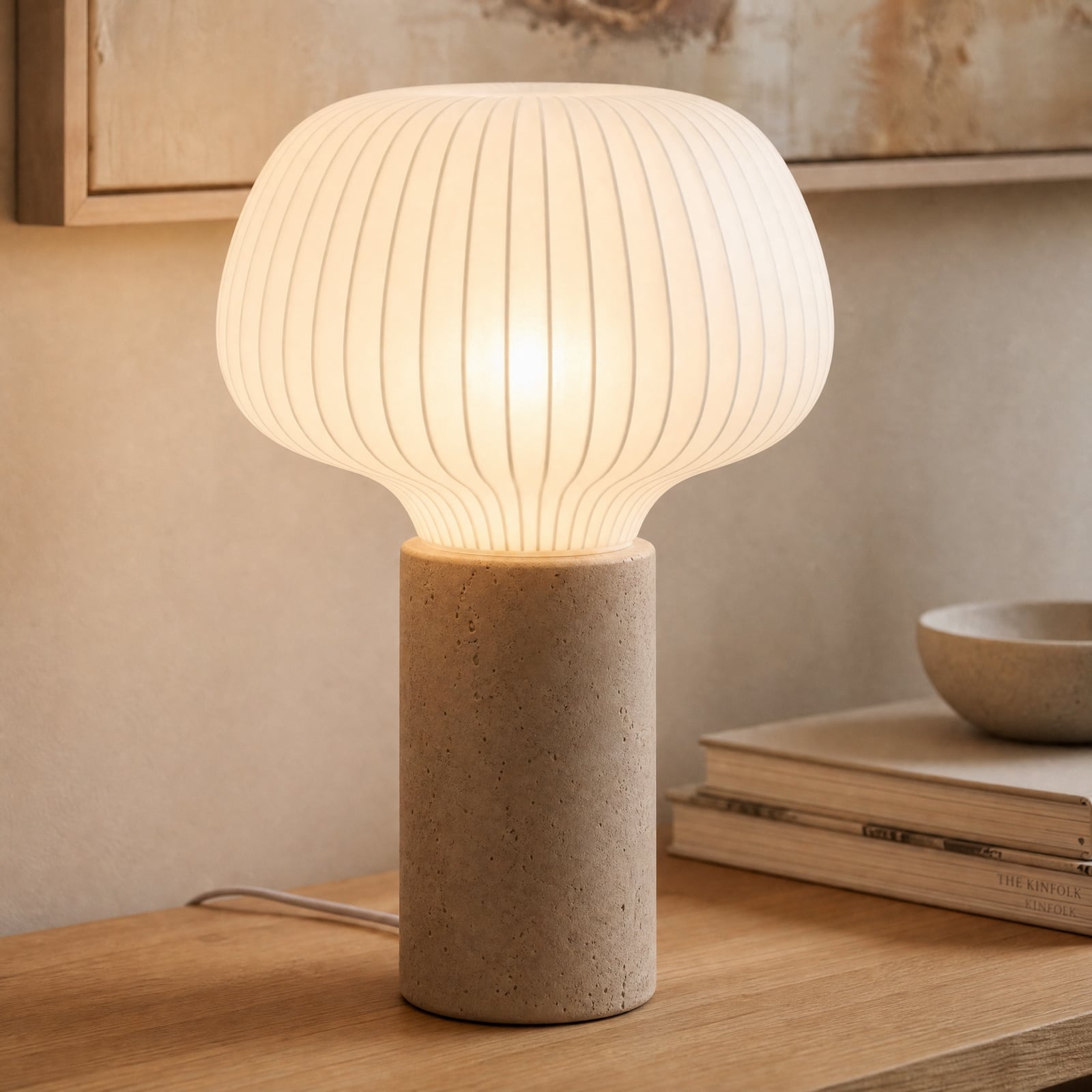
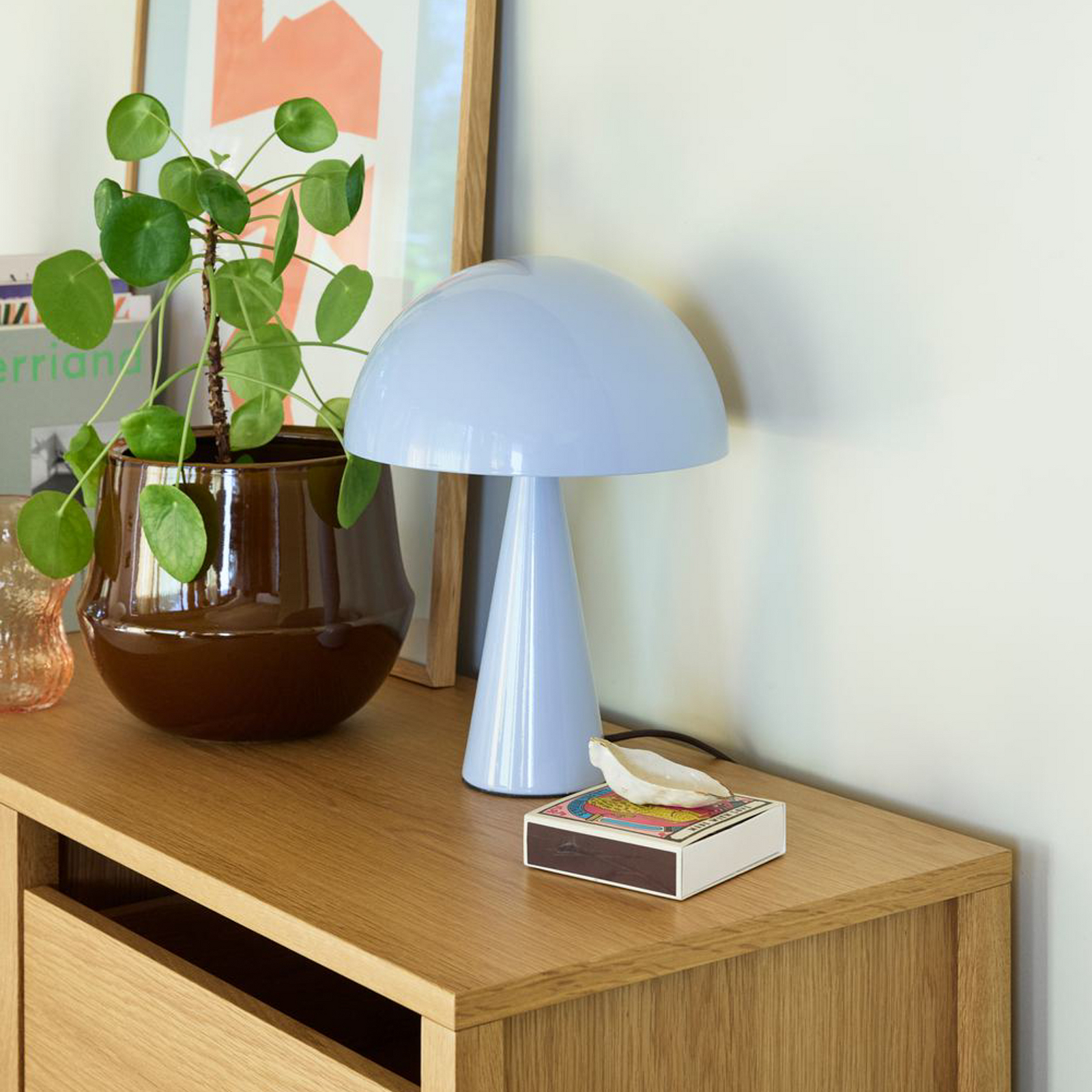
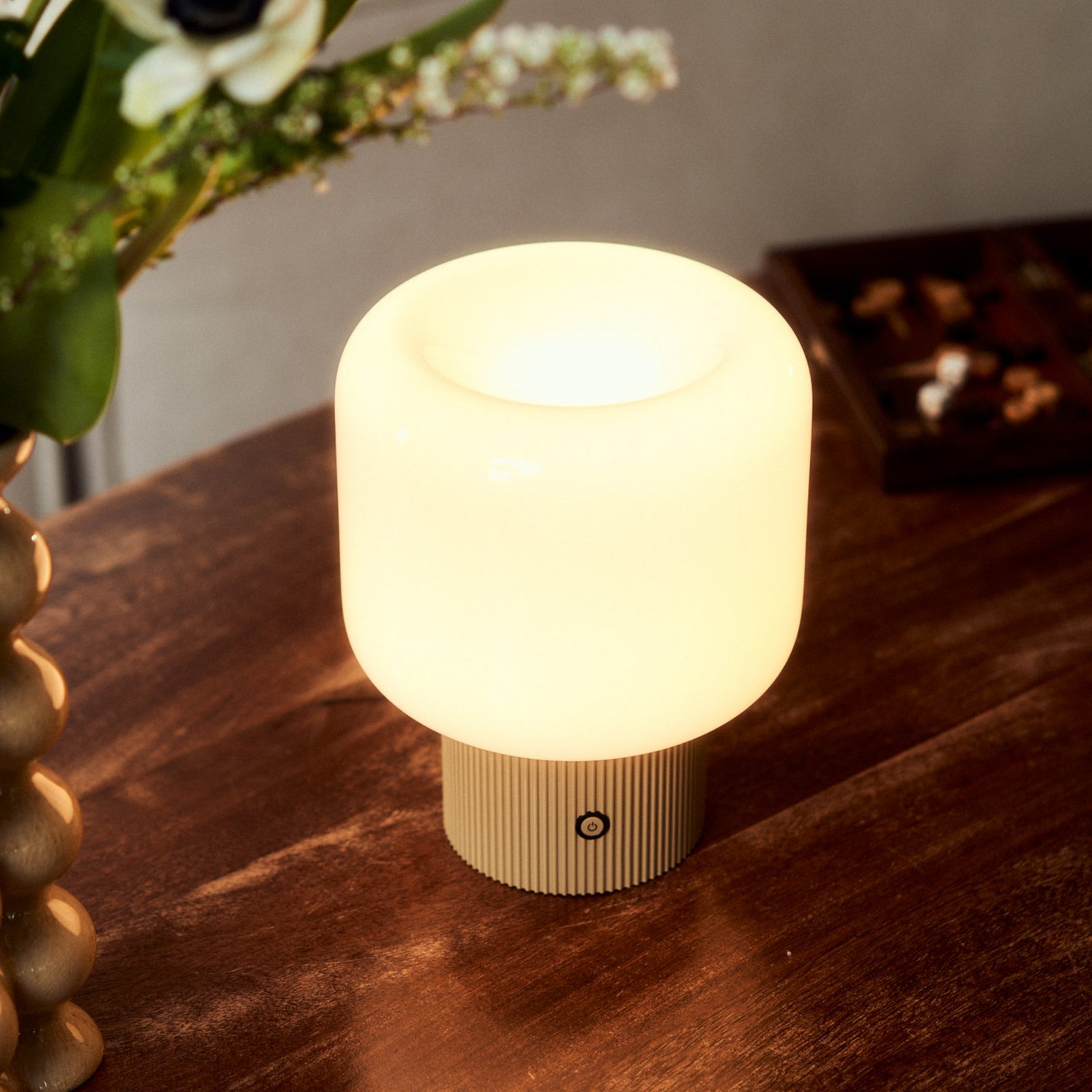
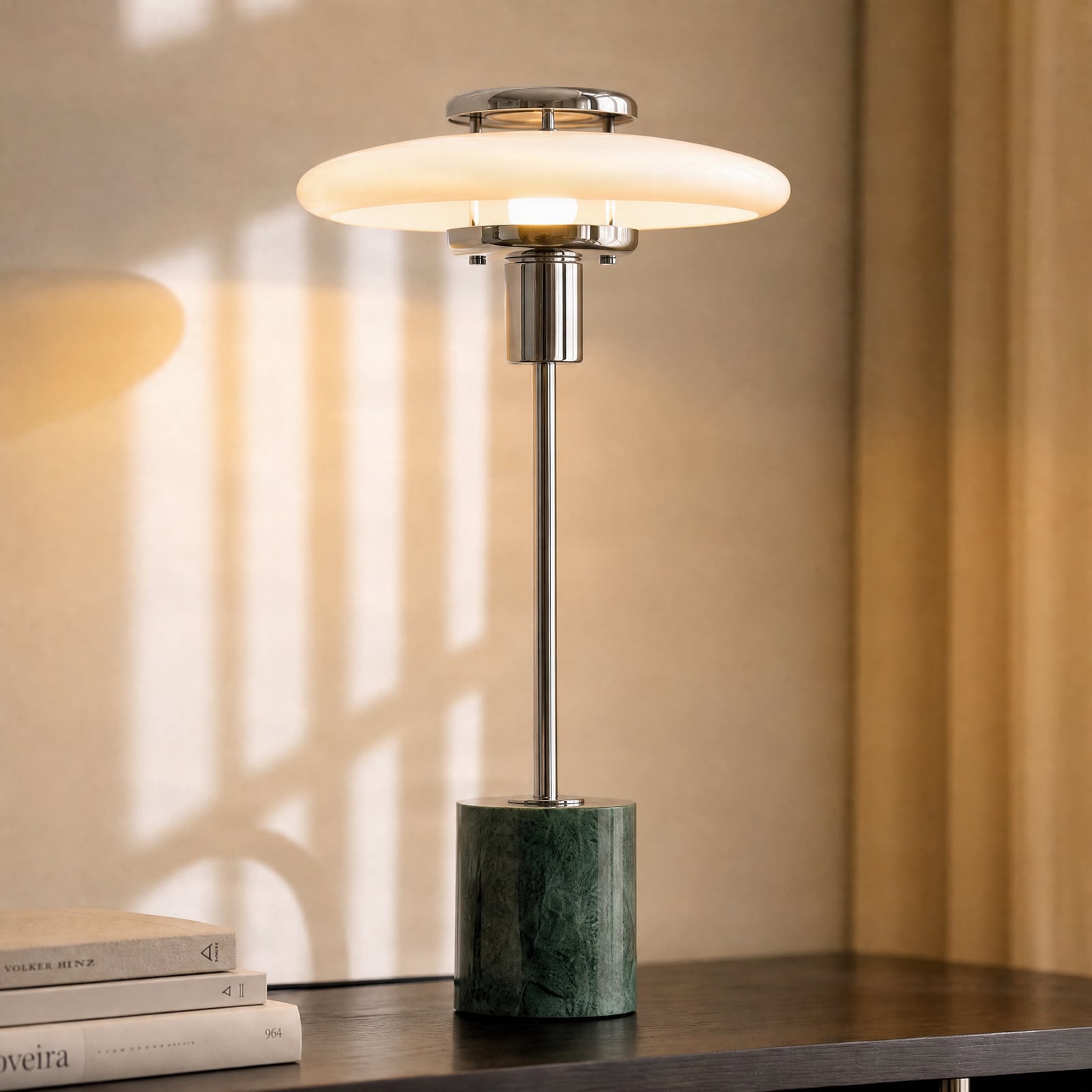
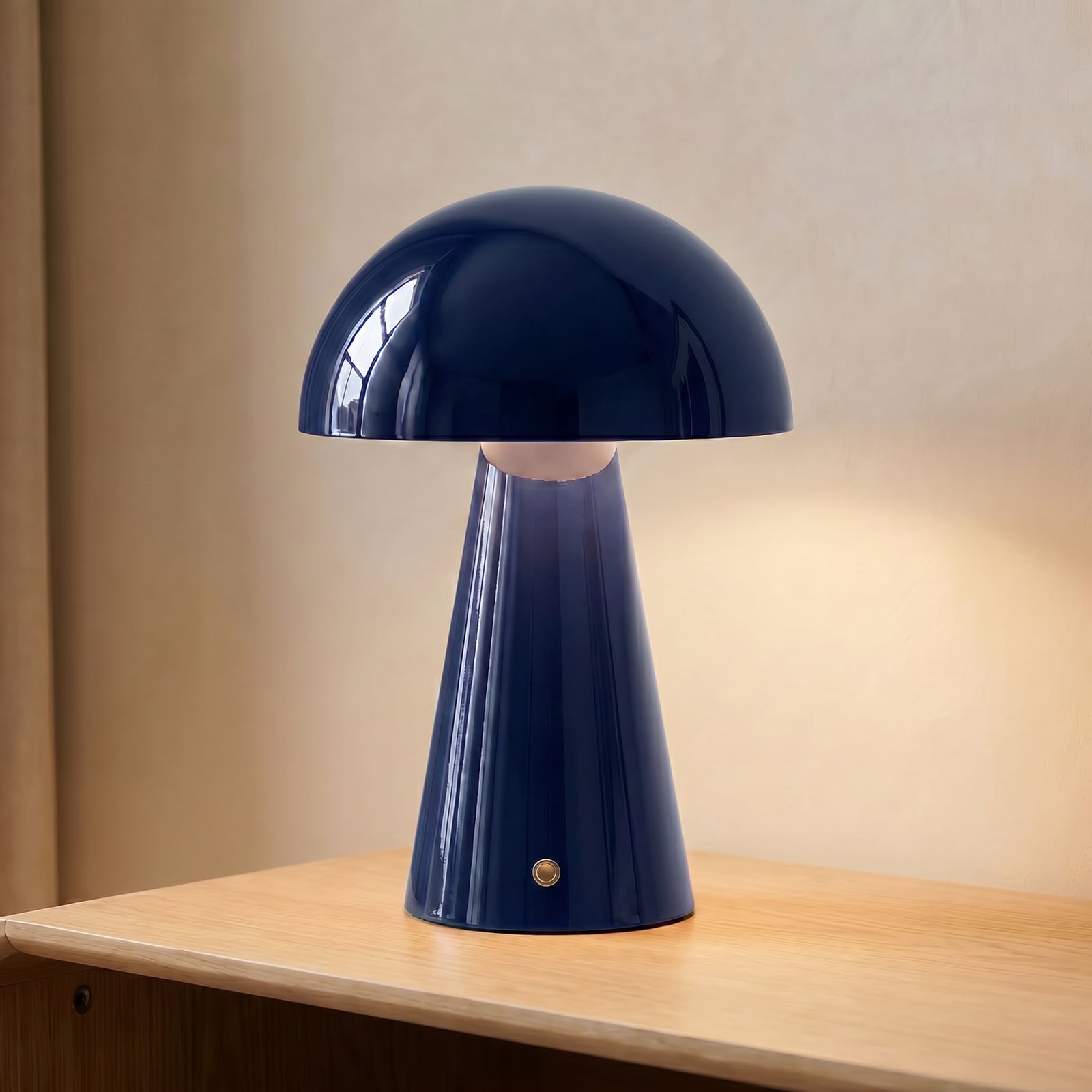
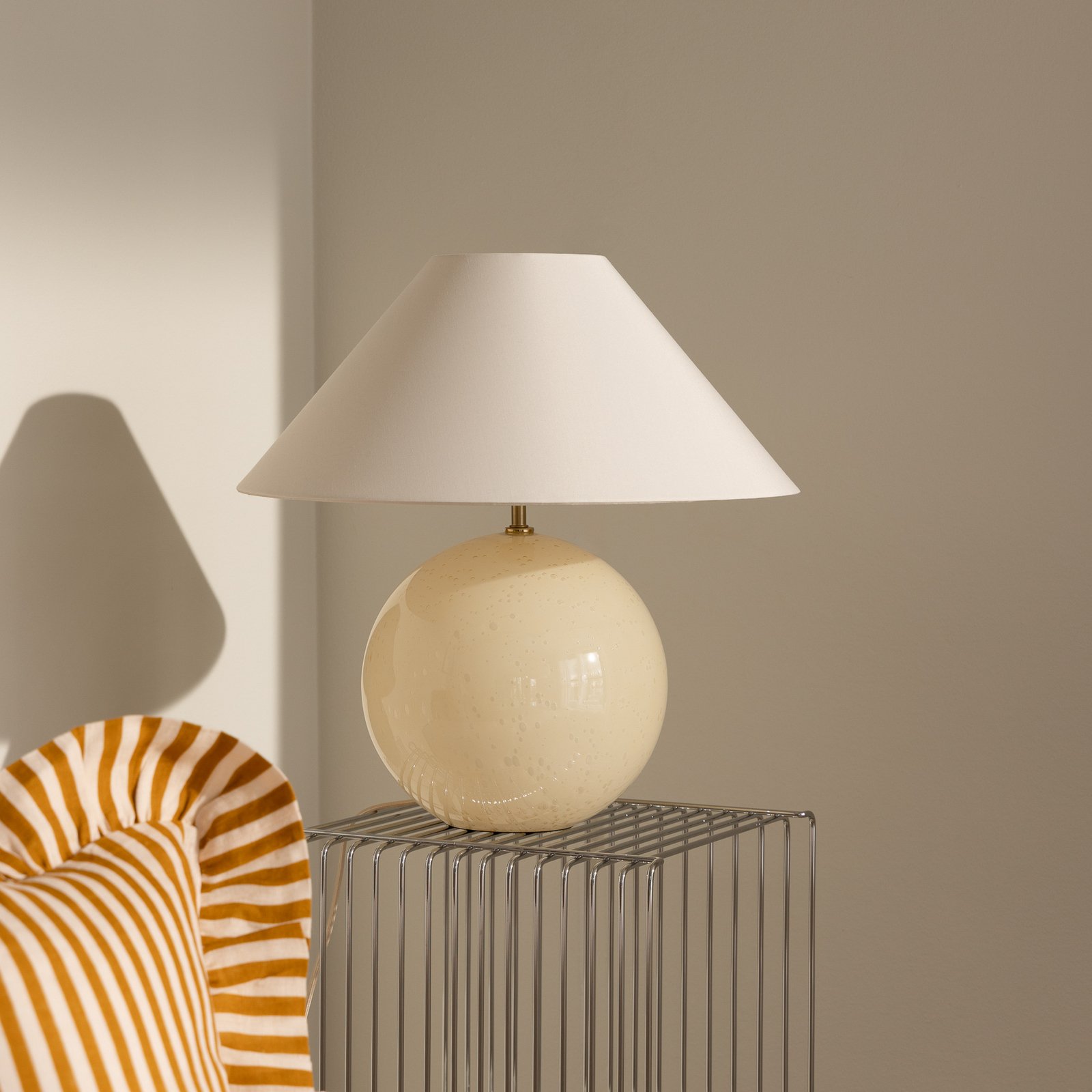
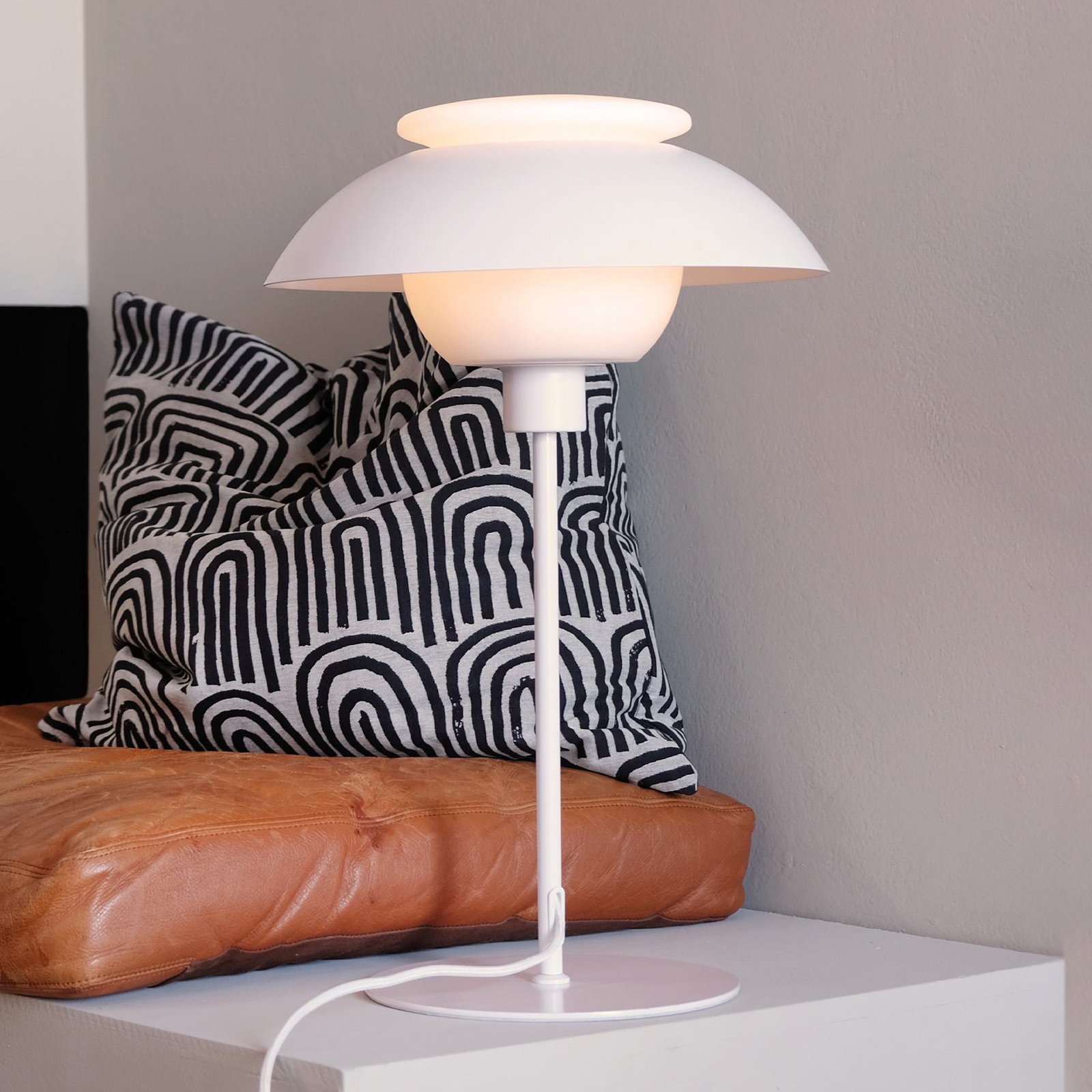
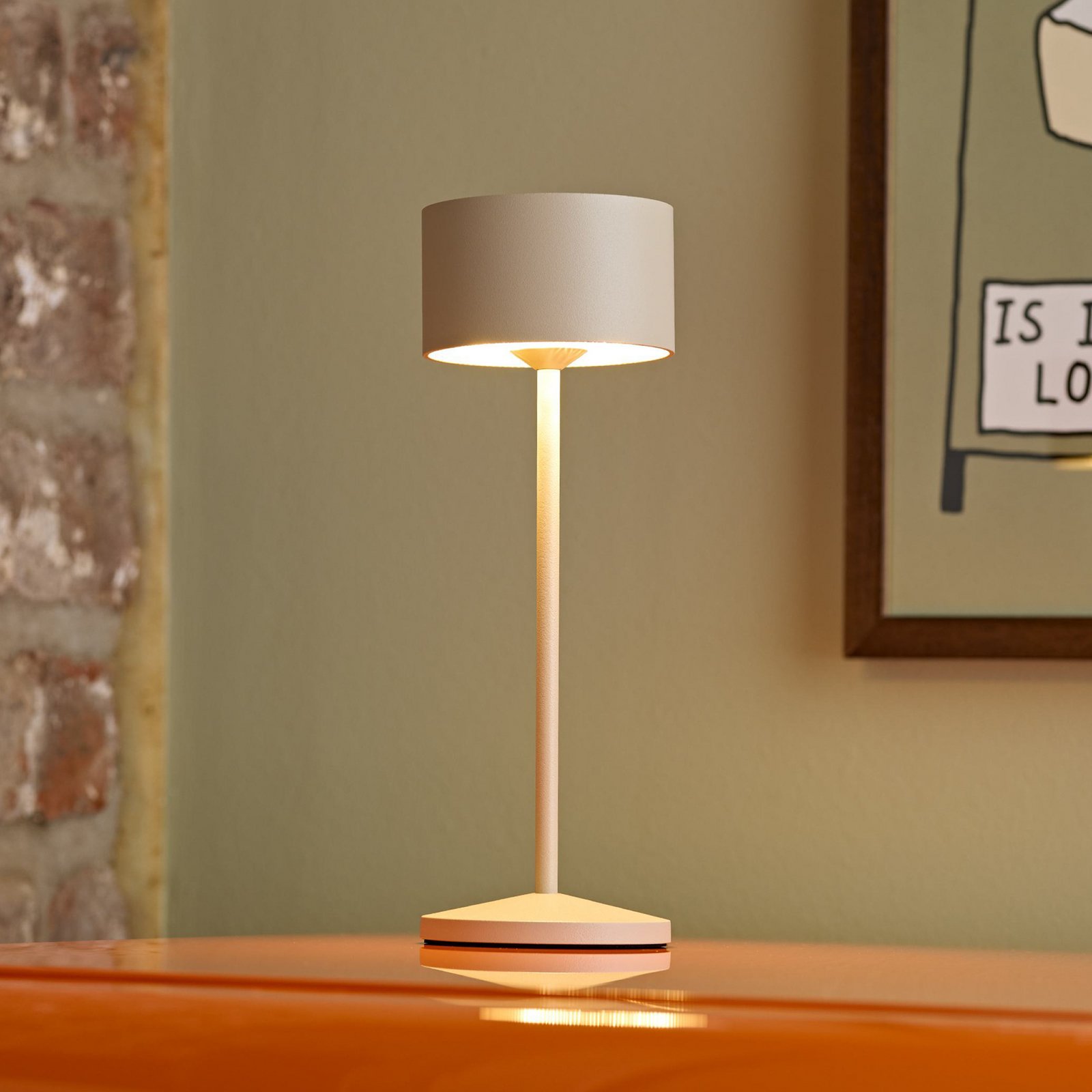
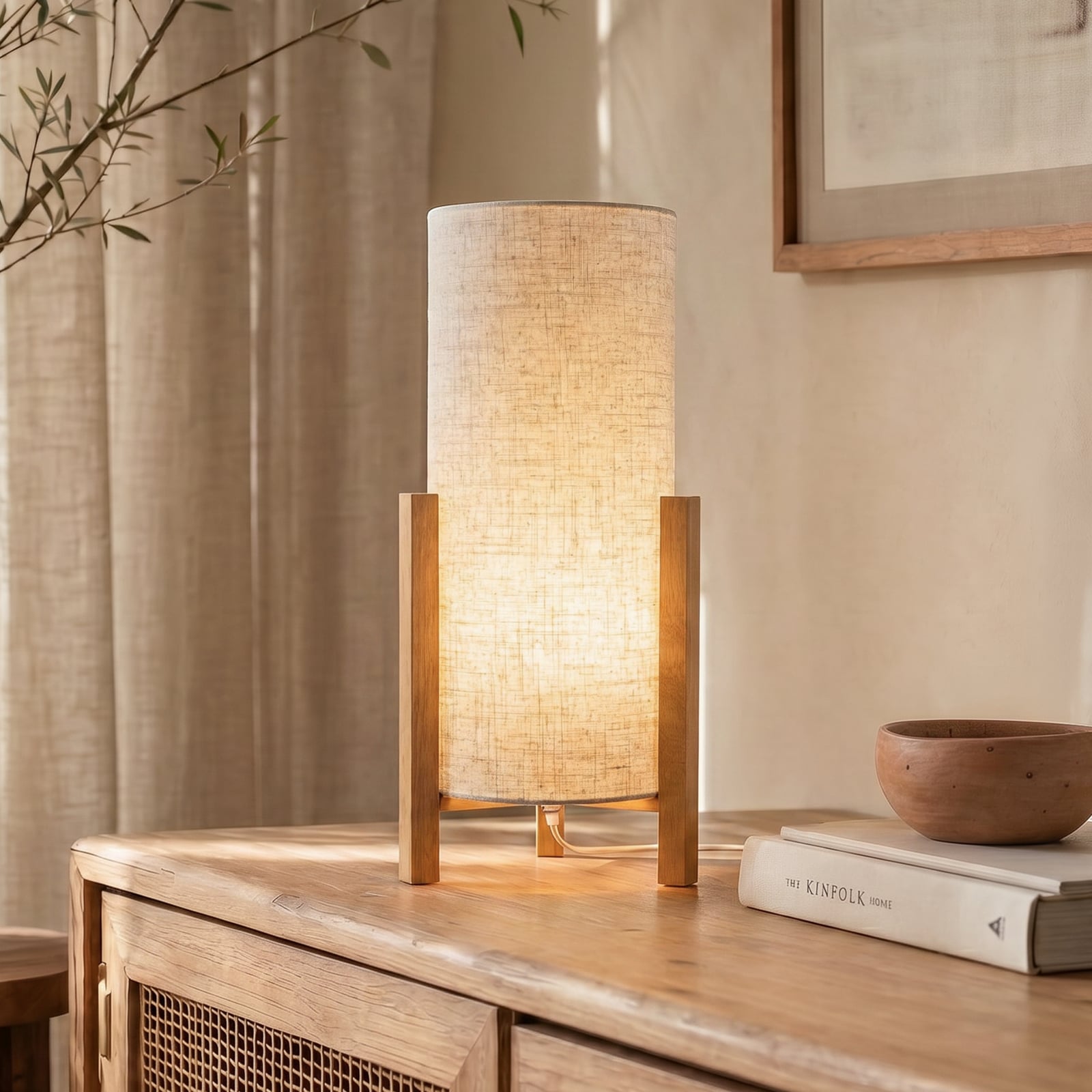
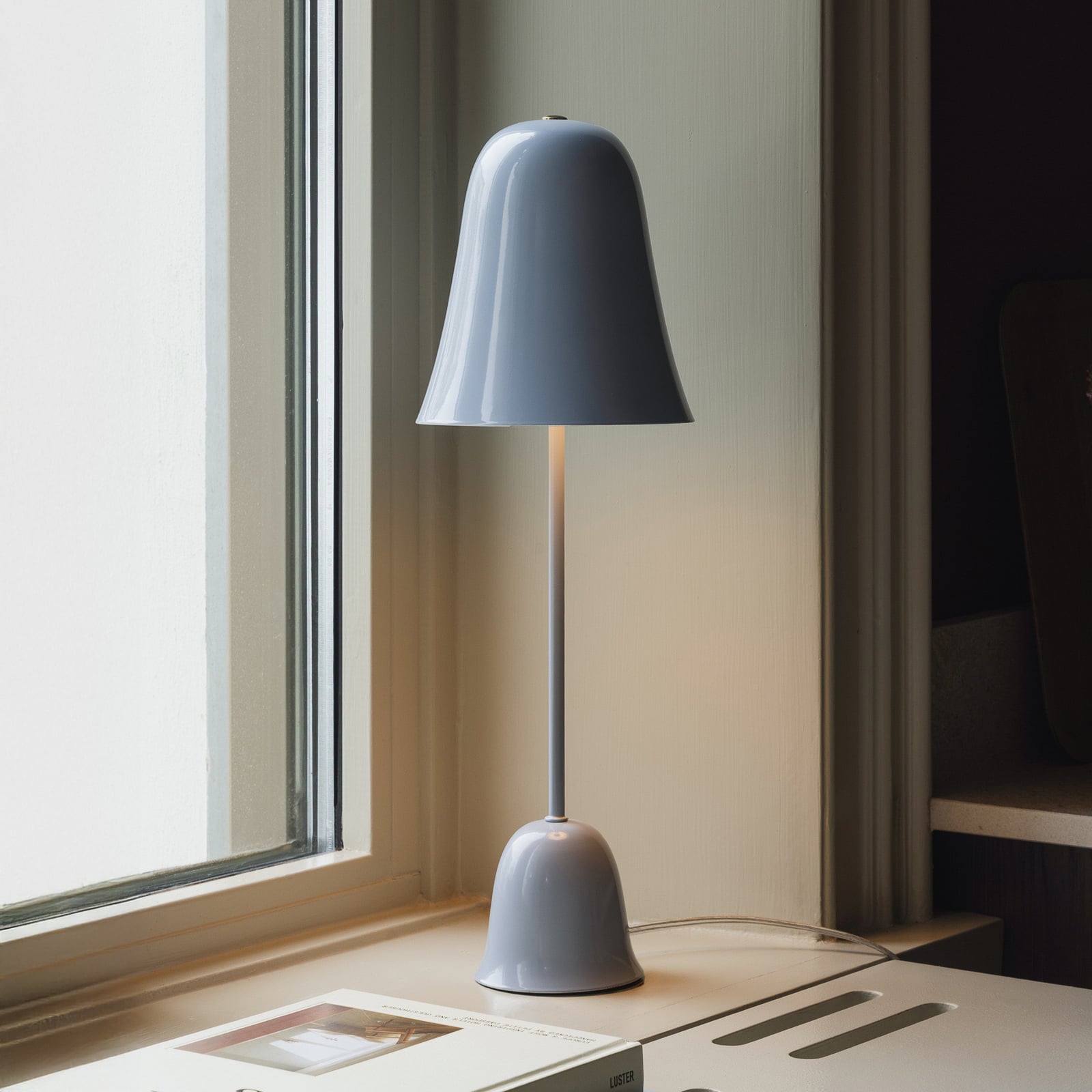
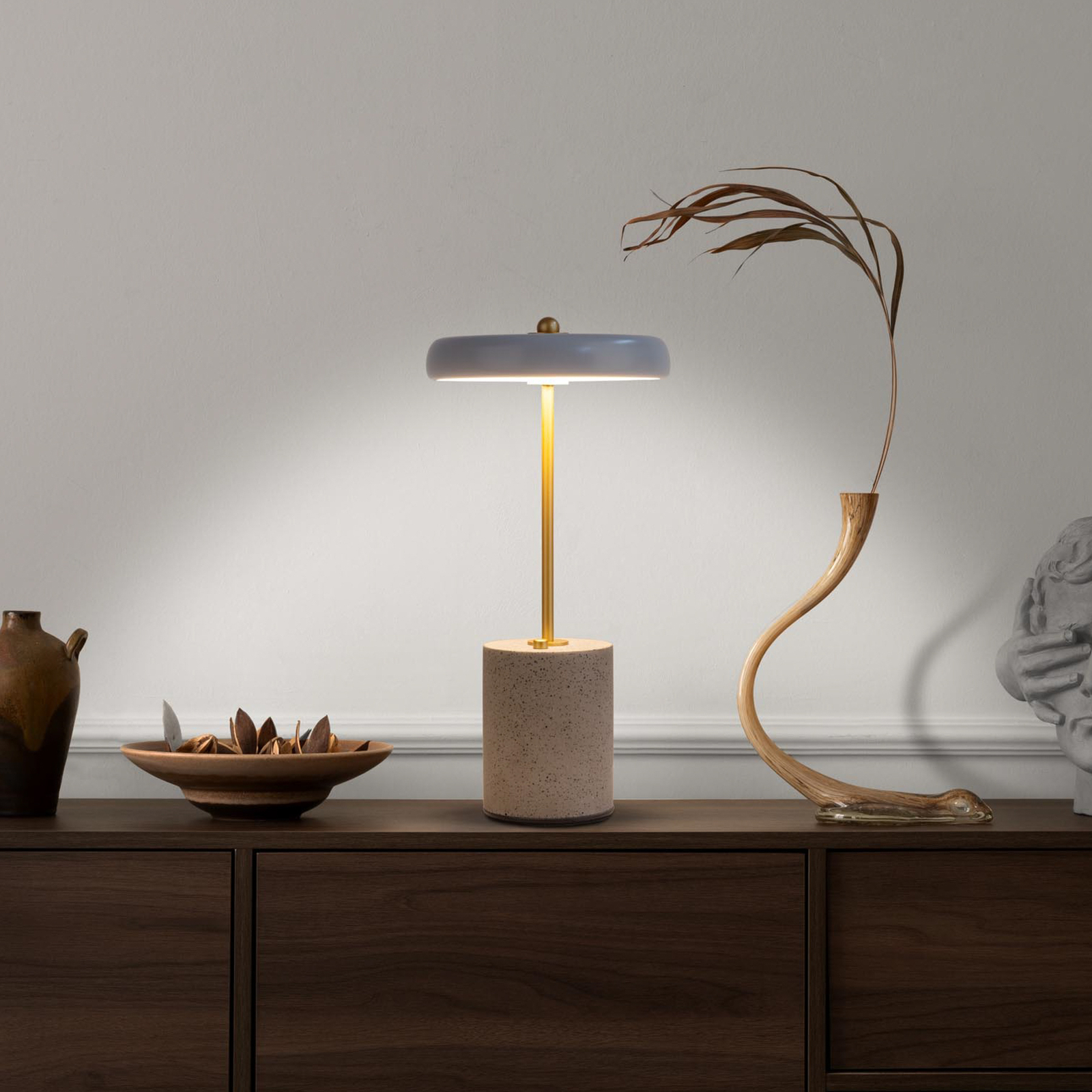
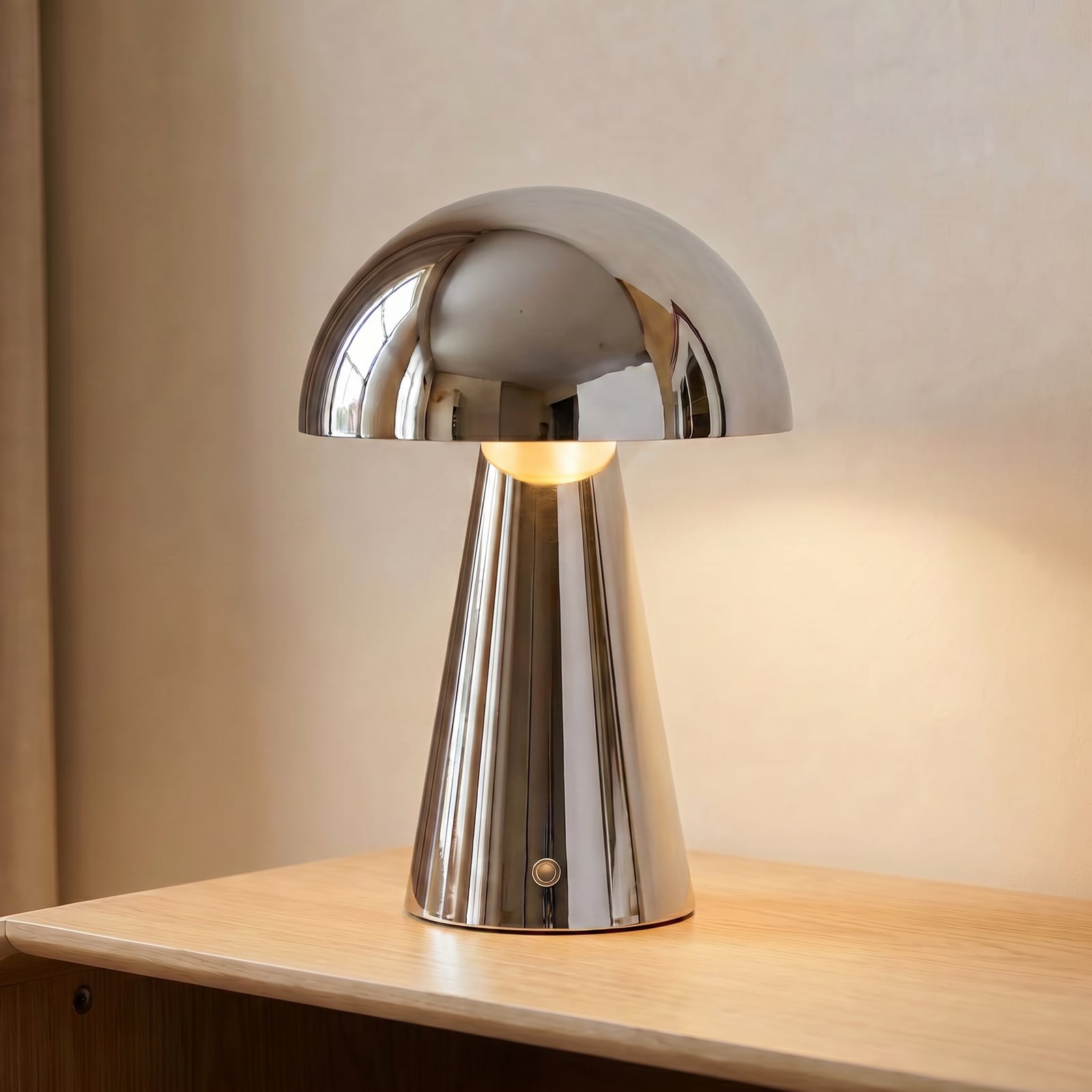
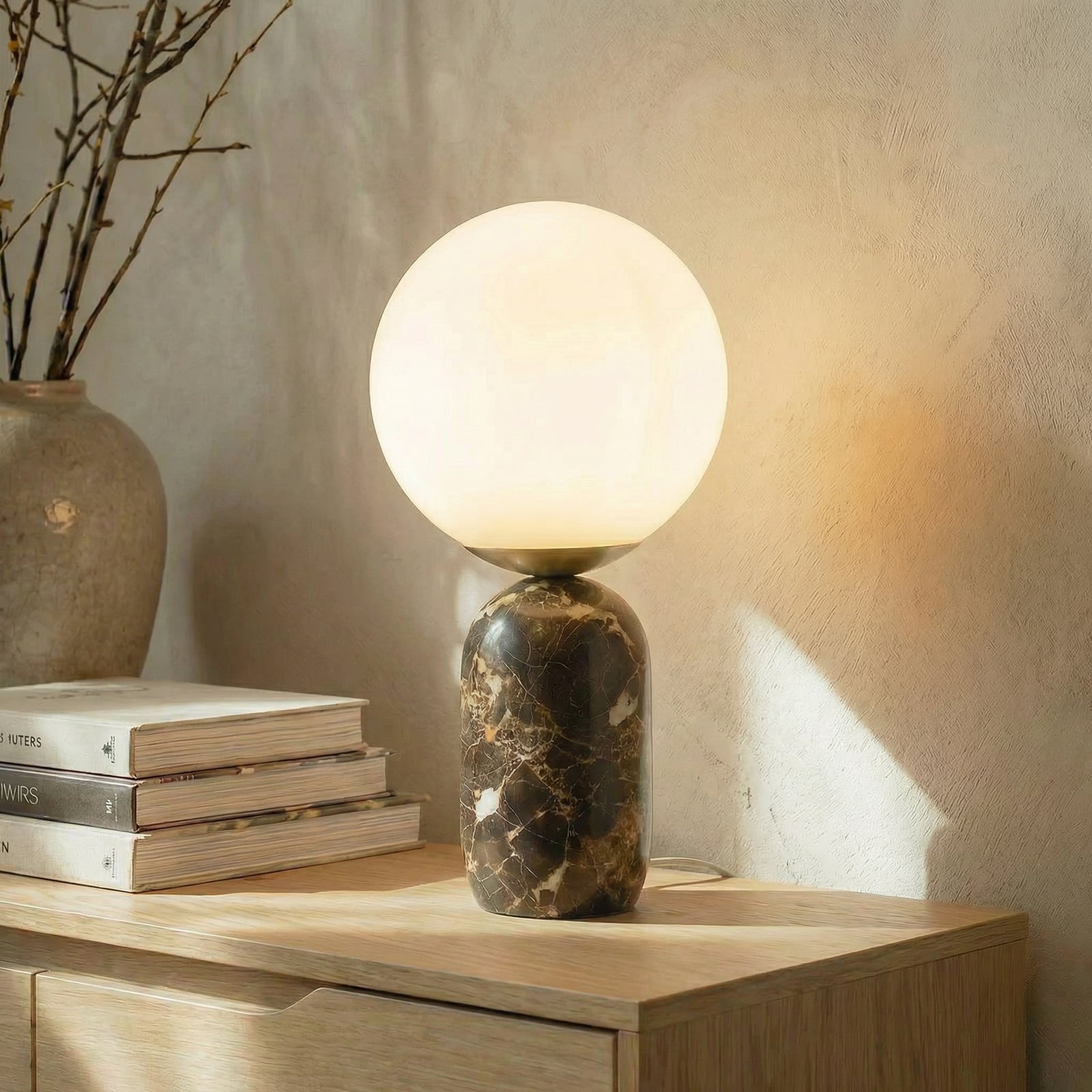
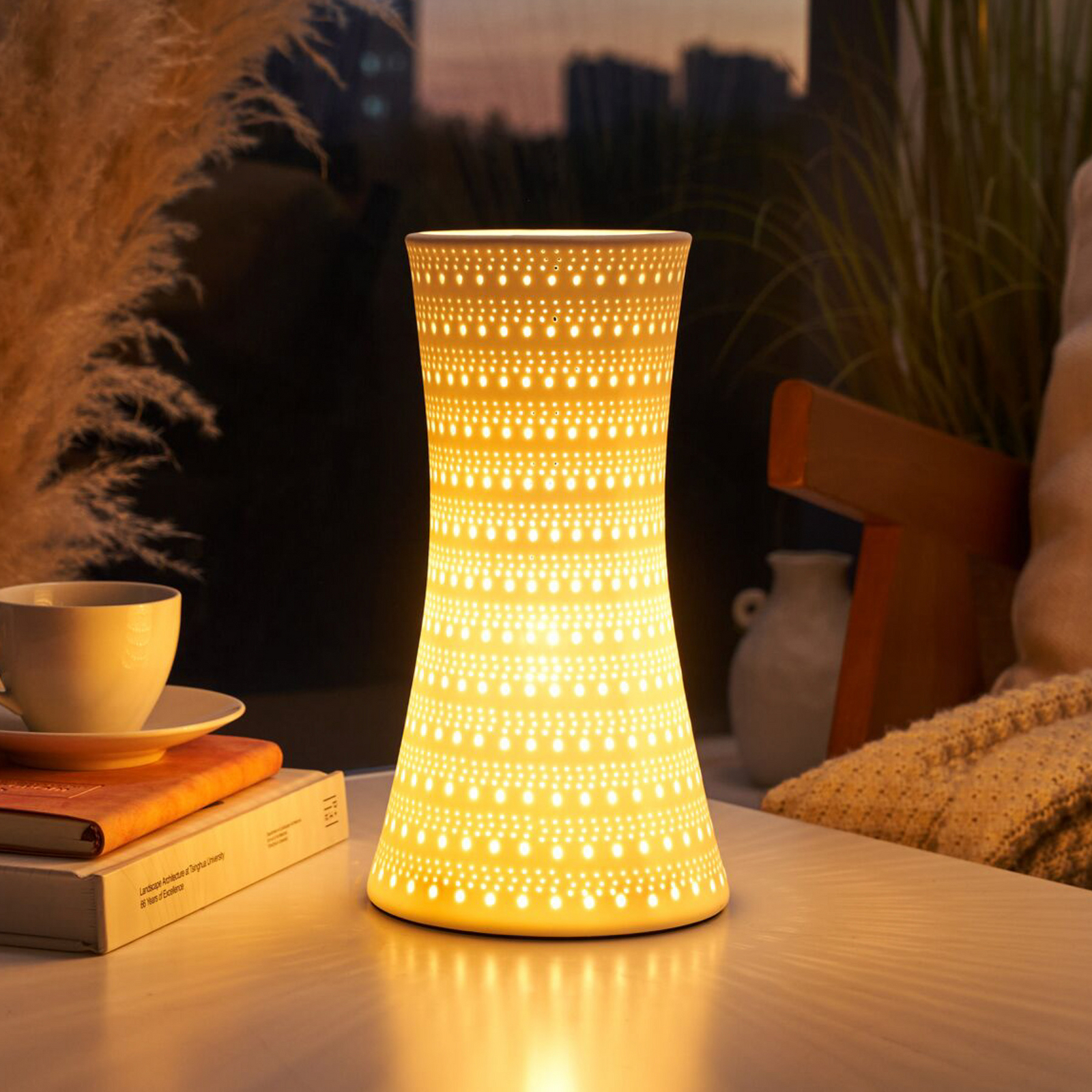
Lighting ideas for small spaces
Every small room has different lighting requirements. While good orientation and clear passageways are important in the hallway, the living room focuses on depth and cozy light islands. In the bedroom, space-saving and glare-free lighting solutions can provide more comfort. The following examples show how targeted use of light sources can create harmonious and functional lighting even in small areas.
)
In small hallways, the key is to create as much light as possible without obstructing the passage further. A flat ceiling light provides even ambient lighting, while multiple spots or additional light points can structure long hallways. Illuminating the mirror or a bright wall surface also makes the entrance area friendlier and visually more spacious.
Tips:
- choose flat lights with low extension
- combine multiple light points in long hallways
- purposefully illuminate mirrors and bright wall surfaces
- add motion sensors for more comfort
)
Even a small living room benefits from multiple light sources that illuminate different areas and levels. A flat ceiling light provides ambient light, while a compact reading lamp, wall lamp, or indirect lighting behind a sideboard, shelf, or TV create additional light islands. This creates more depth without overloading the room with large lights.
Tips:
- create multiple light islands instead of a single, very bright light source
- use slim floor lamps or space-saving wall lights
- utilize indirect lighting for more spatial depth
- prefer dimmable lights for different lighting moods
)
In a small bedroom, space-saving lamps help keep areas on the nightstand and floor clear. Wall, pendant, or clip-on lamps can illuminate the bed directly without taking up additional space. Warm white, dimmable, and as glare-free as possible light creates a pleasant atmosphere. Indirect light at the headboard or under the bed can also provide gentle orientation.
Tips:
- Use wall, pendant, or clip-on lamps instead of large bedside lamps
- Plan for glare-free reading light at the bed
- Choose warm white and dimmable light for a cozy atmosphere
- Use indirect light as a supplementary light source
More lighting tips for small spaces
In addition to choosing the right lamps, lighting small spaces requires balancing brightness, light color, and placement. With a few simple tricks, you can optimize available daylight, improve the spatial effect, and create a pleasant atmosphere even in a few square meters.
)
Utilizing daylight and bright surfaces
Natural daylight makes small spaces appear brighter and airier. Light-transmitting curtains let as much of it into the room, while bright walls, ceilings, and floors reflect the incoming light. Light-colored furniture and surfaces can also help brighten dark areas and make the room appear larger.
)
Deliberate use of mirrors
Mirrors can enhance the spatial effect by reflecting light and expanding the room visually. They are especially effective opposite or near windows and on walls illuminated by lamps. This creates more brightness and depth without needing extra square meters.
)
Choosing the right light color
Light color affects how a small room is perceived and the atmosphere created. Warm white light is particularly suitable for living and bedrooms, as it provides coziness. Neutral white light, on the other hand, can create a clear and more active effect in hallways, kitchens, or work areas. For flexible lighting, lamps with adjustable light color are especially practical.
)
Ensuring adequate brightness
Small rooms need enough light to avoid appearing dark or cramped. The amount of brightness required depends, among other things, on room size, usage, and existing surfaces. The light output of a lamp is given in lumens and should be considered when planning the basic lighting. It is often more sensible to distribute the brightness across multiple light sources rather than relying on one particularly bright lamp.
)
Preferring dimmable lamps
Dimmable lamps allow you to adjust the brightness according to the time of day and usage. This way, a lamp can provide sufficiently bright work light during the day and create a cozier atmosphere when dimmed in the evening. This flexibility is particularly worthwhile in small room lighting, as a single light level may not suit every situation.
)
Using track systems with few electrical outlets
In complex floor plans or with few electrical outlets, track systems can be a flexible solution. Several lamps can be positioned on a common track and directed specifically to different areas. Thus, dark corners, furniture, or individual zones can be illuminated without requiring a separate ceiling connection for each light source.
)
Using LED strips for indirect accents
LED strips are suitable for indirectly illuminating furniture, shelves, or architectural areas. A gentle lighting accent is created behind a sideboard, under wall cabinets, or along a shelf, which gives the room more depth. Especially in small rooms, indirect light should be used deliberately and combined with the basic lighting to keep the lighting design calm and balanced.
Lighting mistakes make small spaces feel tighter
Even a bright lamp does not automatically ensure a good spatial effect. Especially in lighting small spaces, unsuitable lamps, wrong placements, or too many light sources can make the room feel cramped or restless. These typical mistakes are easy to avoid:
 "Große Räume")
 "Beleuchtungskonzept")
 "Schienensysteme")
 "Gemütliche Leuchten")
 "Feng Shui Regeln")
 "Naturmaterialien")