



































:format(jpeg) "What is Lumen")
What is Lumen?
The measured value for brightnessLumen (lm) is the unit for light output, i.e. the brightness of a lamp. This information can be found on light sources as well as on luminaires with permanently installed LEDs.
Watts or lumens? - This is the difference: The unit of measurement watt provides information about the energy consumption of a bulb as well as of other electrical appliances such as refrigerators, microwaves, televisions or dishwashers. Lumens, on the other hand, provide information about the actual brightness of a light source and can therefore be used as a reliable value to check the suitability of a lamp or light for personal requirements.
Lumens to watts table - conversion and orientation
In the past, the brightness of a bulb was mainly determined by the wattage. The reason why people used to use watts to refer to brightness was that the ratio of watts to lumens (the so-called luminous efficiency) was always the same for traditional light bulbs. However, as light sources are becoming more and more energy efficient, they now produce more and more lumens per watt. However, how many lumens a bulb produces with how many watts depends on the product. Lumens (lm) is therefore a reliable value for determining brightness, as it describes the actual amount of light.
The following table shows typical comparisons between old traditional light bulbs and modern LED bulbs and should only be used as a rough guide for the power consumption of LEDs:
| Former traditional light bulb (watt) | Brightness (lumens) | Comparable LED wattage | |
|---|---|---|---|
| 25 W | 249 lumens | 3-4 W | |
| 40 W | 470 lumens | 5-6 W | |
| 60 W | 806 lumens | 7-10 W | |
| 75 W | 1055 lumens | 10-12 W | |
| 100 W | 1521 lumens | 12-15 W |
Lux vs. lumens vs. candela vs. kelvin - briefly explained: Lumens (lm) describe the total amount of light emitted, i.e. its brightness. Lux (lx) is a calculated value that provides information on how many lumens actually reach a surface, in other words, roughly speaking, how bright it is in the room. Candela (cd) is the luminous intensity in a certain direction and is therefore particularly important for spots and torches. Kelvin (K) refers to the colour temperature and ranges from warm white to daylight white.
Top light sources for every socket
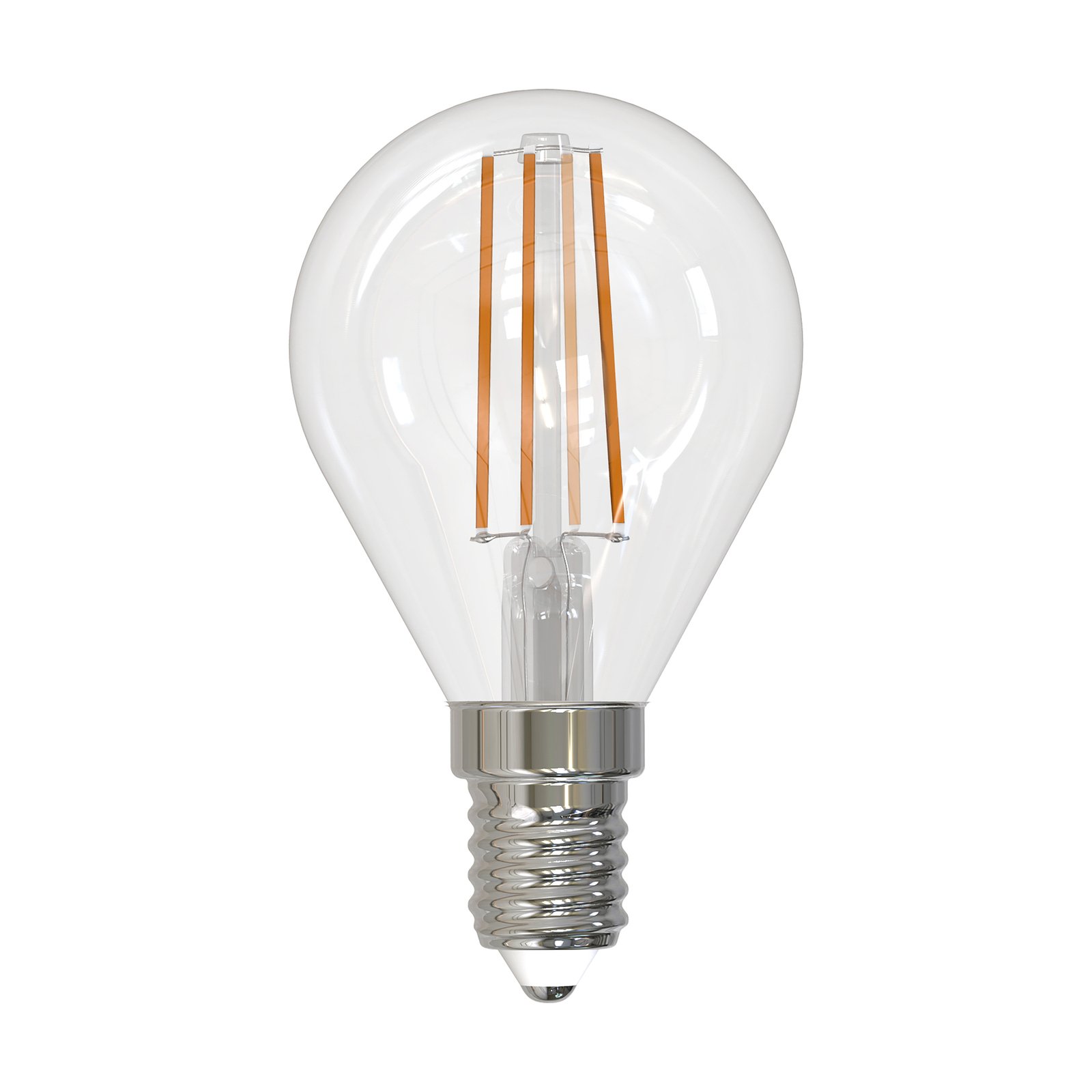
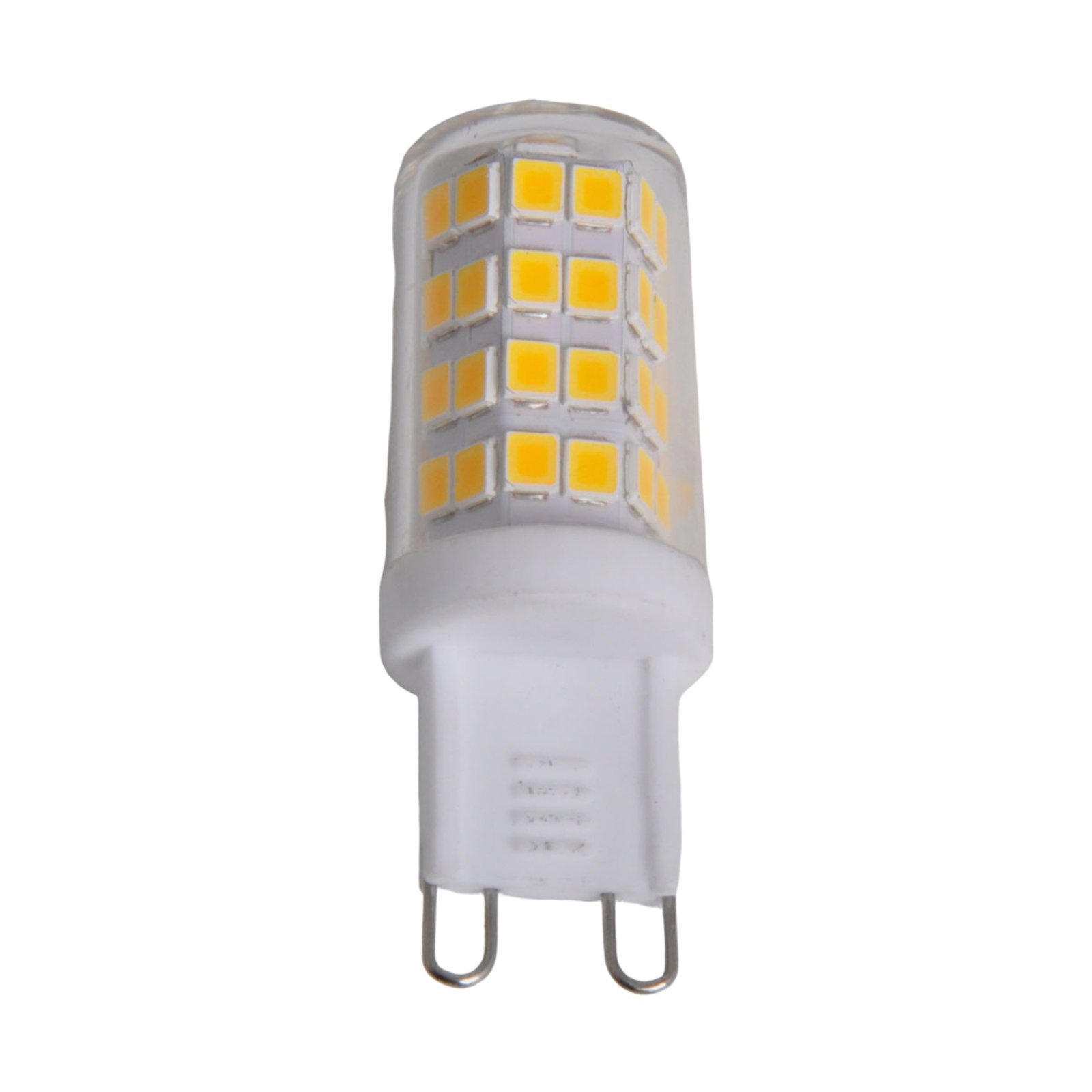
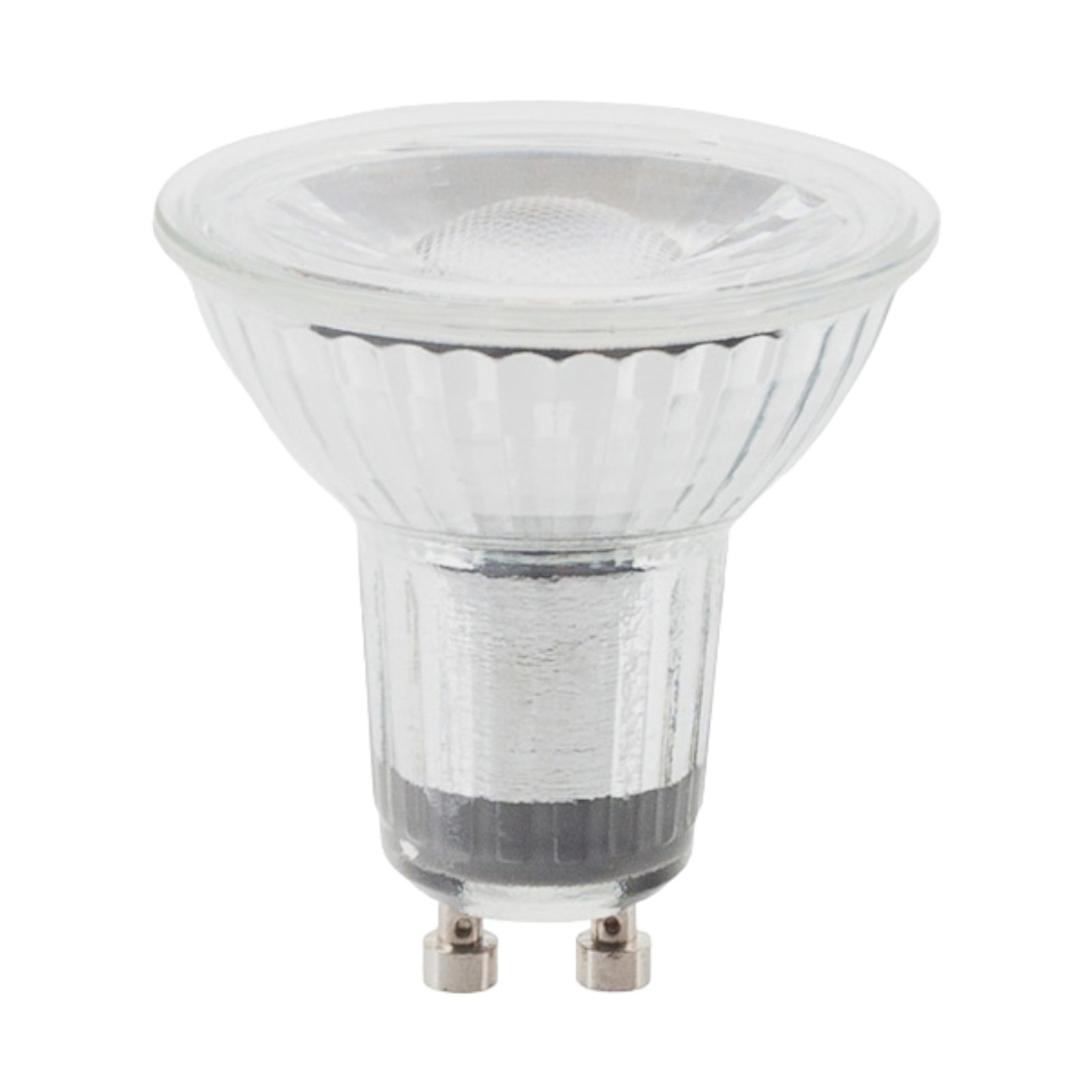
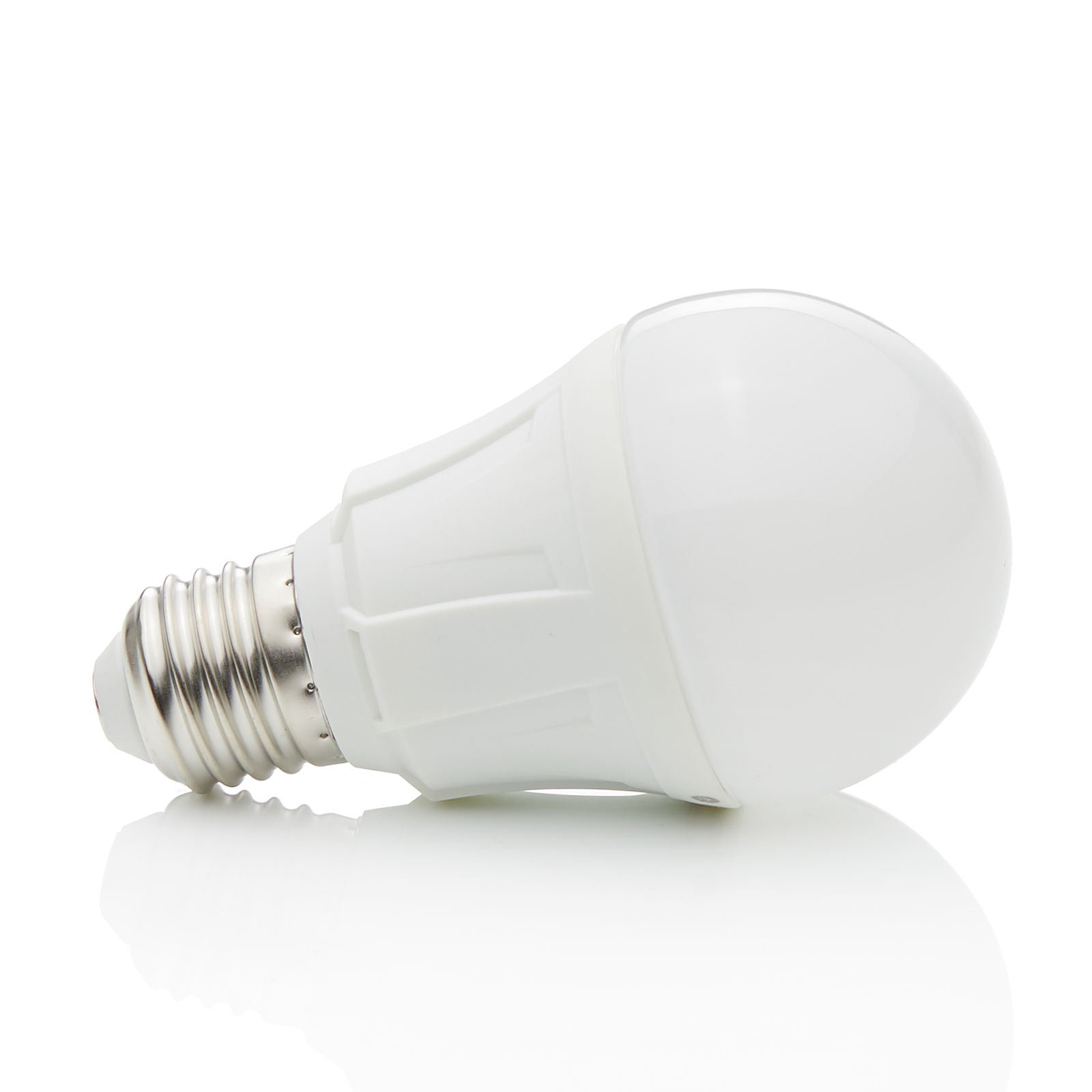
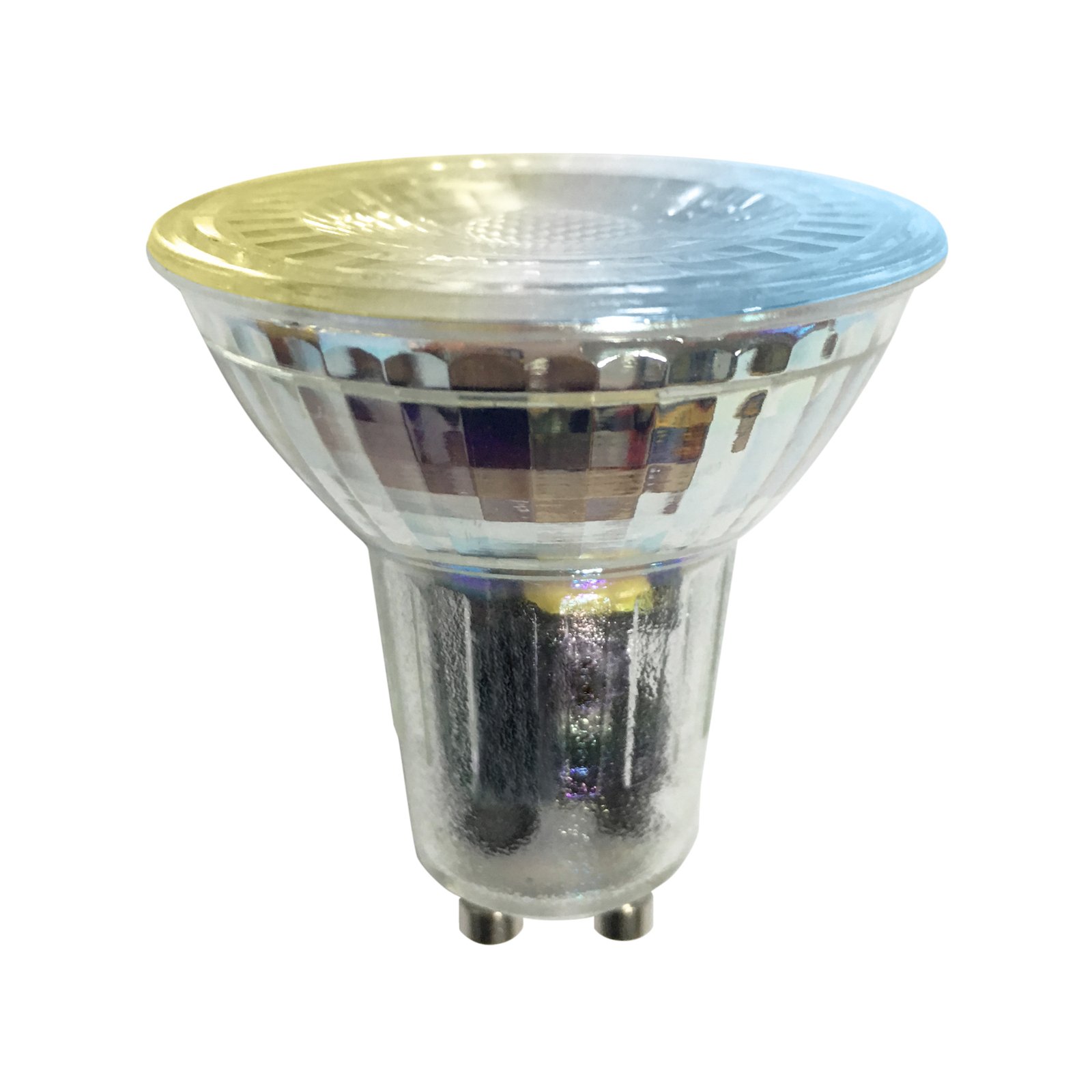
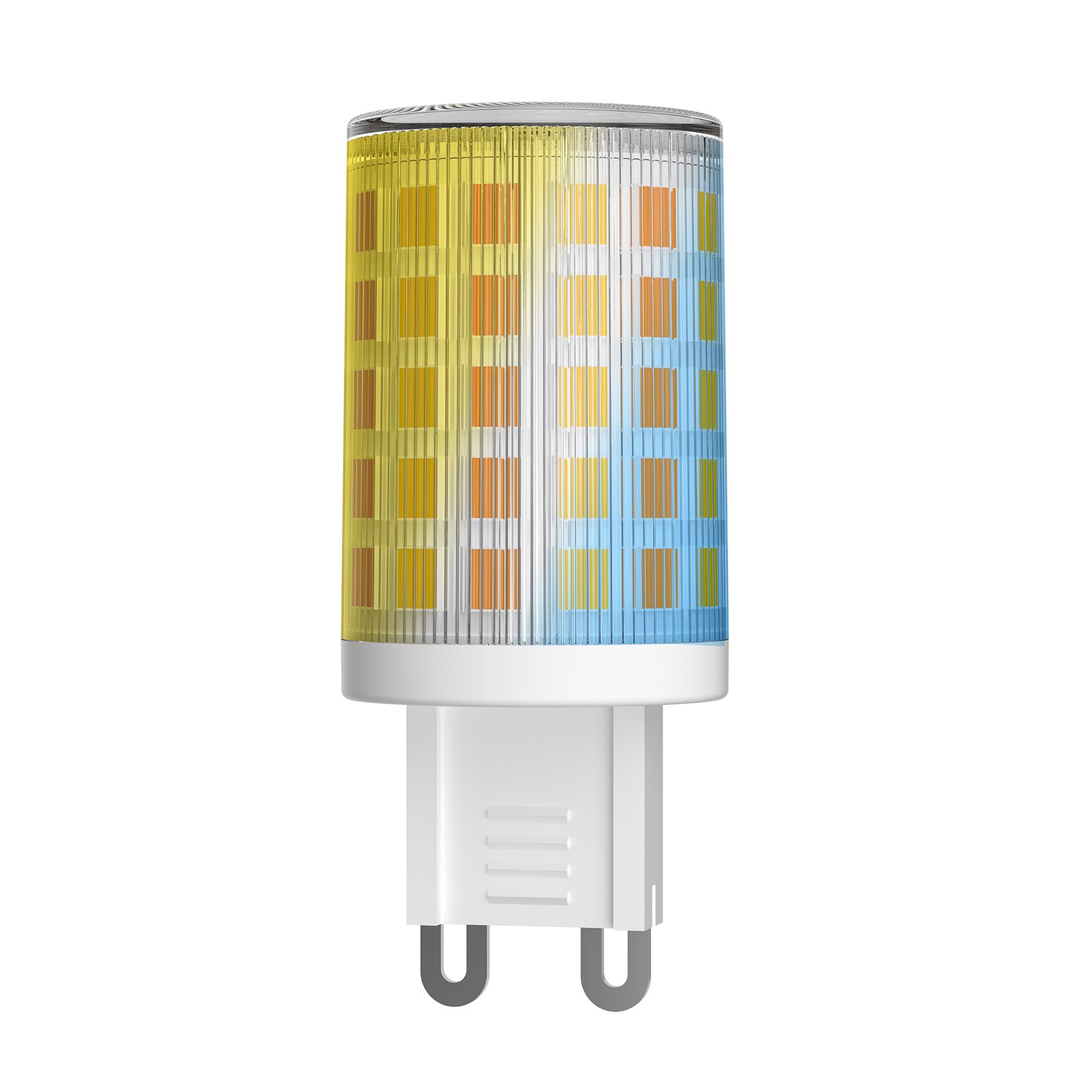
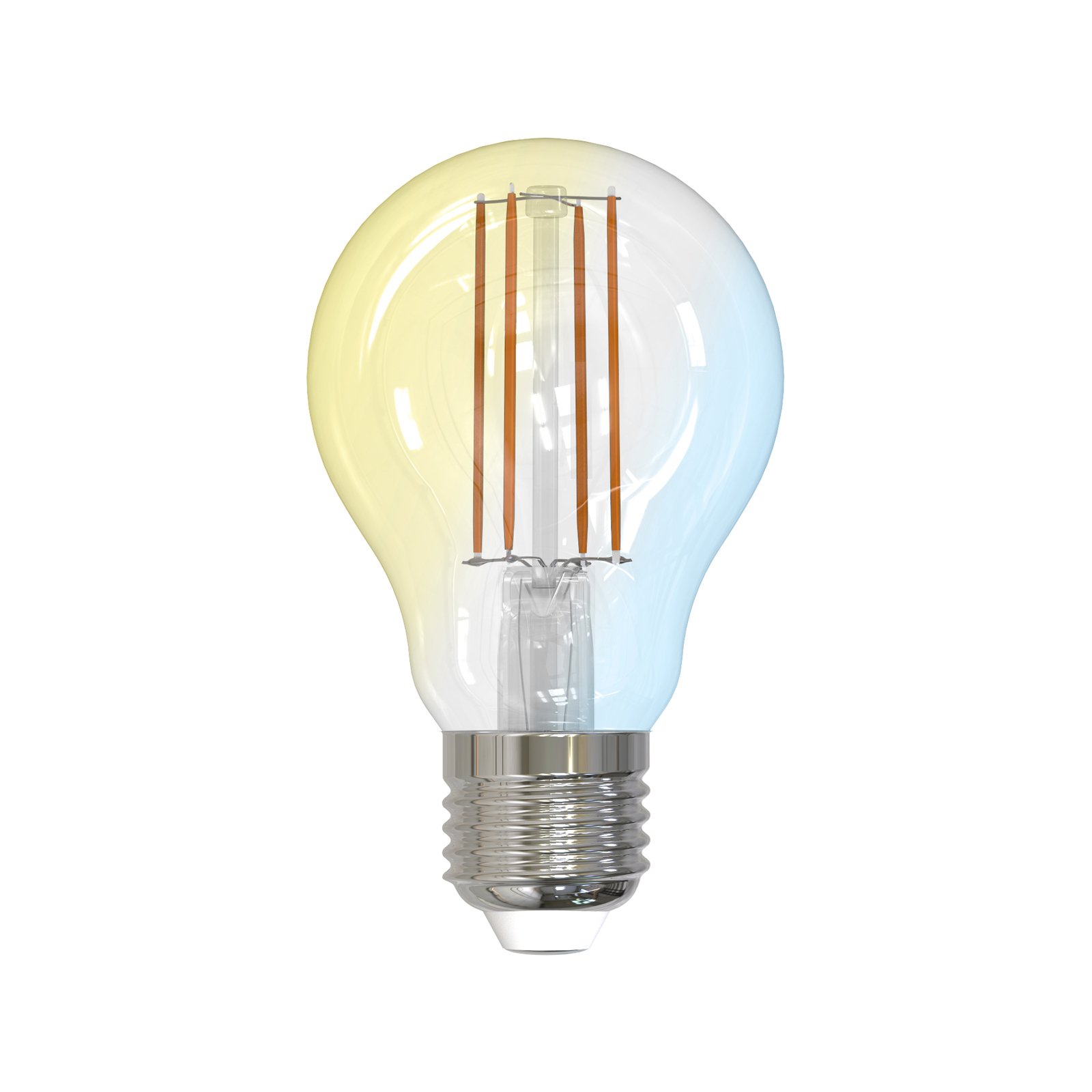
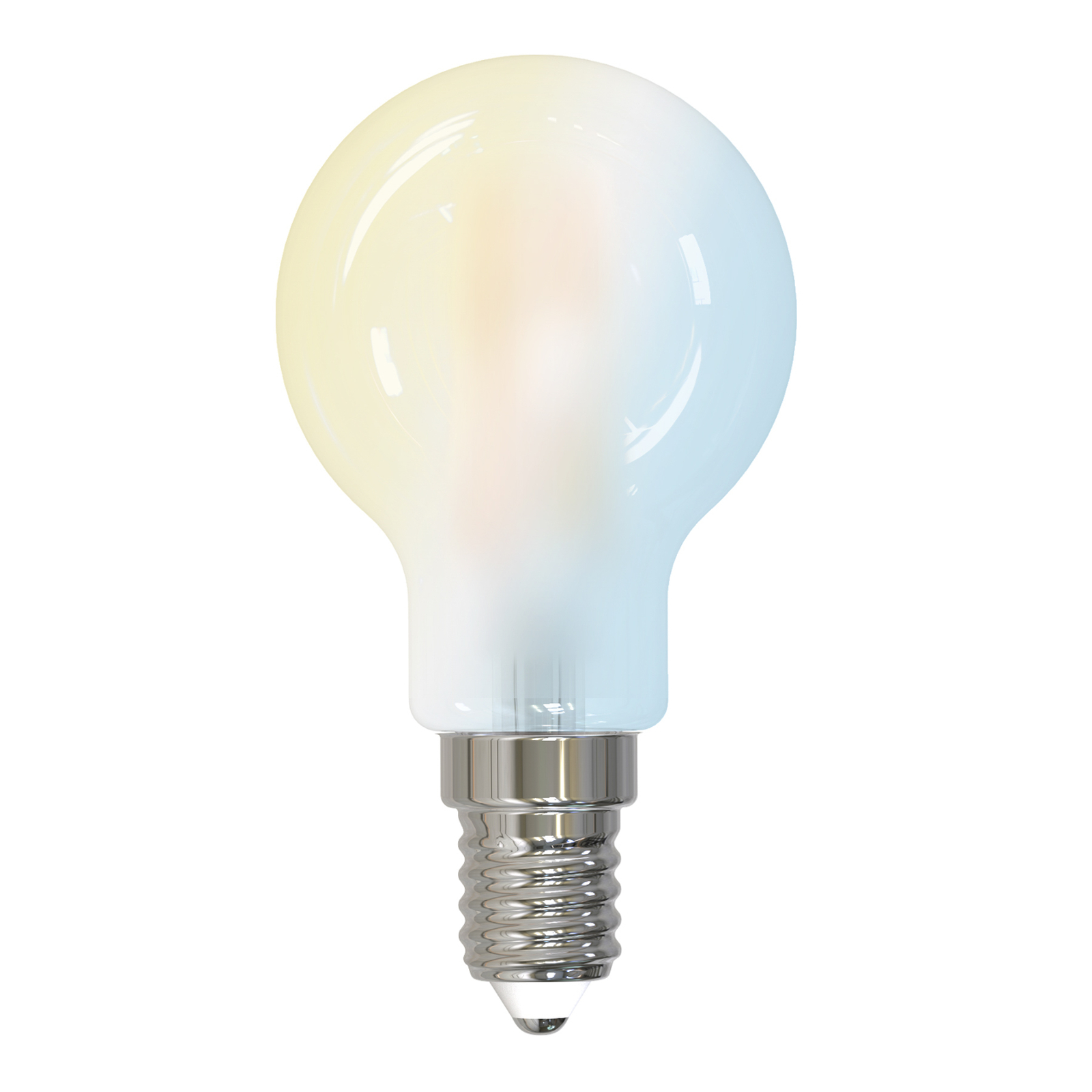
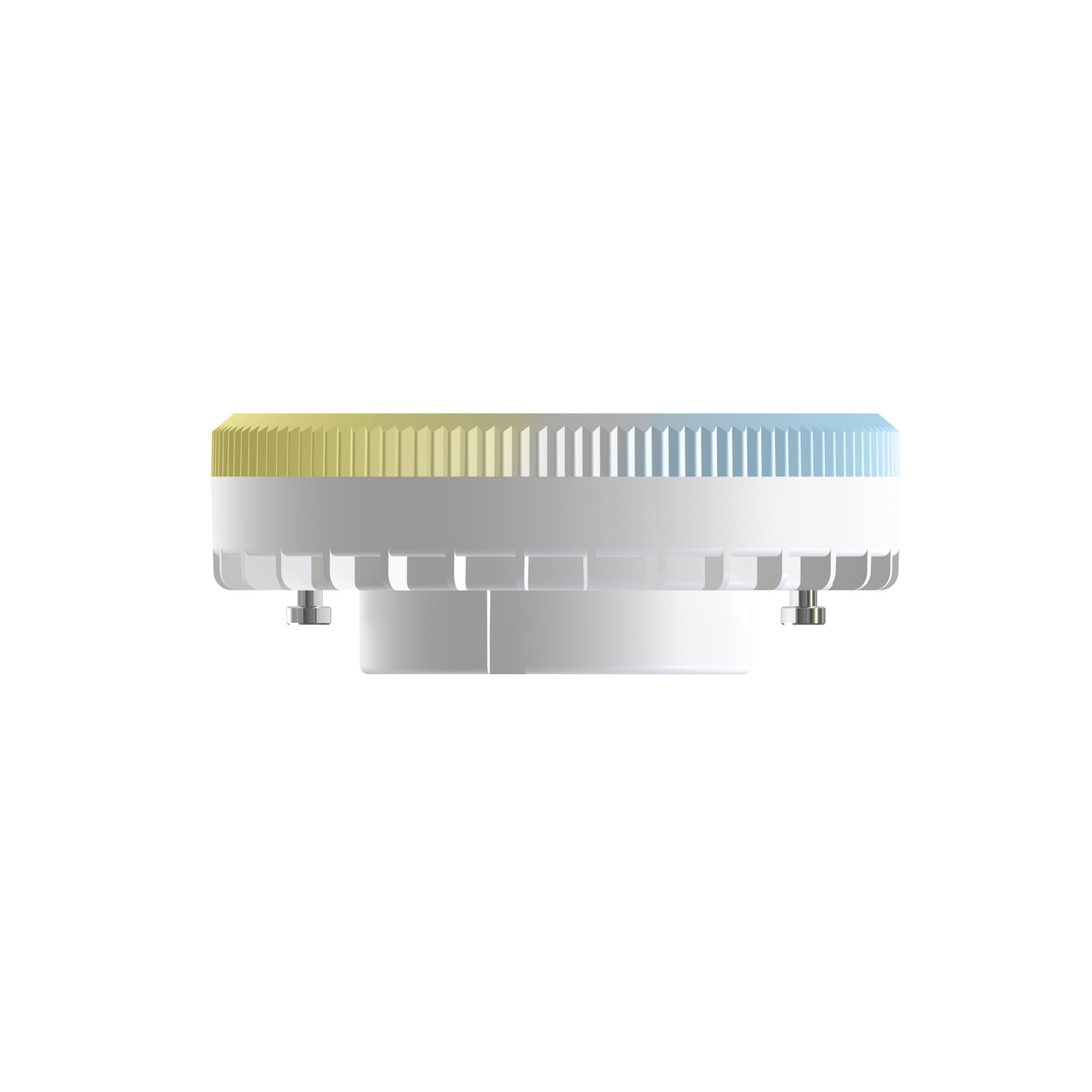
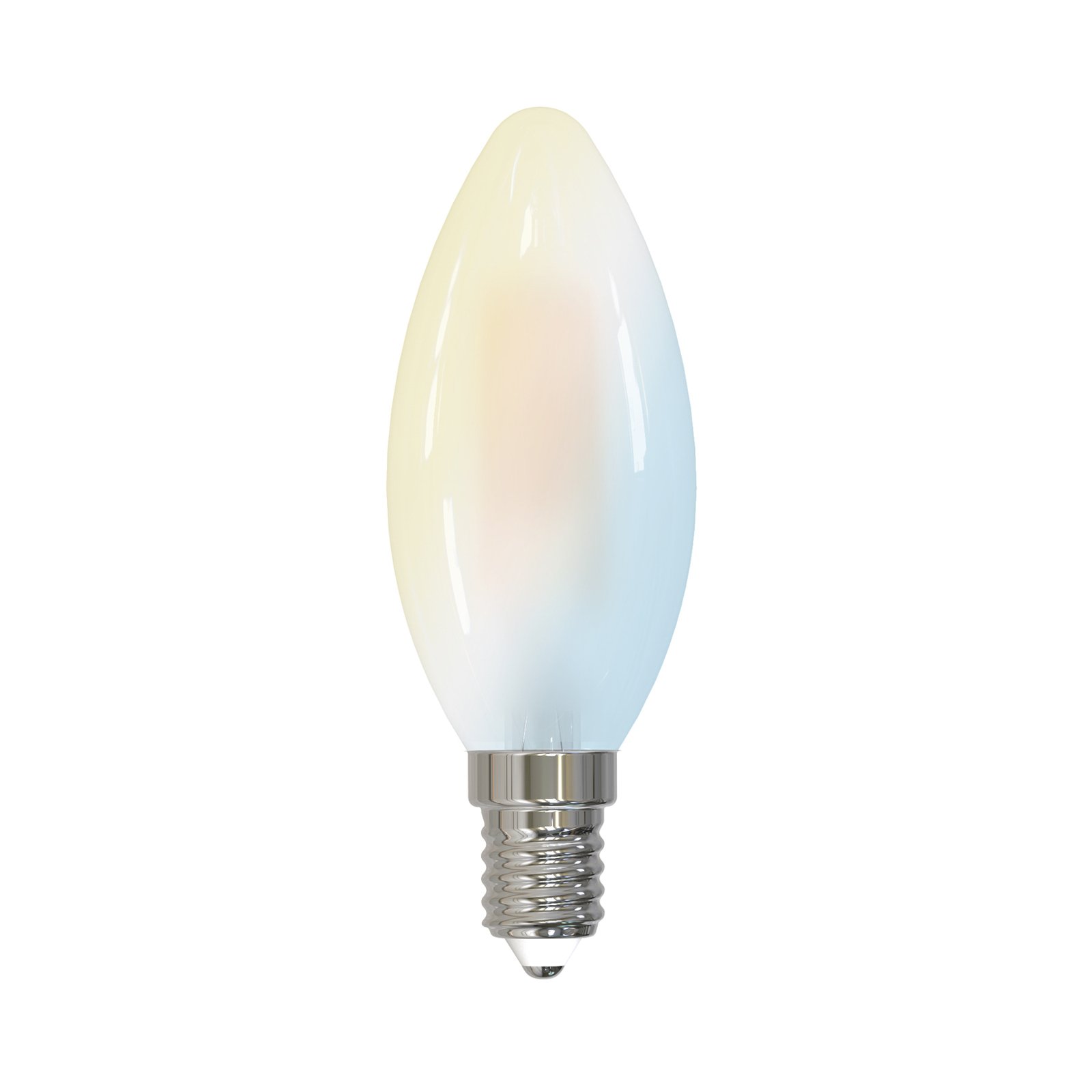
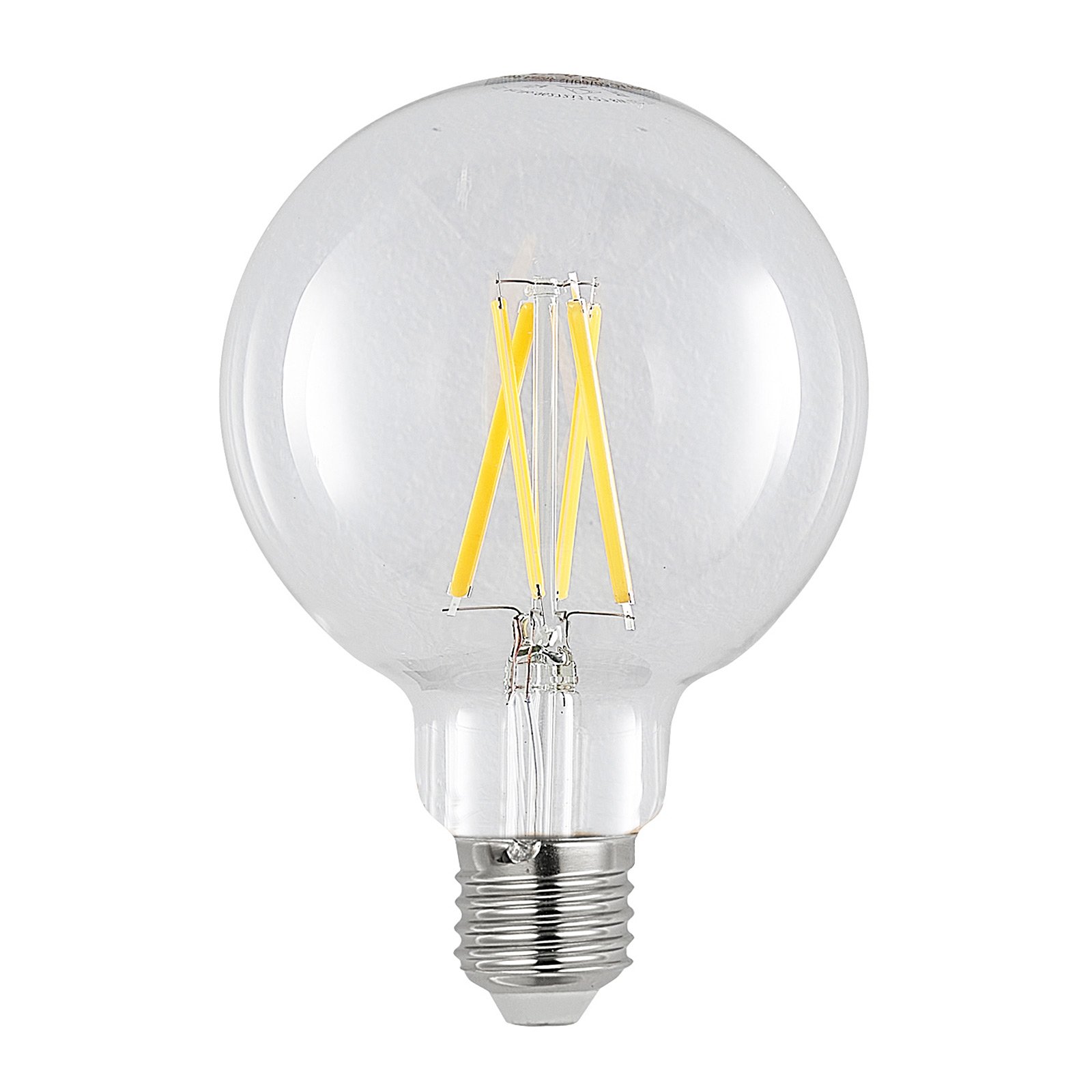
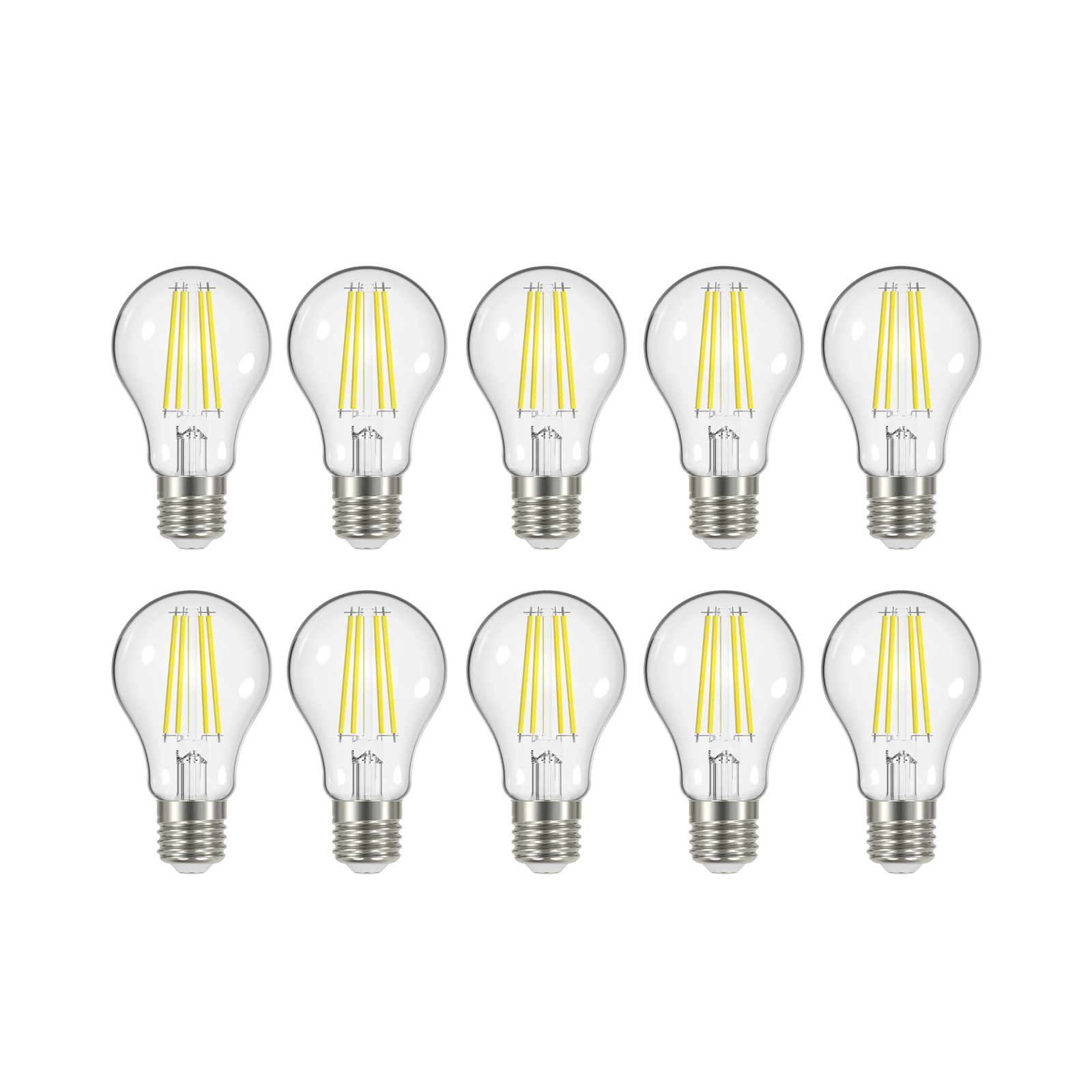
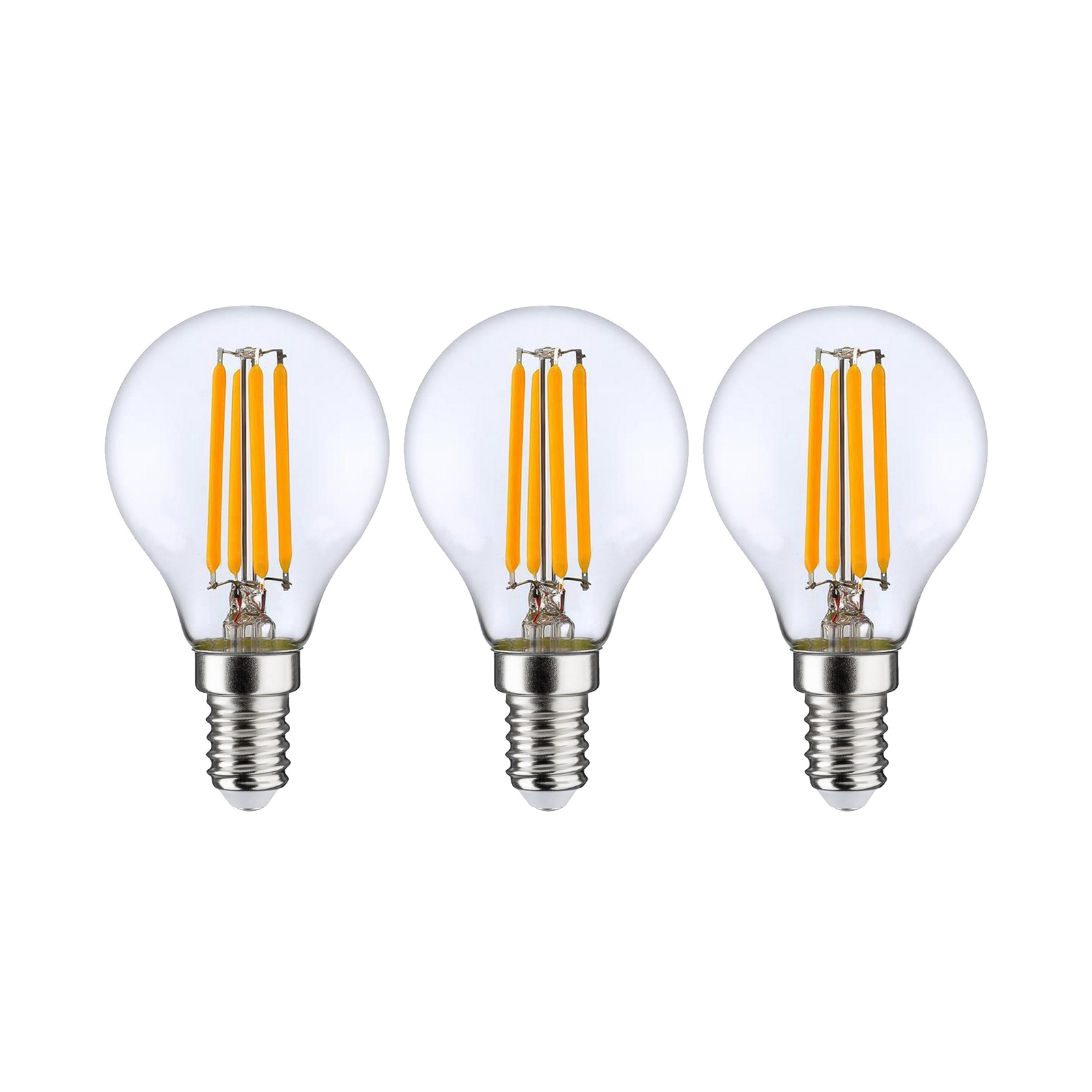
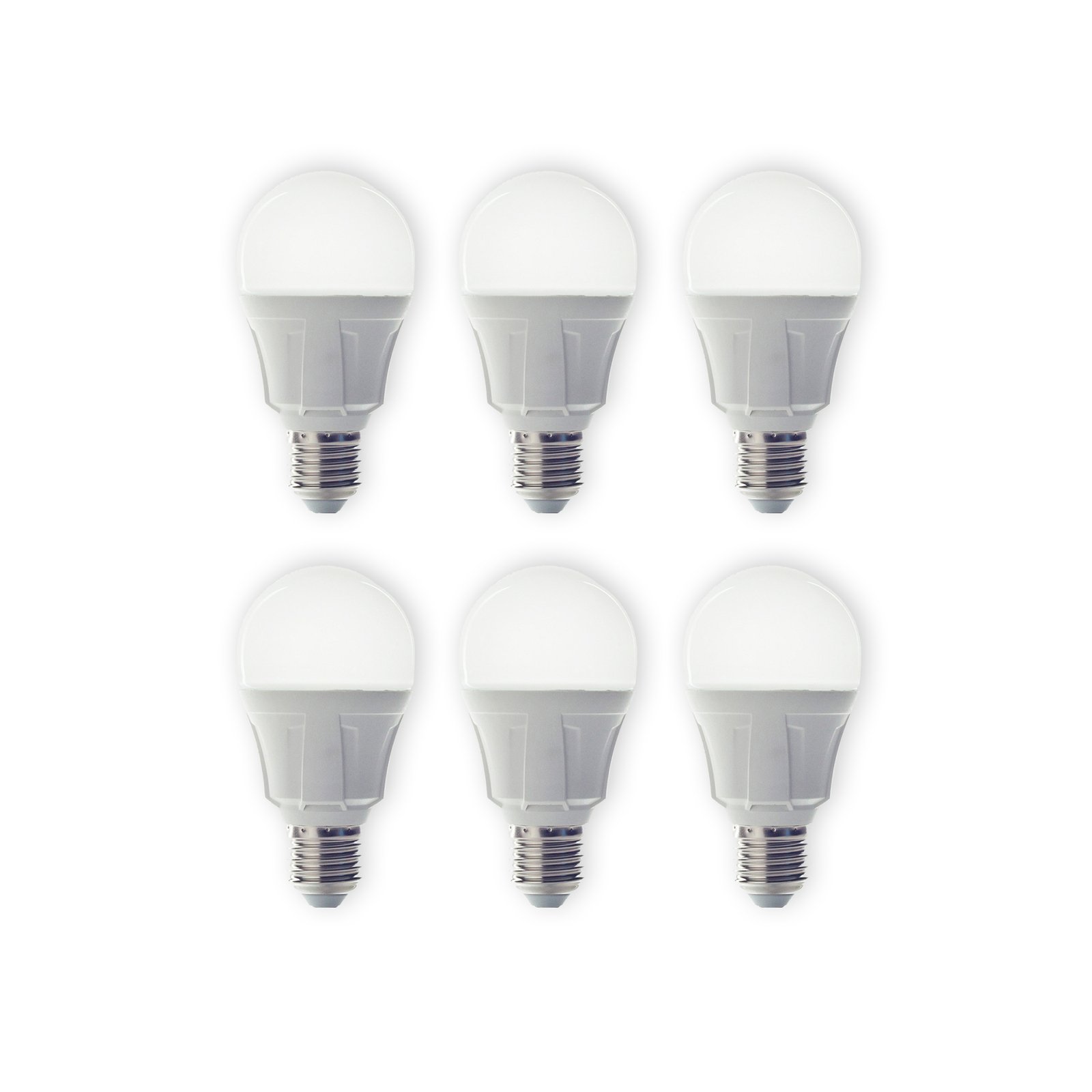
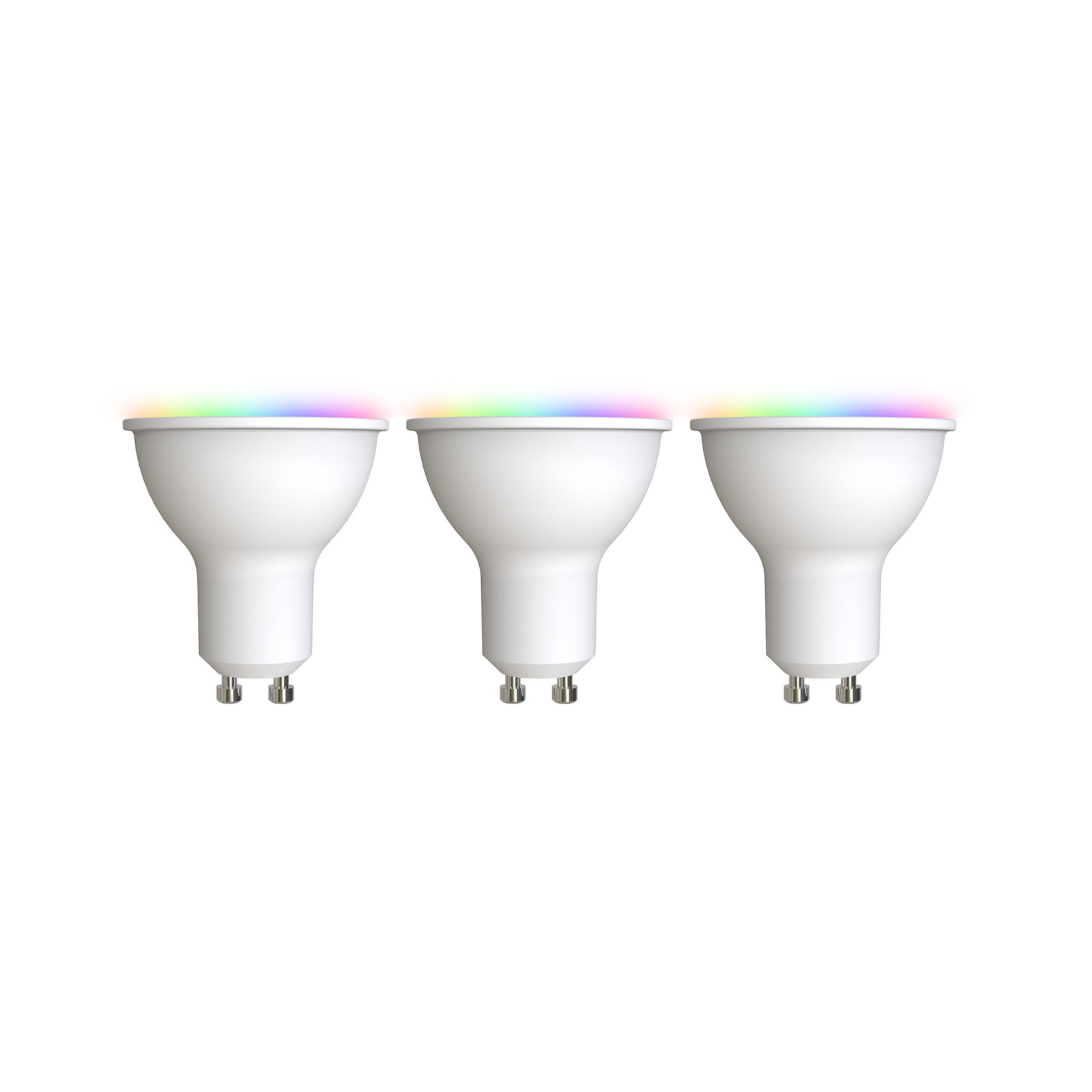
Bright lamps for all rooms
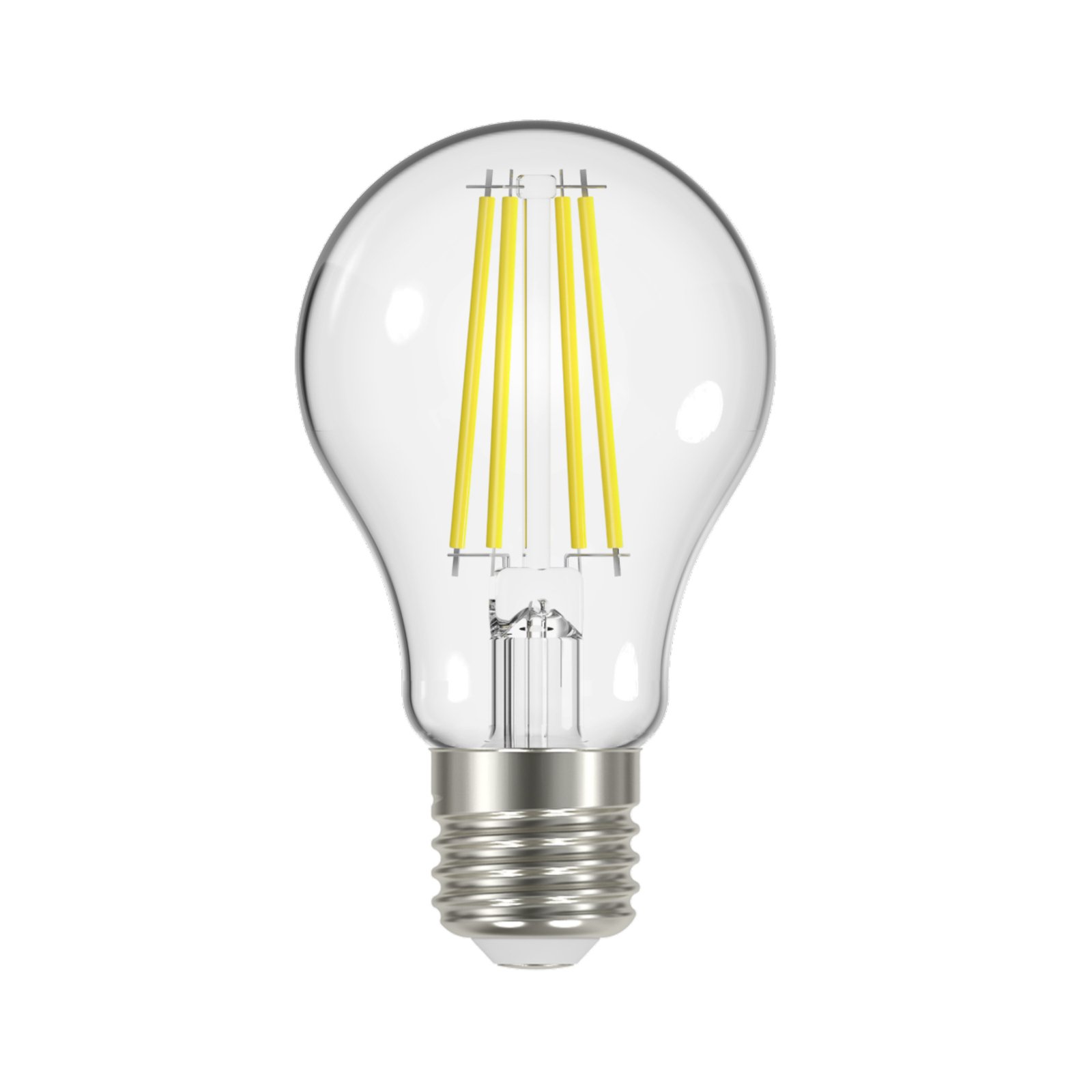
The savings formula today is: More lumens - fewer watts. As lamps and light sources become ever better and more energy-efficient, they offer great potential for savings. Anyone choosing a new bulb today will go for LED - the most energy-efficient light source on the market.
 "Arcchio- LED E27")
 "Arcchio LED E14")
 "Arcchio GU 10")
 "Arcchio LED G9")
 "Prios LED reflector GU53")
 "Arcchio LED GX53")
What do I need to look out for in terms of lumens when buying a lamp? When buying a lamp, make sure that the brightness is appropriate for the intended use. Determine a basic brightness of around 100-150 lumens per square metre of a room and select the appropriate bulbs to match. With multi-bulb light sources, make sure that all bulbs have the same colour temperature in Kelvin. It is best to only buy lamps from a single brand for a light, for example LUUMR or Prios.
How many lumens do I need for my living space?
The required brightness depends on the room and the desired atmosphere. The following guidelines will help with planning:
| Room | Recommended lumens per m² | |
|---|---|---|
| Living Room | 100-150 lm/m² | |
| Bedroom | 100-150 lm/m² | |
| Kitchen | 250-300 lm/m² | |
| Bathroom | 250-300 lm/m² | |
| Workroom / office | 250-300 lm/m² | |
| Hallway | 100-150 lm/m² |
Example: A living room with 20 m² requires approx. 2,000-3,000 lumens total light output.
 "Light colour simply explained")
 "Cosy light")
 "Human Centric Lighting")
 "RGB lighting")
 "Alternative to the traditional light bulb")
 "LED panel")