































)
Pendant light guide
Planning, use and inspirationPendant lights structure rooms, create a unique living ambience and are often the centrepiece of the room in which they are installed. Whether above the dining table, in the kitchen or as a modern light source for the living room. Positioned correctly, they have a functional and emotional effect at the same time.
In this pendant lighting guide, you will learn step by step how to select pendant lamps optimally, use them effectively, position them correctly and, last but not least, install them safely. From planning and the right height to installation instructions, you will receive practical tips and inspiration for harmonious lighting.
The latest pendant lamps
This is how stylish the universal lighting solution is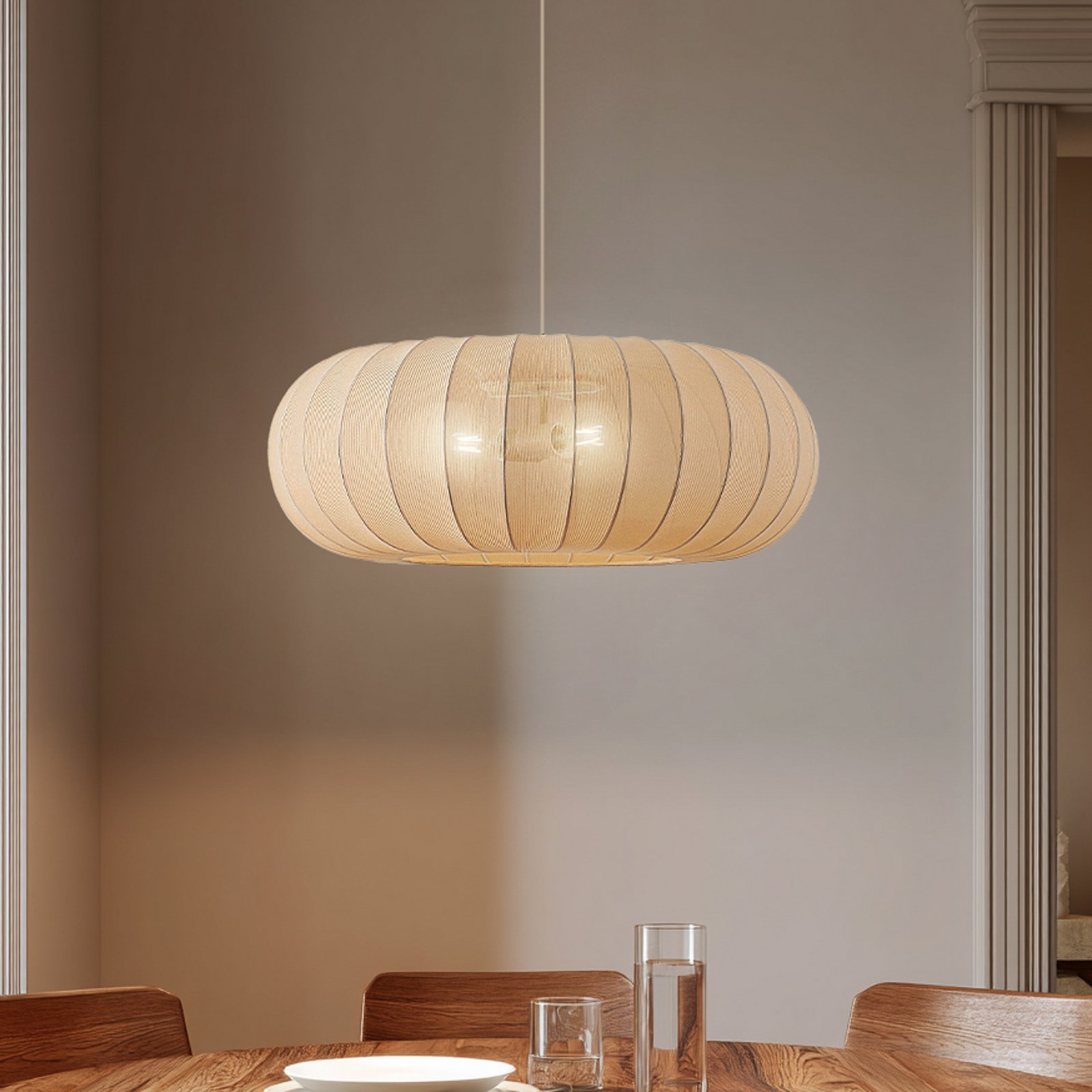
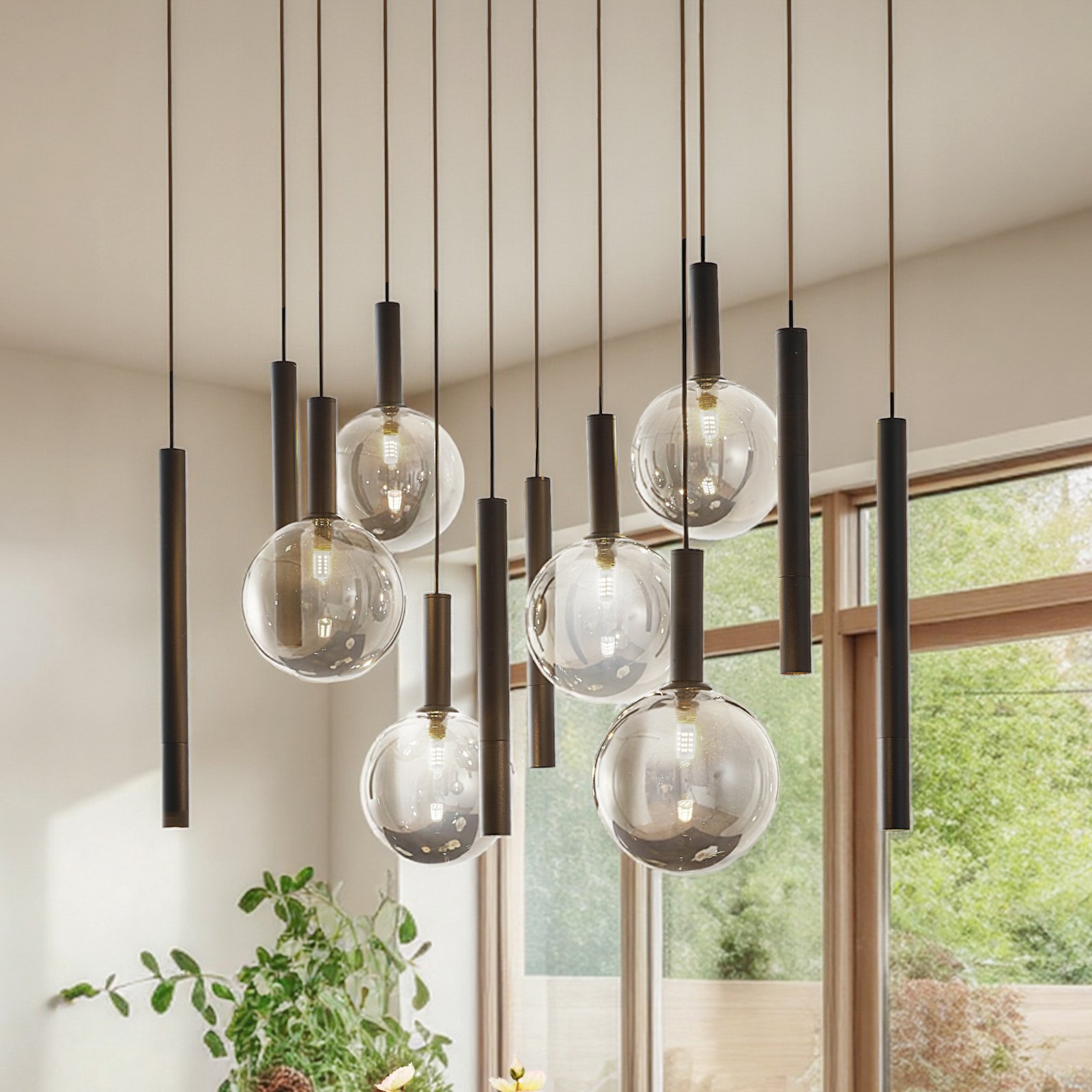
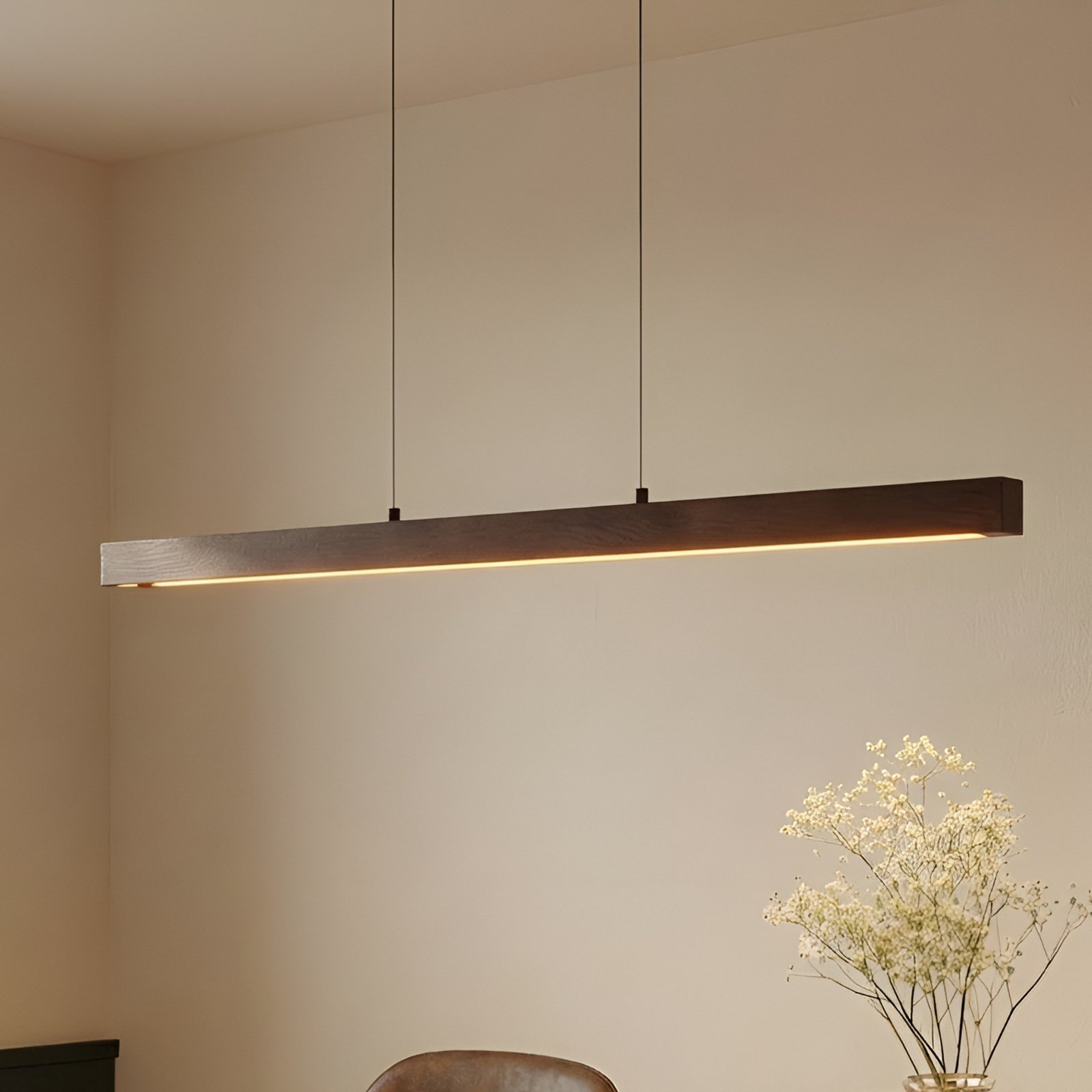
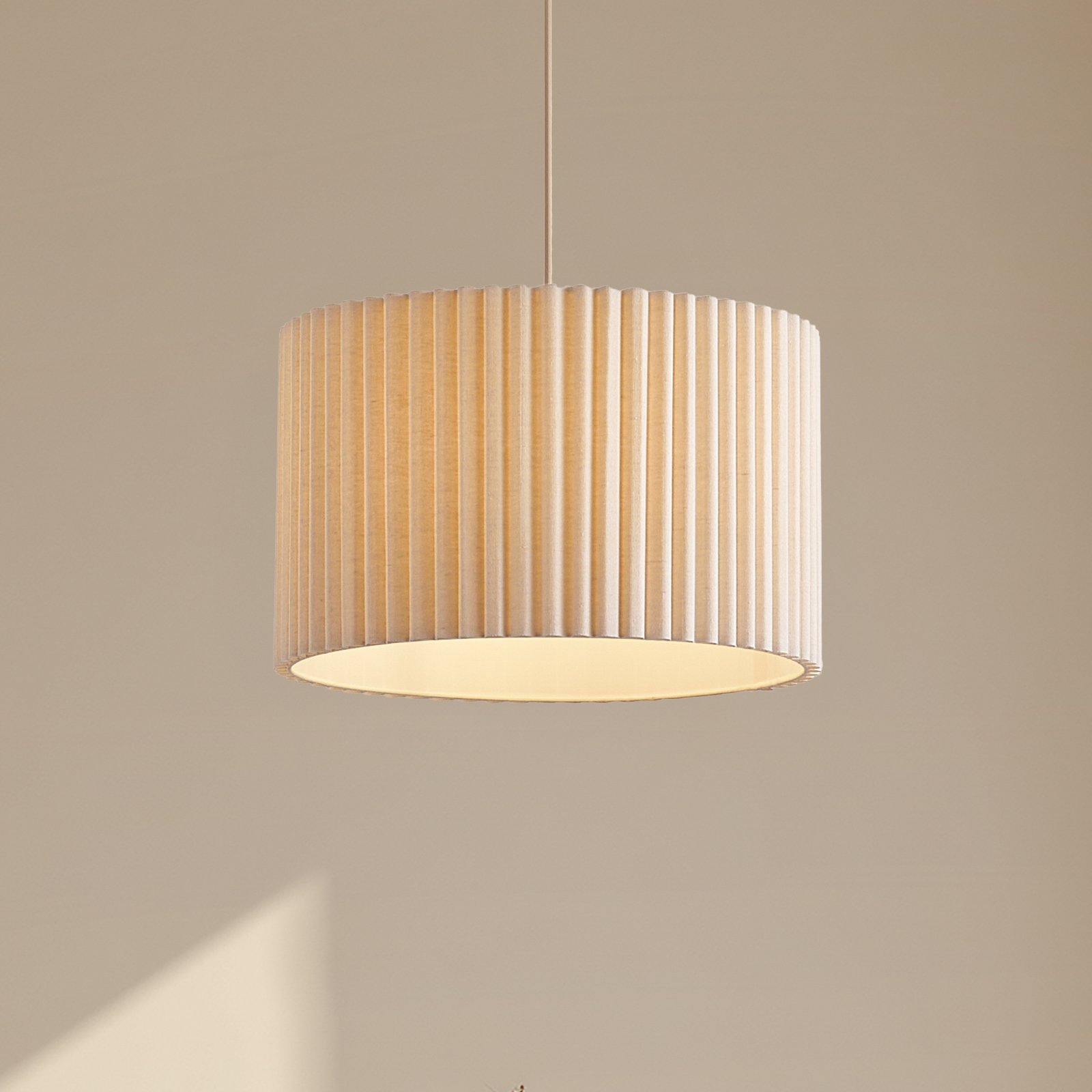
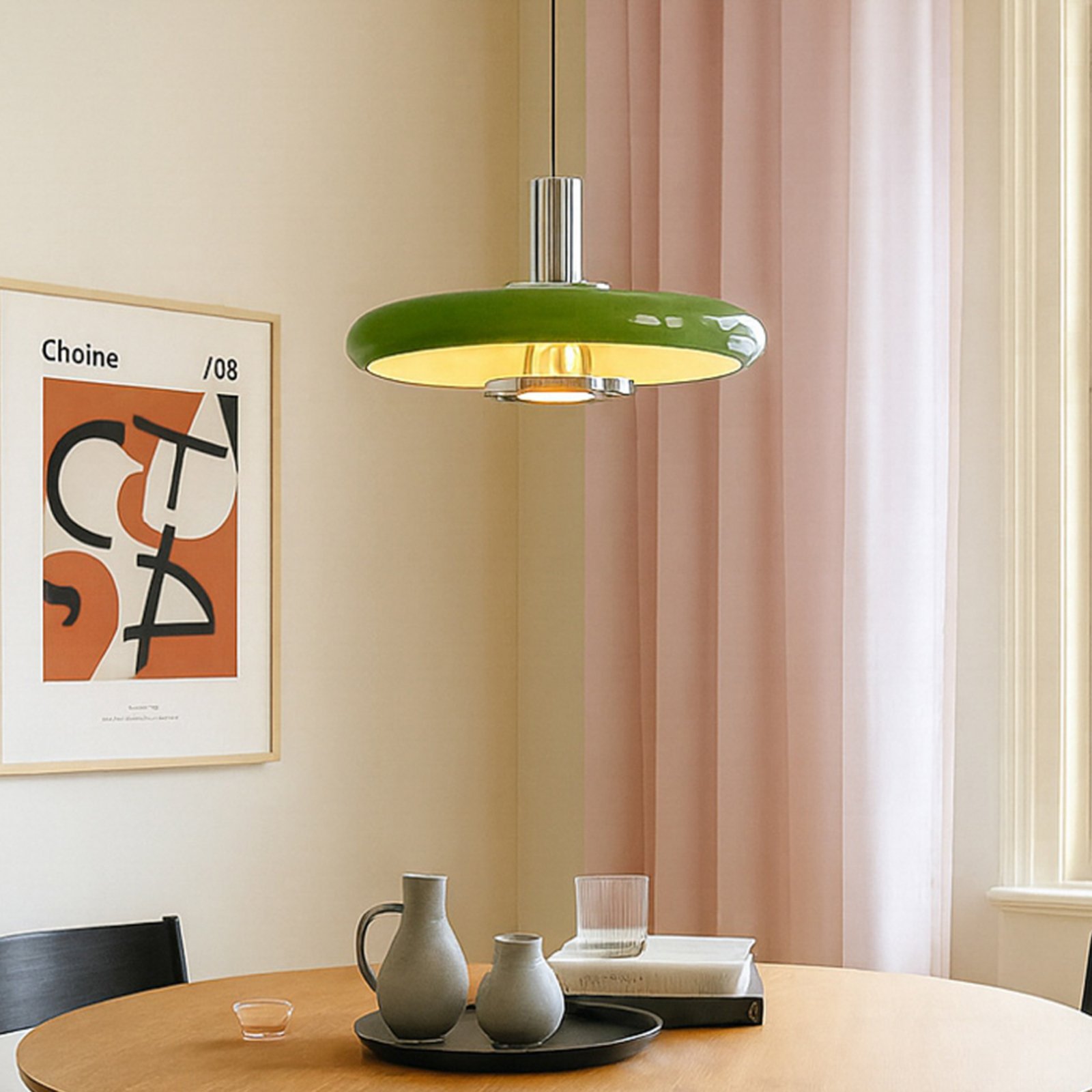
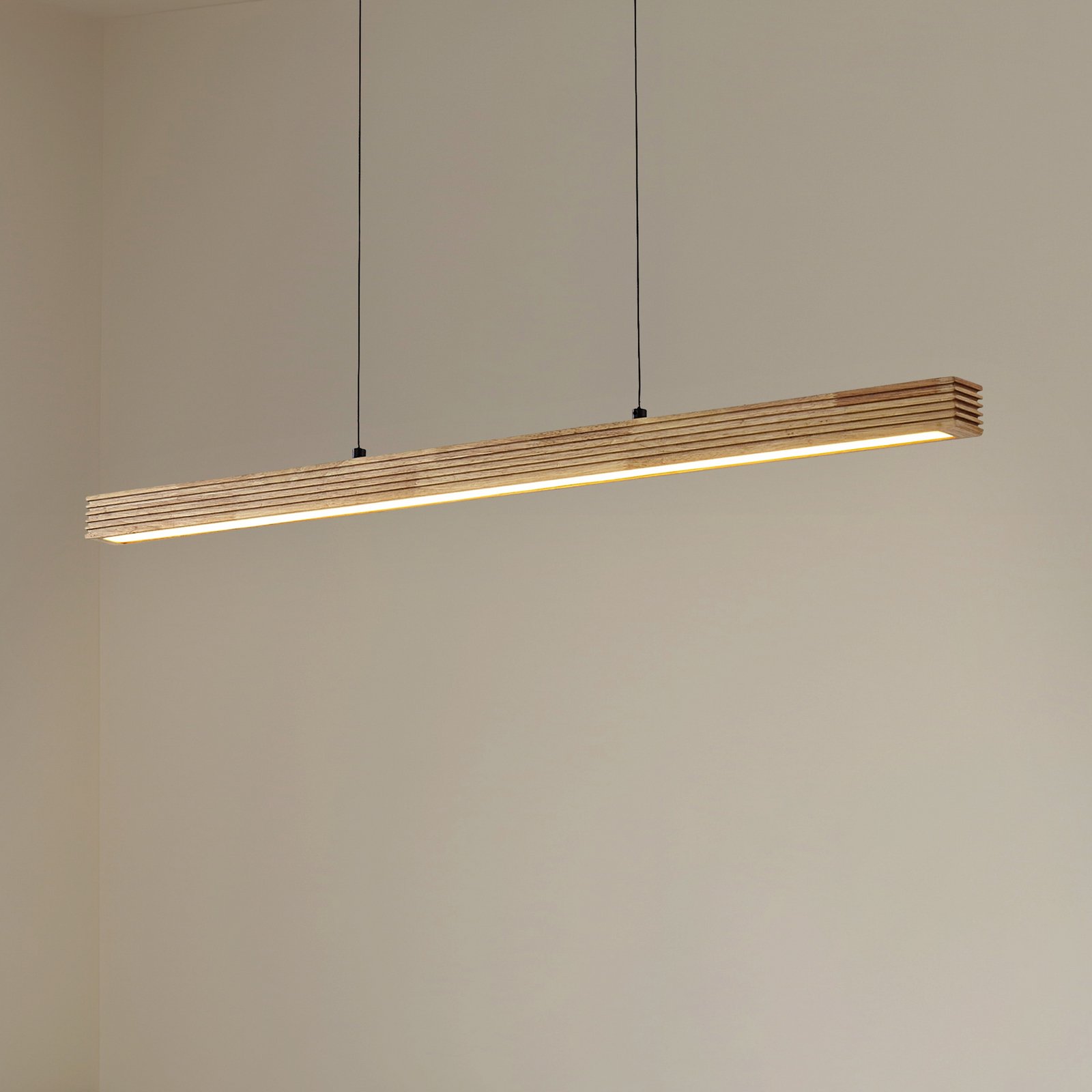
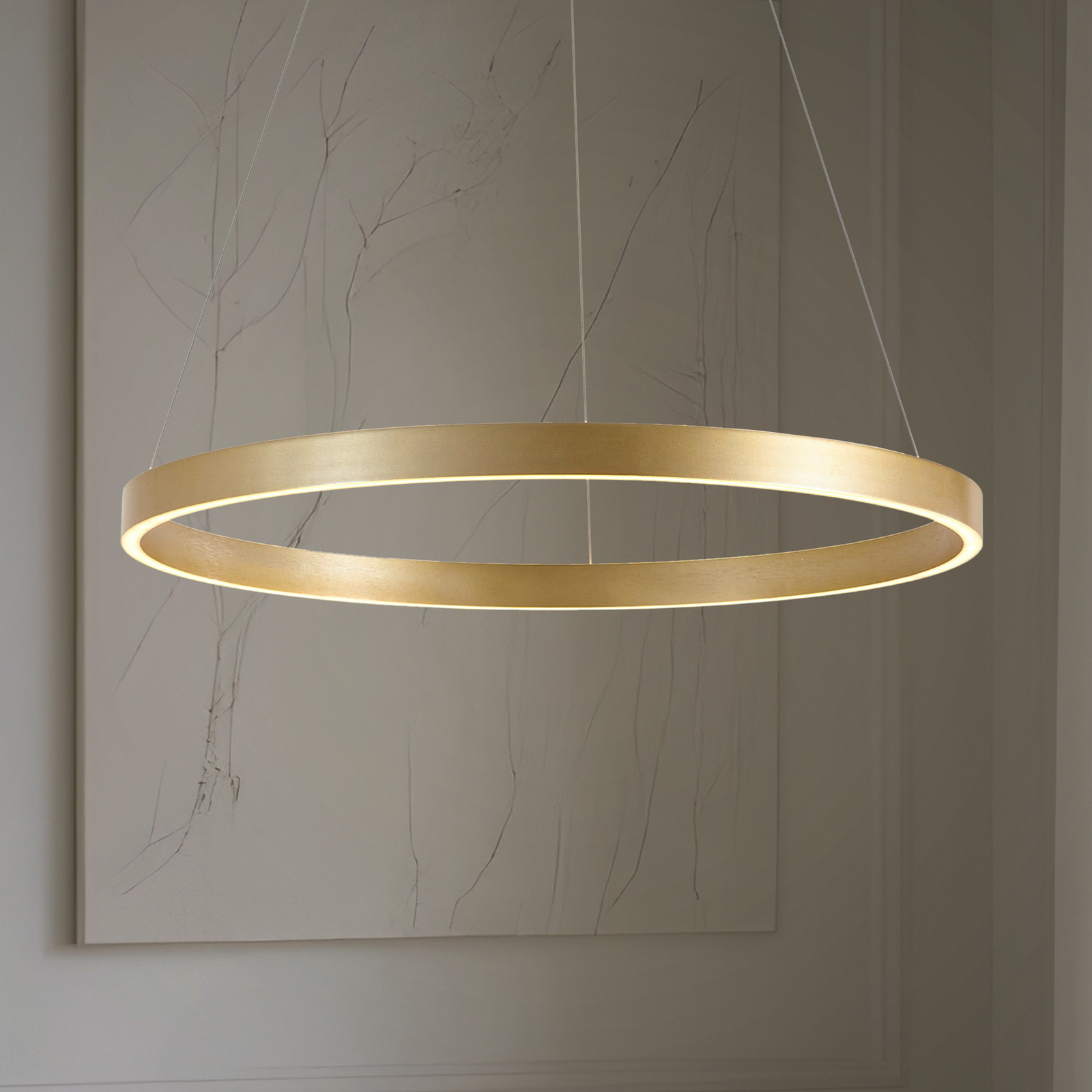
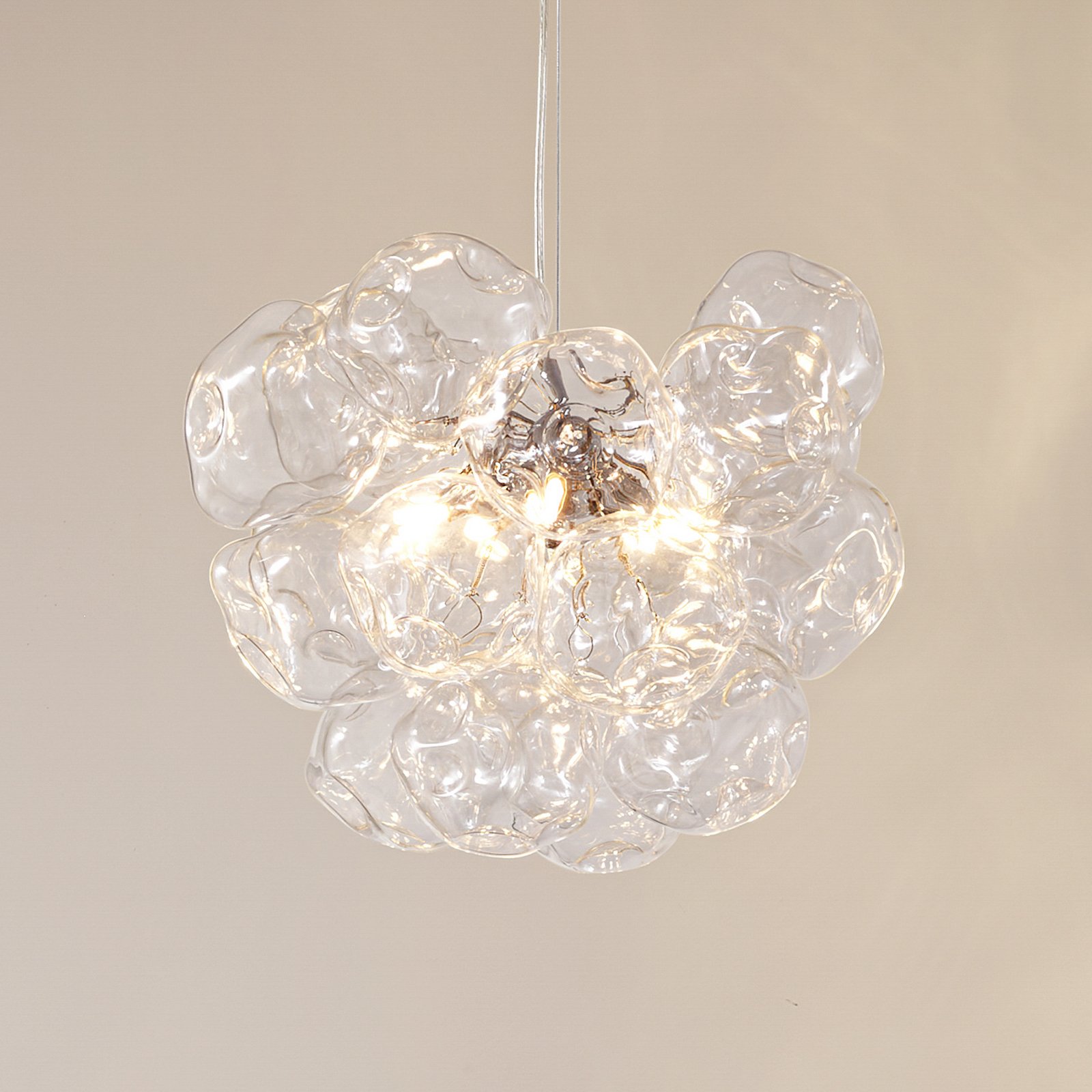
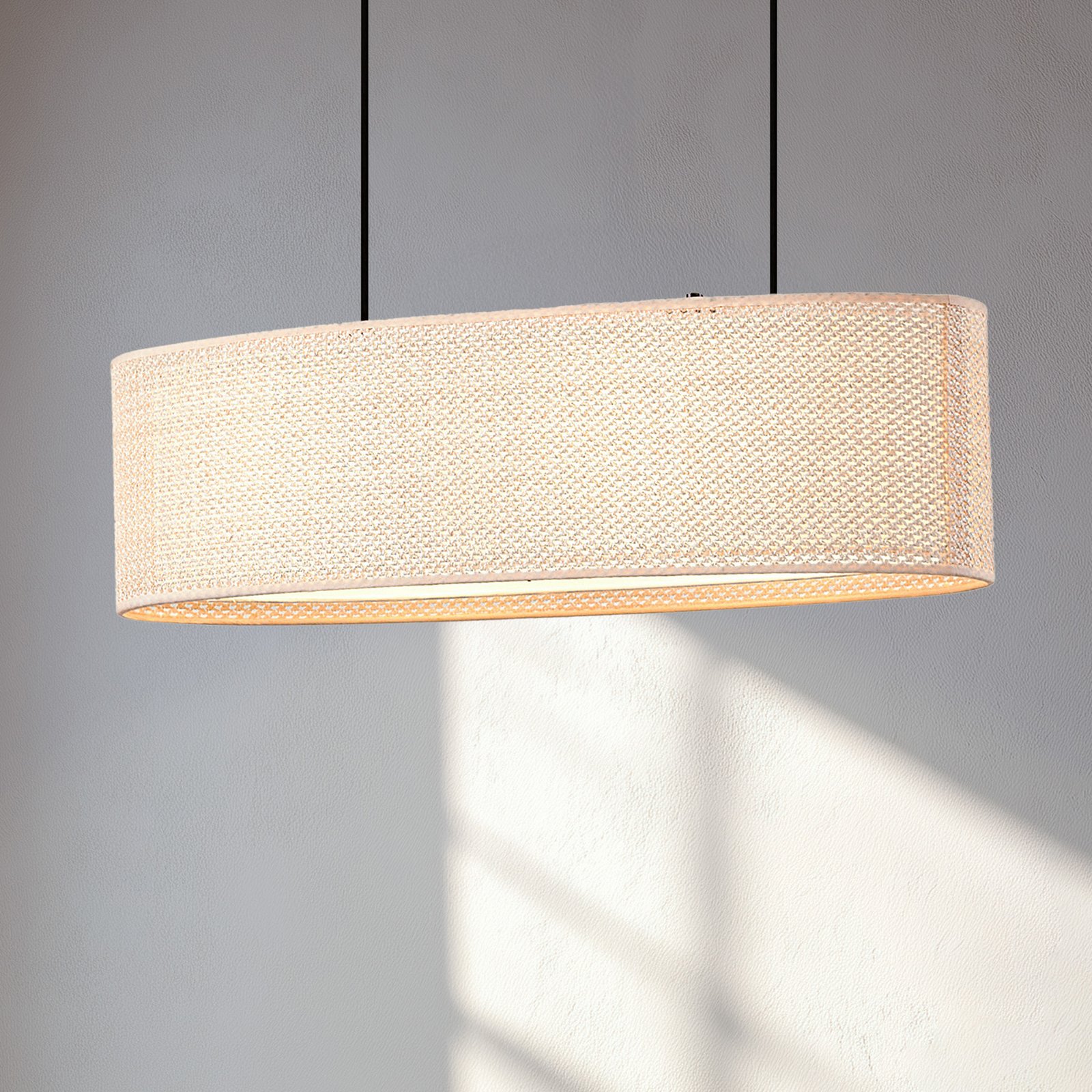
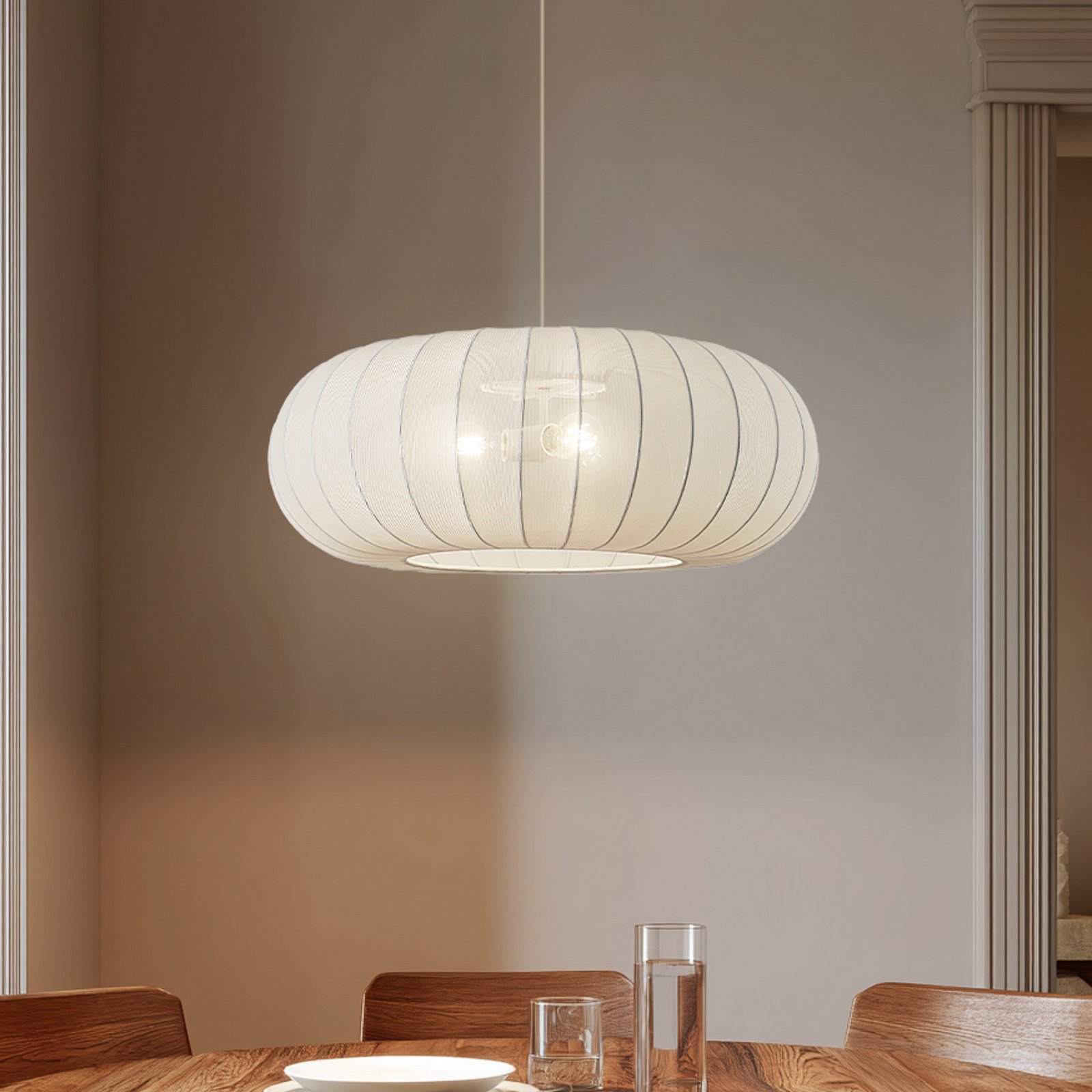
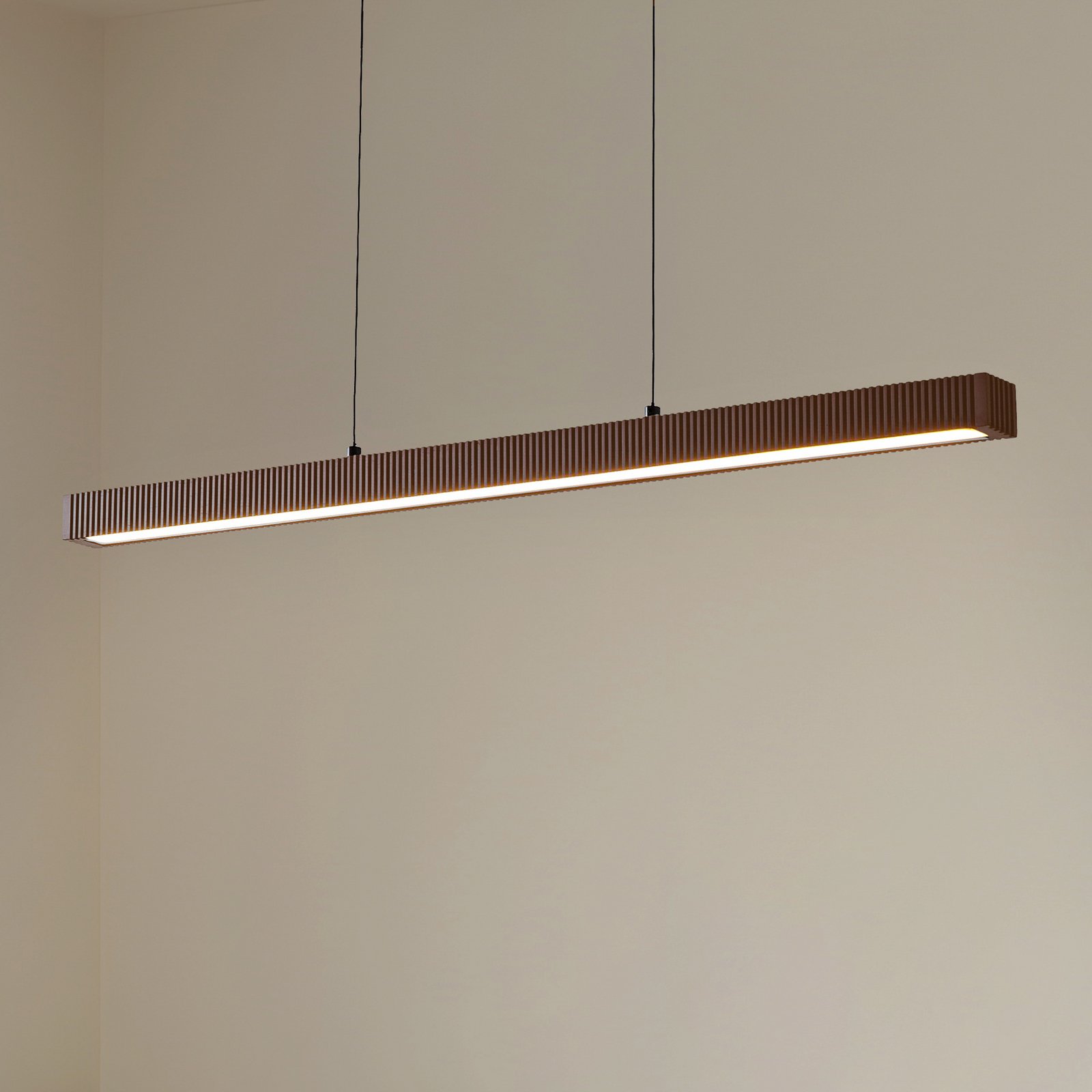
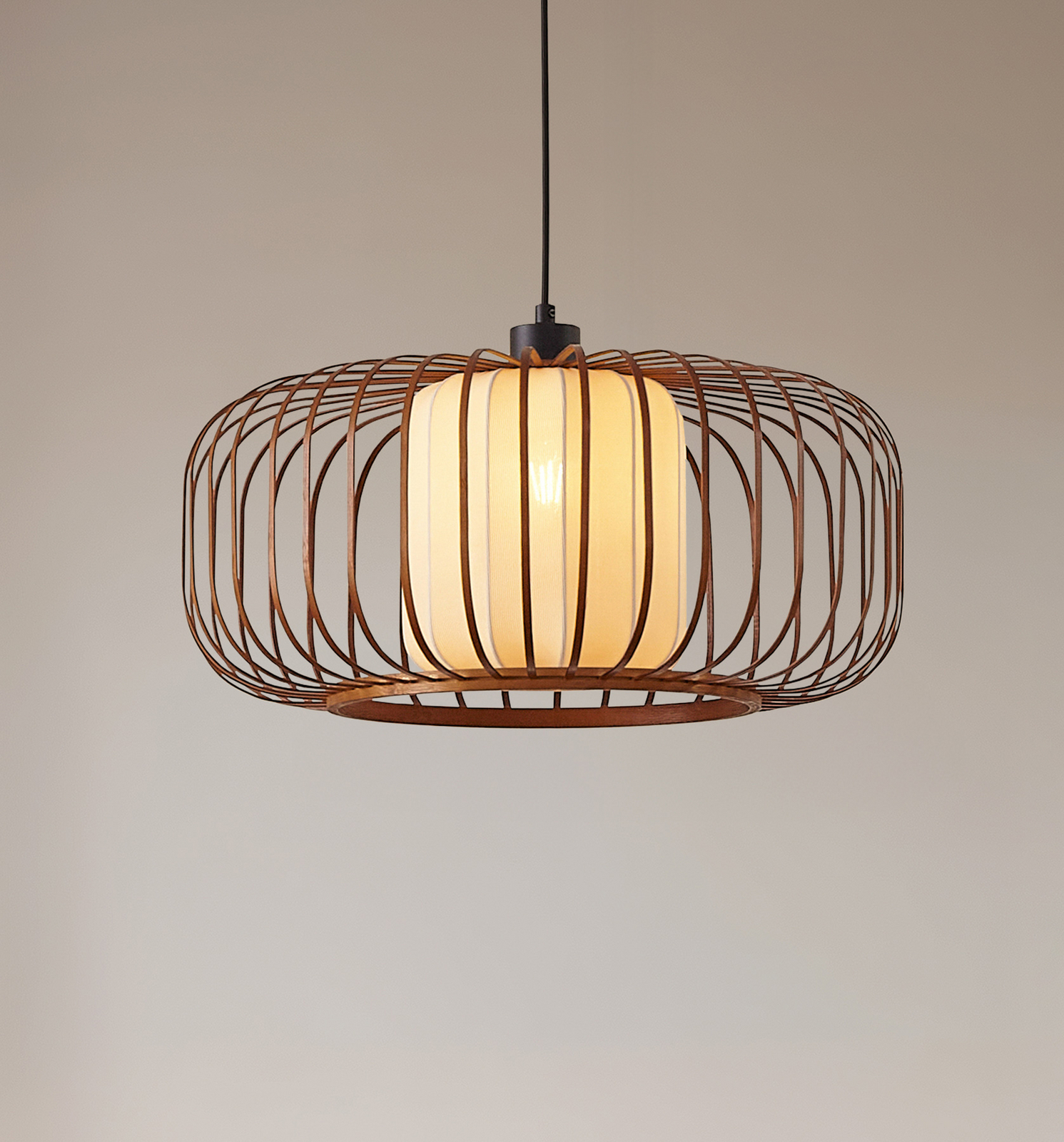
Areas of application for pendant lights
Targeted room lighting)
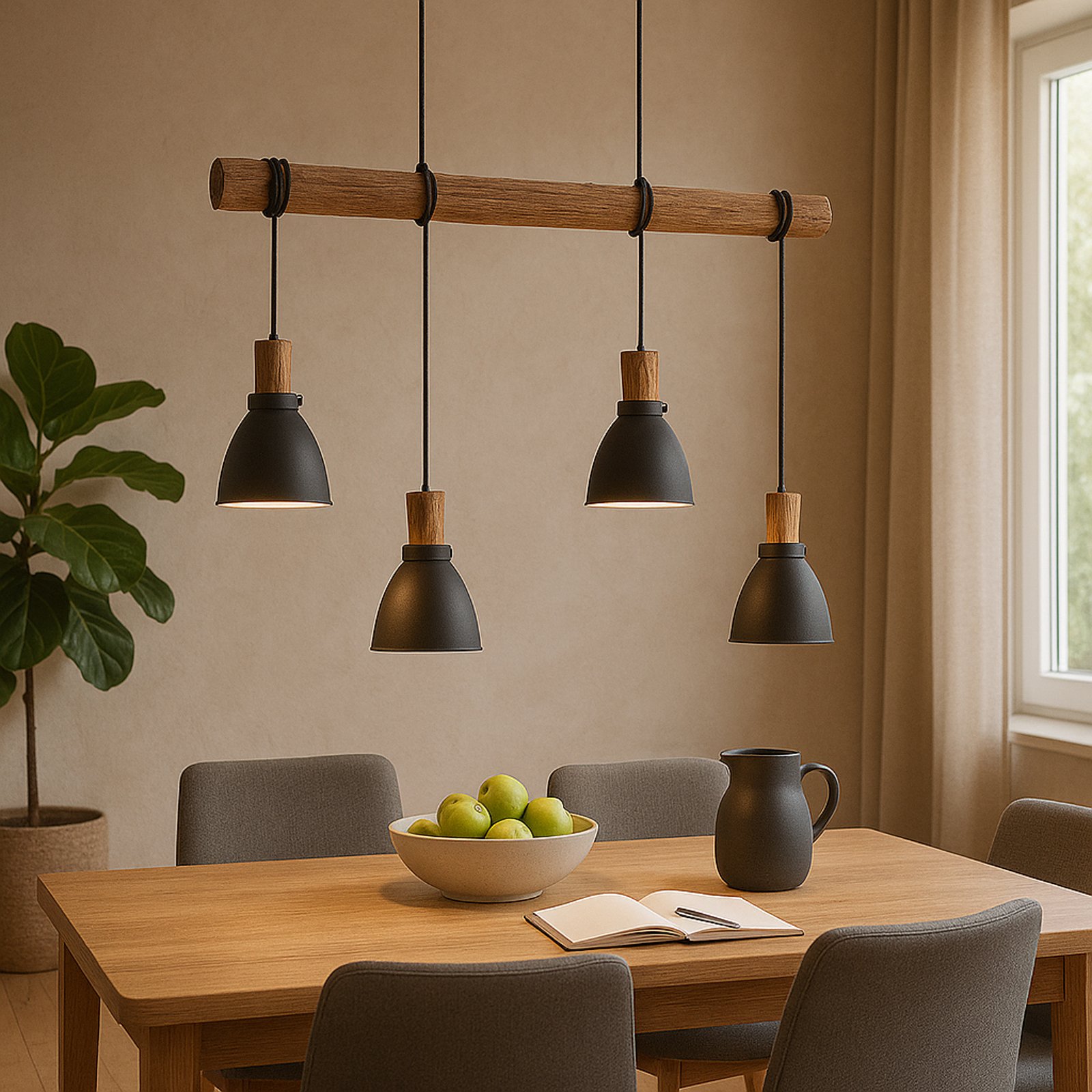
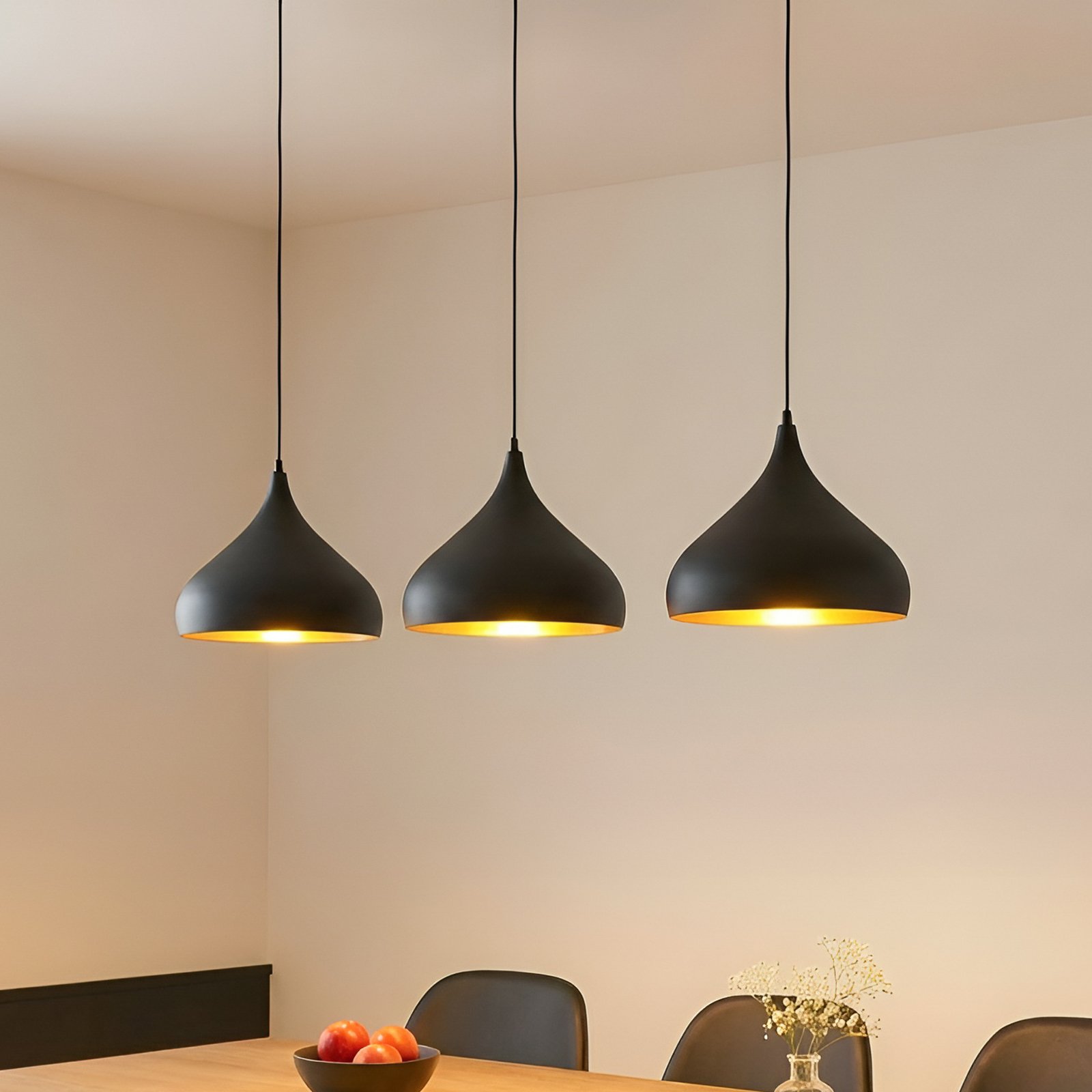
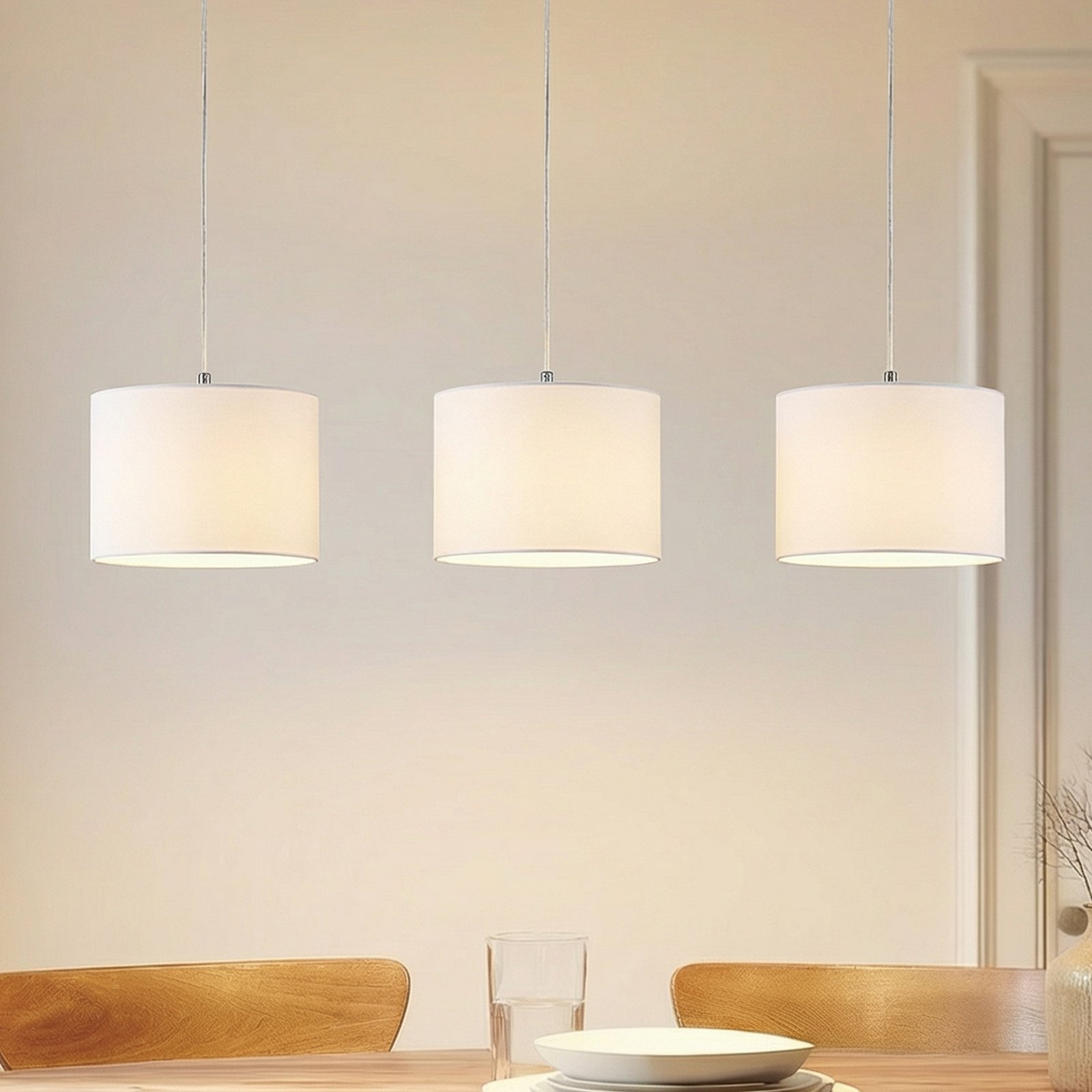
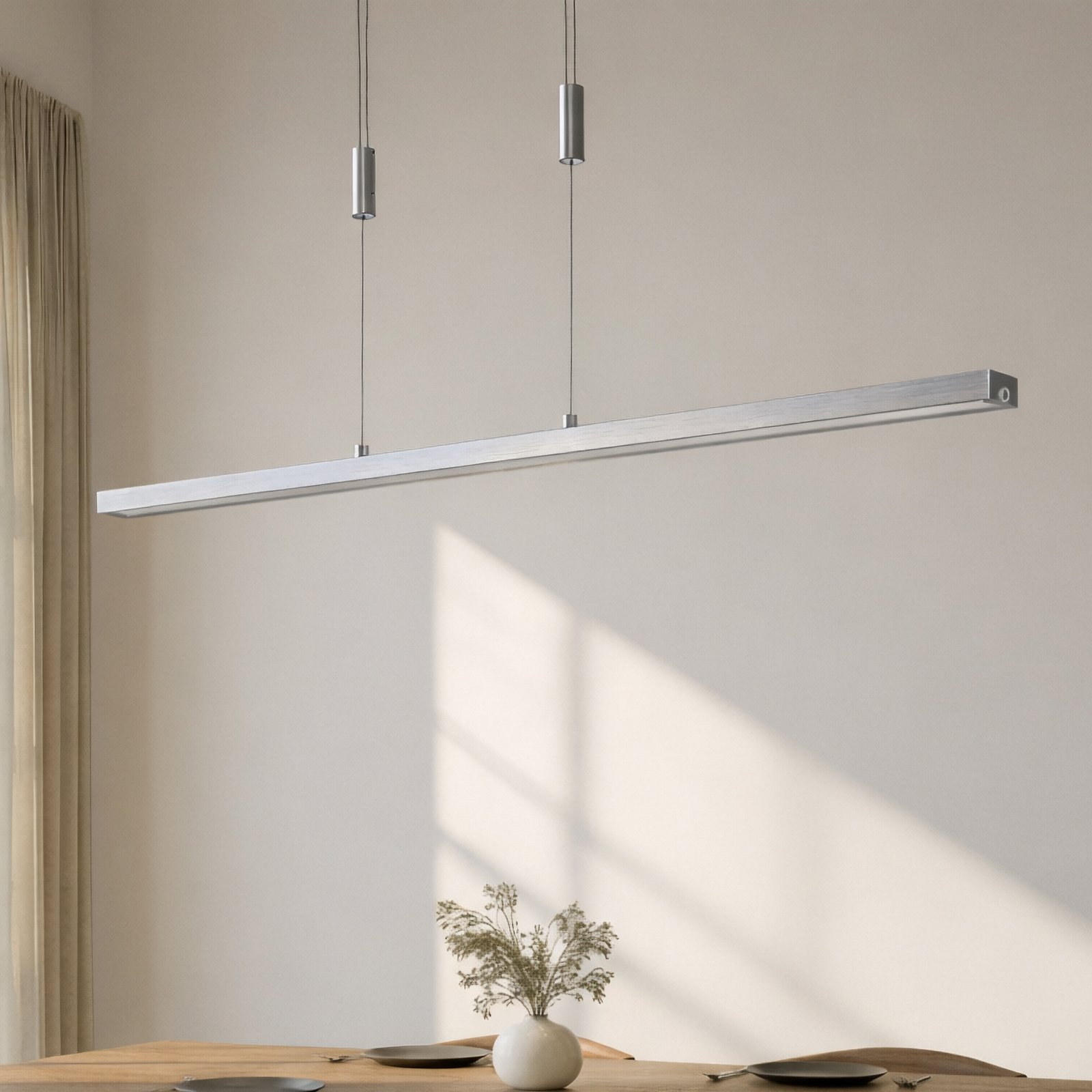
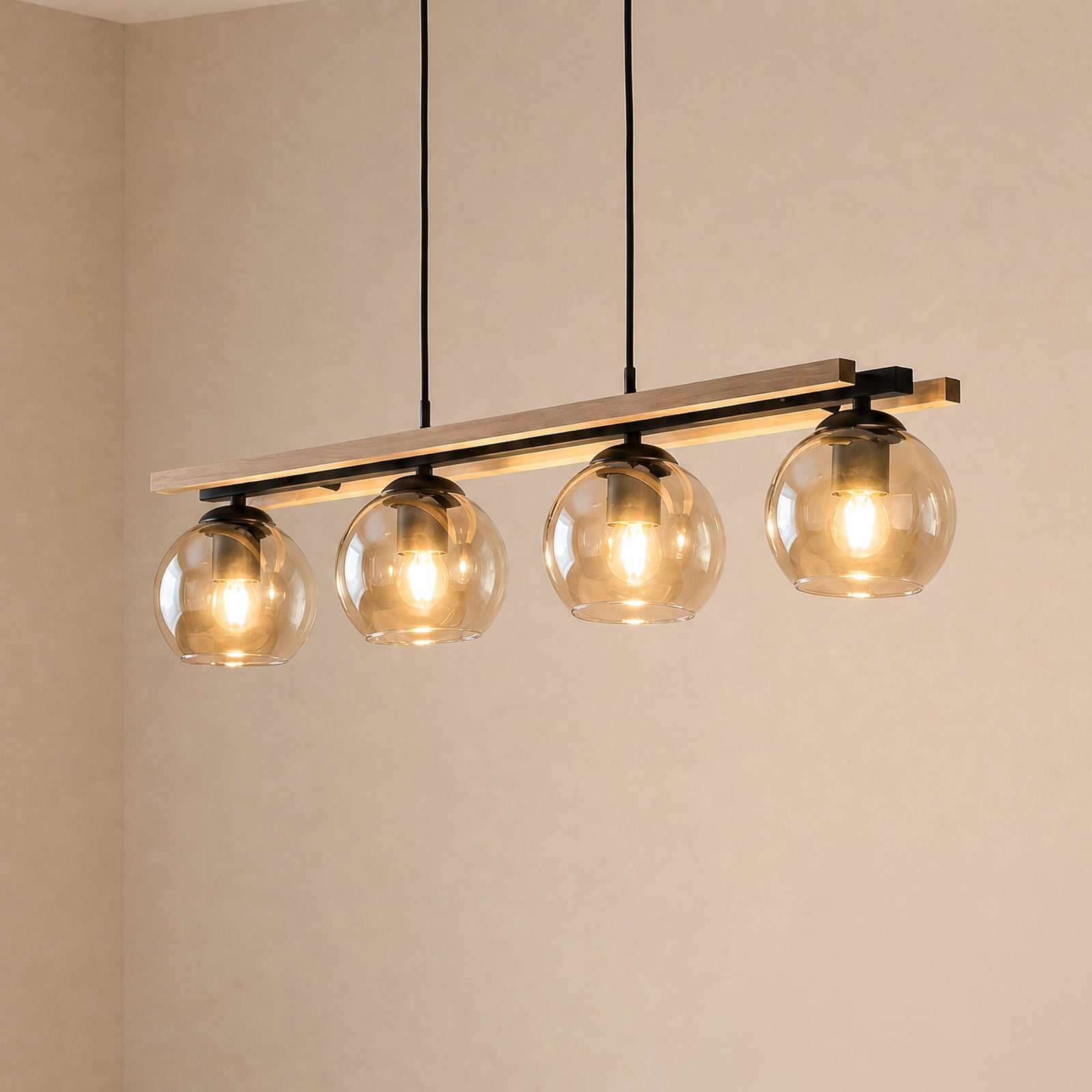
The dining table is a central meeting point. This is where people eat, work and spend time with family or friends. A pendant light provides glare-free, direct light and at the same time creates a warm atmosphere that invites you to linger. Elongated or multi-flame models are particularly suitable for rectangular tables, while round lights harmonise ideally with round or square table shapes. The lower edge of the pendant light should hang about 60-70 cm above the table top. This pendant light spacing above the dining table ensures optimum visibility.
)
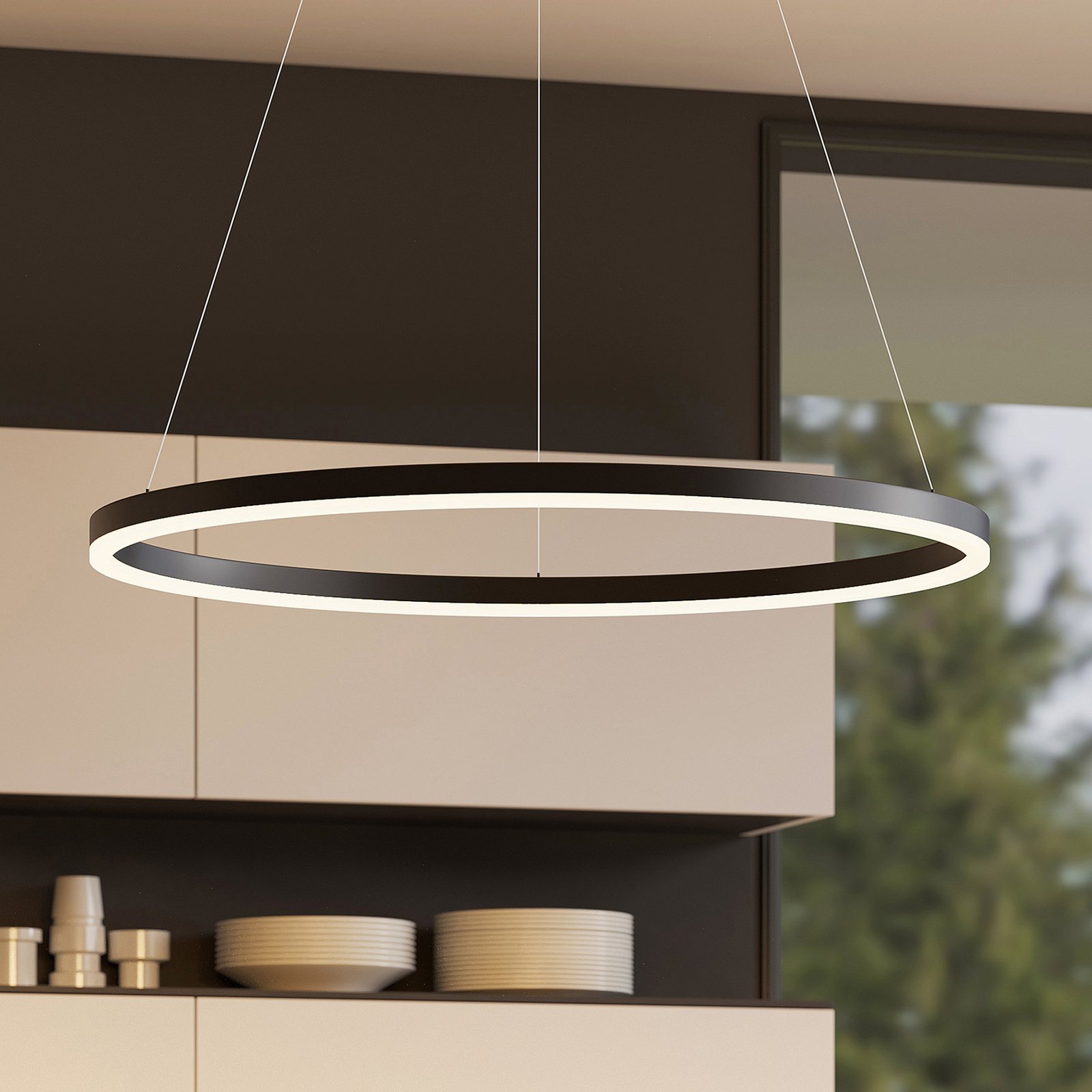
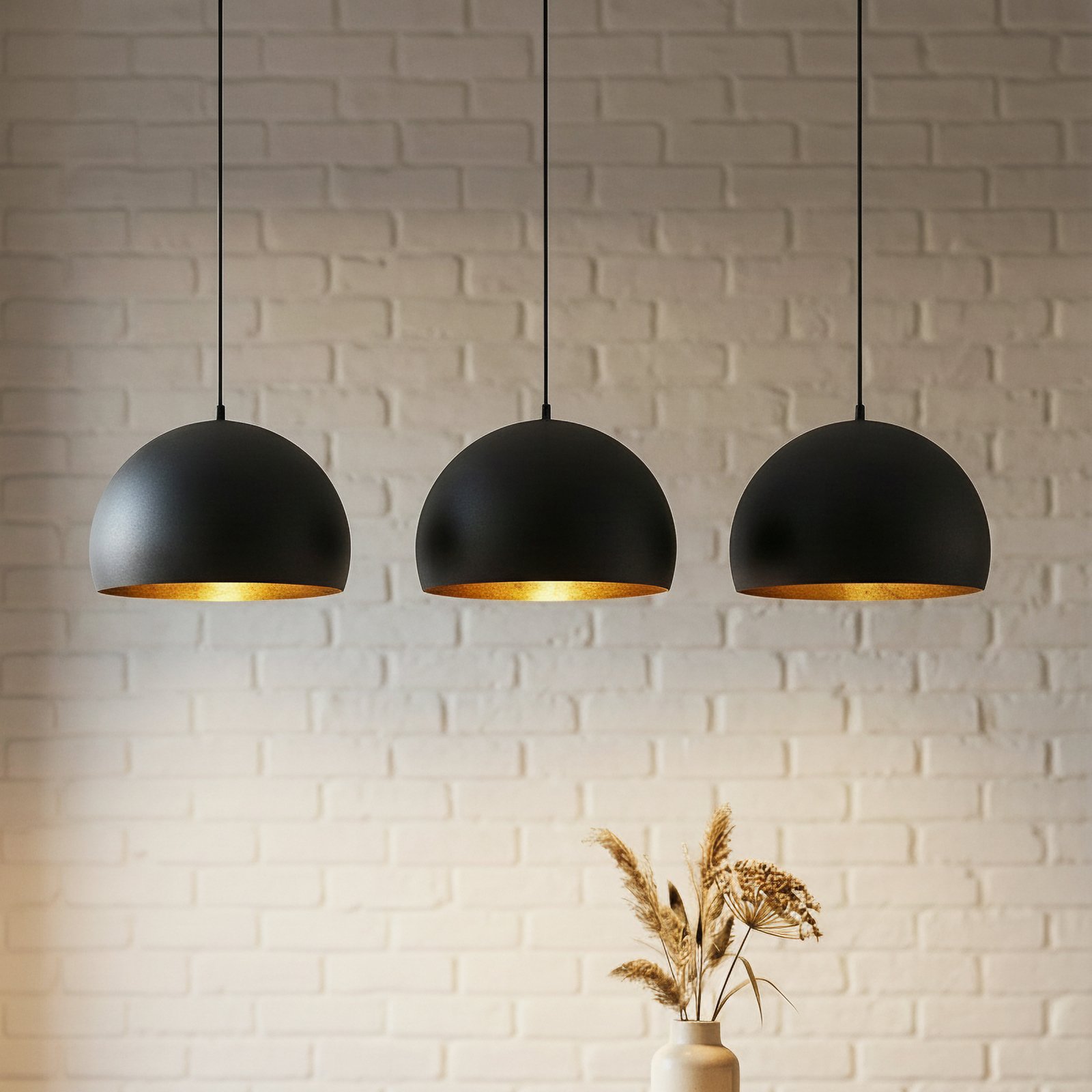
In the kitchen, functional lighting is just as important as appealing aesthetics. Pendant lights above the kitchen island or worktop provide bright light and the best viewing conditions by largely avoiding distracting shadows when working. Several small pendant lights, placed evenly next to each other, ensure homogeneous illumination of rectangular kitchen islands. Height-adjustable pendant lamps are particularly practical, allowing you to flexibly adjust the height to your own height and the dimensions of the work surfaces - ideal for cooking, preparing or serving.
)
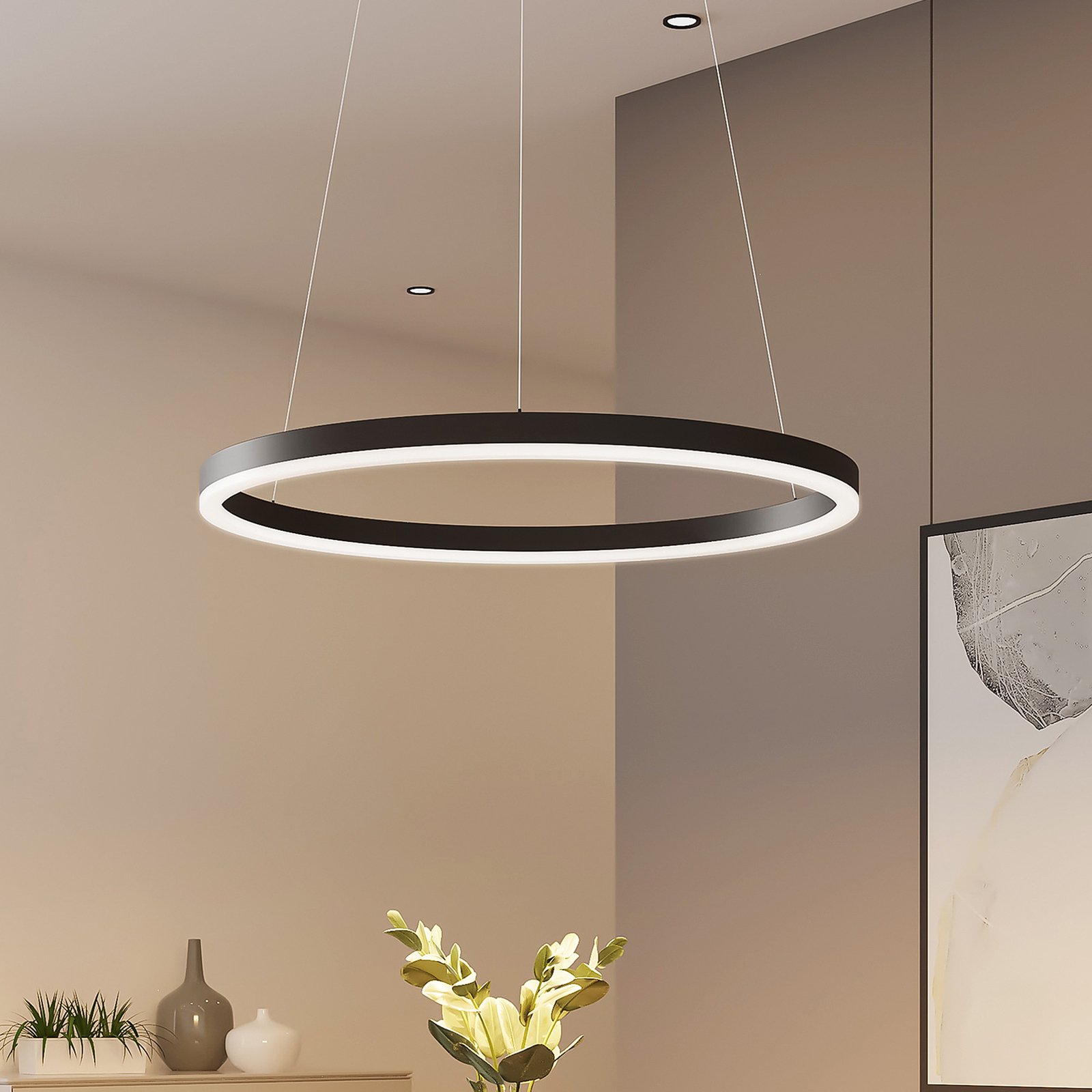
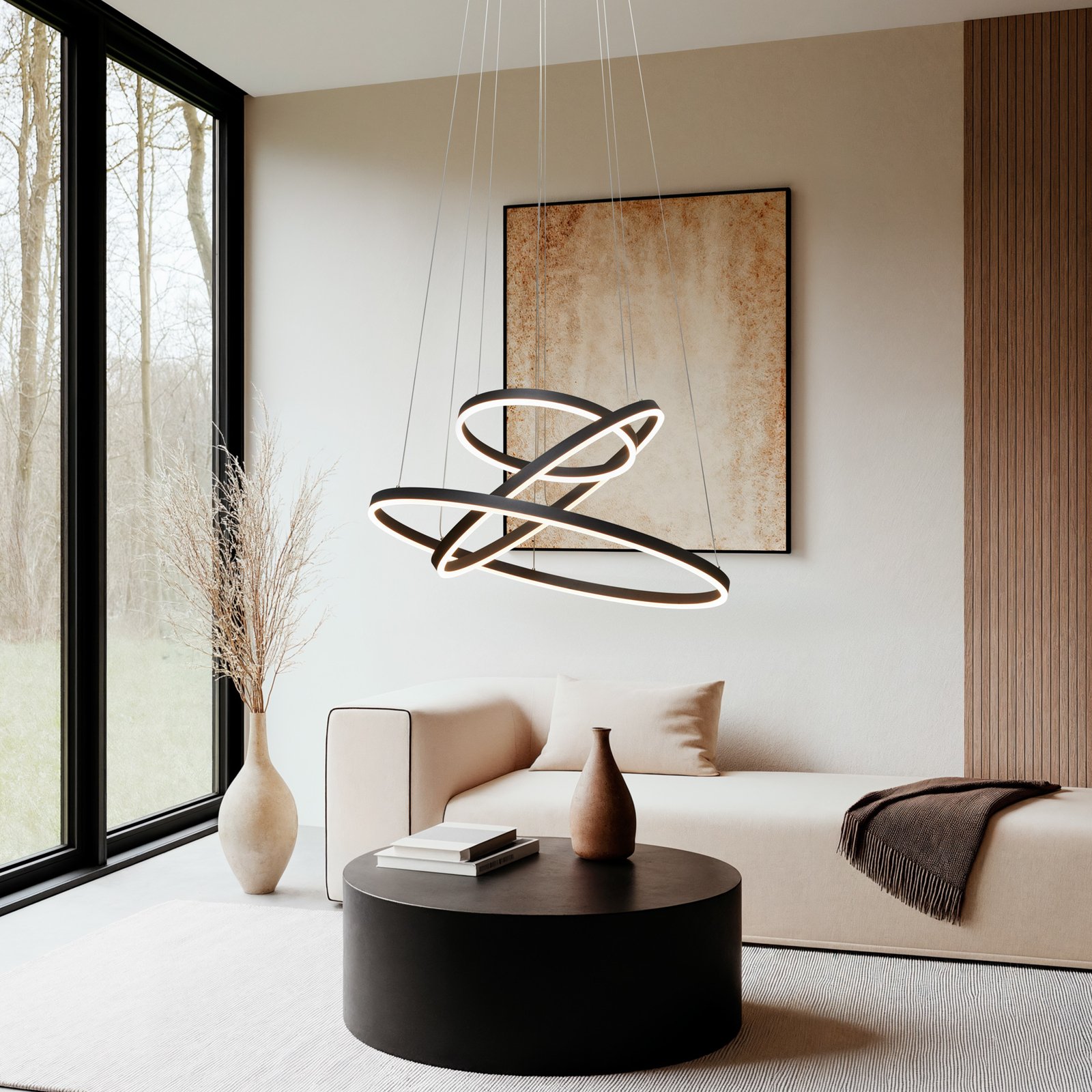
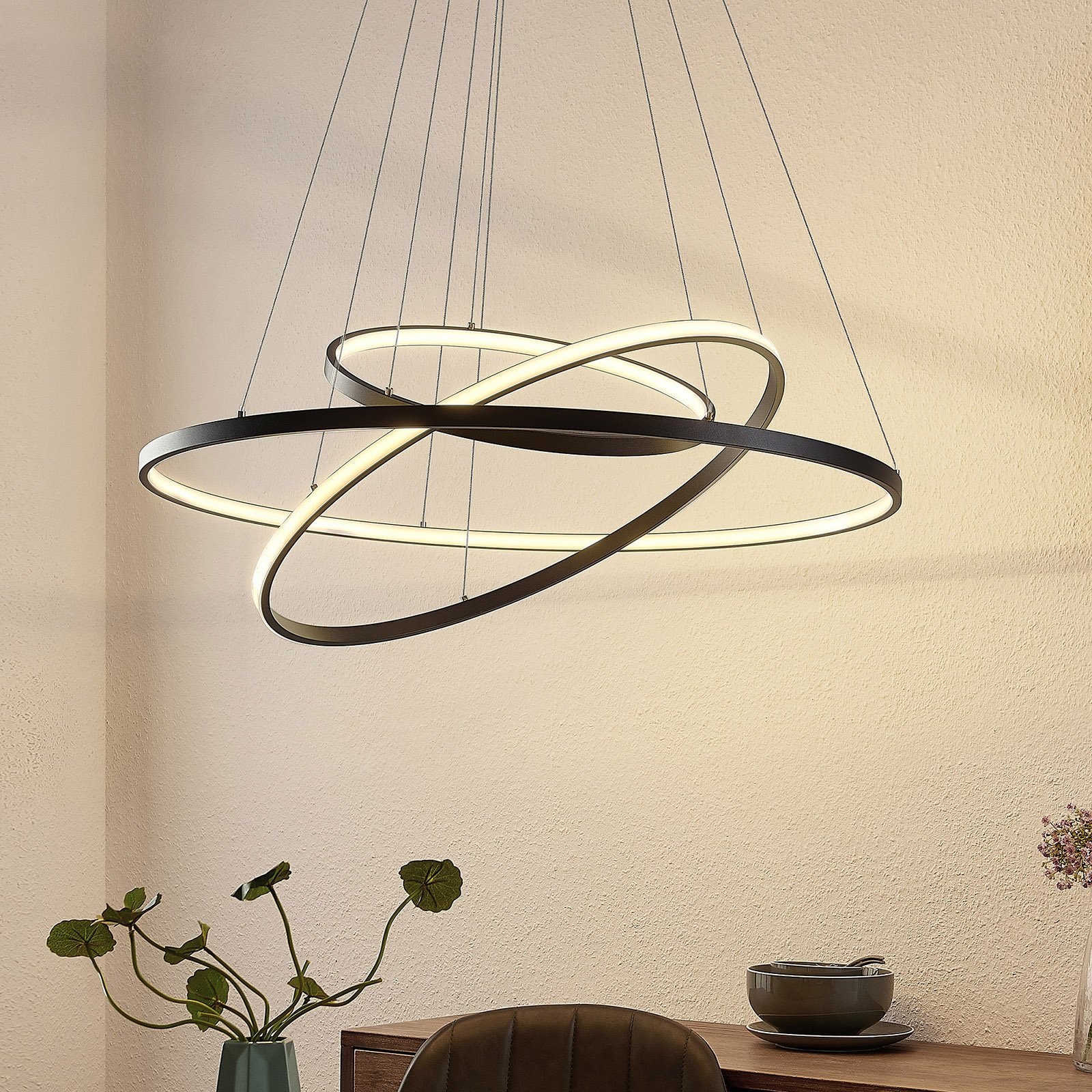
In the living room, pendant lights create targeted islands of light. Above the coffee table or reading corner, they provide atmospheric, cosy light and often function as a stylish alternative to floor or table lamps. Modern designs in black, glass, metal or an interesting mix of materials set appealing accents and deliberately draw attention to individual living areas - or the design of the pendant light itself. This creates a clear room layout with a cosy atmosphere.
)
Pendant lights look particularly elegant in the bedroom - and they also save space. A tasteful, discreet pendant lamp design, suspended next to the bed, can easily replace classic bedside lamps. If this is done on both sides of the bed, the relaxation room looks particularly harmonious and balanced. Ensure convenient operation directly from the bed, be it via a switch, remote control or smartphone. This is how you create your own personal relaxation room.
)
Pendant lights in the hallway provide inviting lighting and immediately give entrance areas more cosiness and character. Instead of purely functional ceiling lighting, stylish pendant luminaires create targeted lighting accents that structure the hallway and create a pleasant atmosphere. Compact or slimline models that offer sufficient brightness without obstructing the passageway or hanging too low are particularly suitable. In longer corridors, several small pendant luminaires can be placed in a row to illuminate the area evenly and emphasise modern, clean lines.
)
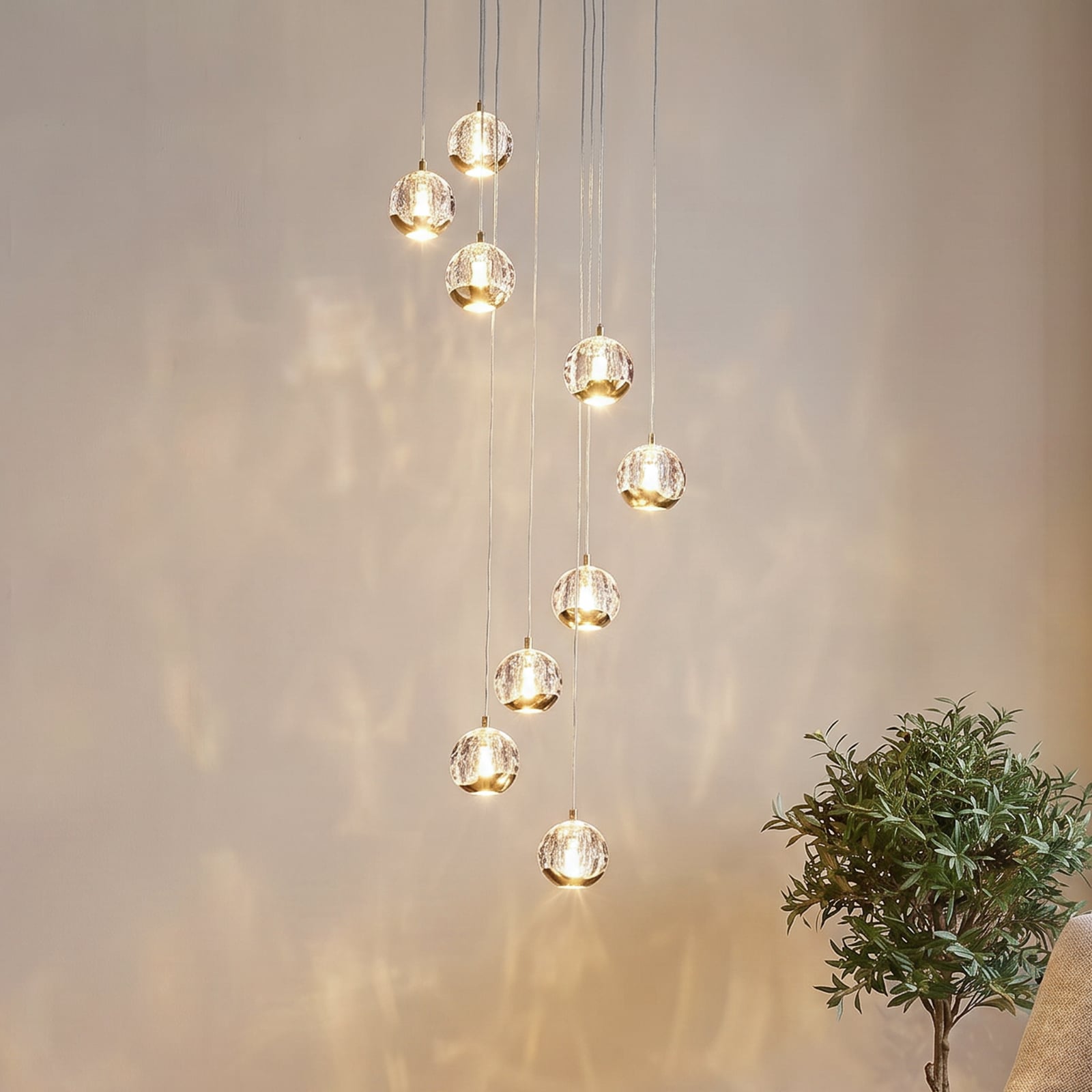
Pendant lights in the stairwell often act as a striking design object and make a stylish statement as soon as you enter the house. Particularly in high or open stairwells, they make optimum use of the room height, direct the view upwards and create an impressive lighting effect over several levels. Multi-flame pendant luminaires or pendant luminaires suspended at different heights not only ensure uniform illumination of the various floors, but also create a modern, architectural setting. Glare-free light distribution and sufficient brightness for safe orientation are important.
Selecting and positioning pendant lights correctly
Height, distance and proportionSeveral aspects should be considered when planning pendant luminaires:
- Room height and proportion
- Correct size and shape
- Light colour and brightness
- Dimmable light sources
- Position above table or furniture
- Secure mounting and power connection
)
The size of the pendant light should always be orientated to the table. As a guideline for round tables: diameter of the pendant light approx. 1/2 to 2/3 of the table diameter. Luminaires that are too small look lost, those that are too large are overwhelming.
)
For long tables, elongated pendant light models or multi-flame pendant lights are recommended. As a guide: 2-3 lights are recommended for a 160-200 cm table.
)
Above the dining table, the ideal distance between the pendant lights and the table is around 60 to 70 cm. This keeps the view clear and the light does not dazzle.
)
For kitchen islands or worktops, 70-80 cm is often ideal. This distance ensures that there is no glare, that the light is focussed on the surface and that the luminaire does not interfere with the field of vision.
)
In rooms with high ceilings, luminaires can be suspended more generously to create a sense of closeness and cosiness.
)
Multi-flame systems should be evenly distributed and precisely aligned to create a calm overall appearance.
)
In the living room or bedroom, pendant lamps with warm white, diffuse light <3,300 Kelvin create a cosy, atmospheric ambience.
)
The rule of thumb is: warm white light for a cosy lighting effect, universal white light from 3,300 to 5,300 Kelvin for concentrated, fatigue-reducing work.
)
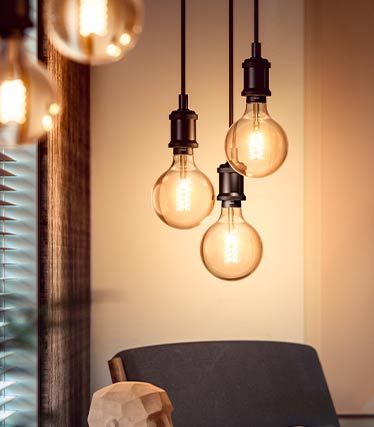
Pendant luminaires with open light sources and an integrated light source socket should ideally be fitted with filament light sources. These ensure a particularly aesthetic appearance.
)
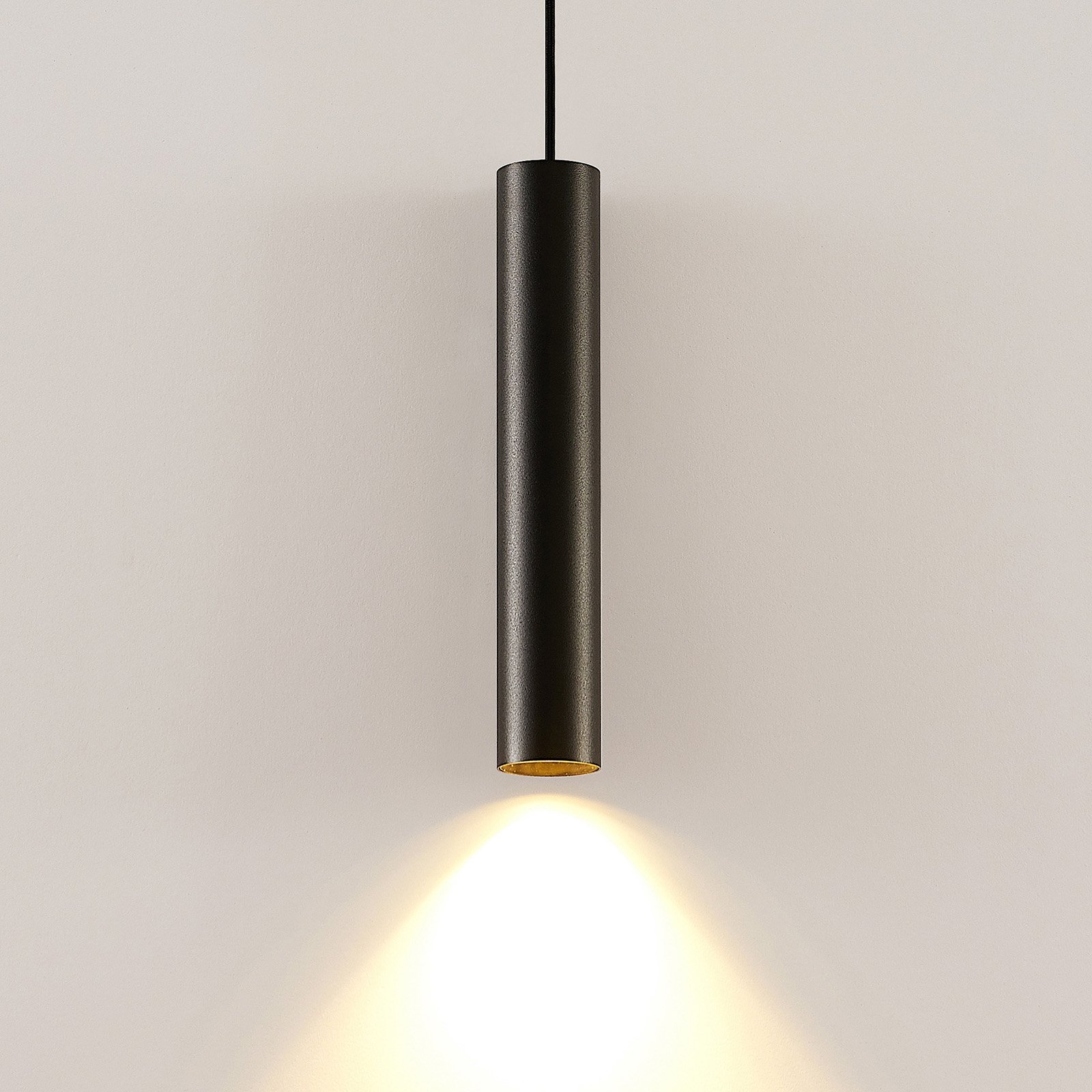
Modern pendant lamps are often equipped with permanently integrated LED lighting technology. With these, light source and design are one, resulting in unique, unprecedented luminaire designs.
Using pendant lights creatively
Design, zones and visual guidance)
Pendant luminaires can structure rooms visually and draw attention to specific areas. Tasteful designs made of various materials such as glass, wood or metal are recommended for this purpose.
)
Different heights or asymmetrical arrangements create a lively and modern effect. Several lights in a row emphasise long tables or counters, while individual statement lights act as a design highlight.
)
Pendant lights also offer advantages as an alternative to floor and table lamps: they save space, appear lighter and allow furniture to be better emphasised. They create clear islands of light and cosy zones, especially in open-plan living concepts.
)
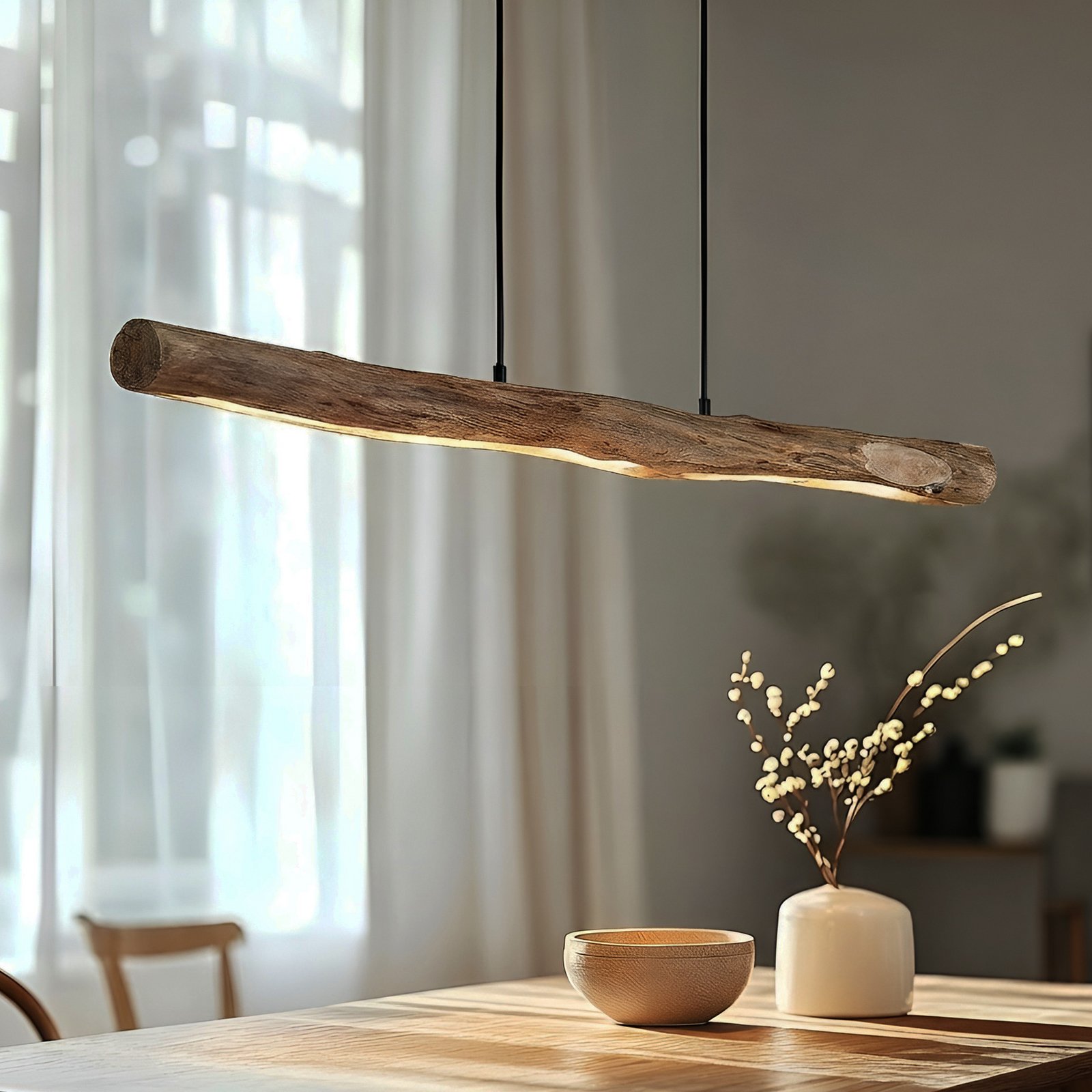
Pendant lights made from unusual materials such as concrete, wood, glass, rattan or metal make strong design statements and give rooms an individual, high-quality look. Whether natural, industrial or modern - such special surfaces turn the light source itself into a decorative eye-catcher.
More tips on pendant lights
)
Pendant luminaires with CCT function allow the light colour to be adjusted as required from warm white for a cosy atmosphere to universal white for concentrated work. This means that the dining area, kitchen or home office can be adapted to the time of day, usage and personal preferences at any time with just one light.
)
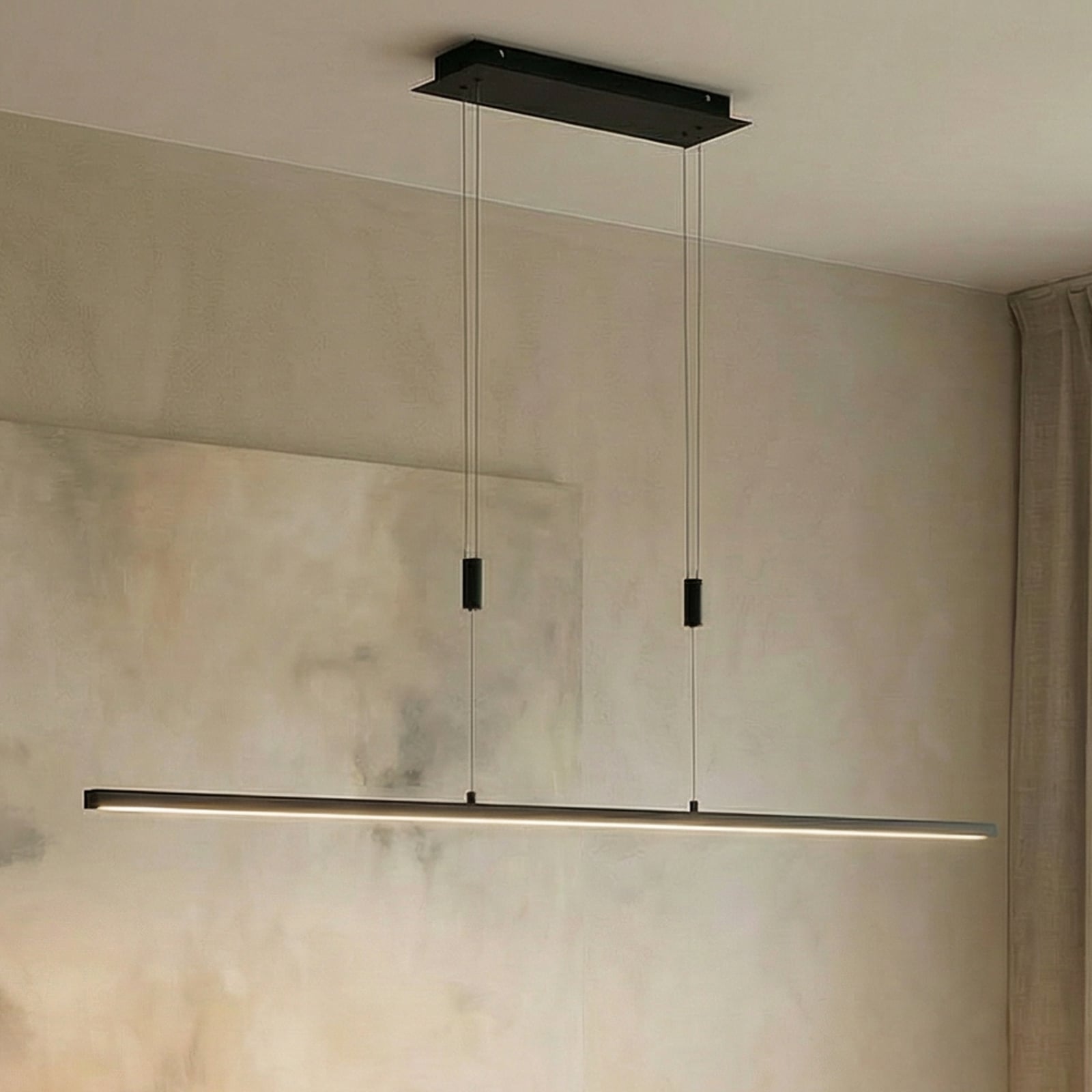
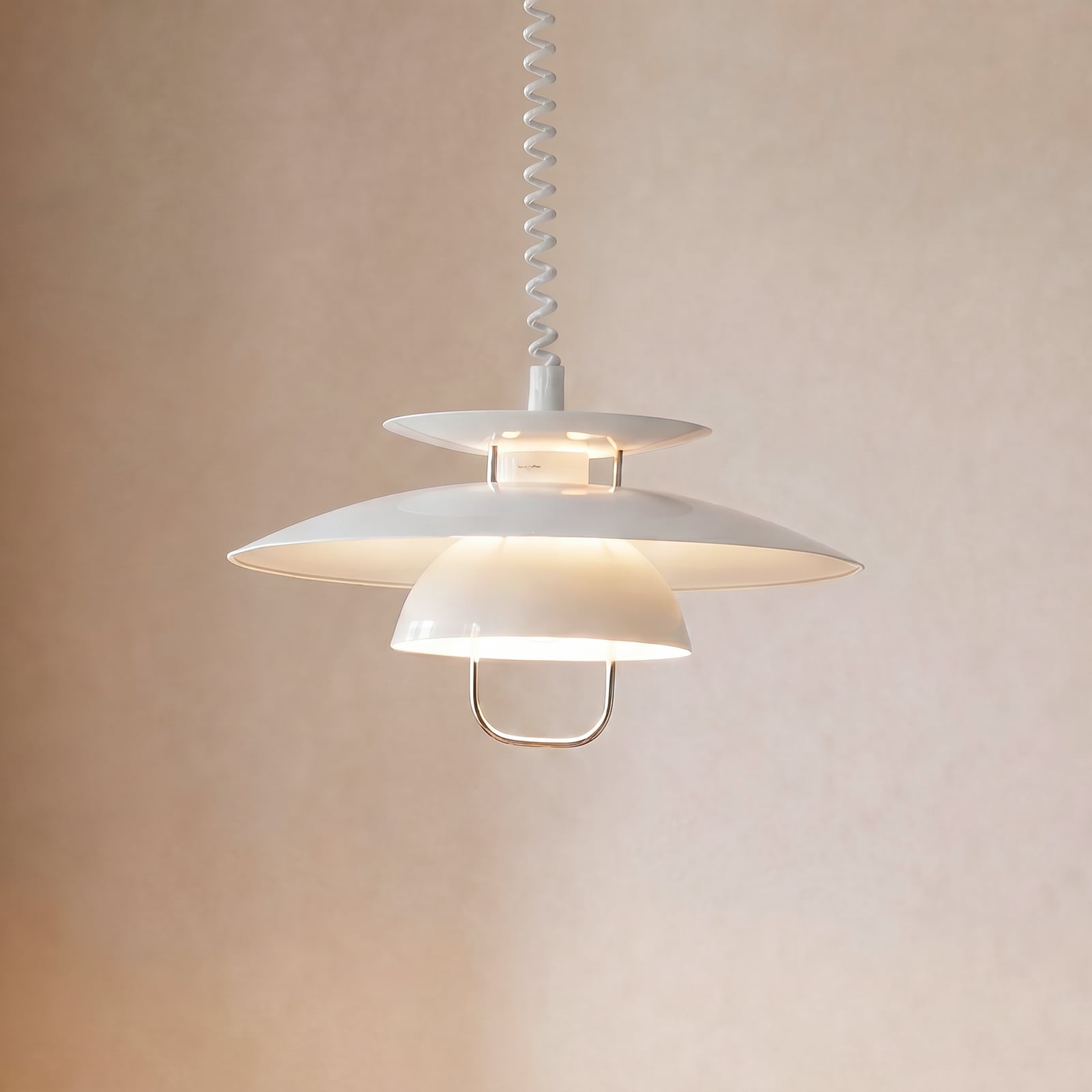
Height-adjustable models offer maximum flexibility in everyday life. Depending on the situation, the light can be pulled closer to the table or positioned higher - for cosy dining or bright working light, for example. Common mechanisms are cable pull systems, counterweights, telescopic or rail technology. These solutions significantly increase everyday usability.
)
Pendant luminaires with plugs are the ideal solution if no ceiling outlet is available or a quick, flexible installation is required, as they can be plugged in easily and used immediately. Particularly in rented flats, above tables or in reading corners, they offer a practical way of realising stylish lighting without the need for an electrician.
Mounting and fastening pendant lights
Basis for implementationImportant: Any work on the electrical wiring in the house or flat must always be carried out by an electrician or specialist who is familiar with and can take into account all safety requirements. If you are a layperson, please do not carry out any work on the electrical installation of the house or flat and do not mount or install any lights.
Safe and professional installation is crucial for the stability and longevity of pendant luminaires. Before installation, the circuits must be switched off and protected against being switched on again and the load-bearing capacity of the ceiling must be checked. Depending on the type of ceiling, suitable dowels and fixings are required.
Avoid installation errors with pendant luminaires: Unsuitable fixings can lead to instability. Heavy luminaires require particularly resilient suspensions. Faulty connections impair safety and appearance. Even crooked or unevenly aligned luminaires disrupt the overall picture and can lead to problems. Careful planning and precise, professional installation ensure a permanently attractive, stable and functional result.
Pendant lights for every furnishing style
 "Tarjei from Lindby")
 "Marike from Lindby")
 "Rodado from Lucande")
 "Bikkel from Steinhauer")
 "Yonam from Lucande")
 "Lenna from Lindby")
 "Alimara from Lindby")
 "Lelia from Lindby")
 "Peldano from Lucande")
Conclusion: Use pendant lights in a targeted manner
Light with a conceptPendant lights combine functional lighting with stylish design. They structure rooms, create atmosphere and set modern accents in the living room, dining area, bedroom or kitchen. With the right choice, the right height, optimum spacing and secure mounting, you can get the best out of your lighting.
Use this pendant light guide as inspiration and practical orientation - and discover pendant lamps that perfectly match your home.
:format(jpeg) "Kai")
Online editor at Lights.ie
Expert tip
People are often inclined to place the pendant light in the centre of the room - the connections are usually already there. However, this is not advisable with pendant lights, as they usually only achieve their effect if they are consistently planned from the furniture. I always align them exactly with the table or kitchen island, even if the power outlet is slightly offset. In practice, it has been shown that a minimal shift using ceiling hooks or a canopy system makes the overall appearance much more harmonious. I also recommend hanging the light provisionally before final installation and testing the height while seated, as it is often only then that you realise whether it is really glare-free and pleasant. This small additional step saves later corrections and ensures that light, proportion and atmosphere work together perfectly.

 "What is Lumen")
 "Light colour simply explained")
 "Ideas for dining room lighting")
 "Lighting concept for the living room")
 "Lighting concept")
 "Lights made from natural materials")