



































:format(jpeg) "Types of lighting")
Types of lighting
This is how you create good lighting in a roomWell-designed lighting takes into account all the visual tasks that take place in a room. Different light sources each fulfil their own specific purpose and provide a particular type of lighting: general lighting for orientation, task lighting for specific activities within the room and, last but not least, accent or mood lighting to create a pleasant atmosphere in the room. By combining these different types of lighting in a sensible way, you can achieve a balanced lighting scheme that is tailored to the demands of everyday life whilst also enhancing your home’s comfort.
An overview of the main types of lighting: A good lighting design always combines the three basic types of lighting, which can be further subdivided depending on the application, visual task and personal taste. These are general lighting, which provides an even, basic level of light for the whole room; task lighting, which provides focused light for specific activities such as reading, working or cooking; and accent lighting, which is used to highlight furniture, pictures, walls or living areas.
)
)
)
Basic lighting / General lighting
The foundation for any roomGeneral lighting forms the basis of any lighting design. It is also known as general lighting or primary lighting, and ensures that a room is evenly lit. Their most important task is to provide guidance and ensure safety in everyday life. Without adequate general lighting, rooms can quickly feel dark or uncomfortable. Typical light fittings for general lighting include: ceiling lights, recessed spotlights, LED panels, track lighting systems or several wall lights positioned strategically.
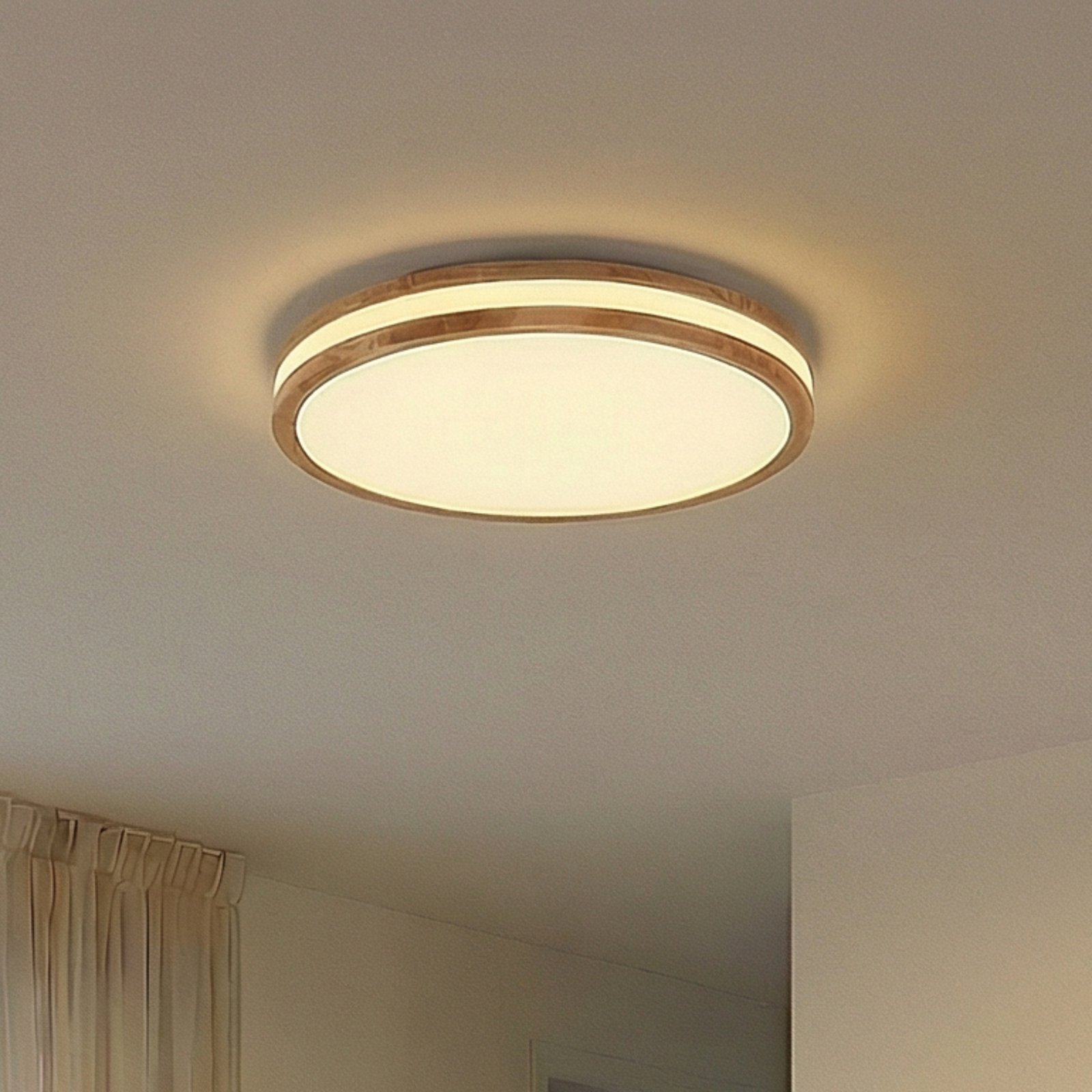
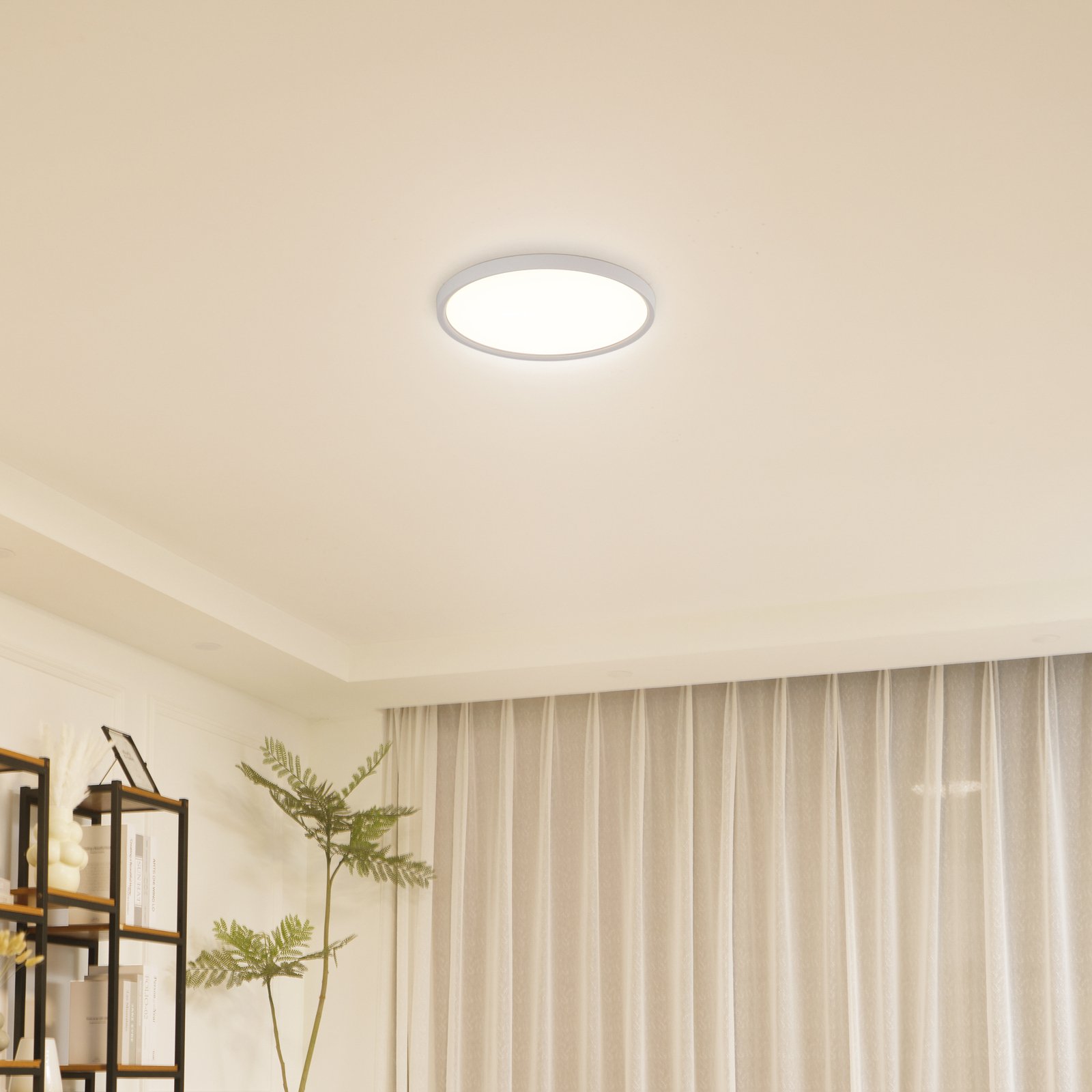
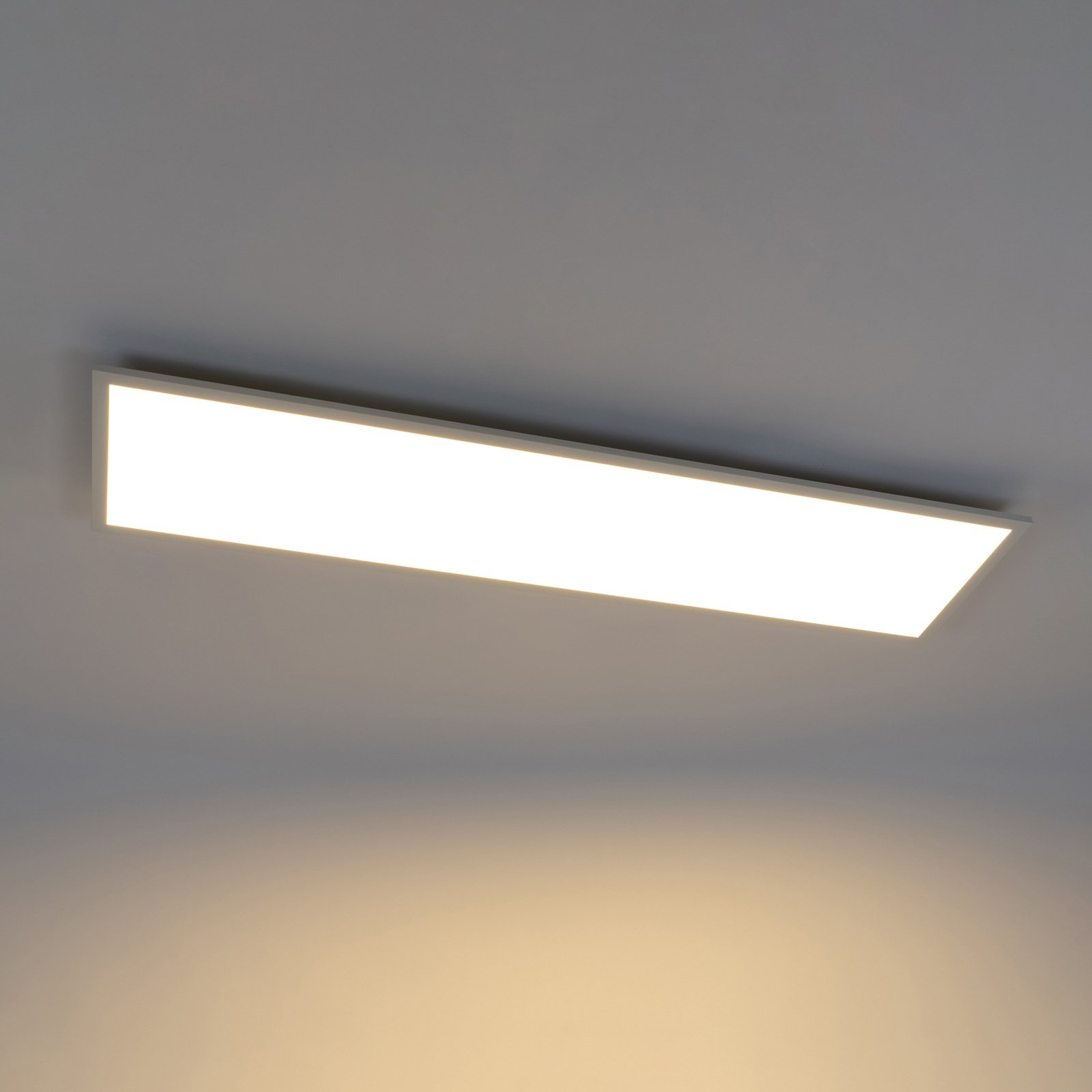
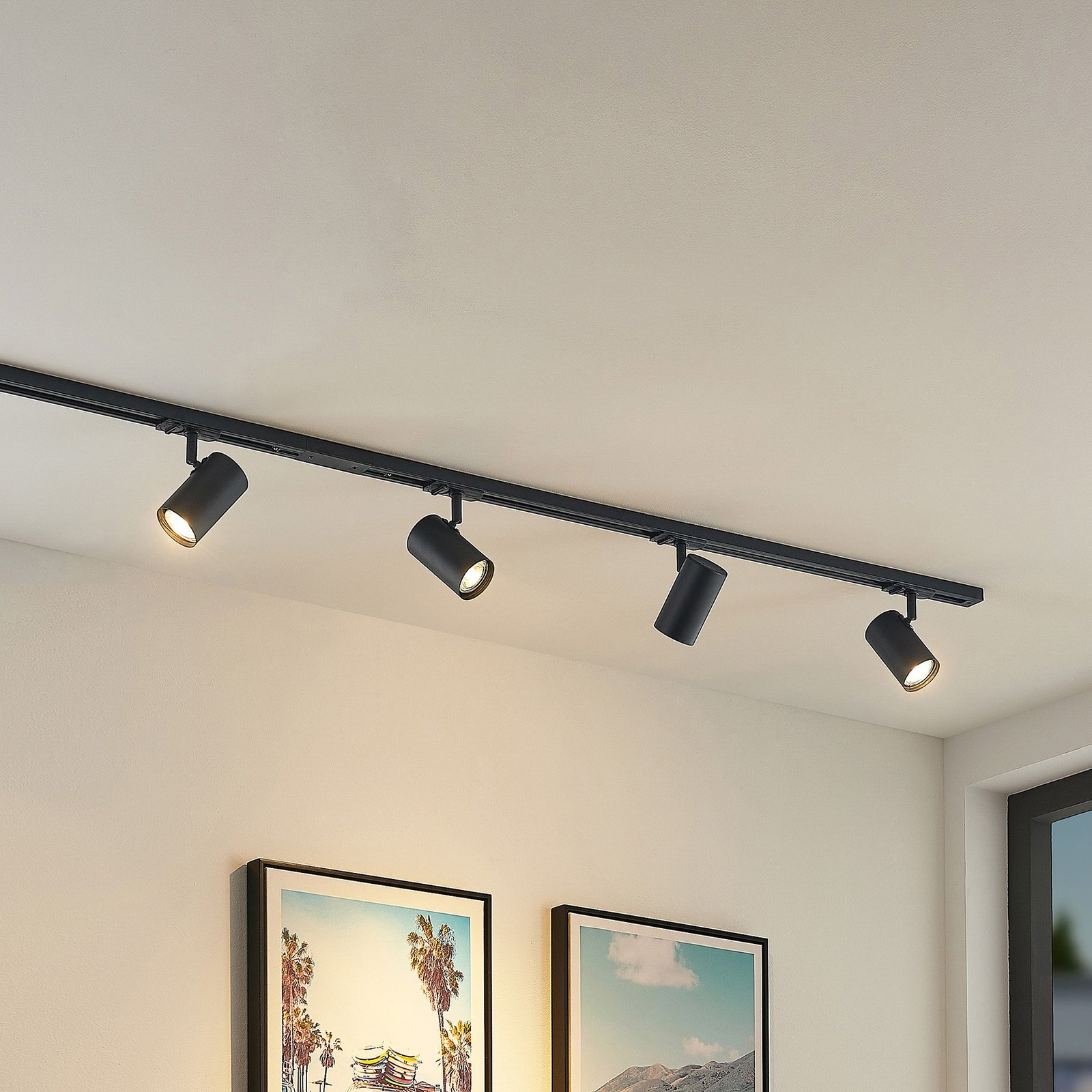
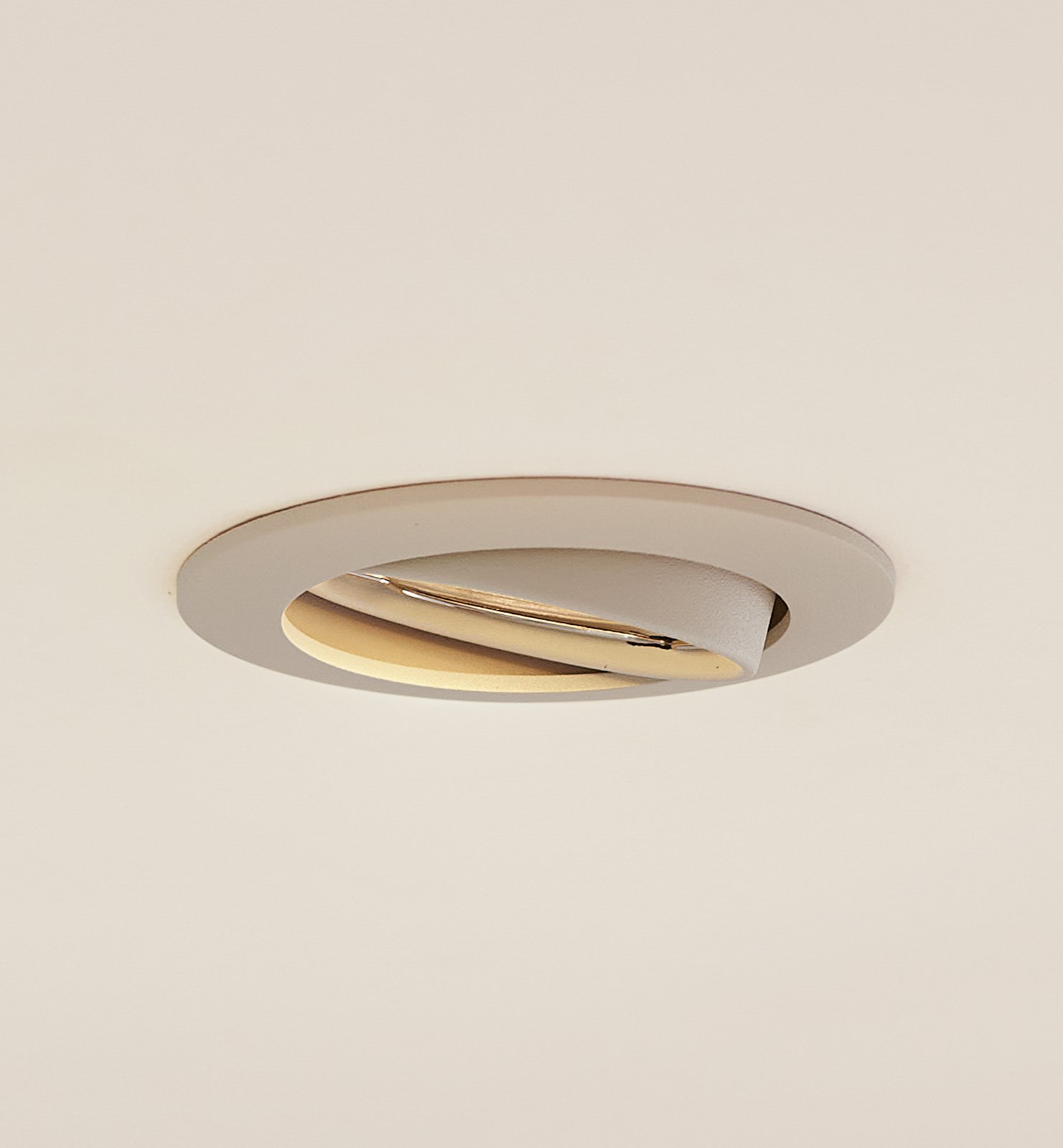
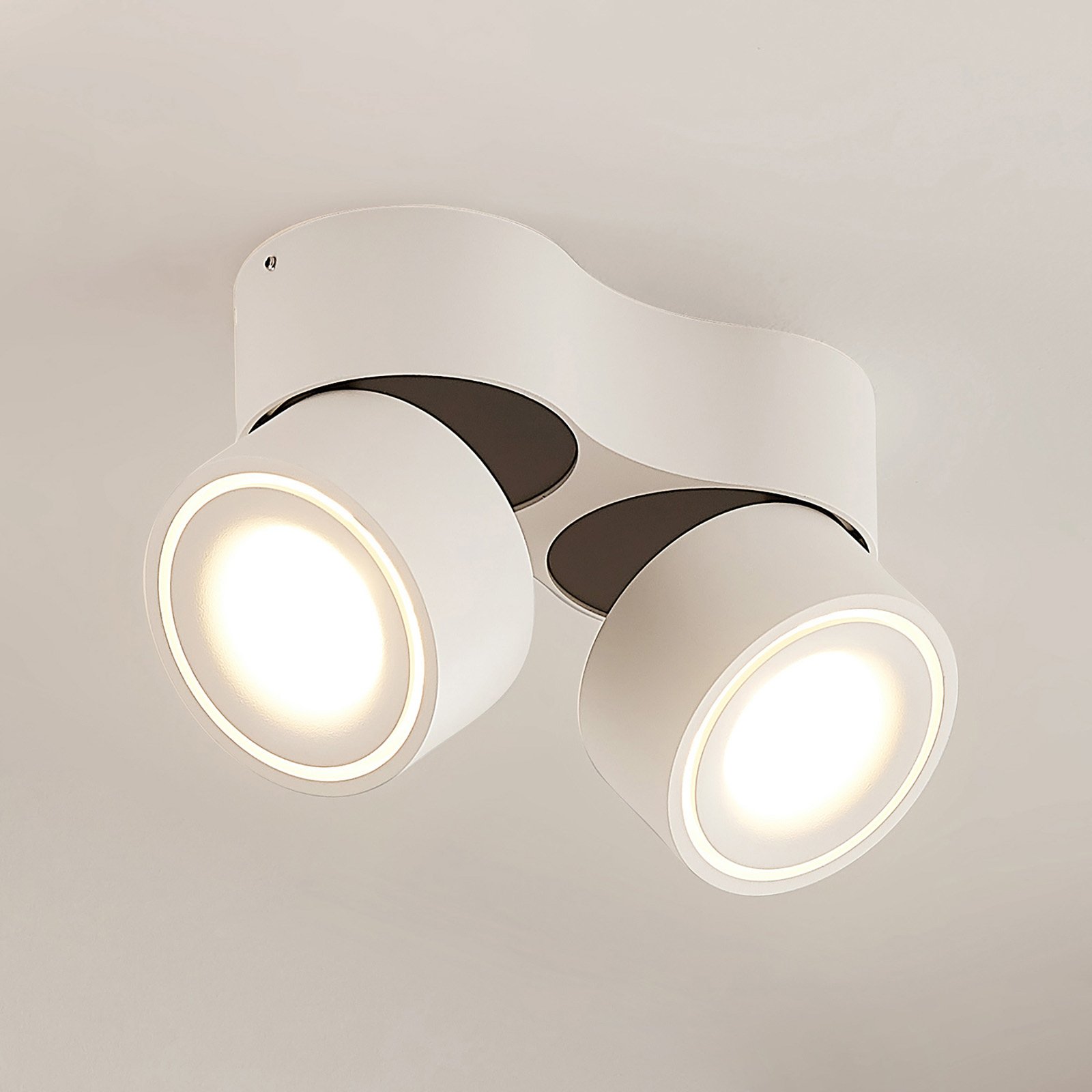
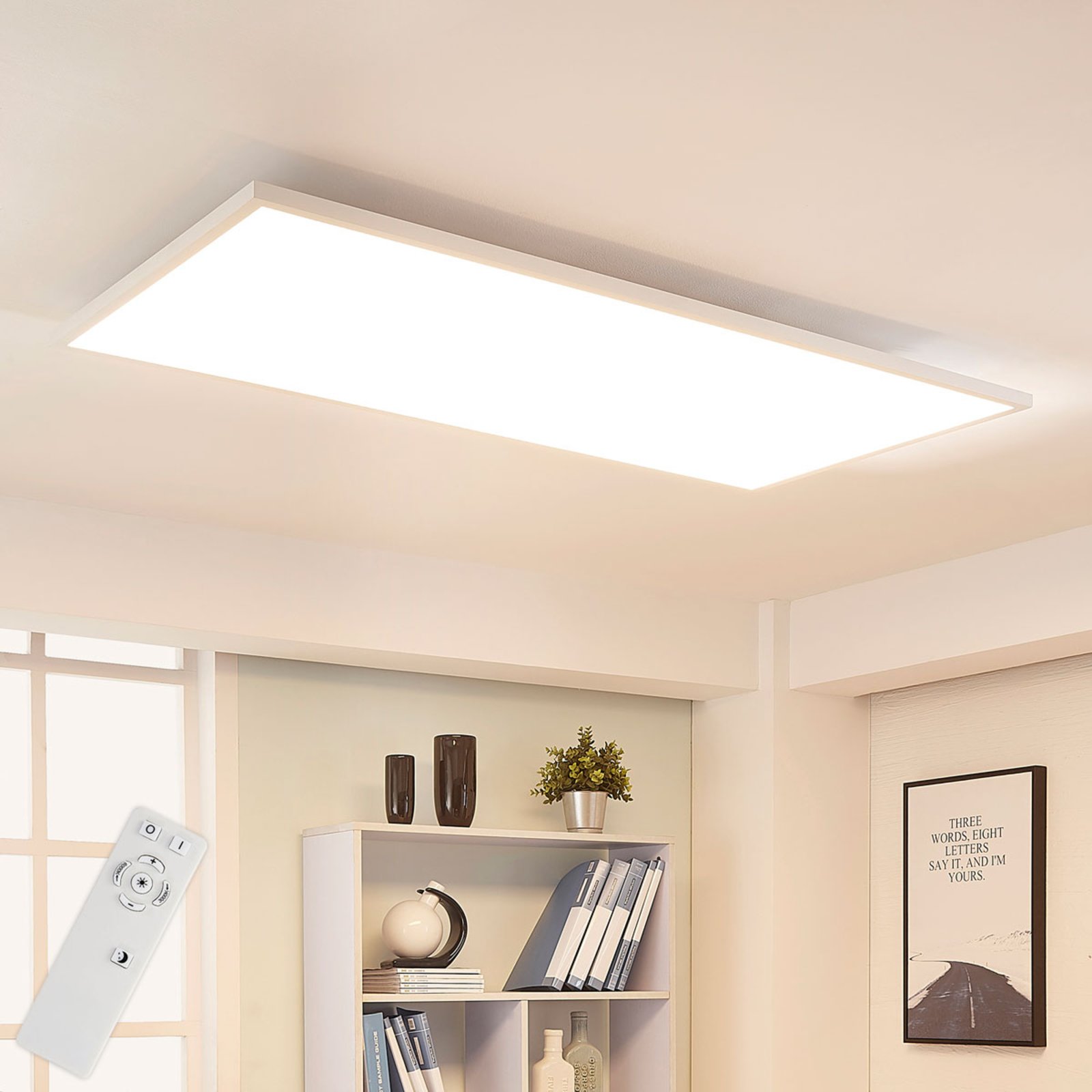
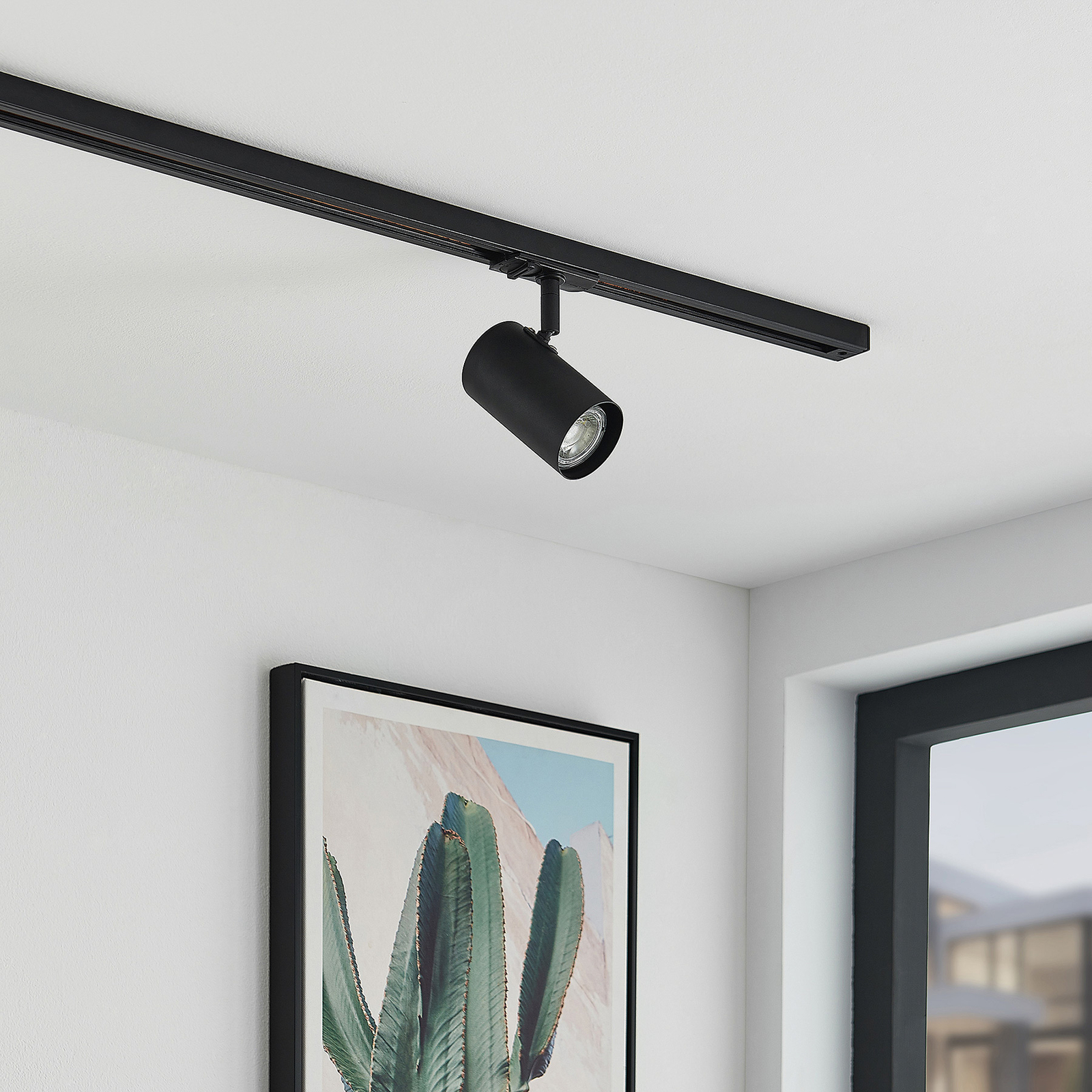
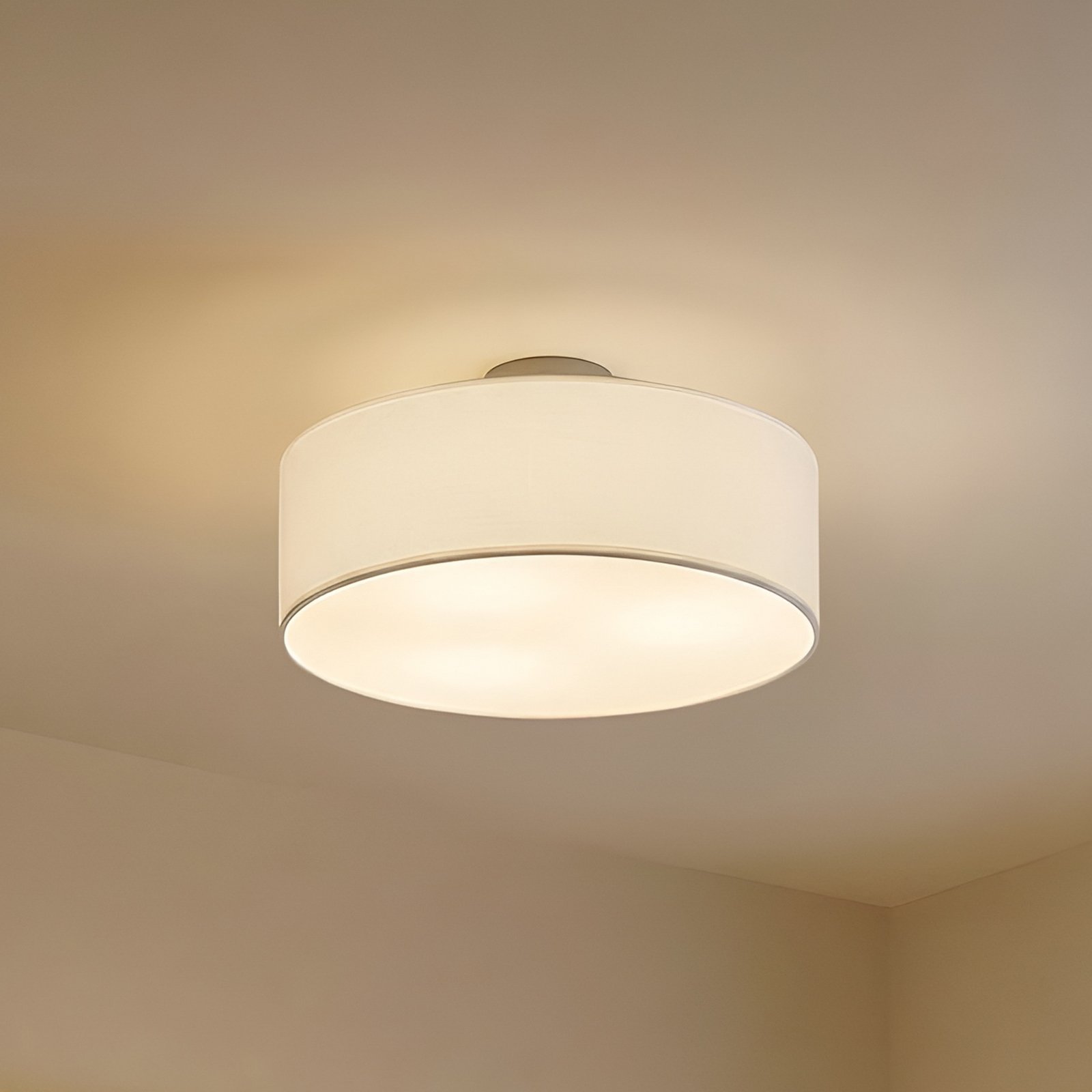
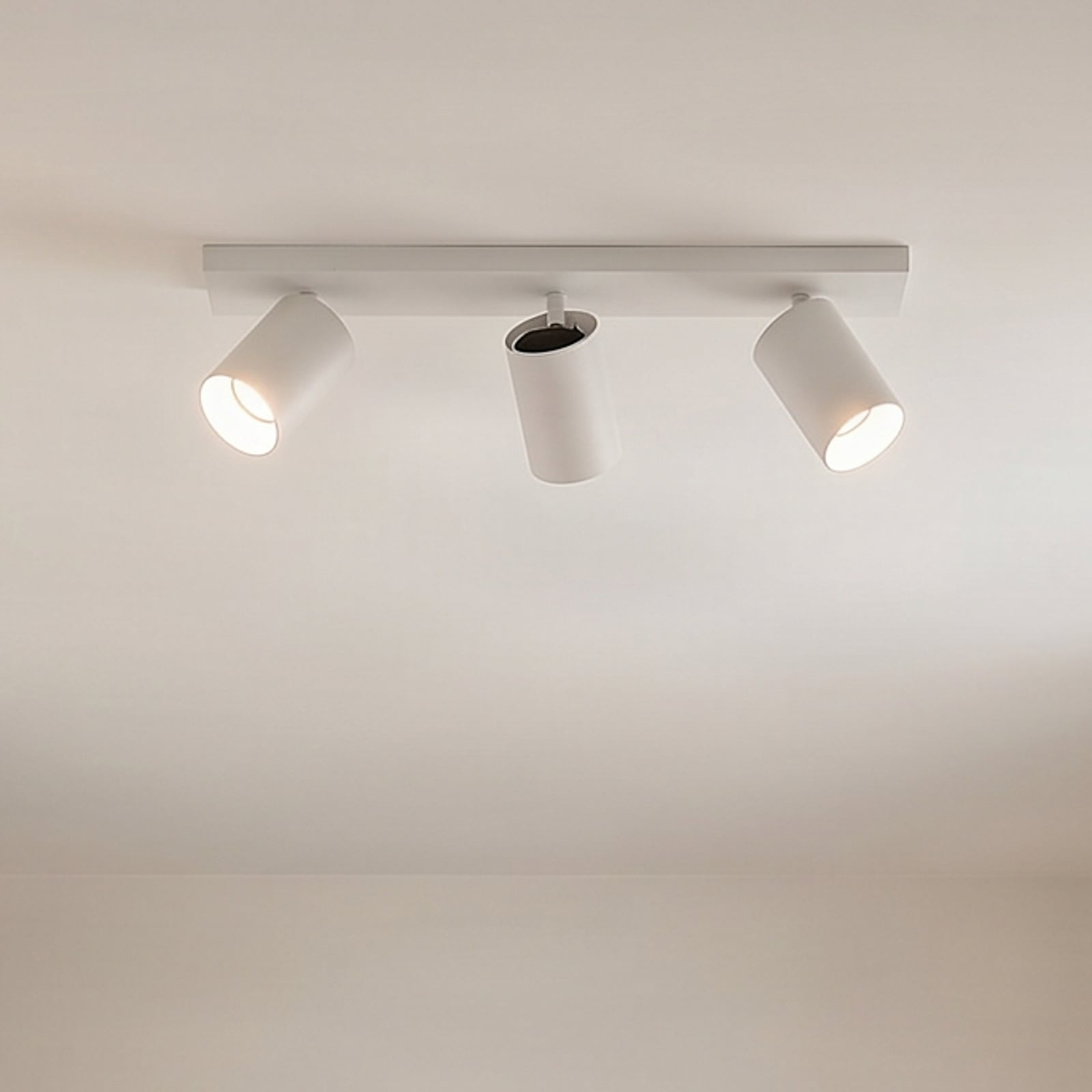
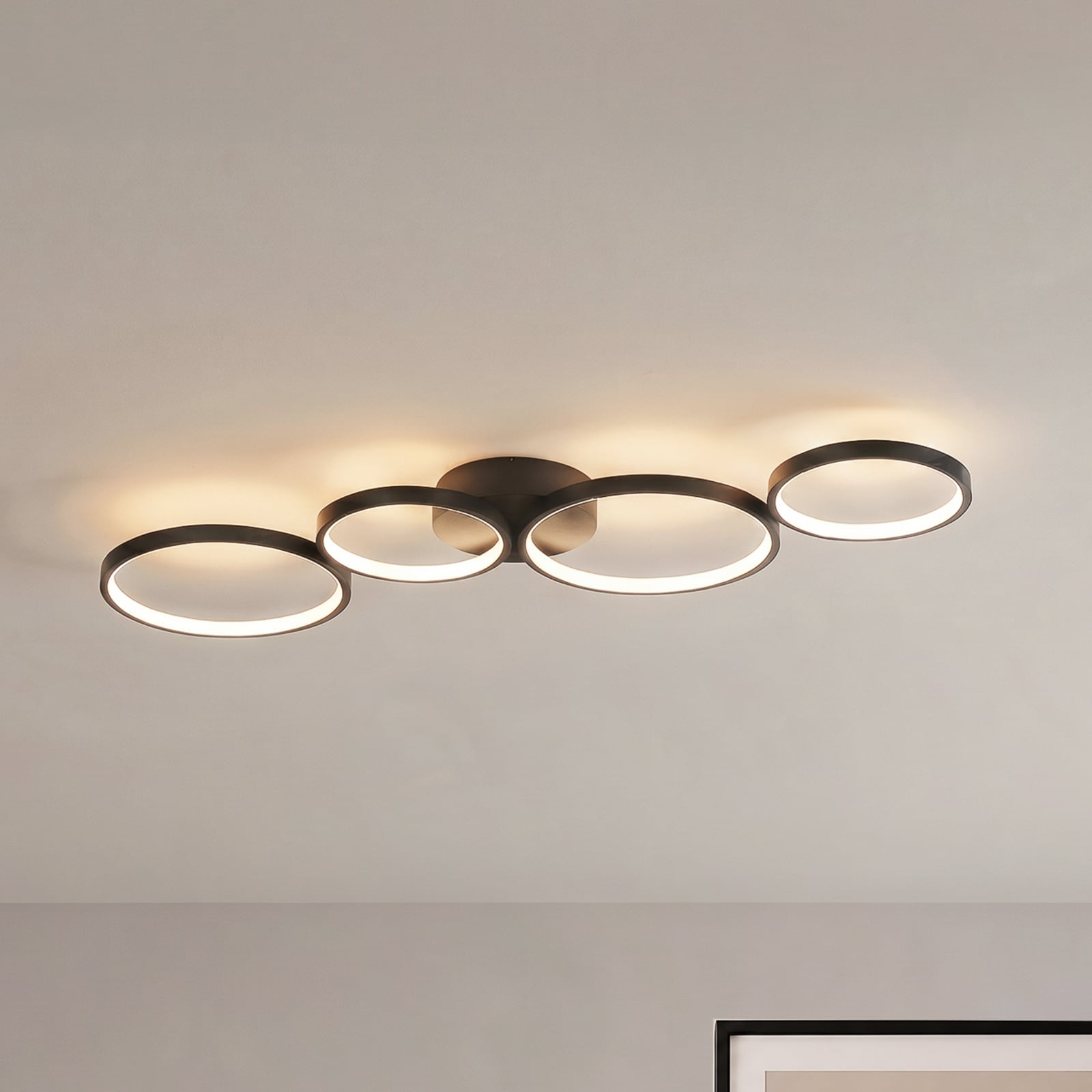
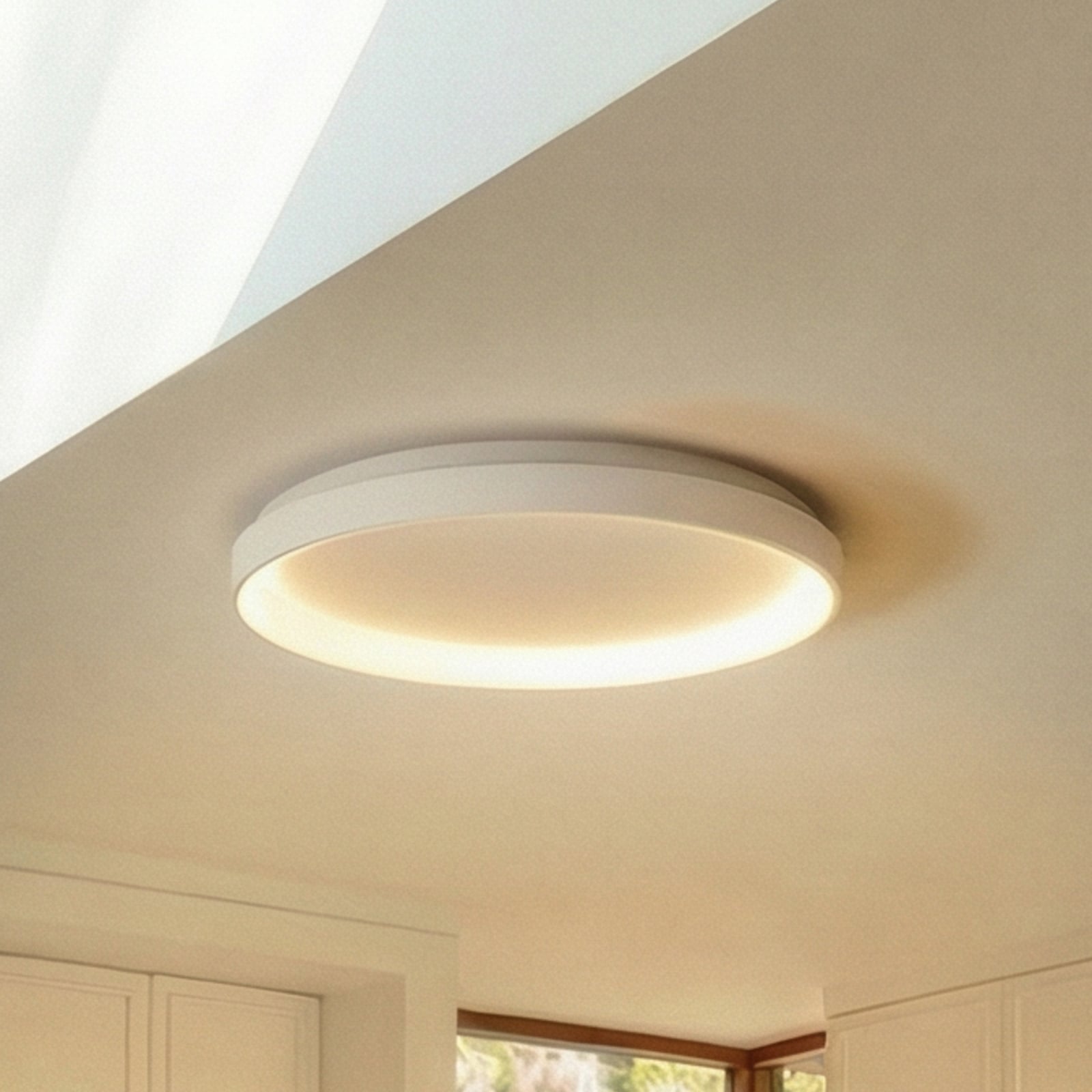
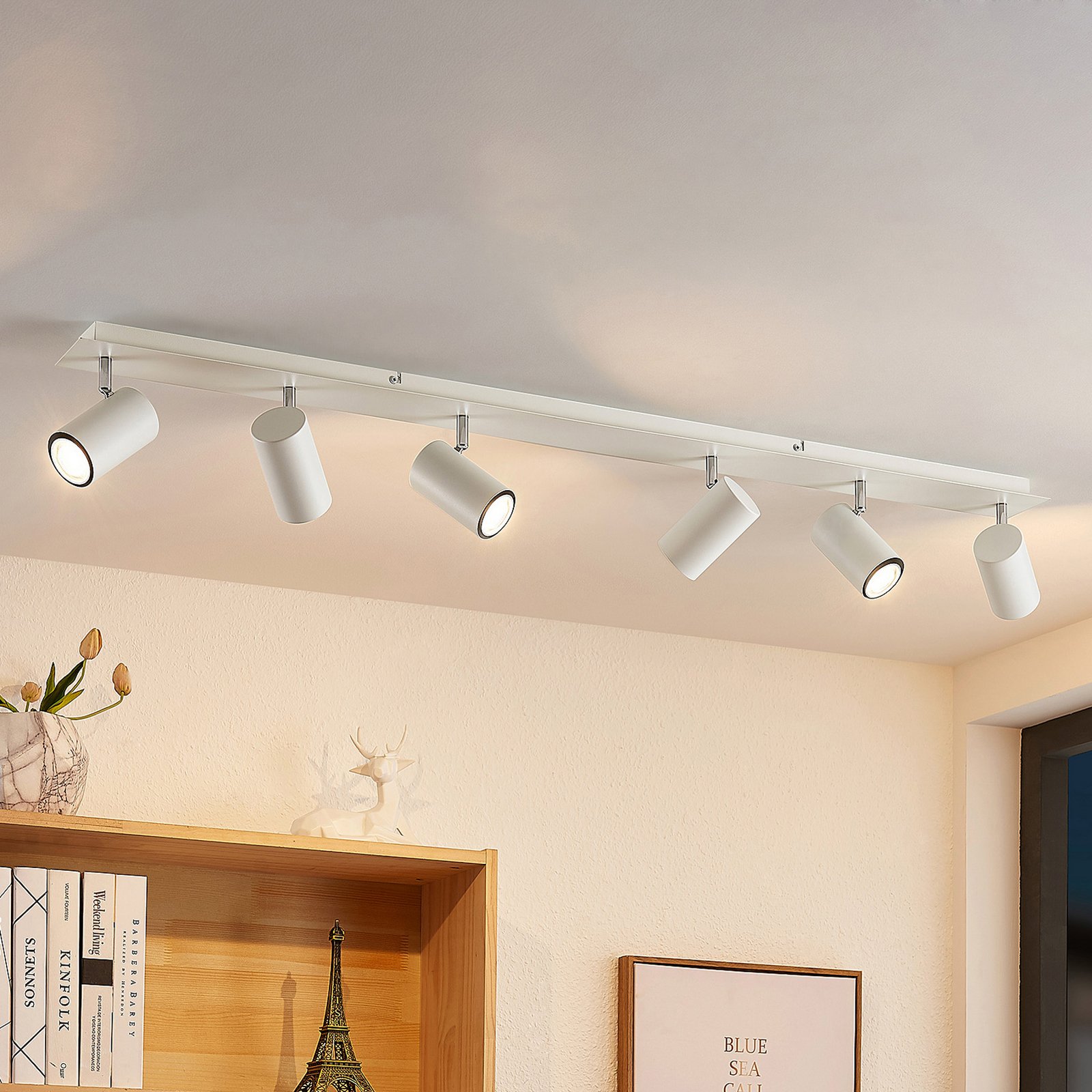
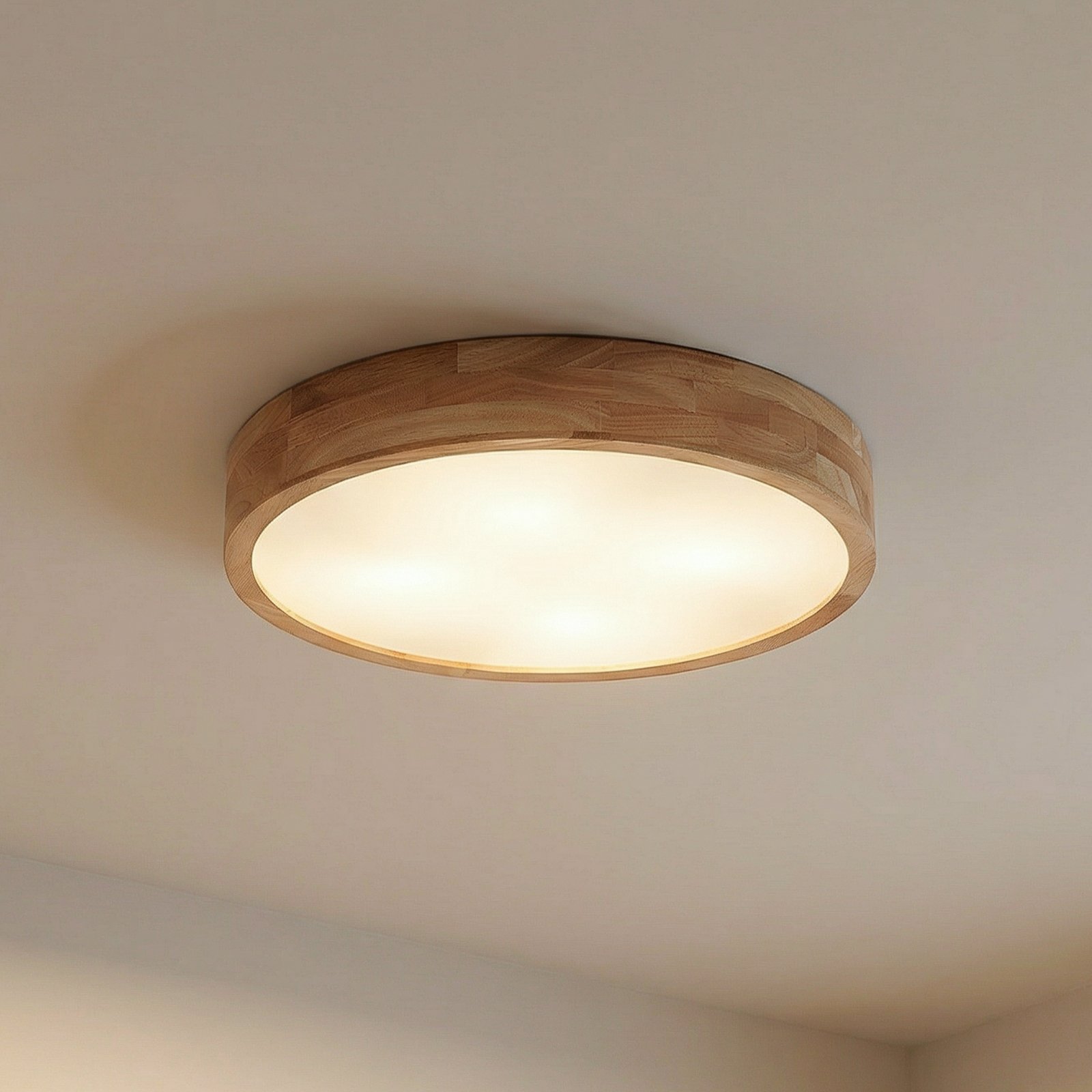
How bright the general lighting should be depends on various factors. As well as the size of the room, the layout, wall colours, floor coverings and the amount of natural light entering the room also play an important role. Light-coloured surfaces reflect light more strongly than dark materials and therefore often require less artificial lighting. It is advisable to allow for around 100–150 lumens per m² as a guideline.
)
)
)
Zone lighting / Functional lighting
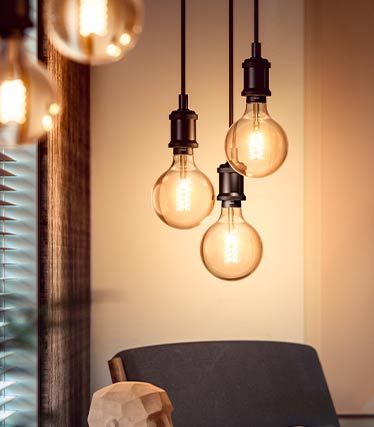
Targeted lighting for everyday life and specific tasksTargeted zone lighting, also known as task lighting, is used where sufficiently bright and, as a rule, directional light is required for specific tasks. Unlike general lighting, it does not illuminate the entire room, but rather focuses on a specific work or activity area. Typical examples of functional lighting include desk lamps in a home office, wall lights with a reading light by the sofa or bed, furniture lights in the kitchen, or floor lamps that provide more light by the sofa. The pendant light above the dining table is also part of the zone lighting.
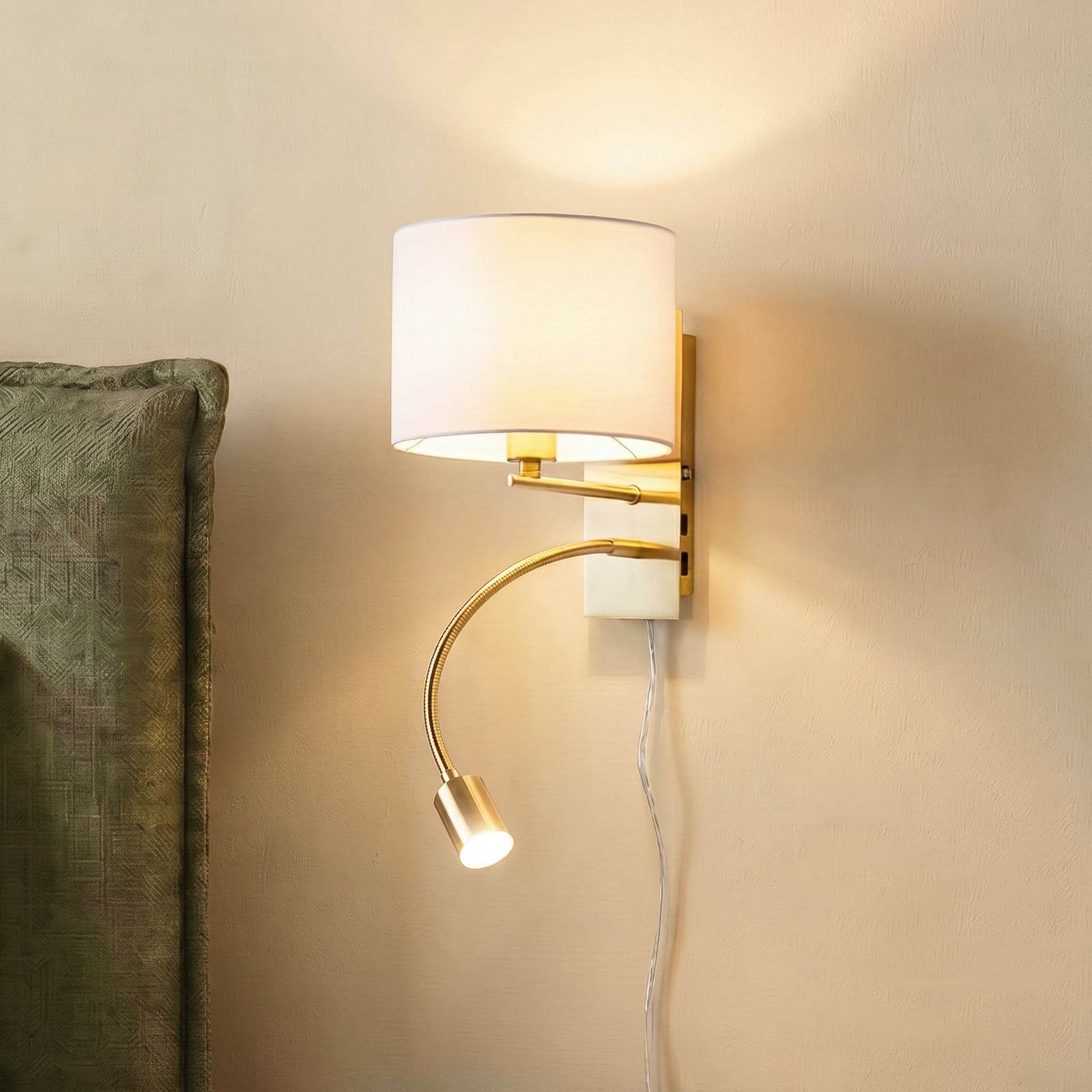

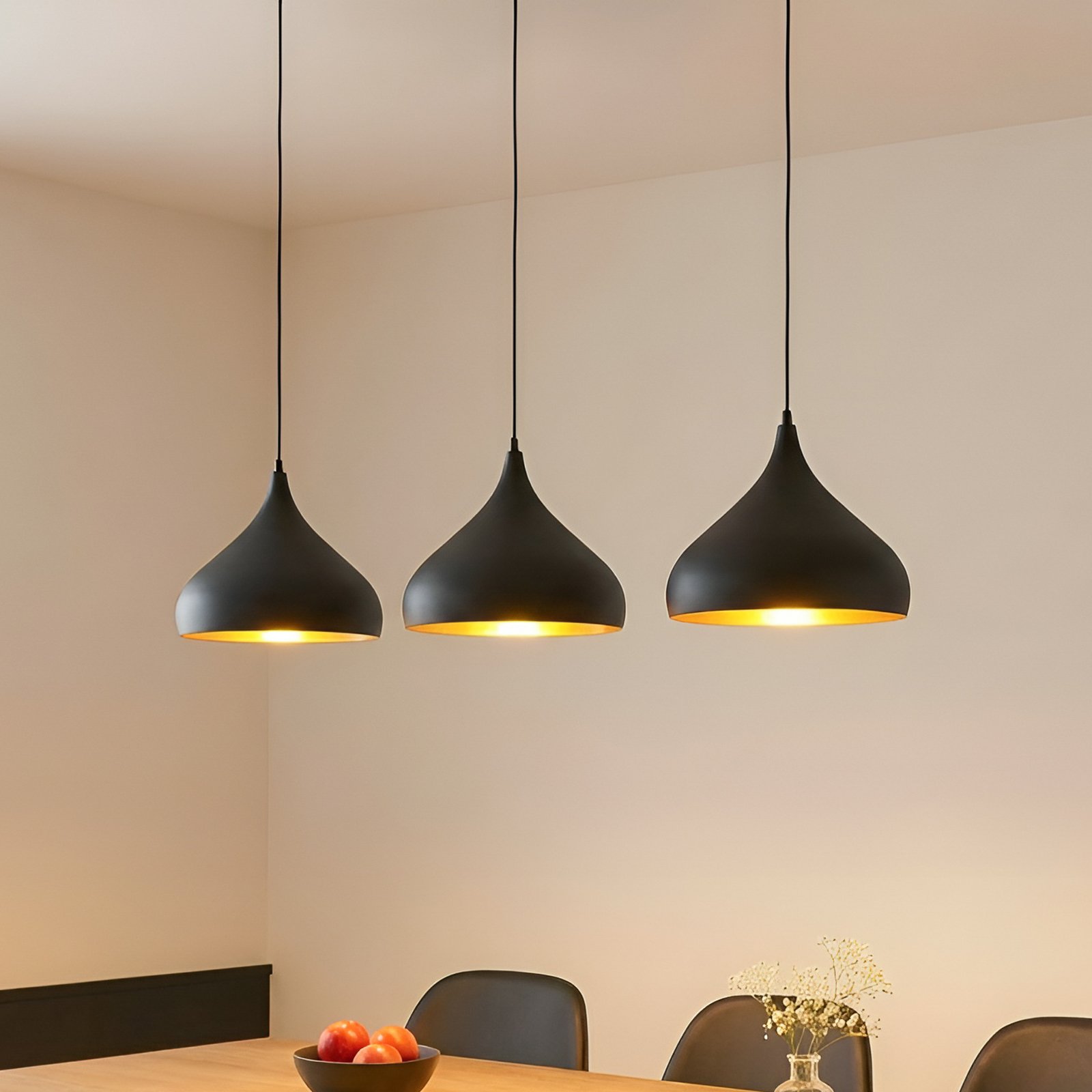
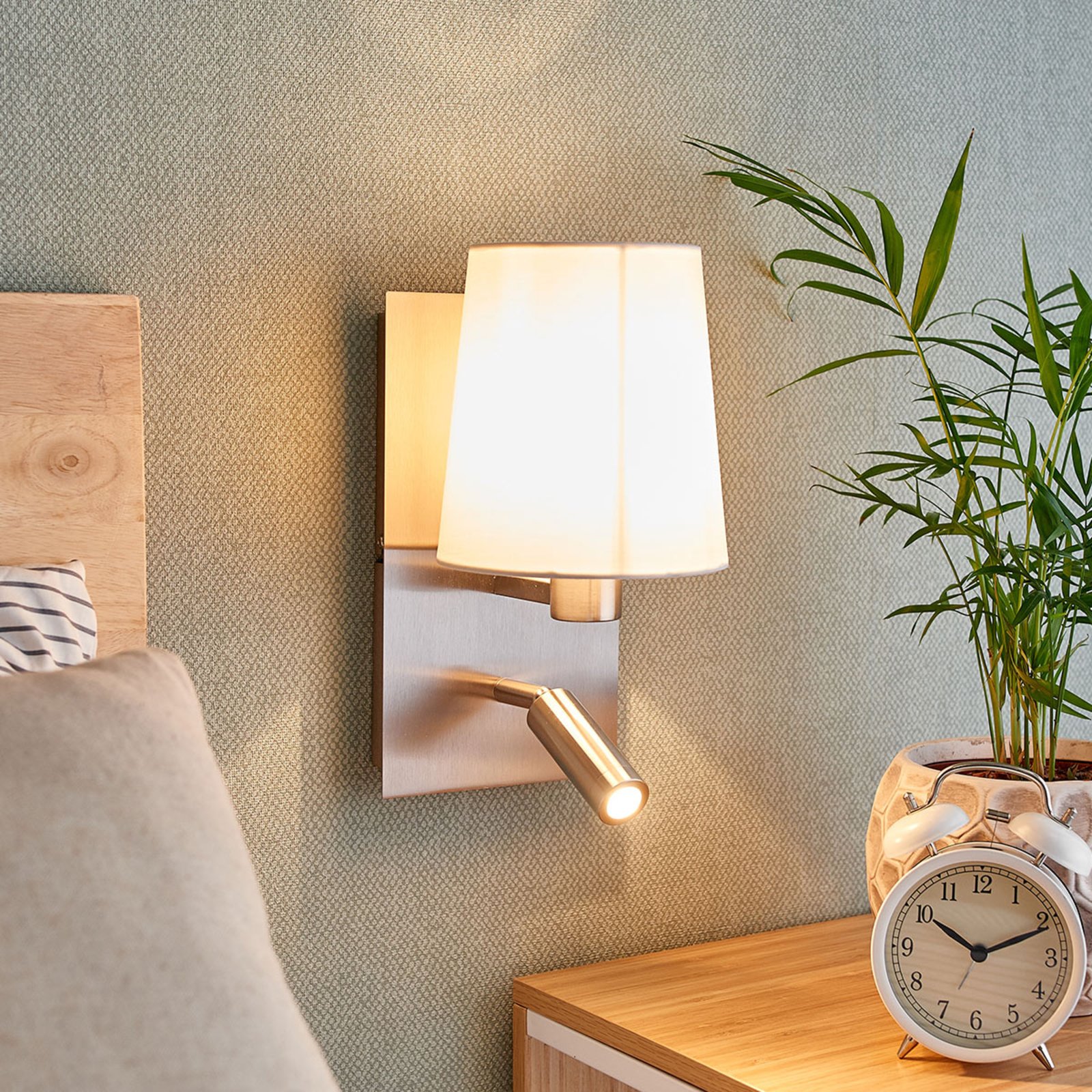
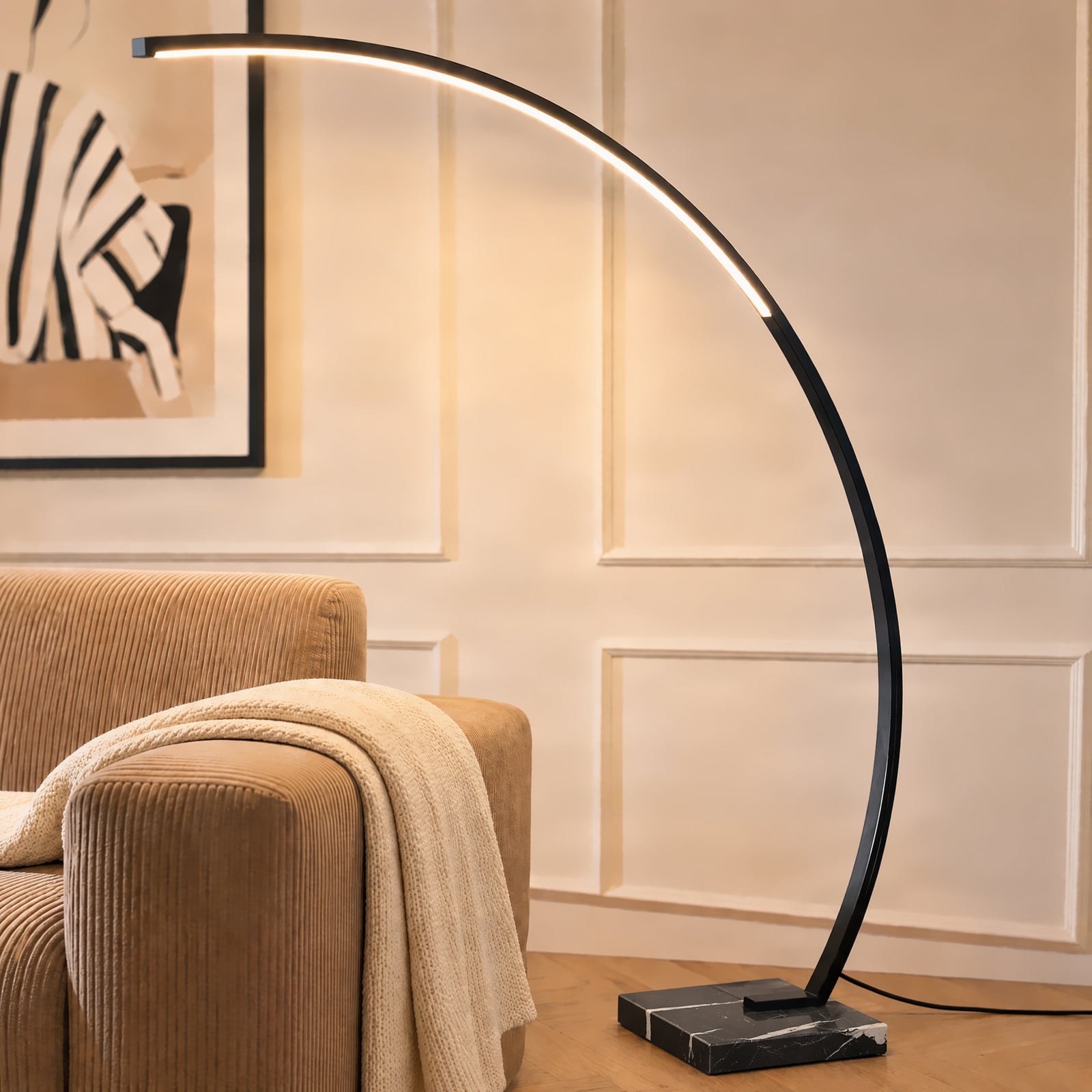
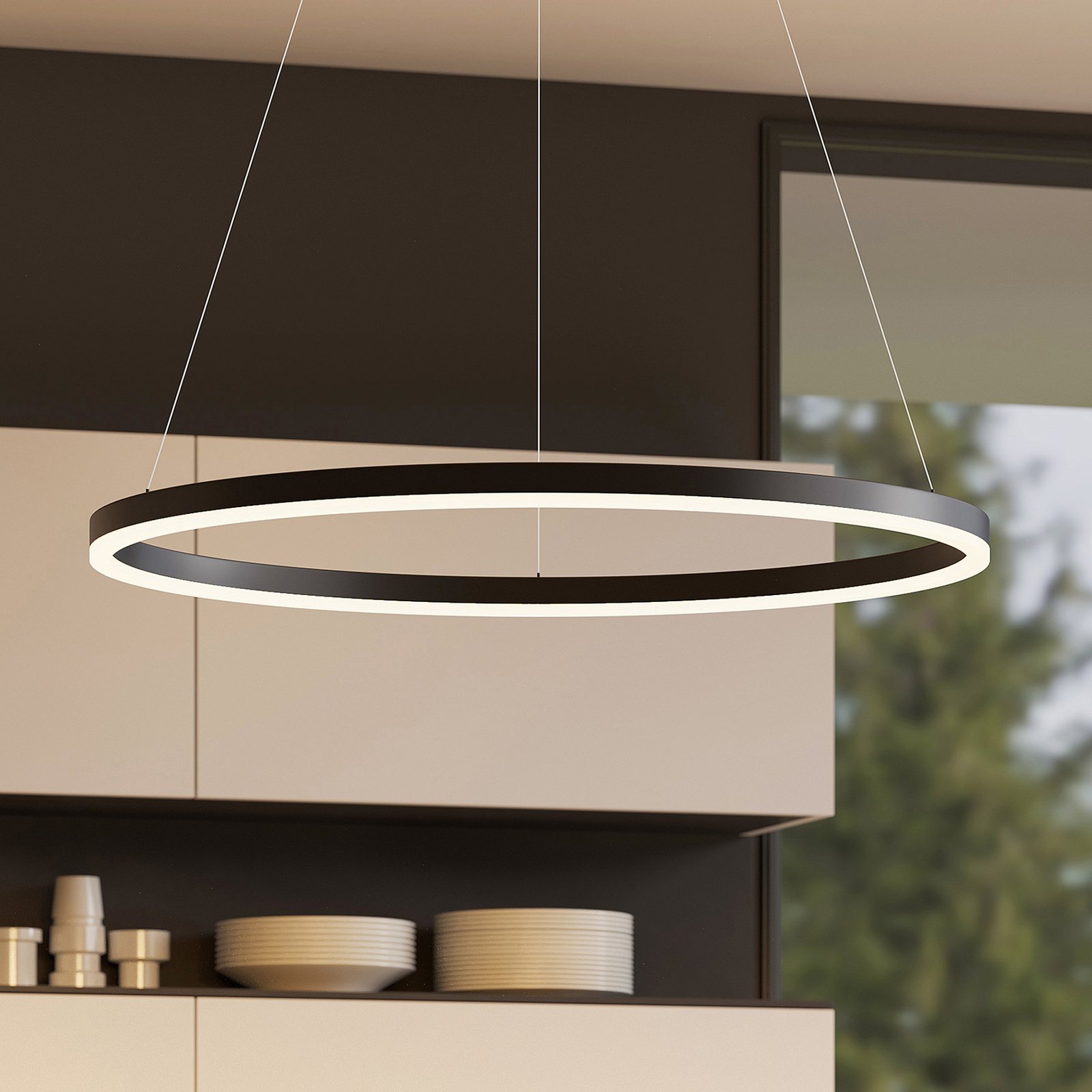
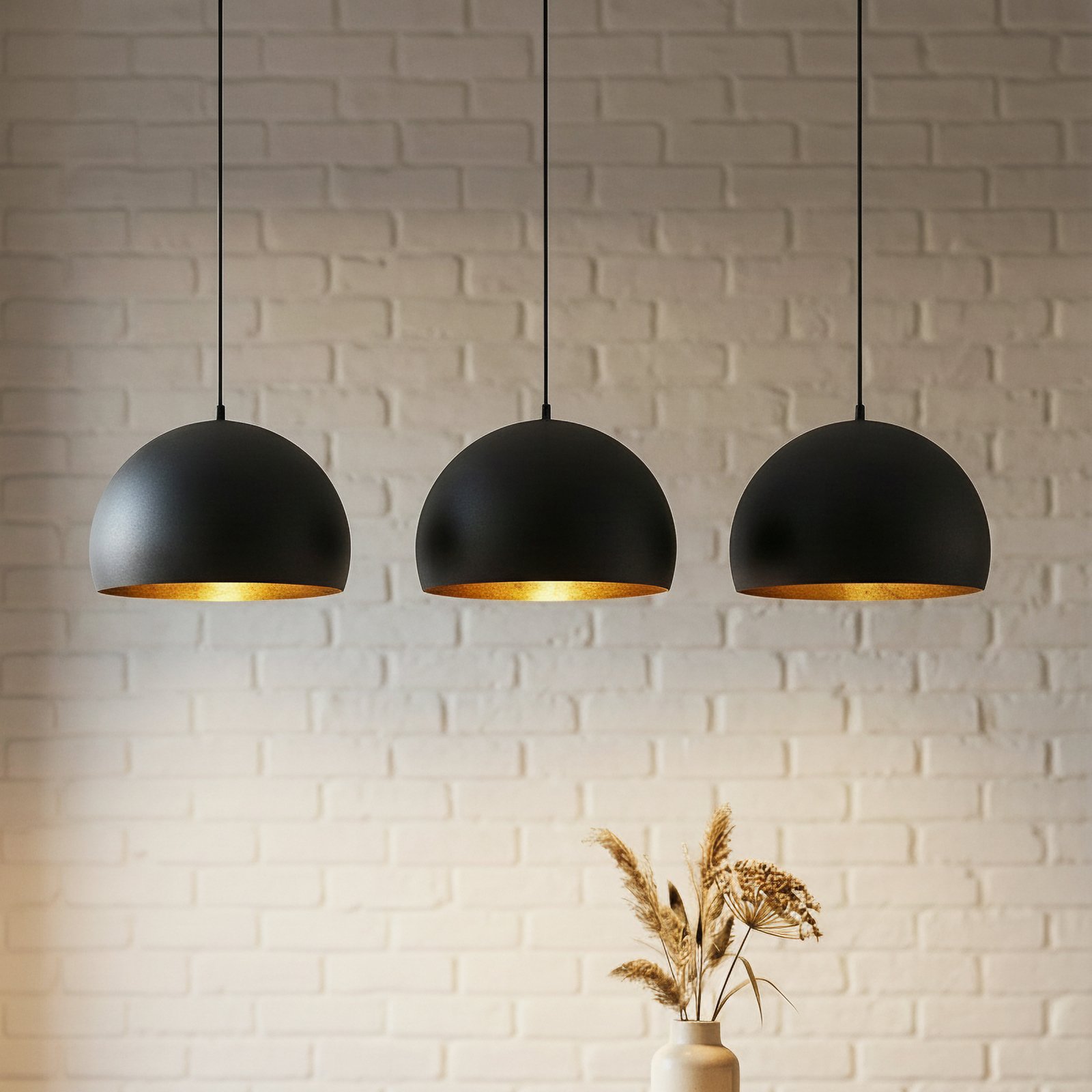
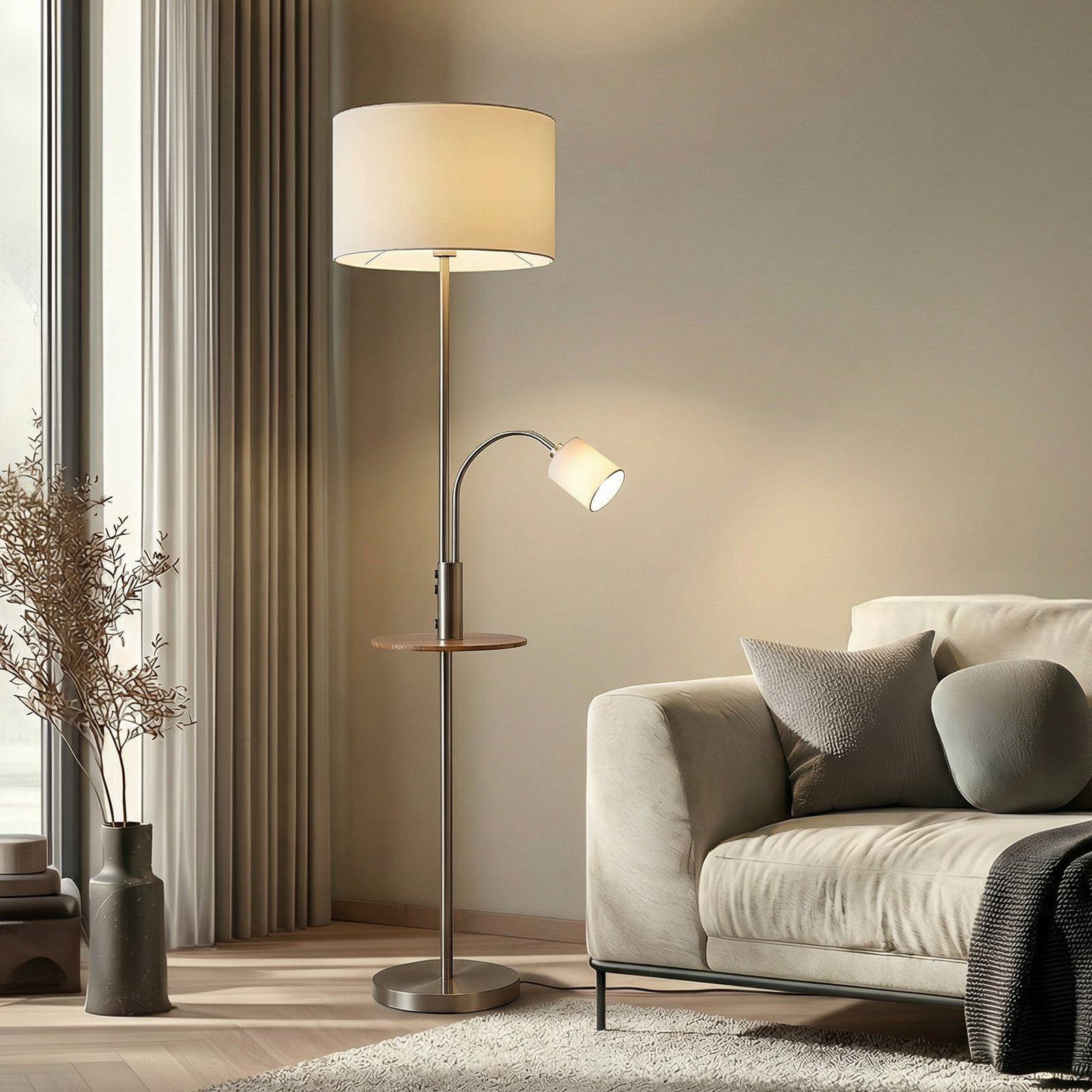
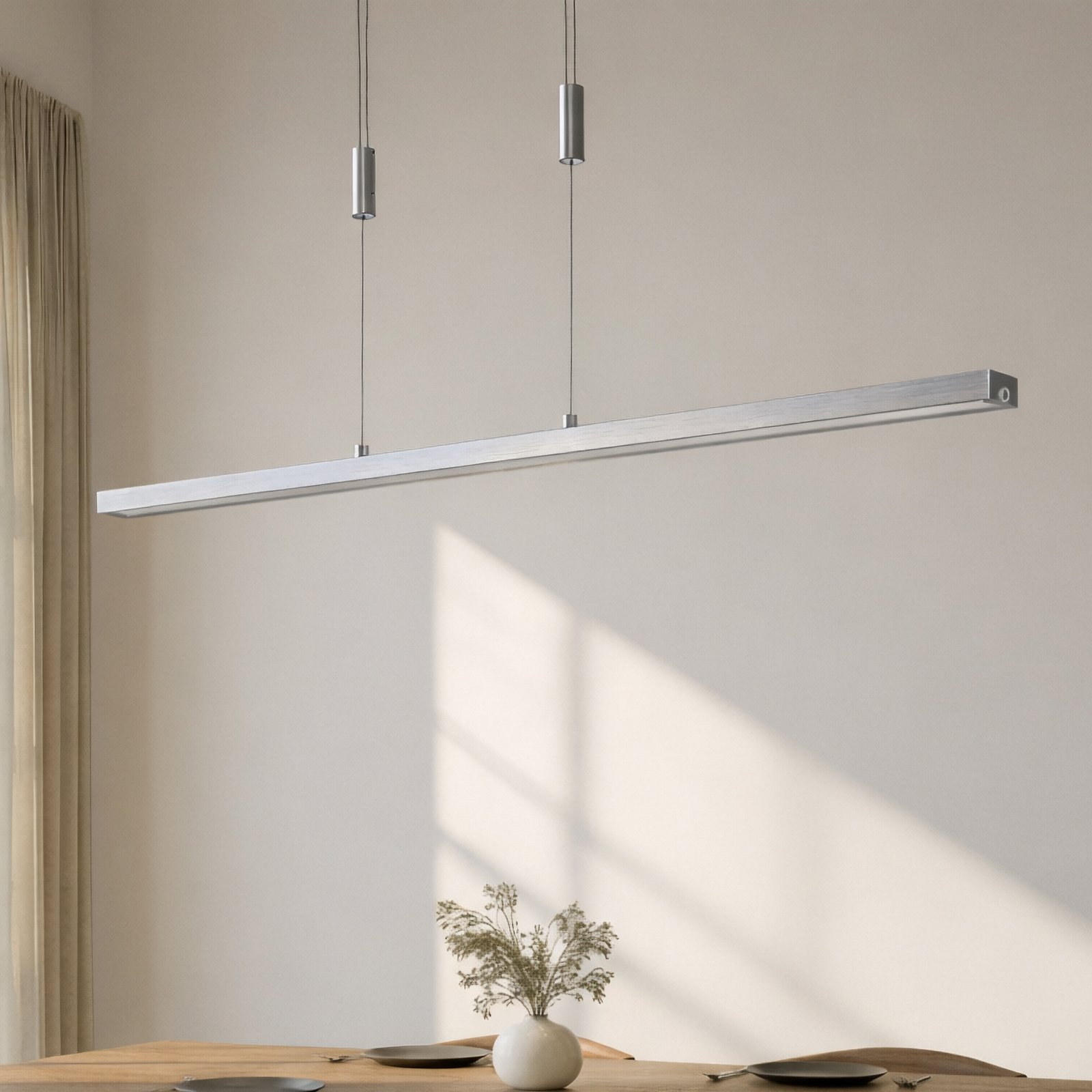
To ensure that functional lighting fulfils its purpose effectively, it should be glare-free and sufficiently bright. The positioning of the light fitting also plays an important role. Depending on the application, dimmable lights can offer additional convenience and allow the lighting to be flexibly adapted to different requirements.
)
)
)
Accent lighting
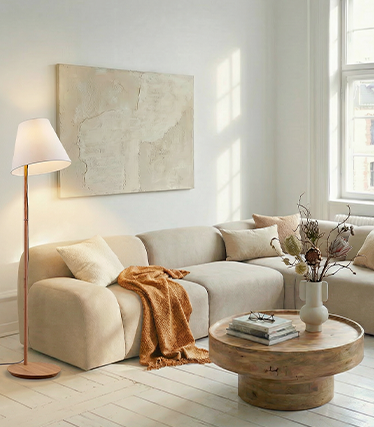
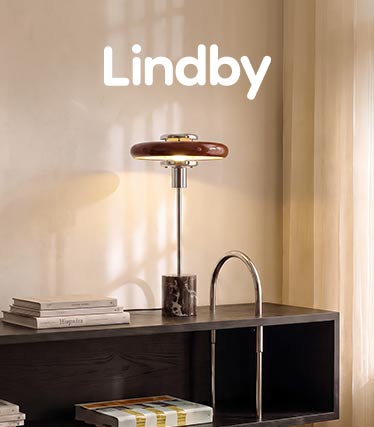
Lighting for detail, zones and atmosphereAccent lighting is used to highlight specific areas, objects or architectural details. Atmospheric lighting such as this creates focused points of light to draw the eye and visually structure spaces. Popular examples include LED strips on shelves or in display cabinets, as well as table lamps on the chest of drawers in the hall or atmospheric floor lamps next to the sofa. Wall lights with a shaped beam of light are also a form of accent lighting, but can also enhance general lighting with soft, indirect light. Accent lighting creates a sense of depth and adds to the cosiness, comfort and, last but not least, individuality of a room.
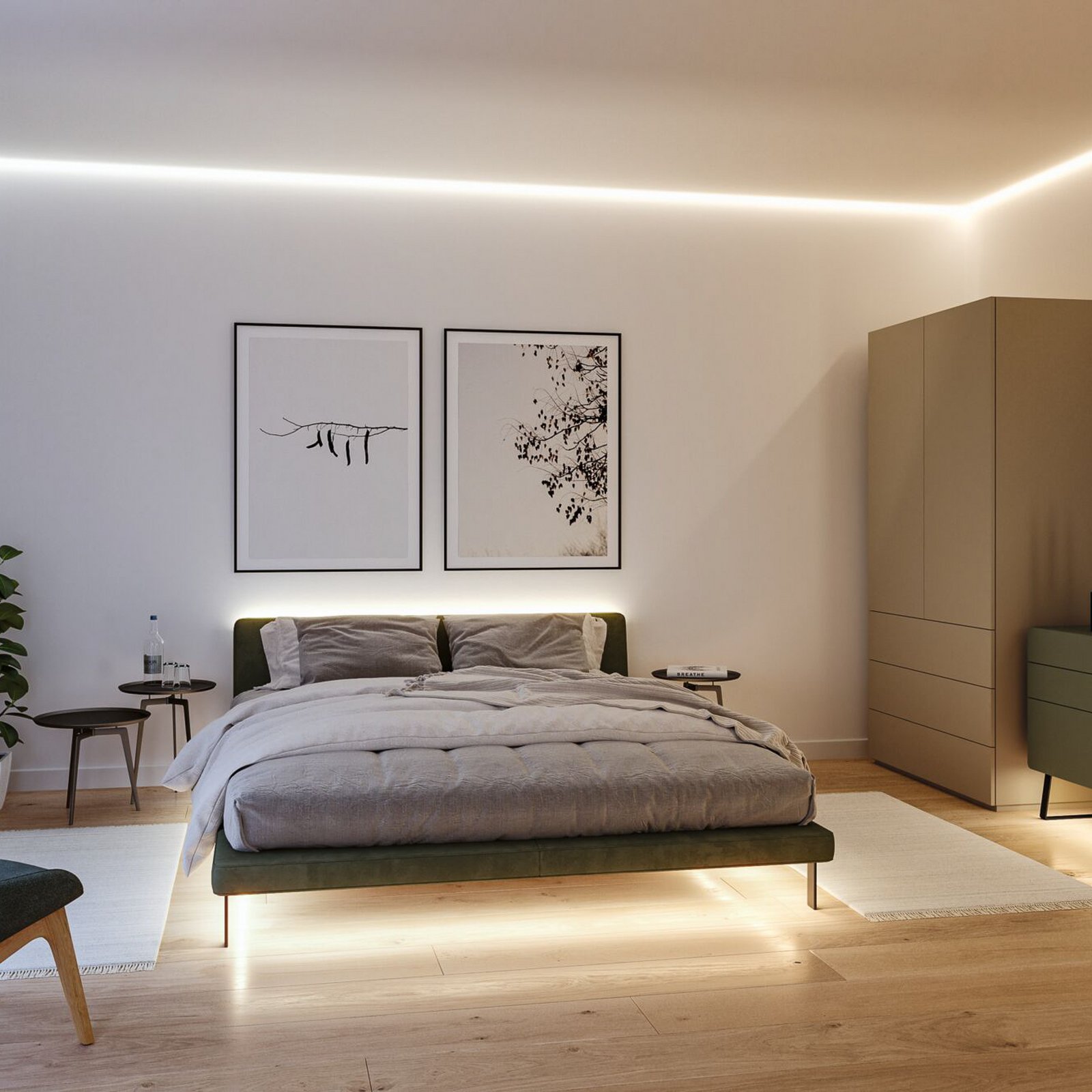
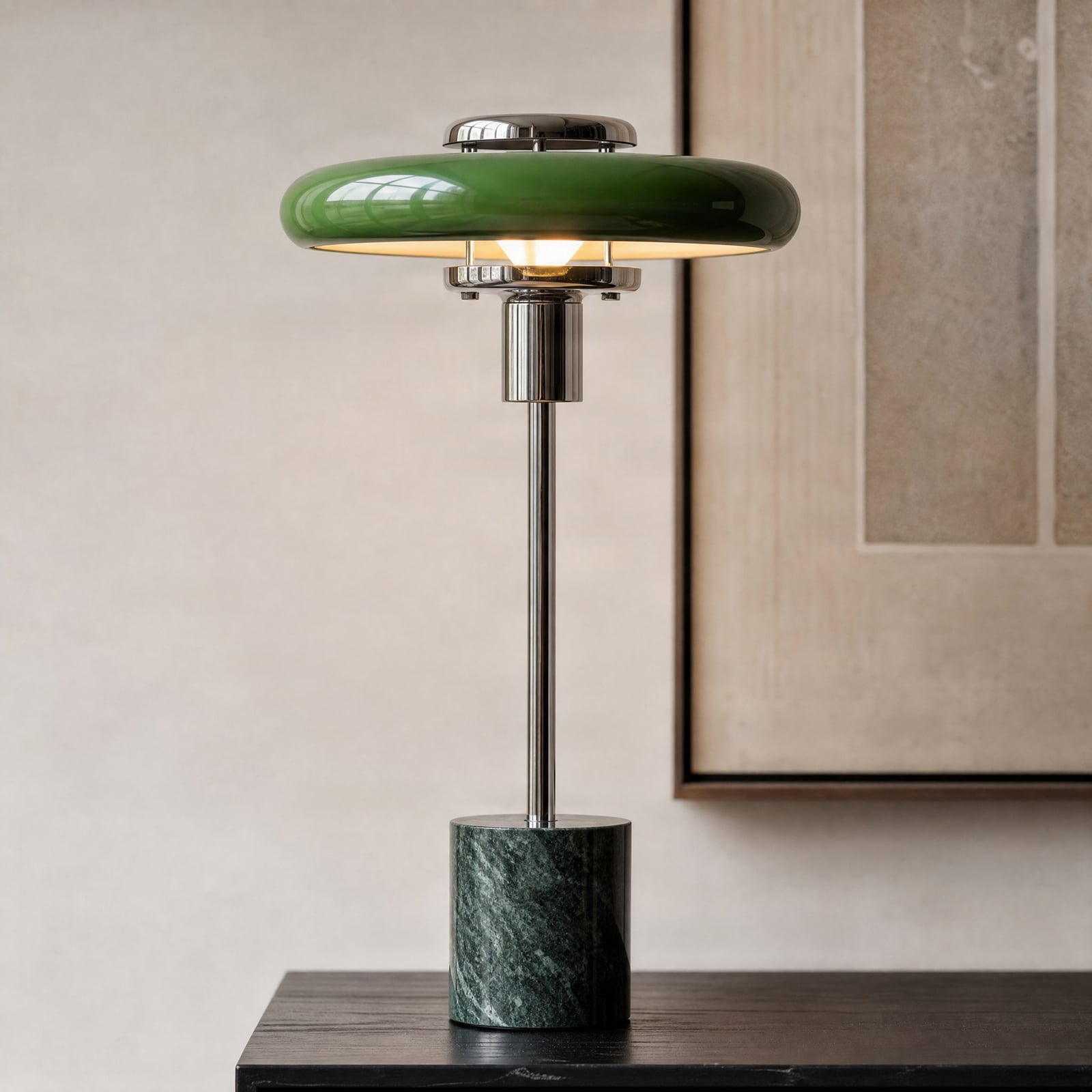
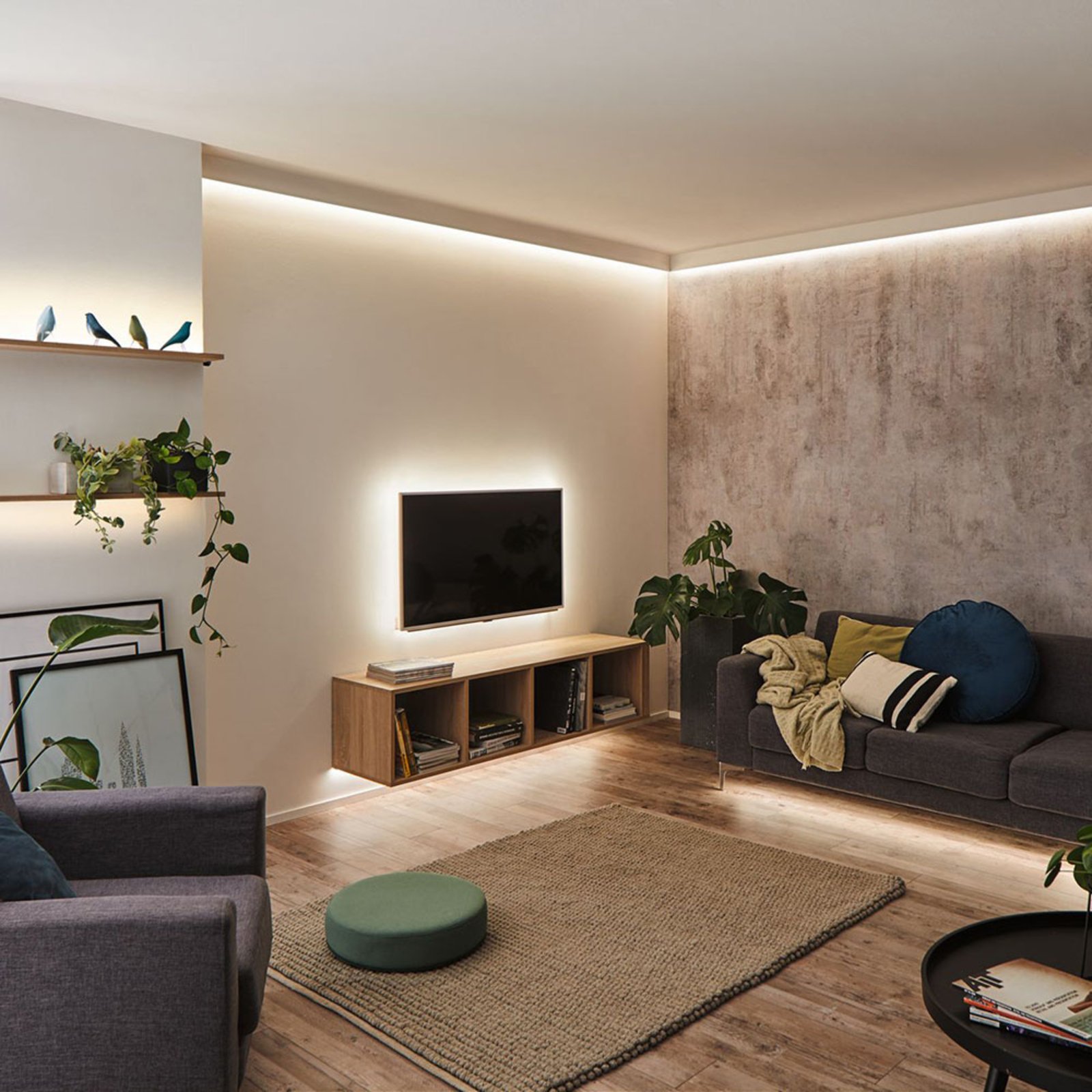
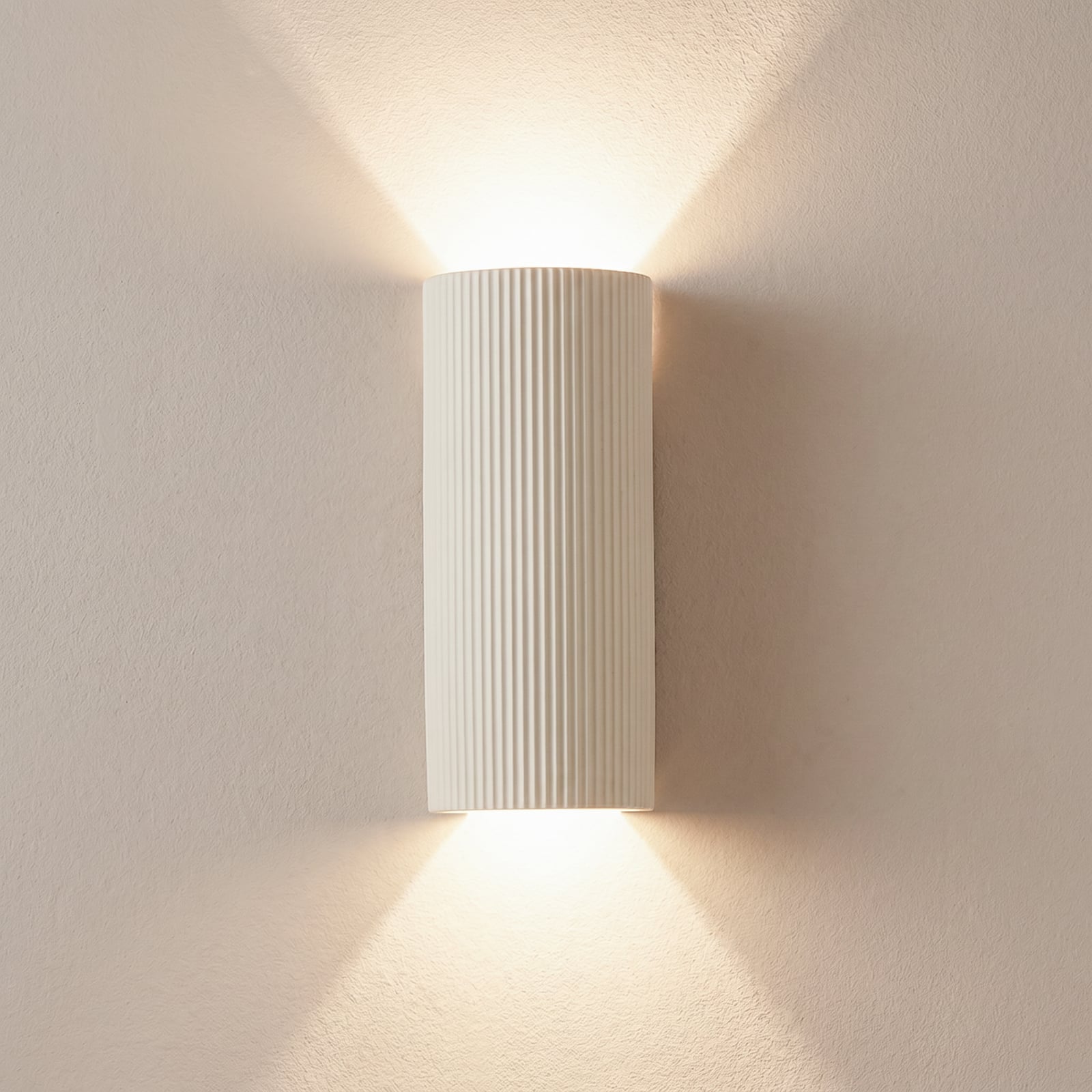
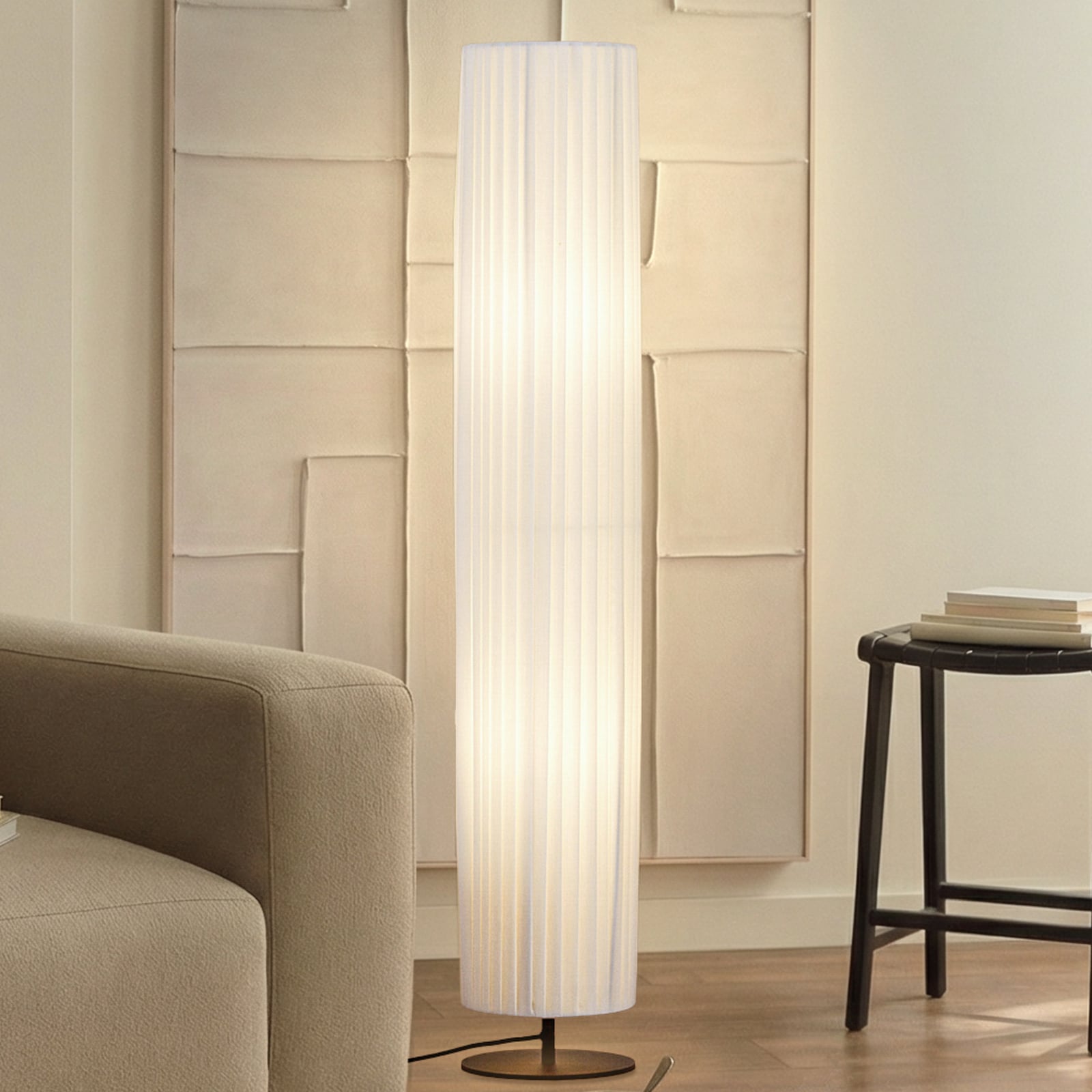
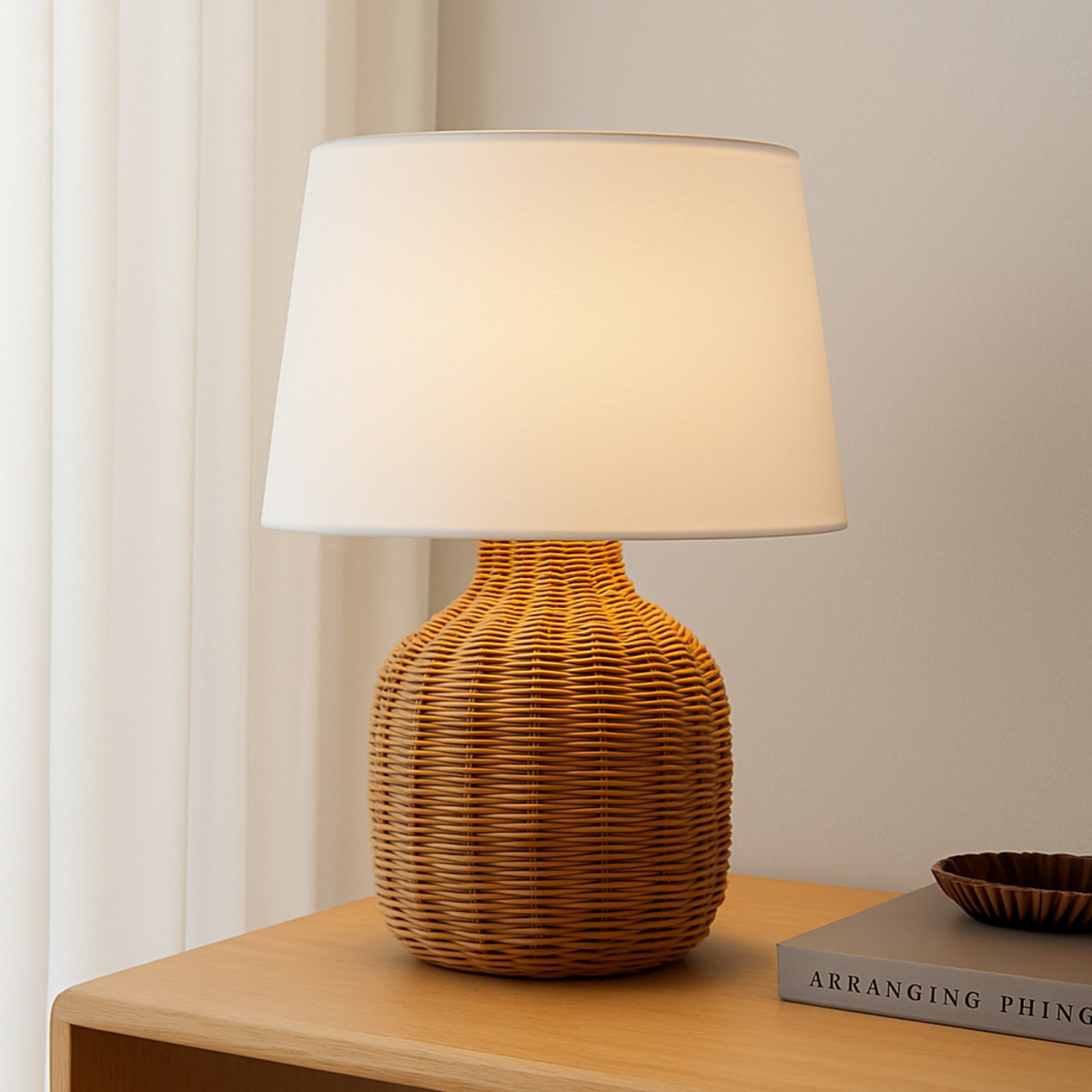
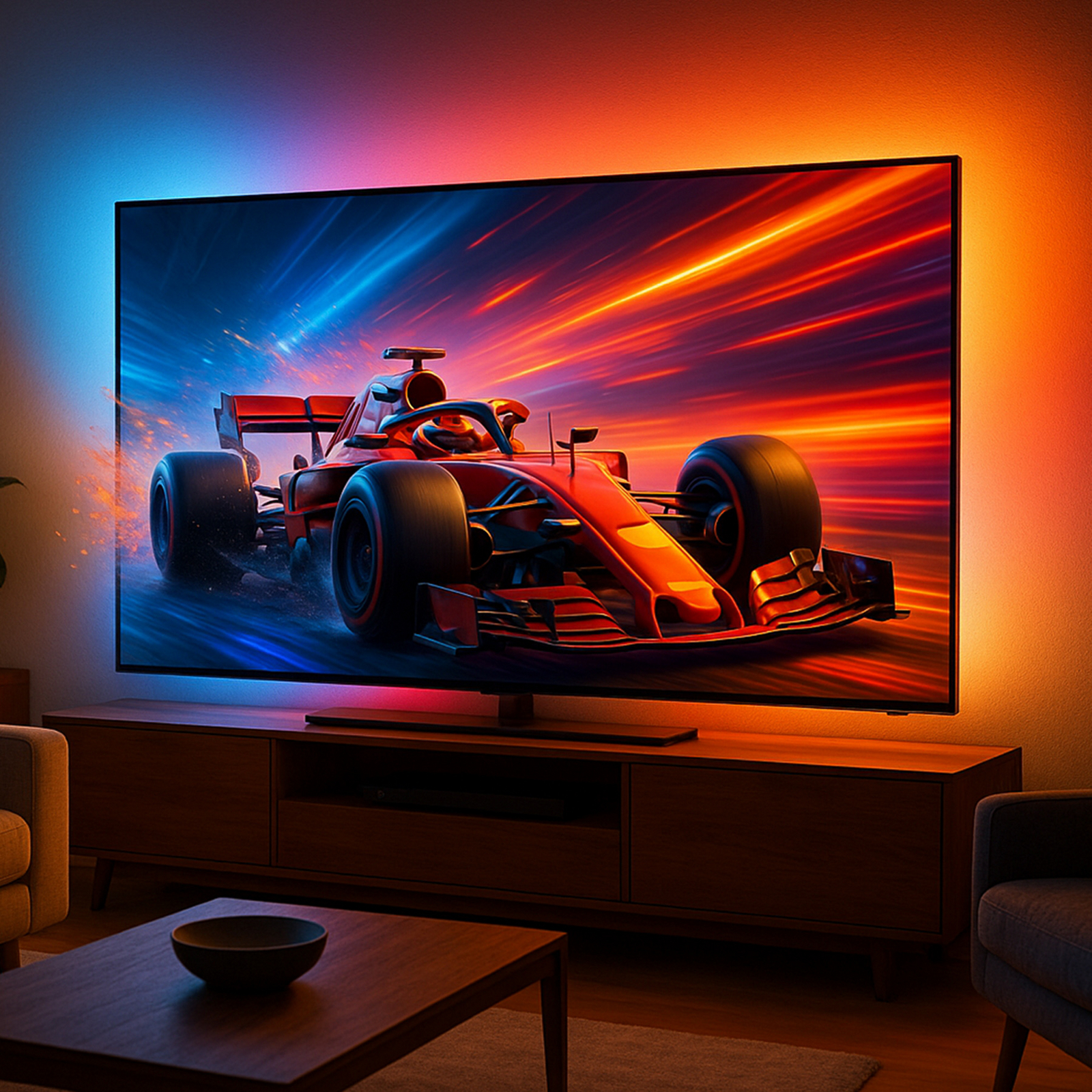
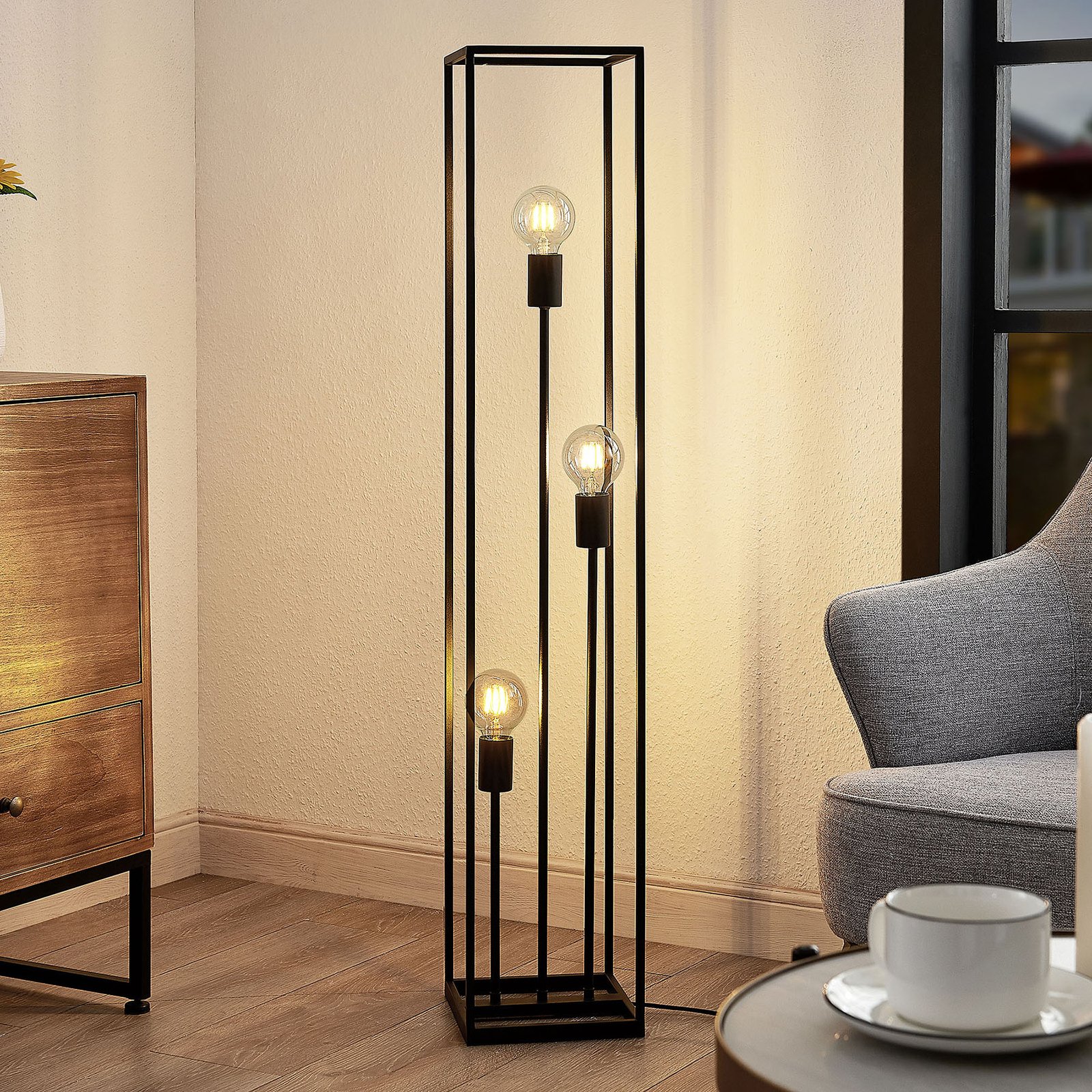
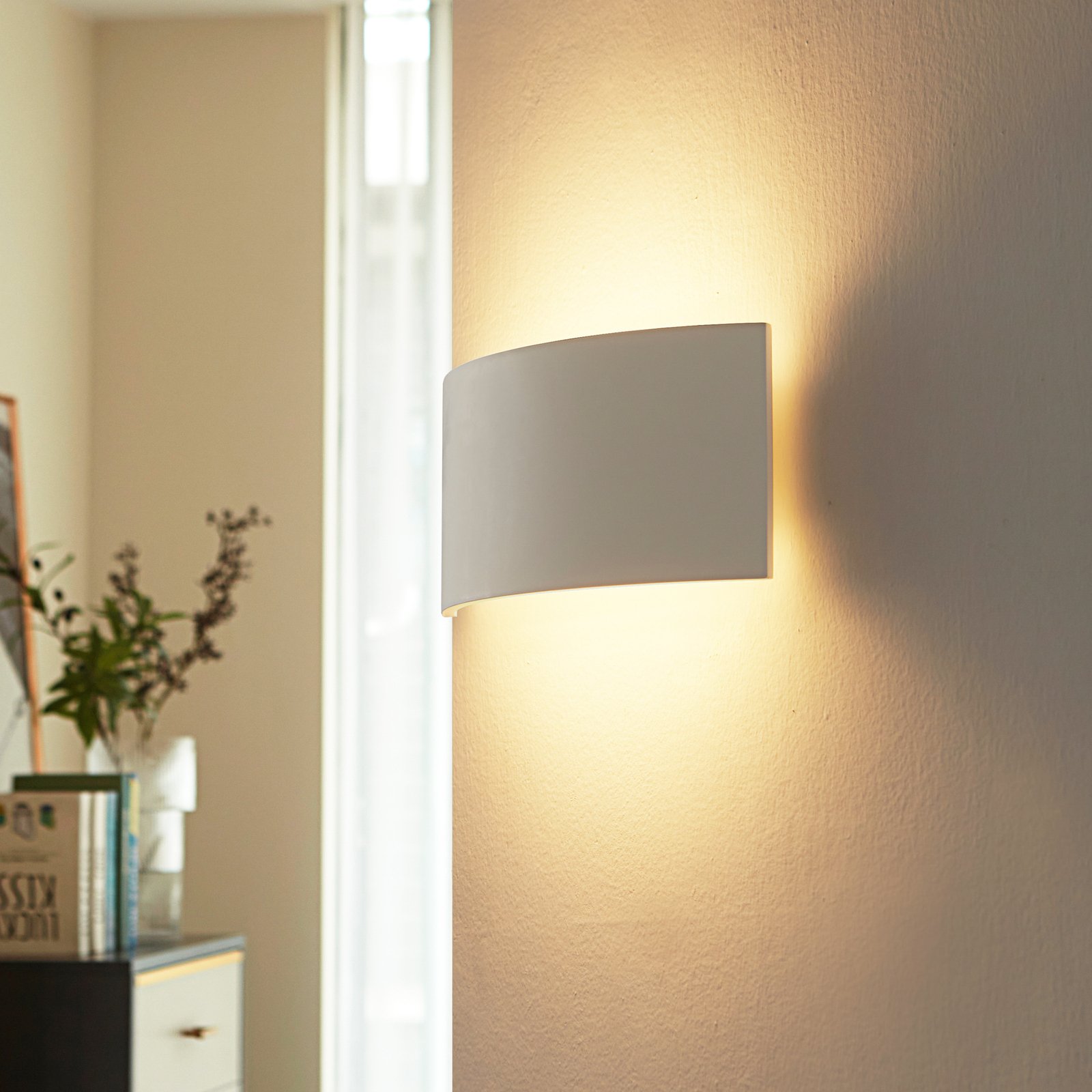
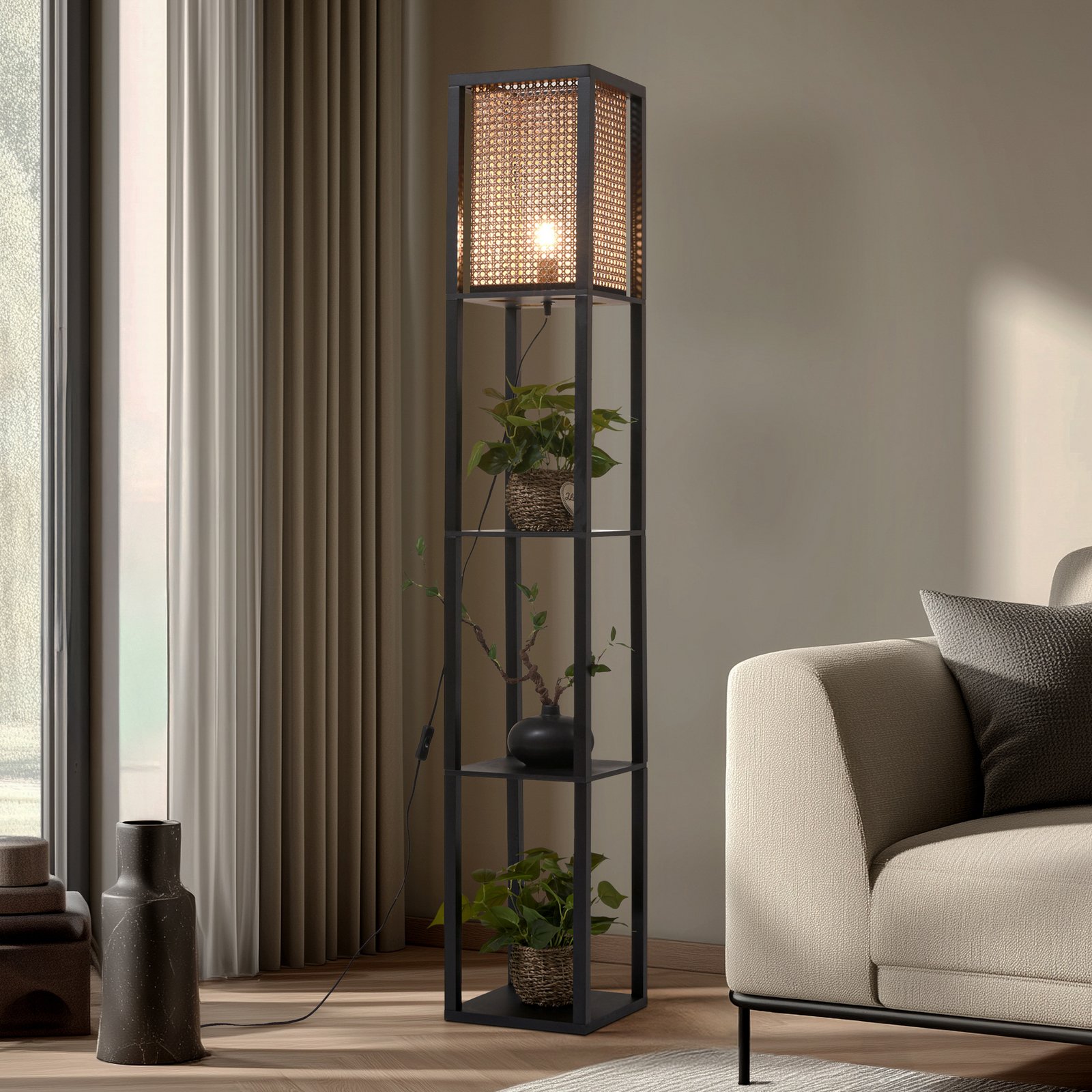
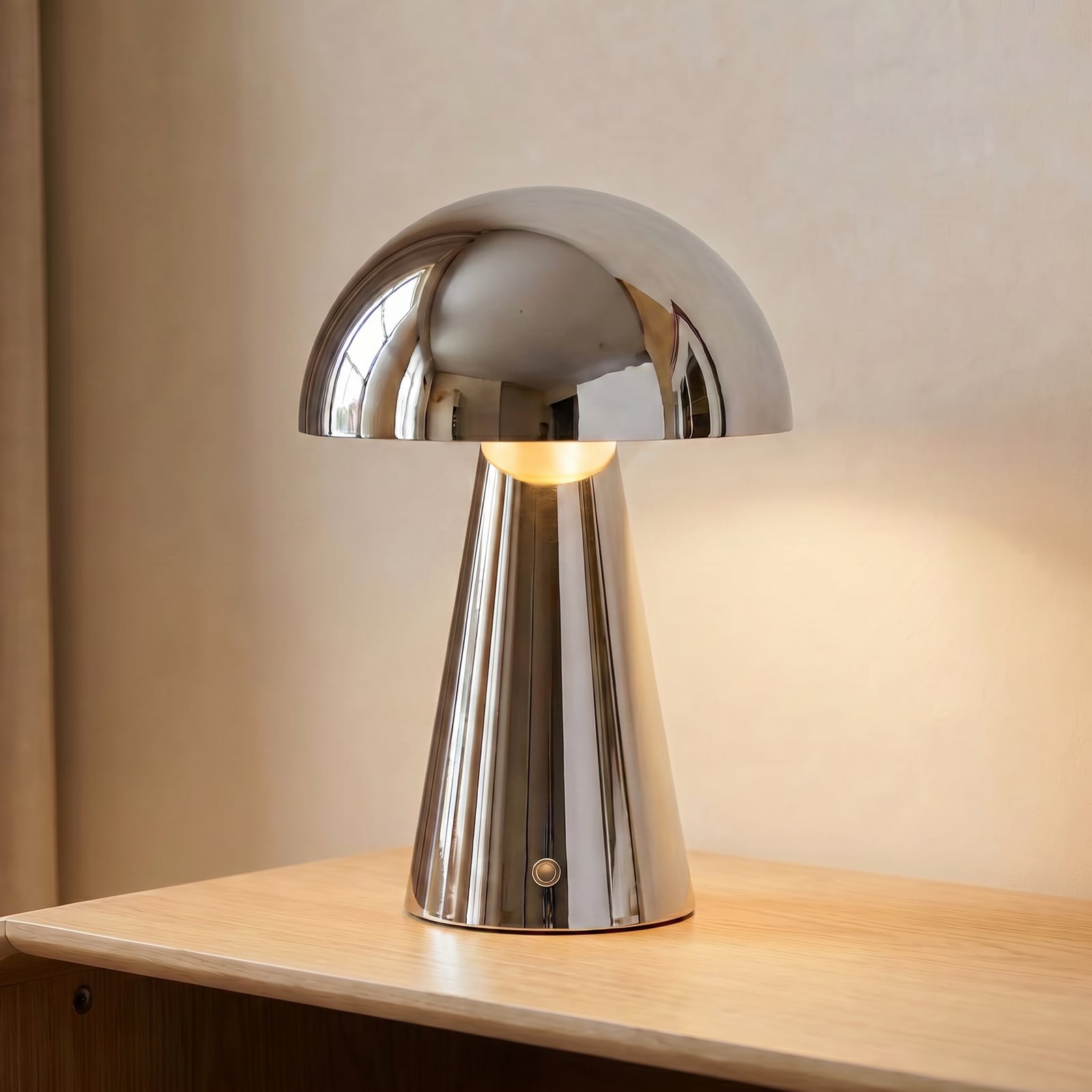
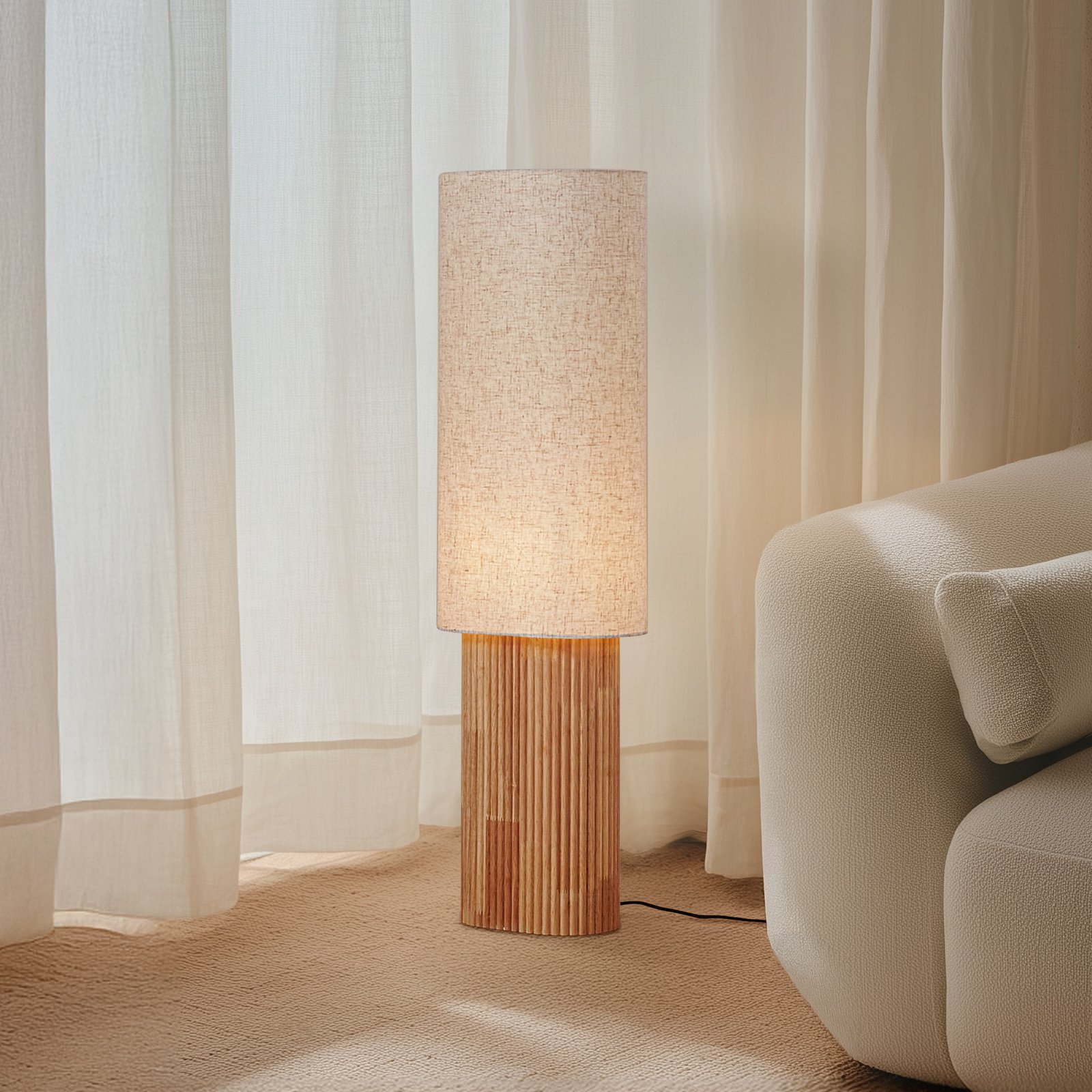
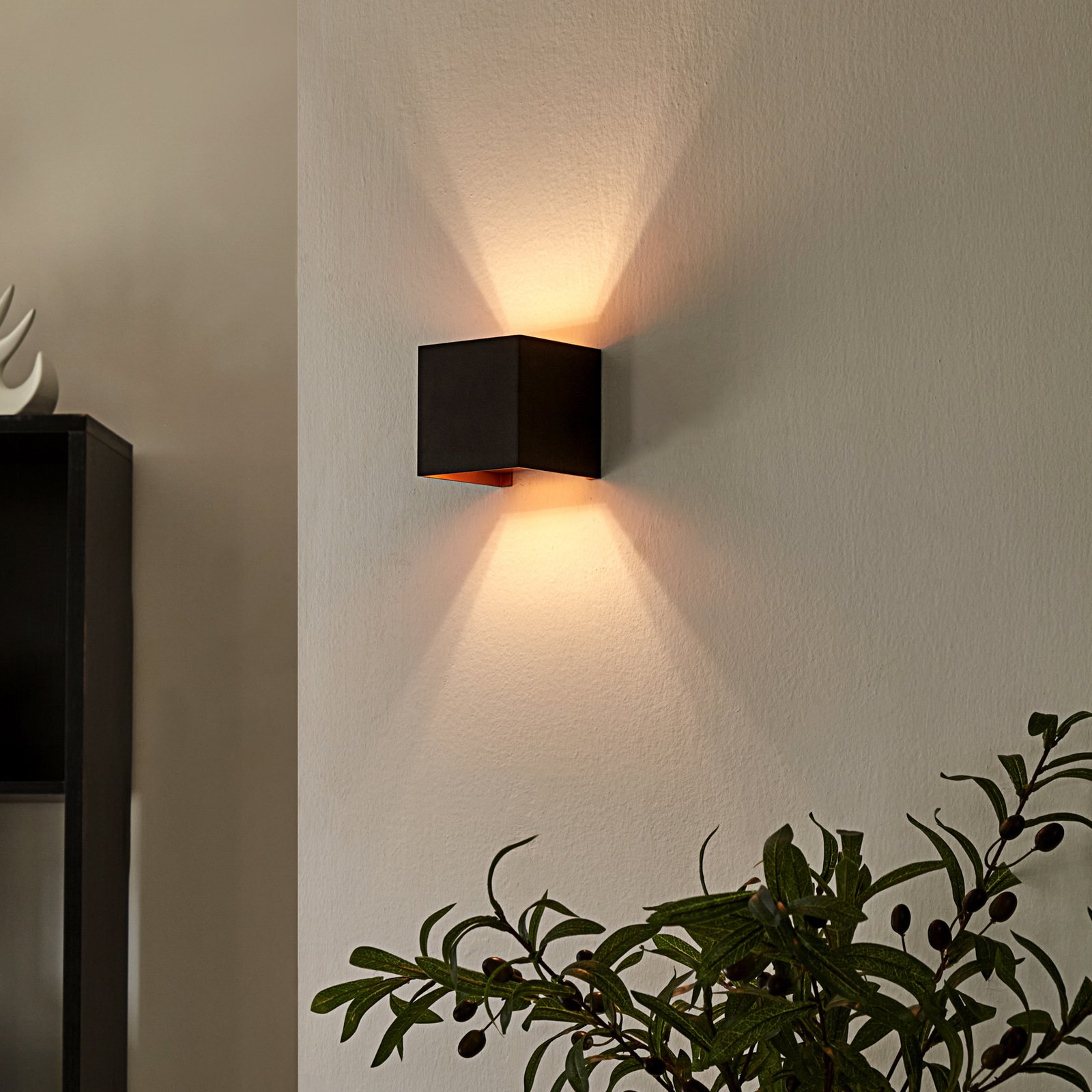
This atmospheric style of lighting is particularly popular in living rooms, bedrooms, dining areas, and lounge and relaxation areas. To create a pleasant atmosphere, the lighting should be warm, glare-free and fairly subdued in terms of brightness. Dimmable lights or RGB smart home lights allow you to flexibly adapt the lighting ambience to different situations.
)
)
)
Orientation light
Subtle lighting for safe pathsOrientation lighting provides safety and guidance without fully illuminating a room. It helps you to recognise paths safely, even in the dark, and to avoid tripping hazards. Typical examples of orientation lighting include night lights, recessed lights on stair treads, or LED strips under the edges of beds. Orientation lighting is particularly useful in hallways, stairwells, children’s bedrooms or bedrooms.
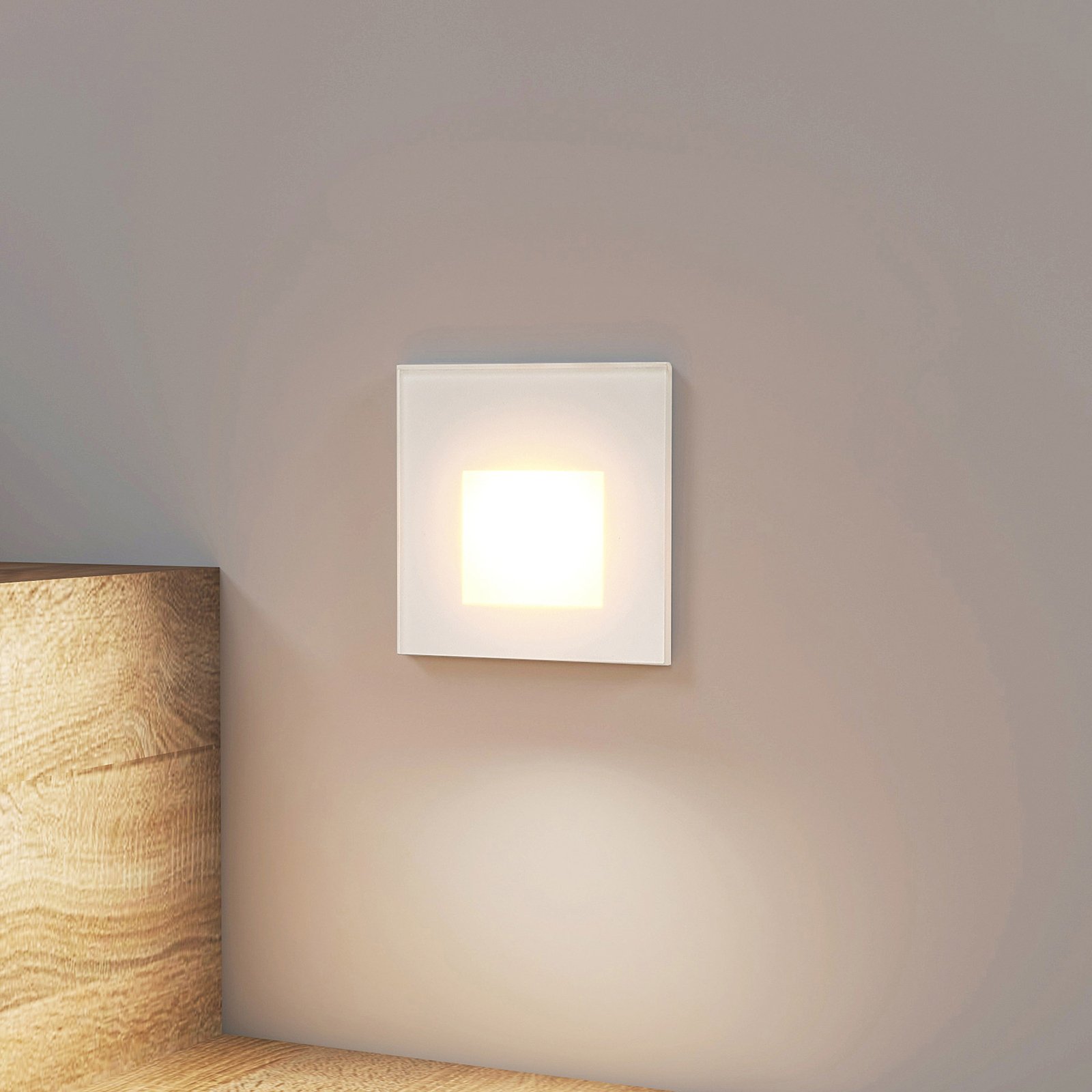
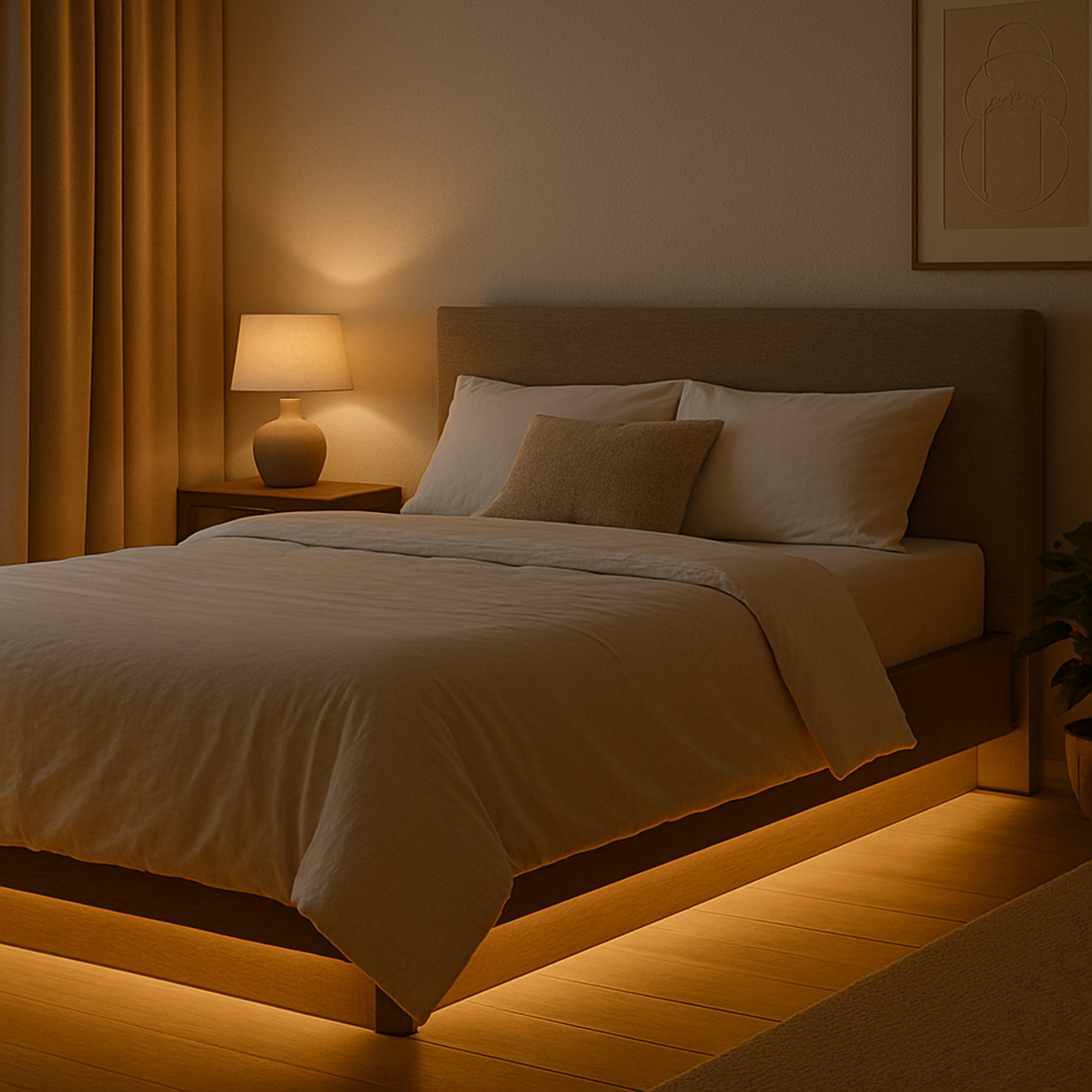
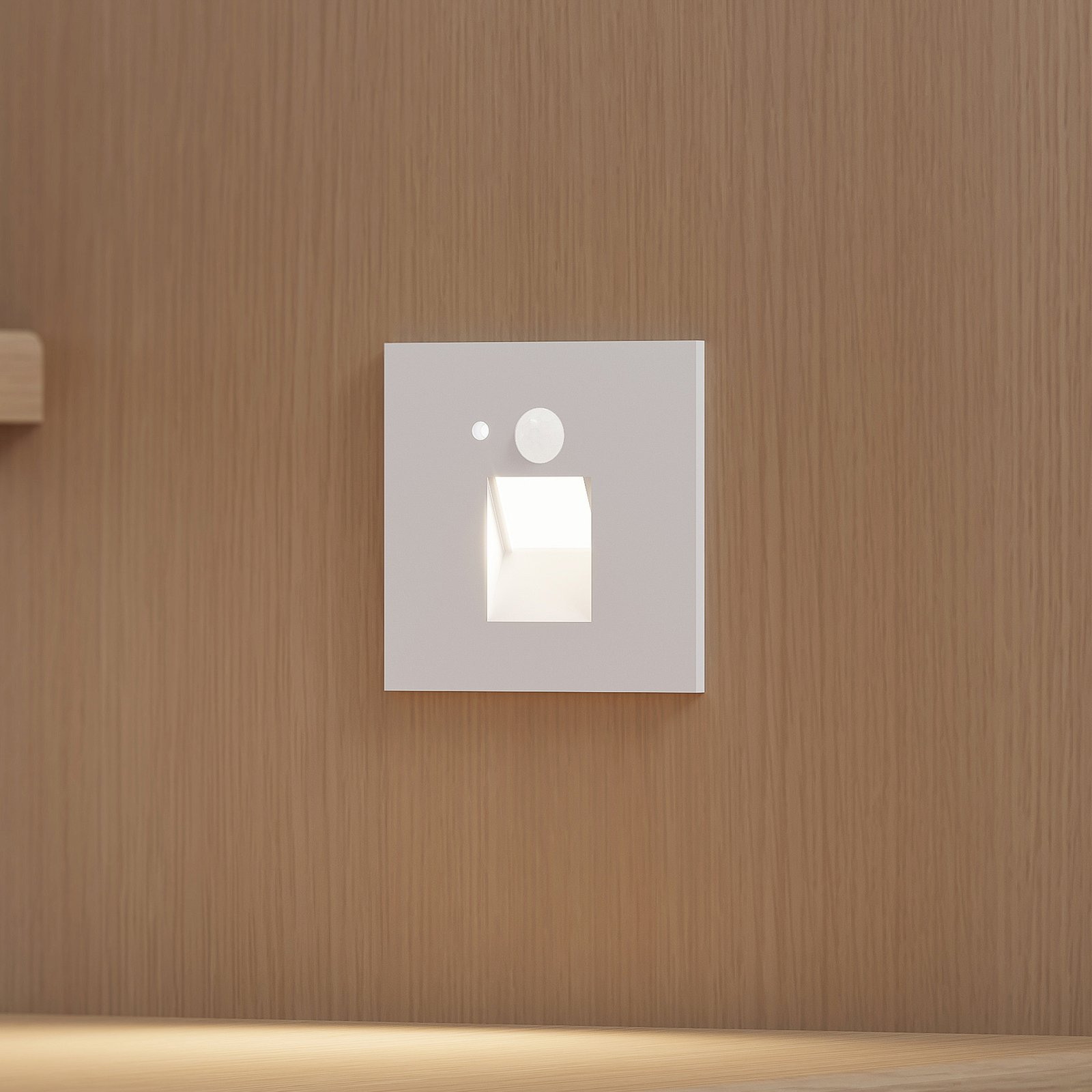
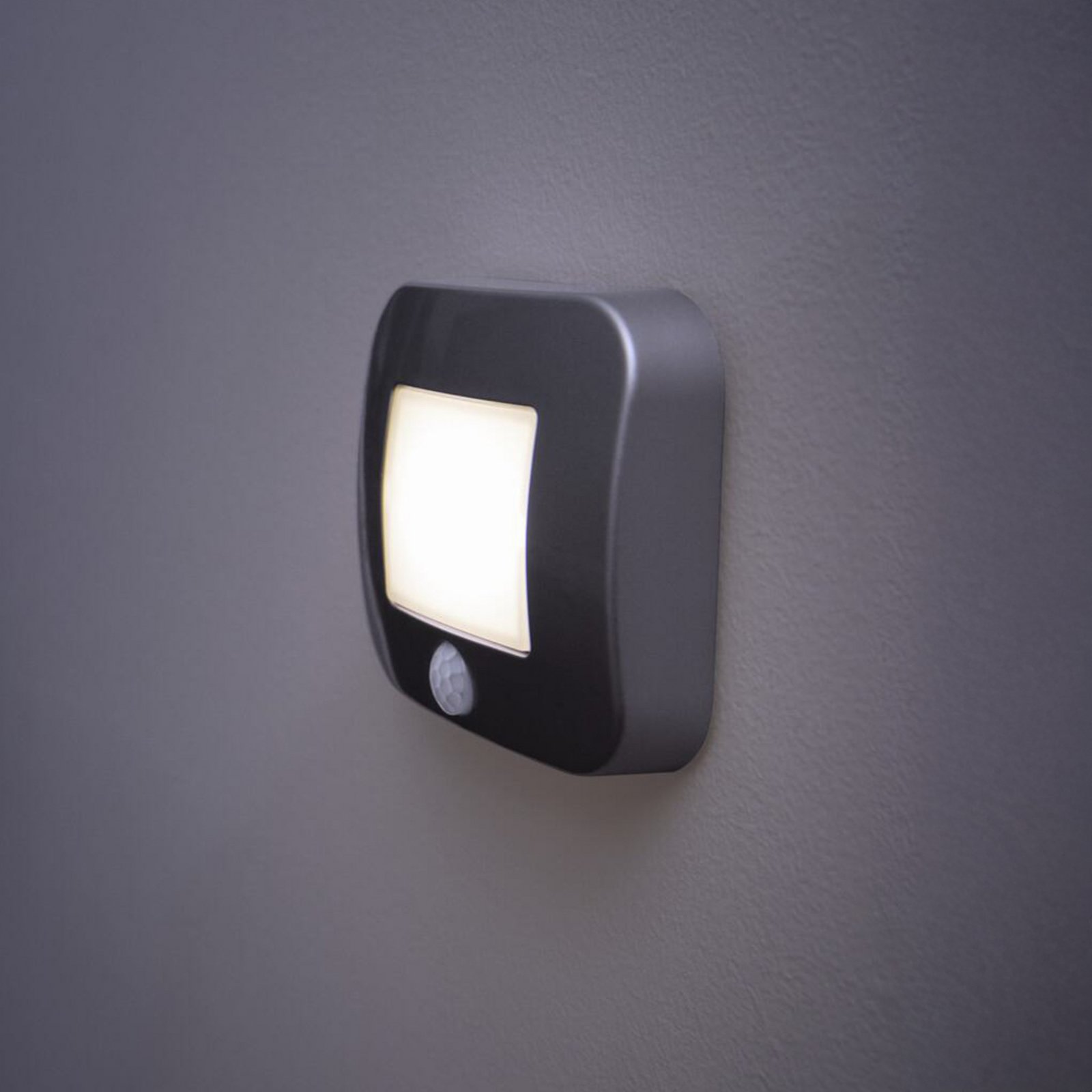
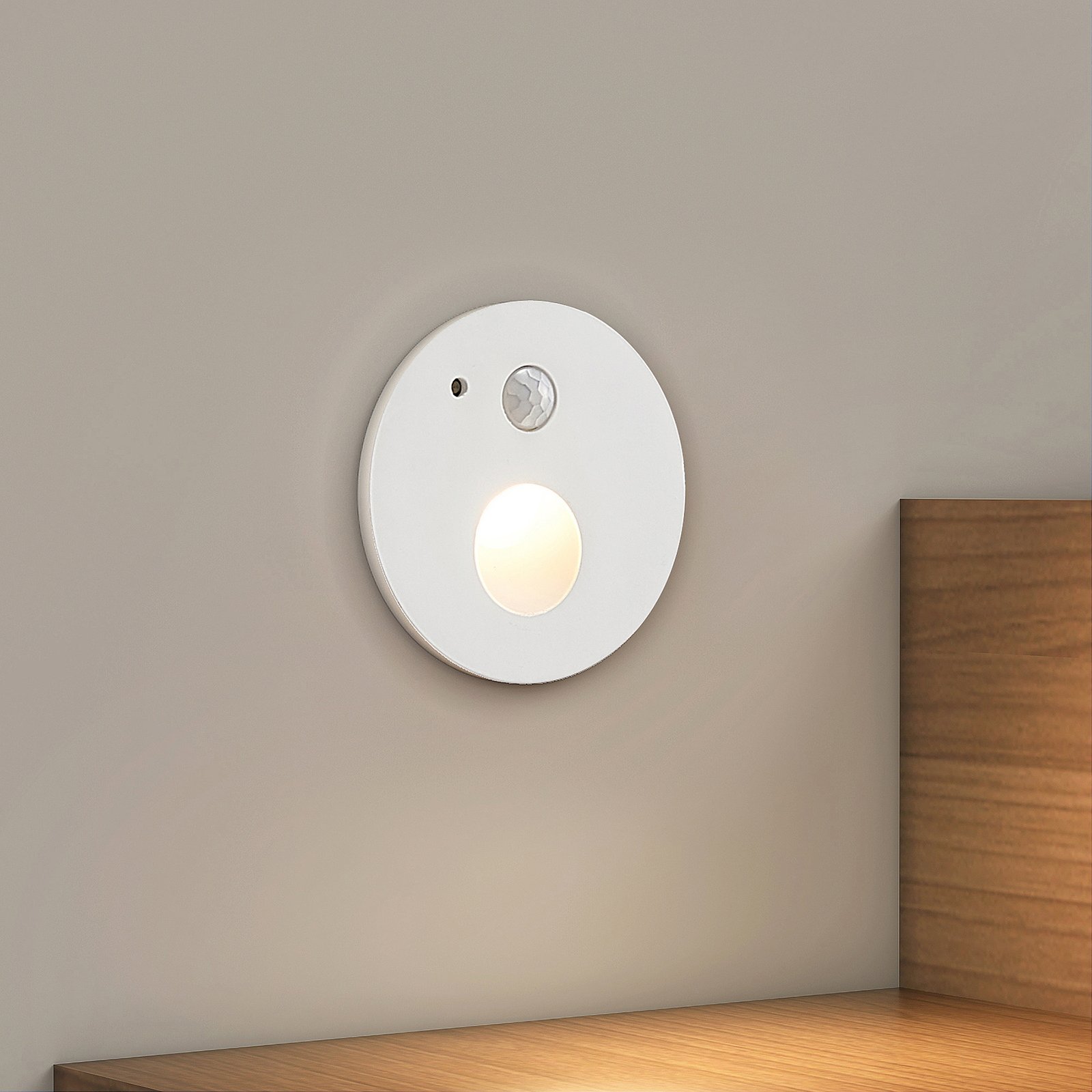
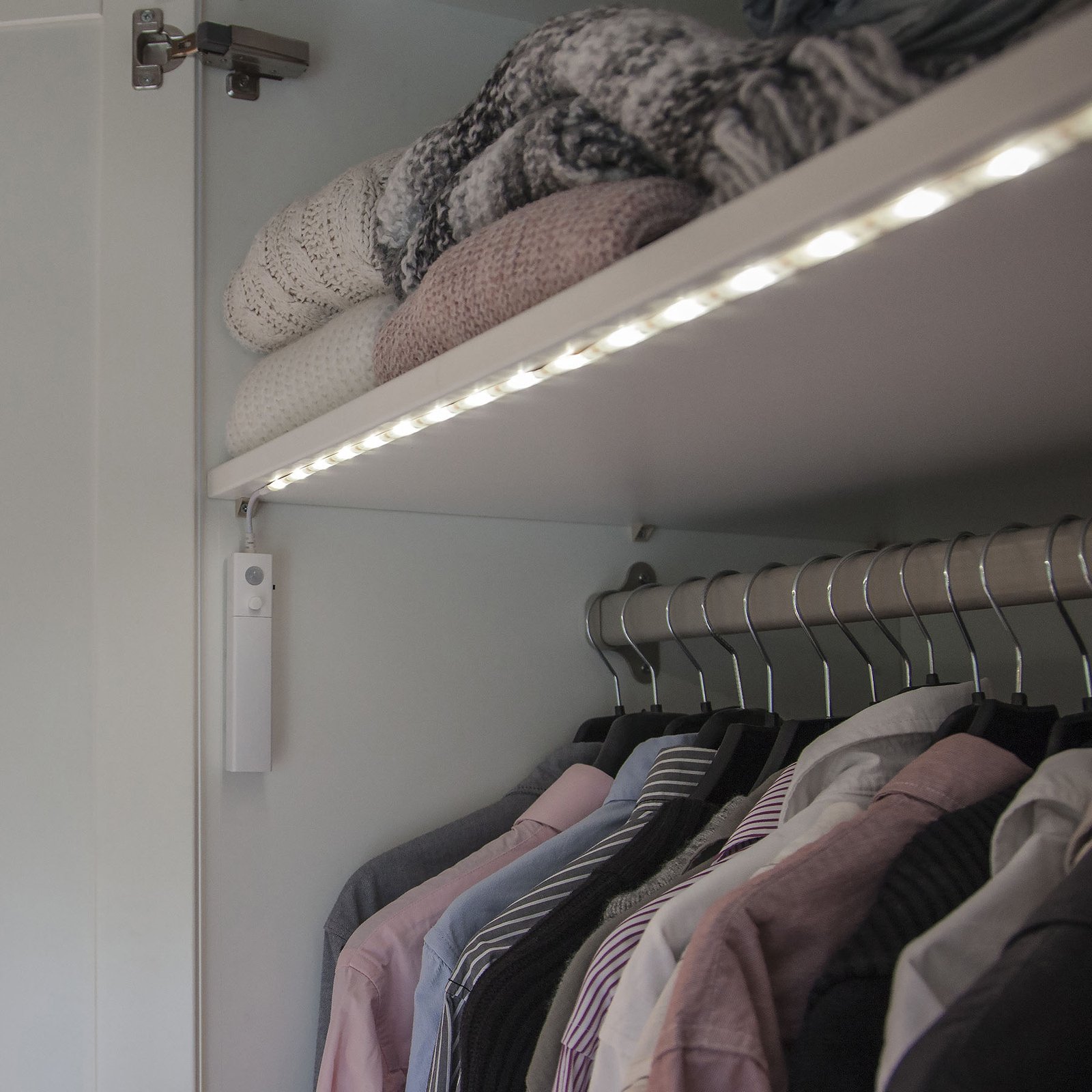
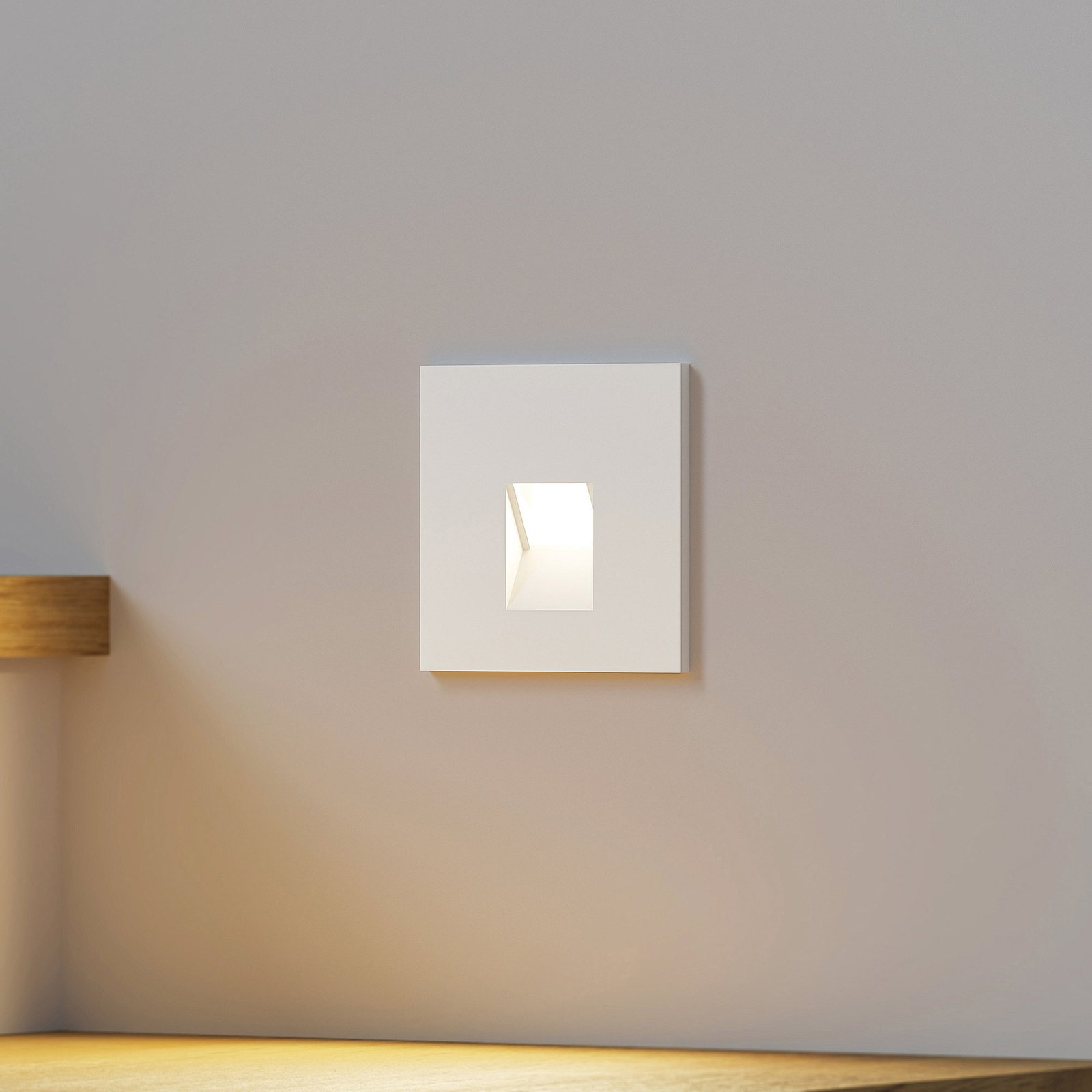
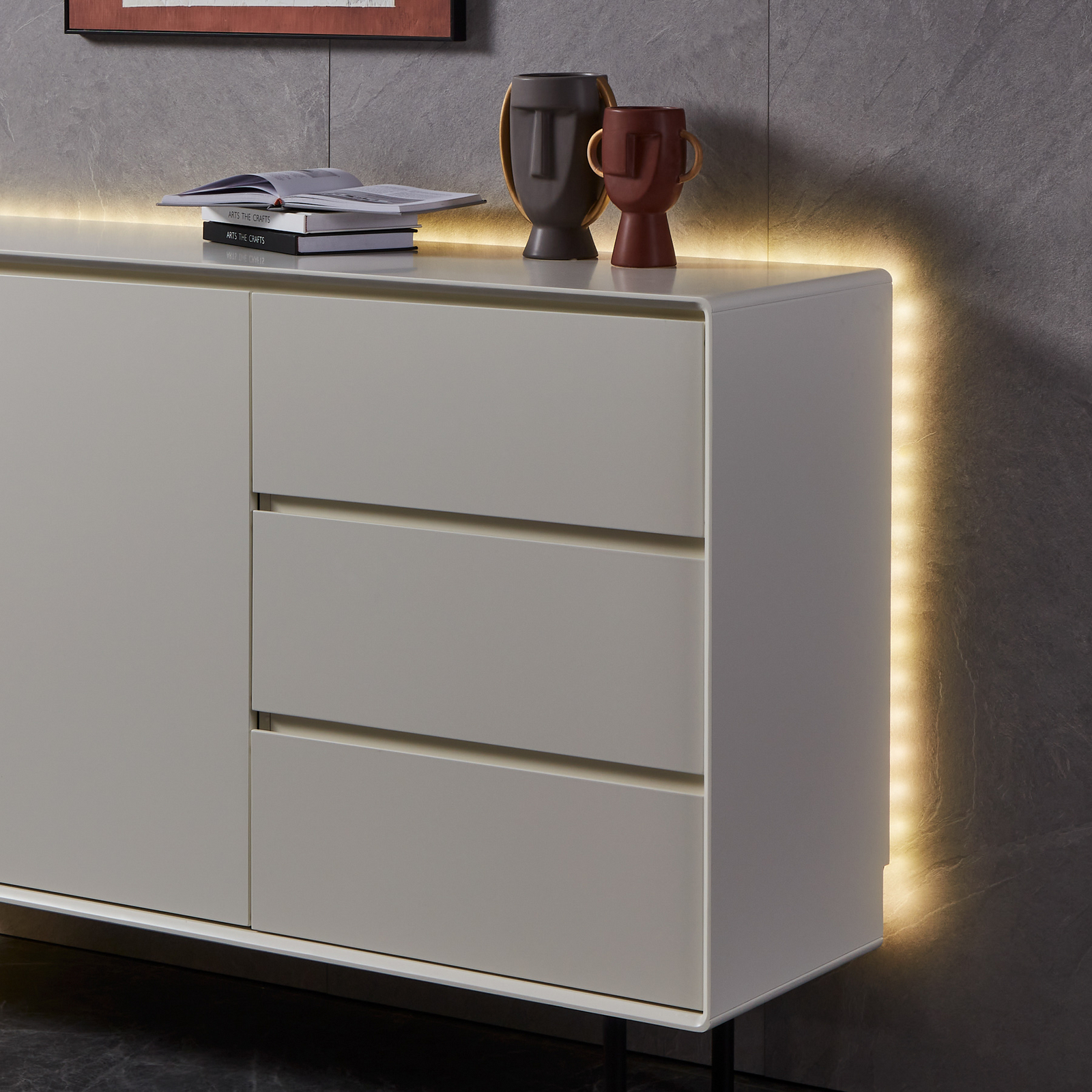
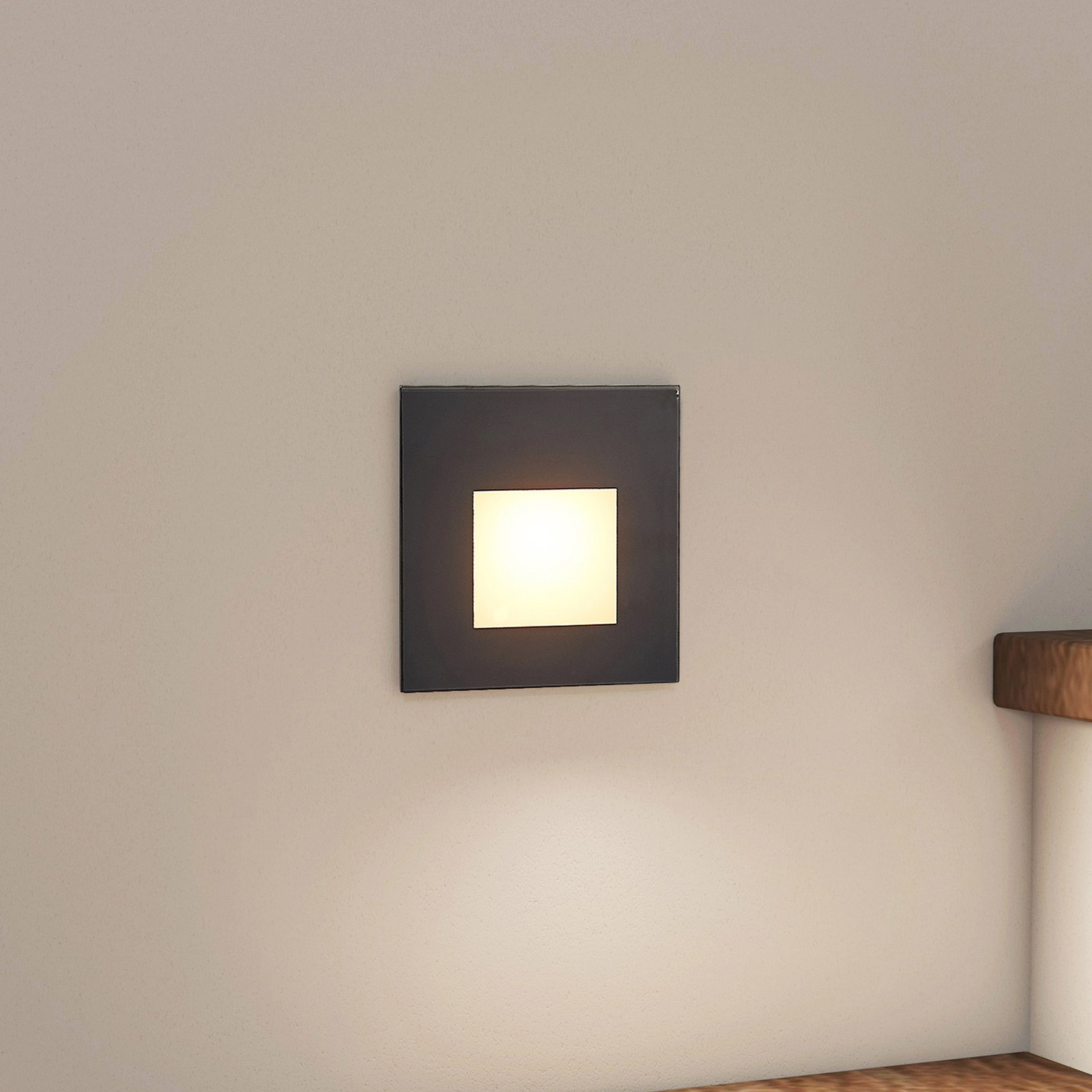
The main advantage of a subtle yet adequate orientation light is that it provides sufficient visibility without unnecessarily stimulating the body with light that is too bright. Ideally, emergency lighting in stairwells or other safety-critical areas should switch on automatically when needed; models fitted with motion detectors are ideally suited for this purpose.
Lighting effect
Direct and indirect lightAs well as the various types of lighting, the effect of the light also plays an important role.
)
In direct lighting, the light strikes a surface or object directly. This creates clear lighting conditions and high brightness in the desired location. Direct light is particularly suitable for reading, working, cooking and eating.
)
With indirect lighting, the light is first directed onto walls or ceilings and reflected into the room from there. The result is a pleasant, low-glare lighting effect. Indirect lighting is often used to create a relaxed atmosphere.
Combining different types of lighting
The simple formula for good lightingA successful lighting design is rarely achieved with just a single light fitting. Instead, the combination of different types of lighting ensures comfort, flexibility and a balanced atmosphere in the room. A simple procedure consists of three steps:
)
General lighting provides the basis and ensures that the whole room is evenly lit. Plan to include several light sources, particularly if the floor plan or furniture layout requires it, and take the colours of the walls and ceiling into account when choosing a light source that is bright enough.
)
Think carefully about how you use the room, and add targeted light sources for work areas and living areas. If you’re in the middle of a renovation, take the opportunity to add sockets or wall outlets so that you can easily implement your lighting plan.
)
Next, add some decorative touches to your room. There are plenty of opportunities to do this, for example with LED strips placed under the edges of furniture. A table lamp or floor lamp with an atmospheric glow is also easy to add.
:format(jpeg) "Kai")
Lighting expert at Lights.ie
Expert tip
"Many rooms are lit solely by a central ceiling light. However, a multi-level lighting concept that arranges light in layers creates a significantly more comfortable and homely atmosphere. Combine the basic lighting with additional light sources such as a wall light, a floor lamp or a light fitting with an integrated shelf or storage function. This allows individual living areas to be highlighted in a targeted manner and the lighting intensity to be flexibly adjusted to suit different situations – from focused work to a relaxing evening watching television. Multifunctional lights with a USB charging port or a storage surface are particularly practical, as they combine lighting with additional functionality in a single product.”
 "Lighting concept")
 "Ceiling Lights Guide")
 "Indirect lighting")
 "Colours of light explained simply")
 "What is Lumen")
 "Cosy light")