





















Indirect lighting
Ideas for atmospheric lightA good lighting concept in the home consists of a balanced mix of indirect lighting and direct light. Indirect lighting does not shine directly into the room but first directs the light onto a surface like the ceiling or wall. From there, it is softly reflected, creating an even, glare-free light that makes rooms appear more spacious and calm.
Suitable lights for indirect lighting
For lights to achieve an indirect lighting effect, the light source should not be directly visible. Lights achieve this by directing light towards the ceiling or wall, or by covering the light source with various blinds or designs to prevent any glare.
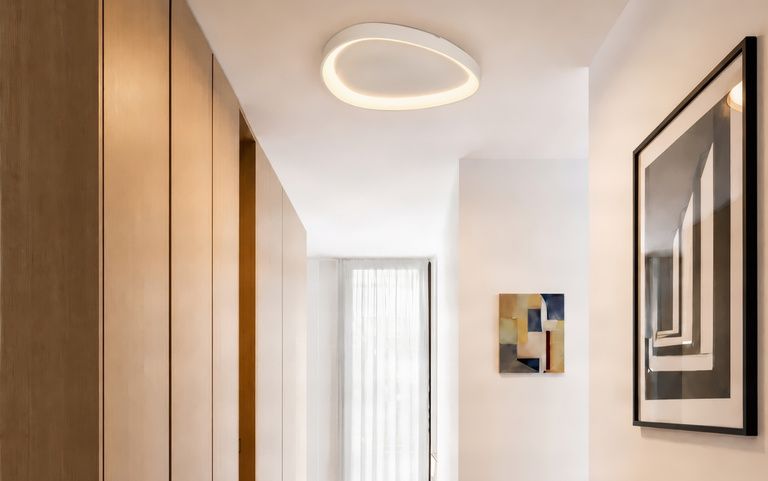
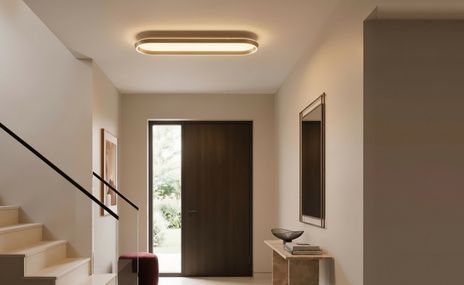
When ceiling lamps provide indirect lighting, the light is softly and glare-free distributed in the room.
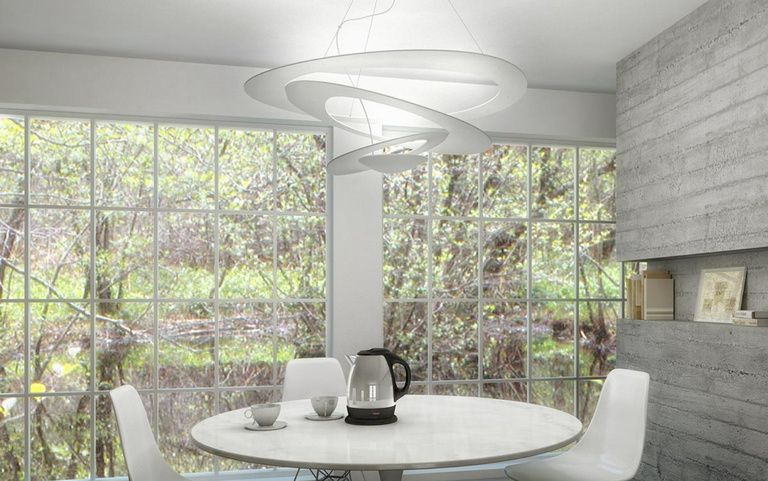
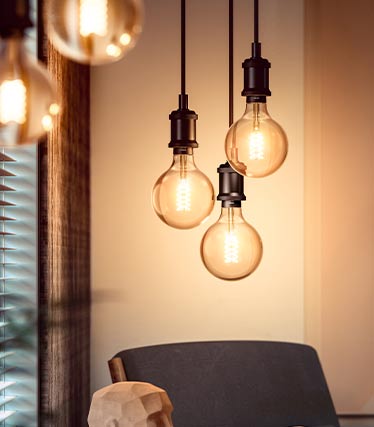
Indirect pendant lights provide indirect ceiling lighting that is distributed in the room instead of directly illuminating the tabletop.
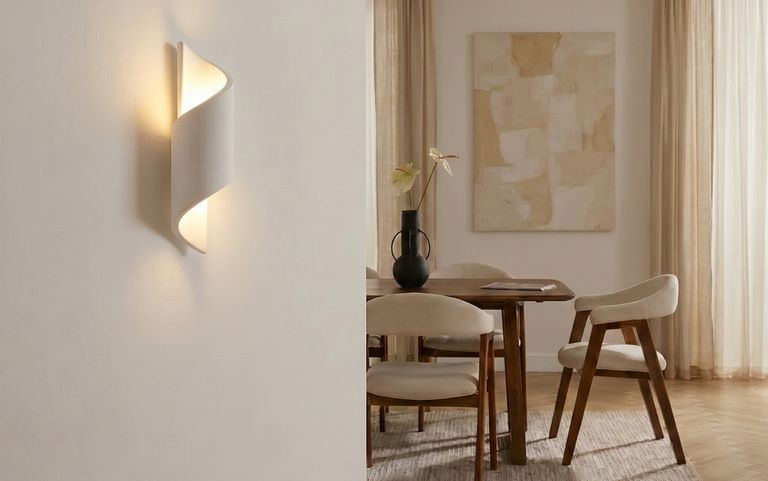
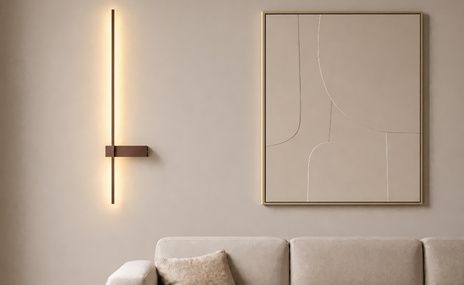
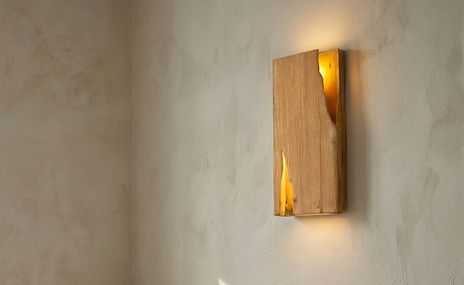
Indirect lighting wall lamps shine upwards, downwards, or sideways, providing pleasant light.
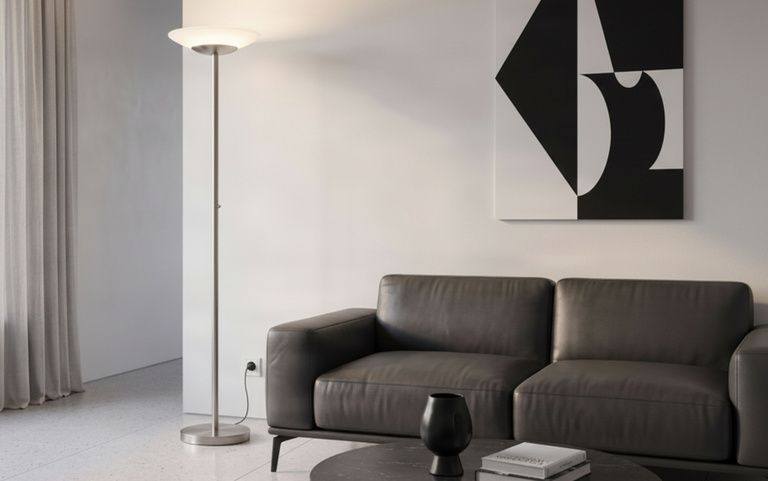
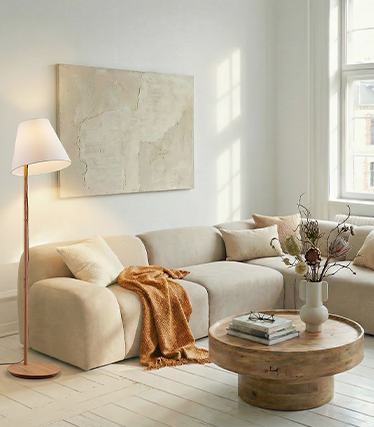
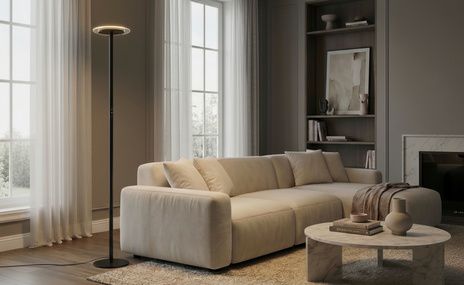
Uplighters are a perfect example of indirect light. The light projects onto the ceiling and is distributed throughout the room.
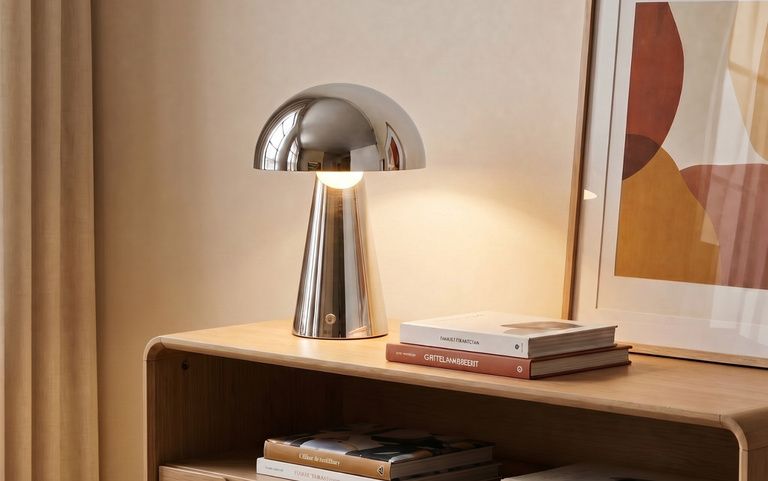
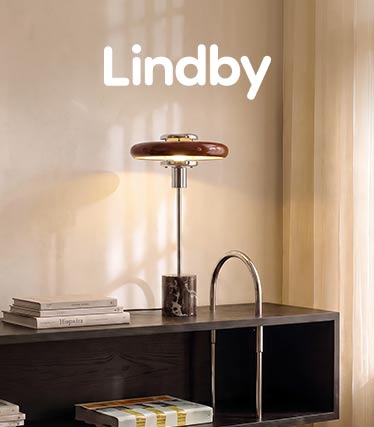
Indirect lighting table lamps serve as a cozy additional light in almost any living area.
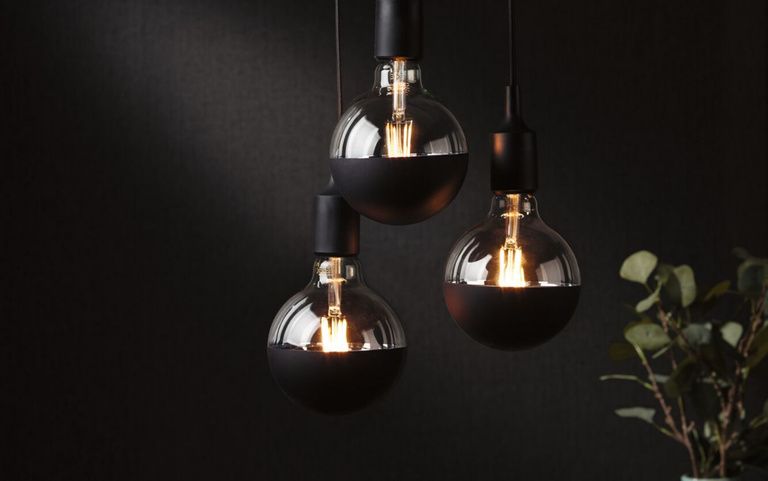
With reflector bulbs, the head of the lamp is opaque and mirrored. The light is reflected back.
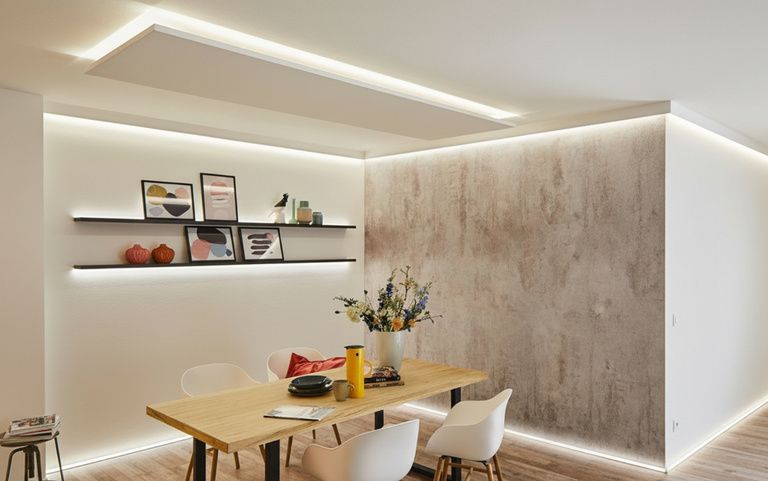
LED stripes highlight furniture pieces or give suspended ceilings or baseboards a light frame.
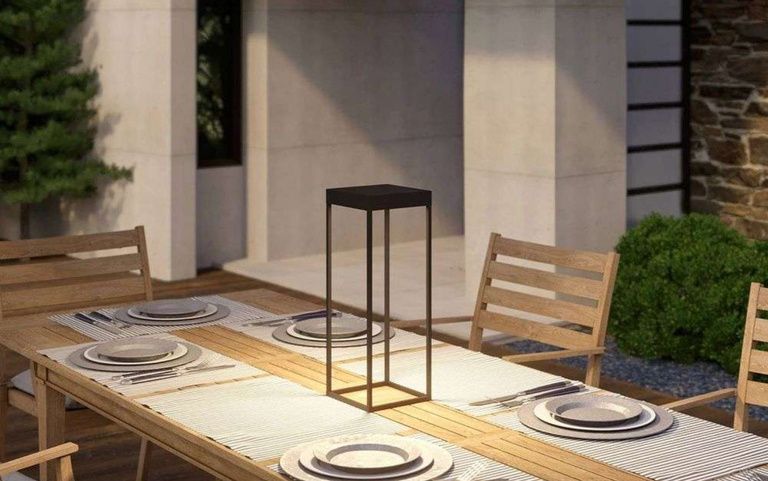
Many decorative lights have a pleasant indirect light, making the object even more interesting.
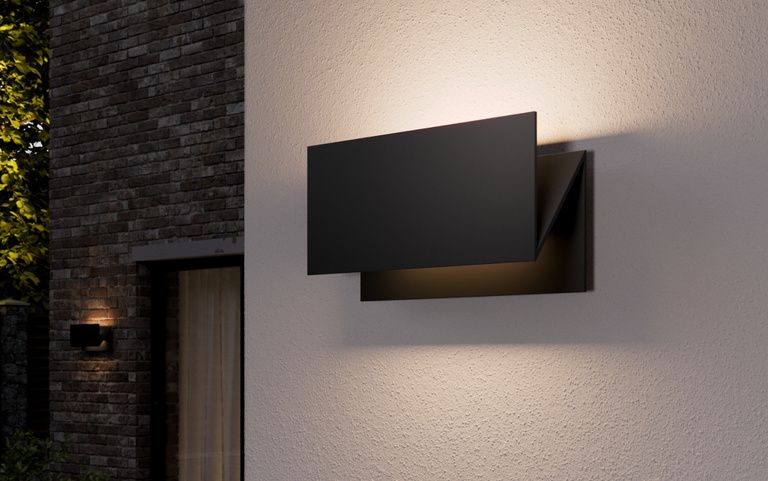
For outside, there are, for example, indirect wall lights. They combine an exciting light effect with absolute freedom from glare.
Indirect light for various rooms
Indirect lighting first hits a surface like a wall or ceiling and is reflected from there into the room. This makes the light appear softer and less glaring since the light source itself does not fall directly into the eyes. Hard shadows hardly arise, allowing furniture, walls, and surfaces to be illuminated evenly, making the room appear calm and spacious. LED stripes, wall lights with hoods, or uplighters create this effect in the living room, bedroom, kitchen, or hallway. Even furniture and workspaces can be specifically included: A light strip behind the sofa or under the shelf highlights contours, while indirect light above the desk eases the eyes without glare.
Indirect Light for the Living Room
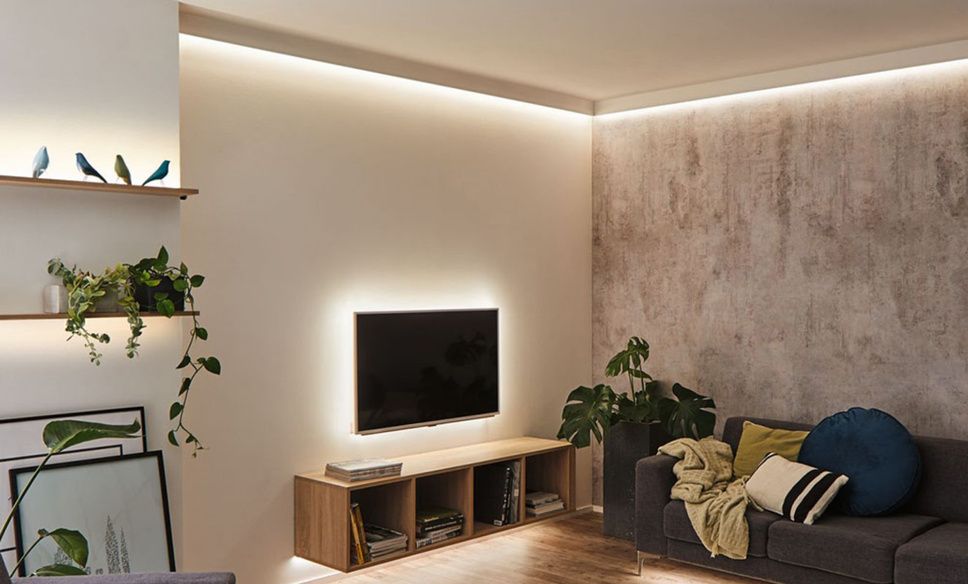
In addition to indirect wall lights and, of course, uplighters, LED strips are often used in the living room to create indirect lighting. A suspended ceiling with LED stripes gives the living room a modern touch and makes it appear larger. When stuck behind baseboards or furniture, they create a soft light ring in various colors. Smart LED strips, in particular, with RGB function, adjustable light colors (setting various white tones), and dimmable brightness offer a wide range of possibilities.
Indirect light in the bedroom
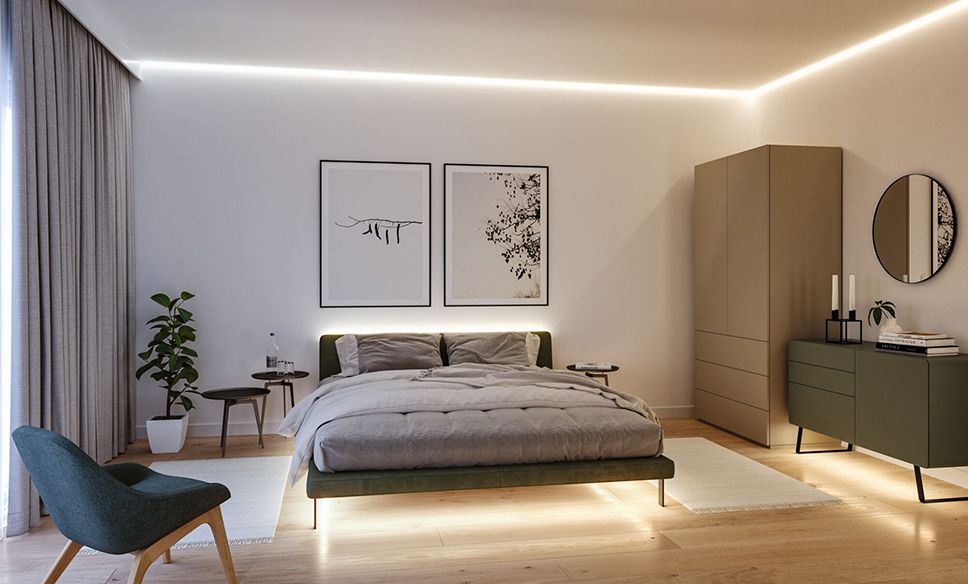
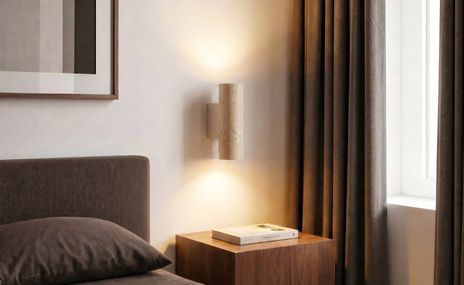
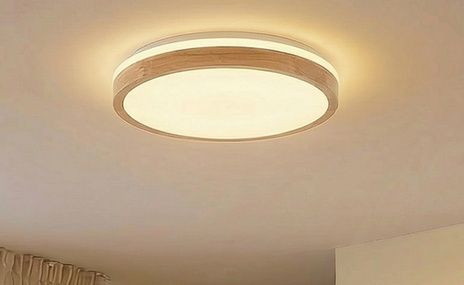
In the bedroom, LED stripes at the edge of the bed offer subtle orientation light that does not disturb sleep. LED strips are also used to illuminate the wardrobe, where little light otherwise reaches. An indirectly glowing ceiling light provides soft light in the bedroom, which does not cause glare even when looking up from bed. A modern idea for indirect lighting in the bedroom is also an indirect wall light next to the bed.
Indirect lighting in the kitchen
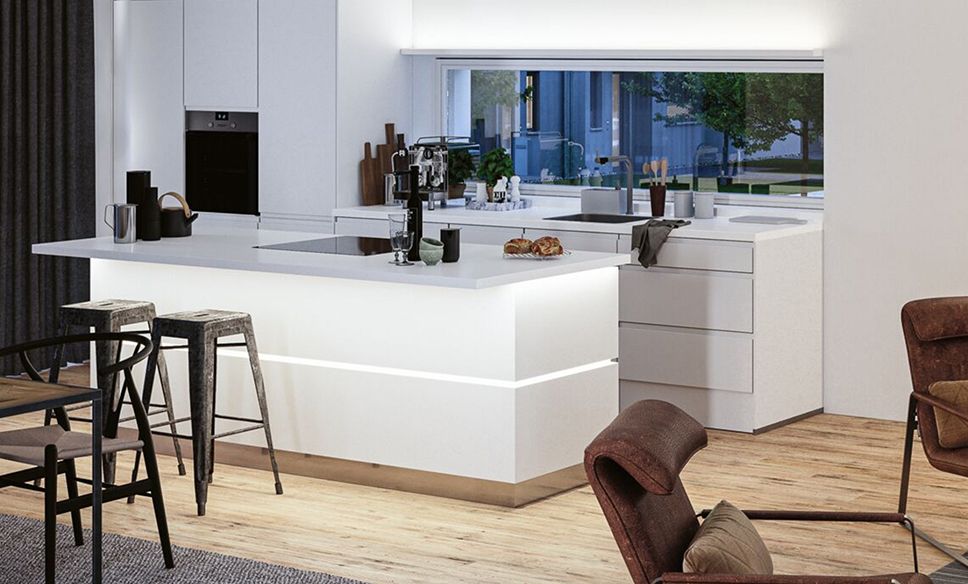
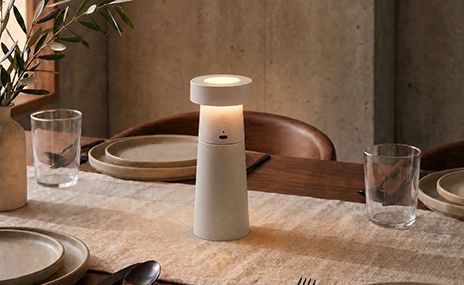
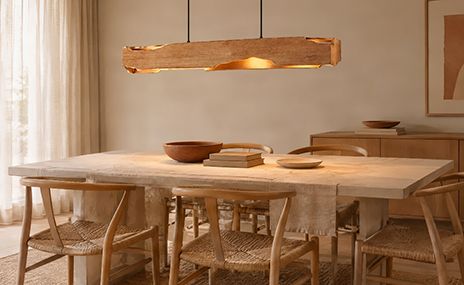
In the kitchen, indirectly illuminated stripes provide modern accents and sufficient work lighting when needed – for this, models with higher brightness are recommended. For orientation and a soft light ambiance, indirect wall lights are the perfect addition to the central pendant light that highlights the dining table with its direct light beam. Those who want to enhance sideboards & more with indirect light will find a rich selection of table lamps, whose light is glare-free and stylish.
Tips for indirect lighting in the hallway
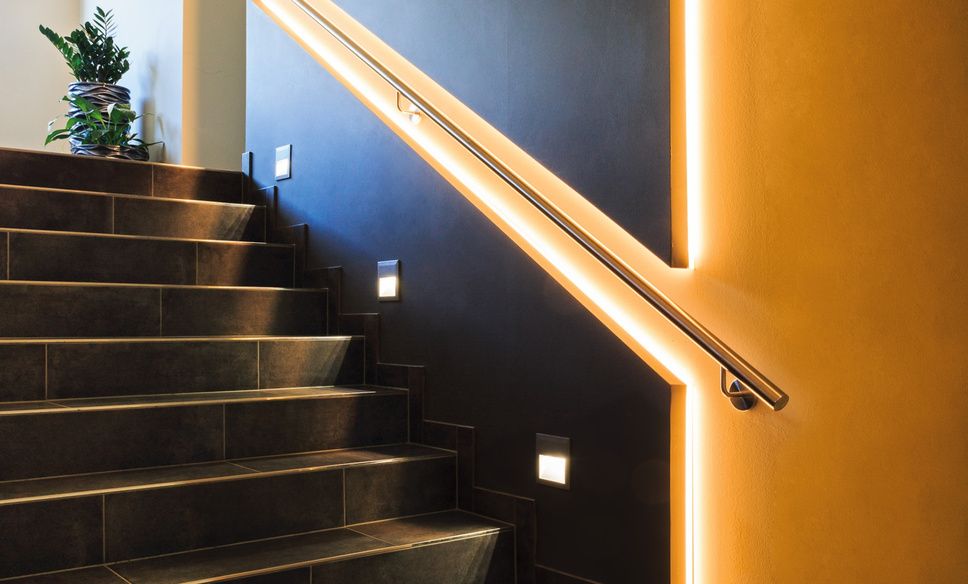
In hallways and on stairs, LED strips provide safety. Highlighting individual steps with LED strips offers optimal visibility and orientation. They are also a real highlight in terms of staging. LED baseboards are particularly ideal in the hallway as they subtly illuminate the space and simultaneously provide orientation. Passive lighting in the form of indirect wall lights offers the advantage that no glare occurs—an essential criterion for hallway and stair lighting.
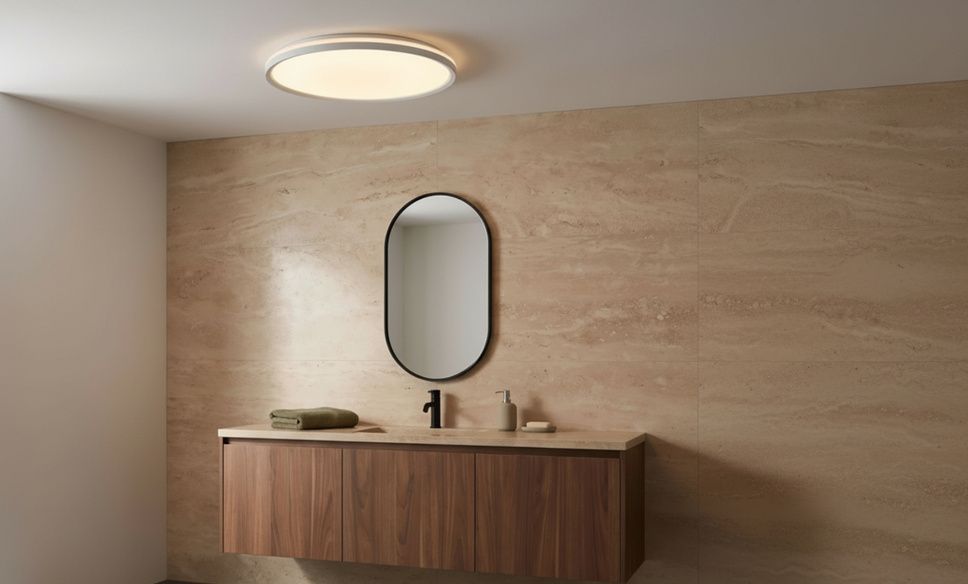
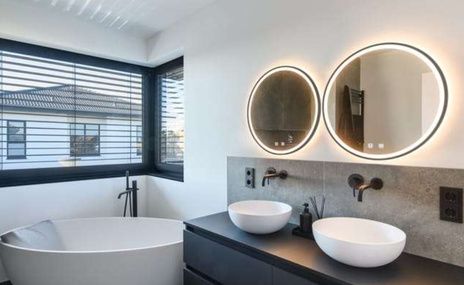
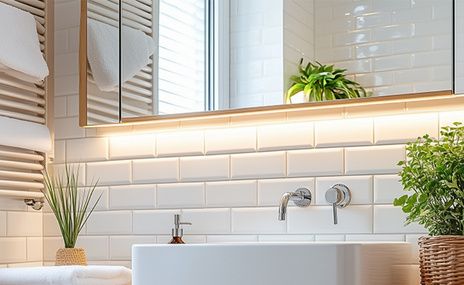
Ideas for indirect lighting in the bathroom
To relax in the bathroom, for example when taking a bath, soft, glare-free light is particularly important. Therefore, bathroom ceiling lights never shine directly but are diffused with a diffuser. Wall lights with indirect lighting can also contribute to greater well-being in the bathroom. It is important in all of this to consider the correct IP protection type.
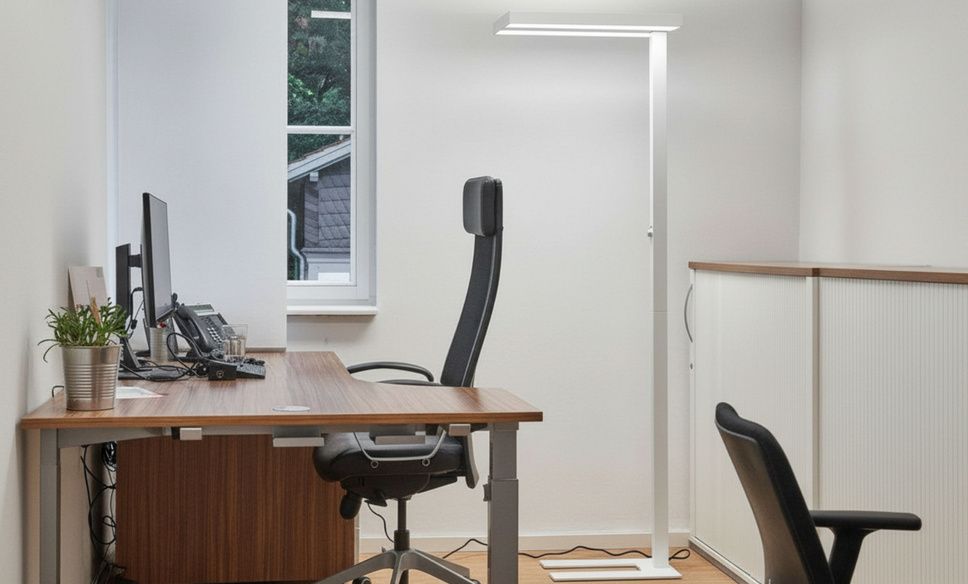

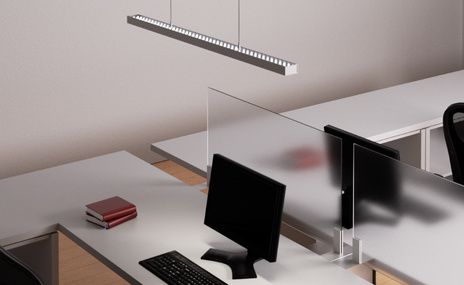
Indirect light in home office and study
A desk in the home office needs good, direct task lighting above all. Yet those who sit at a screen all day also benefit from indirect light that eases the eyes and makes the workspace more pleasant. Indirect light does not replace task lighting but prevents strong brightness contrasts from occurring. An LED strip or lamp behind the monitor provides a soft glow on the wall behind. The brightness difference between the screen and dark surroundings shrinks, and the eyes tire less. Mount the light in such a way that the source does not fall directly into your field of vision.
Floor lamps with direct and indirect light share both functions in one device. The direct component illuminates the work surface, while the indirect component reflects off the ceiling, evenly brightening the room. This is practical, especially for small studies or home offices, as no additional ceiling installations are required.
Typical mistakes with indirect lighting
and how to avoid themMost problems with using indirect light arise not from the choice of lamp but from details in planning and installation. Knowing these errors helps to avoid revisions and achieve the desired effect more quickly.
- Too little distance from the wall or ceiling: If a light is too close to the surface, strong brightness differences develop. If the distance is too large, the light becomes weak and diffuse. Plan the distance so the light reaches the surface evenly and the reflection has enough room.
- Unsuitable reflection surfaces: Dark, glossy or highly textured surfaces absorb light or create unwanted reflections. Light, matte wall colors, and ceilings reflect light most evenly.
- Lack of dimmability: Without a dimmer, brightness remains constant, although time of day and mood change. Particularly with indirect light, the difference is noticeable: dimmed, it appears cozy; at full brightness, sometimes too glaring. A dimmable lamp or control is therefore a worthwhile investment.
- Too much RGB: Colored light effects can be exciting, but too many colors at once can quickly become restless and distort colors in the room. Warm white is suitable for everyday use, while RGB should be used specifically for individual accents, such as behind the TV or in a niche.
- Indirect light as the only task lighting: Indirect light creates atmosphere but is rarely sufficient at the workplace. Keyboard, paper, and screen require focused light for clarity. Therefore, combine indirect ambient lighting with targeted task lighting.

Kai Krzyzelewski
Editor and lighting expert at Lights.ie
Expert tip
"When it comes to room design, it’s about the ideal combination of direct and indirect light. With indirect lighting, we create a cozy and relaxing atmosphere. The use of direct light is about more than just creating structure: specific areas need additional light to perform tasks exactly as intended. After all, what would a cozy reading chair be without the direct light of a table lamp or a floor lamp-reading light combination? Knowing what you want to do in your living spaces provides a solid foundation for planning direct and indirect lighting."