





































)
Light therapy and light in winter
Get through the dark season with the right lightingDo you feel tired, low, or energyless in winter? The winter blues - triggered by various factors such as lack of light, seasonal changes, and possibly vitamin D deficiencies - affects millions of people and leaves a low mood in winter. A possible positive influence can occur through the right lighting in living spaces. Although room lighting is not light therapy, it can improve general well-being and mood to face the dark time with new energy and zest for life.
Note: This guide is for informational purposes only and does not replace medical advice.
Why light is particularly important in winter
When the days get shorter in winter, the morning for many people begins in darkness - and by the afternoon, it often becomes dim again. It is then particularly evident what significance light has in our daily lives.
:format(jpeg) "Uhr")
Our everyday life is closely linked to the natural cycle of light and dark. Morning daylight signals to the body that the day begins, while the increasing darkness in the evening supports the transition to rest. However, significantly less natural light is available in winter. Those who travel to work in the dark in the morning and spend a large part of the day indoors may receive particularly little daylight.
:format(jpeg) "Frau mit Kaffee")
In everyday life, a lack of light is often mentioned when only a little natural light is available during the dark season. Simple habits can help make better use of available daylight: open curtains and blinds as early as possible in the morning, use work or stay areas near windows and go outside regularly during the brighter hours - even short walks can make a difference.
)
Especially indoors, it is sensible to consciously pay attention to good lighting. A sufficiently bright and pleasantly coordinated environment, for example, makes reading, working, and orientation easier and can make everyday life during the dark season more pleasant. Although well-planned room lighting cannot replace missing daylight in everyday life, it can create a pleasant atmosphere that allows one to forget the gray and dark sky for a while.
Important: Room lighting does not replace light therapy. Normal room lighting and specially designed light therapy pursue different goals. Therefore, anyone interested in light therapy should pay attention to appropriate products and respective application instructions.
:format(jpeg) "Lichttherapie")
Winter blues and seasonal disorders
The term winter blues is often colloquially used for a general tiredness and low mood frequently appearing in winter. More intense symptoms like sleep disorders and listlessness can be signs of winter depression, also known as seasonal affective disorder (SAD). This is a serious condition that needs to be medically clarified. It is also necessary to seek medical advice for symptoms of any kind that persist over a longer period.
Winter blues
An impairment of personal well-being and mood, especially in autumn and winter.
(Winter) depression
A serious mental illness that must be medically treated.
Light Therapy - Explanation and Distinction: Genuine light therapy uses light specifically developed for therapeutic purposes. Medical or therapeutic professional consultation is indispensable here. Light therapy lamps are always labeled as medical devices. A bright lamp can make a room notably friendlier and more pleasant - but it is not automatically suitable for light therapy. Table, ceiling, and ordinary daylight lamps do not replace a therapeutic light source. Misunderstandings often arise with the term "daylight white." Such a light color can visually resemble natural daylight and may be suitable for workplaces or other areas where a cooler, clear lighting is desired. However, this does not imply that the light is suitable for light therapy.
Practical tips: Designing light more consciously in winter
The effect of genuine feel-good lighting - for more energy and relaxation! Our Good-Mood-Lights bring the perfect lighting mood into everyday life.
:format(jpeg) "Human Centric Lighting")
Human Centric Lighting adapts to the biorhythm and promotes sleep and concentration. With smart lamps, HCL is also feasible at home: Light sources with CCT function allow the light color to be individually adjusted via remote control or app - activating daylight white in the morning, relaxing warm white in the evening.
)
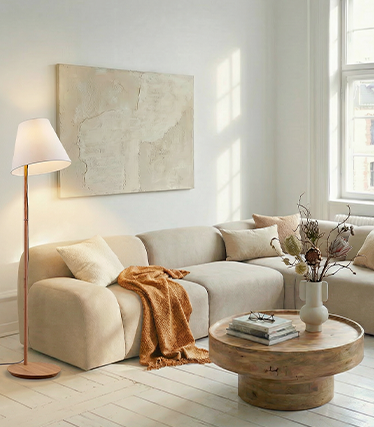
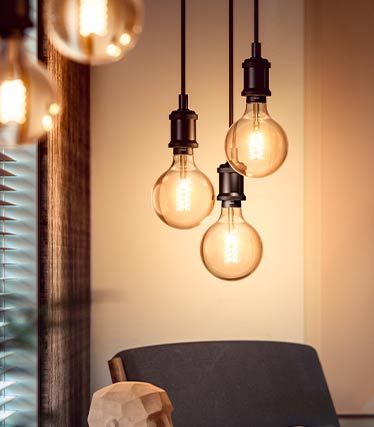
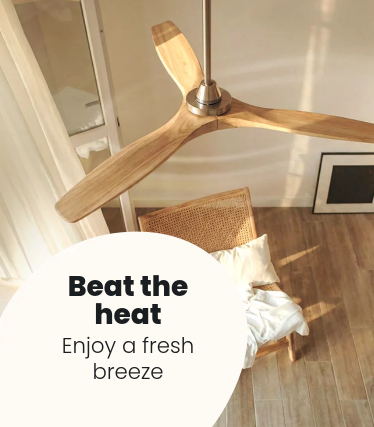
Cozy Lighting creates a comforting atmosphere in the dark season. With balanced lighting and gentle light accents, the home becomes a haven of comfort. Diverse wood shades from bamboo and rattan to cozy textile shades enable individual light cocooning.
:format(jpeg) "Bicoca von Marset")
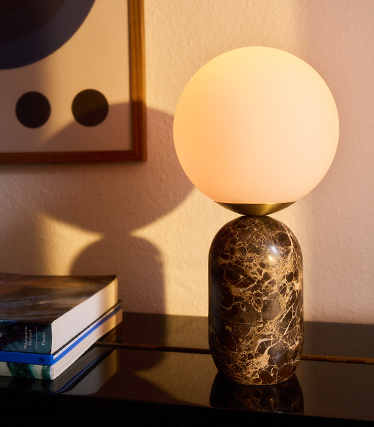
Happy Lights in Dopamine Decor bring vibrant colors, cheerful patterns, and radiant joy into the home - for good mood, positive feelings, and a decor that makes you completely happy. Dopamine decor lights can also easily be added as floor or table lamps.
Everyday tips for the dark season
Besides homely lighting, additional measures in autumn and winter can help brighten the mood and make everyday life more pleasant. An optimized sleep routine is inseparably part of this. One should definitely ensure regular sleep times to help the body regenerate and stabilize the day-night rhythm.
Further tips for autumn and winter
:format(jpeg) "Walks")
:format(jpeg) "Social contacts")
:format(jpeg) "Structure the day")
:format(jpeg) "Sport and exercise")
:format(jpeg) "Relaxation techniques")
:format(jpeg) "Creative activities")
:format(jpeg) "Kai")
Online editor at Lights.ie
Expert tip
"A good home lighting setup is by no means equivalent to light therapy, which includes comprehensive medical supervision. However, what good lighting can achieve is to help make interiors pleasant and functional at any time of day. In the morning and during the day, bright lighting is particularly practical. Where possible, the workplace should be combined with natural daylight. As darkness increases, lighting in living areas can be gradually reduced. Dimmable light offers the advantage of adjusting brightness flexibly to the respective situation. Even small changes can help make everyday life a bit more pleasant during the darker months. However, if symptoms persist, we strongly advise seeking medical assistance."
 "Human Centric Lighting")
 "Cozy light")
 "Dopamine Decor")
 "Light color")
 "Lichtkonzept für das Wohnzimmer")
 "Lighting ideas for vacation memories")