


























)
Lamps in the Dopamin range
Boost your mood with feel-good lightingA Dopamin Decor lamp brings colour, personality and a positive atmosphere into your home. Whether it’s a bright table lamp, a colourful pendant light or a Dopamin-Decor ceiling lamp – a colourful light fitting makes it particularly easy to incorporate this interior design trend without having to redecorate the whole room. Vibrant colours, unusual shapes and warm white light create a cosy atmosphere and add cheerful touches that emphasise your individual interior design style.
What is Dopamine Decor?
DopaminDecor is a colourful interior design trend that focuses on bold colours, eye-catching designs and personal favourite pieces. The style has become well known primarily through social media and the international interior design scene. The aim is to create living spaces that are vibrant, personalised and welcoming.
The name refers to the neurotransmitter dopamine, but does not imply that the facility has any medicinal effects. Rather, the trend describes a sense of home that aims to convey joy and a sense of well-being through bold colours, creative combinations and carefully chosen décor. Lamps play a special role in this regard: they combine colour, shape and light to form a design element that shapes the character of a room. A coloured dopamine lamp or a colourful table, wall or pendant light can create a striking focal point in just a few simple steps.
Dopamine Decor: Colourful Lighting Ideas
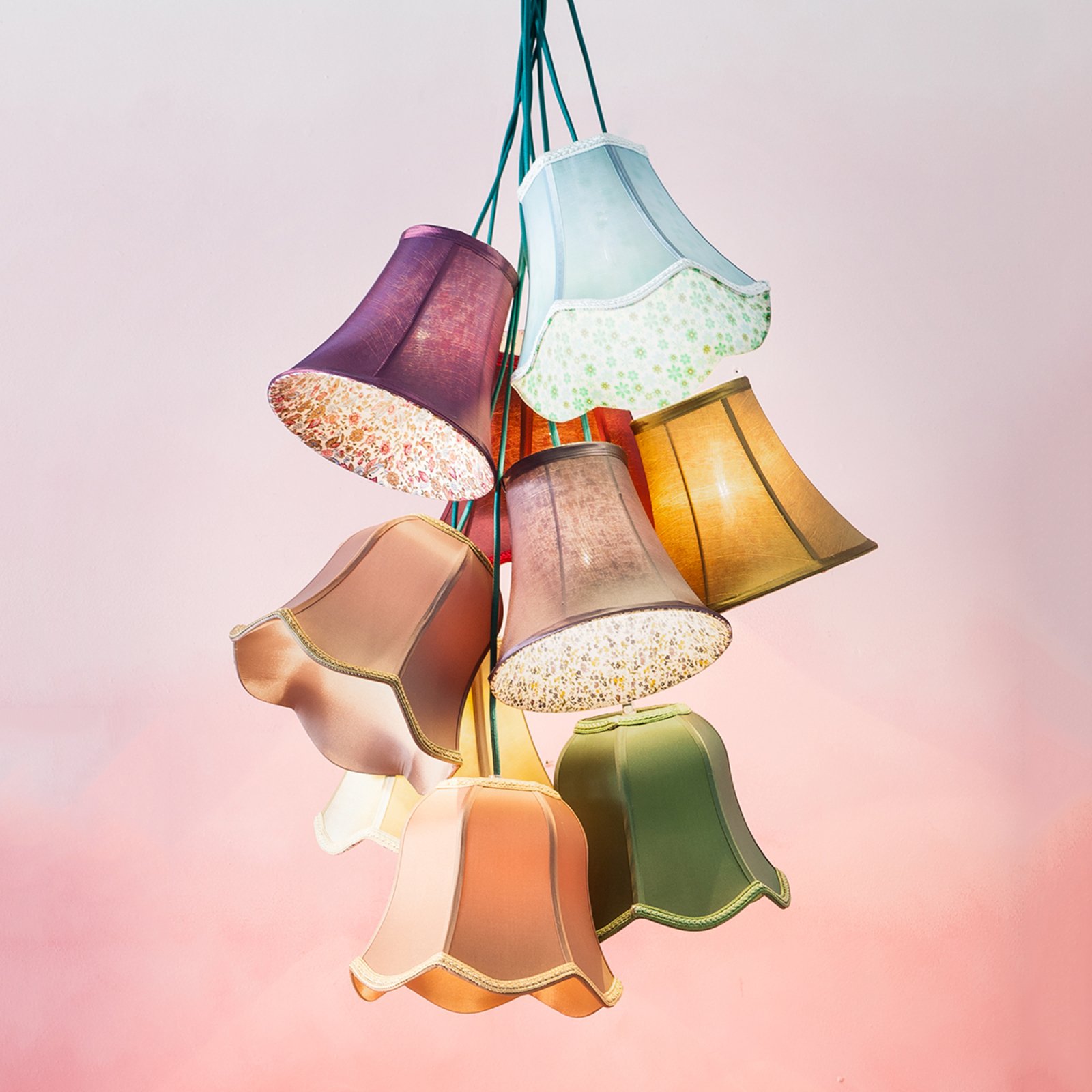
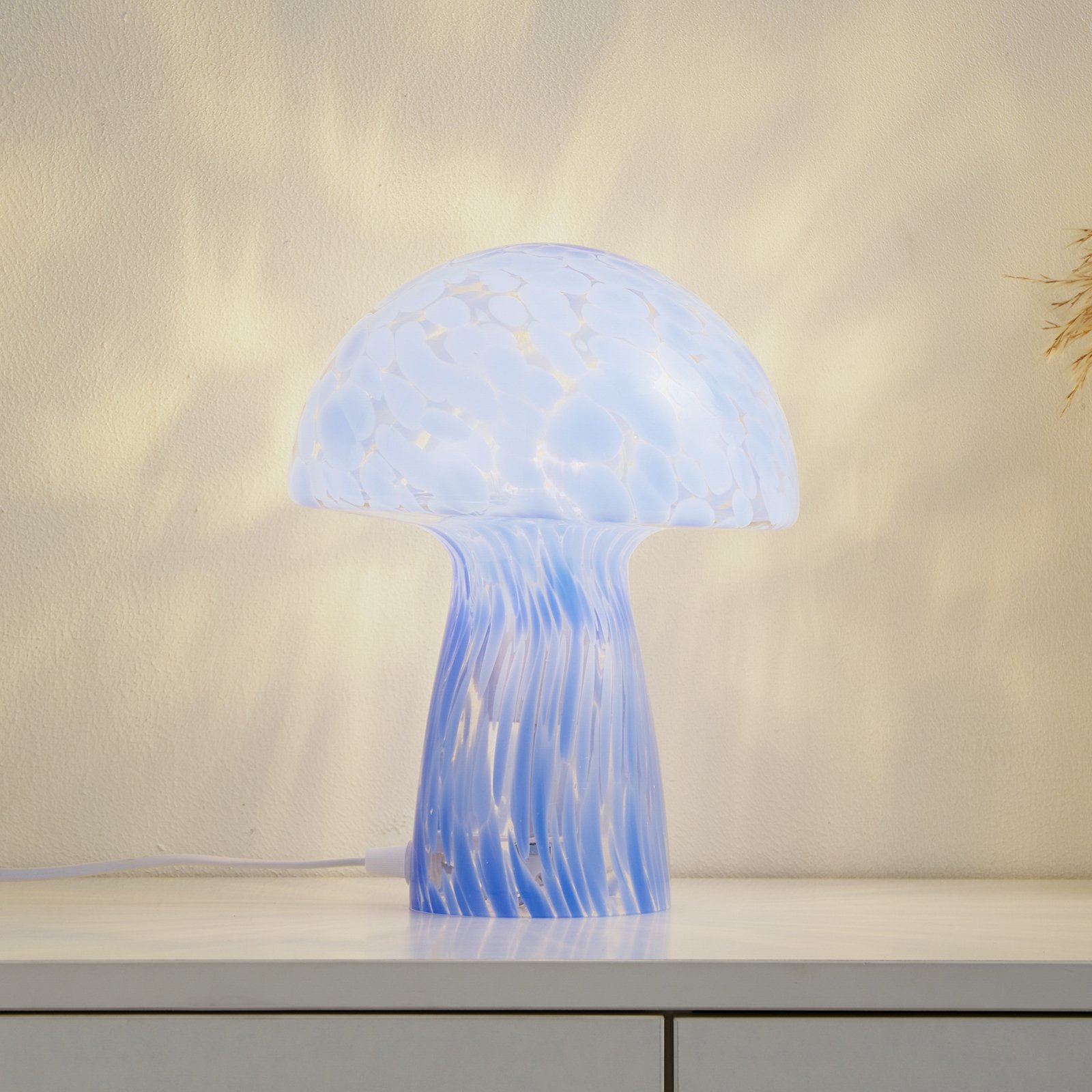
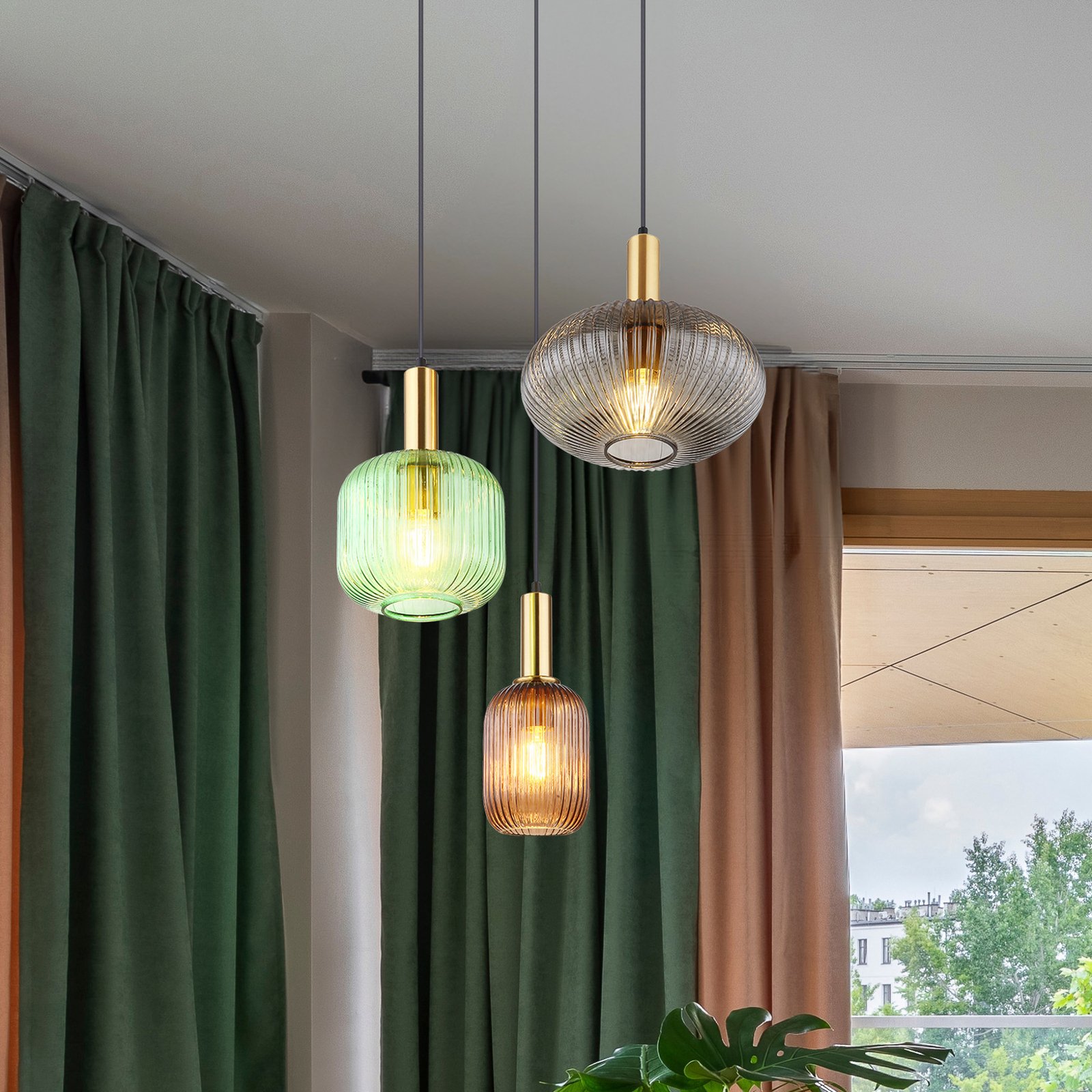
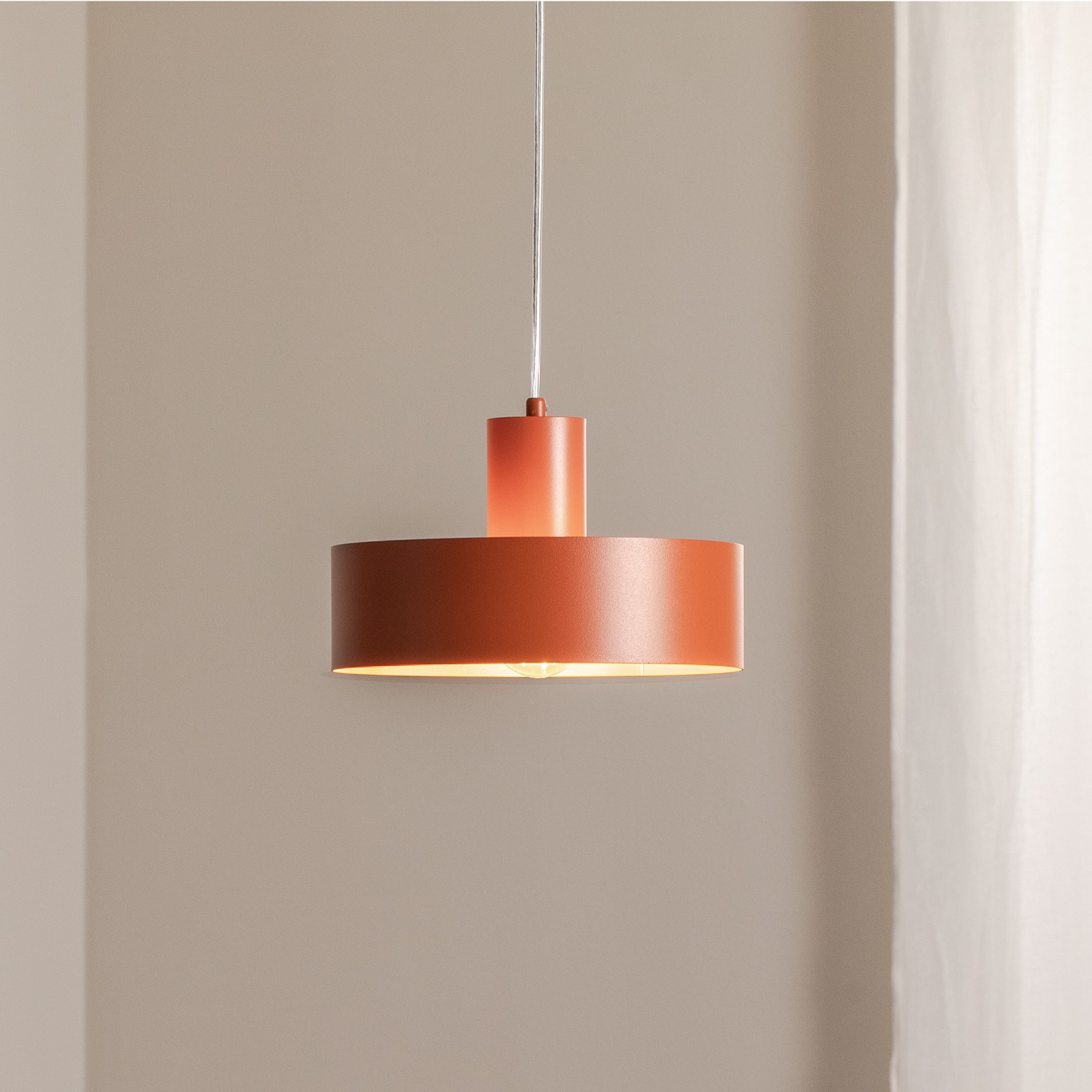

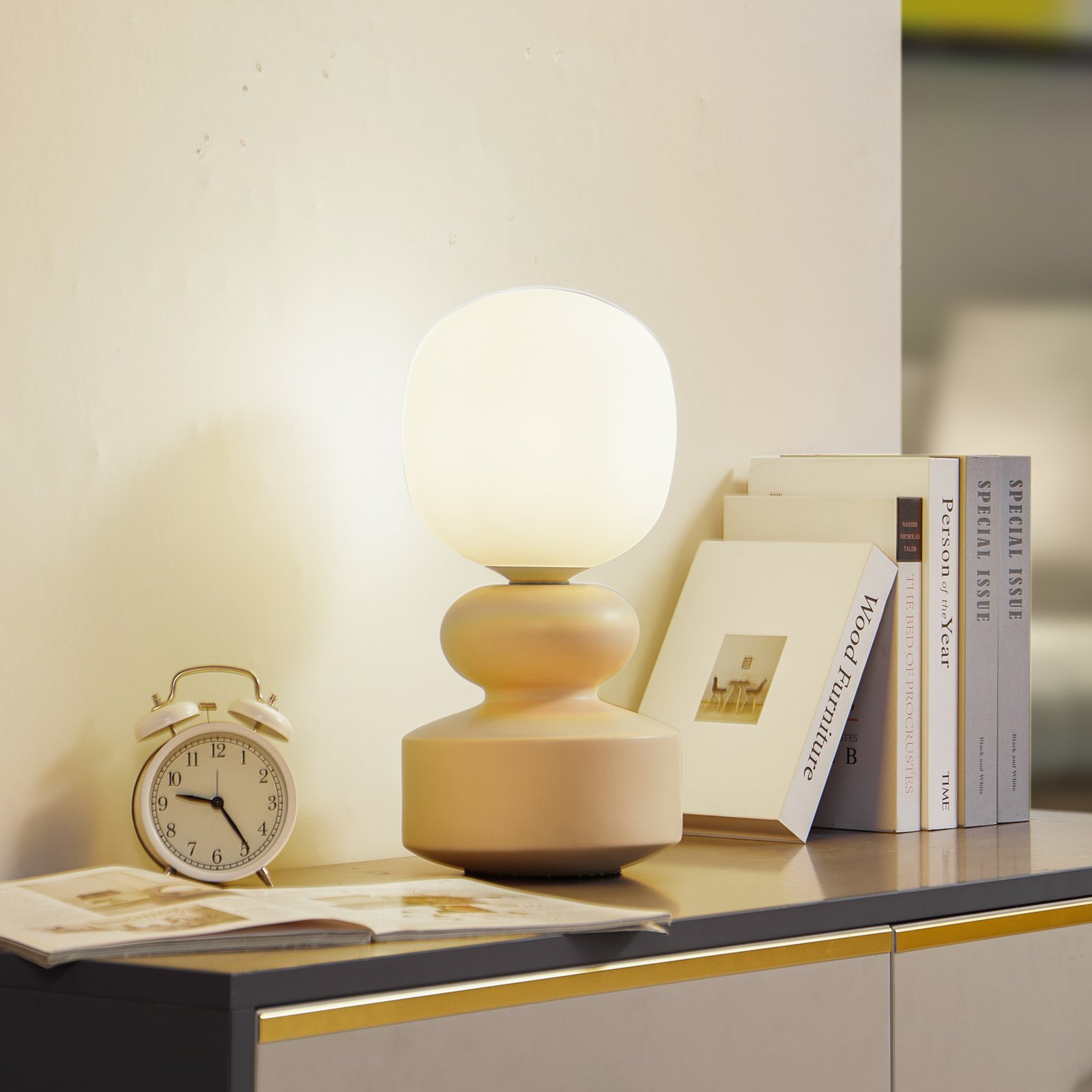
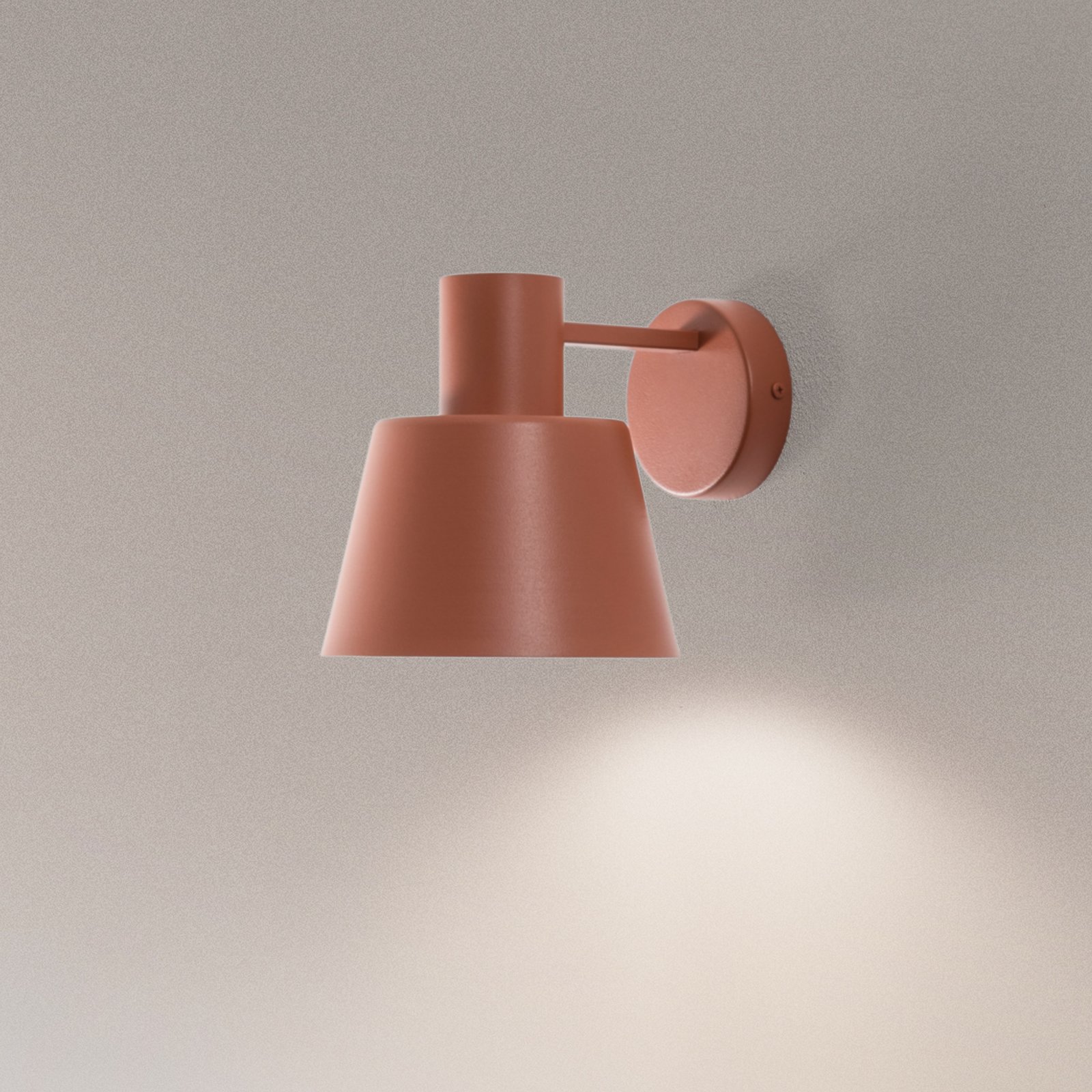
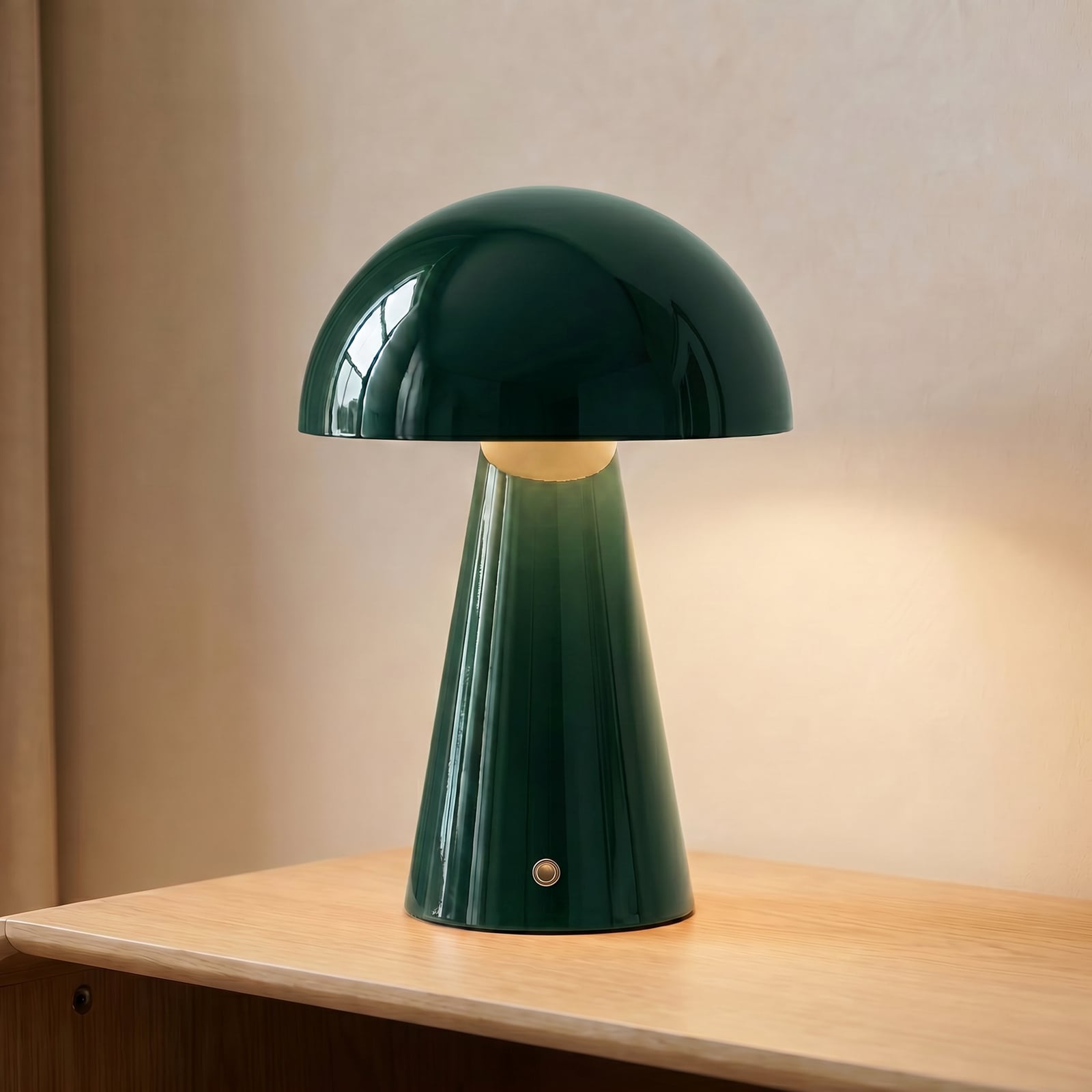
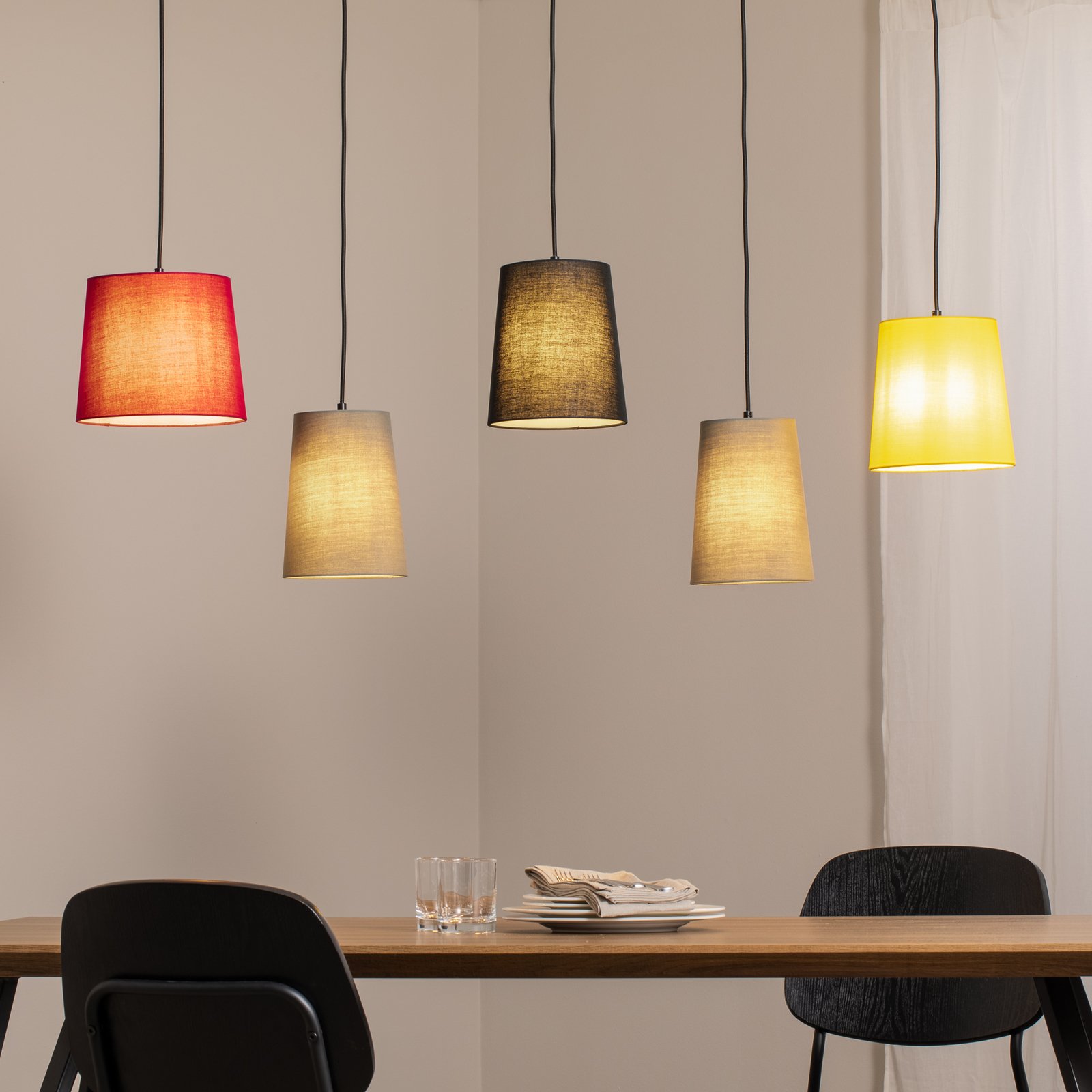
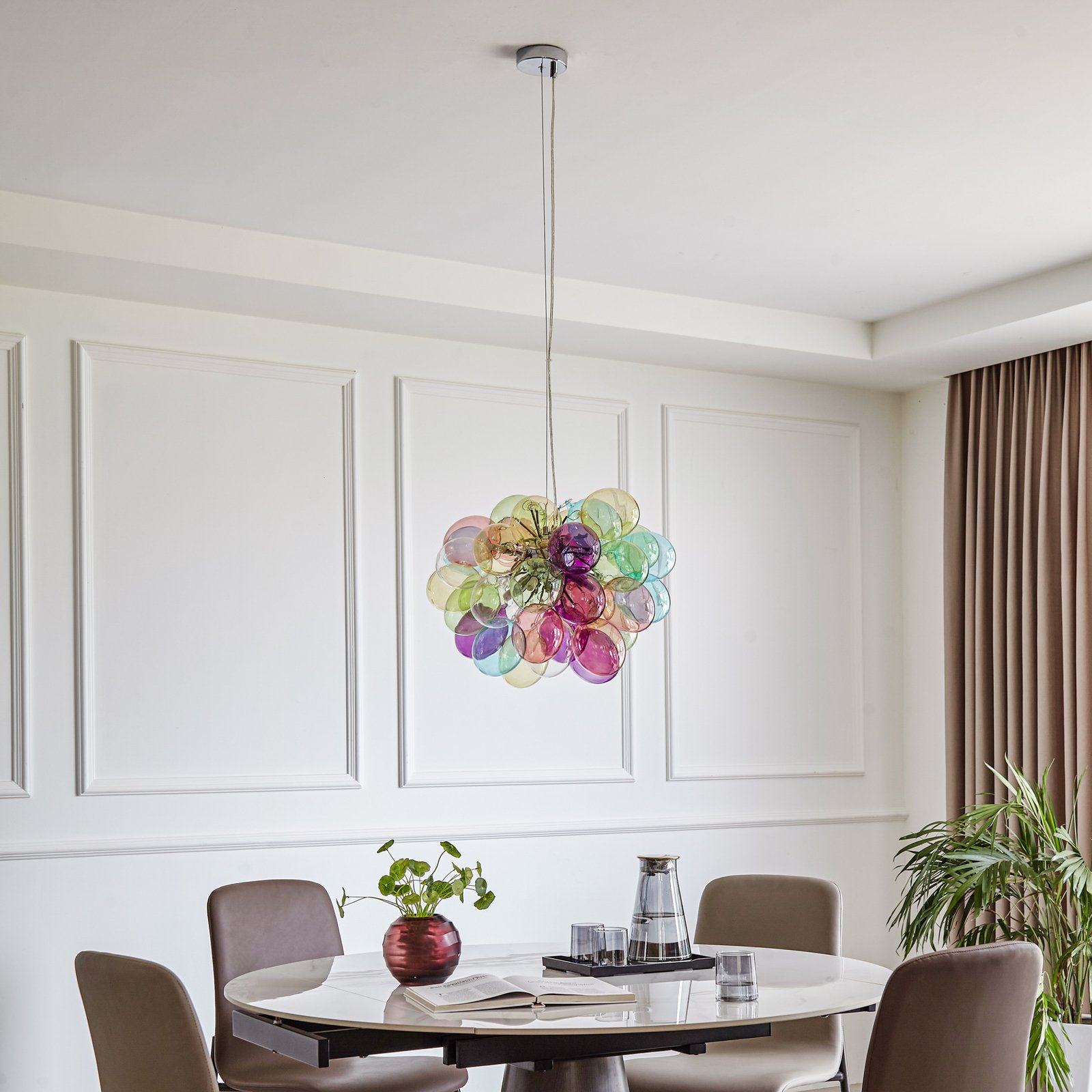
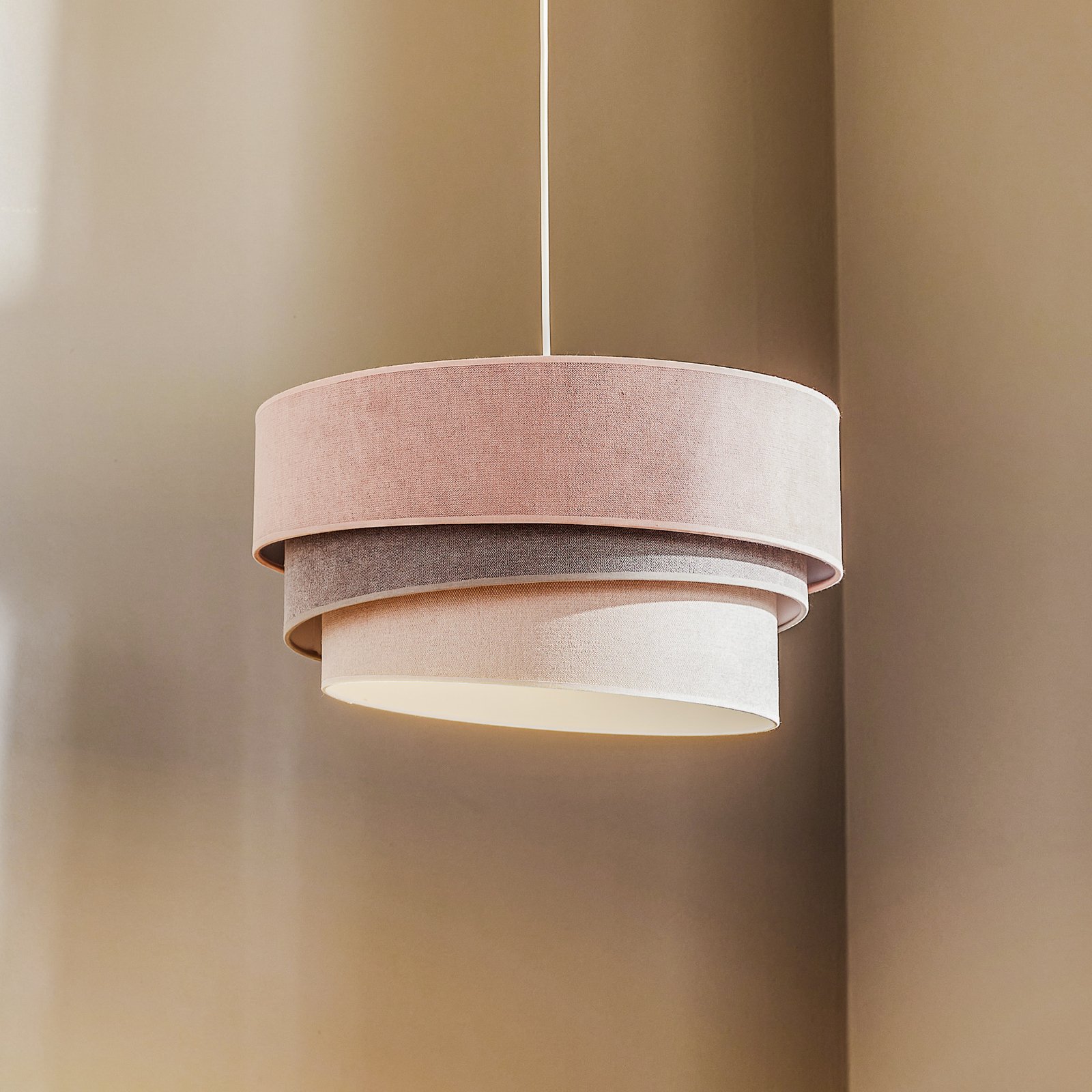
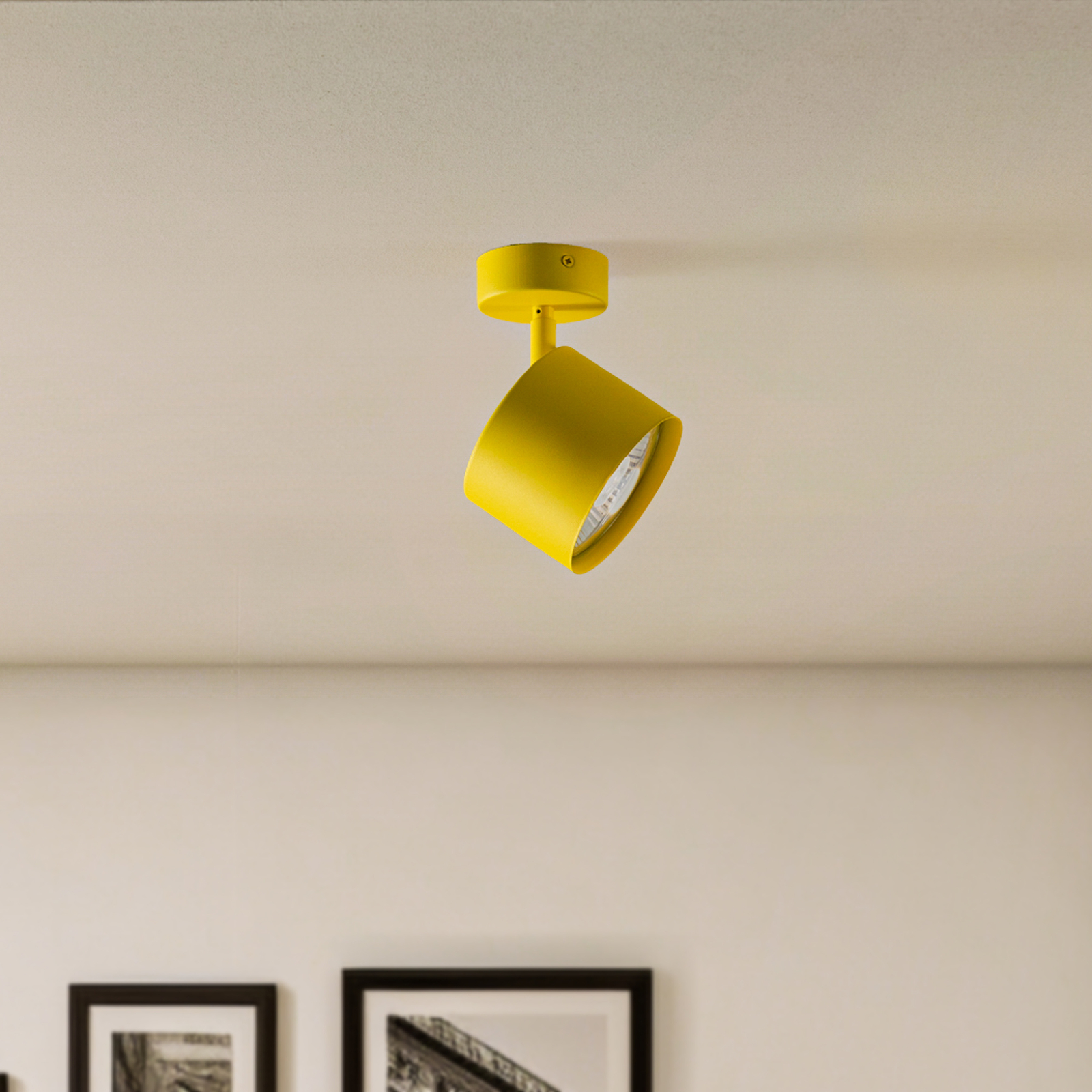
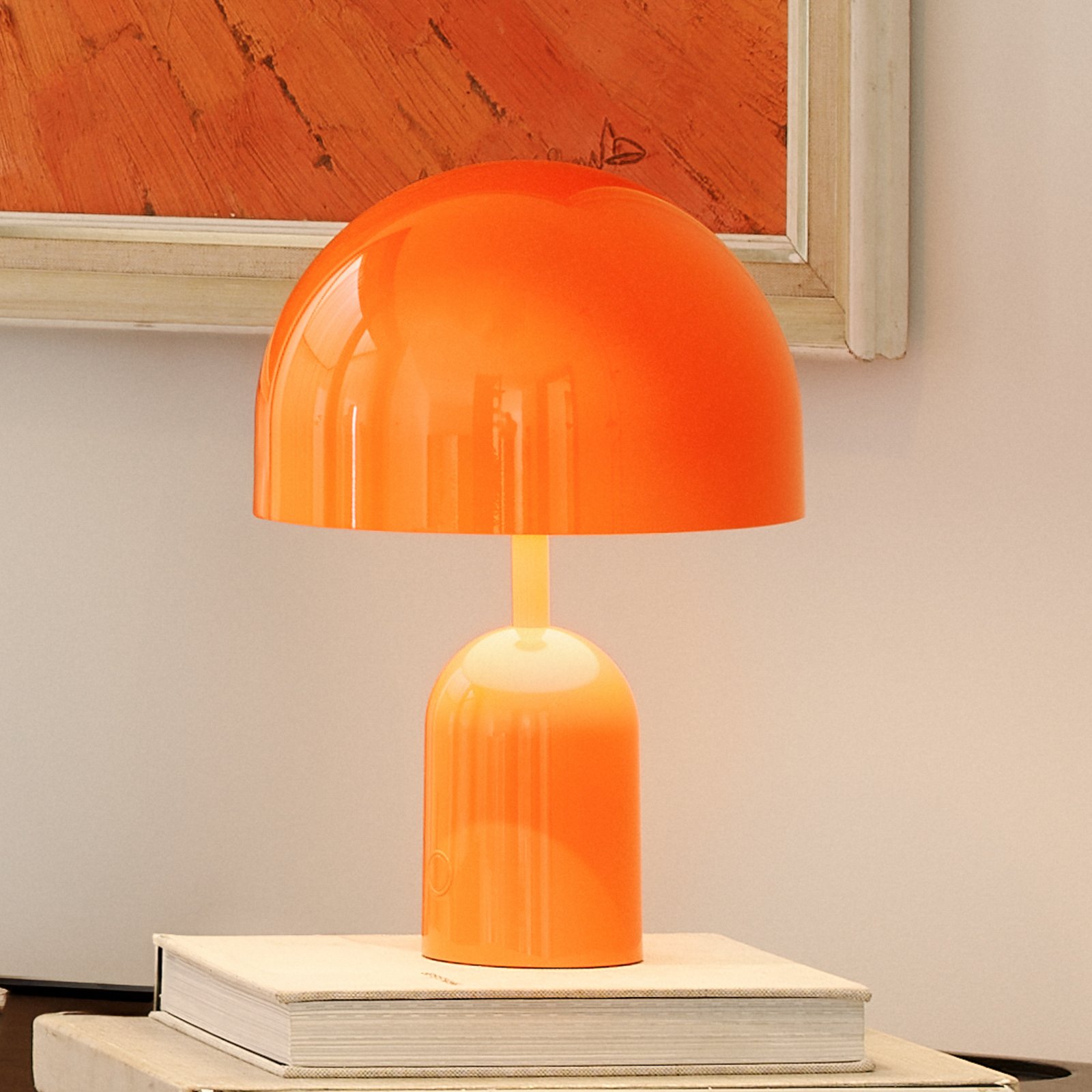
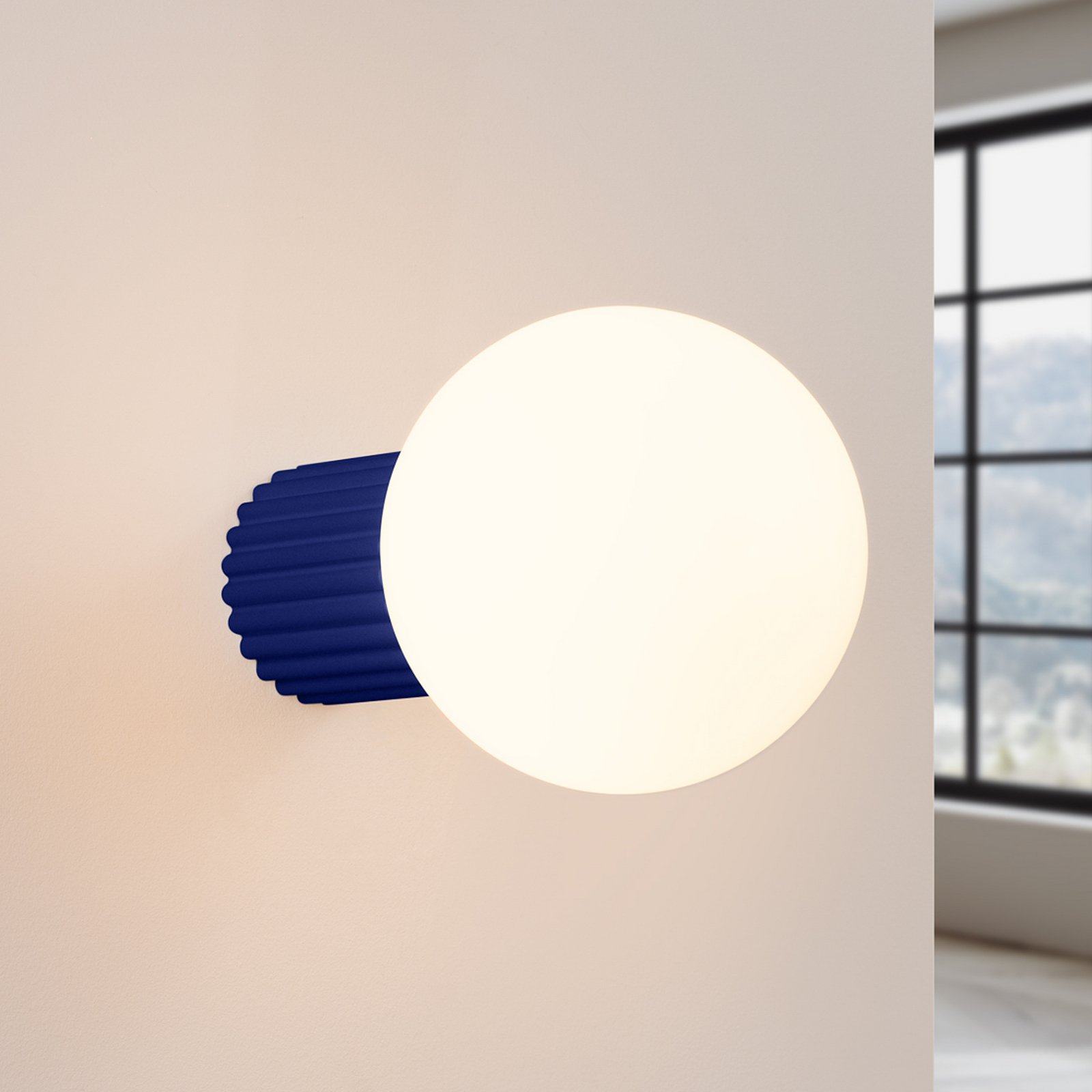
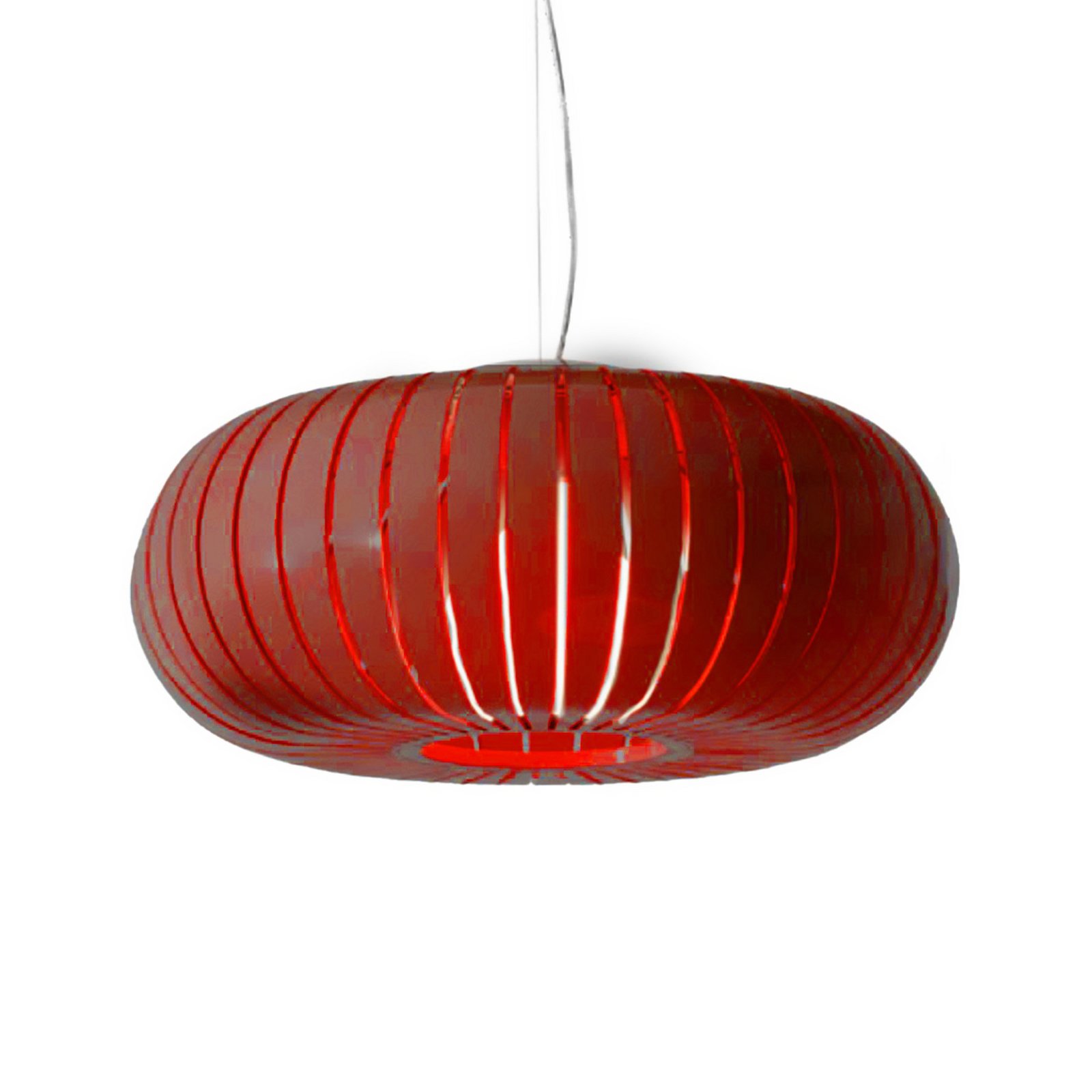
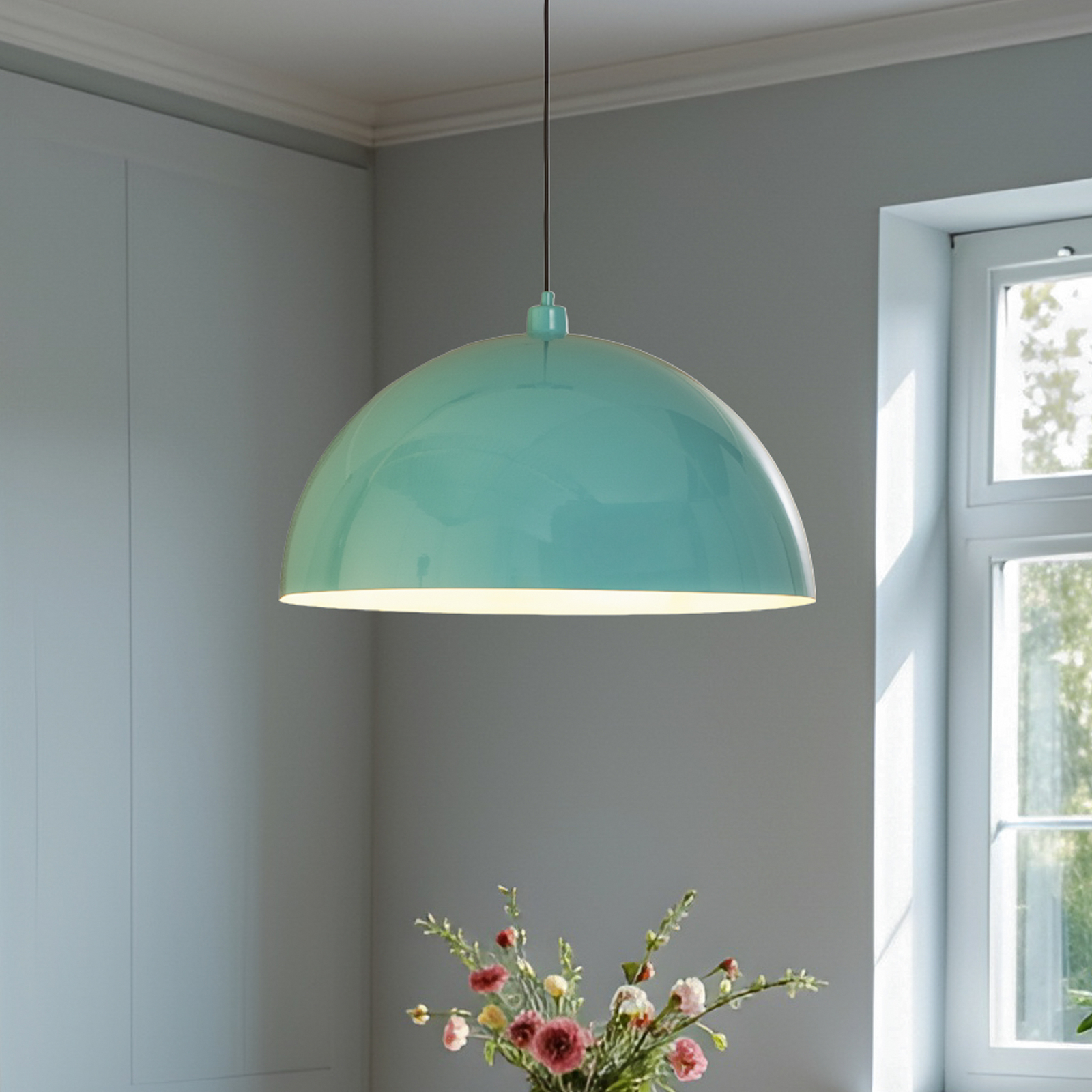
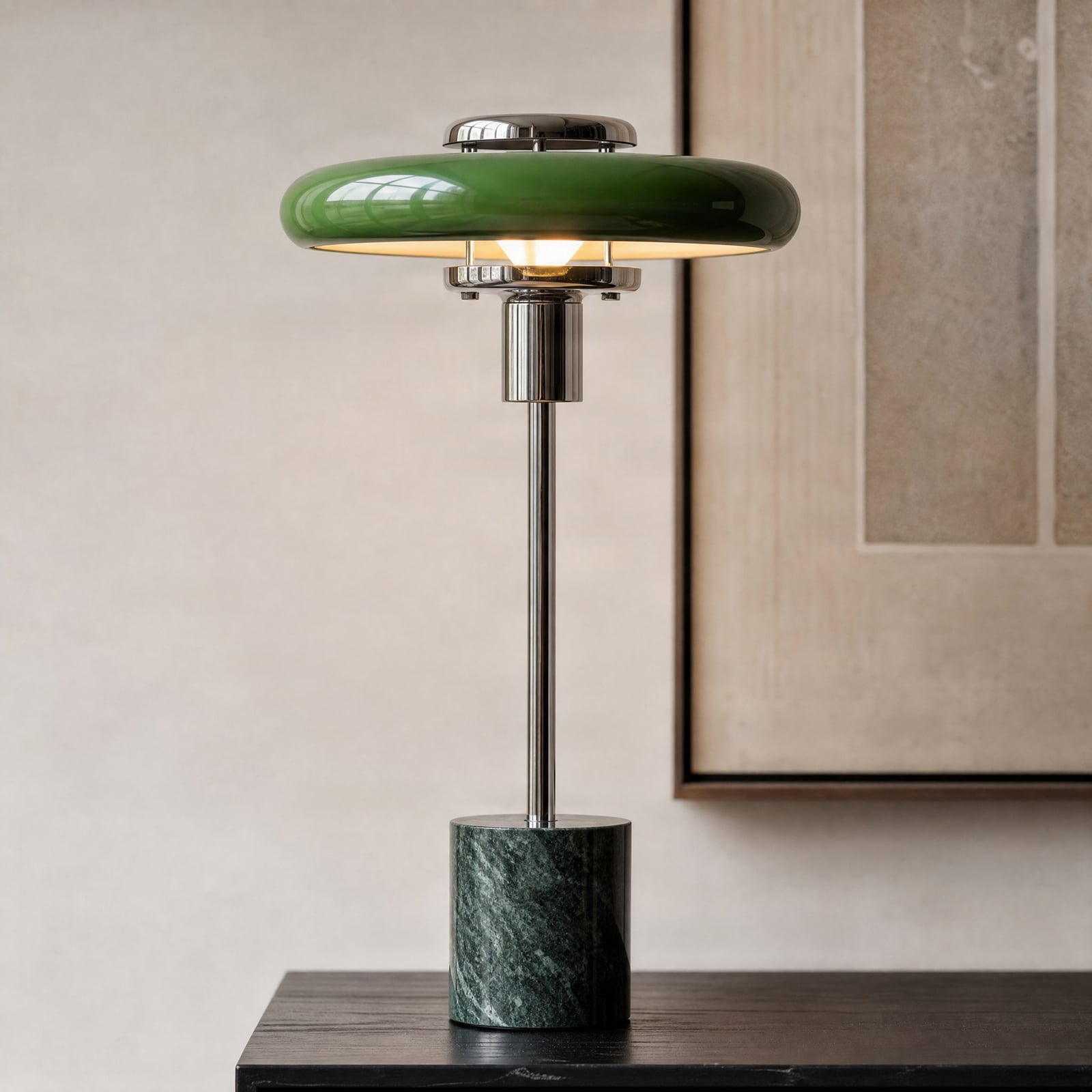
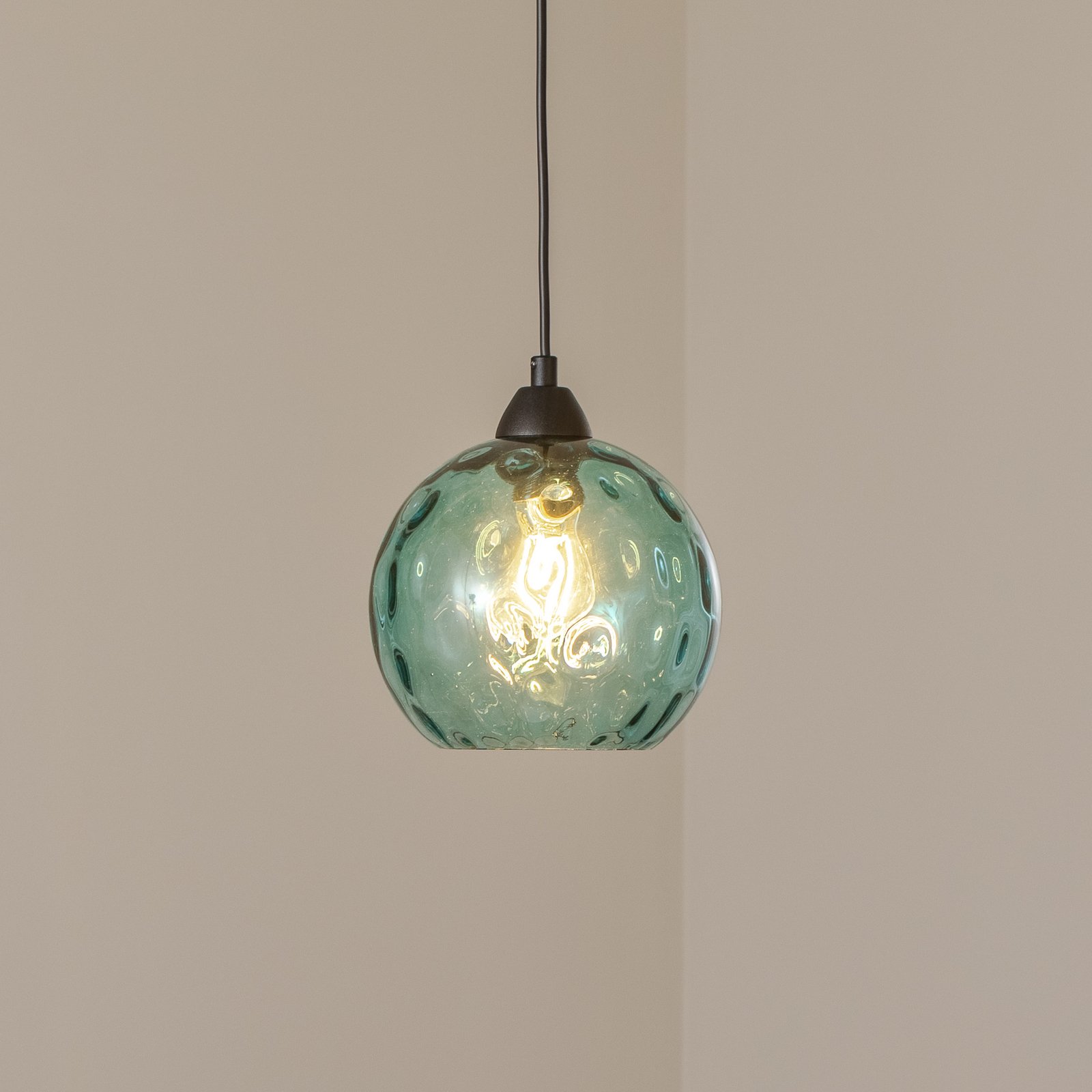
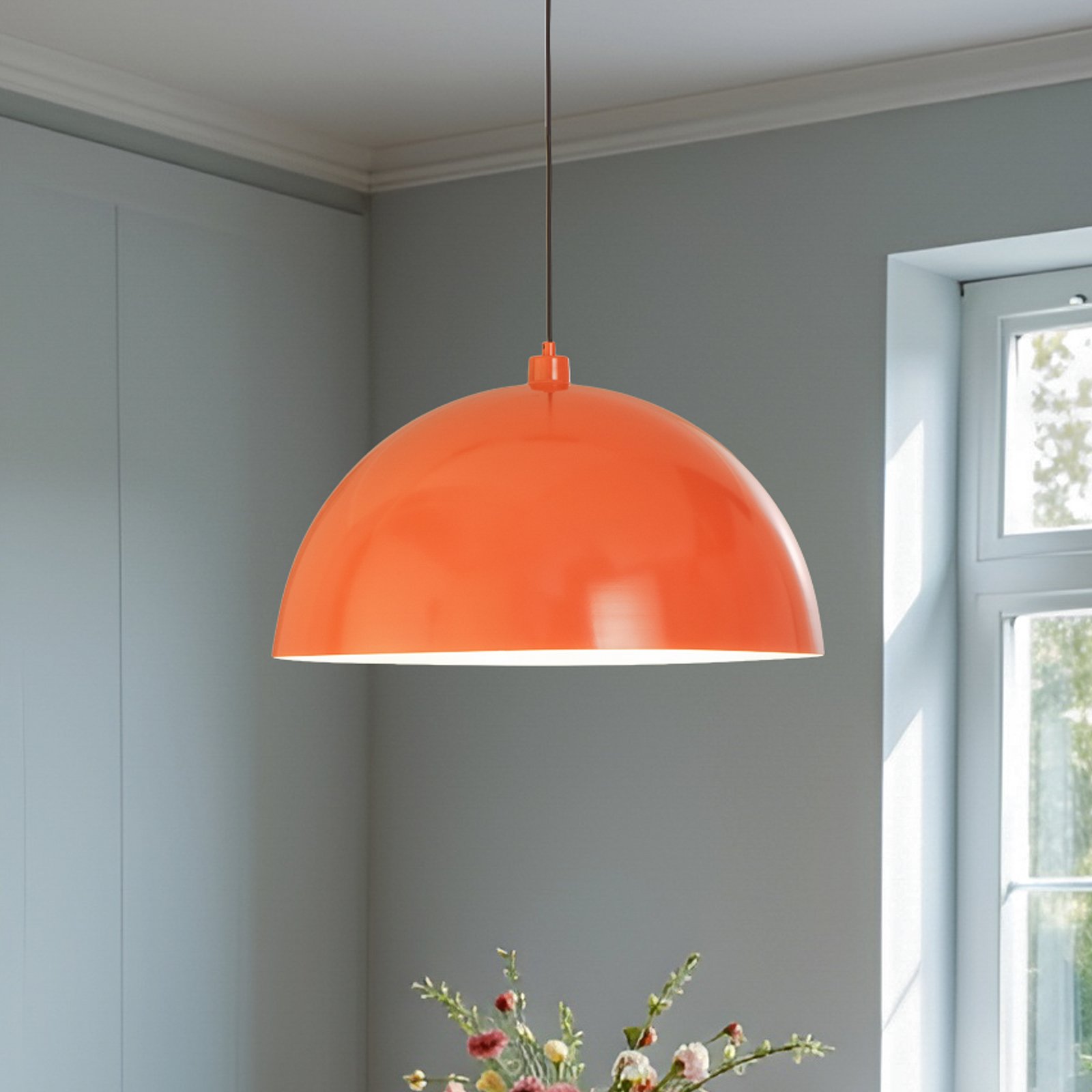
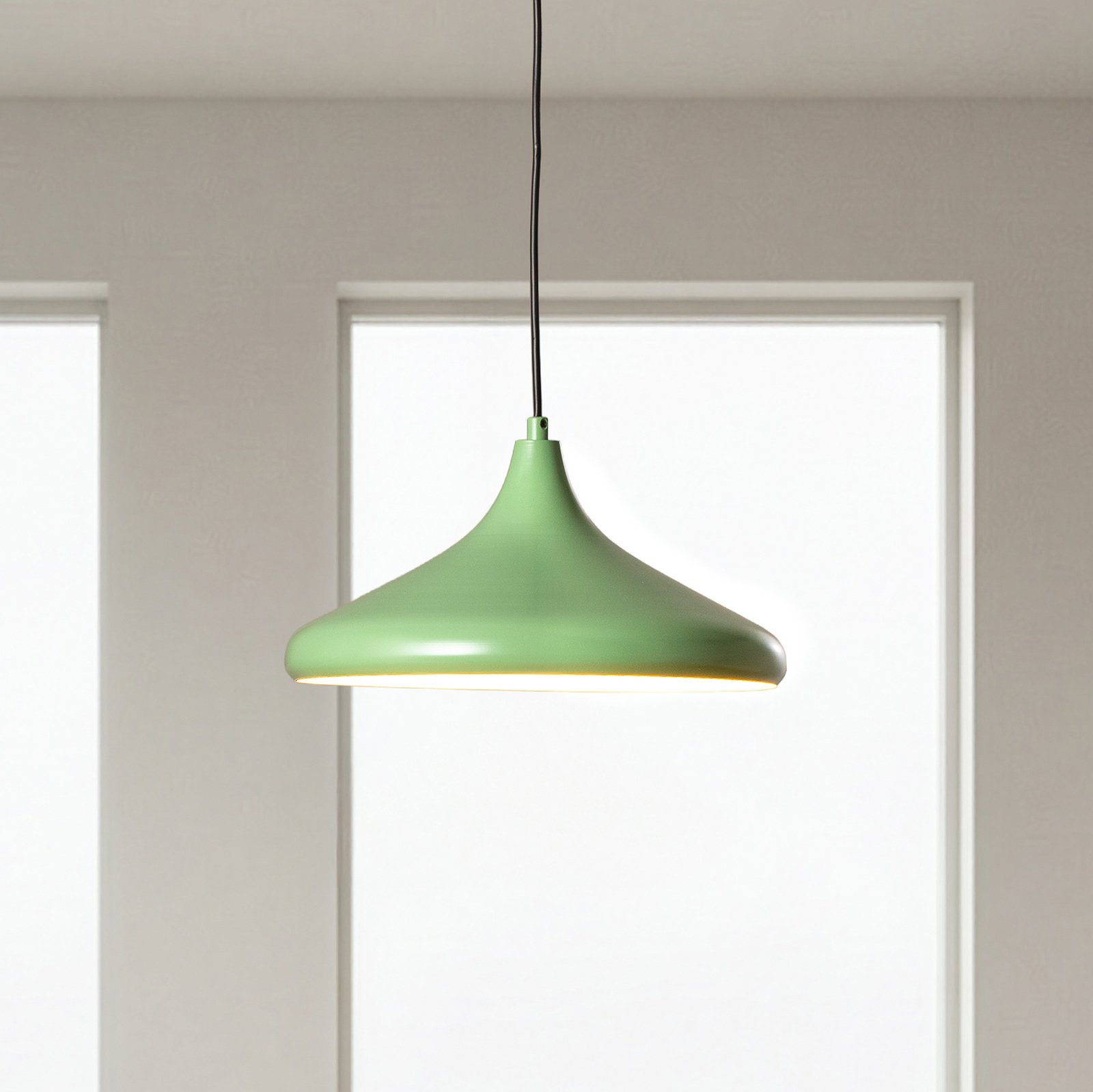
Novelties with the potential to release dopamine
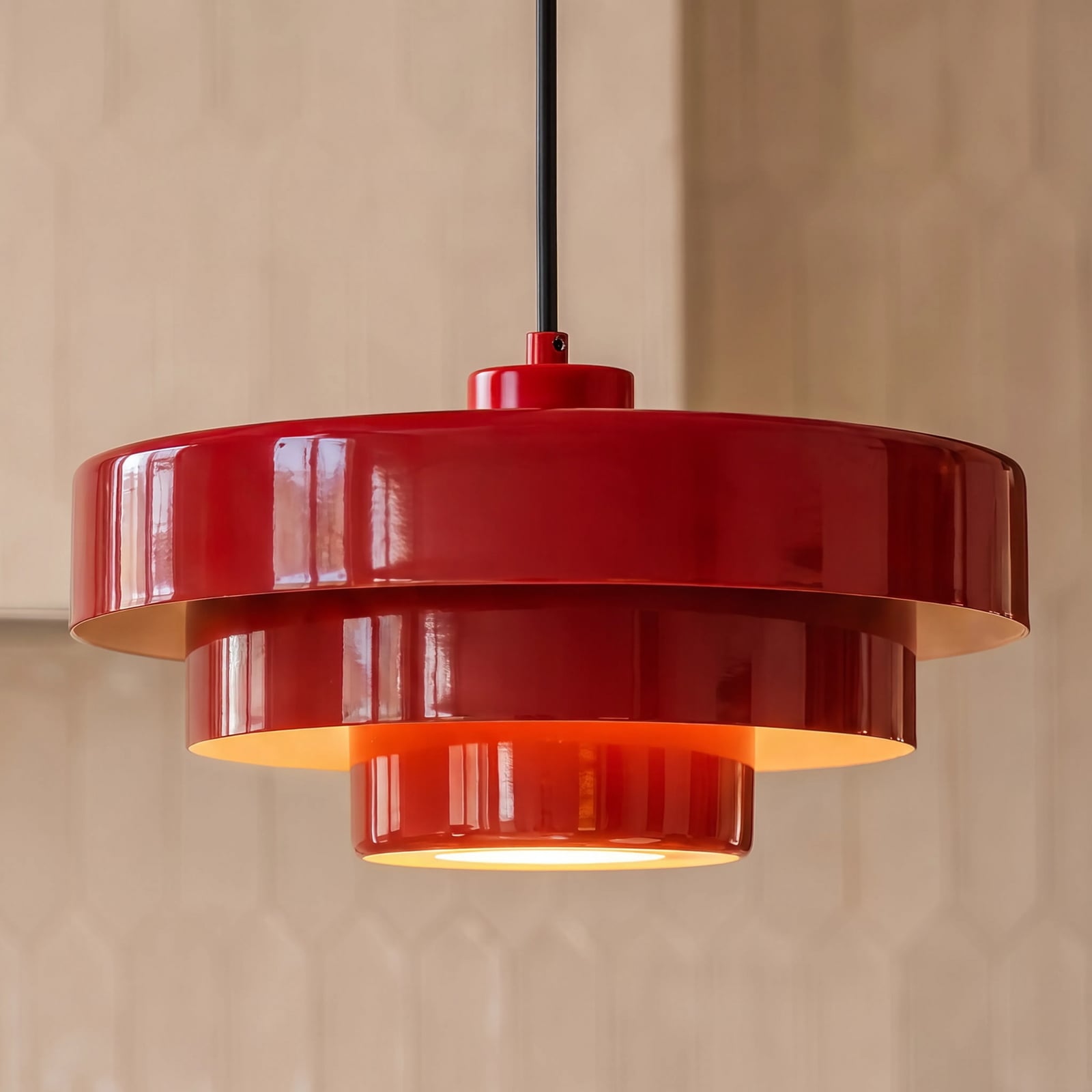
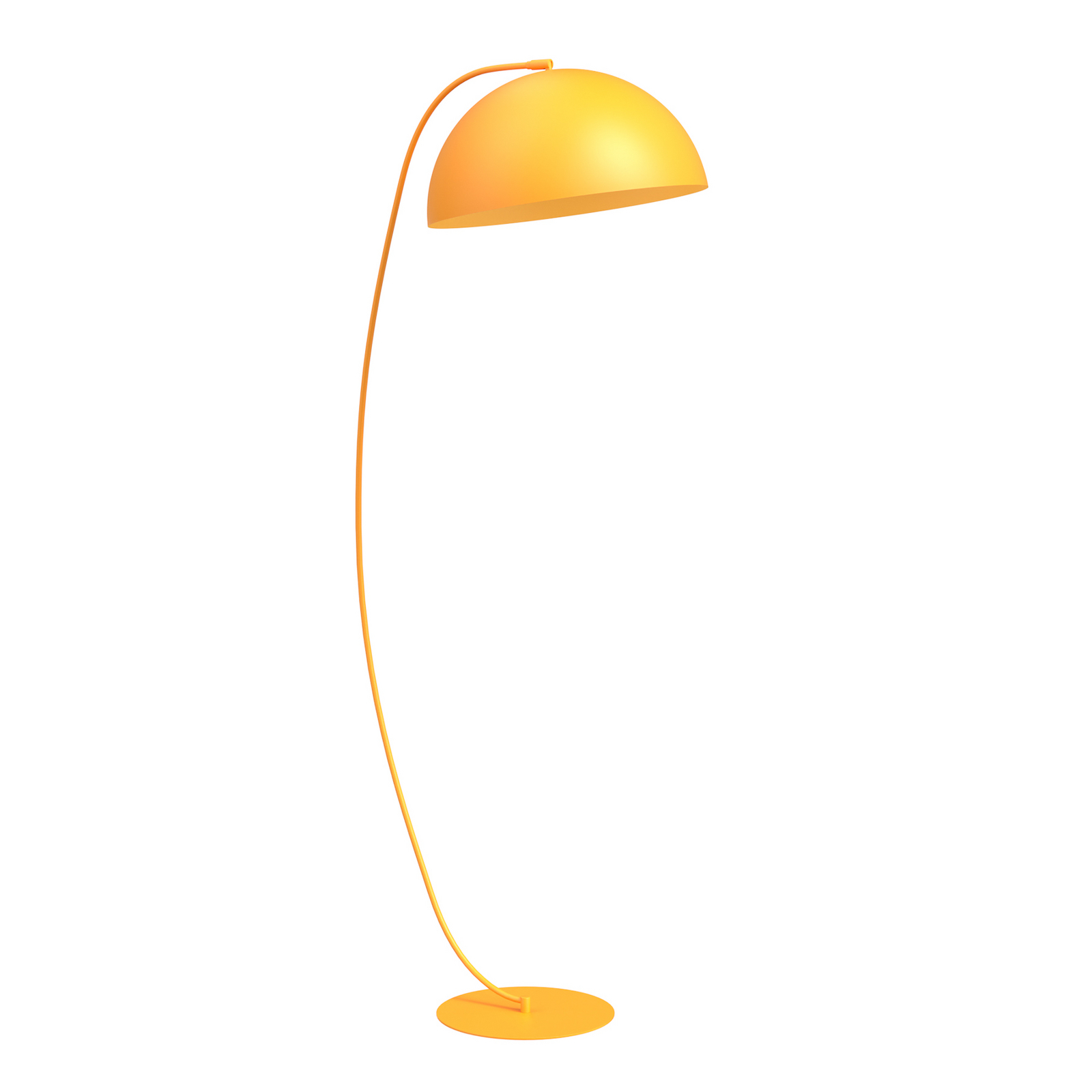
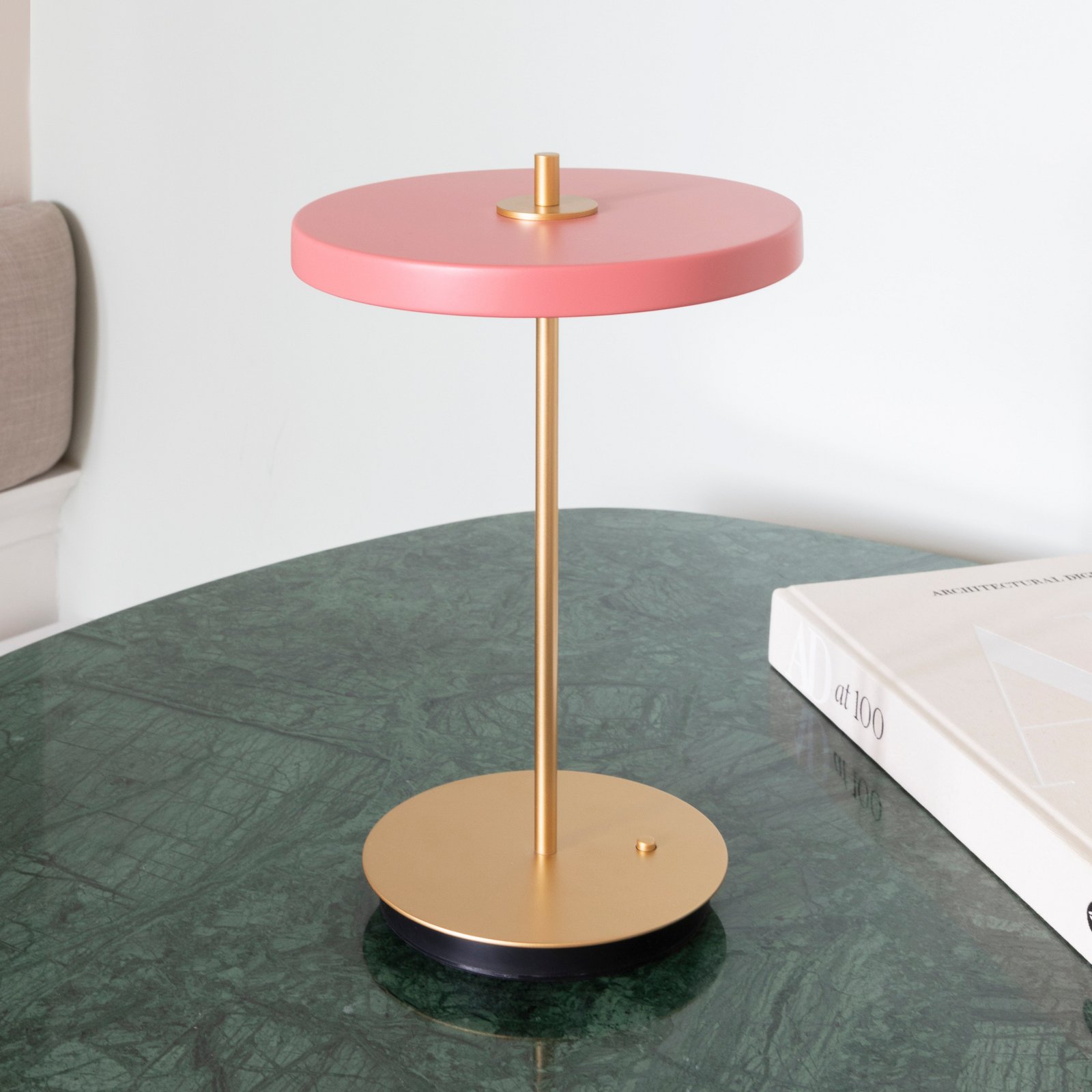
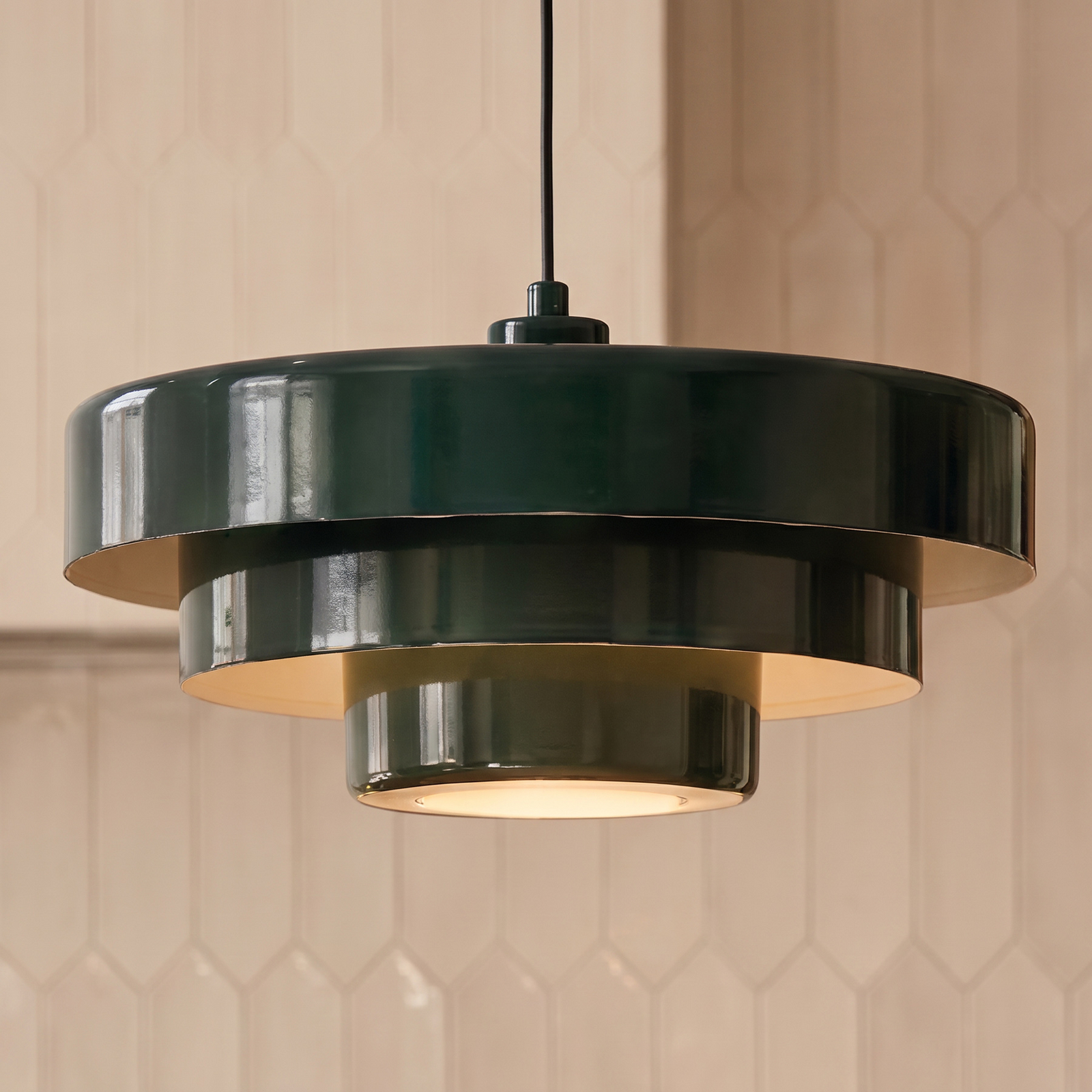
)
)
)
Feel-Good Pendant Lights
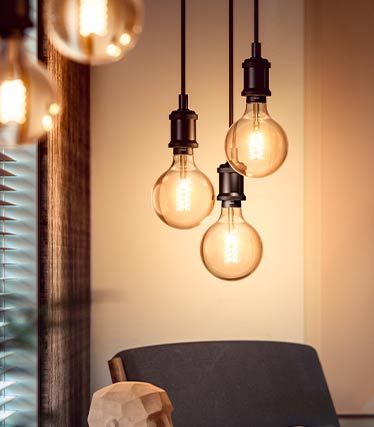
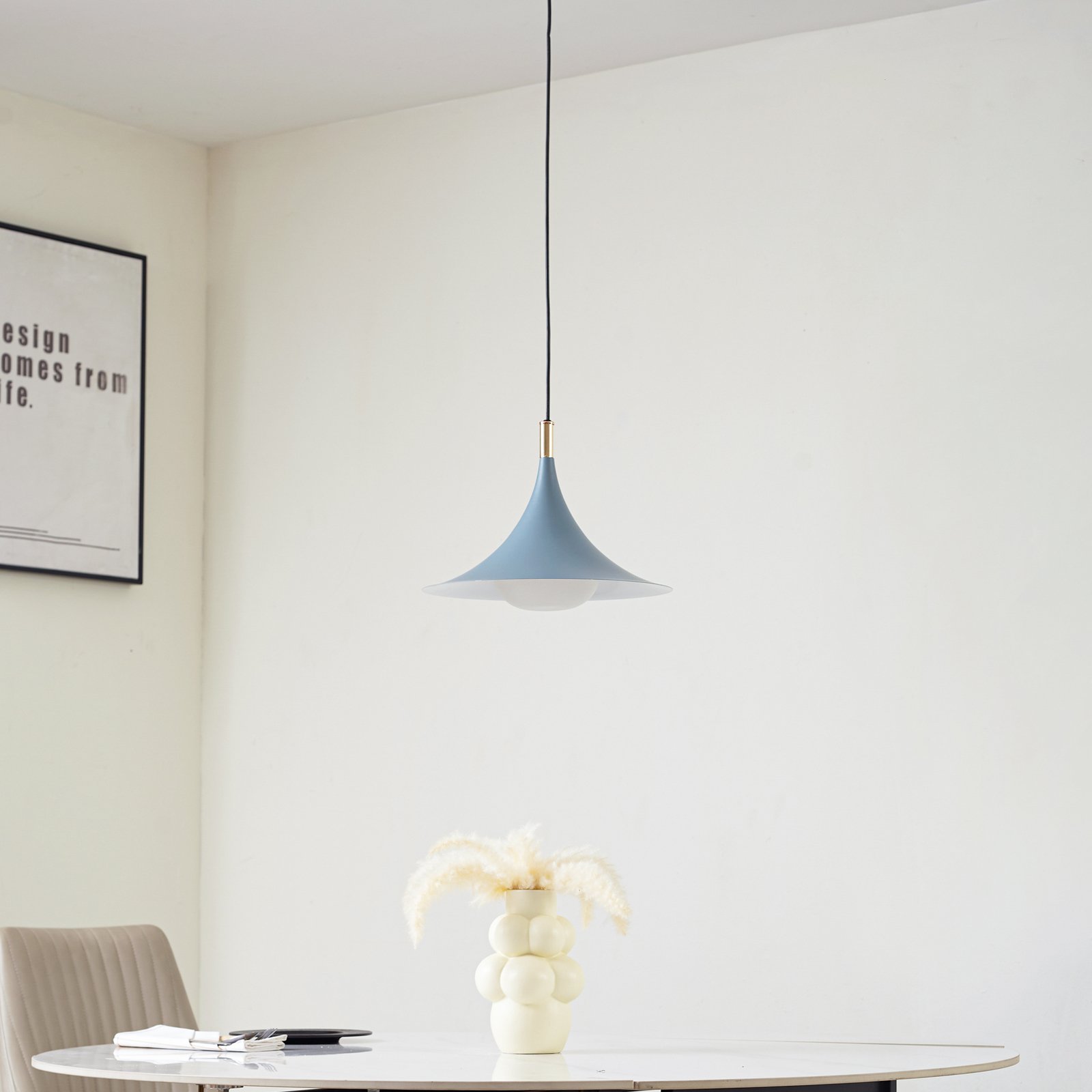
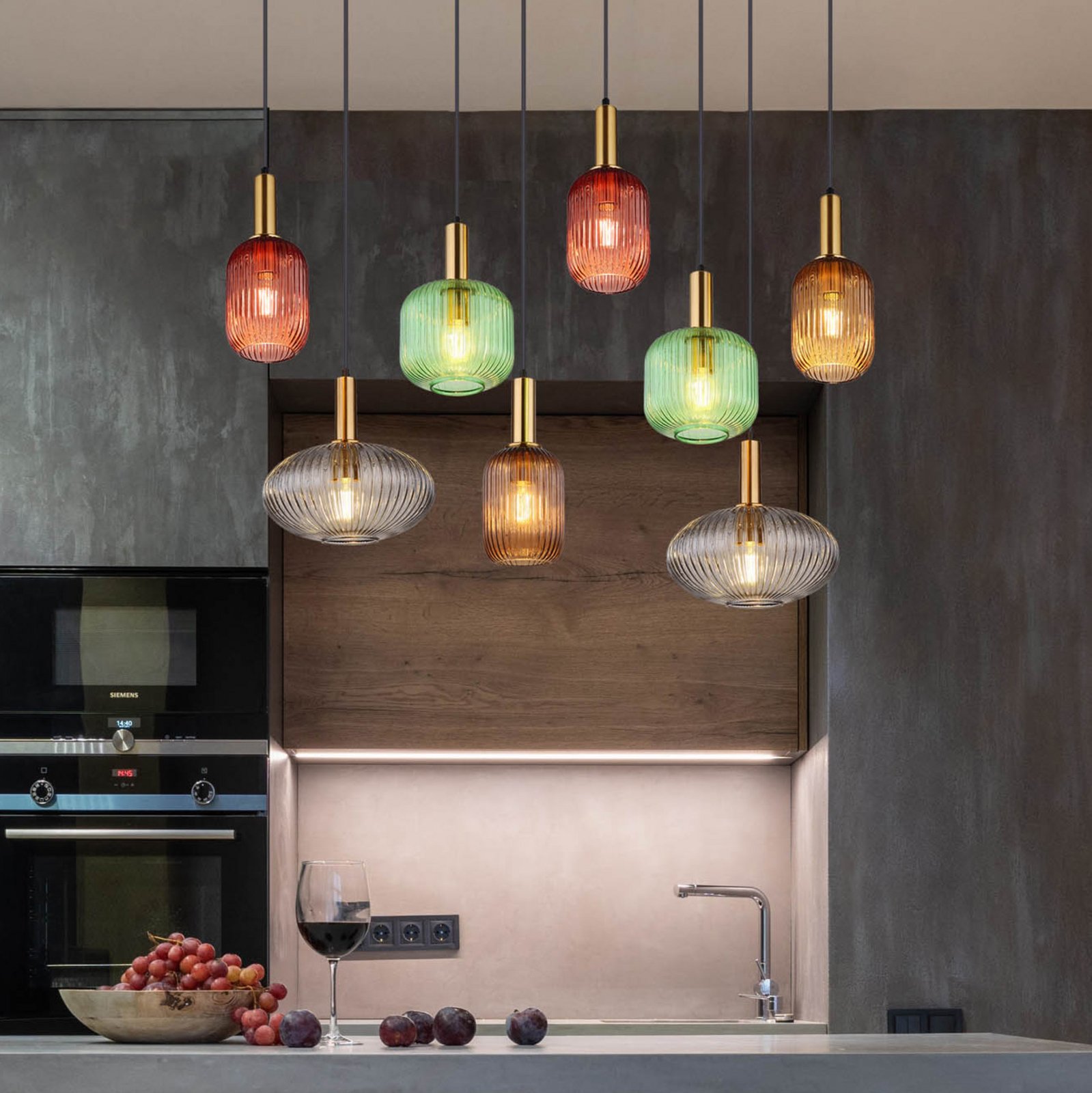
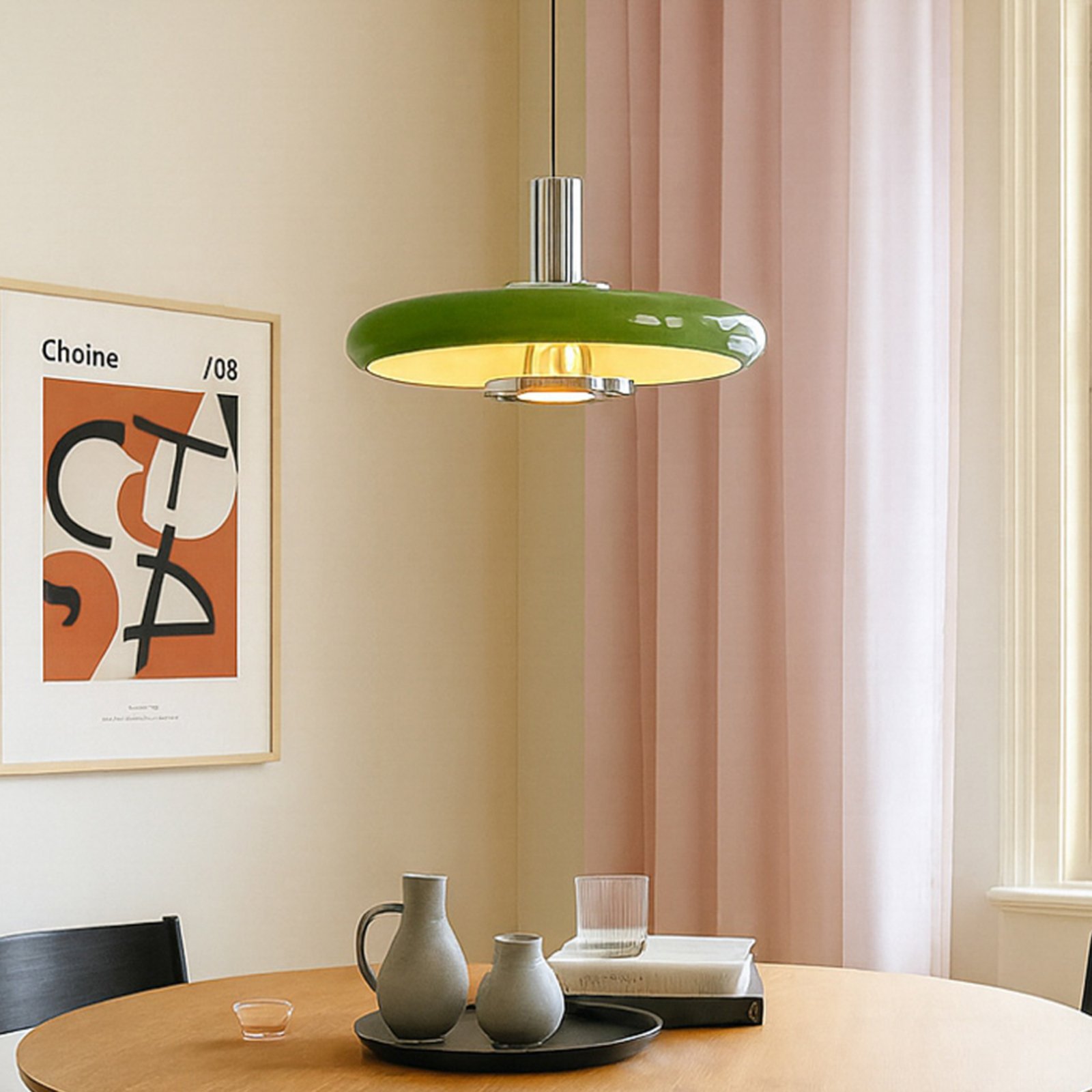
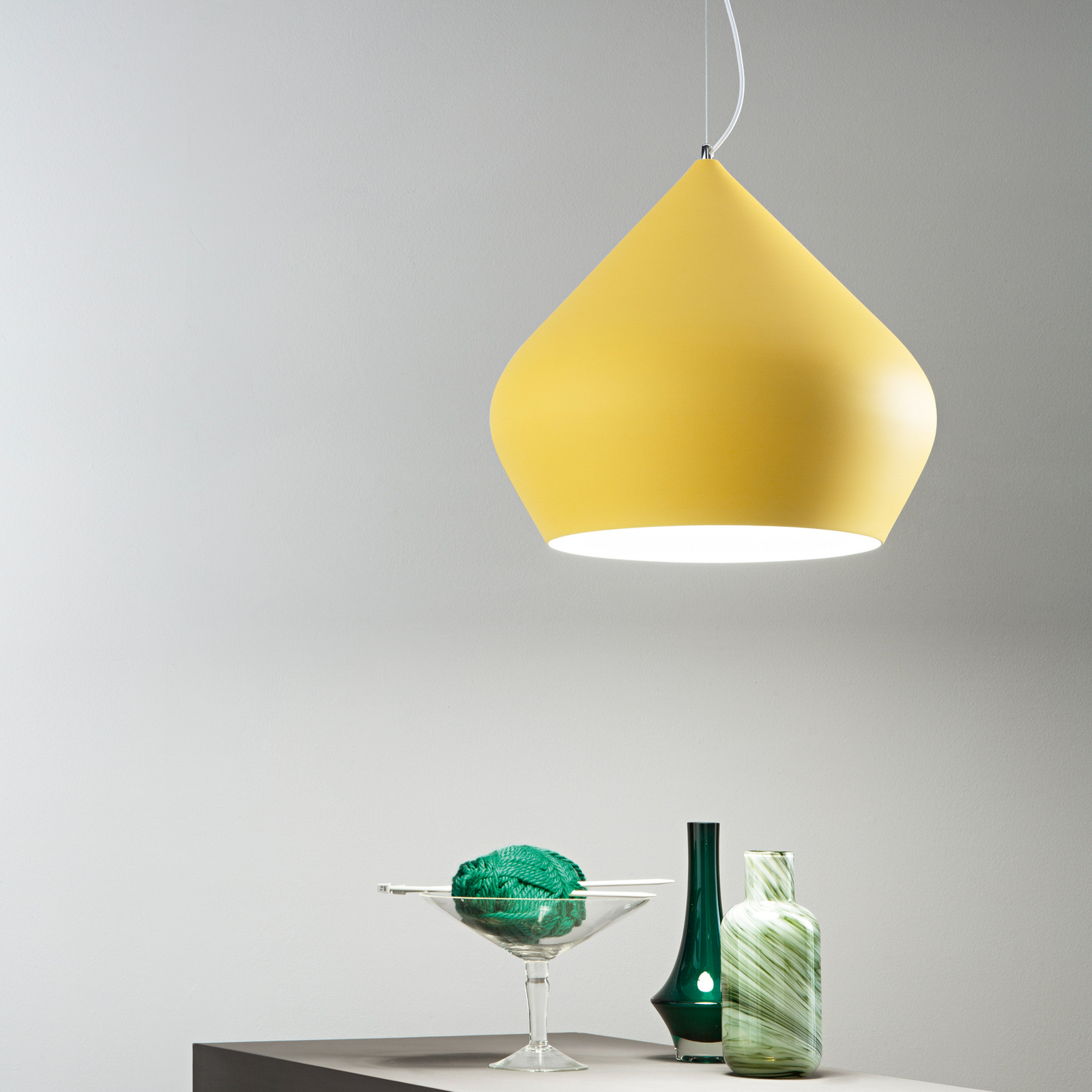
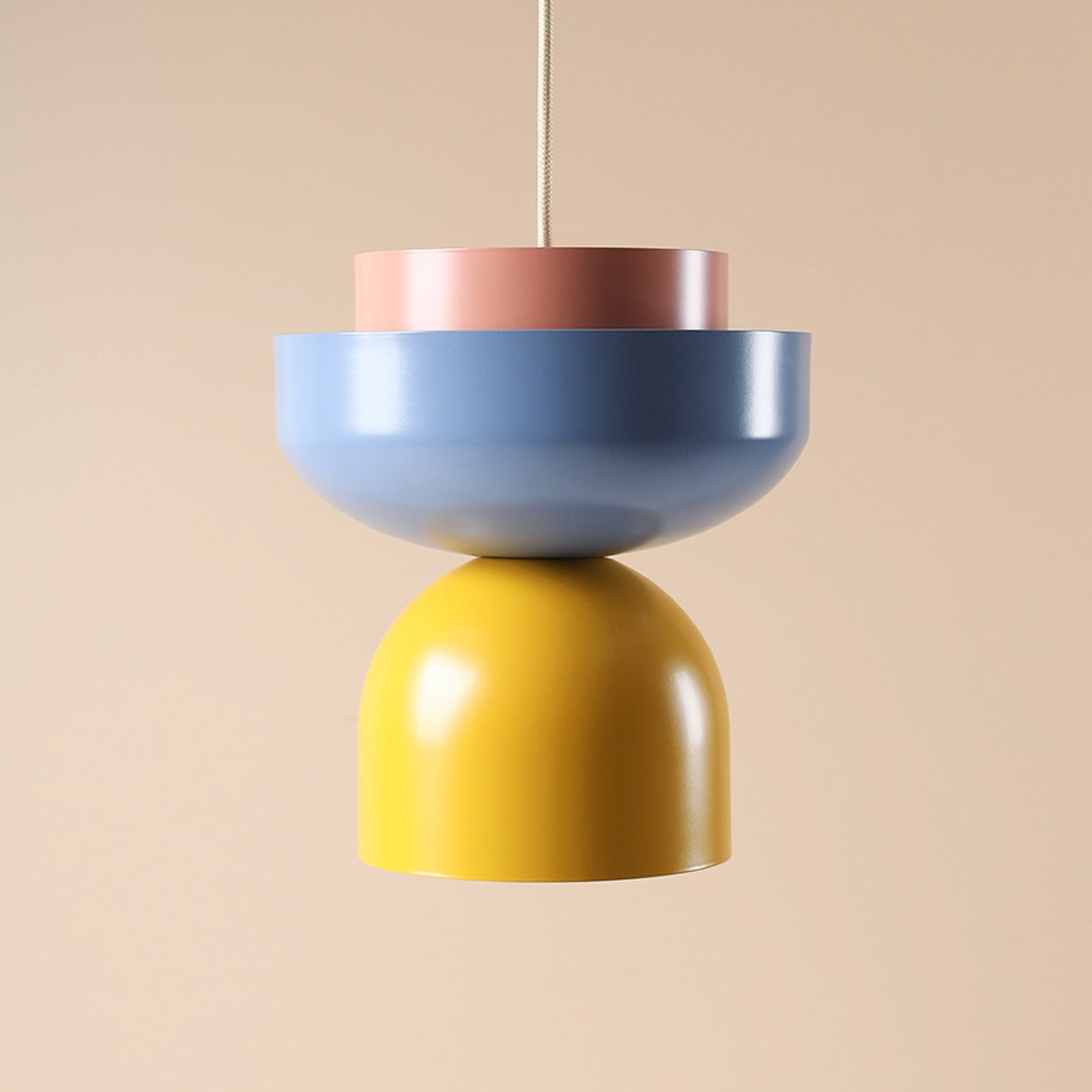
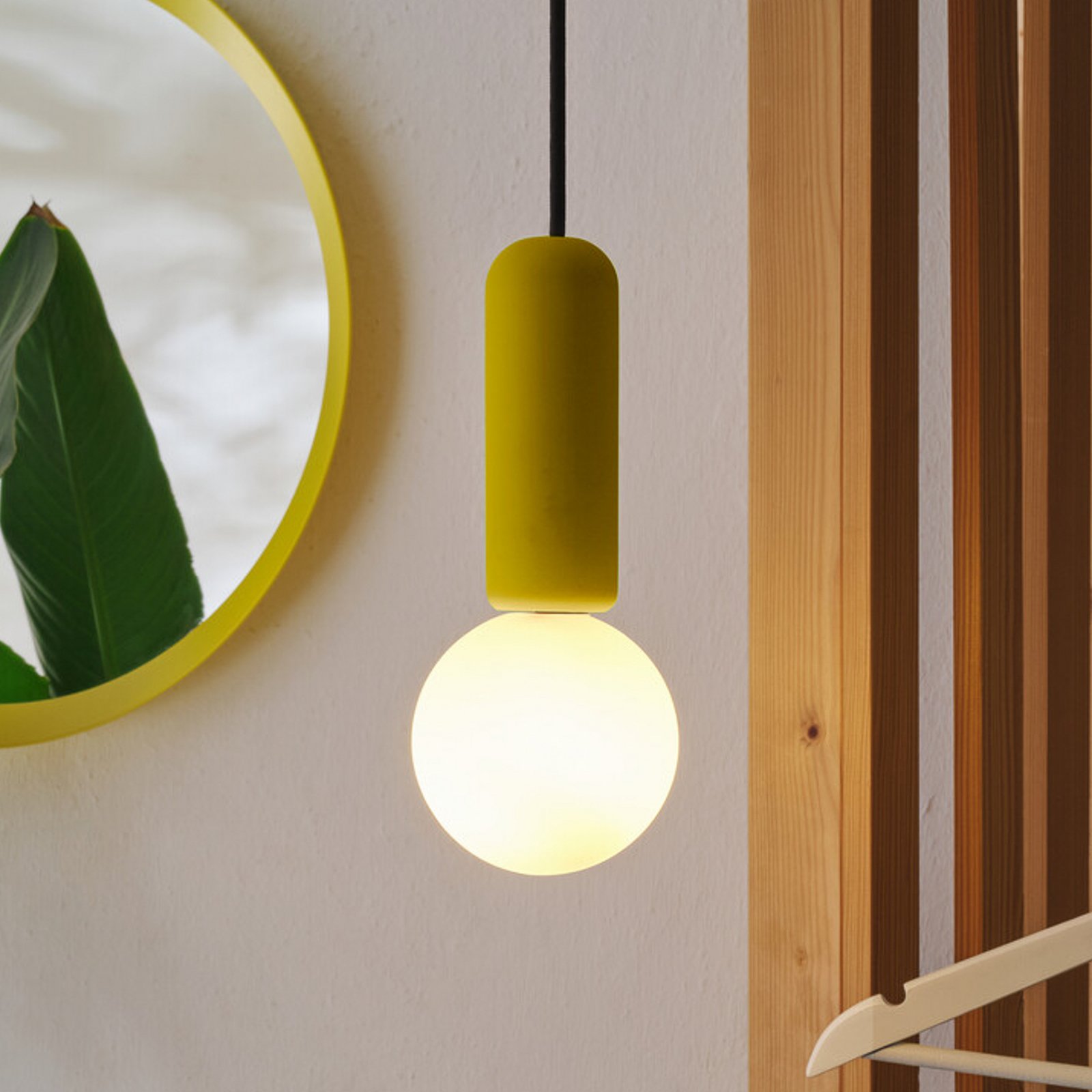
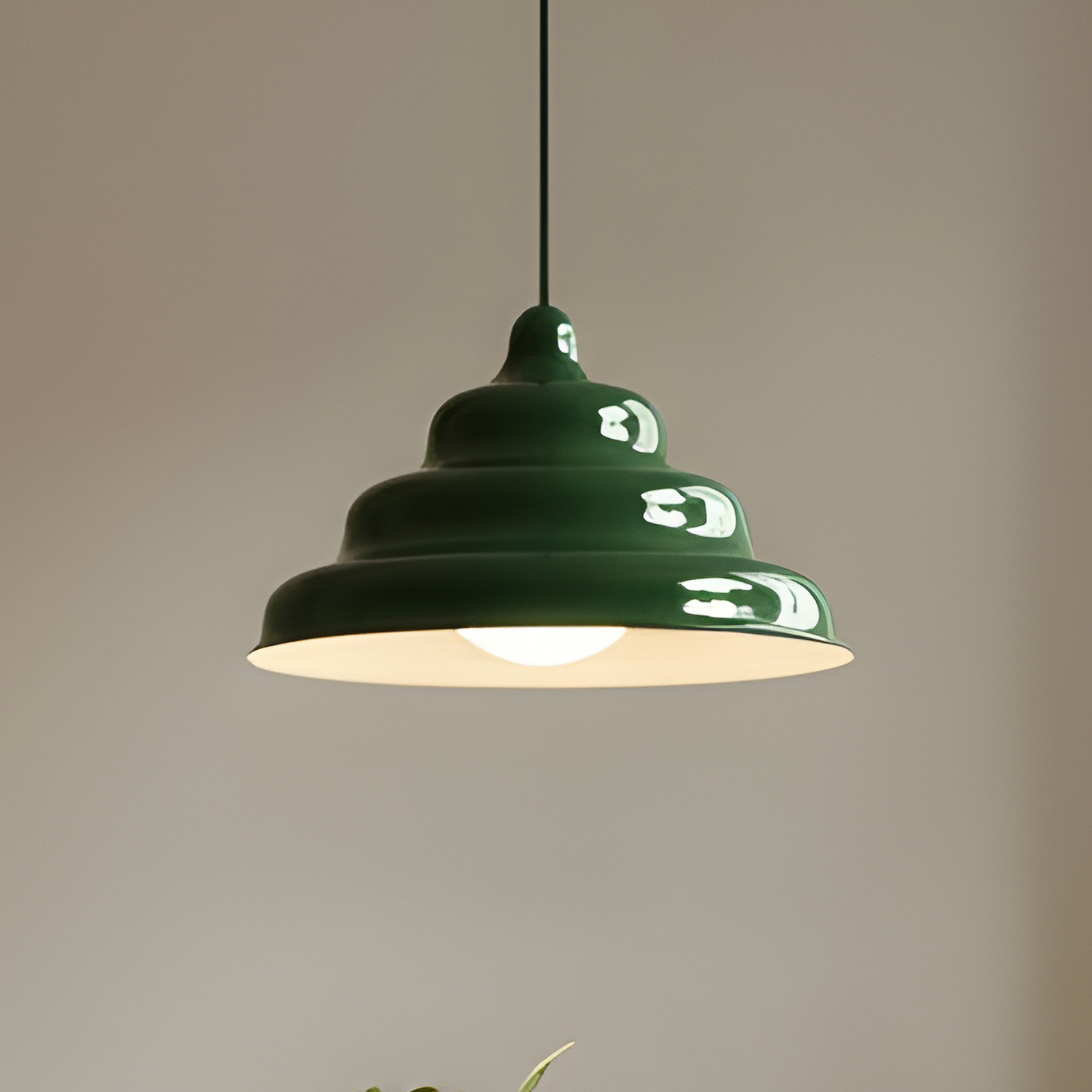
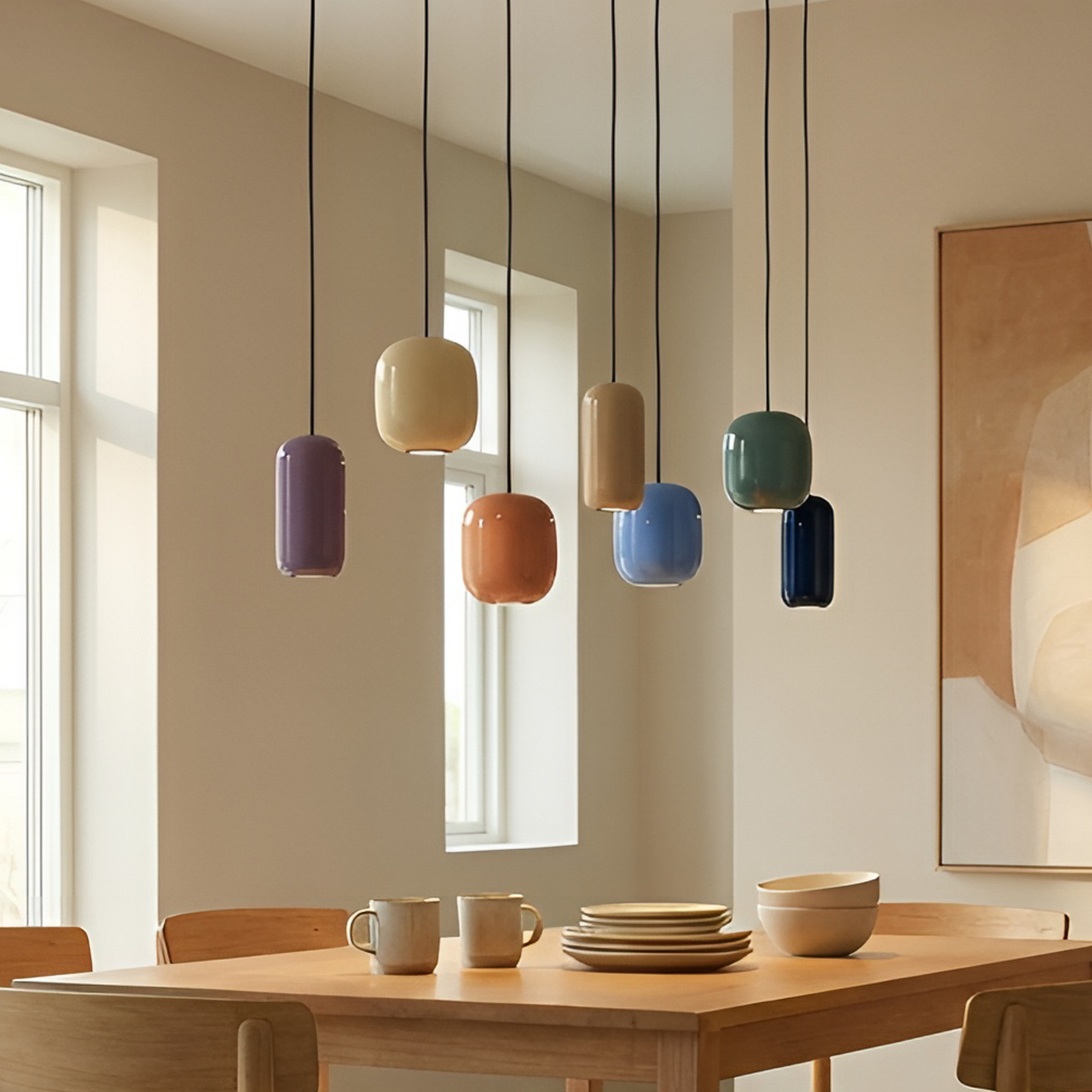
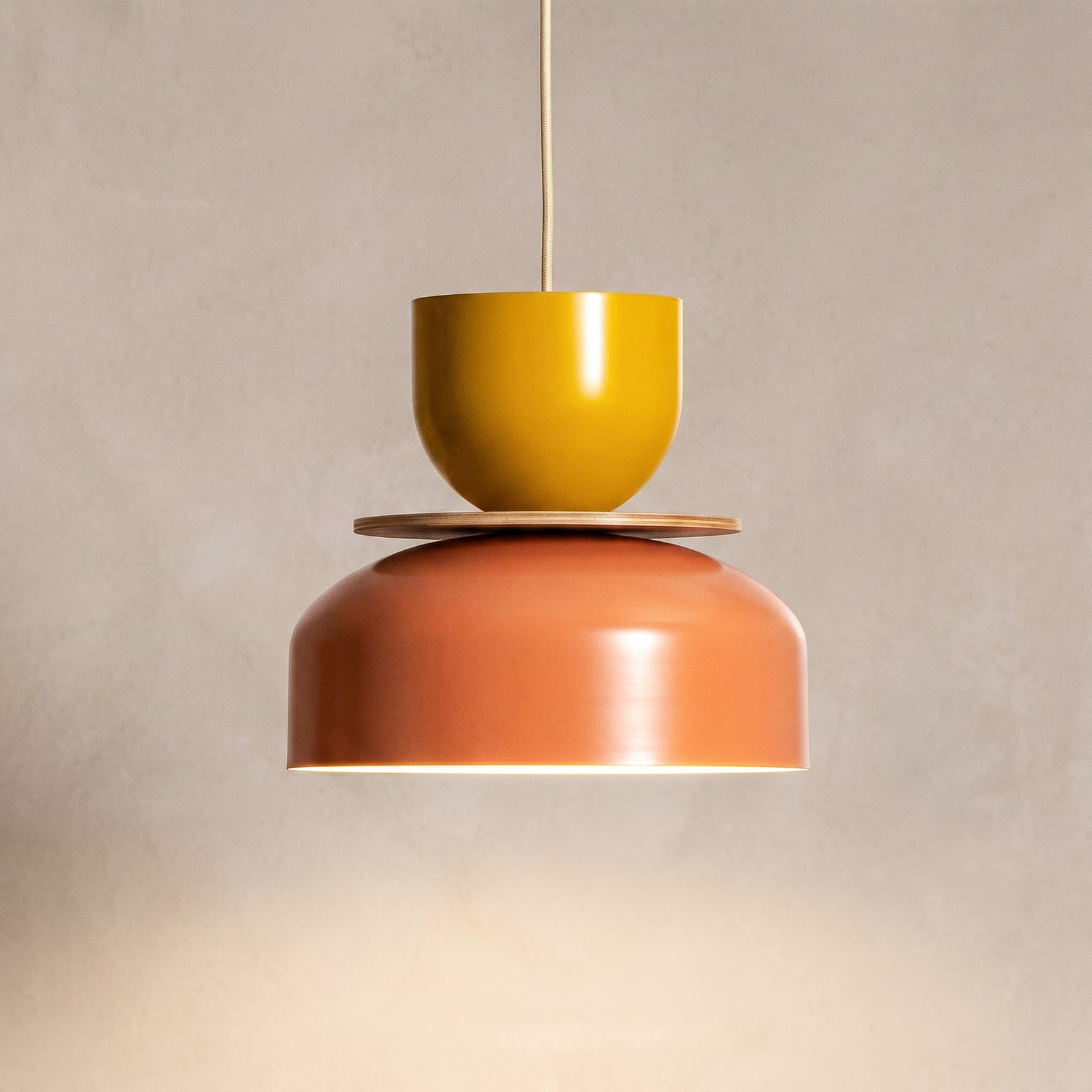
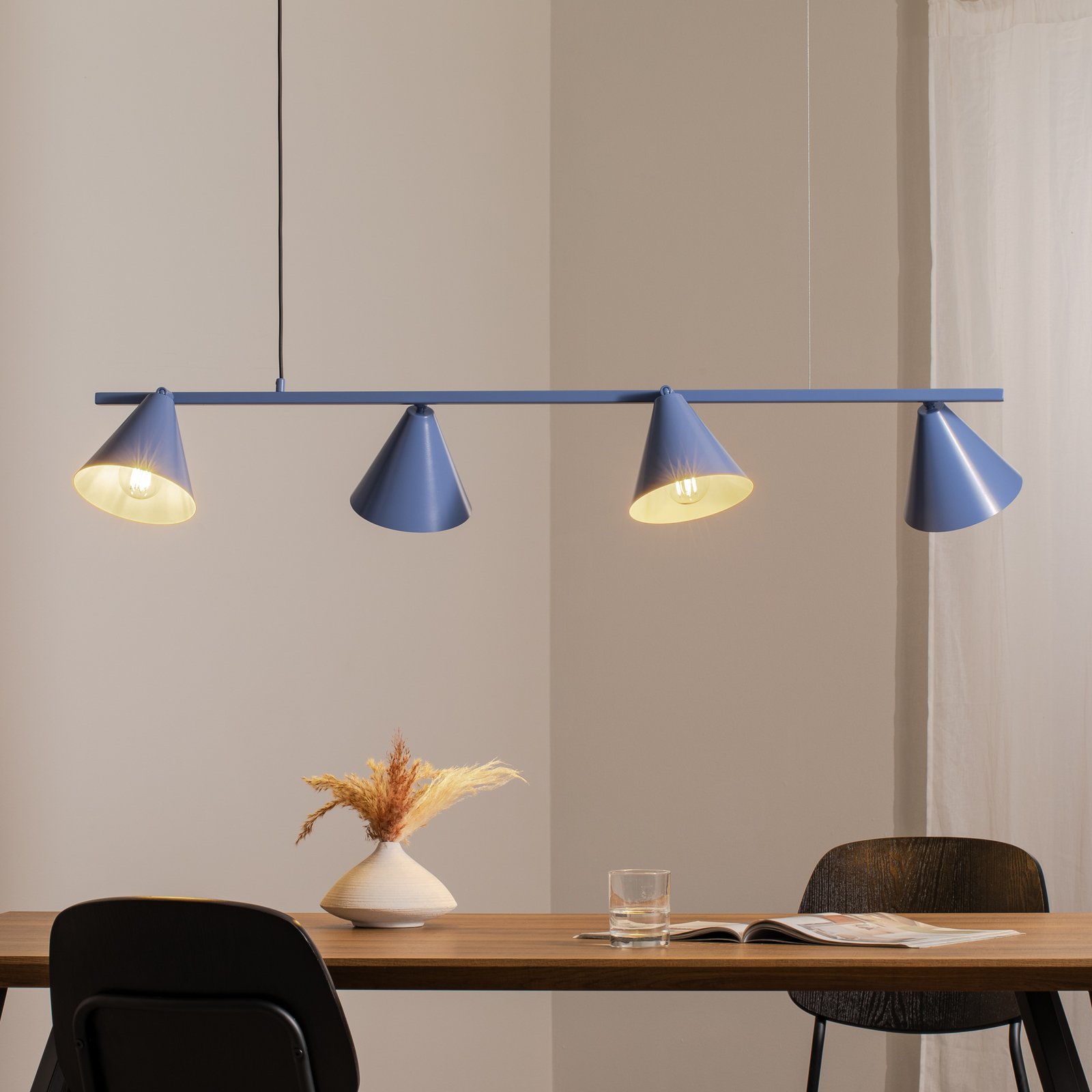
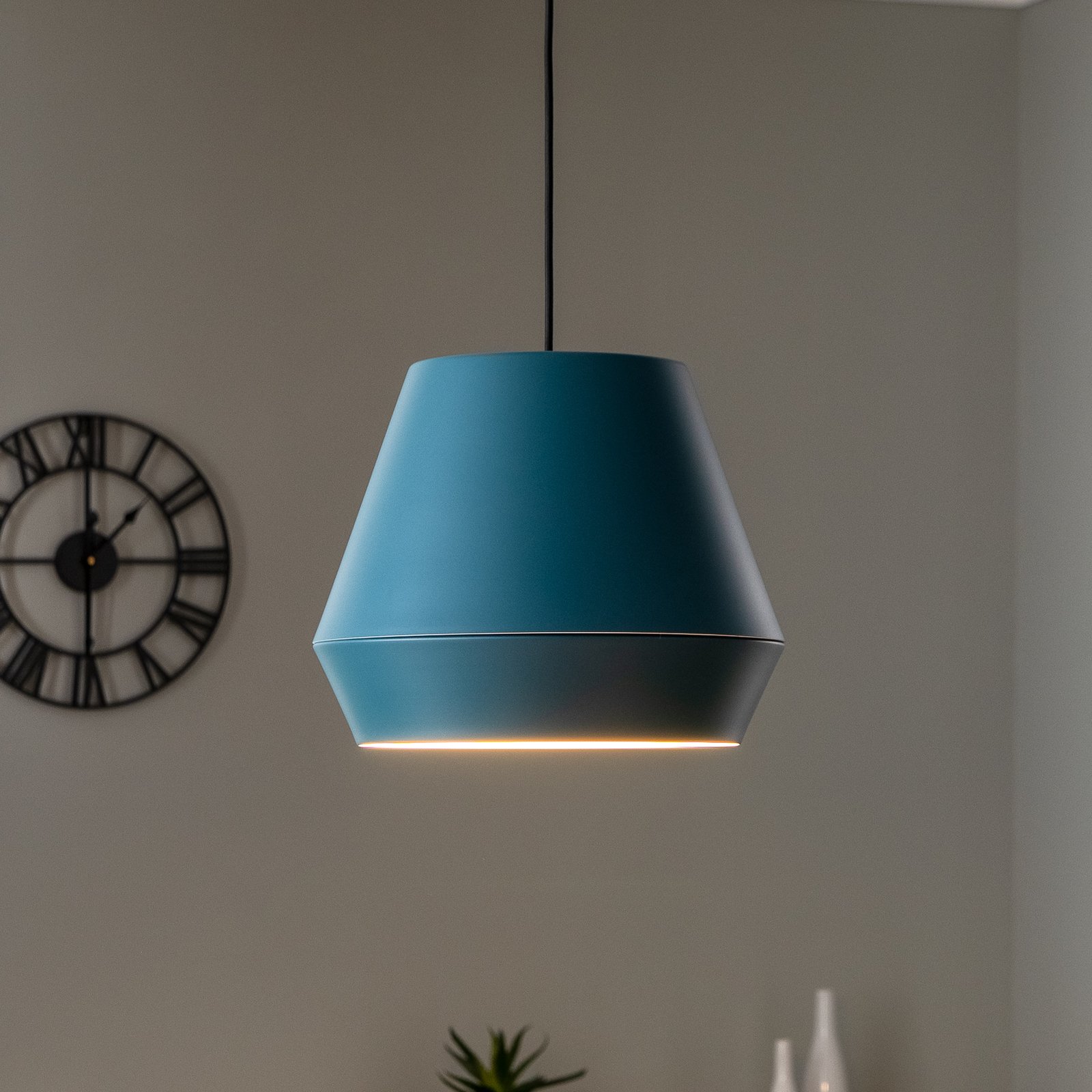
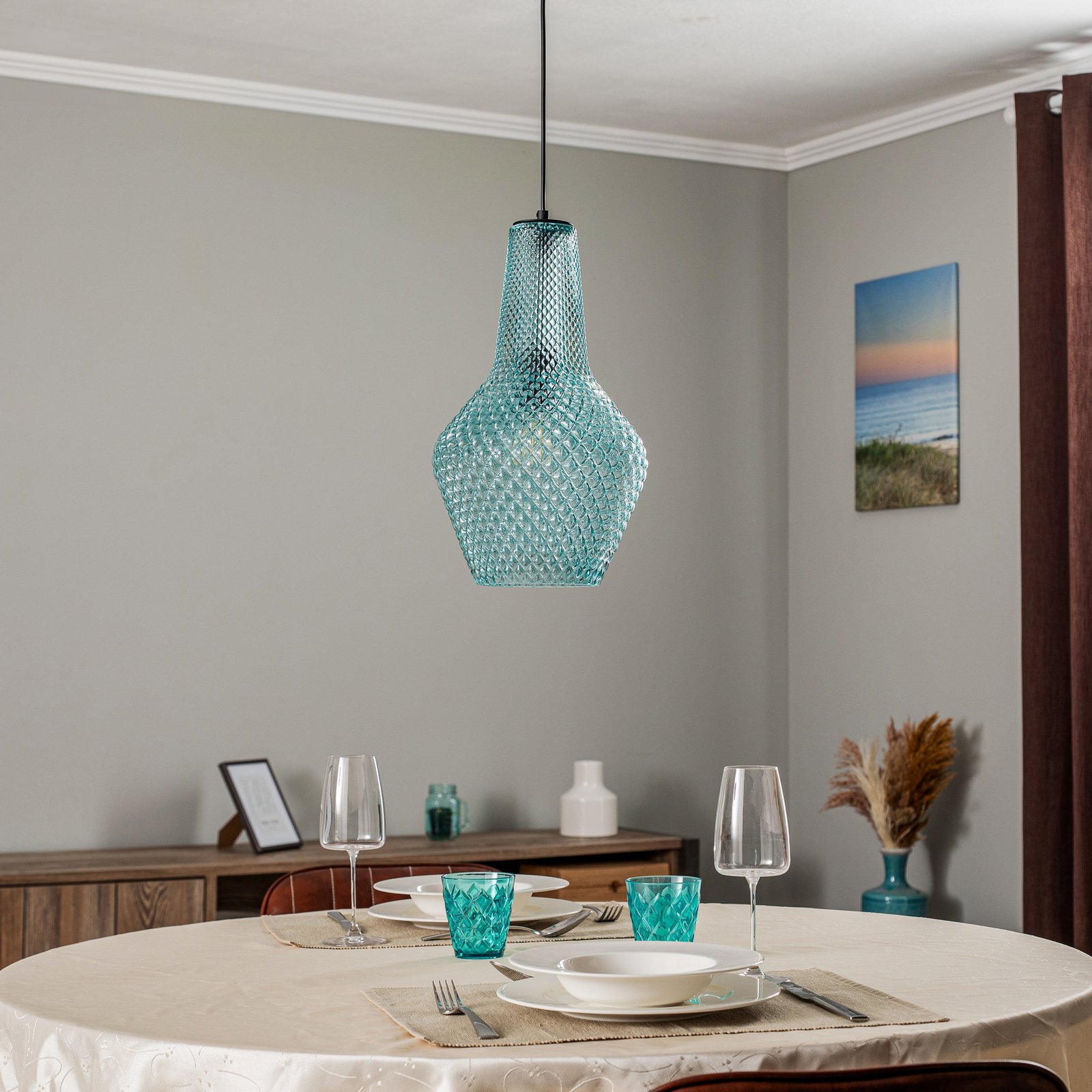
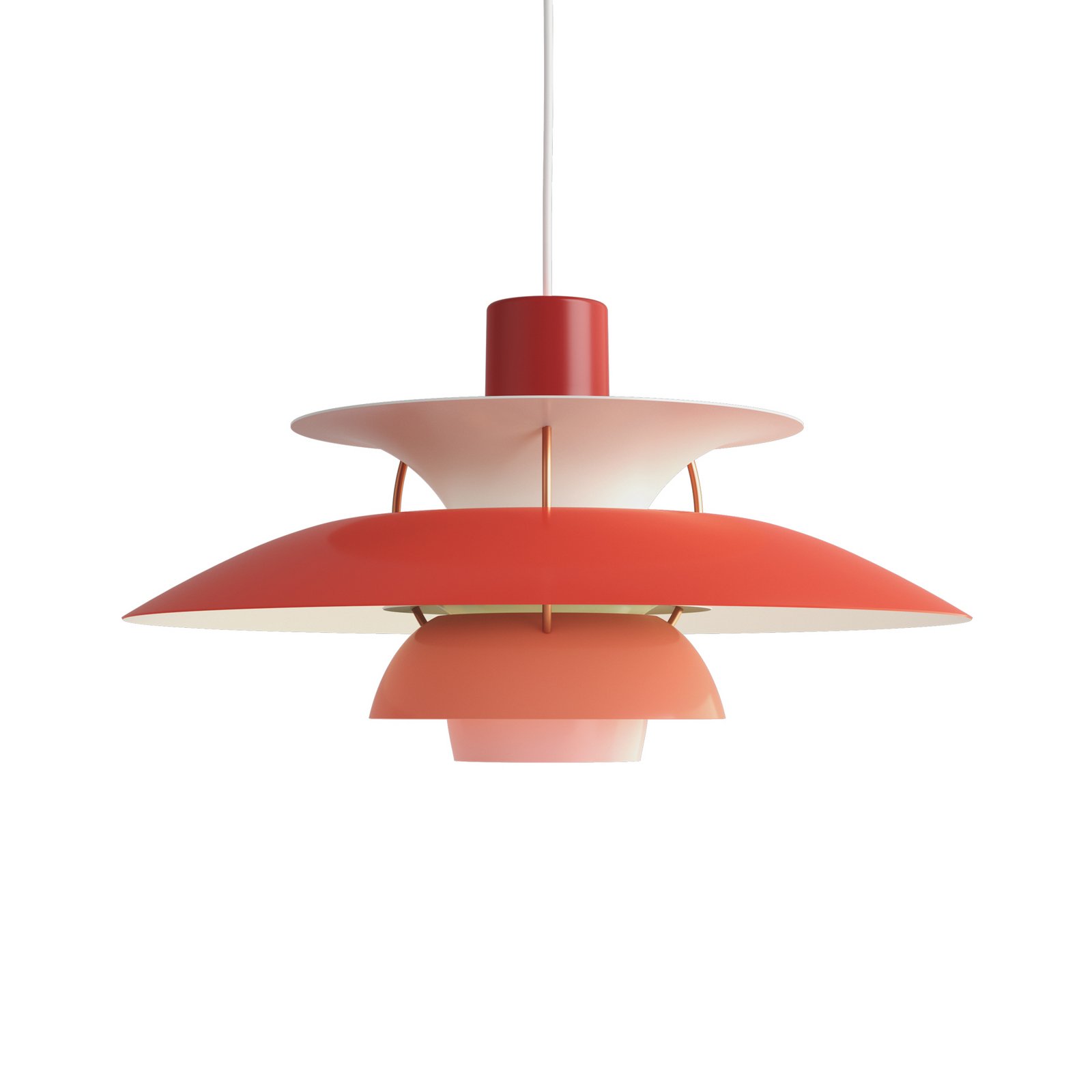
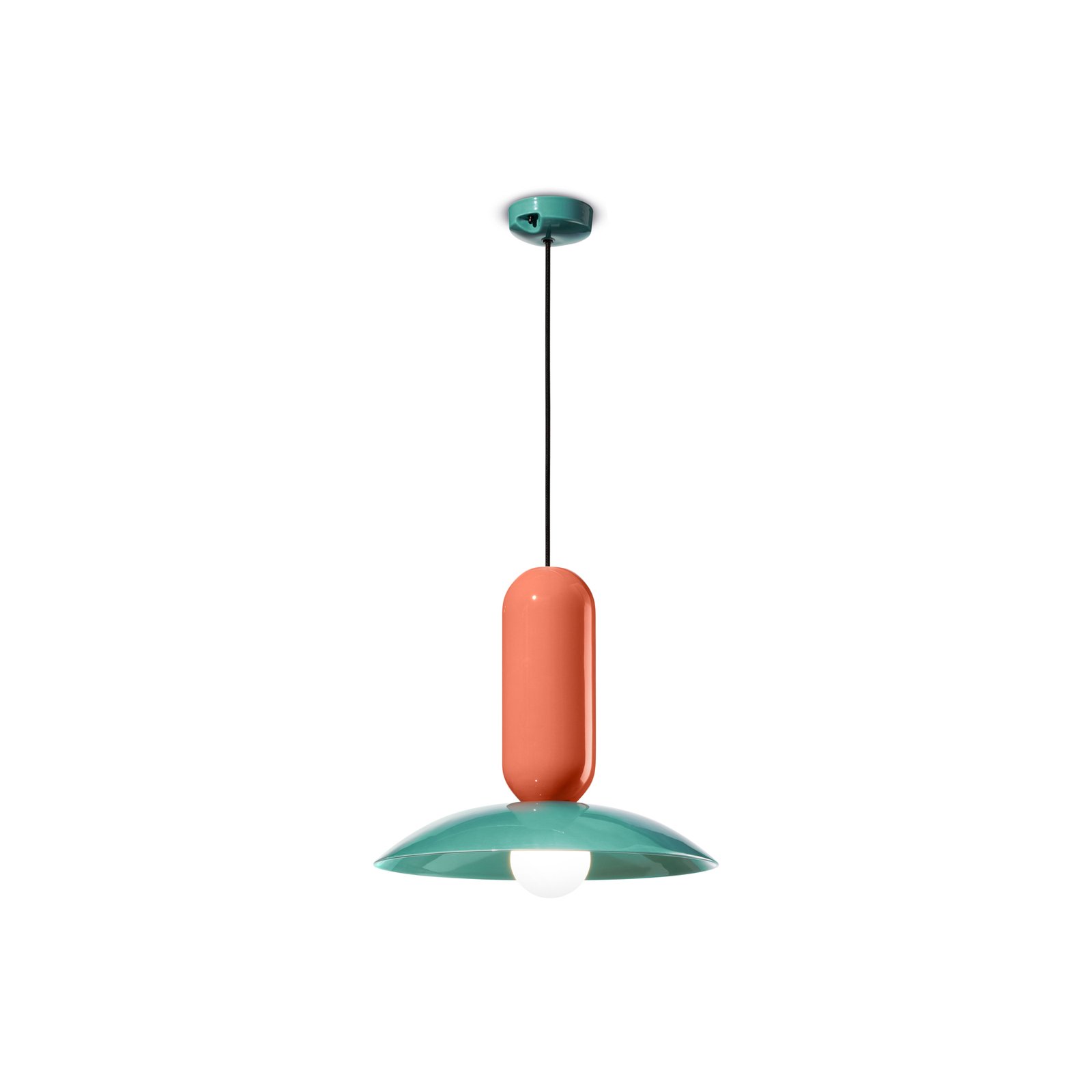
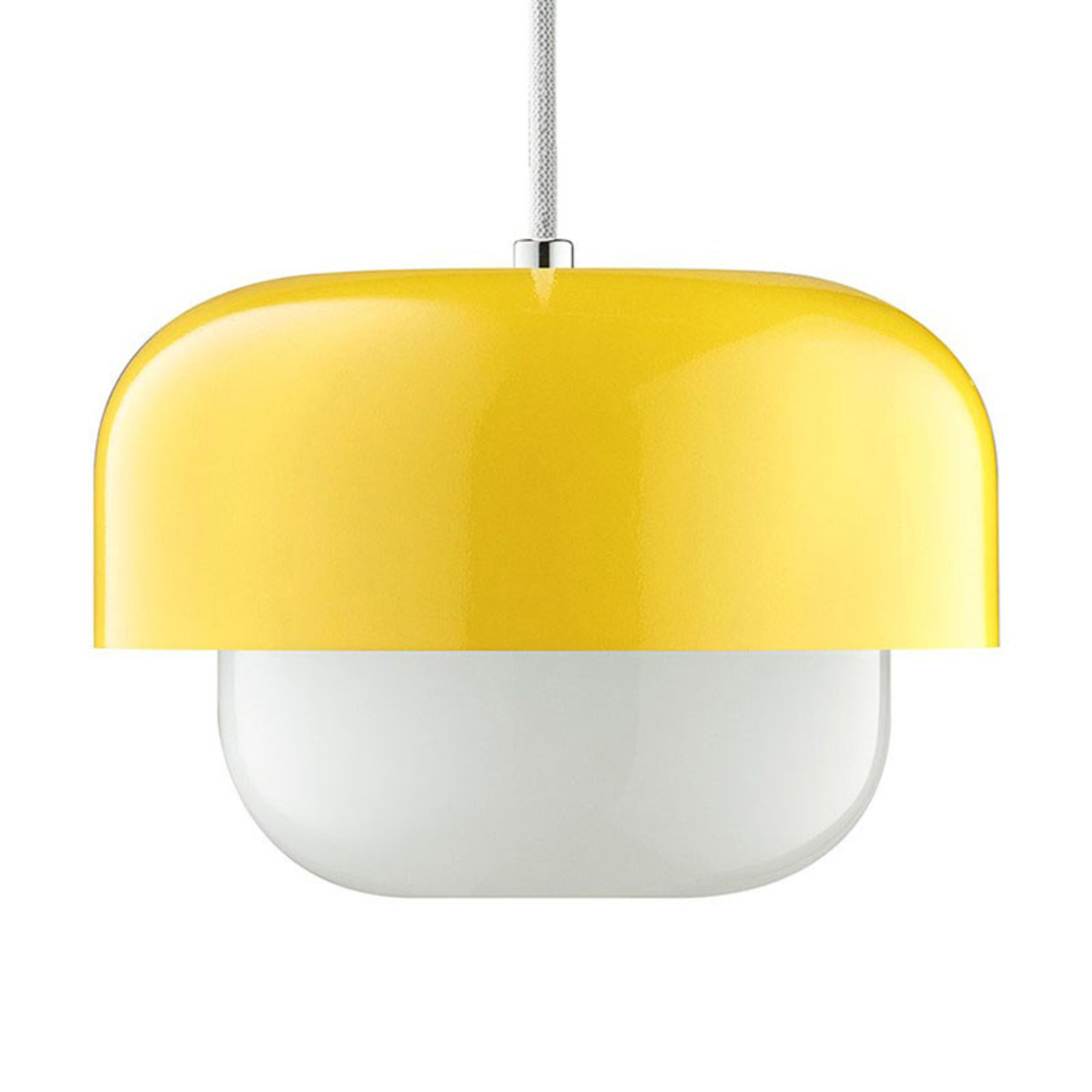
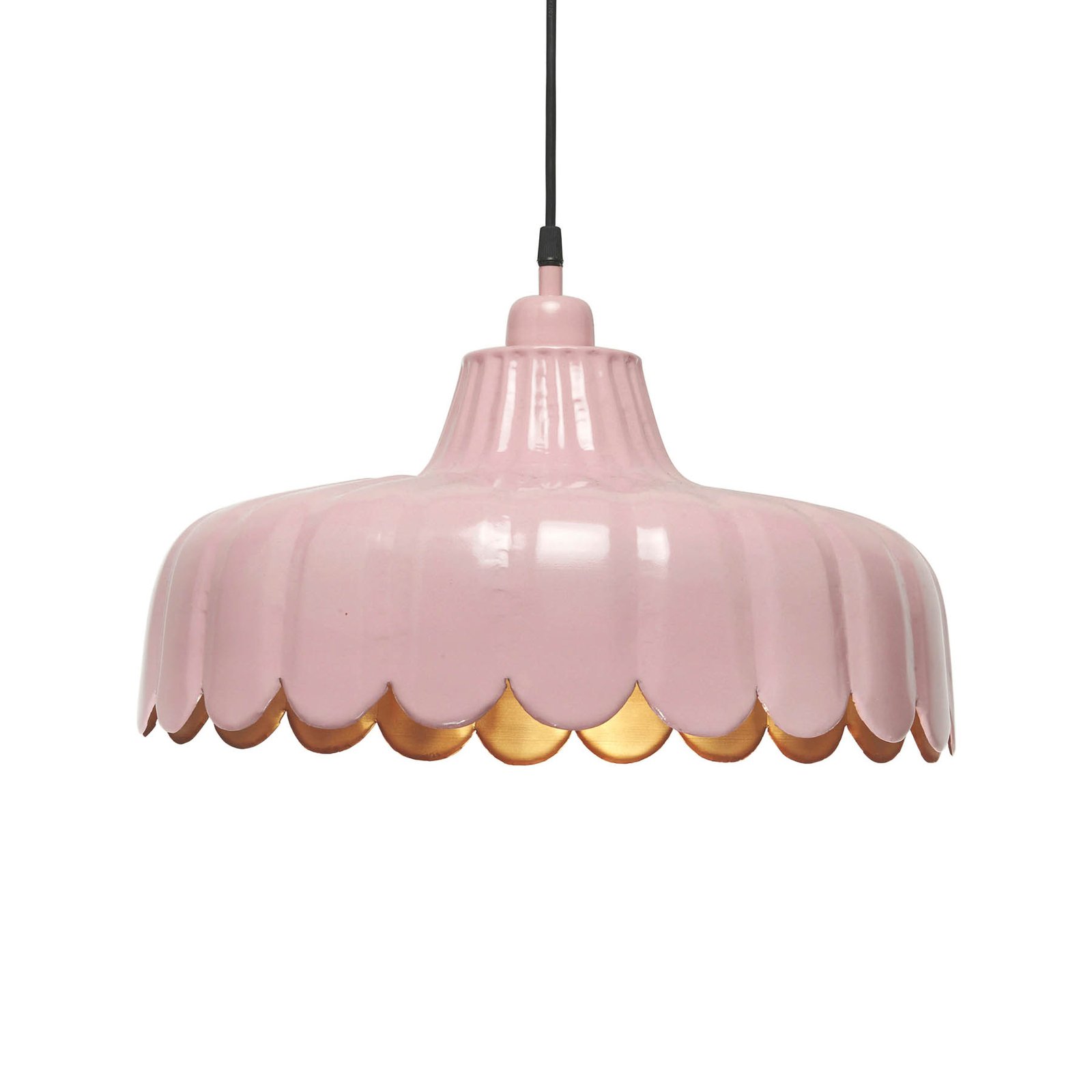
A colourful pendant light is often the first thing that catches the eye in a room and is ideal for showcasing the ‘dopamine décor’ trend. Hanging above the dining table, the kitchen island or the coffee table, it adds a splash of colour and creates a welcoming atmosphere. 1-bulb models add a subtle splash of colour, whilst multi-bulb or multi-coloured pendant lights make a bold design statement. The look is particularly harmonious when the colour of the light is echoed in chairs, pictures, a rug or other home accessories.
)
)
)
Cheerful Table Lamps
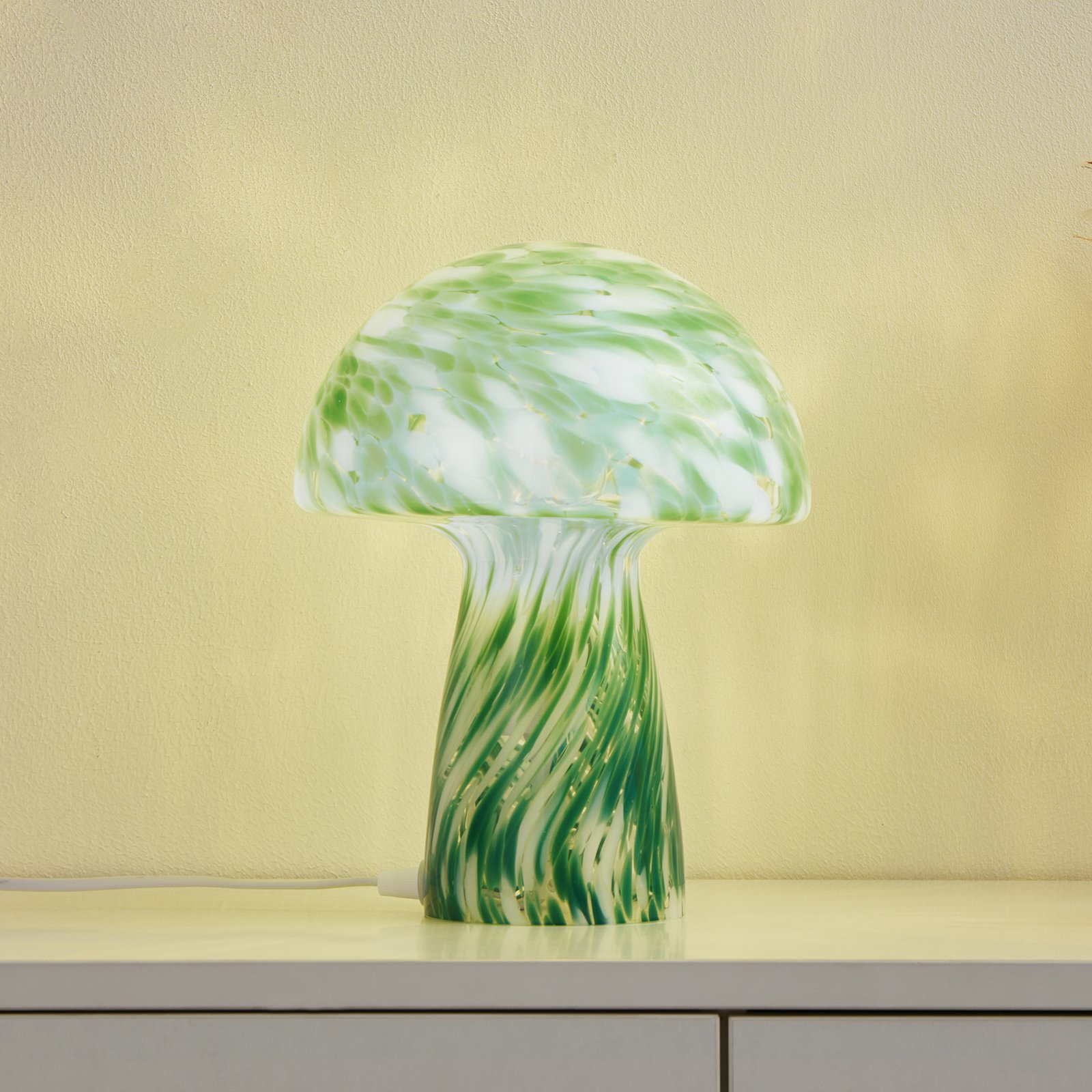
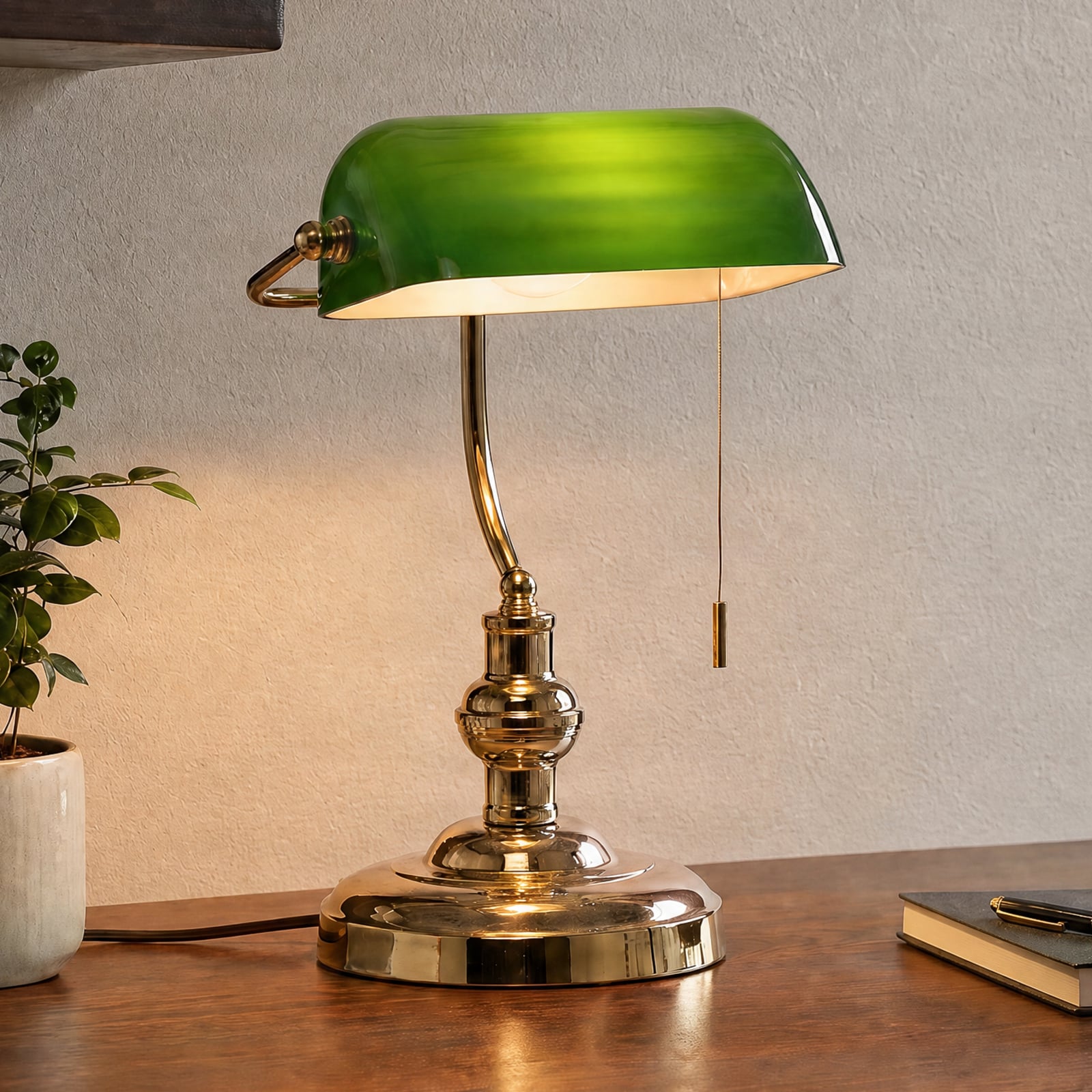
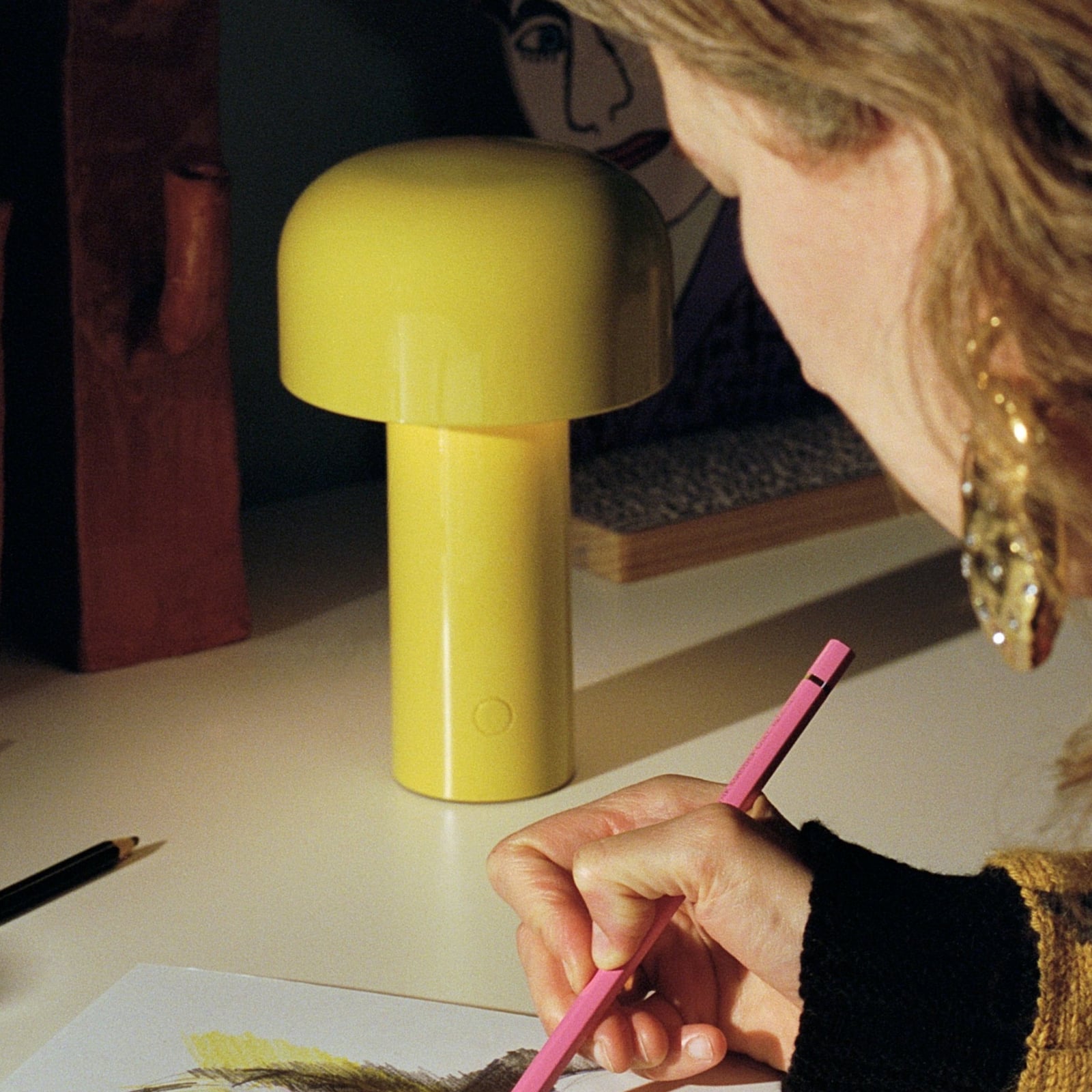
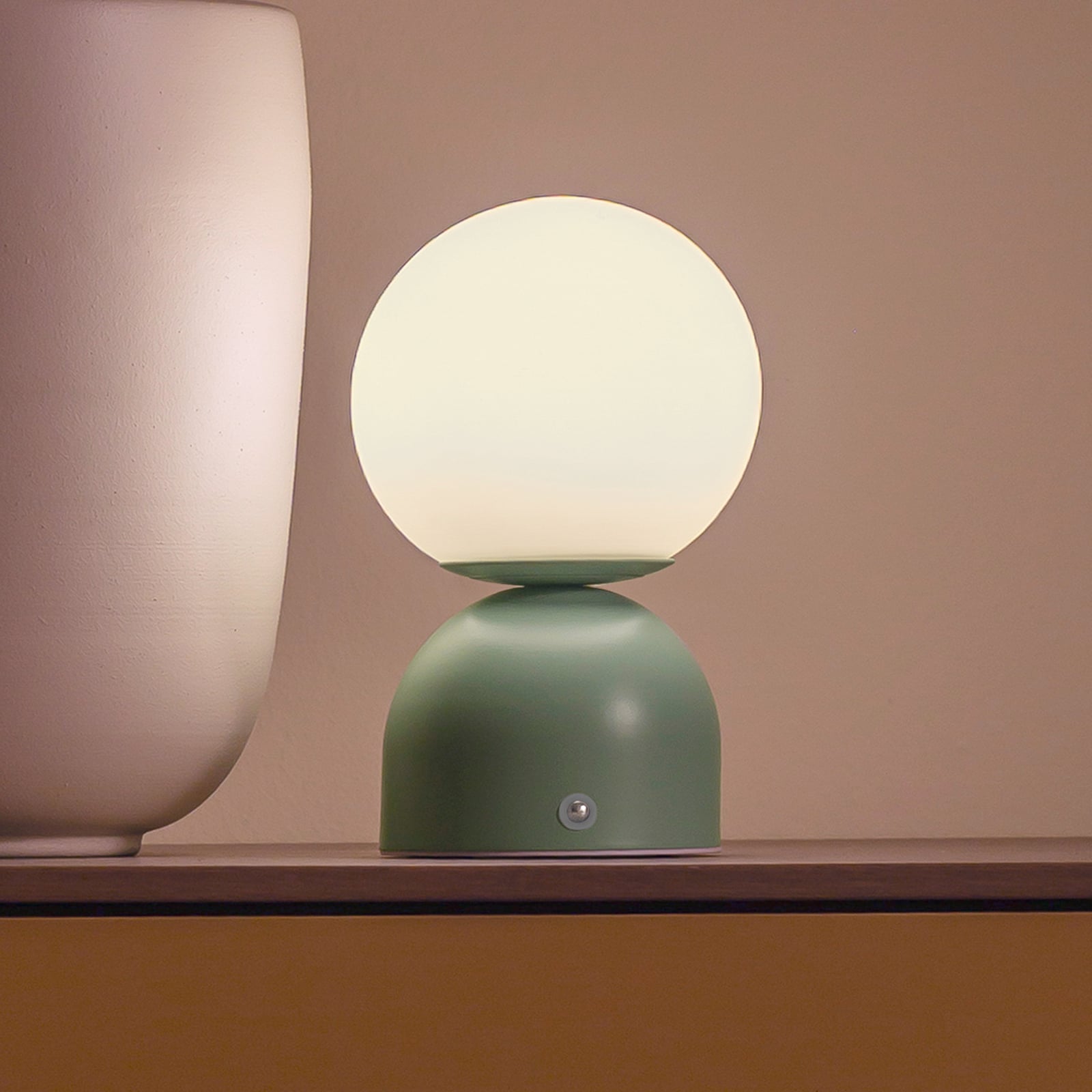
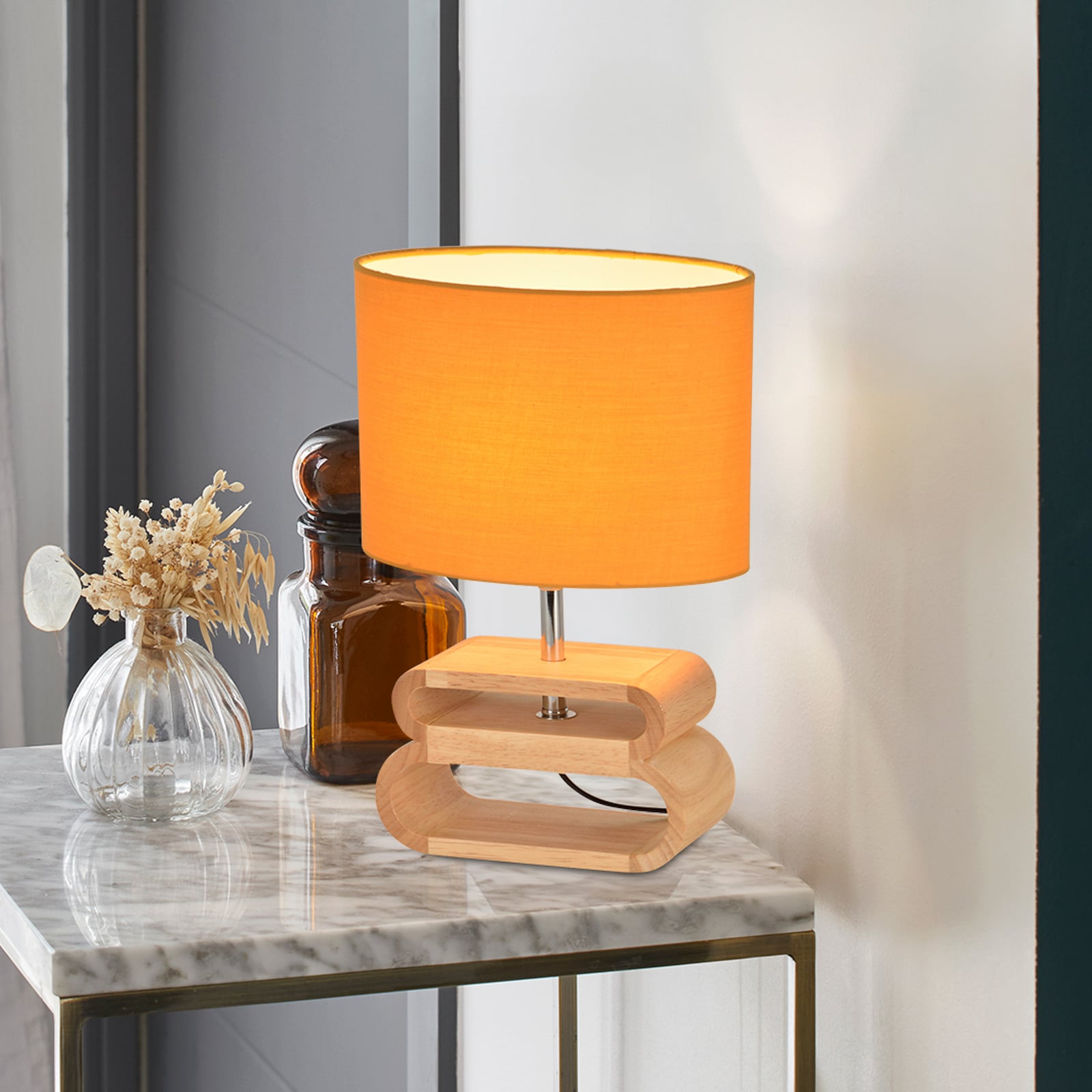
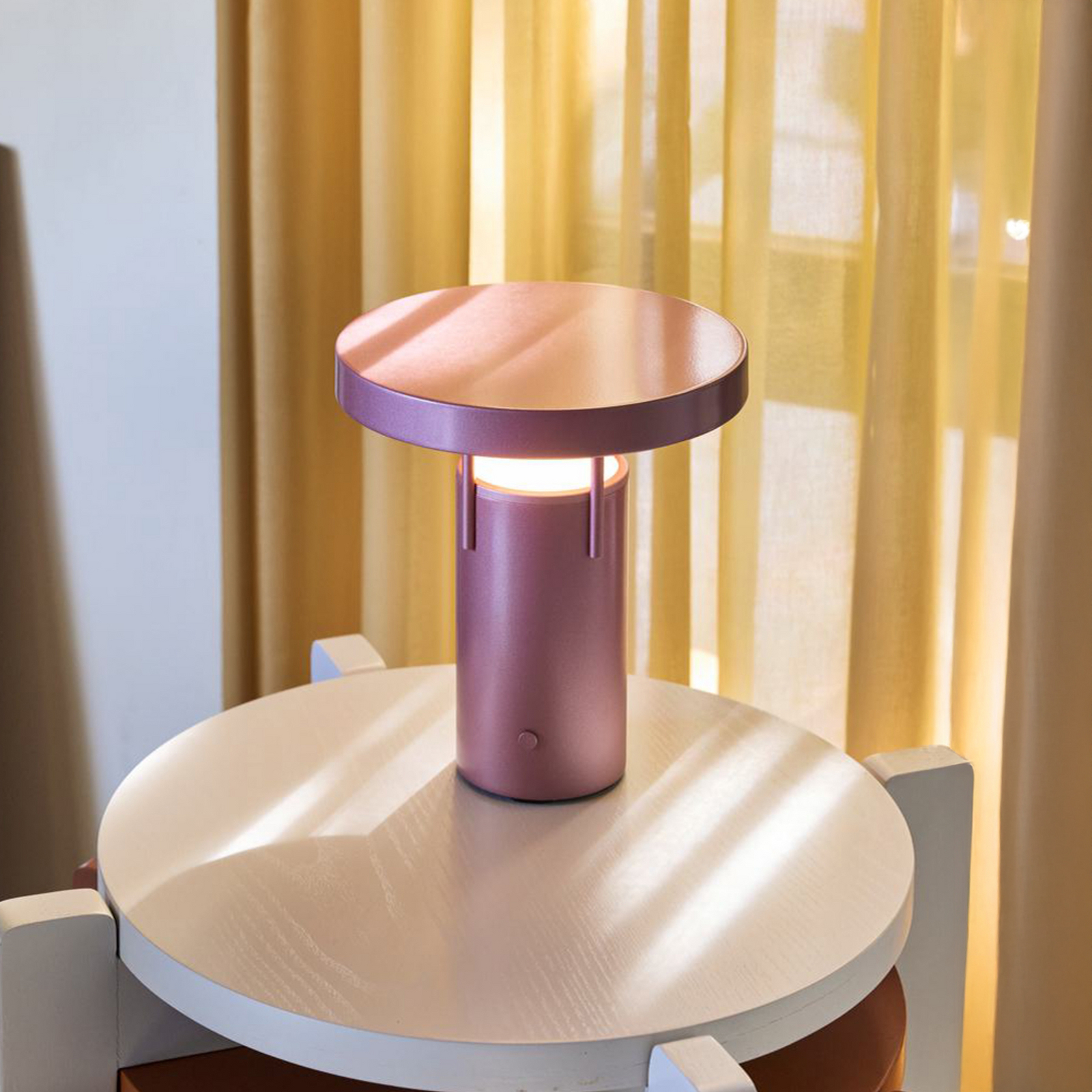
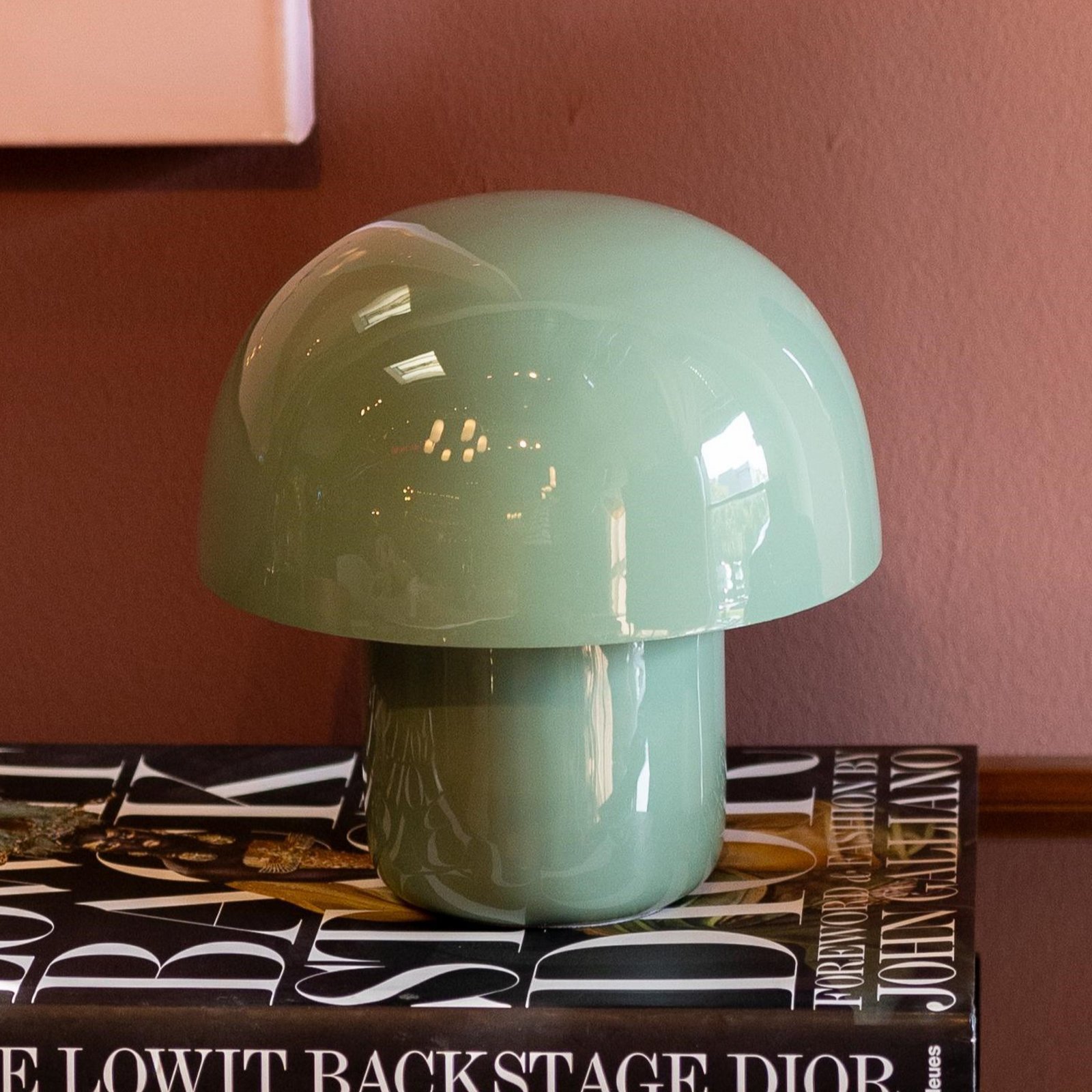
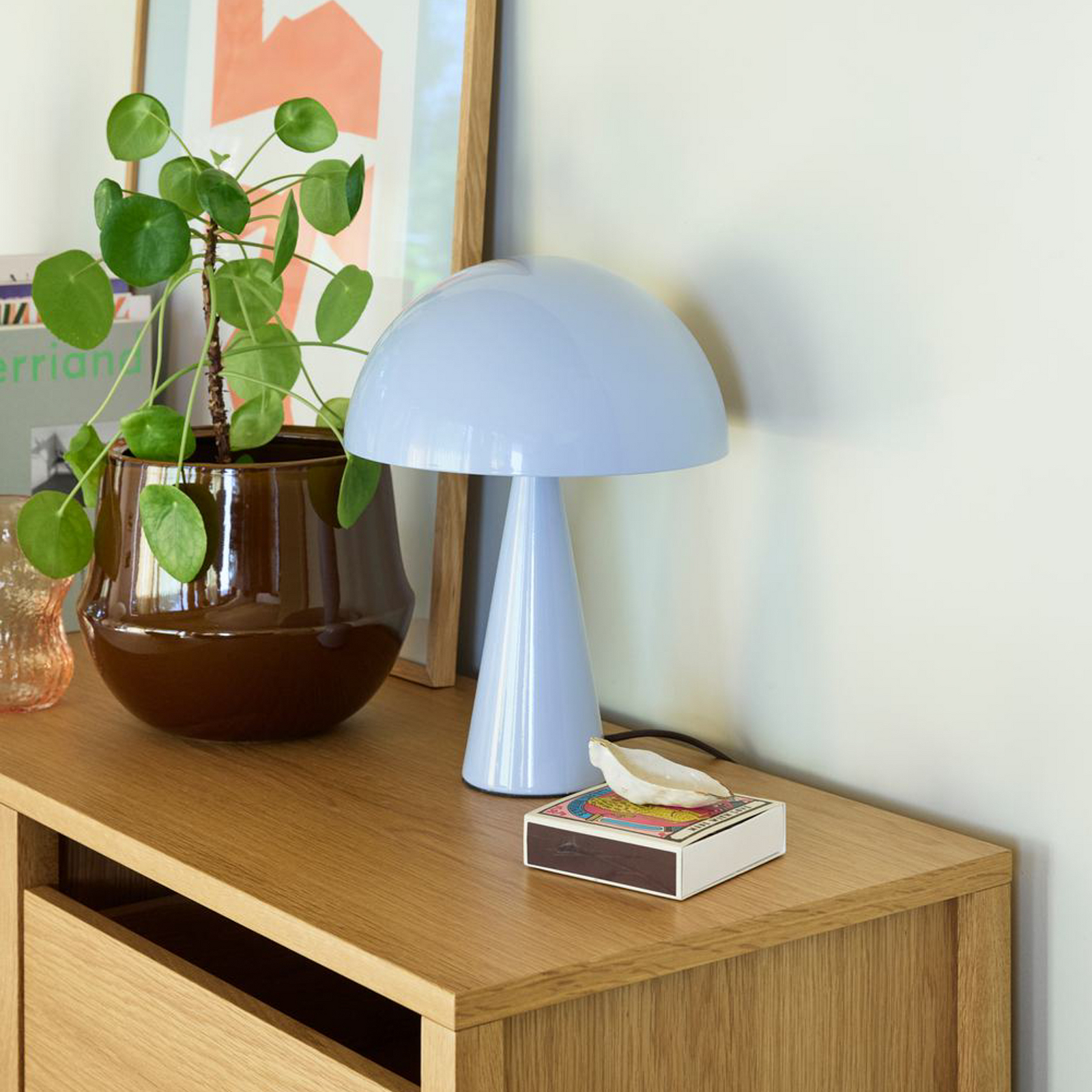
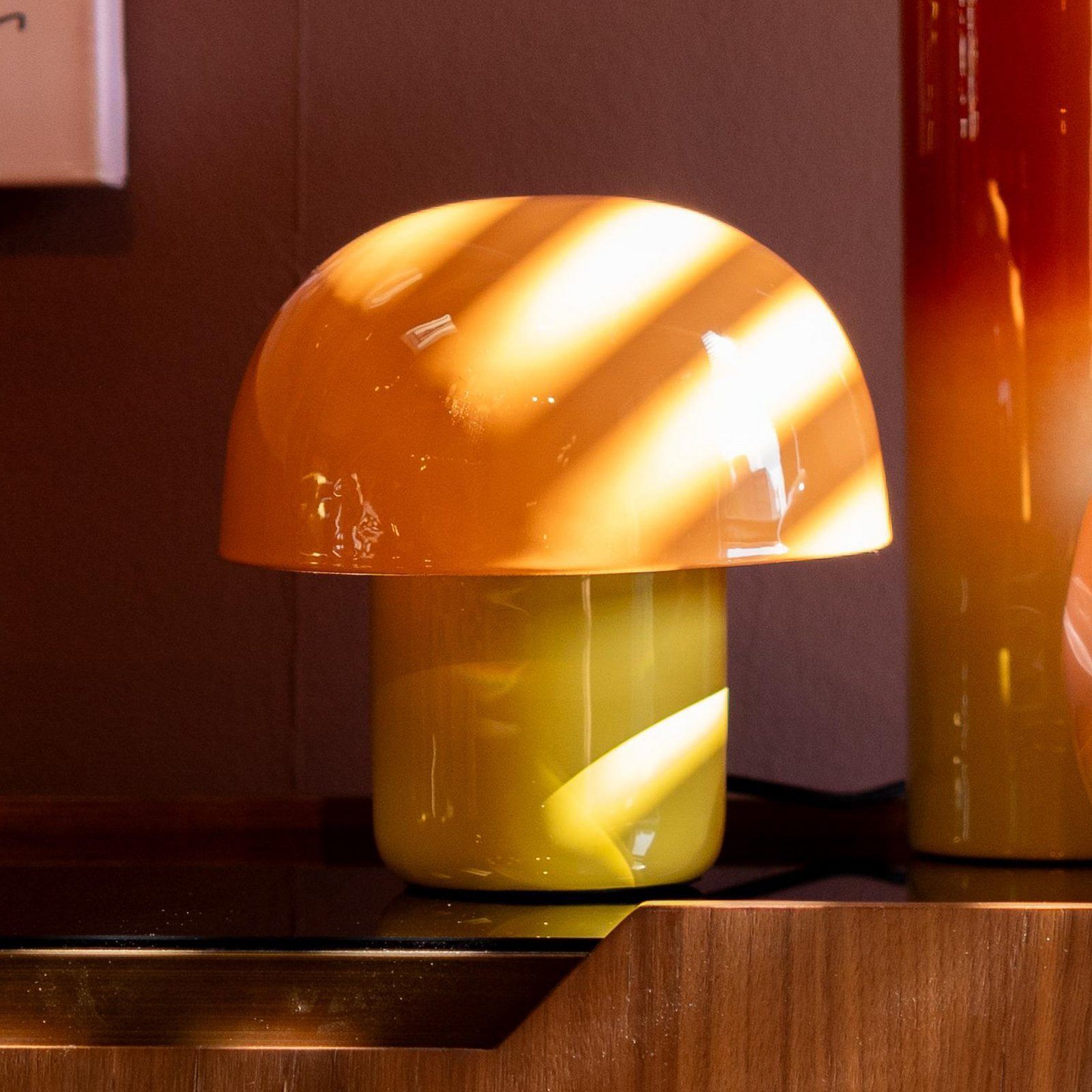
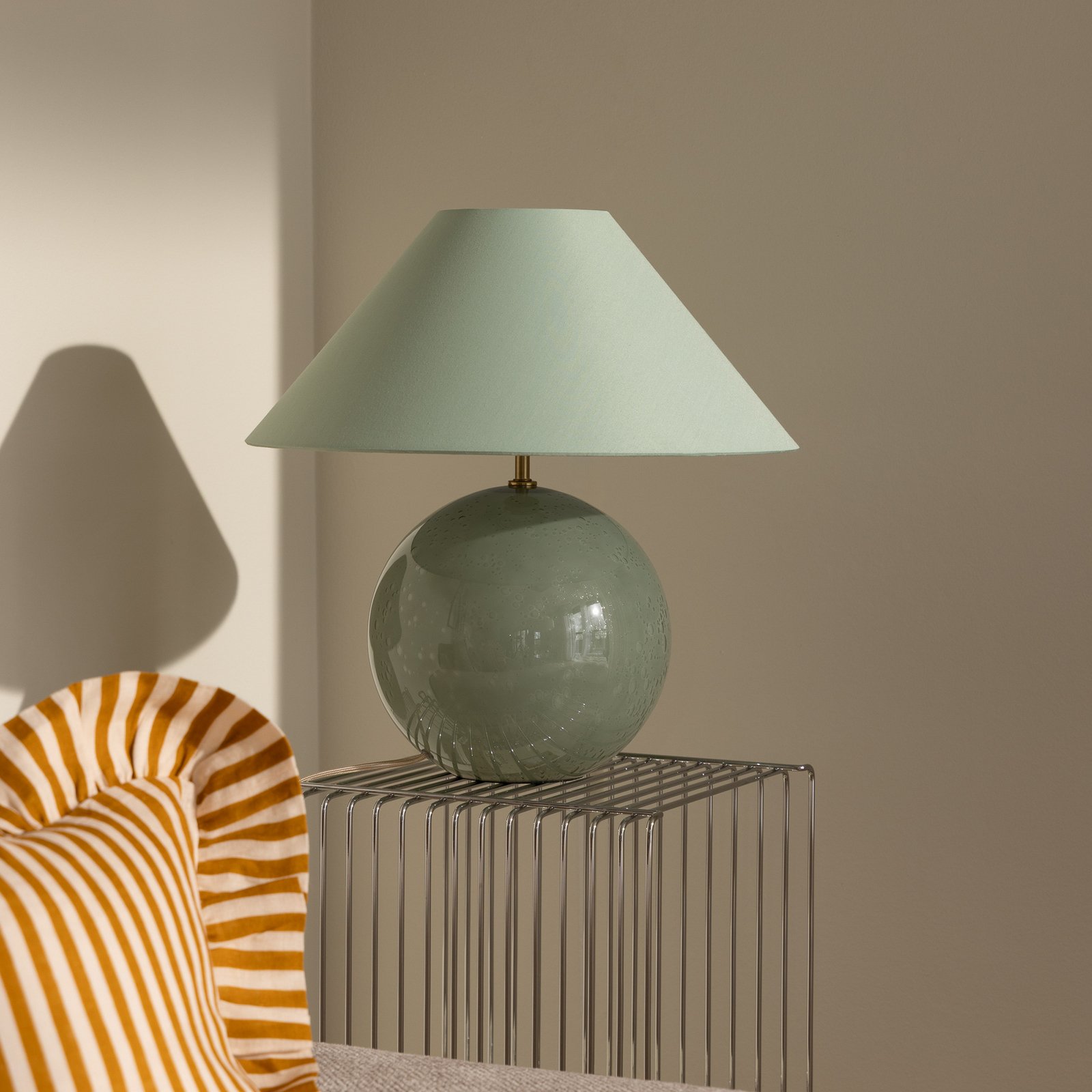
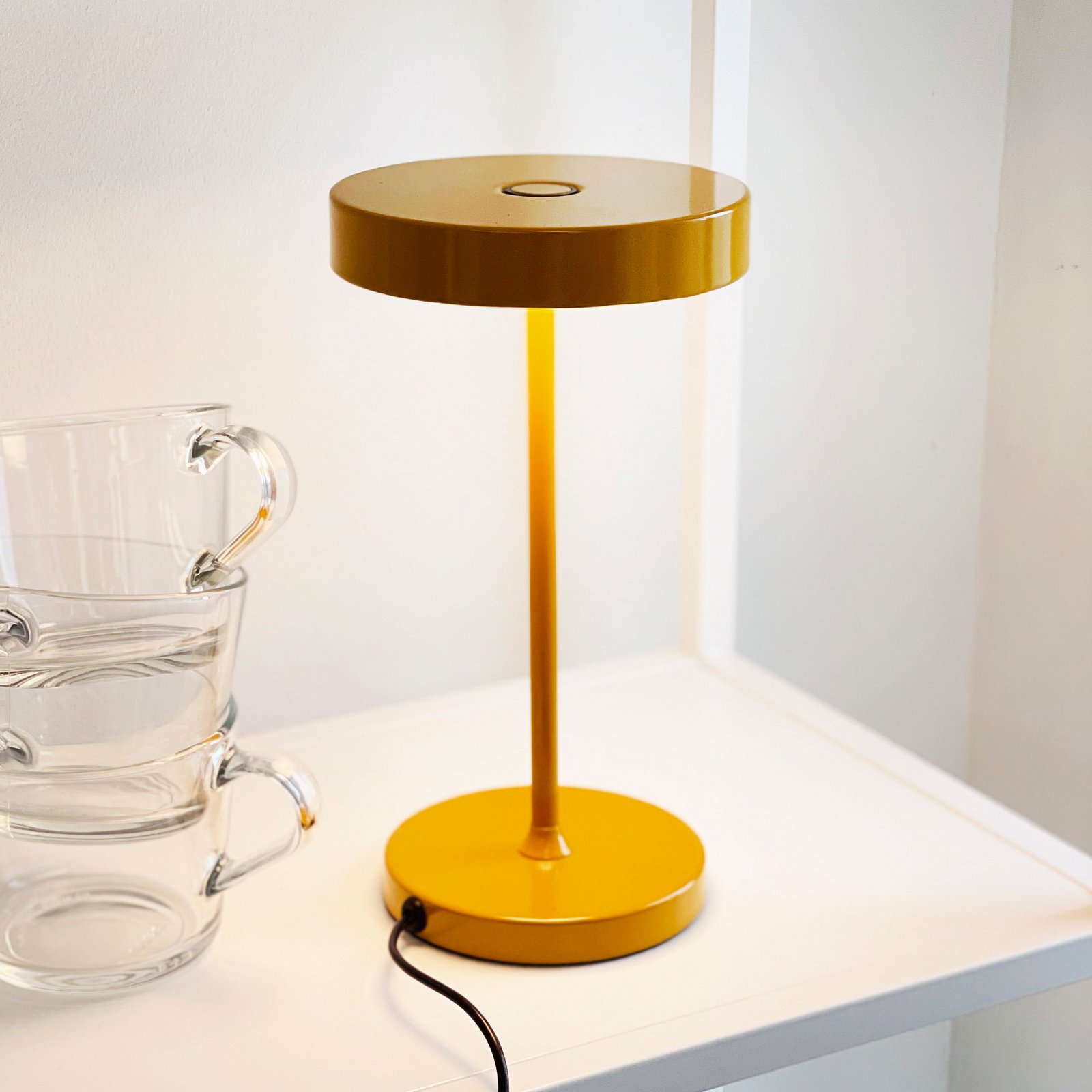
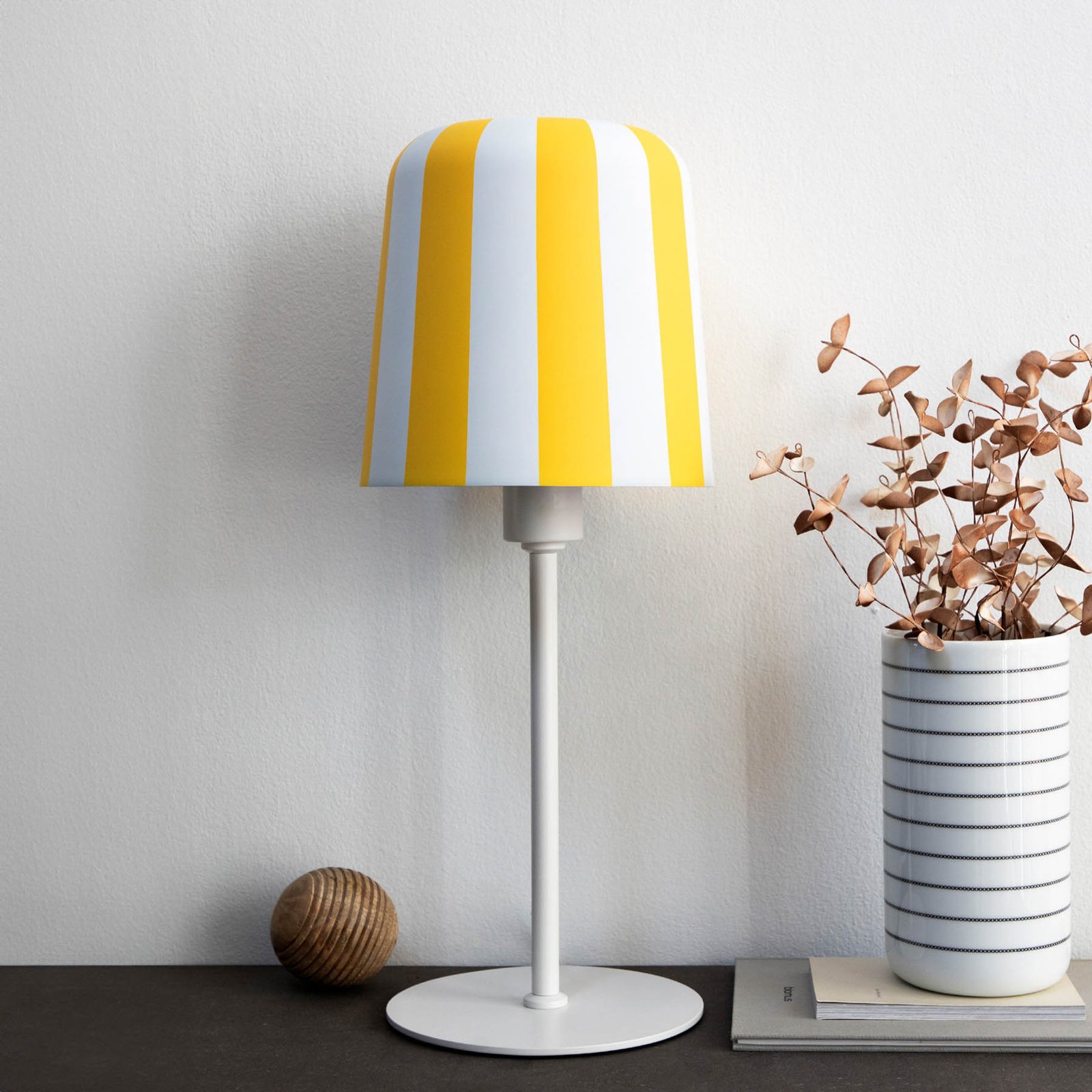
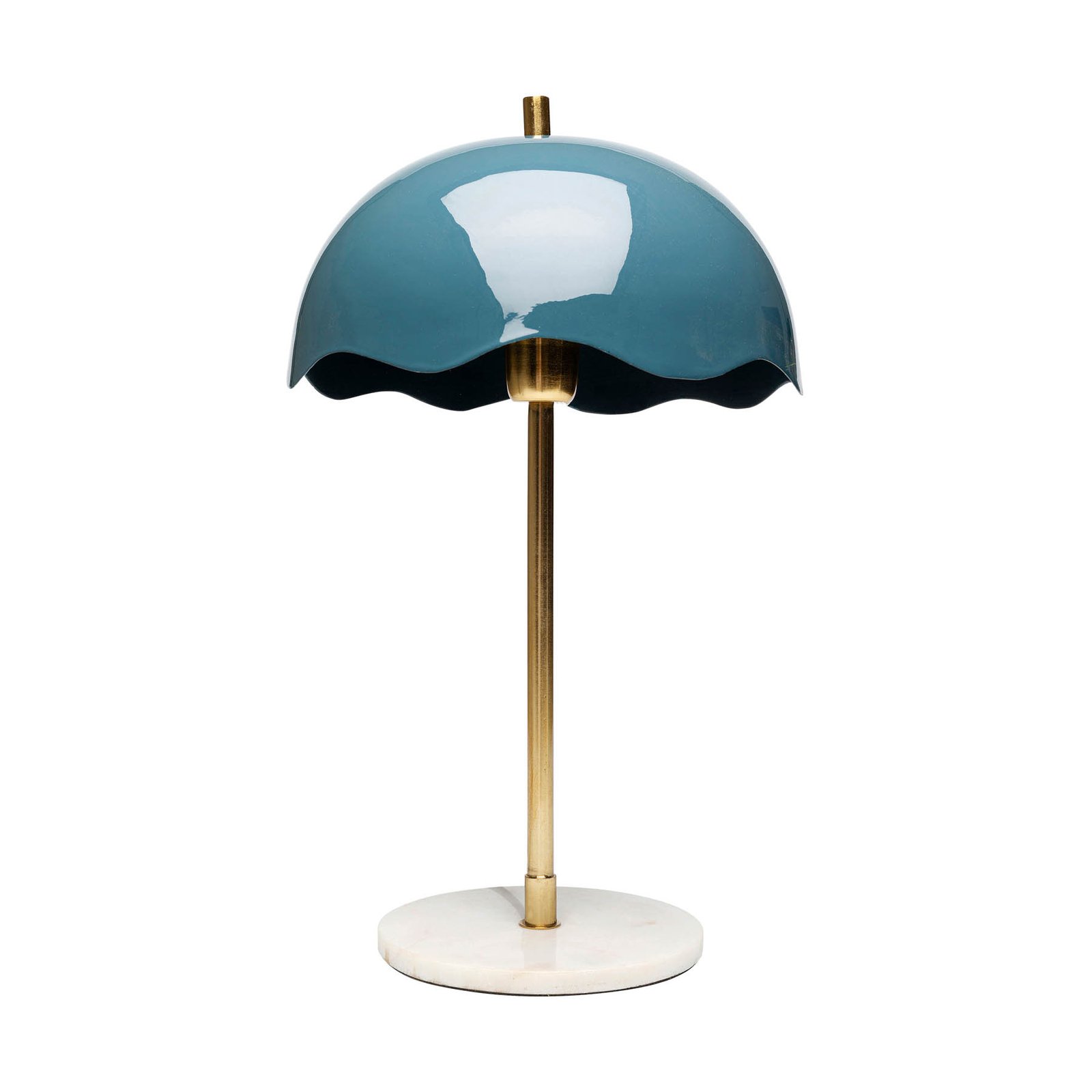
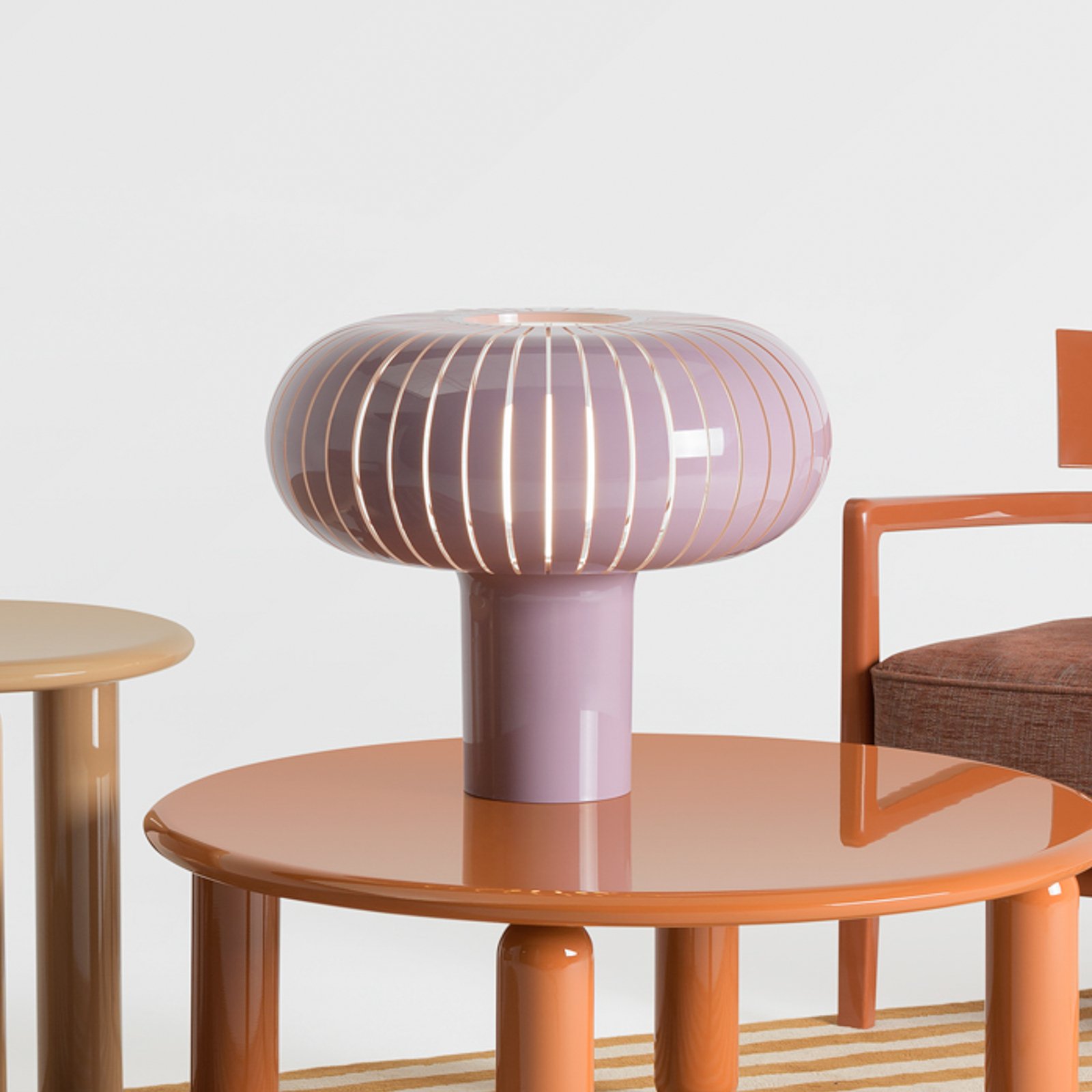
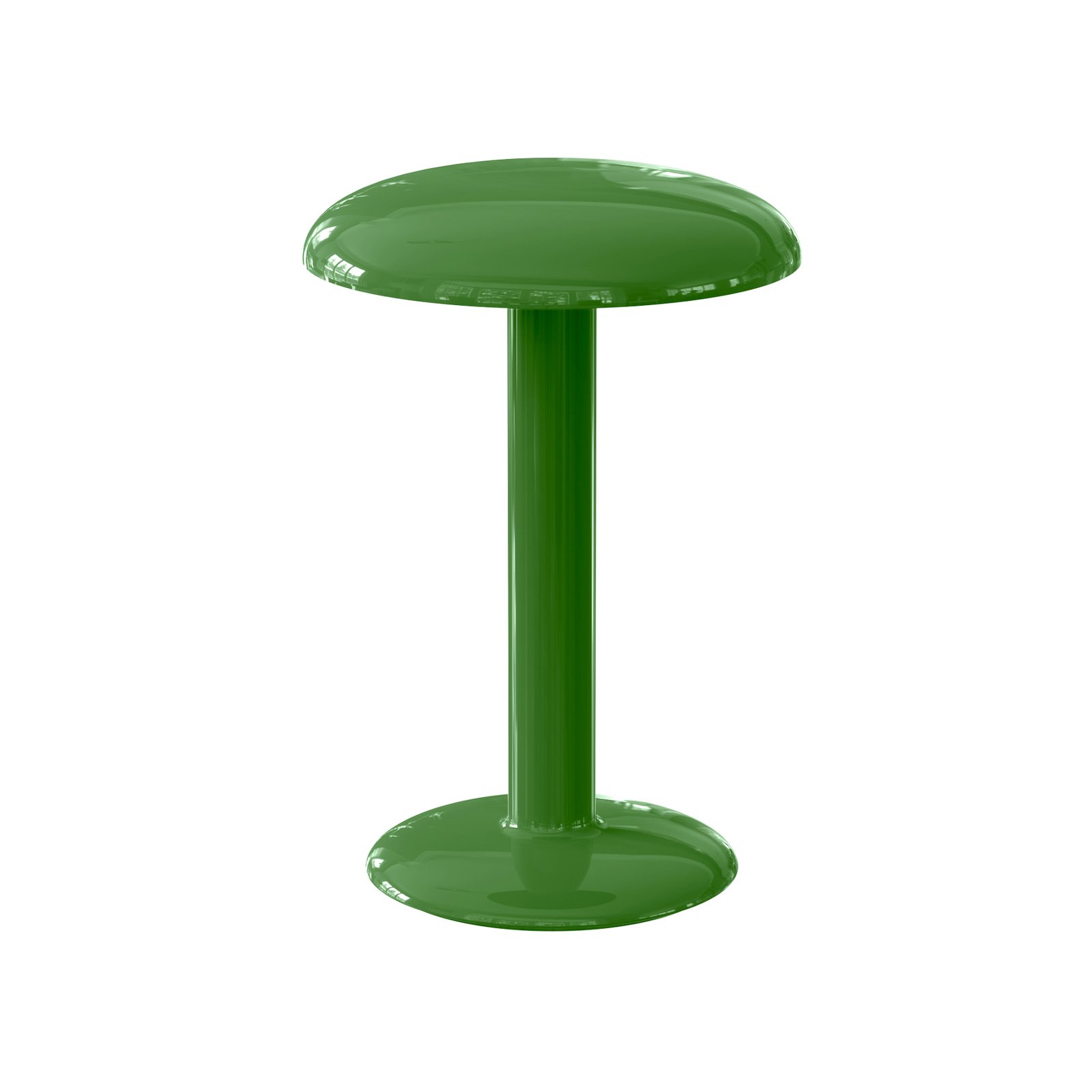
A colourful table lamp is the ideal way to get started with the ‘dopamine decor’ trend. Whether placed on a sideboard, side table, bedside table or desk, it adds subtle splashes of colour and can be easily incorporated into a variety of interior styles. Coloured glass designs, featuring spherical lampshades or mushroom-shaped designs in striking colours, lend the room character and create a cosy ambience. The look is particularly harmonious when the colour of the table lamp is echoed in vases, pictures, cushions or a rug. In just a few simple steps, you can create a cheerful atmosphere in your home without having to redecorate the whole room.

)
)
)
Mood-Boosting Ceiling Lights
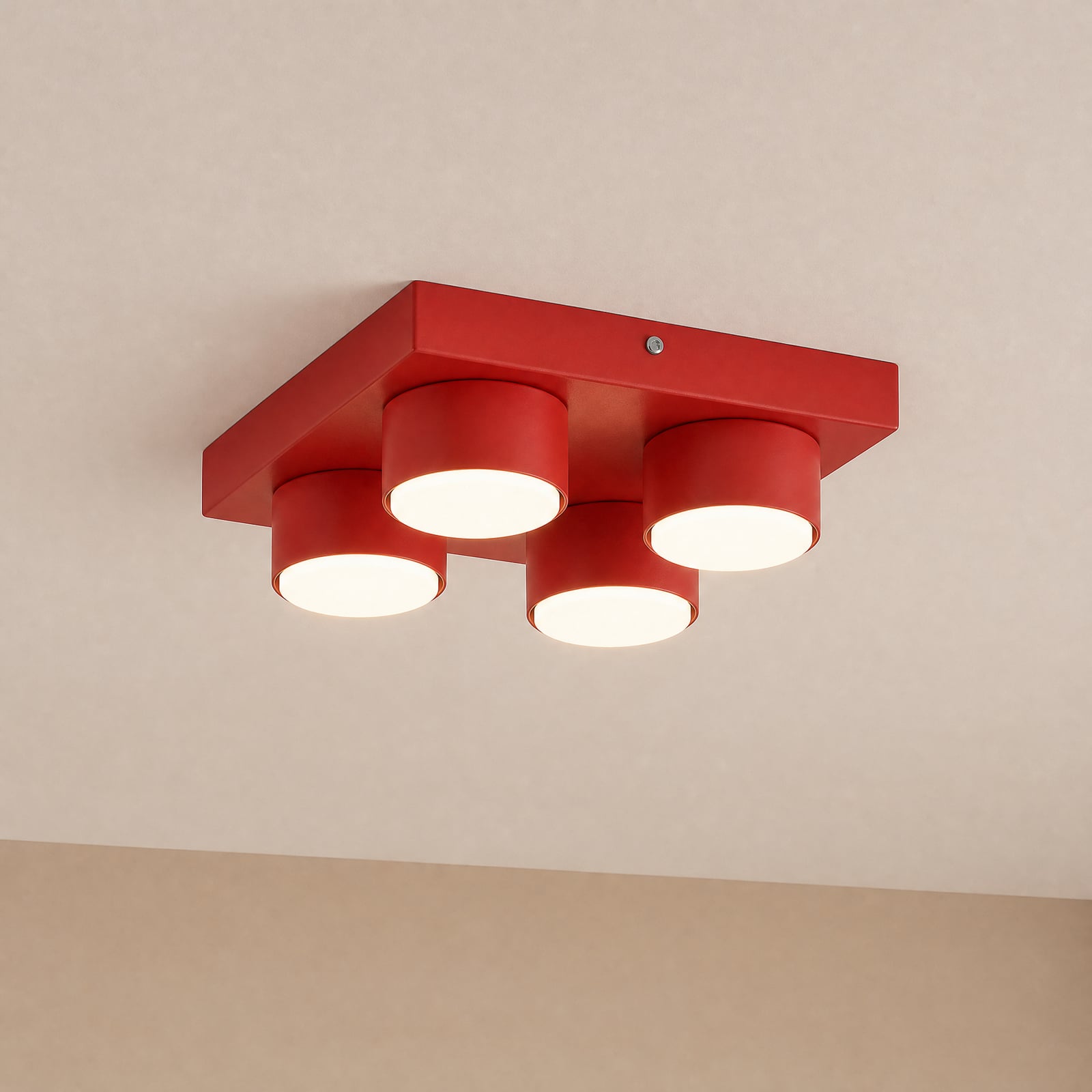
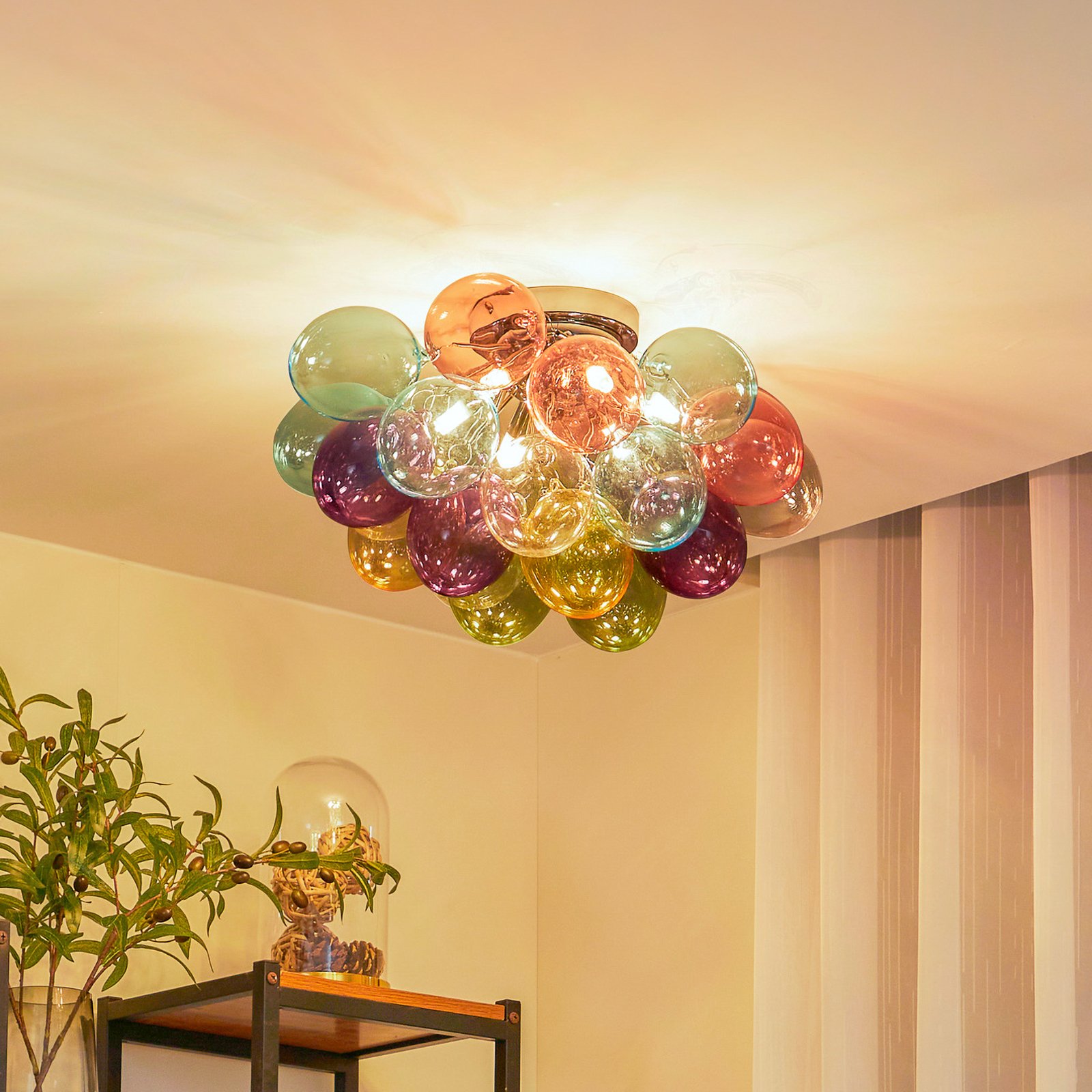
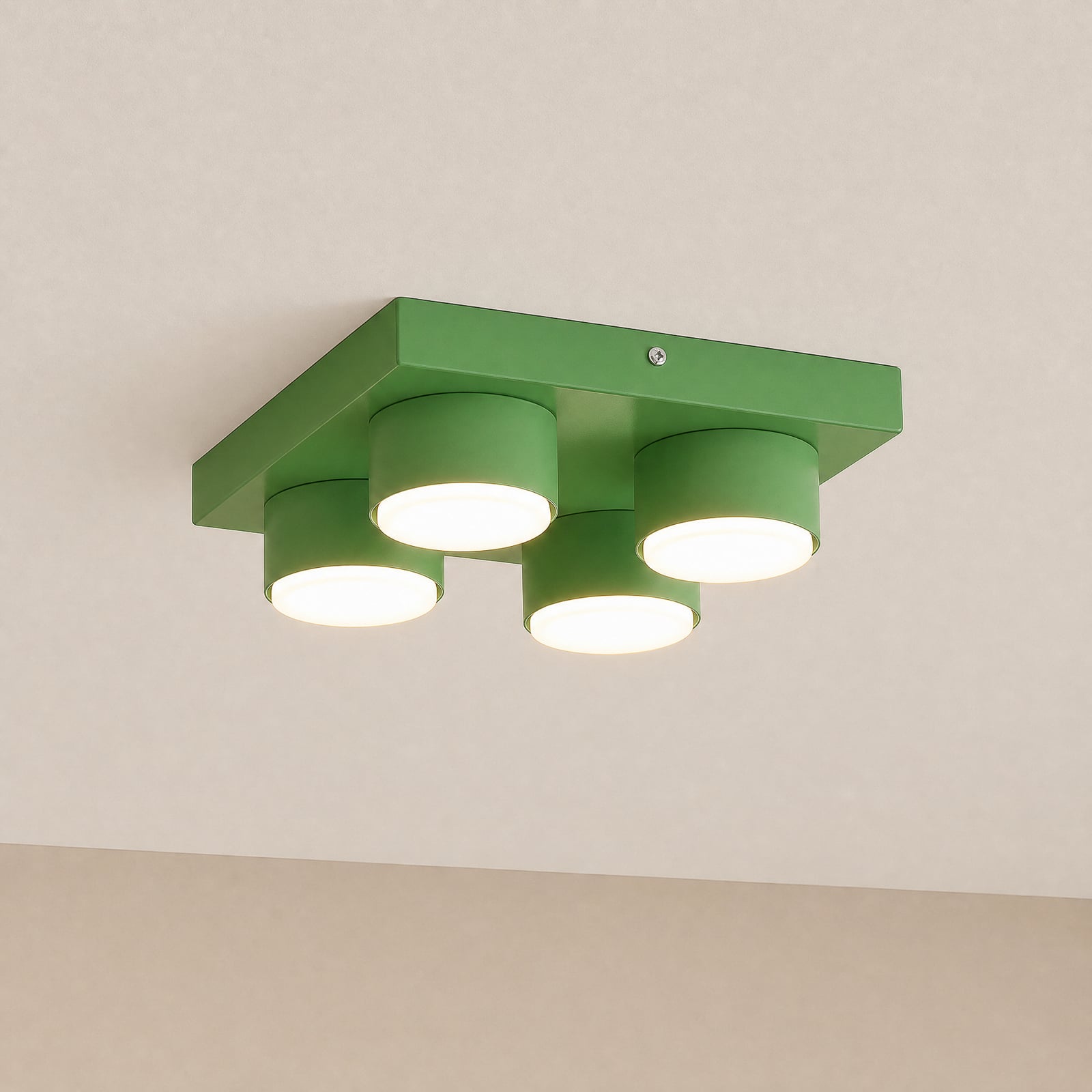
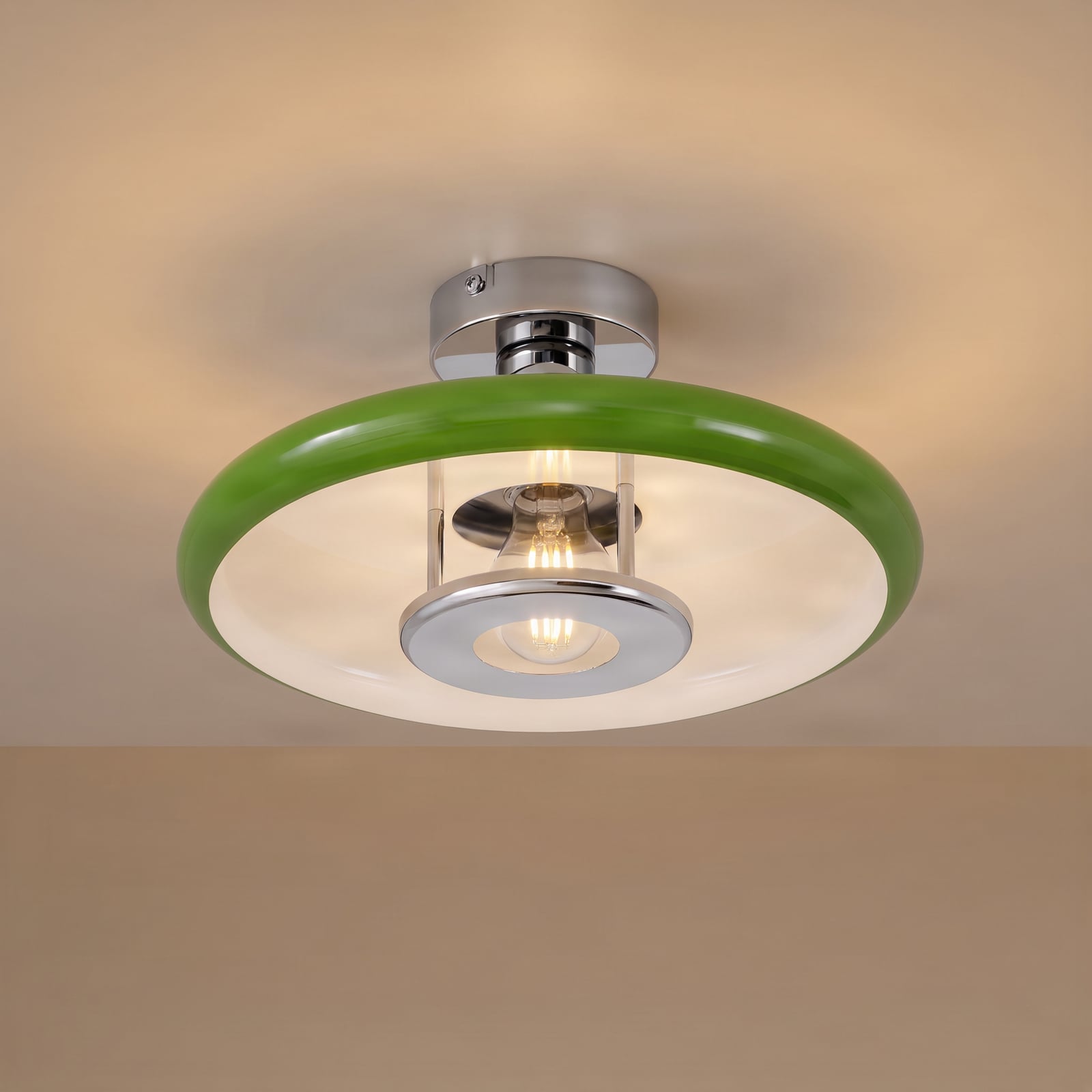
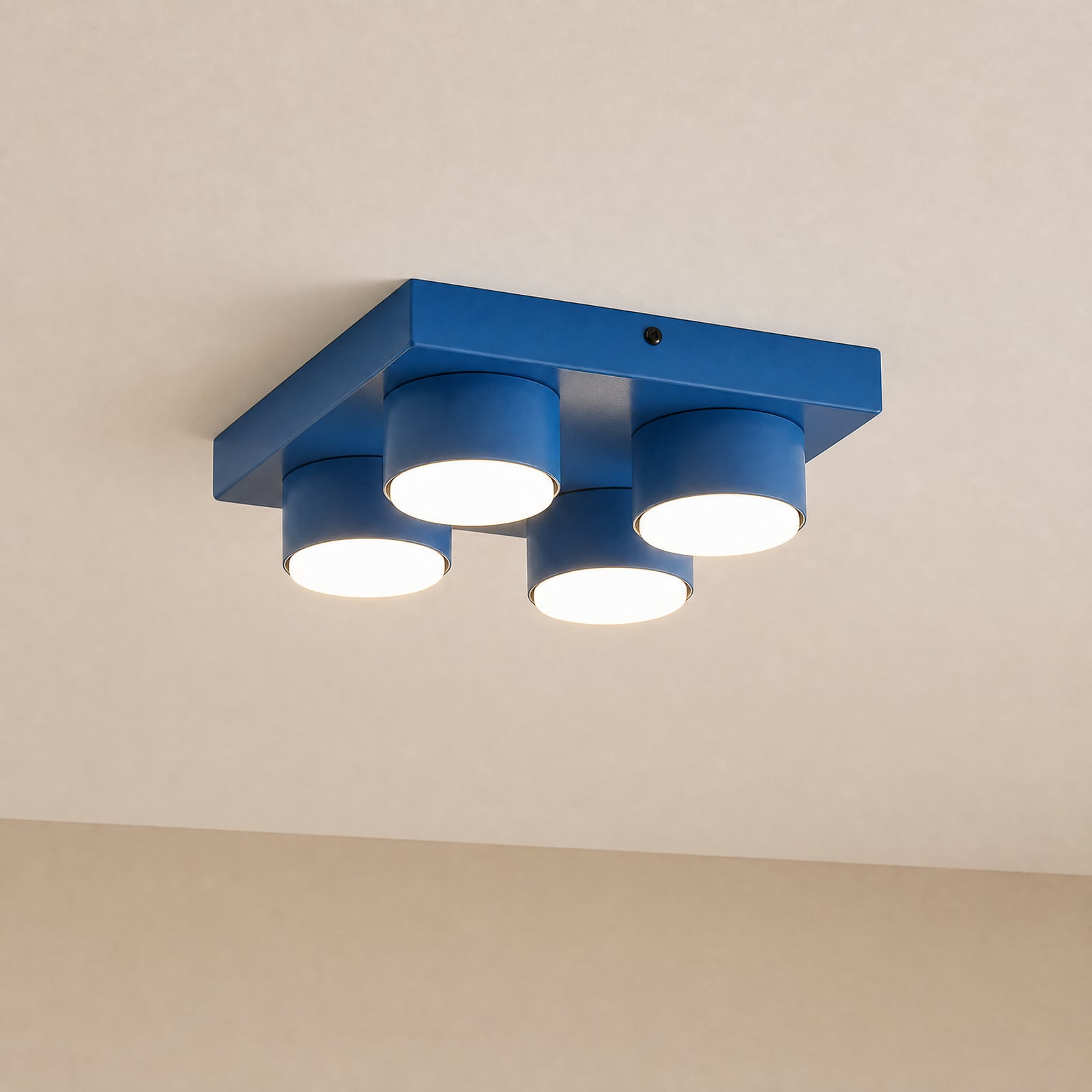
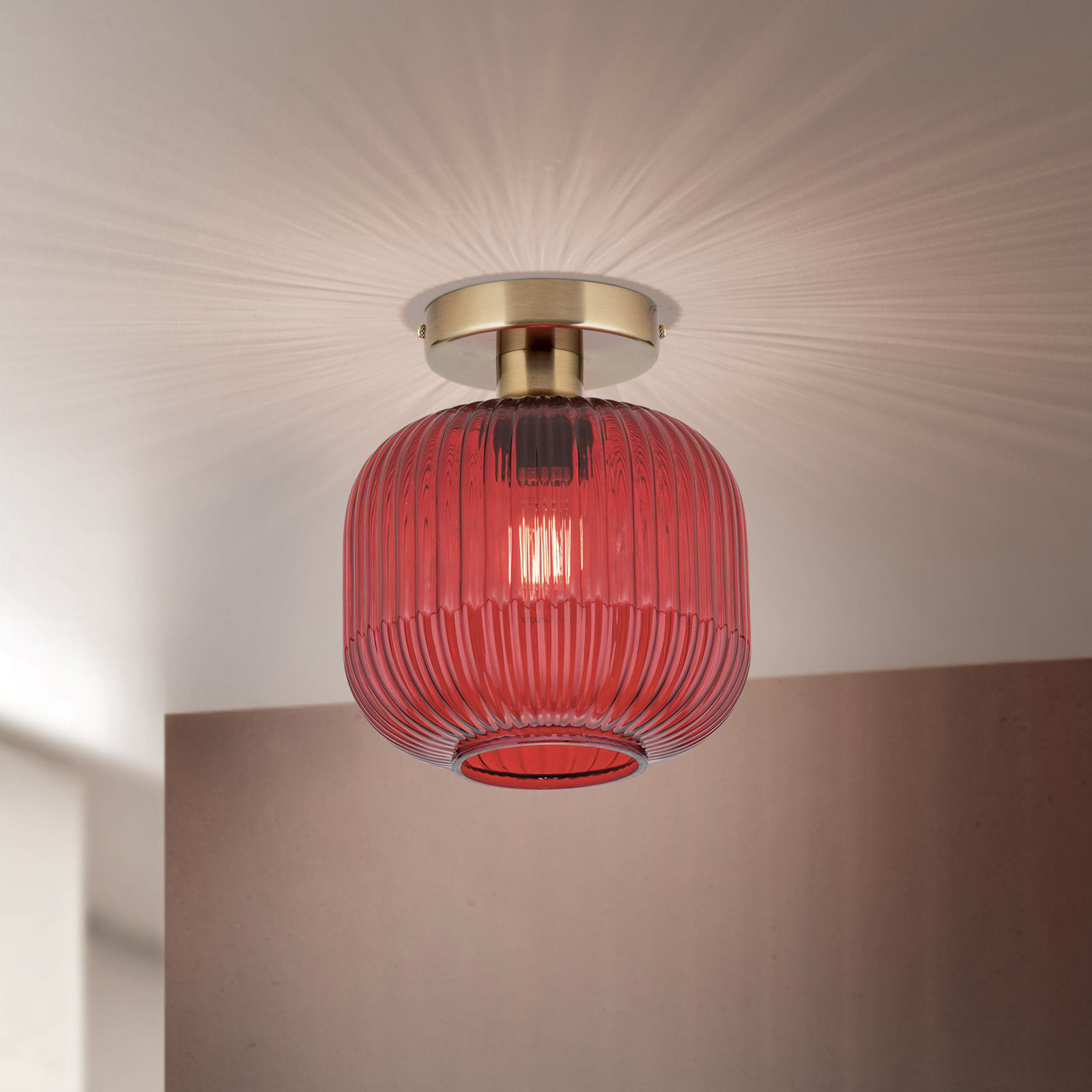
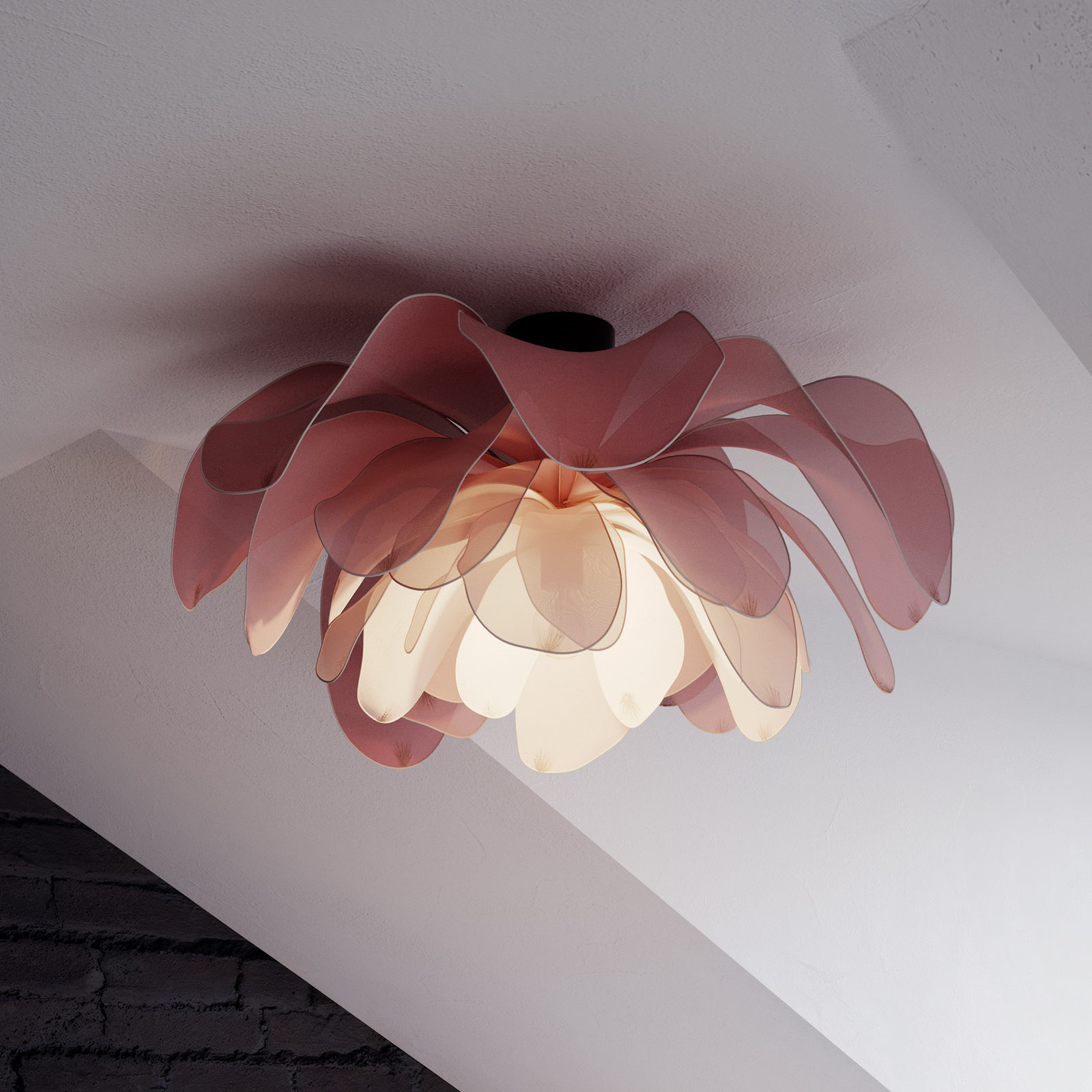
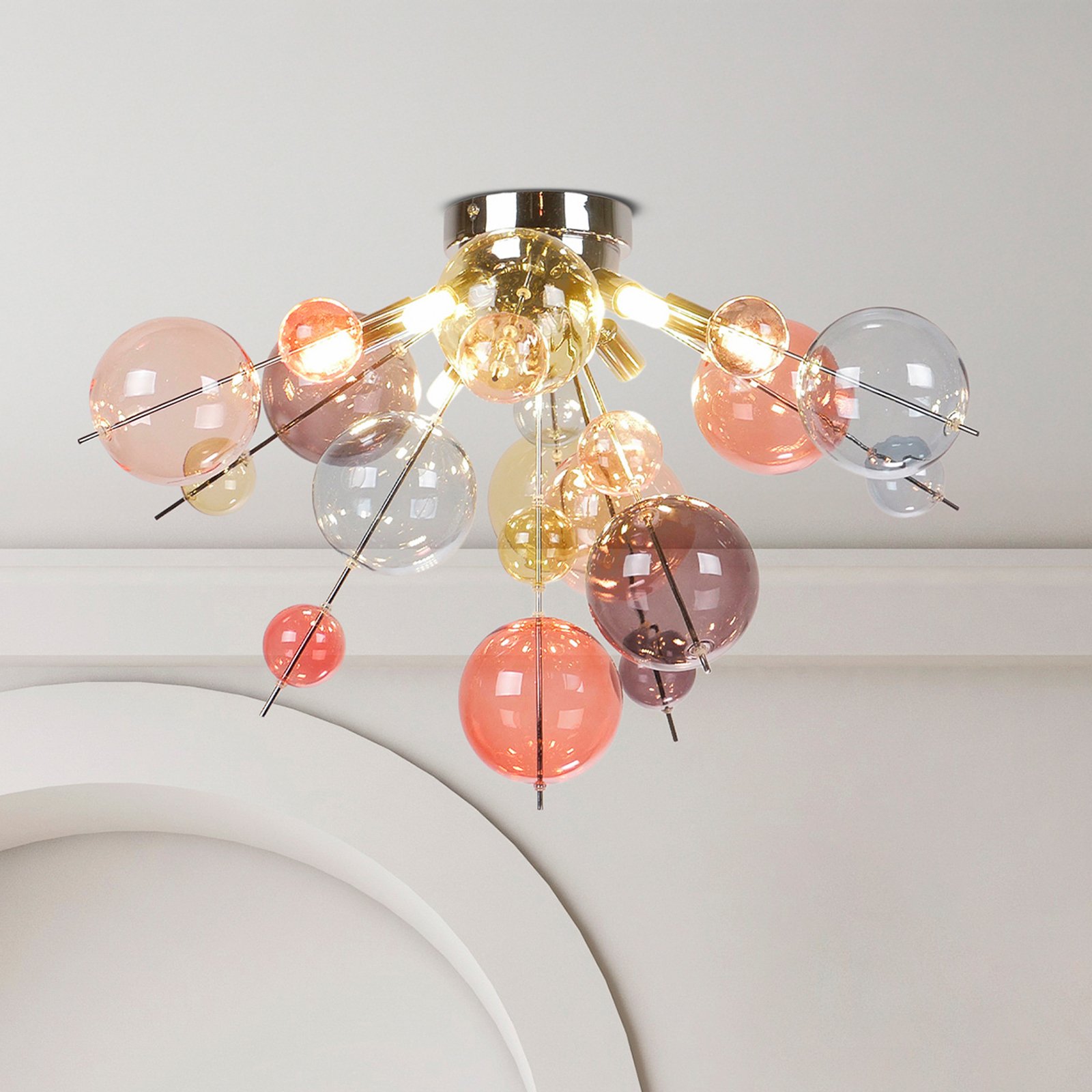
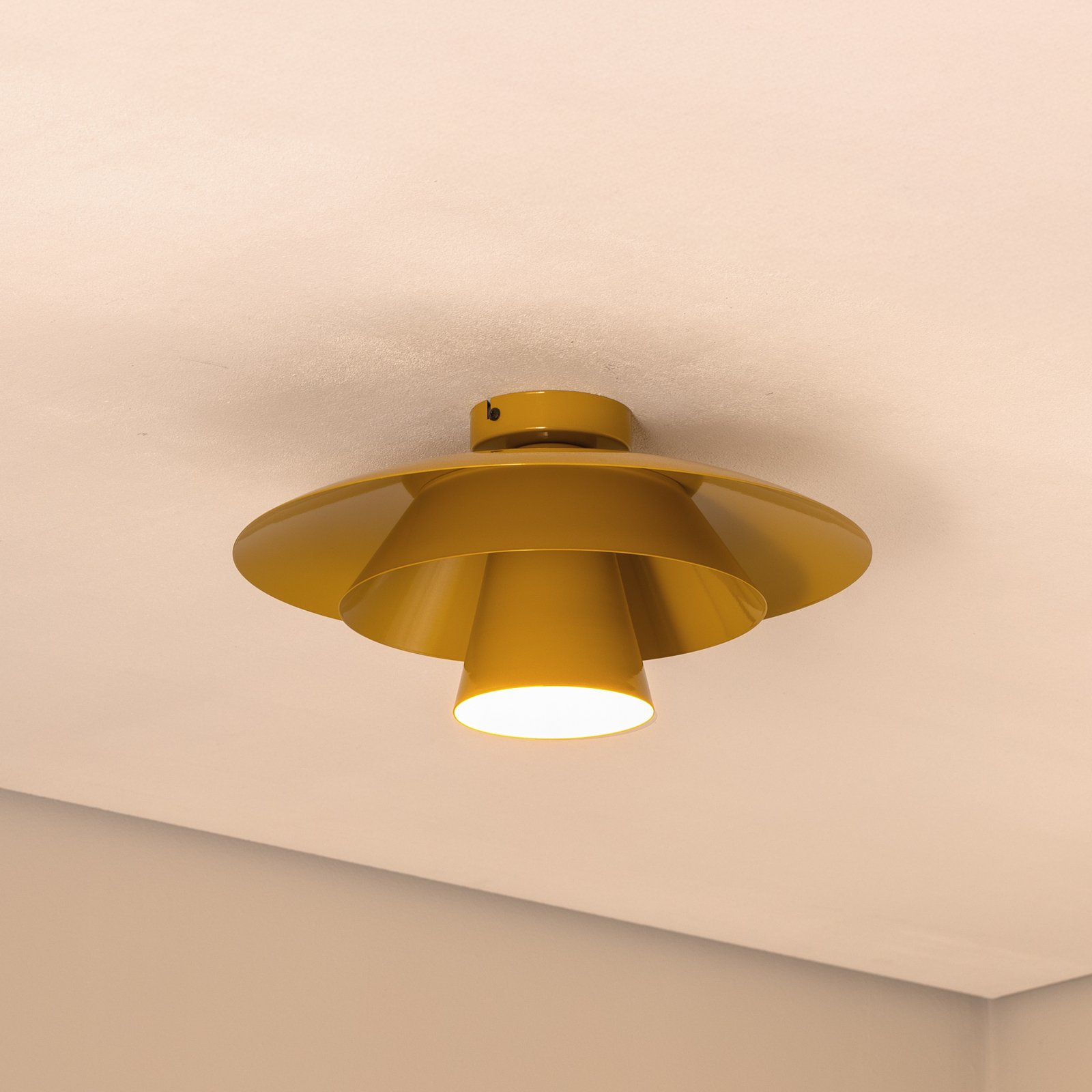
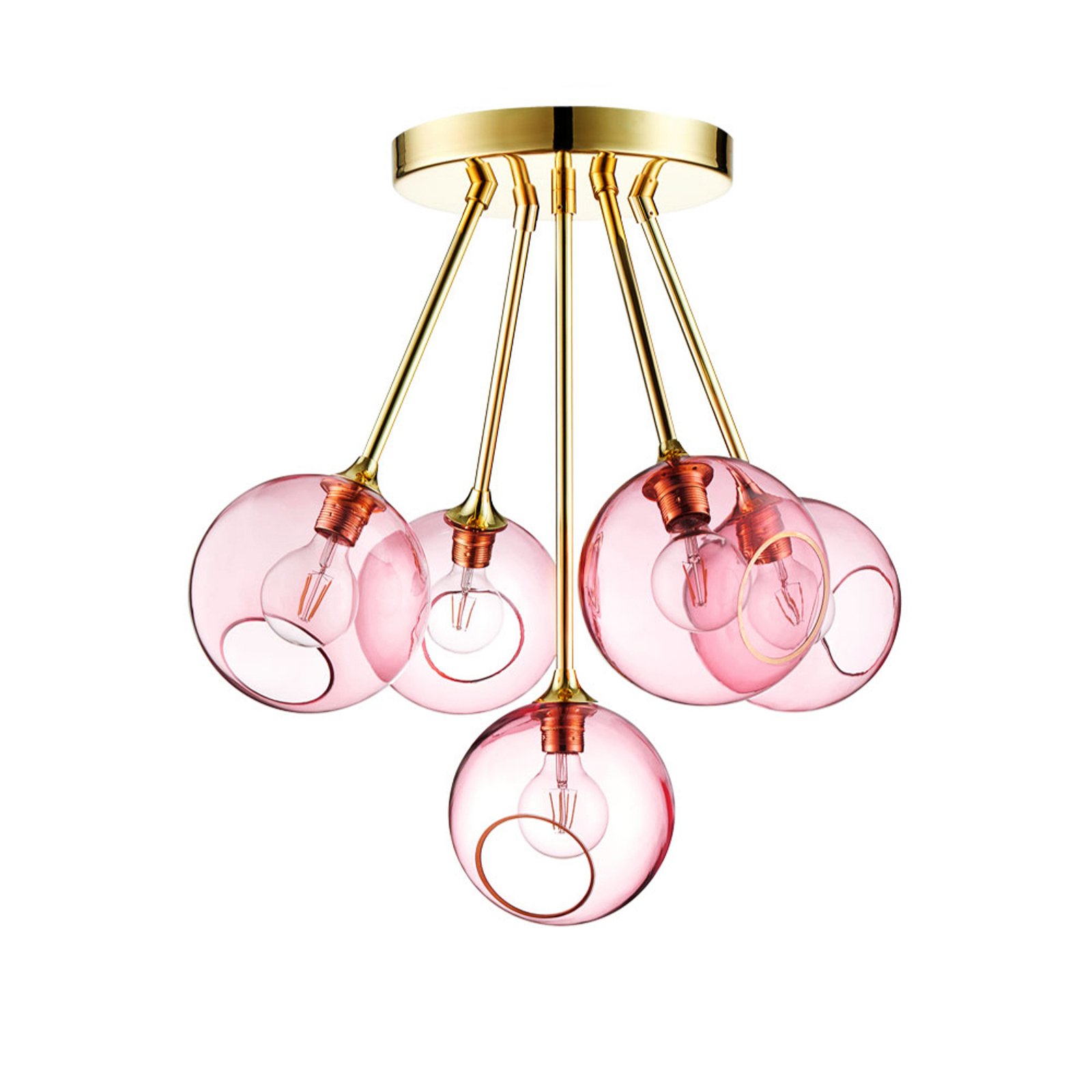
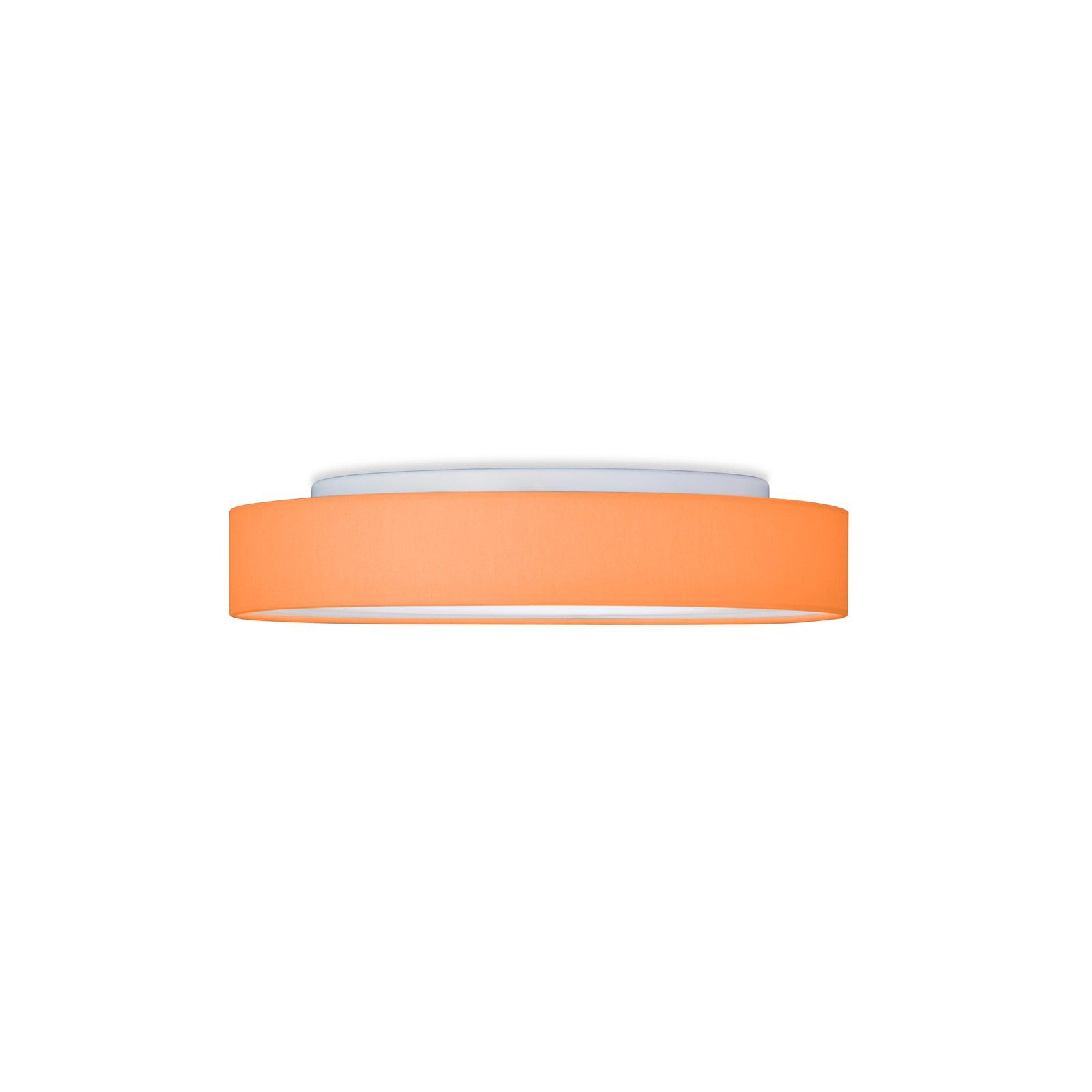
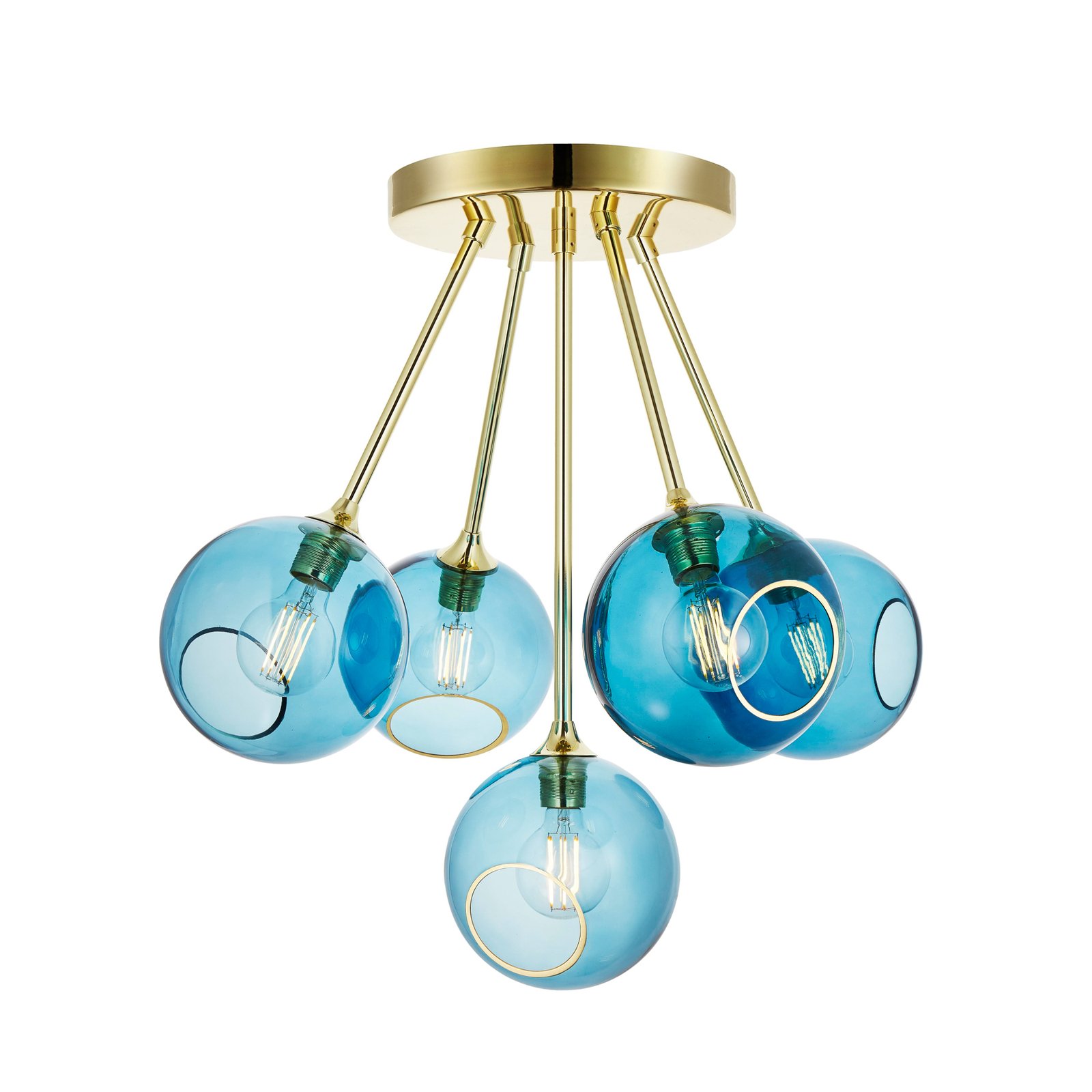
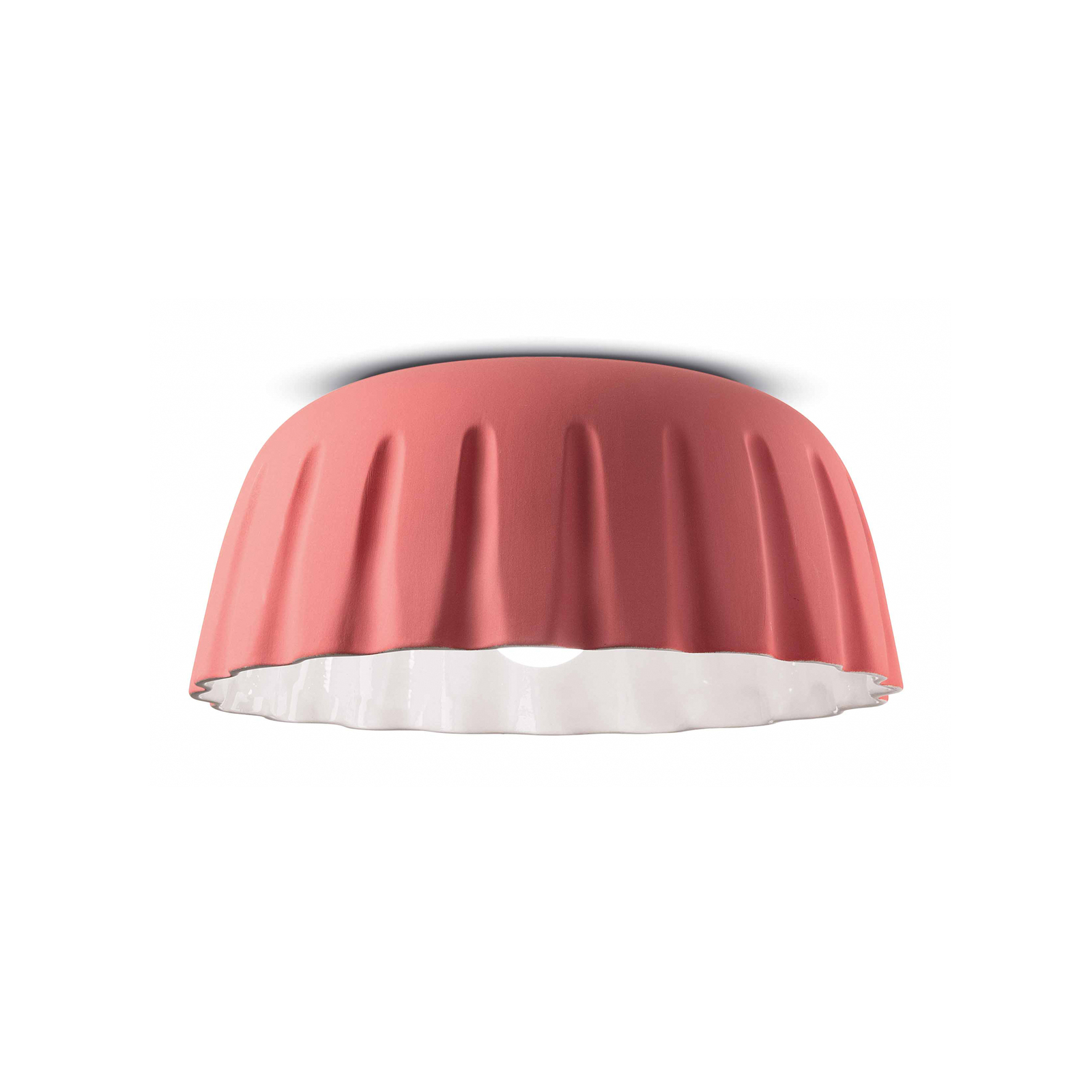
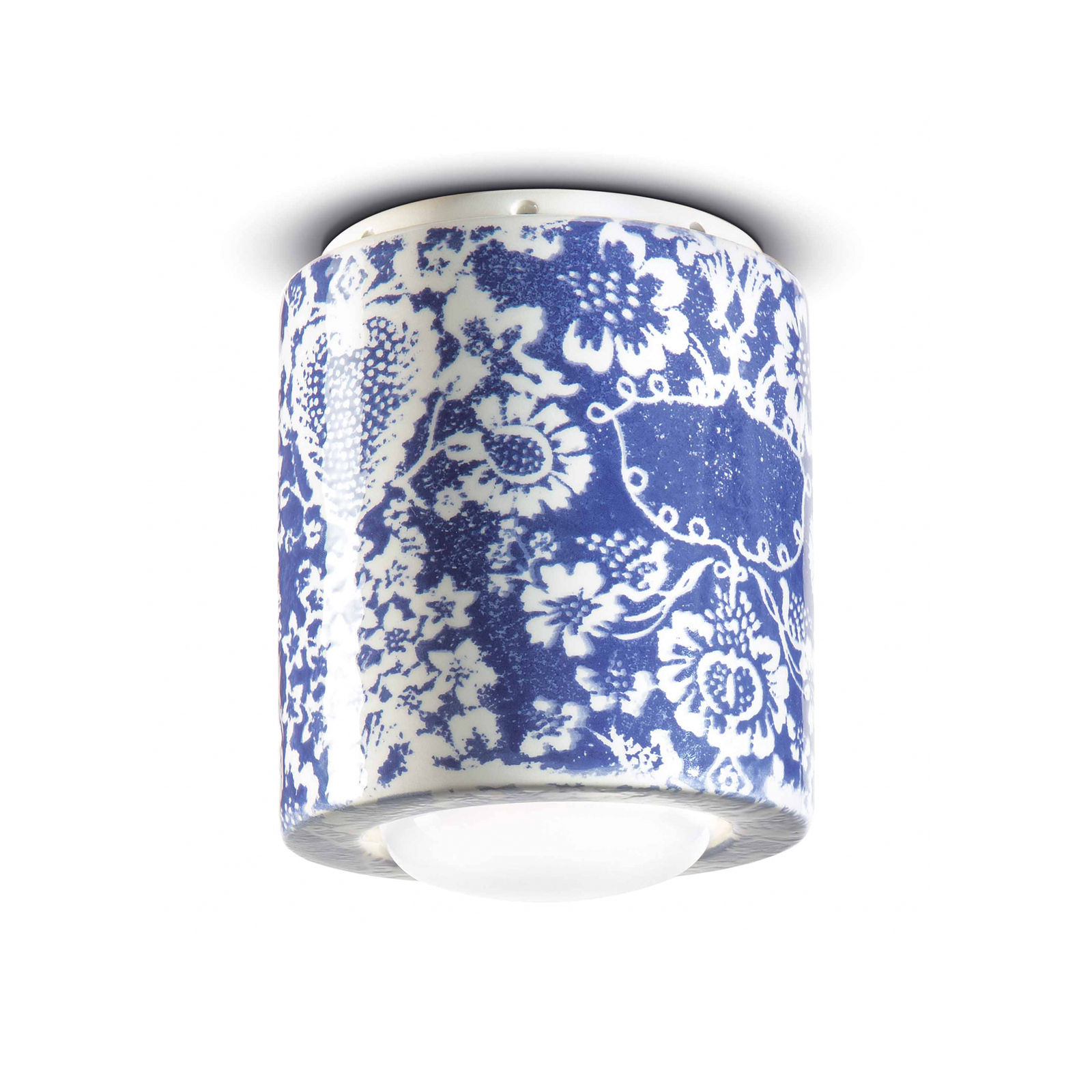
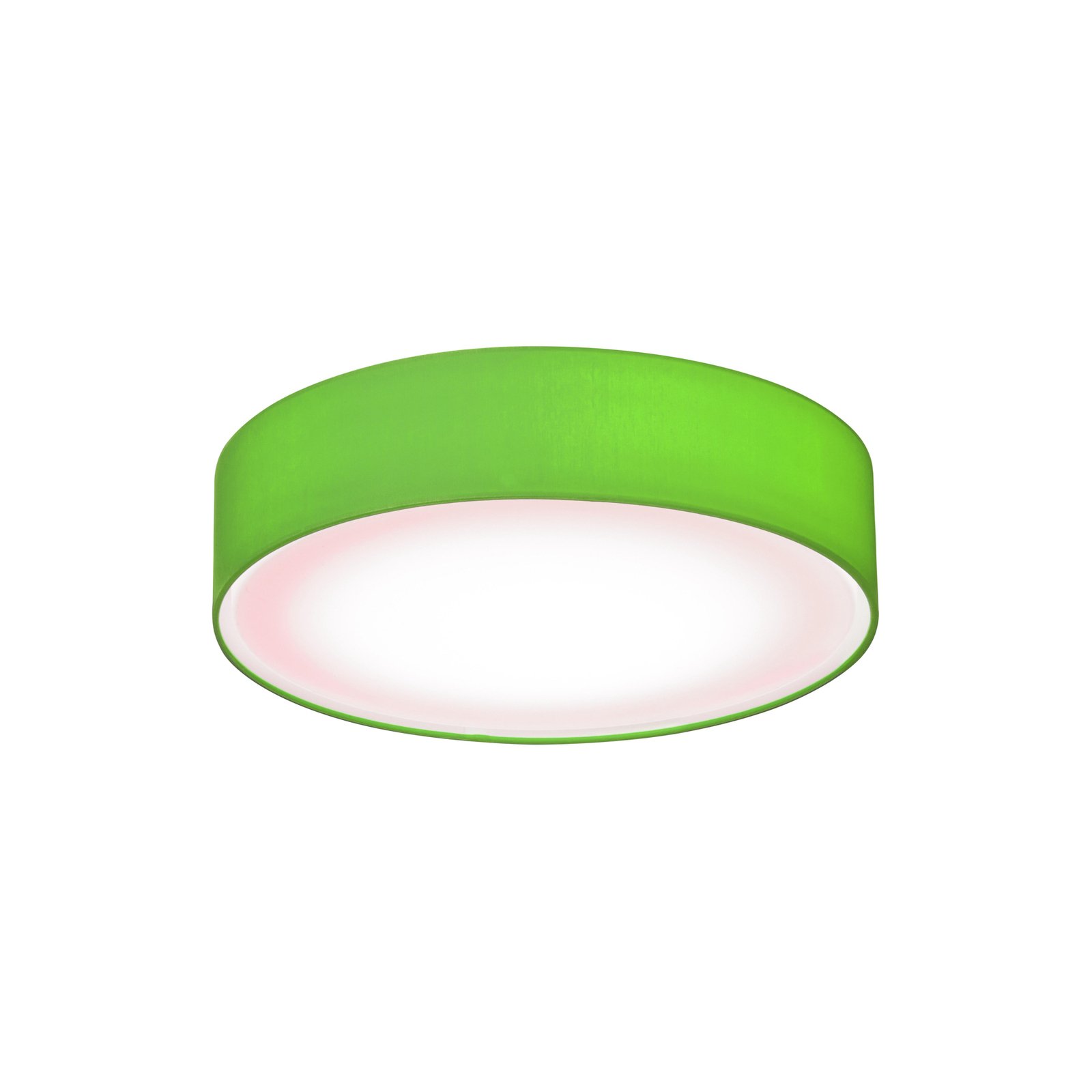
With the ‘Dopamine Decor’ trend, it’s perfectly fine for the ceiling to be colourful. A colourful Dopamin-Decor ceiling lamp adds a vibrant touch to the living room, hallway or children’s bedroom, and makes a statement the moment you walk in. From multicolour designs to brightly coloured, single-colour lighting ideas, there’s a wide range to choose from for your home décor. Warm white light ensures that bold colours retain their cosy and homely feel.
)
)
)
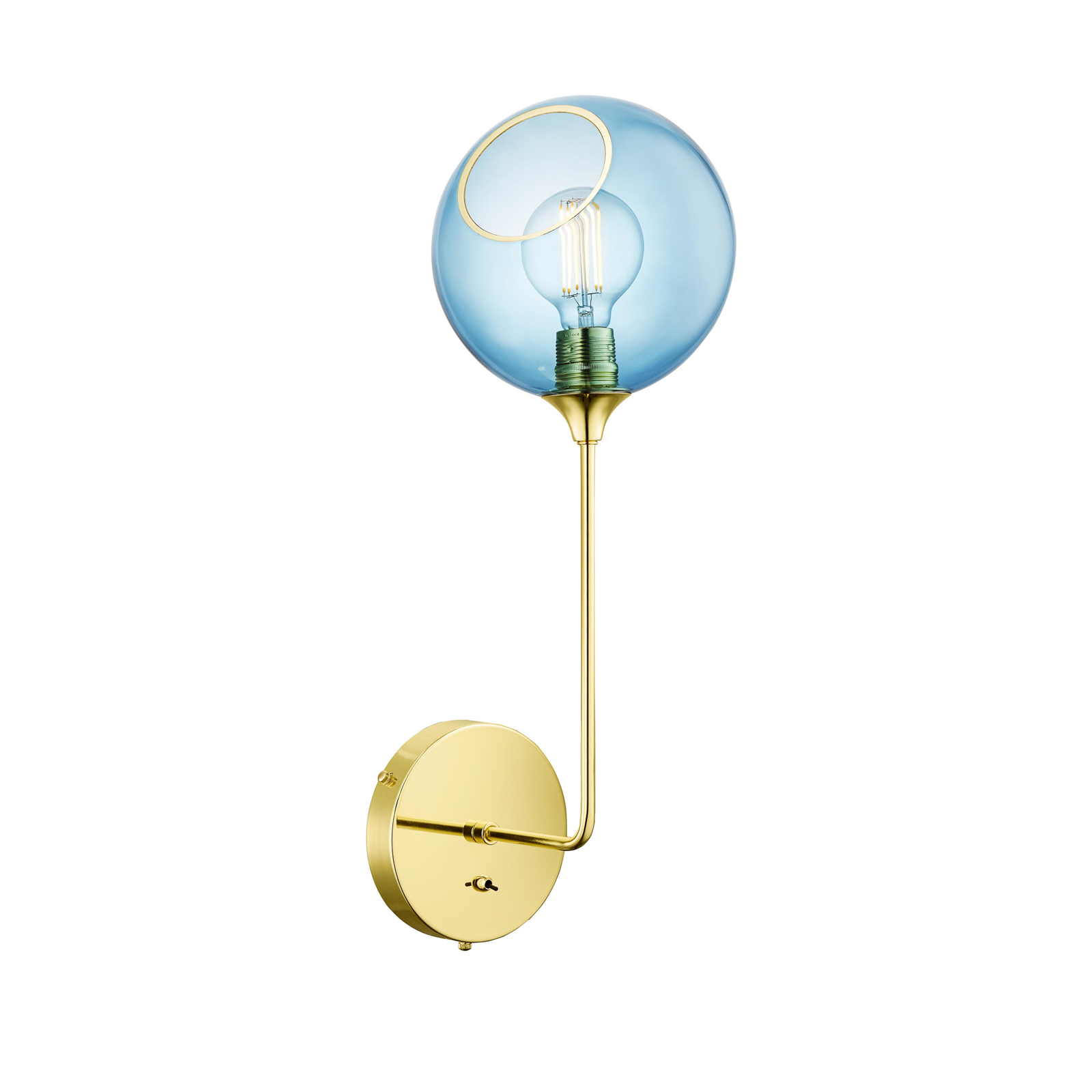
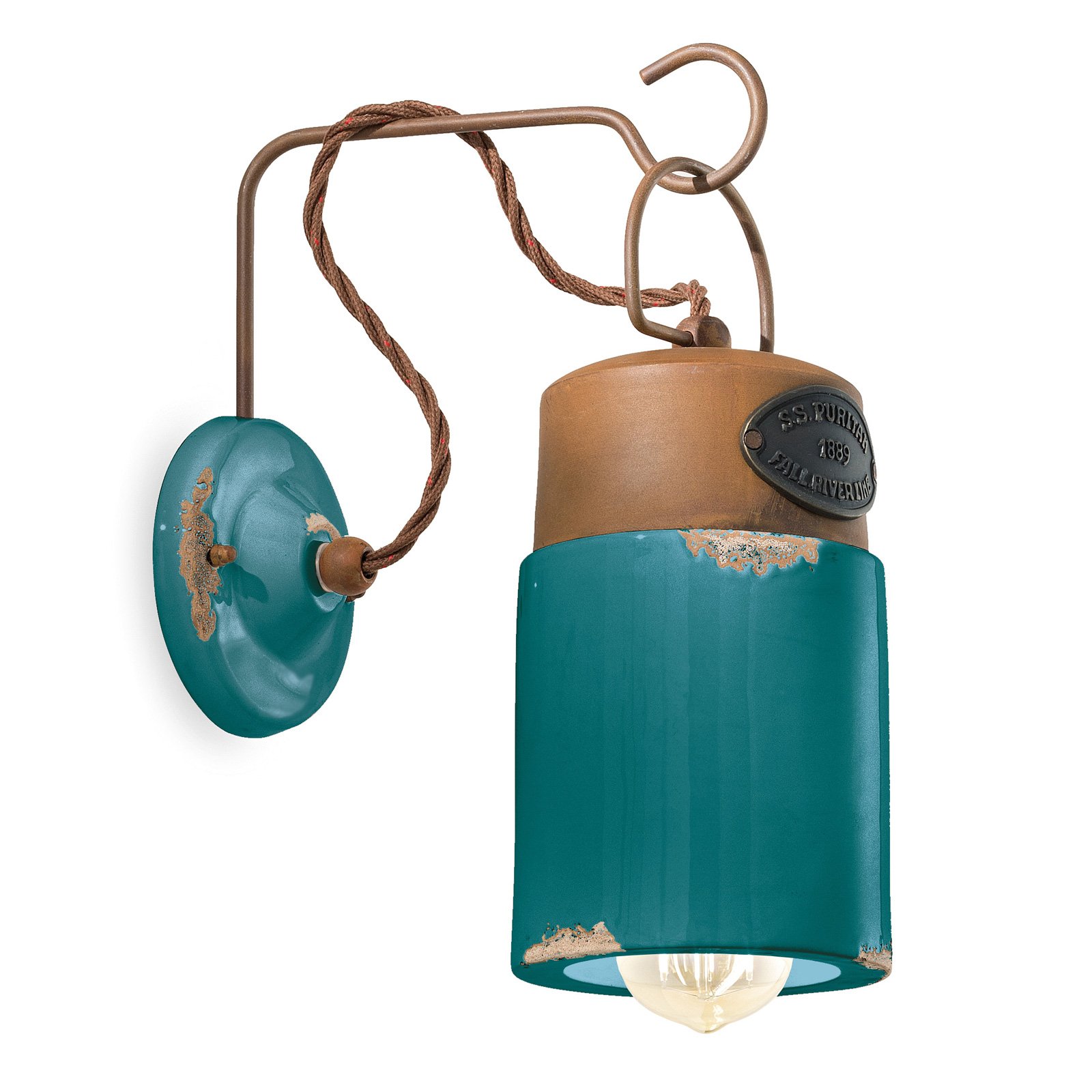
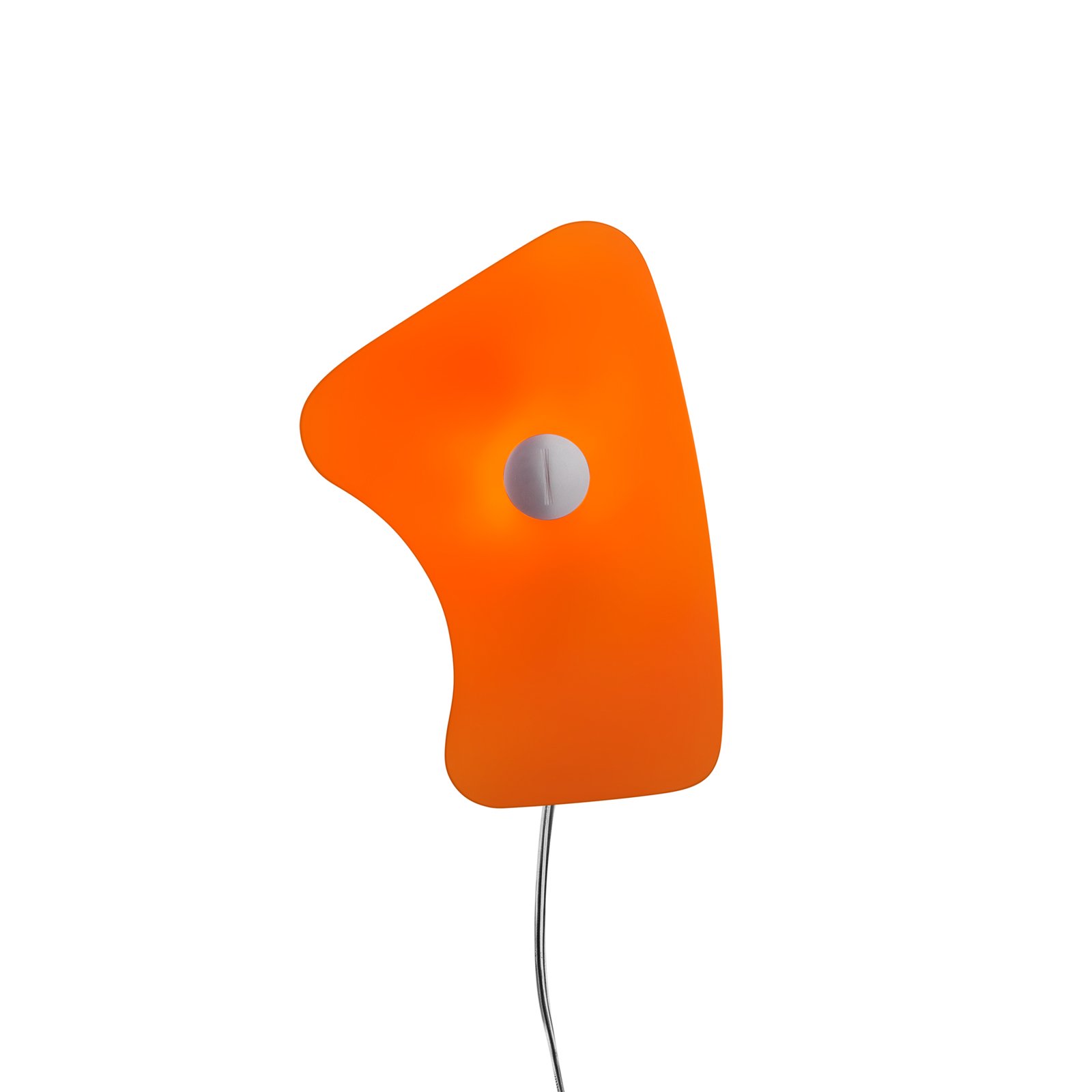
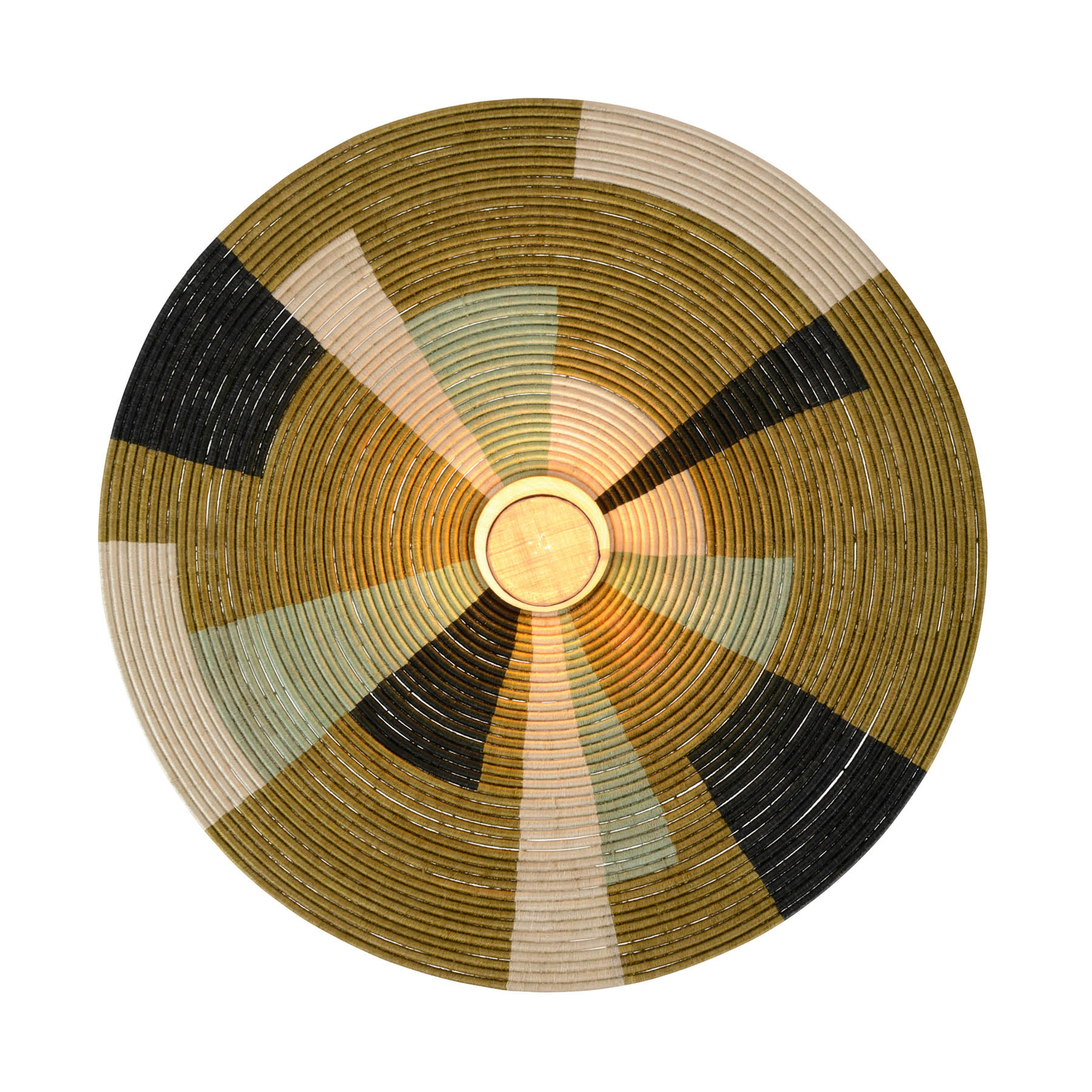
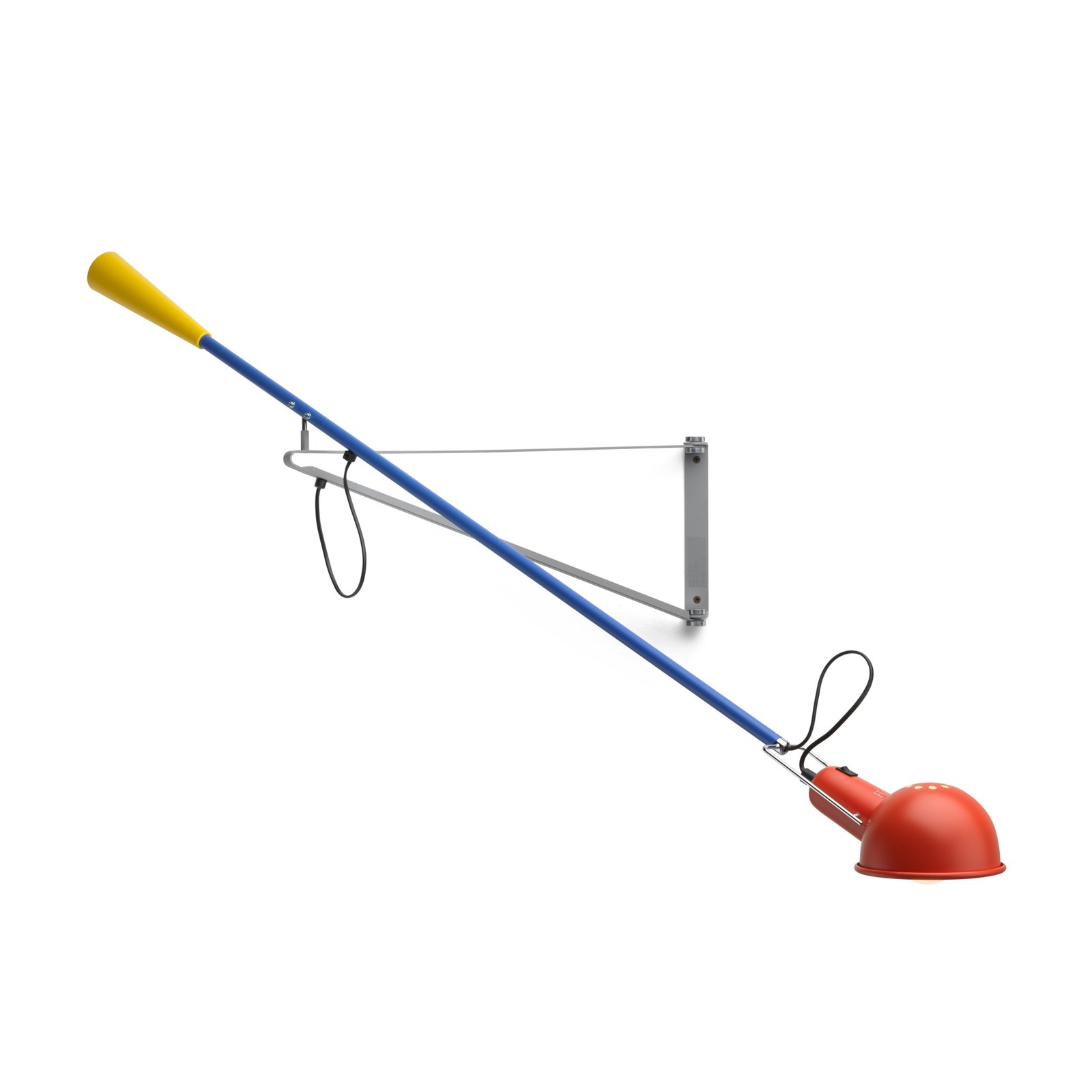
Joy-Inducing Wall Lights
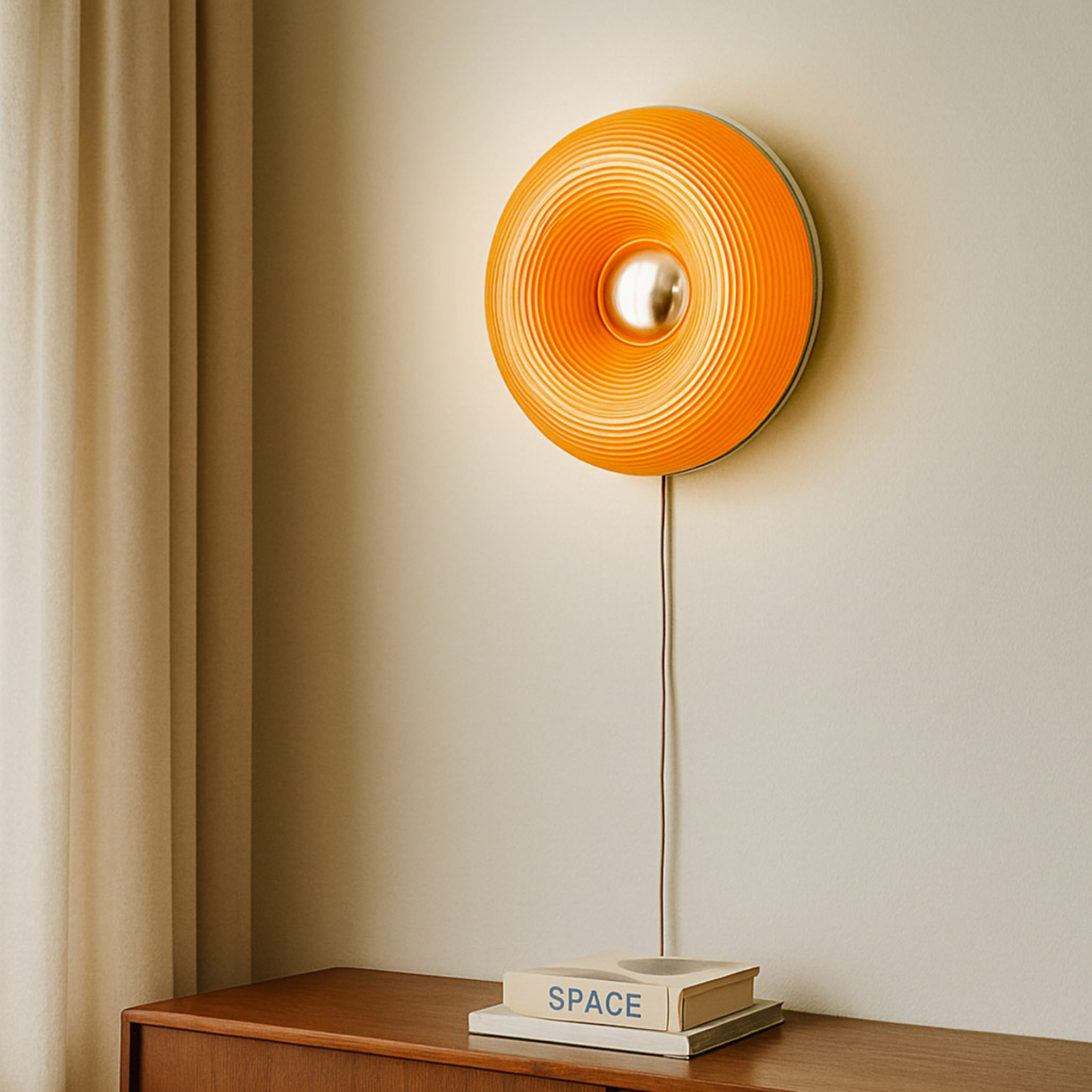
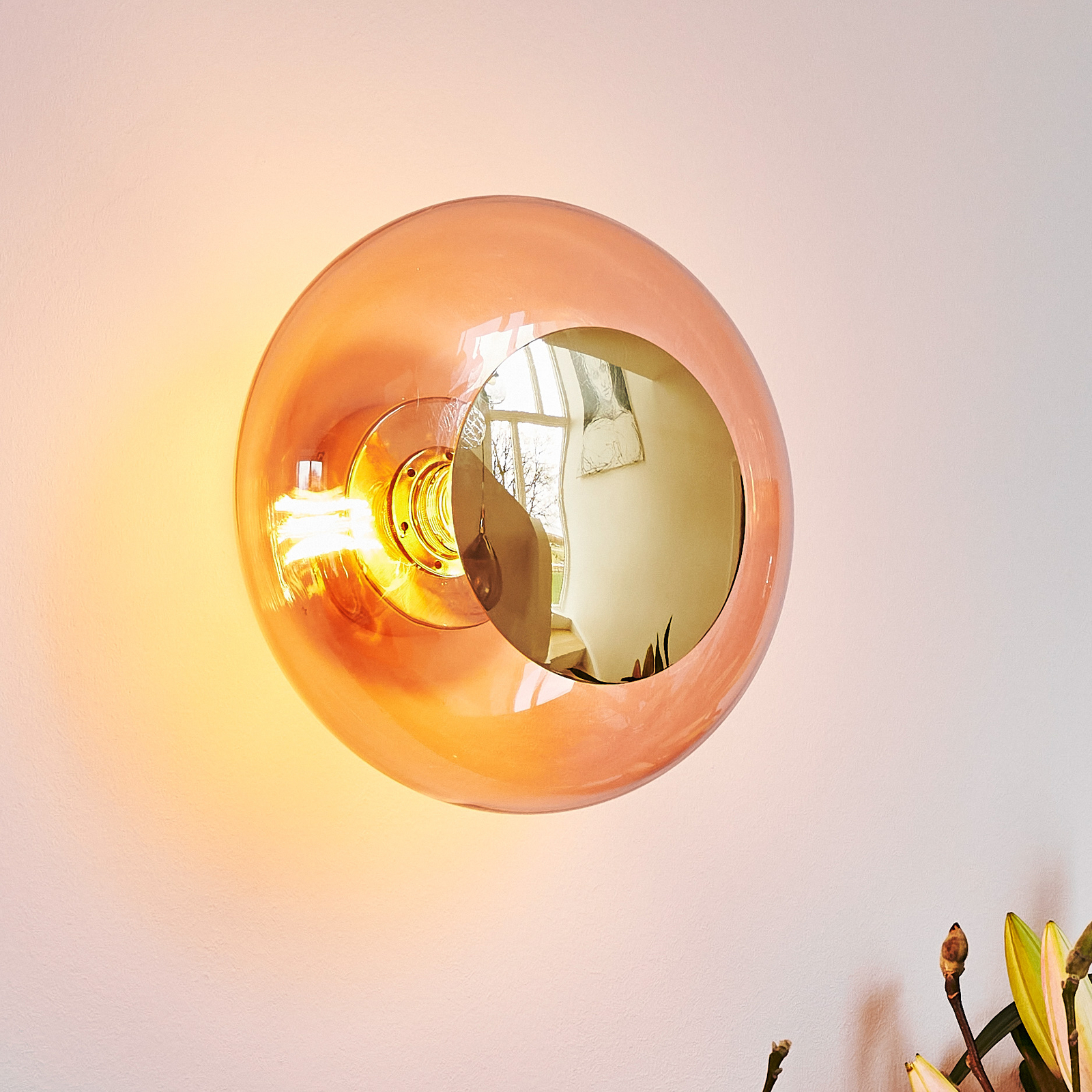
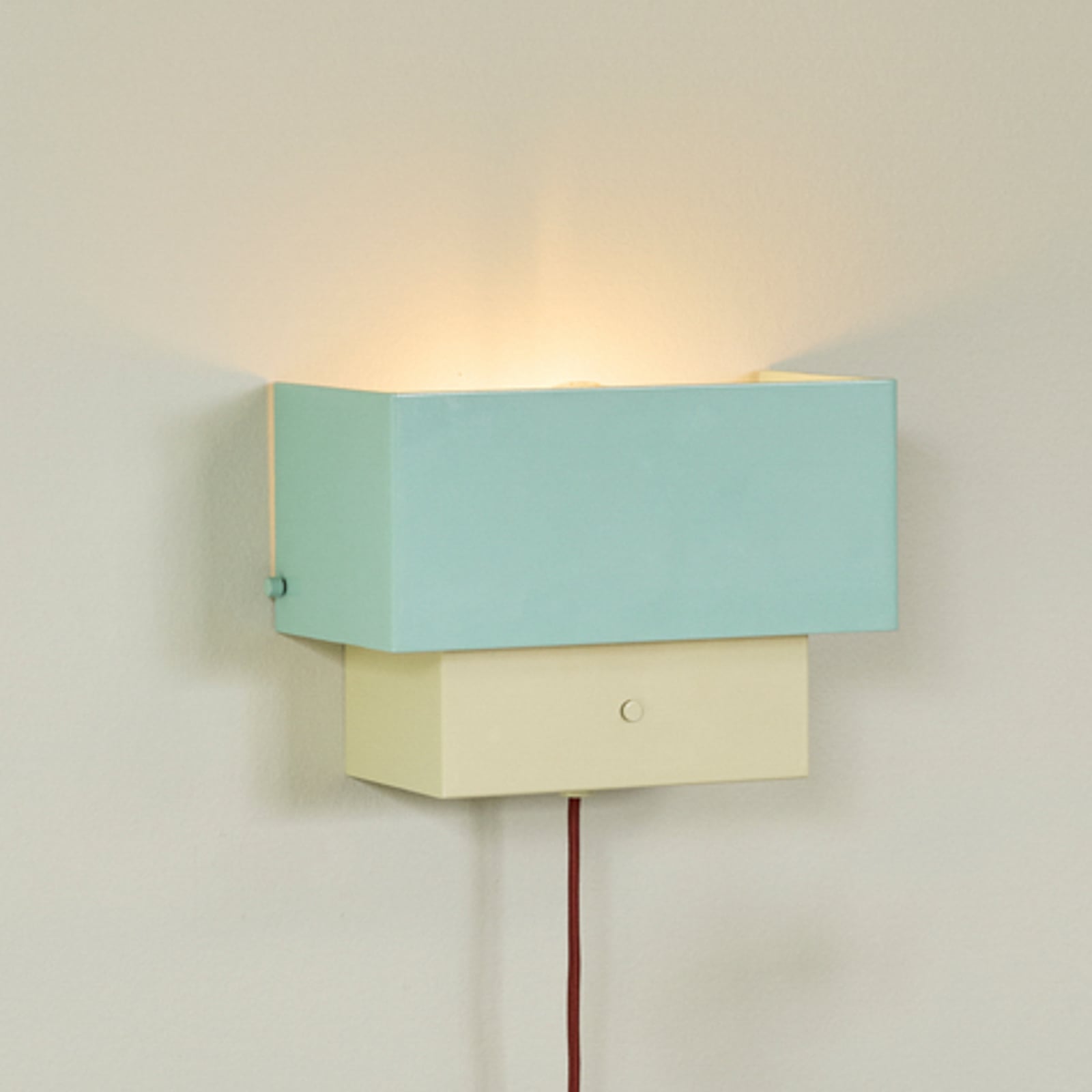
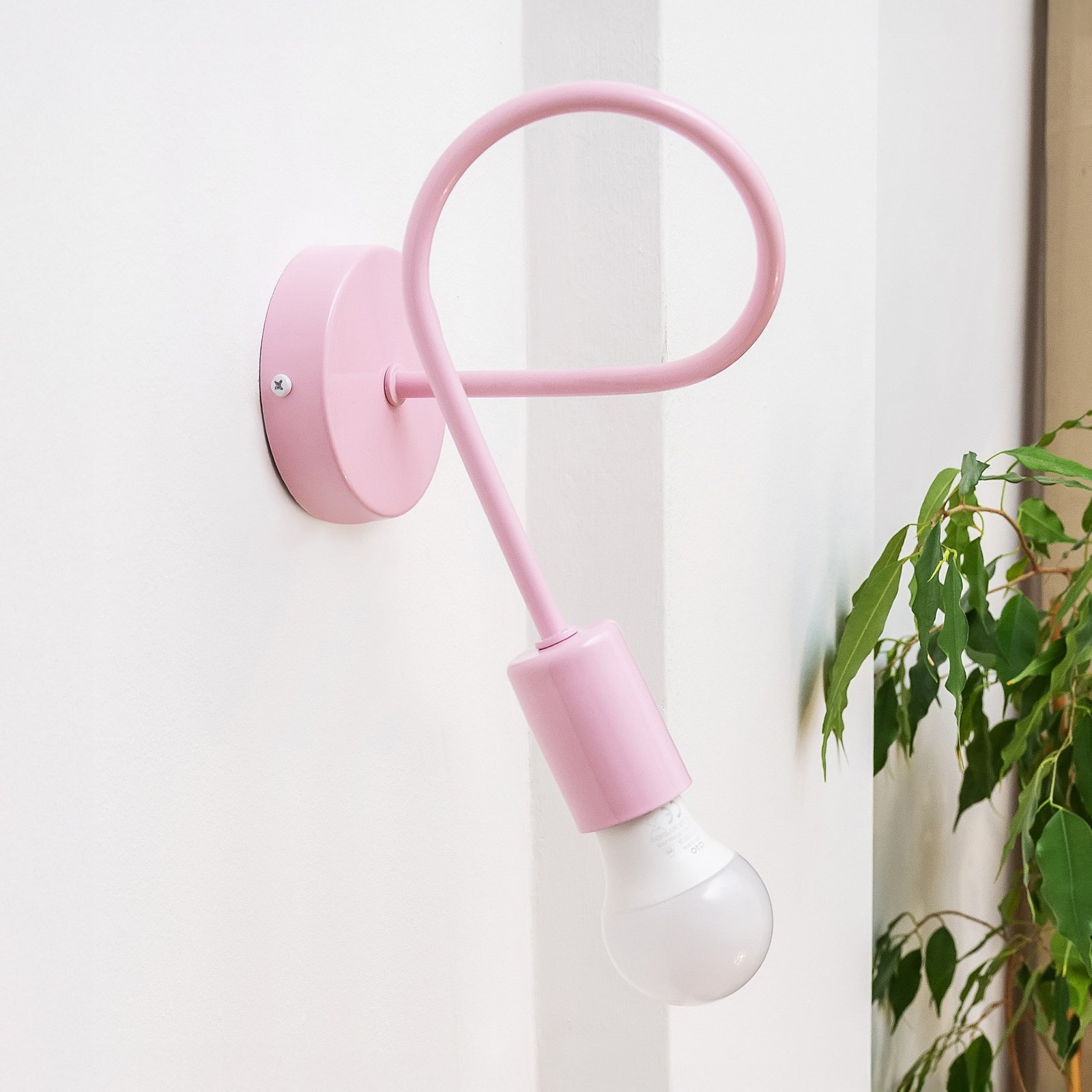
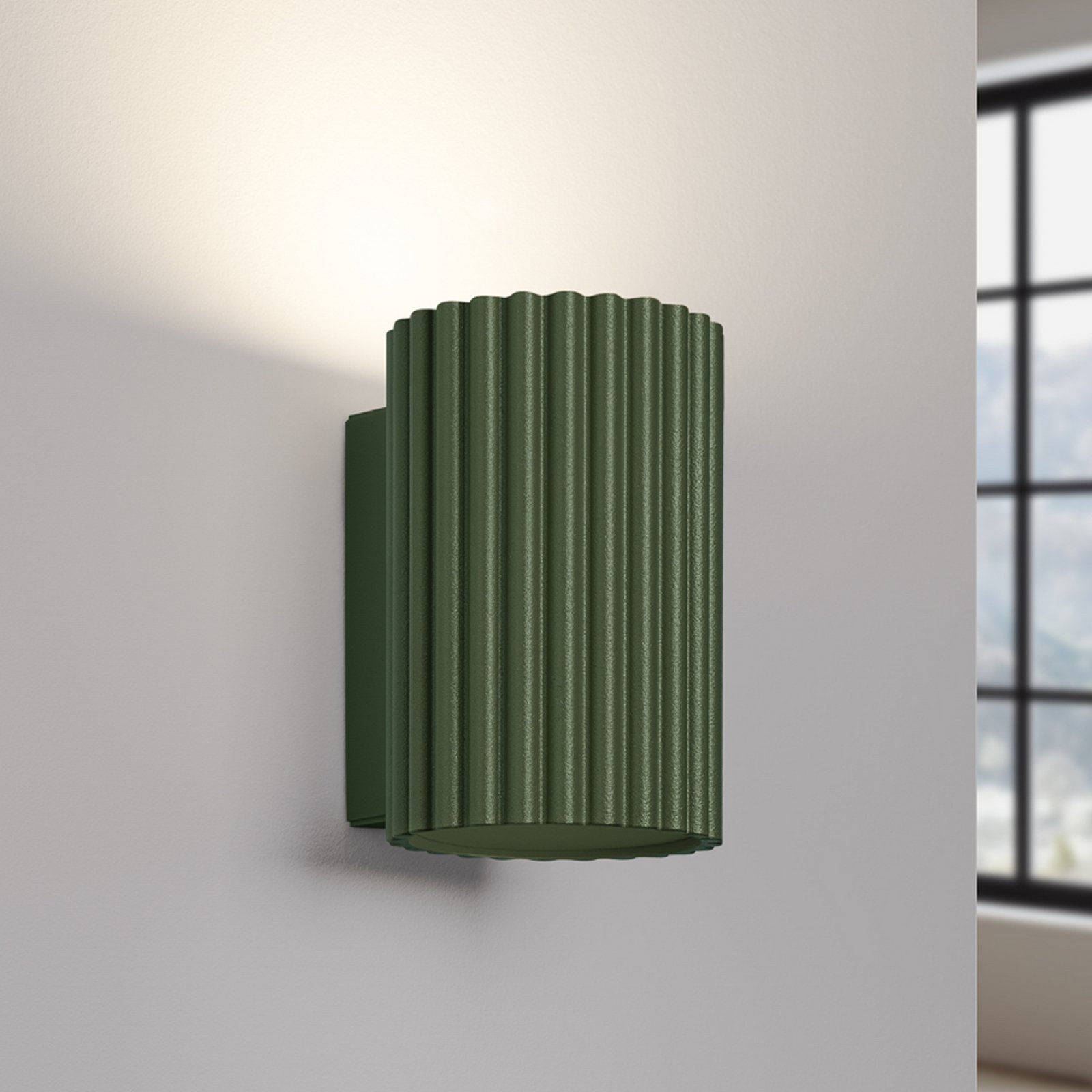
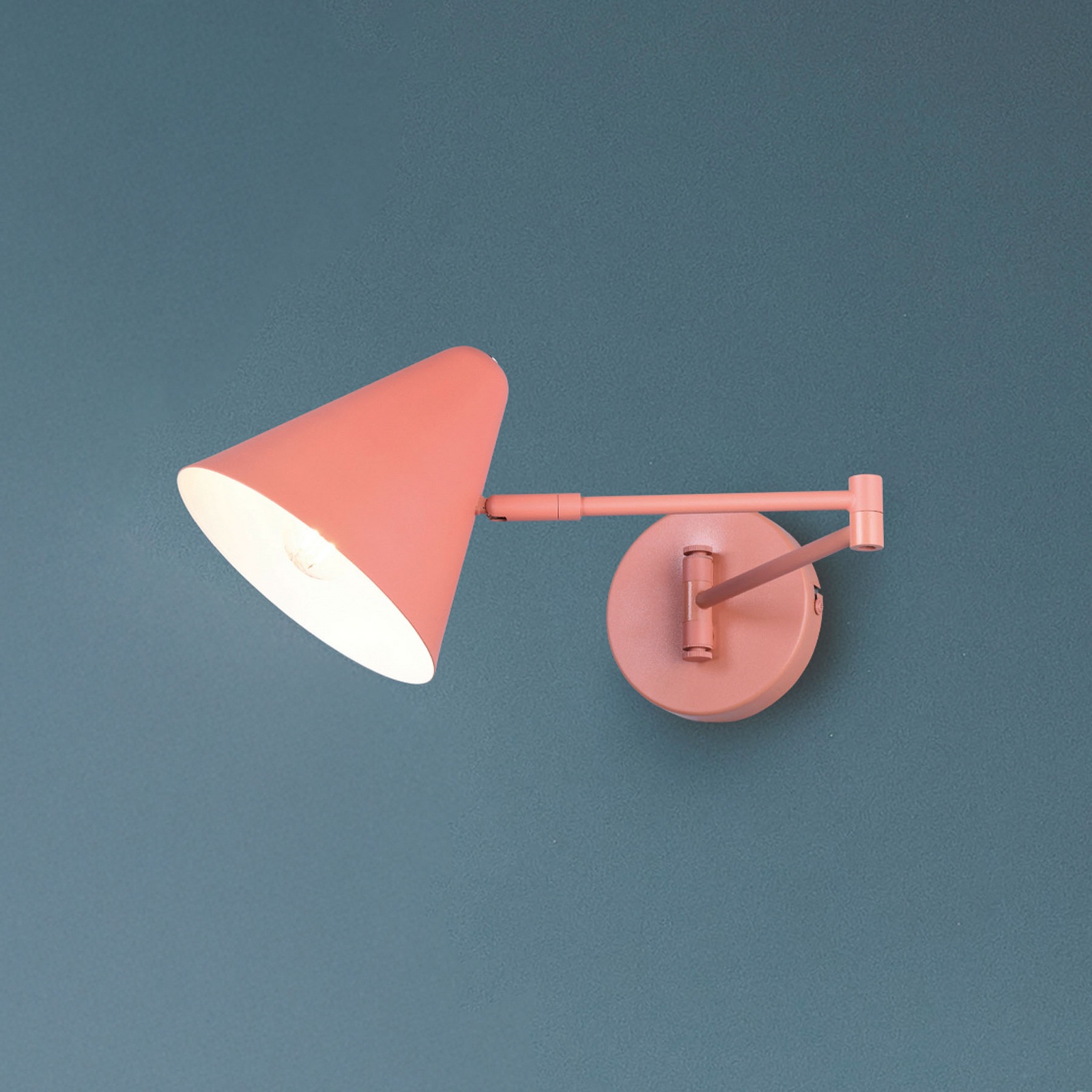
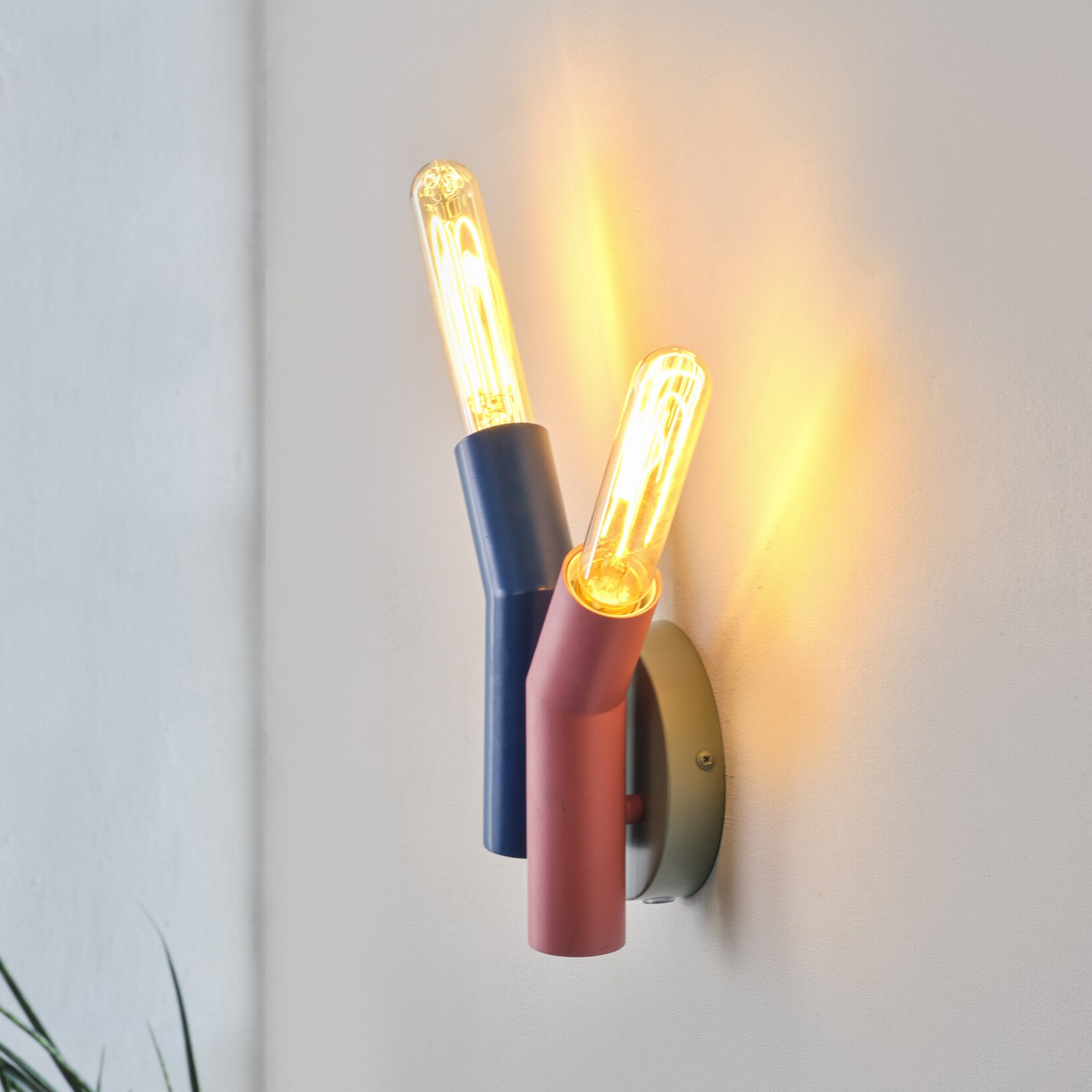
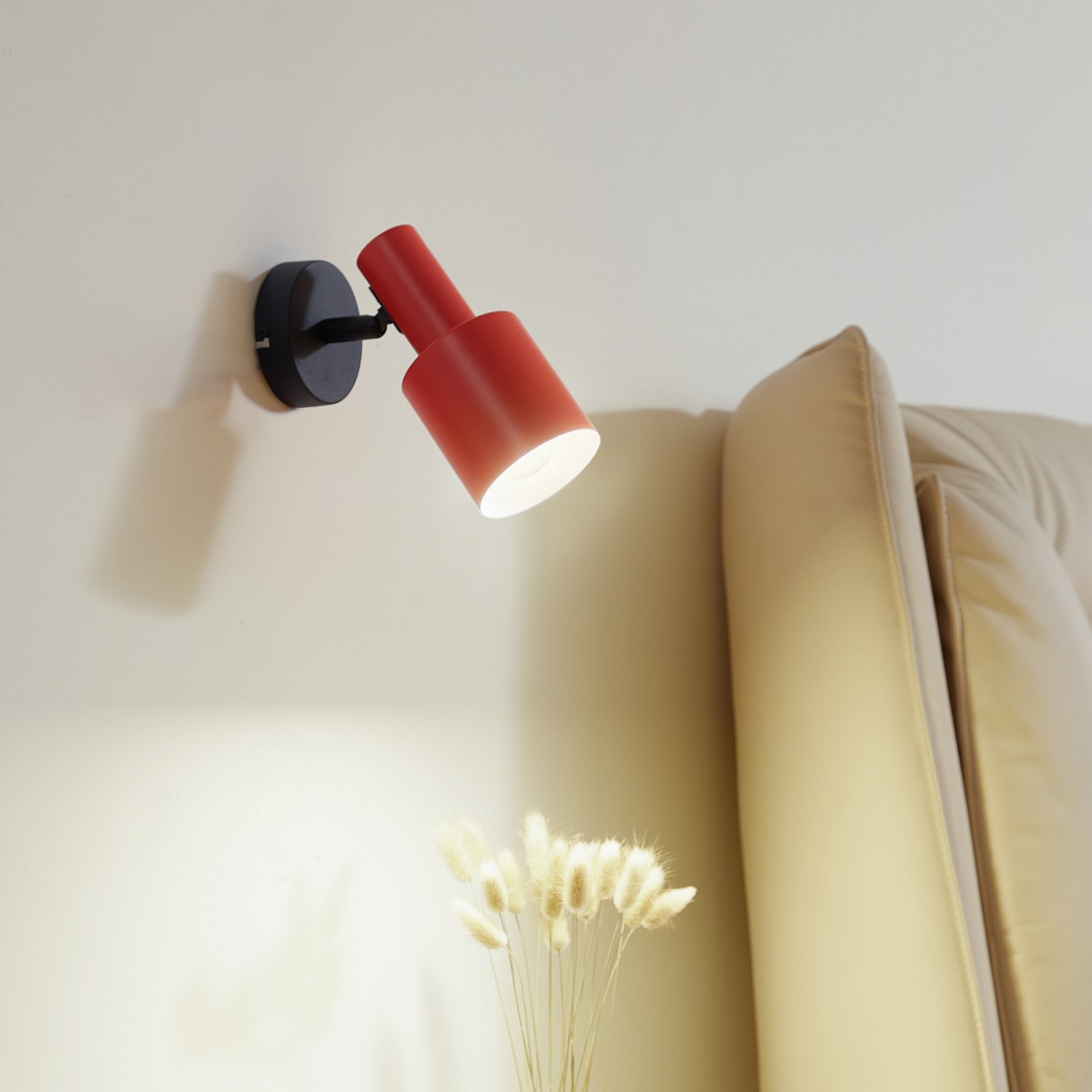
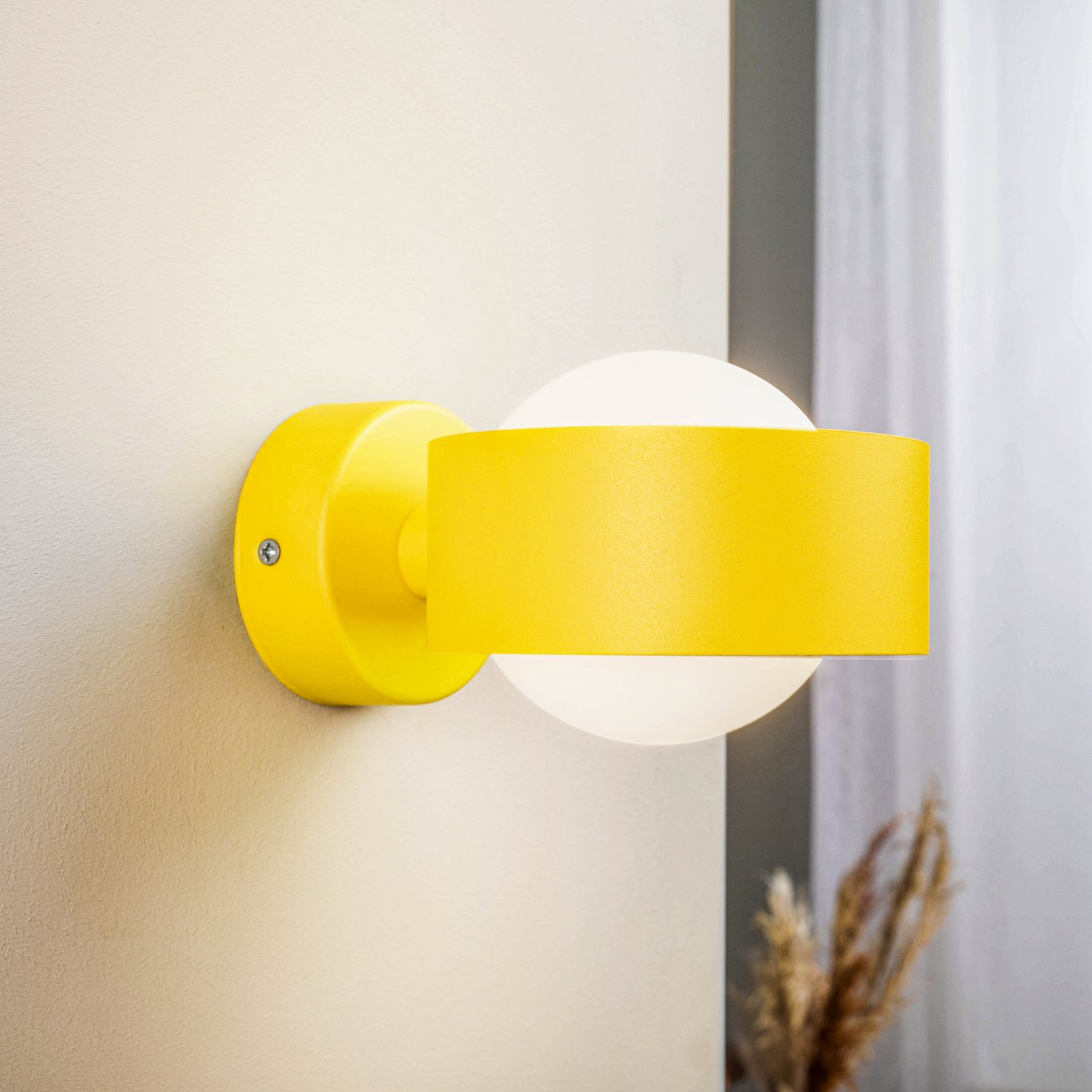
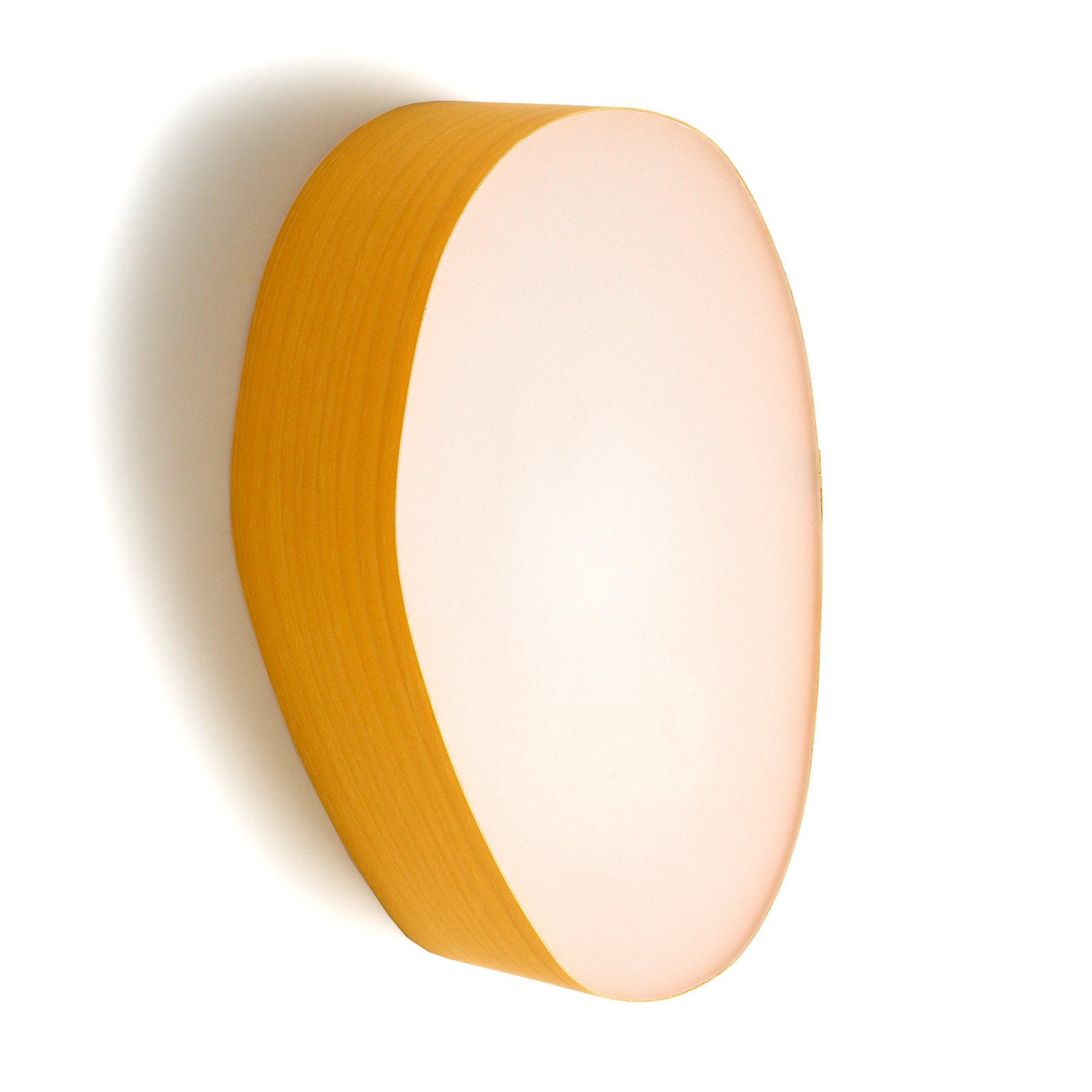
Colourful wall lights add subtle splashes of colour without taking up much space. They are particularly suitable for the hallway, a picture wall, the mirror in the entrance hall, the sideboard or a cosy reading corner. In a dopamine-inspired décor, they can be combined beautifully with colourful pictures, posters or gallery walls. When arranged in pairs or in small groups, they look particularly decorative and lend the room extra depth.

)
)
)
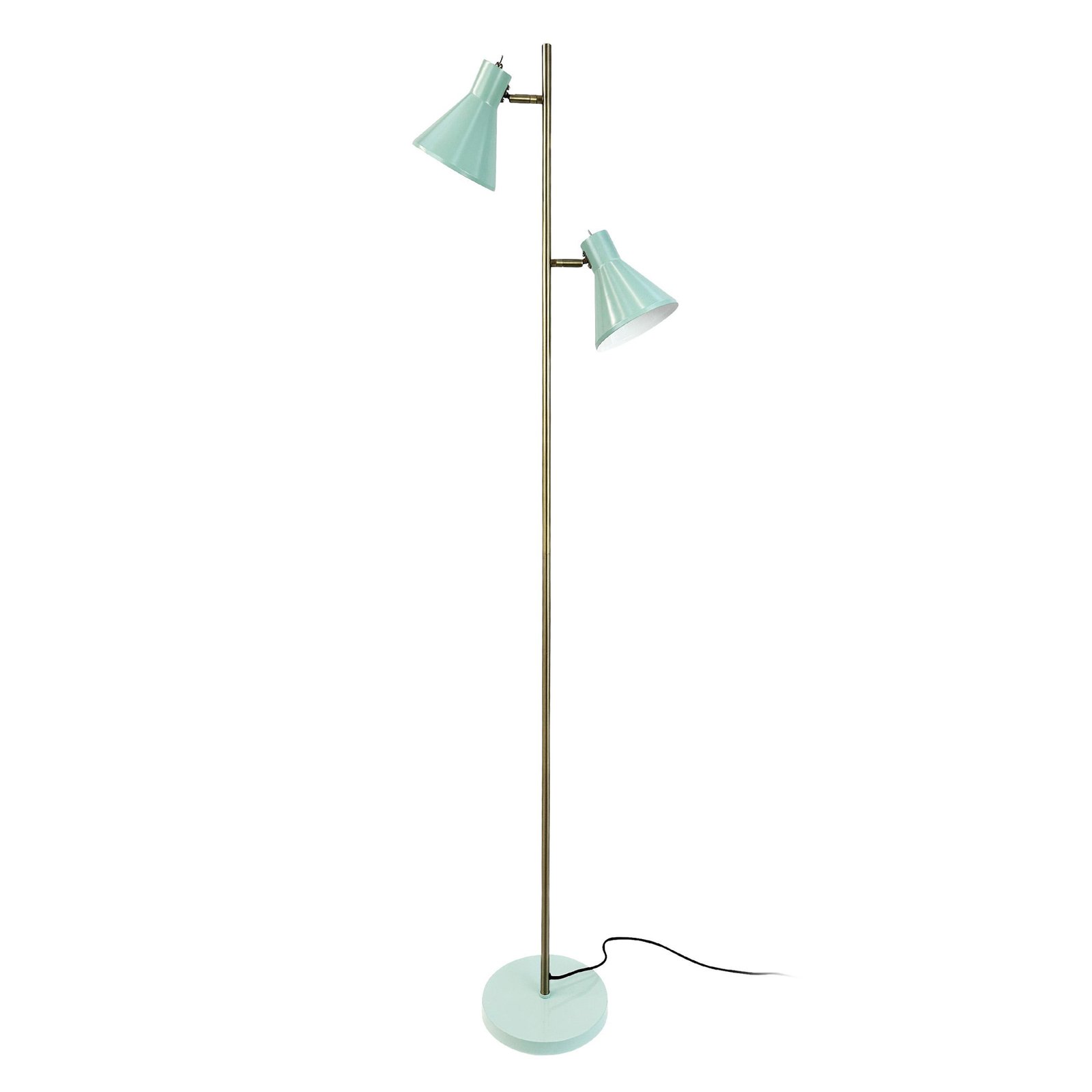
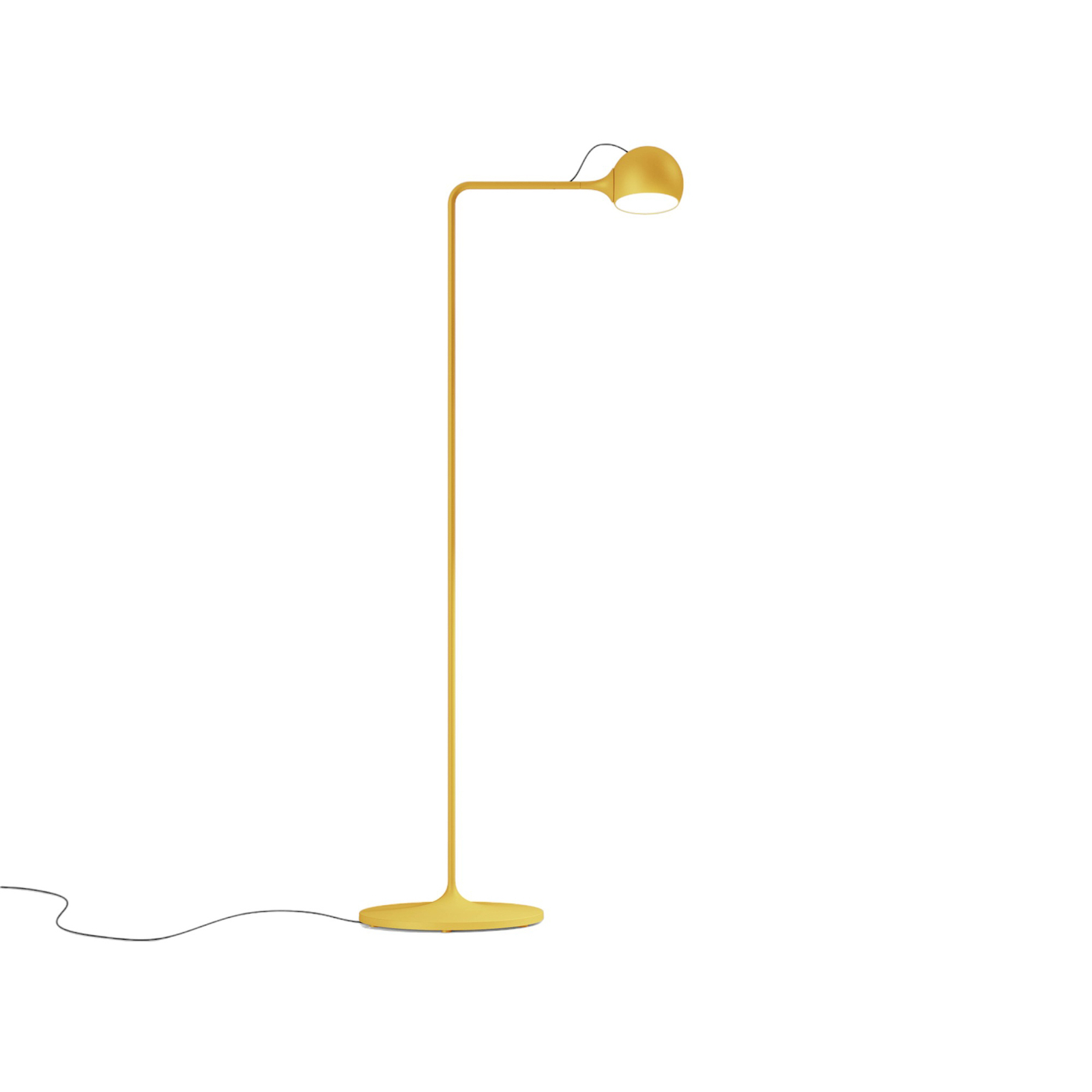
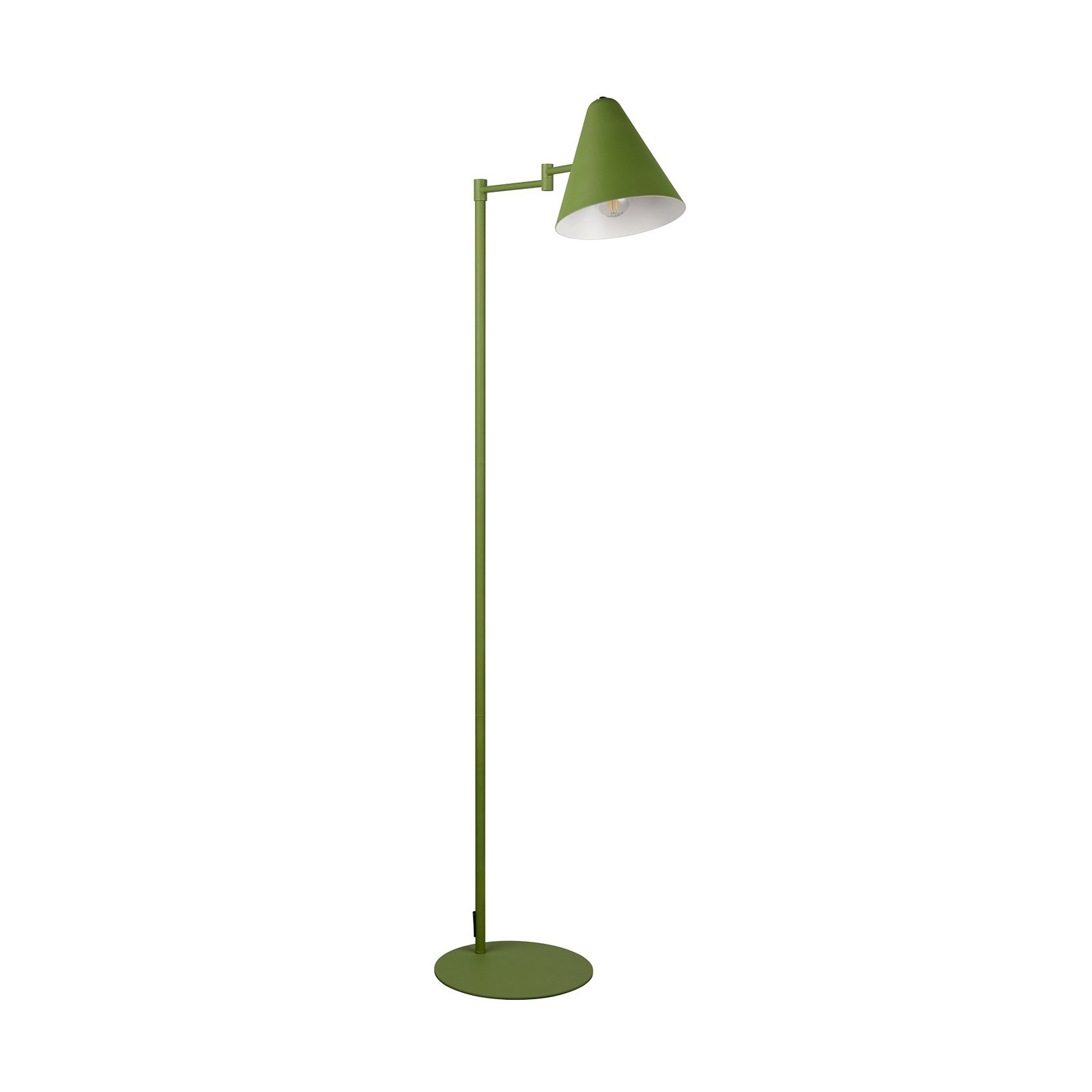
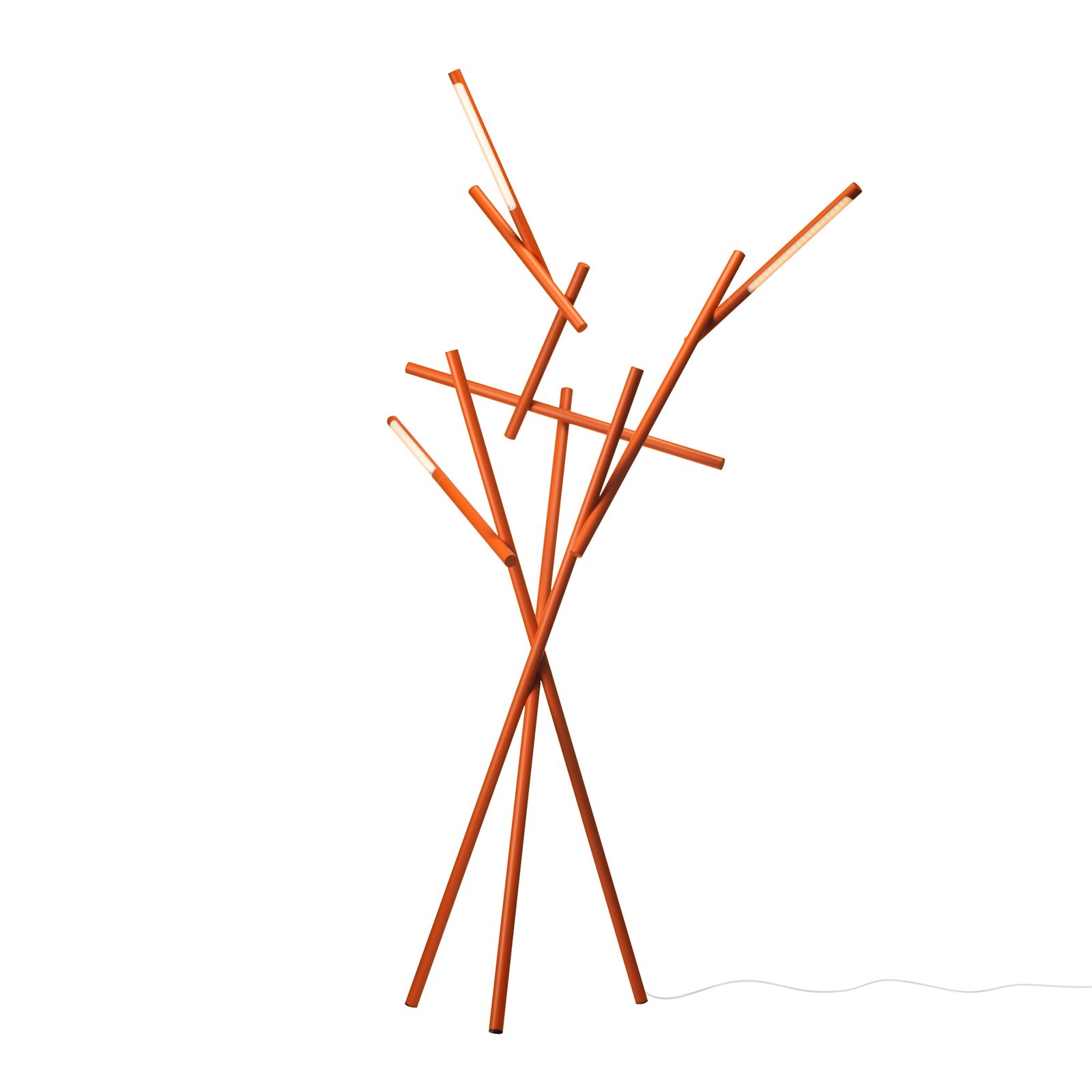
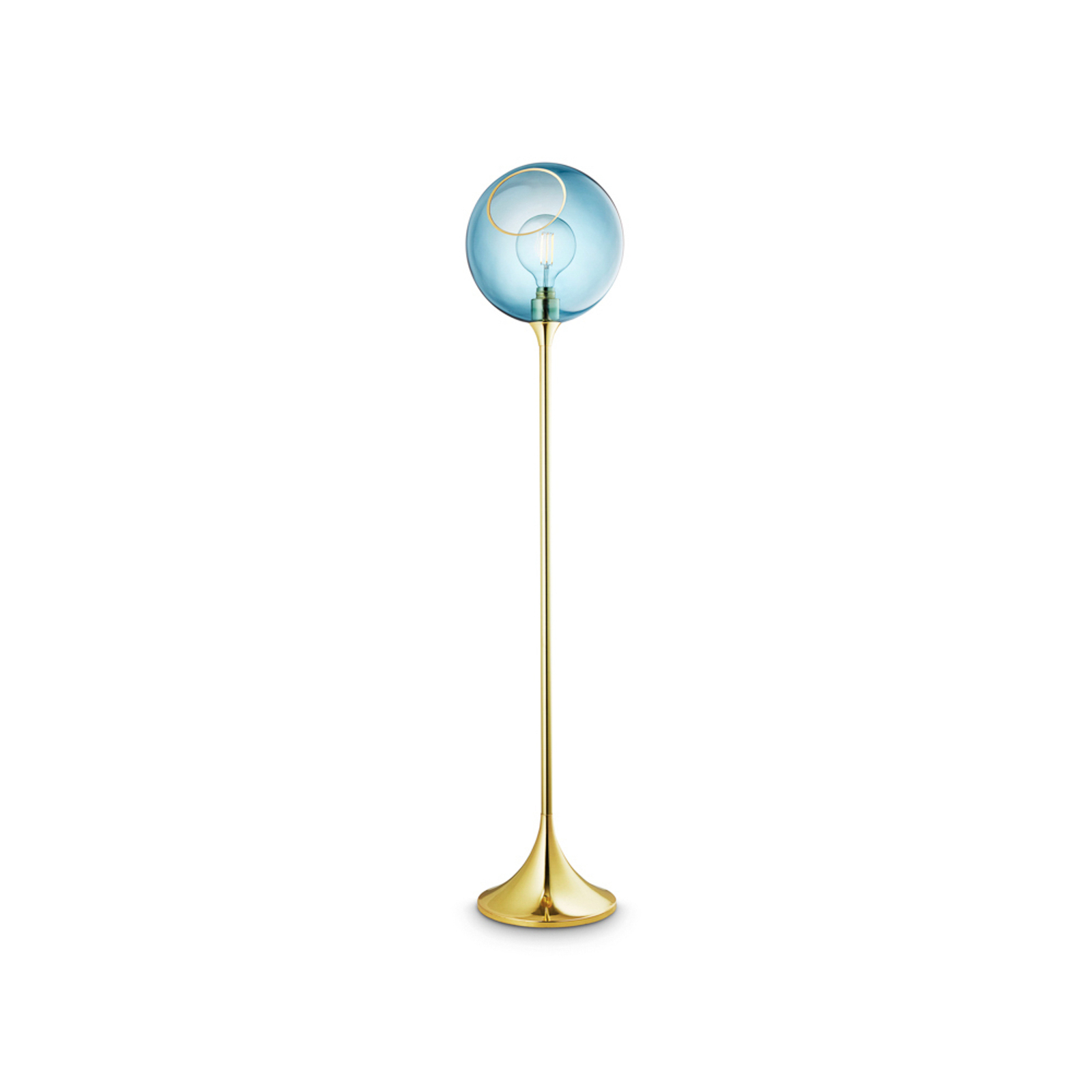
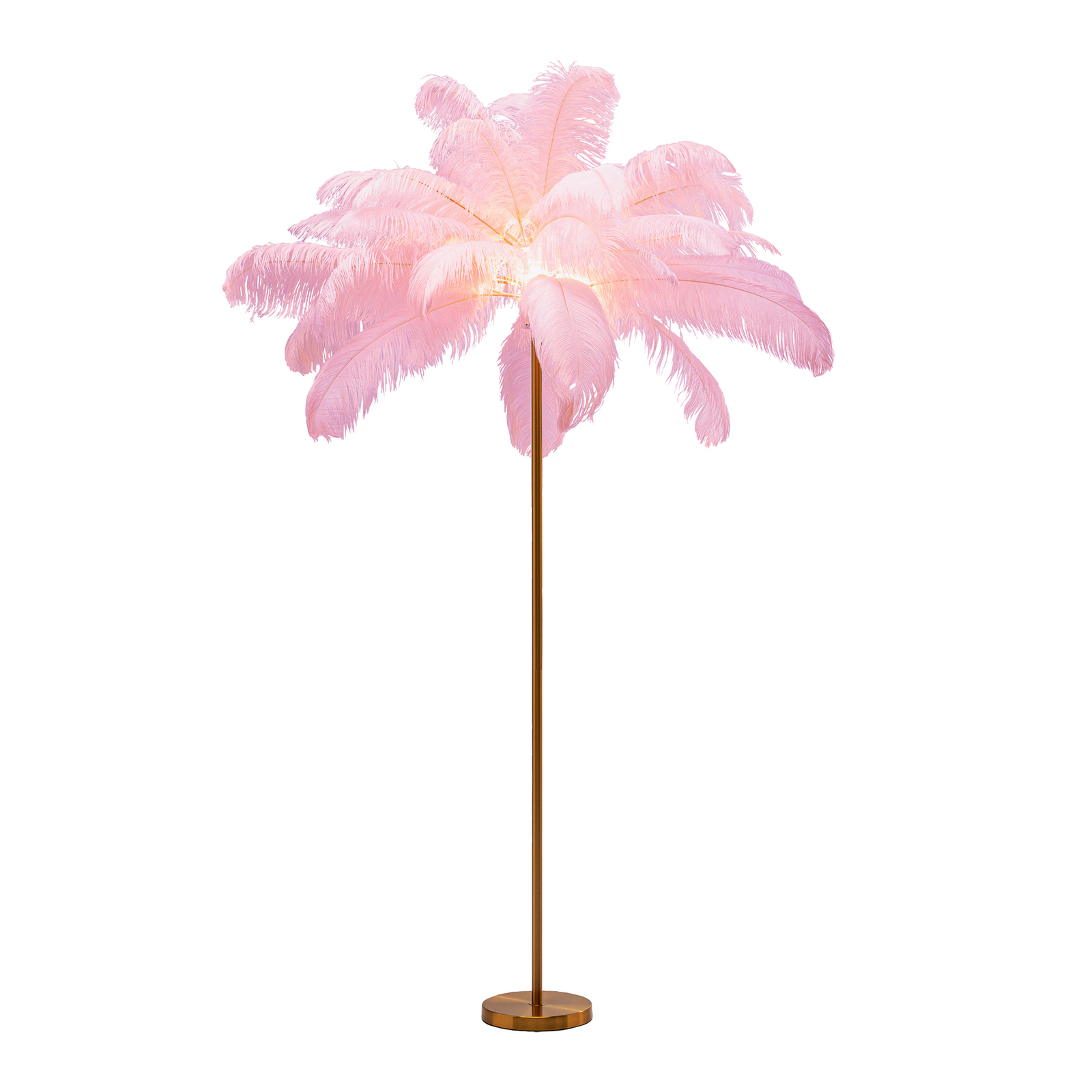
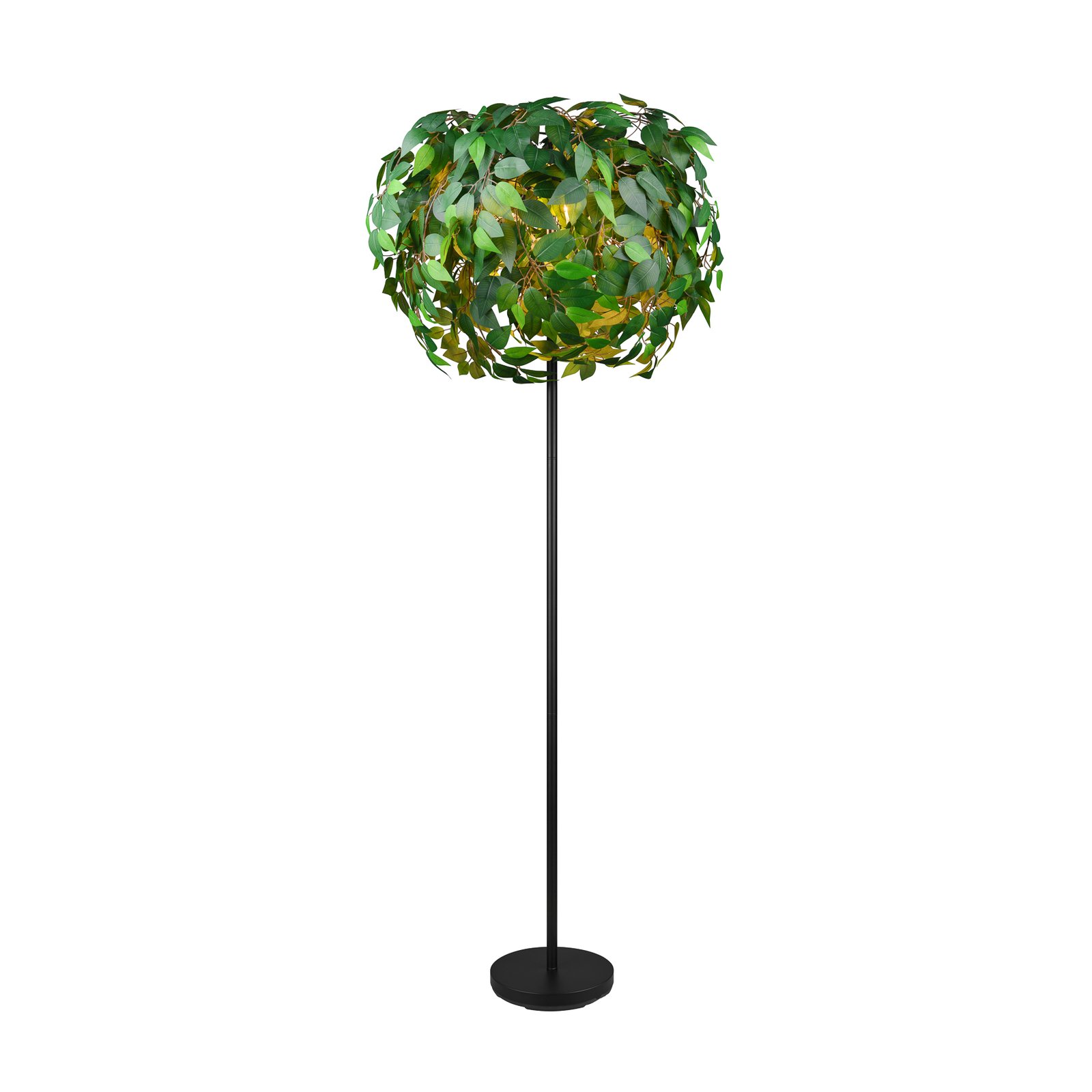
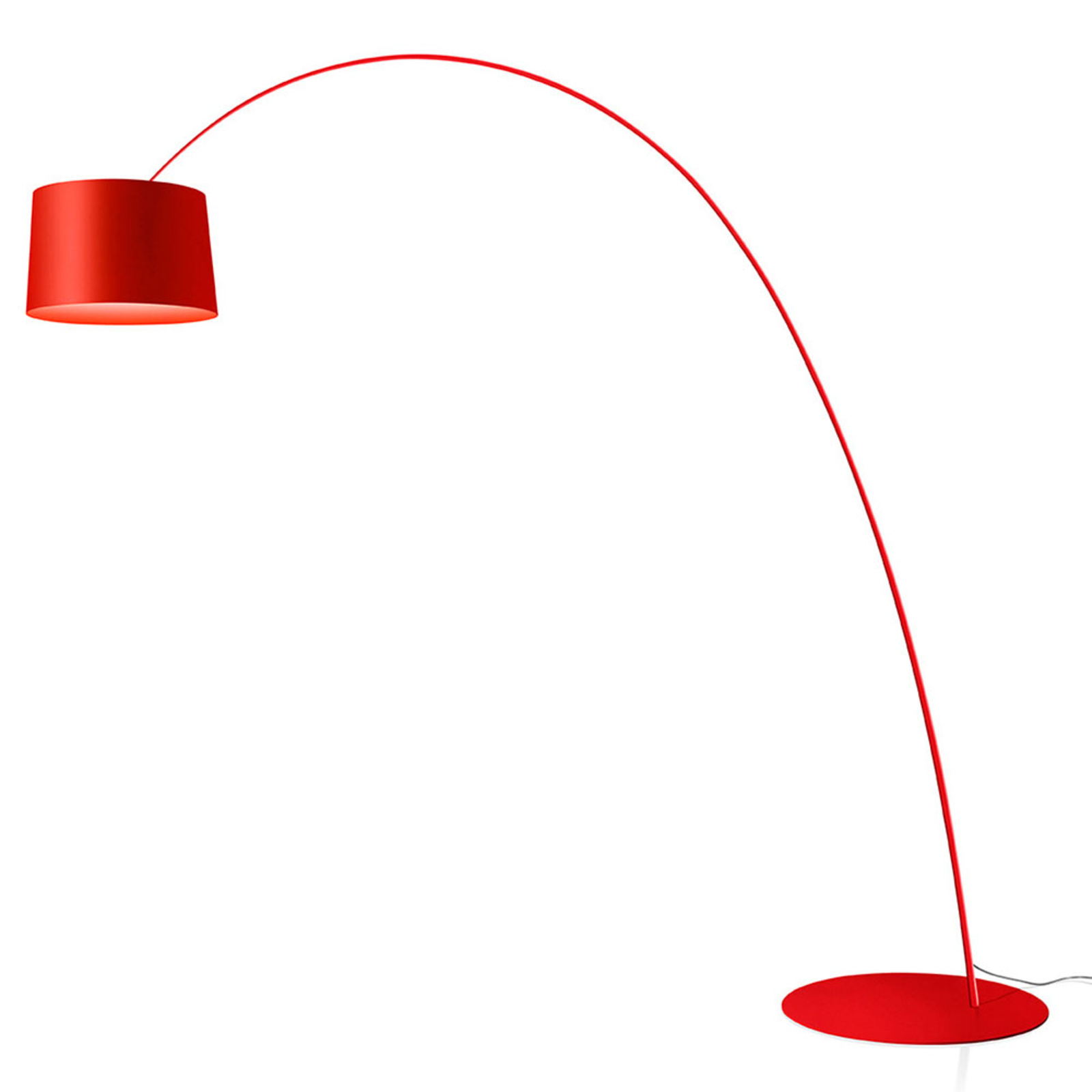
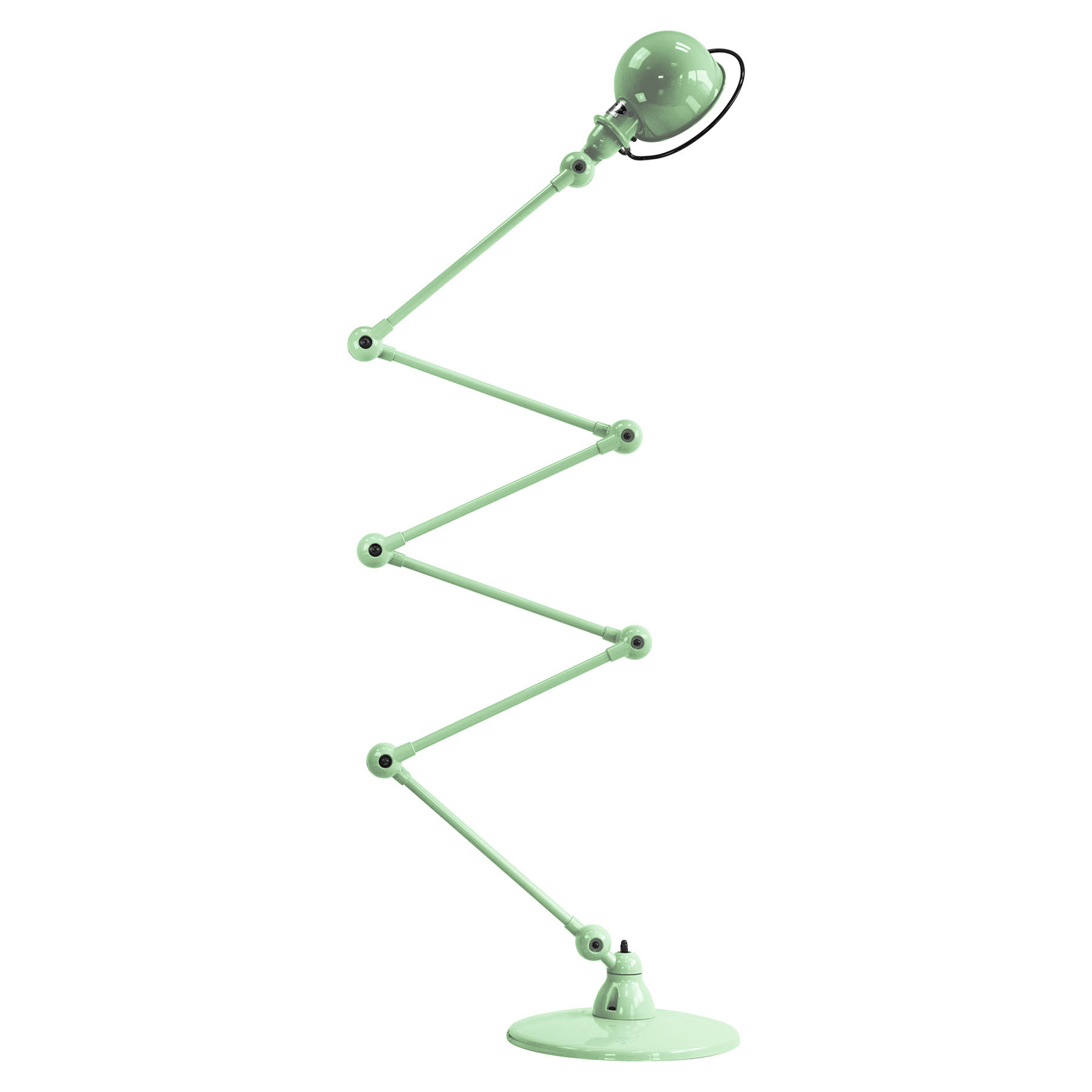
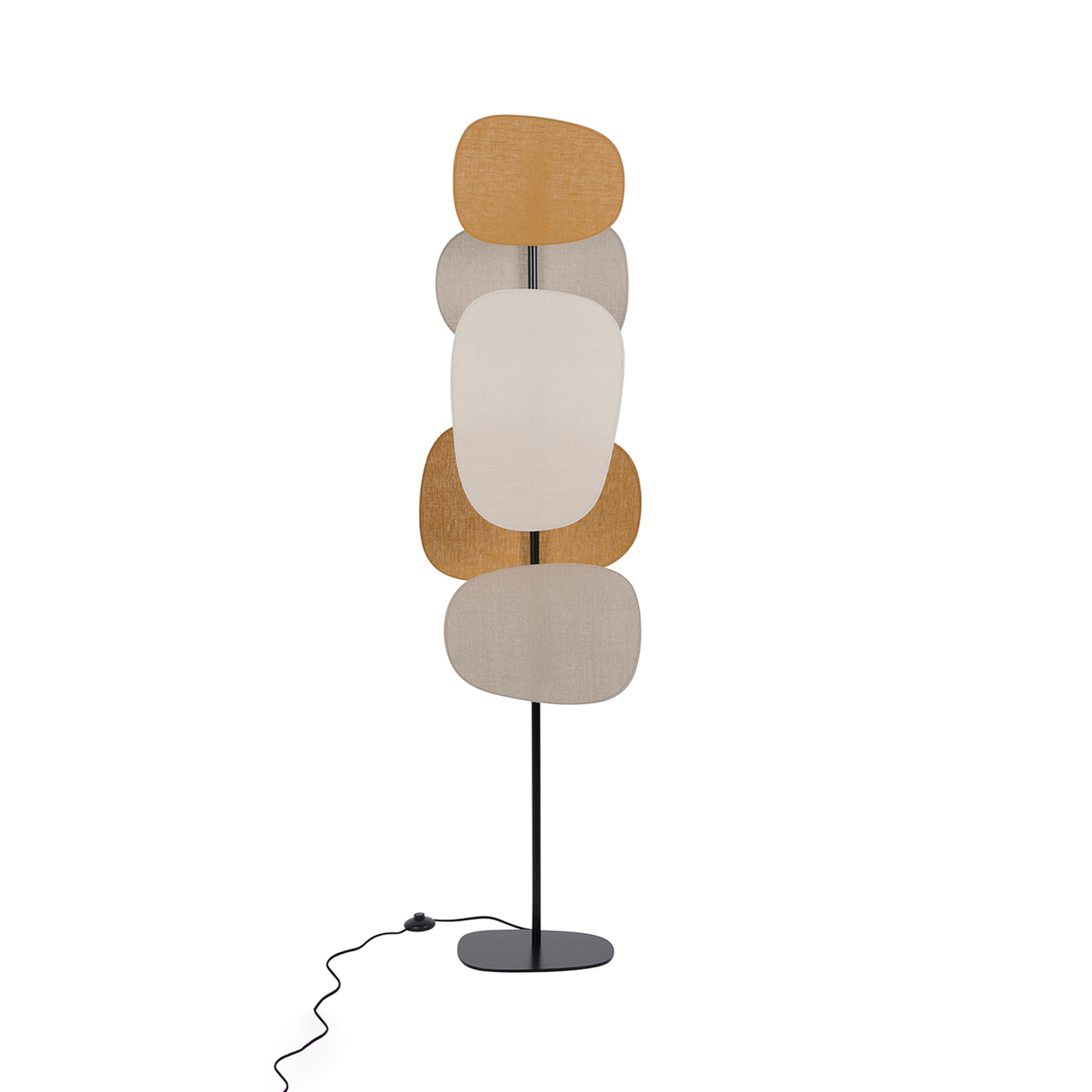
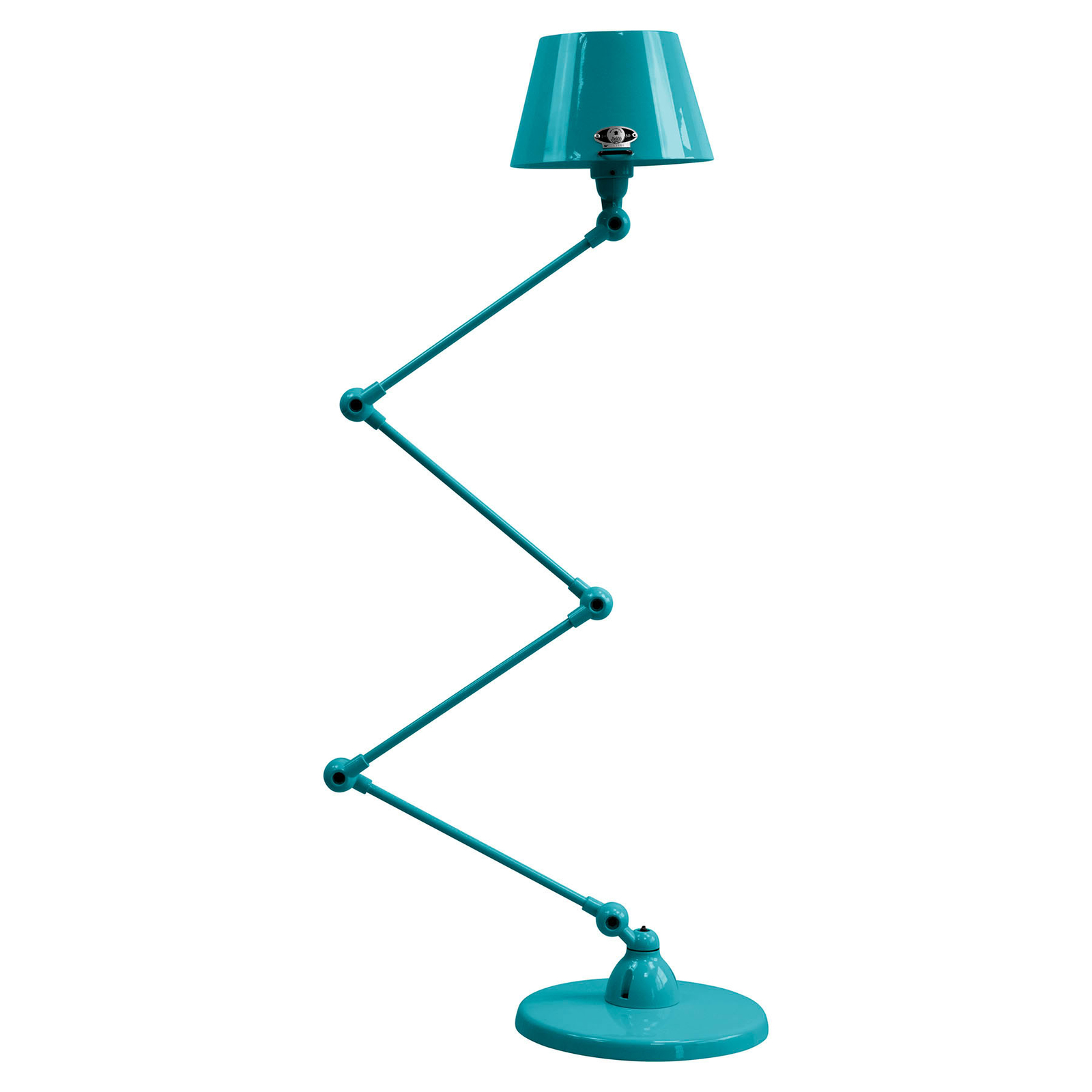
Colourful Floor Lamps
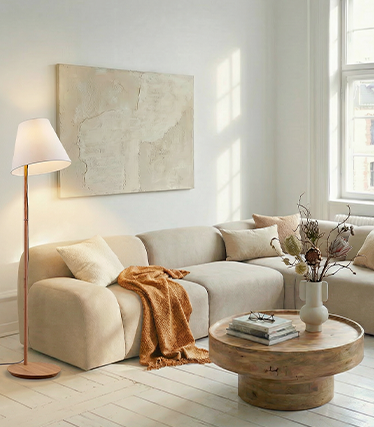
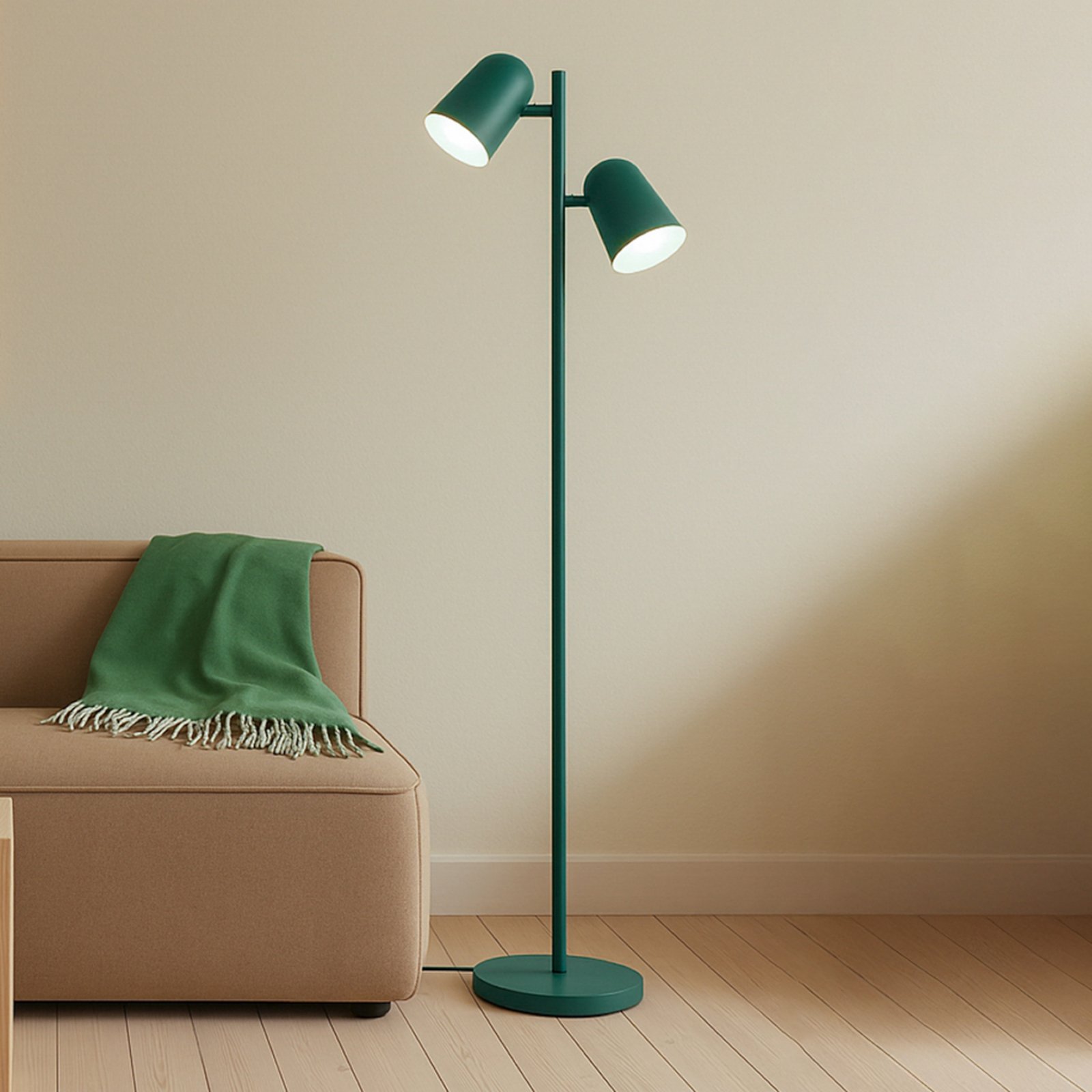
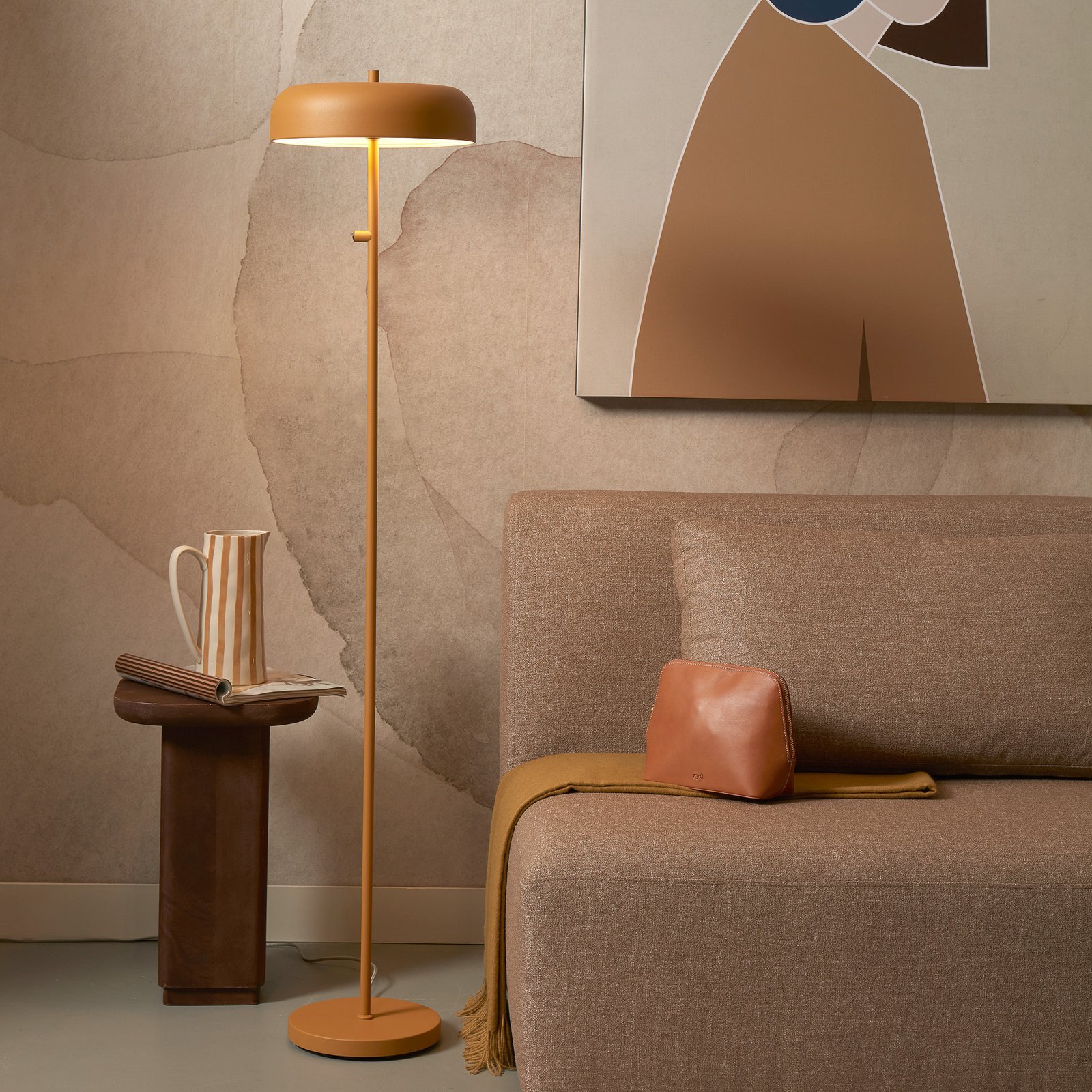
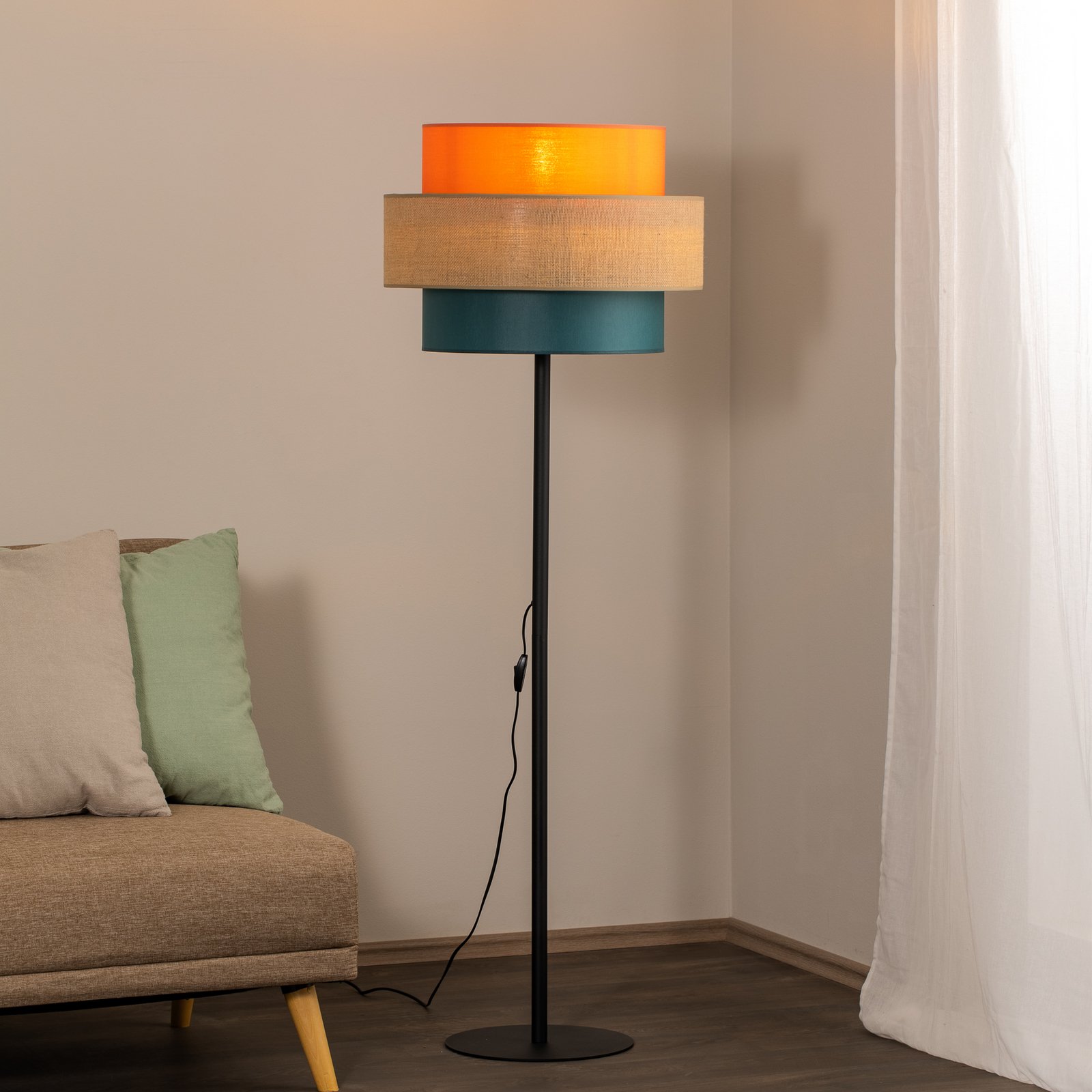
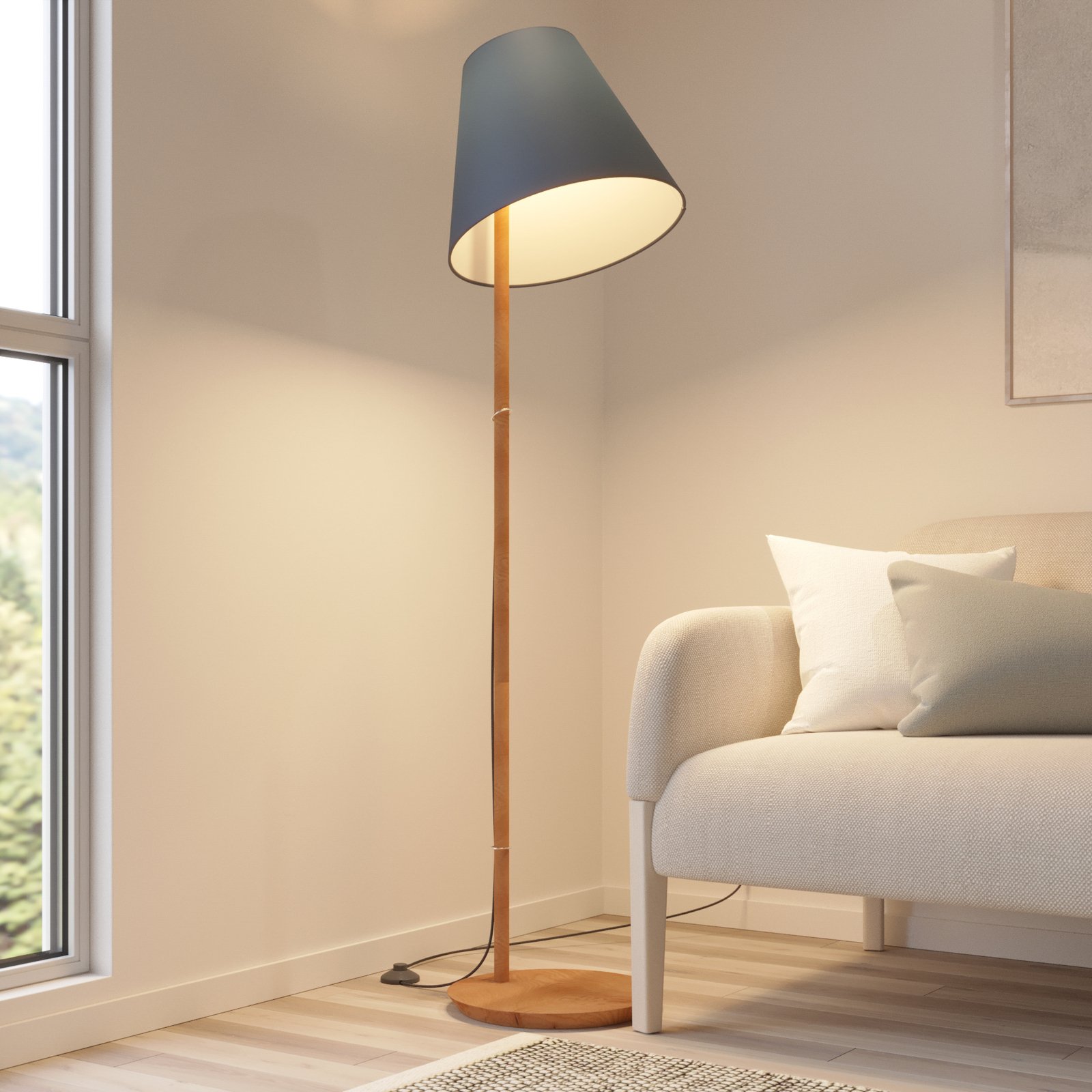
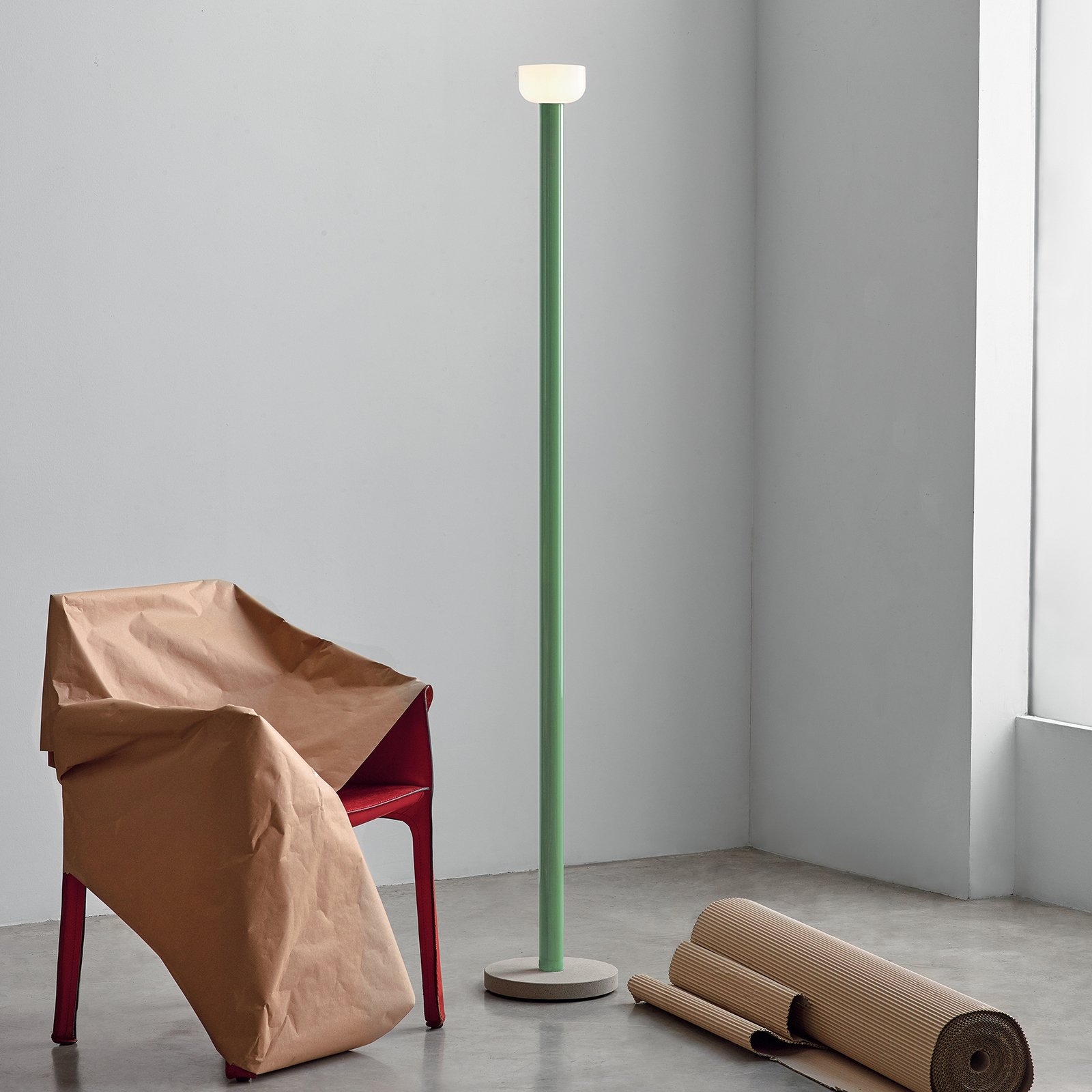
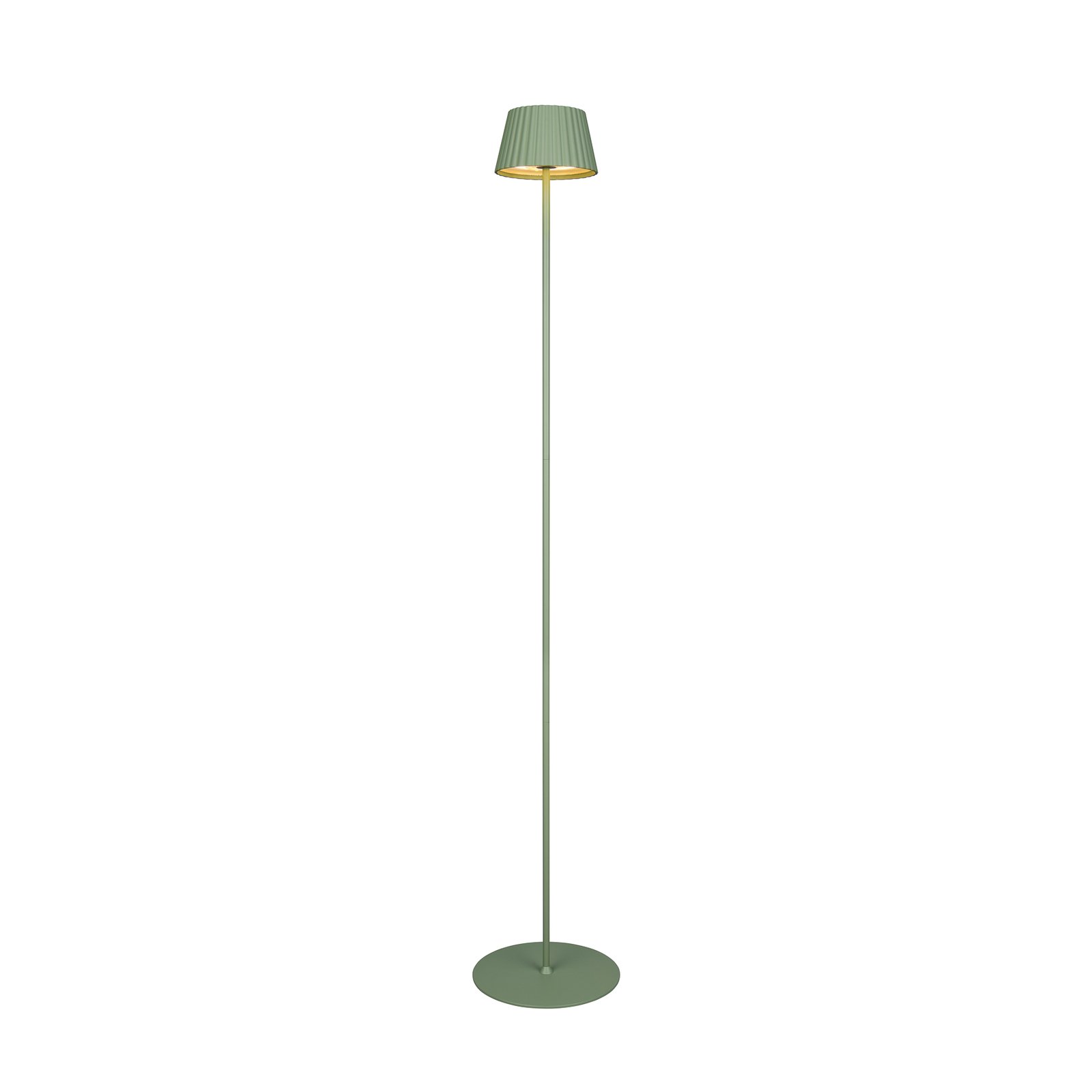
A colourful floor lamp can turn a reading nook, sofa or desk into a cheerful eye-catcher in no time at all. In a fairly neutral setting, it creates a striking contrast, whilst in a colourful interior it picks up on and complements the existing colour scheme. The look is particularly harmonious when the colour of the lighting is reflected in cushions, blankets, wall art or rugs.
)
)
)
Vibrant Outdoor Lights
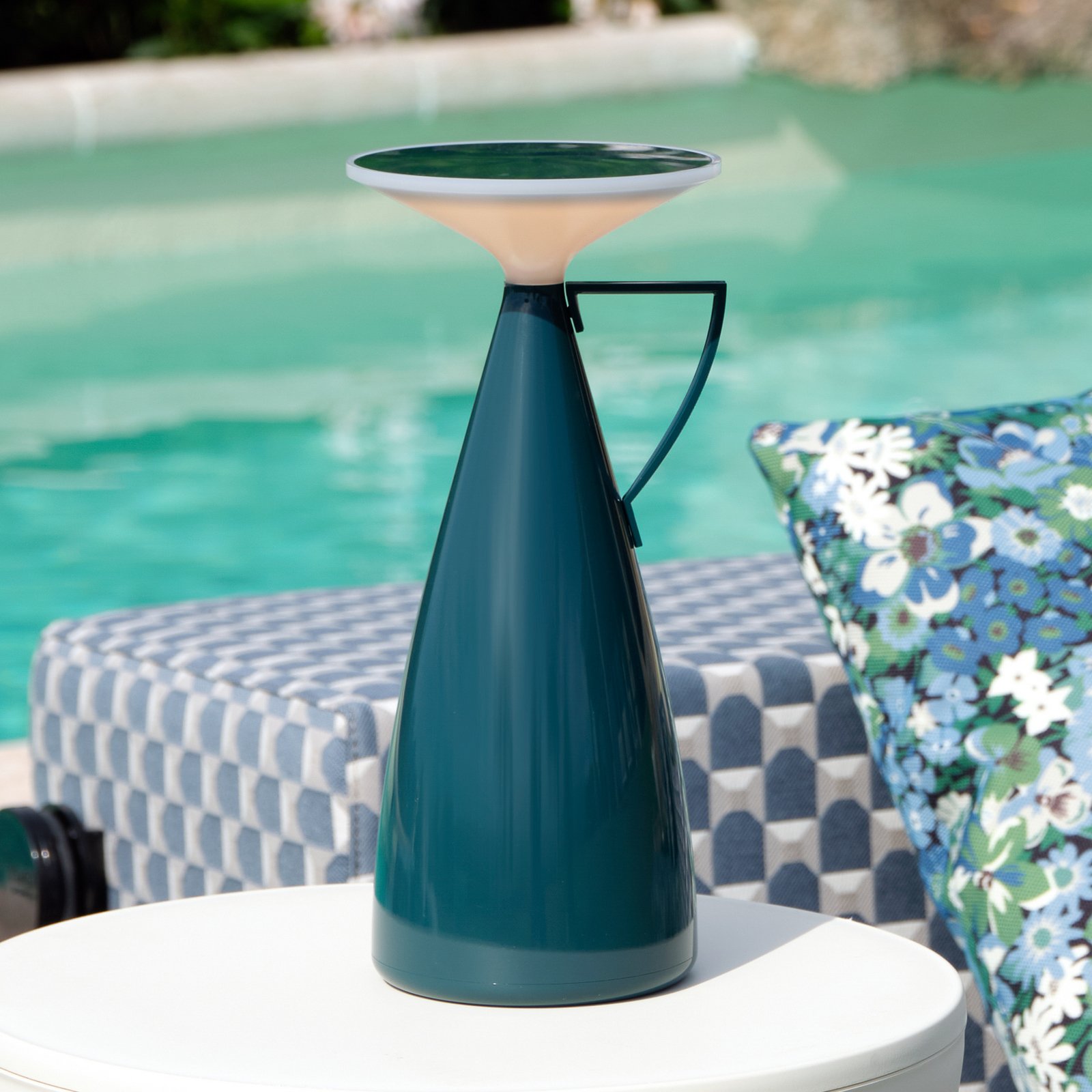
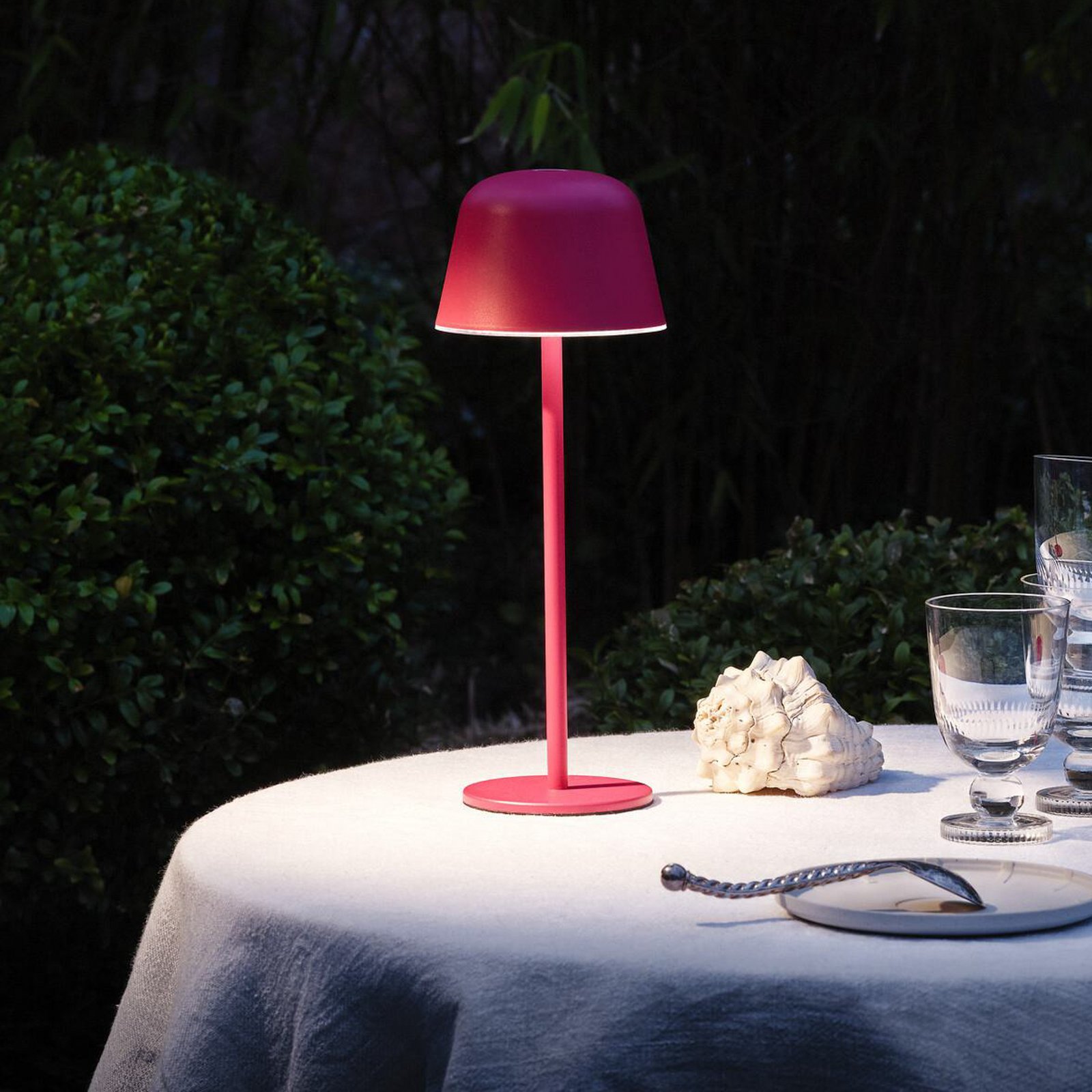
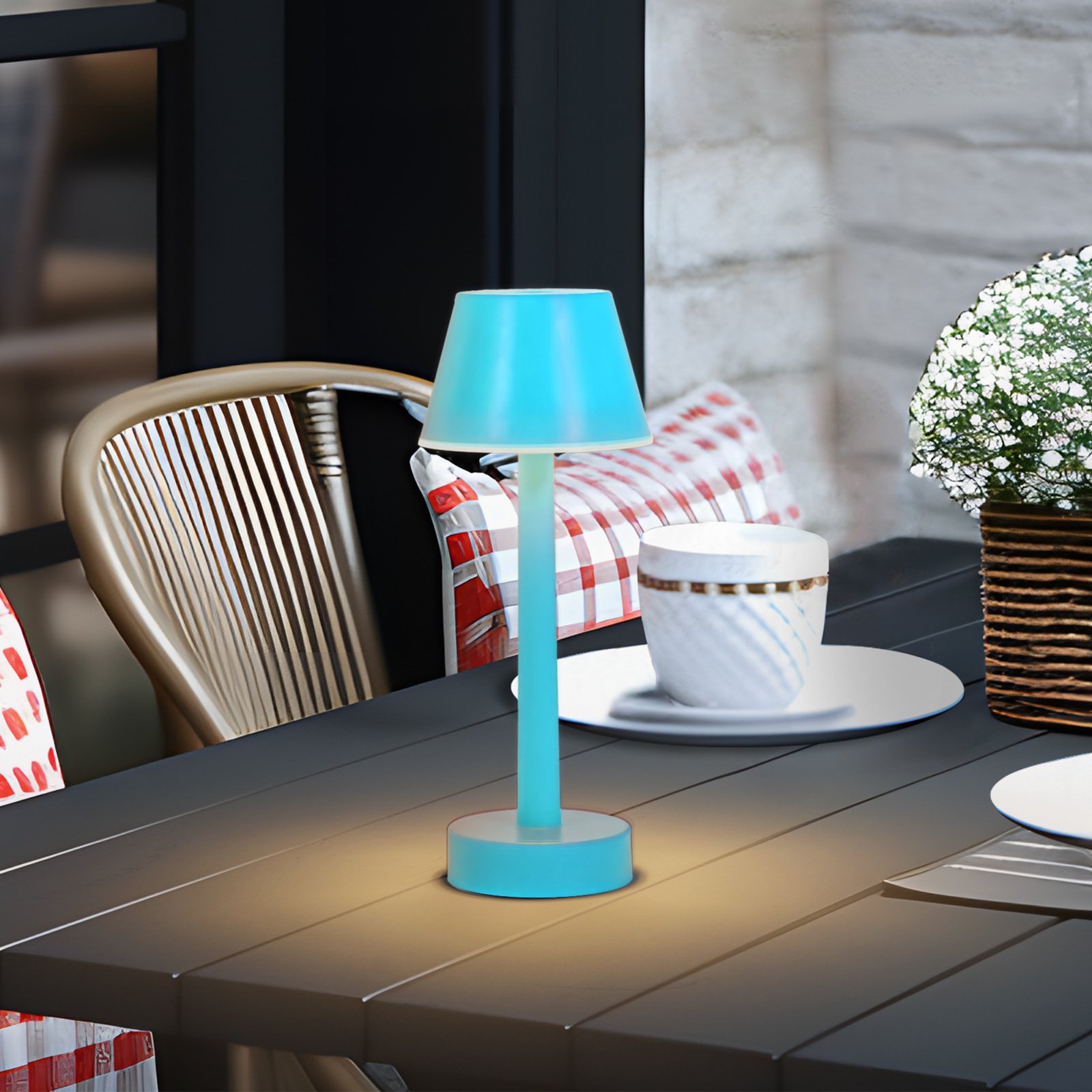
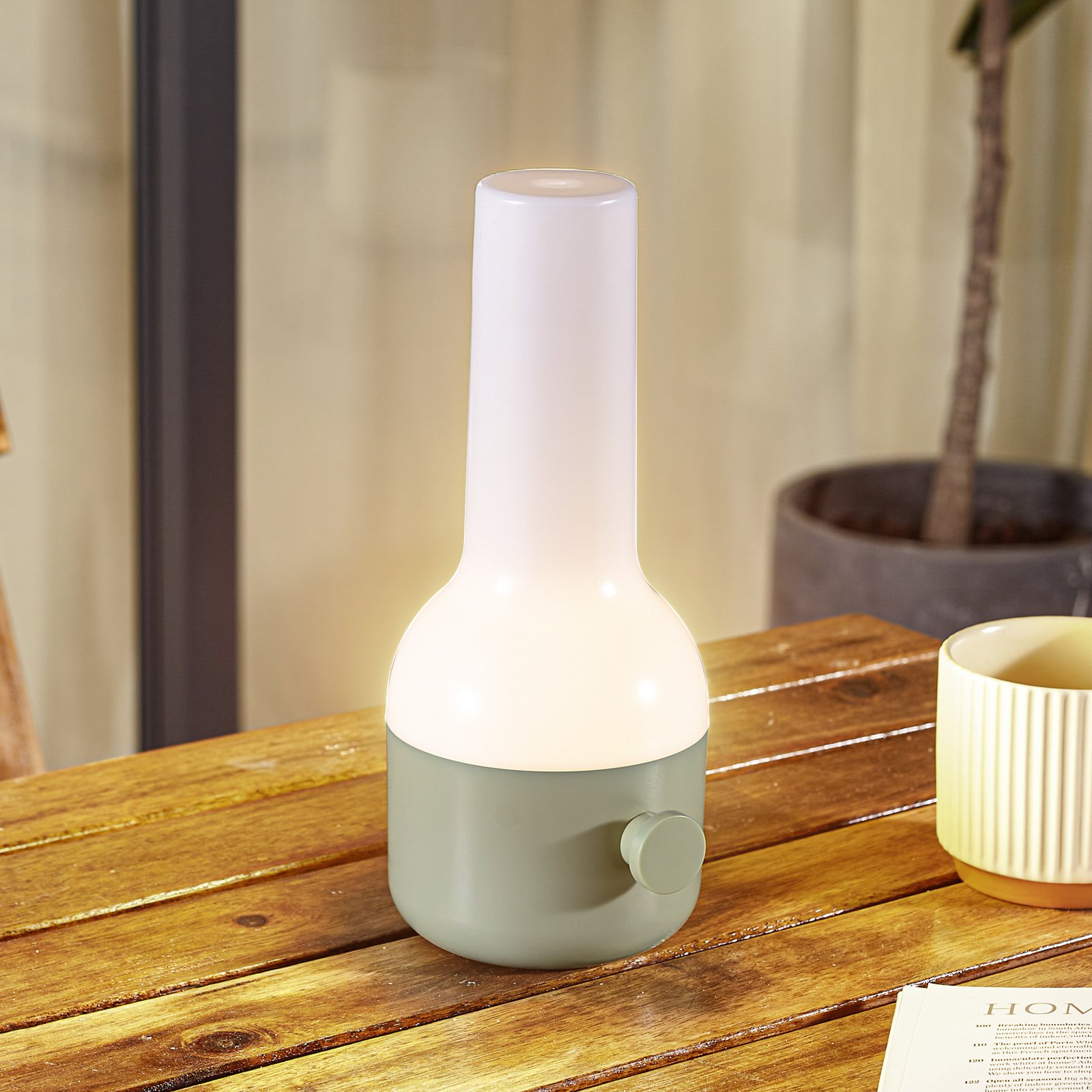
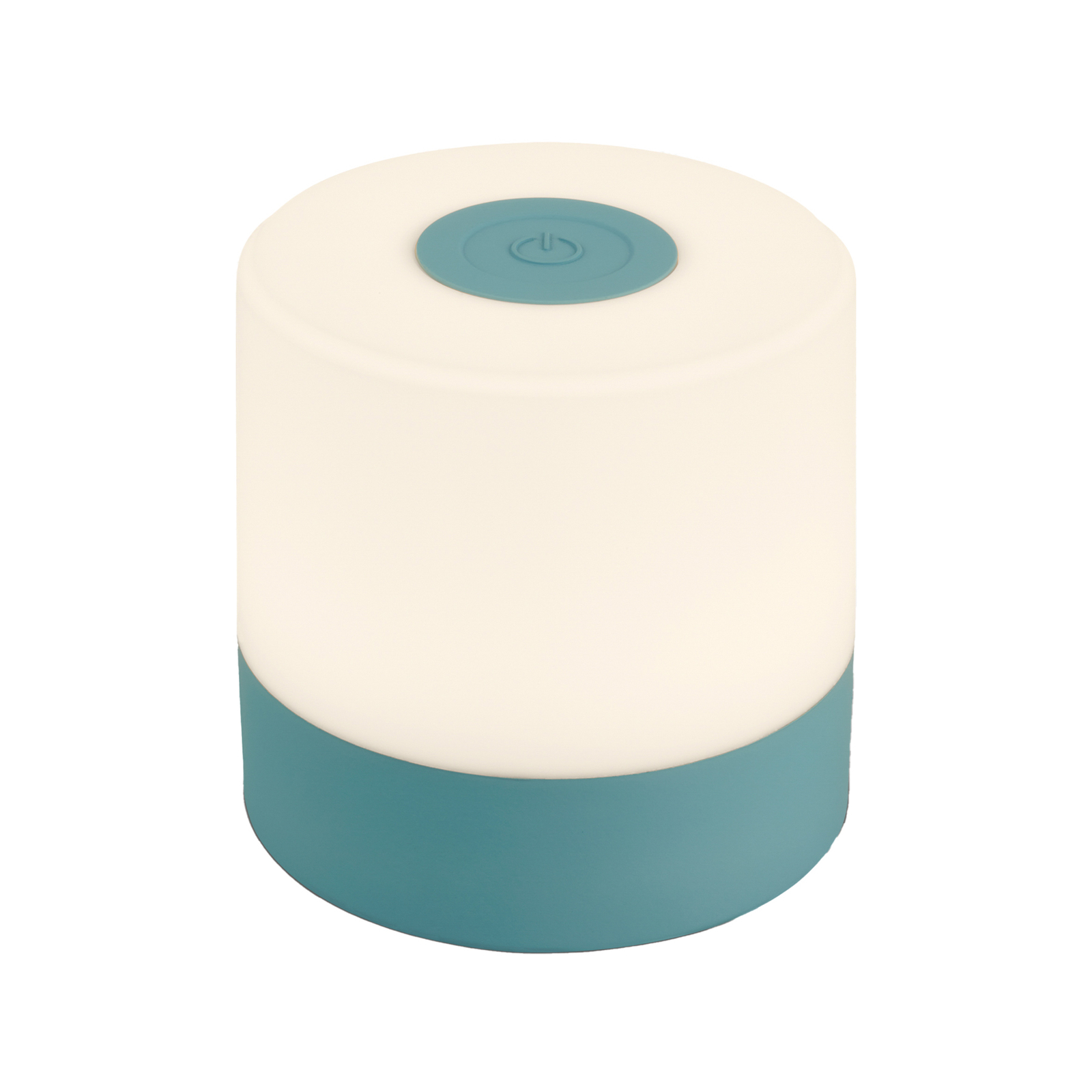
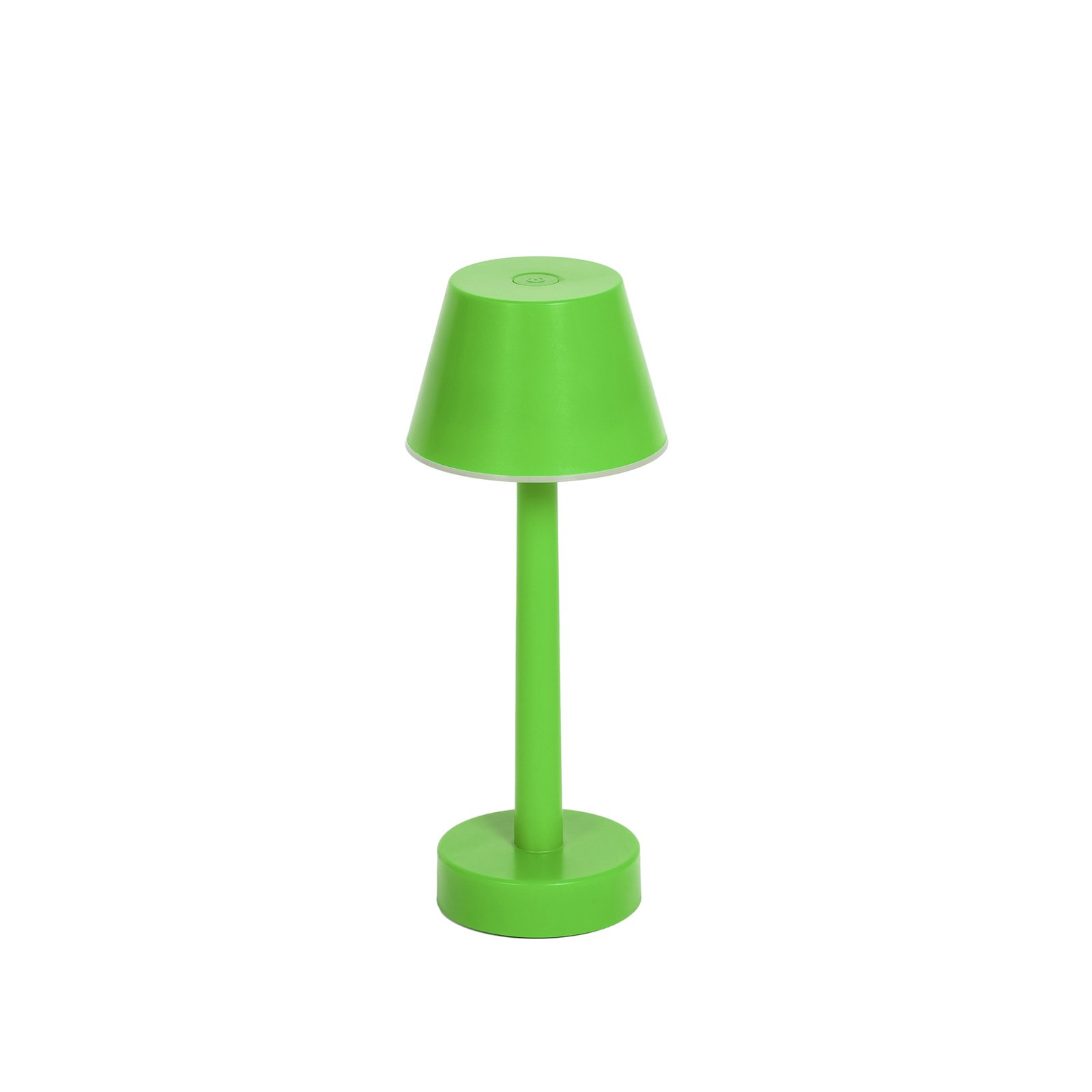
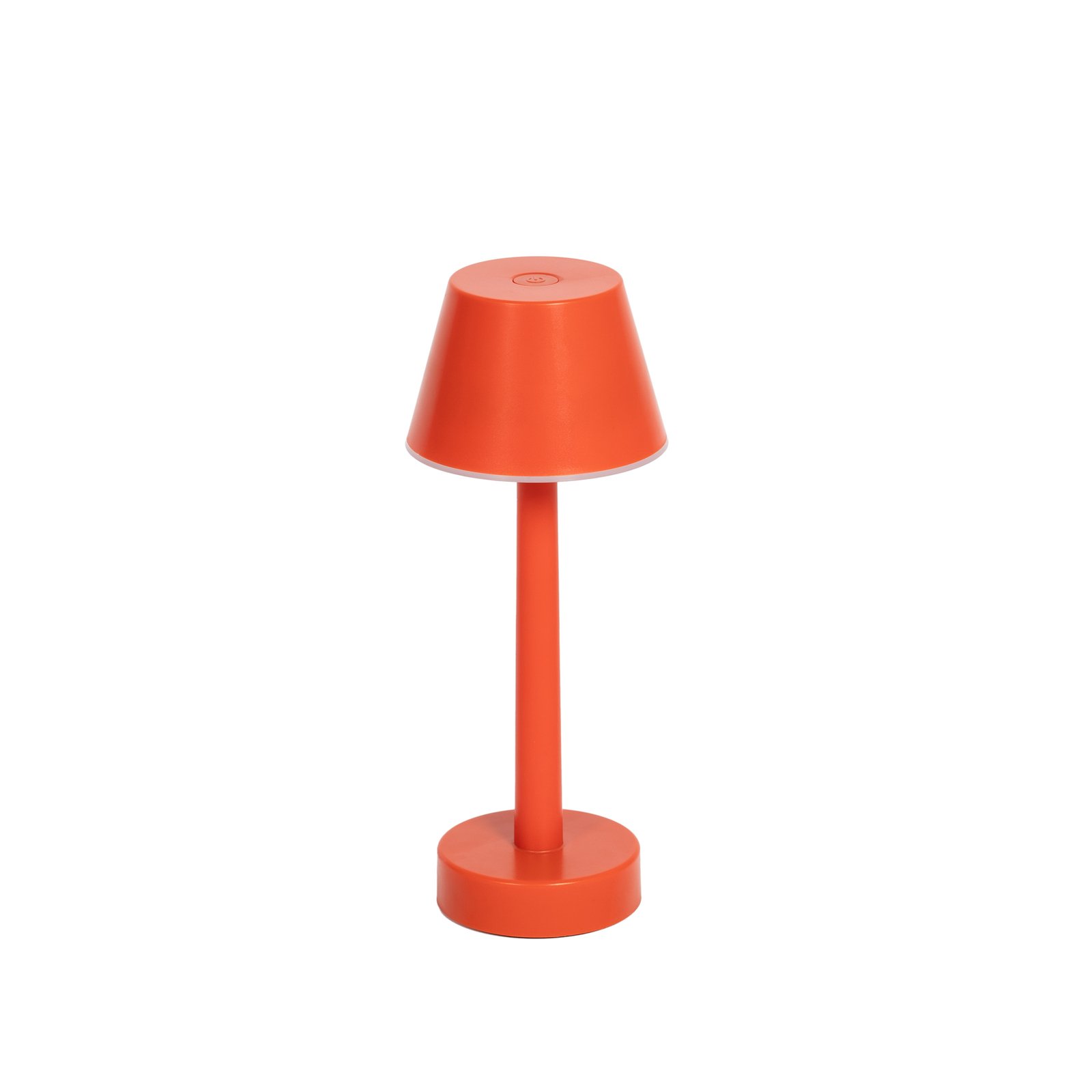
Dopamine Decor doesn’t stop at the patio door. Balconies, patios and gardens can also be transformed into cheerful, summery spaces with colourful outdoor lights. Rechargeable table lamps, portable lights and decorative outdoor lights create flexible pockets of light and add bold splashes of colour – without the need for any major redecorating. This creates a relaxed atmosphere outdoors too, inviting you to unwind and enjoy yourself.
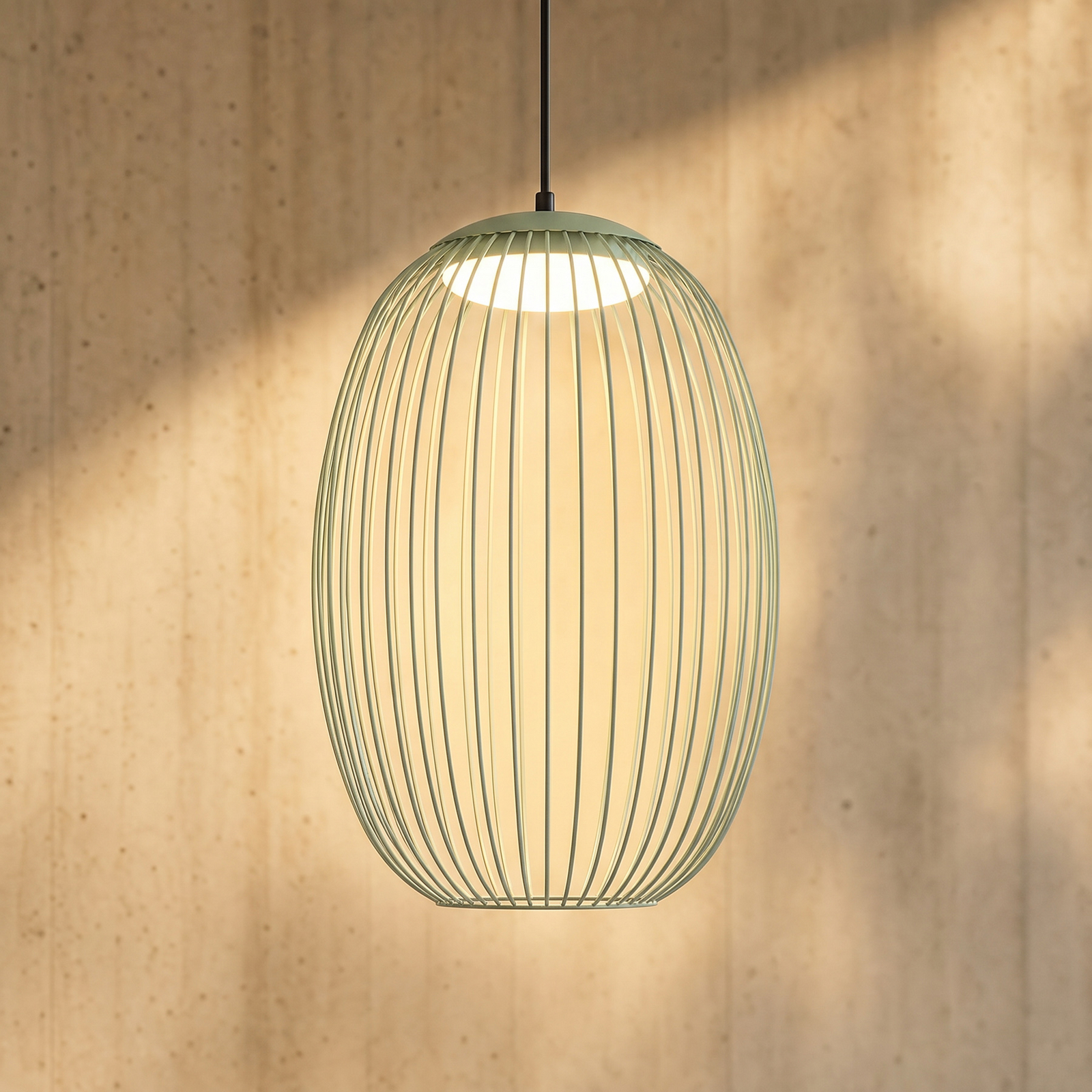
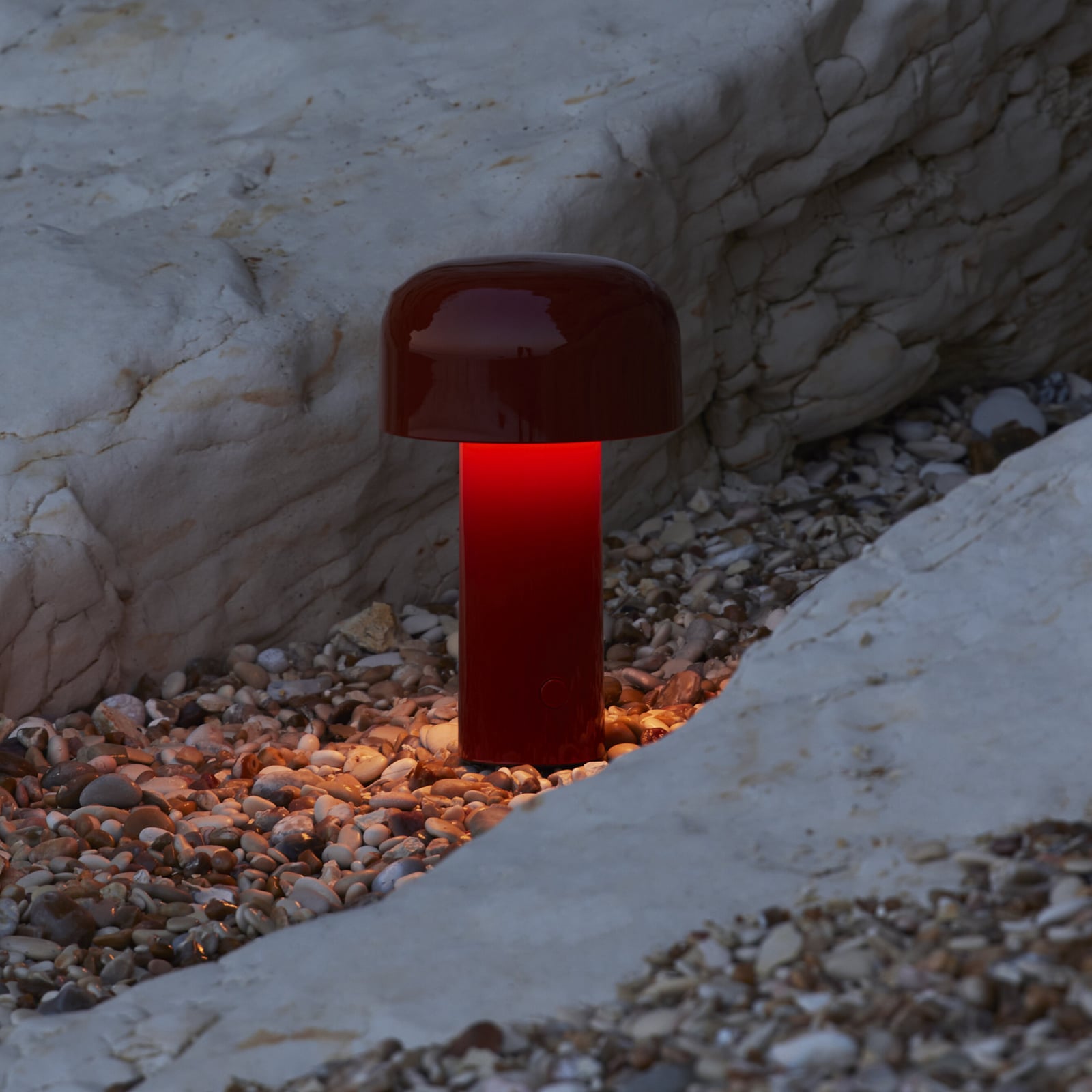
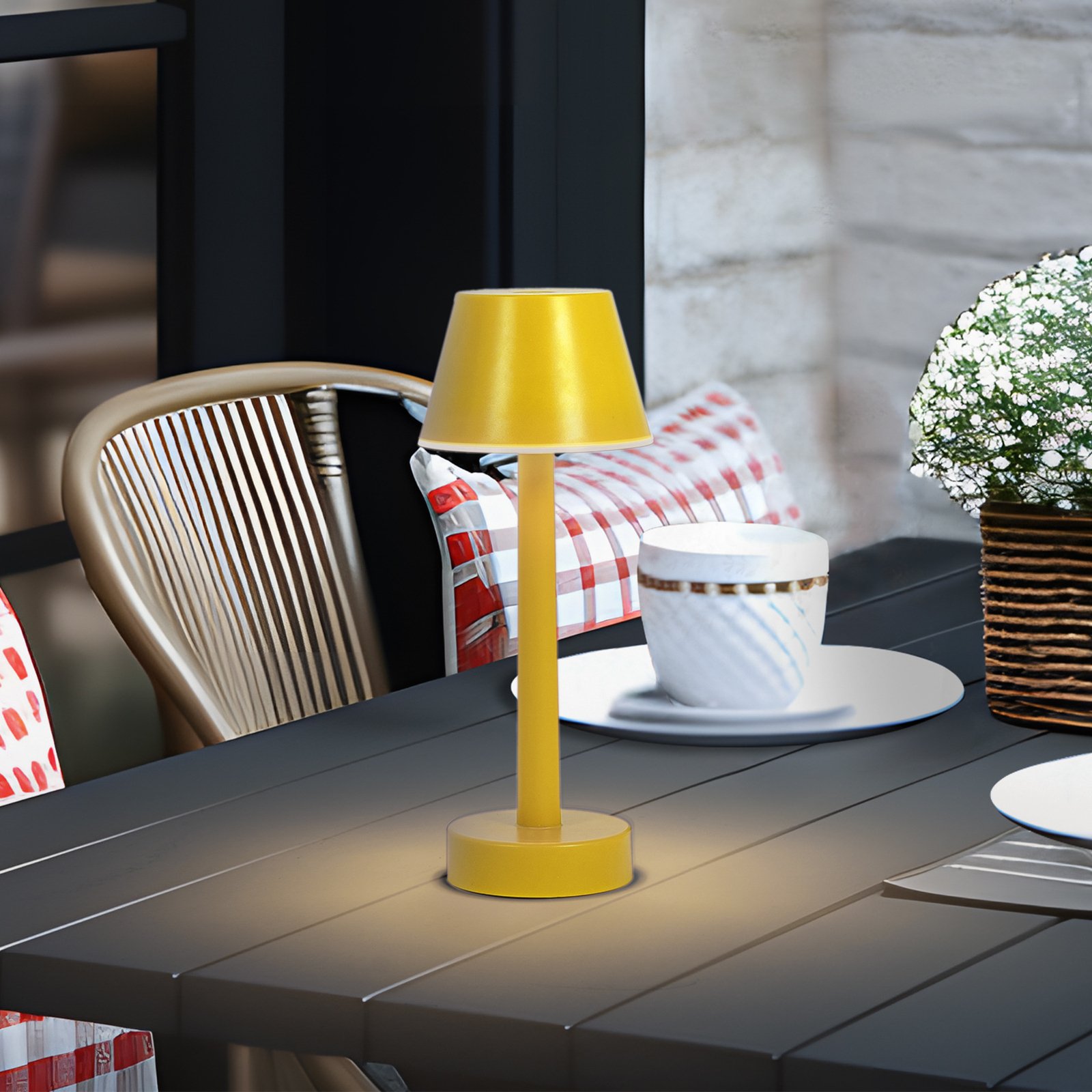
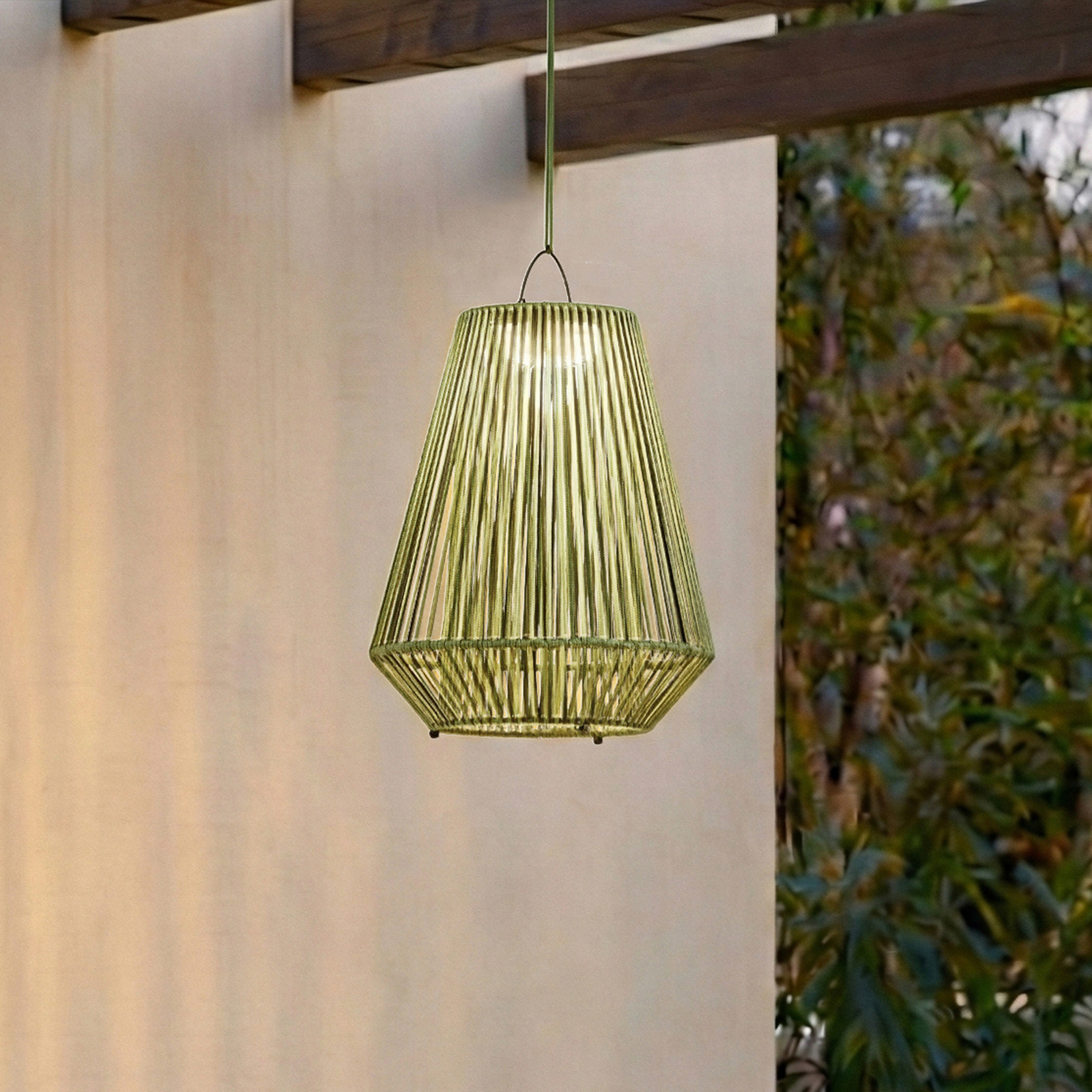



Colours, shapes and materials in Dopamin Decor
Dopamin-Decor thrives on bold colours, unusual shapes and materials with a distinctive effect. Instead of understated tones, the focus is on bold accents and personal favourites. A Dopamin Decor lamp is therefore not only a source of light, but also a decorative design piece.
)
Whether yellow, red, pink, green, blue, purple or orange – bold colours define the Dopamin-Decor look. Multicoloured designs also add vibrant touches and bring personality to a room. Depending on the interior design style, a single colourful lamp can serve as an eye-catcher or form part of a harmoniously coordinated colour scheme.
)
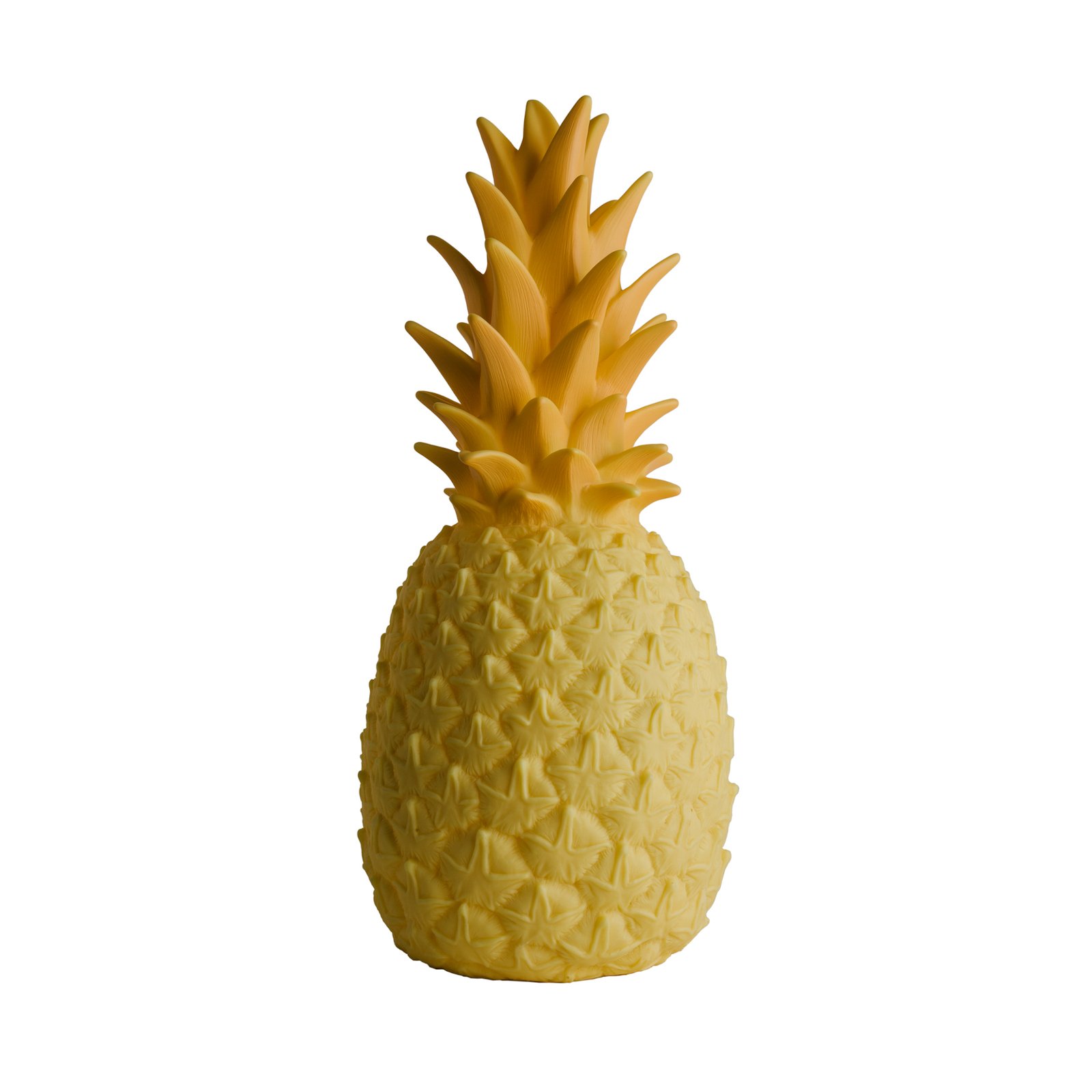
As well as vibrant colours, creative shapes play an important role. Globe lights, mushroom shapes, curved lines or sculptural designs lend rooms a sense of lightness and individuality. Table and pendant lights, in particular, become decorative HighLights that emphasise the character of an interior.
)
Coloured glass, opal lampshades, transparent materials or glossy surfaces lend lamps a special depth and make colours appear different depending on how the light falls. Chrome details or high-gloss elements add a modern touch, whilst warm white light ensures that bold colours remain cosy and pleasant.
)
The Gime Gummy trend complements Dopamin-Decor perfectly. Both interior design styles feature bold colours, striking materials and a playful aesthetic. They are characterised by glossy, translucent or sweet-like surfaces that are reminiscent of a jelly-like appearance. In the case of lamps, for example, this look is evident in coloured glass, glossy plastic, decorative rechargeable lights or small lighting features that catch the eye even when switched off.
)
)
)
Integrating colourful lamps harmoniously into your interior design
Vibrant colours create a particularly harmonious effect when they appear in several places around the room. A red table lamp, for example, can be combined with a cushion, a vase or a wall hanging. A green pendant light looks particularly harmonious when plants, rugs or home textiles echo its colour.
To create a balanced overall look, it is often enough to have one dominant colour that is repeated in selected home accessories. Colourful lamps really come into their own against neutral furniture in white, beige, grey or wood. If you’re using multicoloured lights, the rest of the décor should be a little more subdued, so that the room looks lively but not overloaded.
Popular colour combinations in Dopamin-Decor are:
- Yellow, white and wood for a cheerful, sunny look
- Blue and orange for modern contrasts
- Green and pink for a fresh, playful atmosphere
- Red, pink and purple for a bold, maximalist style
- Multicoloured designs combined with a neutral Basis to create vibrant accents
Dopamin Decor lamps for every room
)
Living room
A colourful floor lamp next to the sofa or a colourful table lamp on the sideboard will bring colour and personality to your living room in no time at all. Even a single eye-catching feature is enough to bring the trend to life effectively.
)
Dining room
A coloured pendant light above the dining table quickly becomes the focal point of the room. The look is particularly harmonious when chairs, pictures or table decorations echo individual shades of the light.
)
Bedroom
In the bedroom, small table lamps, softer colours and warm white light create a cosy atmosphere. This ensures that the colourful style remains relaxing and cosy.
)
Hallway
A coloured ceiling or wall light instantly adds character to the entrance area and creates a warm first impression as soon as you walk in.
)
Children’s and teenagers’ bedrooms
This is where colours and whimsical shapes can be used in a particularly creative way. It is important to choose glare-free lights that provide a pleasant glow and combine style with functionality.
)
Balcony and terrace
Dopamine decor can also be incorporated outdoors. Rechargeable table lamps, portable outdoor lights and decorative lighting features bring vibrant colours to balconies and patios, creating a summery, cosy atmosphere.
)
)
)
Lighting effects ranging from the ‘multicolour’ function to neon
It is not only the colour of the light source’s material, but also the light colour that influences the atmosphere of a room. Anyone looking for even more variety in their Dopamin-Decor interior can complement the trend with smart home lighting and RGB bulbs. A colour change allows for a range of lighting atmospheres – from subtle to striking – and can be adjusted at any time. Neon lights and LED strips also make for great decorative accents, for example behind shelves, on a sideboard or as indirect lighting. However, to ensure the room looks harmonious despite the bold colours, it is advisable to use coloured lighting in a targeted manner. A few subtle lighting accents often look more stylish than too many different colours or constantly changing effects.
 "Lamps in on-trend colours")
 "Pastel lamps")
 "Retrofitting a smart home")
 "Minimalist lights")
 "Scandinavian lamps")
 "Shabby Chic lamps")