




























)
Choosing the right wall lights
Lighting solutions for every room and styleWall lights are an additional light source that can fulfil numerous functions: Wall lights support the general lighting, reduce large brightness contrasts or serve to create a highly cosy ambience. Other lighting solutions for the wall provide zoned light for specific activities or are crucial for orientation safety. The right choice makes all the difference. In this guide, you will learn how to use wall lights to suit your room, requirements and style.
Wall lights of all kinds
 "Lieske from Lucande")
 "Tommi from Lindby")
 "Angelina from Lucande")
 "Vexi from Arcchio")
 "Tallis from Lindby")
 "Mailine from Lindby")
Keyword energy efficiency: Wall lights with LED lighting technology are now standard. They consume less power than any conventional light source, have a long service life and enable completely new designs, which makes the choice for your personal furnishing style all the more diverse.
Buying advice
Find the right wall lightChoosing the right wall light depends on several factors. In addition to the design, brightness, light colour and area of application play a decisive role.
)
Adequate brightness
In principle, you should plan for 100-150 lumen per m². For wall luminaires used for accent lighting, 300-500 lumens are often sufficient, while functional lighting should provide at least 800 lumens.
)
The right light colour
Warm white light (<3,300 Kelvin) is recommended for cosy evenings, as it has a relaxing effect and can support the natural biorhythm. Universal white light (3,300-5,300 K) is favoured in kitchens, hallways and bathrooms.
)
The ideal mounting height
The optimum position for wall lights is in the upper third of the wall, which corresponds to a height of around 1.60-1.80 metres. In most cases, this corresponds to eye level.
)
A balanced lighting concept
Depending on the room, wall lights are usually combined with ceiling lights and floor lamps. The result is a holistic lighting concept that is optimally adapted to everyday use.
)
Direct connection vs. socket
Additional wall connections are not always available, for example in rented flats. In such cases or if a quick retrofit is required, wall lights with plug are an uncomplicated option.
)
Make sure there is no glare
Due to the installation at eye level, a low-glare design is important. Wall lights use diffusers, i.e. semi-transparent covers, or indirect light for this purpose.
Avoid common mistakes When buying and installing wall lights, typical mistakes often creep in that can be easily avoided: Too bright a light in the living area can make the lighting appear unbalanced, an incorrect mounting height can cause glare and an unsuitable light colour can disrupt the room concept.
)
)
)
Wall lights in the living room
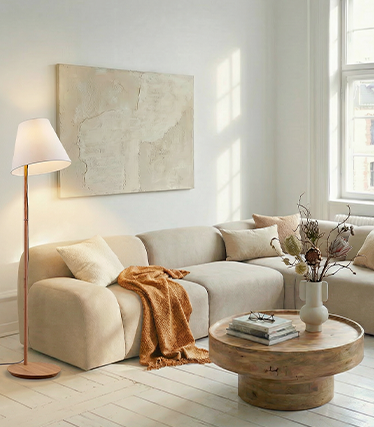
Cosy lighting for living areasWall lights in the living room support the general lighting of the room and create a pleasant atmosphere. Directed light on flexible swivel arms creates light zones that can be used for reading, for example. Indirect wall lights, i.e. those that cast their light towards the wall instead of shining directly into the room, are also particularly popular. These models offer absolute freedom from glare and emphasise a soft lighting mood without harsh shadows, which is perfect for living. Dimmable wall lights offer additional flexibility and can be adjusted according to the time of day and occasion.
How to create your own personal lighting concept: Combine wall lights with floor or table lamps to utilise different light sources in the room and create harmonious overall lighting.
)
)
)
Wall lights in the bedroom
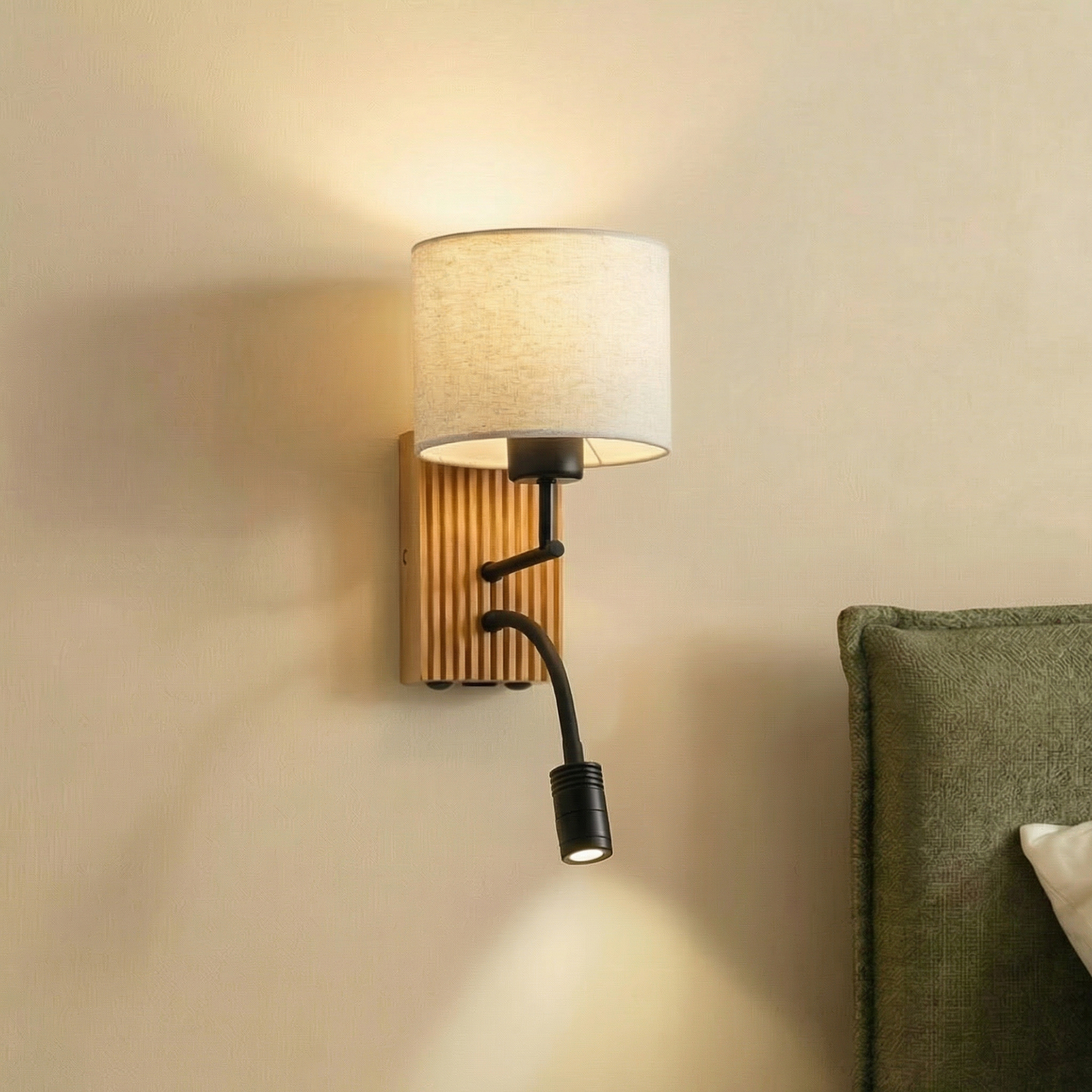
Reading light and more for the relaxation roomIn the bedroom, wall lights are a practical and stylish alternative to the classic bedside lamp. They save space and still provide targeted light for reading or relaxing. Models with a flexible arm or integrated reading spot are particularly popular, as they can be individually aligned. Make sure that the rest of the luminaire also produces glare-free light, which can be achieved with pleasantly tactile textile shades, for example.
Convenience tip: Lights that are used as an alternative to bedside lamps should be easy to switch on and off - ideally directly on the housing or using the touch function. Also mount the light at about shoulder height next to the bed.
)
)
)
Hallway & staircase
Safely illuminate passageways and entrancesIn corridors and stairwells, wall lights primarily fulfil a functional task: they provide safety and orientation. Uniform illumination is particularly important here to avoid tripping hazards and make paths clearly visible. Wall lights with motion detectors are a practical solution as they switch on automatically and save energy. In long corridors in particular, it is advisable to install several lights at regular intervals.
This makes the entrance hall look even more inviting and spacious: In narrow corridors, only wall lights with a very shallow depth should be selected. The fact that these do not protrude into the room automatically makes the hallway appear larger.
)
)
)
Bathroom wall lights
functional & stylishIn the bathroom, it's all about the right combination of functionality and design. Wall lights are often used here next to or above the mirror to ensure even illumination of the person in front of the mirror. Two wall lights to the left and right of the mirror ensure shadow-free illumination of the face. Many people also prefer universal white light in the bathroom, as it has a more functional effect and makes it easier to apply make-up and carry out daily care, for example.
Please remember that this is a damp room: The right IP protection class is important for all types of lights in bathrooms and other damp rooms. This is where electricity and water meet, which is why it is essential to find out about protection areas and types of protection and, as in other rooms, leave the installation to an electrician.
)
)
)
Outdoor Wall Lights
for garden & entranceOutdoor wall lights not only provide security around the house, but also set stylish accents on the façade, patio or house entrance. Models with motion detectors offer additional convenience and deter unwanted guests. In outdoor areas, it is essential to ensure a high degree of protection appropriate to the place of use so that the light is protected against rain, dust and the effects of the weather.
Staging the house façade: Outdoor lighting is not always just about the functional aspect. Many wall lights are used to make the property look particularly valuable. Up & down outdoor lights are particularly suitable for creating impressive lighting effects with modelled light cones on the house wall.
Style counselling
Find the right wall light for every interior style)
Modern
Modern wall lights rely on clear shapes, minimalist designs and functional light without frills. They are ideal for contemporary living spaces in which light becomes part of the architecture.
)
Design
Designer wall lights are real statement pieces and combine light with a sculptural effect. They are perfect for emphasising individual wall areas and giving the room character.
Plaster
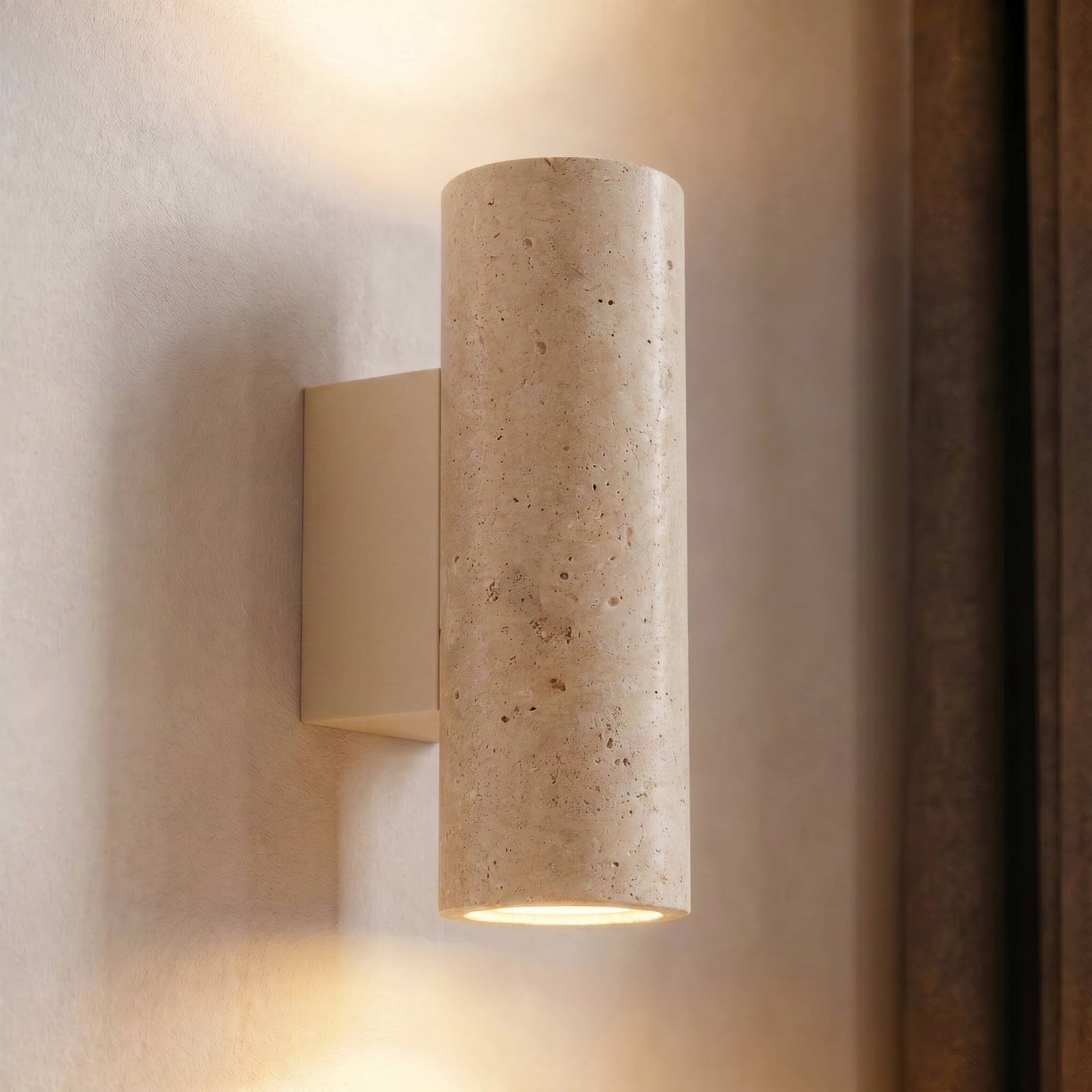
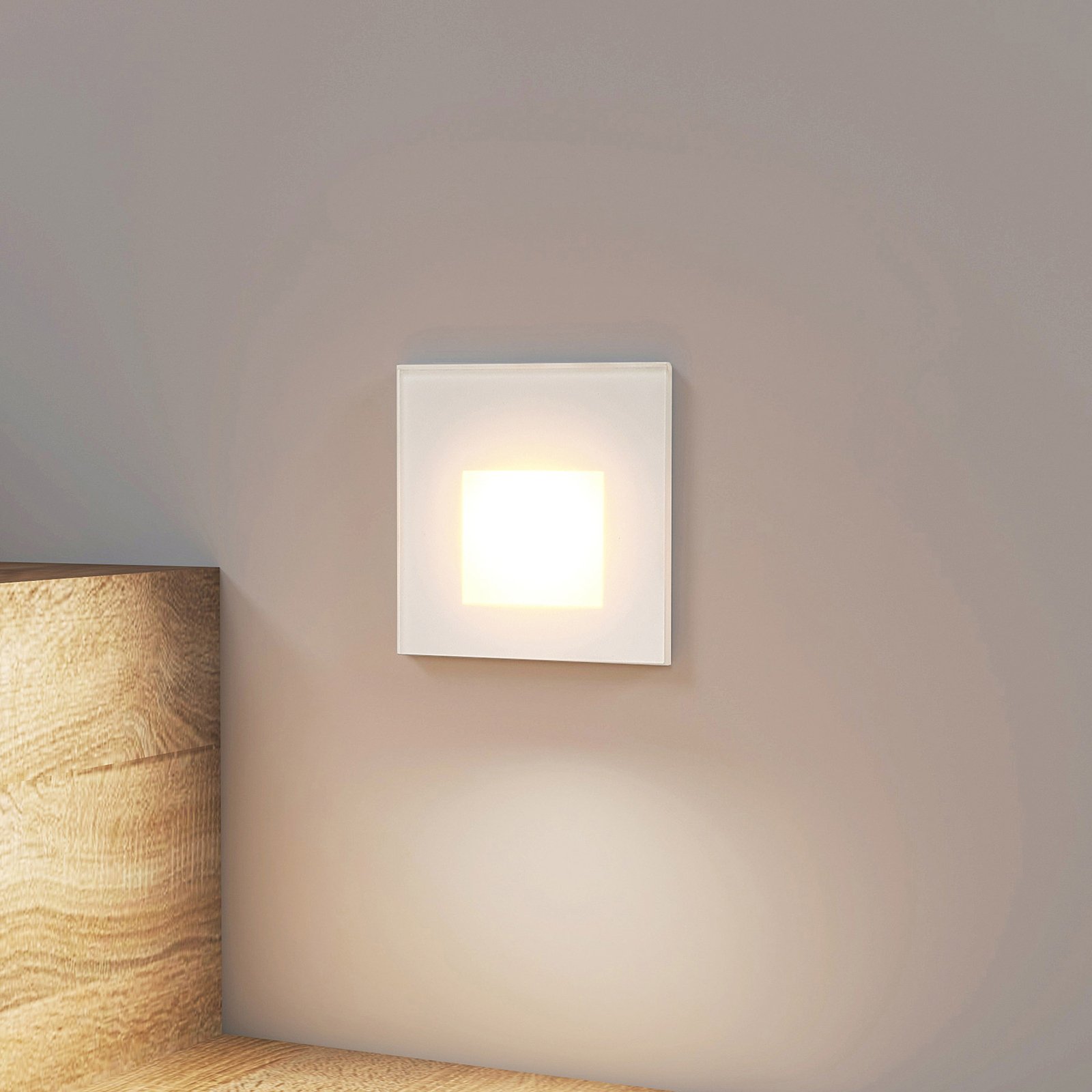
Plaster wall lights blend seamlessly into the wall and appear almost invisible until the light is switched on. This creates a calm, architectural lighting effect without visible technology.
)
brass/gold
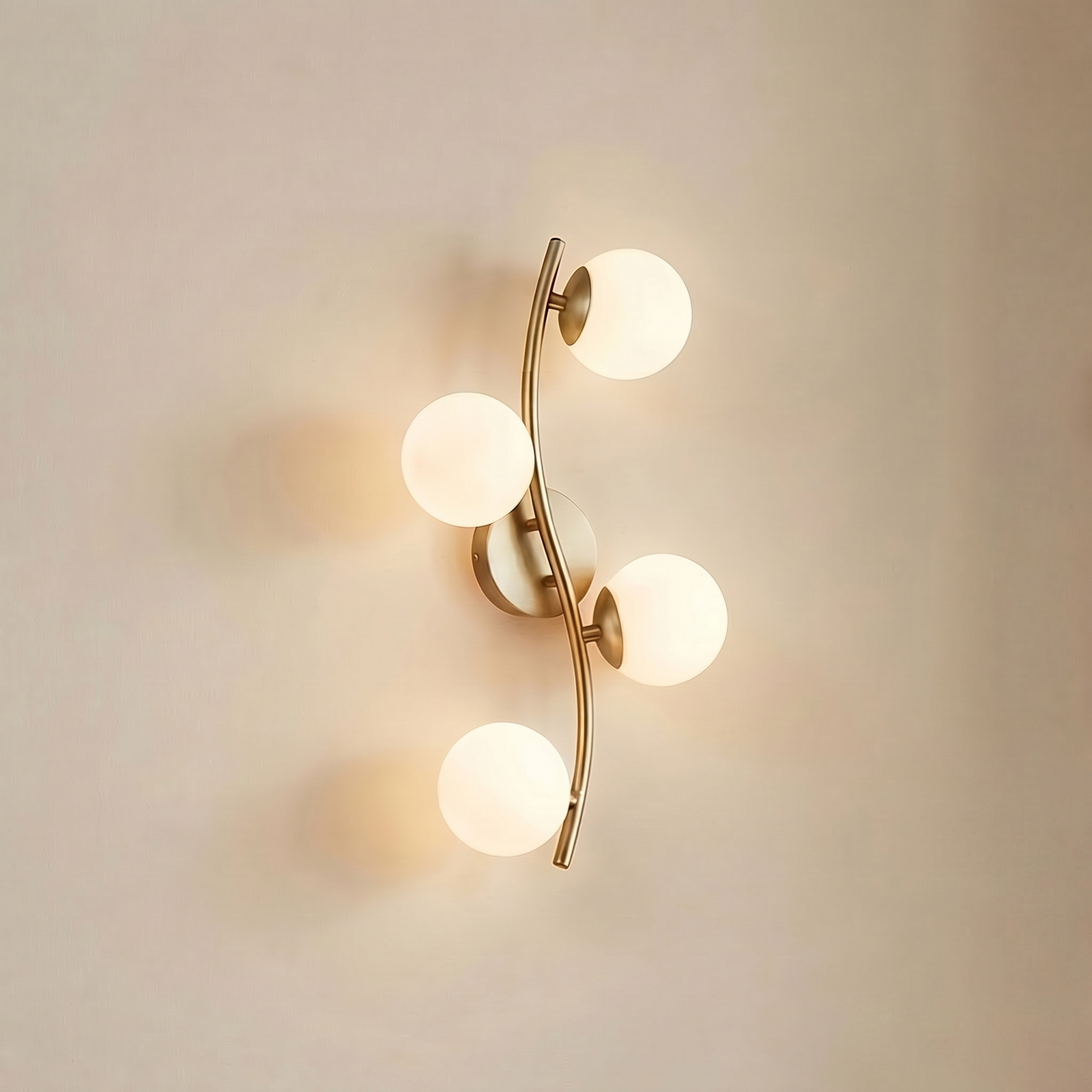
Wall lights in brass or gold bring warmth and elegance into the room and look particularly elegant in combination with warm white light. They set specific accents and lend an exquisite radiance.
)
Industrial
Industrial wall lights combine robust materials such as metal with a functional, often deliberately raw design. They go particularly well with loft atmospheres and create an urban, authentic look.
)
Country house
Country house wall lights bring a cosy, homely atmosphere into the room with playful or classic details. They are ideal for cosy living concepts with an inviting character.
)
Vintage
Vintage wall lights pick up on nostalgic designs and create a charming, timeless look that can quickly become a talking point. They have a particularly atmospheric effect in combination with warm light.
)
Wood
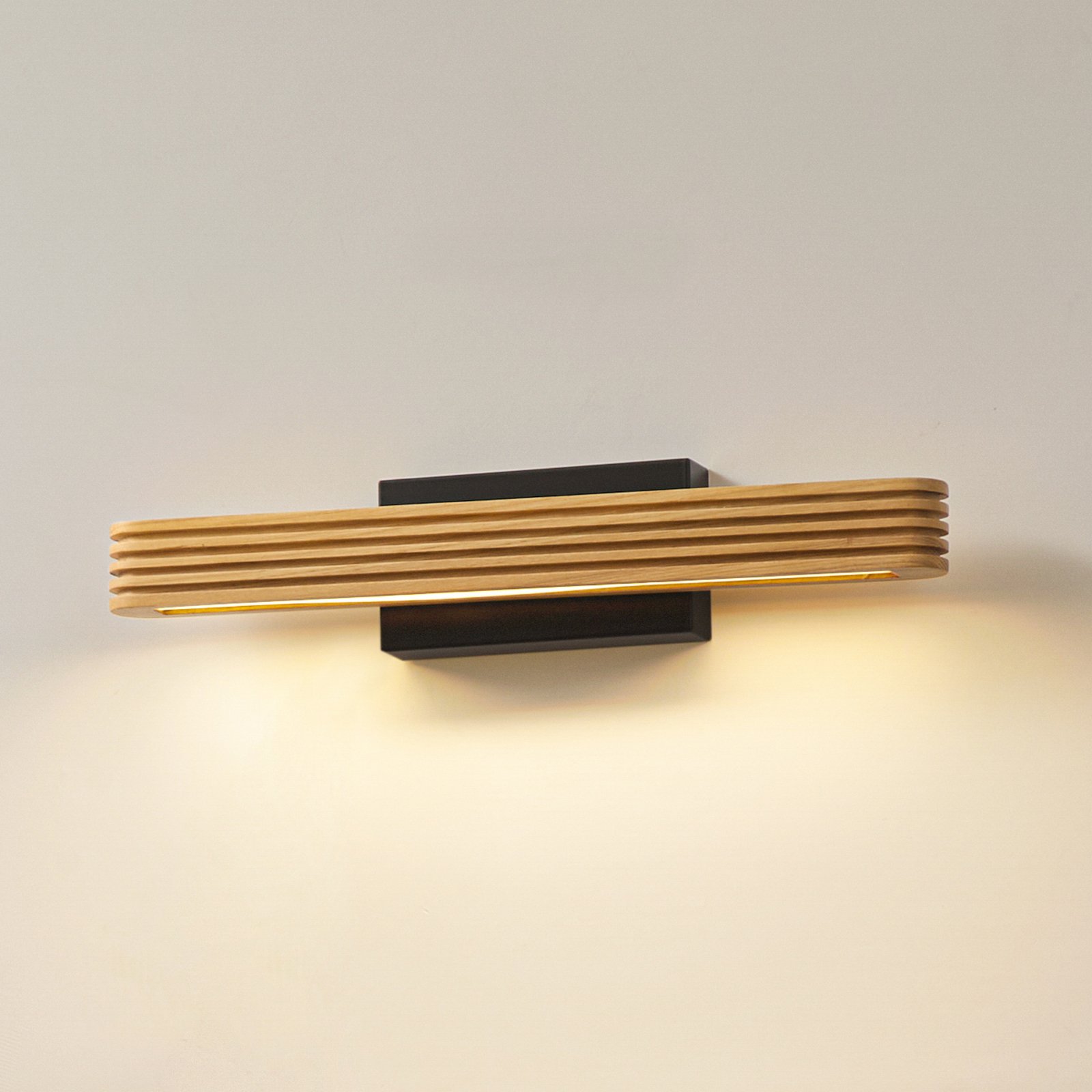
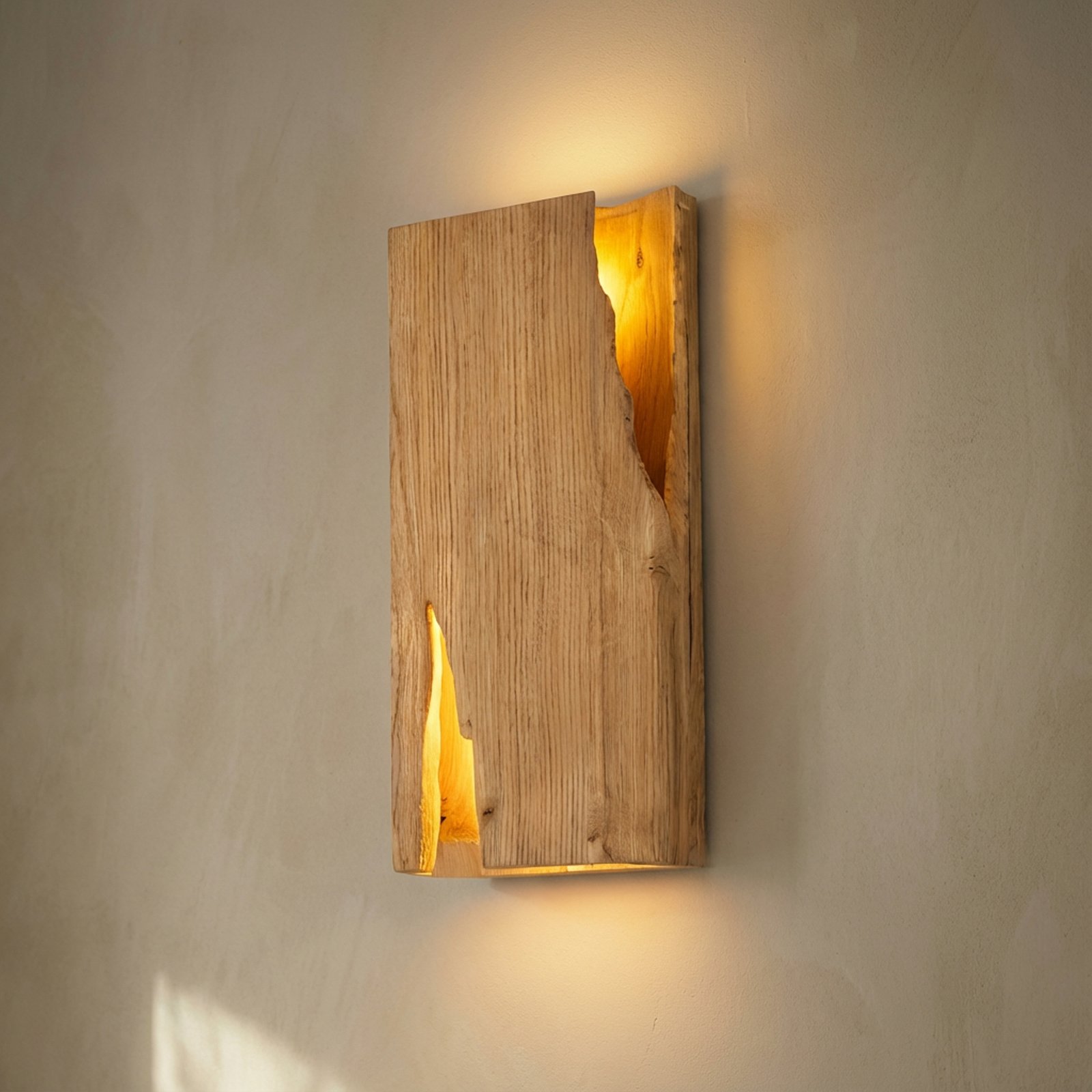
Wall lights with wooden elements bring naturalness and warmth into the living space. They harmonise particularly well with Scandinavian or natural furnishing styles and create a calm lighting effect.
)
Textile
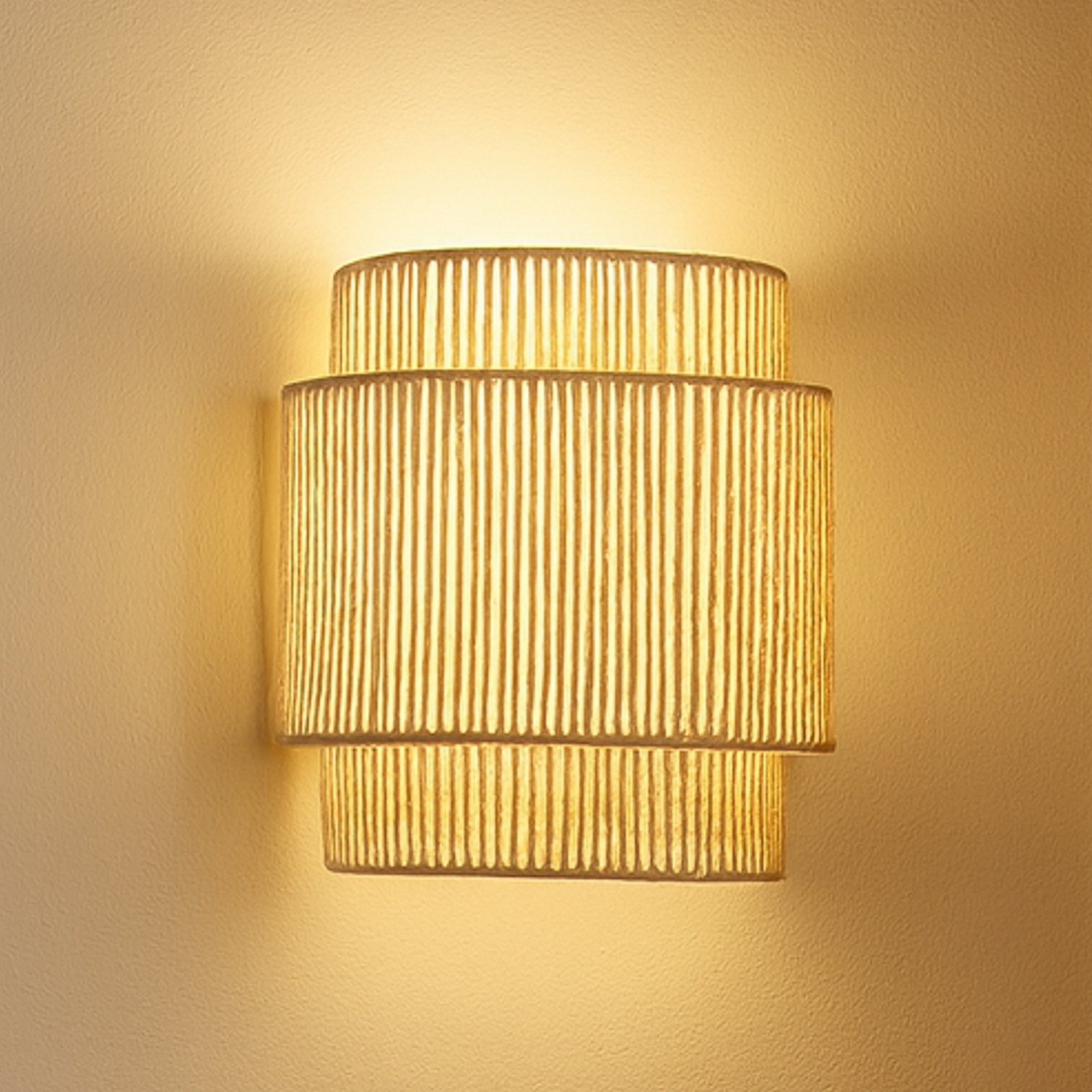
Textile wall lights provide particularly soft, diffuse light and create a cosy atmosphere. They are ideal for bedrooms and living areas where cosiness takes centre stage.
Bestseller

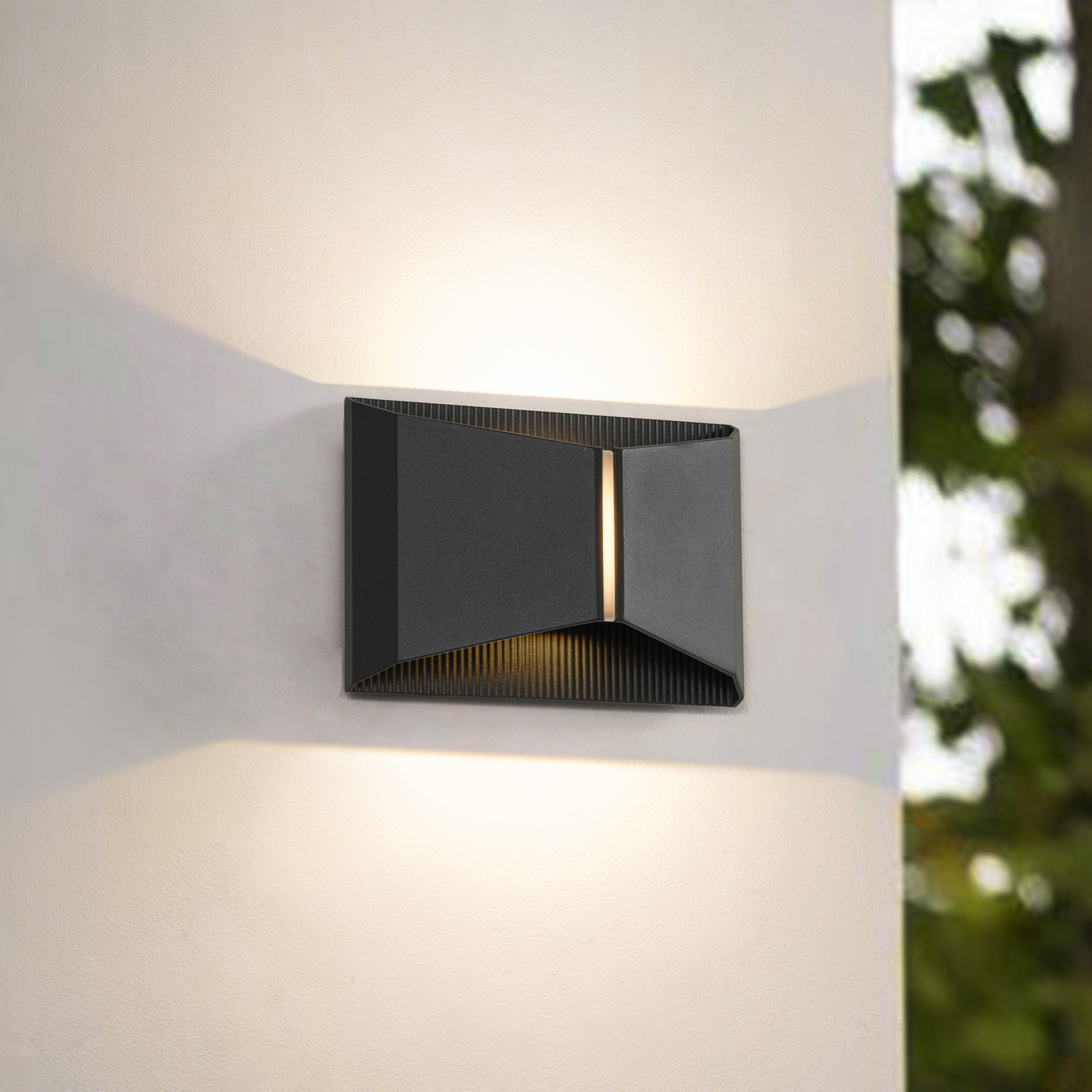
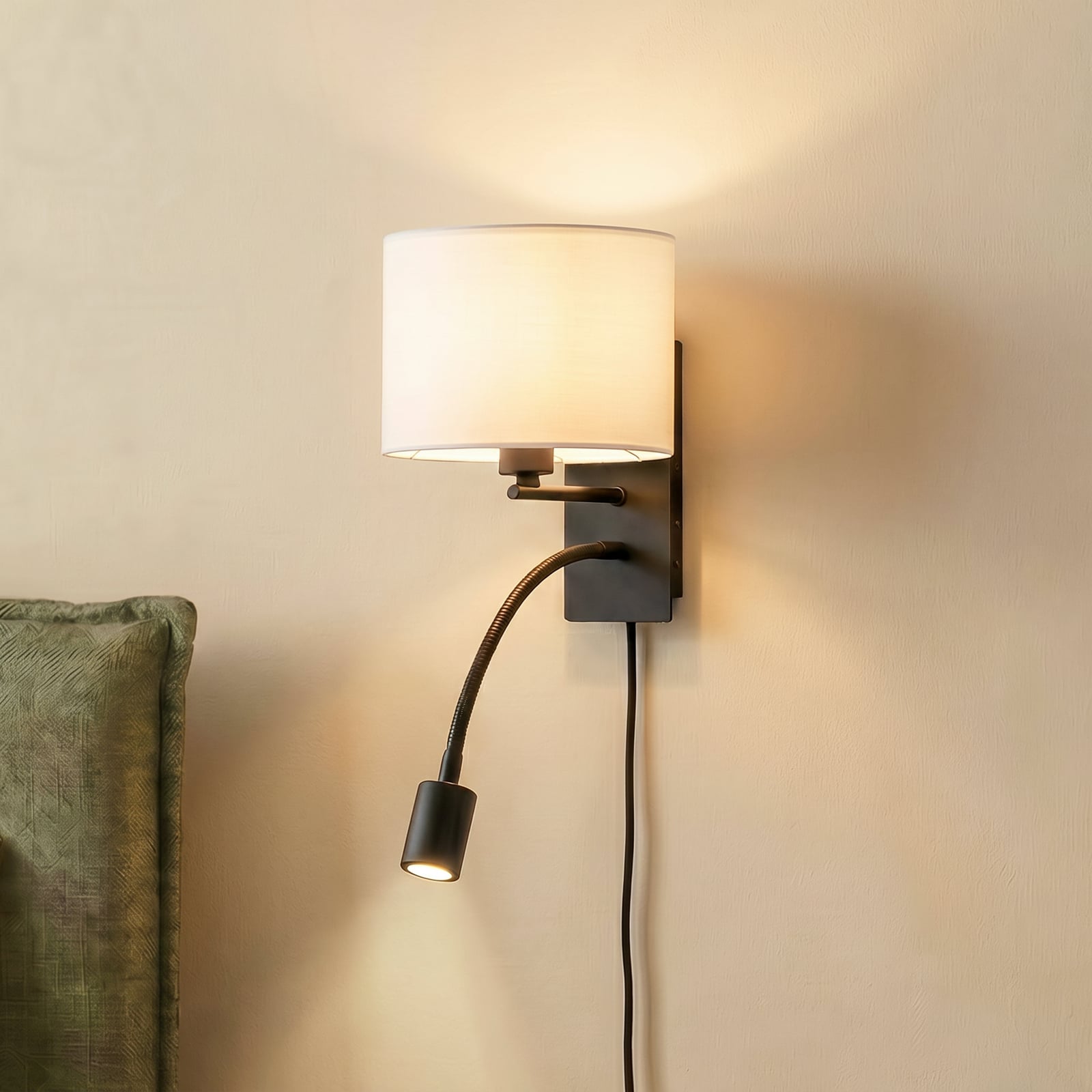
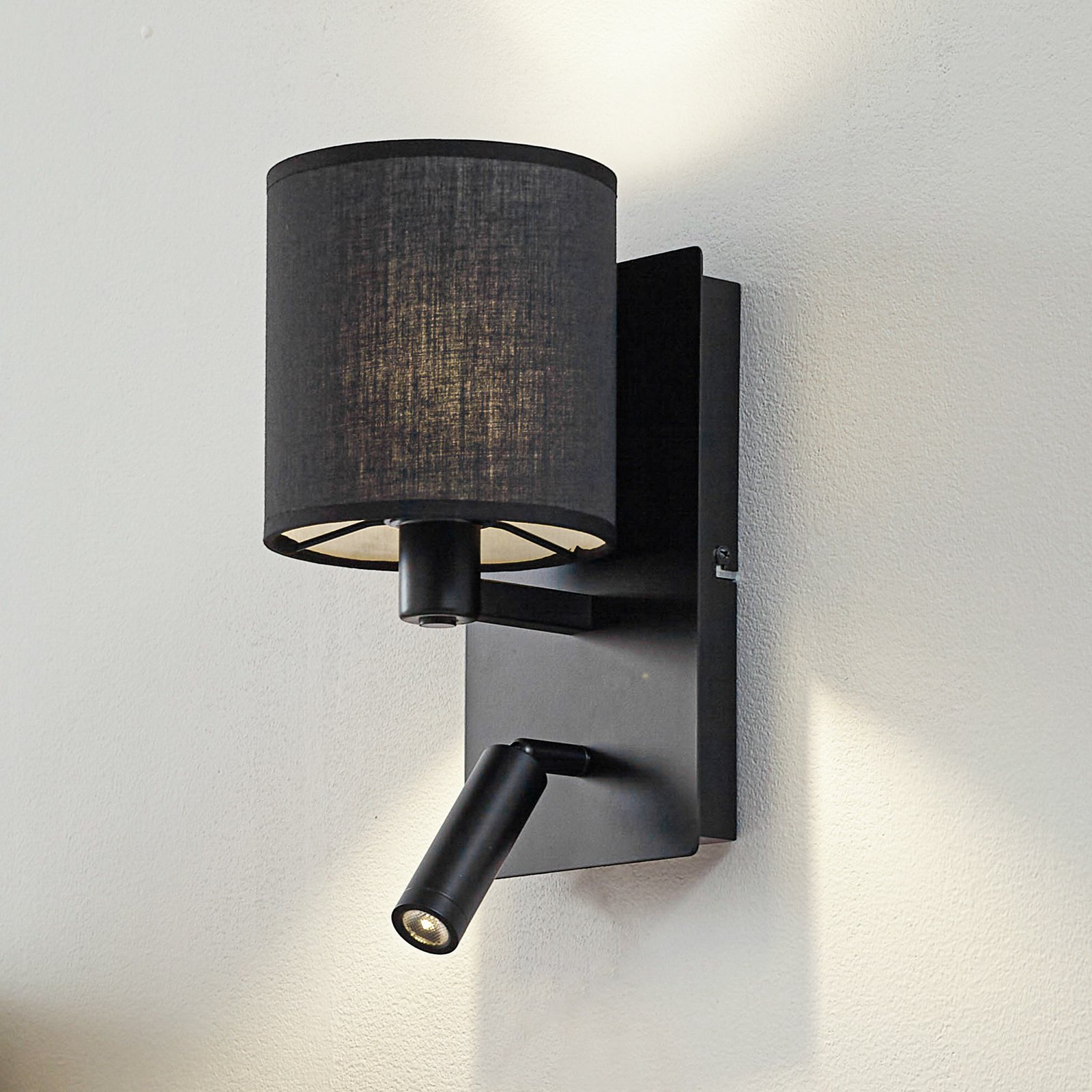
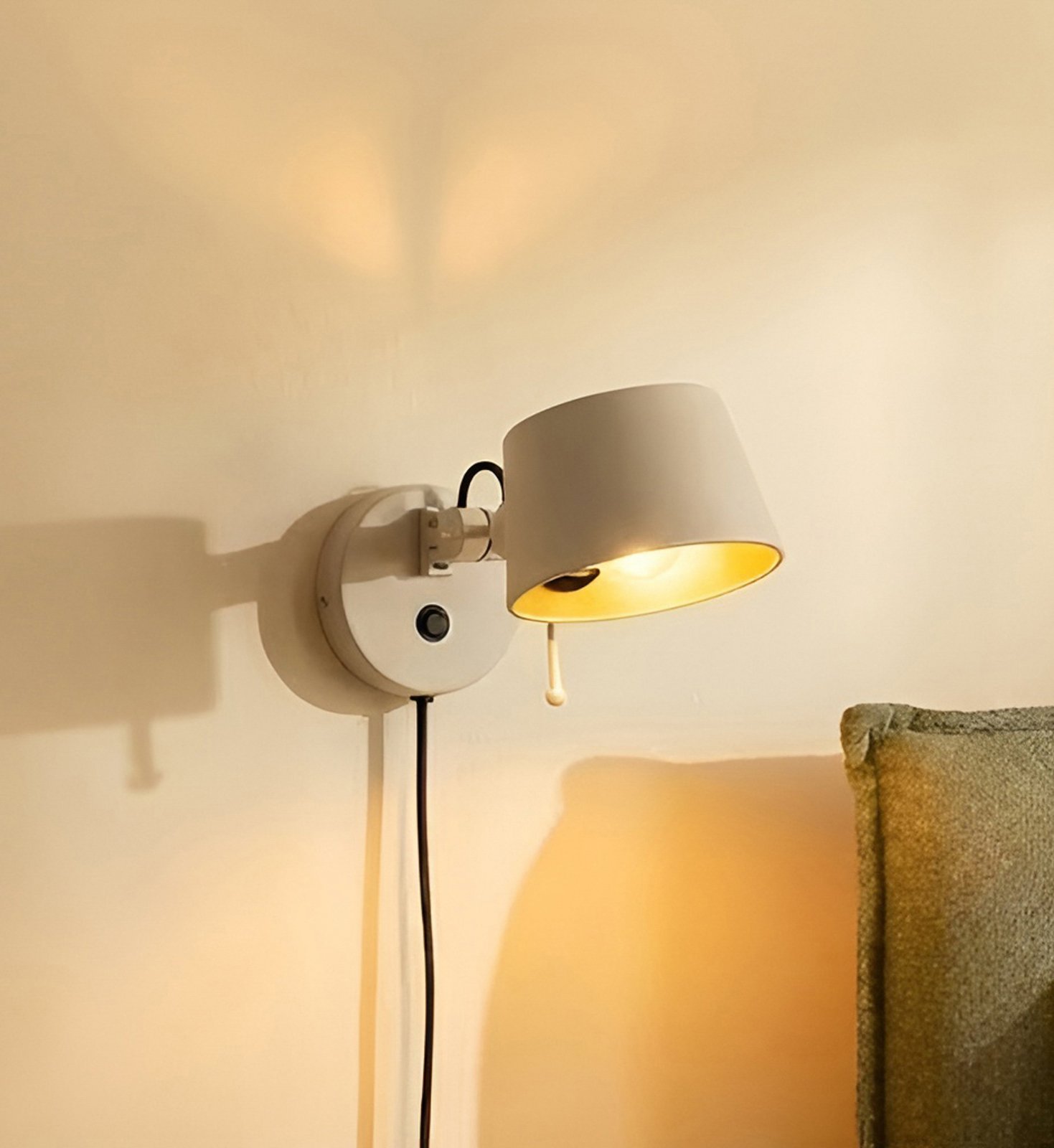
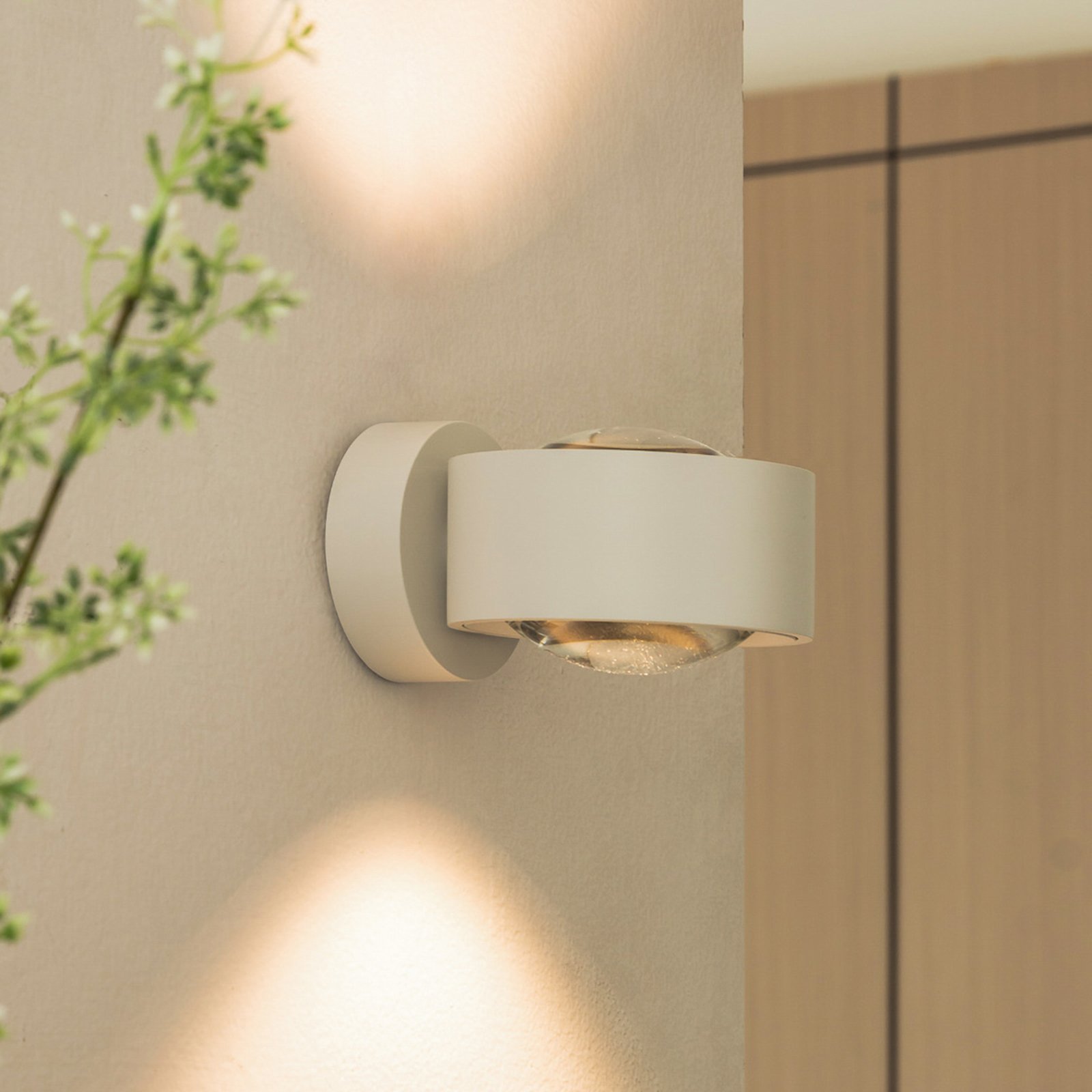
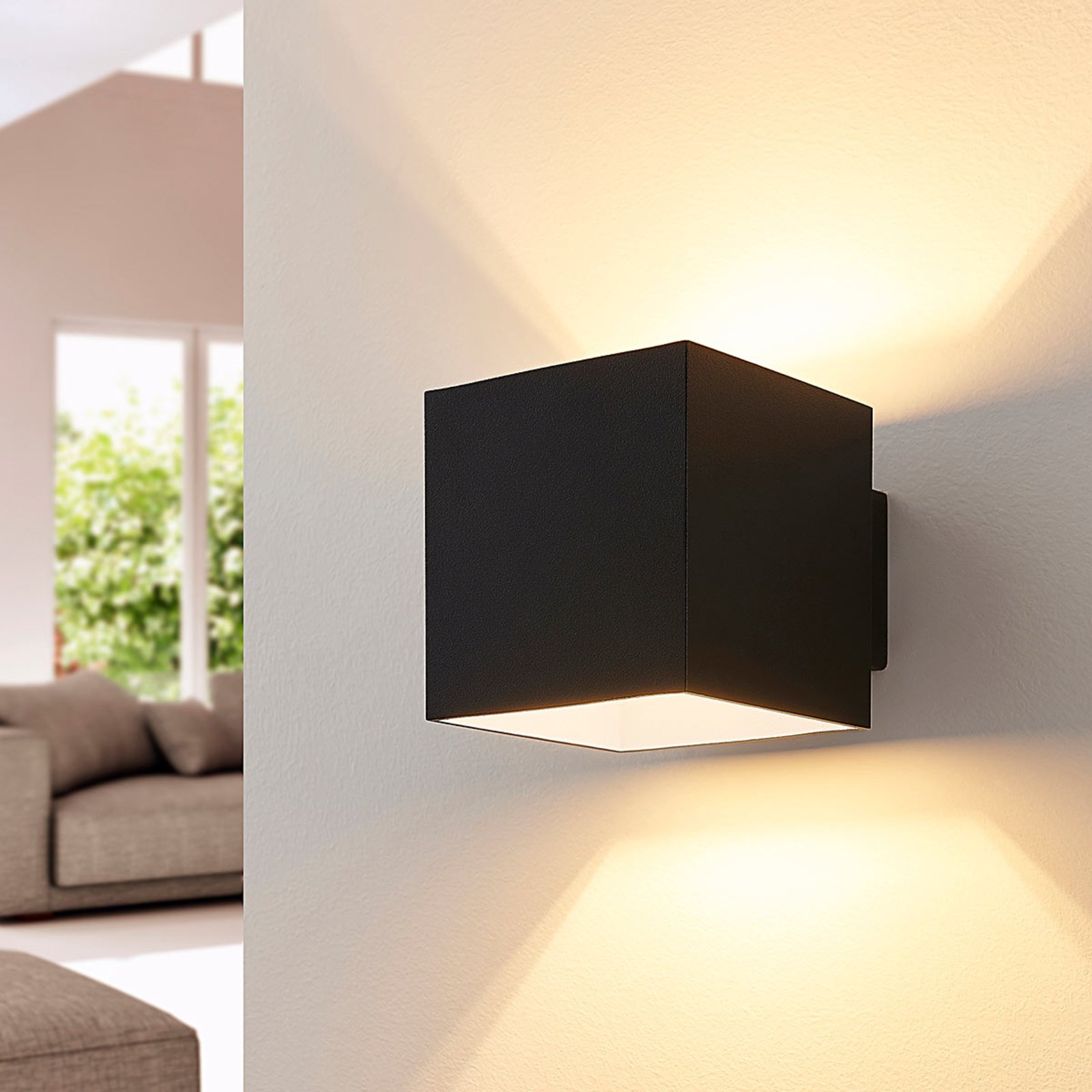
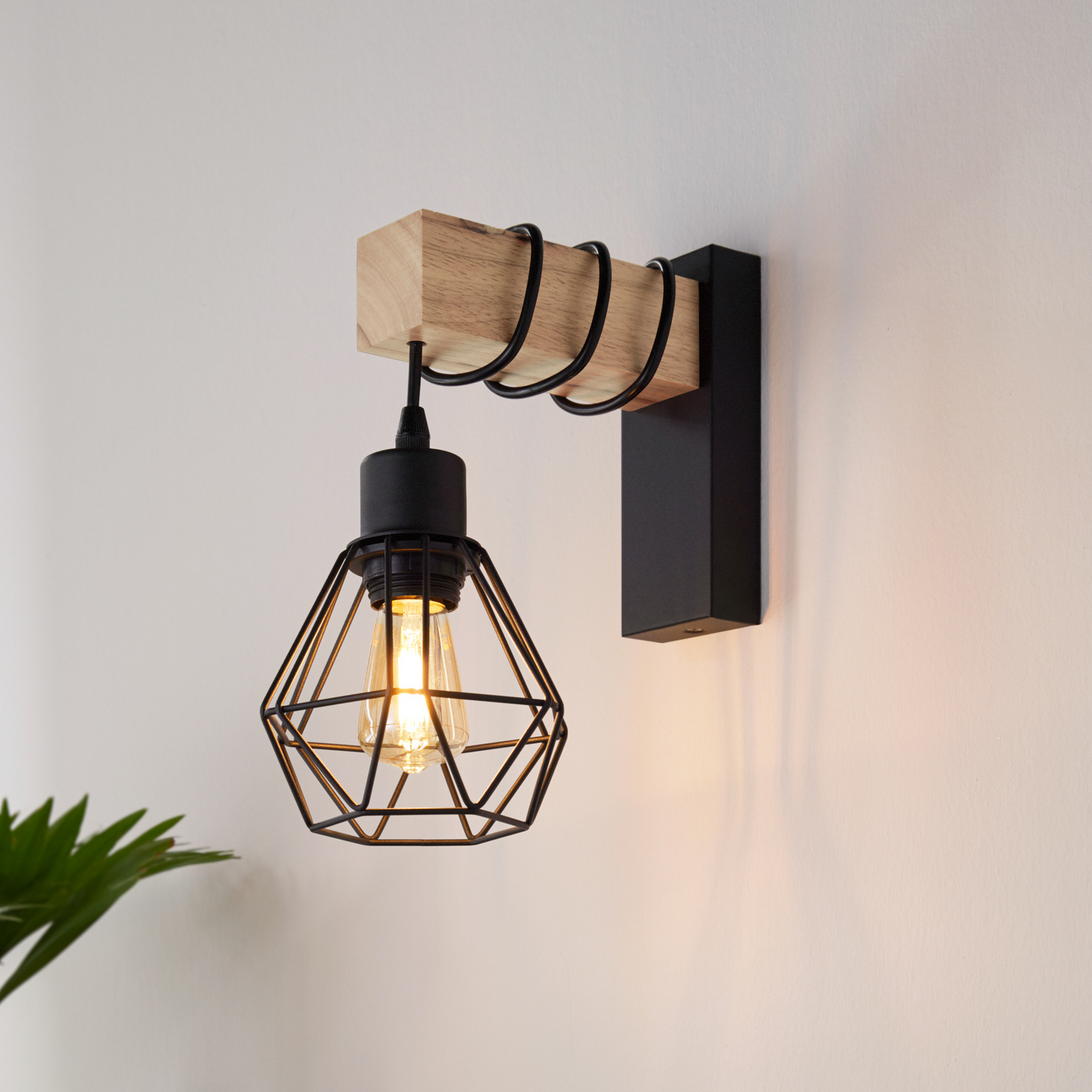
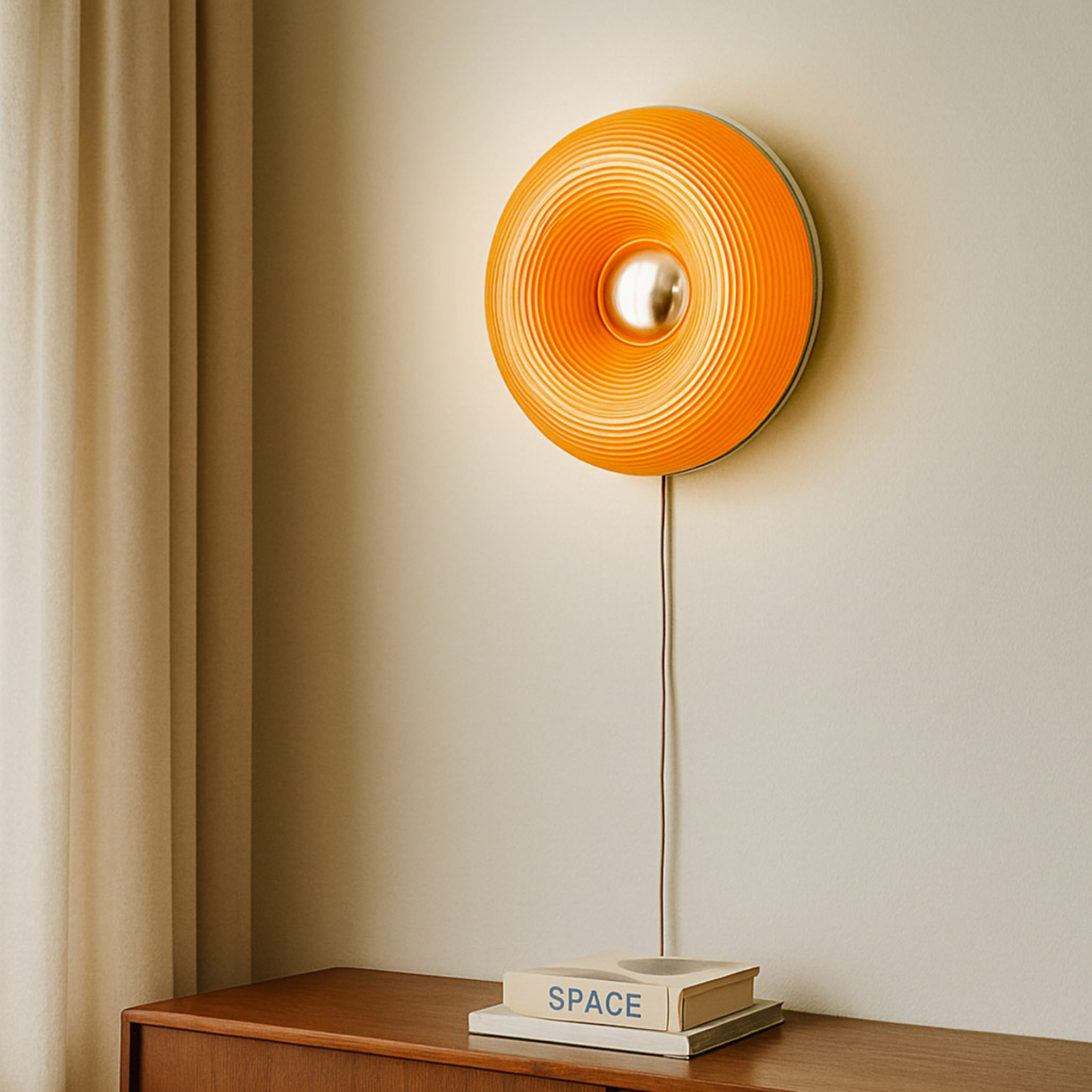
:format(jpeg) "Kai")
Lighting expert at Lights.ie
Expert tip
An underestimated advantage of wall luminaires is that they can be used as a kind of room correction, because they can actively change the perception of a room. With the right light distribution, proportions can be optically equalised without changing anything structurally. The secret lies in the cone of light. For low ceilings, up & down wall lights with a stronger upward light component are ideal - this visually stretches the room. In narrow rooms, I choose wide beams of light or several luminaires along a wall so that the room appears wider. And with large, empty walls, I use wall lamps to create targeted islands of light that structure the surface and make it more cosy.
 "Knit from Vibia")
 "What is Lumen")
 "Luminous colour")
 "IP protection classes")
 "Dimming made easy")
 "Feng Shui")