





















Mediterranean Living
Decorating ideas for a Mediterranean flairSun on warm stone surfaces, the scent of herbs, a set table, and evenings that effortlessly move outdoors: Mediterranean living conveys a feeling of ease and vacation.
There is no one Mediterranean interior style. Italian country houses, French coastal towns, Spanish fincas, and Greek island houses each tell their own story. Sometimes the ambiance is elegant and subtle, sometimes more rustic and original, sometimes bright, minimalist, and distinctly modern.
And especially in the evening, one element plays a crucial role: the light. Because Mediterranean living thrives not only on daylight. Only with warm, strategically placed light sources does the relaxed atmosphere reminiscent of long evenings in the South emerge.
The Mediterranean interior style is characterized by natural materials, light walls and warm earth tones, organic shapes, individual ceramic or terracotta elements, cozy lighting, and a relaxed connection of indoor and outdoor spaces.
Mediterranean interior style
Characteristics of Mediterranean living
The color palette of the Mediterranean is warm, natural, and surprisingly versatile. Warm natural tones like beige, sand, cream, and ochre, as well as accents in terracotta, olive green, sage green, and sea blue, suit a Mediterranean interior. Beige, sand, cream, eggshell white, and warm natural tones are ideal as a base. Terracotta brings warmth to the mix. Ochre reminds of sun-warmed facades, olive and sage green evoke the colors of Mediterranean plants. Blue, in turn, creates a connection to the sea and sky.

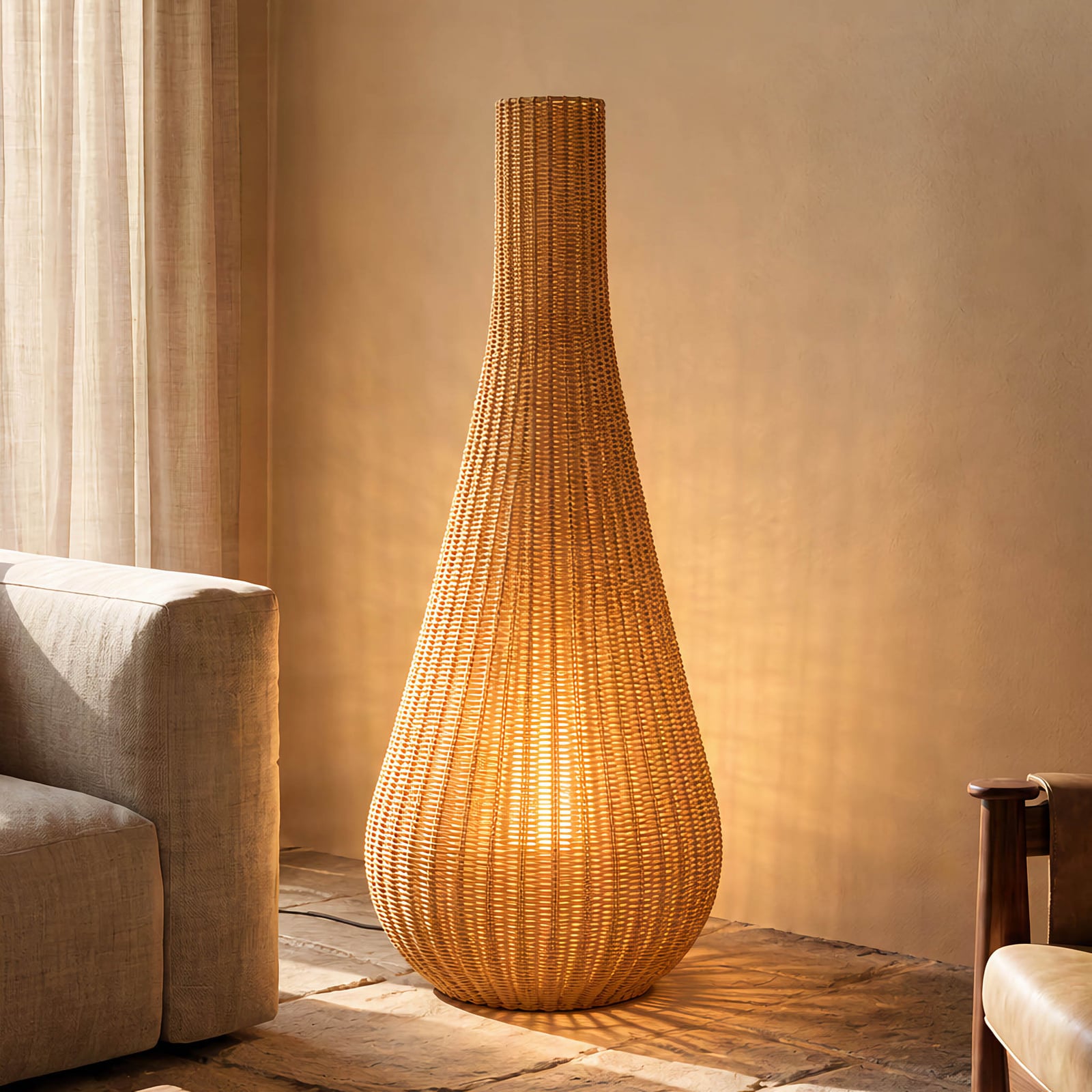
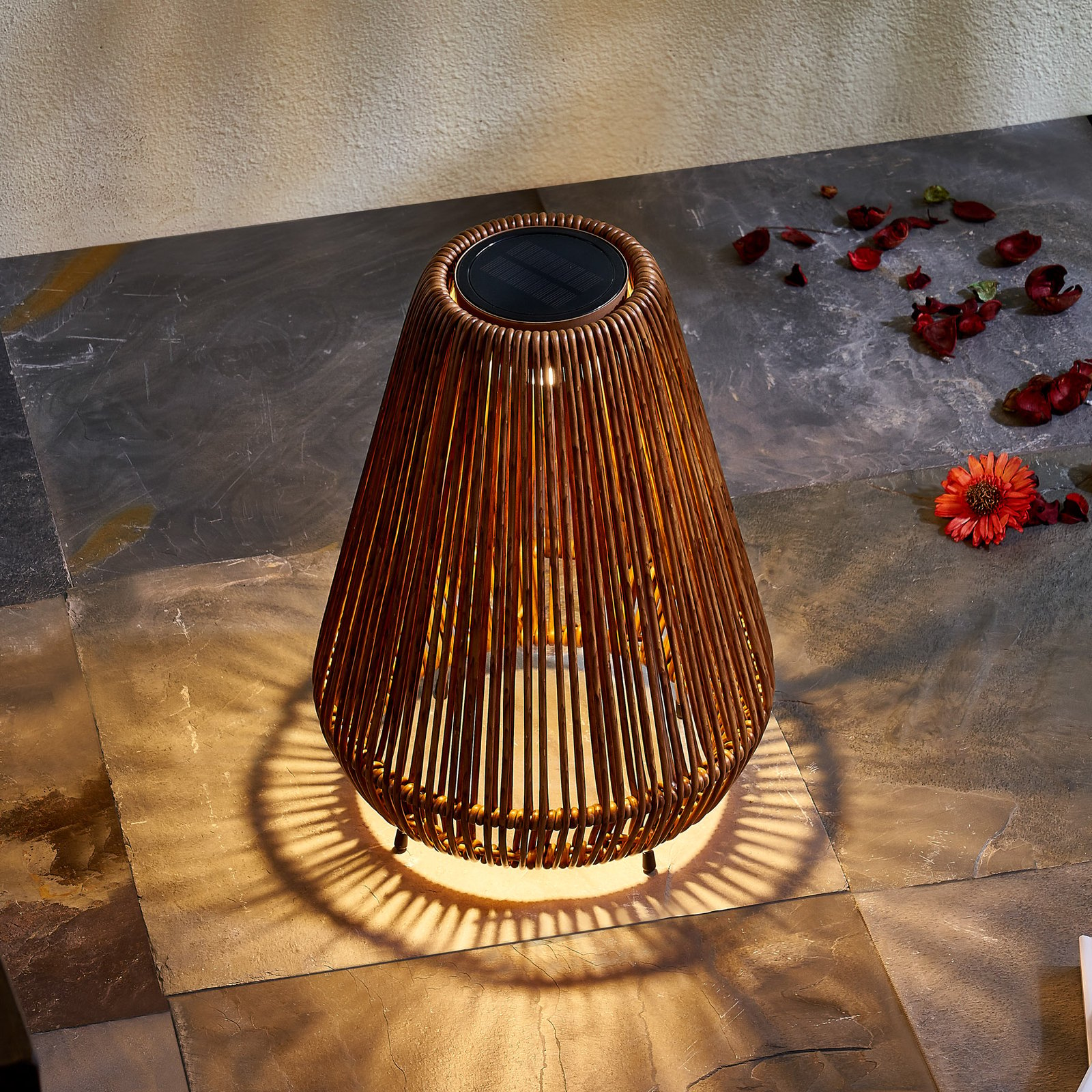
Natural materials such as wood, natural stone, terracotta, ceramic, rattan, linen, cotton, and glass are ideal for Mediterranean living. It thrives on materials you can see and feel. Visible structures, natural grains, patina, and small irregularities make the style authentic. A luminaire can complement this material world particularly effectively. Woven shades of rattan, bast, or other natural fibers also create a lively interplay of light and shadow.

Solid wood tables, rattan or wicker furniture, light upholstery, and sideboards and cabinets with a natural or handcrafted look fit the Mediterranean style. The focus in a Mediterranean living space is on furniture that invites people to sit together.
A large table can become the communicative center. A characterful wooden table, a modern sofa, and a single vintage armchair can be much more interesting for the Mediterranean style than a fully coordinated furniture set.

Mediterranean does not automatically mean rustic. This is a common misconception. A modern Mediterranean interior combines clean lines and a bright, minimalist design with natural materials, warm color accents, and a few characteristic elements. Modern furniture with clear lines can be excellently combined with a rattan armchair, a ceramic object, or a natural stone table. For those not wanting to redecorate completely, use a simple rule: 80% calm and neutral, 20% characterful and Mediterranean. This creates a contemporary home with a Mediterranean touch.

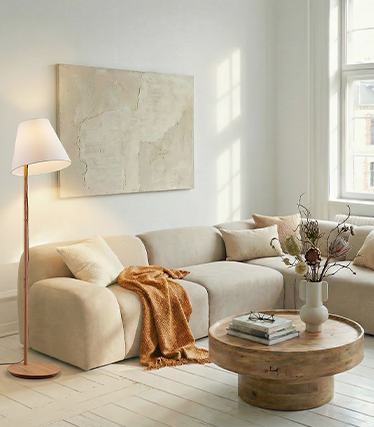
You can create a Mediterranean living room by combining a light color base with natural materials, plants, and warm light sources. Start with a light wall color, such as beige, cream, or warm white. Sofas in natural, sand, or cream tones fit well. A coffee table made of wood or natural stone adds structure to the room. Linen cushions, lightweight curtains, and rugs with a natural surface add extra coziness. Plants bring life to the decor. Large vases, baskets, and ceramics can then set accents.

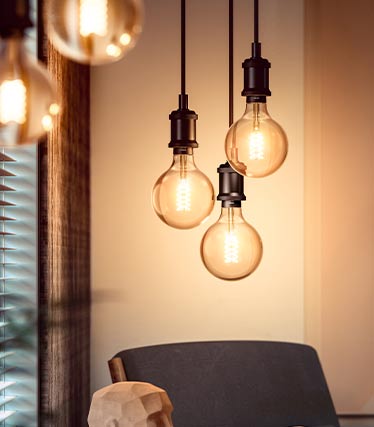
Pendant, table, and floor lamps made of ceramic, terracotta, rattan, bast, or glass that emit warm and soft light fit particularly well in a Mediterranean interior. A combination of multiple light islands is particularly pleasing. A pendant lamp above the dining table, a table lamp on the sideboard, and a small accent lamp near a plant create different lighting zones. Not every corner needs to be bright. On the contrary: darker areas between individual light islands add depth and make the room feel calmer and more homely in the evening.
Not all Mediterranean colors have to be present in a room. A light base with terracotta and olive green, for example, looks calm and earthy. Beige with cobalt blue looks fresher and more reminiscent of the coast. Cream with ochre and natural wood, on the other hand, creates a particularly warm, sunny atmosphere. Lights can also support this color scheme.


Mediterranean ceiling lights
Pleasant basic brightness for rooms in Mediterranean styleIn the Mediterranean style, ceiling lights are also used to illuminate the room evenly yet cozily. Models made from natural materials, in Mediterranean colors, and naturally with a warm white light color of 2,700 to 3,300 Kelvin harmoniously integrate into a Mediterranean-style room. Combine ceiling lights with other light sources to create a lively and cozy lighting atmosphere in the evening instead of uniform illumination.


Mediterranean pendant lights
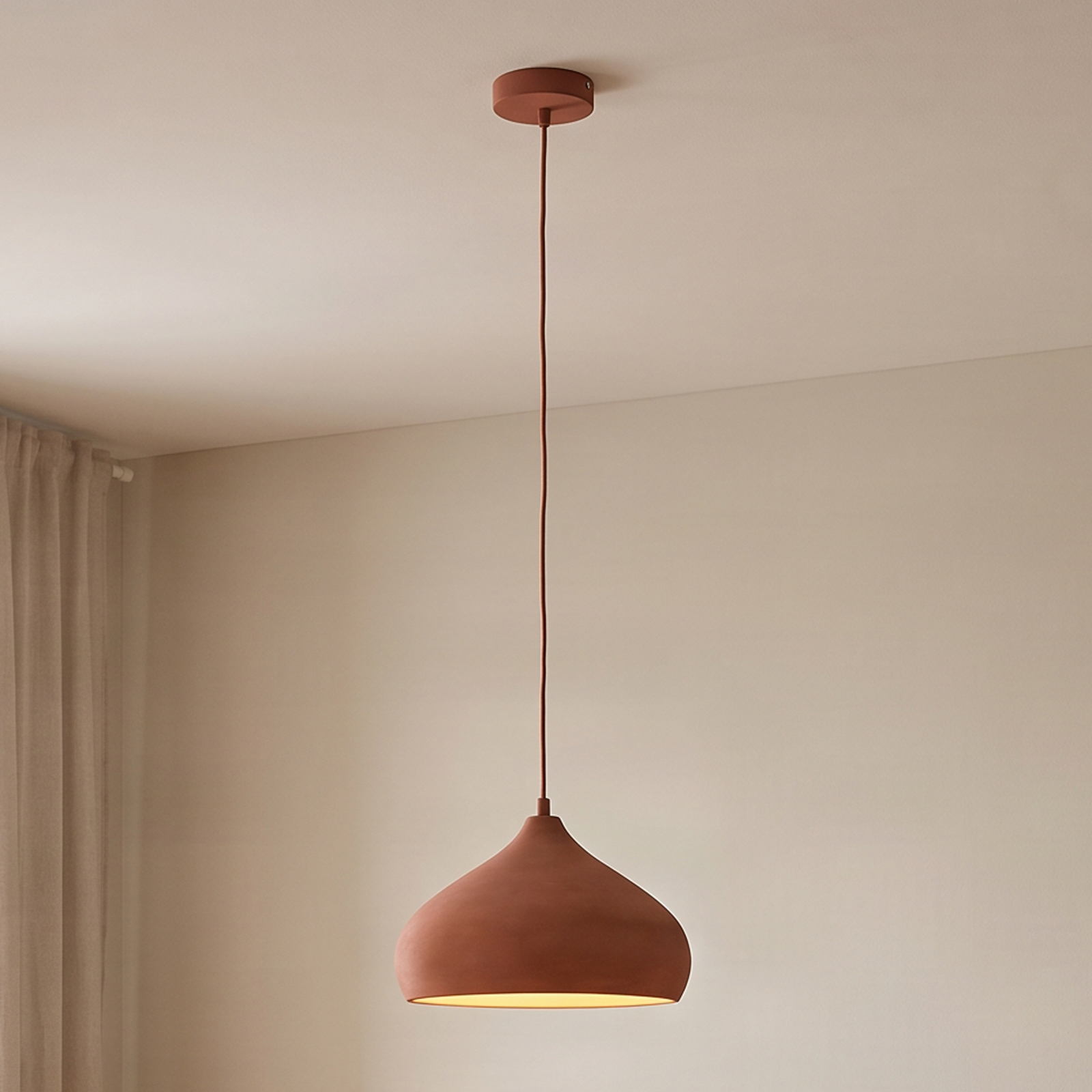
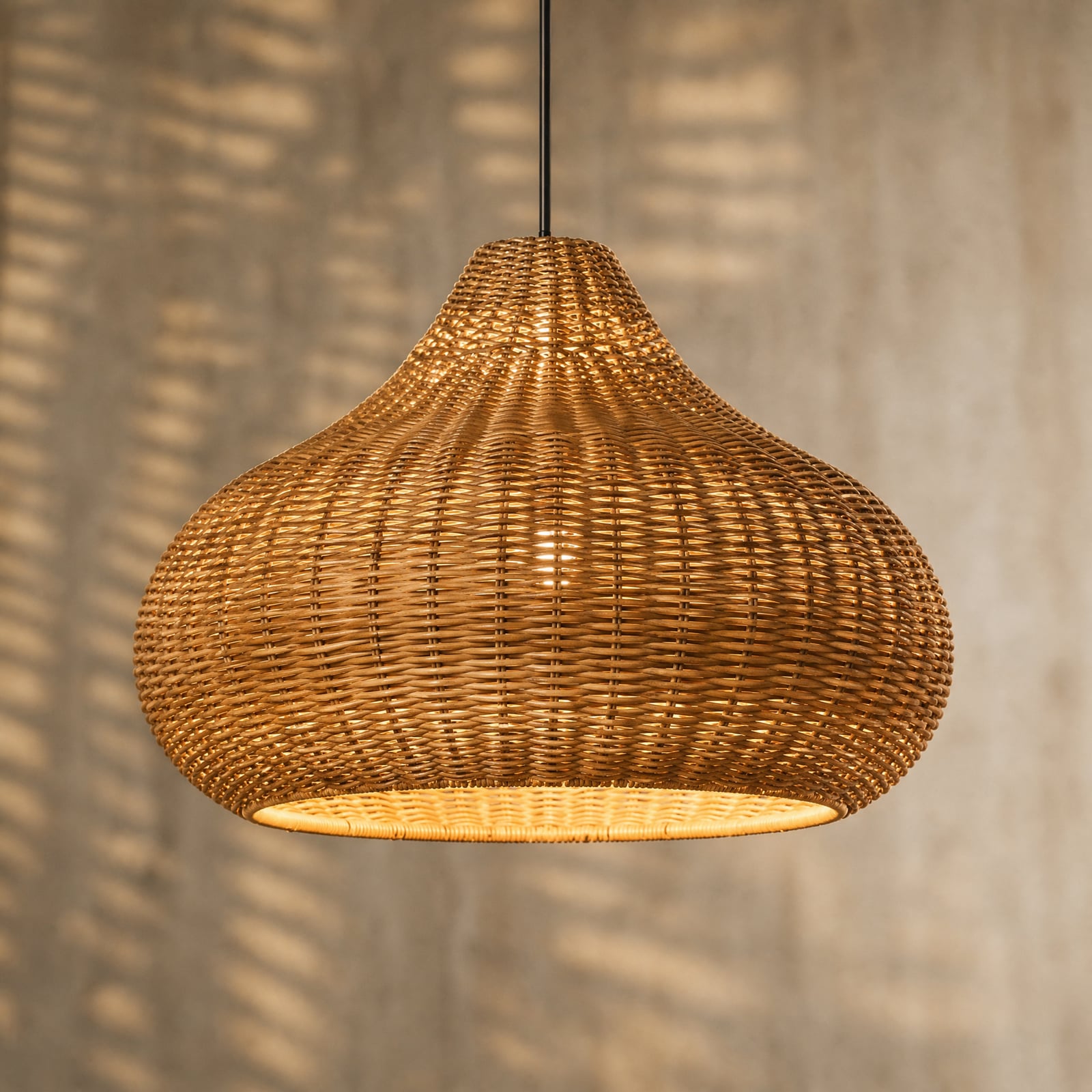
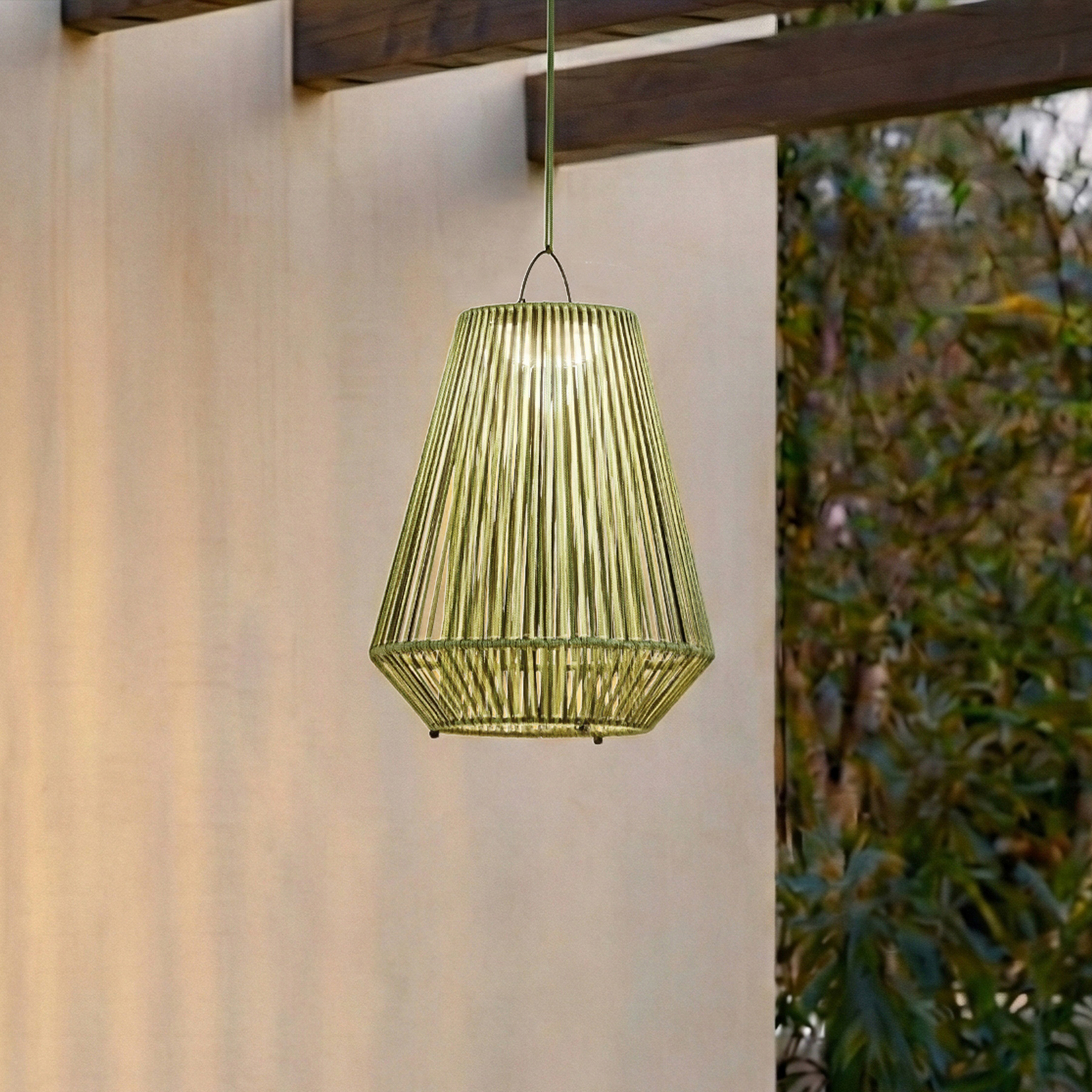
Light for long eveningsLike in the South, the dining table often becomes the center of the evening here too. Eating, drinking, talking, and sitting together happen here. A warm light source directly above the table creates intimacy and ensures dishes and food remain visible. Pendant lights made of rattan, bast, or other natural fibers are particularly suitable for the Mediterranean interior style. Their structure becomes visible through the light and can create characteristic shadows.


Mediterranean floor lamps
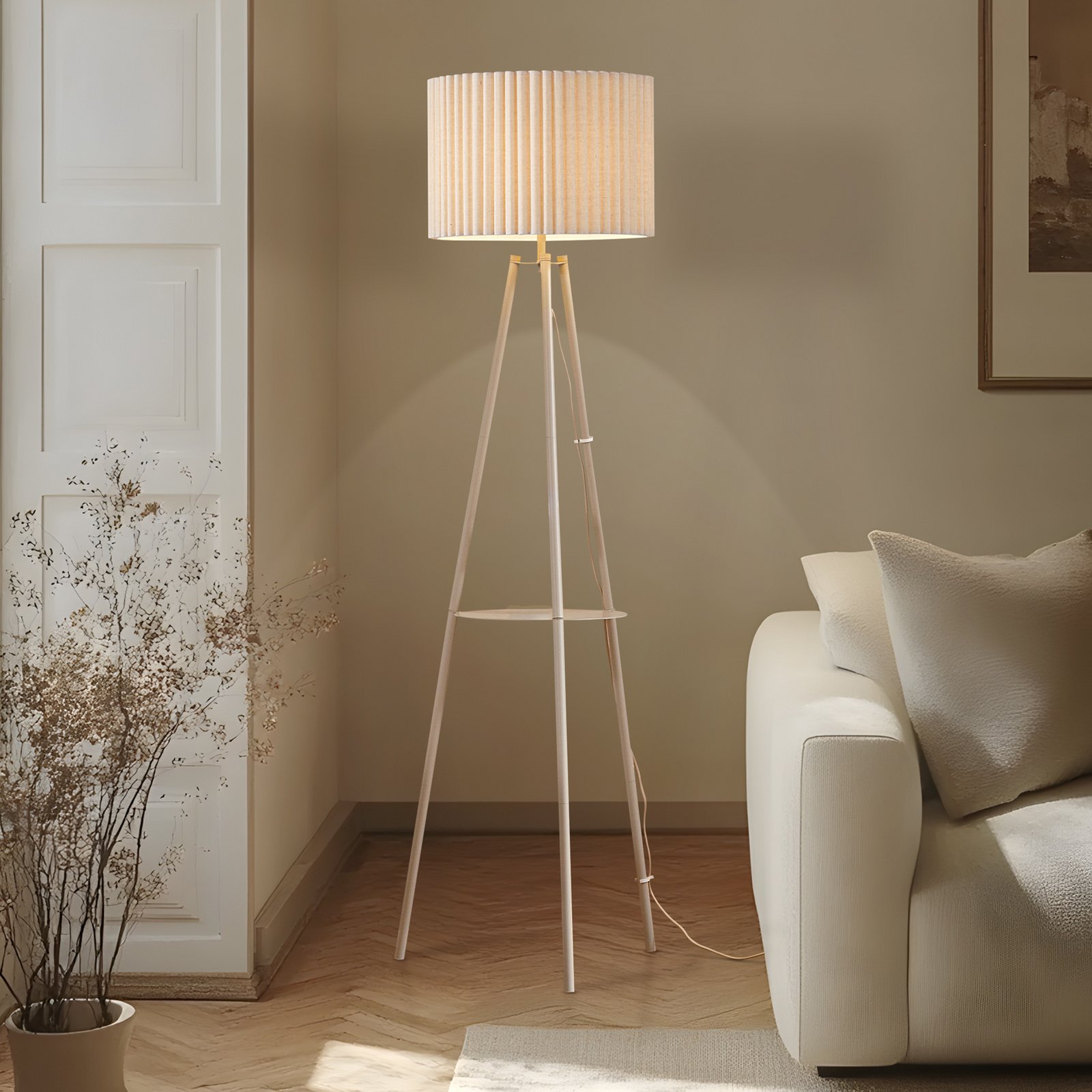
Lighting ambiance next to sofa or armchairFloor lamps create flexible light islands and cozy reading, retreat, or seating areas. Placed next to a sofa or an armchair, they complement the primary lighting and add extra depth to the room with warm light. Natural materials and organic shapes, which reflect the relaxed character of Mediterranean interiors, are particularly harmonious.




Mediterranean table lamps
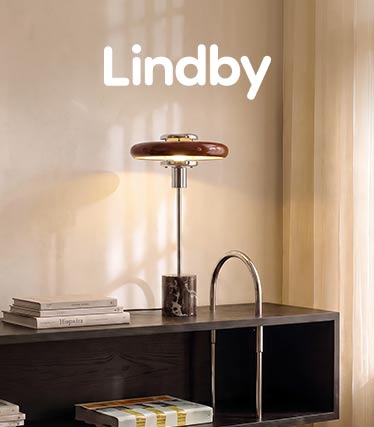
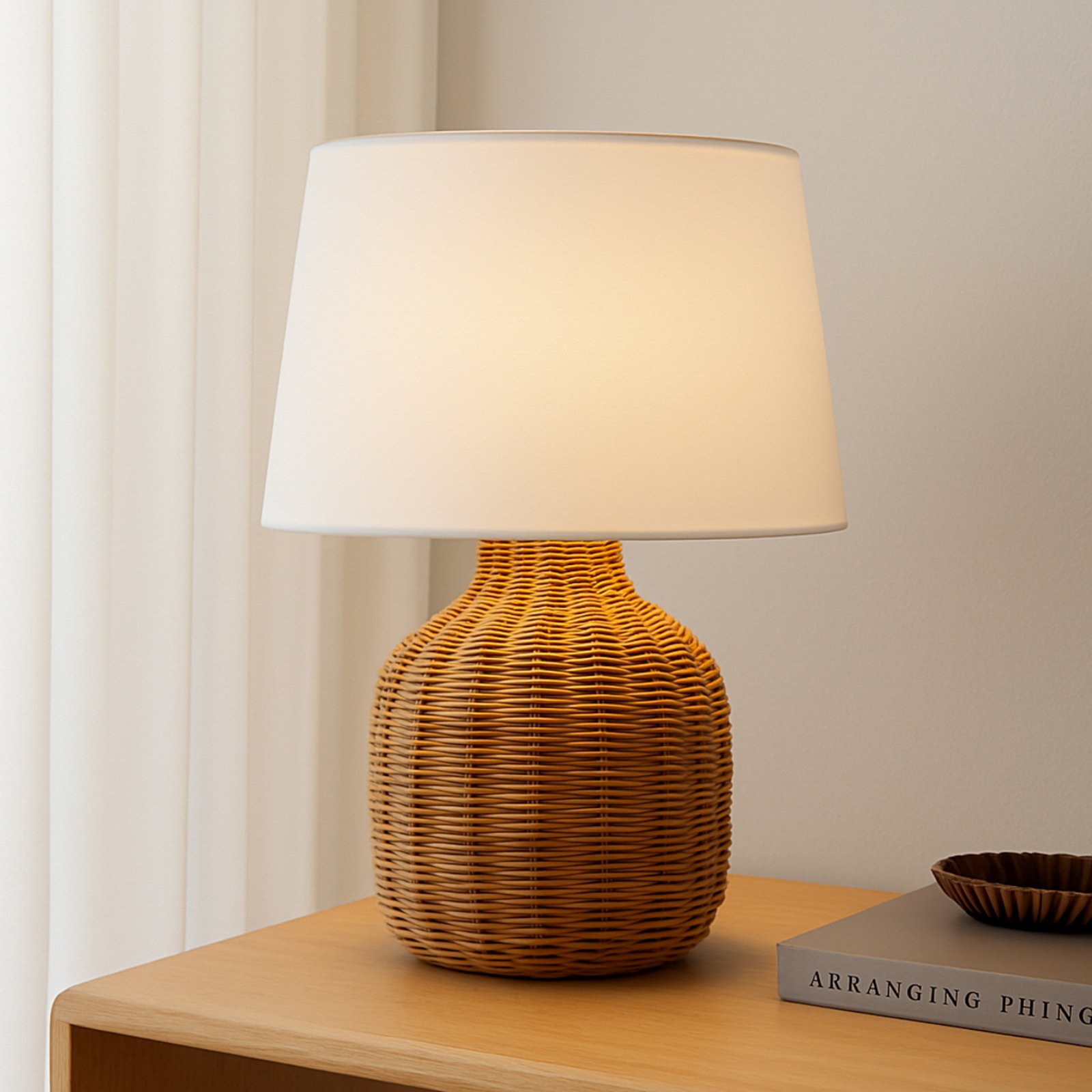
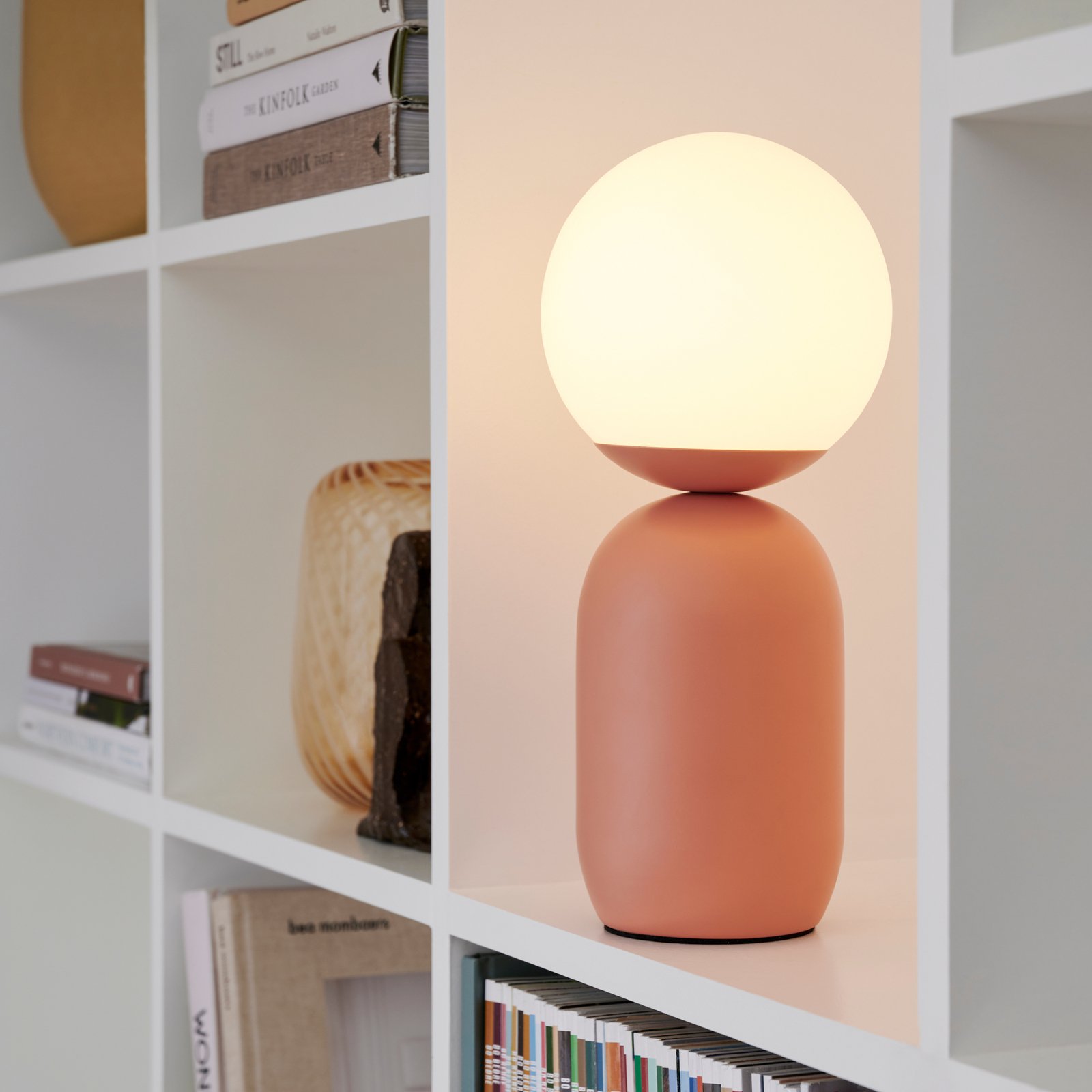
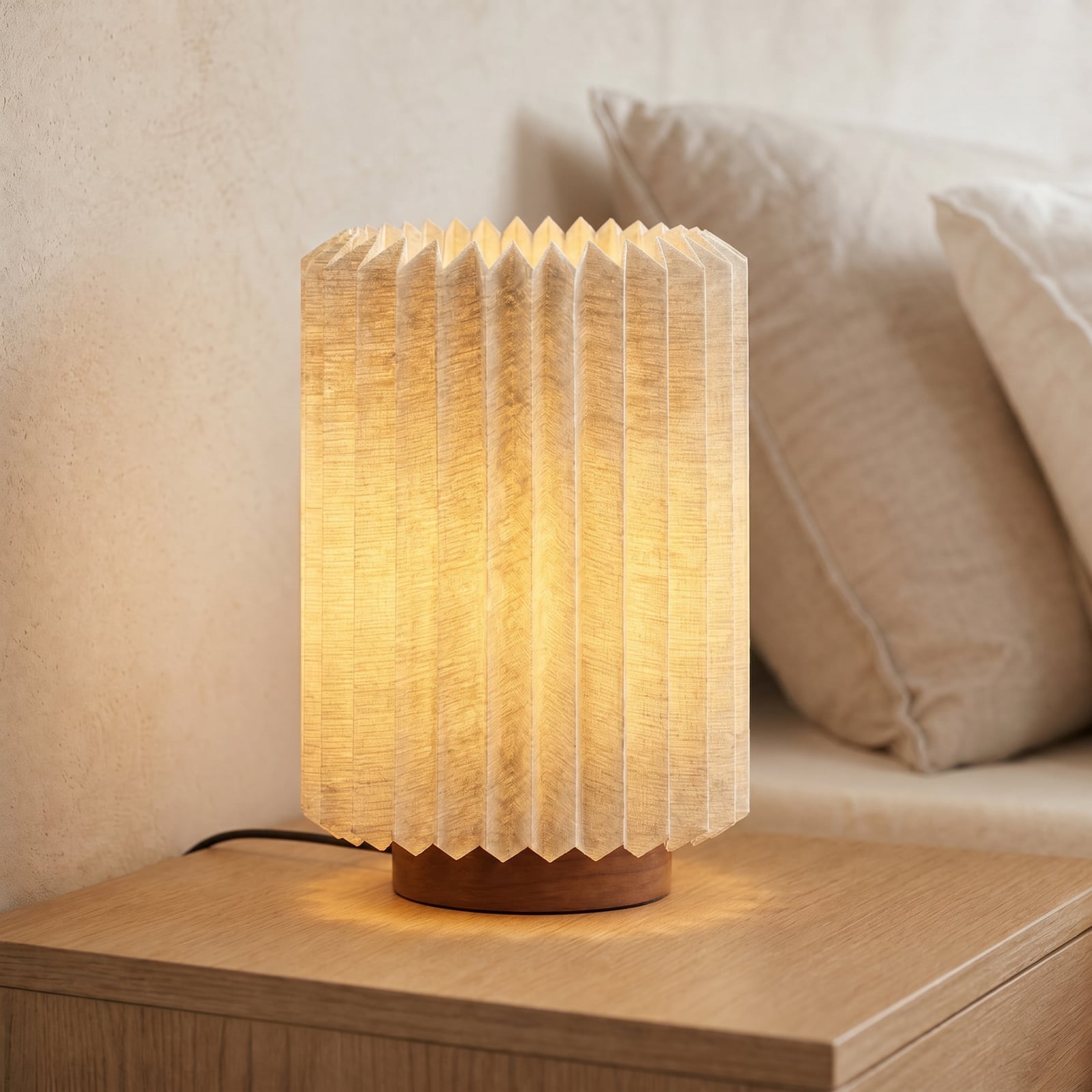
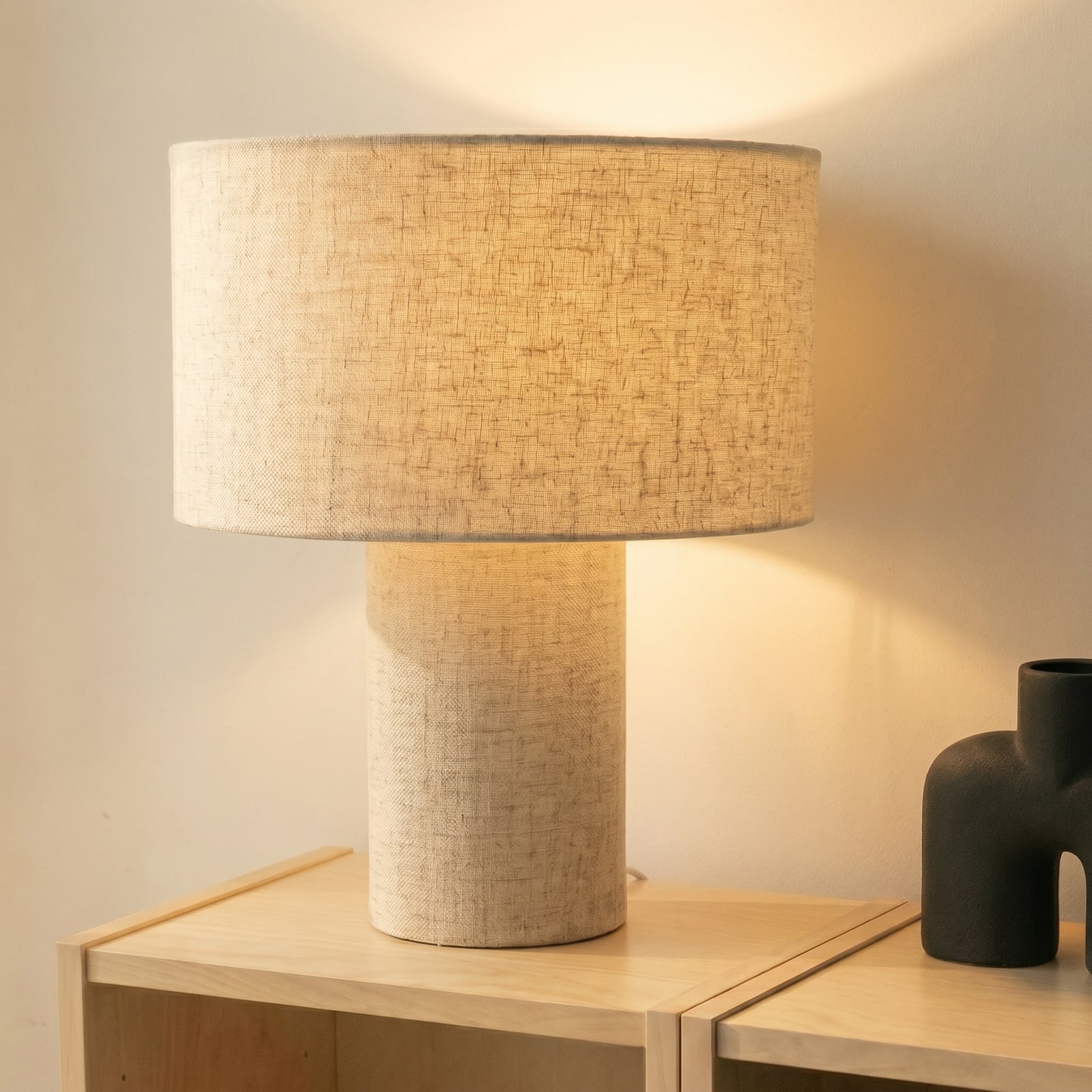
Small light sources on sideboard or side tableThe Mediterranean lifestyle rarely arises from maximum brightness. A small table lamp on the sideboard or a mobile battery-powered lamp on the table can often contribute more to the atmosphere than just a bright ceiling light. This is especially true for open living areas: with several small light sources, individual zones can be defined without illuminating the entire room evenly.






Designing a Mediterranean terrace
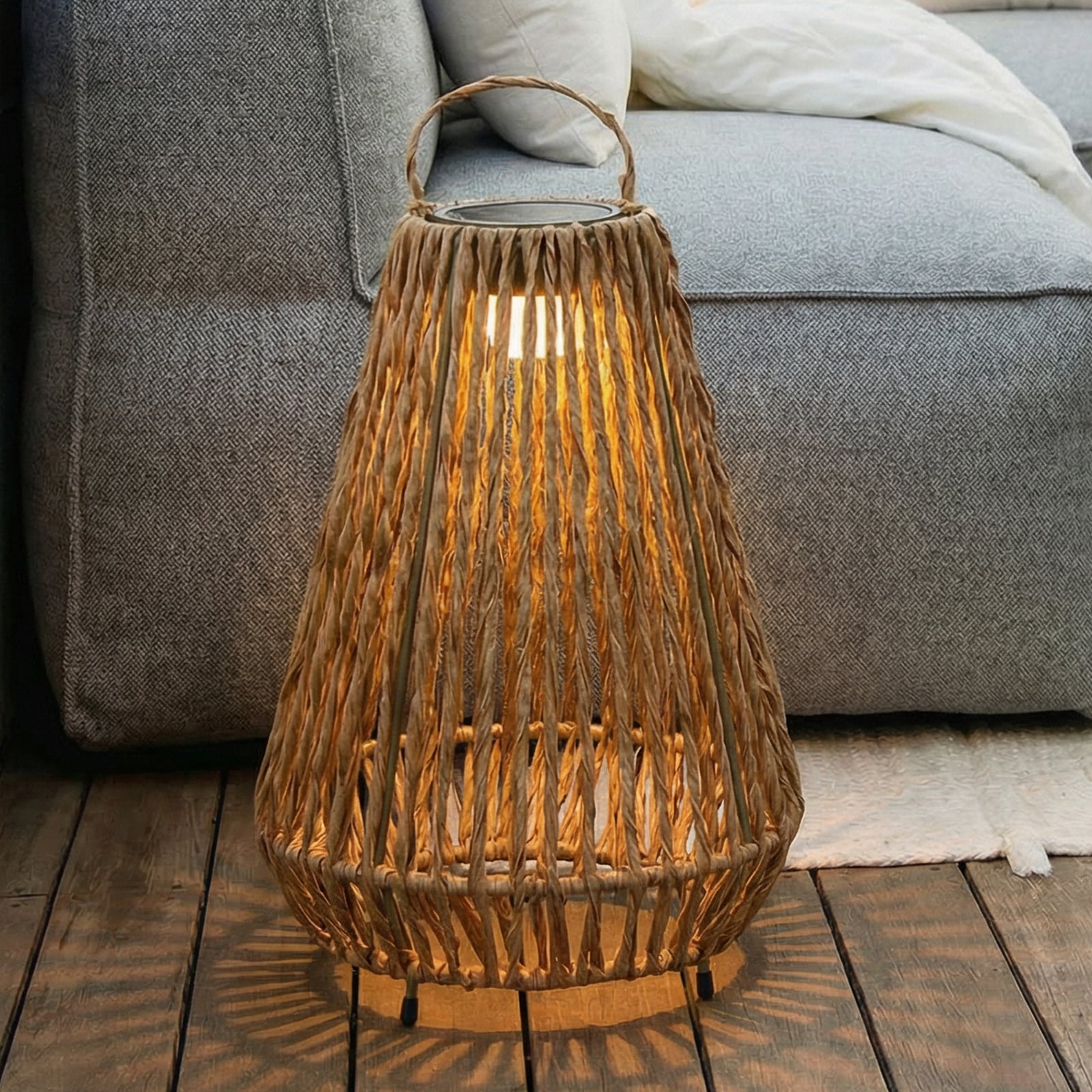
Living like in the southA terrace or balcony can become a second living room and the center of the Mediterranean lifestyle in summer: with a large table, comfortable seating, light textiles, plants, and warm light. Rattan, wood, and natural materials echo the interior design. Terracotta pots and Mediterranean plants add natural color accents. Battery-powered lamps are particularly practical because they can be used wherever light is needed, independent of an available outlet. If possible, use stylish outdoor pendant lights and choose a floor lamp to illuminate inviting seating areas.




Mediterranean decor
Ceramics, textiles, vases, and plantsHandmade-looking ceramics, large vases, baskets, linen cloths, textured cushions, and light carpets make a room feel Mediterranean and thereby warm and personal. Plants like olive trees, citrus plants, eucalyptus, herbs, and other greenery or individual pieces with patina complement the natural material world.
The Mediterranean style of furnishing is characterized by natural materials, light walls and warm earth tones, organic shapes, individual ceramic or terracotta elements, cozy lighting, and a relaxed connection between indoors and outdoors.
Conclusion
Mediterranean living at a glanceThose who want to furnish in a Mediterranean style don't need a completely new home or a collection of typical decor items. Often, a few conscious choices are enough:
- Bright base: Cream, sand, beige, or eggshell white.
- Natural materials: Wood, stone, ceramic, rattan, linen, and glass.
- Warm accents: Terracotta, ochre, olive green, or selectively applied blue.
- Character: Artisan surfaces, patina, and individual pieces.
- Less is more conscious: Prefer fewer large accents over many small decorations.
- Good lighting: Because Mediterranean living unfolds its special effect not only in sunshine. As the day slowly ends, warm light sources highlight individual areas, and the terrace becomes a meeting place, creating the true lifestyle feeling.

Lighting expert at Lights.ie
Expert tip
"In the living room, consciously use three to four different light sources instead of just illuminating the room with a ceiling light in the evening. Place a table lamp on the sideboard, a floor lamp next to the sofa, and a small battery lamp on the side table. Choose warm white light so that beige, terracotta, and natural tones appear particularly soft and homely. Direct individual light sources specifically on plants, ceramics, or textured walls to create interesting light islands and more depth. This creates a Mediterranean evening mood that makes the living room much cozier and more inviting."