










































:format(jpeg) "Lighting design for the children's room")
Children's room lighting design
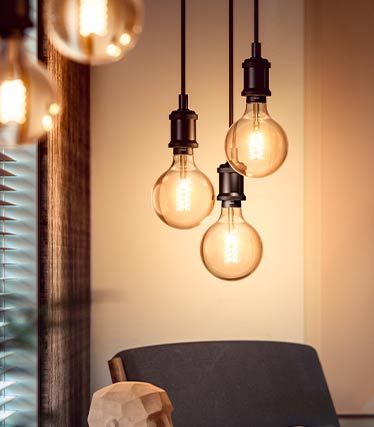
Good light for playing, learning and sleepingThe children's room is one of the most versatile rooms in the home. Here they play, read, learn, build, dream and sleep - often all in a single day. This is precisely why a single ceiling light is not enough. It takes several coordinated light sources to create lighting in the children's room that supports everyday life.
Well thought-out lighting design in the children's room combines orientation, visual comfort and atmosphere. While bright, glare-free light helps with playing and learning during the day, the light can be calmer and warmer in the evening. Different light zones ensure that every activity receives the right lighting - from ambient lighting and indirect light to night lighting.
Our favourite lighting ideas
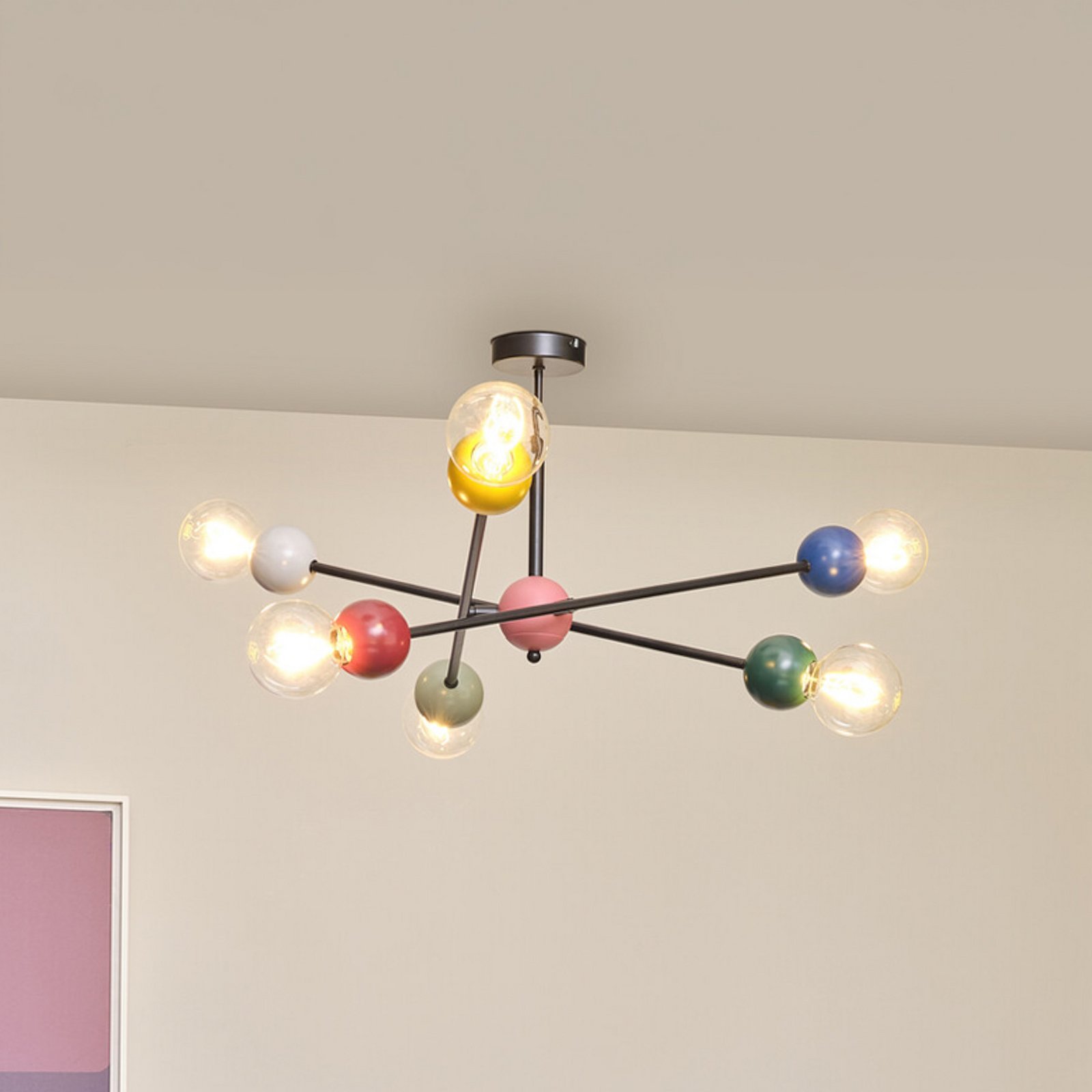
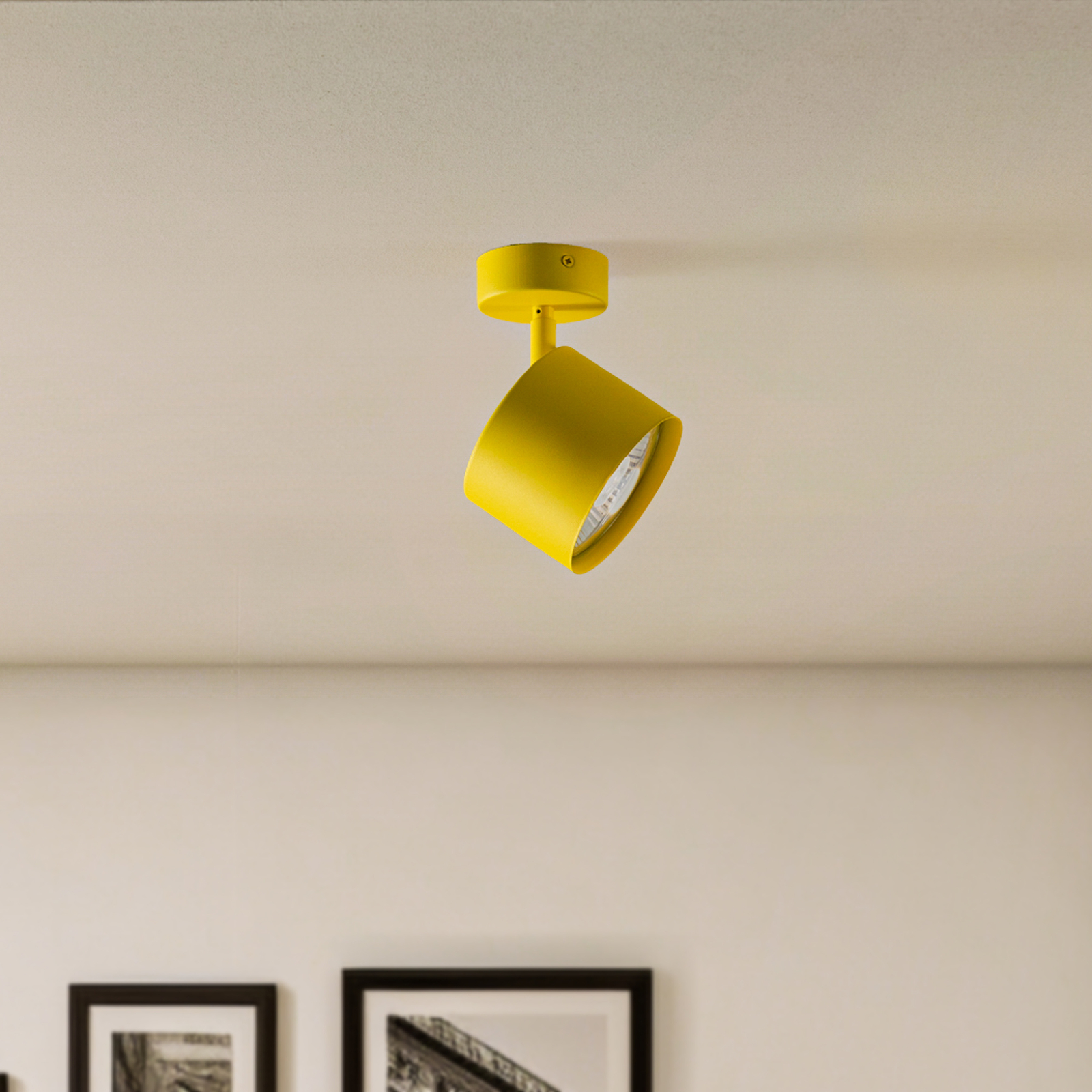
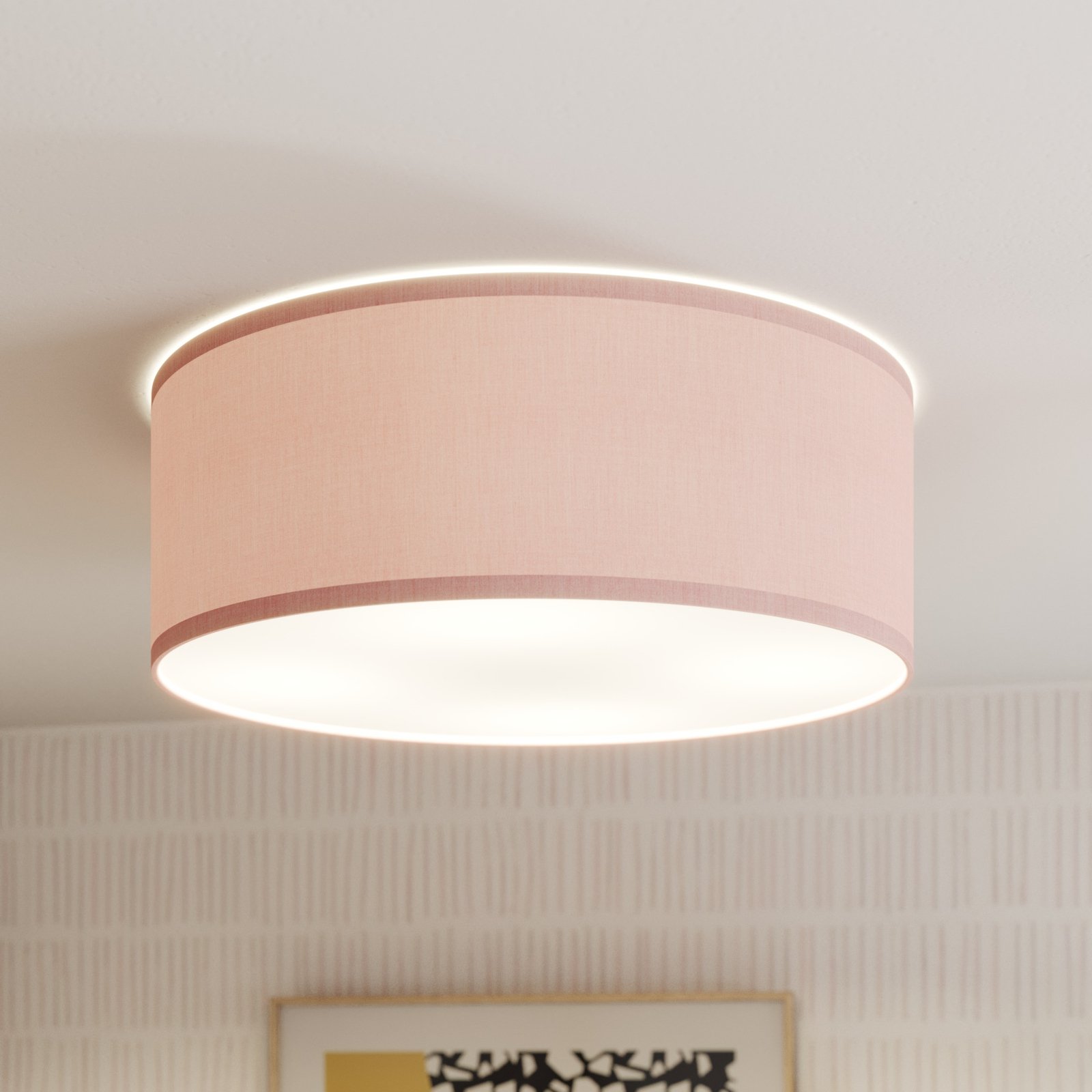
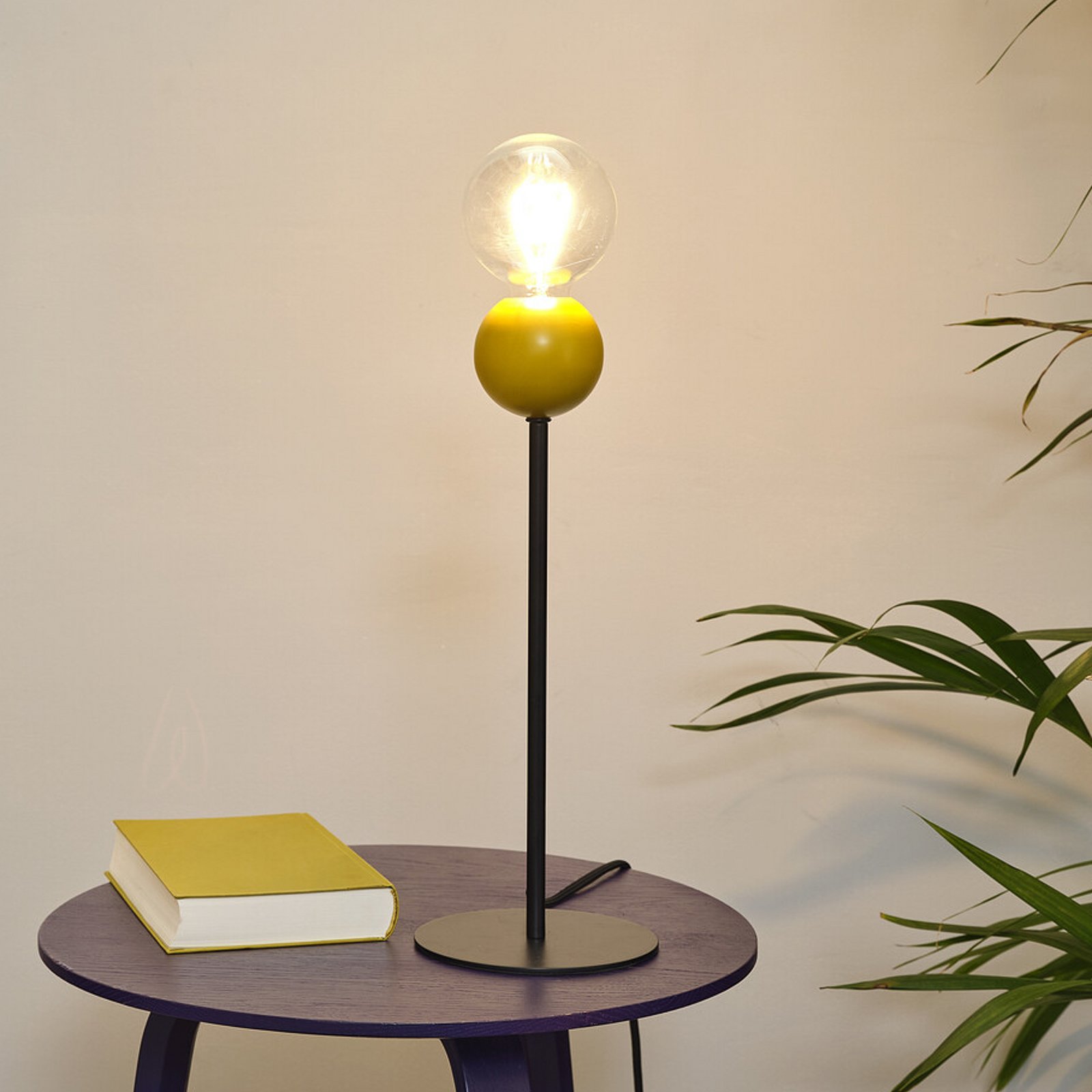
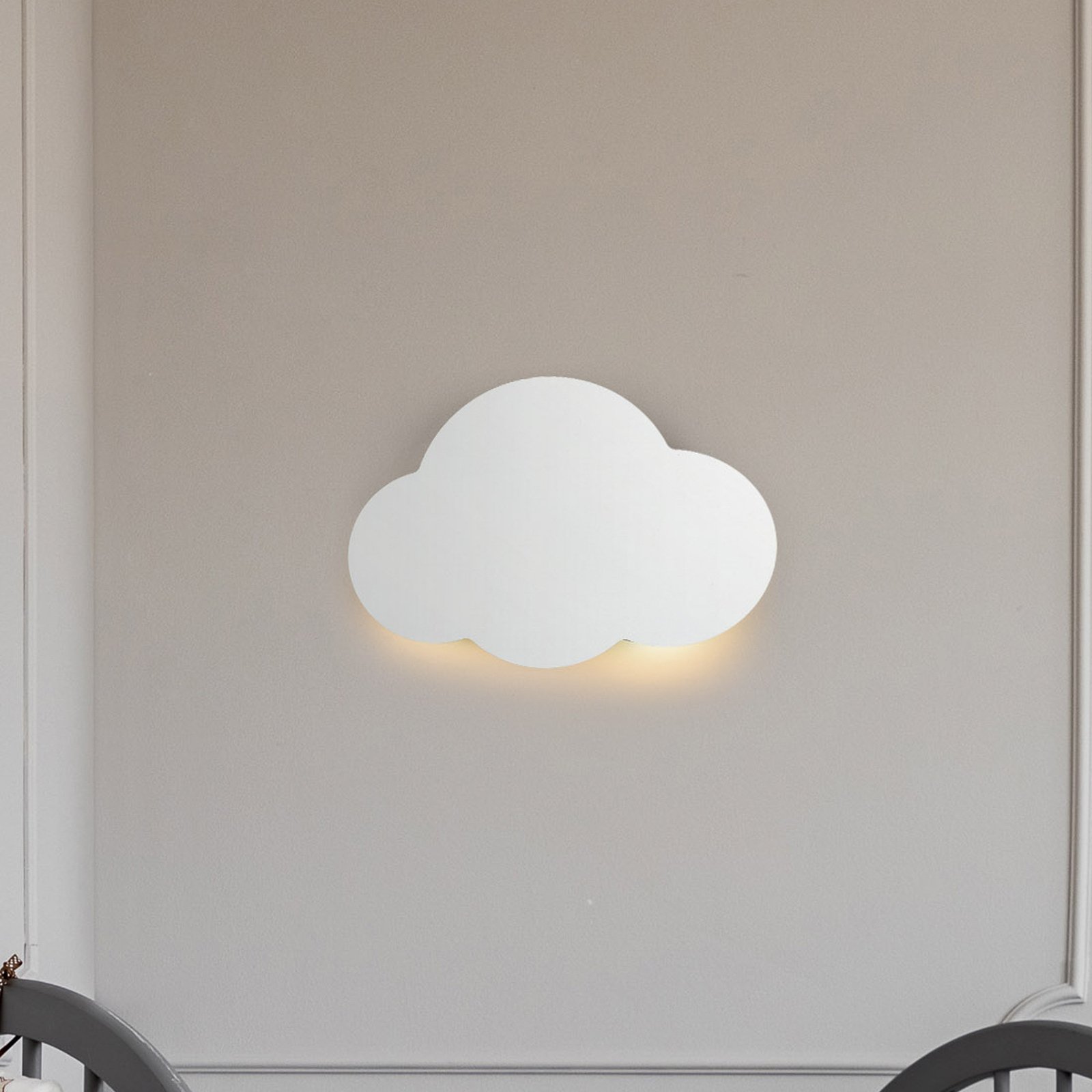
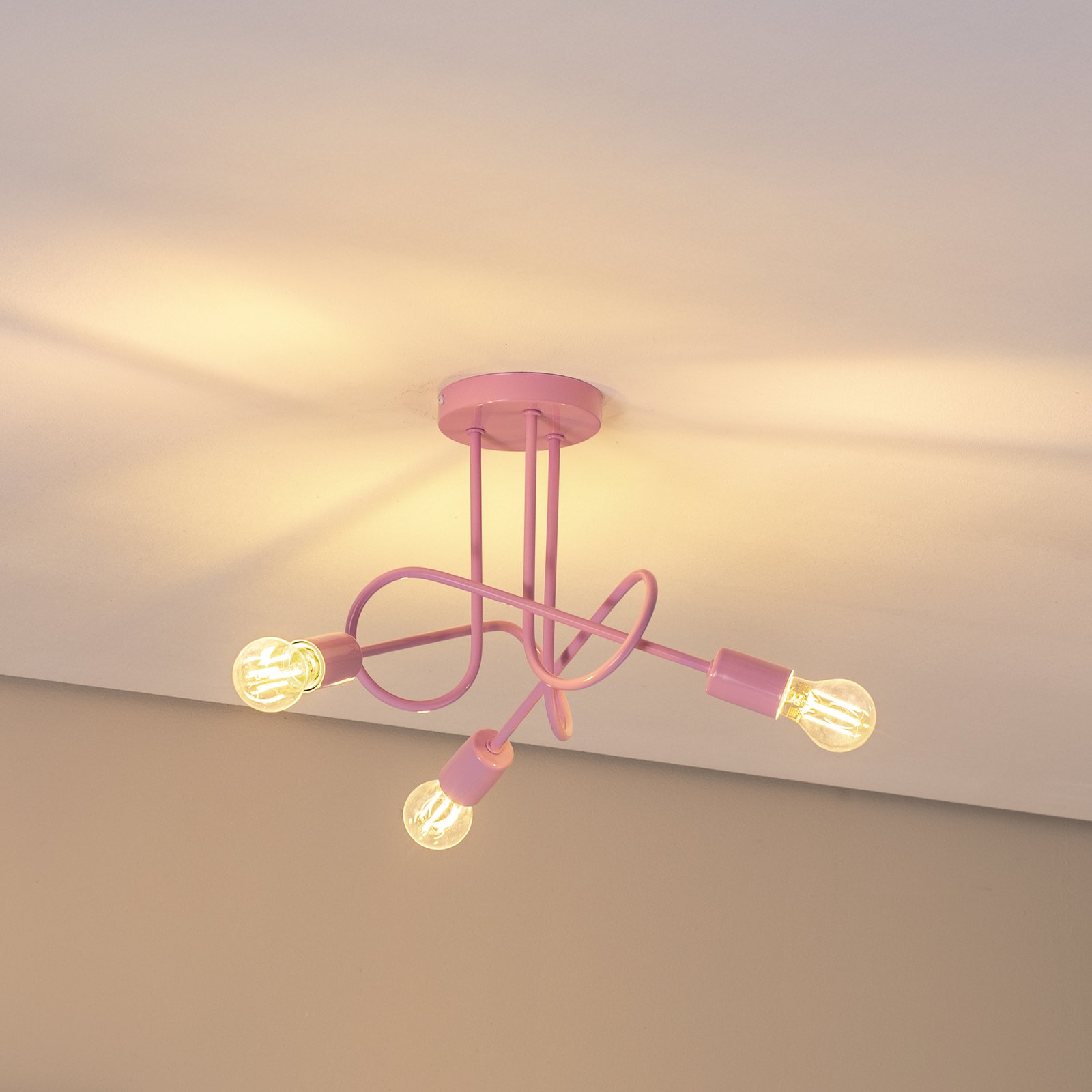
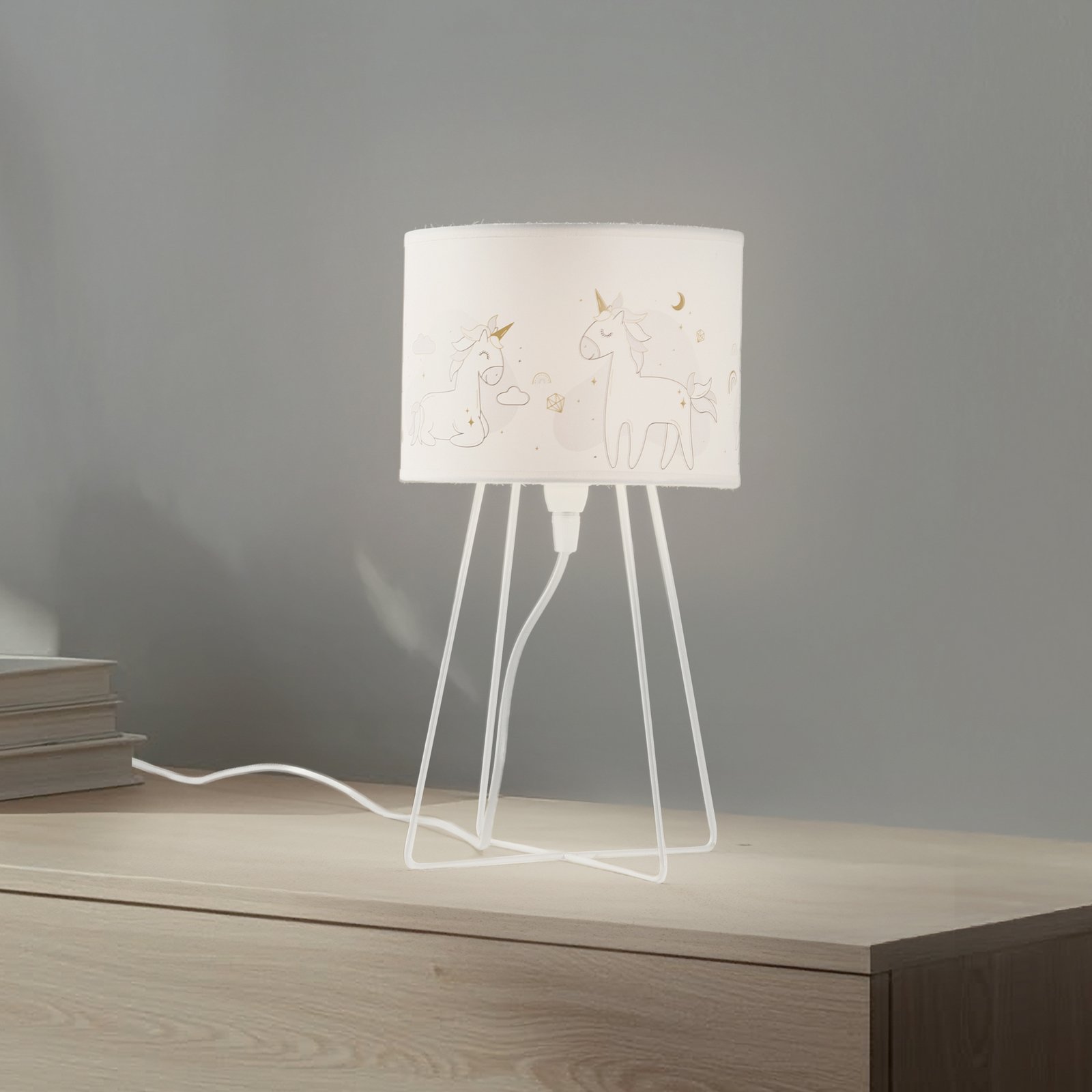
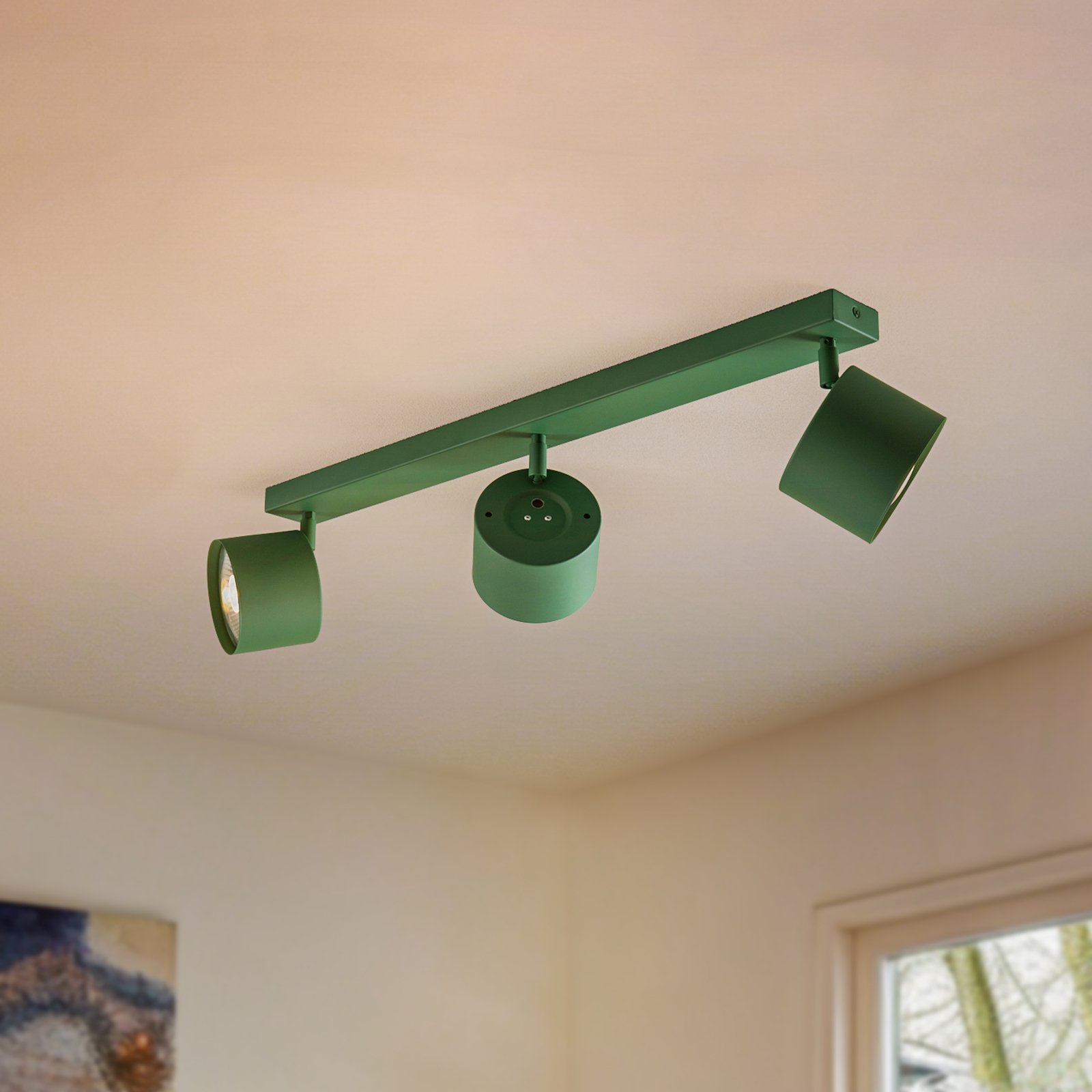
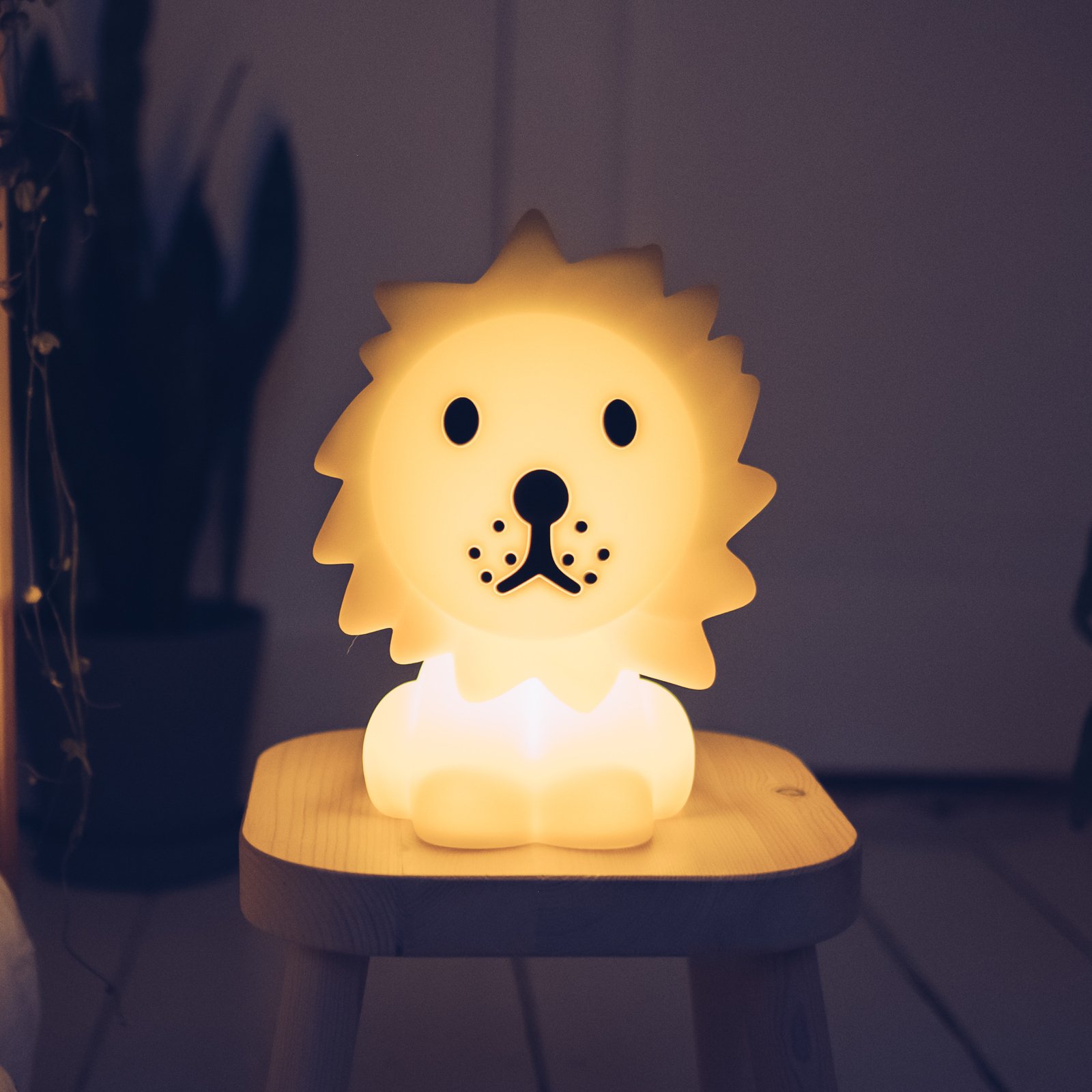
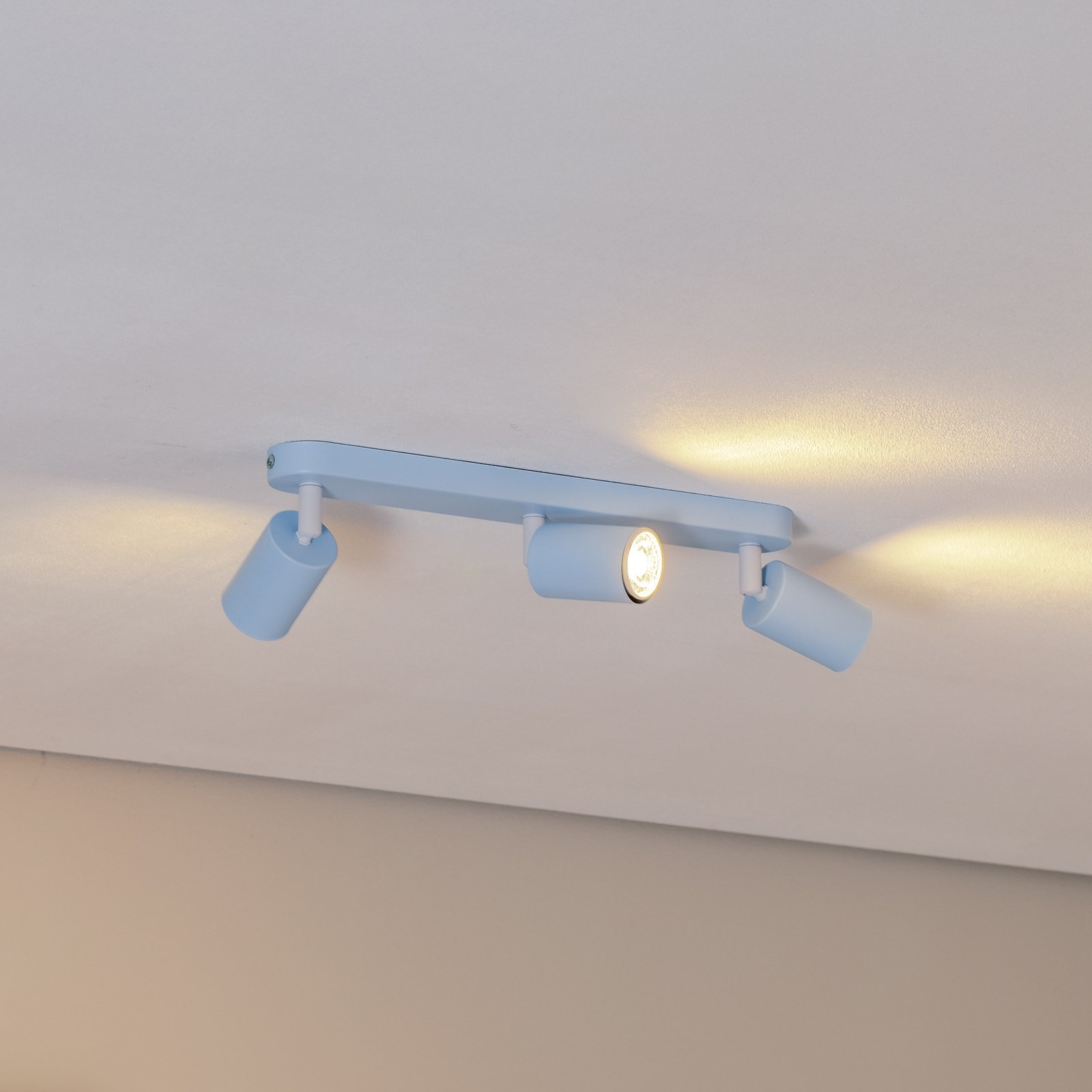
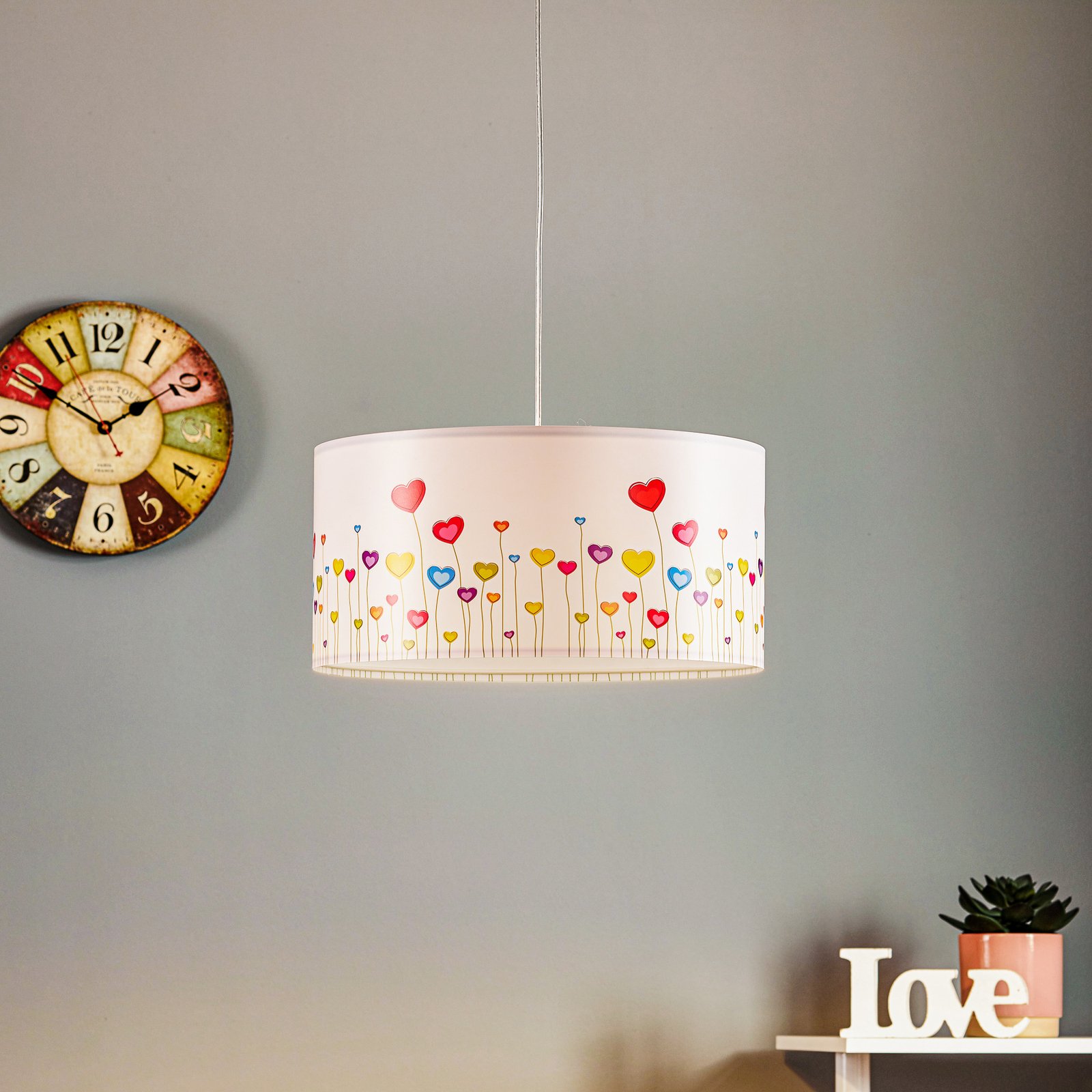
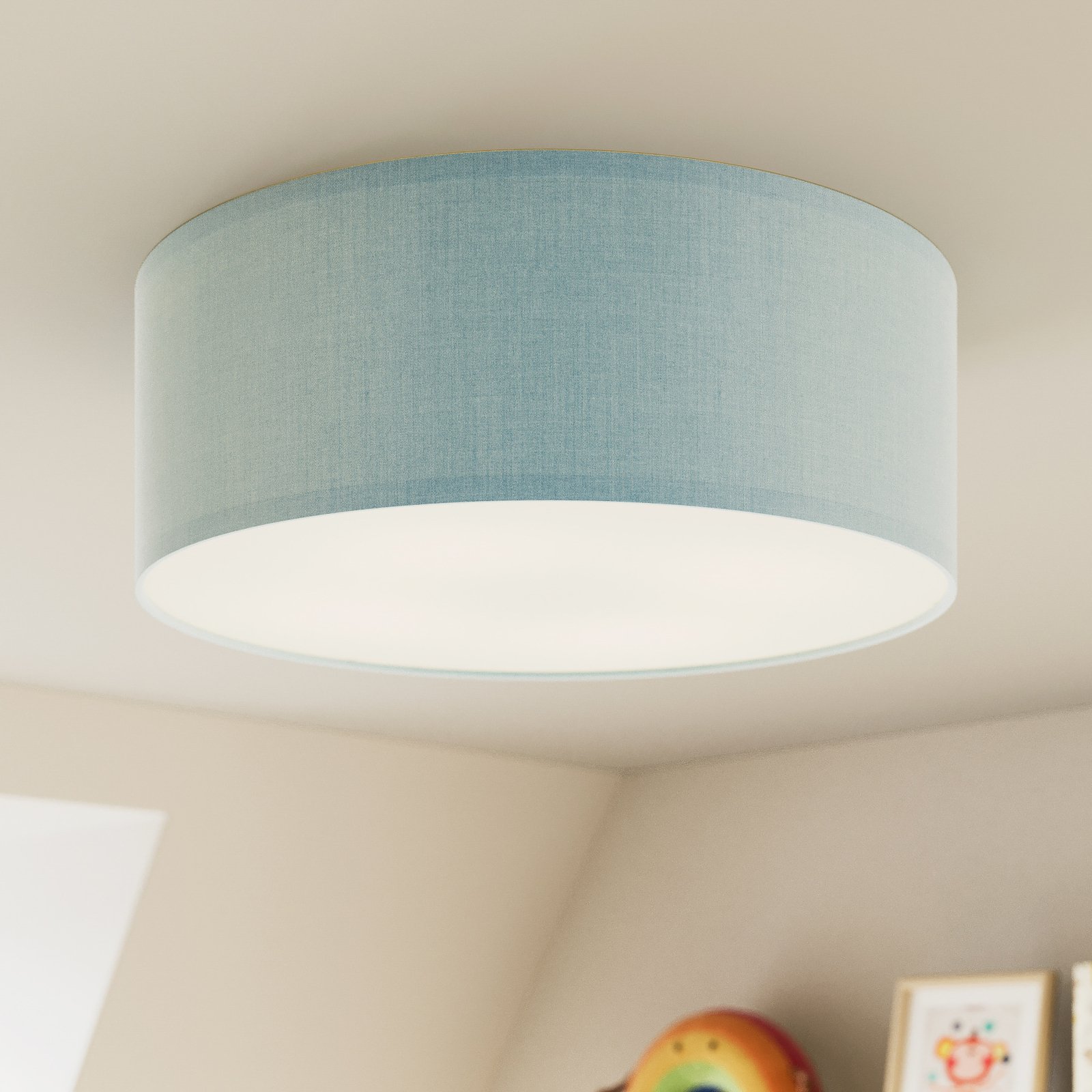
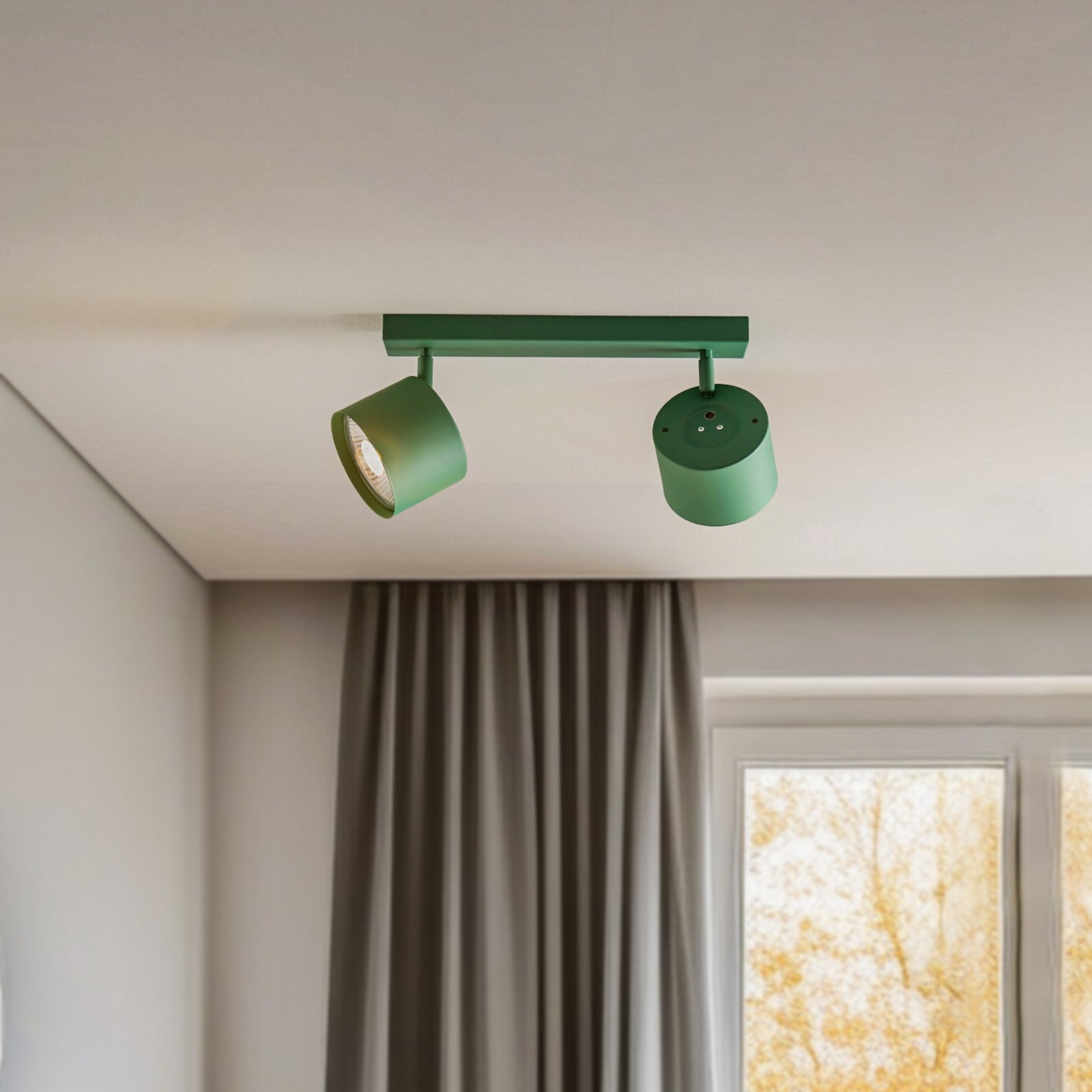
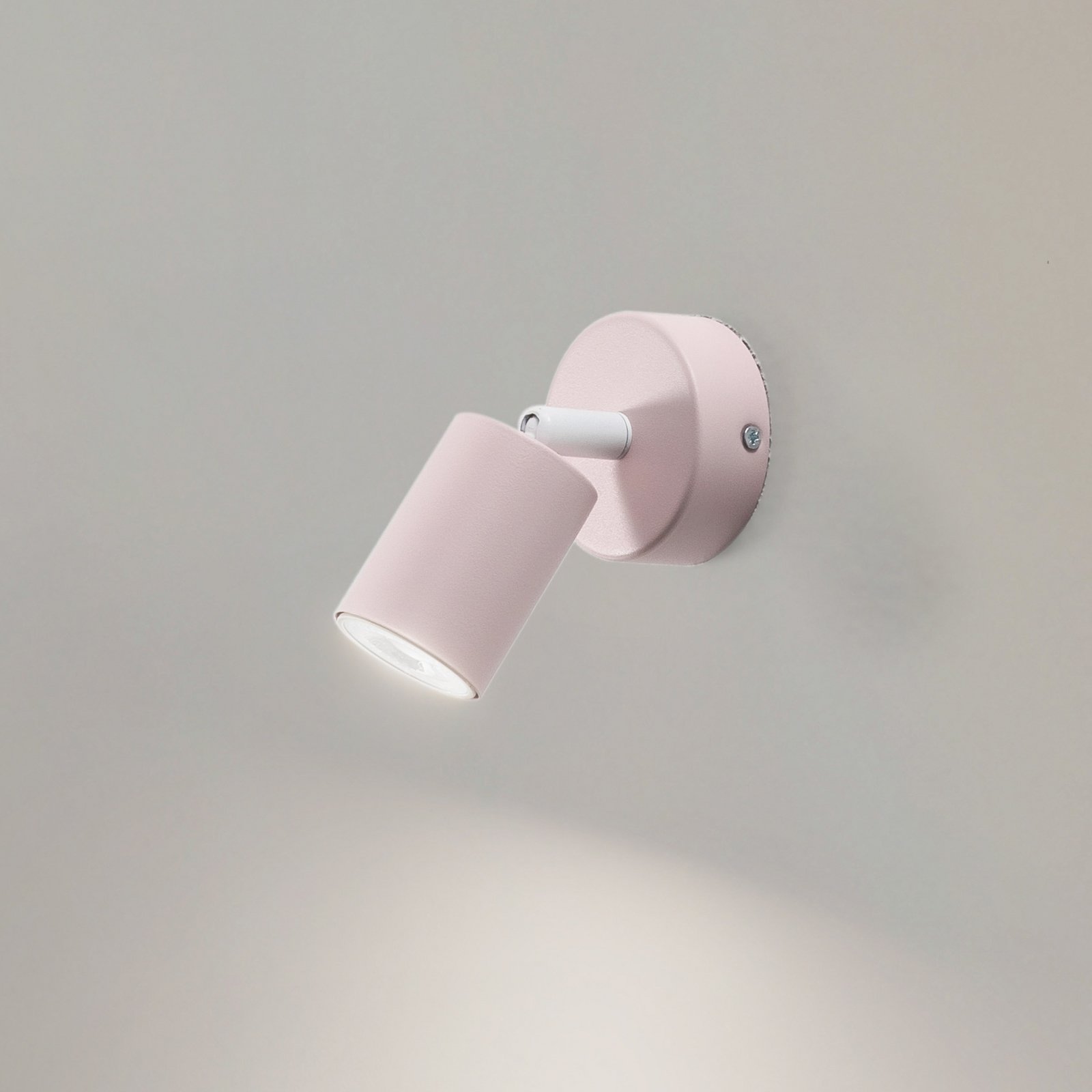
Planning light in the children's room
The most important basicsIf you want to plan light in a child's room, you should consider the room as a whole: Size, floor plan, daylight, wall colours, furniture and floor coverings all influence how bright a room appears and which light sources make sense. Light-coloured walls, furniture and floors reflect light better than dark surfaces. This distributes the brightness more evenly in the room. In small children's rooms in particular, a light-coloured design can help to reduce harsh shadows and make the ambient lighting more pleasant.
Equally important is the availability of daylight. A sunny room often requires less artificial light during the day than a room with a small window area or a north-facing aspect. Nevertheless, the lighting should be planned in such a way that all areas are sufficiently illuminated even on dark days or in the evening.
A good lighting plan for the children's room doesn't just think about light from above. In addition to basic lighting for orientation and general brightness, zone lighting is also crucial. Playing or learning as well as evening rituals are pleasantly accompanied by this warm mood light.
The most important light zones
From the learning space to the play areaChildren's rooms are constantly changing. They play in the mornings, read or study in the afternoons and enjoy a quiet atmosphere in the evenings. It is therefore worth dividing the room into individual light zones. Each of these zones requires a slightly different type of light. While lighting that is as uniform and low-shadow as possible is important in the play area, the light at the bedside can be softer and dimmable. A simple room sketch often helps to position light sources sensibly and recognise dark areas at an early stage.
)
Basic lighting for the entire room
:format(jpeg) "Child plays in lighting")
Lighting for the play area on the floor
)
Lighting ideas for desks and study areas
:format(jpeg) "Lights for reading corner or bed area")
Lights for reading corner or bed area
)
A night light for orientation
)
Changing area and breastfeeding area lighting
)
)
)
Lighting design in the children's room: basic lighting
Bright enough for everyday life and orientationBasic lighting forms the basis of any lighting design in the children's room. It ensures that the entire room is evenly illuminated and that children can orientate themselves safely.
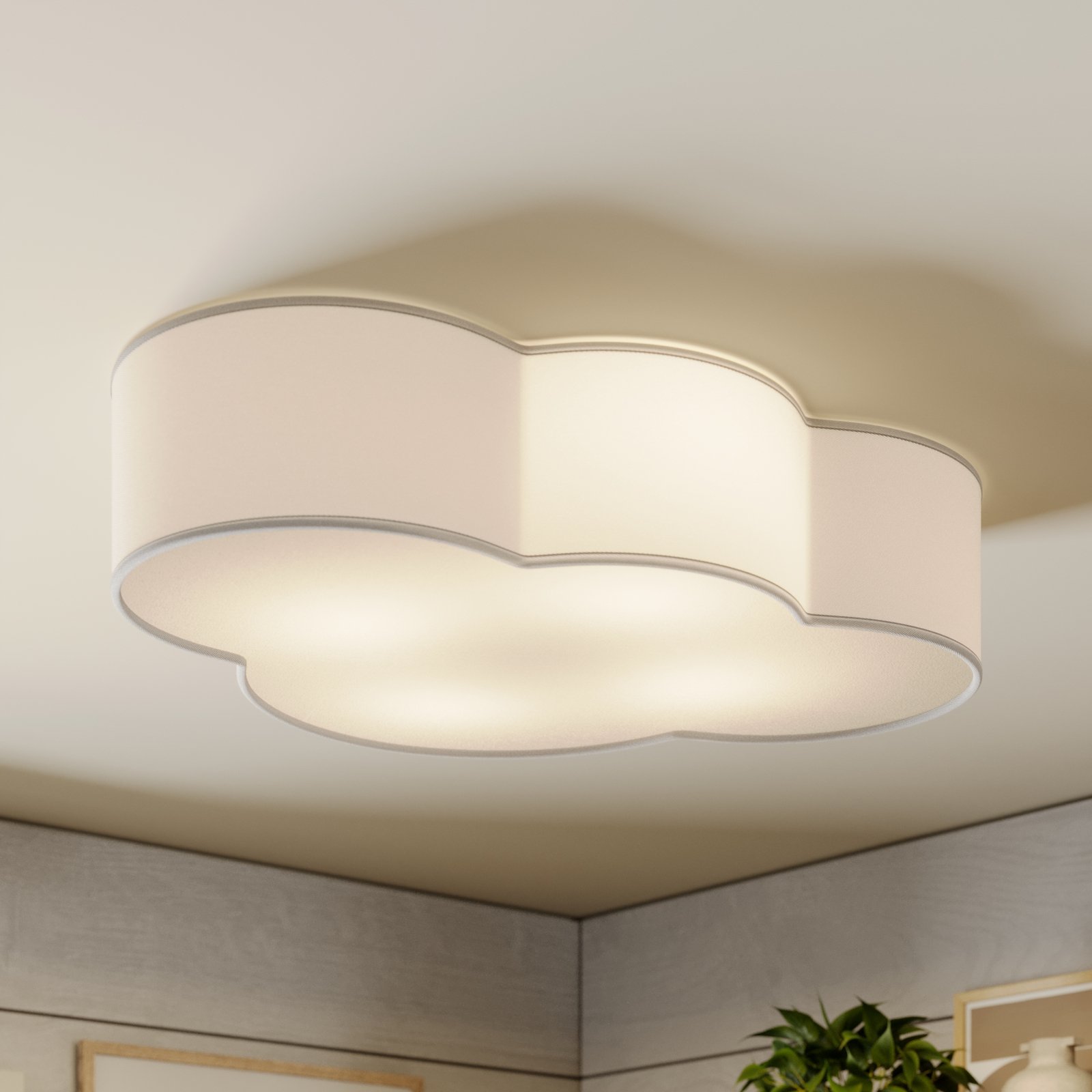
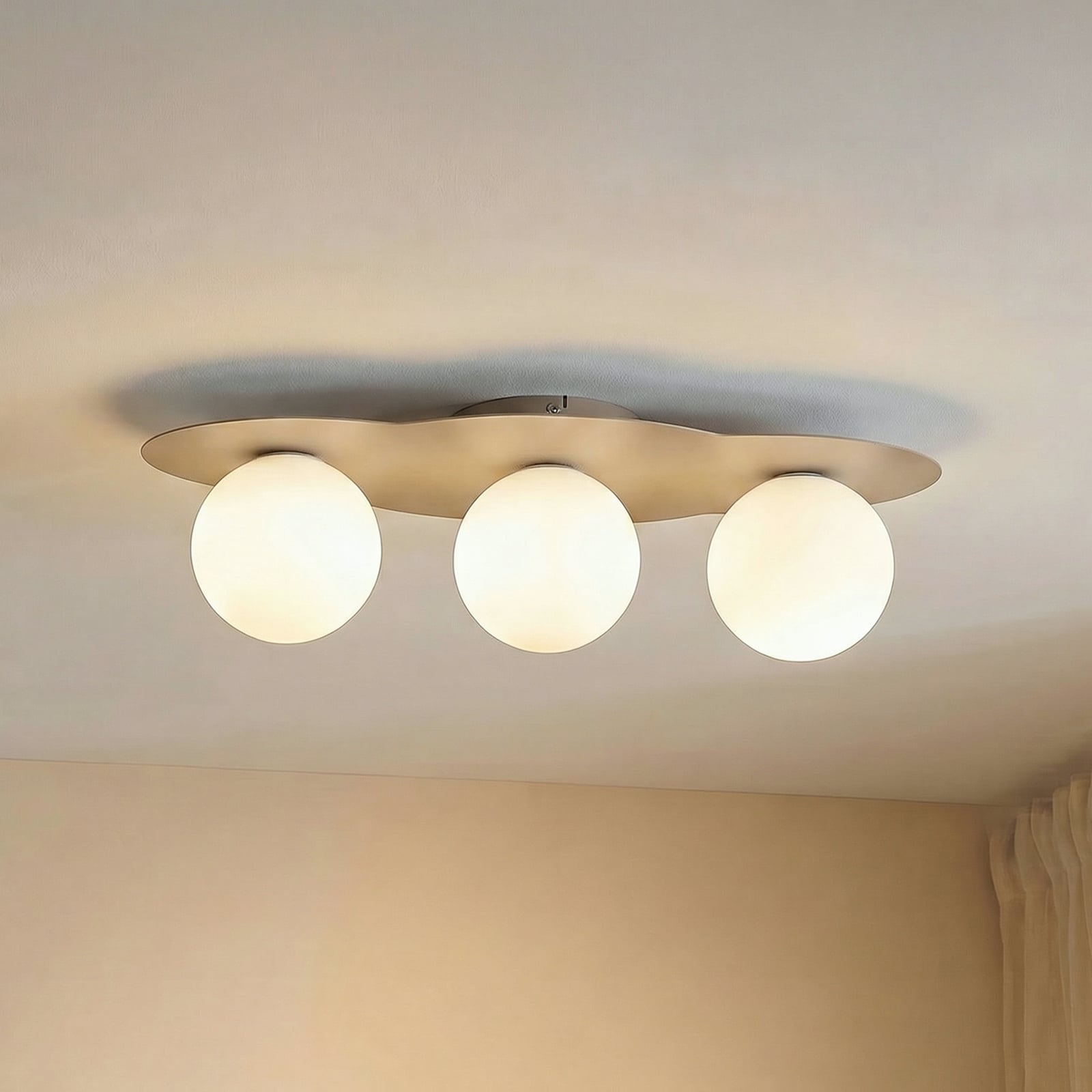
Depending on the room size and furnishings, ceiling lights, LED panels, pendant lights or track systems are suitable. It is important that the lighting is as glare-free as possible. The light should be bright enough without being unpleasant or glaring. Luminaires with diffuse light distribution are particularly suitable as they reduce harsh shadows and illuminate the entire room more evenly. Another practical feature is the dimmable basic lighting, which allows the brightness to be flexibly adjusted throughout the day.
Around 100 to 200 lumens per square metre is a guide to the required brightness. For a children's room of around 10 square metres, 1,000 to 2,000 lumens are sensible. Active play areas in particular often benefit from bright ambient lighting. Nevertheless, the ceiling light should not remain the only source of light. Only additional light zones create pleasant and versatile lighting in the children's room.
)
)
)
Indirect light for a calm atmosphere
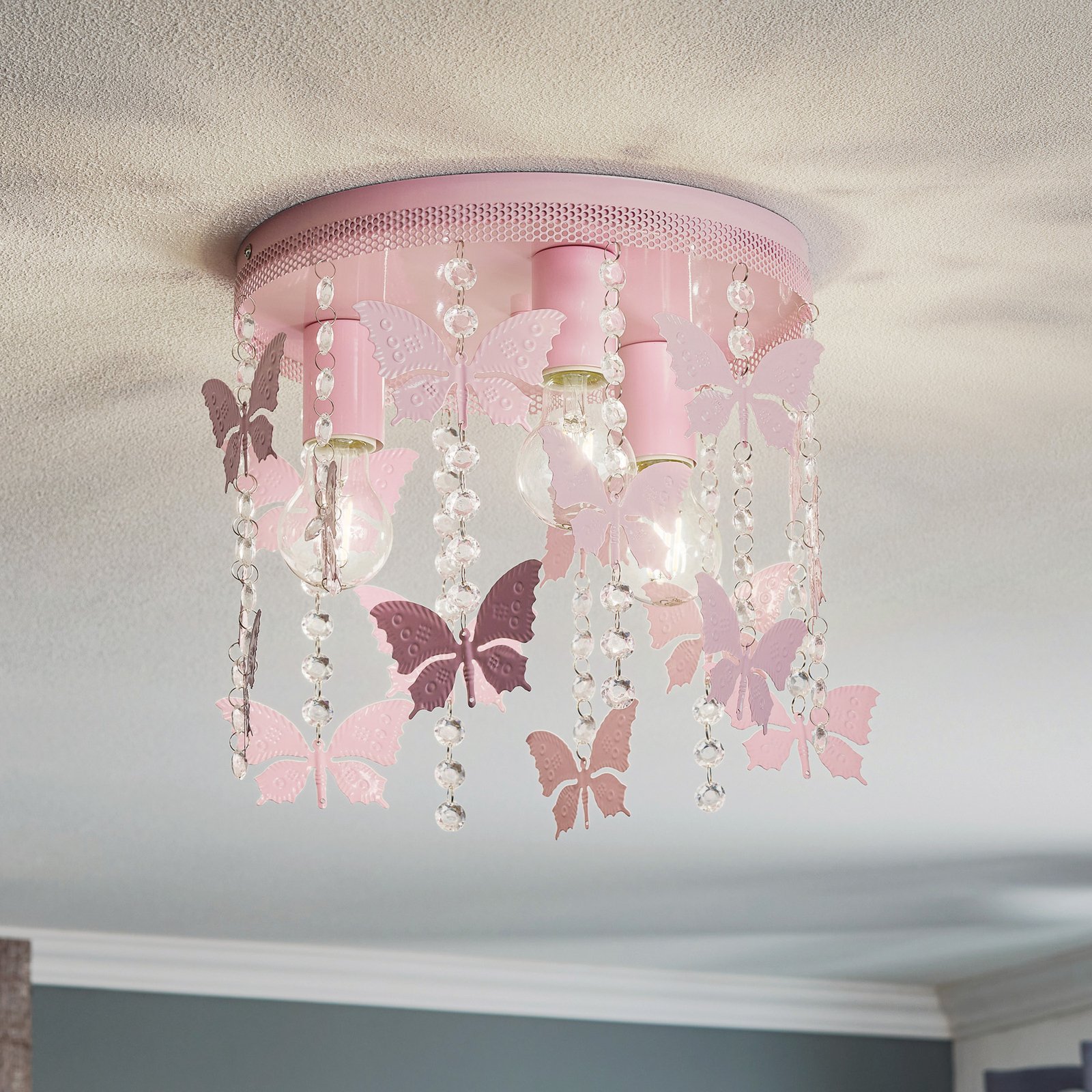
Atmospheric addition to ambient lightingIn the children's room, indirect lighting creates a soft and relaxed lighting atmosphere. Especially in the evening, indirect light can help to make the room appear calmer and make transitions between playing and sleeping more pleasant. LED strips are popular behind shelves, under the bed or along a wall. Wallwashers or ceiling washlights also produce uniform, indirect lighting with few harsh shadows and no glare.
Warm white and dimmable light has a particularly harmonious effect. Although colour changes can be used playfully, they should remain discreet in the evening. Very intense or constantly changing colours are often unsettling and make it difficult to fall asleep.
)
)
)
Light to play with
Bright, glare-free and flexibleChildren often play on the floor, and that's exactly where the light should reach. Good lighting for the play area reduces shadows and makes it easier to concentrate on playing, colouring or crafting. Glare-free light in the children's room is particularly important. Excessive contrasts or hard shadows can be distracting when building with blocks, doing puzzles or creative activities. Additional islands of light above play rugs, creative areas, play corners and on shelves are helpful.
Depending on the room, wall lamps, additional ceiling spotlights or indirect light sources are suitable. Mobile battery-powered lights should always be chosen carefully and in accordance with the age of the user.
)
)
)
Light for learning
Lighting your desk properlyThe use of the children's room changes significantly when they reach school age. Homework, reading and concentrated work are done at the desk and require well thought-out lighting. Ideally, the desk should be positioned to the side of the window so that daylight can be utilised without causing glare. The table lamp should be positioned on the left for right-handed users and on the right for left-handed users. This results in fewer shadows when writing.
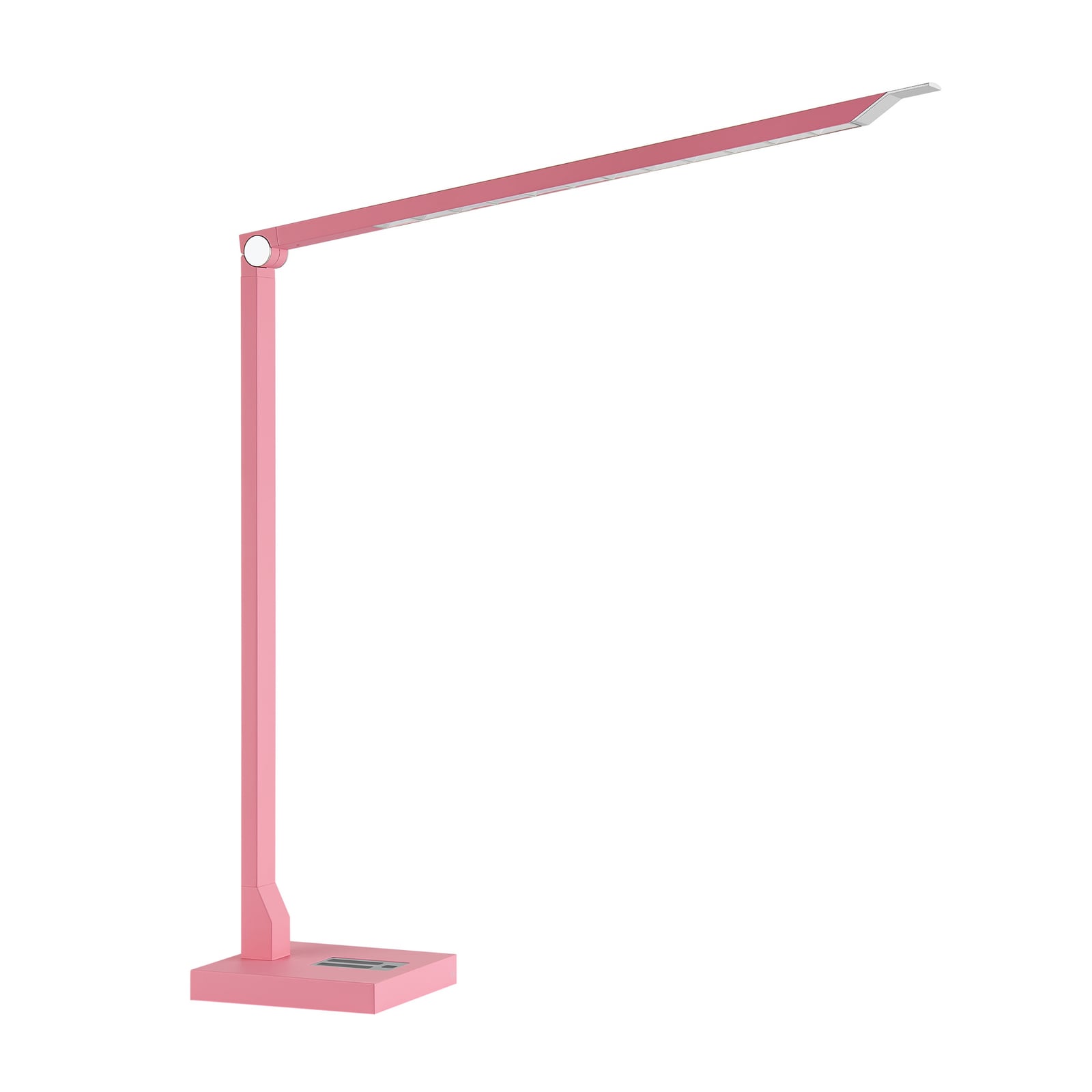
In addition to an adjustable table lamp, directional, glare-free light and sufficient brightness are important for the right lighting at the study area in the children's room. Low reflections on the screen or notebook and uniform ambient brightness are also crucial. This is because excessive contrasts between the desk and the rest of the room put unnecessary strain on the eyes. Adjustable lights are particularly practical - both mechanically and in terms of light colour and brightness. This is because adjustable lights can be individually adaptedto different activities such as writing, crafting or working at a computer screen - indispensable for lighting design in children's rooms.
)
)
)
Bedside light
Read, read aloud and fall asleepThe bed area is one of the most important retreats in a child's room. Here you can read, read aloud and relax. The lighting should have a correspondingly soft and pleasant effect. Adjustable wall or table luminaires with directional light distribution are suitable. If possible, the reading light should come from the side or at an angle from behind so that books are well lit and there is no glare.
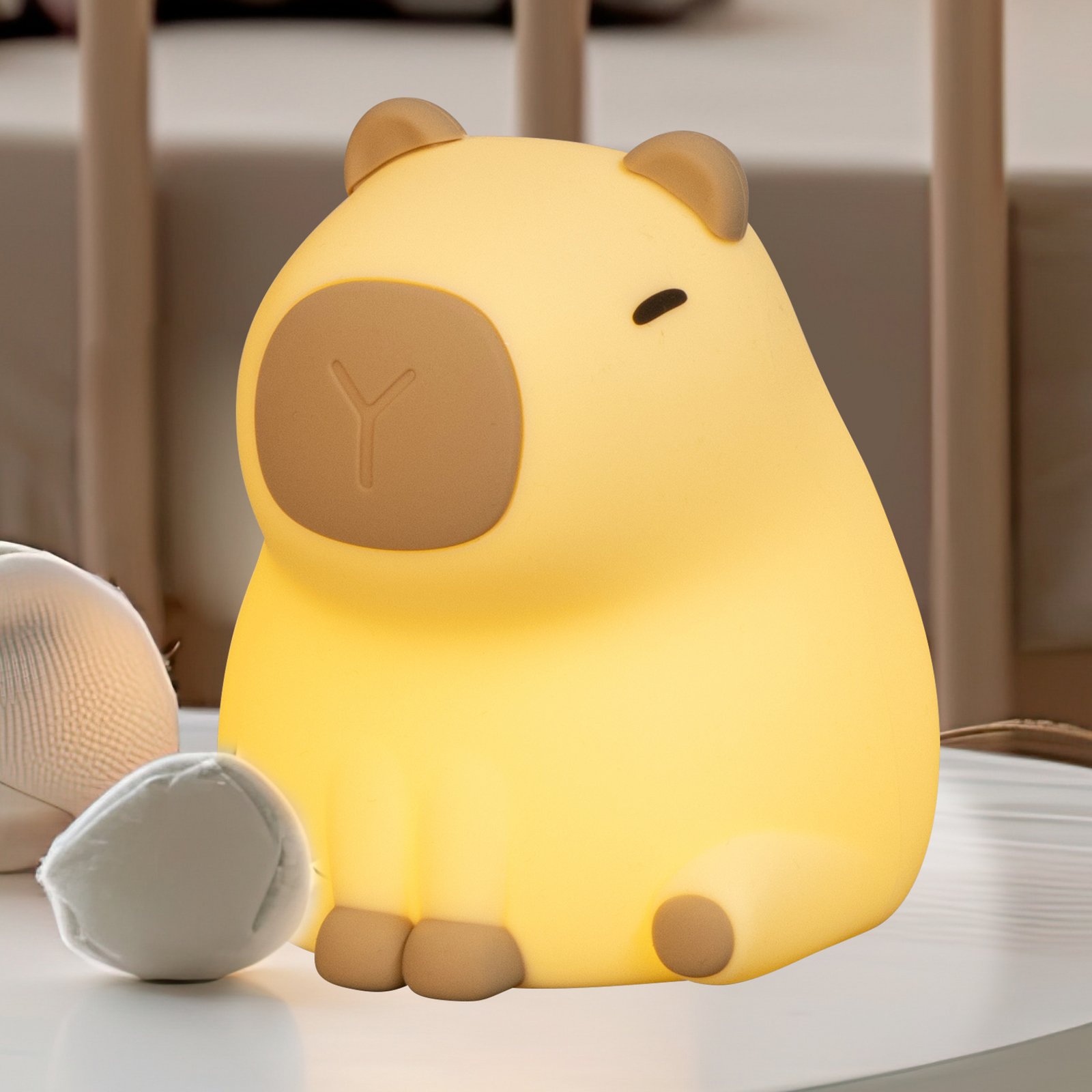
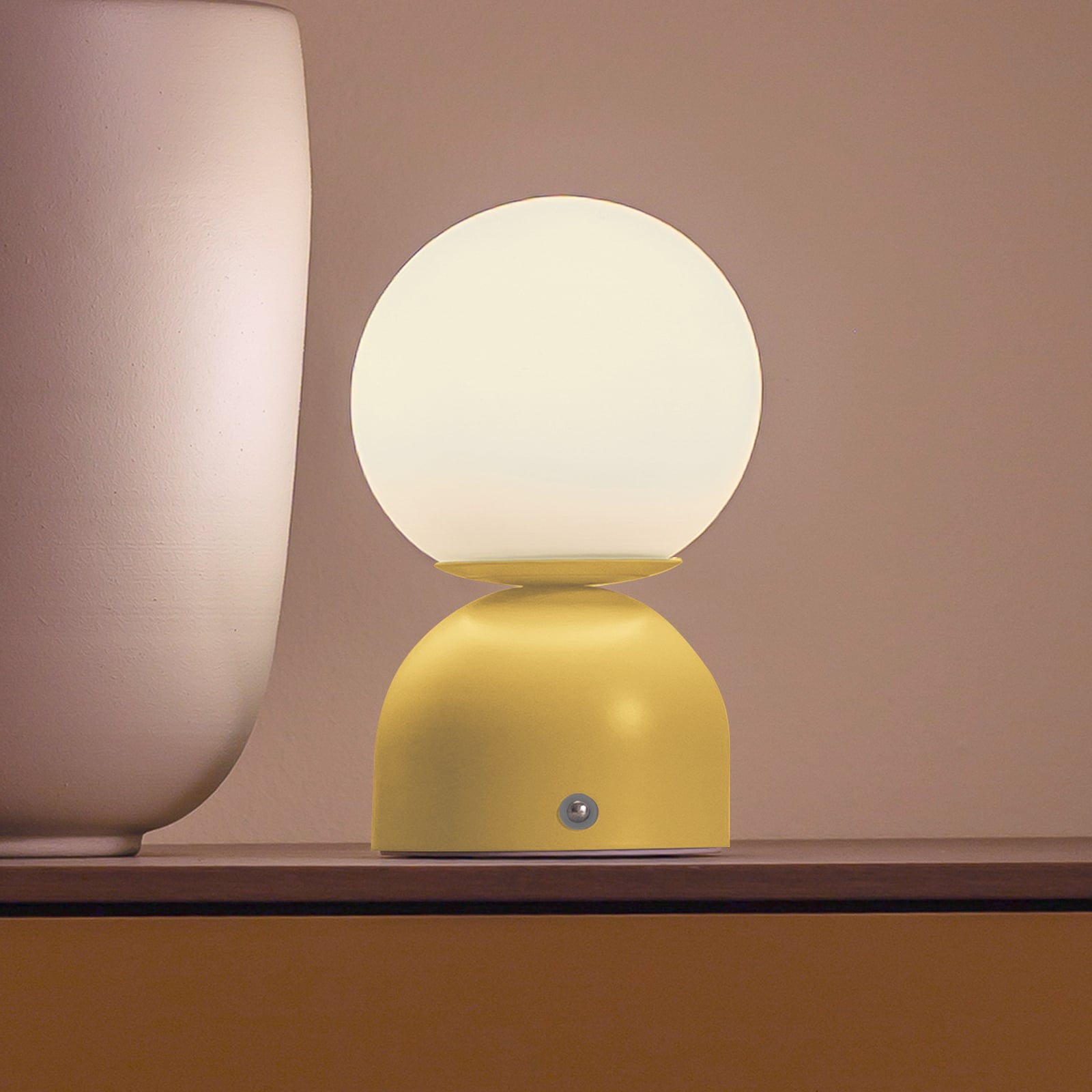
Dimmable light is particularly suitable for evening rituals. While a little more brightness is pleasant when reading aloud, the light can become softer later on. A night light in the children's room also helps with orientation at night. Low brightness is important so that sleep is disturbed as little as possible. Very bright or cool white light colours are less advisable just before going to sleep. Night lights with motion detectors and timer functions are practical solutions.
)
)
)
Light colour and dimming
Suitable for the time of dayThe light colour, measured in Kelvin, has a significant influence on the atmosphere in the children's room. Warm white light with around 2,700 to 3,300 Kelvin has a cosy and calming effect and is particularly useful for the bed area and for the evening hours. This is because light that is too cool or very bright in the evening can promote restlessness and make it difficult to fall asleep. In contrast, universal white or neutral white light with around 3,300 to 5,300 Kelvin is more suitable for concentrated activities such as learning and homework.
Modern tunable white or CCT (correlated colour temperature) luminaires make it possible to flexibly adjust the light colour in the children's room to the time of day and usage. The light can be continuously adjusted from warm white, calming light to neutral white, activating light. In the morning or when studying, a more neutral light colour helps you concentrate, while warm light in the evening creates a relaxed atmosphere and can help you calm down.
In addition, dimmable light in the children's room ensures that the brightness can also be individually adjusted - from bright light for playing and learning to a soft night light in the children's room. This creates flexible lighting that supports children during the day and gives them a sense of security in the evening.
Lighting design for children's rooms: illuminating innovations
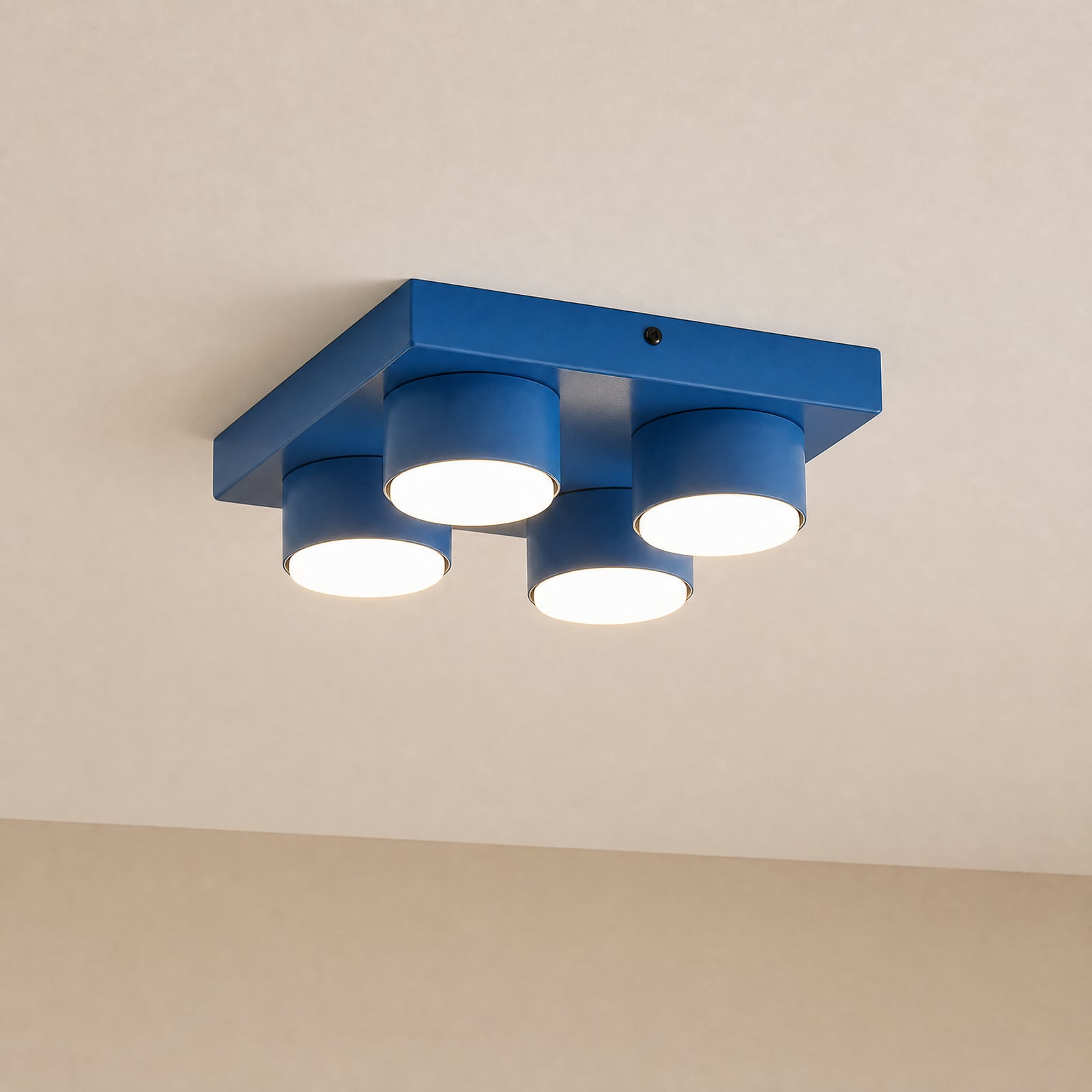

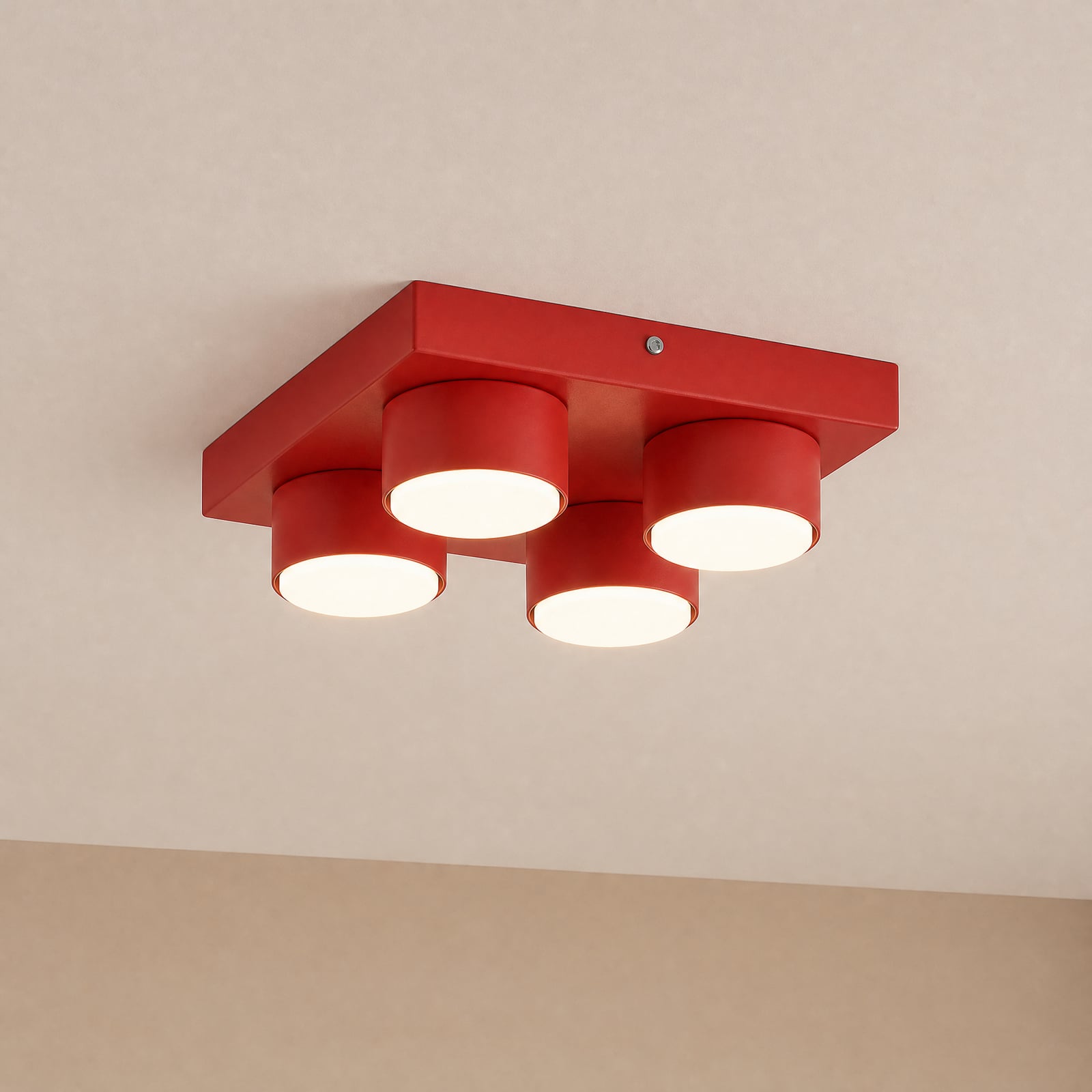
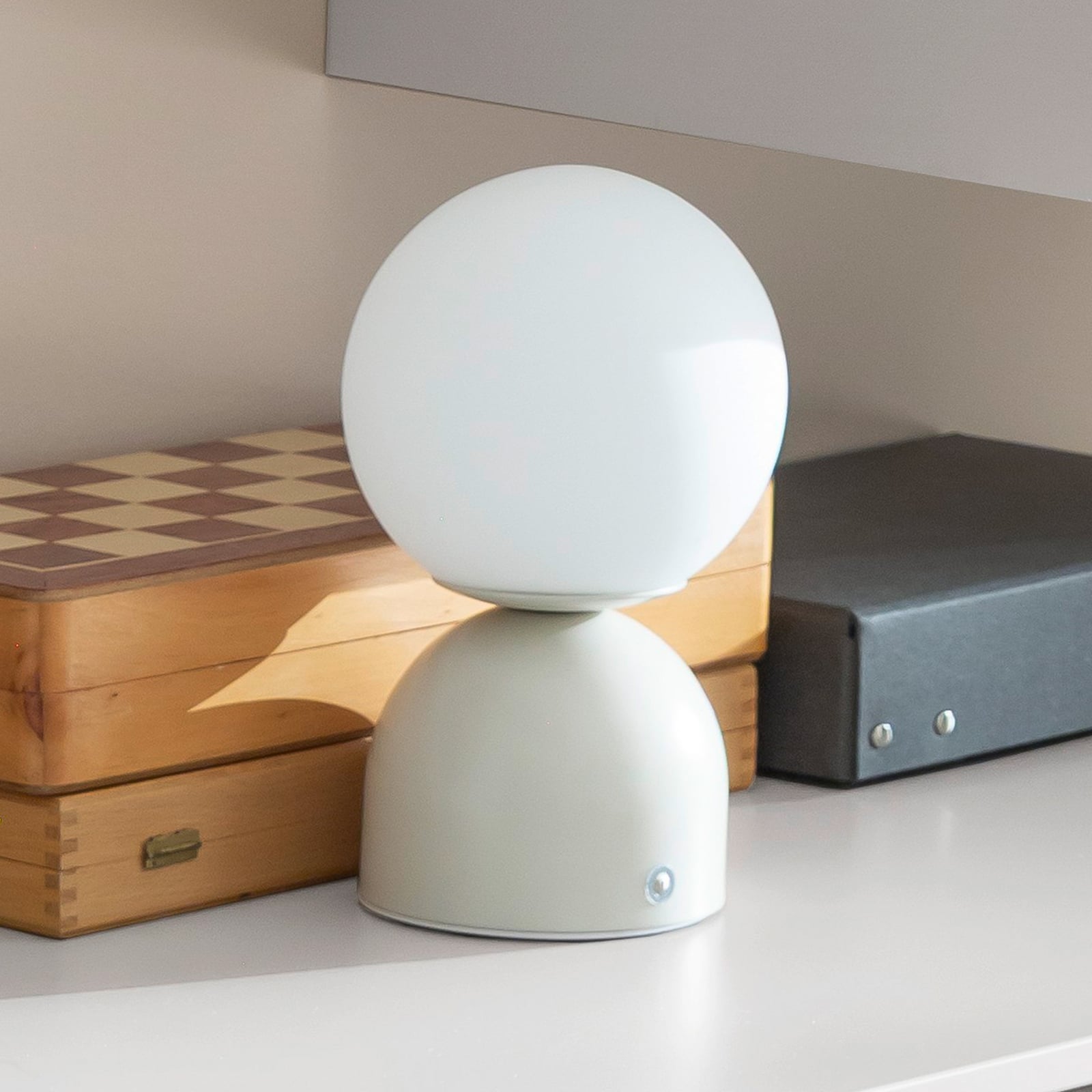
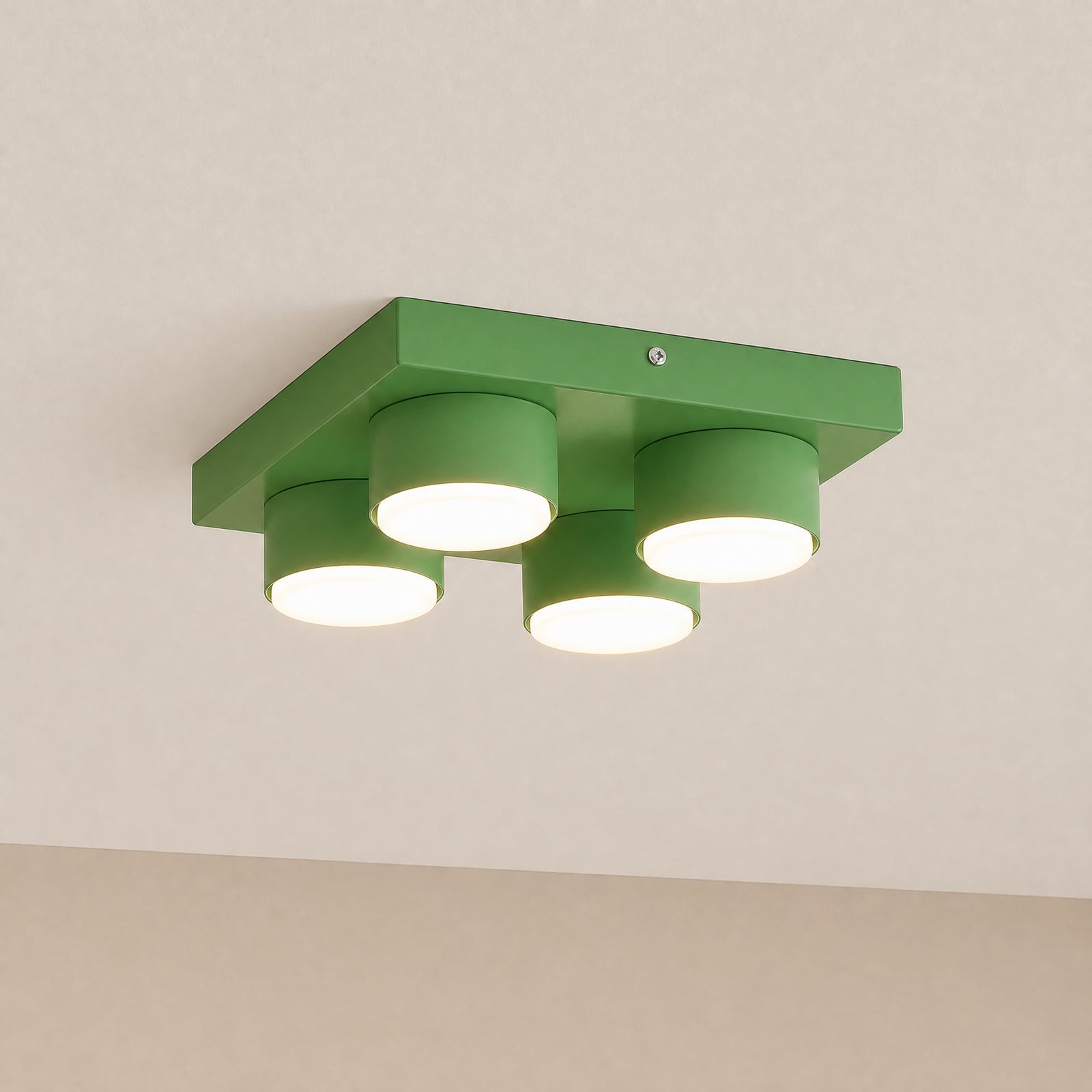

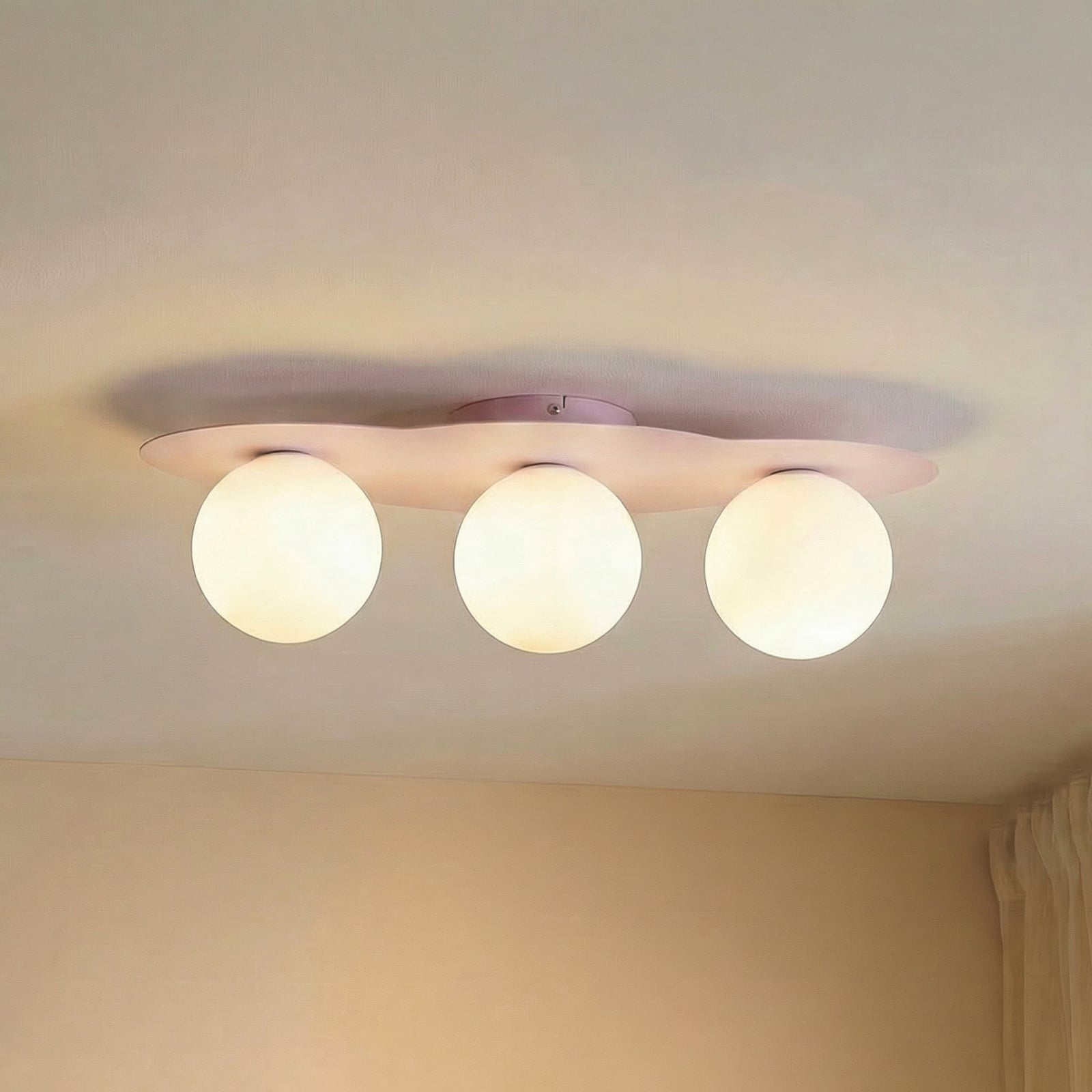
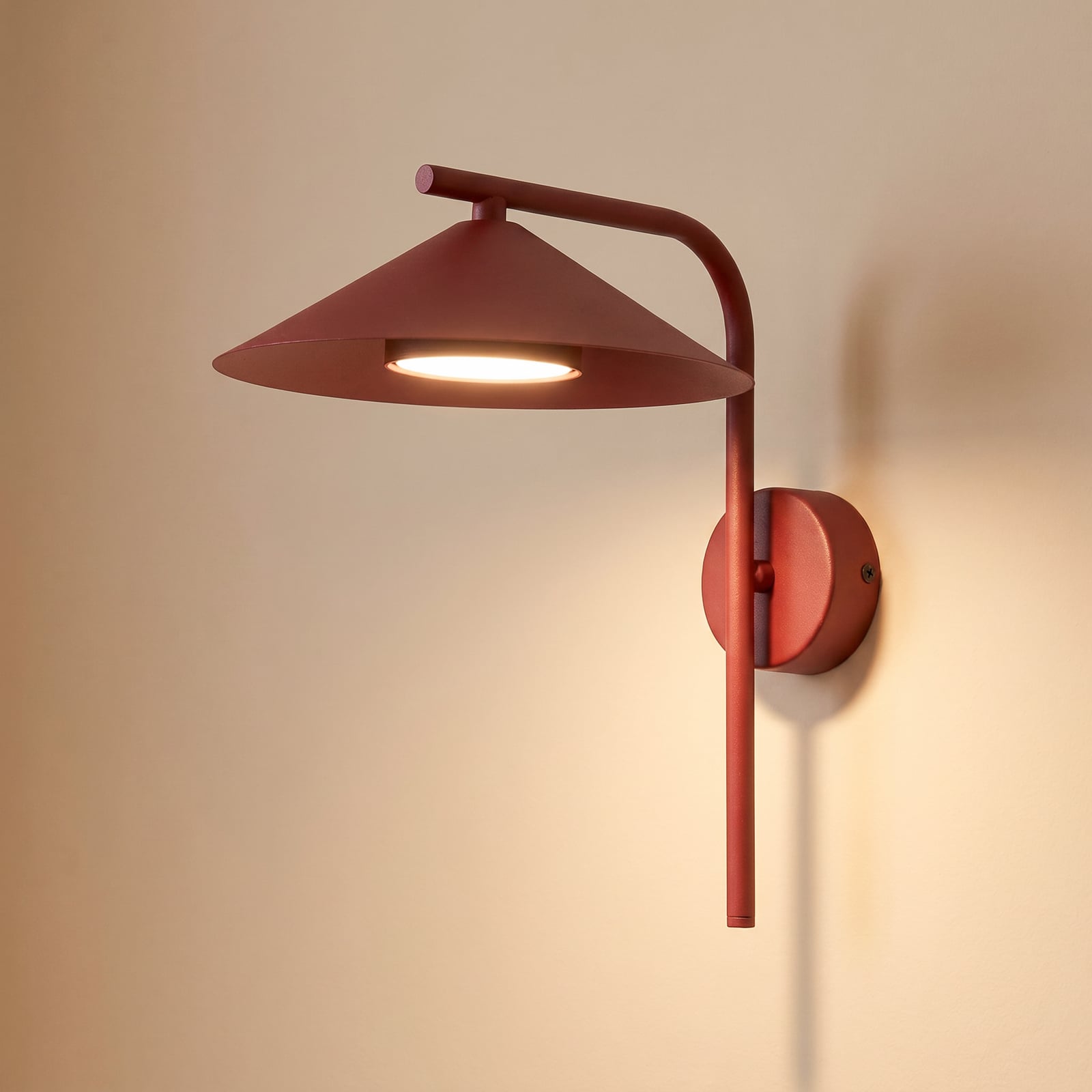
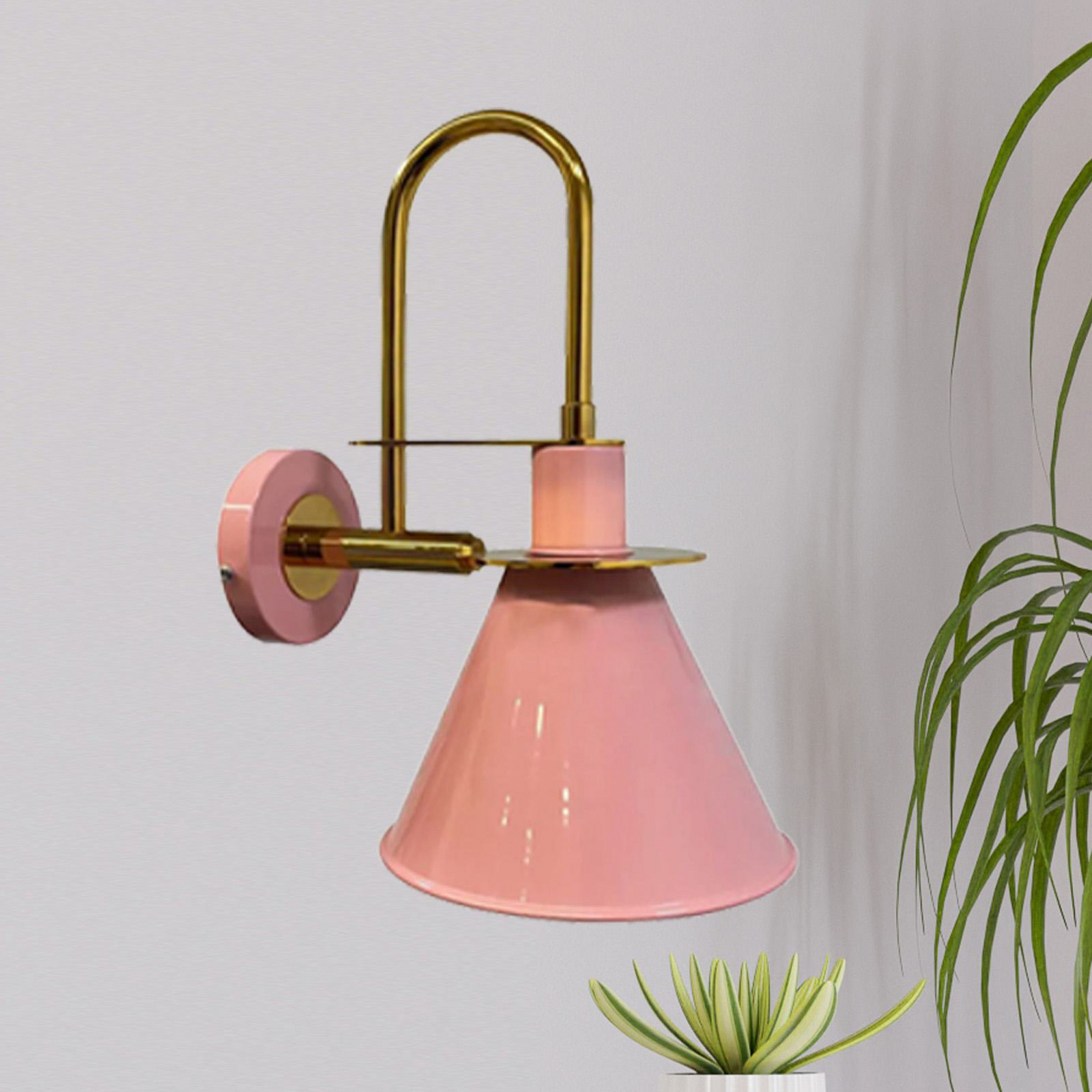
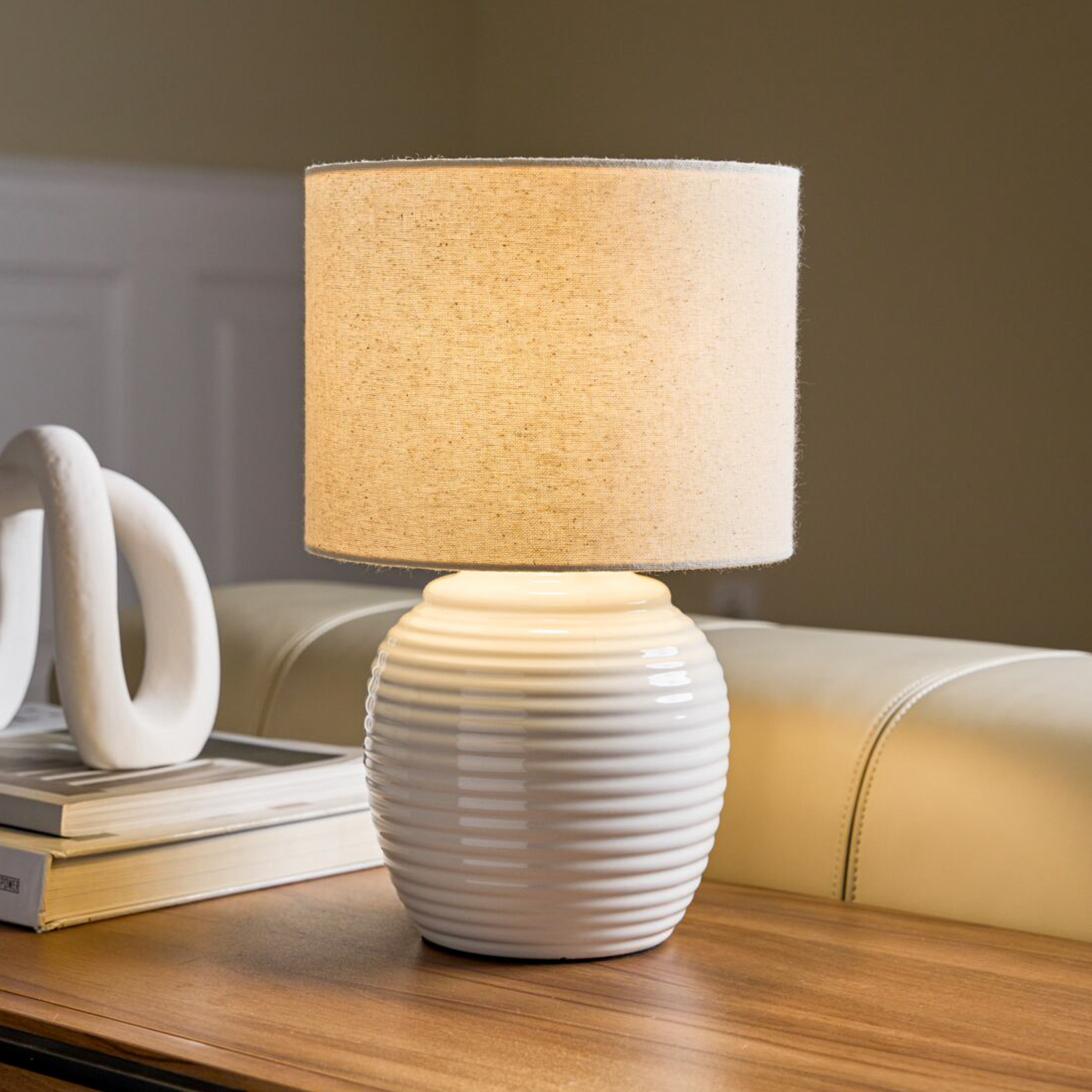
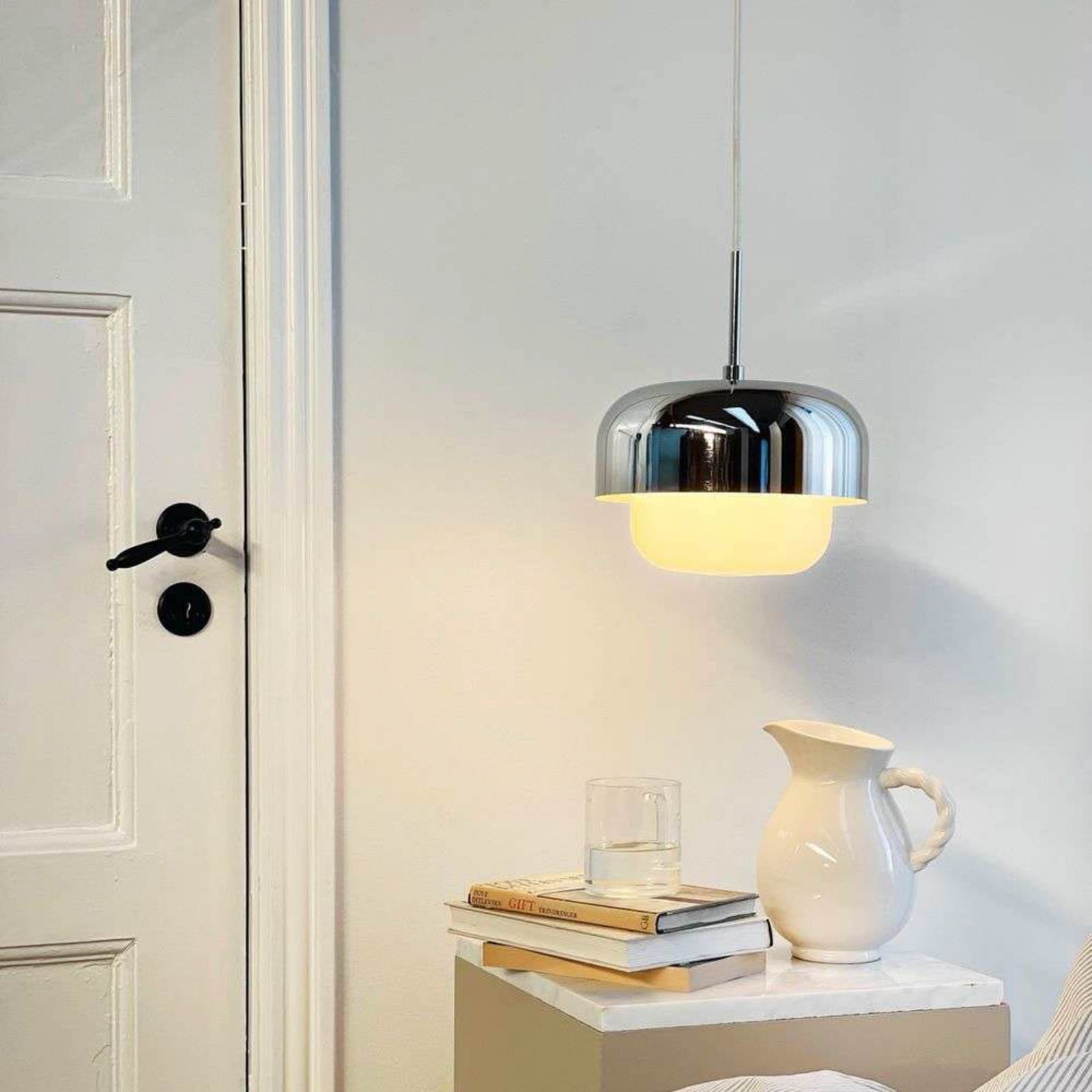
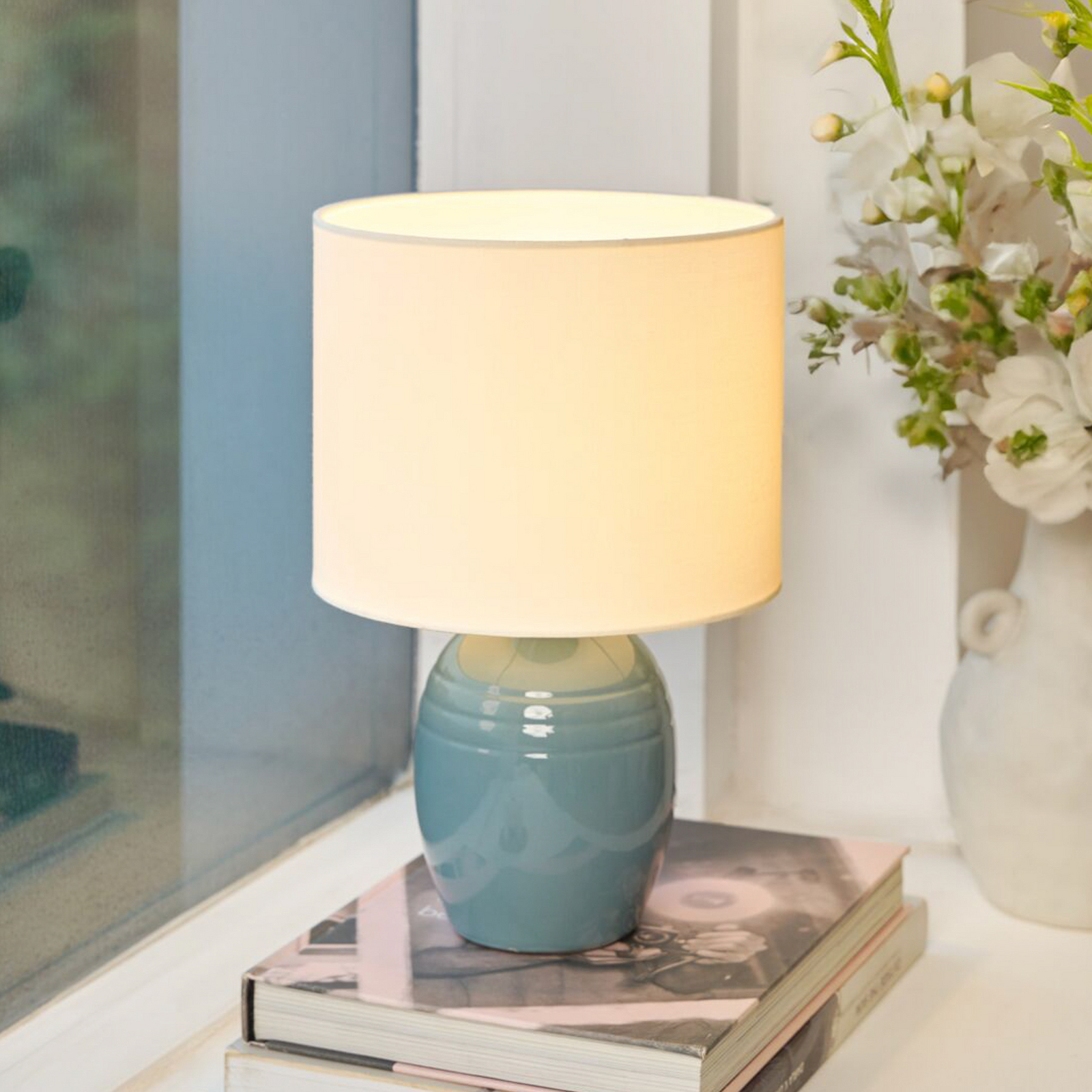
Safety in the children's room
What parents should look out forWhen planning lighting in a child's room, it is not only atmosphere and function that play a role, but above all a safe environment for everyday life. Younger children in particular discover their surroundings with great curiosity - so it is all the more important to think about potential sources of danger early on. This includes freely accessible cables as well as unstable lights or unprotected sockets.
Robust, tilt-proof lights and lighting that works reliably even in turbulent everyday family life make sense. Modern LEDs in children's rooms are now standard: they are energy-efficient, have a long service life and generate significantly less heat than previous light sources. This ensures greater safety, especially in areas that children can easily reach.
Checklist: Safety with lighting in the children's room
- Lay cables concealed or along the wall where possible
- Secure sockets with child safety locks
- Use tilt-proof and stable lights
- Place fragile materials out of reach
- Do not install pendant, table or night lights in draught or climbing areas
- Permanently installing LED strips and fairy lights
- Ensure glare-free light and protected light sources
- Check flexible lights regularly for tight fit
)
)
)
Lighting concept that grows with you
From toddler to school ageA good lighting concept in the children's room adapts to the child's needs over many years. While soft, glare-free light is particularly important in the baby phase, the requirements change significantly with increasing age.
In the first few months of life, a warm night light in the nursery, indirect lighting and a well-lit nappy-changing area provide orientation and calm. Glare-free light in the children's room, which is activated by a sensor at night when the parents check on their child, has a particularly pleasant effect. Play zones and cosy retreats become more of a focus at kindergarten age. Light on the floor, small table lamps or indirect light in the children's room create a cosy atmosphere and support free play.
Functional lighting becomes more important when children reach school age. Good desk lighting for children supports homework and concentration. Adjustable and dimmable luminaires help to flexibly adapt the light to different situations - from studying to reading in the evening. Young people, on the other hand, usually want more individuality. Mobile luminaires, dimmable scenes and flexible light sources allow more design freedom. Timeless, neutral lights are a long-lasting solution that accompanies different age phases.
:format(jpeg) "Tina")
Tina Ducke
Lighting expert at Lights.ie
Tip from the field:
"For the design of the children's room, choose furniture and lights that are as neutral as possible and that "grow" with the years. In this way, you can avoid unnecessary new purchases and instead rely on timeless basics that can be reinterpreted again and again by changing decorations, colours and small adjustments - from early childhood to teenage years.
A good example from everyday life: a simple, dimmable ceiling light or a neutral table lamp will remain in use for years, even if the child's taste changes. While colourful wall stickers and playful textiles may dominate at primary school age, a new lampshade, different bed linen or a fresh splash of colour is enough later on - and the room looks completely different without having to replace the basic lighting."
Conclusion
The right balance in the nurseryWell thought-out lighting design in the children's room combines safety, function and atmosphere. Multiple light sources for different areas, dimmable luminaires and age-appropriate lighting that adapts flexibly to everyday life are particularly important. If you want to plan the light in the children's room, you benefit from a balanced mix of ambient lighting, functional lighting zones and cosy accent lighting. Flexible and durable lights help to constantly adapt the room to the child's needs.
 "Underwater children's room")
 "Ideas for the girls' bedroom")
 "Space children's room")
 "Small rooms")
 "Gaming lighting")
 "TV lighting")