

































:format(jpeg) "What is Zigbee")
ZigBee explained simply
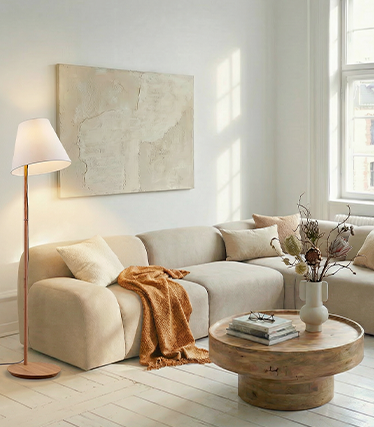
What the smart wireless standard can doZigBee is an energy-efficient wireless protocol that is used for smart devices in the home and is designed in particular for wireless networks with low data volumes. This includes, for example, lighting control, switches or sensors in the smart home. ZigBee is frequently used in home automation in particular, as devices can be easily integrated and conveniently controlled via an app or voice assistant.
:format(jpeg) "Zigbee logo")
How ZigBee works: what you need to know
:format(jpeg) "Function")
ZigBee can be used in a wide range of everyday applications. In the networked building (and its outdoor area), devices can be switched on and off and controlled by app or voice. This includes, for example, dimmable lighting, control of motorised shutters and blinds and heating control.
:format(jpeg) "Mesh network")
ZigBee devices are networked with each other in a wireless mesh network. This means that the range can be extended almost at will. The low energy consumption allows the integration of battery-operated sensors and switches. ZigBee devices are also compatible with smart home systems such as Philips Hue.
:format(jpeg) "WLAN connection")
Compared to WLAN, ZigBee has the advantage that the wireless standard is not limited to the range of the router. ZigBee devices communicate with each other - each device is both a transmitter and receiver of a command. For example, the signal from the living room is passed on to the outdoor lighting.
Typical areas of application for ZigBee
)
Areas of application in home automation include lighting, heating, blinds and cameras. ZigBee products are not wired together. This means that ZigBee devices can be used not only in owner-occupied homes, but also in rented flats and for simple retrofitting. When you move, you simply take the products with you.
)
ZigBee products also improve convenience and safety outdoors. The mesh network can reach every corner of the outdoor area and, for example, a garden shed. In addition to the outdoor lights, separate, battery-operated sensors and outdoor cameras provide comprehensive added security on the property.
:format(jpeg) "Industry")
In the professional sector, ZigBee impresses with its low energy consumption and range. Even with architectural challenges such as reinforced concrete walls, there are many possibilities for building automation and monitoring. Retrofitting is also possible without any chiselling or wiring.
How far does ZigBee reach?
As with WLAN/WiFi and Bluetooth, the radio range is between 10 and 20 metres, depending on the transmission power. The range can be influenced by factors such as the building material and its thickness, but also by the interior design - e.g. vinyl wallpaper. The range can be increased through communication between the ZigBee products (mesh network, also possible with Bluetooth mesh technology): All actuators form radio paths with each other. If a signal is sent - for example to switch on the light - the signal looks for the best possible path for data transmission. Only the distance between two products must not exceed 10 - 20 metres.
:format(jpeg) "ZigBee Range")
ZigBee security: How secure is the standard in the smart home? ZigBee is a secure wireless standard for smart devices in the home. Communication between ZigBee devices, the hub and the app is encrypted so that the data is protected against unauthorised access according to the standing star of technology. It uses a tried-and-tested encryption method that is also used in many other digital applications and ensures that data cannot be easily read or manipulated. Manufacturers are continuously developing ZigBee and regularly provide security updates to further improve protection. In combination with a securely set up home network, ZigBee can therefore be used reliably for smart lighting and other smart home applications.
)
ZigBee Hub and Gateway: When do I need a control centre?
The ZigBee hub (also called a bridge or gateway, depending on the manufacturer) is the control centre of the system. ZigBee devices can also be used without a control centre (e.g. the Philips Hue Bridge). Depending on the product, however, there may be restrictions in the range of functions.
)
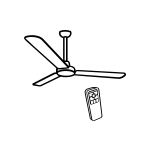
Many basic functions also work without a ZigBee hub. However, communication between the devices in the mesh network is not possible without a hub. With some products, such as the Q-Smart-Home lights from Paul Neuhaus, compatible remote controls are also offered or supplied, which make control without a hub possible without any problems.
)
Only with the ZigBee hub can the various devices in the mesh network interact with each other or be controlled by voice or while travelling. The most widely used gateway for lighting control is the Philips Hue Bridge. The majority of all ZigBee products can be integrated into this. Another common ZigBee hub can be found integrated in Amazon Alexa Echo speakers.
ZigBee compatible: These manufacturers and systems support ZigBee
 "E27 from Philips Hue")
 "Q Kate by Paul Neuhaus")
 "Spotlight from Tint")
 "LED strips from LedvANCE plus")
 "Amaris from Paulmann")
What is the ZigBee Alliance? The ZigBee protocol was developed by the ZigBee Alliance, an association of numerous well-known manufacturers who rely on a common wireless standard for smart home devices. In addition to Philips and other lighting manufacturers, these include Huawei, Amazon, IKEA, Busch-Jaeger, Bosch, Samsung, Siemens, Telekom and Velux. In May 2021, the ZigBee Alliance was renamed the Connectivity Standards Alliance (CSA) and introduced Matter, a new, cross-manufacturer smart home standard. However, Matter does not replace ZigBee, but complements it: While ZigBee continues to serve as a particularly reliable, energy-efficient wireless standard for lighting and sensor technology, Matter ensures standardised device compatibility across manufacturers. For customers, this means more choice, easier operation and long-term future-proofing, while proven ZigBee systems continue to play a central role in the smart home.