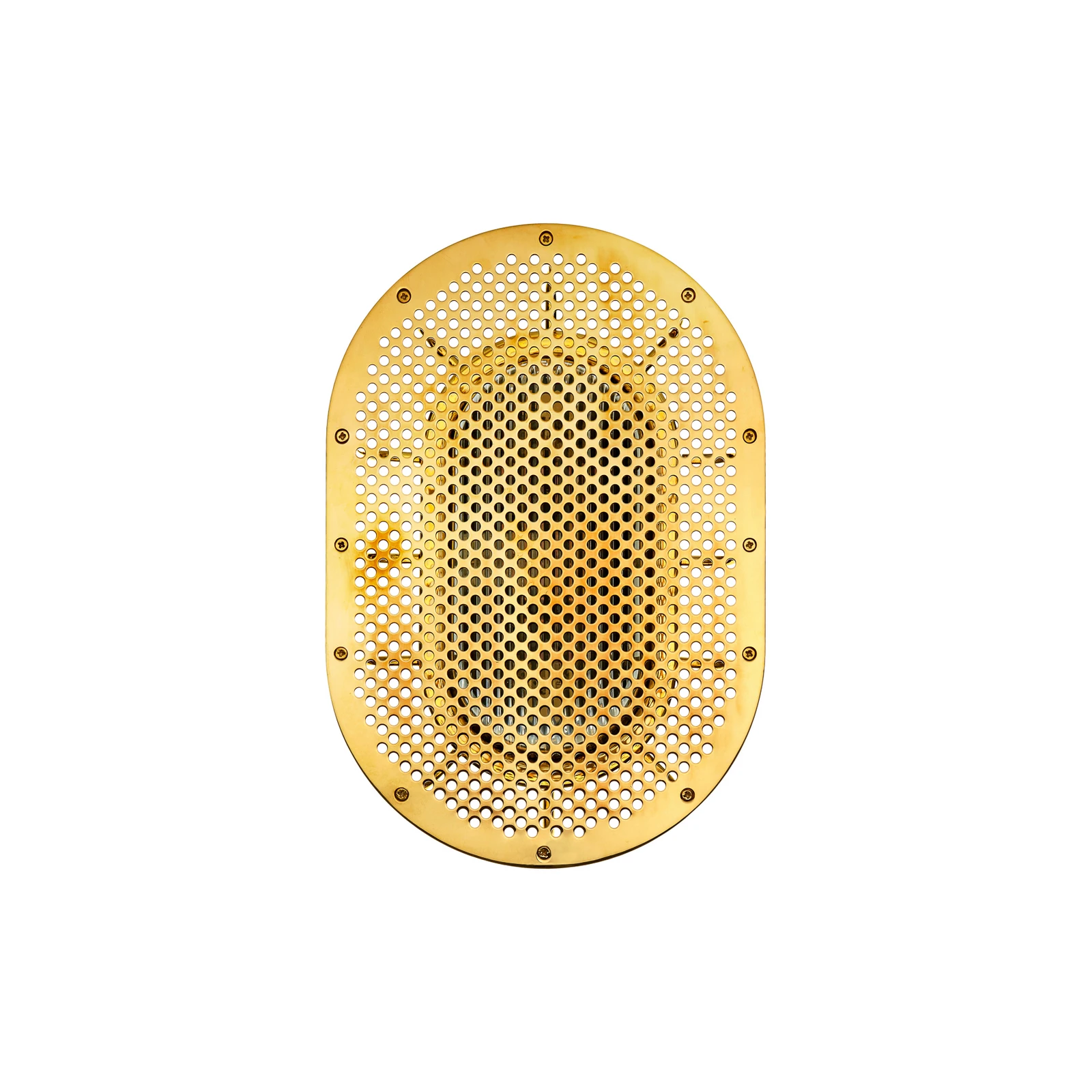
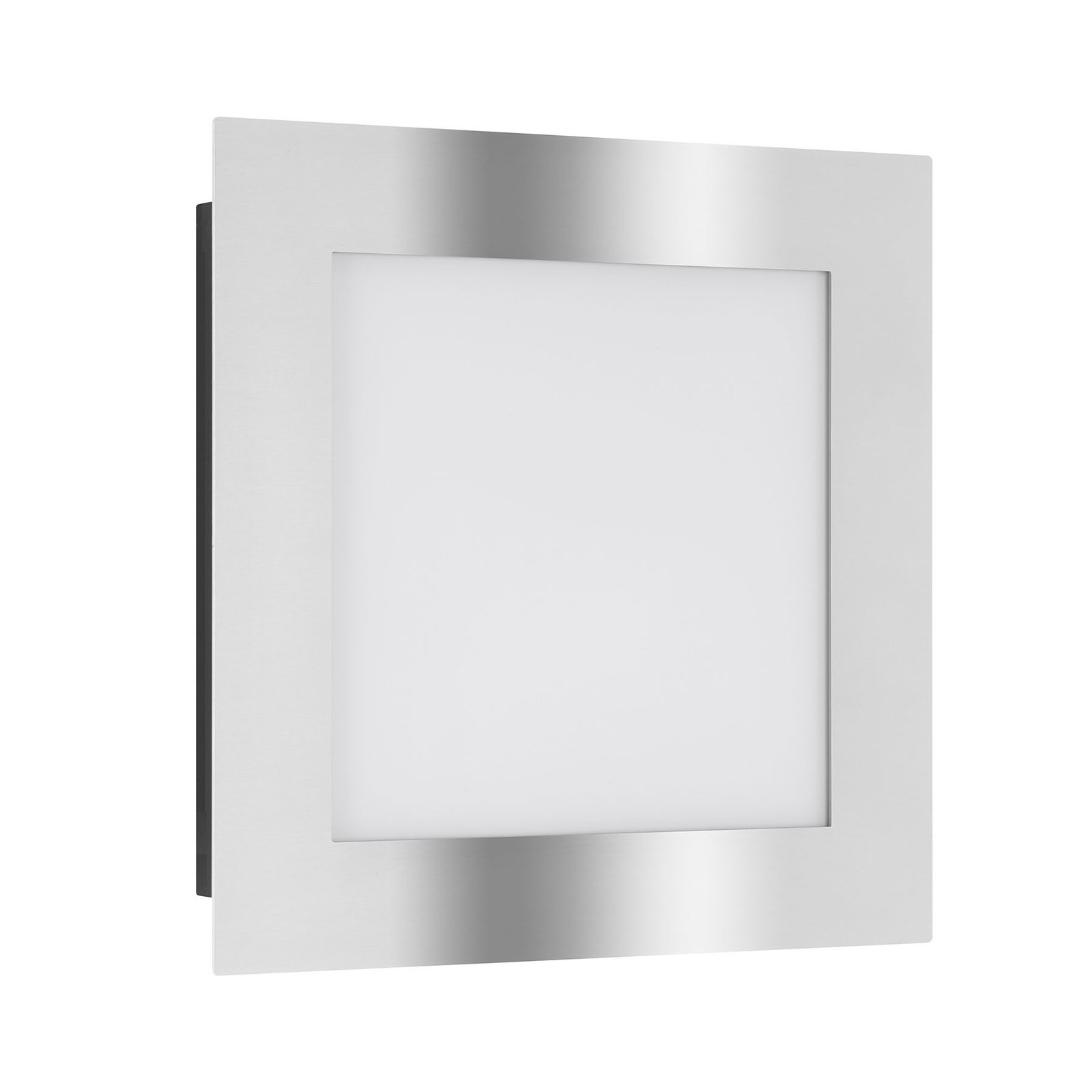
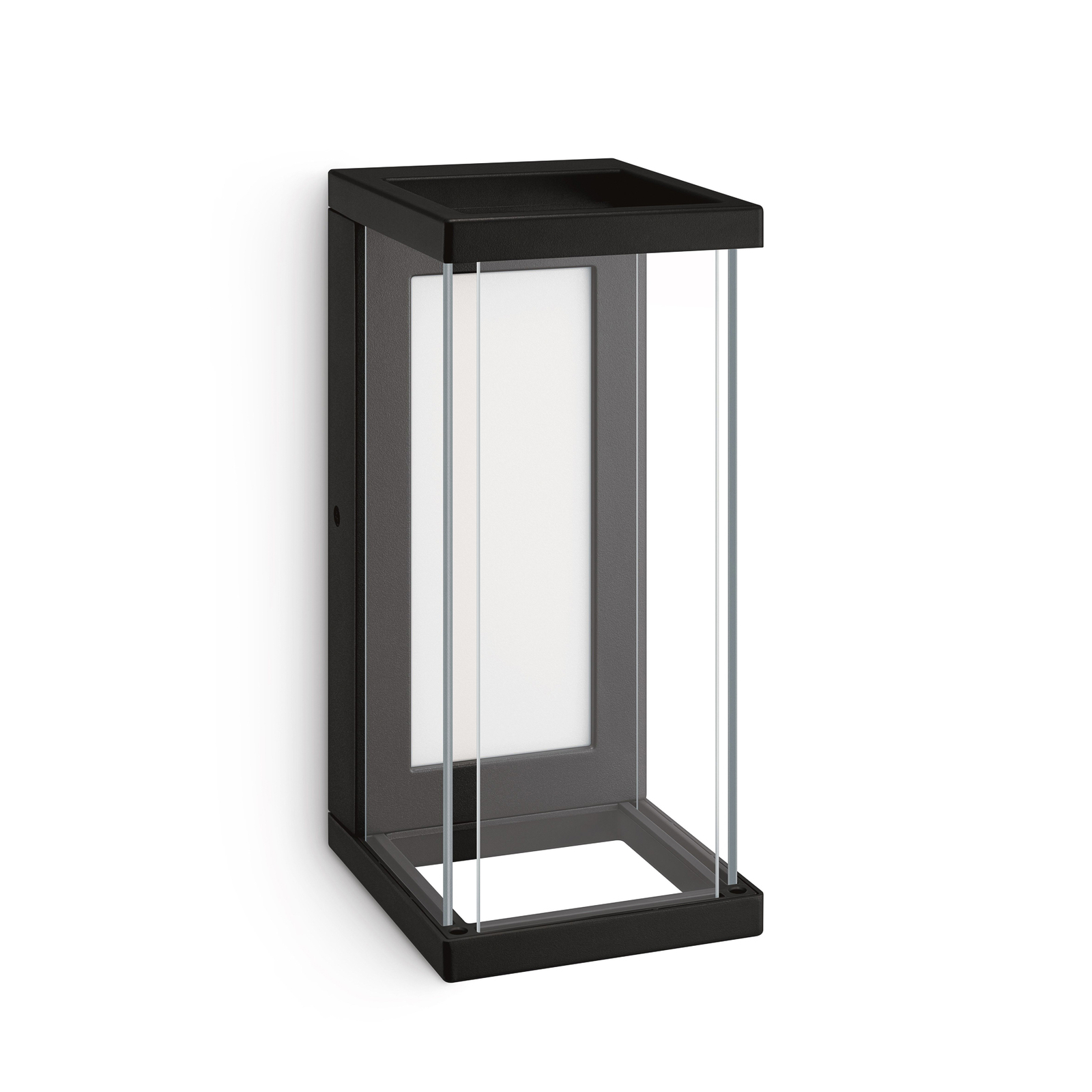
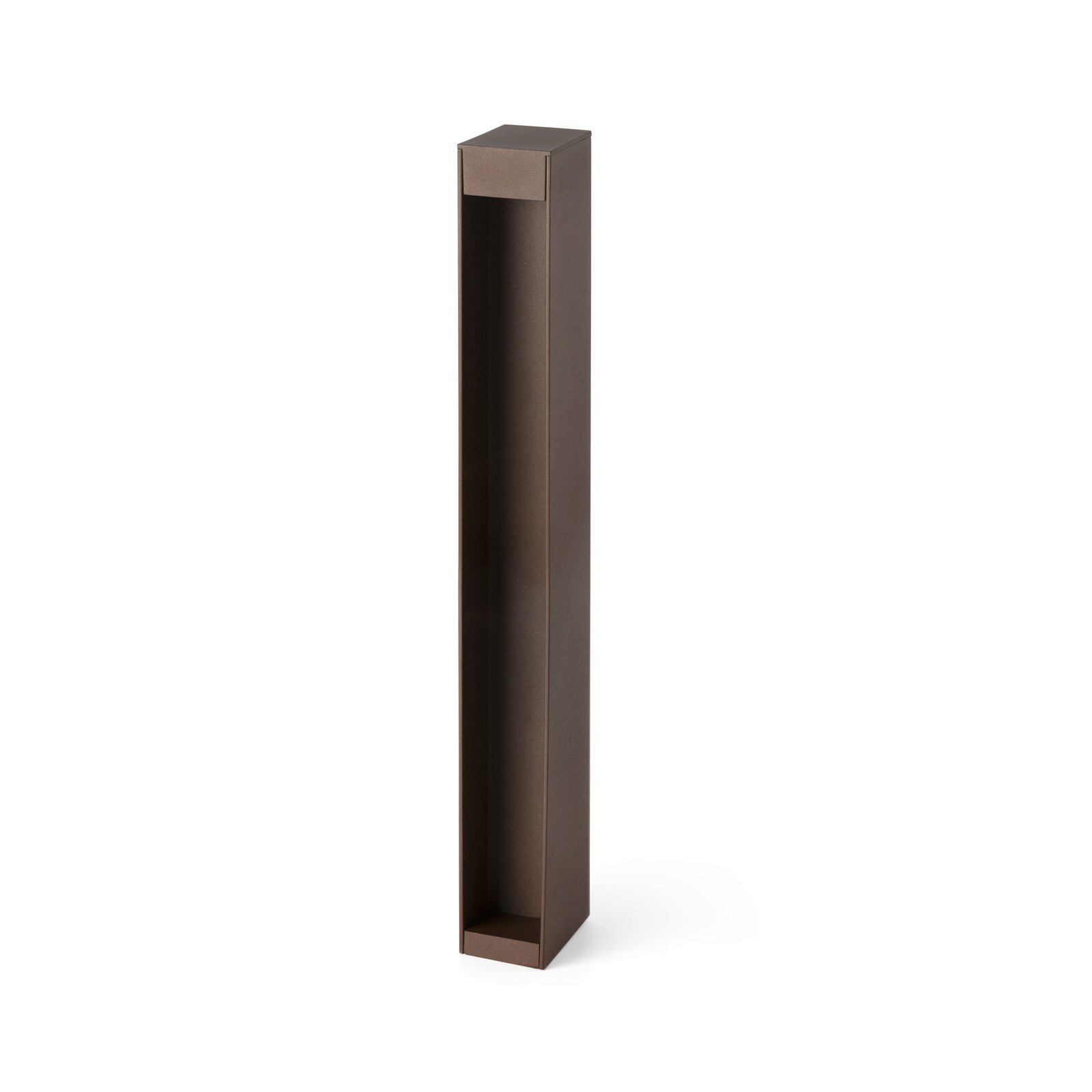
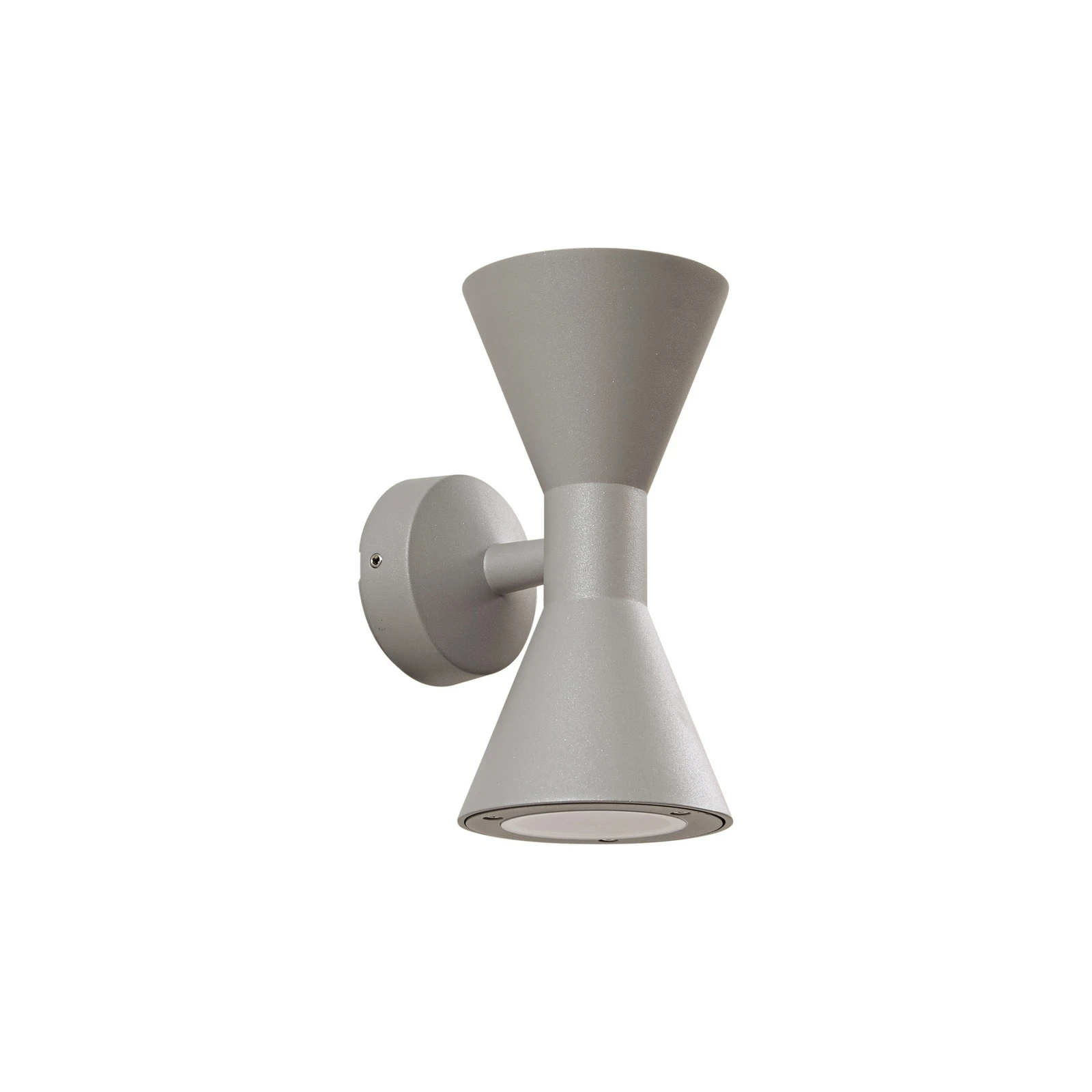
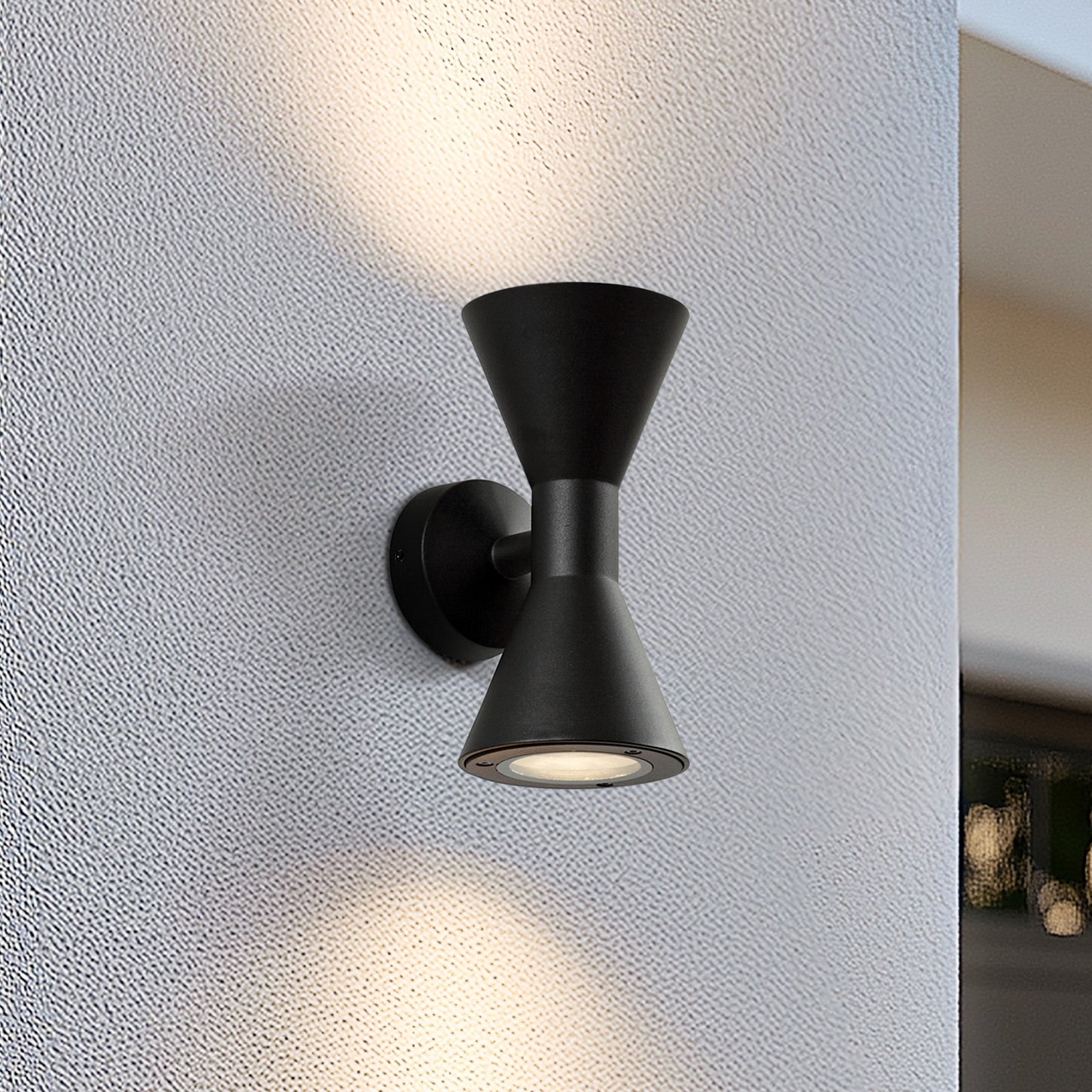
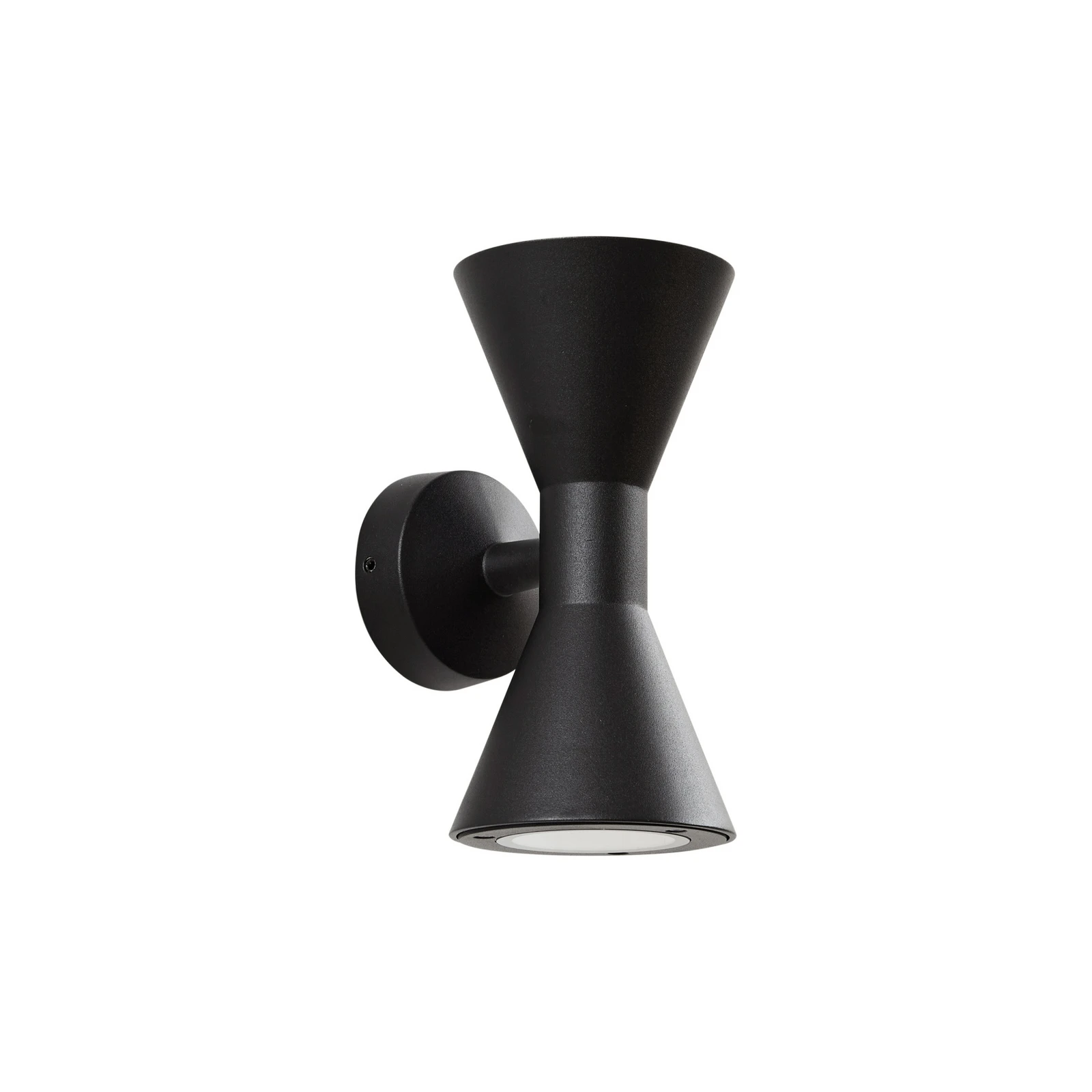
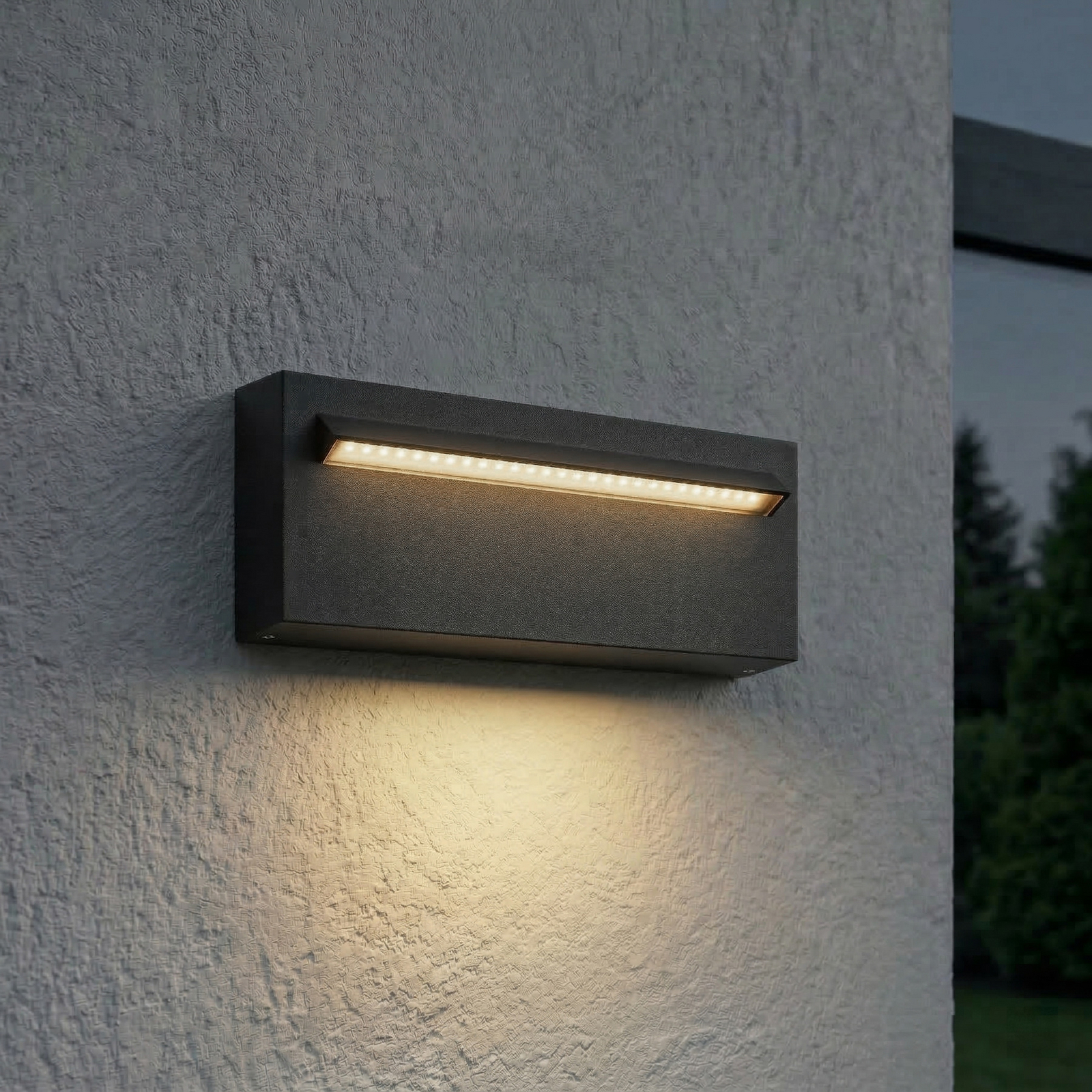
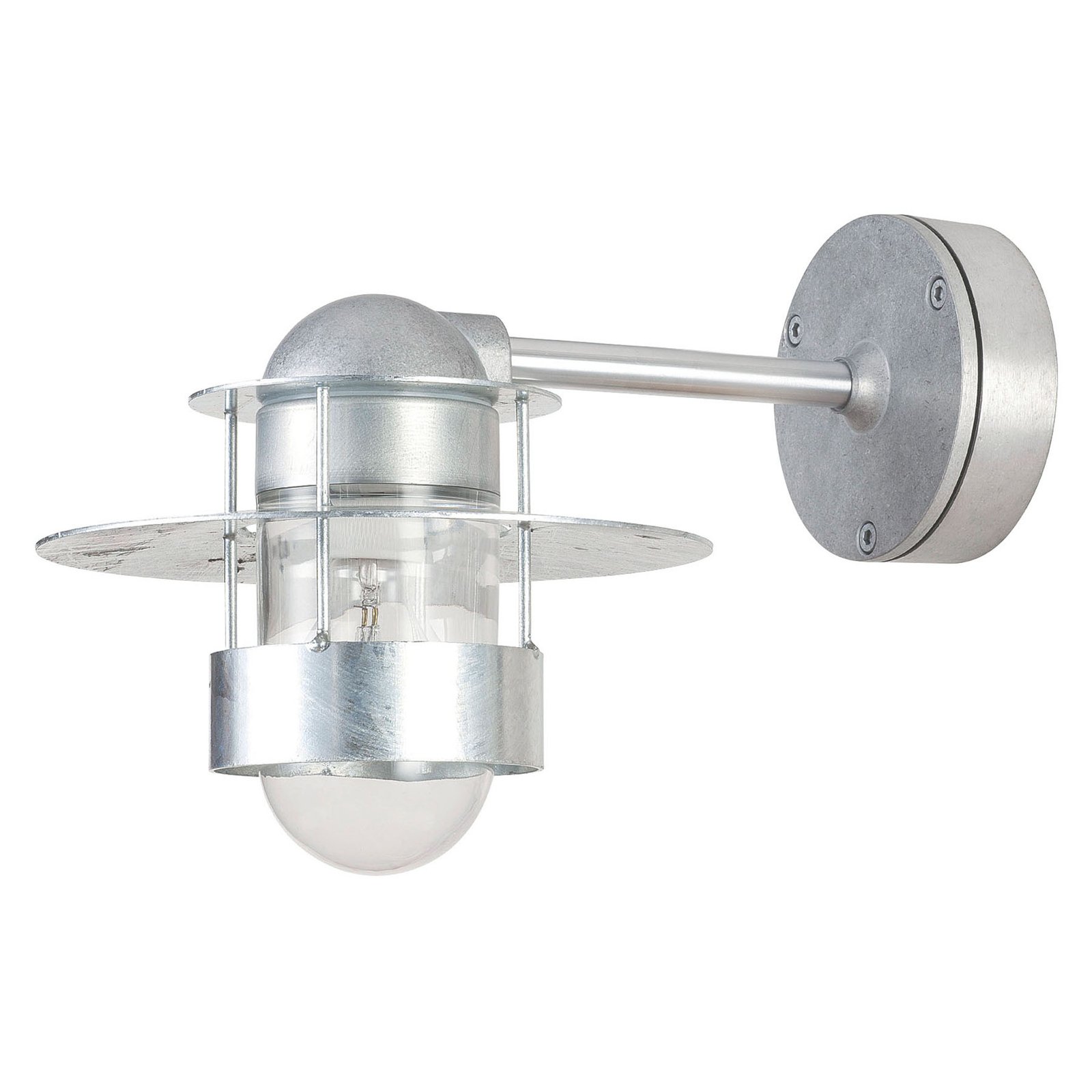
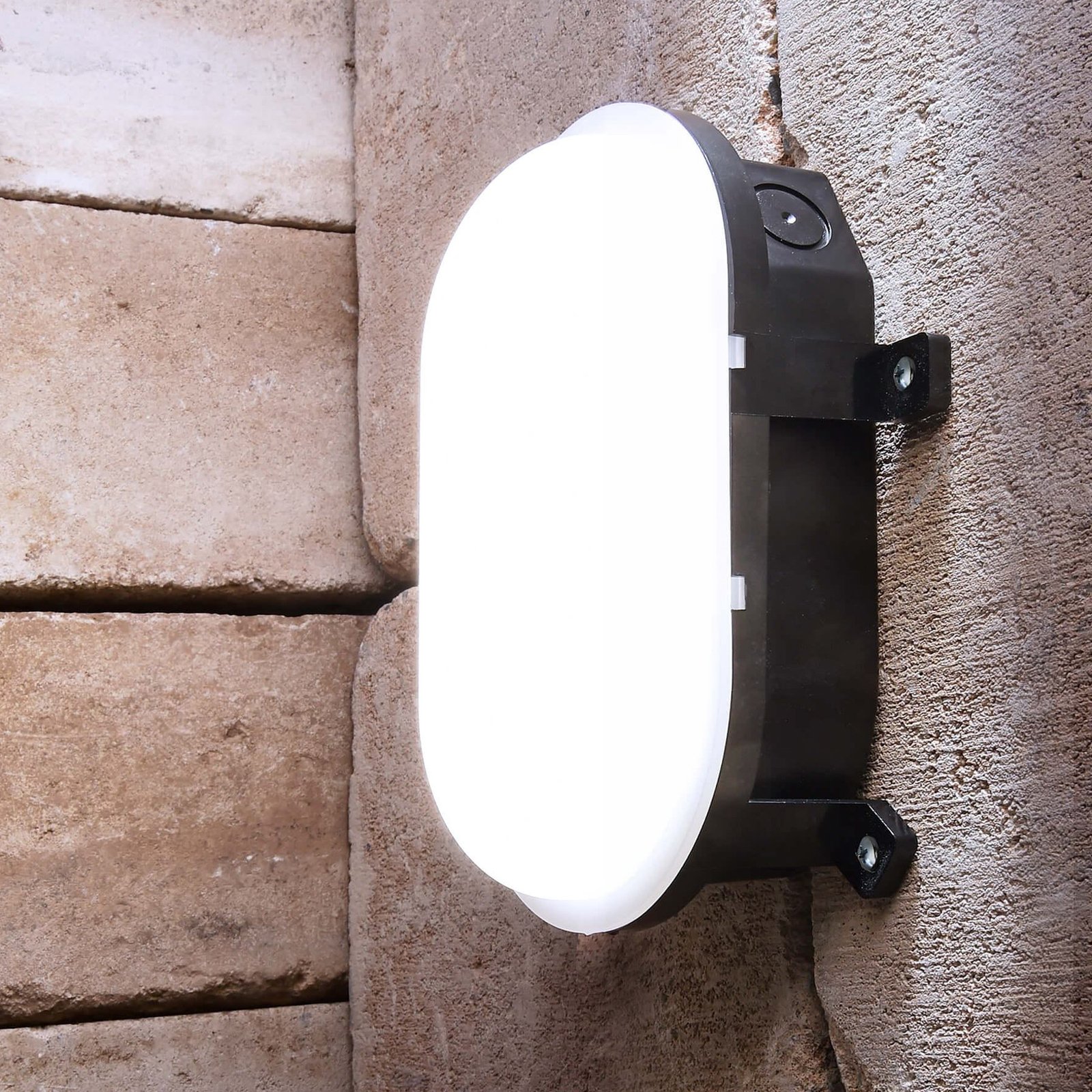
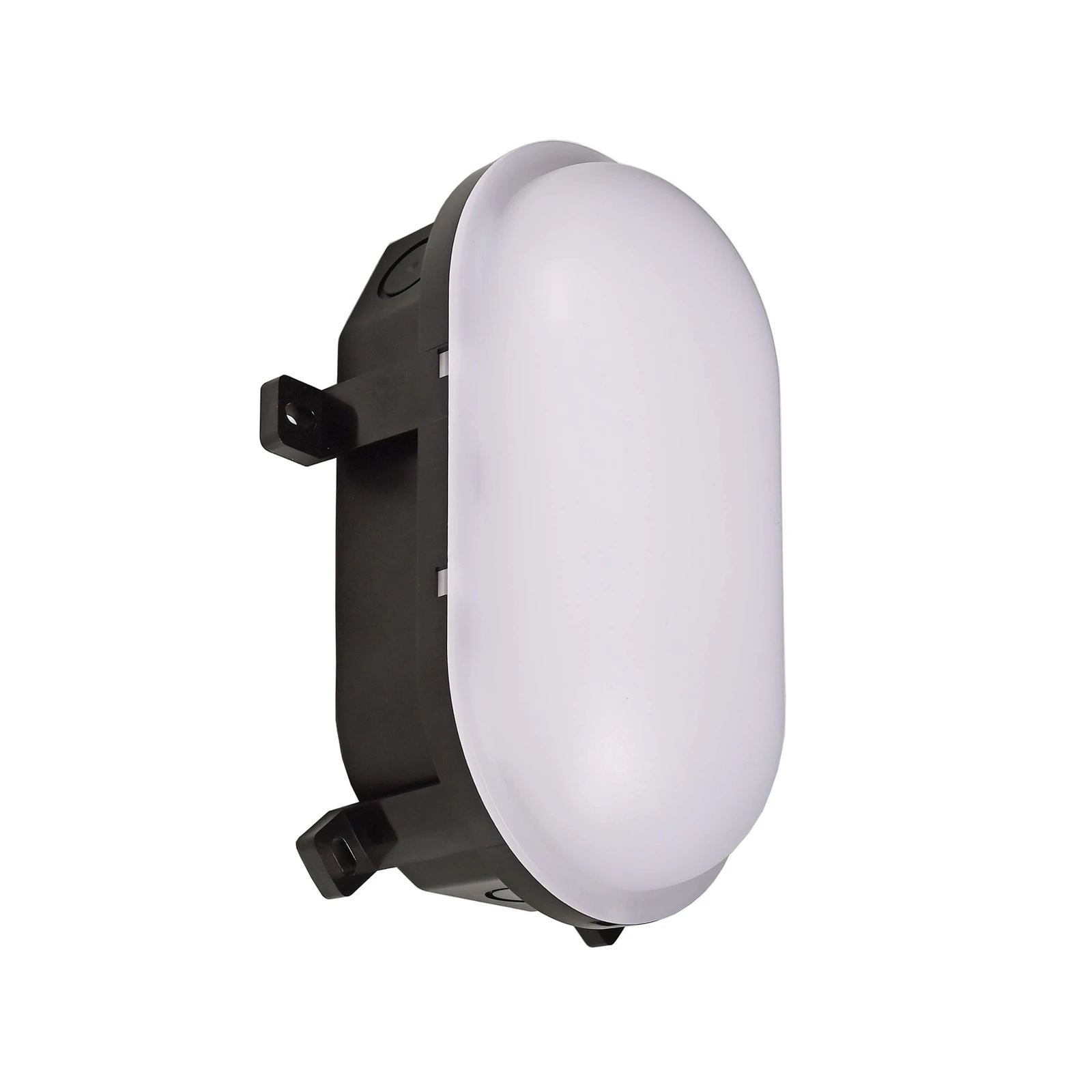
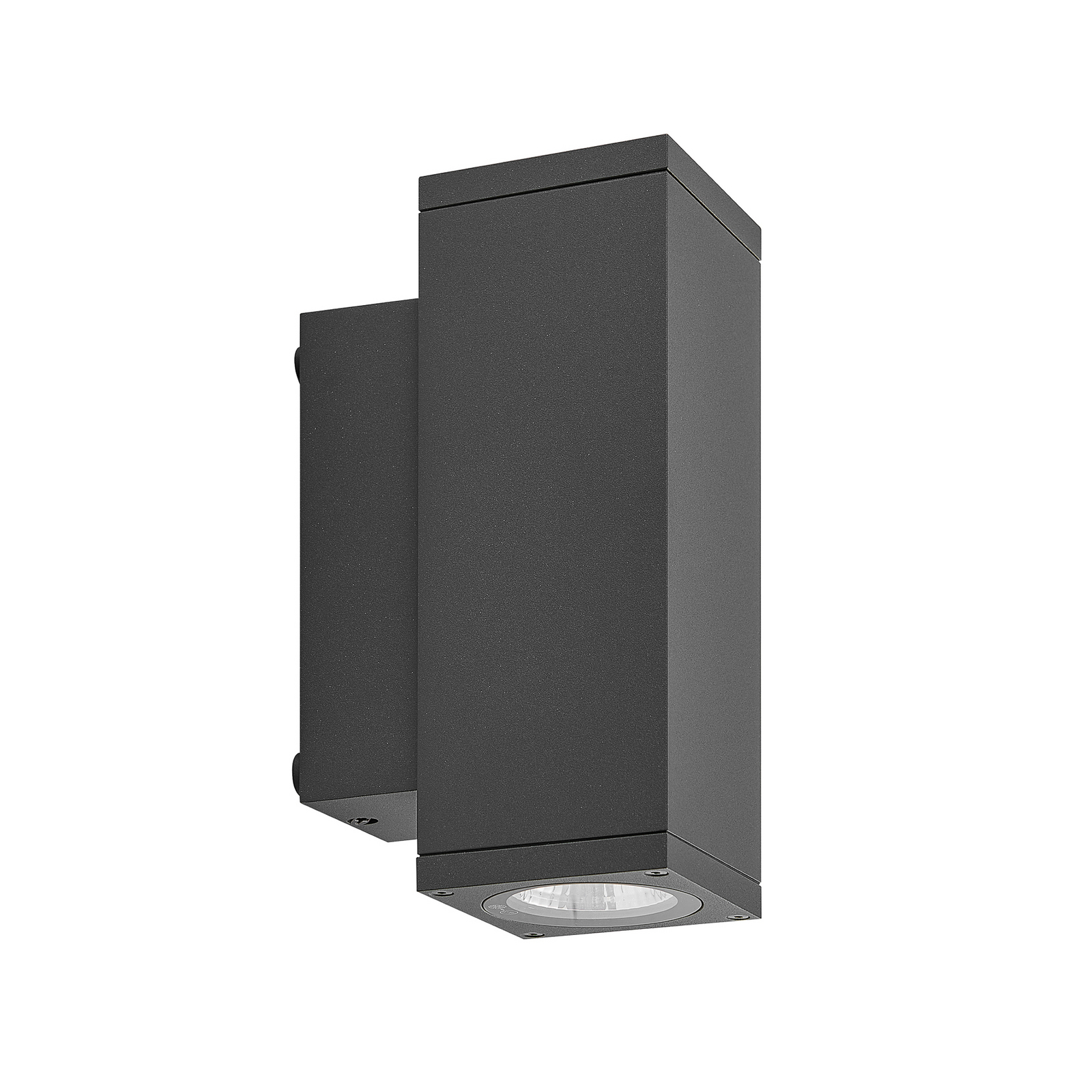
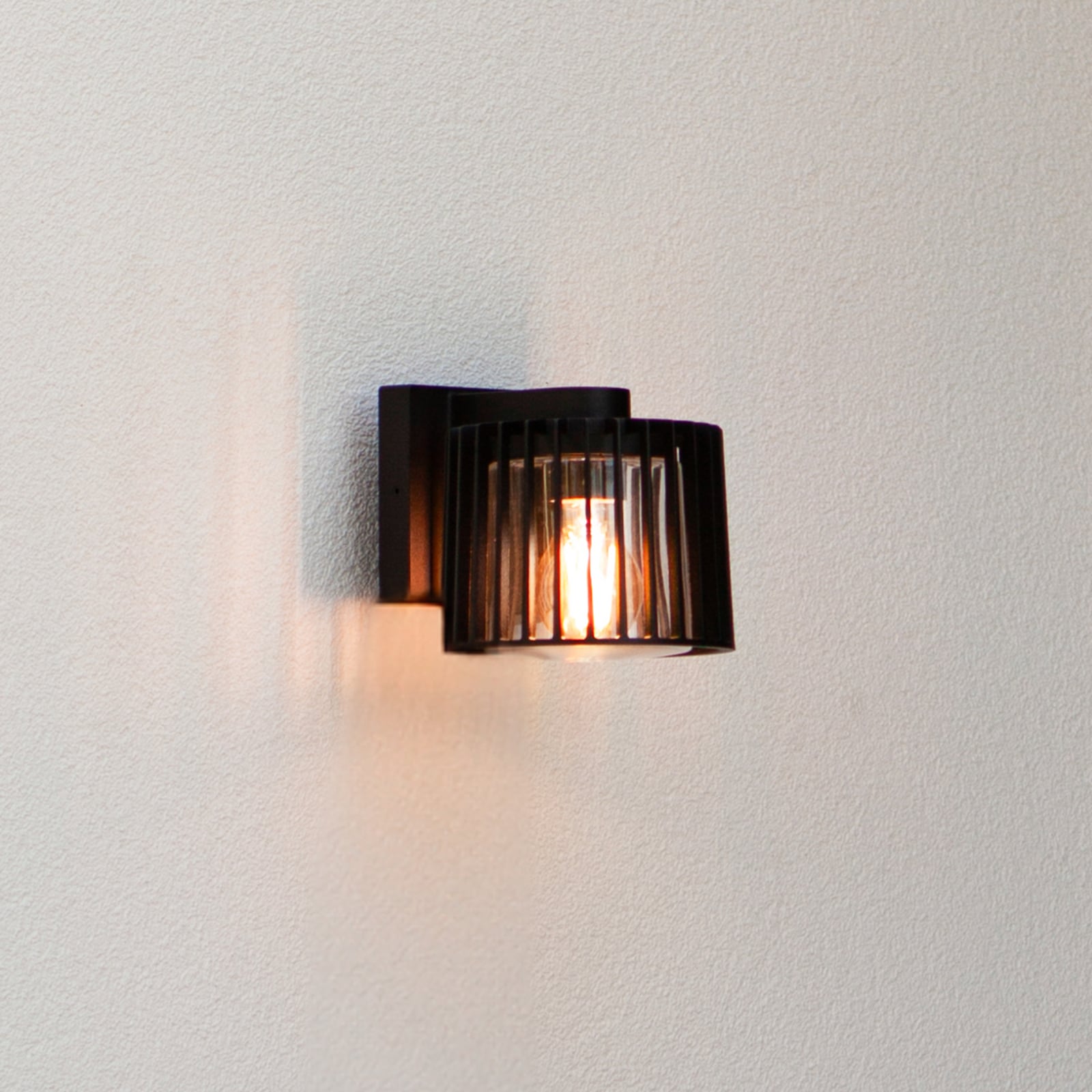
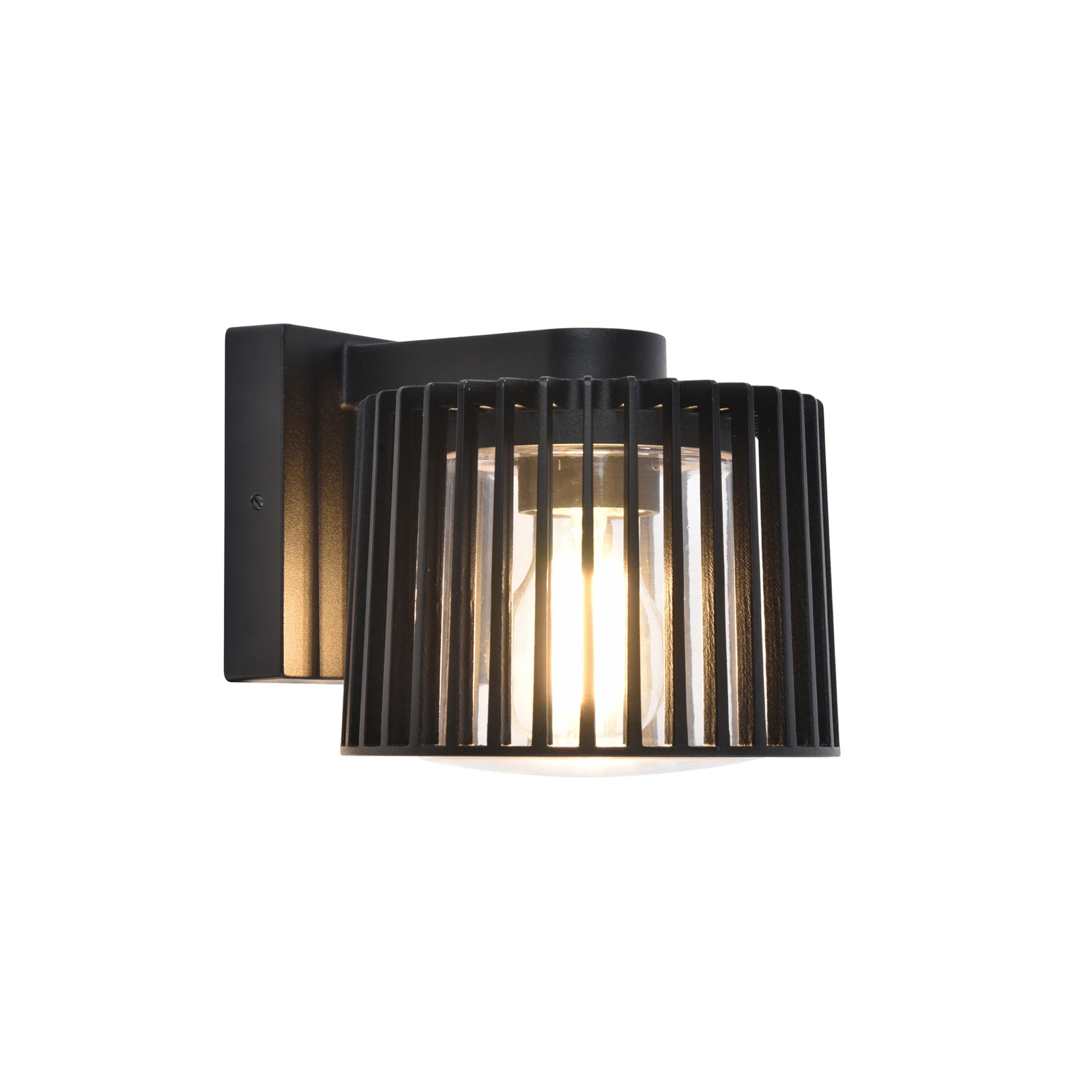
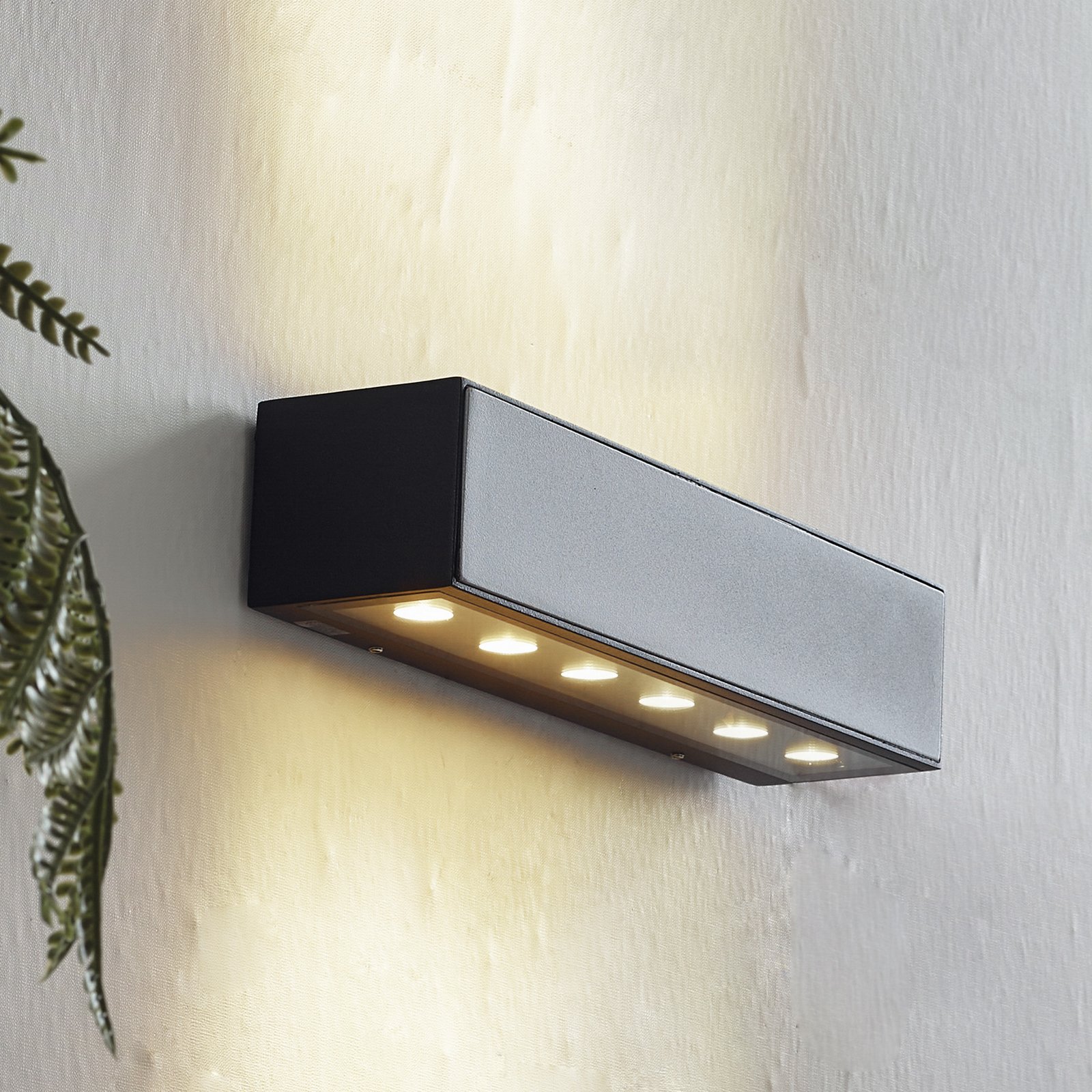
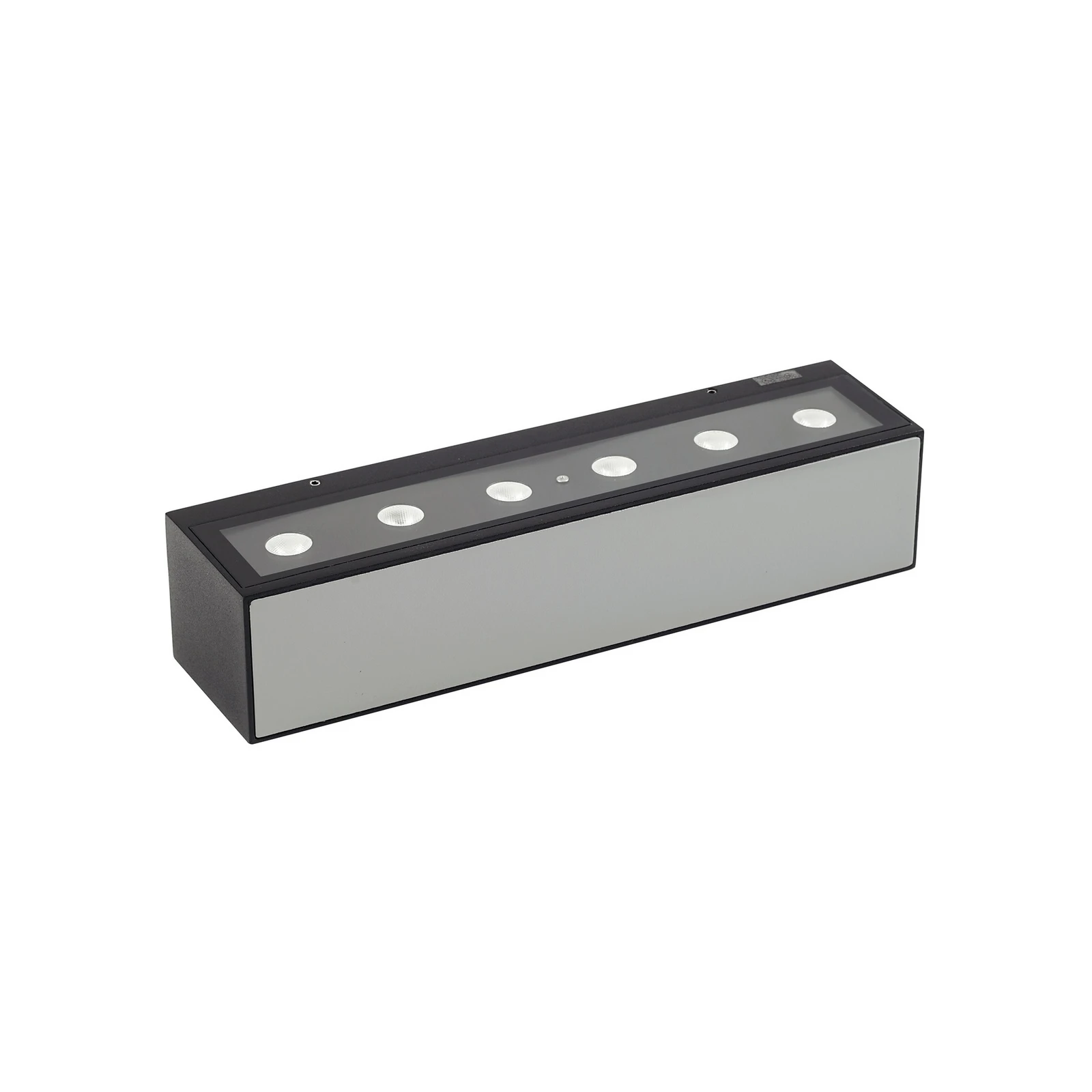
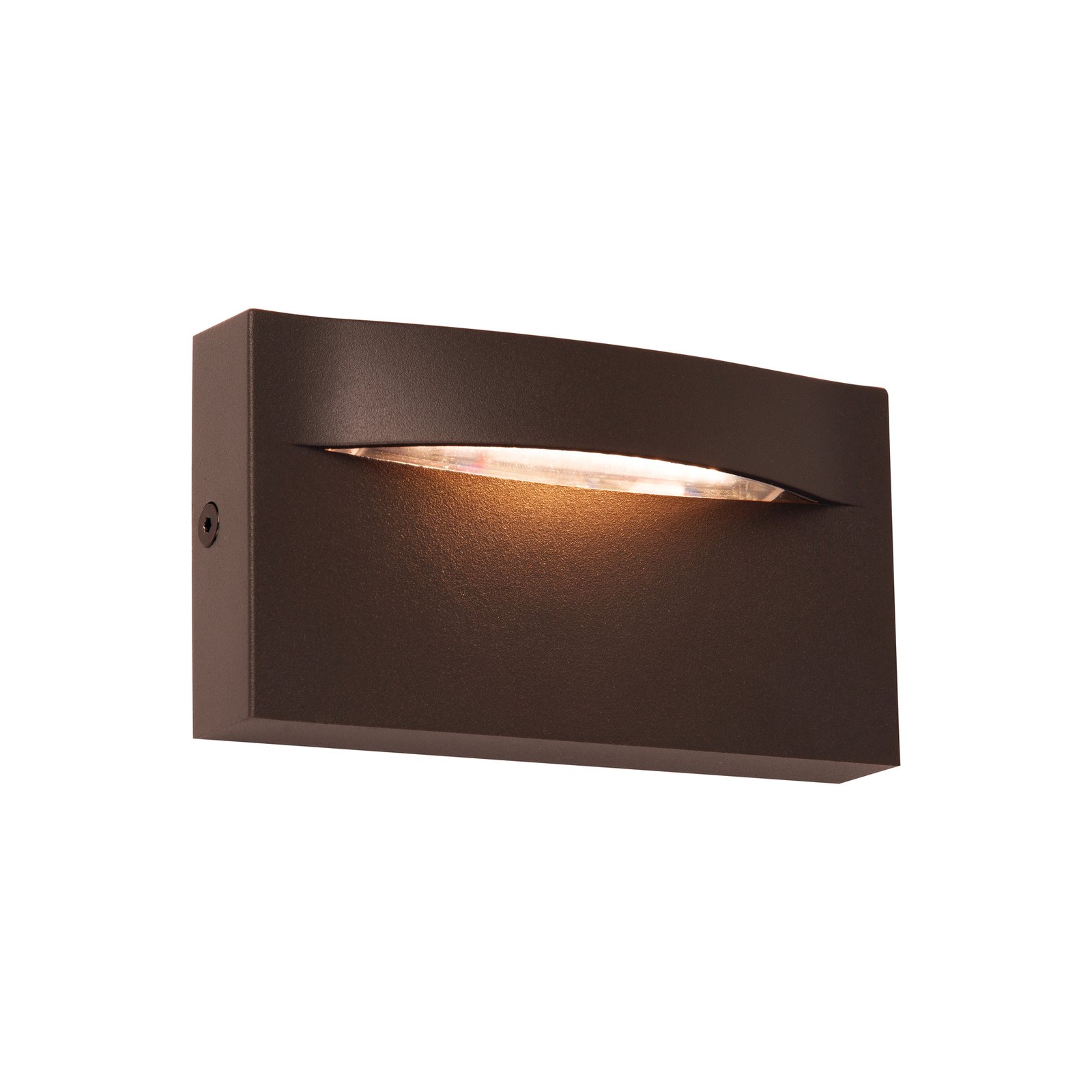
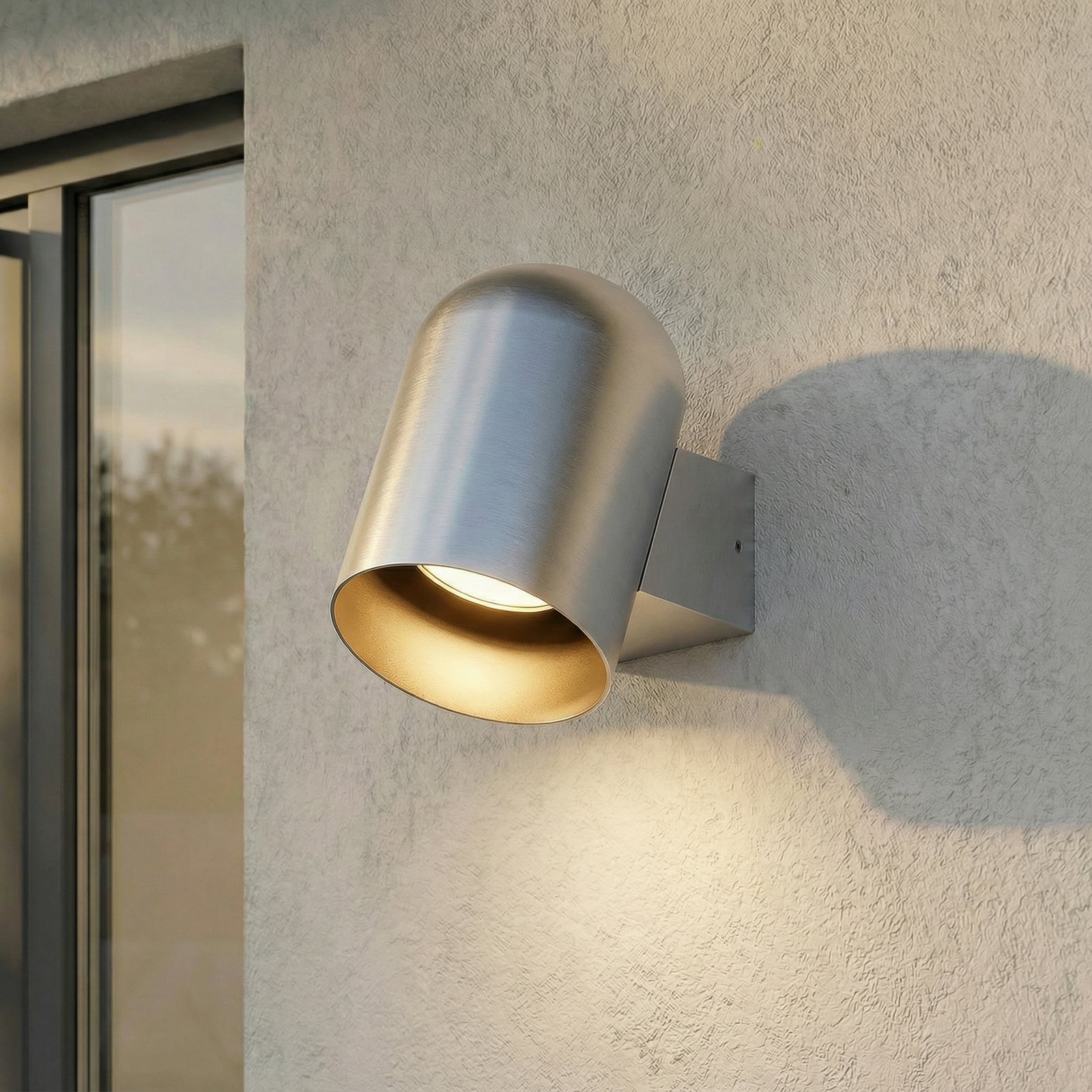
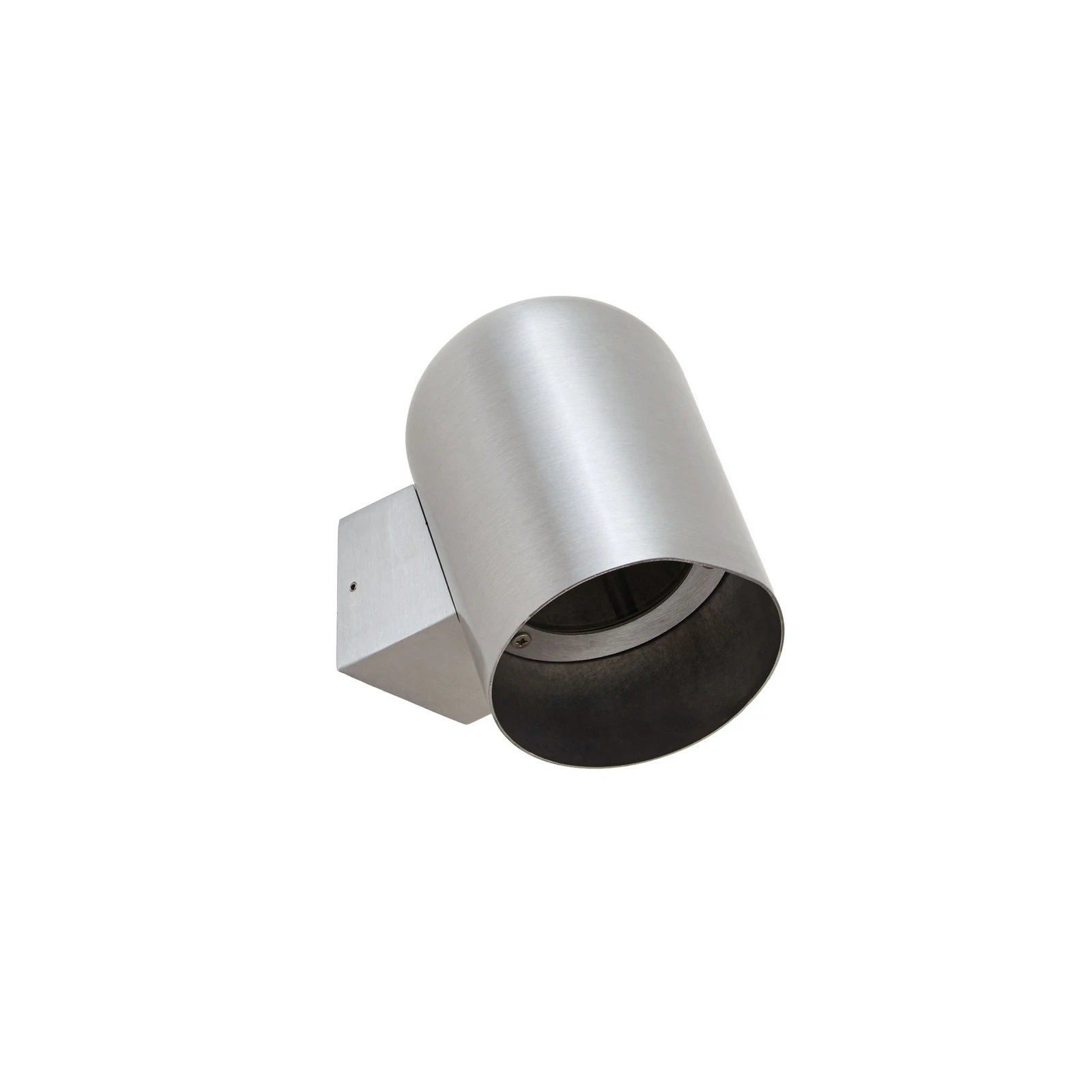
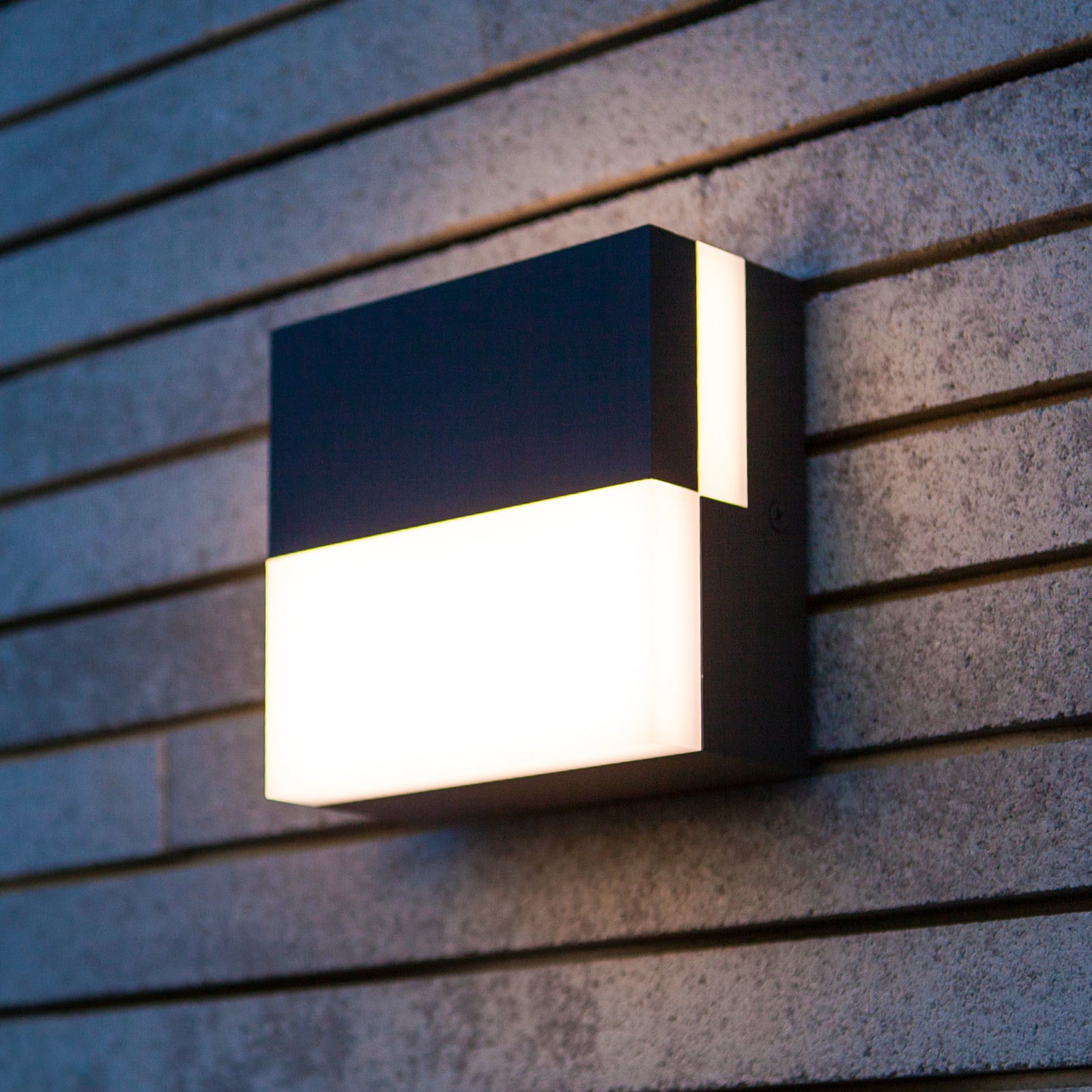
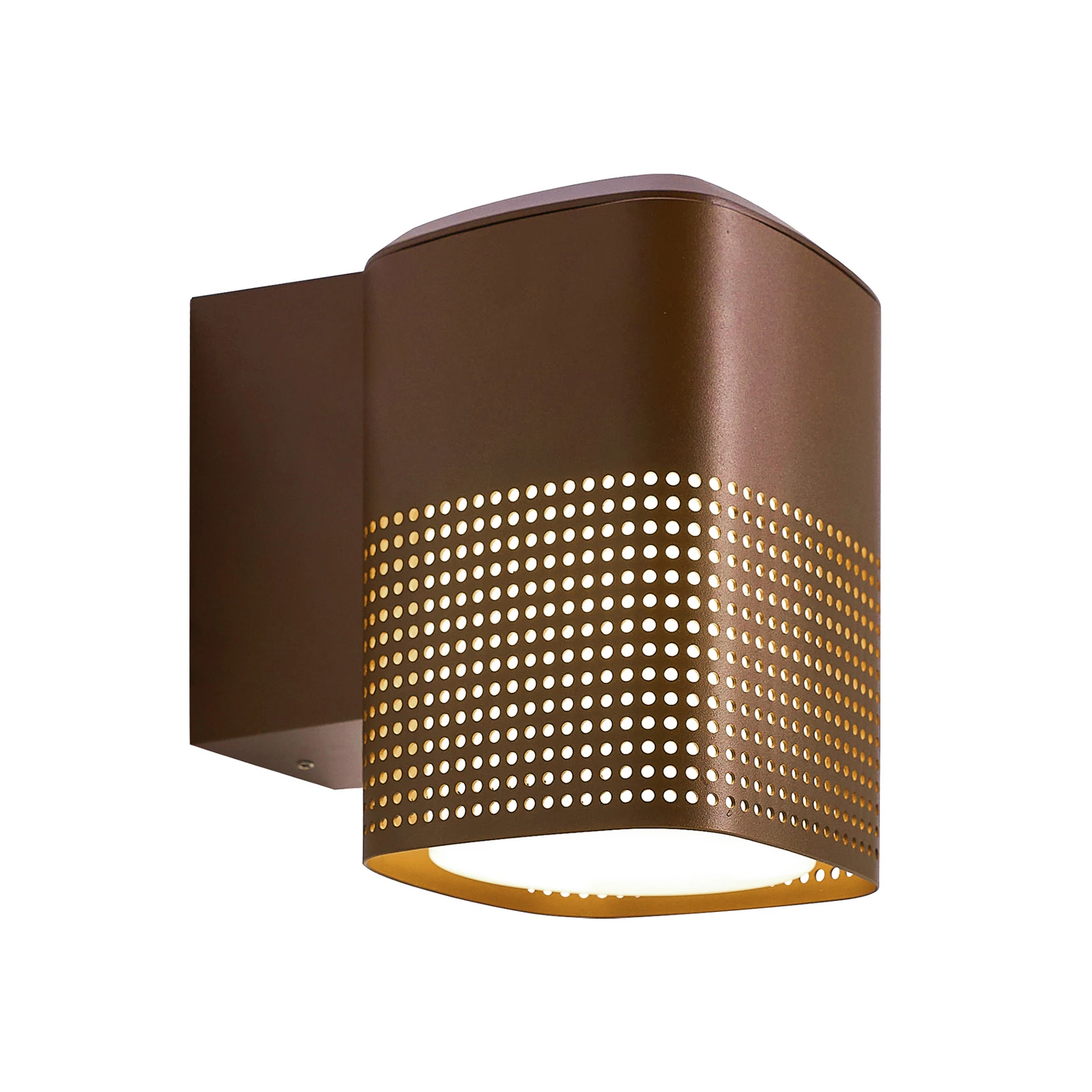
Select fence lighting for the garden, wall and fence posts
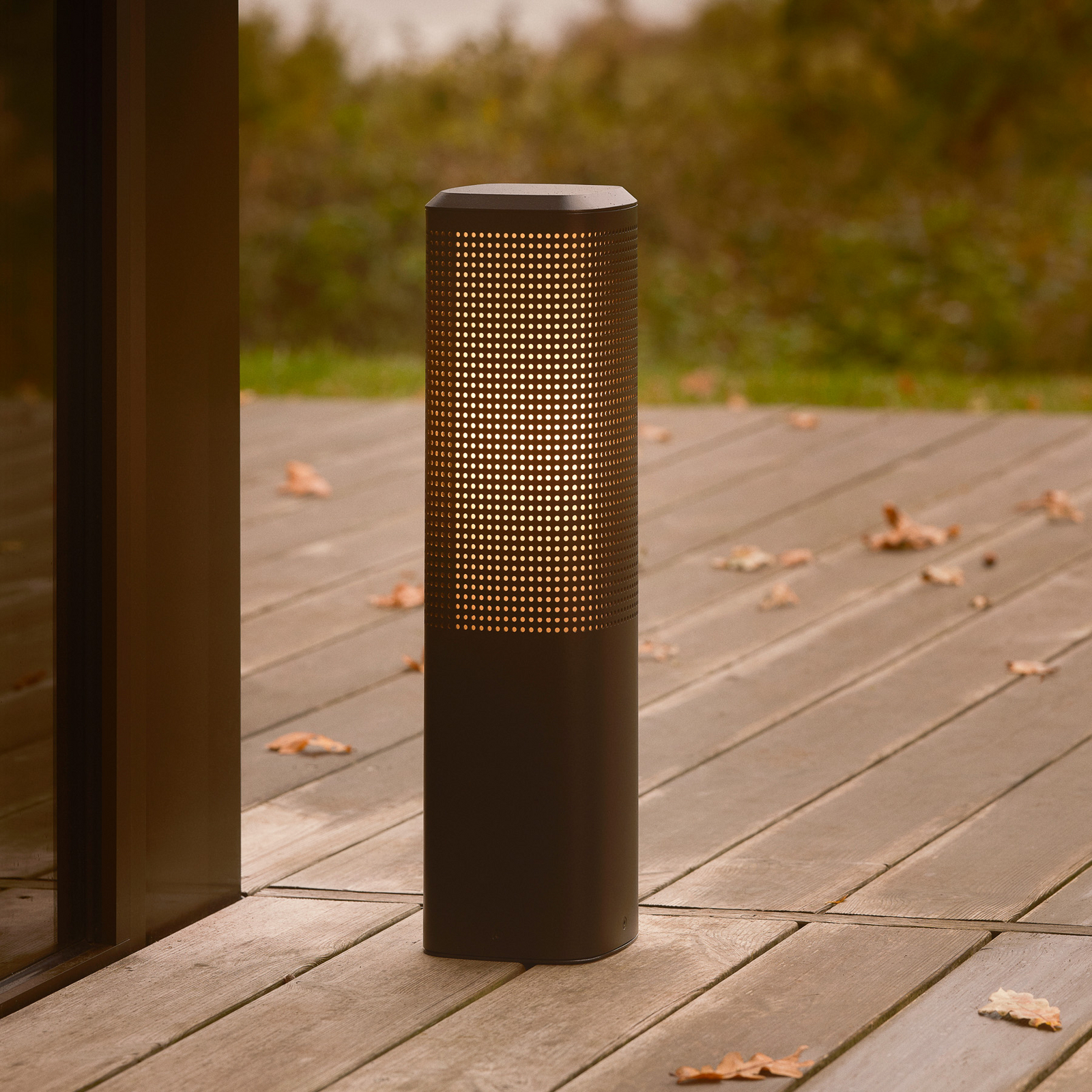
Suitable fence lighting improves orientation on the property, increases safety and visually enhances the outdoor area. It makes paths, boundaries and entrances more visible, making it an important component of modern outdoor lighting. At the same time, it is able to emphasise the fence, wall and garden without outshining the entire area.
To ensure that the lighting is convincing in the long term, it should always match the structural situation. Different lights are suitable for a double wire mesh fence than for wood, WPC or gabions. The right solution for wall lighting also depends on whether brightness, atmosphere or an indirect lighting effect is required. If you think about installation, light colour, luminous flux and power supply at an early stage, you can create a long-lasting and harmonious solution for the entire garden.
Targeted use of fence lighting in the garden
Fence lighting is useful wherever safety and orientation play an important role. This applies to driveways, entrances, garden paths, terraces and property boundaries. Especially in the dark season, edges, steps and transitions become visible earlier thanks to good light. This increases safety and at the same time improves the usability of the outdoor area.
In addition to the function, the lighting effect is decisive. Warm white light usually has a calmer and cosier effect. More neutral light colours appear more functional and modern. A soft light impression is often more pleasant for seating areas and patio lighting. The light may be somewhat clearer at gates, access paths or along longer sections of fence.
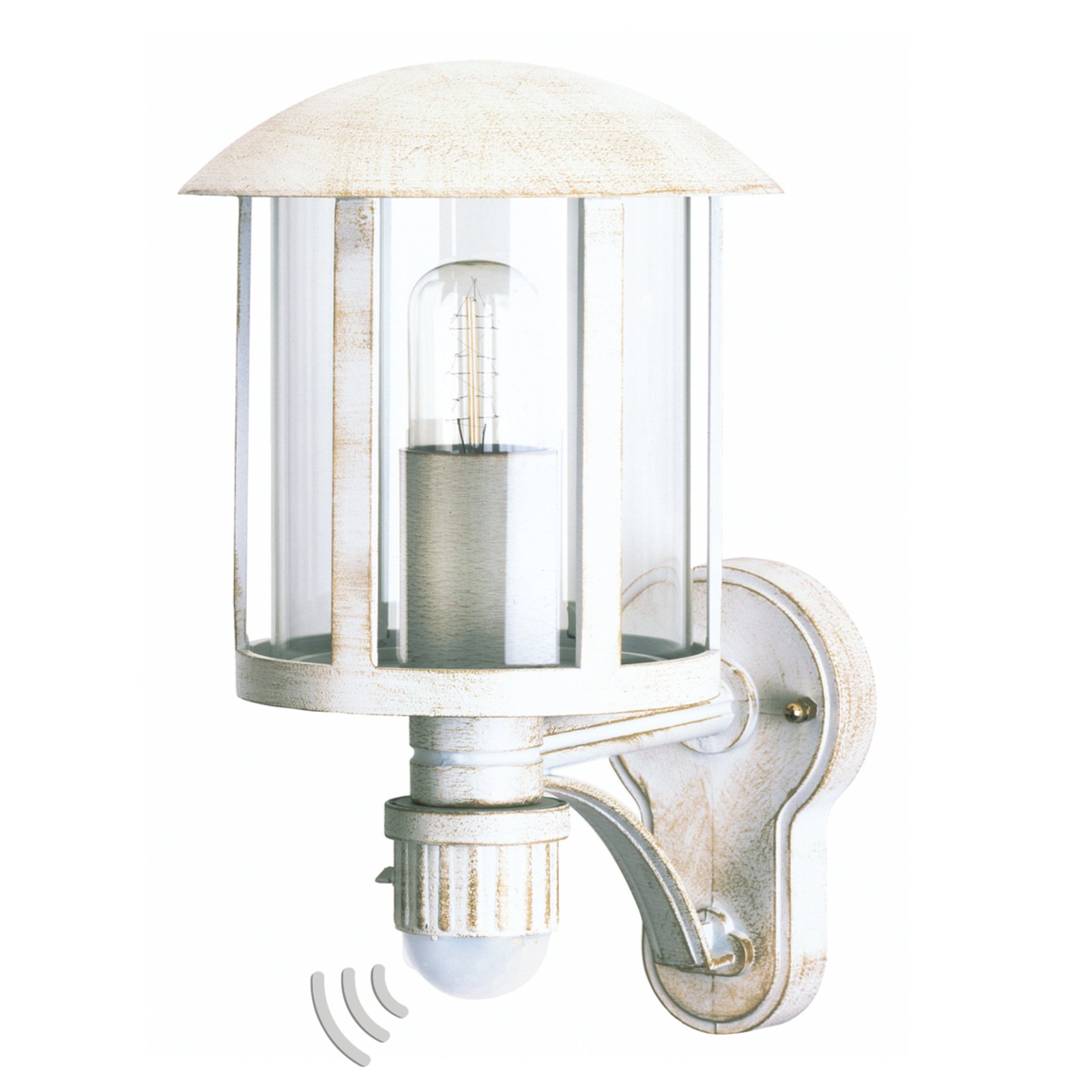
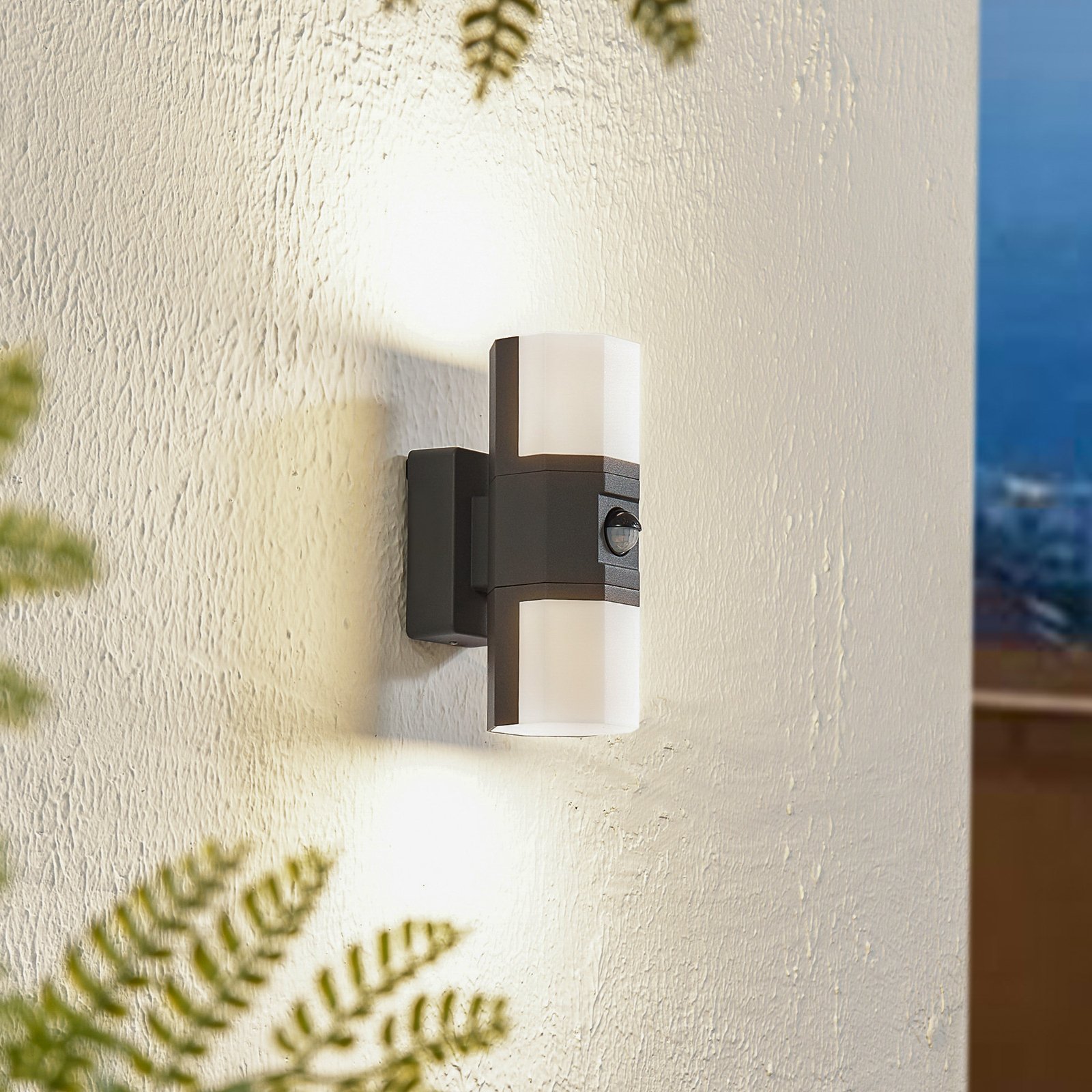
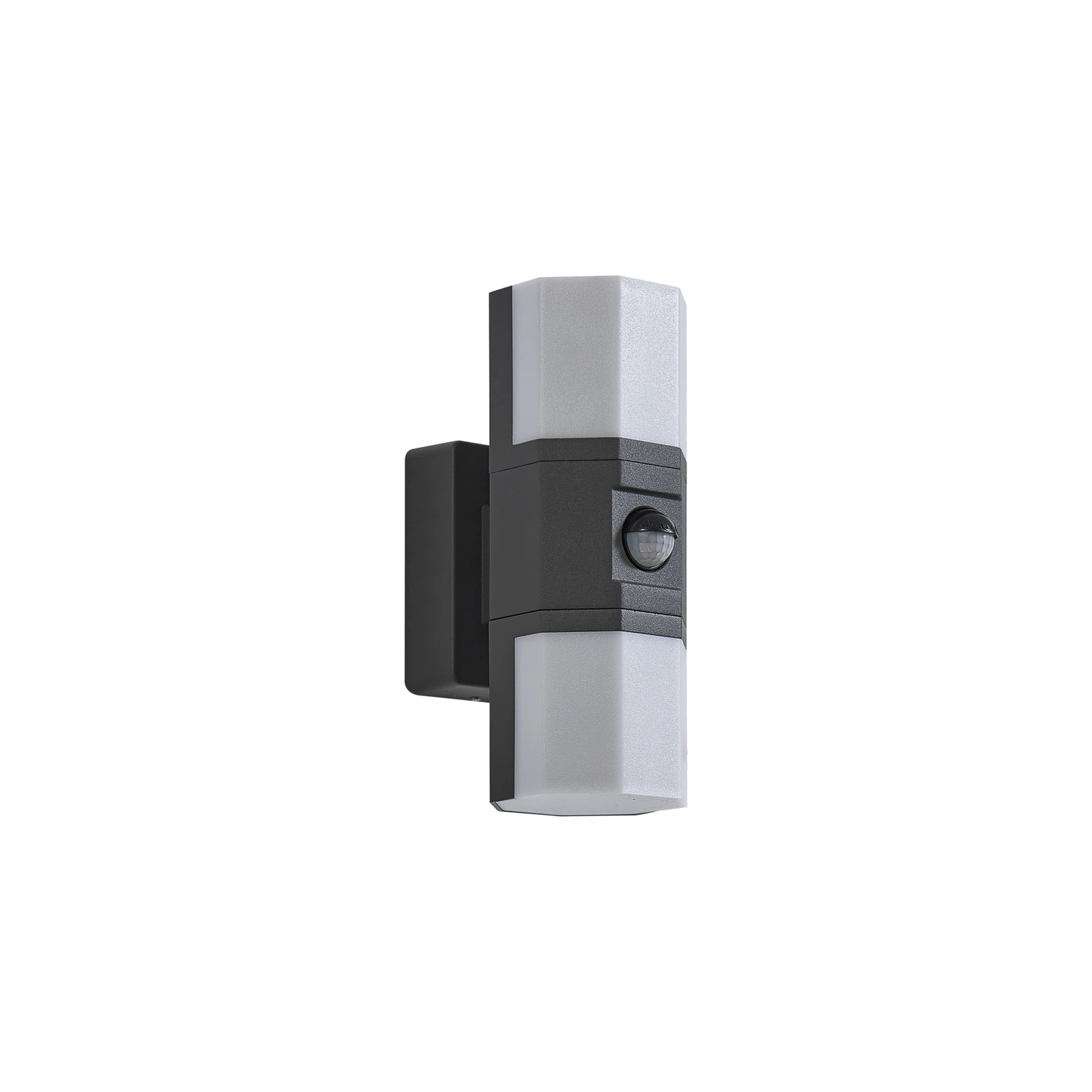
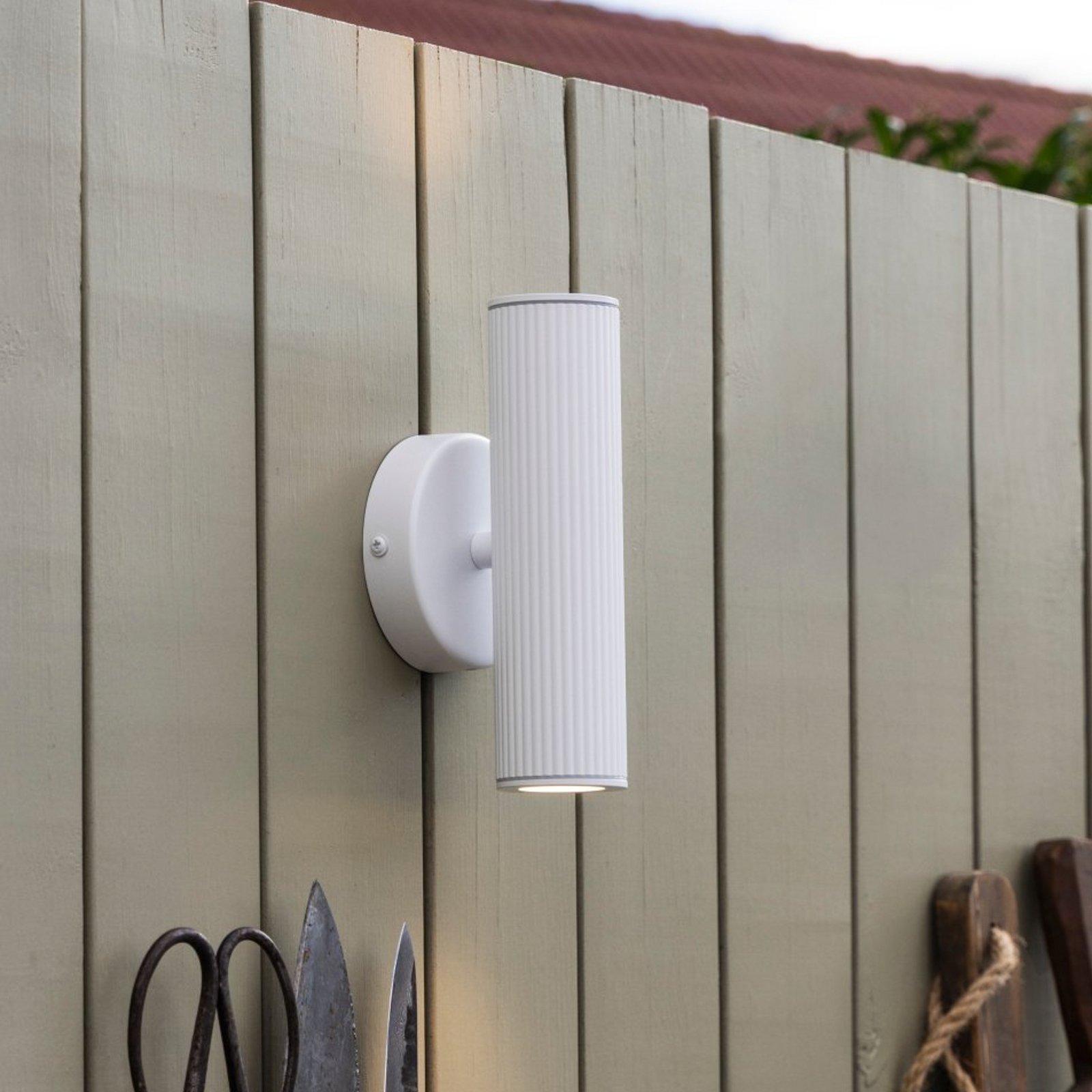
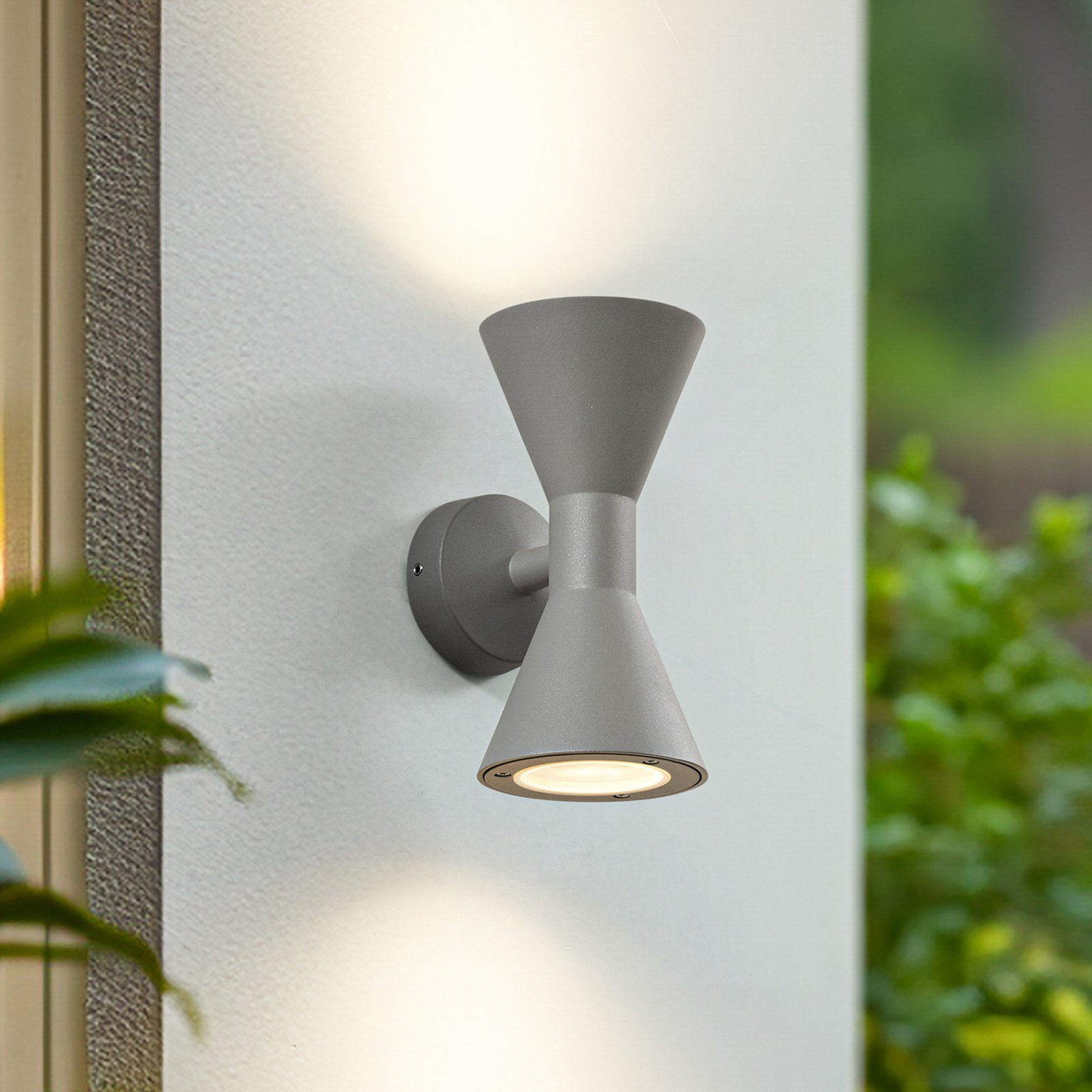
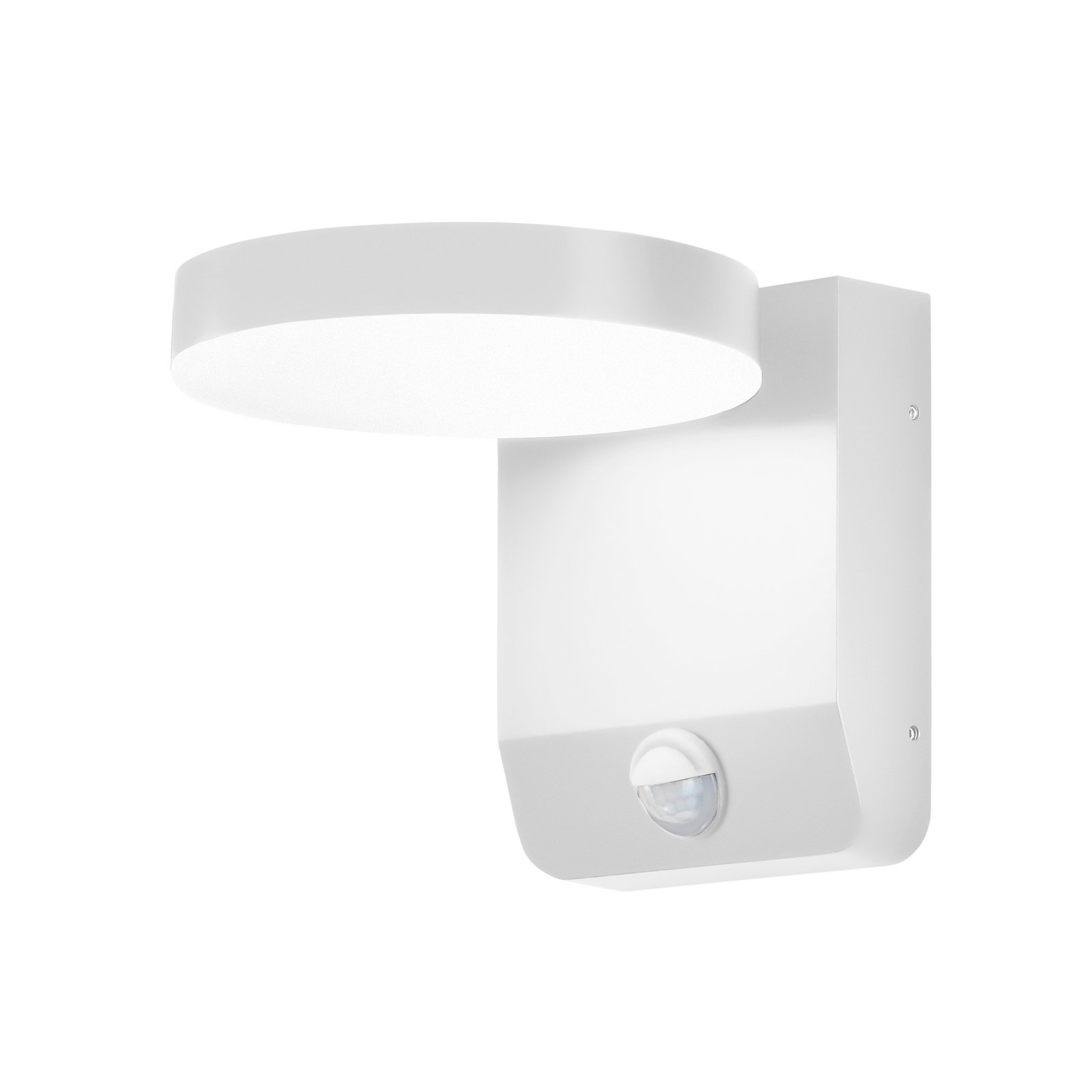
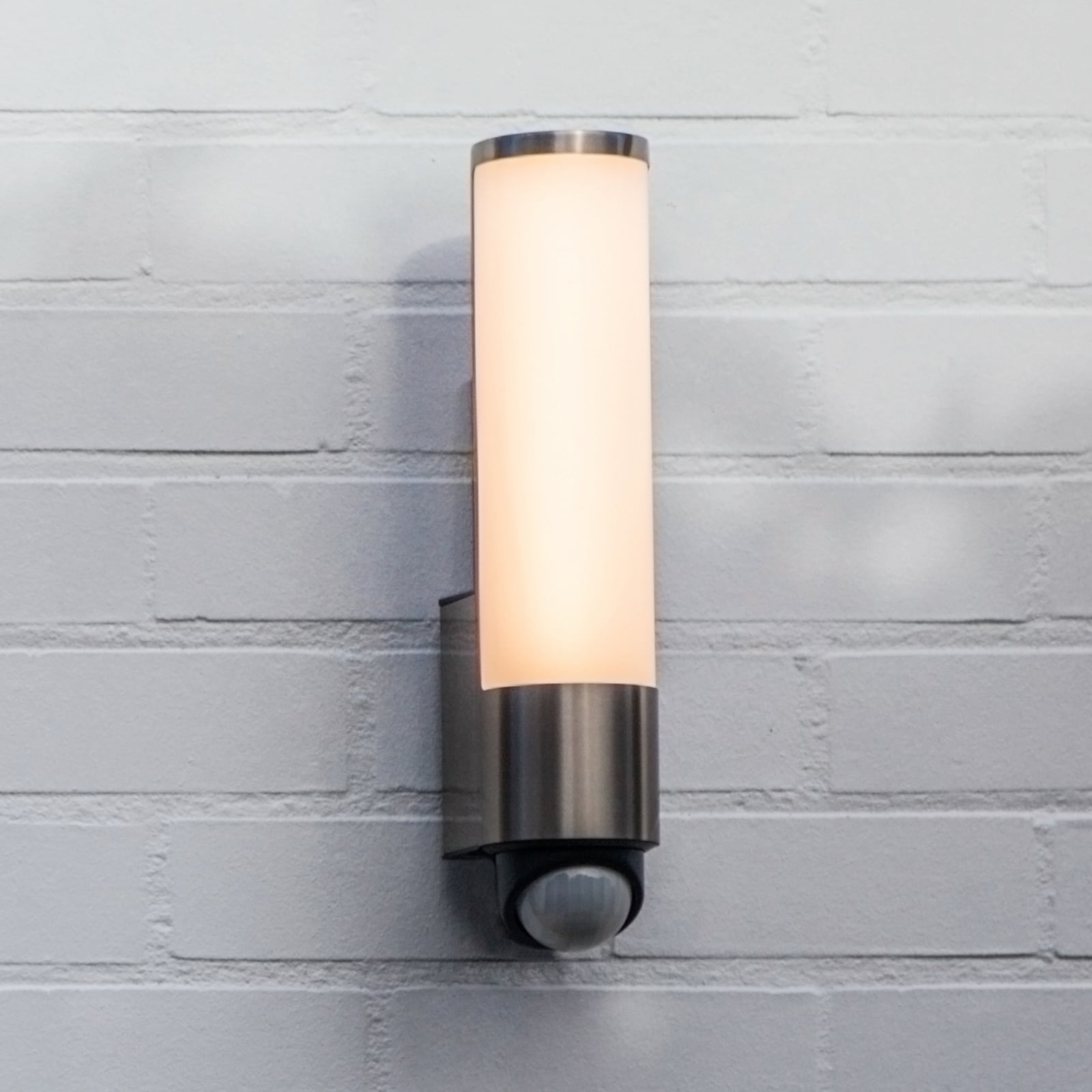
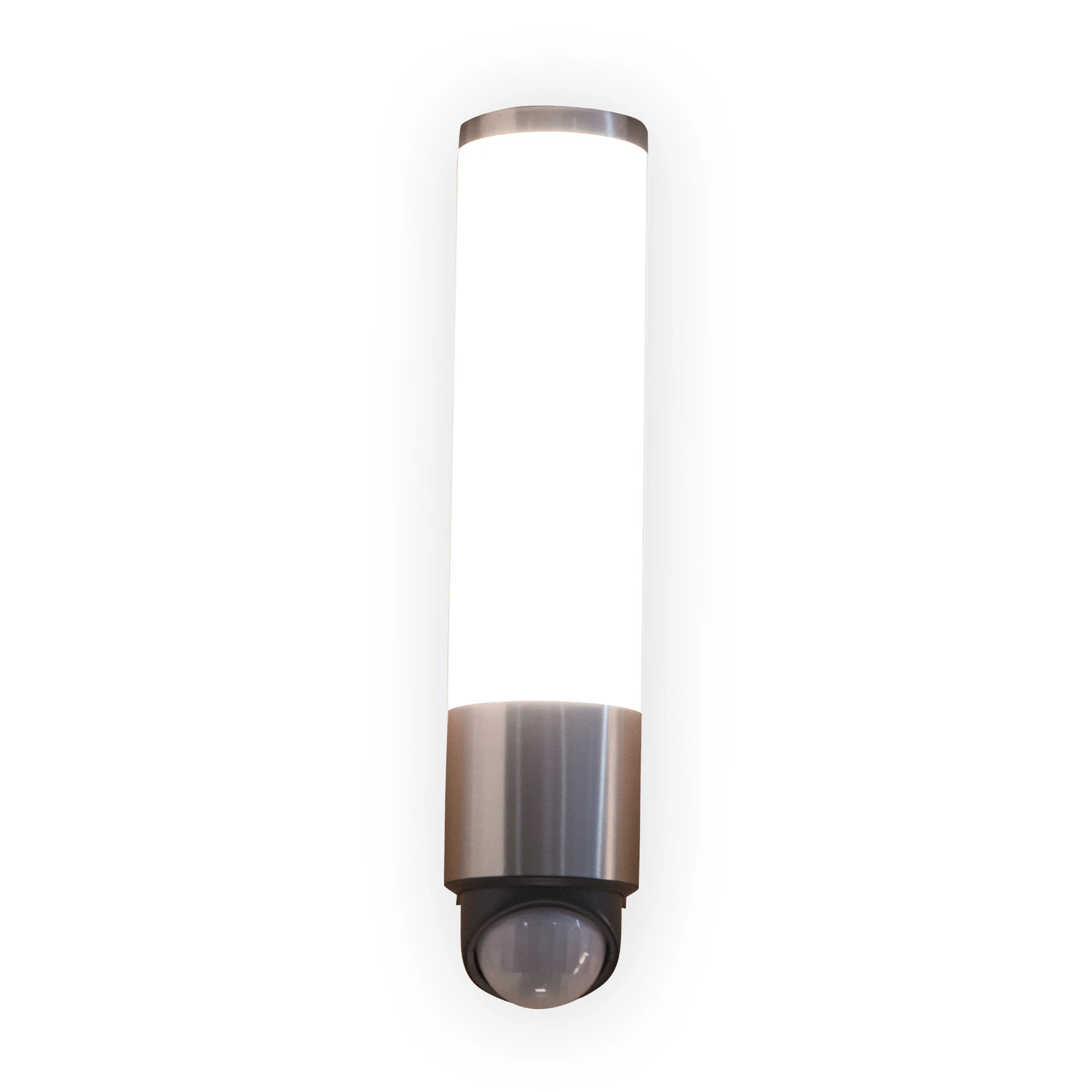
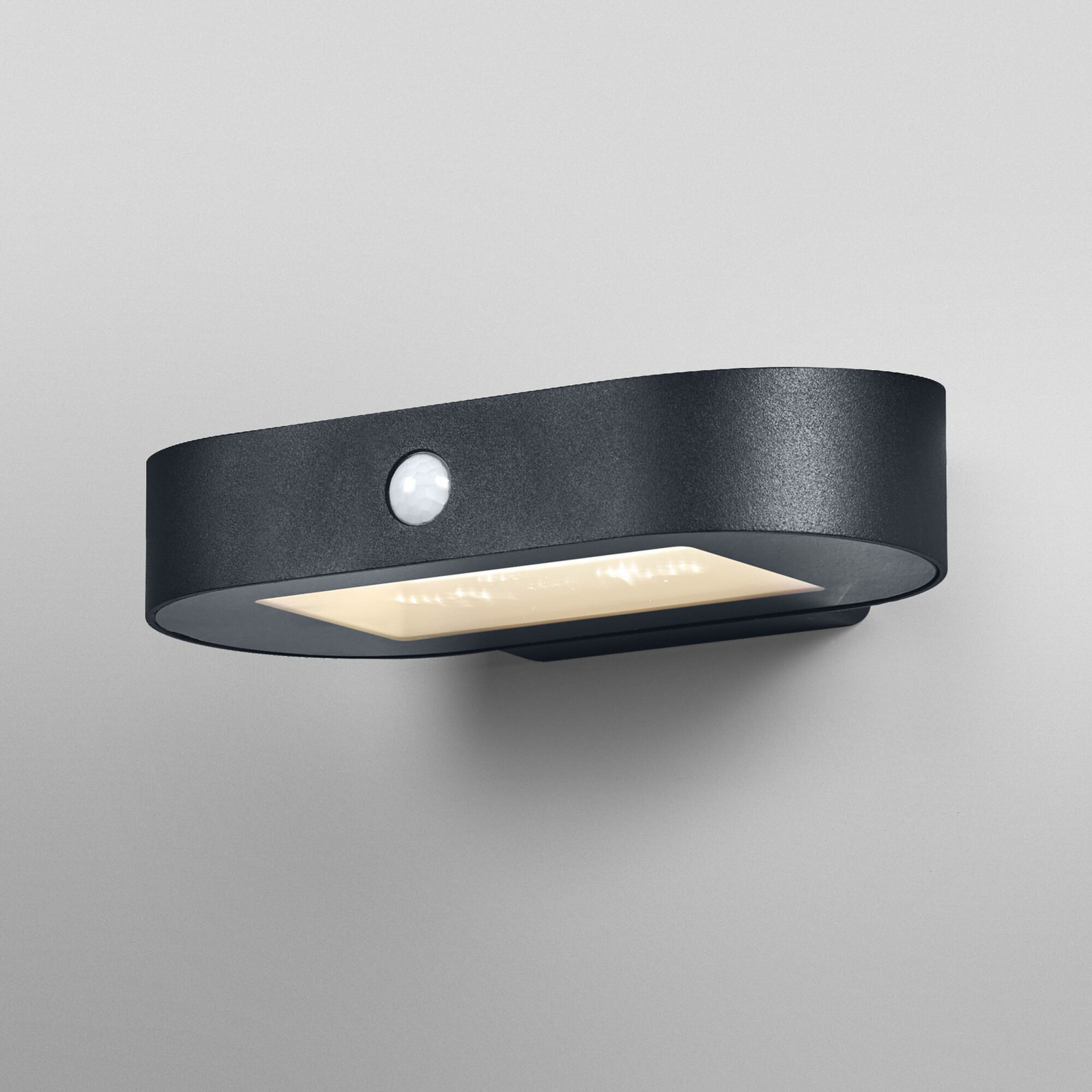
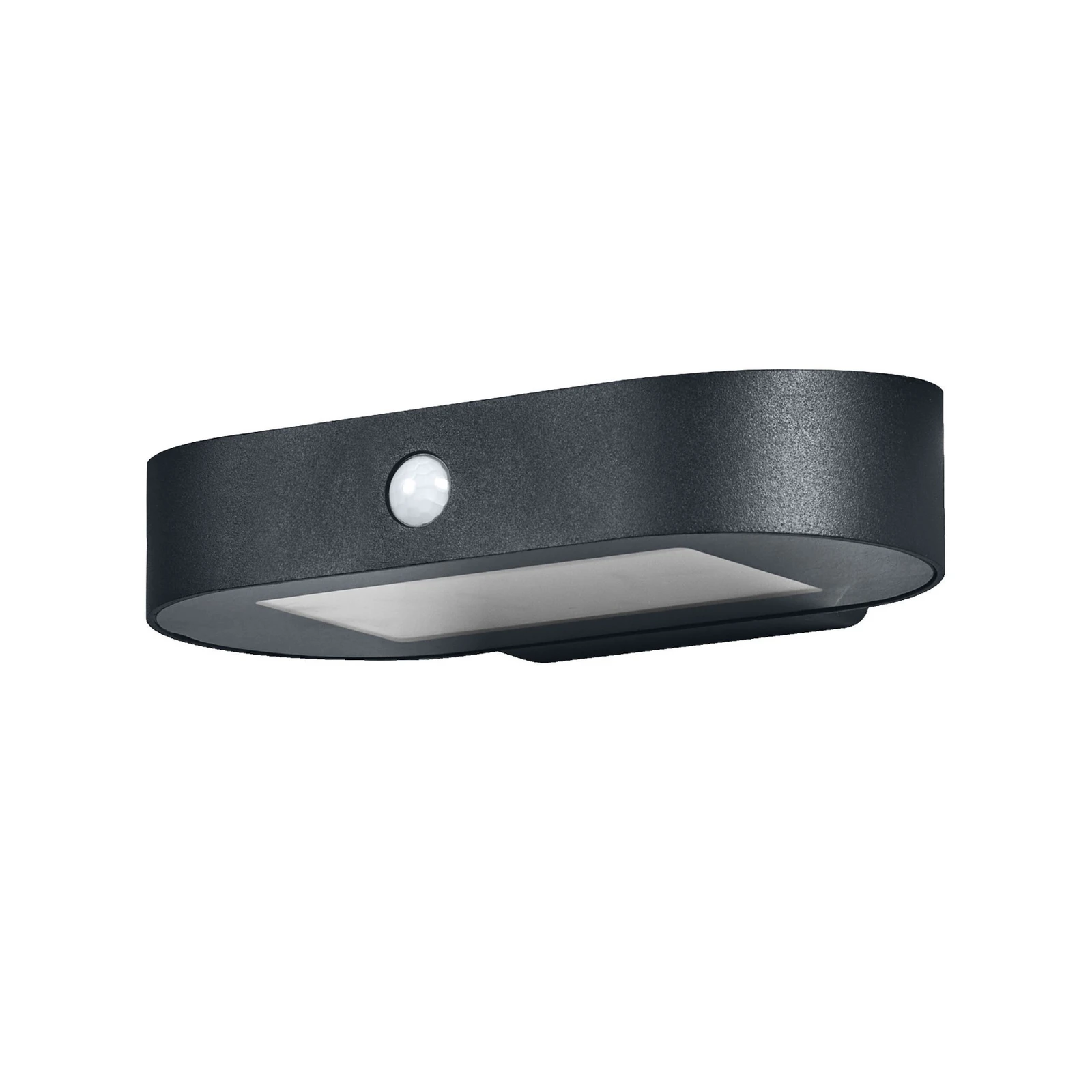
It is important that the light does not dazzle. Good outdoor luminaires direct the light downwards or to the side. This creates pleasant lighting with a clear effect. A motion detector can also be useful if light is only to be activated when required. This saves electricity and increases convenience.
Harmoniously combine fence and wall with LED lighting
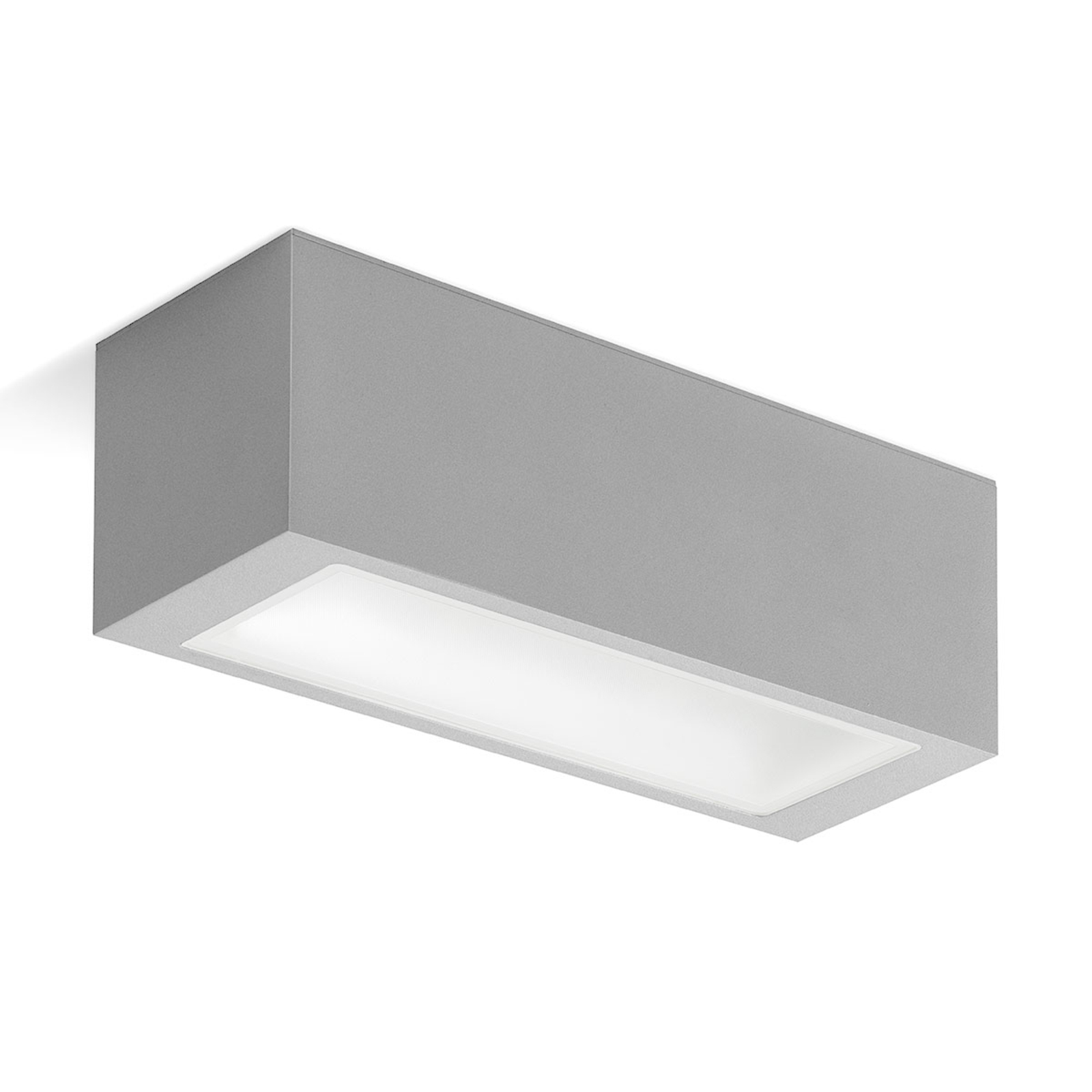
LED fence lighting is the obvious choice for many applications. LEDs are energy-saving, have a long service life and are available in various light colours. Many models are also dimmable or can be integrated into a smart control system. When comparing products, you should pay attention to information on lumen, light distribution and suitability for outdoor use.
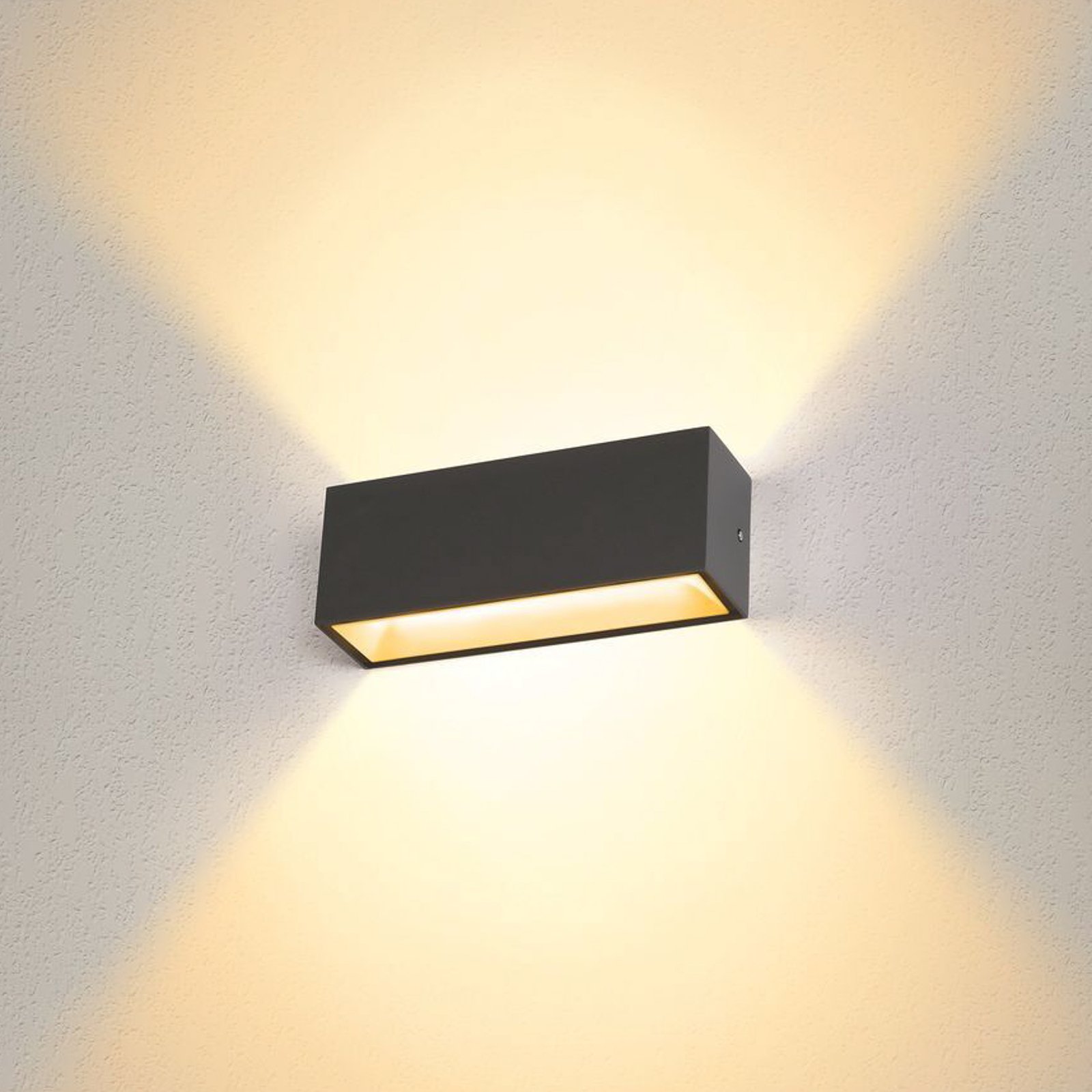
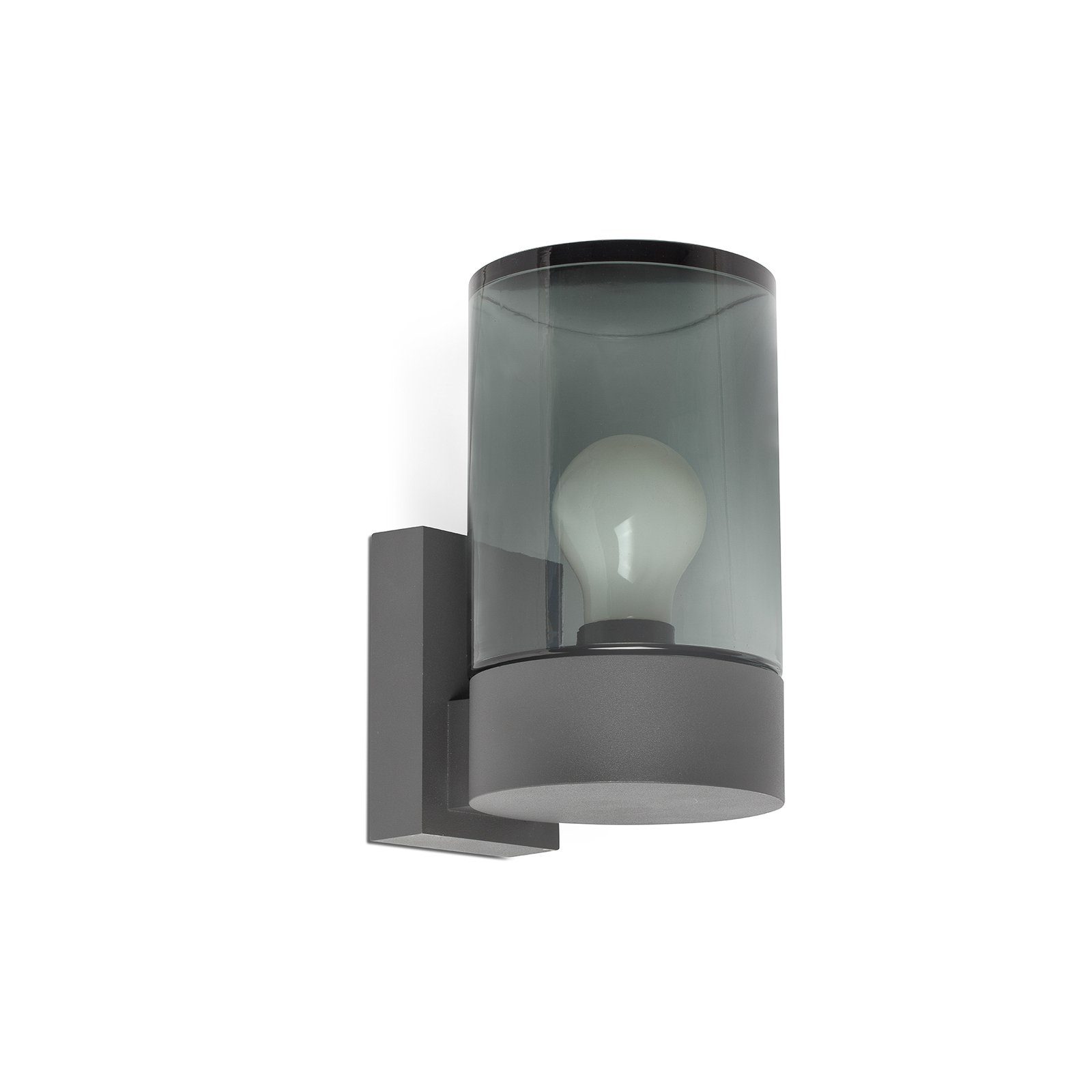
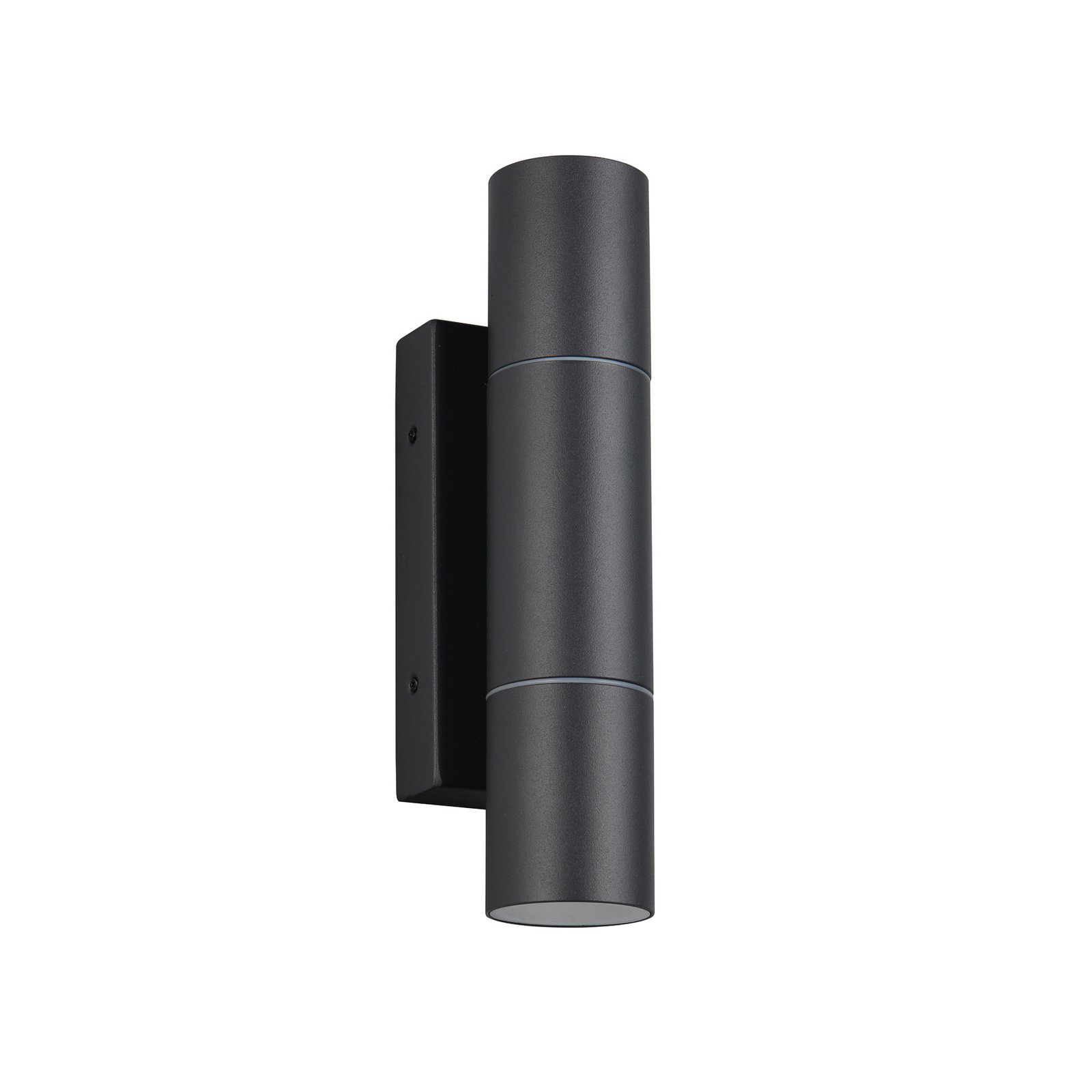
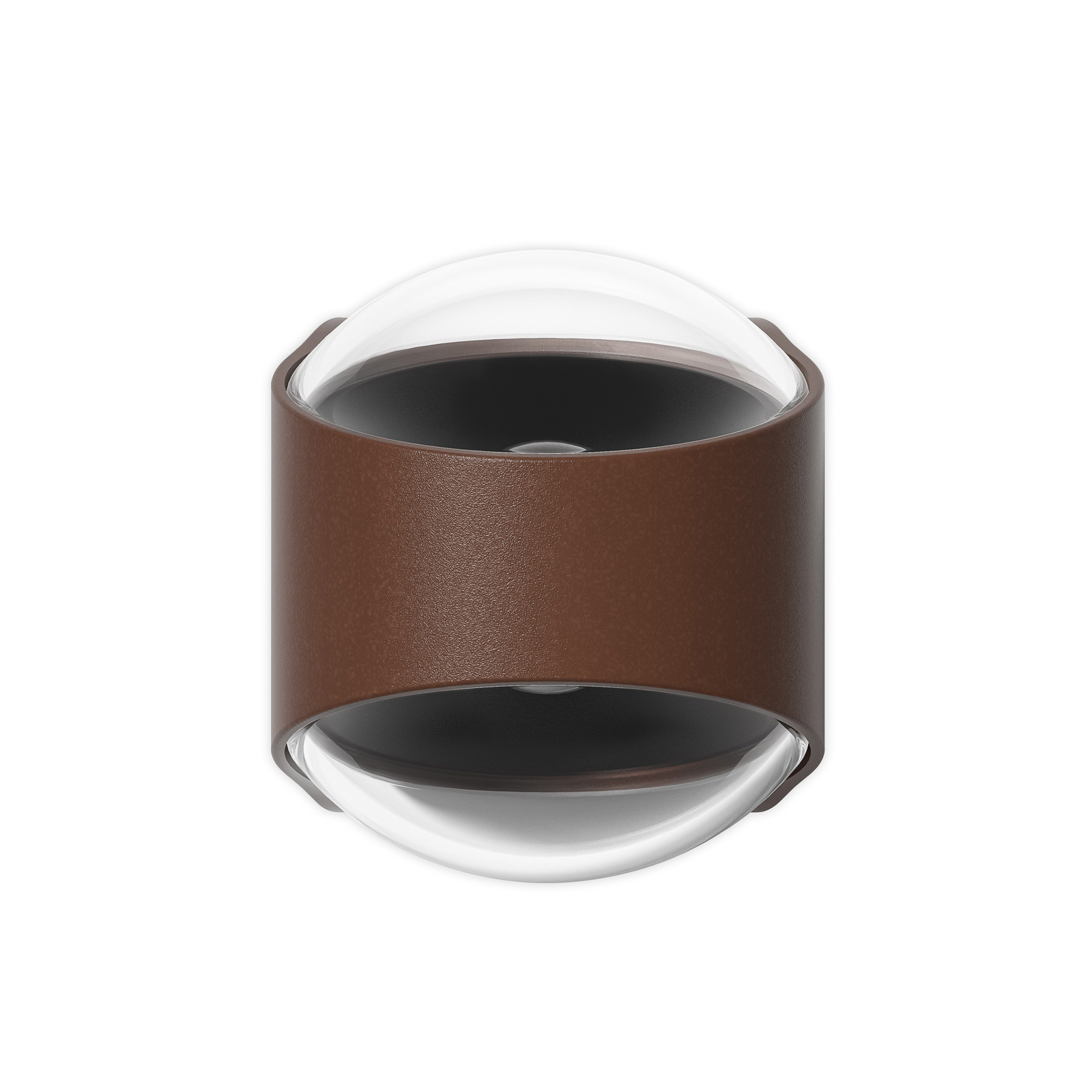
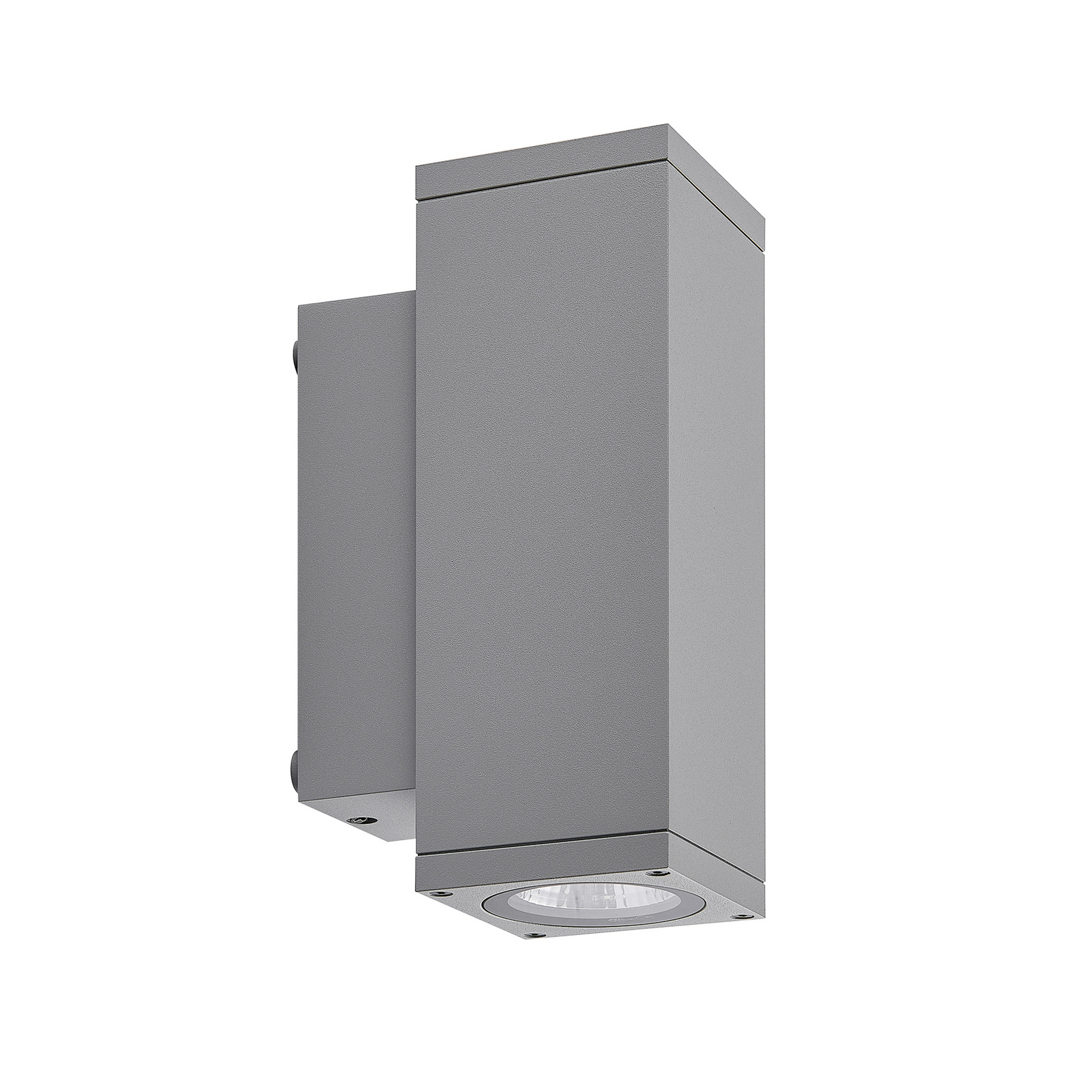
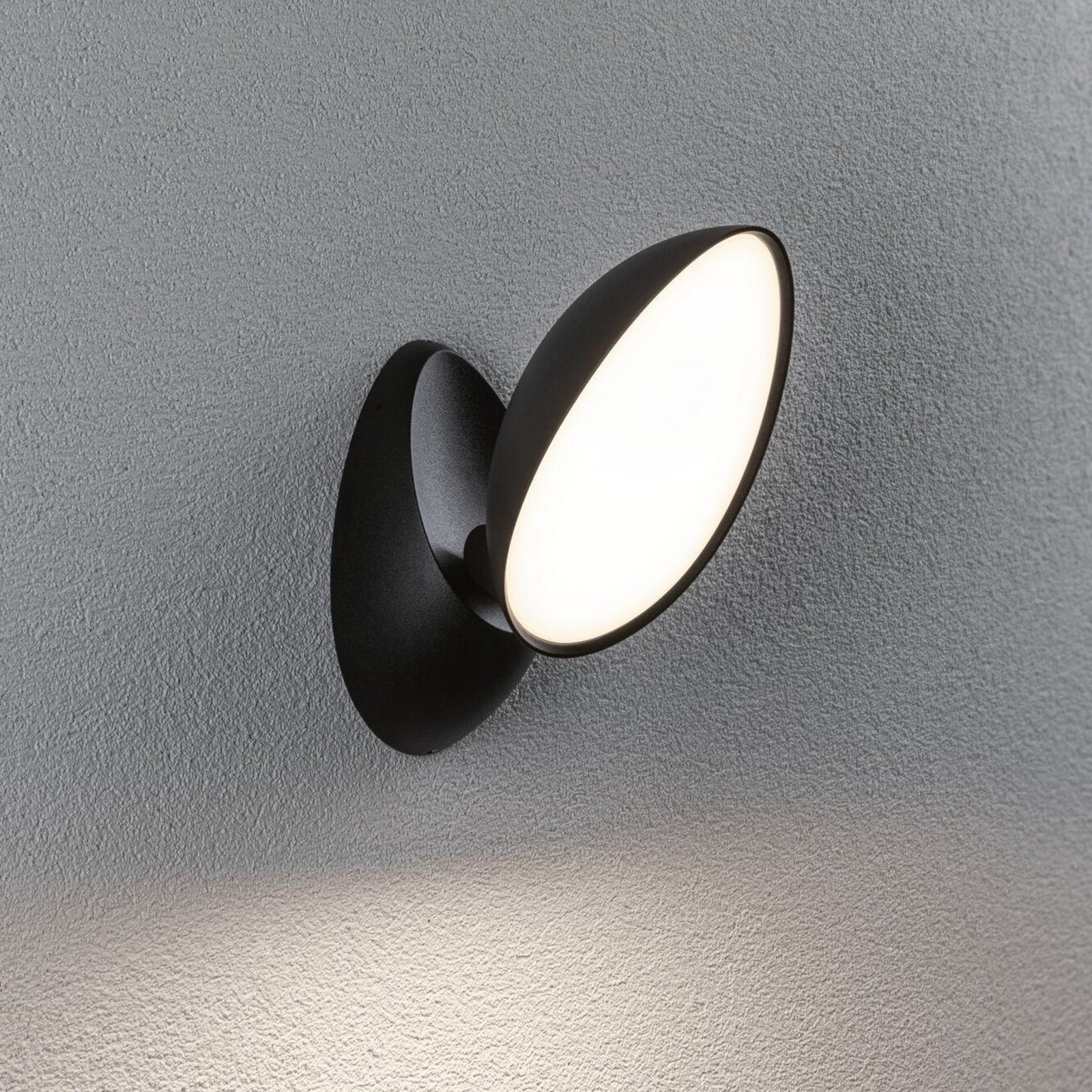
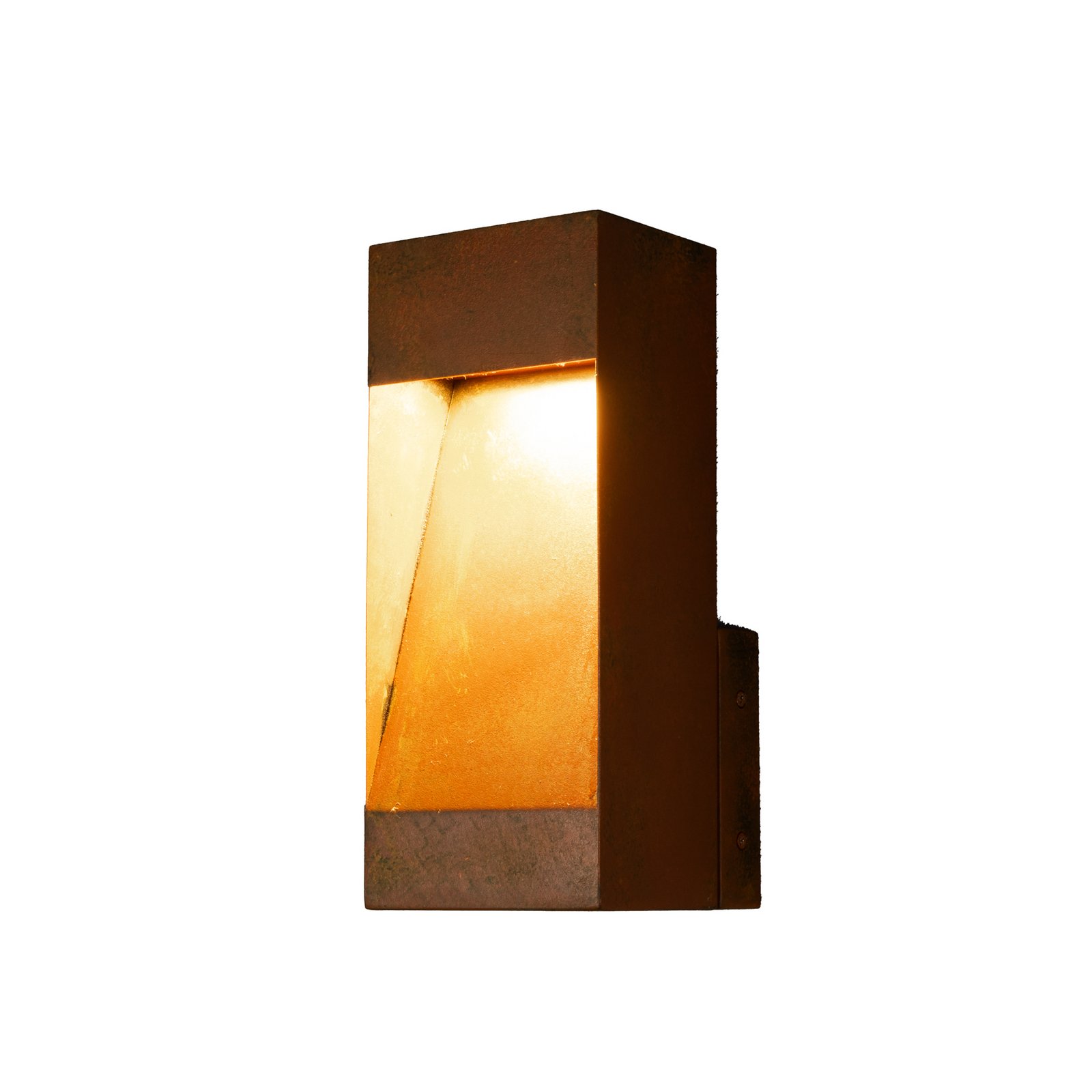
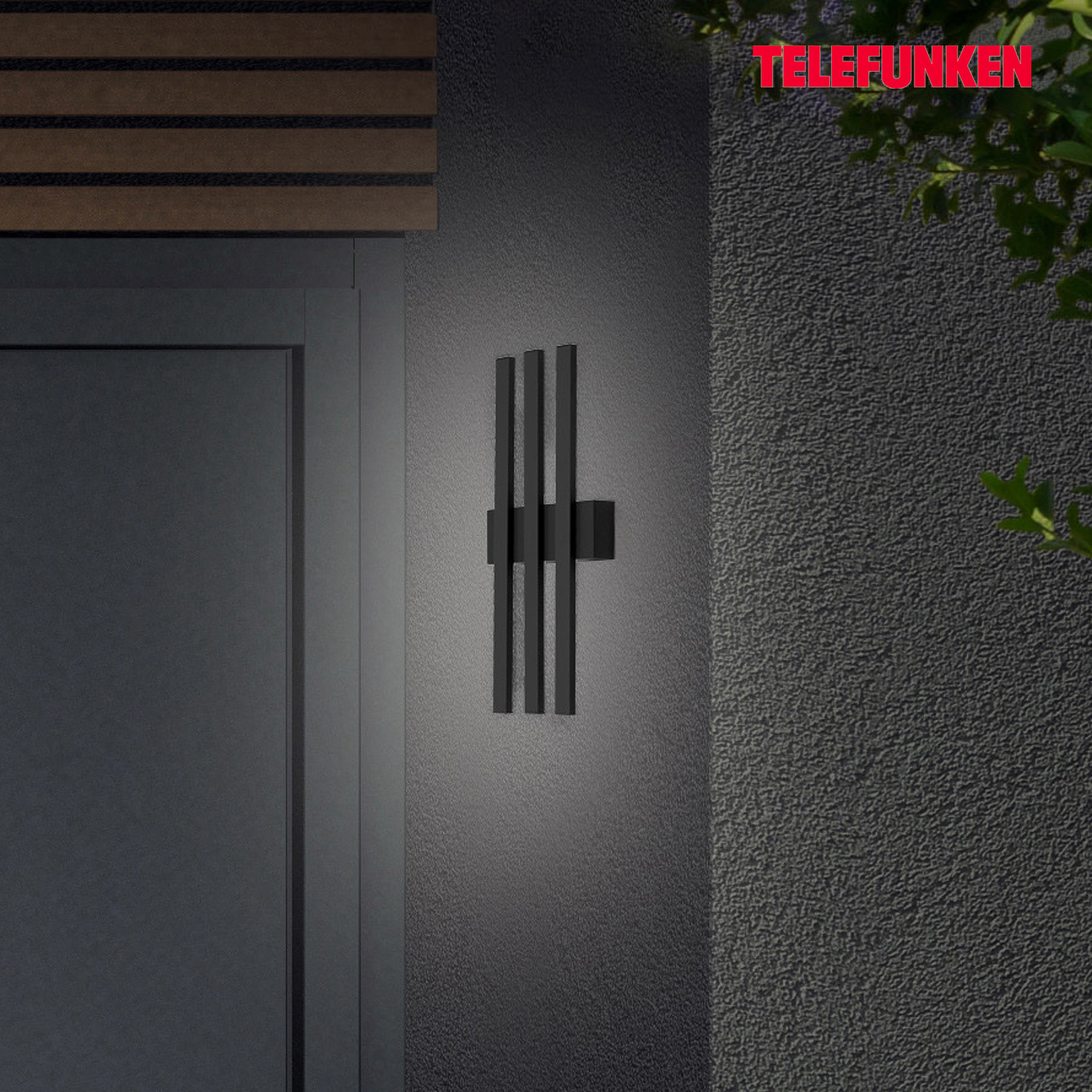
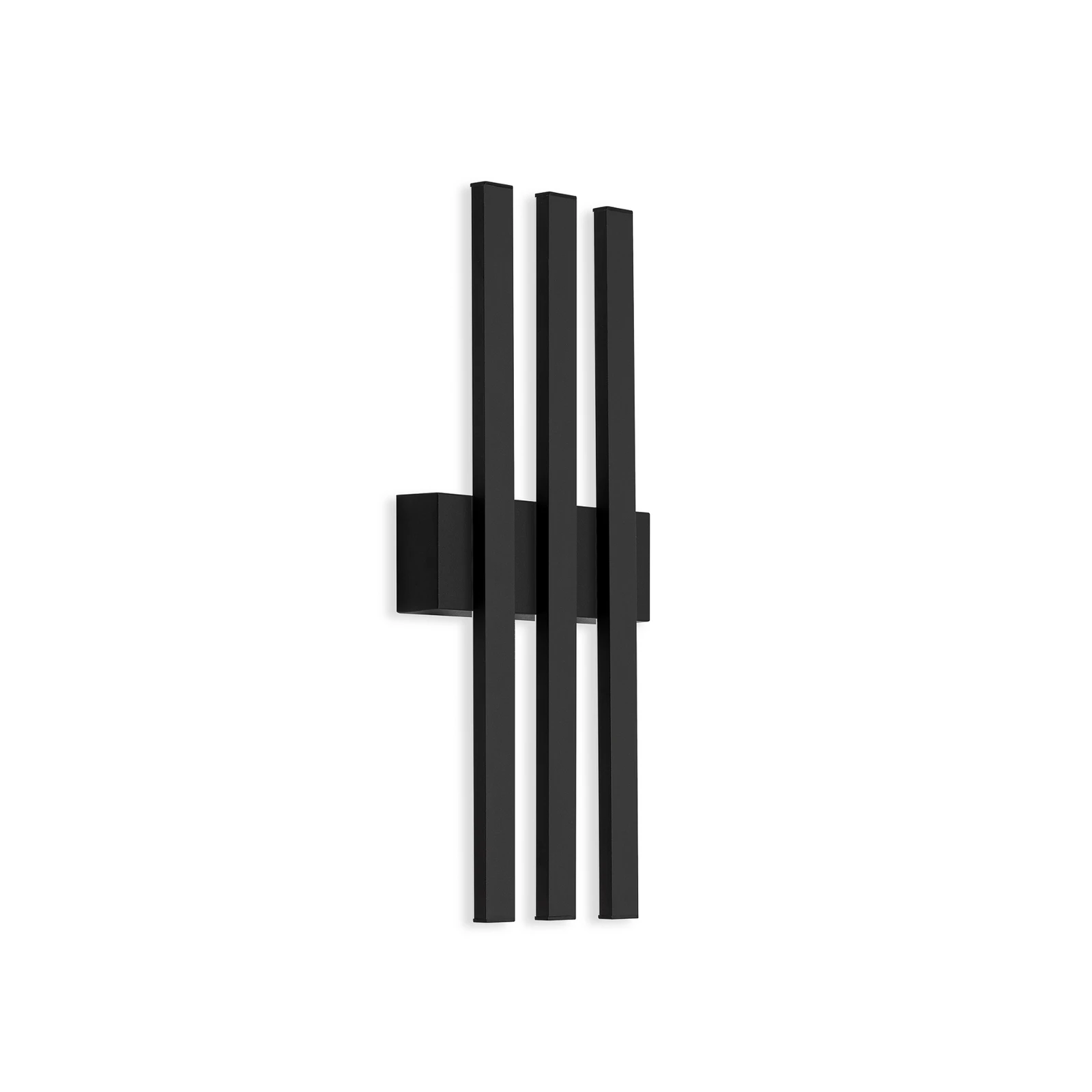
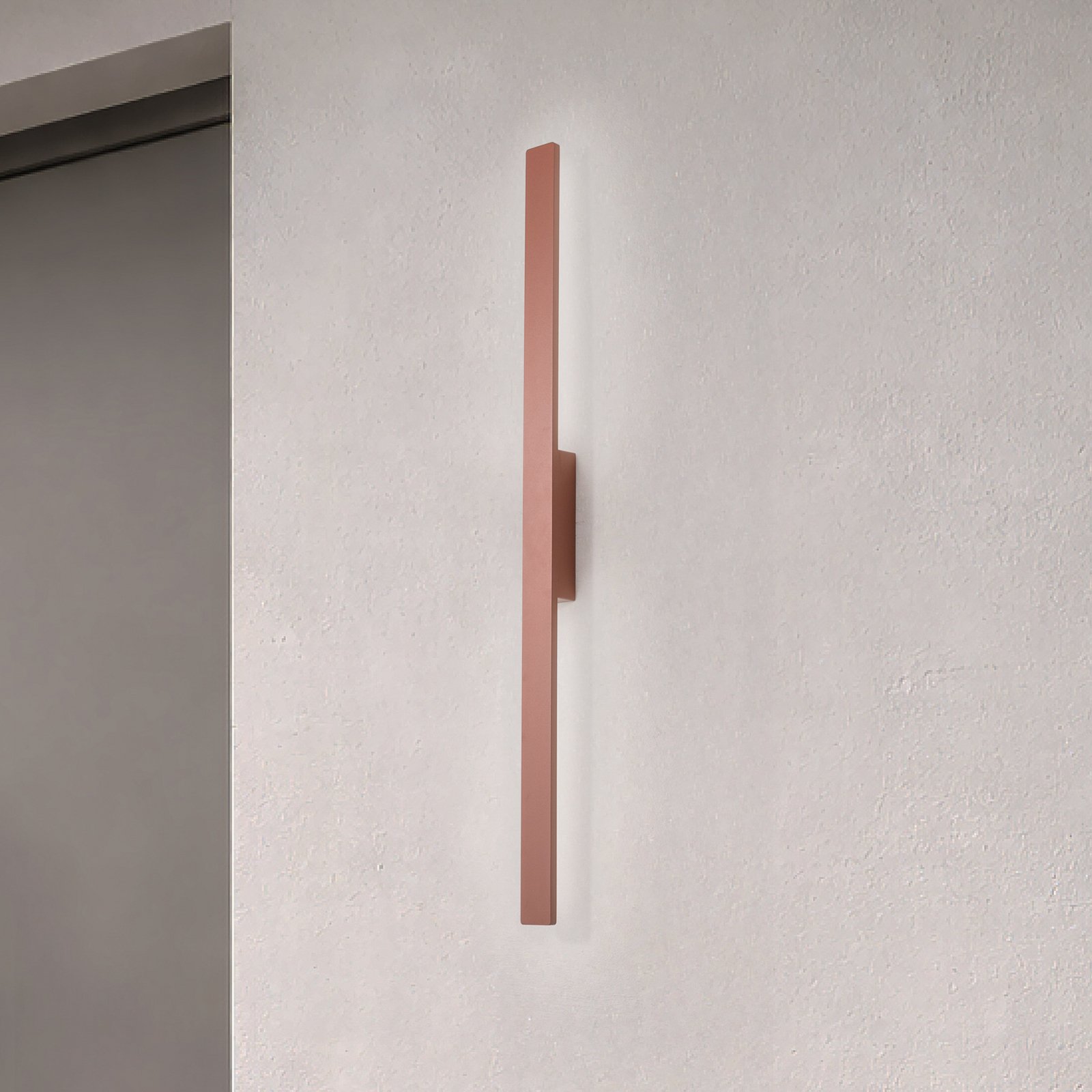
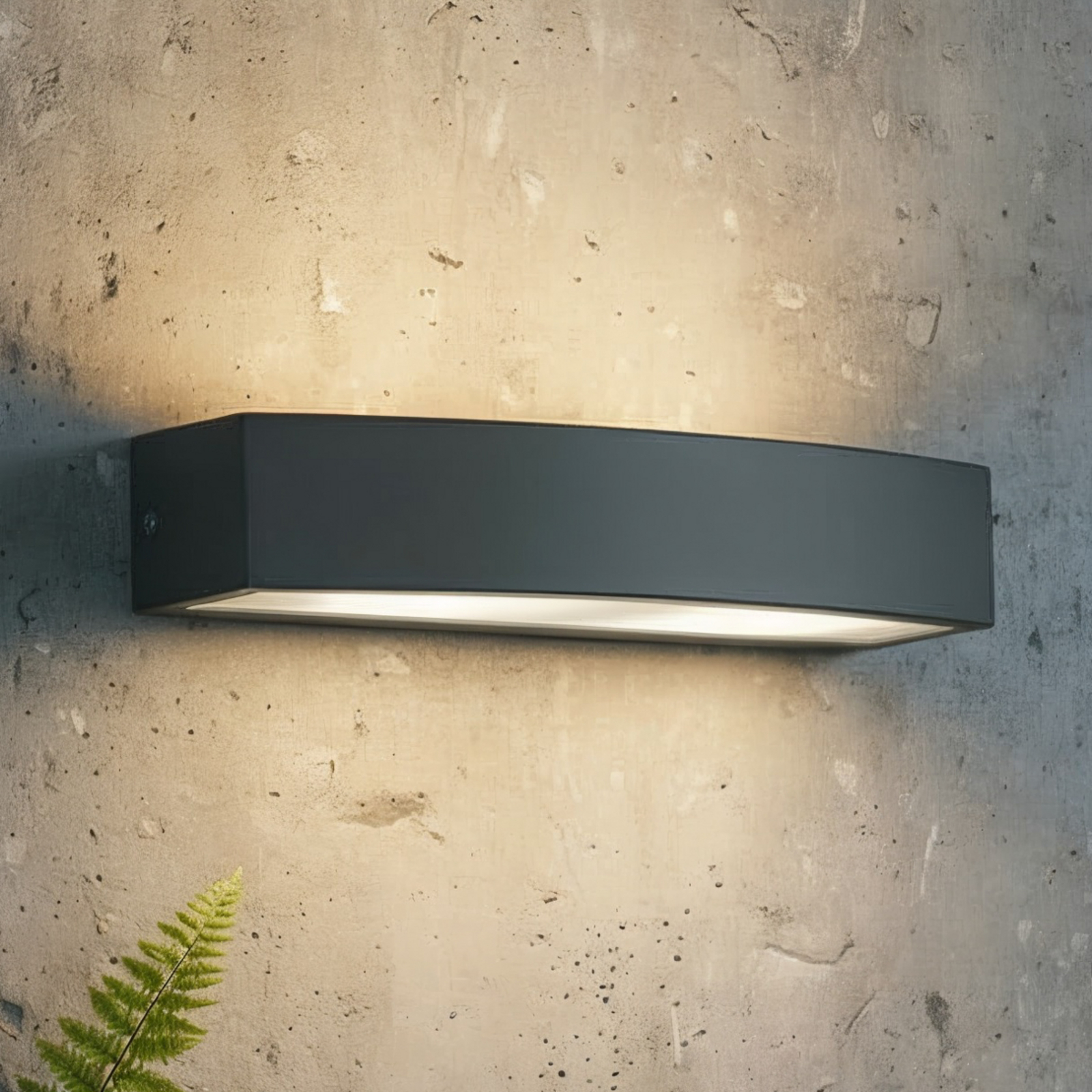
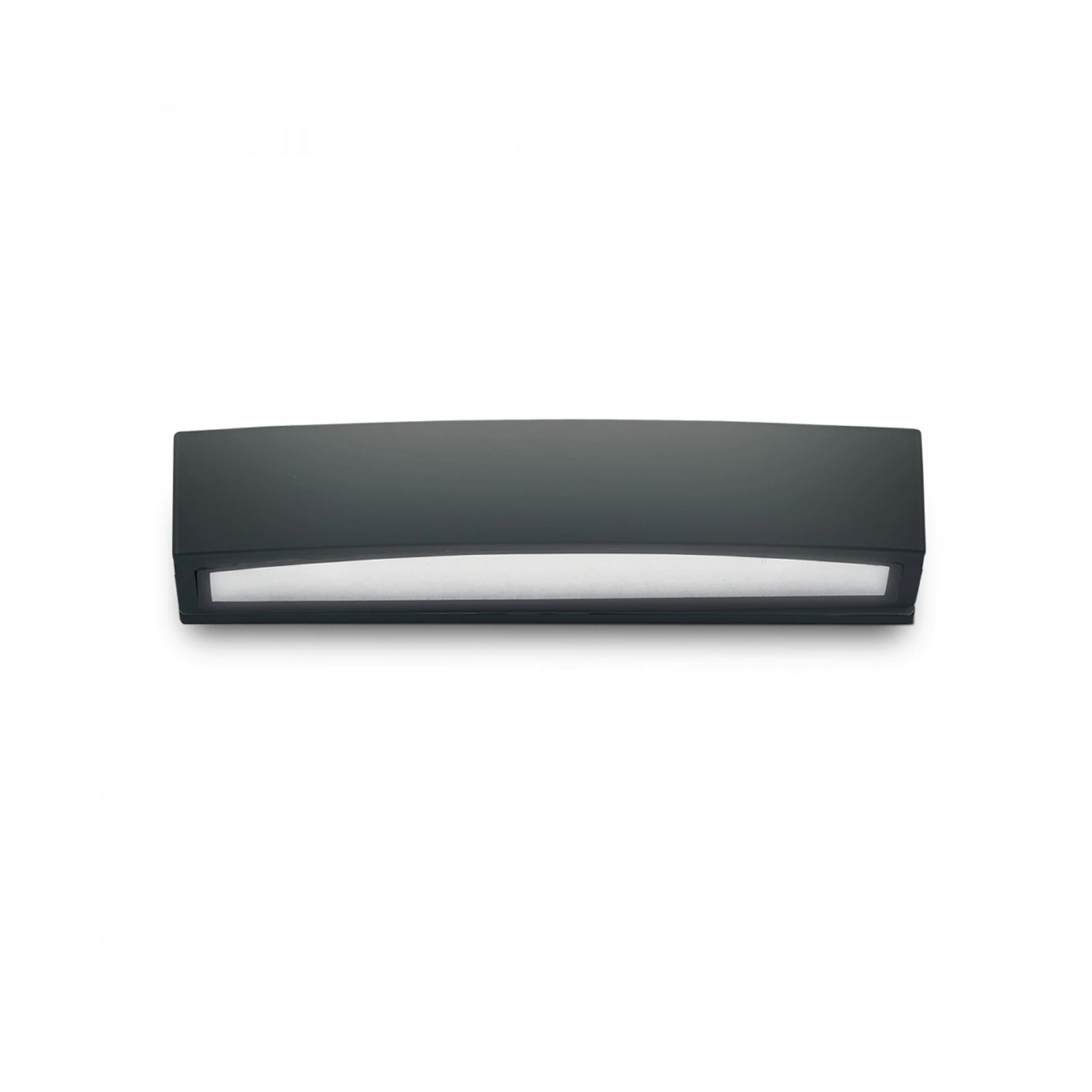
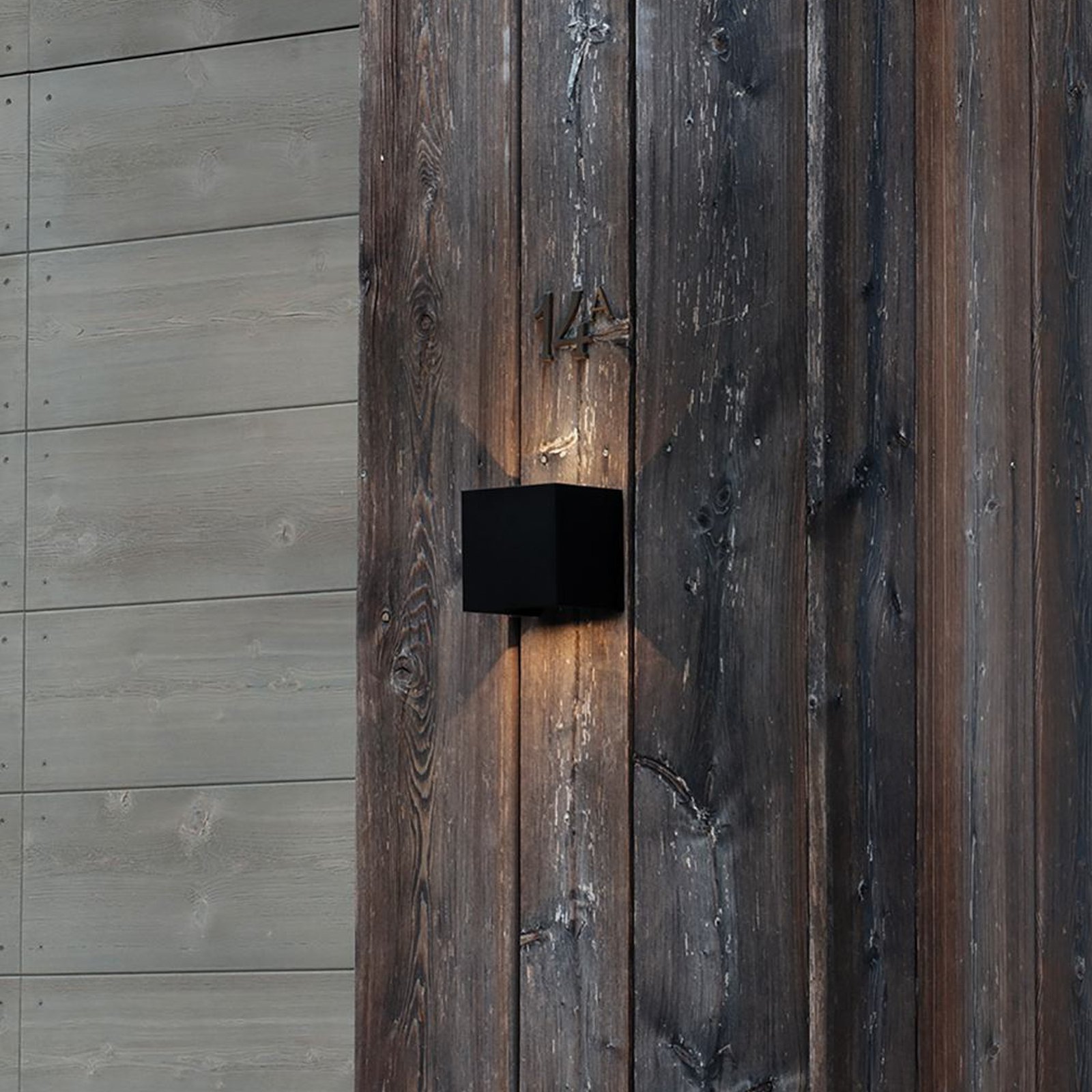
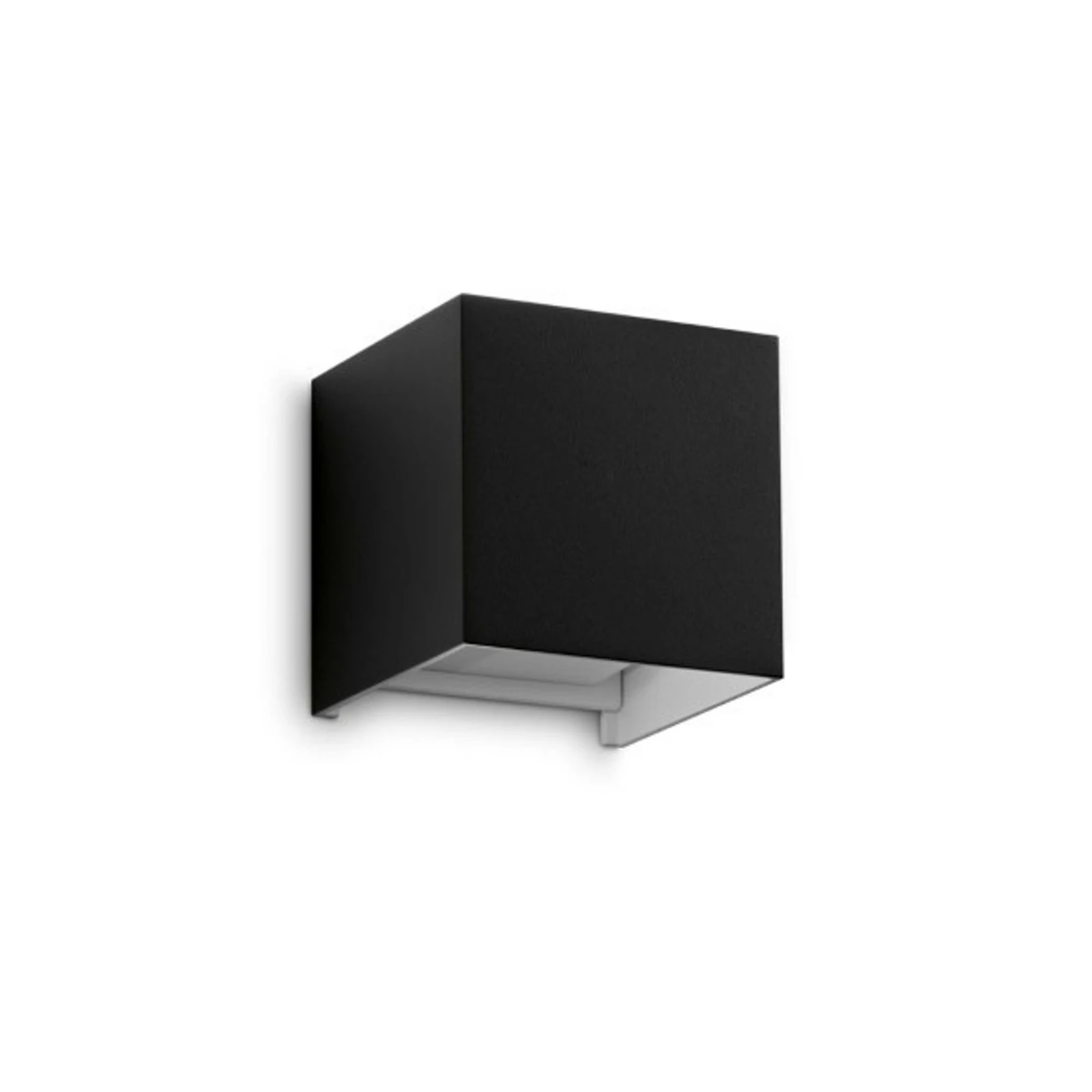
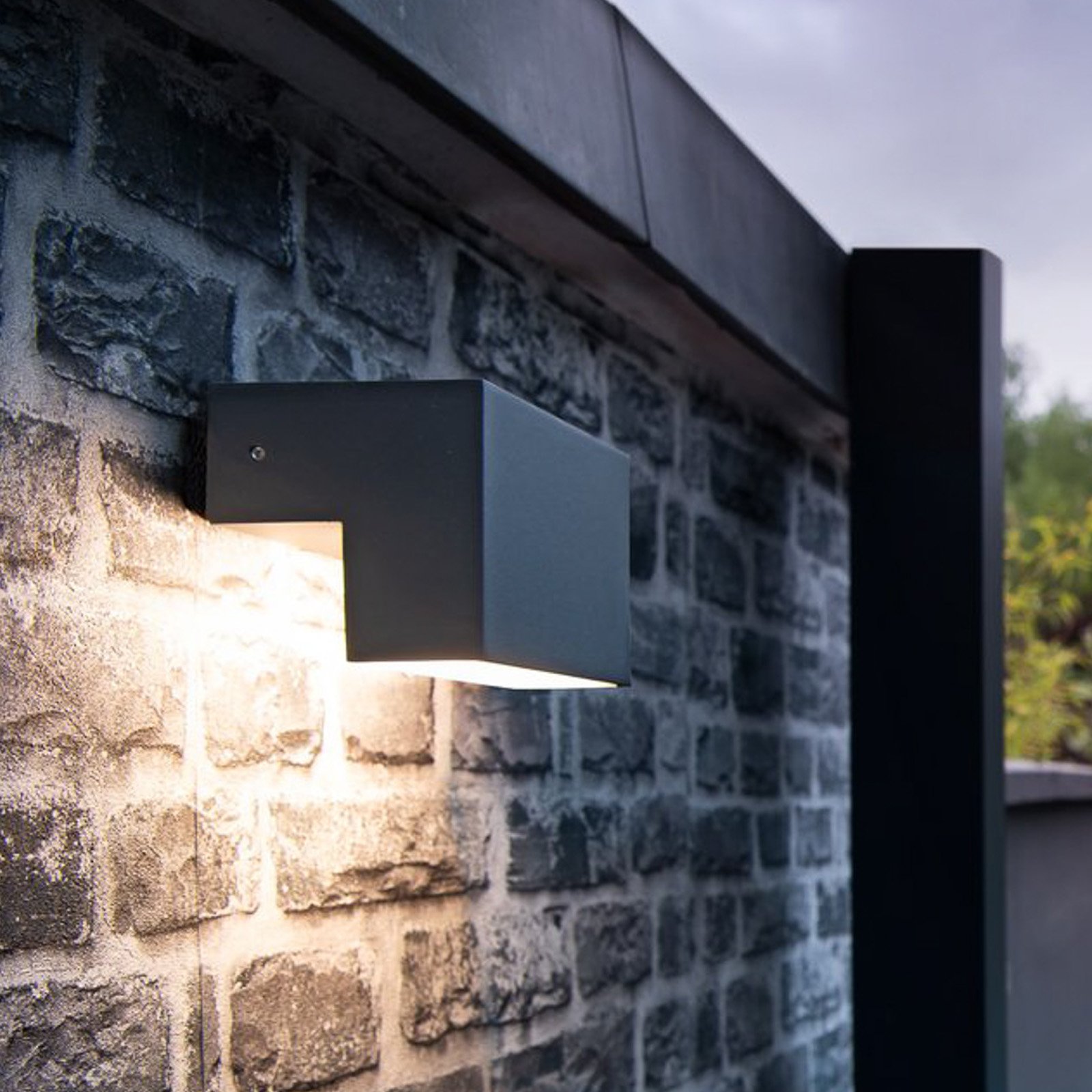
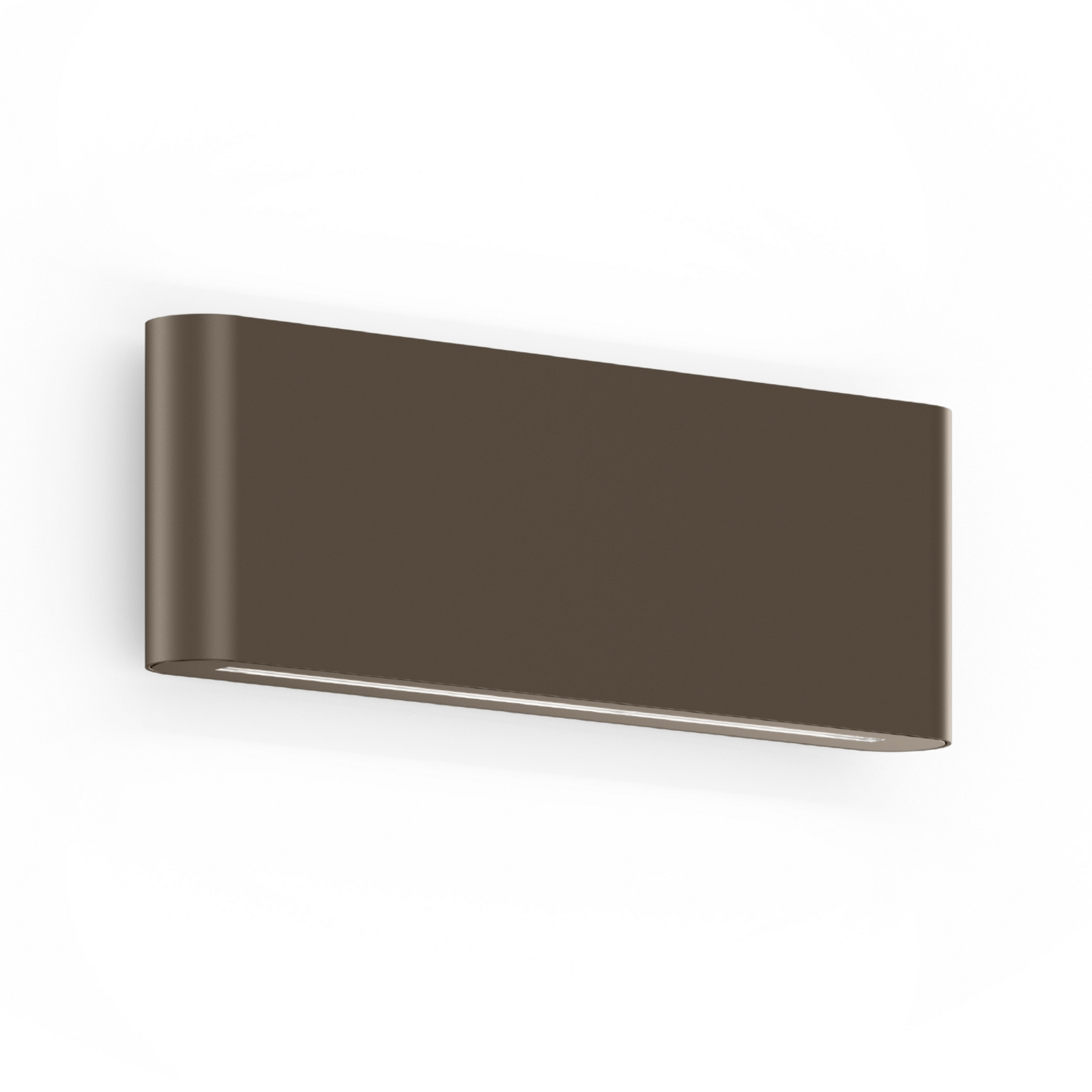
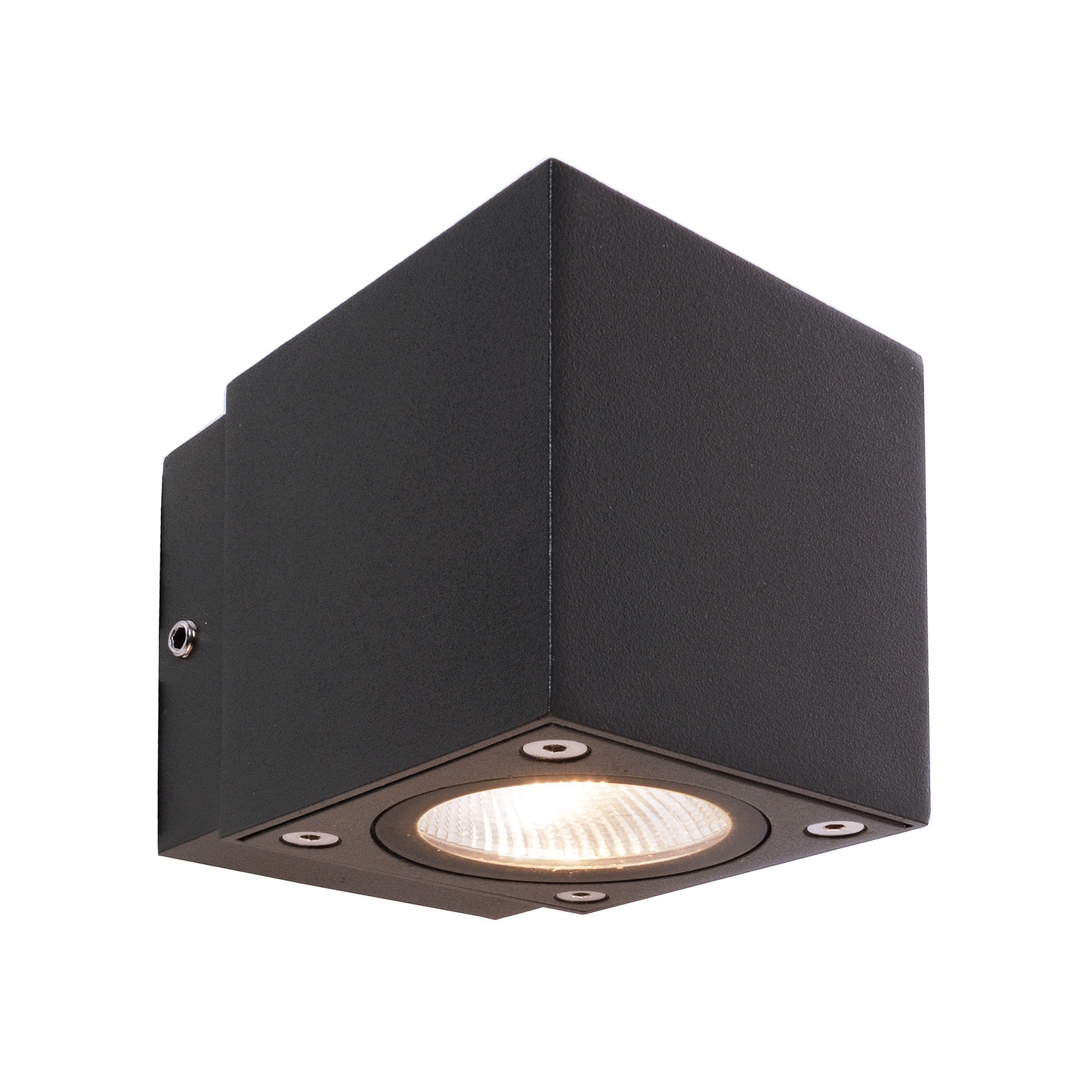
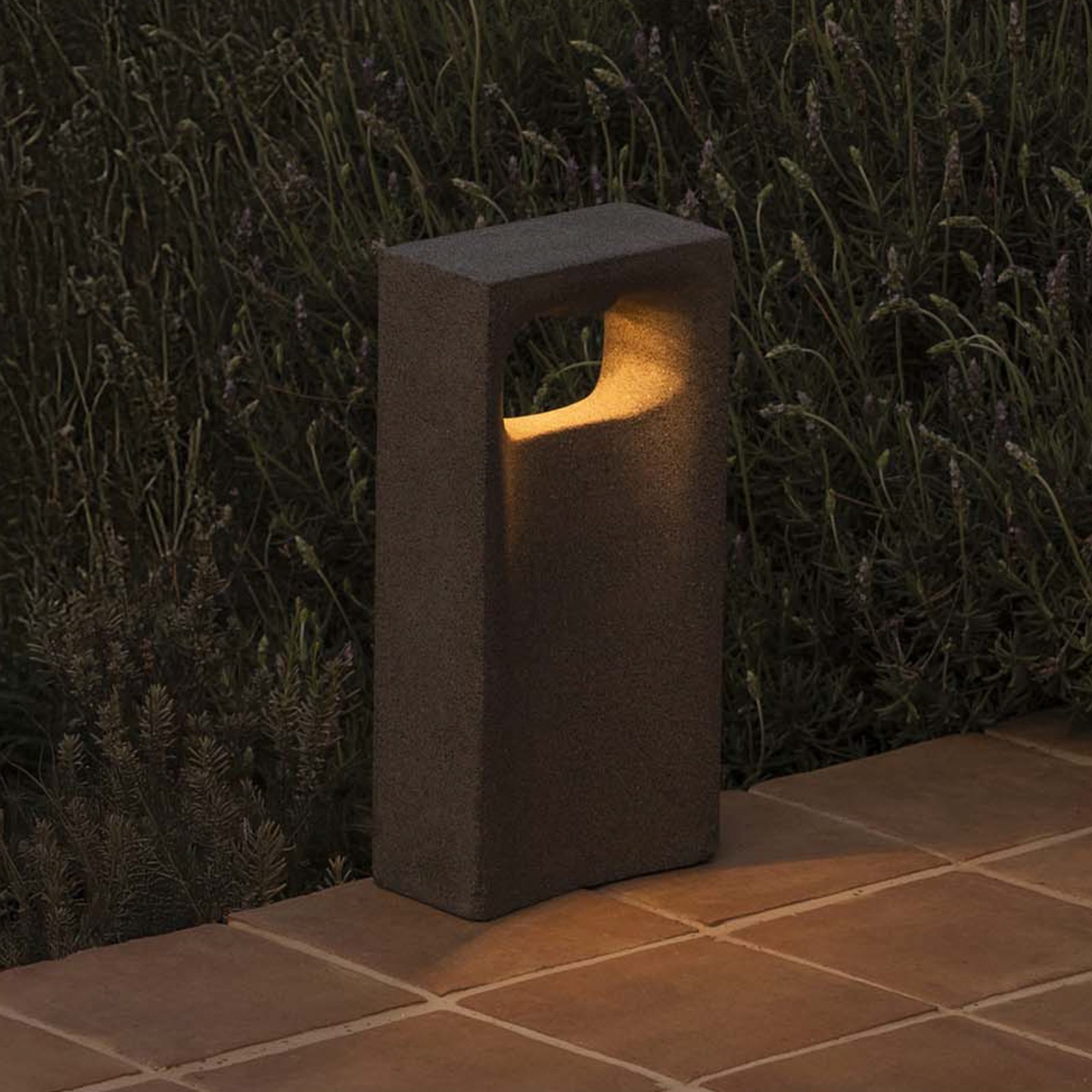
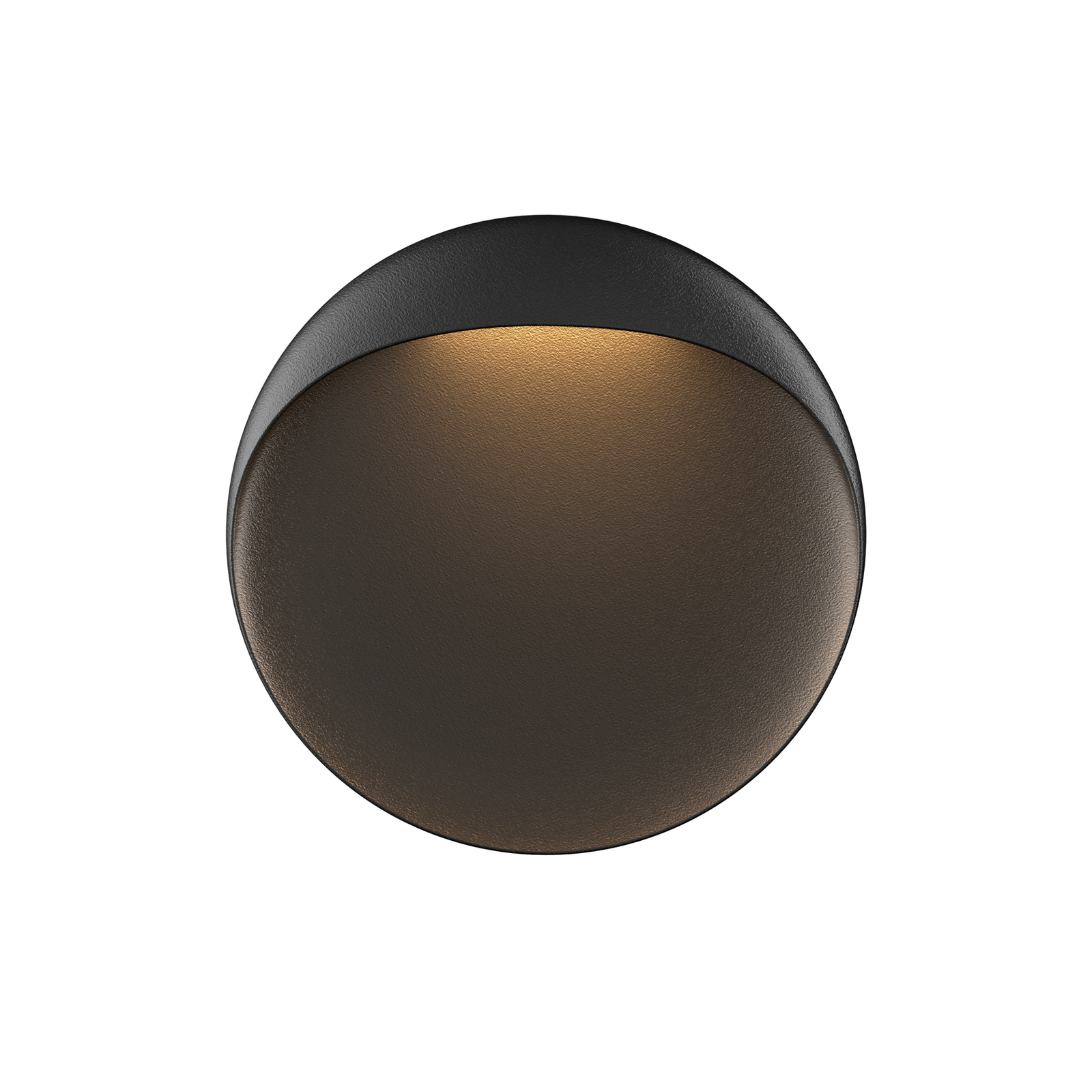
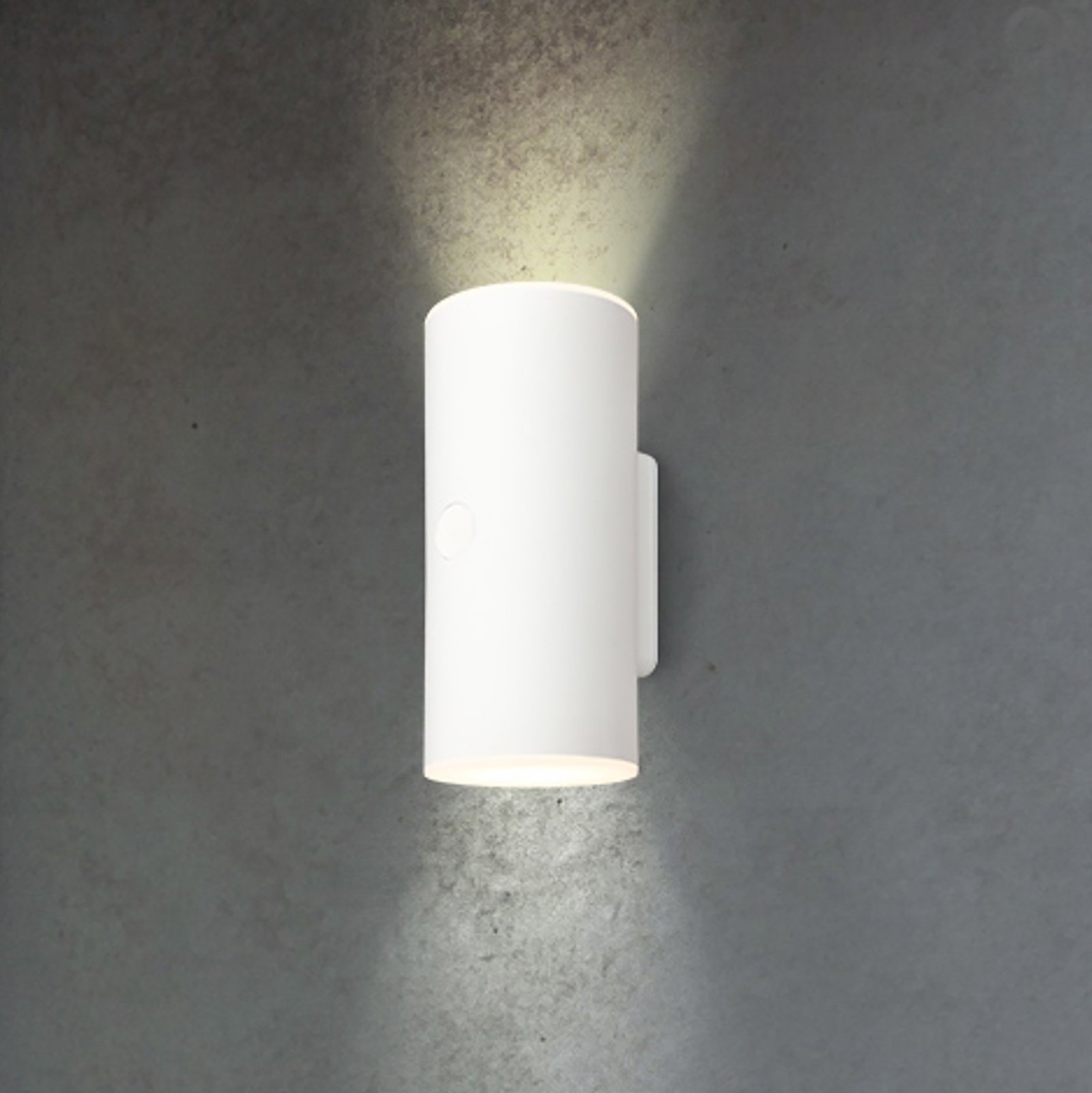
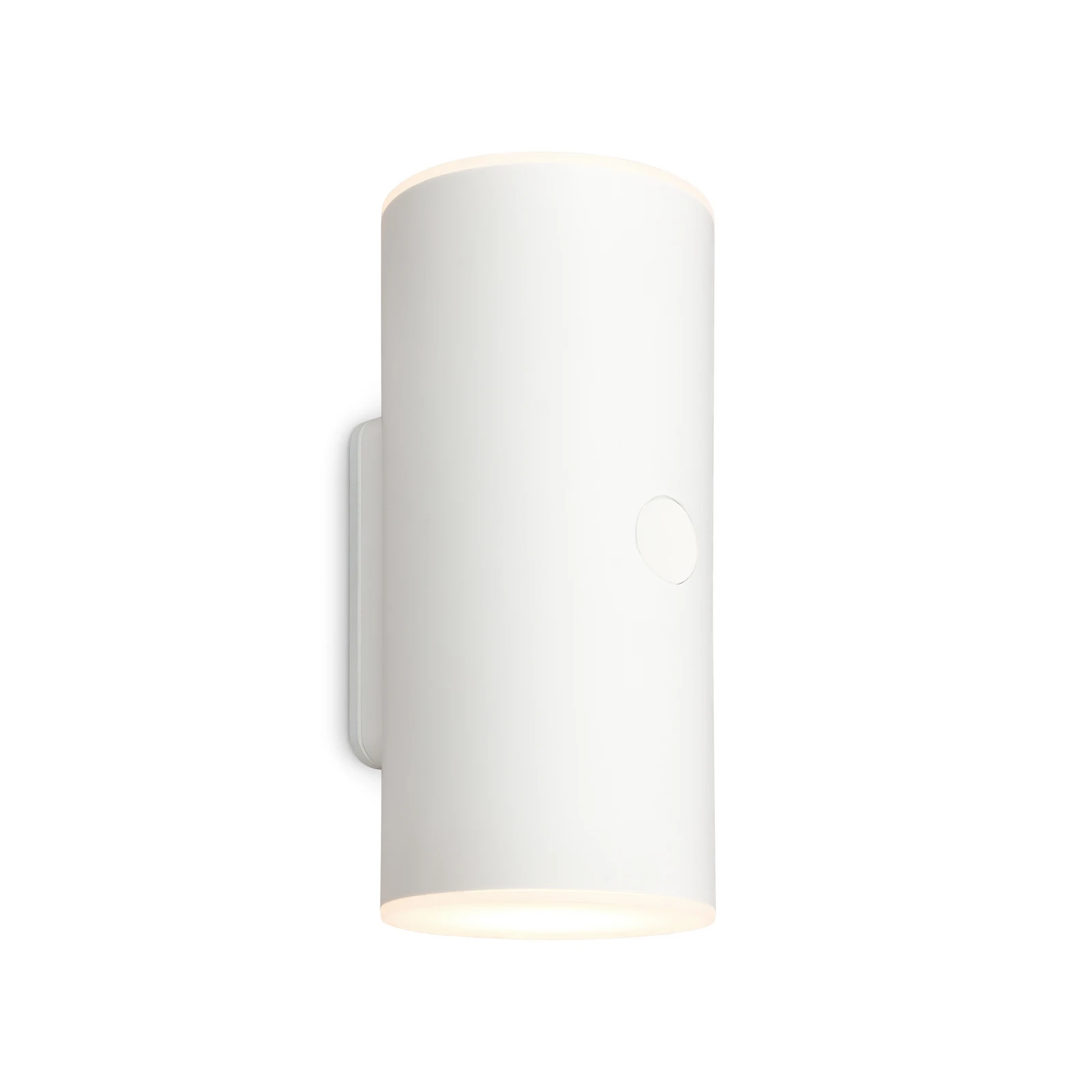
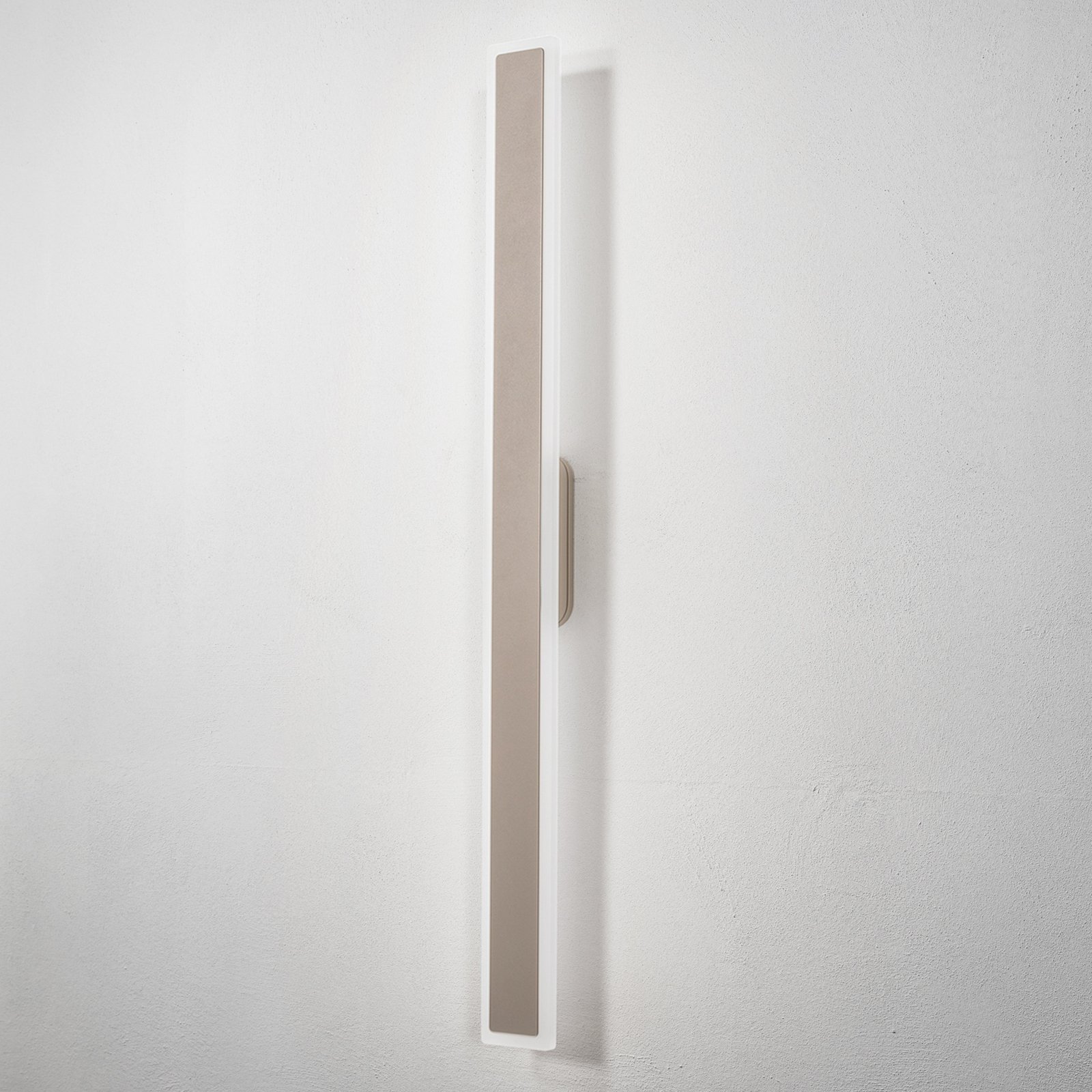
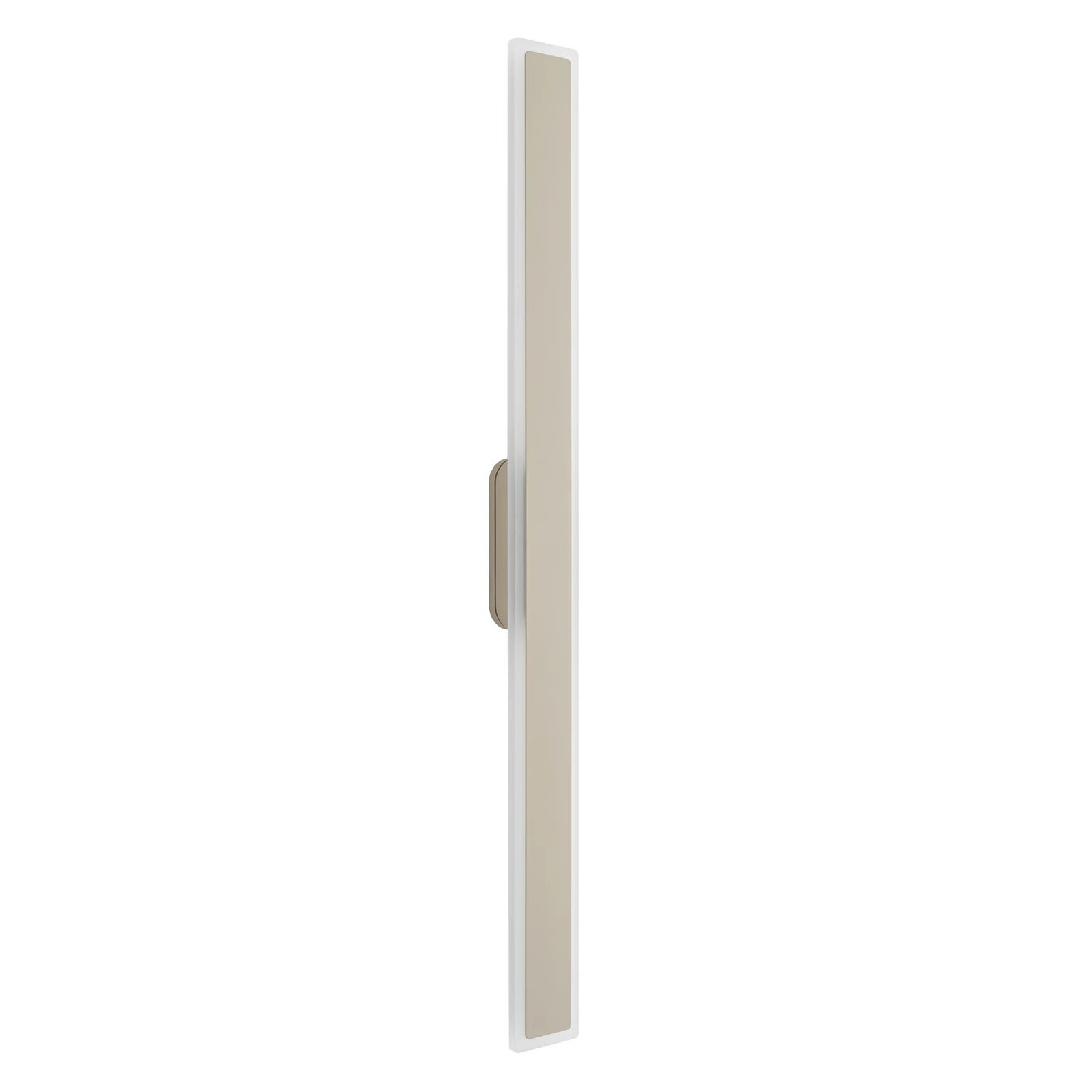
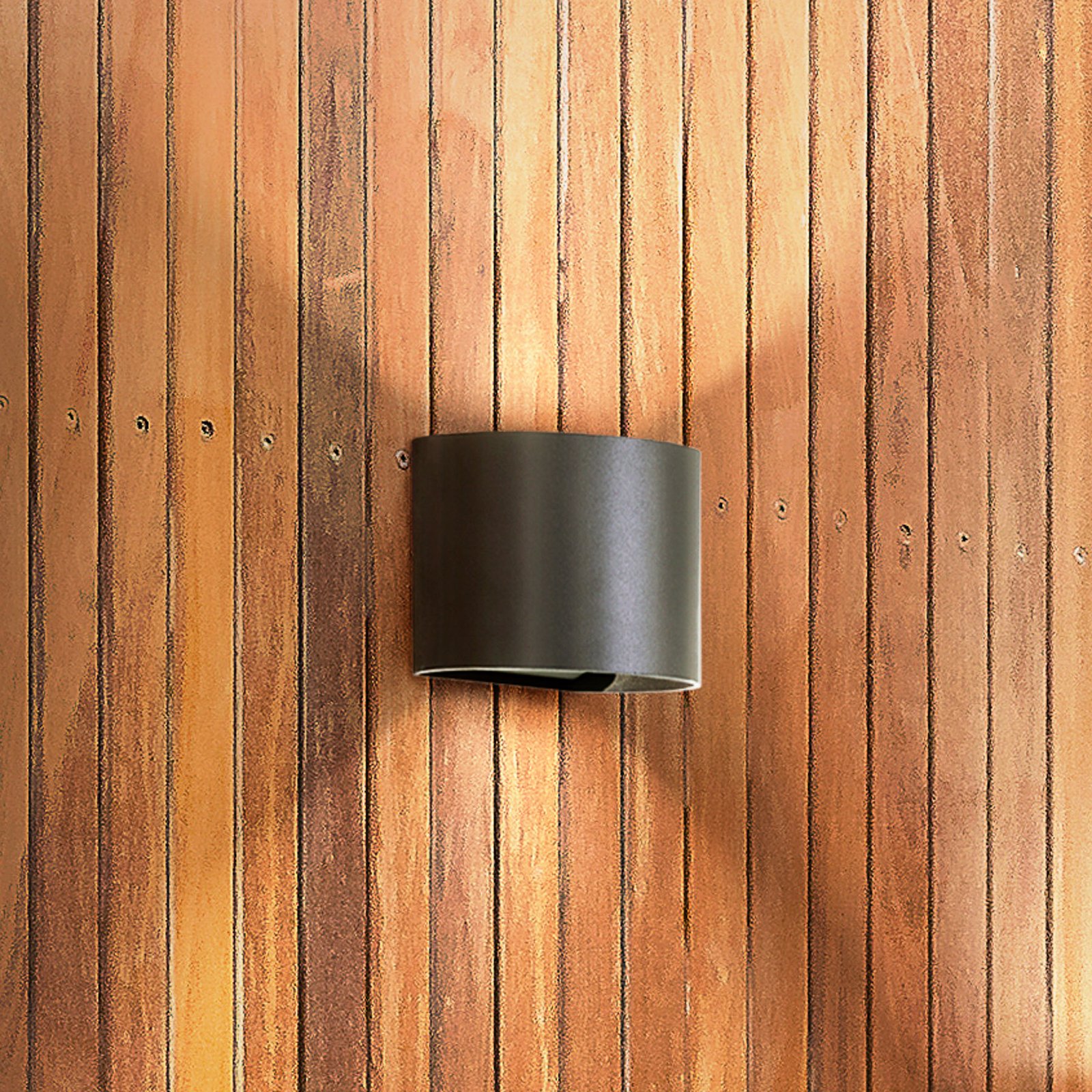
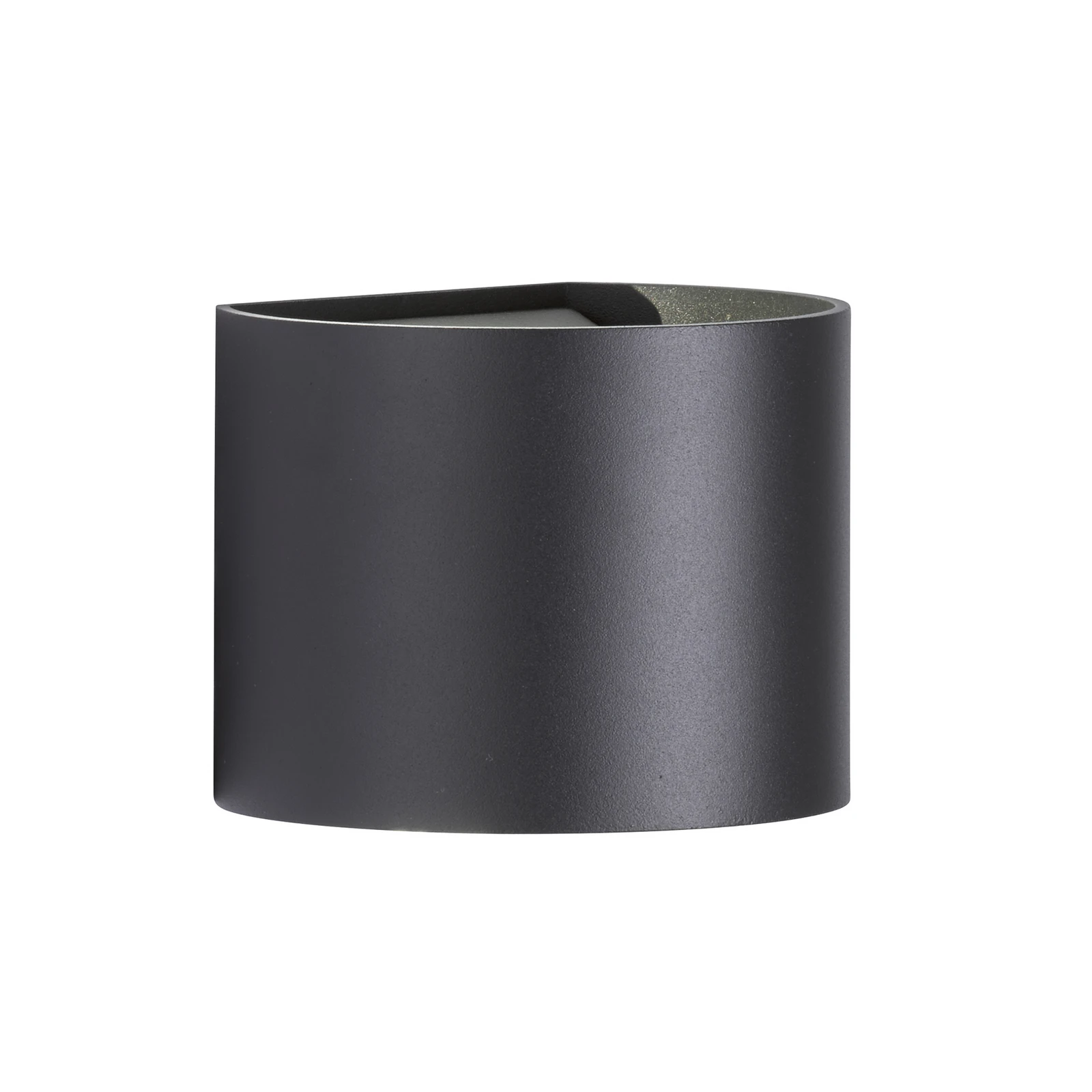
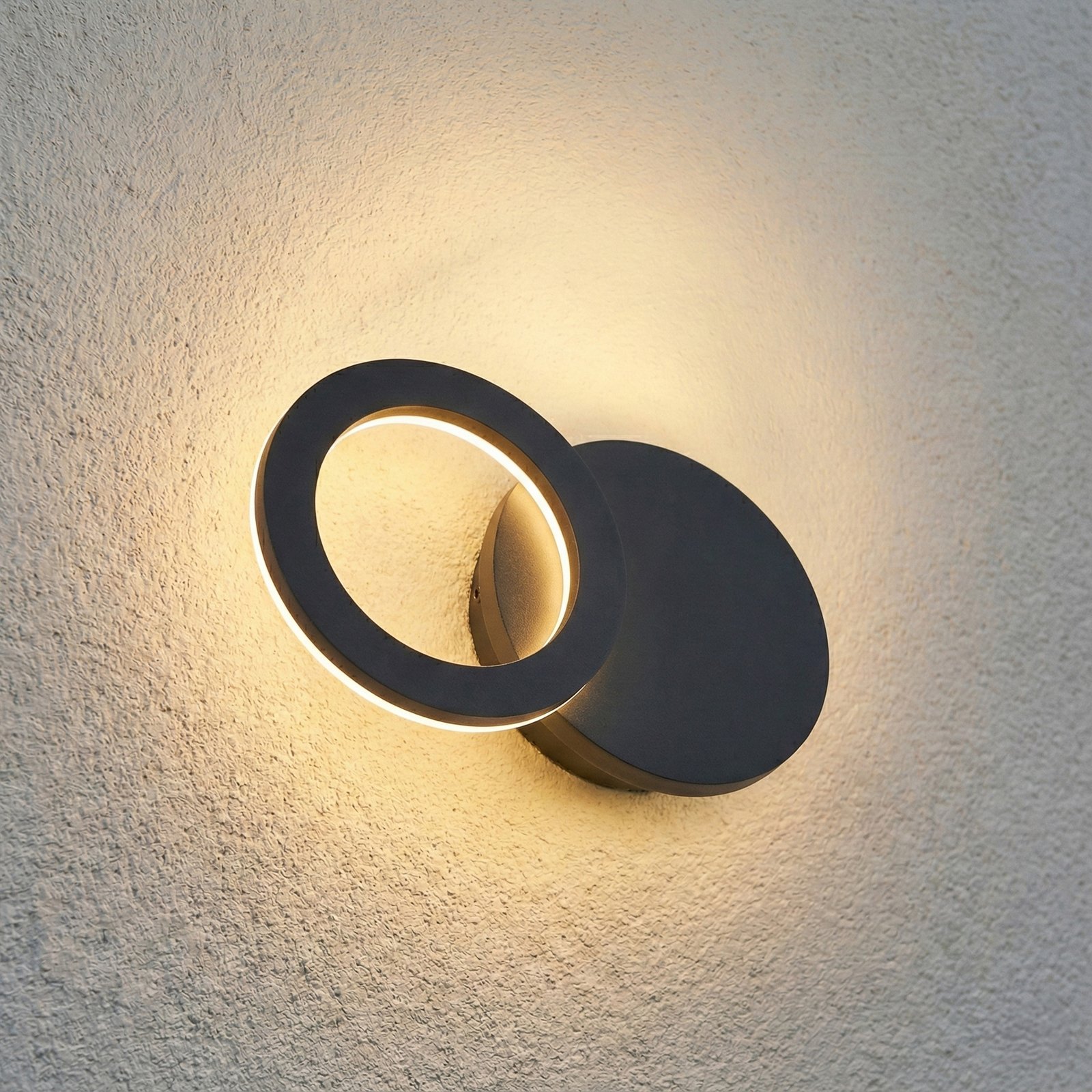
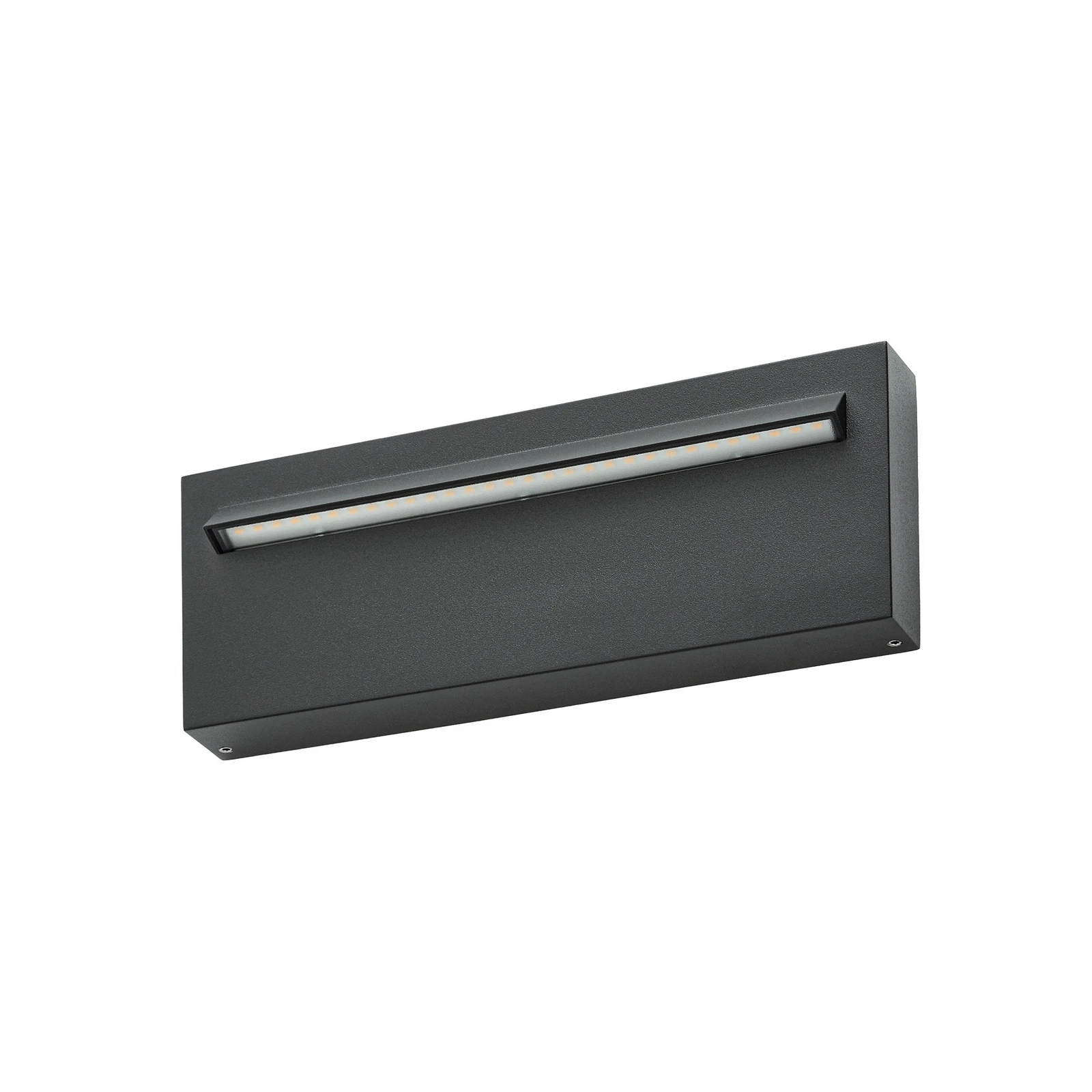
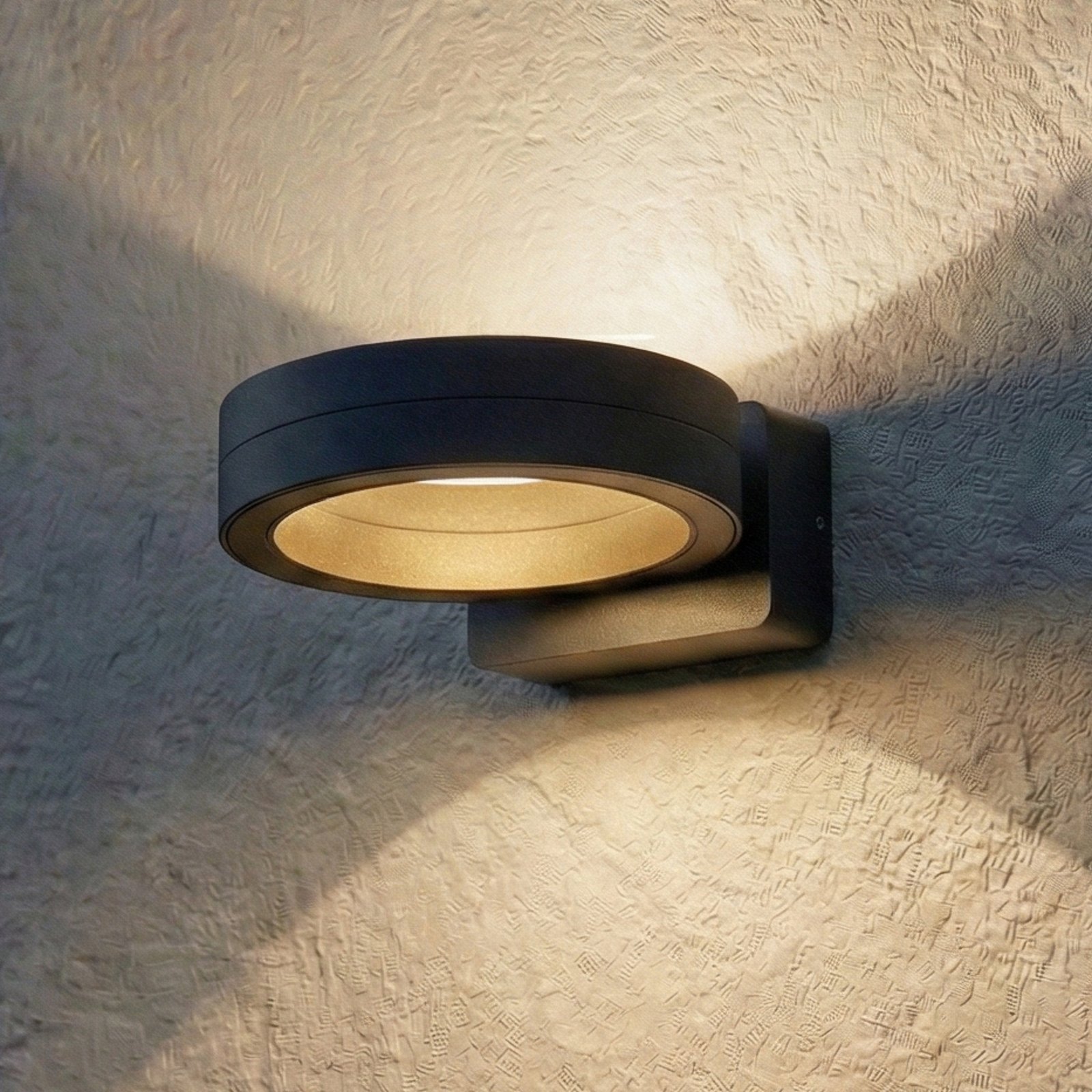
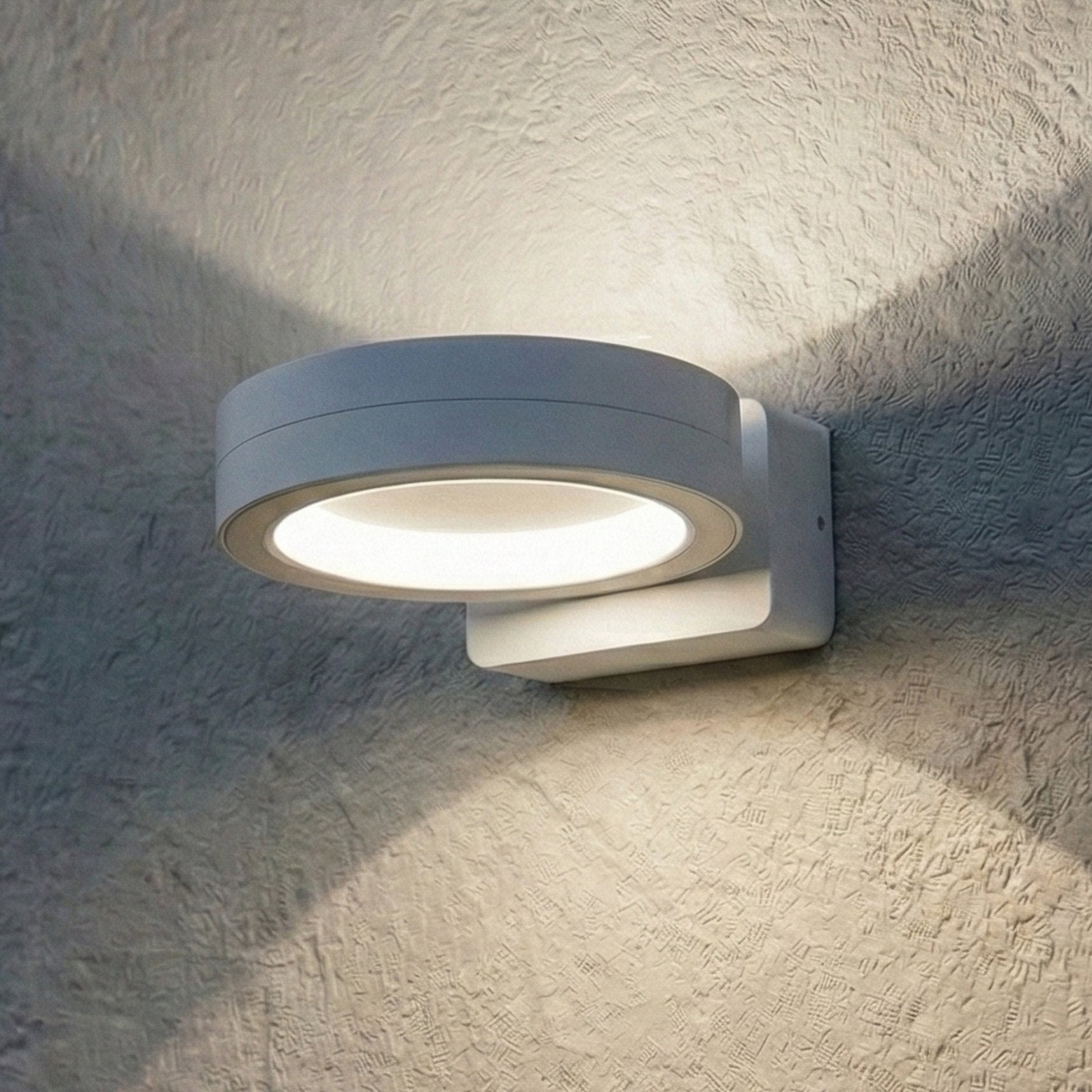
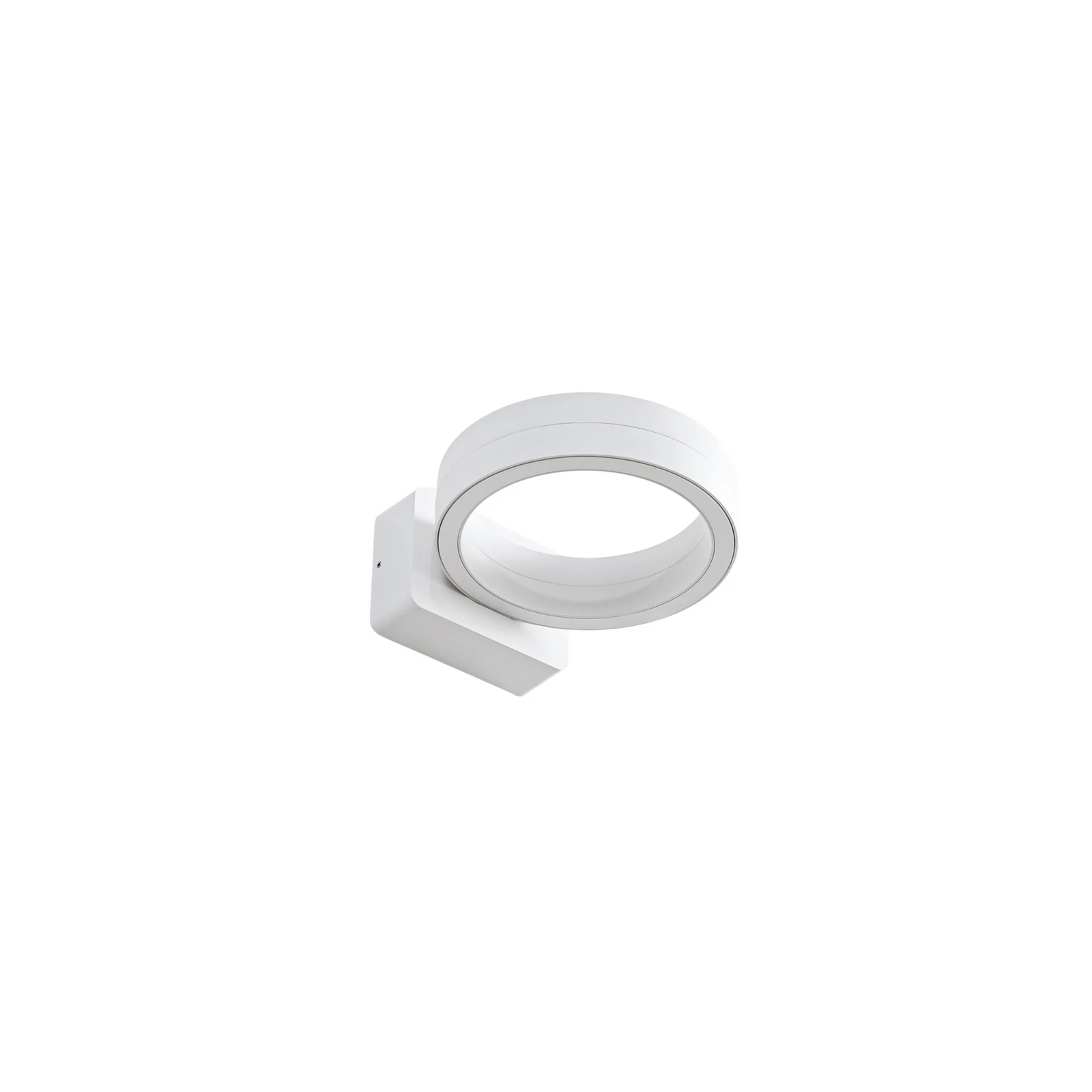
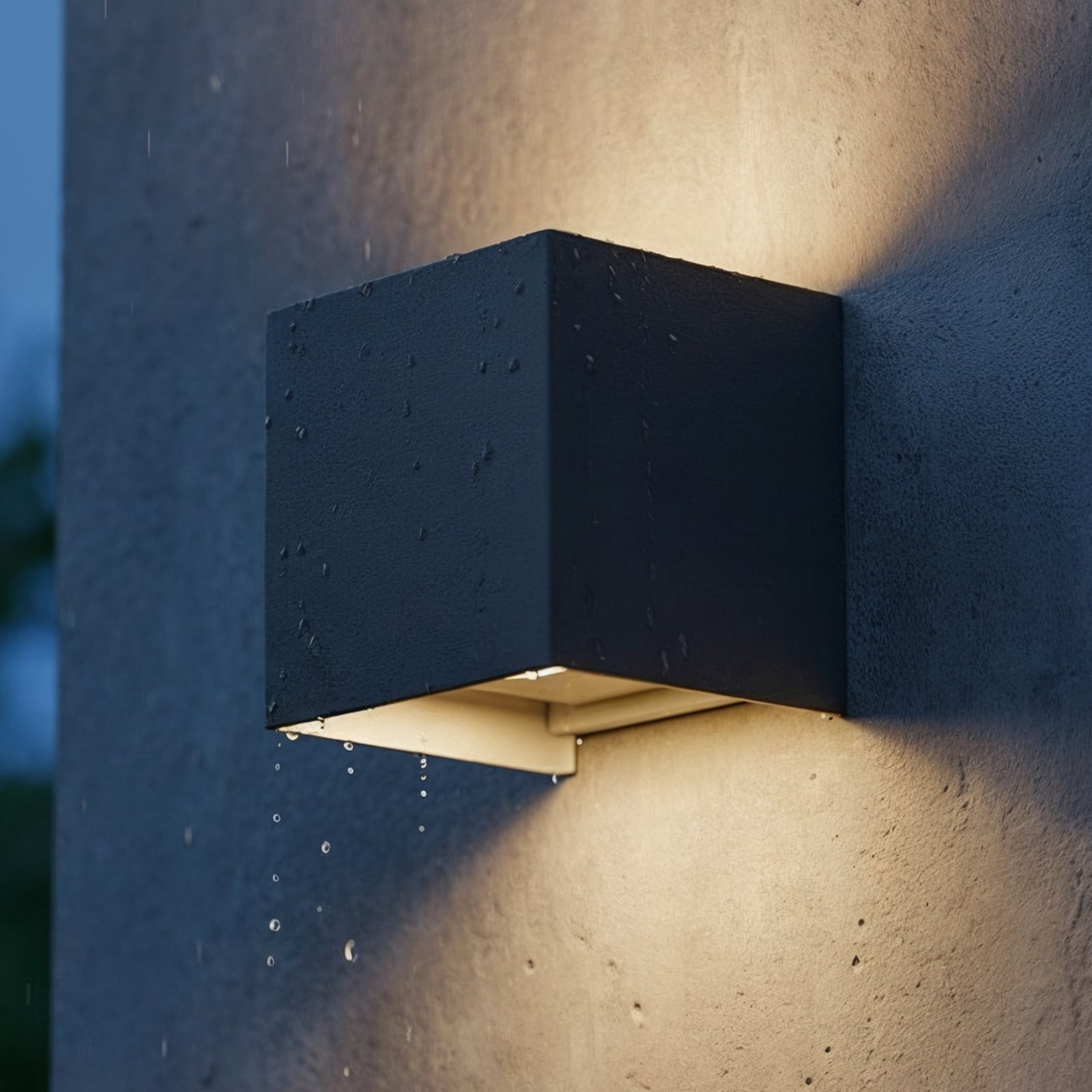
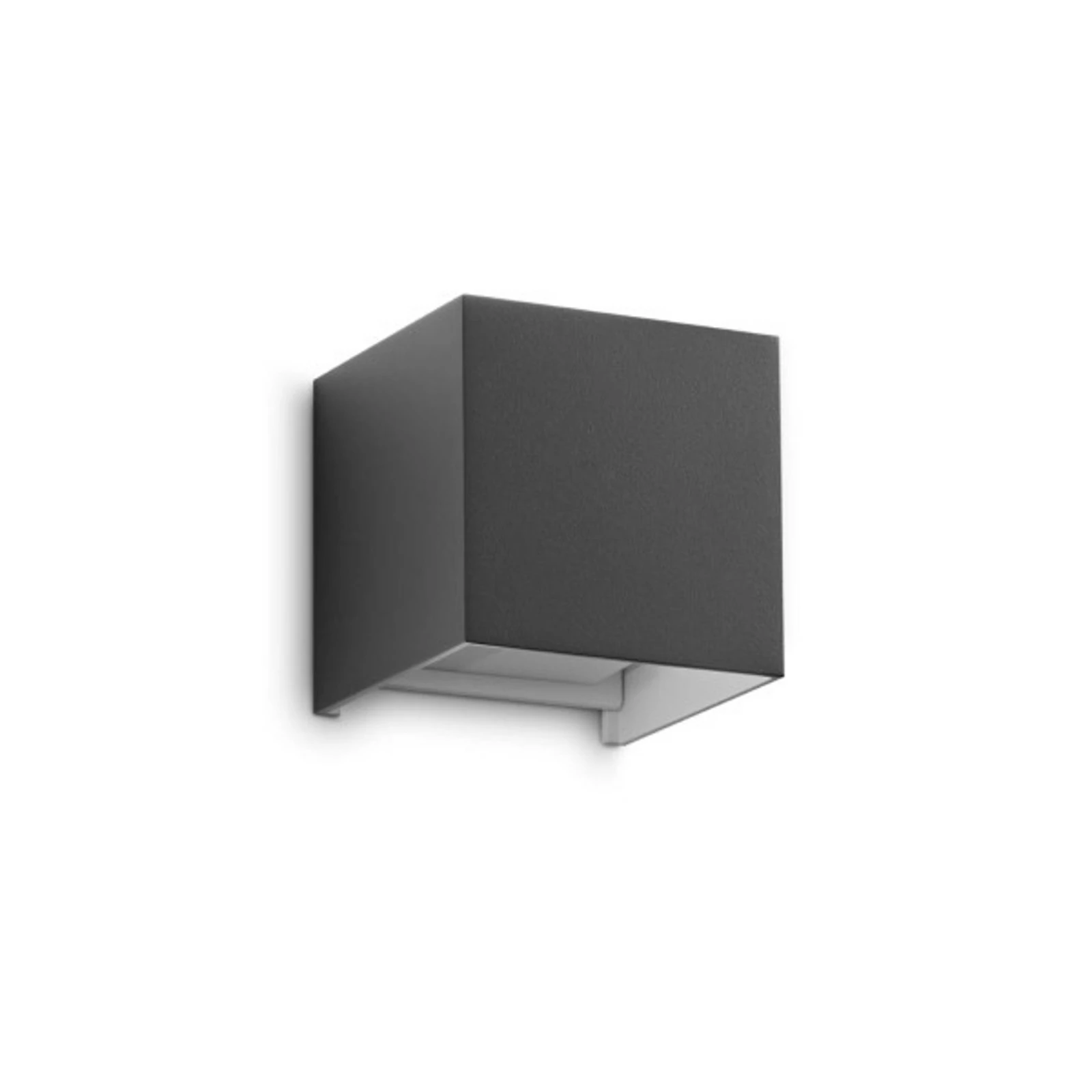
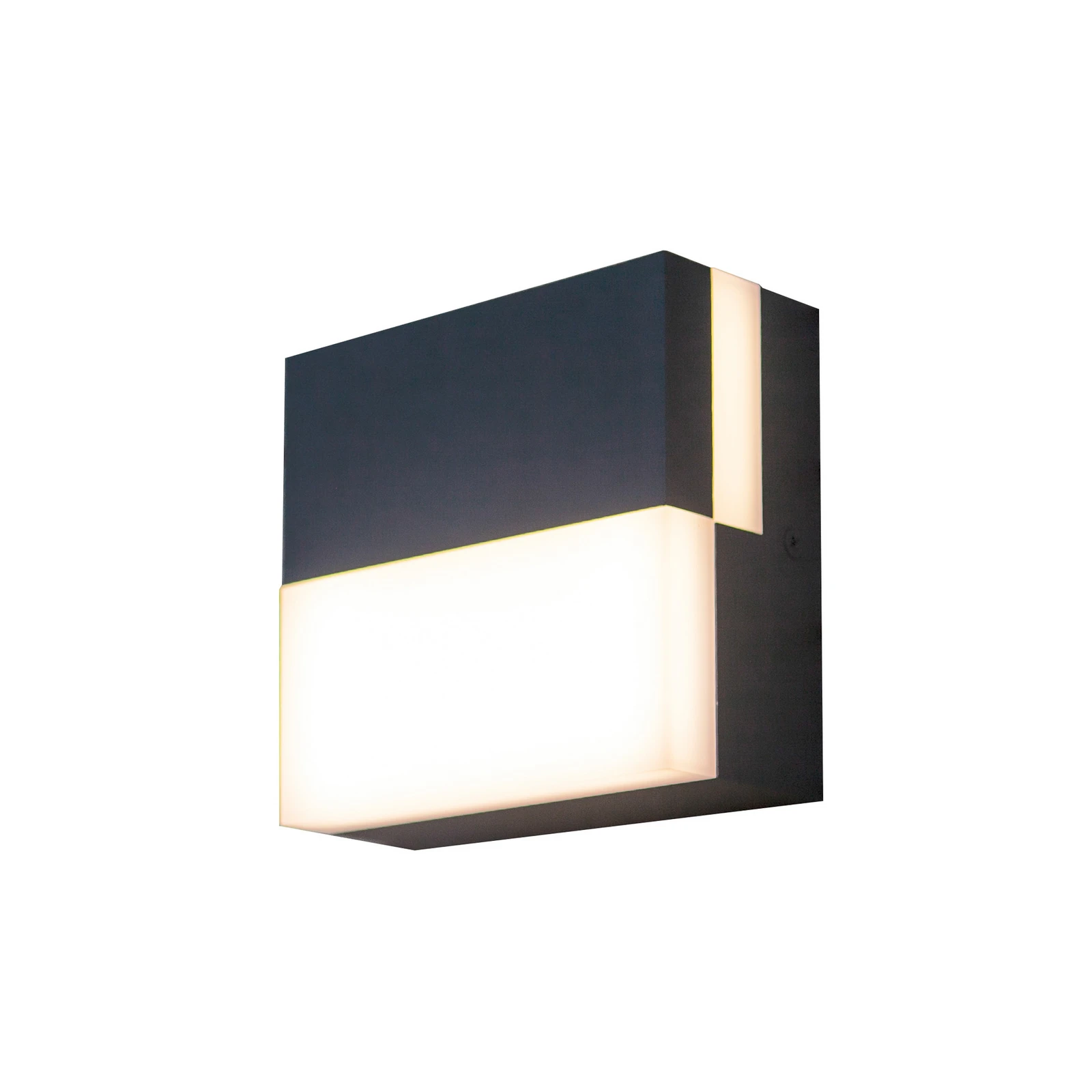
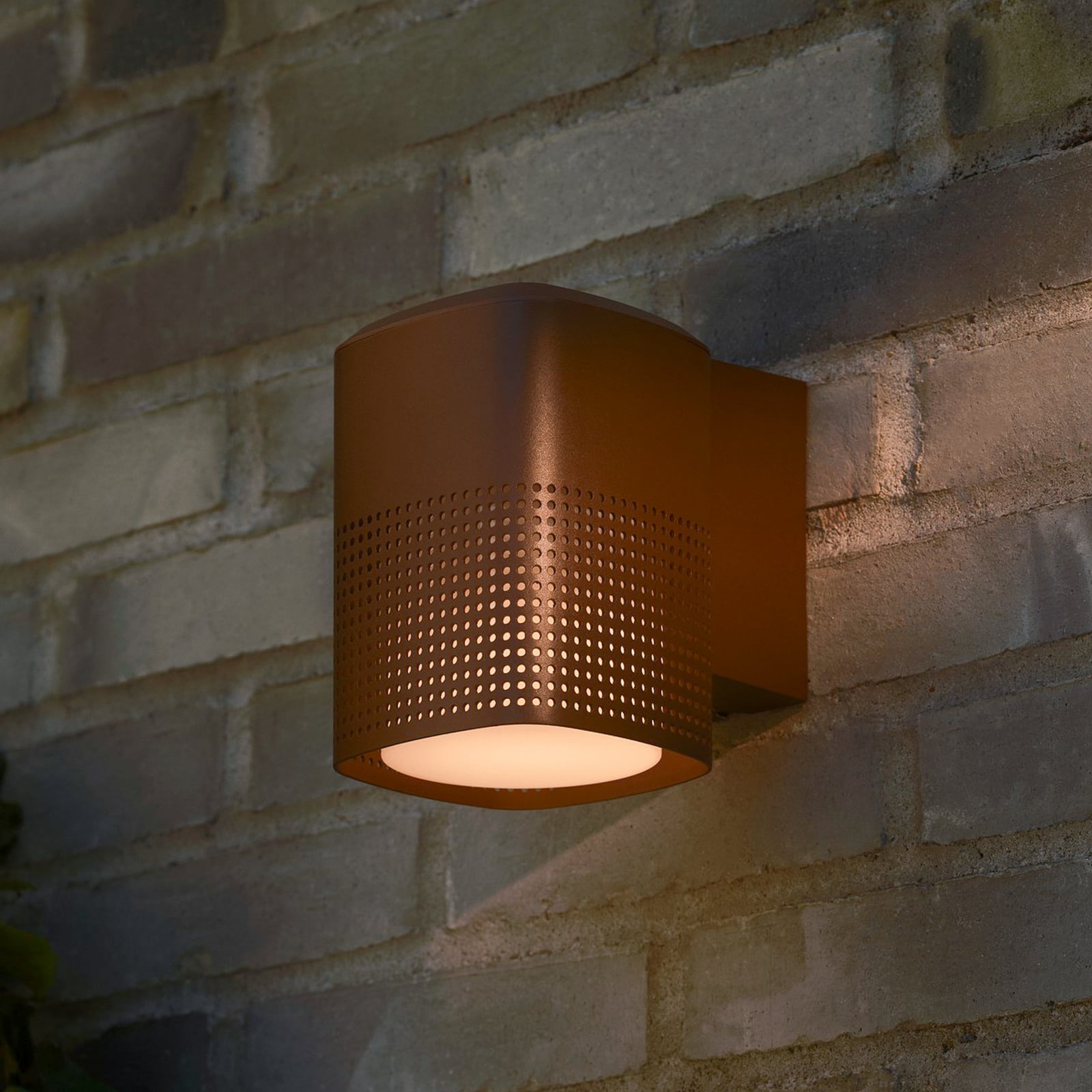
With wall lighting, the type of light has a particularly strong influence on the overall impression. Direct beam luminaires create a clear light image and clearly emphasise structures. Indirect wall lighting, on the other hand, looks calmer and more architectural. It goes particularly well with modern gardens because it emphasises surfaces and materials without appearing dominant.
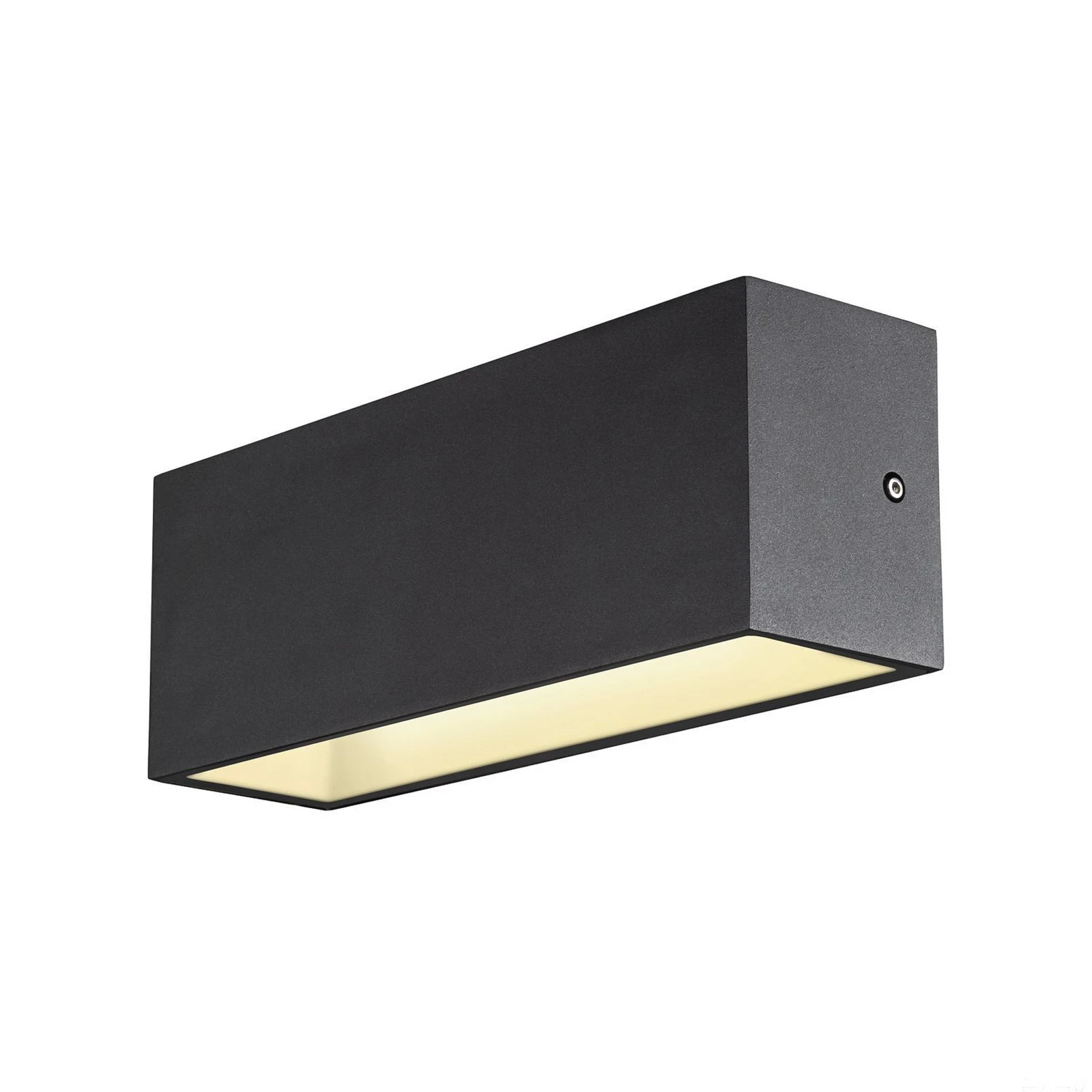
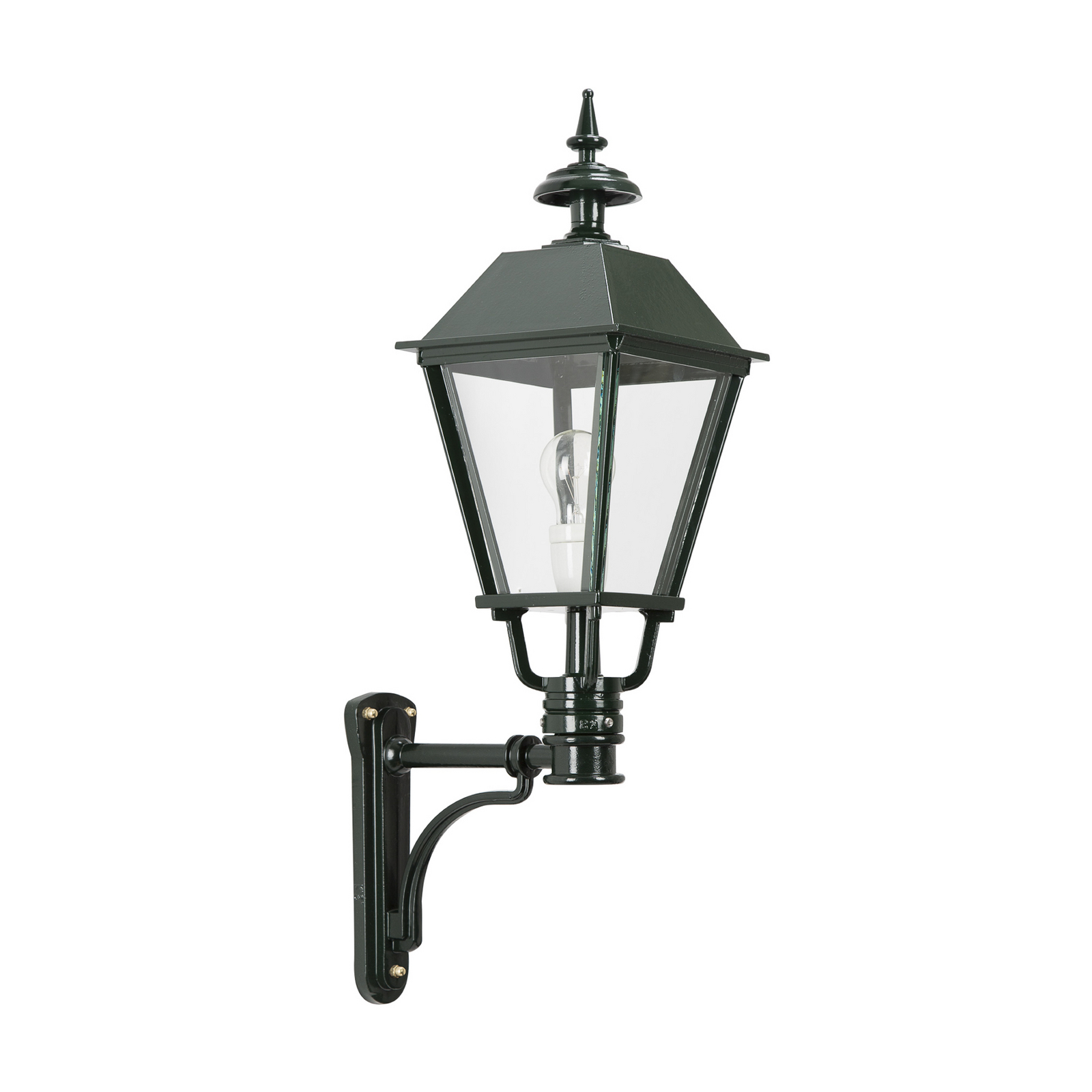
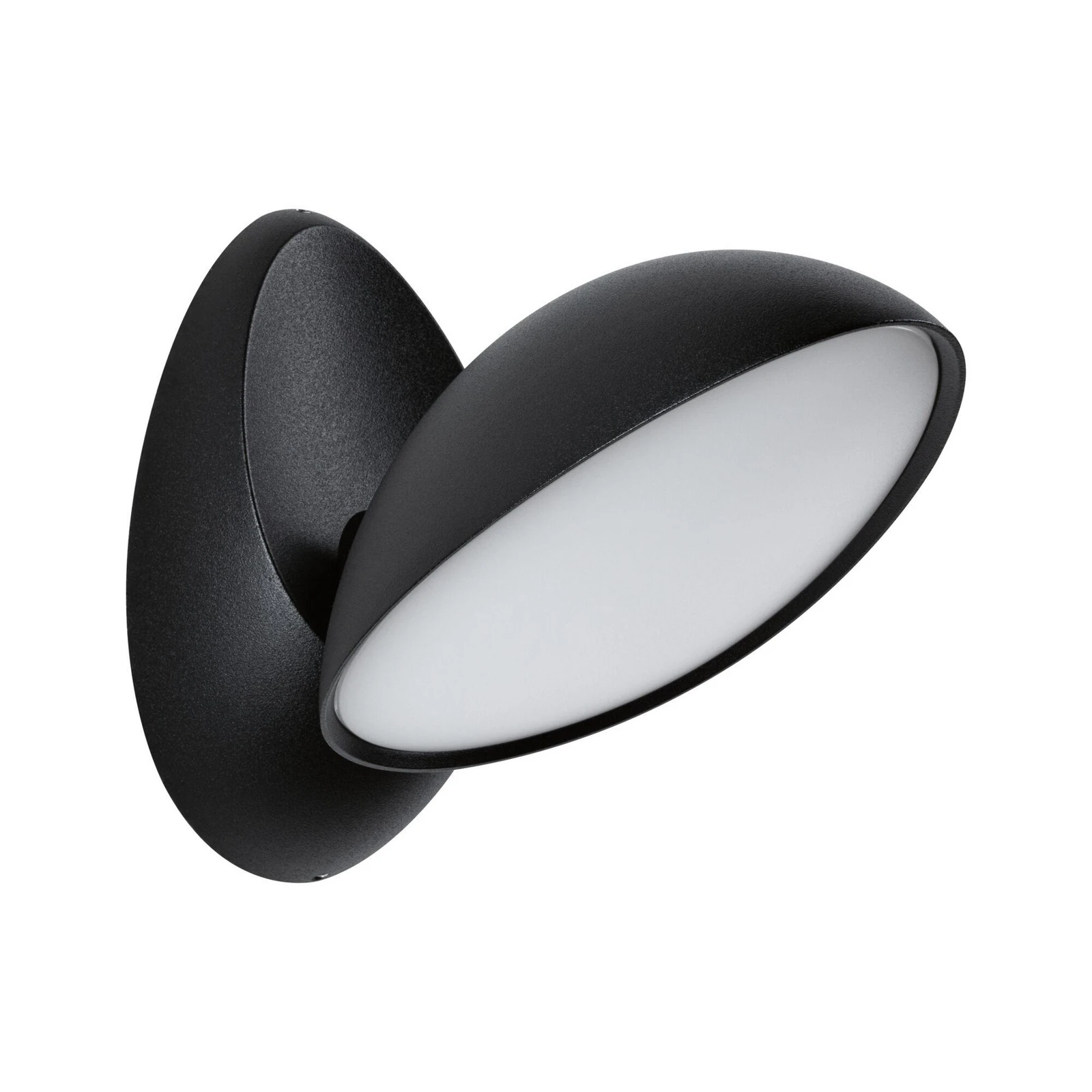
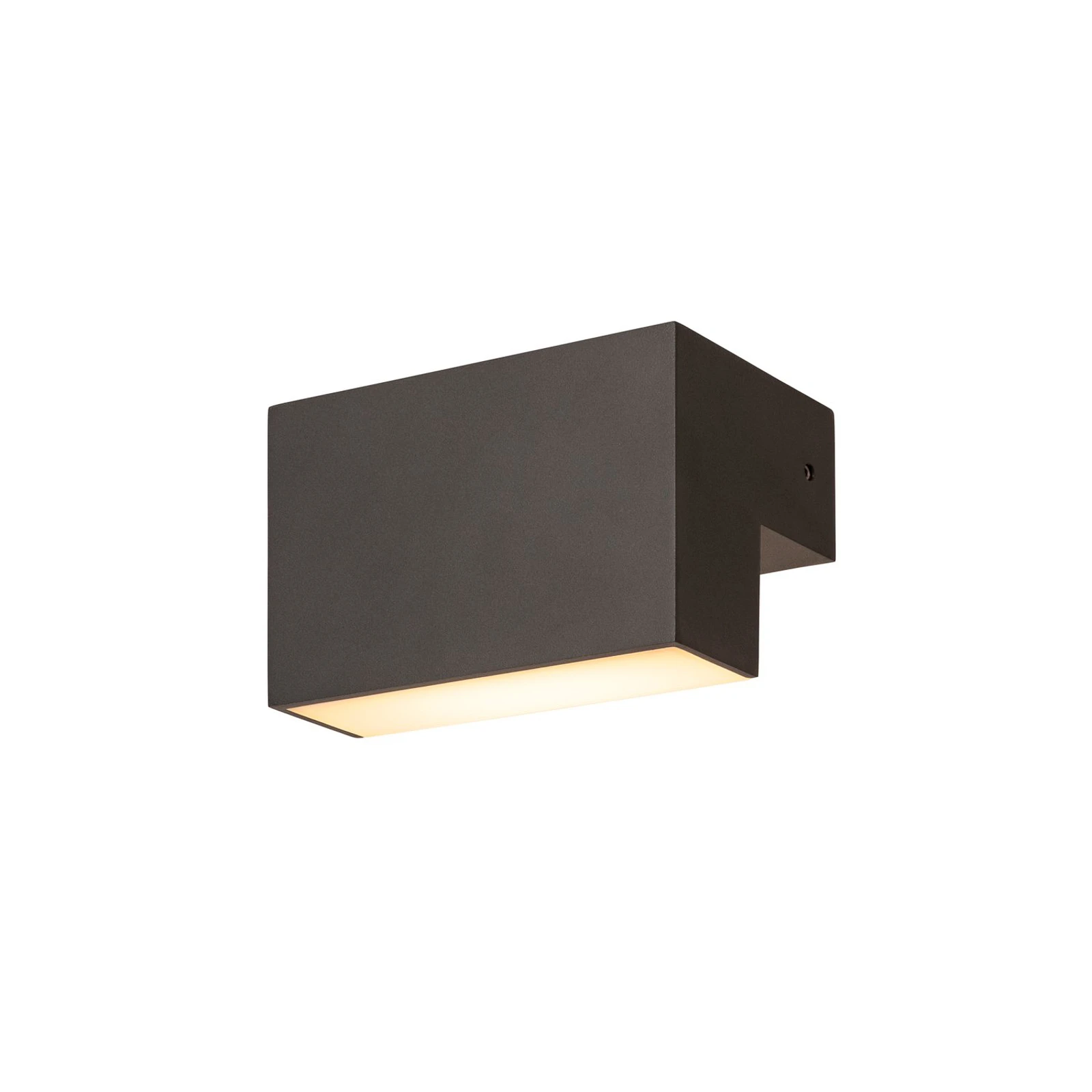
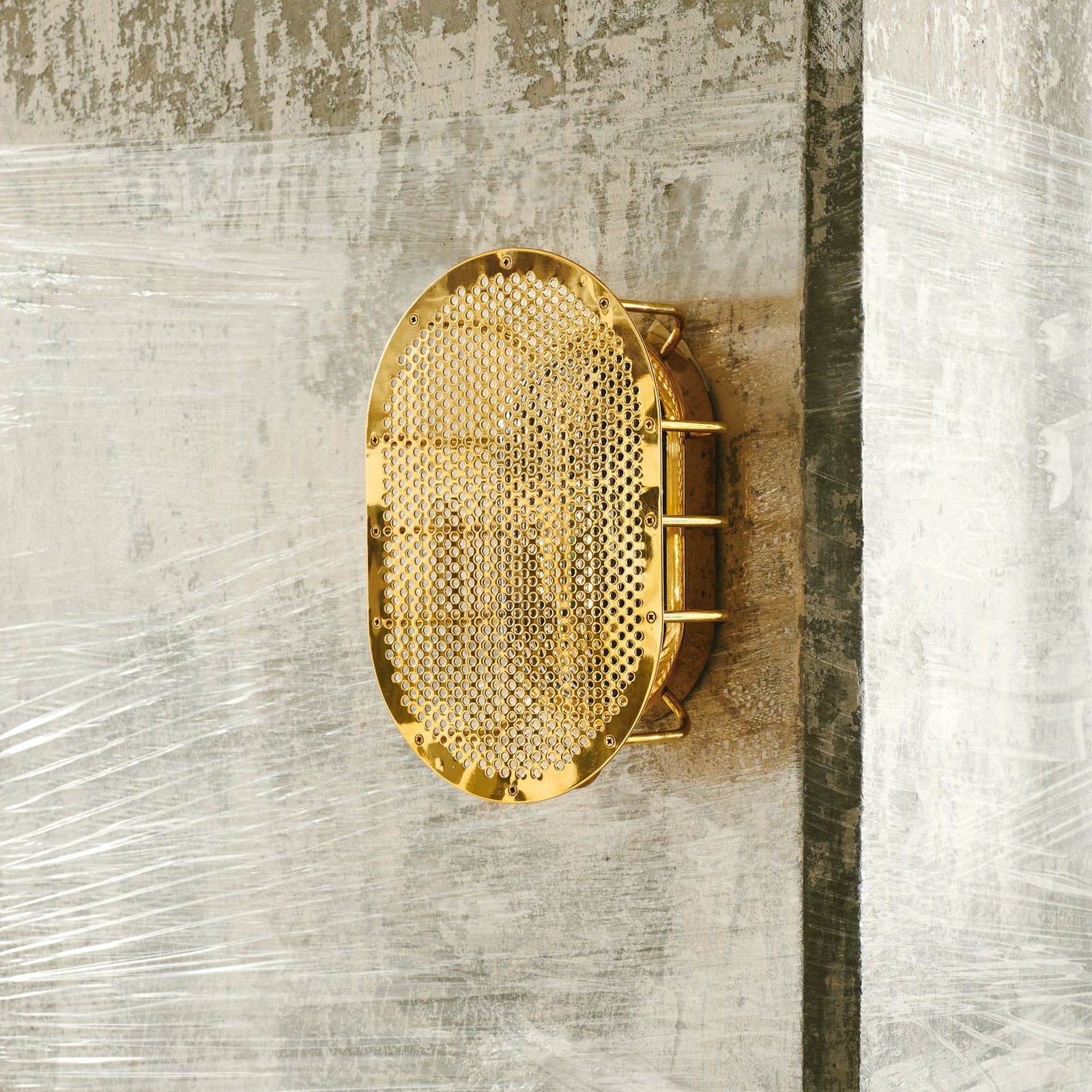
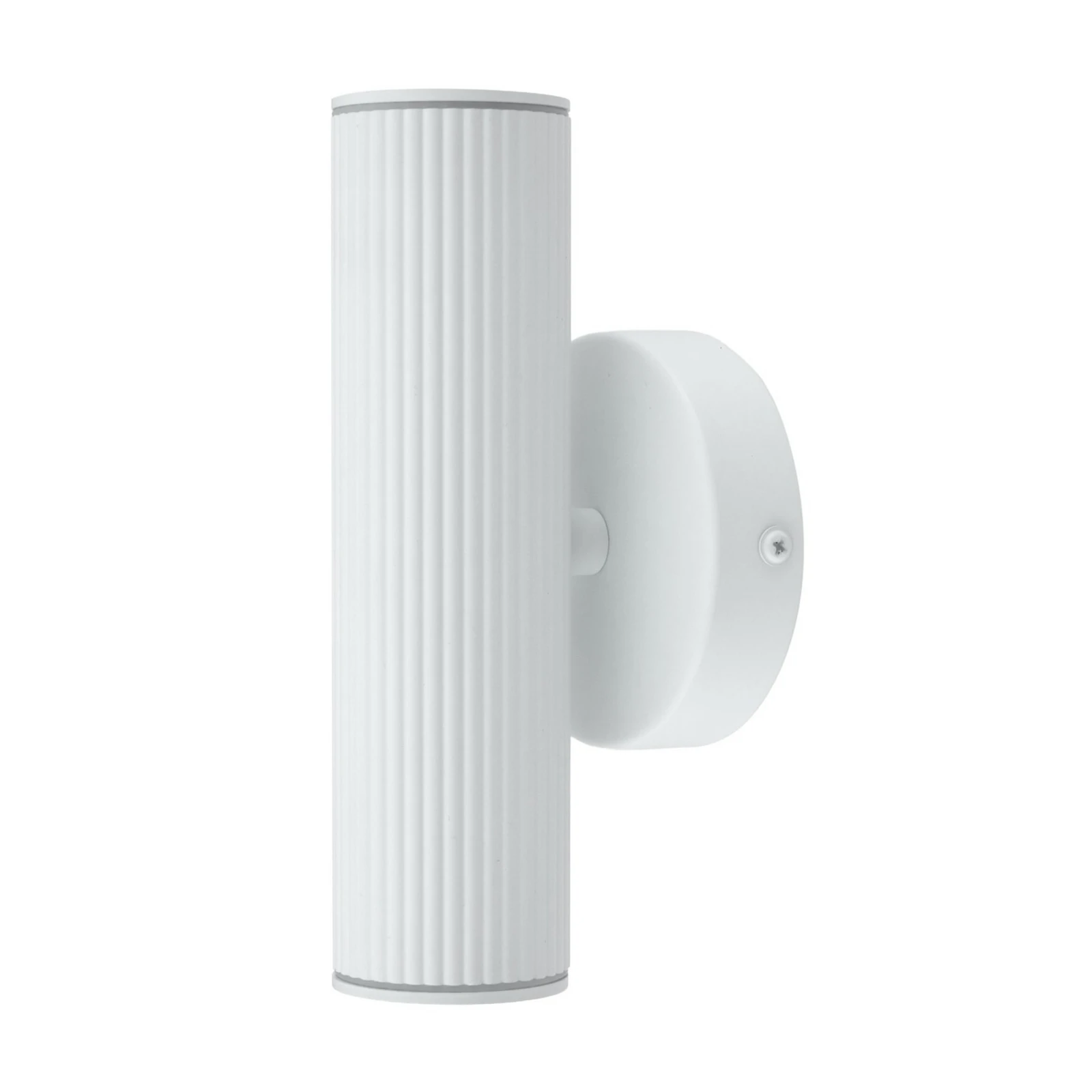
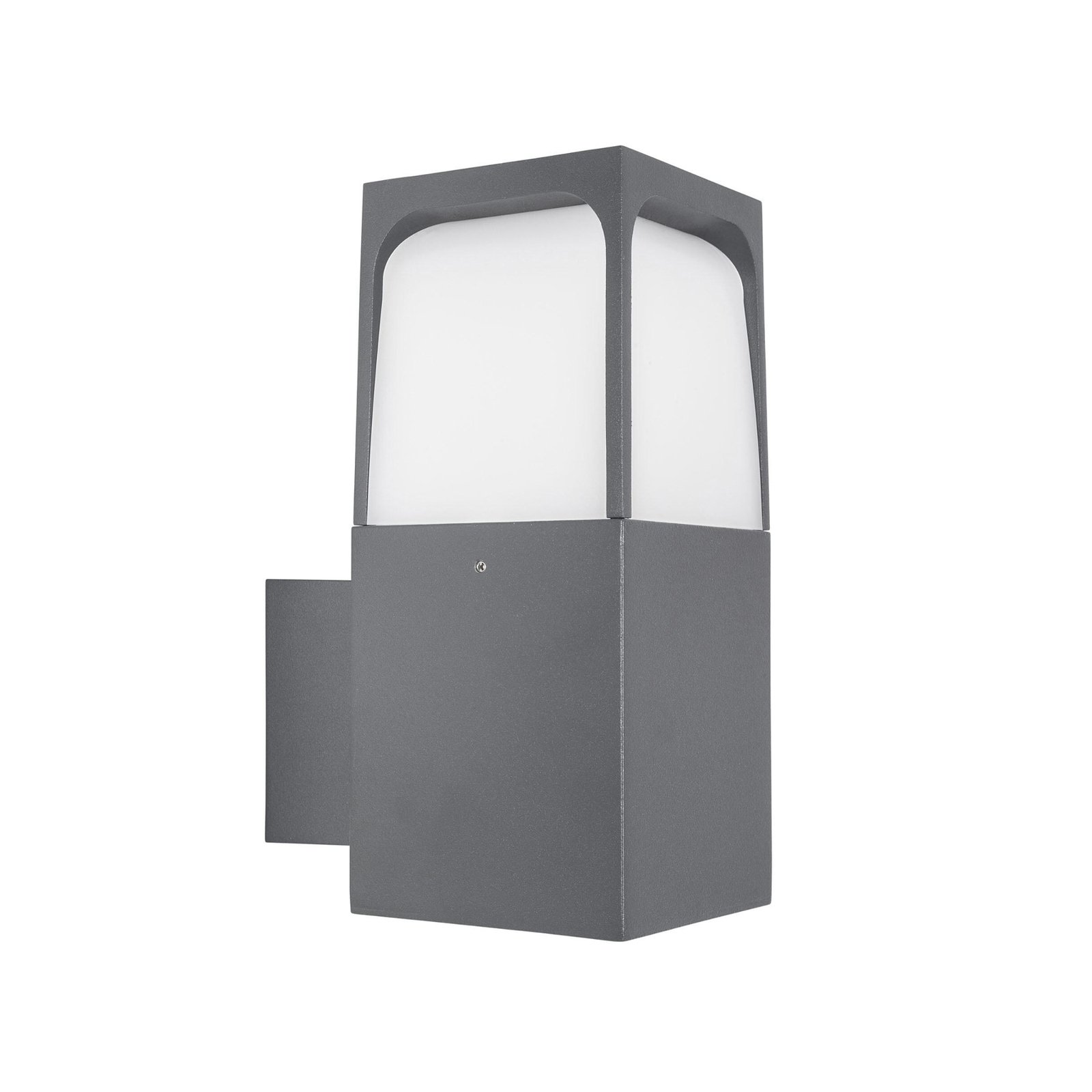
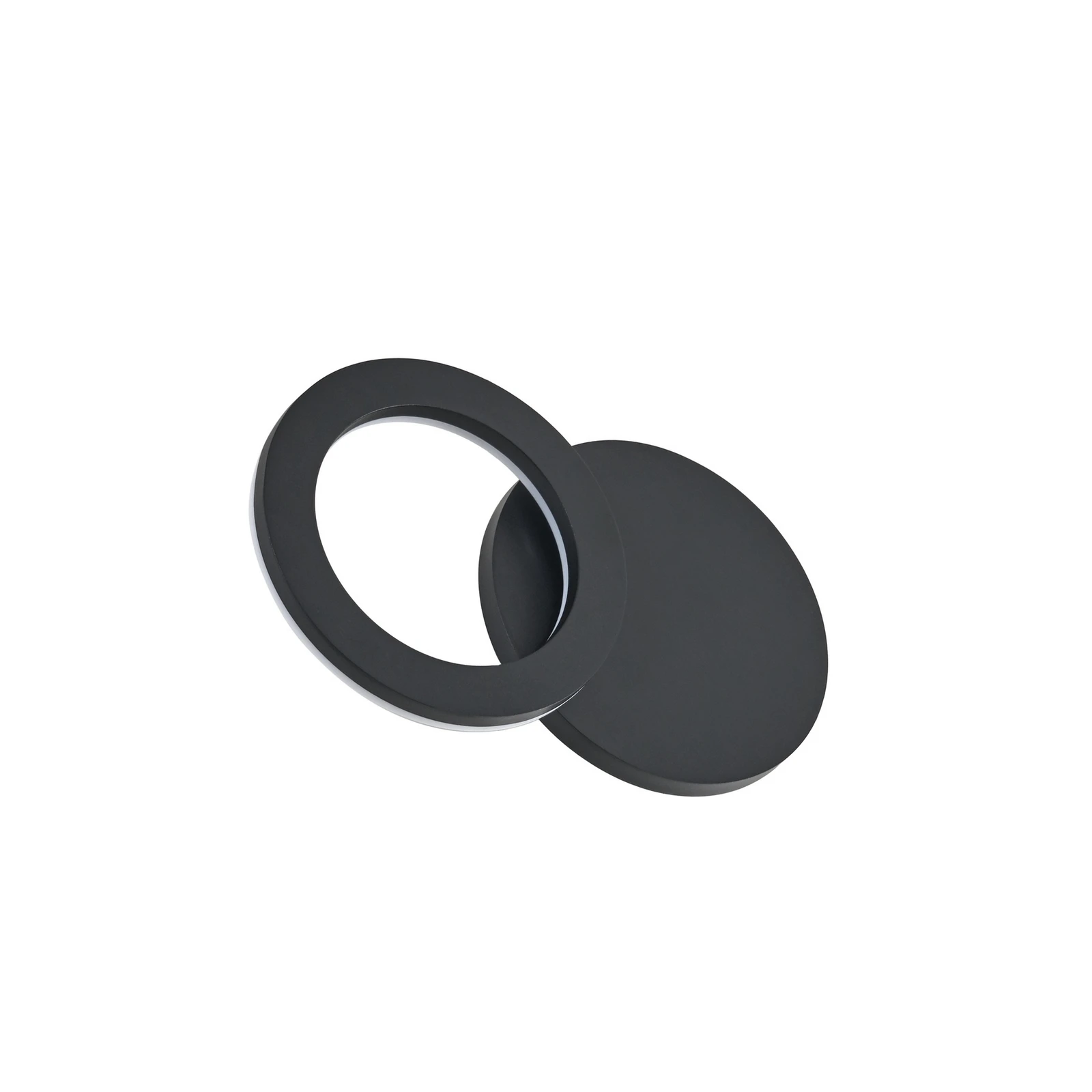
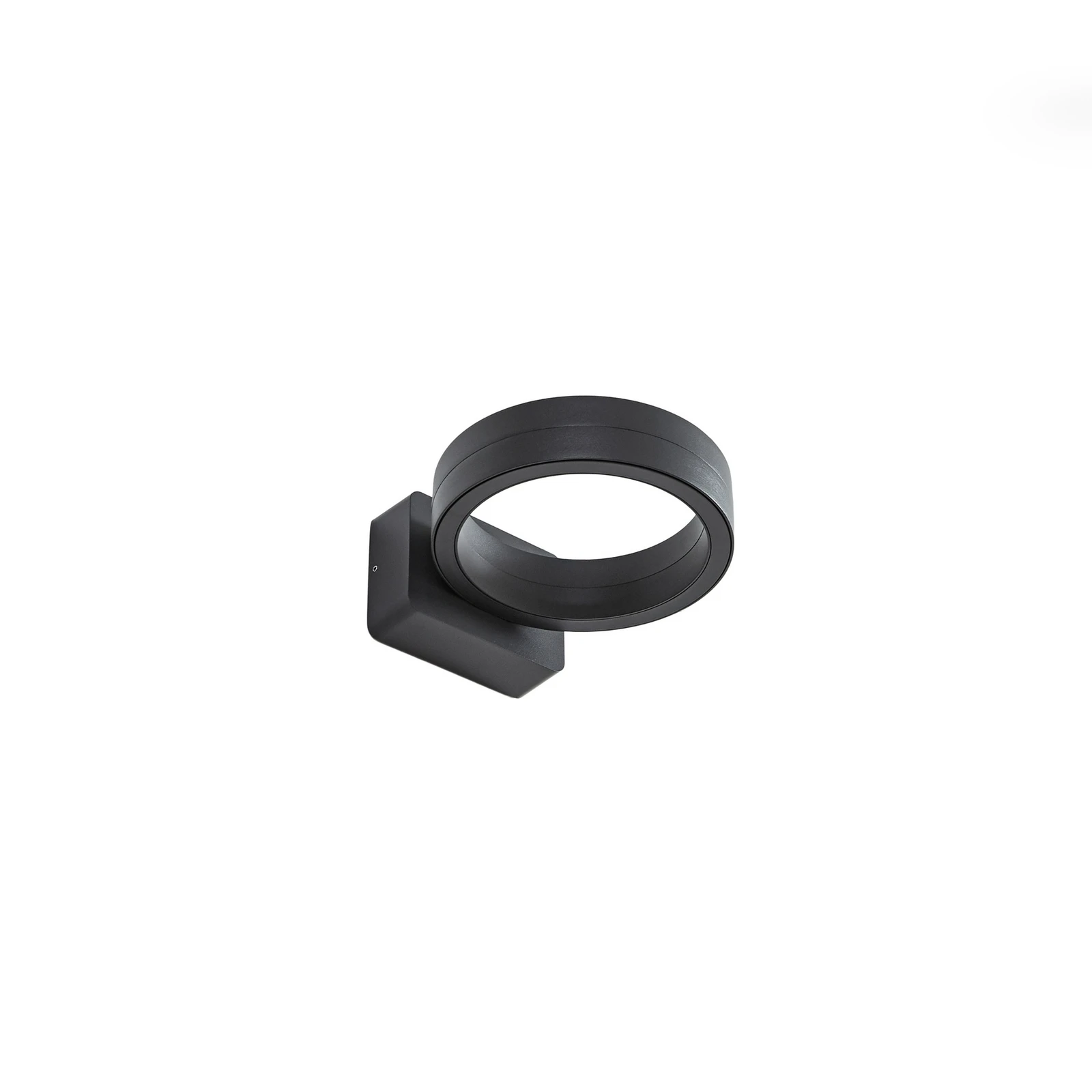
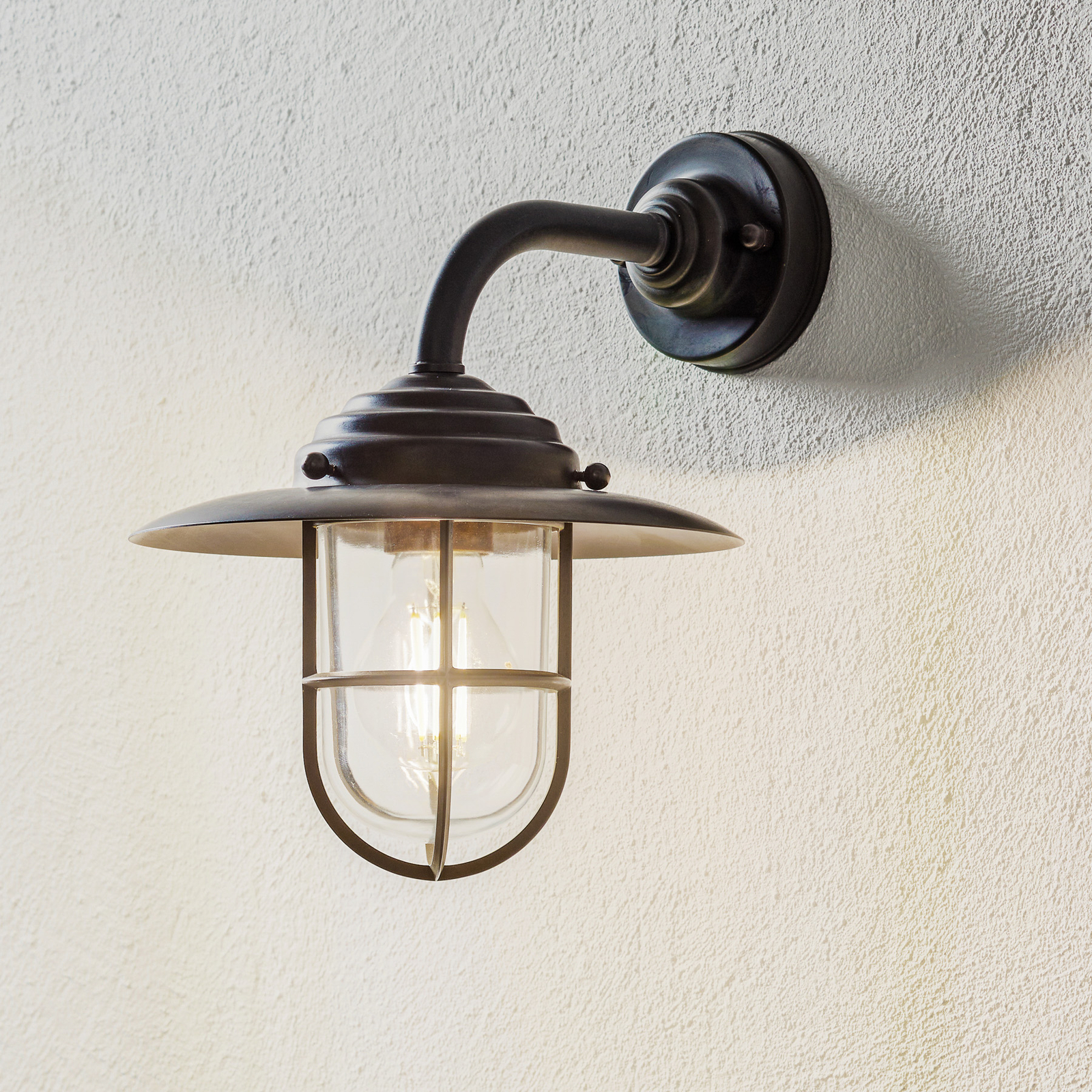
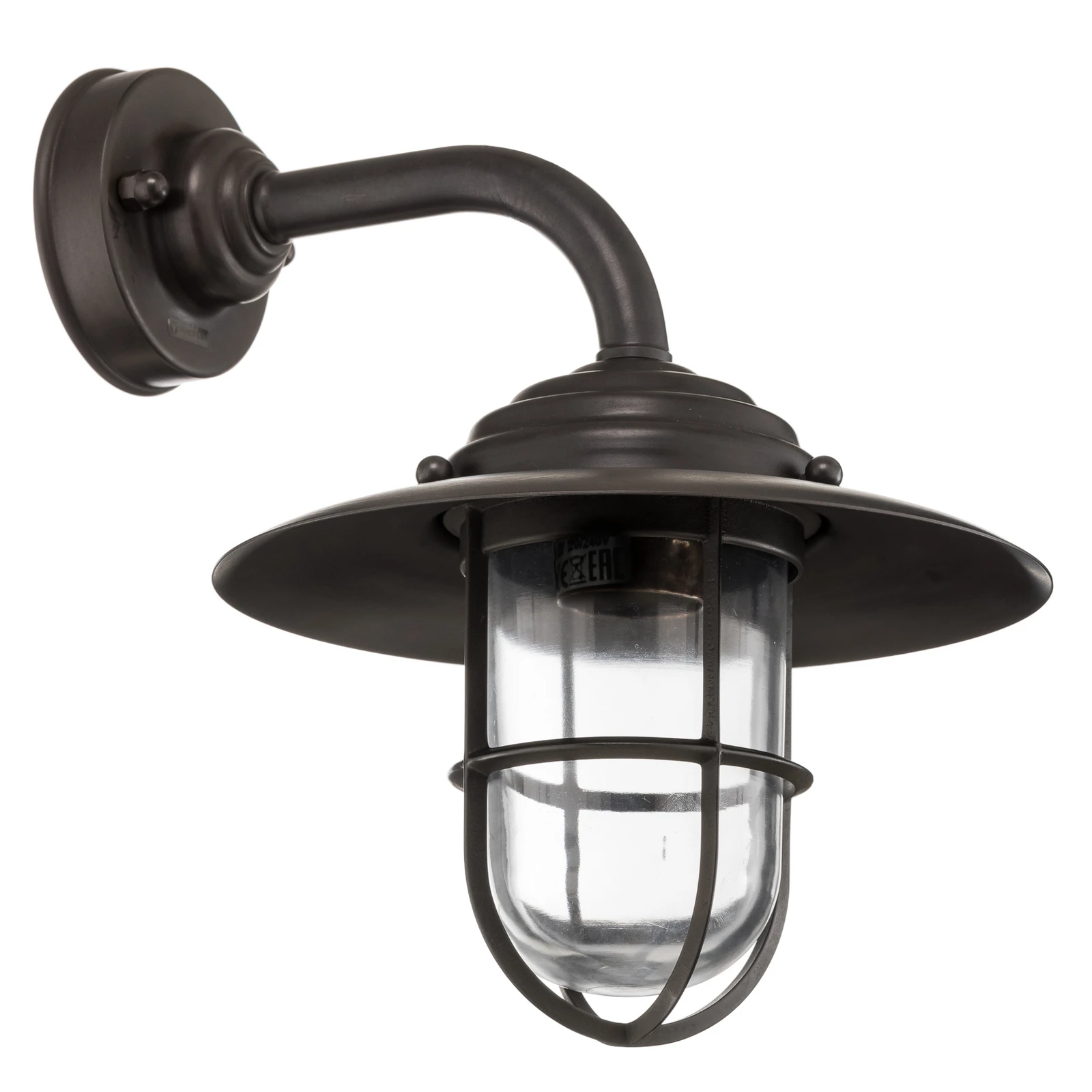
The material should also harmonise with the luminaire. Anthracite, black, aluminium or stainless steel usually go well with simple, modern shapes. With wood or WPC, a quieter design with warm light is often more harmonious. This preserves the natural character of the area. A high-quality effect is created above all when the fence, wall, light and accessories match visually.
Choose the right fence lighting for posts, double wire mesh and WPC
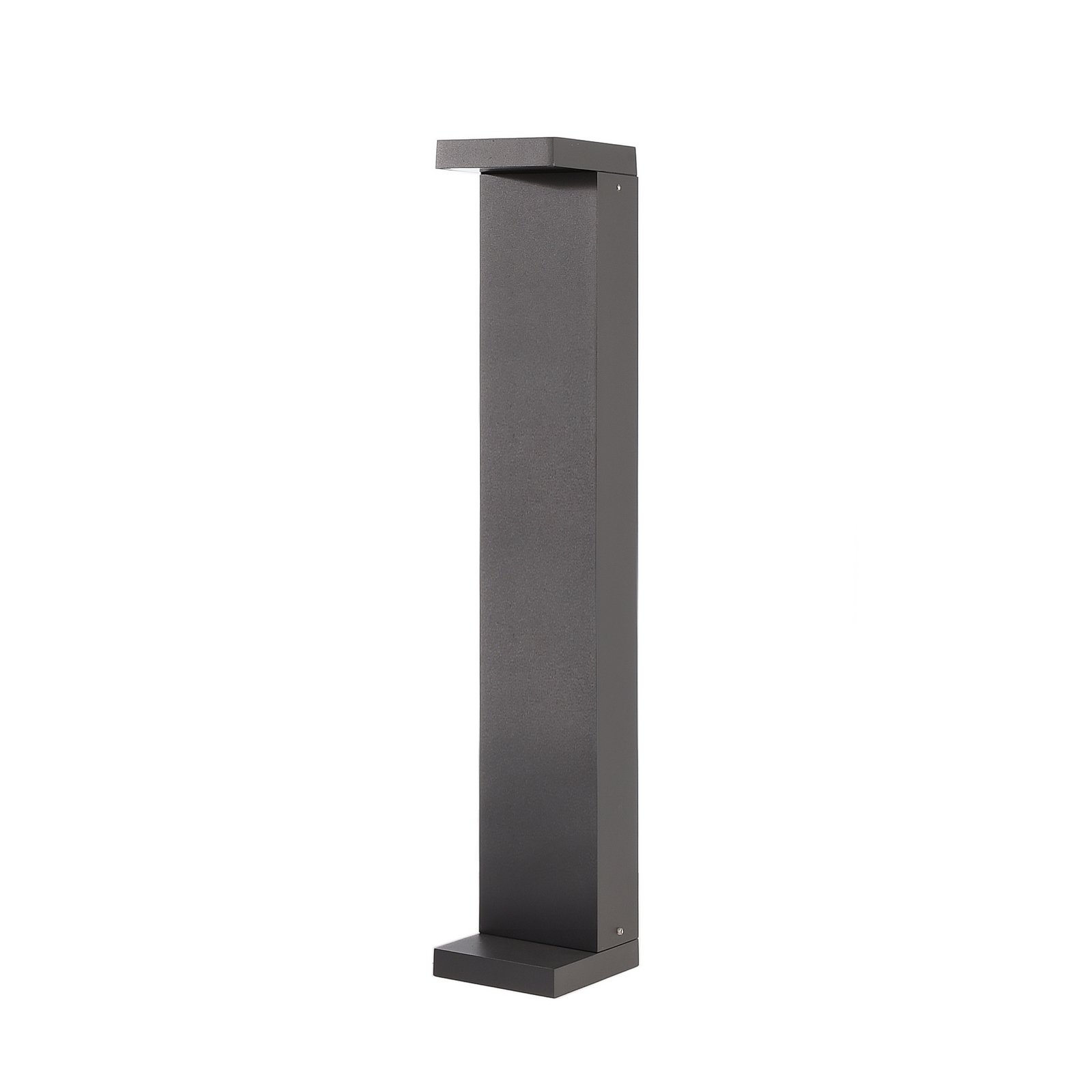
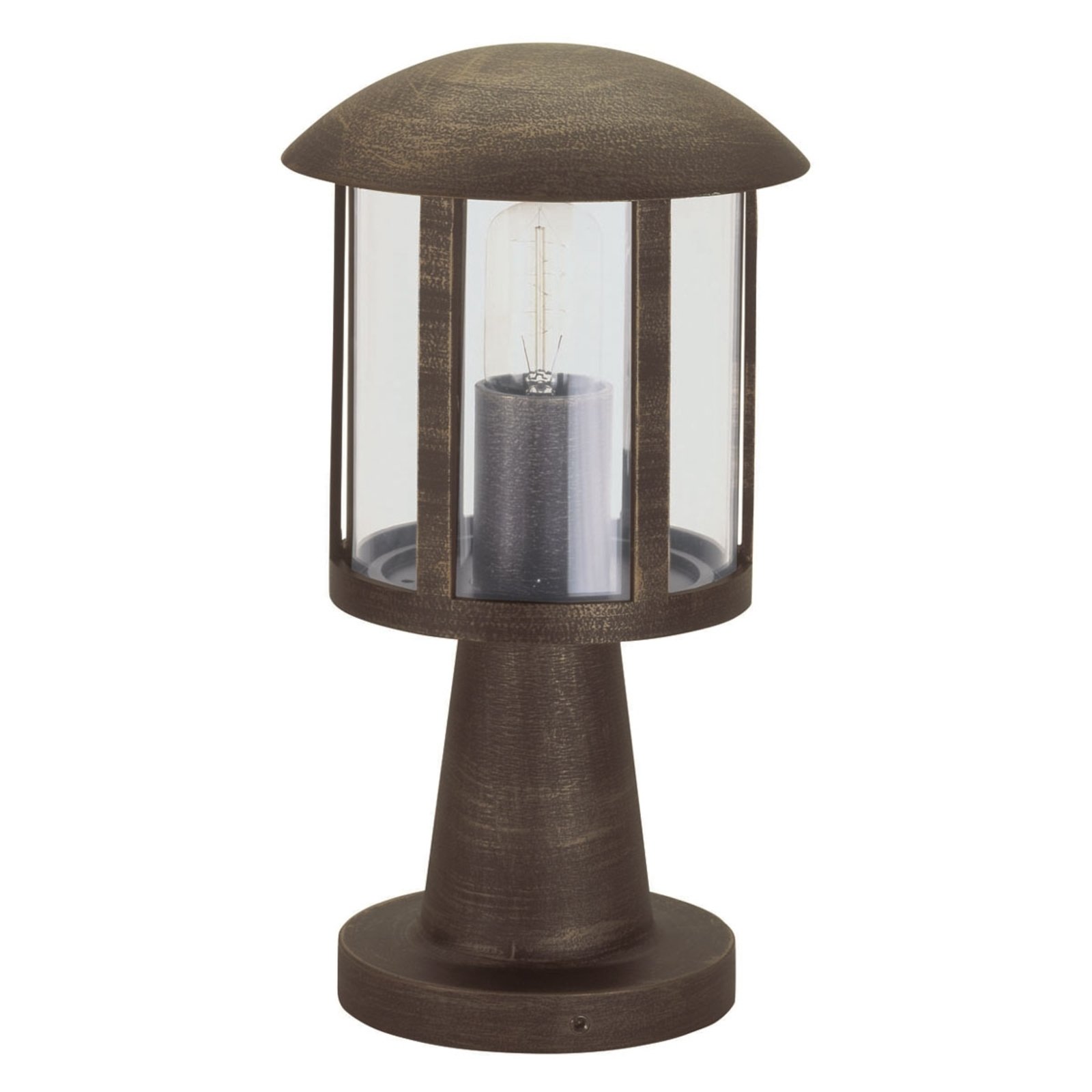
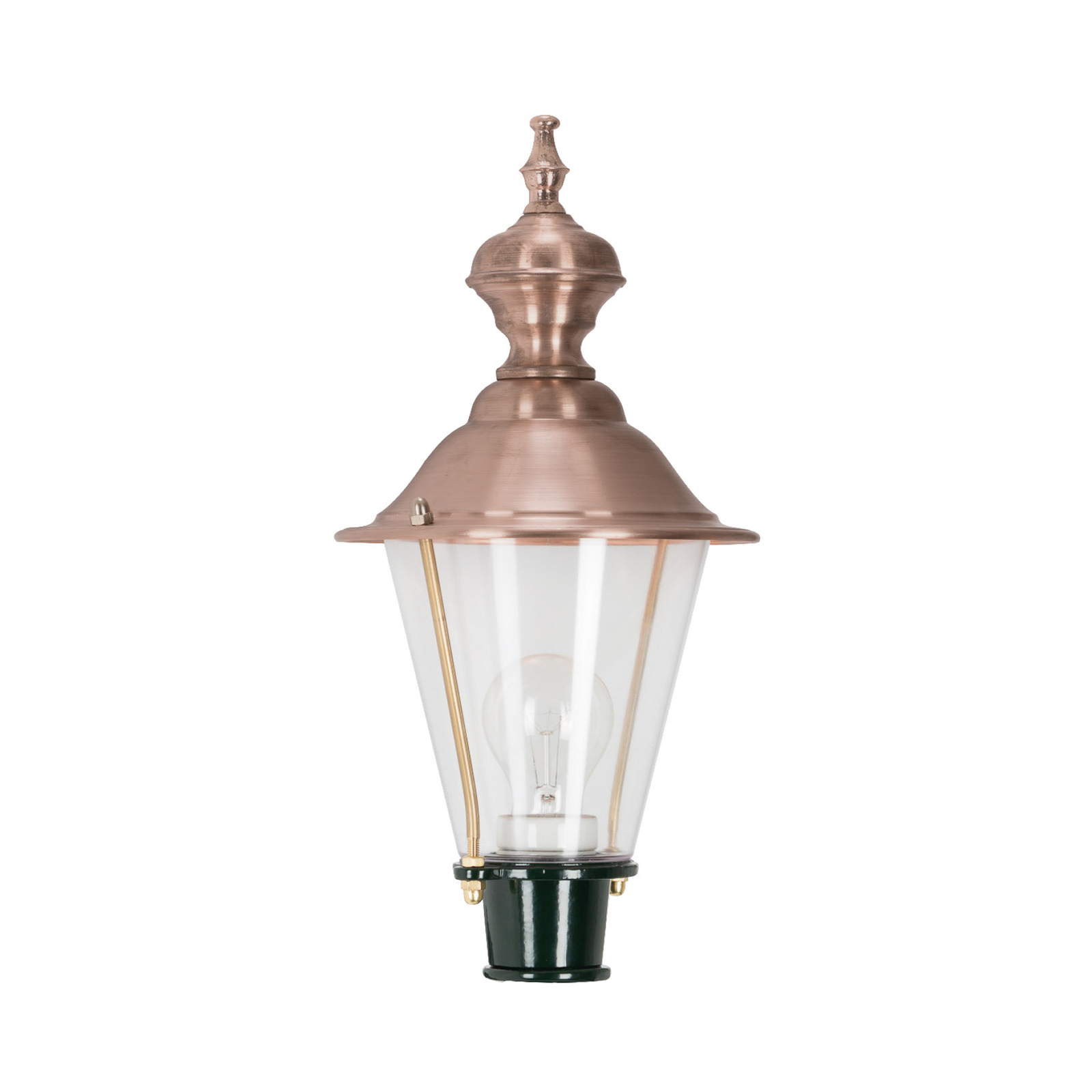
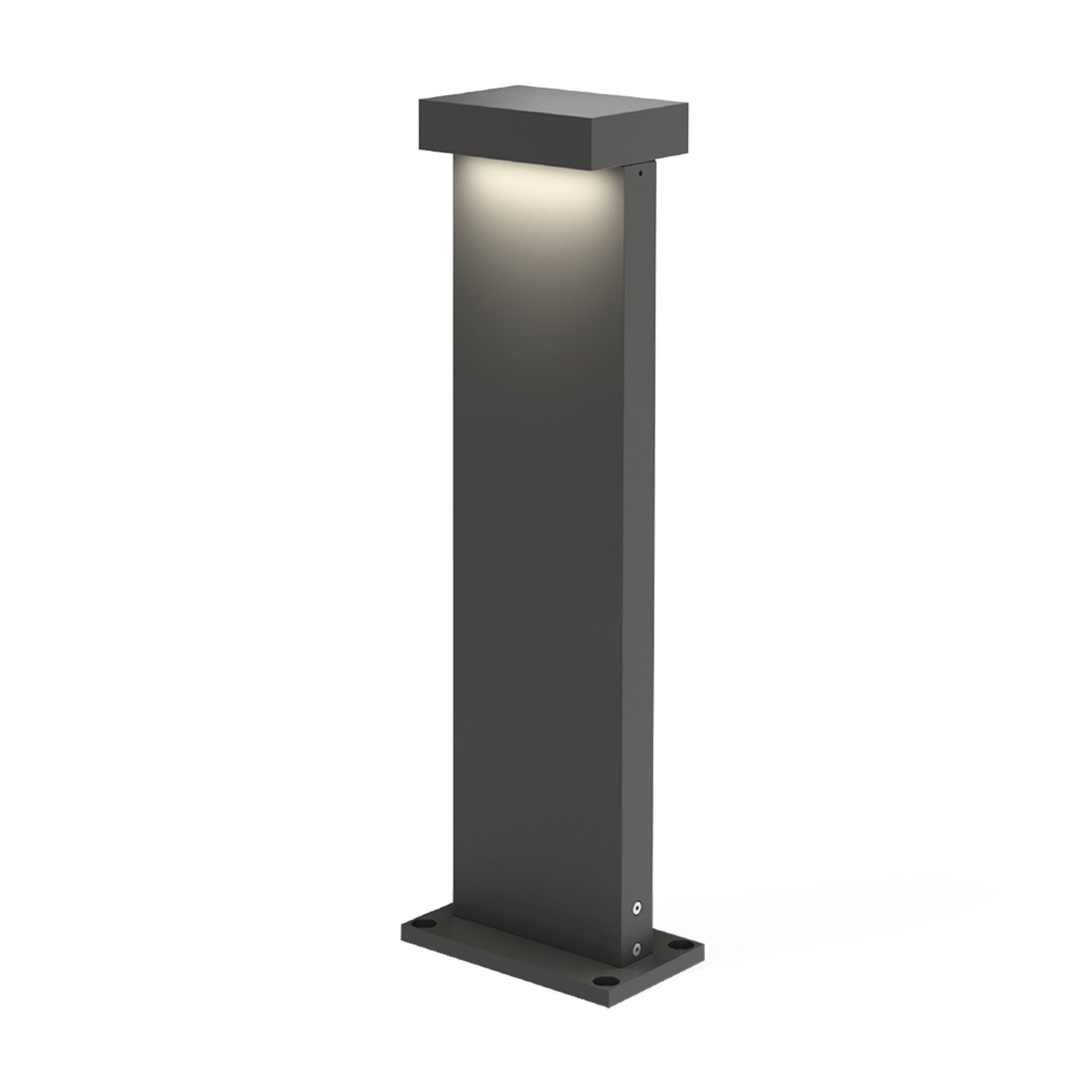
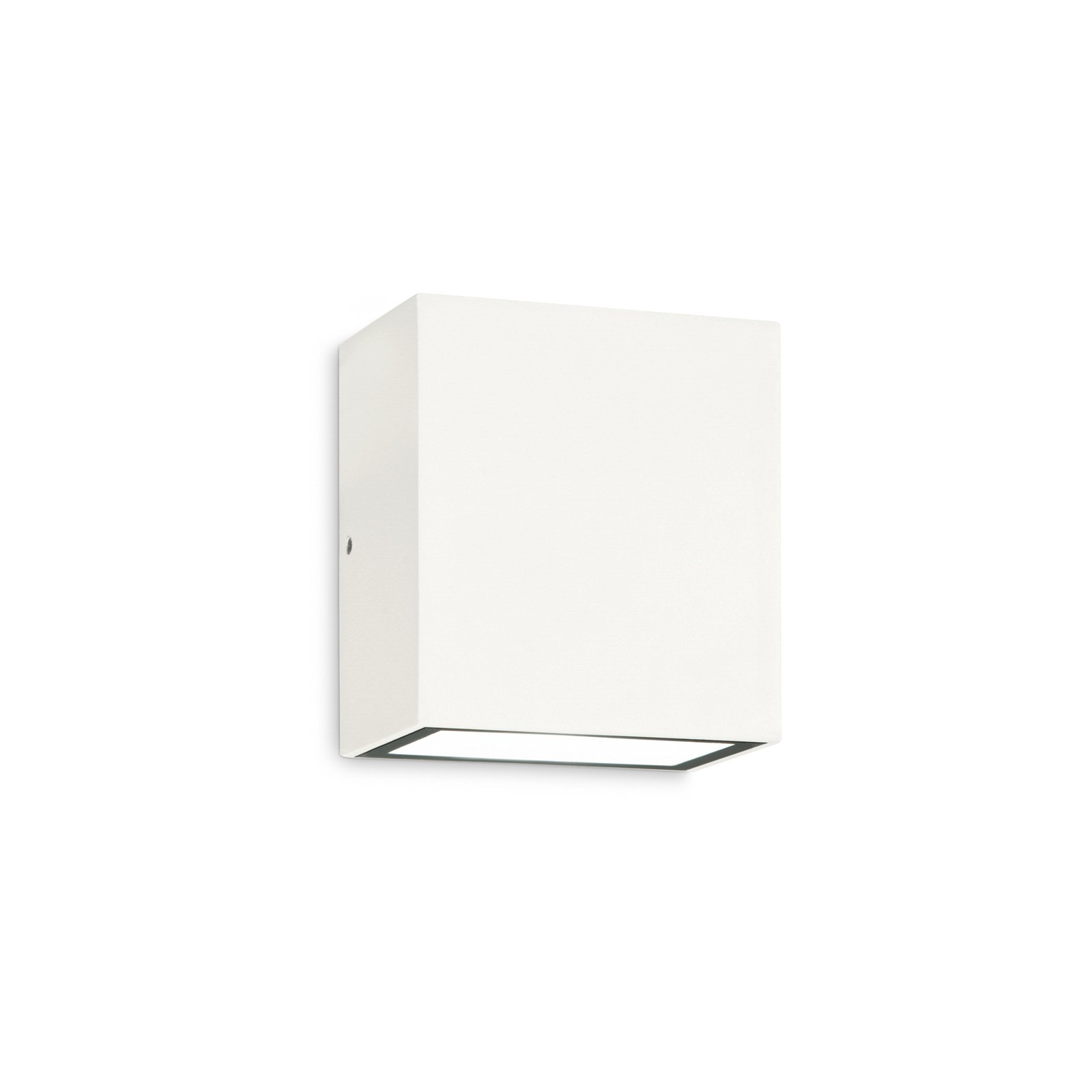
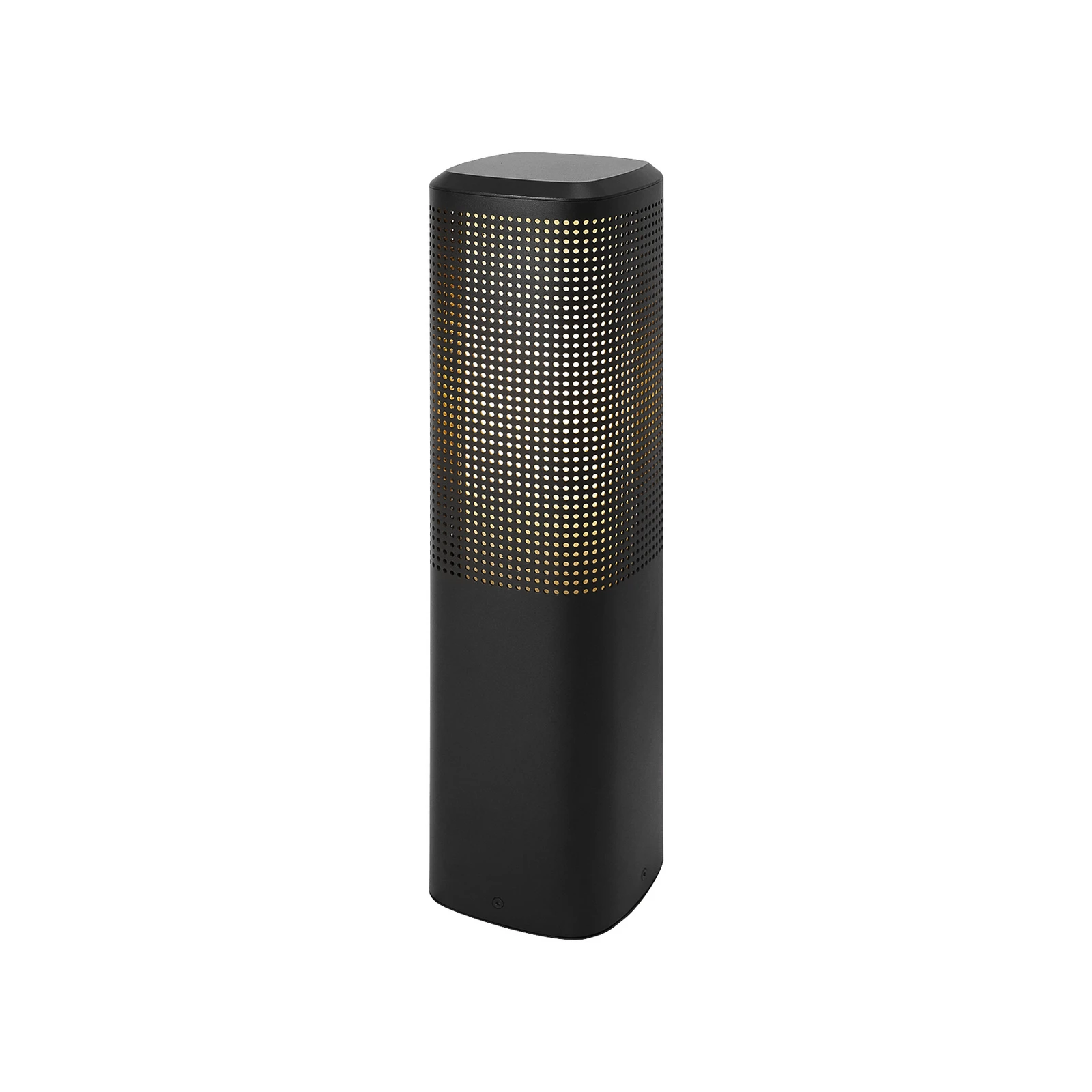
Not every fence lighting system is suitable for every fence system. With a double picket fence, lights are often mounted directly on posts or fence posts. Compact models that can be placed on top or attached to the side are useful for this purpose. It is crucial that the base dimensions and fastening match the existing post shape.
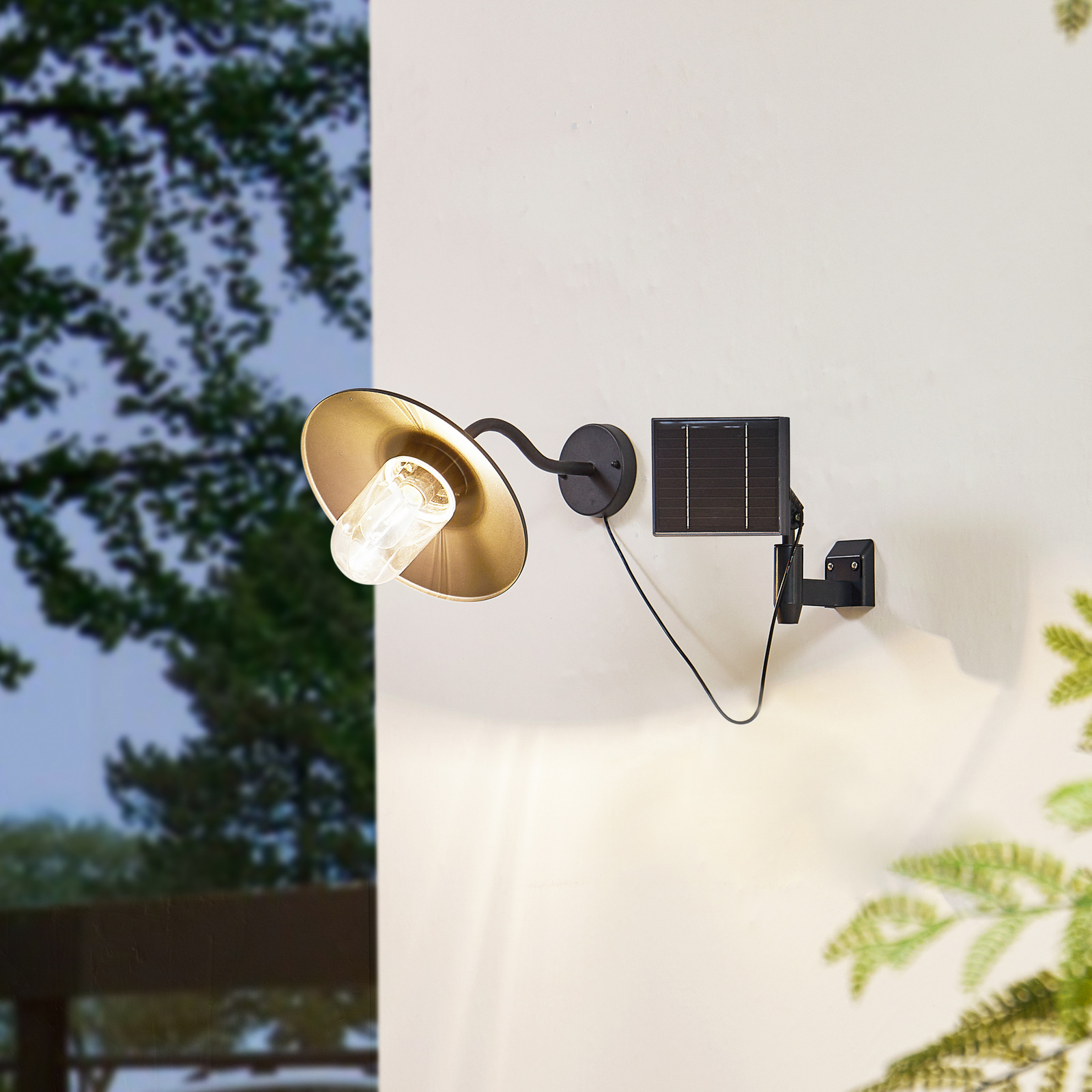
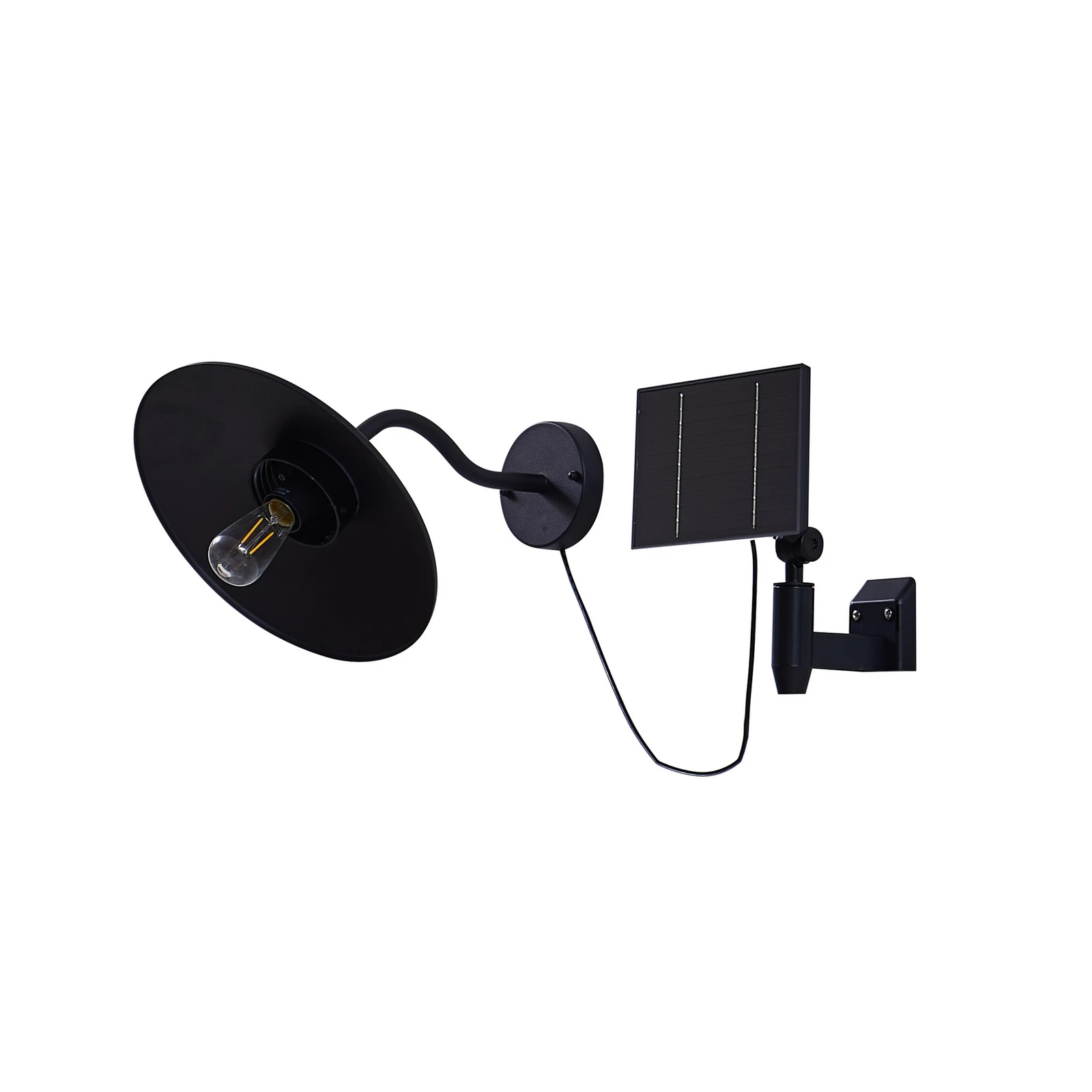
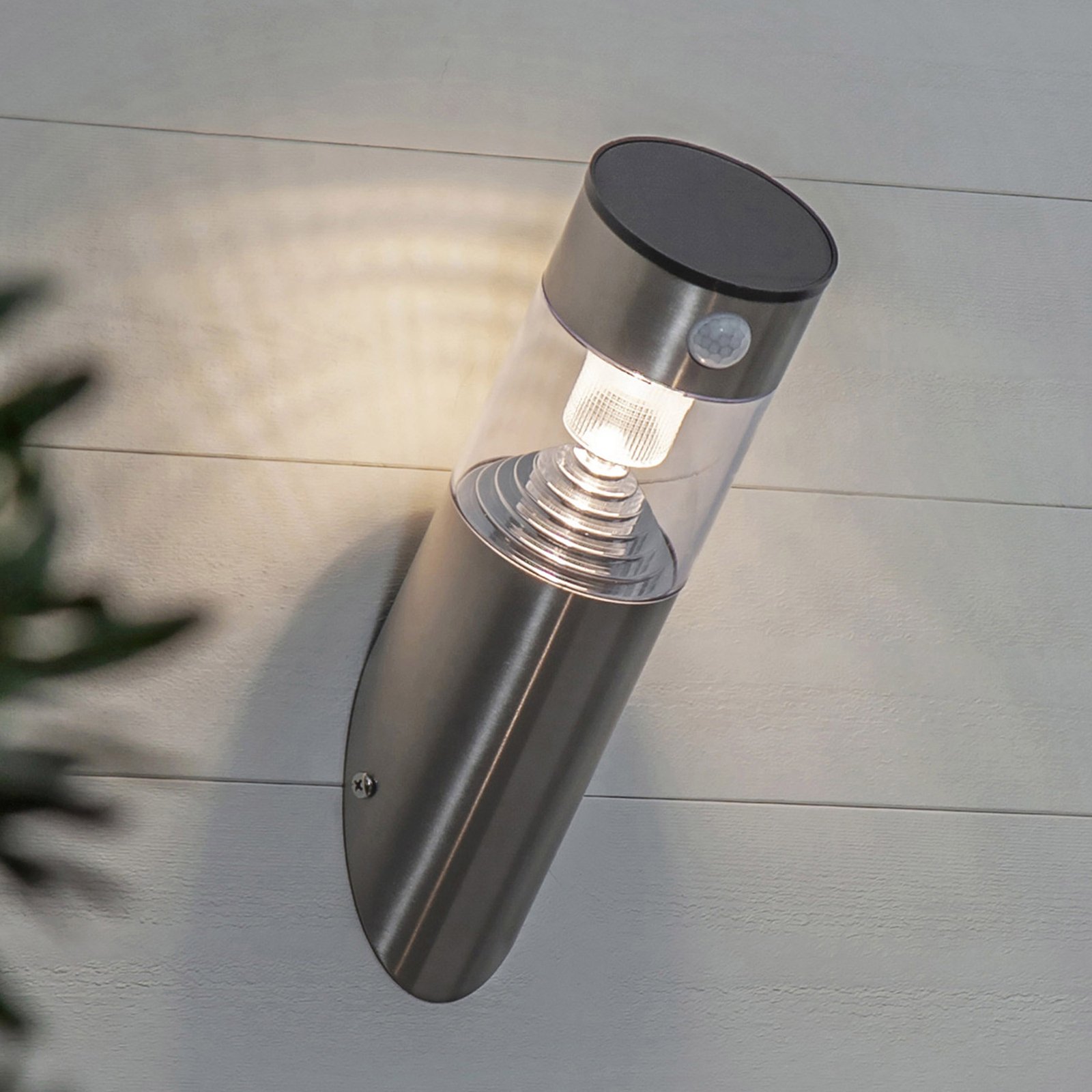
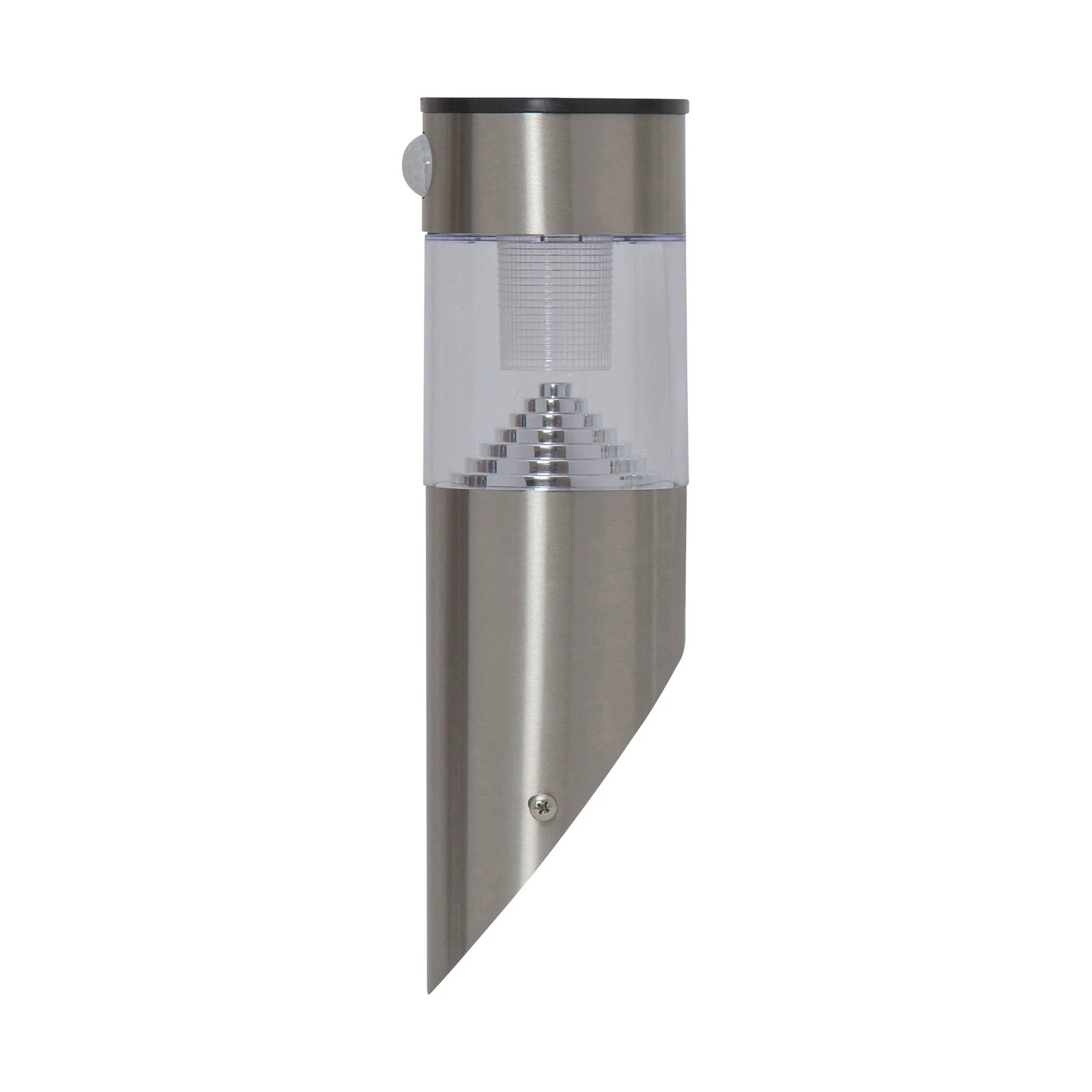
The installation situation is also important for fence lighting for double wire mesh with solar. Such lights are particularly suitable for retrofitting if no power connection is available and no cables need to be laid. With WPC fence lighting, the focus is also on visible integration into the fence system. Simple lights in anthracite or black often fit better here than eye-catching shapes. In the case of wood, gabions or solid wall elements, a more directional light distribution can be useful to make the material structure and depth more visible.
Safe planning and clean installation of wall lighting
All lighting on walls and fences should be suitable for outdoor use. It is not only the luminaire itself that is important, but also the appropriate IP protection rating, the accessories, the mounting and the routing of cables or connections. Moisture, dirt and temperature fluctuations have a permanent effect on the material and installation.
With LED wall lighting, the position of the luminaire is crucial. If it sits too low, glare and hard shadows are created more quickly. If it is too high, the light loses its effect on the surface. The light requirement should also be assessed realistically. More lumens do not automatically lead to better lighting. A few well-placed light points are often sufficient if the wall, fence layout and utilisation situation are planned from the outset.