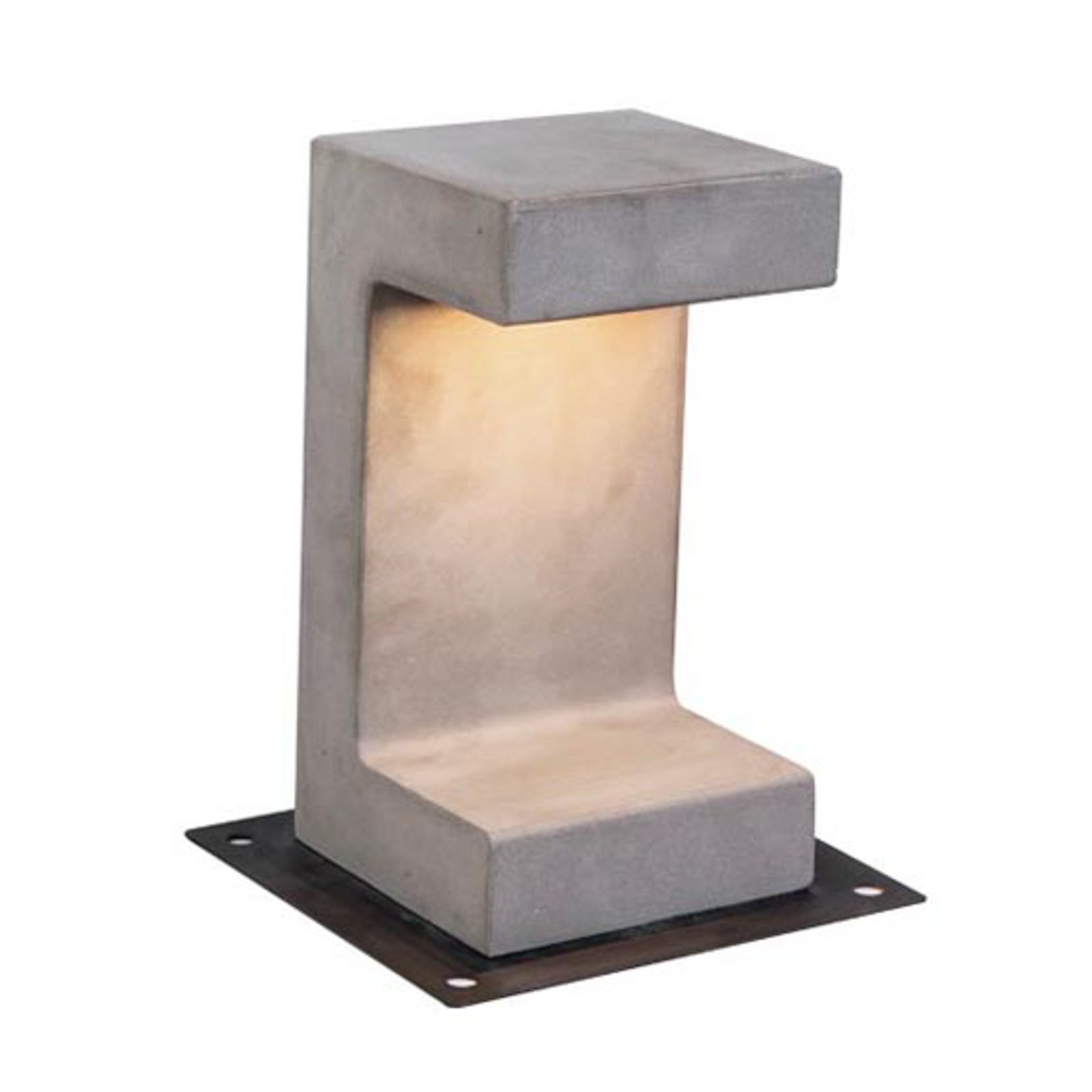
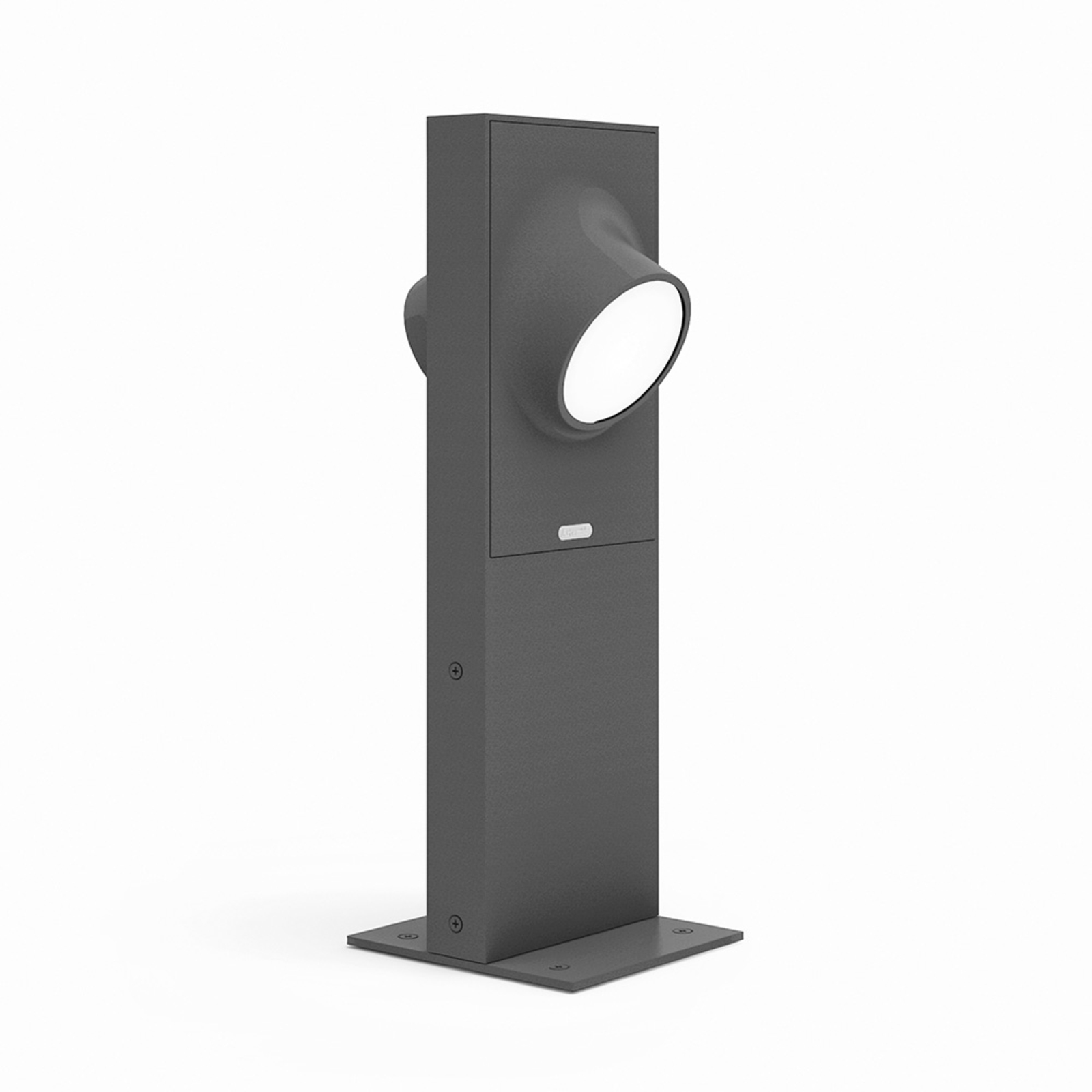
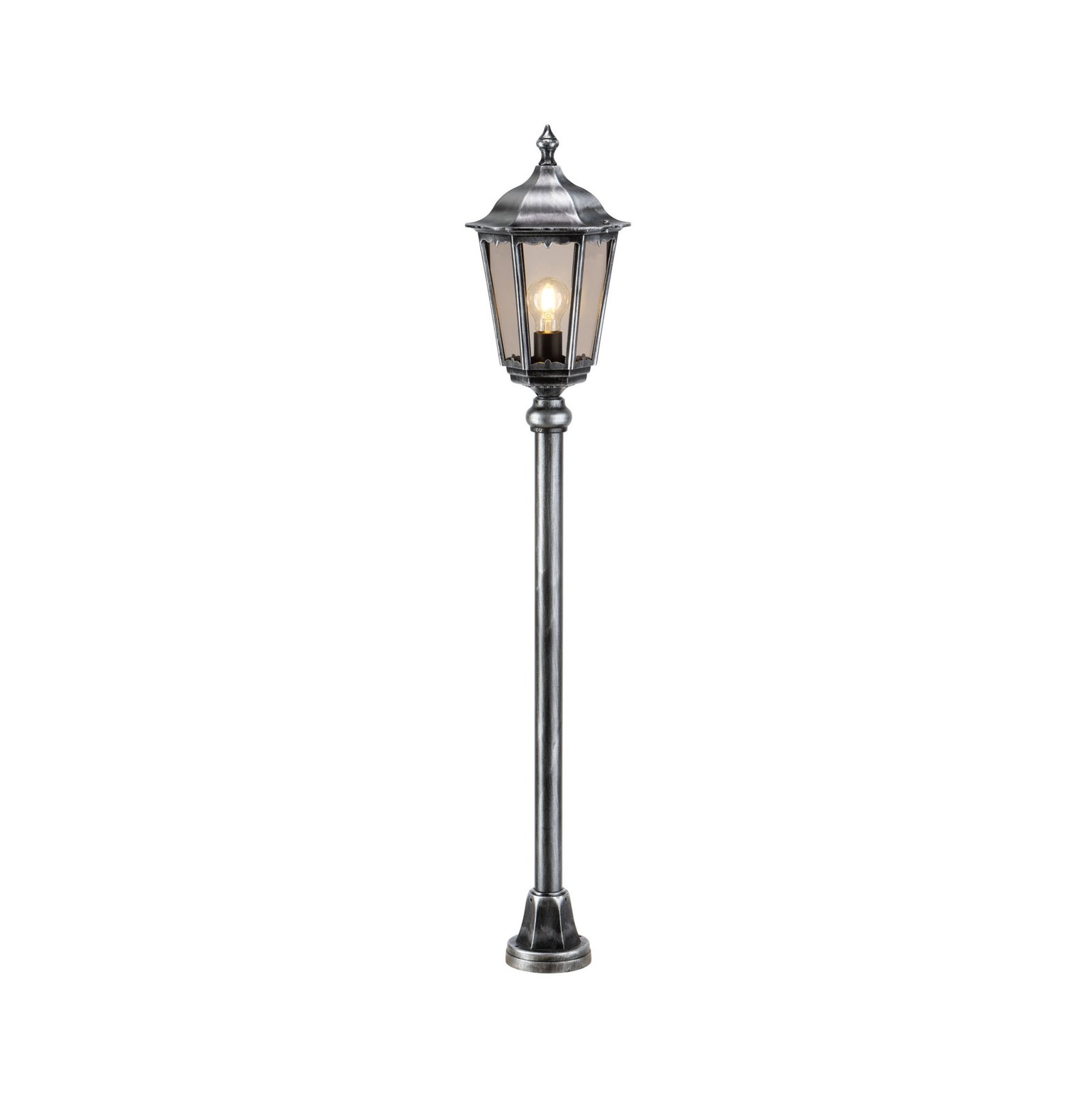
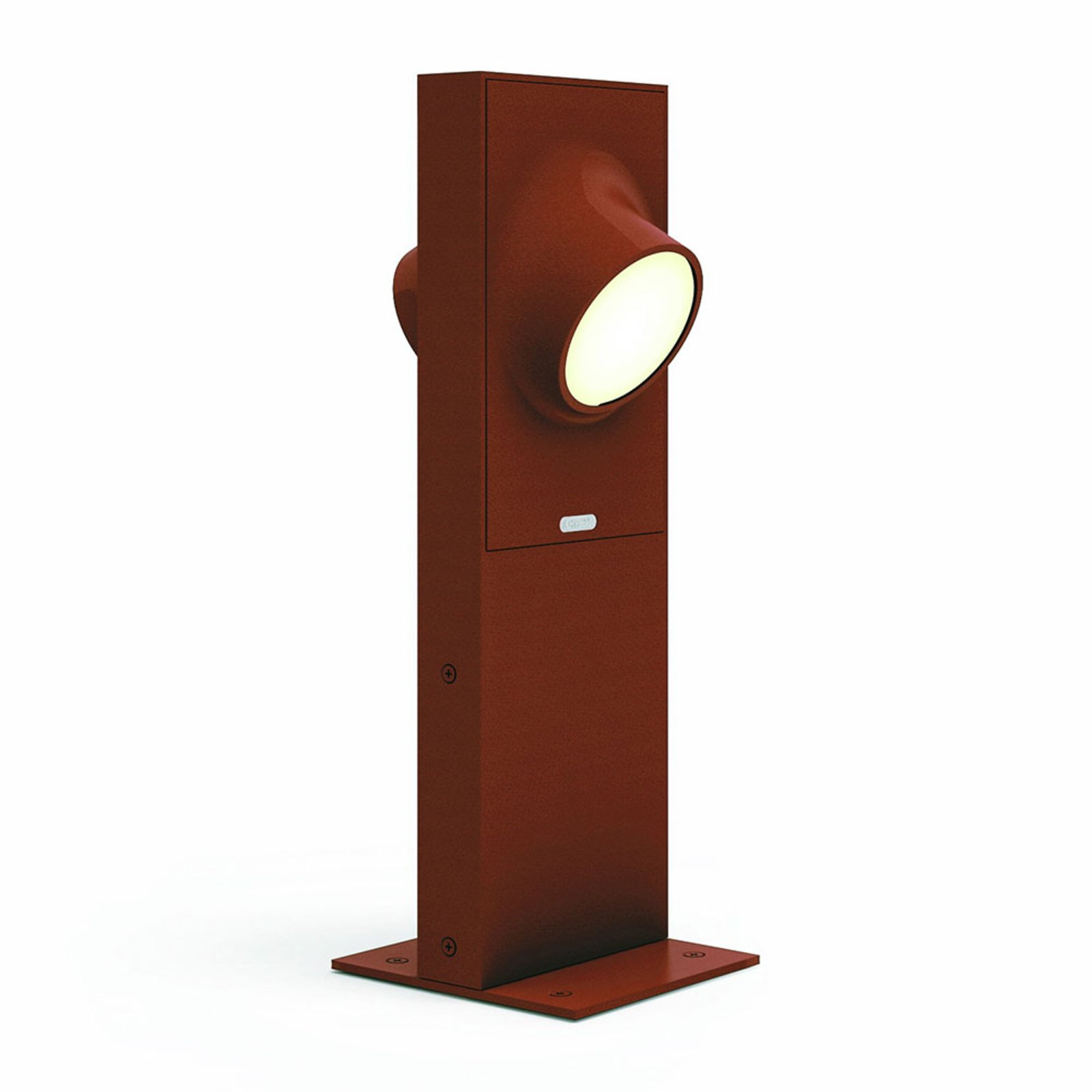
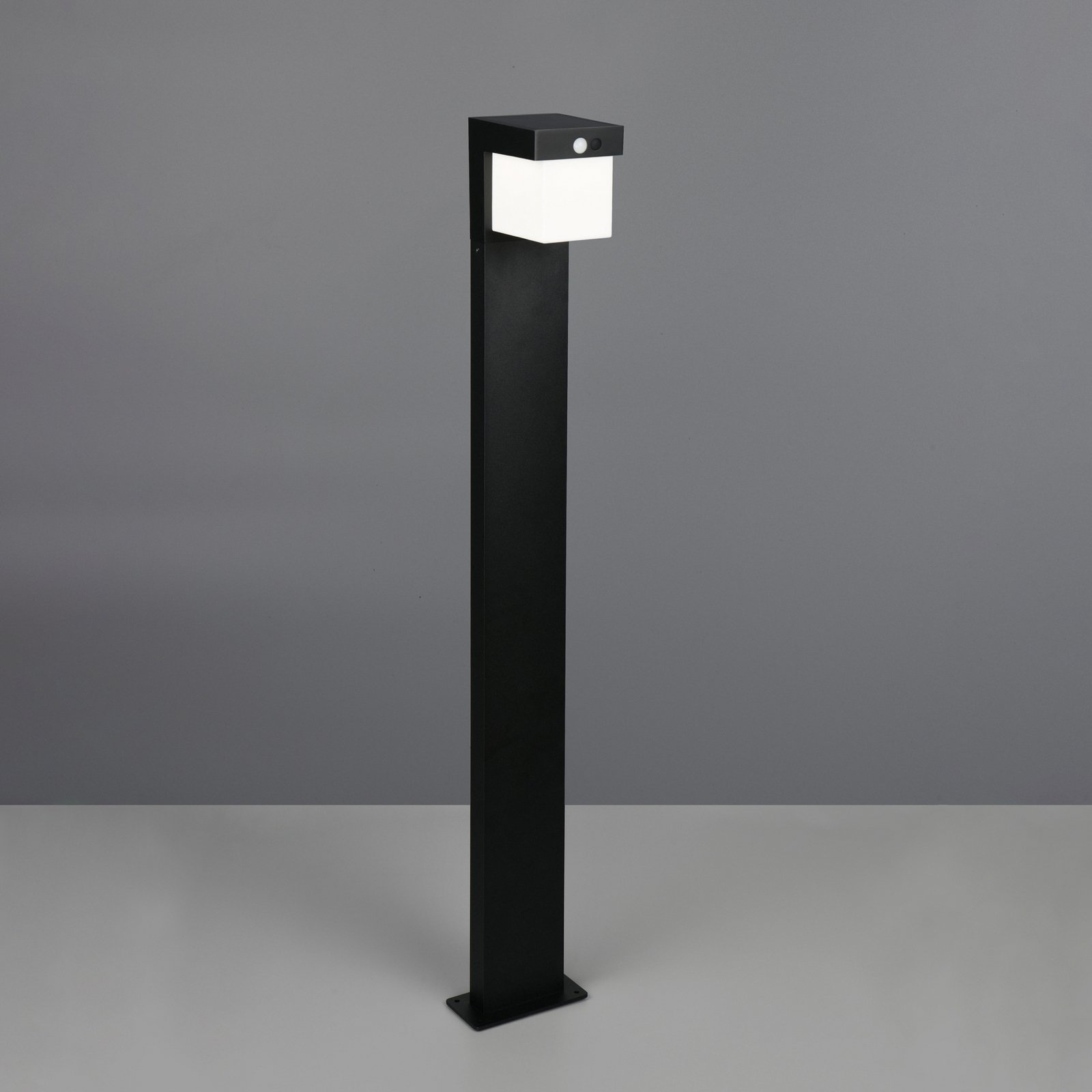
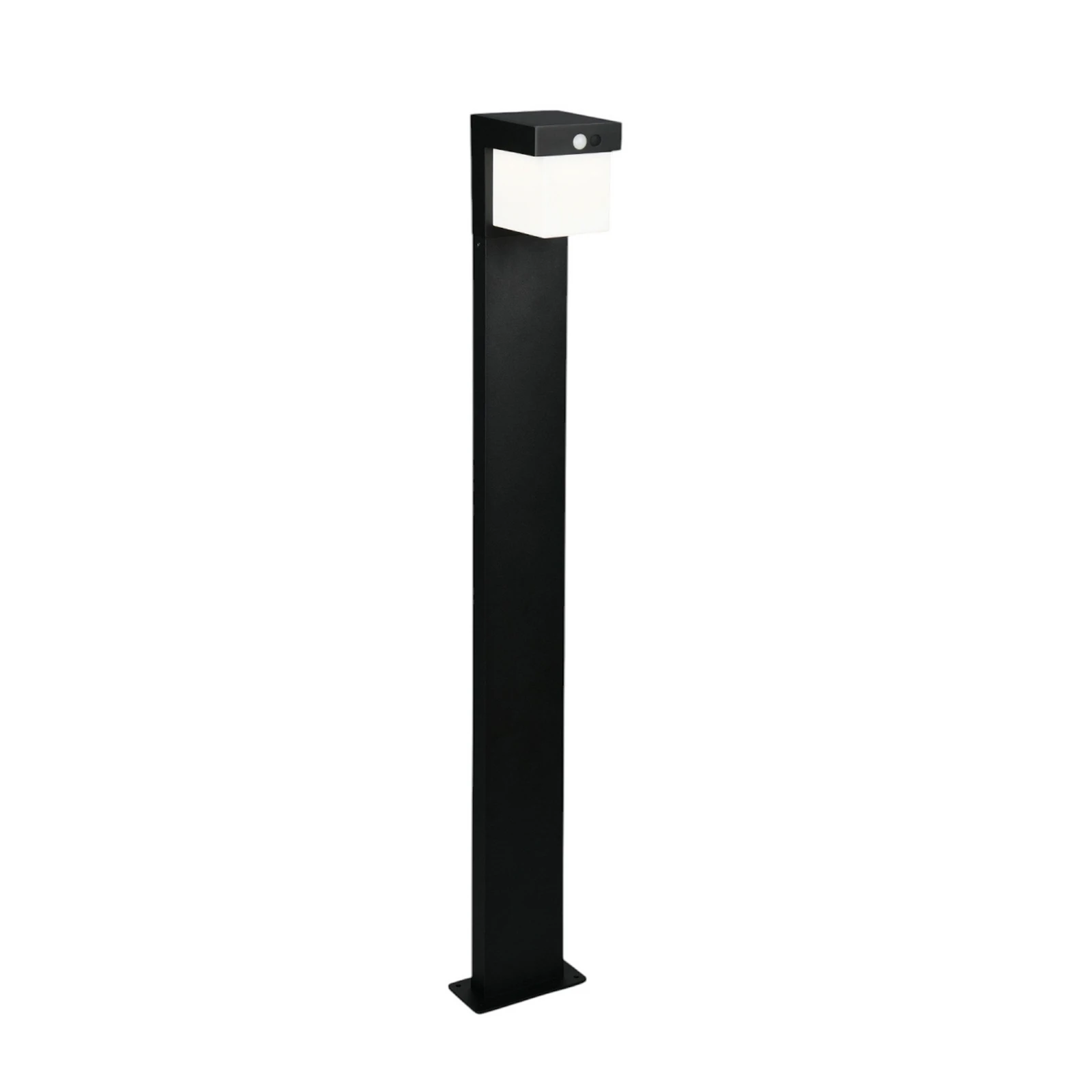
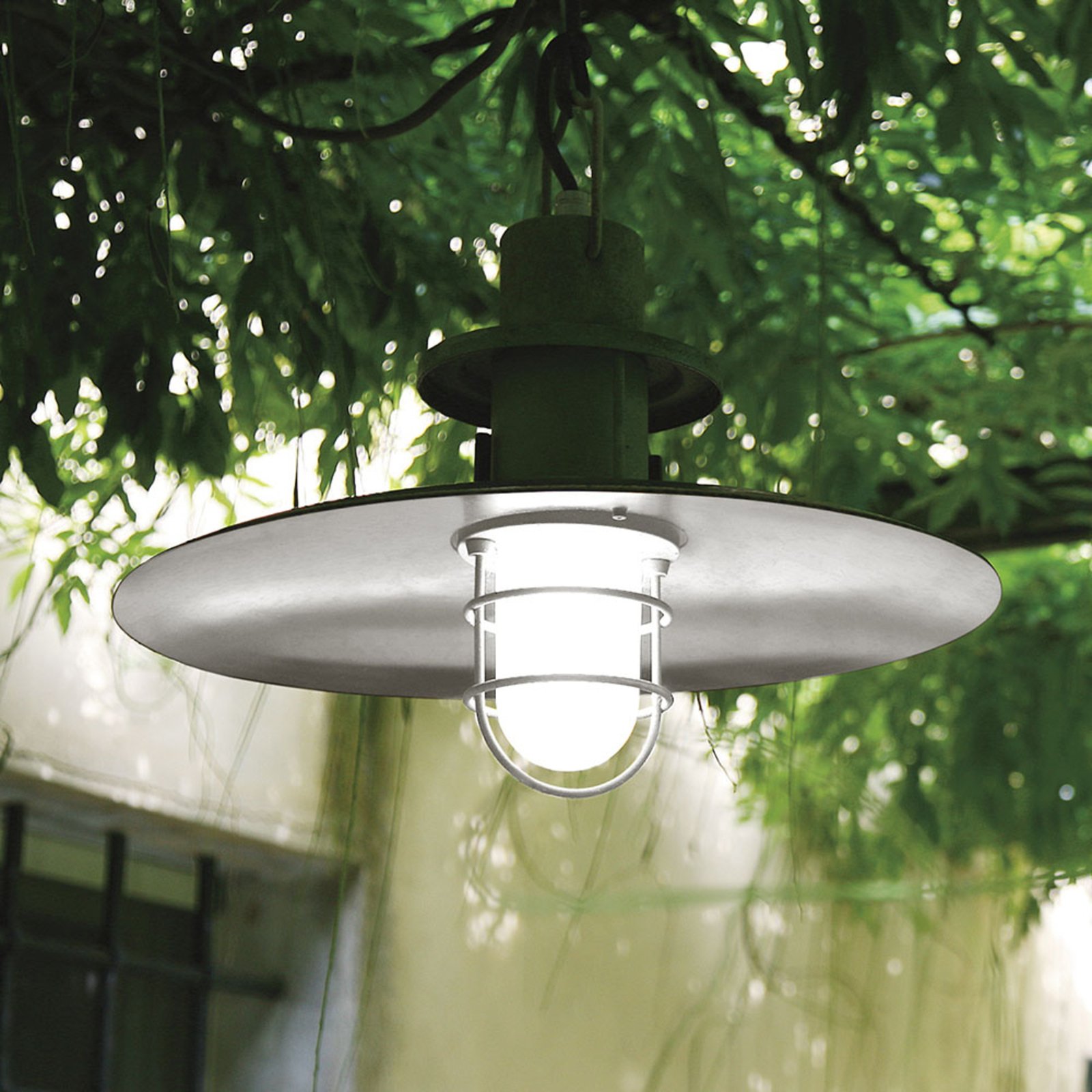
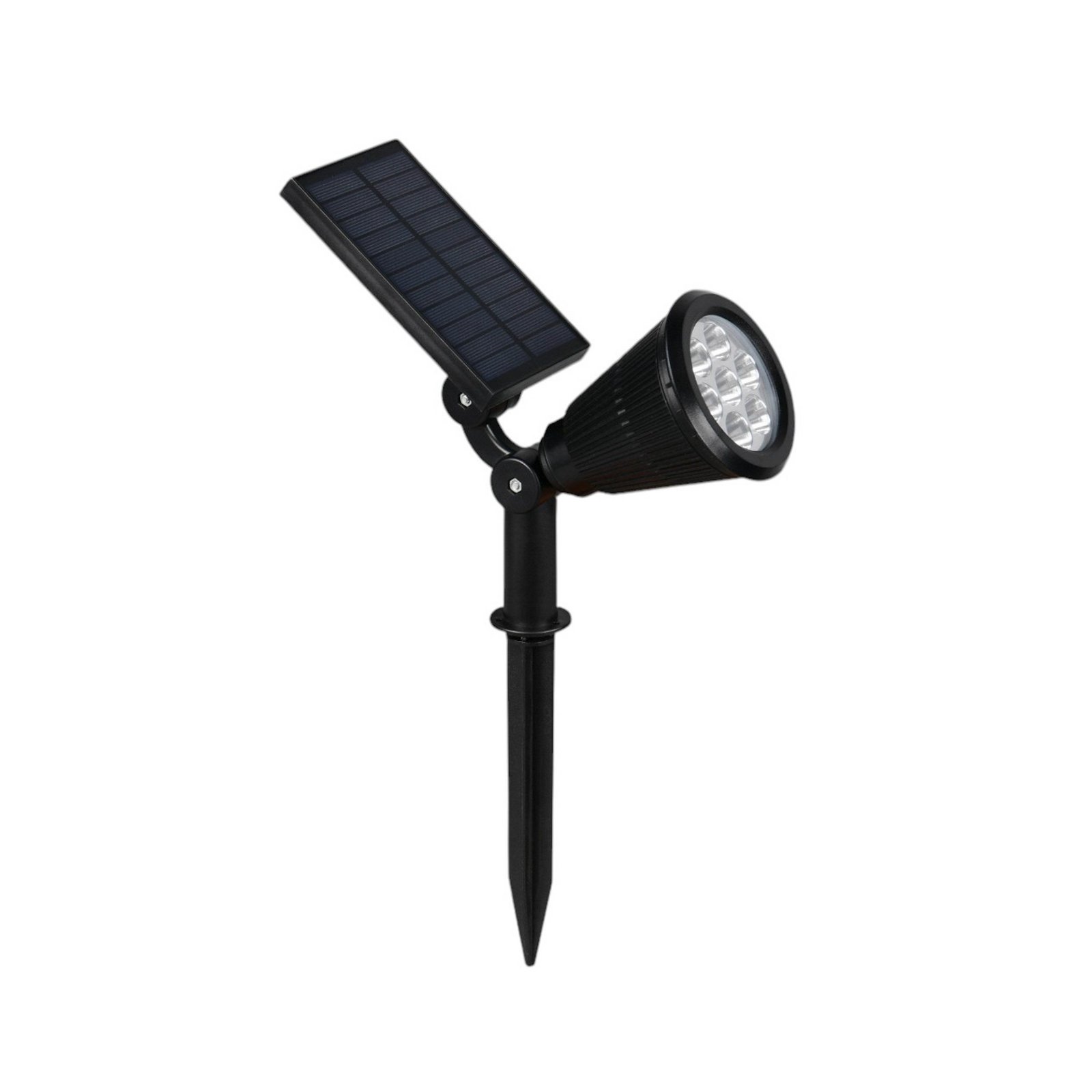
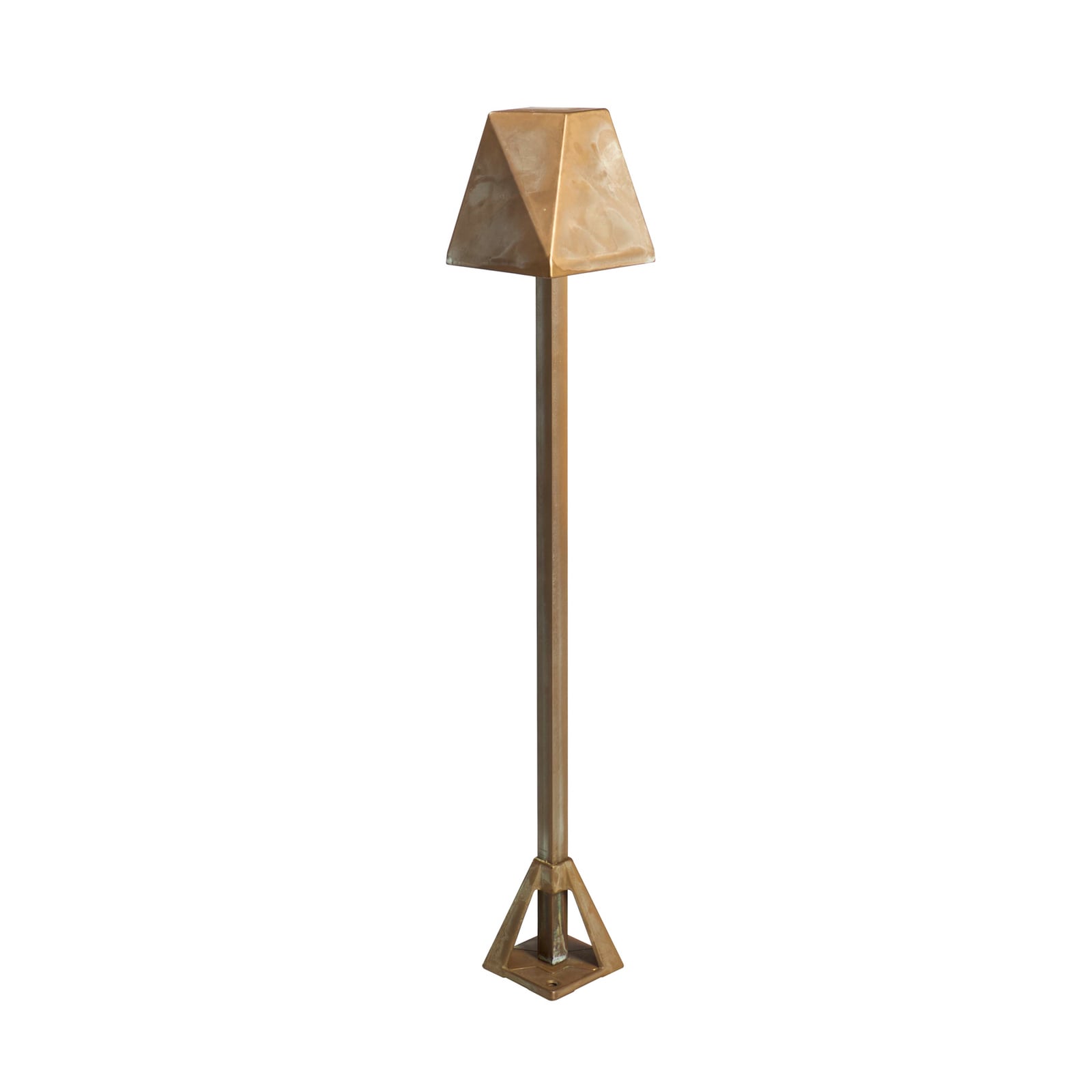
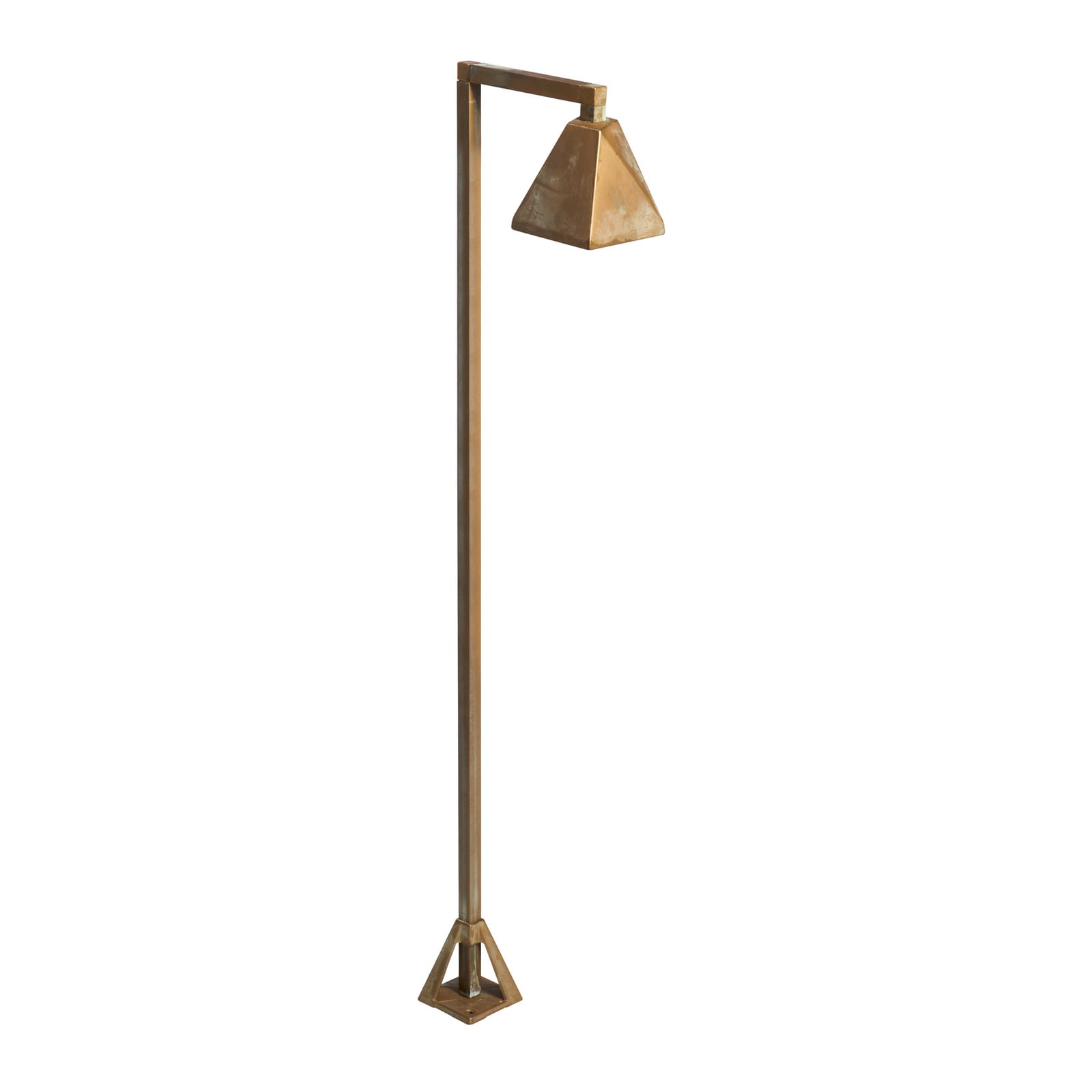
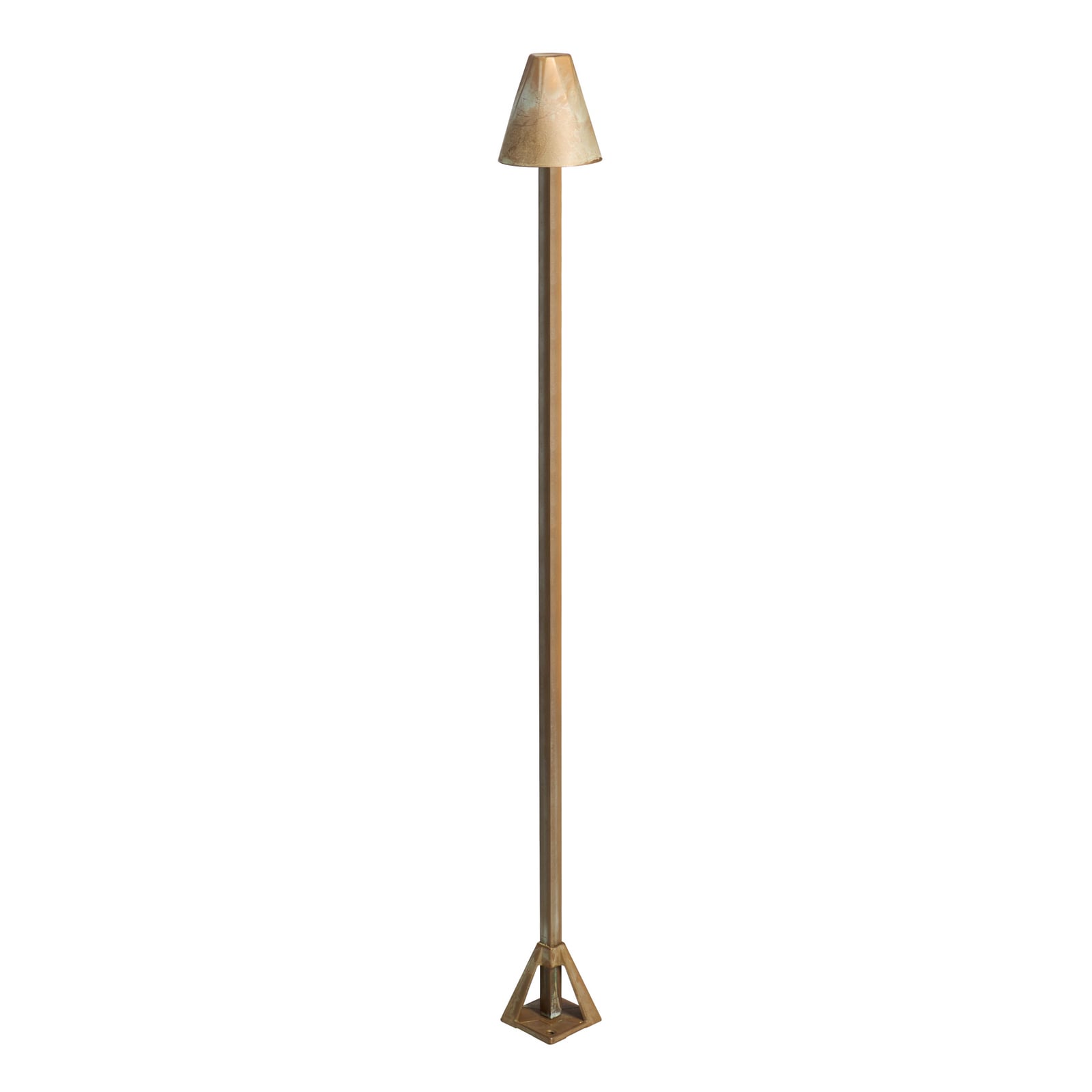
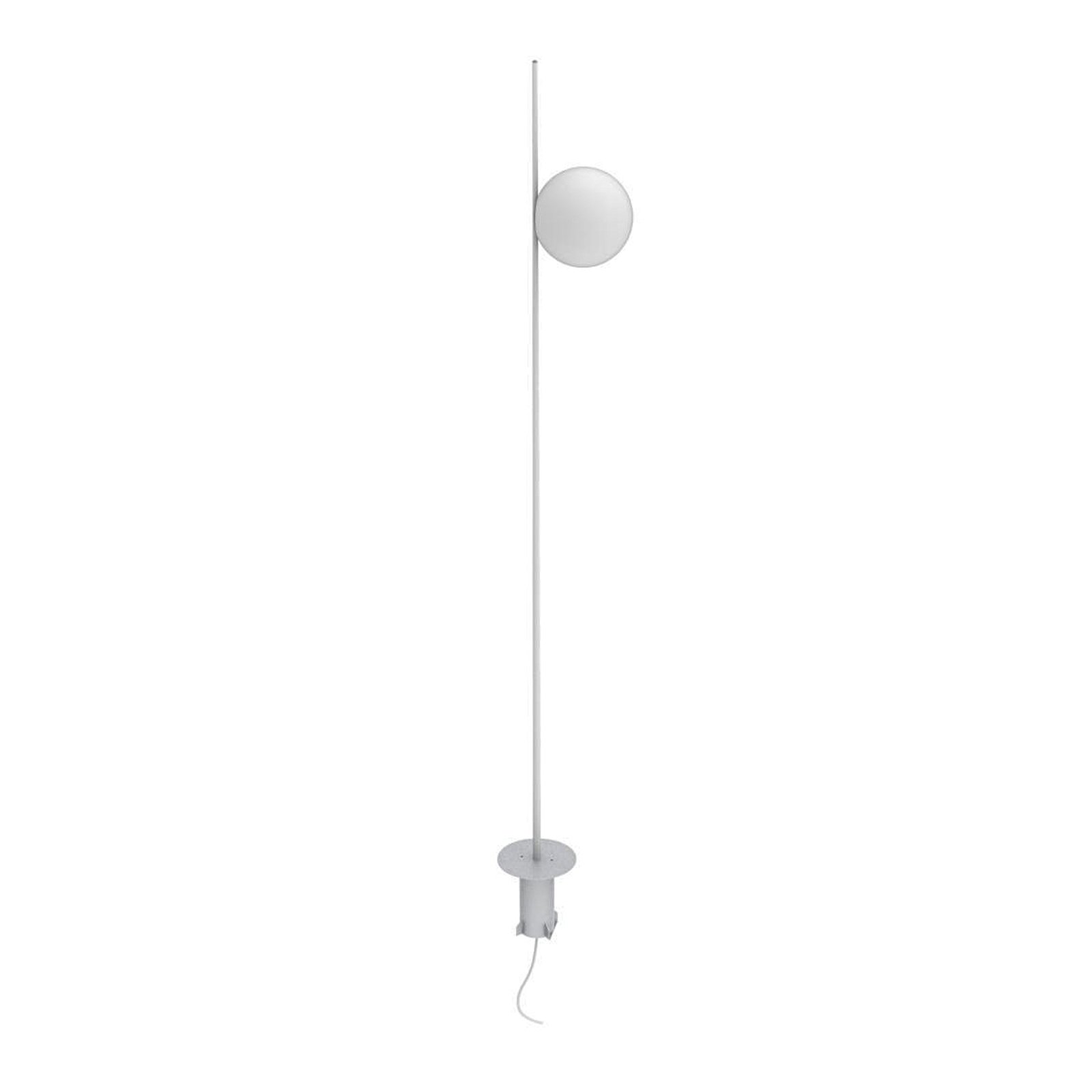
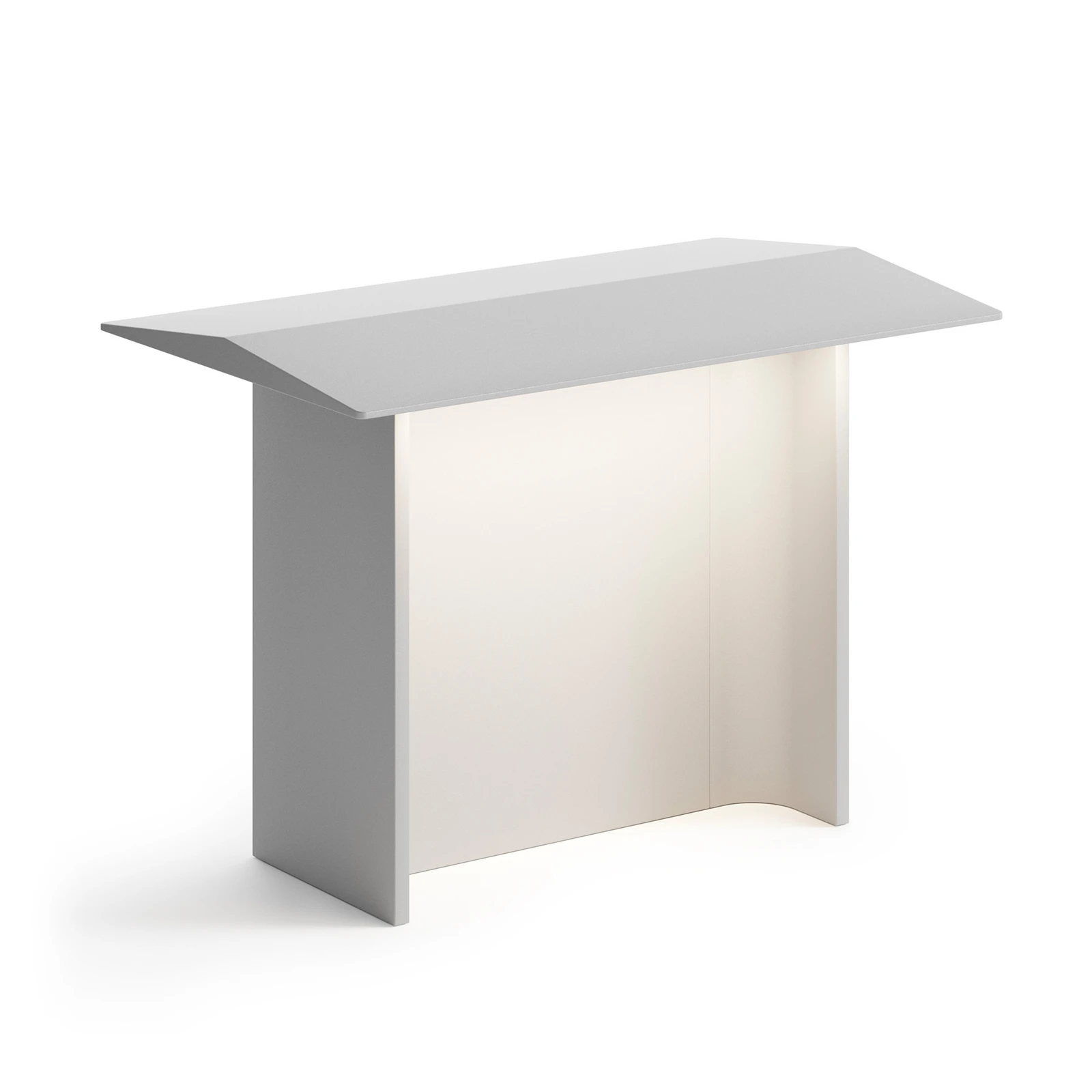
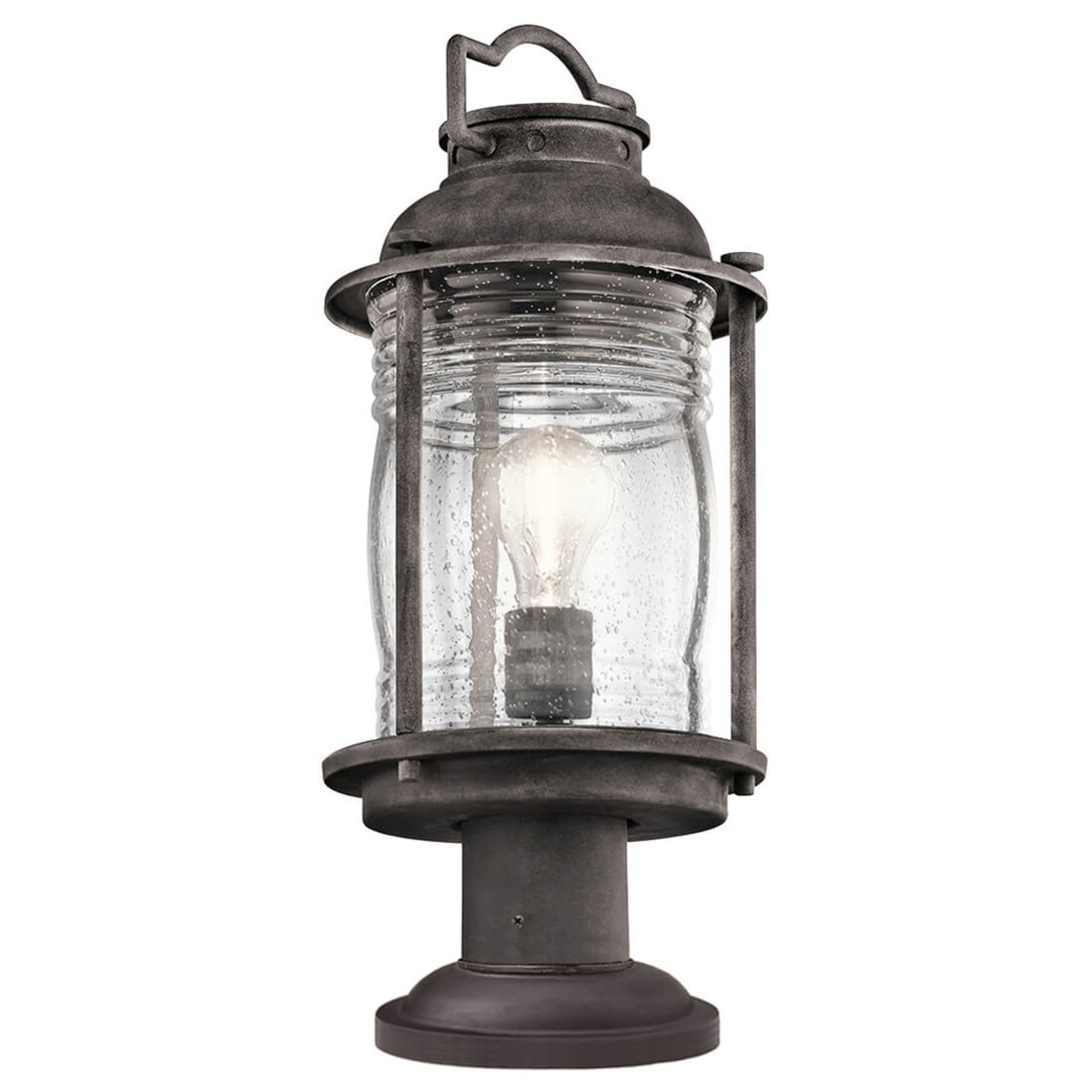
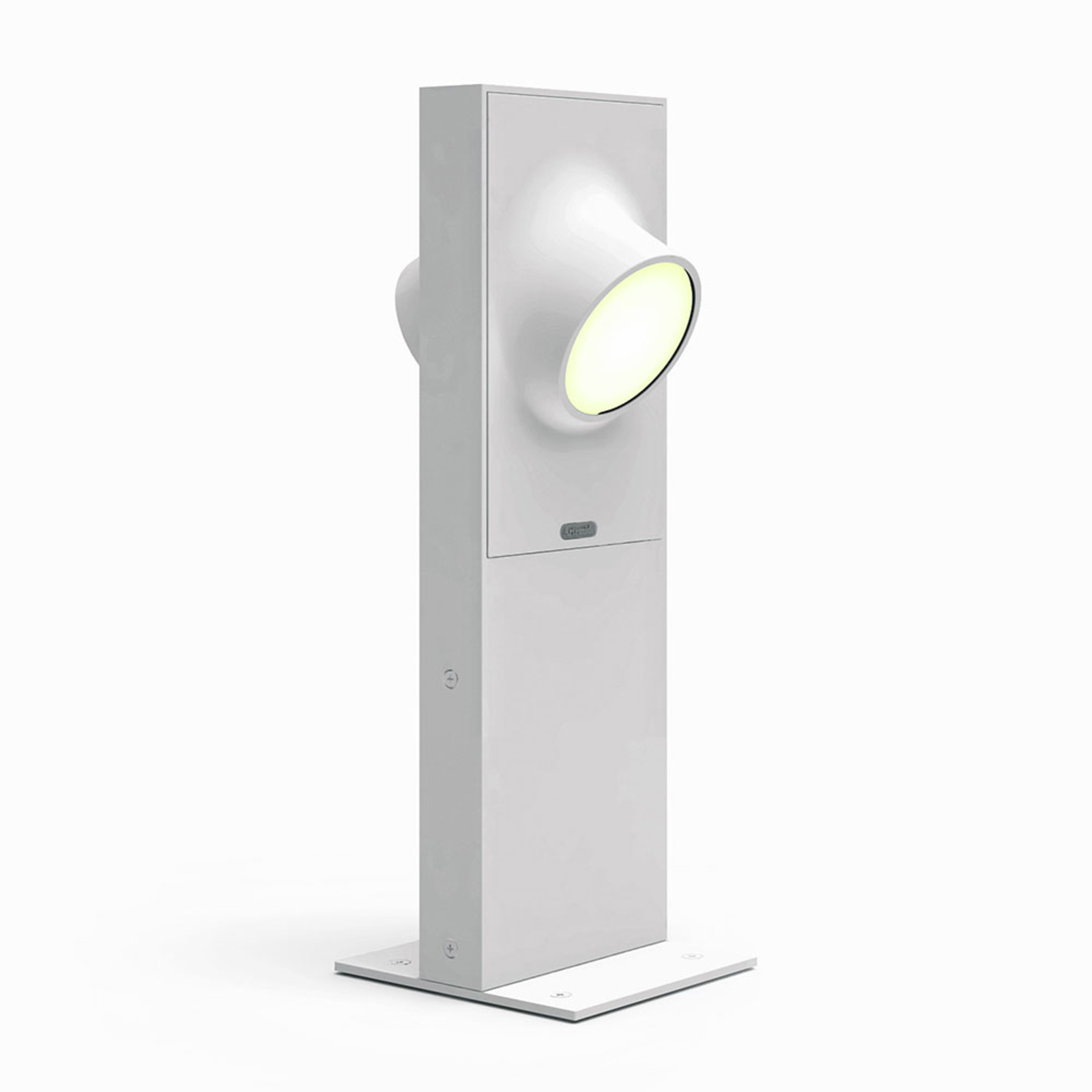
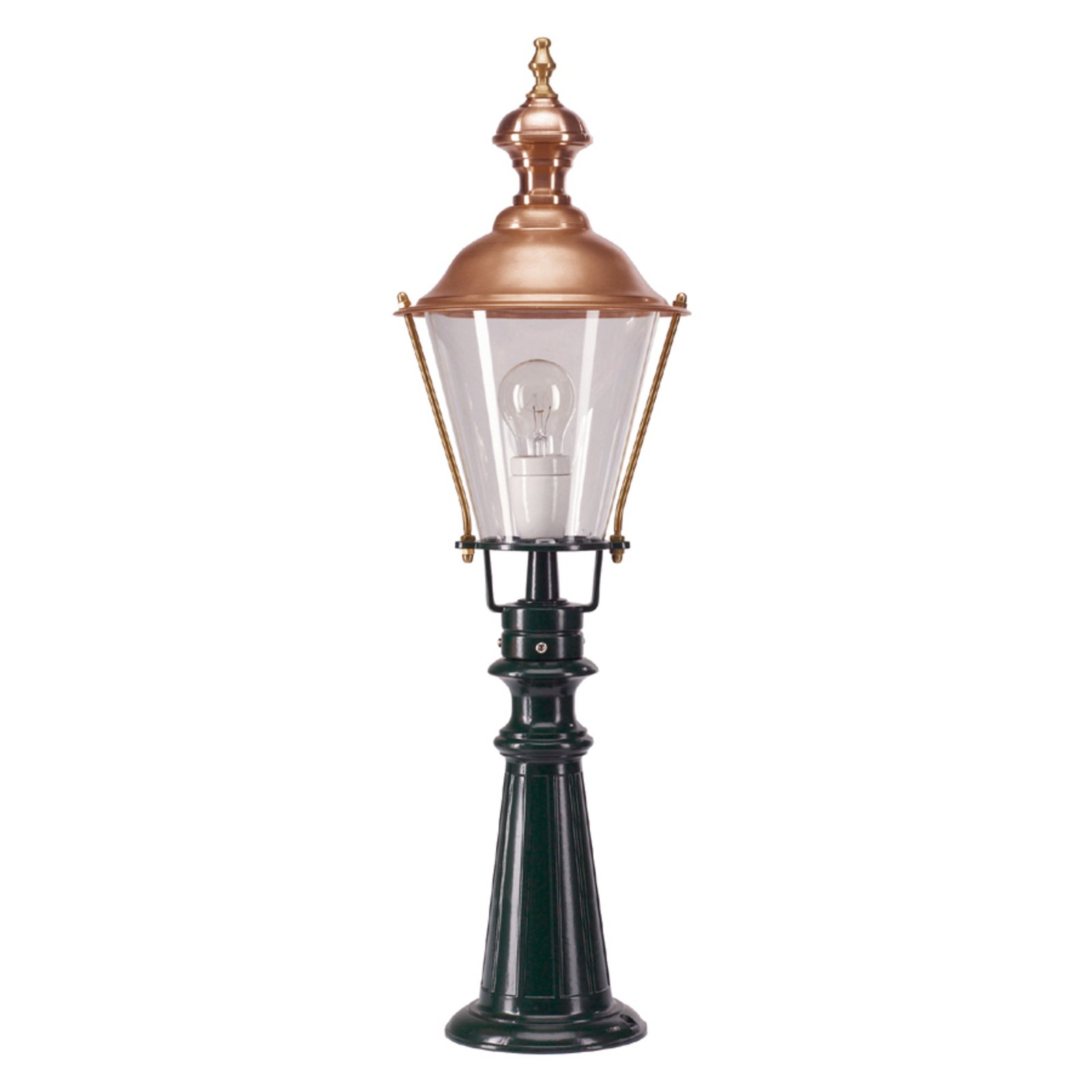
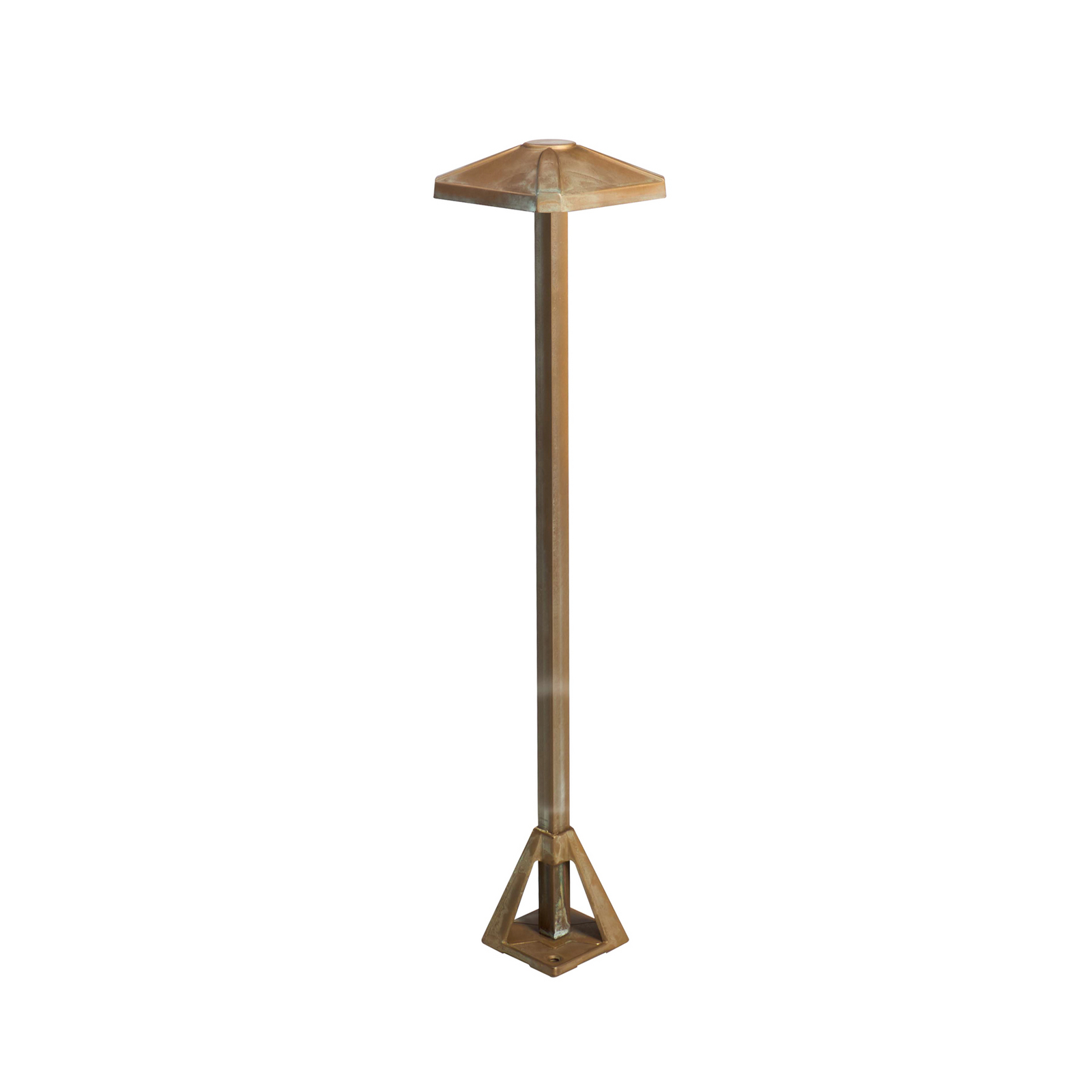
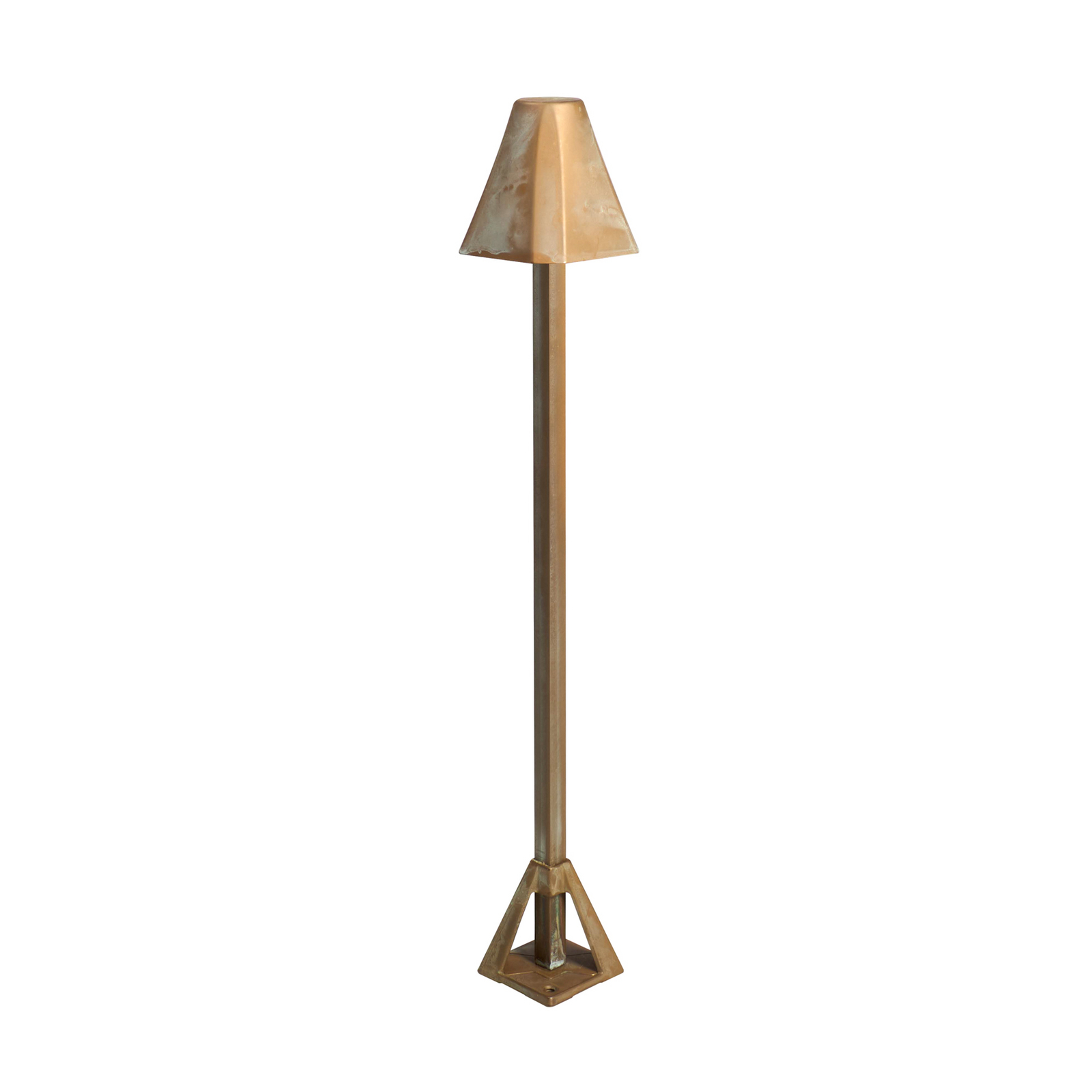
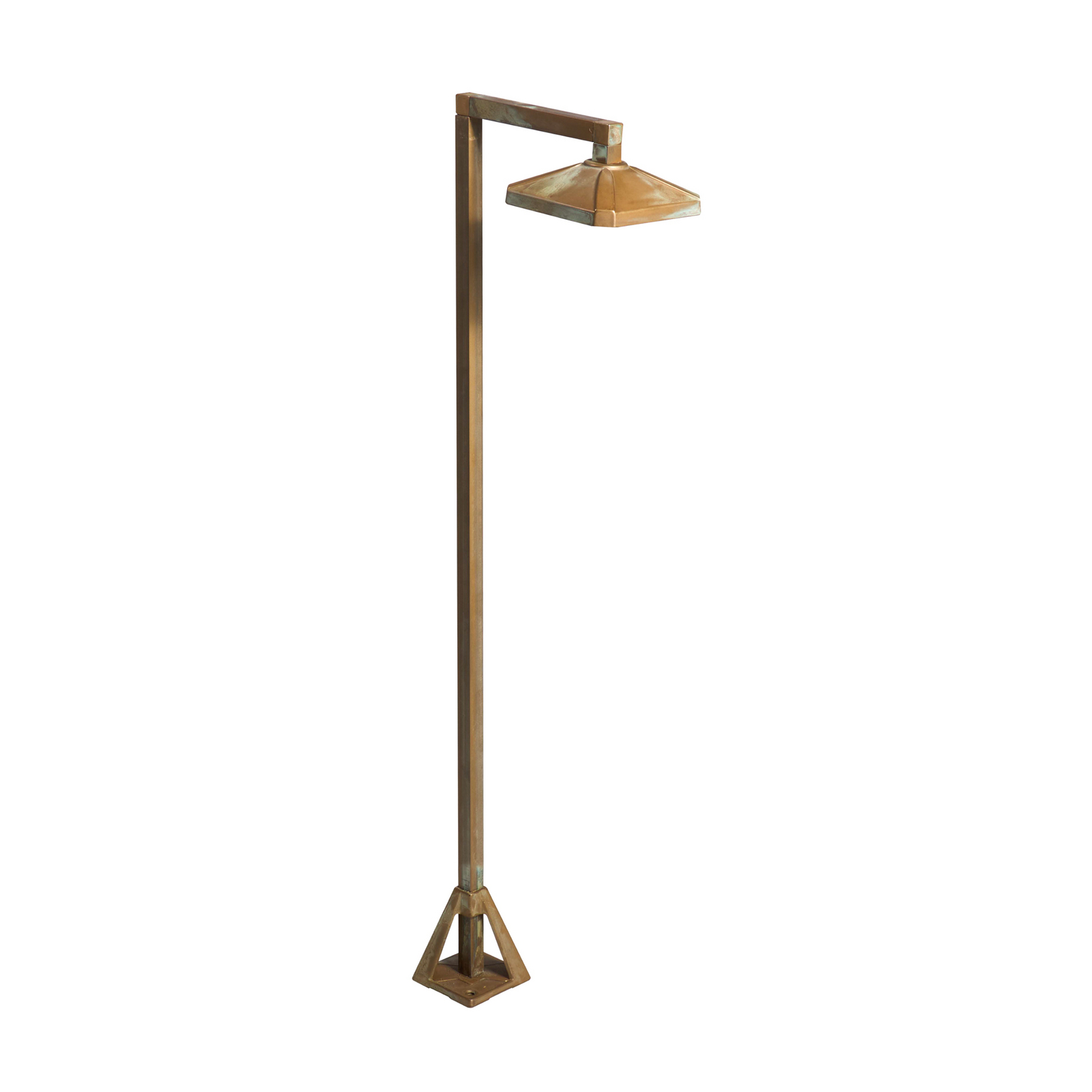
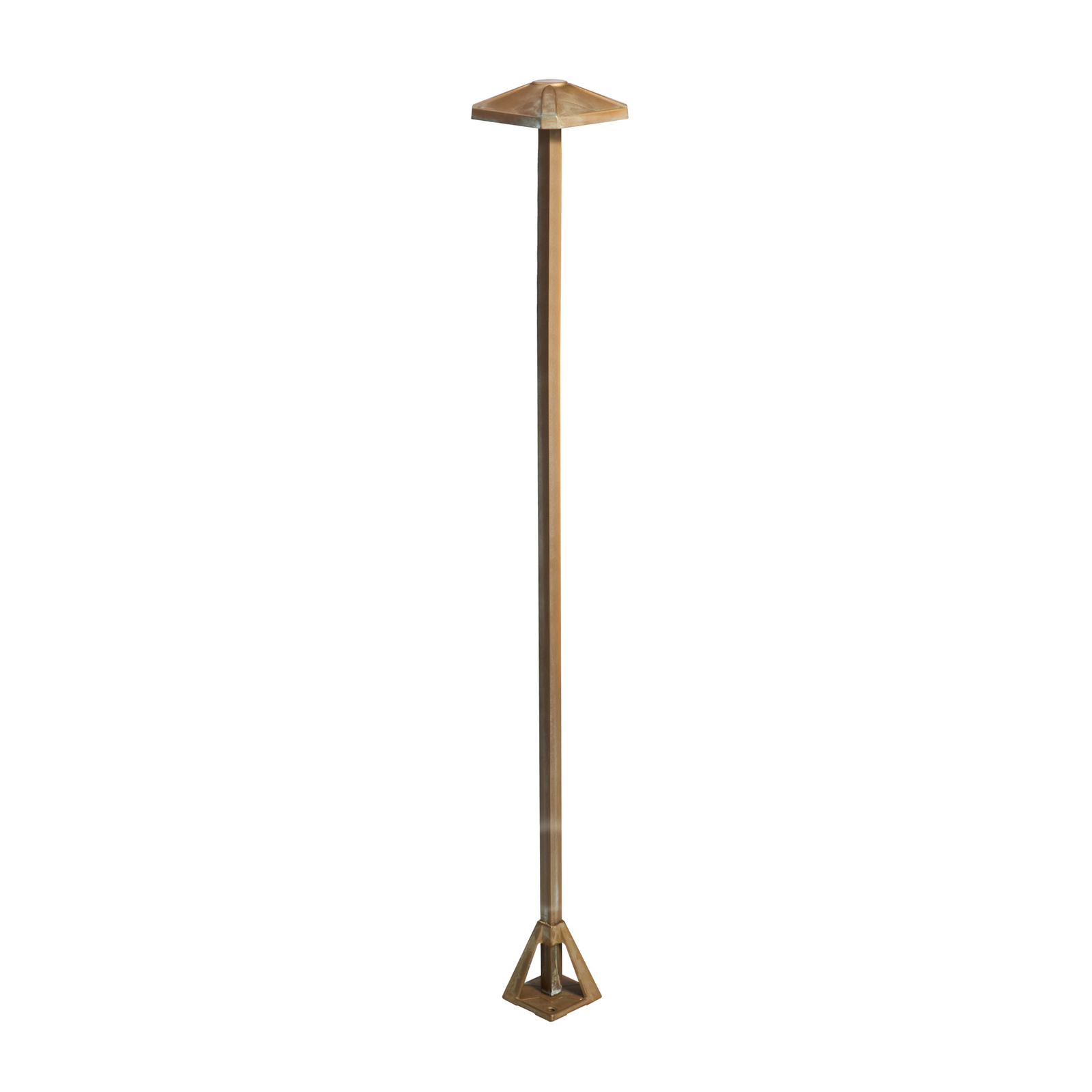
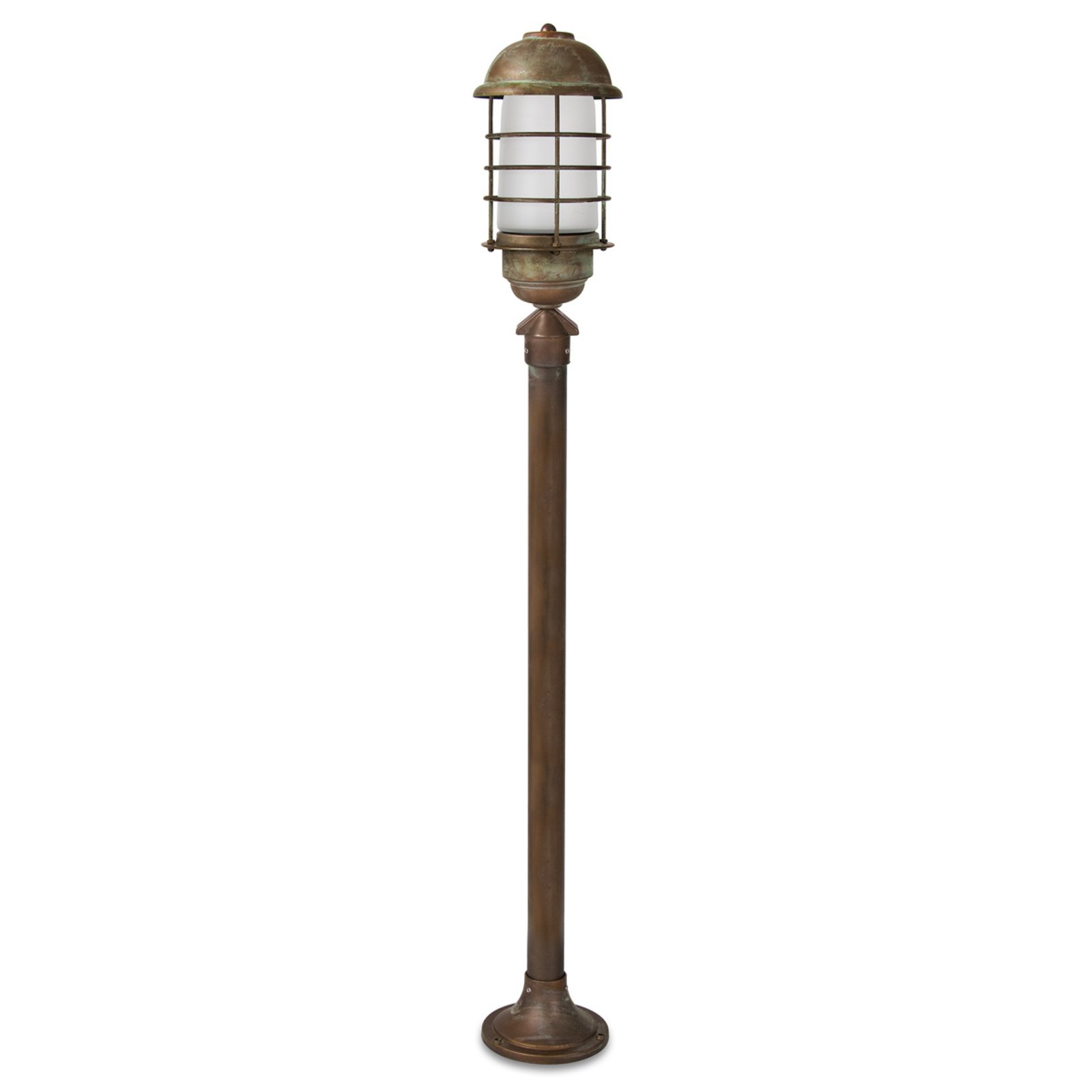
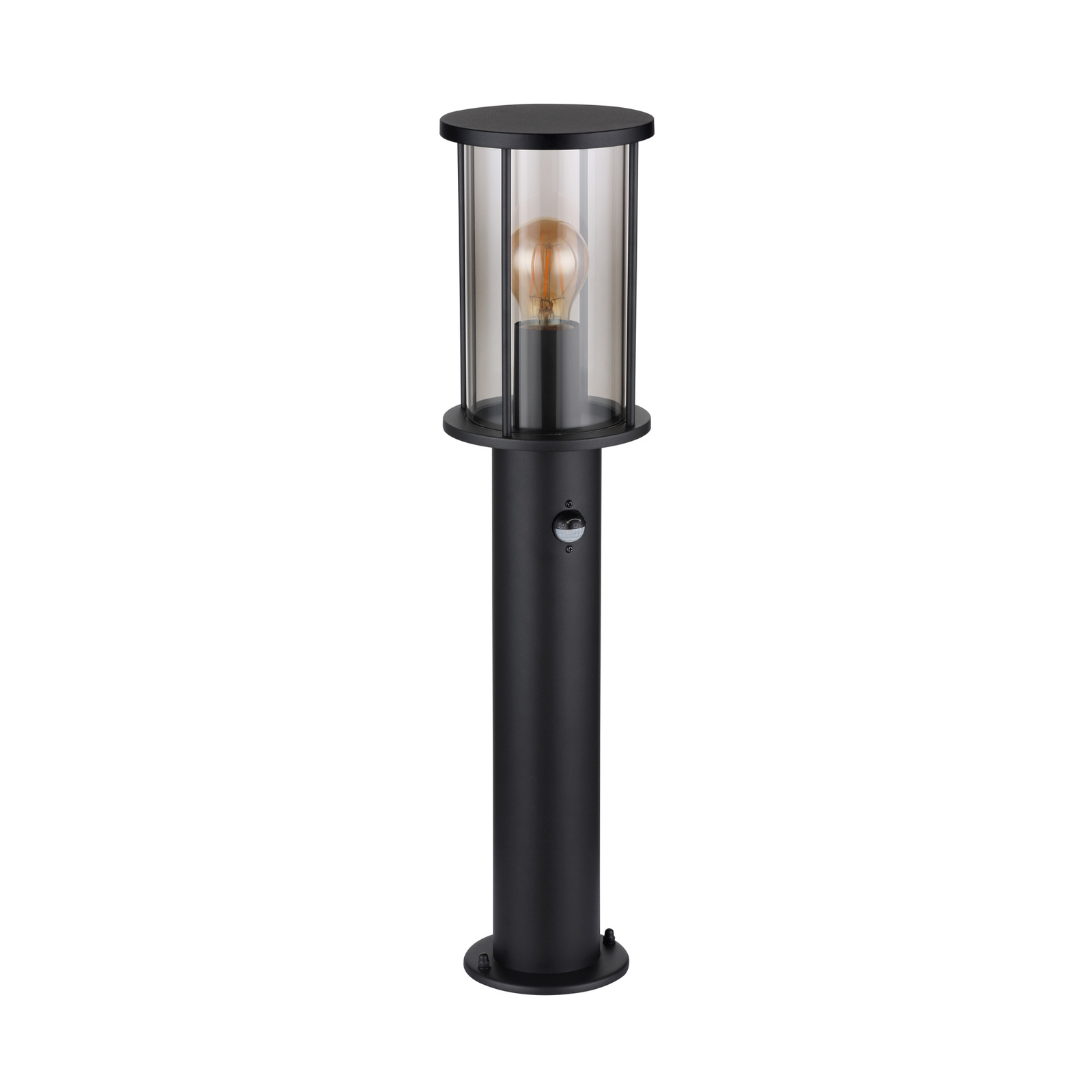
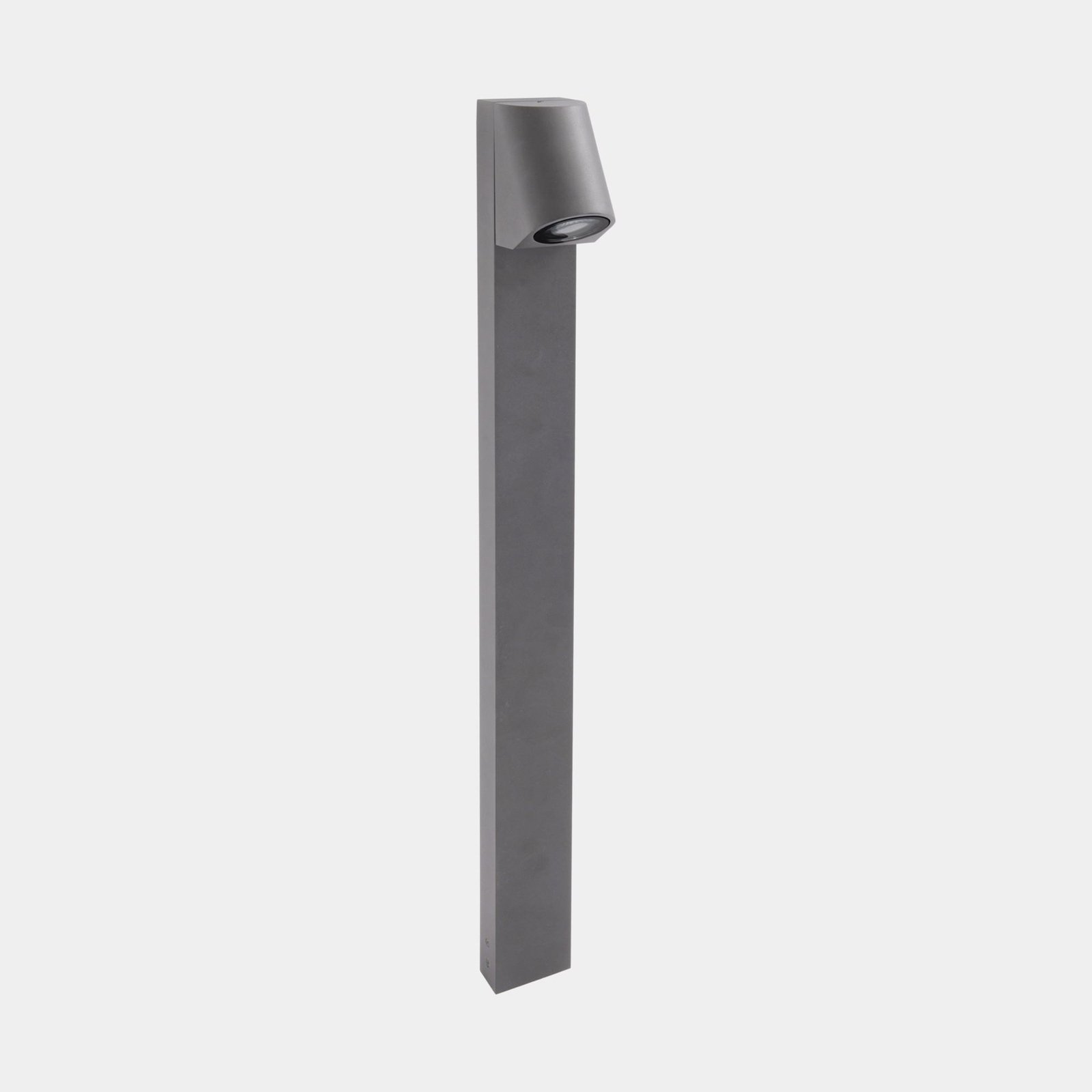
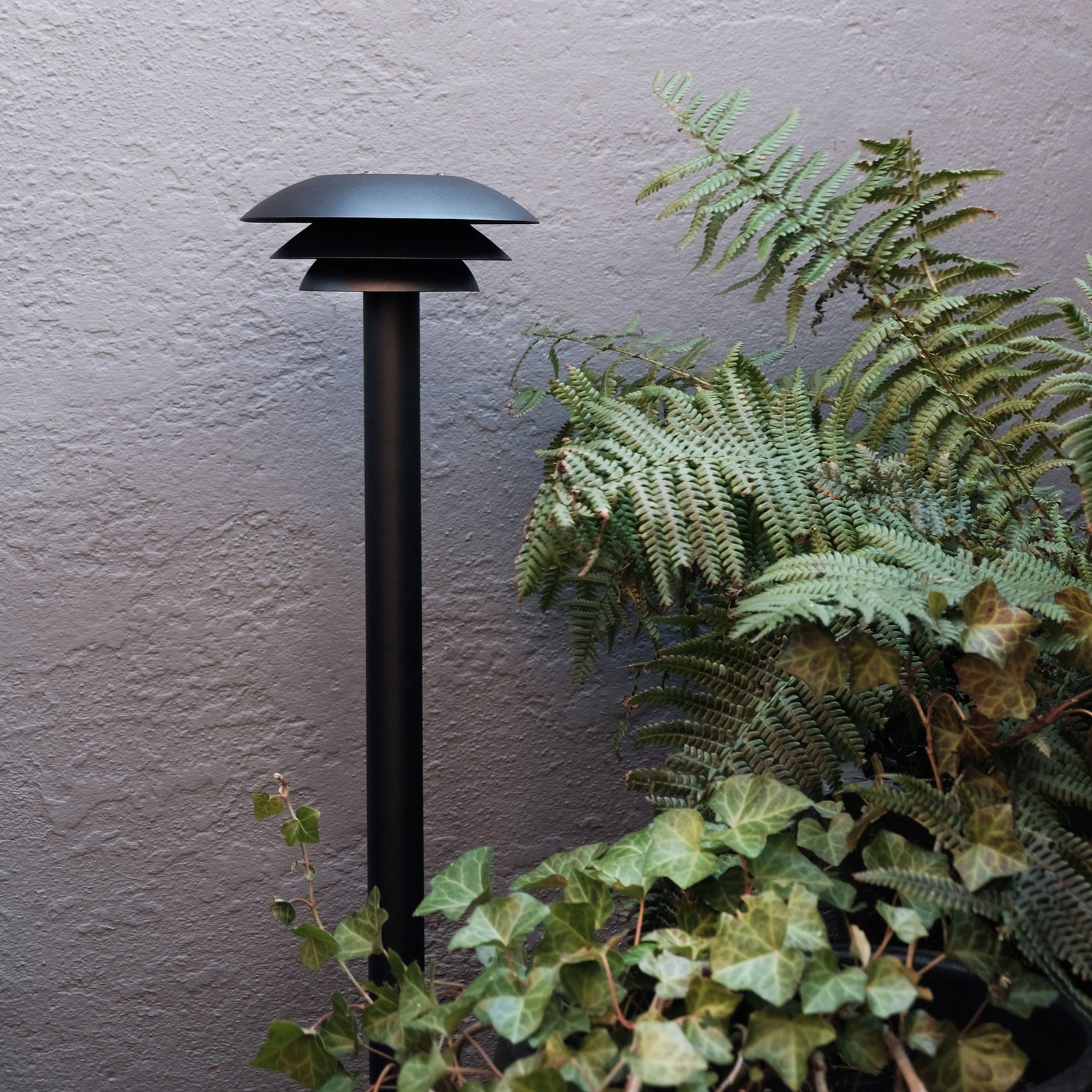
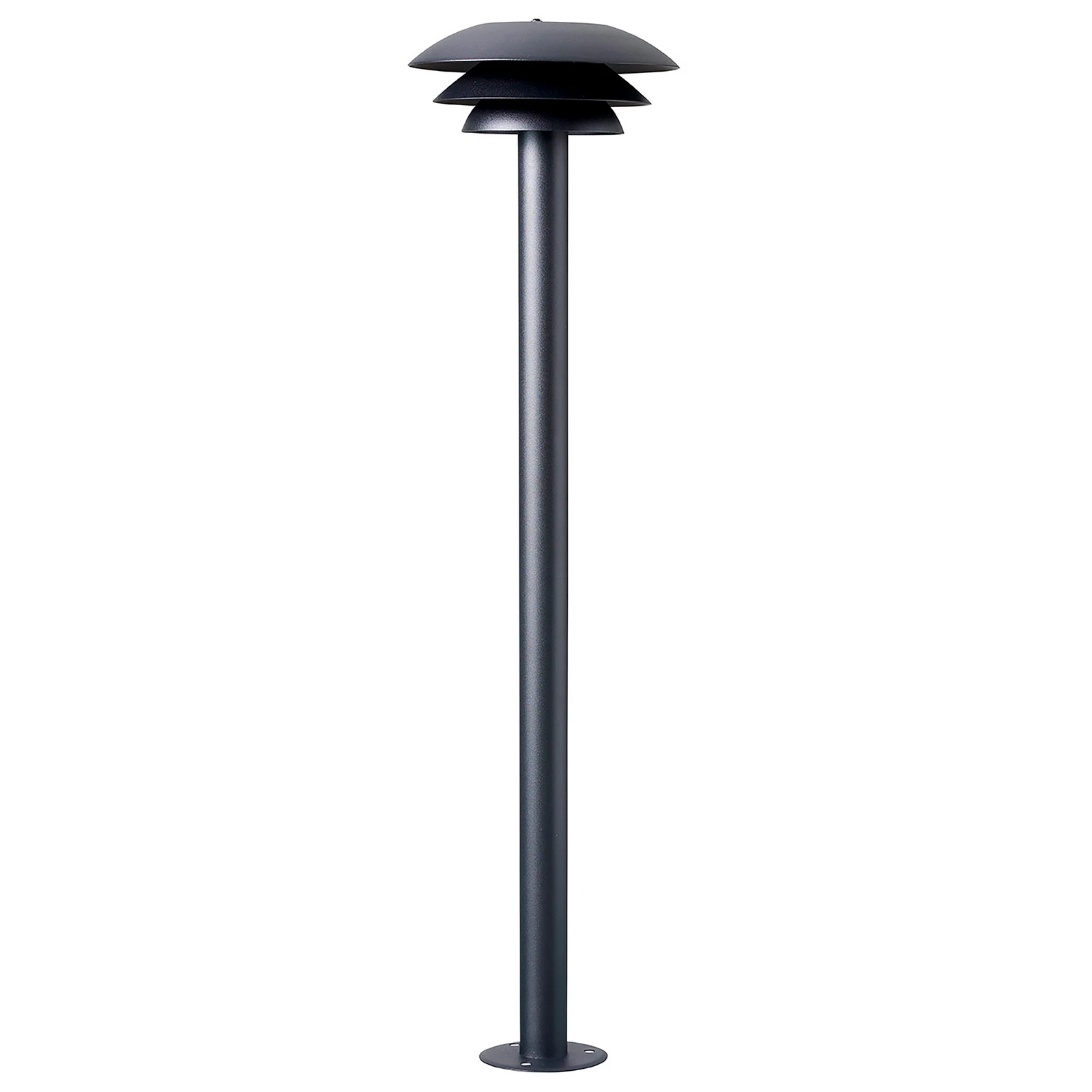
Garden lighting for paths, patios and seating areas
Garden lighting becomes relevant as soon as paths need to remain safely recognisable after dark, terraces need to be usable in the evening and individual areas need orientation. Well thought-out planning helps to clearly organise areas, make walkways easier to read and make pleasant use of the outdoor area, without illuminating it in a flat or cluttered manner.
Garden lighting for safe paths, entrances and recreational areas
Different areas in the garden fulfil different tasks. This is why light should not be used in the same way everywhere. Along garden paths, calm, uniform lighting is particularly useful so that edges, steps and changes of direction on the movement area remain clearly recognisable. At the house entrance, it is also important that the key, doorbell and threshold are clearly visible. On the terrace, the focus is more on ensuring that seating, table areas and transitions to the lawn remain usable in the evening.
Functional ancillary areas such as the path to the garage or the area around the shed also benefit from a clear layout. The path to the garage and the area around the shed usually need more uniform, more orientated light than a sheltered seating area at the edge of the garden. A lower level of brightness is often sufficient for common areas as long as furniture, movement areas and steps remain safely recognisable. The result is not a uniformly illuminated outdoor area, but lighting that is graduated according to use.
Targeted use of garden lights according to lighting effect
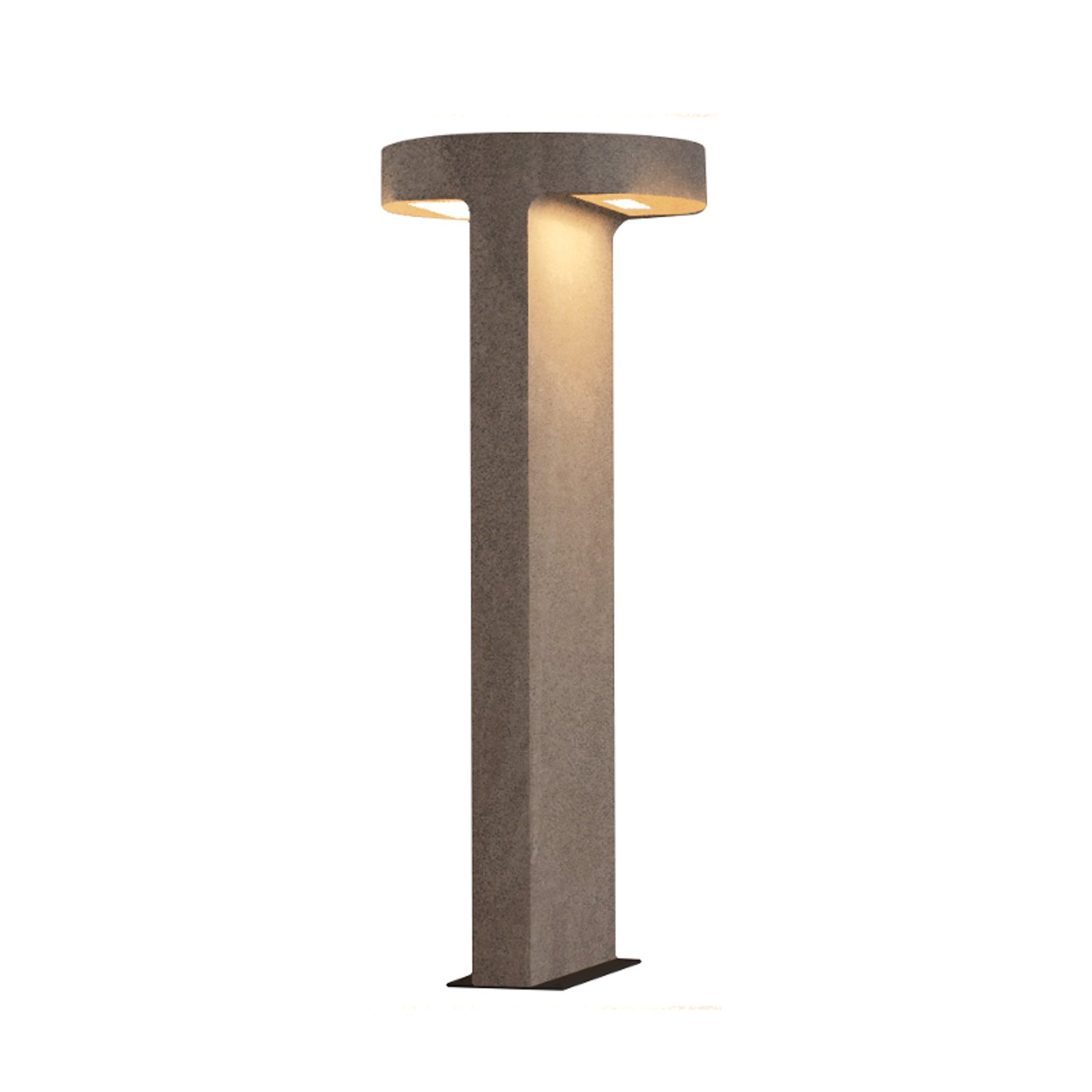
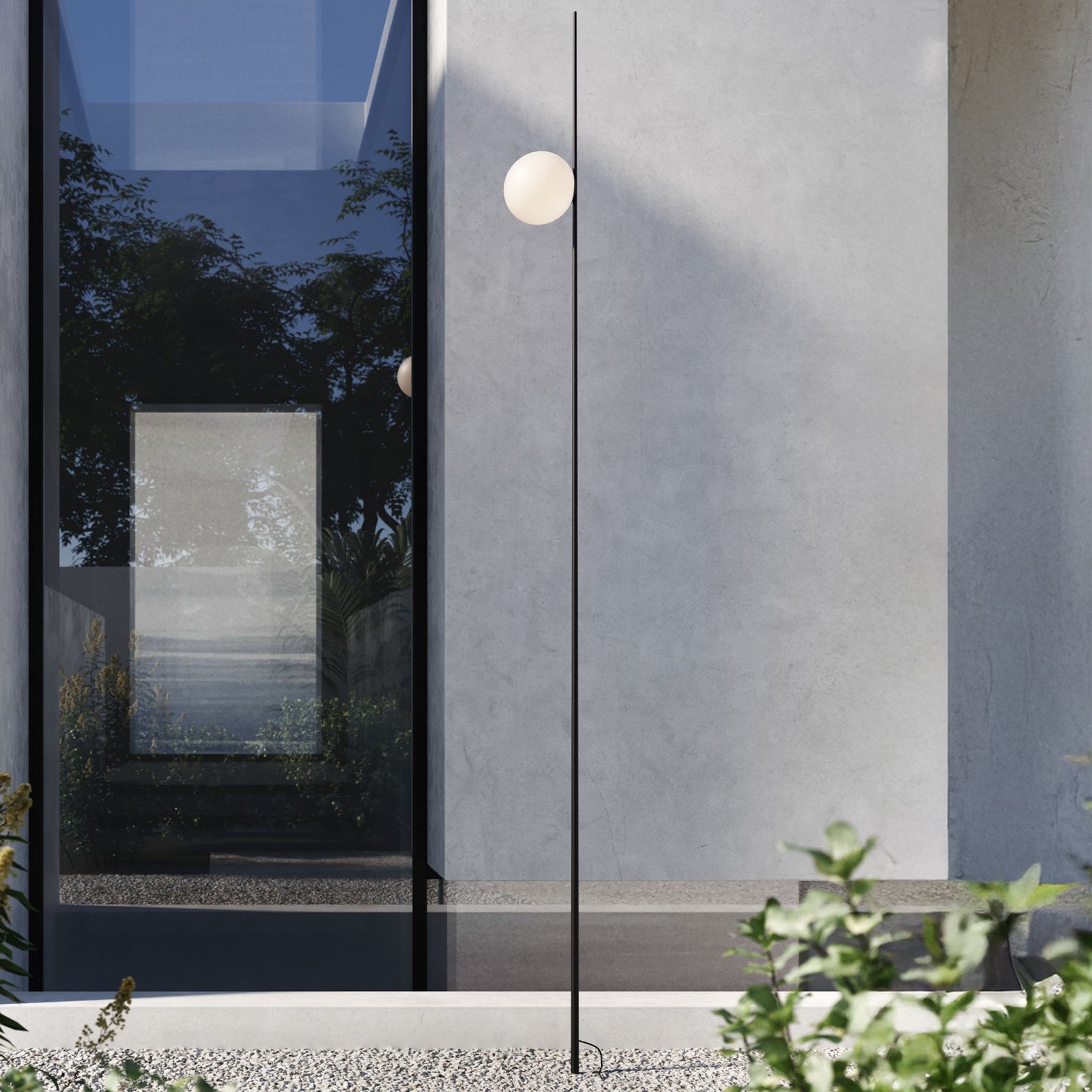
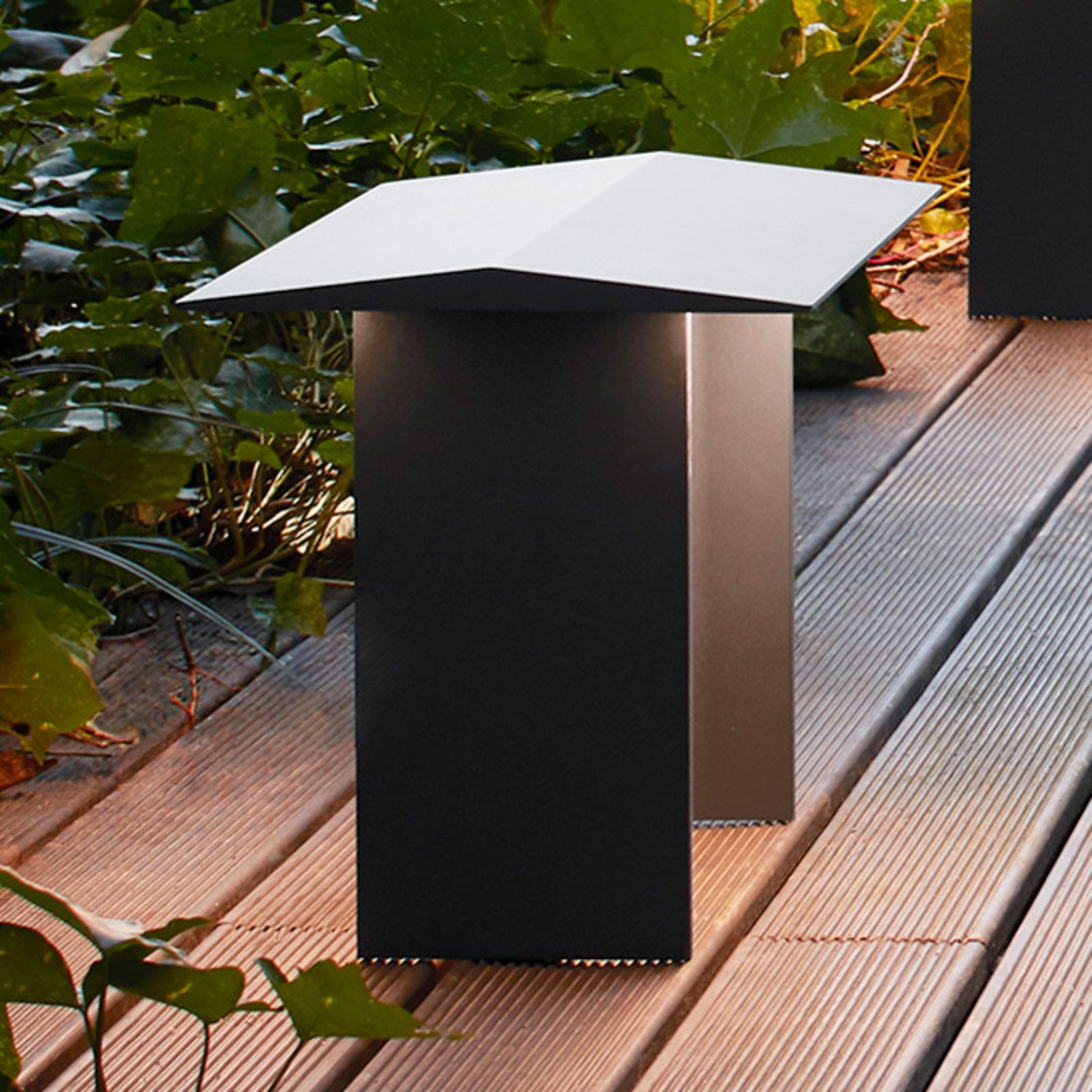
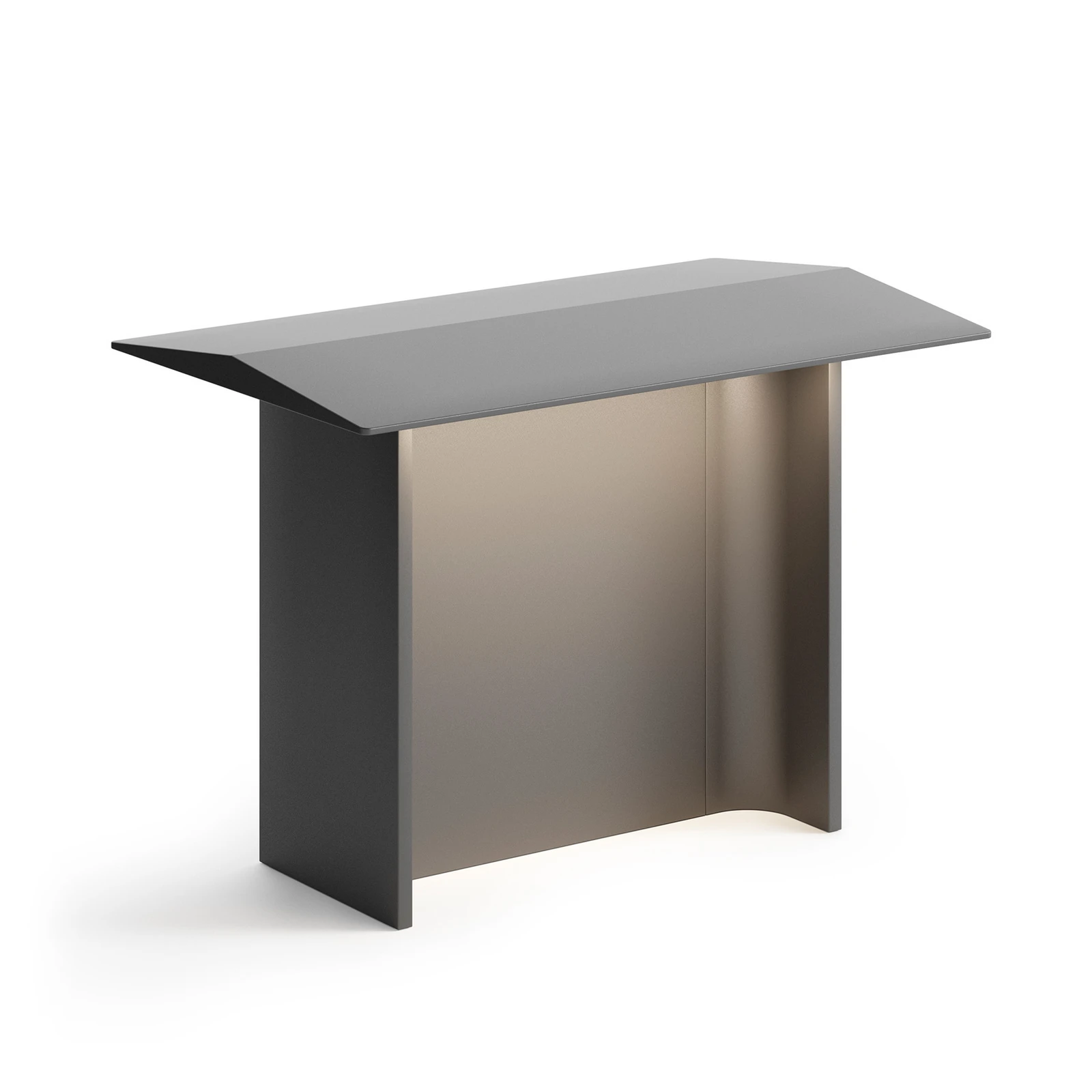
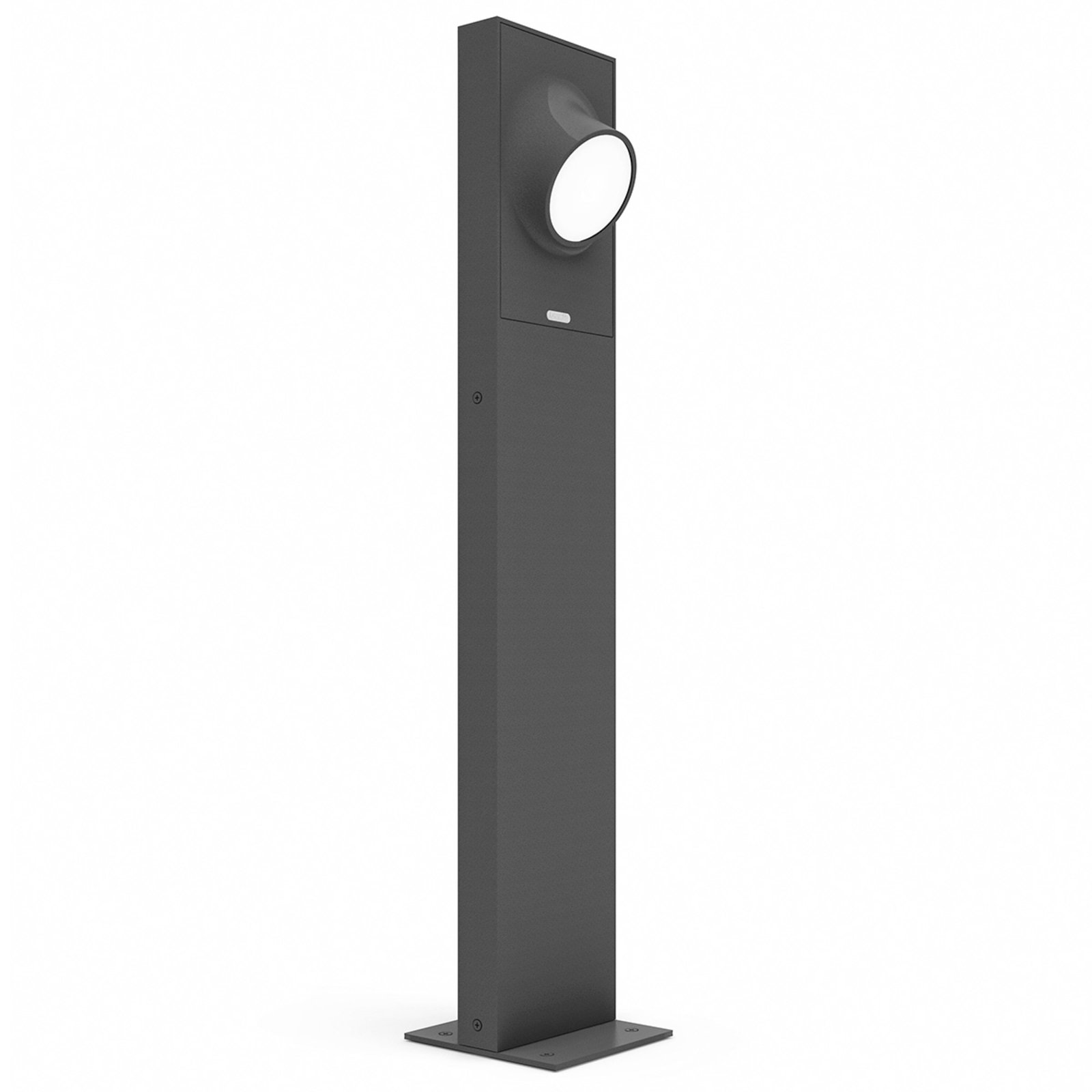
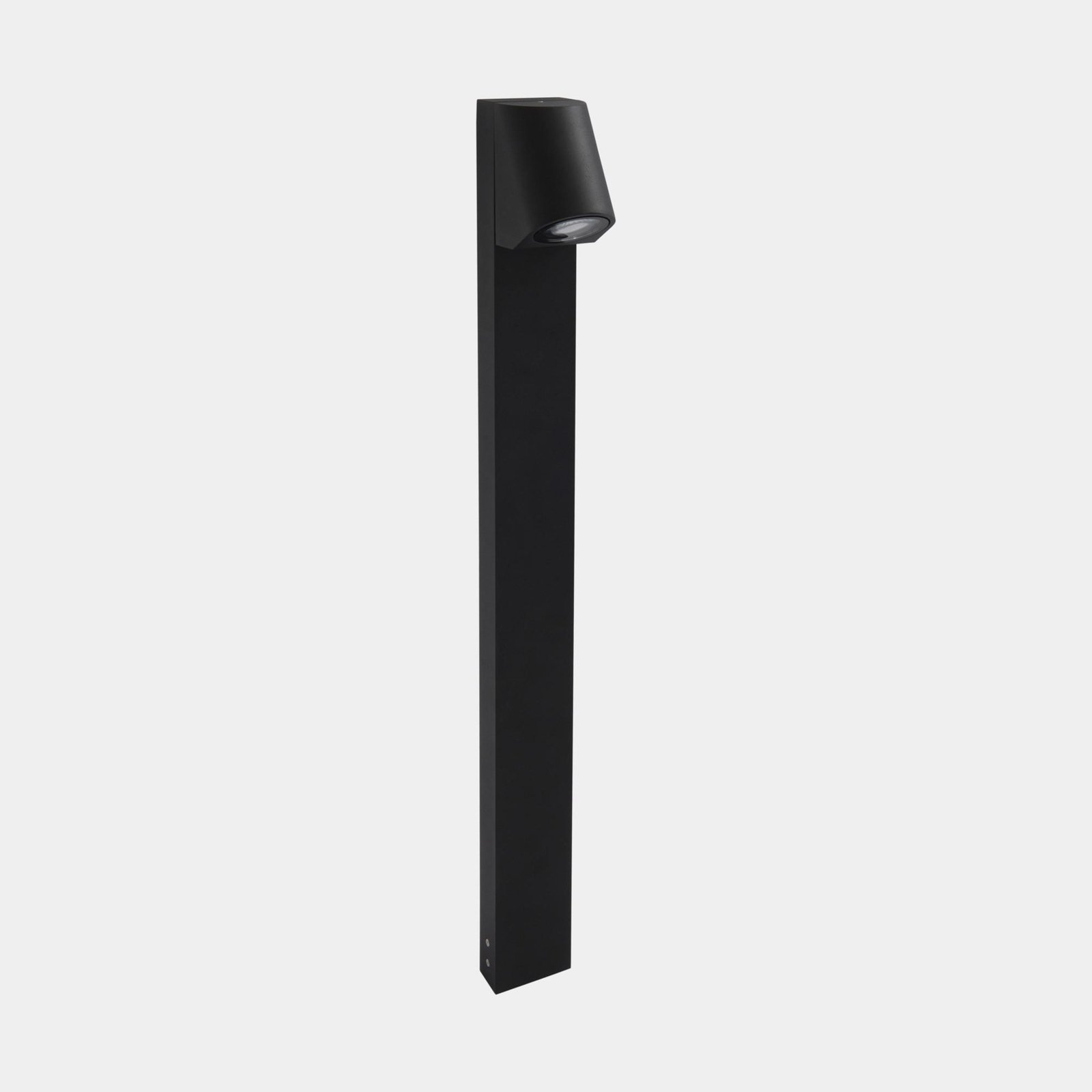
The lighting effect has a strong influence on whether a garden appears calm, clear or uncluttered. On paths, patio edges and bed edges, downward-directed garden lights usually structure surfaces better than freely diffusing light because they target these areas and tend to limit glare. Punctual accents are particularly effective when they support orientation or spatial organisation, for example on a bench, a tub or a prominent tree trunk. Too many small points of light distribute the attention in many directions and quickly make the lighting in the outdoor area unsettled.
The distribution of light also significantly changes the impression. Narrow light beams emphasise height and direction, wide light distributions visually connect larger areas more strongly. In seating areas, warm white is often perceived as calmer because surfaces appear softer and there is less contrast in the evening.
Combine garden lighting to match wood, stone and plants
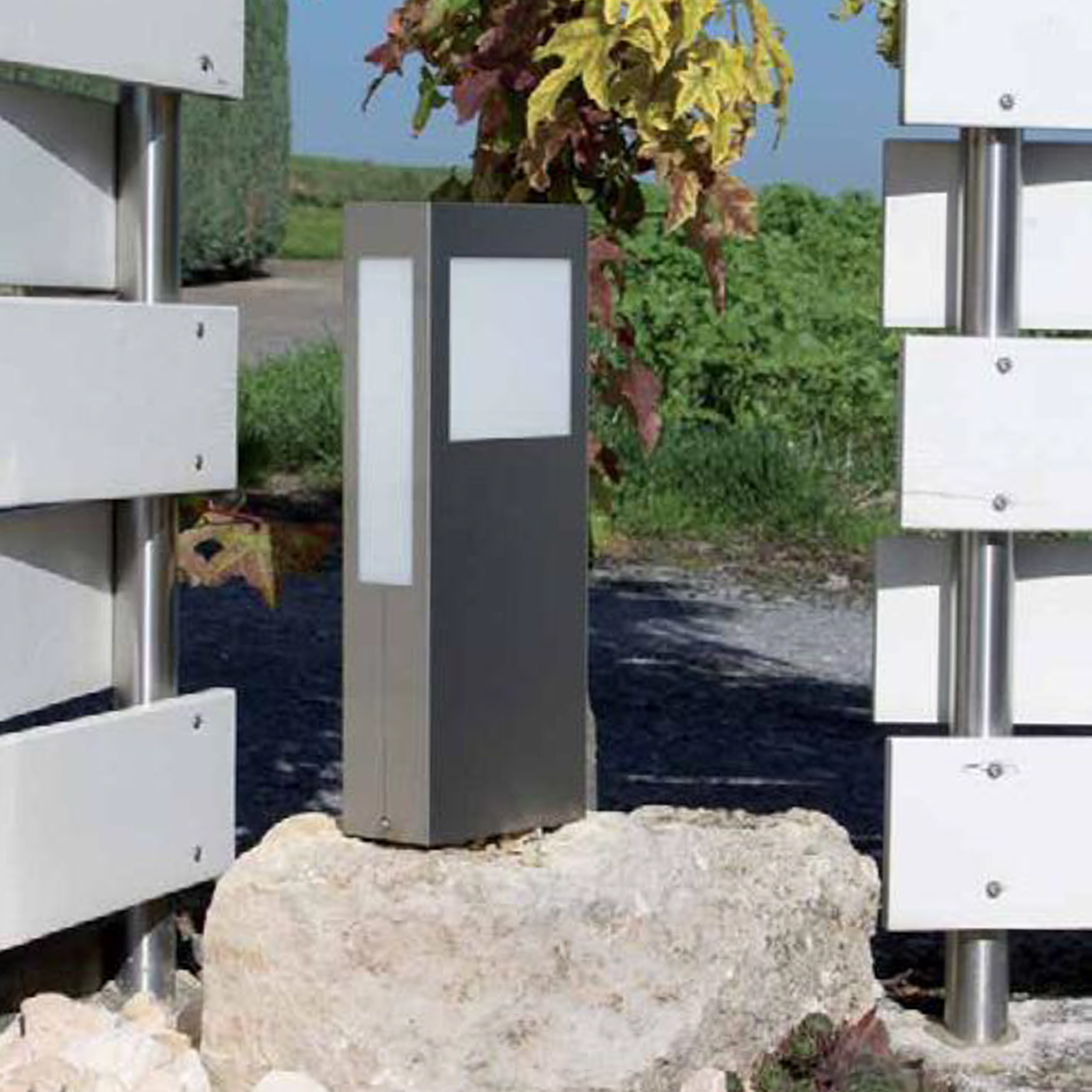
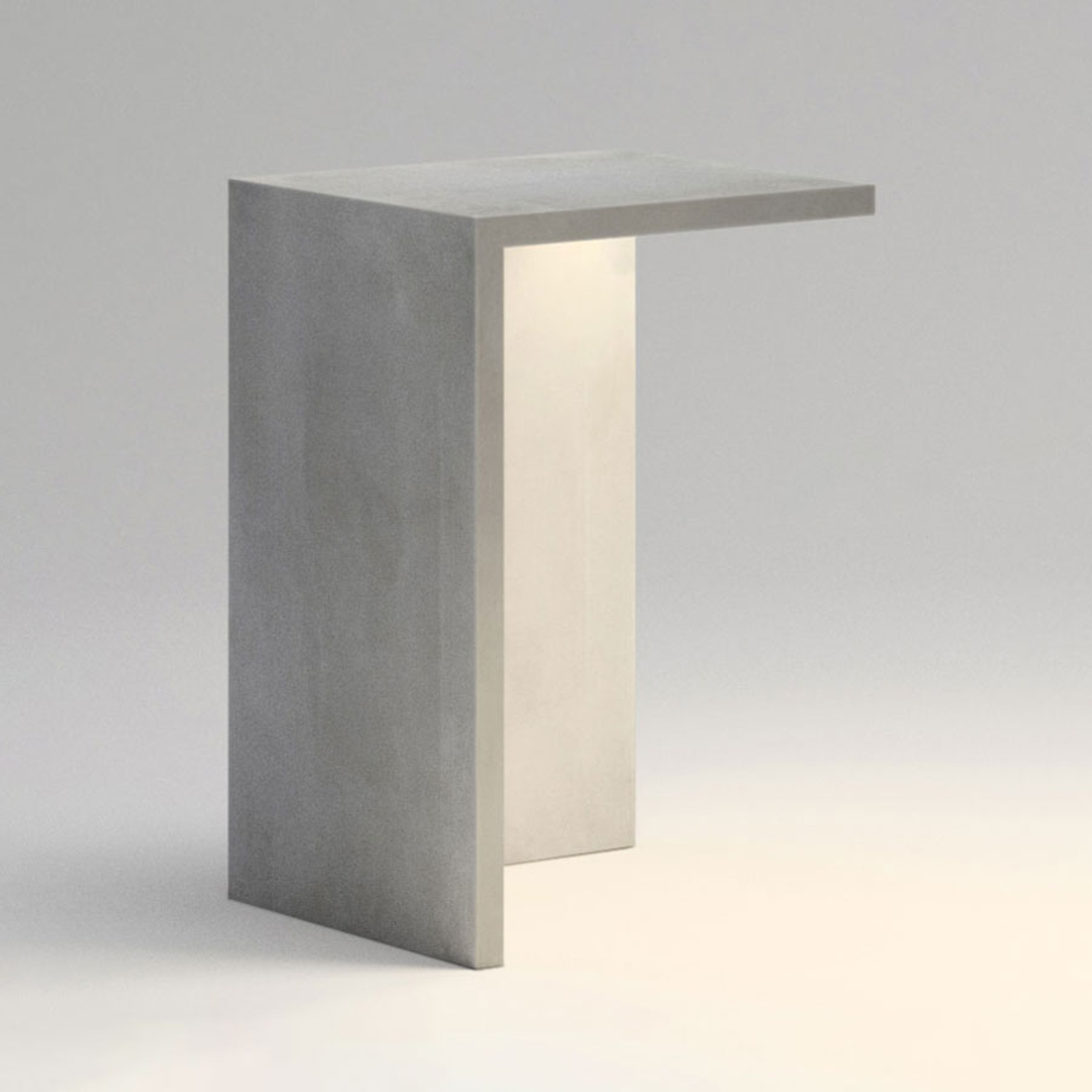
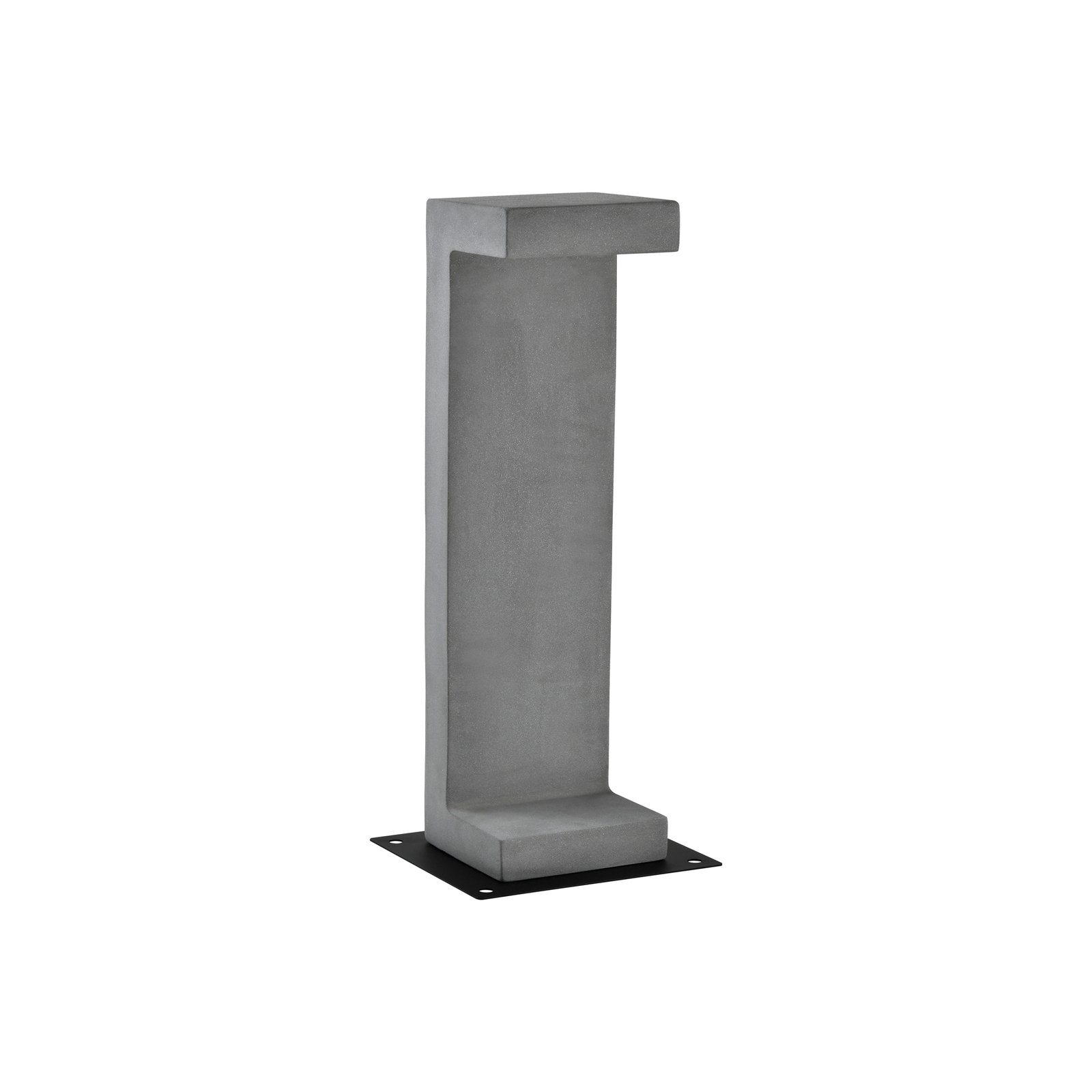
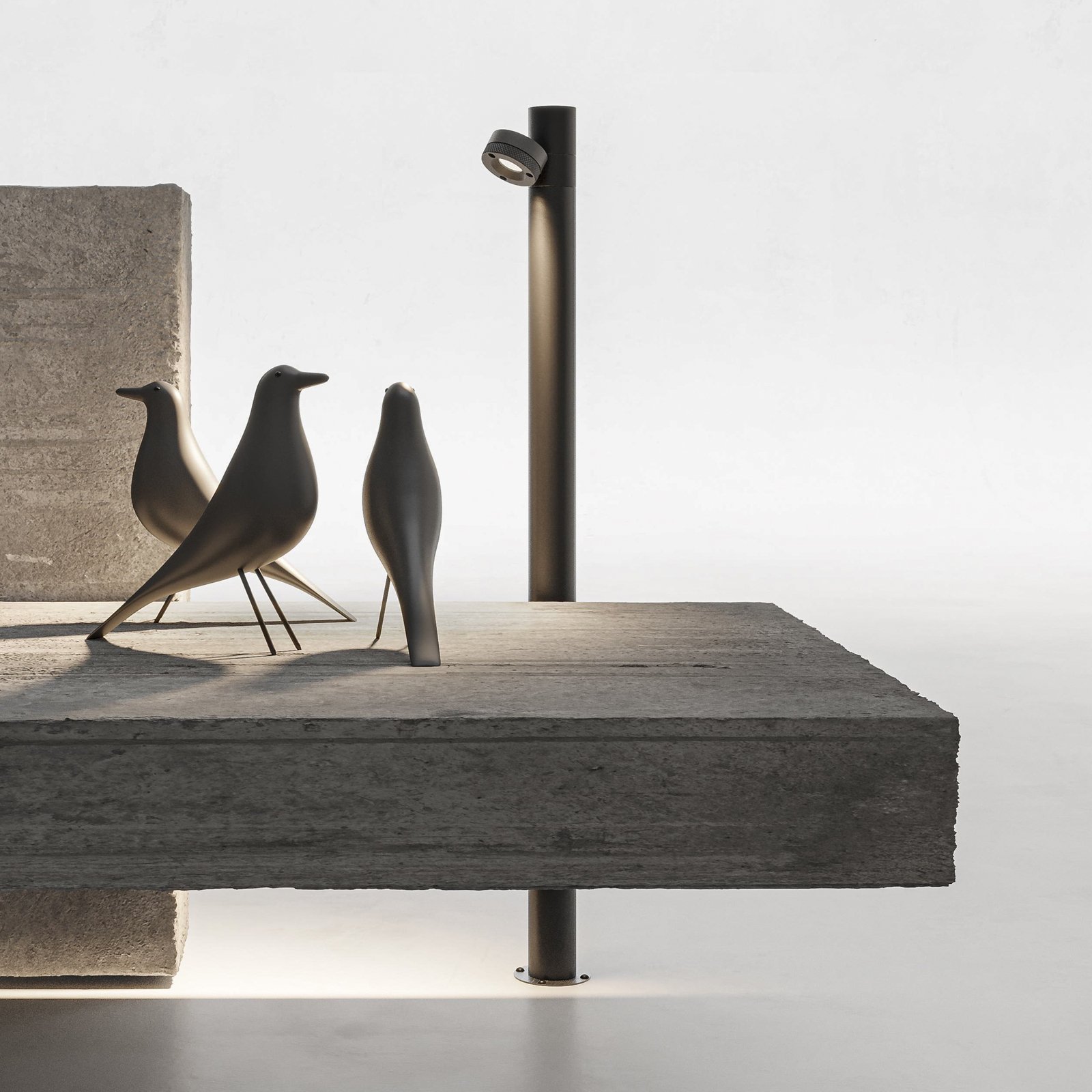
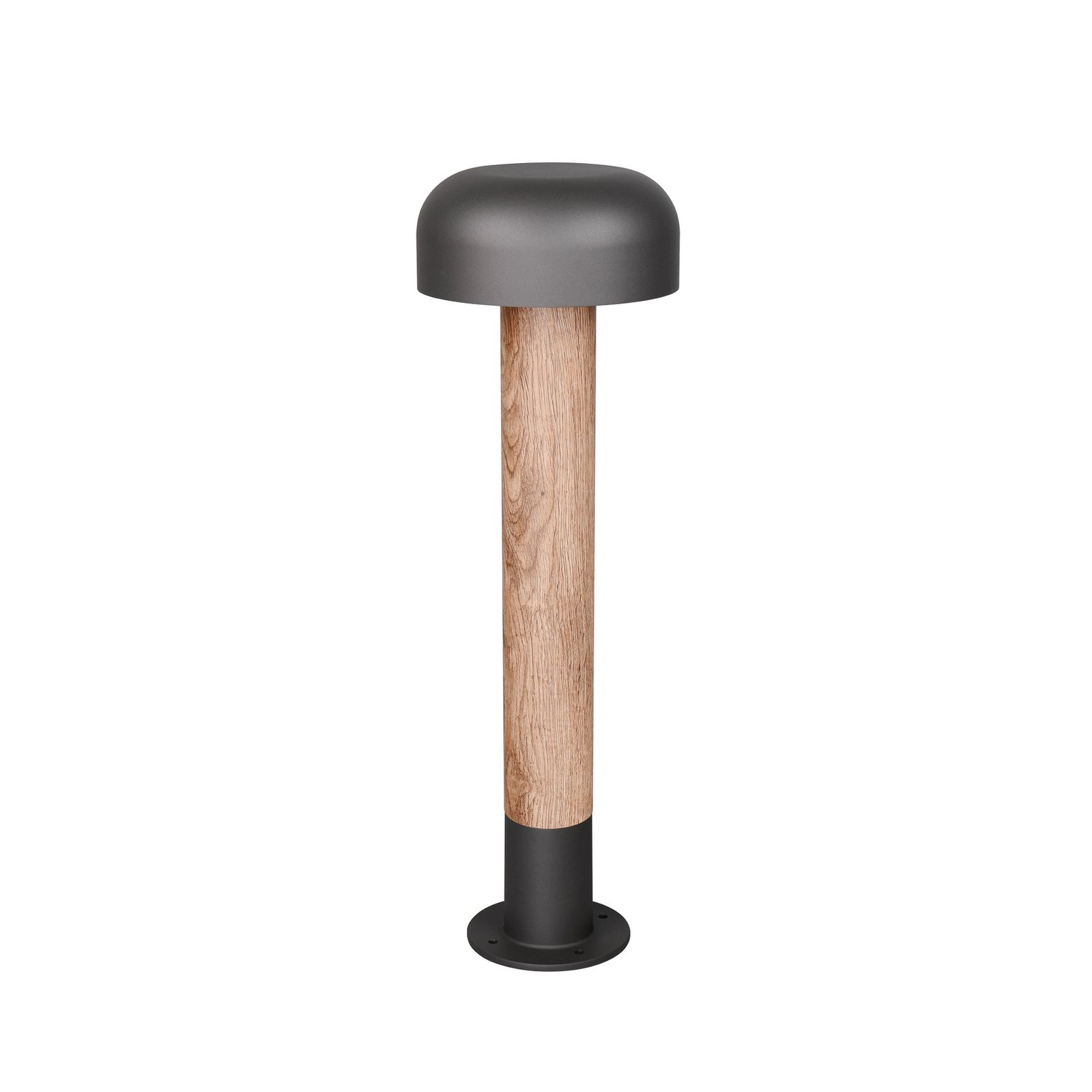
Materials in the garden react differently to light. It is therefore worth making a selection that matches the existing surroundings. Wood usually absorbs light more softly, especially if the light falls from the side or is slightly offset. Stone surfaces often reflect light more clearly and therefore appear brighter more quickly, especially if the surface is bright or exposed, even if the luminaire itself is not particularly powerful. A more restrained solution may therefore be sufficient on light-coloured walls, gravel surfaces or concrete than next to dark fences or densely planted beds.
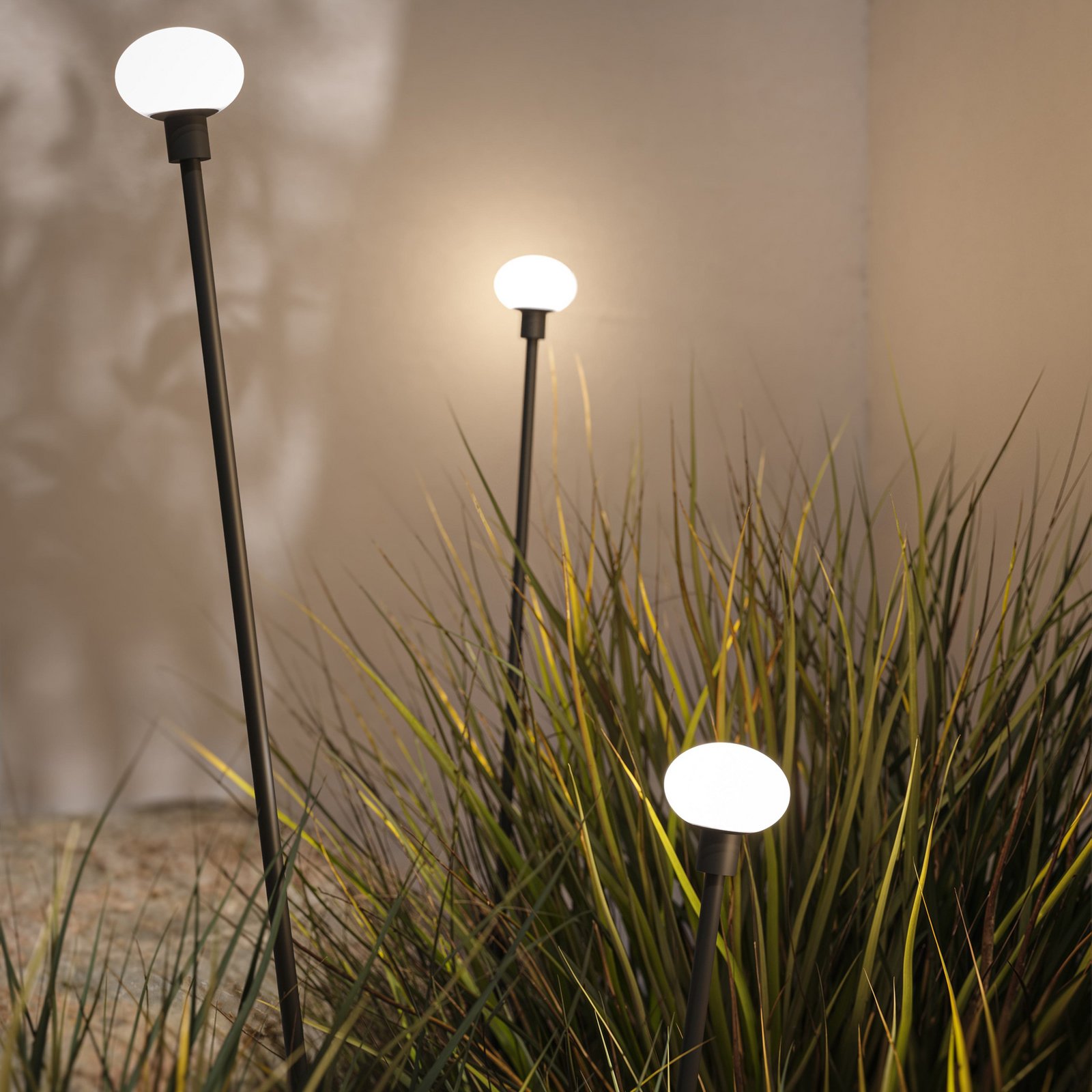
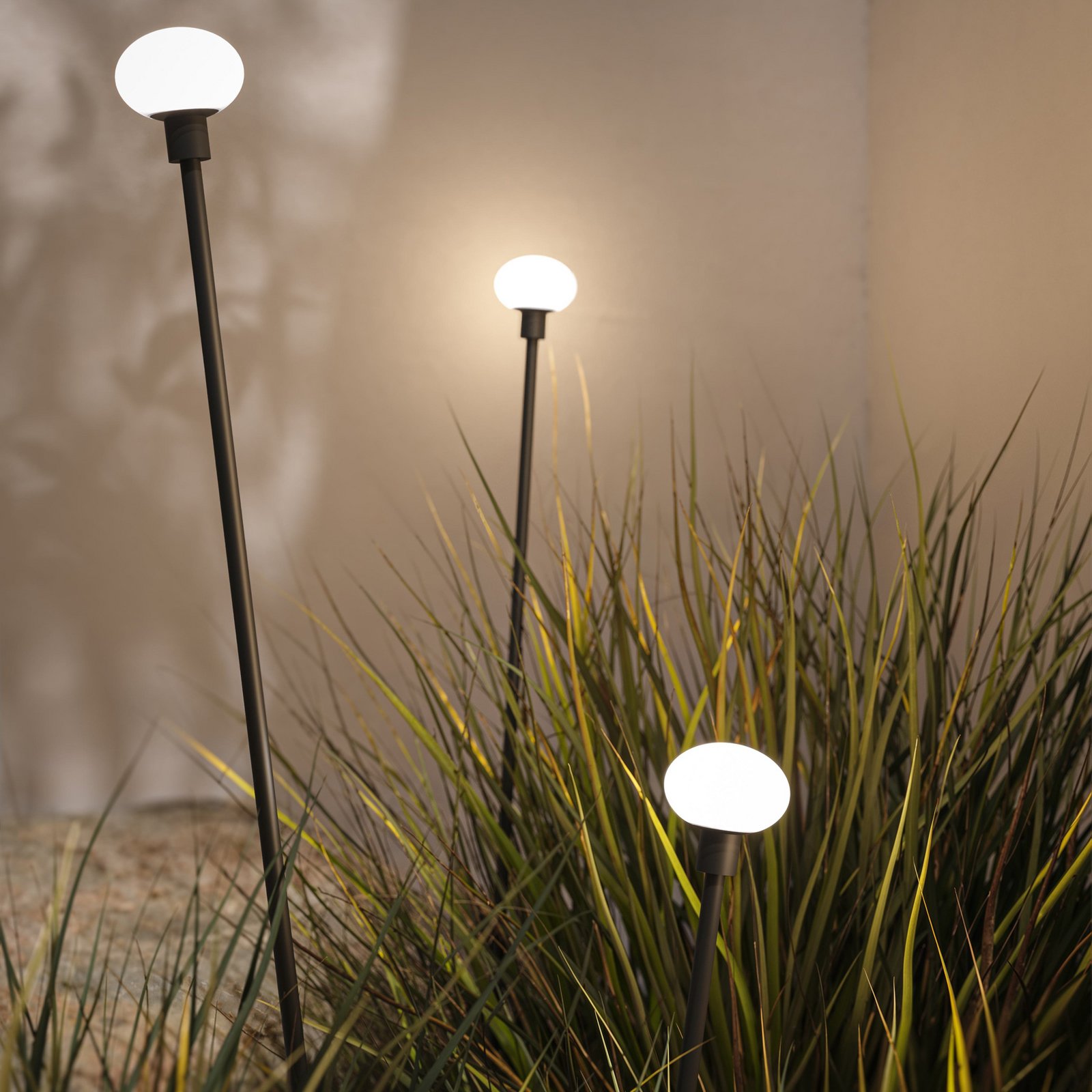
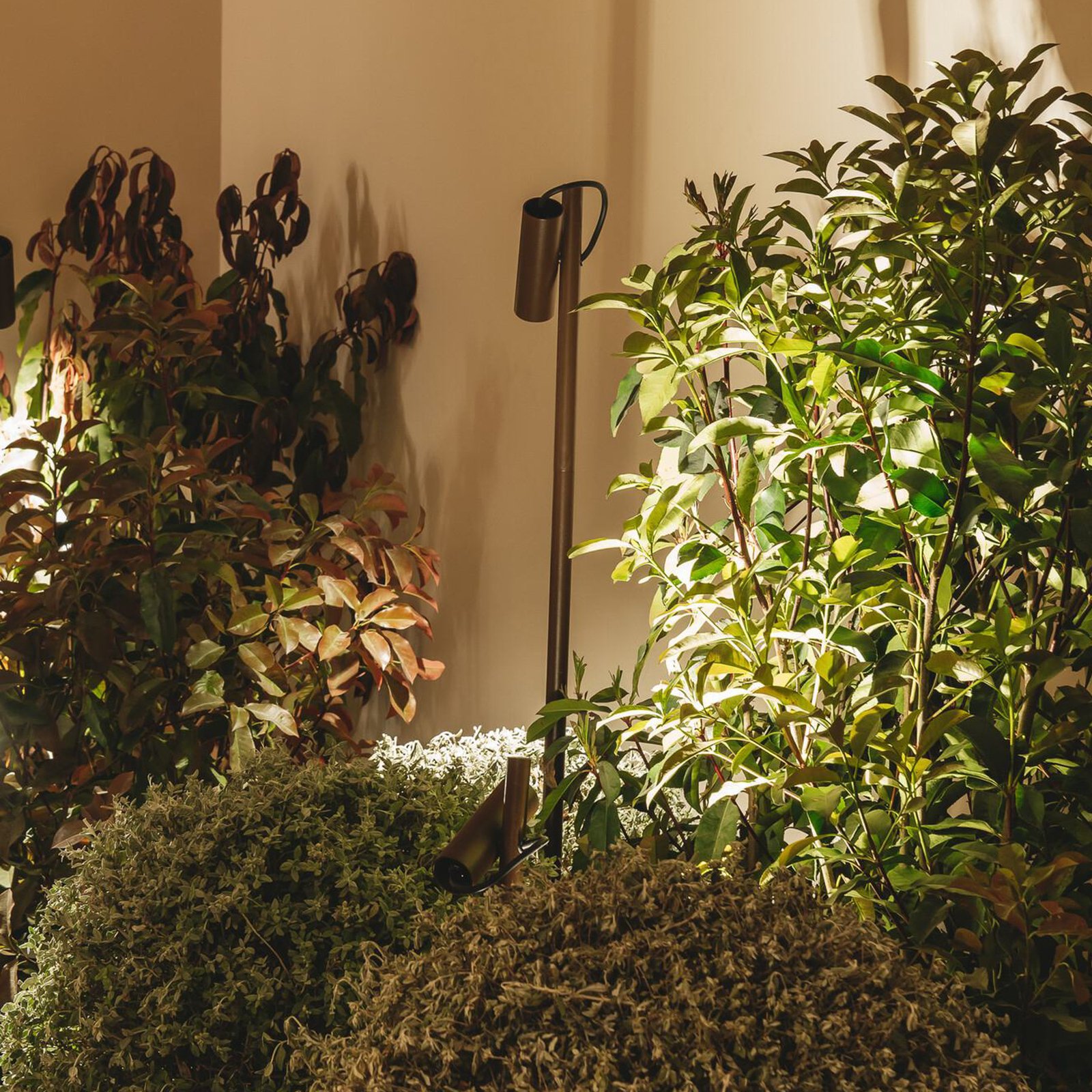
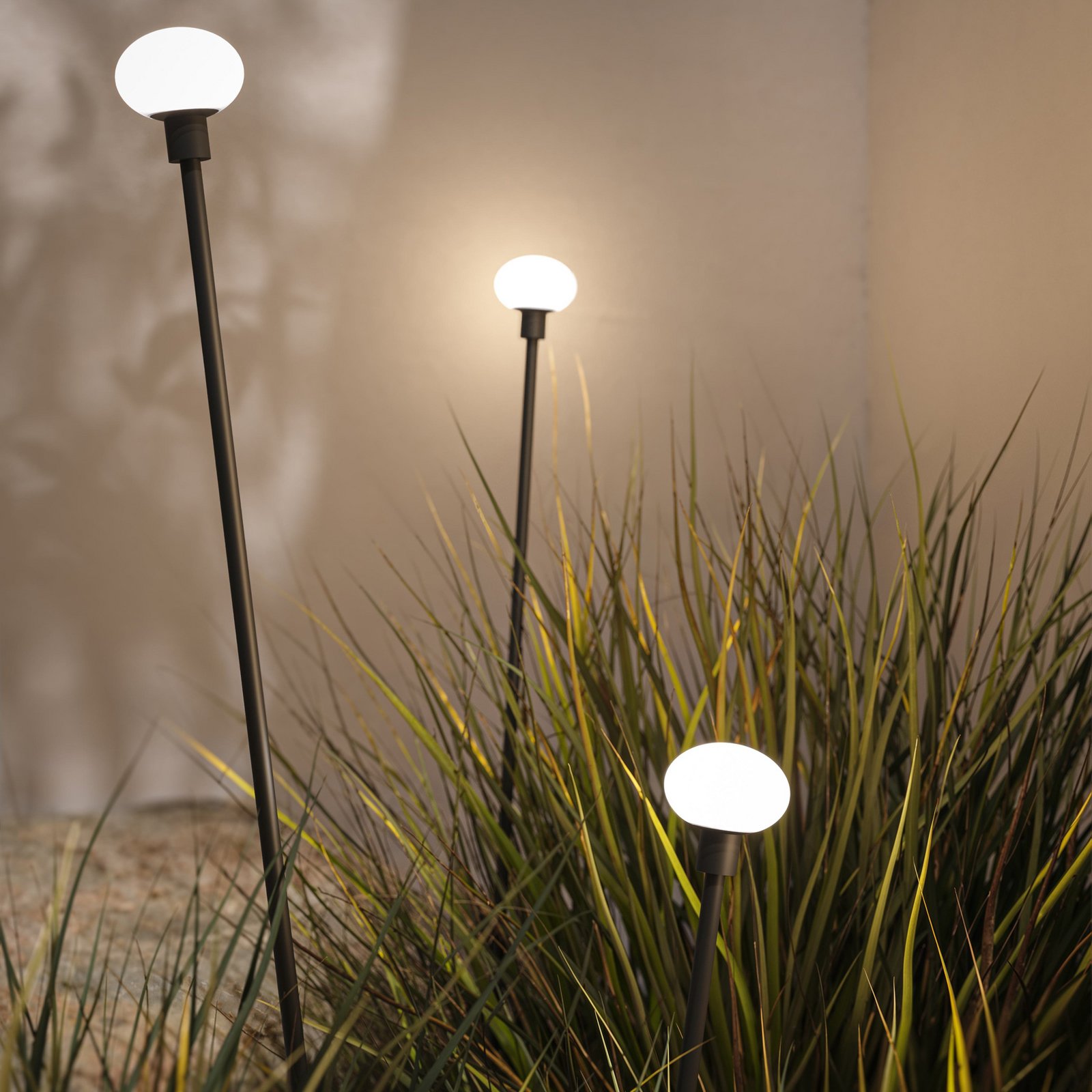
Plants add movement and depth to the light image. Grasses, loose shrubs and tree crowns create different shadows than compact hedges or large leaves. When luminaires are positioned close to plantings, transitions of light and shadow are created, making the garden appear more spacious. In clear, rather modern areas, reduced forms that are visually restrained are often suitable. In areas close to nature, luminaires are usually more harmonious if they do not appear too technical or dominant. This allows garden lighting to be used in such a way that materials, surfaces and plants appear coherently illuminated in the evening rather than randomly.
Choose garden lamps sensibly in terms of height, distance and mounting method
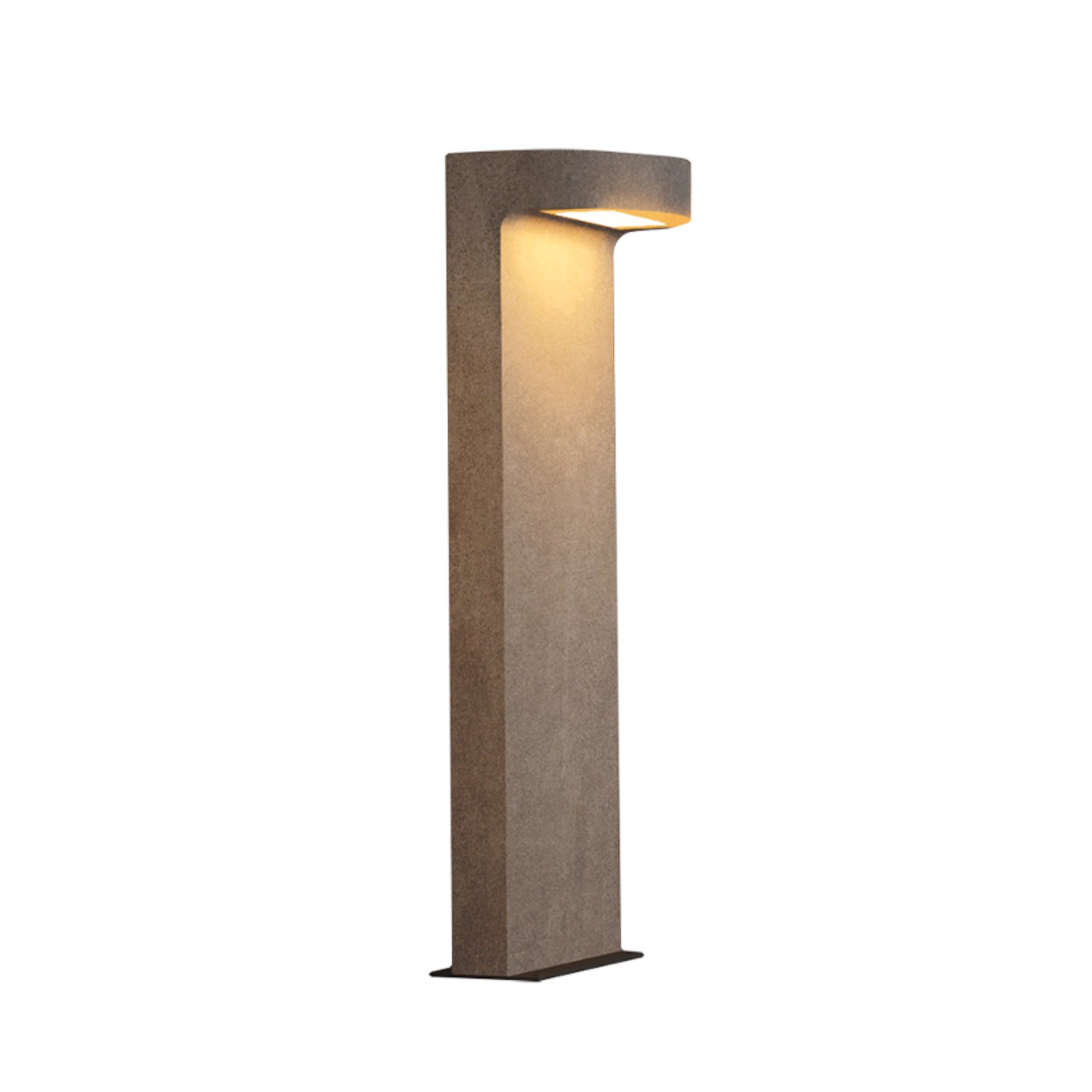
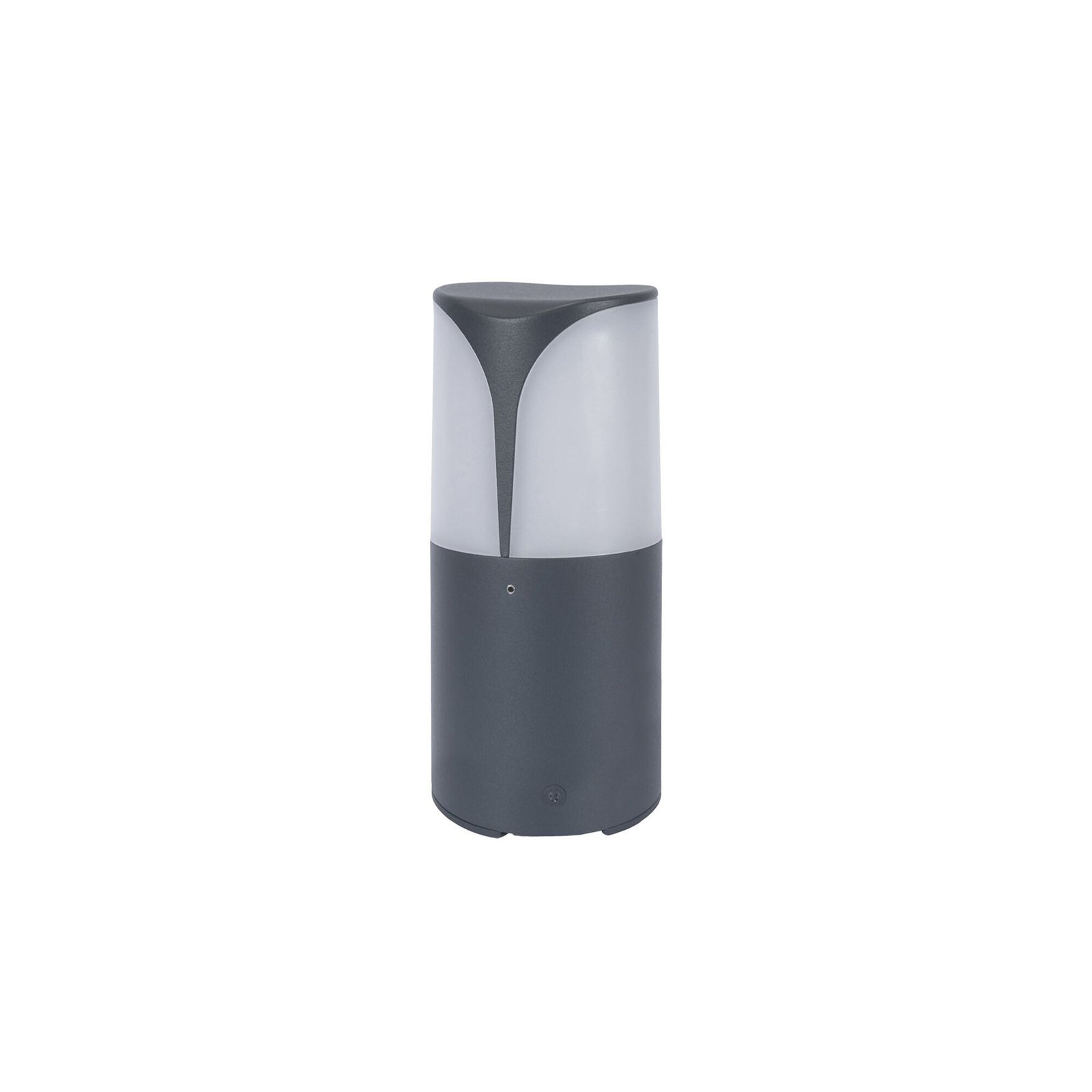
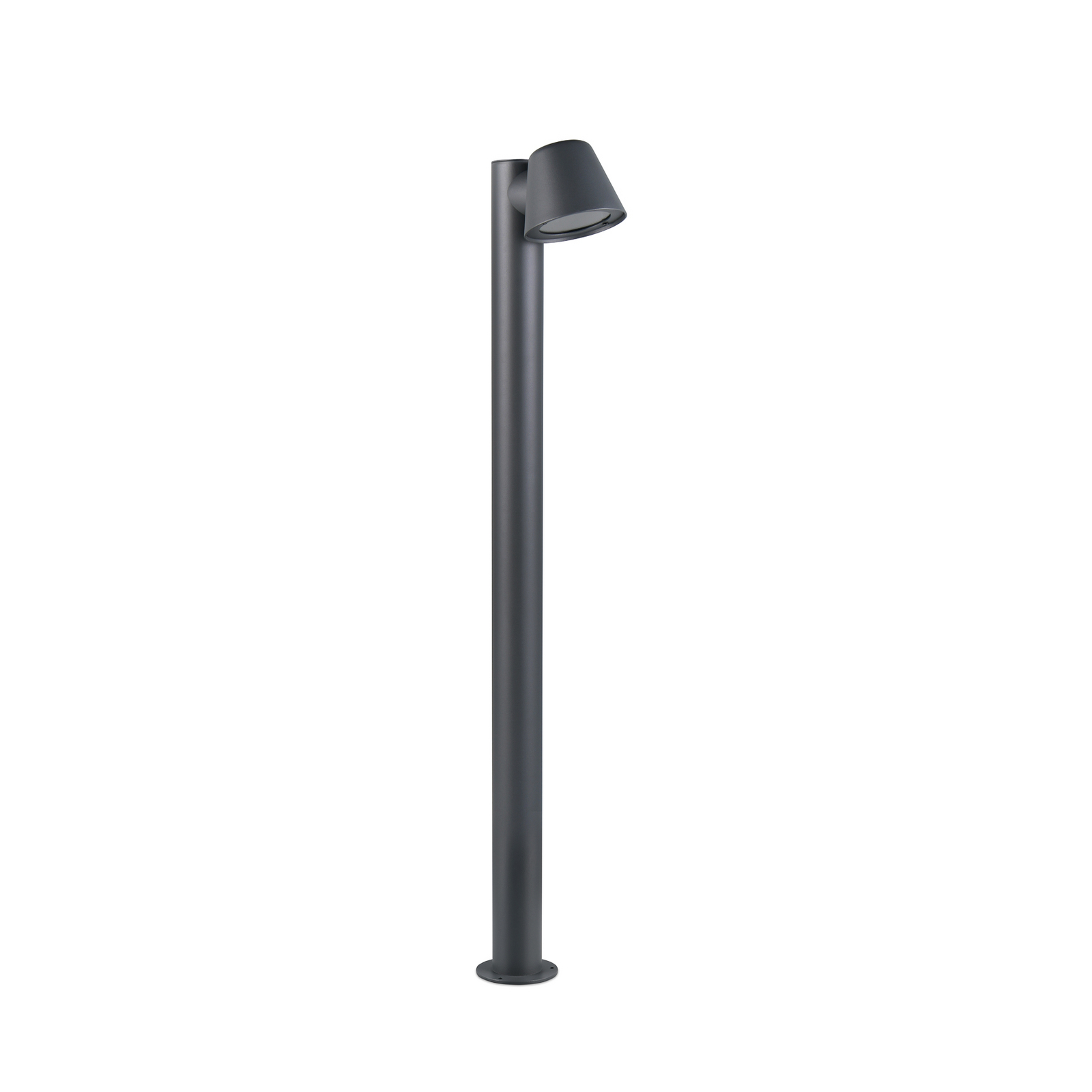
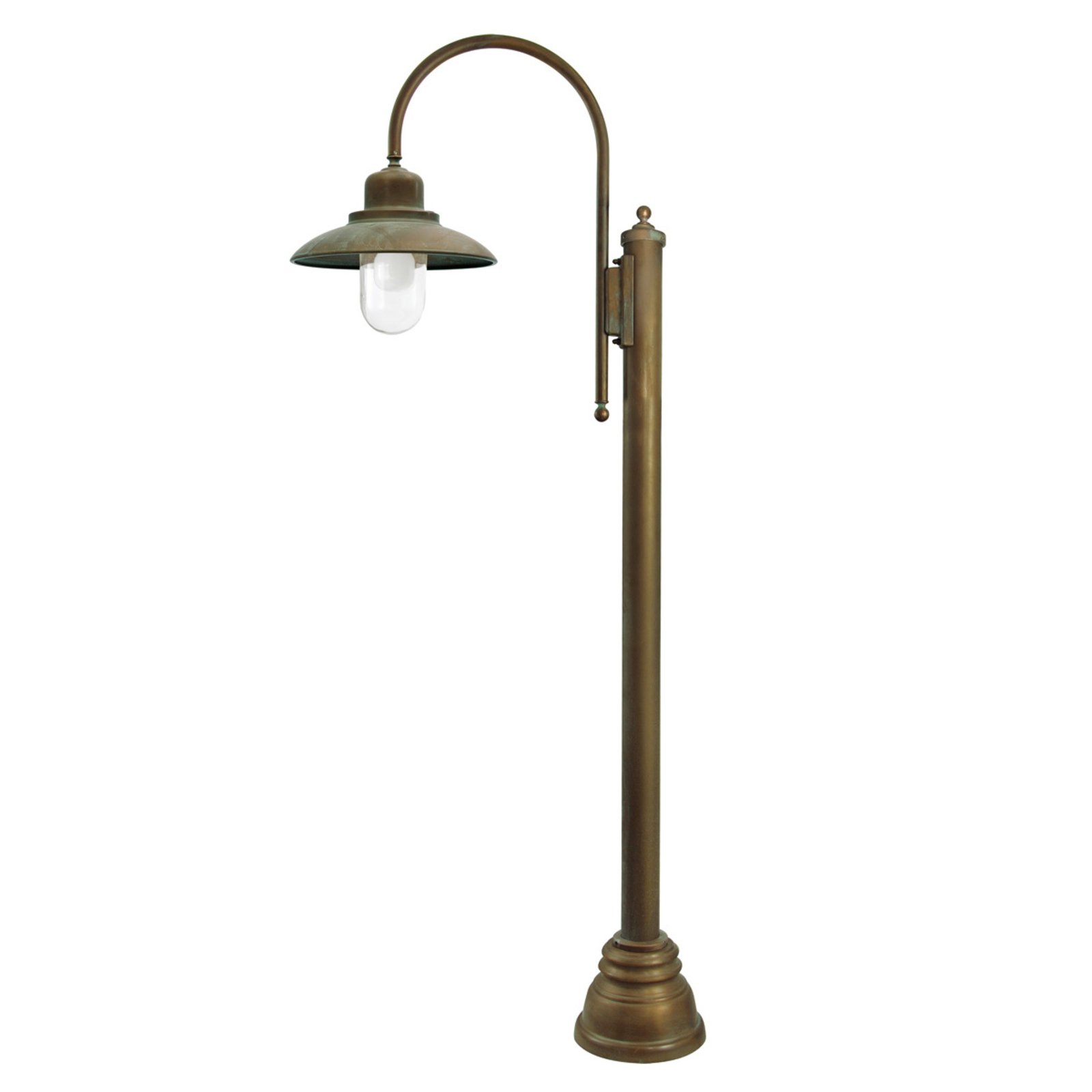
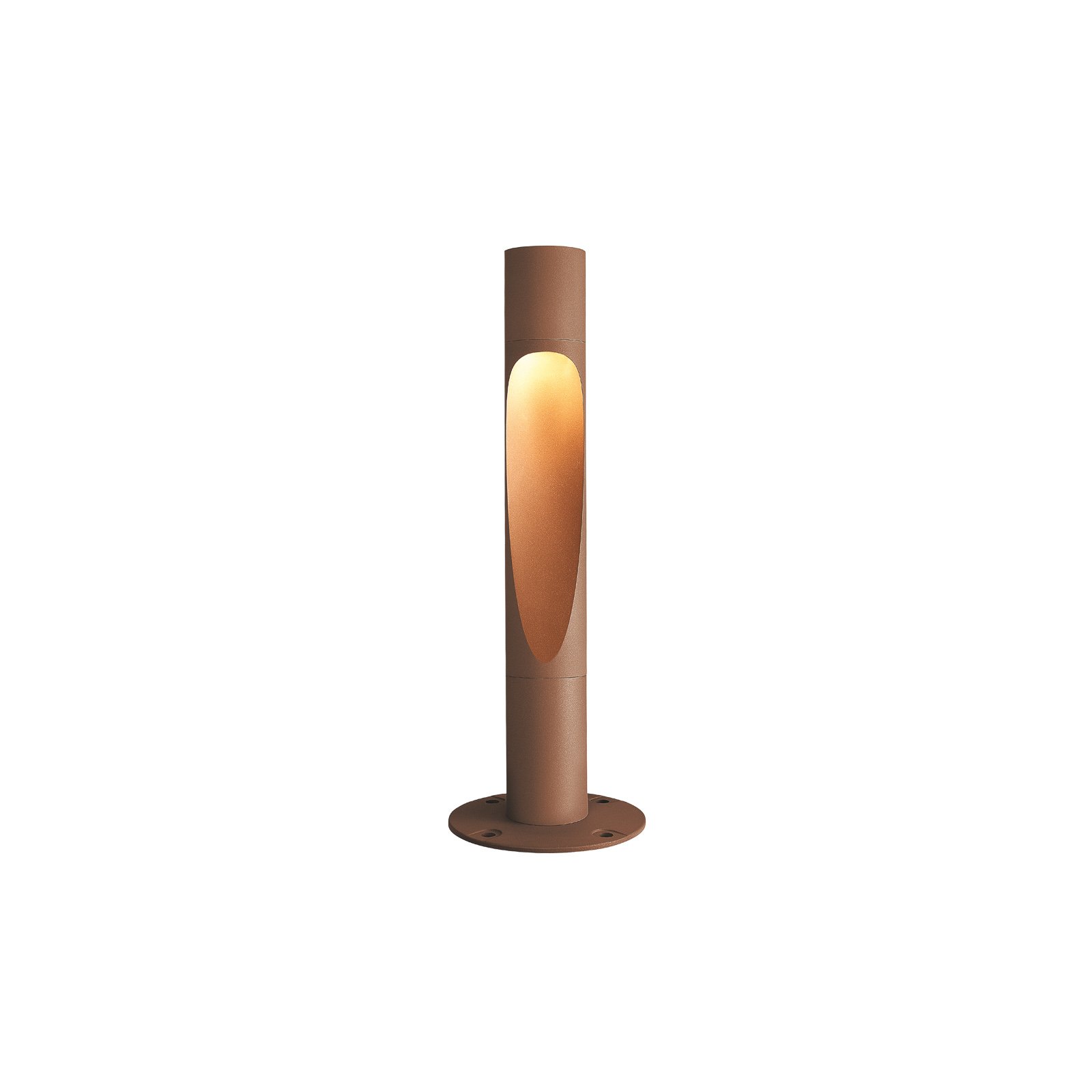
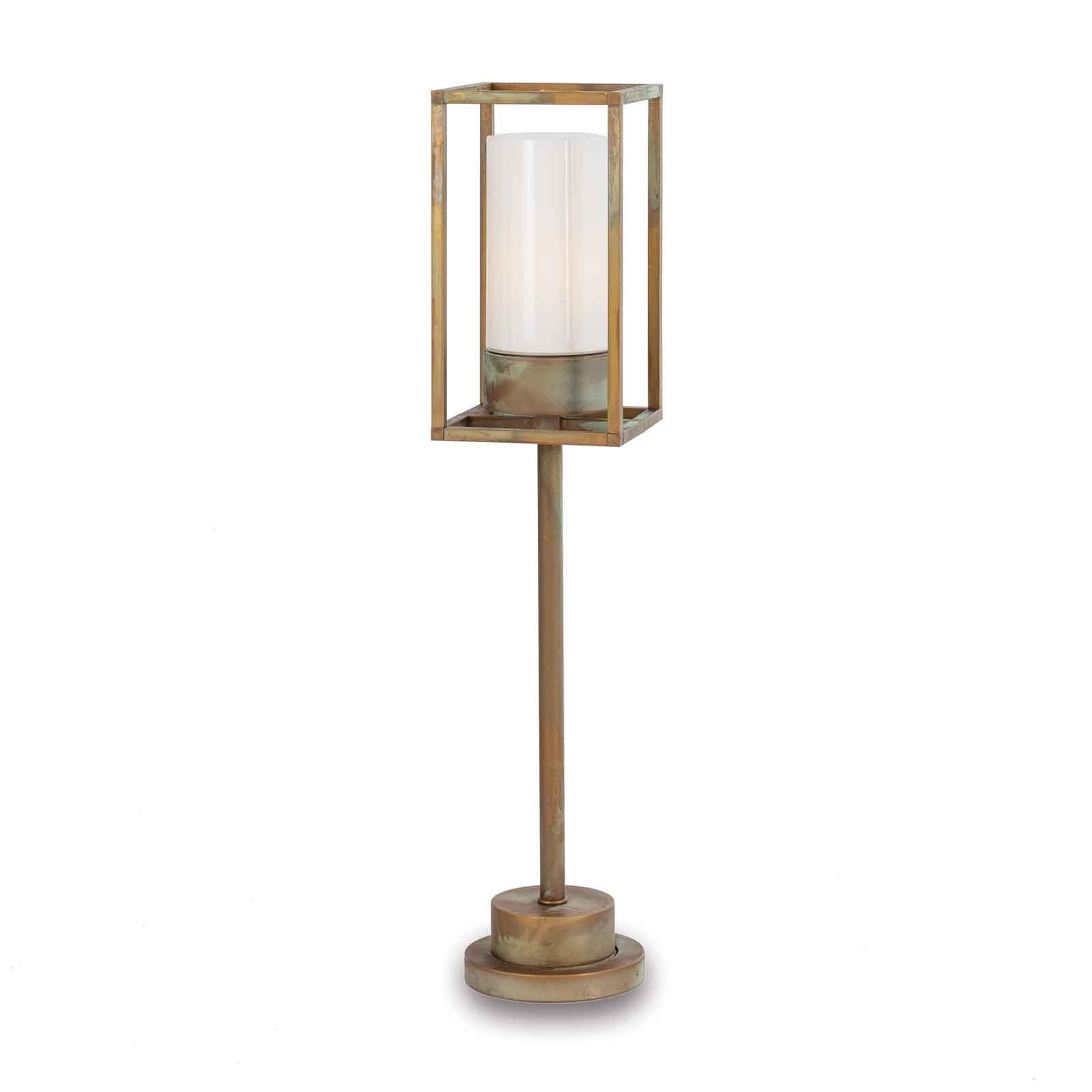
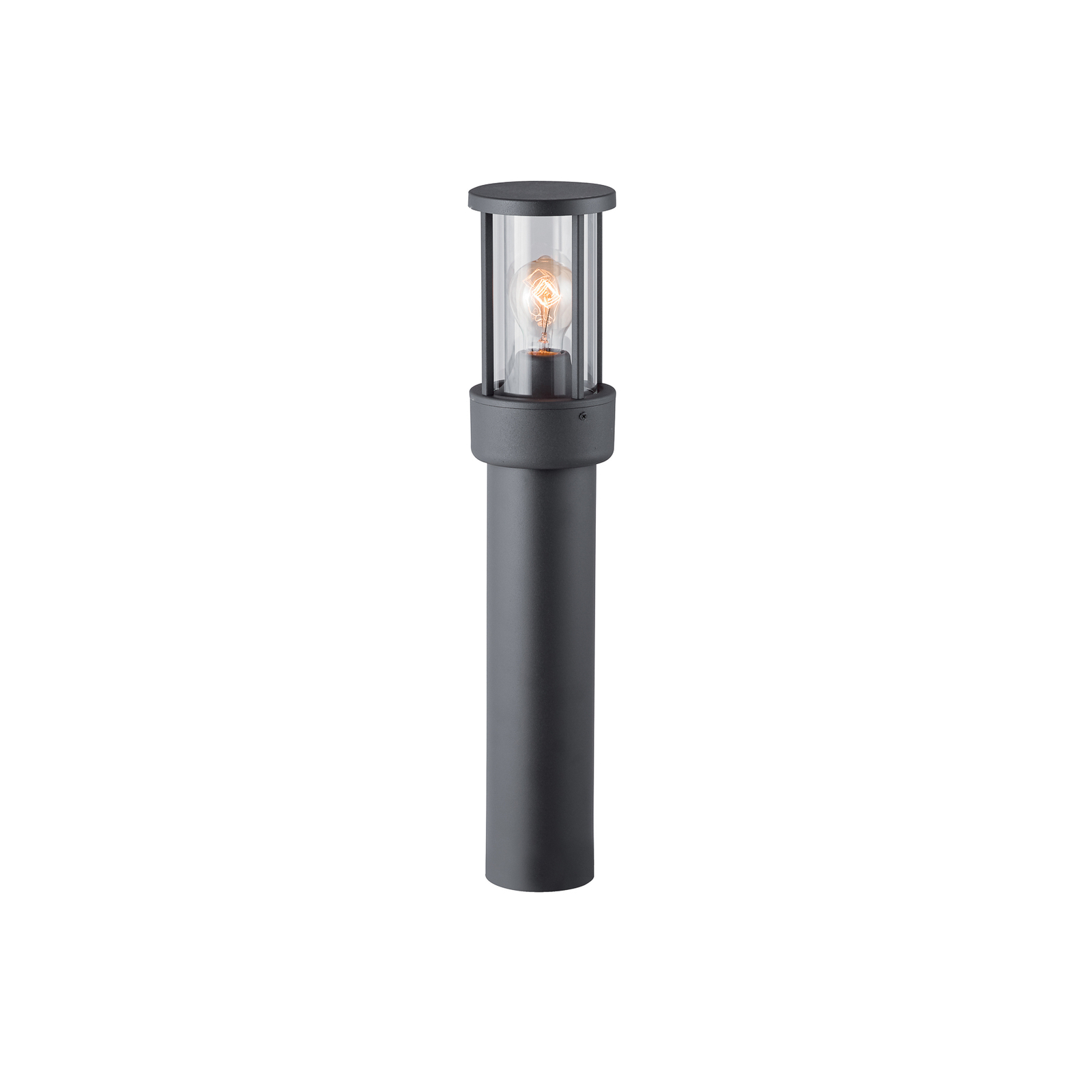
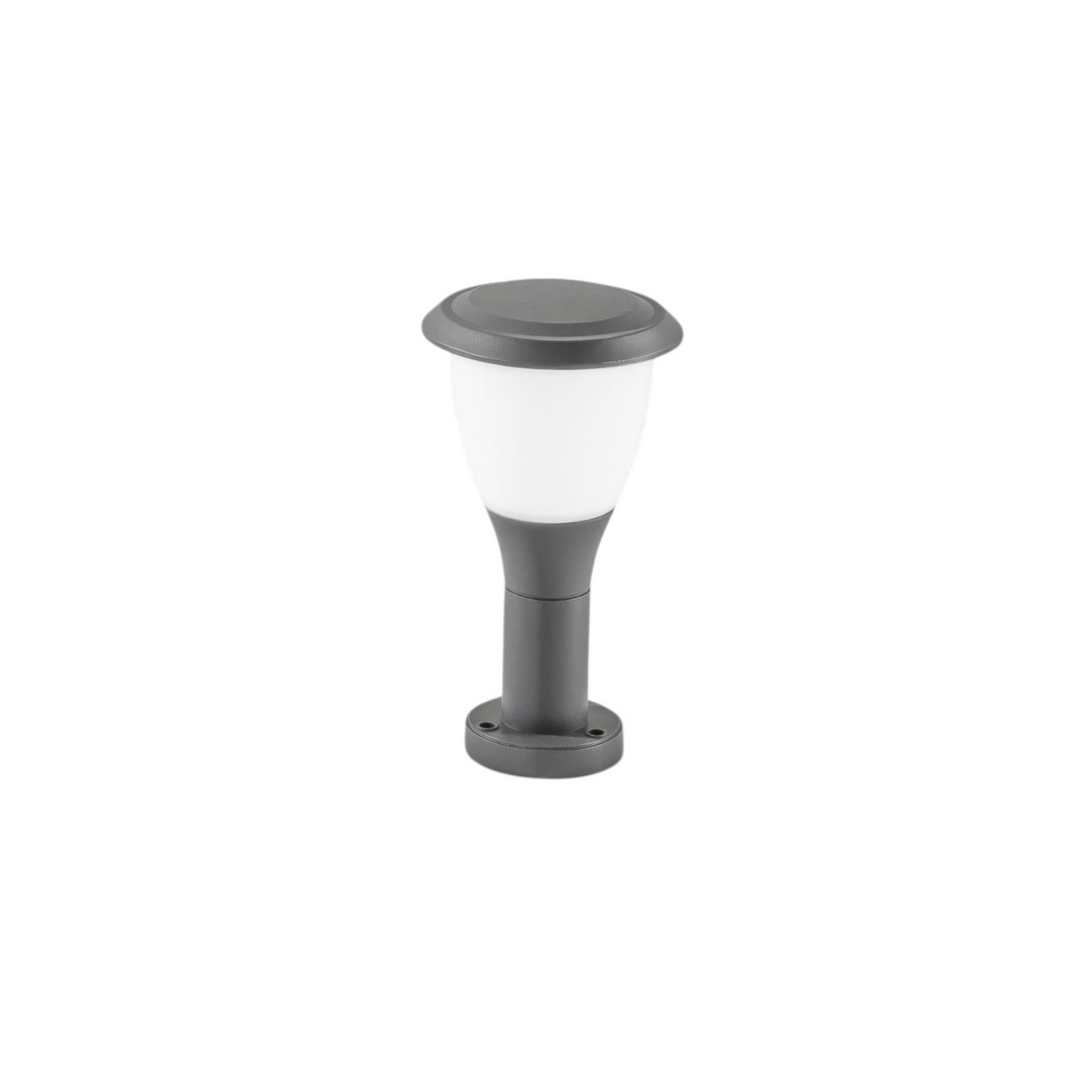
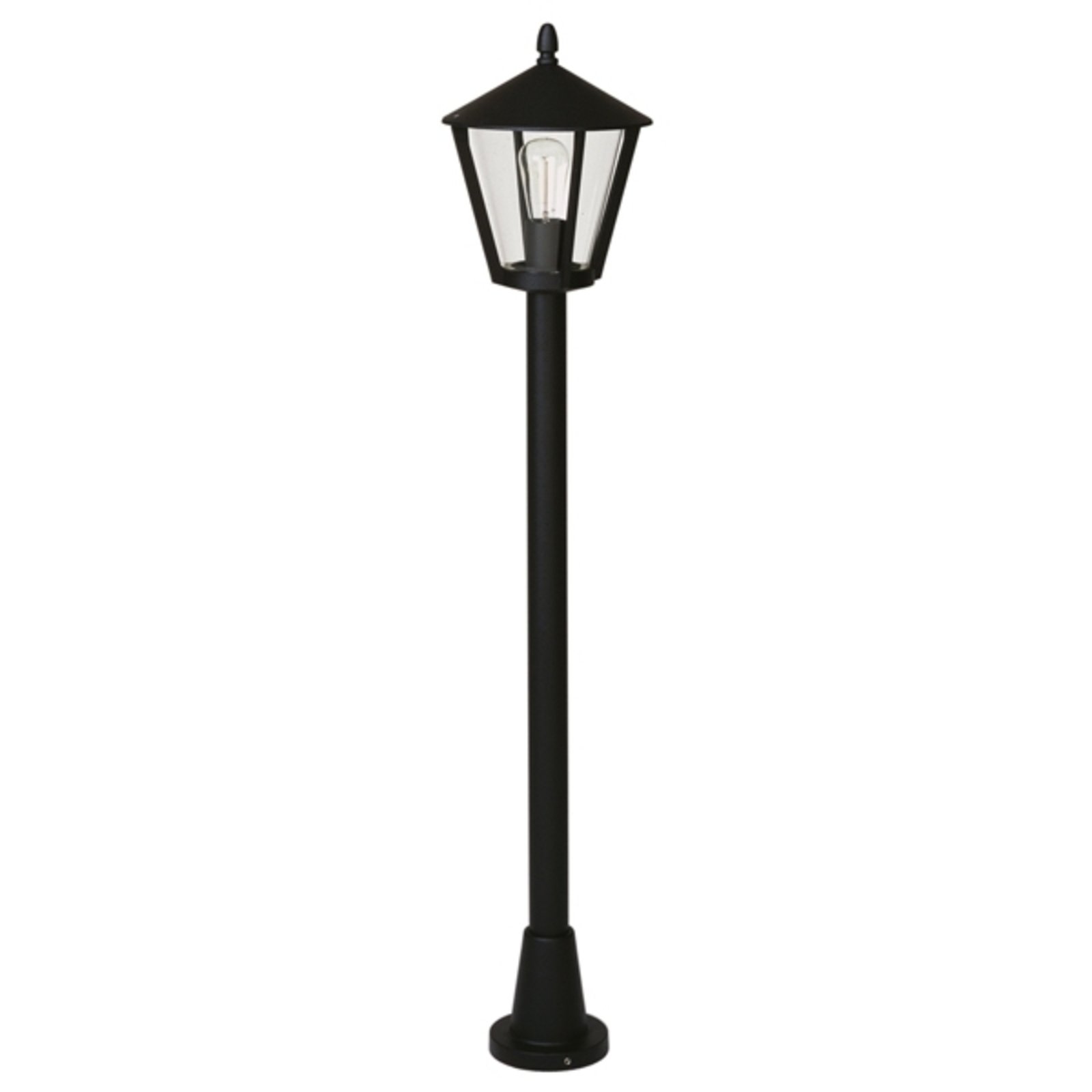
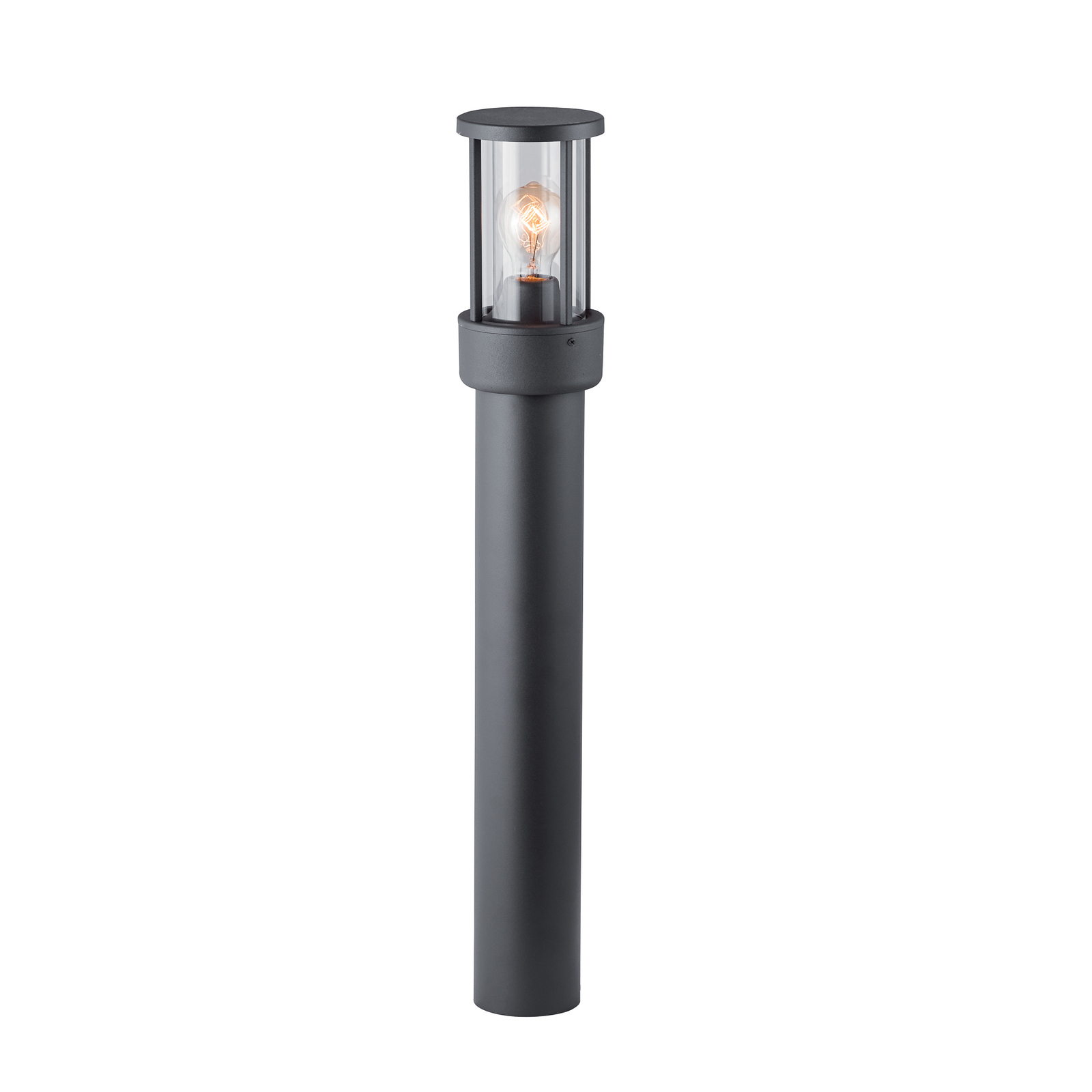
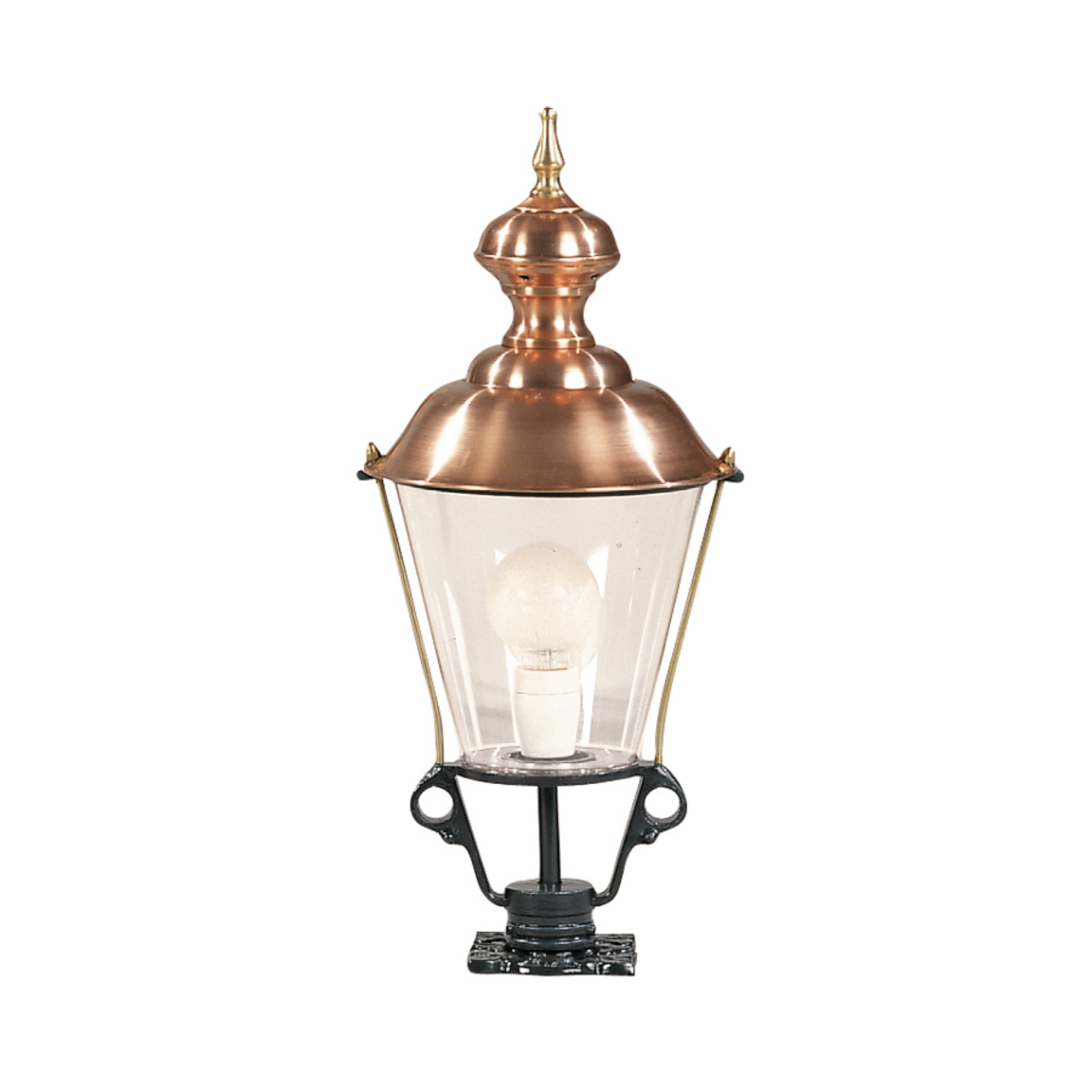
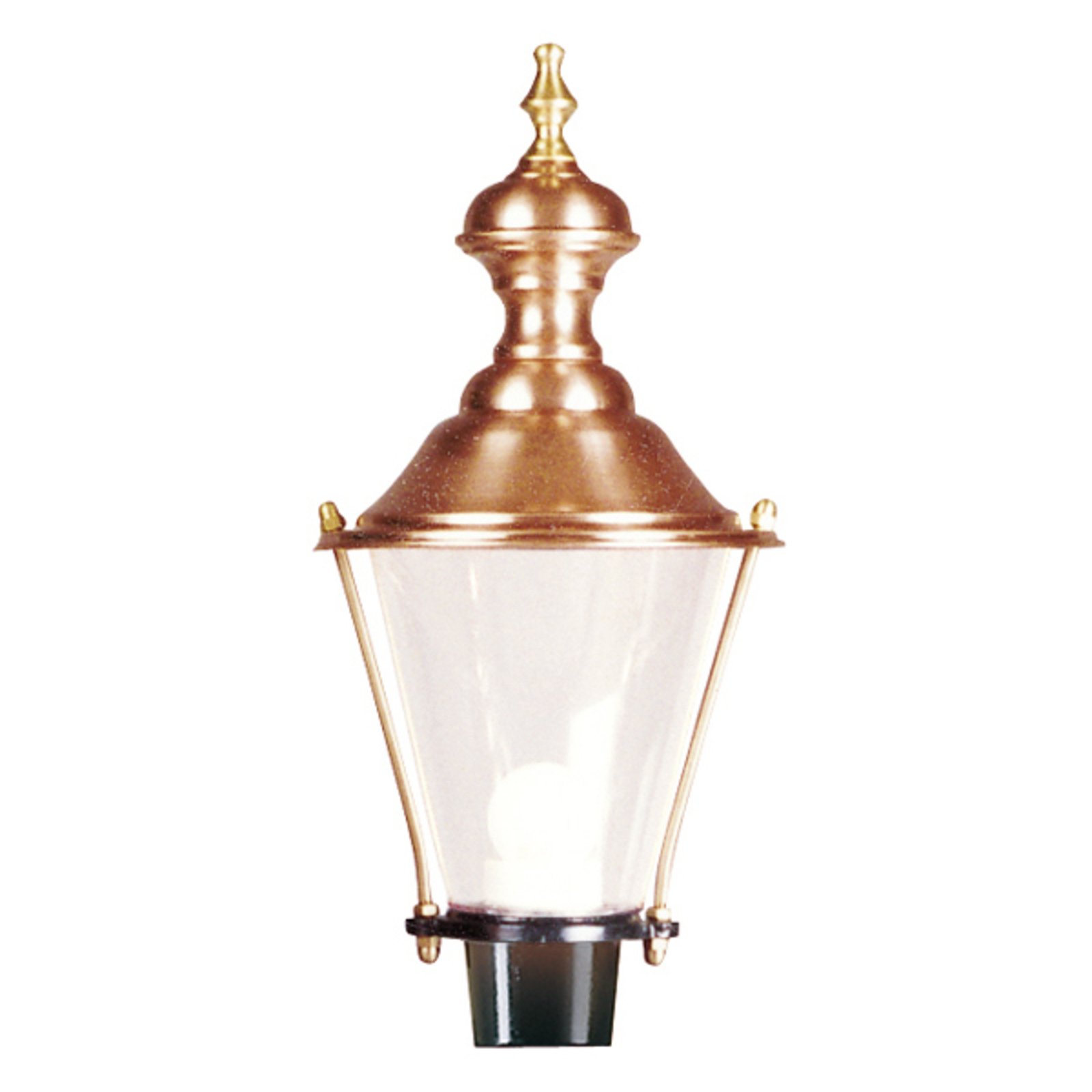
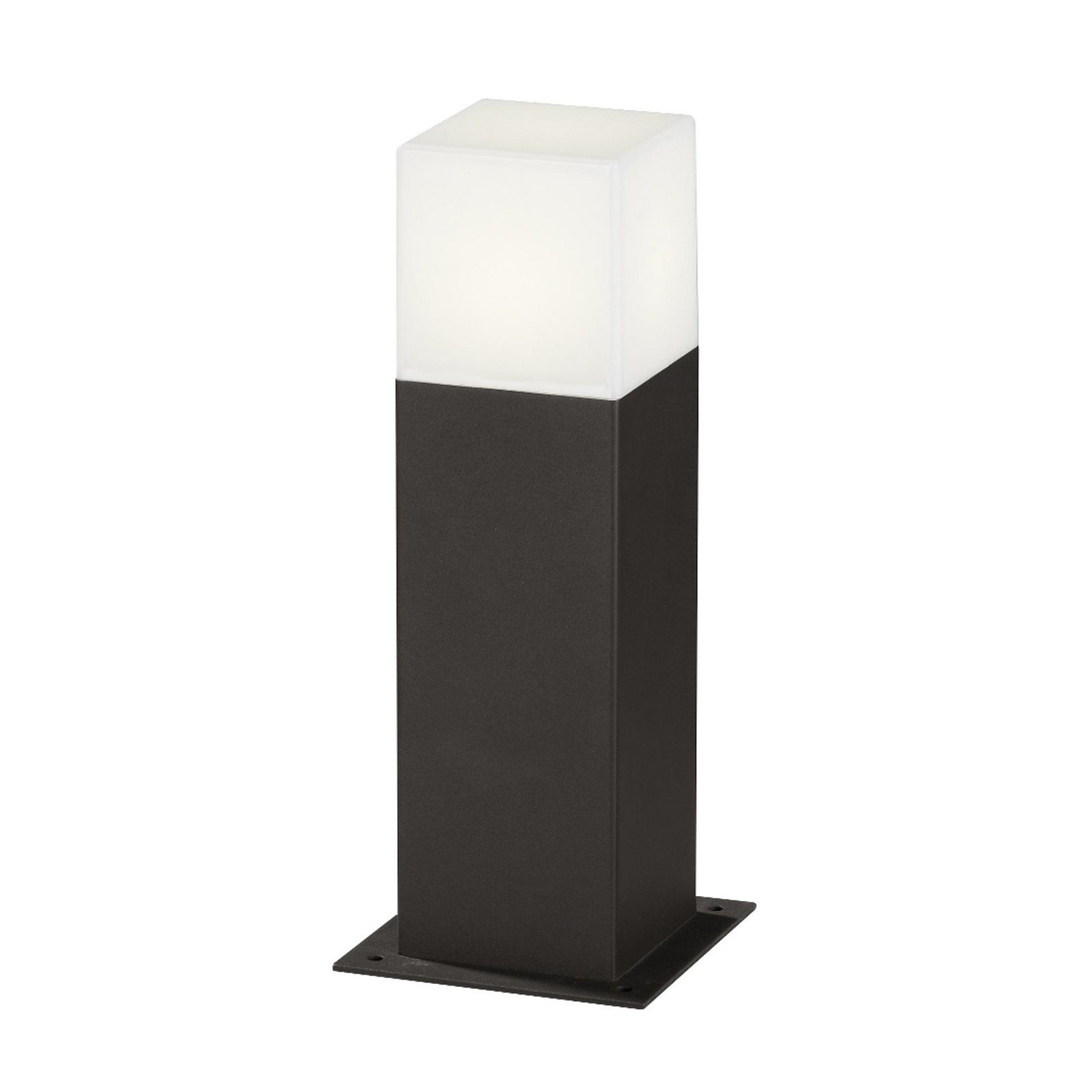
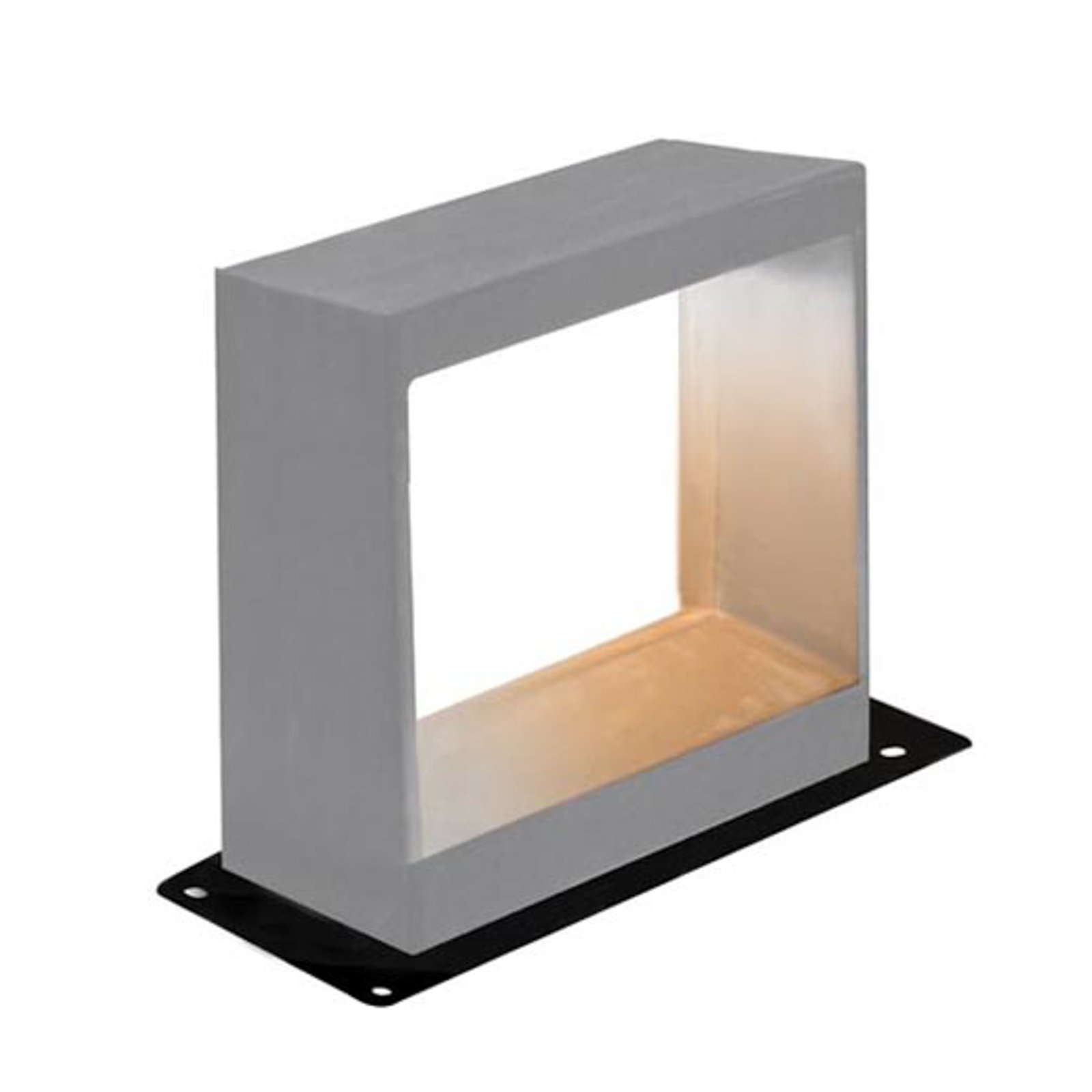
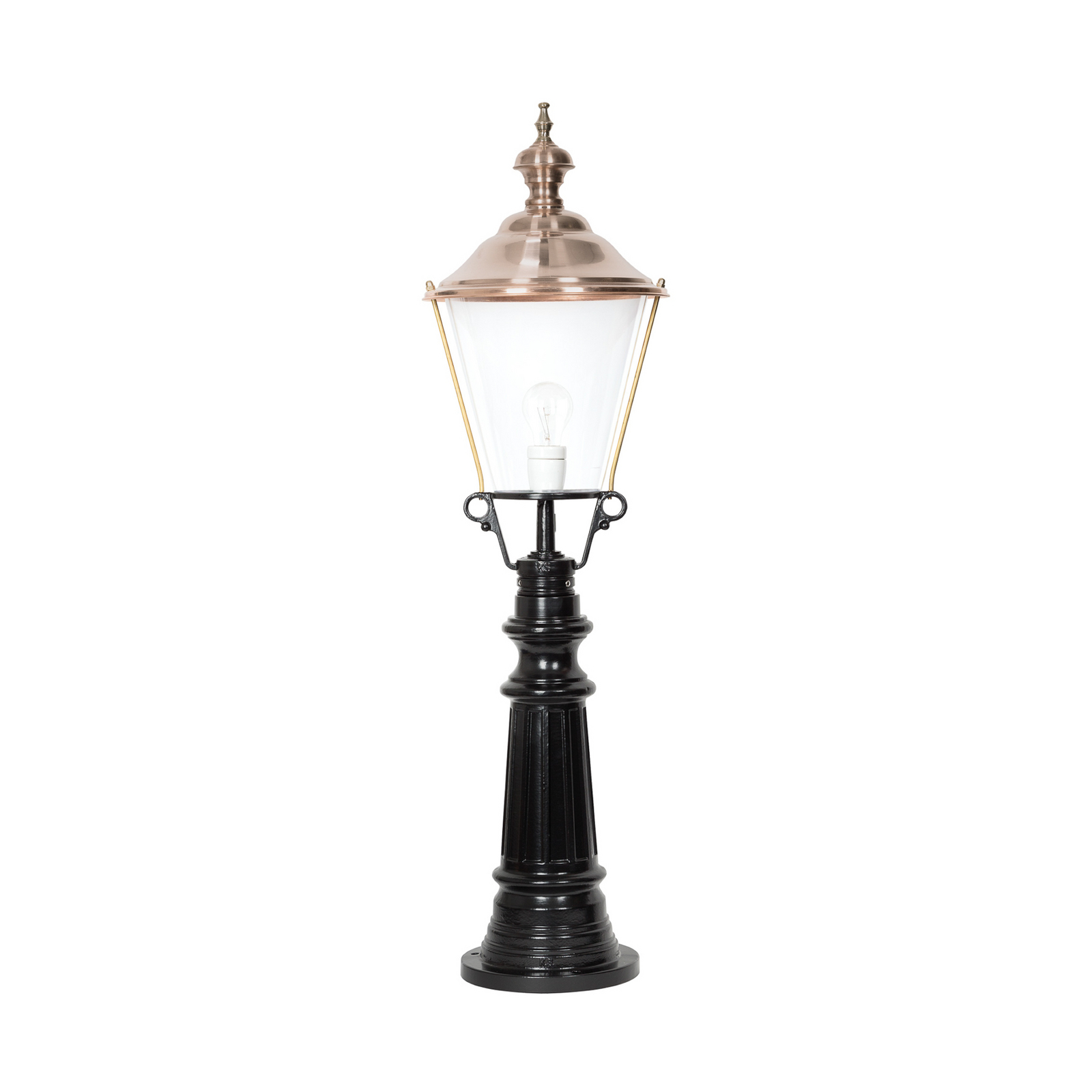
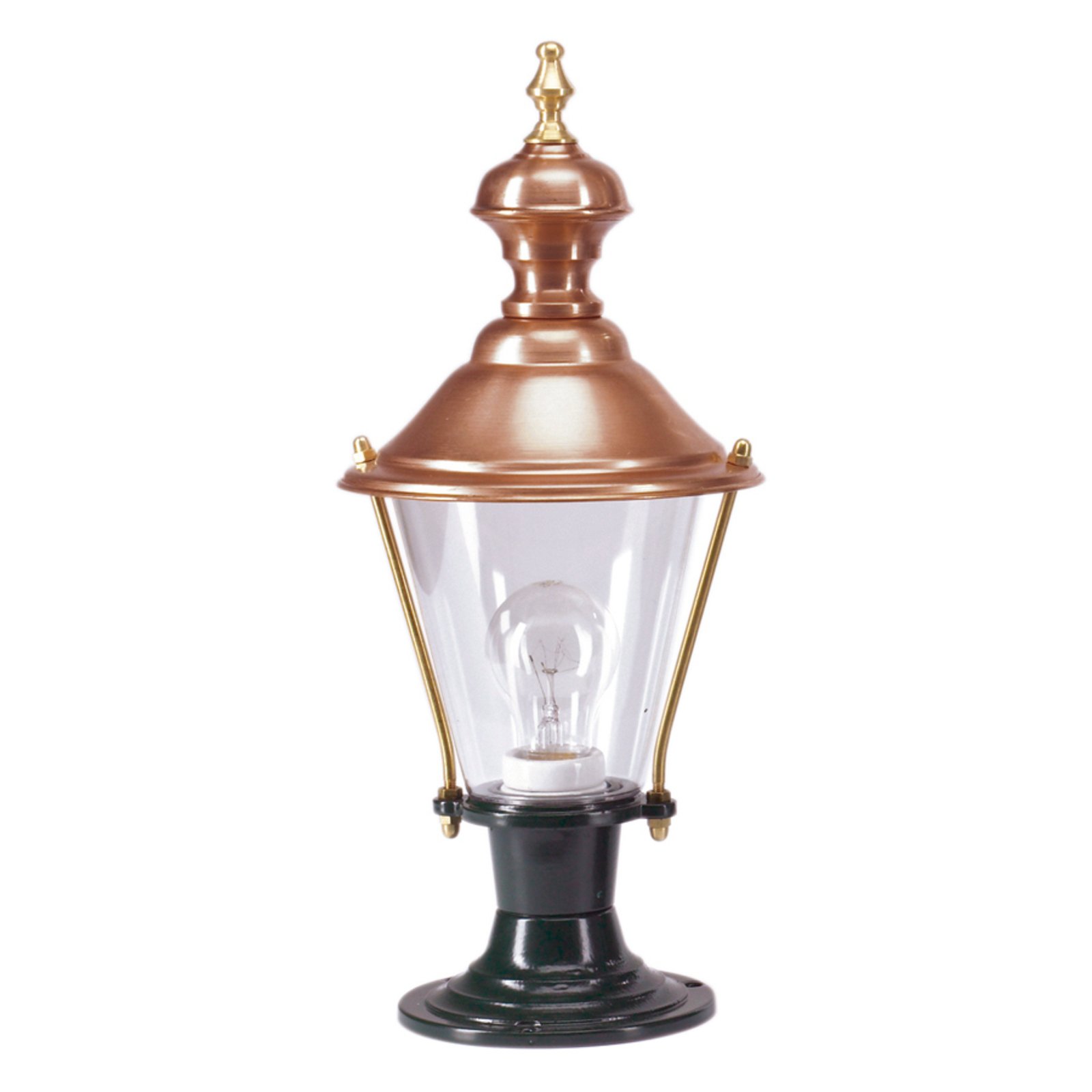
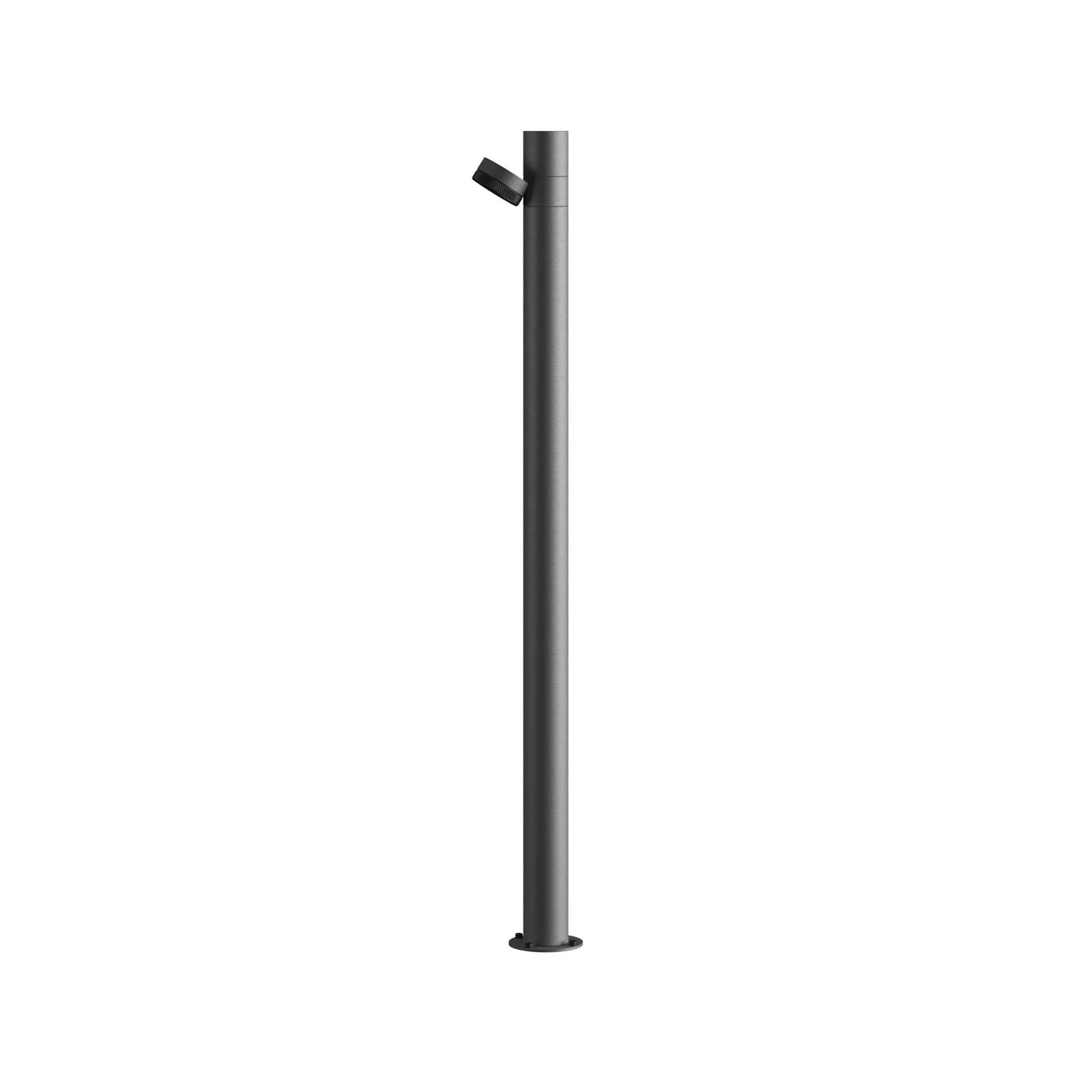
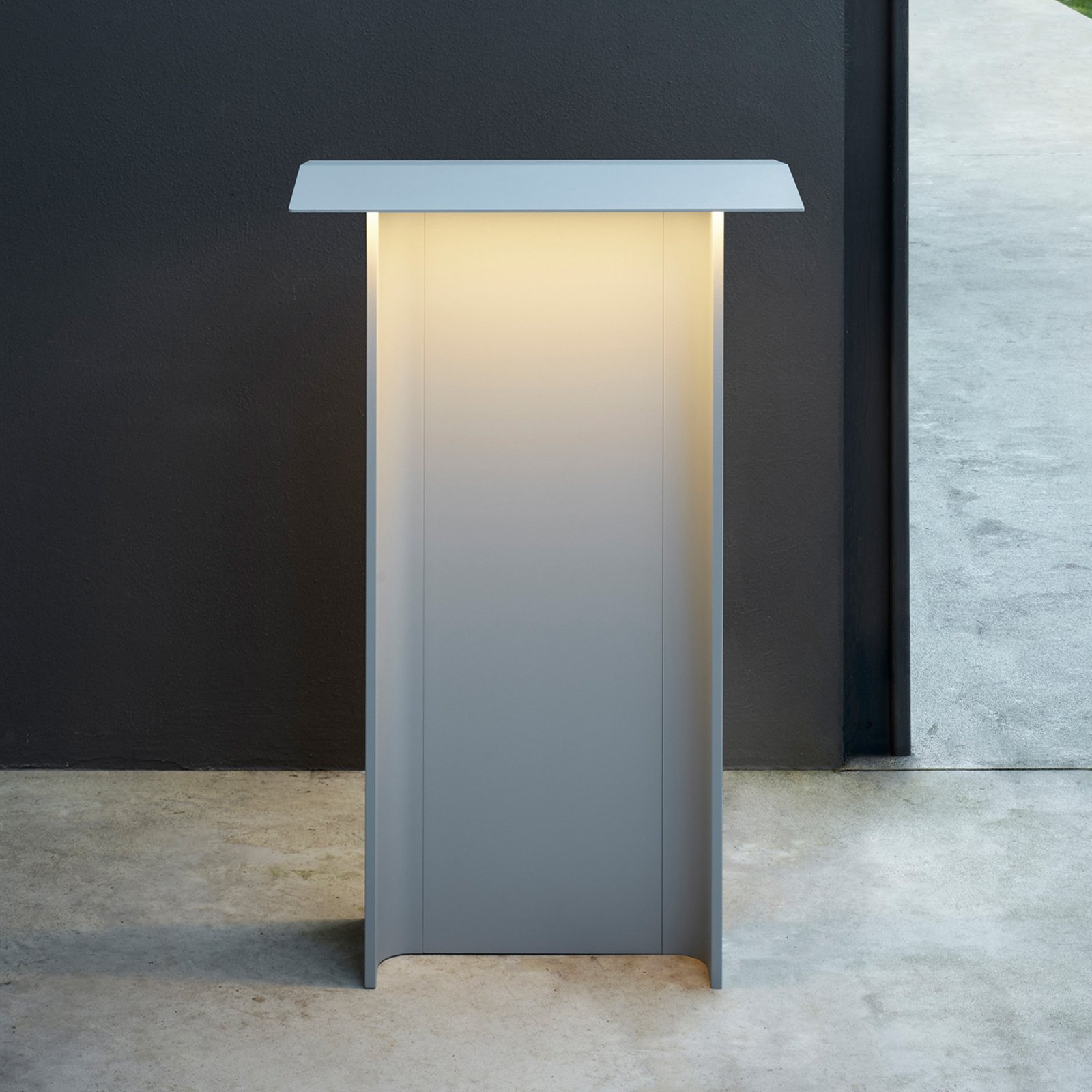
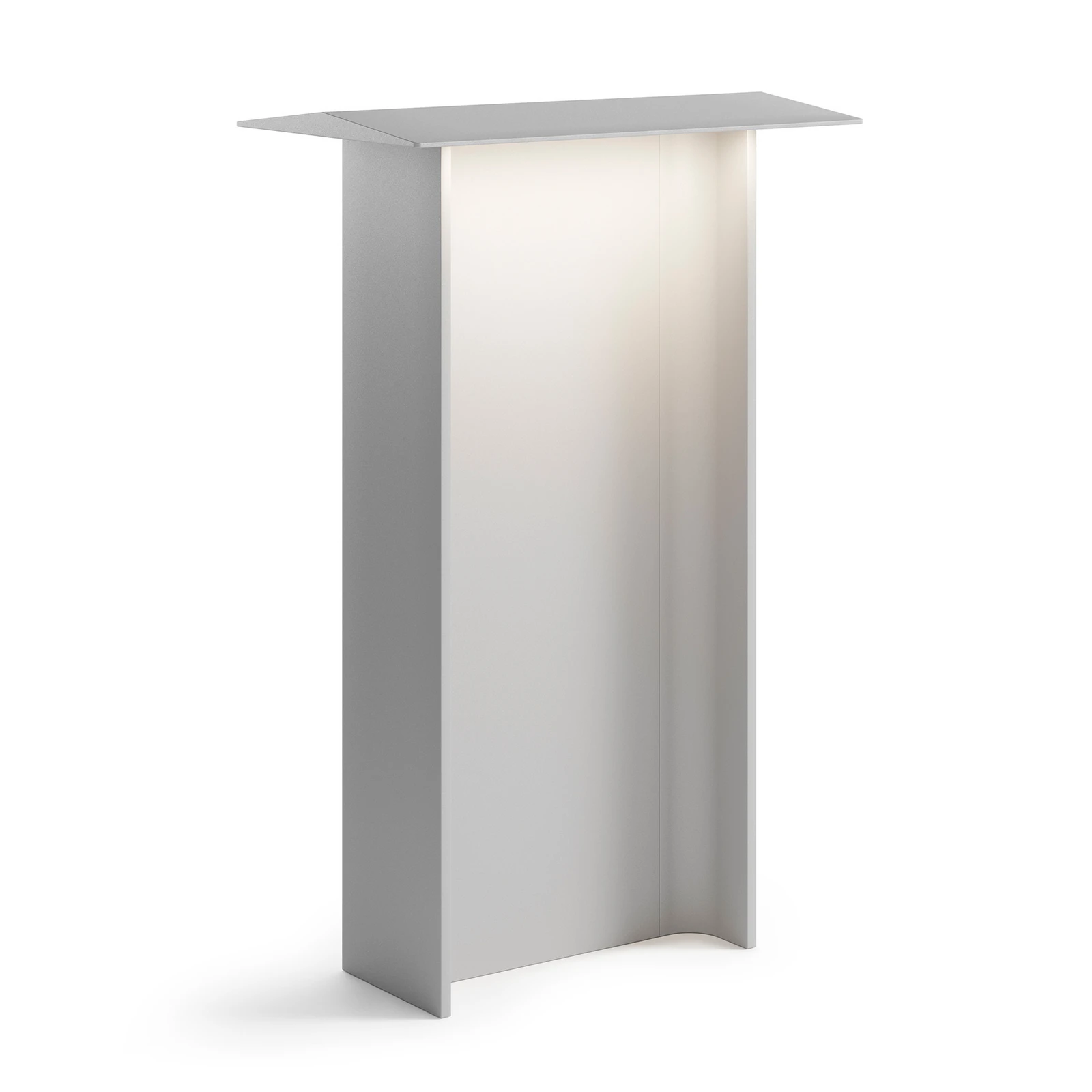
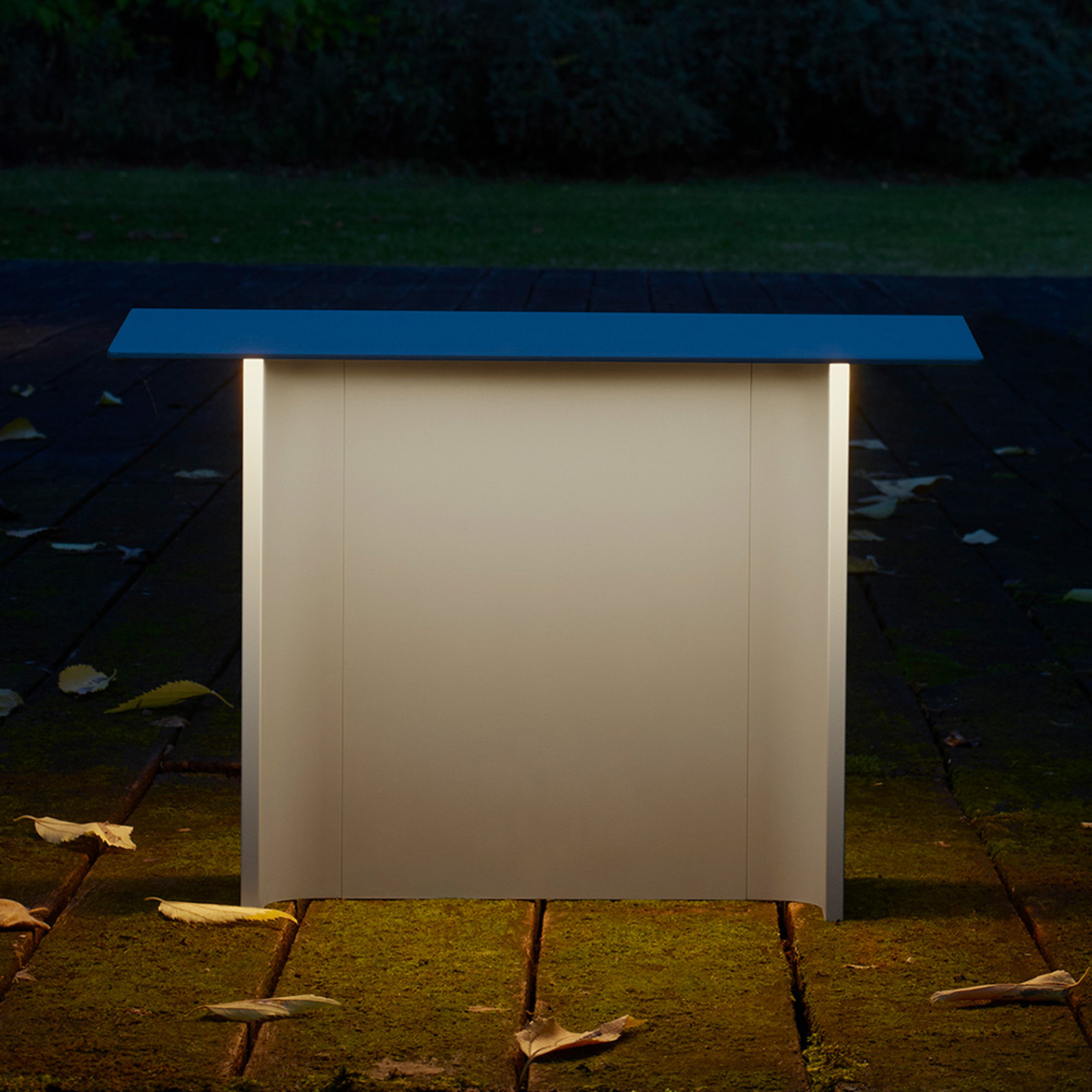
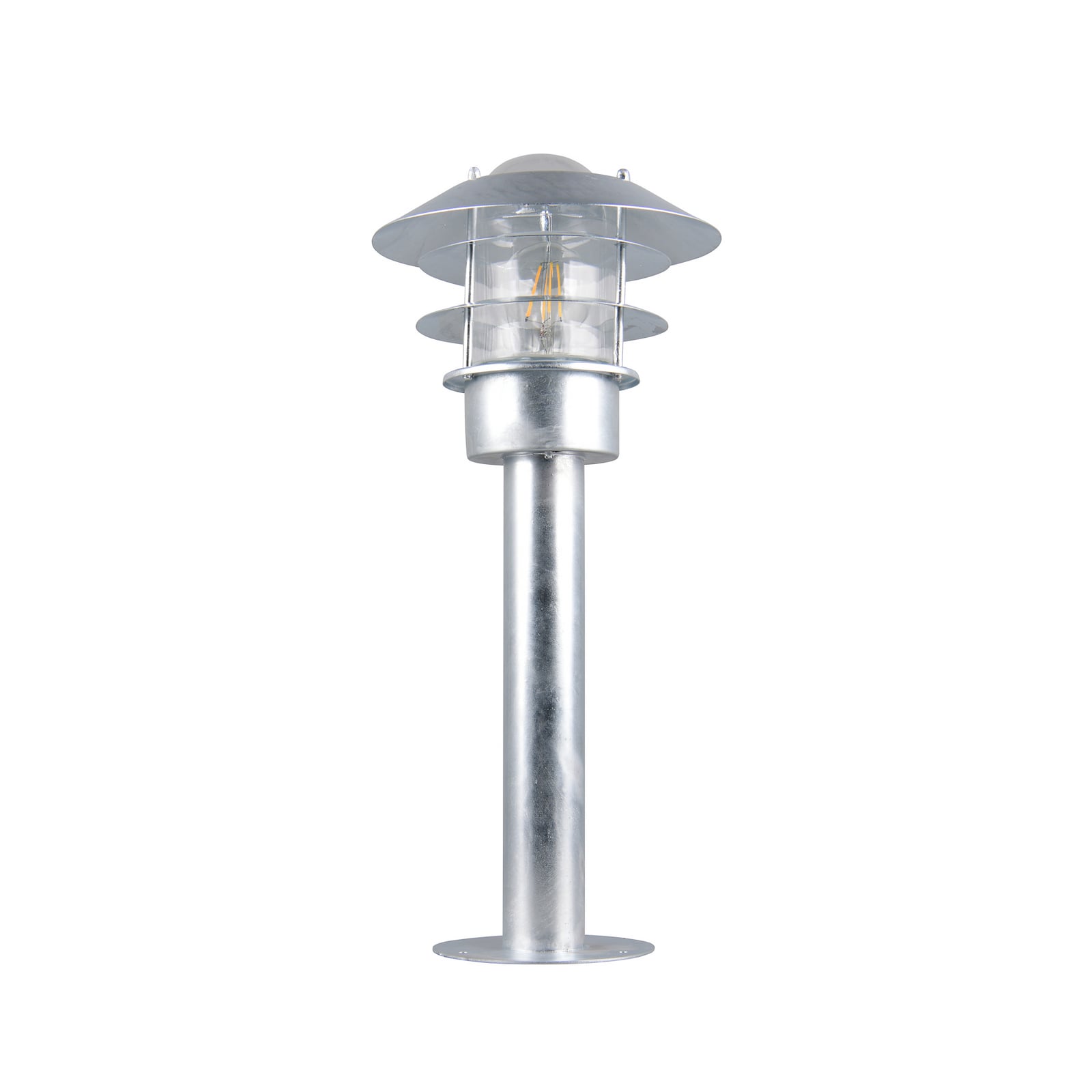
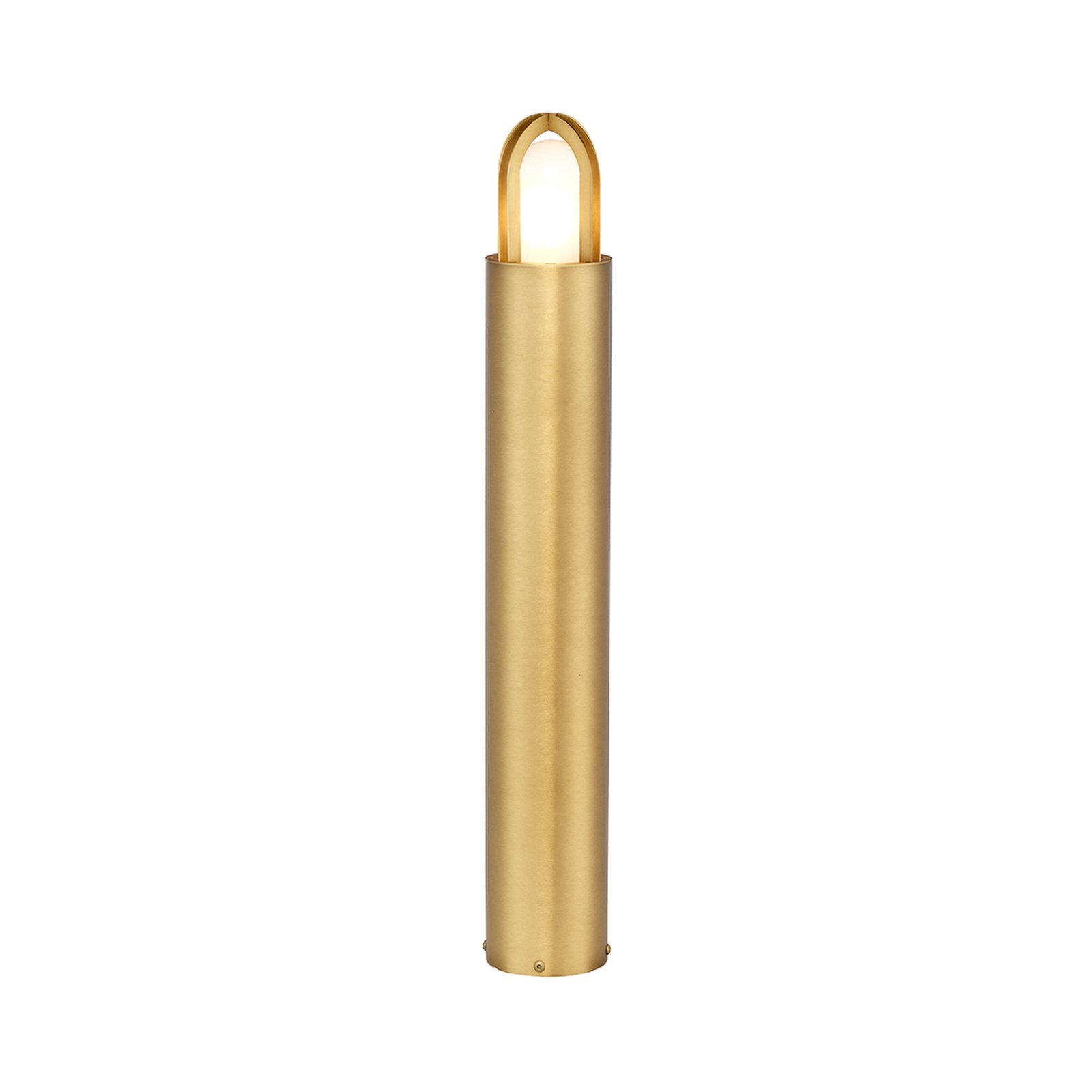
Height, distance and mounting method are the most important factors in the selection process. Lower luminaires are usually suitable where paths are to be bordered or flowerbeds enclosed. Higher models cover larger areas and are often better suited to wider access paths or open terraces. If a luminaire appears too small in relation to its surface area, it quickly loses its orientation function in the garden. If it is chosen too high, however, it can appear dominant and visually overshadow the surface.
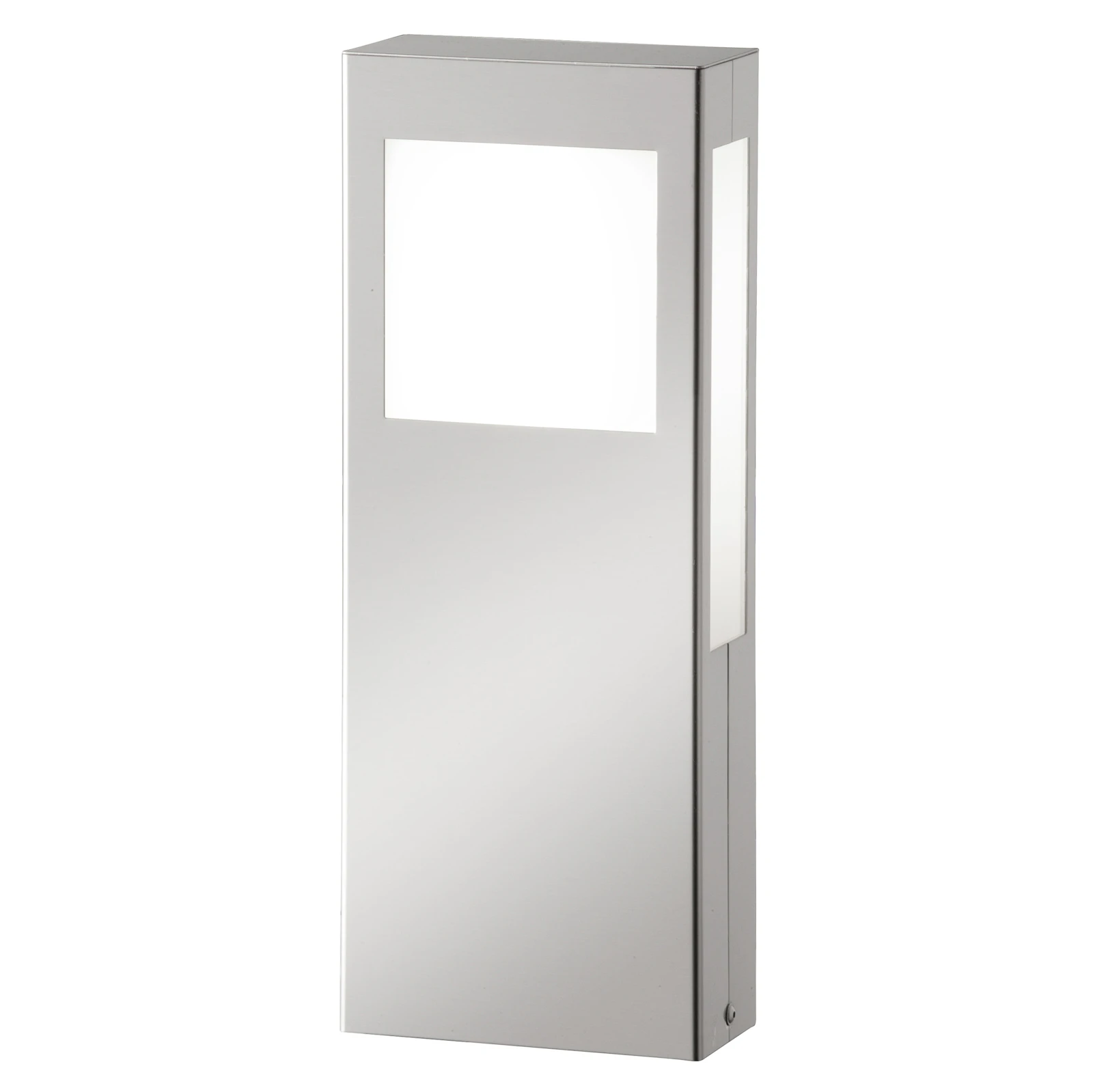
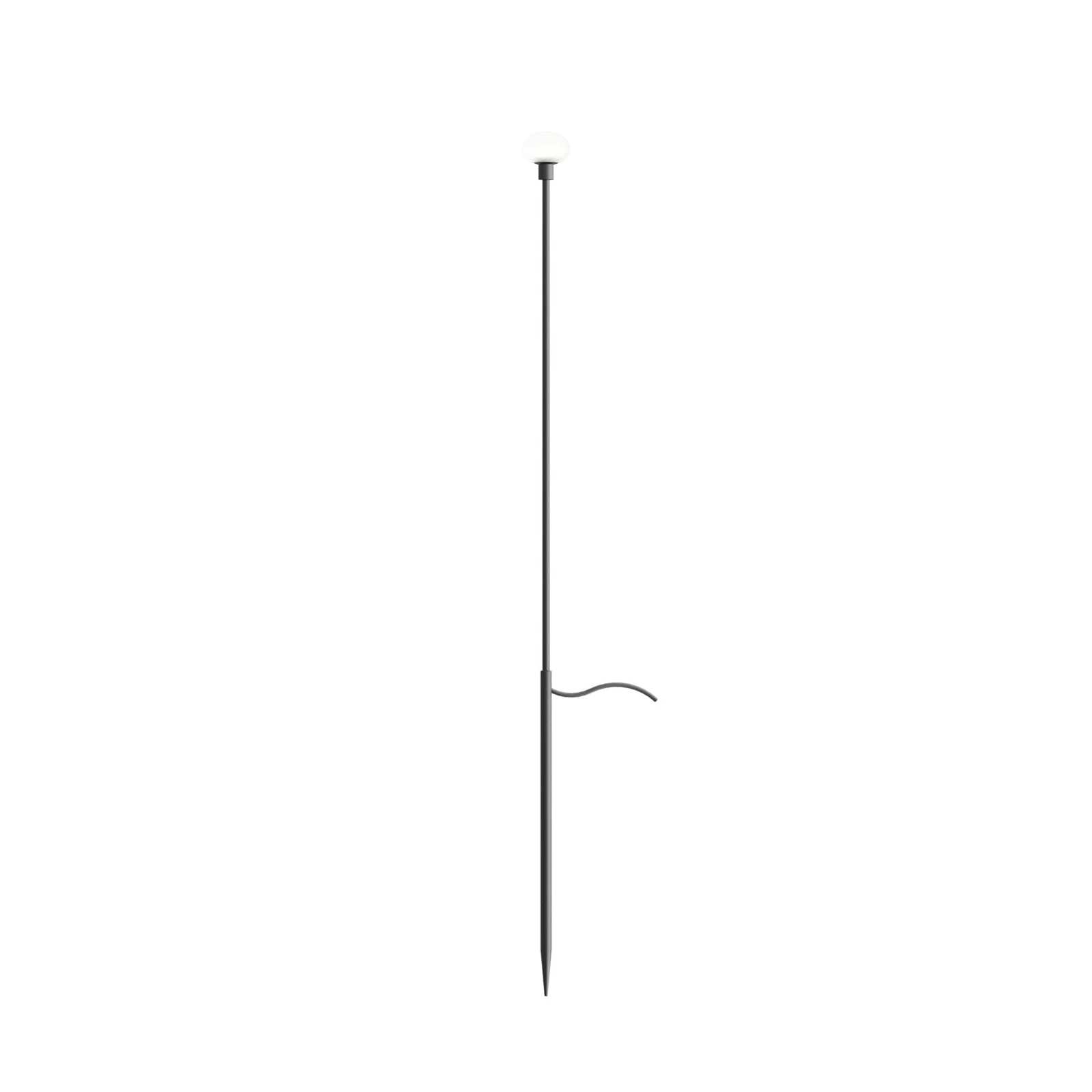
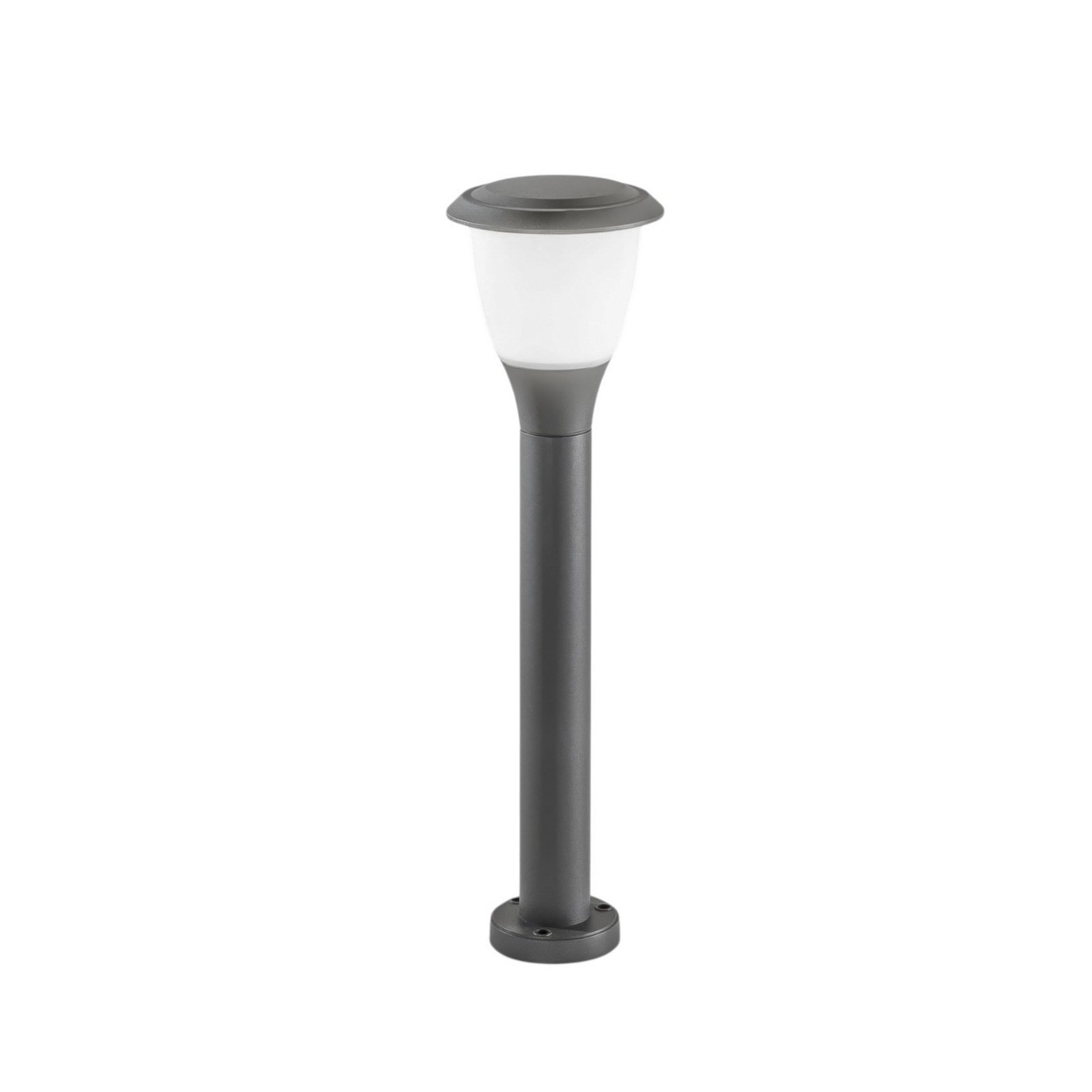
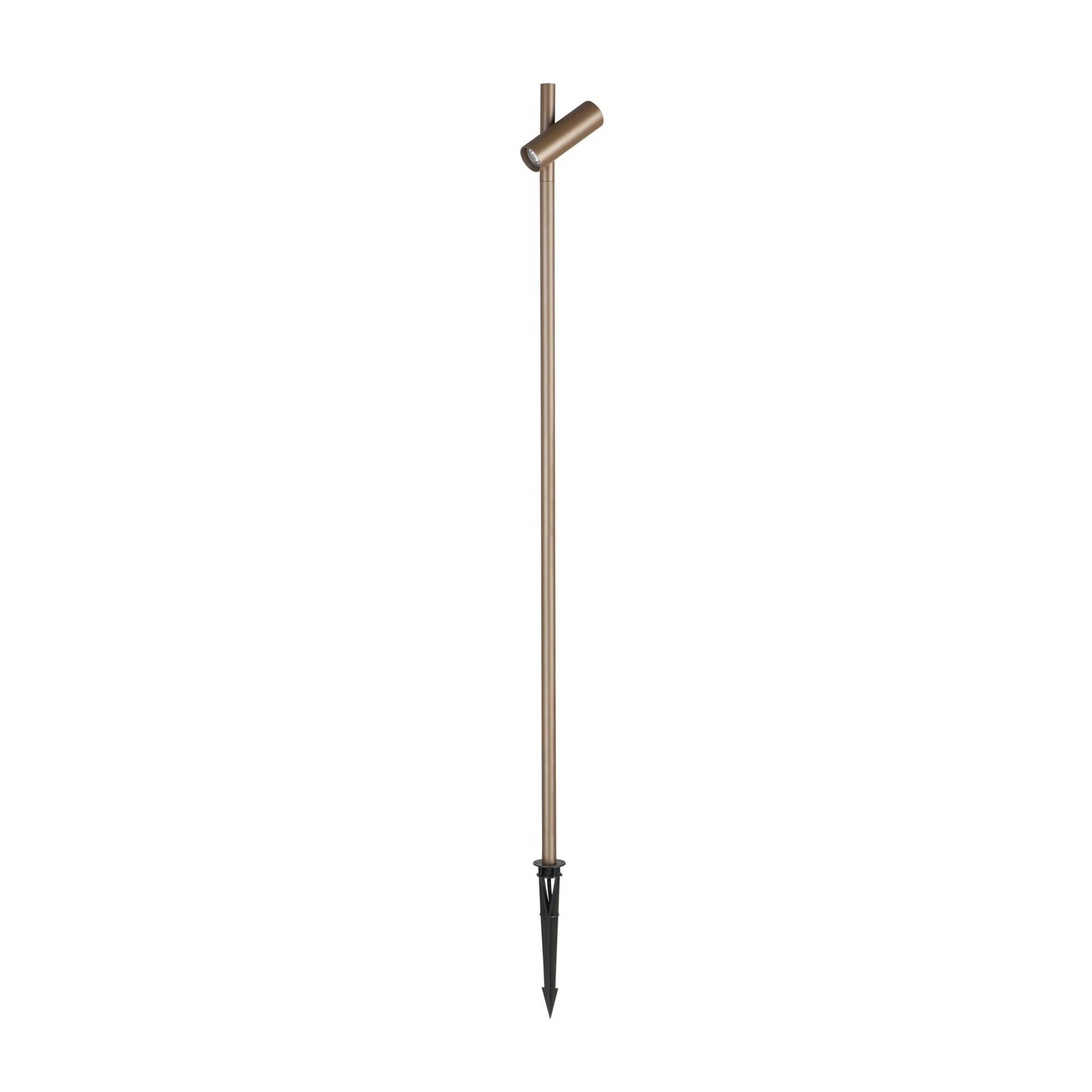
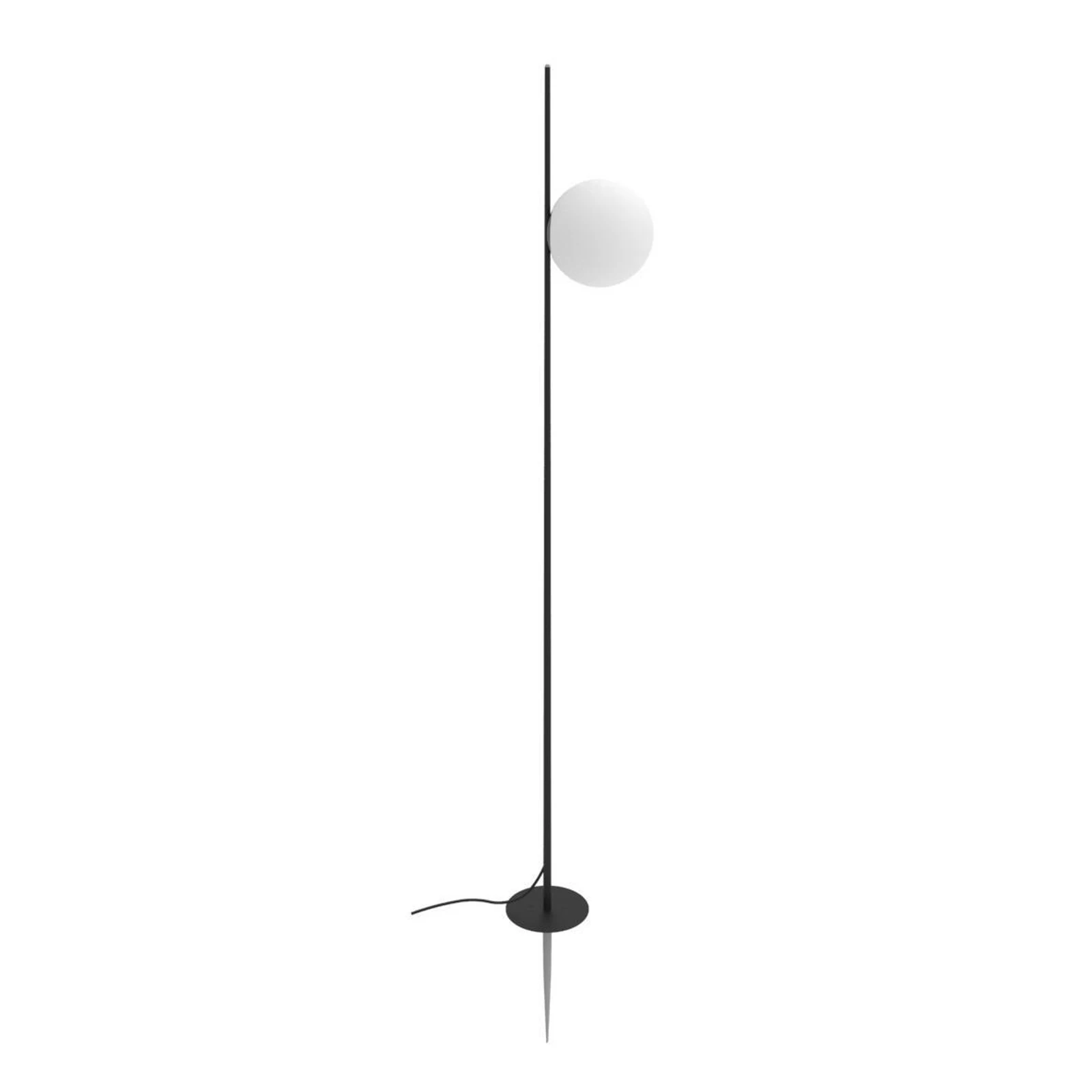
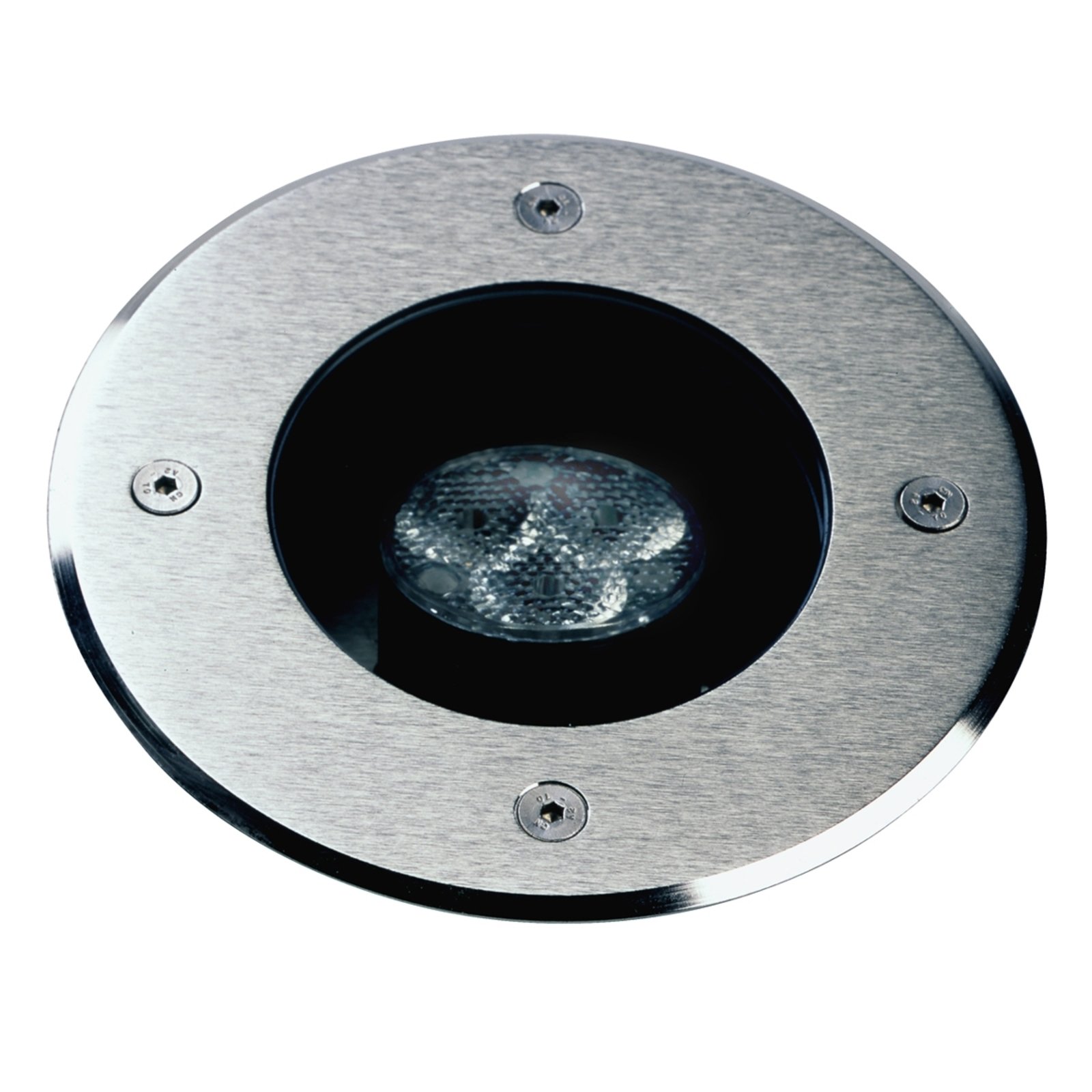
The appropriate distance depends on luminaire height, light distribution and luminous flux. As a practical starting value, path lights or bollard lights with a height of around 50 to 90 cm can usually be used on narrower garden paths. For private paths, a distance of around 3 to 4.5 metres is often advisable for such luminaires so that the path remains calm and there are no excessive changes between light and dark. Larger distances can work on more open paths or wider areas. Depending on the light distribution, examples from the manufacturer range up to around 5.5 m for bollard luminaires from 800 mm in height, up to 8 m for certain 180° light distributions and up to 10 m for 360° light distributions. Gaps that are too large create dark zones, and gaps that are too close together quickly make the course uneven. An outdoor wall light can make more sense on the house than a free-standing garden light if the area is directly on the façade and no additional light is to be placed in the ground. Recessed floor luminaires are more suitable where paths are to remain clear and a visible luminaire shape would be disruptive. Plug-in or ground spike solutions are practical when areas in the garden are changed seasonally and the light needs to move flexibly. The specific values remain guidelines and should always be compared with the beam angle and manufacturer's data for the selected luminaire.
Plan outdoor garden lighting with electricity correctly
For garden lighting with electricity, the installation situation should be considered from the outset. A permanently planned power supply makes sense if paths, terraces or entrance areas are to be permanently illuminated. This also applies if switches, motion detectors or a later lighting control system are planned. It is not only the position of the luminaire that counts, but also how much it is exposed to rain, wind and splash water. The appropriate IP protection class always depends on the specific place of use. Different requirements therefore apply for a luminaire on an uncovered garden path than for a luminaire directly next to a sheltered patio door. At least IP44 is often used in protected outdoor areas around the house. If a luminaire is exposed to the weather or on the weather side, IP65 is often more appropriate. IP67 is usually a suitable standard for in-ground lights in the garden. According to IEC 60529, the second code number means 4 protection against splash water, 5 protection against water jets and 7 protection against temporary immersion. Nevertheless, the manufacturer's specifications and the specific installation location remain decisive.