



























:format(jpeg) "Replacing halogen with LED")
Replacing halogen with LED
What matters when switchingSwitching from halogen to LED is usually a quick job: remove the old bulb, note the base (this could be, for example, GU10, G9, E27 or E14) and choose an LED with a comparable brightness in lumens and the desired light colour in Kelvin. You should also check whether the bulb needs to be dimmable and, in the case of 12V lights, whether the existing transformer is suitable for LED bulbs.
Note on IP protection for the carport: As carports are open on at least one side, they are considered part of the outdoor area – this means a correspondingly high IP protection rating of at least IP44 or even higher is required – please check with your electrician if you are unsure about the protection rating.
Converting from halogen to LED
The main benefits✓ Save money thanks to greater energy efficiency whilst maintaining the same level of brightness
✓ Longer lifespan than other bulbs on the market
✓ More choice when it comes to light colour, brightness and smart control
The ideal LED replacement for halogen
starts at the plinthSwitching from halogen to LED is very simple. There are suitable LED alternatives for every type of halogen bulb, from G9 pin-base bulbs to classic E27 screw-base bulbs.
Important: In most cases, halogen bulbs can simply be replaced with LEDs, provided that the base, voltage and, where applicable, compatibility with dimmers or transformers are the same. However, the base must always be the same for both LED and halogen bulbs, so that the LED bulb fits into the existing socket.
)
Switching from E27 halogen to E27 LED is usually very straightforward. It is important to consider lumens, Kelvin and the design, as well as dimmability where applicable.
)
Switching from E14 halogen to E14 LED is usually very straightforward. It is important to consider lumens, Kelvin and the design, as well as dimmability where applicable.
)
Switching from GU10 halogen to GU10 LED is usually straightforward. Key factors include a comparable beam angle, the correct installation depth and, in some cases, dimmability.
)
It is usually possible to switch from G9 halogen to G9 LED. As well as the right brightness and light colour, the design is particularly important: the design of the LED may differ from that of the old halogen bulbs.
)
It is possible to switch from G4 halogen to G4 LED, although the operating voltage is often 12V. It is important to ensure the correct operating voltage and size, as well as the compatibility of the transformer, where applicable.
)
It is possible to switch from GU5.3/MR16 halogen to GU5.3/MR16 LED, but the operating voltage is often 12V. The correct beam angle is just as important as the transformer’s compatibility, where applicable.
)
It is generally possible to switch from R7s halogen to R7s LED. When using R7s halogen tubes, you should ensure they are the correct length, that there is sufficient space in the luminaire housing, and that the luminous flux and light colour are suitable.
From watts to lumens
Finding the right brightnessWhen replacing halogen bulbs with LEDs, lumens indicate the actual brightness and are more important than the wattage. Even when we switched from incandescent bulbs to halogen bulbs, the wattage was no longer a reliable indicator of brightness. Nowadays, people compare the lumen rating – the lamp’s luminous flux. The power consumption in watts varies significantly depending on the quality of the LED bulb, which is why the wattage no longer provides any indication of brightness.
If the old bulb only specifies the wattage, a watt-to-lumen conversion or a comparison table will help you find the right LED brightness. An example: A 30-watt halogen bulb produced approx. 470 lumens. When switching to LEDs, you simply need to check the relevant lumen rating in the product details or on the LED bulb’s packaging. Important: All figures are for guidance only, as the beam angle, light colour and quality of the light source can affect the outcome.
| Old halogen bulb | Brightness in lumens | Rough LED replacement | Typical application |
|---|---|---|---|
| 20 W halogen | 249 lm | approx. 2 W LED | Accent lighting in living spaces |
| 30 W halogen | 470 lm | approx. 4 W LED | Multi-bulb spotlights in living and working spaces |
| 45 W halogen | 806 lm | approx. 8.5 W LED | Bright recessed spotlights for the kitchen or hallway |
| 60 W halogen | 1,055 lm | approx. 11 W LED | Bright recessed spotlights for large rooms, hallways and commercial projects |
| 75 W halogen | 1,521 lm | approx. 15 W LED | Bright general lighting or commercial use |
Halogen-like light
with the right light colourAnyone who has had a good experience with halogen lighting in the living room will also be delighted with LED. When buying an LED bulb, it is important to check the colour temperature (in Kelvin). The warm white light colour, with a temperature of around 2,700 to 3,000 Kelvin, is the closest to halogen light.
Please note: Unlike conventional light bulbs, LED bulbs are available in a full range of light colours, from warm white (<3,300 K) through neutral white (3,300–5,300 K) to daylight white (>5,300 K). This means that you can choose a different light colour depending on where it is used.
Dimmable halogen bulbs
replace with an LEDWithout exception, halogen bulbs were dimmable. With LED bulbs, on the other hand, you need to make sure you use special dimmable LED bulbs. Dimmable LED bulbs, on the other hand, are not always compatible with old halogen dimmers, which is why you should check the manufacturer’s specifications.
)
If an external dimmer has been installed in the room, when switching to LED lighting, you must not only ensure that the light source is dimmable, but also, where necessary, replace the existing transformer with a suitable LED transformer.
)
Many light fittings with a socket also have a built-in dimmer switch, for example on the cable or directly on the light fitting itself. Please ensure you use a dimmable G9 LED bulb in order to use the built-in dimmer.
)
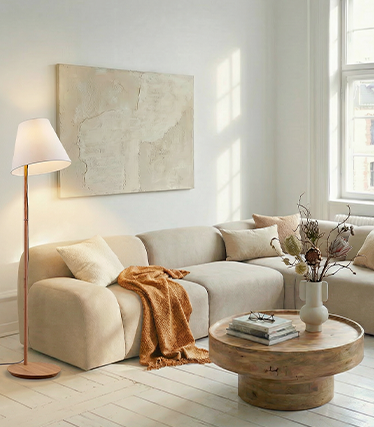
If you’re already looking for a new light fitting – such as a floor lamp – choose an LED light with built-in lighting and dimming technology. This means that external dimmers are not required. Information about the features can be found in the product details.
Replacing a 12V halogen bulb with an LED
Check the transformerA 12V LED with a suitable base and a comparable lumen output is often a reliable and energy-efficient replacement for a 12V halogen bulb. However, when converting from 12V halogen to LED, you will need a new LED transformer if the old halogen transformer had a minimum load that is not compatible with the low power consumption of LEDs.
An LED often flickers after a halogen bulb has been replaced, usually due to an unsuitable transformer, an incompatible dimmer or an insufficient minimum load.
Halogen recessed spotlights
convert to LEDReplacing halogen recessed spotlights with LEDs is a simple way to save electricity, significantly extend the lifespan of your lighting and reduce maintenance costs. However, before you choose a suitable LED bulb, you should check a few technical specifications of your existing light fitting.
Old halogen bulbs can be disposed of with household waste in the same way as incandescent bulbs, but they do not belong in the glass recycling bin – find out more about disposing of conventional and modern light bulbs.
Saving energy with LEDs
instead of halogenThe LED bulb has a higher luminous efficacy, i.e. a better ratio of watts to lumens. This makes LEDs more energy-efficient and cheaper to run. Roughly 90 per cent of energy is saved, depending on the quality of the light source. Thanks to their lower power consumption, as well as their switching reliability and durability, LEDs are also the most environmentally friendly light source on the market. As LEDs have become more widespread, the price of these modern light bulbs has also fallen, meaning you start saving money right from the very first minute.
Conclusion
Switching from halogen to LED is worth itSwitching from halogen to LED is really easy. Switching from halogen to LED is well worth it, thanks to the significantly lower electricity consumption, longer service life and lower running costs. Here are the key features:
- Compatibility: LED bulbs are available for all standard sockets
- Light colour: A cosy, halogen-like light is achieved at <3,300 K
- Brightness: Compare the lumen rating to ensure the same brightness after replacement
- Power consumption: LEDs use up to 90 per cent less energy whilst providing the same quality of light
- Dimmability: Look for LED bulbs labelled ‘dimmable’
 "What is Lumen")
 "An alternative to the incandescent bulb")
 "Lamp holder and base")
 "Light colour explained simply")
 "Guide to Ceiling Lights")
 "Dimming made easy")